Japan is a country where ancient traditions blend seamlessly with cutting-edge modernity, creating a travel experience unlike anywhere else in the world. From serene temples nestled in misty mountains to neon-lit streets buzzing with electric energy, the top 10 places to visit in Japan offer something for every type of traveler. Whether you’re a history enthusiast, a nature lover, a culinary adventurer, or someone seeking hidden gems in Japan, this diverse nation delivers unforgettable memories at every turn.
In this guide, we’ll explore the top 10 places to go in Japan, covering everything you need to know about what to do in Japan, where to stay, and insider travel tips to make your Japanese adventure truly remarkable. Japan attracts over 3 million international visitors annually, and with good reason; this island nation packs extraordinary diversity into a relatively compact geography. Whether you’re planning your first trip or returning for another adventure, understanding the top 10 places in Japan will help you craft an itinerary that resonates with your personal travel style.
TL;DR – Quick Links to the Top 10 Places to Visit in Japan:
- Tokyo (Google Maps)
- Kyoto (Google Maps)
- Mount Fuji & Hakone (Google Maps)
- Osaka (Google Maps)
- Hiroshima (Google Maps)
- Nara (Google Maps)
- Takayama (Google Maps)
- Arashiyama & Sagano (Google Maps)
- Kobe (Google Maps)
- Kanazawa (Google Maps)
1. Tokyo: The Vibrant Capital
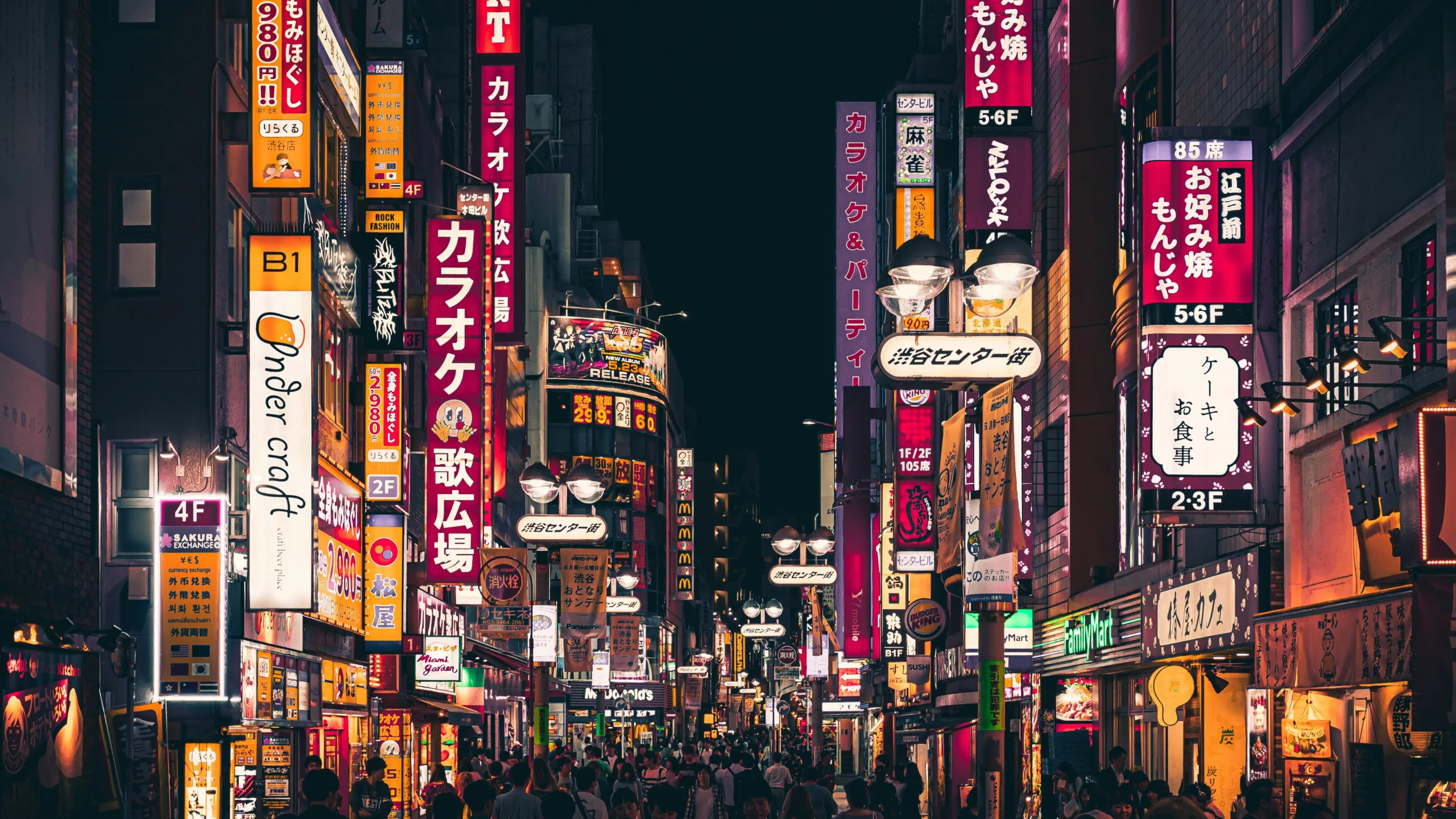
Tokyo stands as Japan’s pulsing heart, a megacity where tradition and ultra-modernity coexist in fascinating harmony. As the nation’s capital and largest metropolitan area, Tokyo is an essential stop on any itinerary of the top 10 places to visit in Japan. With a population of nearly 14 million people within the metropolitan area, Tokyo never sleeps, offering endless opportunities for exploration and discovery.
The city’s sheer scale and energy can feel overwhelming at first, but this energy also embodies the Japanese spirit of constant improvement and innovation. Tokyo represents the cutting edge of technology, fashion, cuisine, and entertainment, while simultaneously preserving pockets of traditional Japanese culture in temples, gardens, and historic neighborhoods. The contrast between ancient temples squeezed between modern skyscrapers and the devotion to preserving traditions in the midst of technological advancement makes Tokyo a paradoxical and endlessly fascinating destination.
Visitors often find that Tokyo exceeds their expectations, surprising them with unexpected beauty, exceptional customer service, and the genuine friendliness of residents. The city’s cleanliness, efficiency, and organization stand in stark contrast to many other major world cities, creating an environment where visitors feel safe and welcomed.
Exploring Tokyo’s Districts
Tokyo’s beauty lies in its distinct neighborhoods, each with its own personality and charm. Shibuya is famous for the world’s busiest intersection, where thousands of pedestrians cross simultaneously in a mesmerizing dance of organized chaos. The iconic Shibuya Crossing has become a symbol of modern Japan, and experiencing it firsthand is a rite of passage for visitors exploring what to do in Japan.
The crossing is particularly stunning when viewed from the Starbucks overlooking it, providing an elevated perspective of the organized chaos below. The pedestrian crossing occurs multiple times daily, and even from a distance, the rhythm and flow of thousands of people moving in coordinated patterns reflects the Japanese cultural values of order and collective harmony.
Shinjuku, another essential district, offers a dizzying array of neon signs, towering skyscrapers, and countless restaurants and bars. The neon-lit streets of Shinjuku’s entertainment district create an atmosphere that feels pulled straight from a cyberpunk novel. Here you’ll find everything from department stores to intimate izakayas tucked away on narrow side streets. Shinjuku’s west side features futuristic architecture and modern entertainment venues, while the east side maintains a grittier, more nostalgic character with traditional establishments and historical depth.
The district’s Kabukicho area pulses with energy day and night, featuring pachinko parlors, karaoke bars, restaurants, and theaters. Despite its reputation, the area maintains a surprisingly safe atmosphere and offers genuine cultural experiences distinct from typical tourist zones.
Harajuku represents youth culture and fashion, with Takeshita Street serving as the epicenter of quirky shops, trendy boutiques, and colorful cafes. Young people flock here to express themselves through fashion and discover the latest trends. For something more traditional, the peaceful Meiji Shrine sits near Omotesando, offering a tranquil escape from the urban frenzy.
Asakusa takes you back in time with its historic Senso-ji Temple, the oldest temple in Tokyo, surrounded by traditional wooden buildings and souvenir shops. Walking through Asakusa’s streets feels like stepping into old Japan, making it perfect for those seeking cultural immersion alongside modern Tokyo experiences.
The Ginza district represents refined luxury, home to upscale shops, fine dining restaurants, and elegant department stores. Ginza embodies sophistication and serves as a shopping paradise for those seeking premium brands and contemporary Japanese design.
Japan Travel Tips for Tokyo
When visiting Tokyo, consider purchasing a Suica or Pasmo card for seamless public transportation access. Tokyo’s train system is incredibly efficient, clean, and you’ll rarely need to use taxis. The JR East Pass is perfect for multiple train journeys.
Spring (March-May) and autumn (September-November) offer the most pleasant weather for exploring Tokyo. Spring brings beautiful cherry blossoms, while autumn features comfortable temperatures and stunning fall foliage. Summer can be hot and humid, though it’s also festival season with numerous matsuri celebrations. Winter is mild but can be rainy, creating atmospheric conditions perfect for temple visits and experiencing traditional Japanese culture.
Stay in neighborhoods that suit your travel style. Budget travelers might prefer Asakusa or Ikebukuro, which offer more affordable accommodations and local character. Mid-range travelers often choose Shinjuku or Shibuya for their central locations and abundance of restaurants. Luxury travelers should explore the high-end hotels in Ginza or near Tokyo Station for refined elegance and impeccable service.
Tokyo’s neighborhoods become increasingly accessible as you spend more time exploring them. Many visitors discover that their favorite areas weren’t famous tourist attractions but rather neighborhood streets where locals conduct their daily lives. Wandering these areas and stumbling upon hidden restaurants, small shops, and quiet parks creates memories far more personal than visiting famous landmarks.
Where to Stay in Tokyo
Tokyo’s accommodation options range from ultra-luxury hotels to budget-friendly capsule hotels and hostels. The Peninsula Tokyo, Mandarin Oriental Tokyo, and Four Seasons Hotel Tokyo offer exceptional luxury experiences with impeccable service. These establishments provide stunning city views and world-class dining.
For mid-range options, business hotels like Hotel Gracery, Hotel Sunroute Plaza Shinjuku, and Mitsui Garden Hotel offer comfortable rooms at reasonable prices. These hotels maintain high standards while remaining accessible to most travelers.
Budget travelers can explore capsule hotels like Nine Hours or Book and Bed Tokyo, which provide unique accommodation experiences at fraction of traditional hotel costs. Hostels like Sakura Hotel and Nui Hostel & Lounge Bar offer social atmospheres perfect for solo travelers and backpackers.
Tokyo’s Culinary Scene
Tokyo’s food culture is exceptional, offering everything from Michelin-starred restaurants to humble street food stalls. Tsukiji Outer Market provides fresh sushi, seafood, and street food experiences that shouldn’t be missed. Ramen is a Tokyo staple, with countless specialized shops dedicated to perfecting this beloved noodle dish.
Department store basements, known as “depachika,” offer an astounding variety of Japanese and international foods, perfect for picking up local snacks or preparing a meal in your accommodation. Convenience stores like 7-Eleven and Lawson offer surprisingly quality food options available 24/7.
2. Kyoto: The Ancient Capital and Traditional Heart
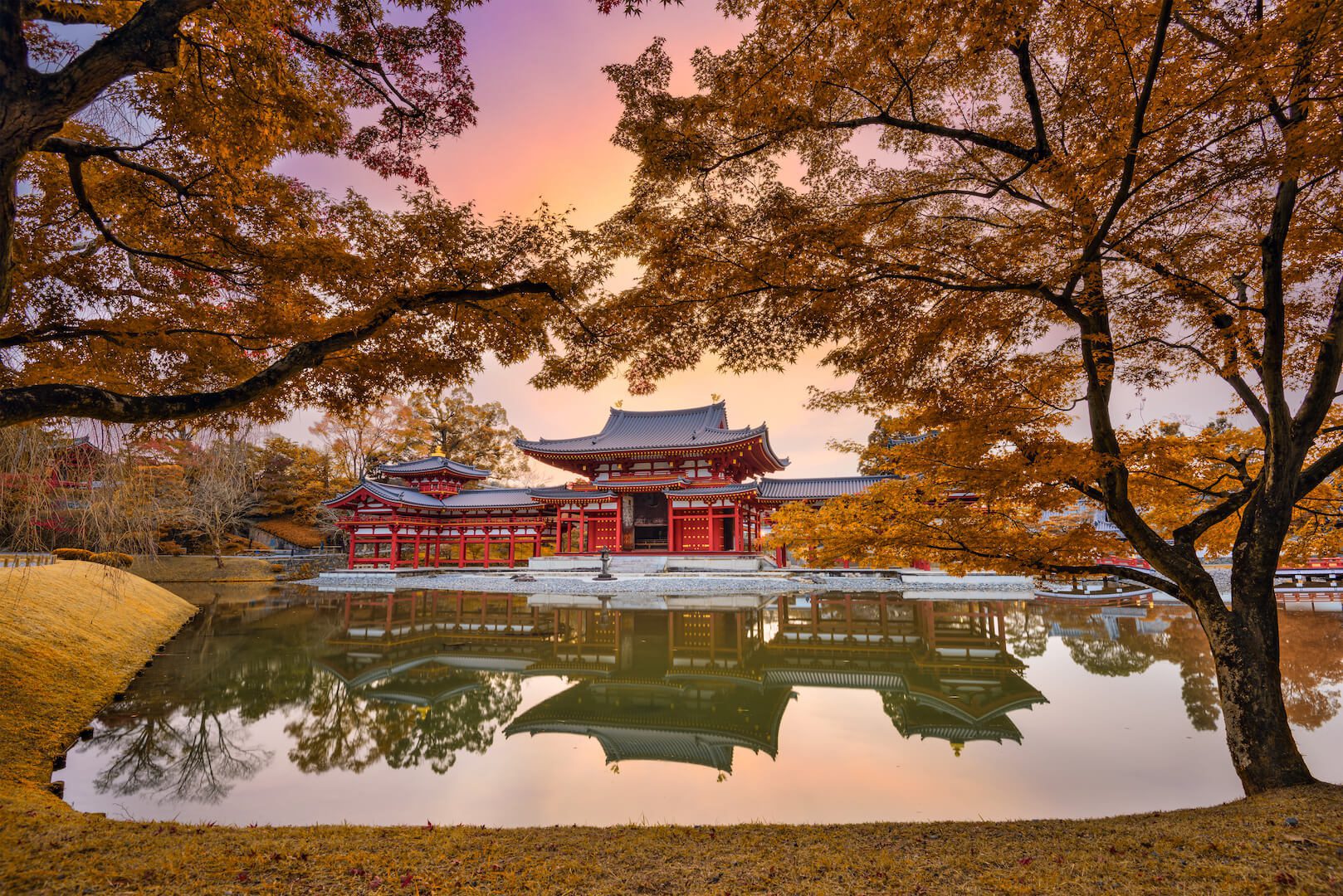
Kyoto represents the traditional soul of Japan, preserving centuries of cultural heritage within its borders. This ancient capital is essential to any exploration of the top 10 places to go in Japan, offering an experience profoundly different from Tokyo’s modern energy. With over 2,000 temples and shrines, Kyoto transports visitors back through time while showcasing the refined aesthetics that define Japanese culture.
The city served as Japan’s imperial capital for over one thousand years, during which time an extraordinary cultural heritage developed. Artists, craftspeople, poets, and spiritual practitioners contributed to Kyoto’s reputation as the cultural heartland of Japan. Today, walking through Kyoto’s historic districts feels like stepping into living history, where centuries-old traditions continue alongside contemporary life.
Kyoto’s preservation efforts have maintained traditional architecture, cultural practices, and aesthetic principles that might otherwise have been lost to modernization. The city’s commitment to preserving its heritage while remaining a vibrant, living city offers lessons for urban planning and cultural preservation worldwide. Unlike some historical sites preserved as museums, Kyoto remains a functioning city where locals continue traditional crafts, operate historic businesses, and maintain cultural practices.
Temples and Spiritual Sites
Fushimi Inari Shrine is one of Japan’s most iconic destinations, famous for its thousands of vermillion torii gates creating tunnel-like passages up the mountainside. The shrine dedicated to the Shinto god of commerce attracts pilgrims and tourists who hike the winding paths through these stunning red gates. Visiting early morning offers the best experience, as you’ll encounter fewer crowds and magical atmospheric conditions.
Kinkaku-ji, the Golden Pavilion, stands as one of the world’s most photographed temples. Its golden exterior reflects beautifully in the surrounding pond, creating an image of serene perfection. The temple represents the pinnacle of Japanese aesthetic sensibility, with every element carefully considered and positioned.
Arashiyama’s Bamboo Grove creates an otherworldly atmosphere as tall bamboo stalks tower overhead, filtered sunlight creating dappled patterns on the forest floor. Walking through this peaceful grove feels meditative, transporting you to a realm untouched by time. Early morning visits allow you to experience the forest with minimal crowds.
Ryoan-ji Temple houses one of Japan’s most famous Zen rock gardens, a masterpiece of minimalist design featuring fifteen rocks arranged in gravel. The garden’s abstract beauty has inspired contemplation for centuries, inviting visitors to discover personal meaning in its seemingly simple arrangement.
Geisha Districts and Traditional Culture
Gion represents Kyoto’s most famous geisha district, where traditional wooden machiya buildings line narrow streets. Strolling through Gion in the evening, you might glimpse geishas heading to appointments, their kimonos and elaborate hairstyles creating images from another era. Several traditional restaurants and tea houses in Gion offer authentic cultural experiences.
Higashiyama District extends the traditional atmosphere with its well-preserved historic streets, temple-lined pathways, and traditional shops selling everything from pottery to kimono. This area feels authentically old Kyoto, less touristy than Gion but equally atmospheric.
Japan Travel Tips for Kyoto
Kyoto can become overwhelmingly crowded, particularly at major attractions. Visiting during off-season months like January, February, July, or August provides breathing room, though these months present their own challenges, winter rain and summer heat, respectively. Shoulder seasons in spring and autumn are beautiful but busy.
Renting a bicycle is an excellent way to explore Kyoto at your own pace, as many areas are connected by bike-friendly paths. Several rental shops offer reasonably priced bicycles, allowing you to cover more ground while experiencing the city intimately. Walking is also delightful, though distances between attractions can be considerable.
The Kyoto City Bus system connects major attractions, though navigating routes can prove challenging for first-time visitors. Purchasing a day pass often proves economical if you plan multiple bus rides. The Kyoto Bus One-Day Pass costs around 1,100 yen (approximately $8 USD) and provides unlimited rides on city buses.
Top 10 Places in Japan: Kyoto’s Neighborhoods
Beyond temples, Kyoto’s neighborhoods offer distinct character and charm. Philosopher’s Path is a canal-side walking route lined with cherry trees, temples, and small galleries. This peaceful path is perfect for contemplative walks and discovering hidden local spots tucked away from main tourist routes. The path connects numerous small temples and shrines, each offering distinct architectural and spiritual characteristics.
The Philosopher’s Path connects numerous small temples and shrines, including Nanzen-ji Temple, one of the most important Zen temples in Japan. The temple’s aqueduct, built during Japan’s modernization, creates an unusual juxtaposition of ancient tradition and Meiji-era engineering. This aqueduct demonstrates how Kyoto balanced modernization with historical preservation, a balance the city maintains today.
Walking the Philosopher’s Path at different times of year offers entirely different experiences. Spring cherry blossoms reflect in the canal’s waters, summer green foliage provides cooling shade, autumn colors create stunning reflections, and winter snow blankets the path in quiet beauty. Many locals prefer this route over more famous temples, as it offers genuine peace and contemplation opportunities.
Where to Stay in Kyoto
Kyoto’s accommodation options range from luxurious traditional ryokan inns to budget guesthouses. Traditional ryokan experiences offer the most authentic Kyoto stay, featuring tatami mat rooms, communal bathing, and traditional kaiseki dinners. High-end ryokan like Yohoan and Kinmata provide exceptional experiences, though prices reflect their exclusivity.
Staying in a ryokan allows you to participate in Japanese hospitality traditions going back centuries. Ryokan staff, called “okami-san,” will treat you as valued guests in their homes, often going above and beyond to ensure your comfort and satisfaction. Many ryokan offer experiences like kaiseki preparation classes or geisha entertainment, creating memories far more meaningful than typical hotel stays.
Mid-range travelers can find comfortable business hotels and modern guesthouses throughout Kyoto. The area near Kyoto Station offers numerous options, though it feels less atmospheric than staying in Gion or Higashiyama neighborhoods, where traditional architecture and culture surround you. Budget travelers should explore hostels and guesthouses in neighborhoods like Shimogyo-ku for affordable rates and social atmospheres.
3. Mount Fuji and Hakone: Natural Majesty
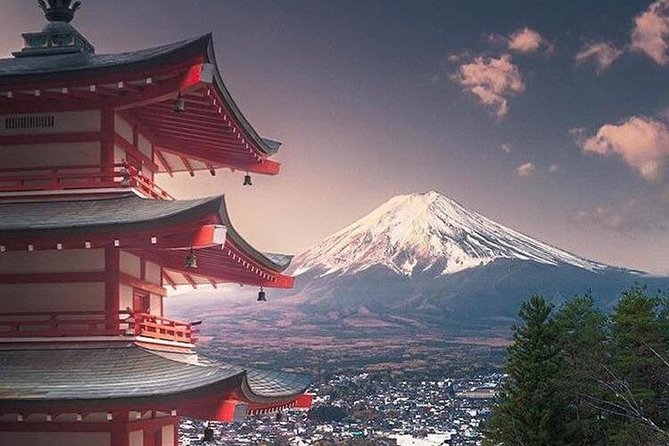
Mount Fuji, Japan’s iconic snow-capped peak, represents the nation’s spiritual and natural heart. This UNESCO World Heritage site consistently ranks among the top 10 places to visit in Japan, drawing millions of visitors annually. Standing at 3,776 meters (12,388 feet), Mount Fuji’s perfect conical shape has inspired artists and poets for centuries.
The mountain holds deep spiritual significance in Shinto Buddhism, with pilgrims undertaking spiritual climbs to reach the summit. Ancient Japanese art forms, particularly ukiyo-e woodblock prints, frequently featured Mount Fuji, cementing the peak’s iconic status in global consciousness. The mountain represents both Japan’s natural beauty and spiritual traditions, making it far more than a geographic landmark.
Mount Fuji has erupted periodically throughout its history, with the last significant eruption occurring in 1707. Today, the mountain is considered dormant but not extinct, and volcanic gases continue to be released from vents. This geological activity, while now largely harmless, shaped the surrounding landscape and contributes to the area’s unique characteristics.
Climbing Mount Fuji
Climbing Mount Fuji is a bucket-list experience for many travelers, though the climb demands physical preparation and mental determination. The official climbing season runs from July through September, when the weather is most stable and facilities are fully operational. Most climbers take two days, staying overnight in mountain huts to acclimatize and experience the sunrise from the summit.
The Yoshida Trail, starting from the Fifth Station, is the most popular route, accounting for approximately 60% of all climbs. This trail offers the most facilities and a well-established path, making it suitable for less experienced hikers. The ascent typically takes 5-7 hours, while the descent takes 3-4 hours.
Climbing Mount Fuji requires proper physical conditioning, appropriate gear, and realistic expectations about the experience. The altitude presents challenges even for experienced hikers, with many climbers experiencing altitude sickness. Ascending slowly, staying hydrated, and allowing time for acclimatization are essential. Many climbers hire mountain guides who provide expertise, safety, and encouragement throughout the challenging climb.
Mountain huts along the routes provide basic but clean accommodations and meals, though conditions can feel cramped as huts often accommodate hundreds of climbers. The sunrise experience from Mount Fuji’s summit, seen from among clouds and fellow climbers, creates a profoundly moving moment that rewards all preceding hardship.
For those unable or unwilling to climb, experiencing Mount Fuji from the surrounding areas offers equally stunning perspectives. The mountain’s iconic silhouette appears throughout the region when weather permits, visible from many locations in Tokyo on clear days.
Hakone and Hot Springs
Hakone, a mountain resort town near Mount Fuji, serves as an excellent base for exploring the region and accessing what to do in Japan in this area. Famous for its hot springs (onsen) and scenic beauty, Hakone offers relaxation and natural wonders that create ideal balance with more active exploration.
Lake Ashi provides stunning views of Mount Fuji on clear days, with a scenic cable car and pirate ship tours available for visitors. These themed ships, designed to resemble pirate vessels, offer playful transportation across the lake’s sparkling waters. The mountain ropeway at Owakudani offers thrilling views and the opportunity to see volcanic activity a natural phenomenon shaping the region’s hot springs and geothermal features.
Hakone’s numerous onsen resorts provide authentic Japanese bathing experiences where guests can soak in mineral-rich waters while enjoying mountain views. Many ryokan and hotels in Hakone feature their own onsen, allowing guests to combine lodging with traditional bathing experiences. Some establishments offer outdoor onsen overlooking mountain scenery, creating transcendent relaxation moments where nature, tradition, and comfort merge perfectly.
Where to Stay Near Mount Fuji and Hakone
Luxury options like Hakone Ginyu and Hakone Yumoto Fujiya Hotel provide exceptional experiences with traditional Japanese hospitality, fine dining, and onsen facilities. These establishments blend modern comfort with traditional aesthetics.
Mid-range accommodations include numerous ryokan and hotels offering good value with quality onsen access. Budget travelers can find hostels and guesthouses in Hakone’s main areas, though prices are generally higher than in other regions due to the resort town premium.
Japan Travel Tips for Mount Fuji
The most accessible way to experience Mount Fuji for many visitors is to visit from Tokyo. Several tour companies offer day trips combining transportation, meals, and viewing areas. These tours eliminate the need for personal transportation and provide expert guidance.
The best views of Mount Fuji from Tokyo are from Shinjuku’s Metropolitan Building (free observation deck) or Tokyo Skytree on clear days. Photography enthusiasts should know that Mount Fuji is visible from specific locations, and weather-dependent clarity is essential for iconic photographs.
4. Osaka: The Vibrant Gateway to Western Japan
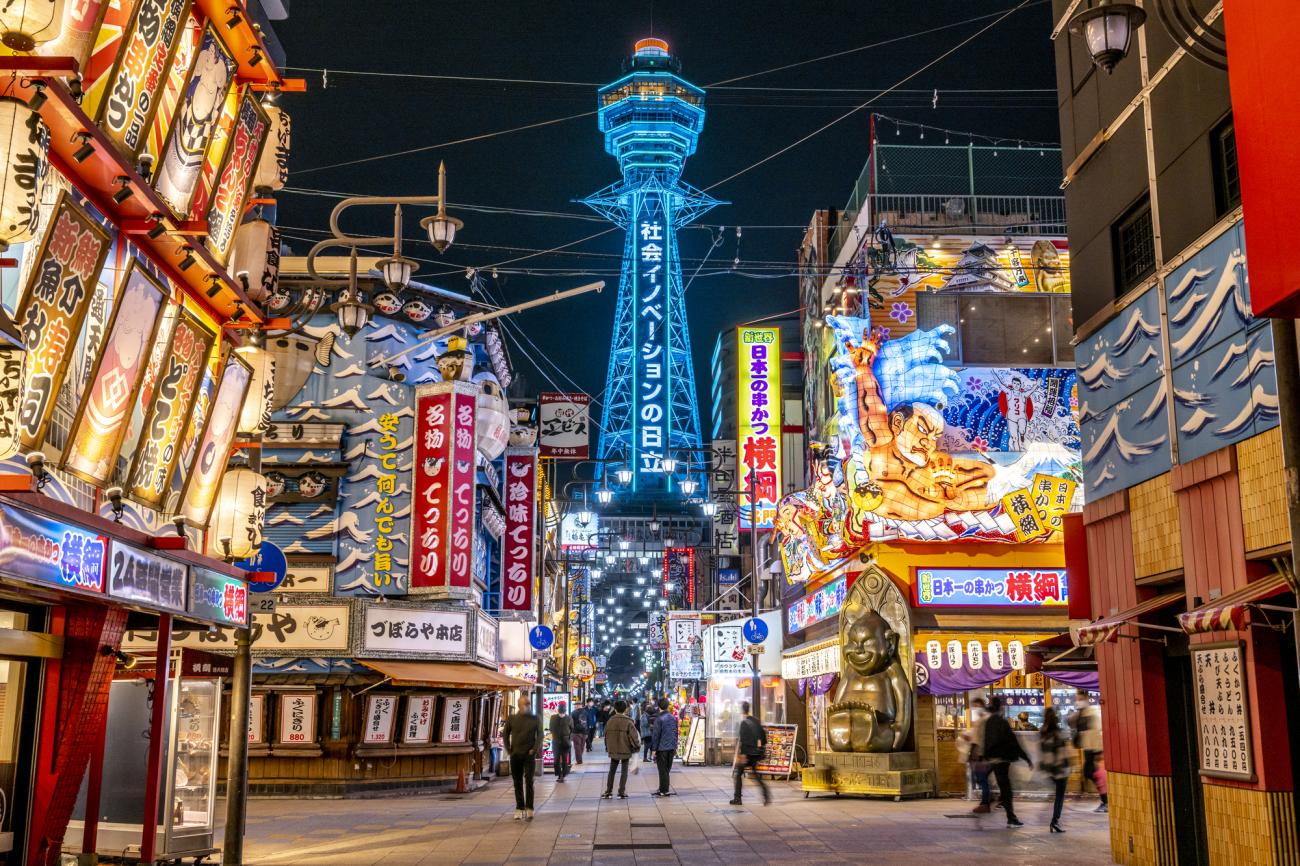
Osaka represents the fun-loving, unpretentious heart of western Japan, offering a distinctly different energy from Tokyo or Kyoto. As the country’s third-largest city and one of the top 10 places to go in Japan, Osaka serves as both a vibrant destination and an excellent base for exploring the Kansai region. The city’s residents, known for their directness and friendliness, welcome visitors warmly and take pride in their city’s unique character.
Osaka has historically served as Japan’s merchant capital, a role that continues to influence the city’s cultural values and business practices. The city’s pragmatism and focus on practical matters contrast with Kyoto’s traditional refinement and Tokyo’s cutting-edge modernity, creating a distinctive atmosphere found nowhere else in Japan.
Osaka Castle and Historic Sites
Osaka Castle stands as the city’s most iconic landmark, a stunning structure dominating the skyline and commanding views across the city. Originally built in 1583, the castle represents a pivotal point in Japanese history and remains an essential attraction for understanding the nation’s past. The castle served as headquarters during Japan’s unification, making it a symbol of national integration and the end of the feudal period.
The castle grounds encompass beautiful gardens that transform dramatically with seasons. Cherry blossoms in spring and vibrant foliage in autumn create breathtaking natural beauty. The castle museum inside provides historical context about the Sengoku period and the castle’s role in Japanese unification. Modern elevators within the castle tower allow visitors to reach upper levels easily, offering panoramic views across Osaka and surrounding regions.
Dotonbori and Street Food Culture
Dotonbori represents Osaka’s most famous district, a lively entertainment area renowned for its energetic atmosphere, street food, and neon-lit canal-side scene. The district pulses with energy day and night, offering an experience that captures Osaka’s fun-loving spirit and entrepreneurial heritage. Brightly colored neon signs reflect in the canal waters, creating an atmosphere that feels uniquely Osaka.
What to do in Japan often includes sampling Osaka’s legendary street food, and Dotonbori is ground zero for this culinary adventure. Takoyaki (octopus balls), okonomiyaki (savory pancakes), and yakitori (grilled chicken skewers) are Osaka specialties that shouldn’t be missed. Food stalls line the narrow streets, and the aromas alone will draw you in. Many stalls have operated for generations, with chefs perfecting their craft and developing loyal followings.
Kiji is a legendary okonomiyaki restaurant operating since 1945, offering an authentic experience where chefs prepare these delicious savory pancakes right before your eyes. Watching the preparation is as entertaining as eating the food. The restaurant’s counter seating allows you to observe the chefs’ expertise firsthand as they skillfully layer ingredients on hot griddles.
Universal Studios Japan and Modern Entertainment
Universal Studios Japan in Osaka offers world-class entertainment with unique attractions unavailable elsewhere. The Harry Potter and the Forbidden Journey area is particularly popular, transporting visitors into the Harry Potter universe with remarkable attention to detail.
The studio includes thrilling rides, character meets, and excellent shows, making it worth a full day of exploration. For families traveling with children, Universal Studios Japan is an essential destination combining Japanese hospitality with international entertainment.
Where to Stay in Osaka
Osaka’s accommodation options range from luxury hotels to budget-friendly alternatives. The Conrad Osaka and Marriott Osaka provide luxury experiences in excellent locations near business districts. Ritz-Carlton Osaka offers refined elegance with exceptional service.
Mid-range travelers can find comfortable hotels throughout Osaka, particularly near Umeda Station and Namba Station, the city’s major transportation hubs. Business hotels maintain high standards at reasonable prices.
Budget travelers should explore hostels and guesthouses in areas like Shinchi or Dotonbori, which offer affordable rates and social atmospheres. Capsule hotels are particularly popular in Osaka, offering unique budget accommodation experiences.
Japan Travel Tips for Osaka
Osaka serves as an excellent base for exploring the Kansai region, with convenient train connections to nearby destinations like Kyoto, Nara, and Kobe. The JR Haruka Express provides rapid connections to Kyoto and Kobe, making day trips easily manageable. Many visitors base themselves in Osaka while exploring the surrounding regions, using its lower accommodation costs and energetic atmosphere as a home base.
Osaka’s public transportation system is efficient and affordable. The Osaka Amazing Pass provides unlimited public transportation plus discounted entry to many attractions, an excellent value for visitors planning multiple activities. The subway system is clean, safe, and user-friendly, with English signage at major stations.
The best time to visit Osaka is spring (cherry blossom season) or autumn (comfortable weather and beautiful foliage). Summer can be extremely hot and humid, with typhoons occasionally affecting the region. Winter is mild but often rainy, though the reduced crowds and festive holiday atmospheres can be appealing. Many experienced travelers recommend visiting during the shoulder seasons when crowds are manageable and the weather remains pleasant.
5. Hiroshima: History, Resilience, and Peace
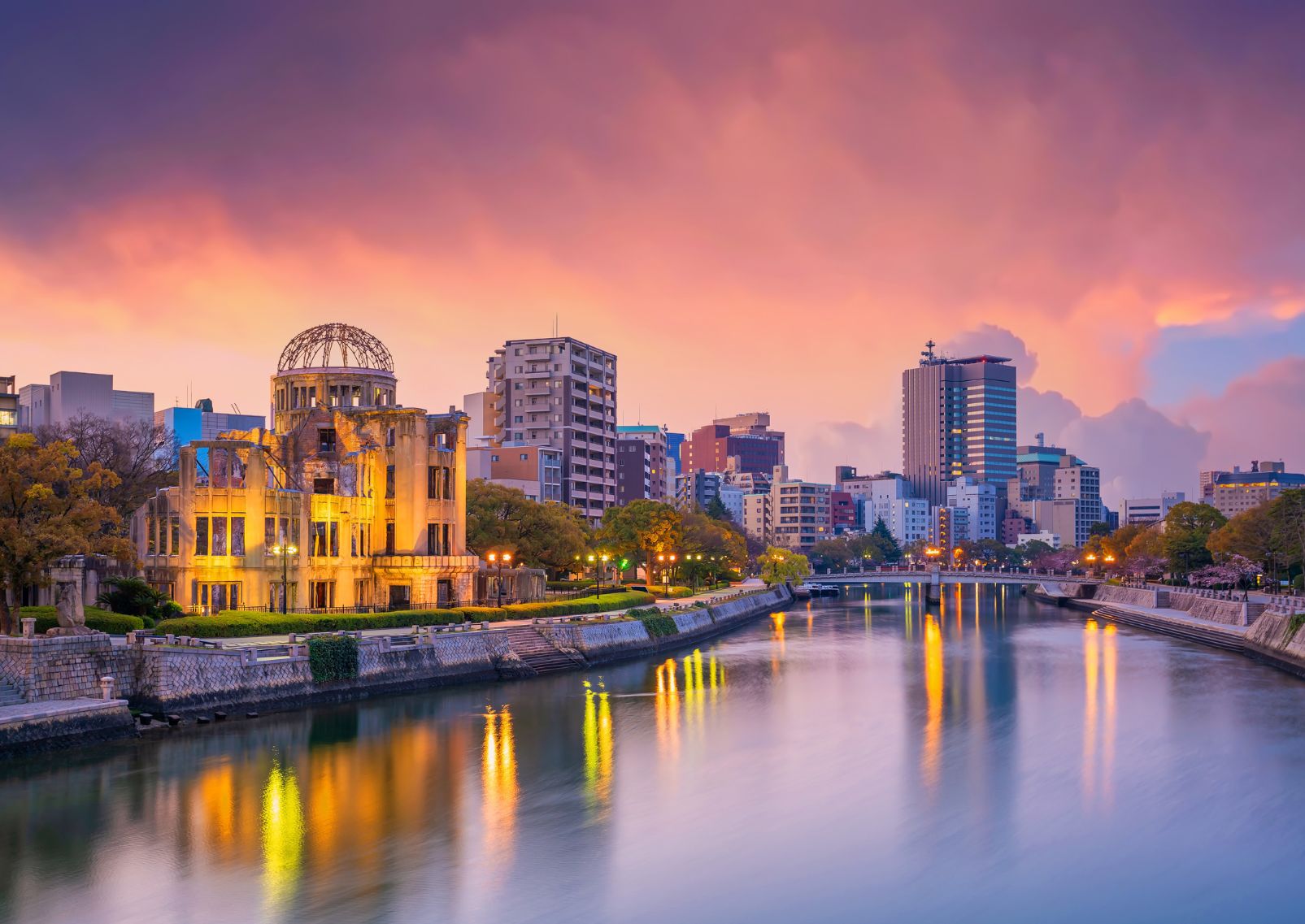
Hiroshima holds profound historical and emotional significance as the world’s first city to experience atomic bombing. While this history is sobering, Hiroshima represents resilience, peace advocacy, and rebuilding, making it an essential addition to the top 10 places to visit in Japan. Visiting Hiroshima offers profound educational value and opportunities for contemplation about humanity’s future.
The city’s recovery from near-complete destruction to become a thriving modern city stands as a testament to human determination and resilience. Today’s visitors find a vibrant, welcoming city whose residents take pride in their peaceful values and commitment to nuclear disarmament. Many Hiroshima residents welcome visitors from around the world, viewing tourism as an opportunity to share their city’s message of peace.
Hiroshima Peace Memorial Park
The Peace Memorial Park encompasses the museums, monuments, and grounds dedicated to remembering those lost in the atomic bombing of August 6, 1945. The park’s centerpiece, the Cenotaph, stands as a memorial to victims, with the inscription reading: “Let all the souls here rest in peace. We shall not repeat the error.”
The Hiroshima Peace Memorial Museum provides historical context through exhibits, photographs, and personal stories. The museum’s unflinching presentation of atomic bomb effects is emotionally challenging but profoundly important, offering visitors a deep understanding of nuclear warfare’s human costs. The museum’s lower level contains particularly powerful exhibits, including personal belongings of victims, melted artifacts from the city, and detailed information about the bombing’s immediate aftermath.
The iconic Genbaku Dome (A-Bomb Dome), the skeletal remains of a building near the bomb’s hypocenter, stands as a powerful symbol of destruction and the importance of peace. The structure has been preserved as-is since 1945, serving as a silent testimony to the event that changed human history. Visitors find the dome’s haunting beauty deeply moving, with its rusted metal and exposed interior evoking the violence of that moment while representing hope for a more peaceful future.
Hiroshima’s Transformation and Present Day
Beyond its historical significance, modern Hiroshima is a vibrant, welcoming city that has rebuilt itself into a thriving community. The city’s transformation from devastation to prosperity demonstrates remarkable human resilience and determination.
Hiroshima’s food culture is excellent, particularly okonomiyaki, which locals insist is superior to Osaka’s version. Local restaurants serving Hiroshima-style okonomiyaki are excellent places to experience local culture and food traditions.
Nearby Attractions: Miyajima Island
Just a short ferry ride from Hiroshima lies Miyajima Island, home to the famous floating Torii gate of Itsukushima Shrine. This UNESCO World Heritage site is one of Japan’s most iconic images, featuring a brilliant vermilion gate appearing to float on water at high tide.
Miyajima Island also features hiking trails leading to excellent viewpoints, traditional shops, and excellent local restaurants. The island is famous for momiji manju, maple-leaf shaped pastries filled with sweet bean paste or other fillings. These treats are ubiquitous on the island and make excellent souvenirs.
Where to Stay in Hiroshima
Hiroshima offers diverse accommodation options suitable for various budgets. The Ritz-Carlton Hiroshima provides luxury experiences, while Hotel Mystays Premier Hiroshima offers comfortable mid-range accommodations. Budget travelers can find hostels and guesthouses throughout the city, with many convenient to the Peace Memorial Park.
Japan Travel Tips for Hiroshima
Hiroshima is a powerful destination that deserves more than a rushed visit. Plan to spend at least one full day, ideally two, to properly explore the Peace Memorial Museum and the surrounding areas. Many visitors find Hiroshima emotionally intense, and this intensity enriches the experience rather than detracts from it.
The city is well-connected to other major destinations. The Shinkansen (bullet train) connects Hiroshima to Tokyo (approximately 4 hours), Osaka (1.5 hours), and Kyoto. Ferries connect to Miyajima Island and other nearby attractions.
6. Nara: Ancient Capital and Hidden Gem in Japan
Nara serves as one of Japan’s most beautiful and historically significant cities, yet it often gets overshadowed by Kyoto and Osaka in travel itineraries. This ancient capital, serving as Japan’s imperial seat from 710-794, preserves remarkable historical treasures and offers a more relaxed atmosphere than its more famous counterparts.
Nara definitely qualifies as one of the hidden gems in Japan, offering experiences that compete with better-known destinations while remaining less crowded. For travelers seeking authentic cultural experiences without overwhelming tourist masses, Nara is essential.
Todai-ji Temple and the Great Buddha
Todai-ji Temple houses one of the world’s largest bronze Buddha statues, a colossal image casting visitors’ eyes upward in wonder and reverence. Built in 752, this Great Buddha remains the world’s largest bronze statue, measuring 15 meters (50 feet) in height. The temple building itself is magnificent, though rebuilt multiple times throughout history, the current structure dates from the 18th century.
The temple grounds are extensive and beautiful, with numerous buildings, gardens, and paths to explore. The walk through the temple complex offers peaceful contemplation, with fewer crowds than similarly significant temples in Kyoto.
Nara Park and Sacred Deer
Nara Park covers 660 acres of beautiful grounds populated by over 1,000 sacred deer roaming freely. These semi-tame deer bow for treats (called “shika senbei”) sold by vendors throughout the park, creating charming interactive experiences. However, visitors should exercise caution the deer can be aggressive if they perceive food opportunities, and they’re known to nip and butt visitors.
Walking through Nara Park among the wandering deer feels like stepping into a fairytale, with the deer adding an element of magic to the landscape. The park is beautiful in all seasons, though spring cherry blossoms and autumn foliage create particularly stunning backdrops.
Kasuga Taisha Shrine and Hidden Temples
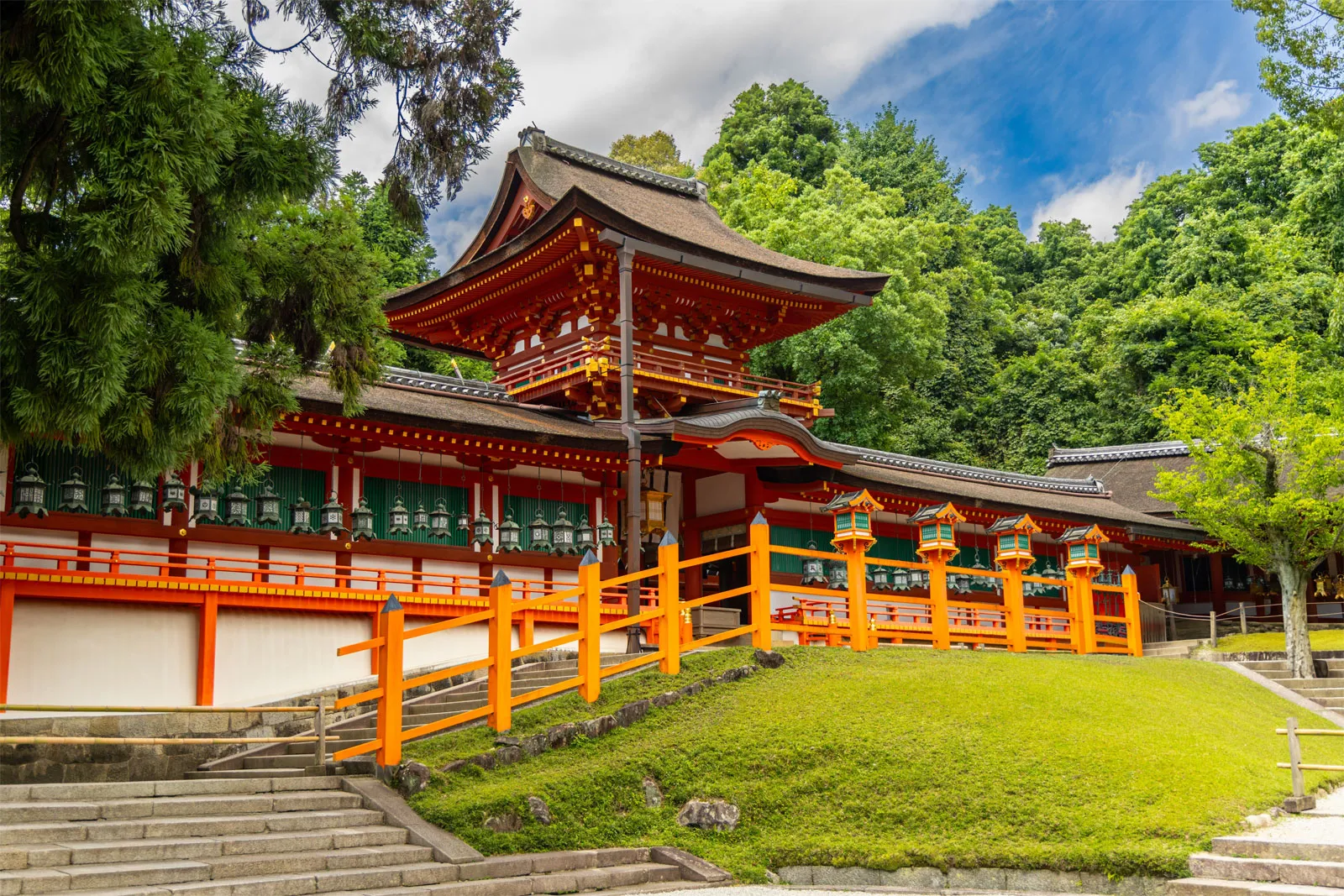
Kasuga Taisha Shrine ranks among Japan’s most important shrines, famous for its thousands of red lanterns (both hanging and floor-standing) that create magical illumination during the shrine’s special lantern festivals. The shrine’s approach is lined with moss-covered stone lanterns, adding to its atmospheric beauty.
Beyond these famous attractions, Nara contains numerous hidden temples scattered throughout the city and surrounding hills. Exploring these lesser-known sites reveals aspects of Japanese culture and history often missed by hurried tourists. Many temples are within walking or short bike rides from central Nara.
Where to Stay in Nara
Nara’s accommodation options are less extensive than larger cities, but sufficient for most travelers. Ryokan options include traditional experiences with onsen and kaiseki dinners. Mid-range business hotels offer comfortable rooms at reasonable rates. Budget travelers can find hostels and guesthouses throughout the city.
The area near Nara Station offers convenient access to major attractions, though staying near the park or temples provides more atmospheric experiences.
Japan Travel Tips for Nara
Nara is easily visited as a day trip from Kyoto or Osaka, with convenient train connections taking approximately 45 minutes from either city. However, staying overnight in Nara allows you to experience the temples in early morning and evening light, when crowds diminish and the atmosphere becomes more peaceful.
Biking is an excellent way to explore Nara, with bike rental shops near the station offering reasonably priced rentals. Many sites are accessible via pleasant cycling routes through beautiful countryside.
Nara pairs exceptionally well with Kyoto in a multi-city itinerary, offering complementary experiences of ancient Japan without the overwhelming crowds that Kyoto attracts.
7. Takayama and the Japanese Alps: Mountain Town Charm
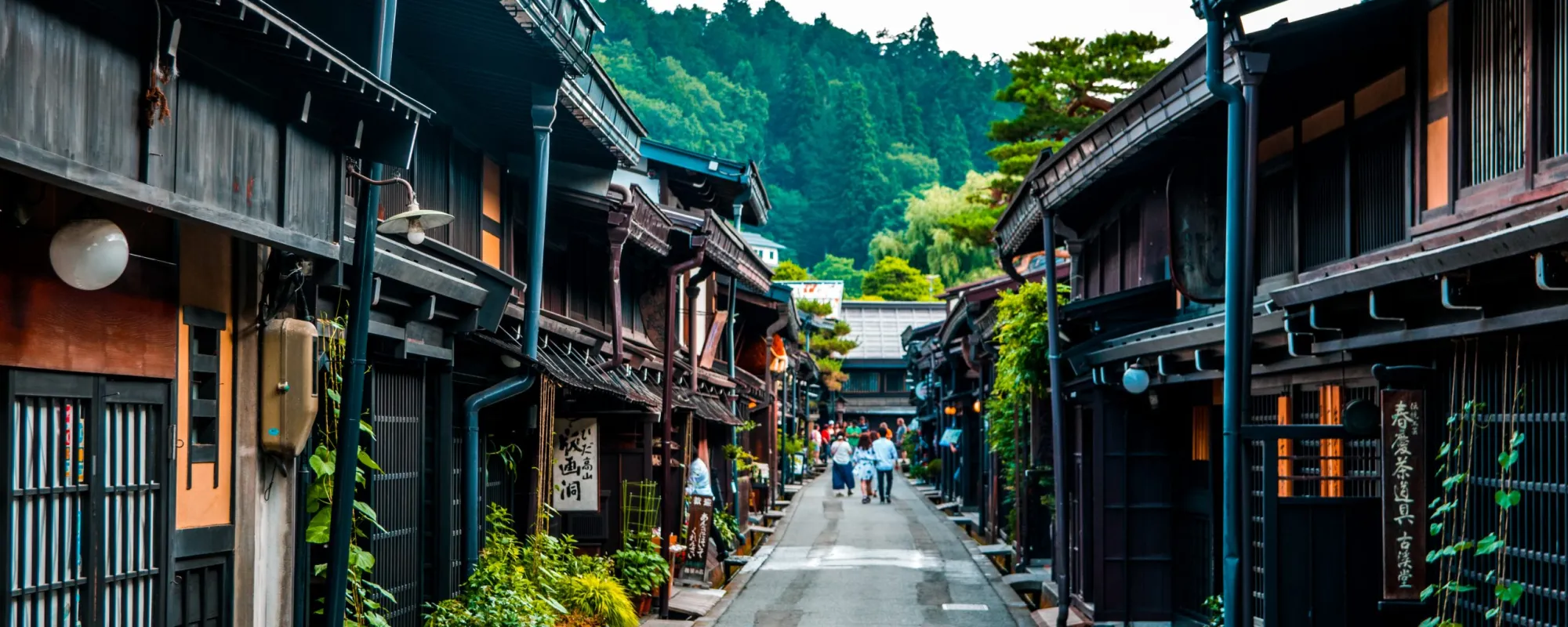
Takayama represents one of Japan’s most charming mountain towns, offering visitors the aesthetic beauty and cultural richness that define much of what makes the top 10 places to visit in Japan so compelling. Located in the Japanese Alps of Gifu Prefecture, Takayama preserves Edo-period architecture and maintains a relaxed, welcoming atmosphere that larger cities cannot match.
Historic Streets and Traditional Architecture
Takayama’s old town features beautifully preserved wooden buildings dating from the Edo period, creating streets that feel frozen in time. The traditional merchant houses, sake breweries, and machiya buildings showcase remarkable wooden craftsmanship and architectural sophistication.
Walking through Takayama’s streets, particularly early in the morning before tour groups arrive, offers an immersive experience of historical Japan. The town square features morning markets where local farmers sell fresh vegetables, flowers, and regional specialties a wonderful way to engage with local culture.
Sake Brewing Heritage
Takayama is famous for its sake breweries, with over fifty breweries operating in the area. Many offer tours and tastings, allowing visitors to learn about sake production processes while sampling excellent products. The Takayama Sake Brewery Museum provides information about this important aspect of Japanese culture.
Sake tasting experiences are wonderful ways to learn about Japan’s centuries-old brewing traditions while enjoying excellent beverages in authentic settings.
Traditional Festivals
Takayama hosts two major festivals annually the spring Takayama Matsuri (April 14-15) and autumn Takayama Matsuri (October 9-10). These festivals feature elaborate floats, traditional music, and crowds of locals and visitors celebrating cultural heritage. If your timing aligns, attending one of these festivals provides remarkable cultural immersion.
Nearby Natural Attractions
The Japanese Alps surrounding Takayama offer numerous hiking opportunities and natural beauty. Mount Norikura, Mount Yari, and other peaks provide hiking trails of varying difficulty levels. The Kamikochi valley is particularly popular, offering stunning alpine scenery, clear mountain streams, and excellent hiking.
Where to Stay in Takayama
Takayama’s accommodation options emphasize traditional experiences. Local ryokan provide authentic hospitality with traditional meals and onsen facilities. These establishments often have long histories, some operating for generations.
For budget travelers, hostels and guesthouses offer affordable options, many featuring attractive traditional architectural elements. The town is small enough that location matters less; most accommodations provide easy access to major attractions.
Japan Travel Tips for Takayama
Takayama is best visited in spring or autumn, whenthe weather is pleasant and the mountains are particularly beautiful. Winter can bring significant snow, making road conditions challenging and some mountain attractions inaccessible.
The town is accessible via train from Tokyo (approximately 4.5 hours) or Osaka (approximately 5 hours) using limited express trains. Getting to Takayama requires more travel time than visiting major cities, but the authentic experience justifies the journey.
Takayama works wonderfully as part of a multi-city itinerary incorporating other Japanese Alps destinations like Kanazawa or the historic post towns along the Nakasendo Trail.
8. Kyoto’s Arashiyama and Sagano: Bamboo Forests and Temple Villages
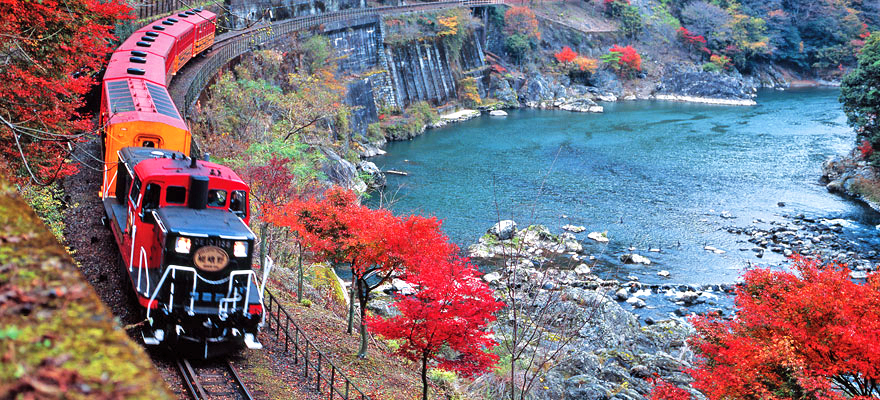
While we’ve discussed Kyoto’s central attractions, the Arashiyama and Sagano areas deserve special attention as distinctive districts offering unique experiences within what to do in Japan. These neighborhoods, northwest of central Kyoto, provide access to nature, temples, and traditional culture in a more relaxed setting than Gion or downtown Kyoto.
The Famous Bamboo Grove
Arashiyama’s Bamboo Grove (Takeyama) represents one of Japan’s most photographed locations, with tall bamboo stalks creating cathedral-like formations as visitors walk through the forest. The bright green bamboo filtered by sunlight creates magical atmospheric effects, particularly in early morning or late afternoon light.
To experience the grove with minimal crowds, arrive at opening time or visit during rainy weather when tourist traffic diminishes. The early morning experience, while requiring an early start, offers unparalleled beauty and spiritual atmosphere.
Togetsukyo Bridge and Scenic Walks
The wooden Togetsukyo Bridge, spanning the Katsura River, offers picturesque views, particularly beautiful during cherry blossom season and autumn foliage. The bridge area attracts numerous visitors but remains manageable if visited early morning.
Walking paths throughout Arashiyama connect numerous temples, shrines, and scenic viewpoints. The Philosopher’s Path-style canals and trails create pleasant routes for leisurely exploration and discovery of hidden spots.
Sagano’s Traditional Temples and Villages
Beyond Arashiyama’s famous sites, the Sagano district maintains a more authentic, less touristy character with numerous temples, traditional restaurants, and bamboo groves. Okochi Villa offers panoramic views across Sagano’s landscape from elevated terraces.
Tenryu-ji Temple, one of Kyoto’s Five Great Zen Temples, features an exceptional garden considered among Japan’s finest. The temple’s simplicity contrasts beautifully with its sophistication, embodying Zen aesthetic principles.
Where to Stay in Arashiyama and Sagano
Arashiyama offers accommodations ranging from luxury ryokan to budget hostels. Several excellent ryokan provide traditional experiences with beautiful garden views and excellent meals. The area’s accommodations tend to be pricier than central Kyoto but offer more peaceful, natural surroundings.
Staying in Arashiyama or Sagano allows you to explore the bamboo forest and temples early morning and evening, when crowds are minimal and atmospheres are most magical.
Japan Travel Tips for Arashiyama and Sagano
These areas are easily accessible from central Kyoto via train or bus. The Arashiyama area gets very crowded, particularly at the bamboo grove. Visiting outside peak season or early morning provides much better experiences.
The bamboo grove is essentially free to access and takes approximately 10-15 minutes to walk through. However, many visitors spend additional time at nearby temples and attractions.
9. Kobe: Modern Port City and Mountain Gateway
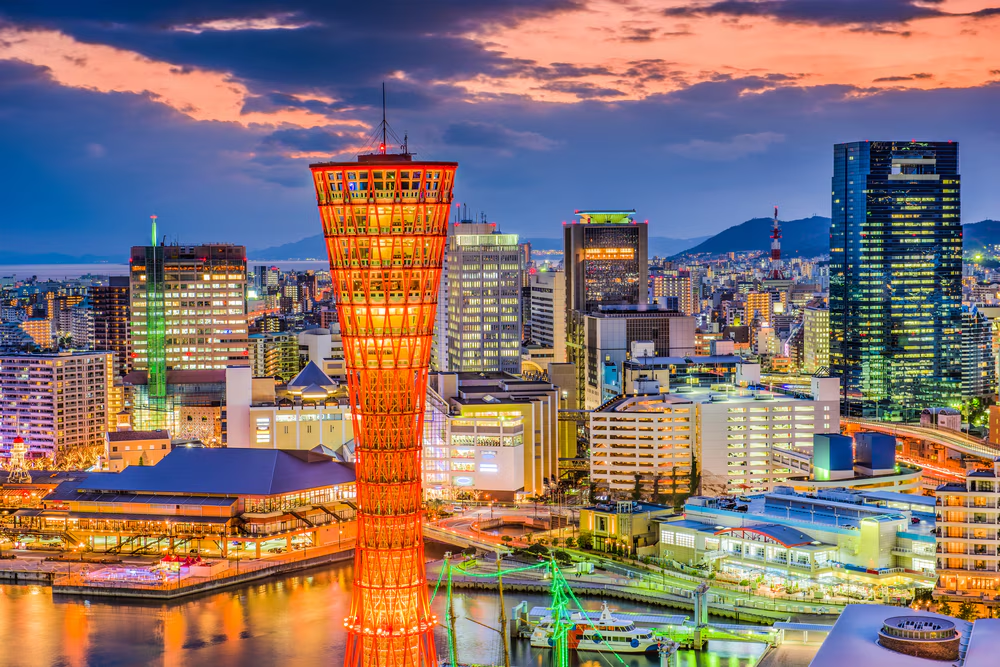
Kobe represents modern Japan’s cosmopolitan sophistication while retaining the character and charm that distinguish it from larger cities. As Japan’s sixth-largest city and one of the top 10 places to go in Japan, Kobe offers a distinctive blend of international influences, culinary excellence, and mountain scenery.
Kobe Beef and Culinary Excellence
Kobe is famous worldwide for its high-quality beef, considered among the world’s finest. Wagyu beef from the Hyogo Prefecture, raised following strict standards, develops extraordinary marbling and tenderness. Dining on authentic Kobe beef represents a culinary pinnacle for many travelers.
Kobe beef restaurants range from casual grills where you cook the meat yourself to upscale establishments providing teppanyaki performances. The Steakland Kobe and Wakkoqu offer excellent traditional experiences with premium meat and skilled preparation.
Beyond beef, Kobe’s international port heritage influences its food culture, with excellent international cuisine available alongside Japanese specialties. The city’s culinary scene reflects both tradition and cosmopolitan sophistication.
Waterfront and Entertainment
Kobe’s waterfront areas, particularly Harborland and Meriken Park, provide pleasant walking routes with excellent views of the harbor, ships, and surrounding architecture. These areas feature shopping, restaurants, and entertainment options suitable for evening strolls.
The Kobe Port Tower offers panoramic views across the city and harbor from its observation deck, providing context for understanding Kobe’s geography and layout.
Mountain Attractions and Views
The Nunobiki Waterfalls and surrounding hiking routes offer natural beauty within the city limits, with trails of varying difficulty levels. The higher elevations provide views back toward the city and harbor, creating beautiful photo opportunities.
Arima Onsen, nestled in the mountains near Kobe, provides traditional hot spring experiences easily accessible from the city via mountain cable cars and local trains.
Where to Stay in Kobe
Kobe offers diverse accommodation options suitable for various budgets. The Fairmont Kobe and Hotel Okura Kobe provide luxury experiences. Mid-range travelers can find comfortable business hotels throughout the city, particularly near Kobe Station and in the Harborland area.
Budget travelers can find hostels and guesthouses, though availability is more limited than in larger cities. The Sannomiya area near the waterfront offers good accommodation options.
Japan Travel Tips for Kobe
Kobe’s efficient train system connects the city with surrounding regions, making it an excellent base for exploring the Kansai region. The city is approximately 15 minutes from Osaka via train, making day trips between cities convenient.
Spring and autumn offer the most pleasant weather for exploring Kobe. The city recovered remarkably from the 1995 earthquake, and exploring rebuilt neighborhoods offers perspectives on Japanese resilience and urban planning.
10. Kanazawa: Castle Town and Cultural Treasure
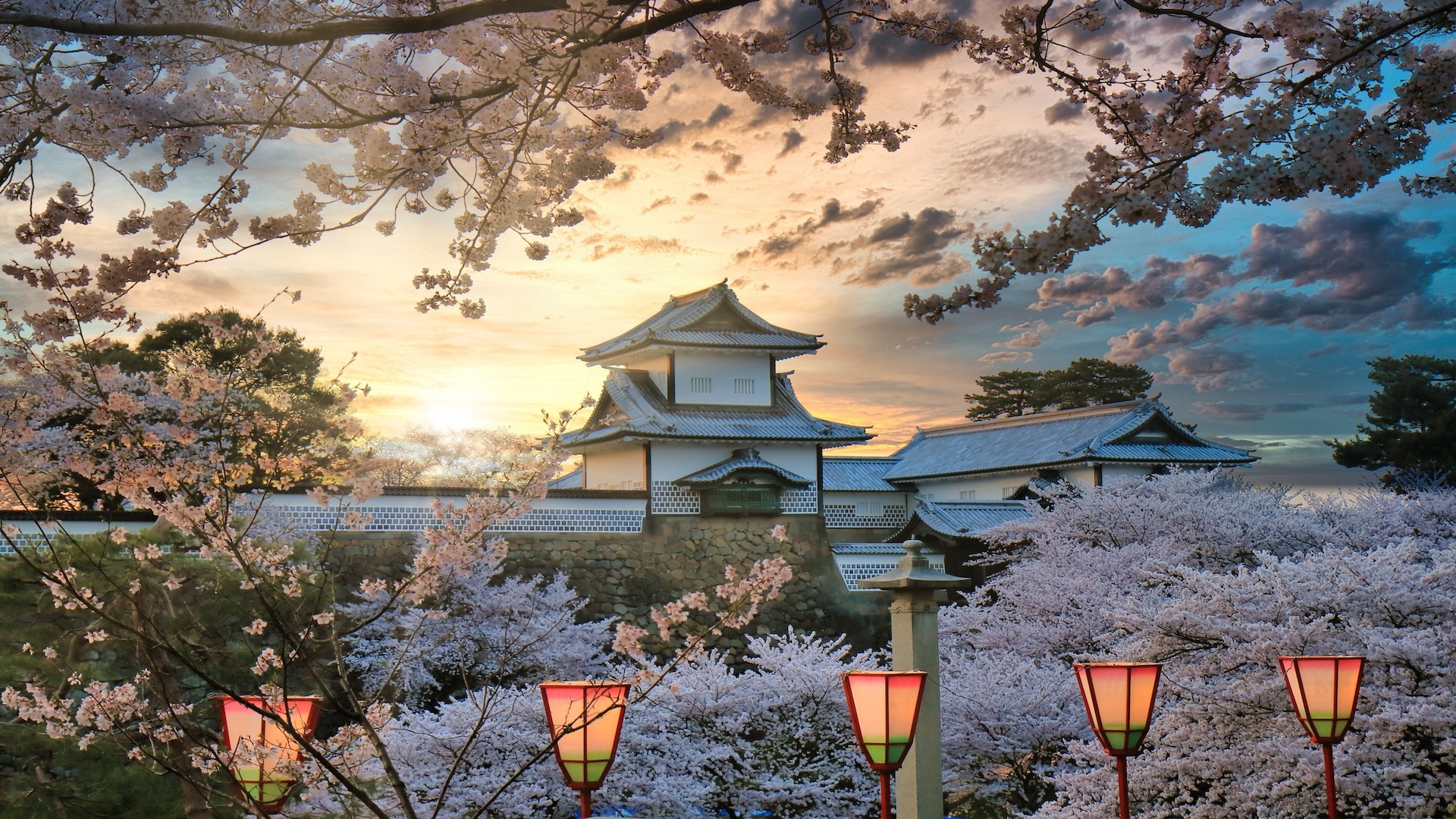
Kanazawa serves as the final destination in our exploration of the top 10 places to visit in Japan, representing another hidden gem in Japan that deserves far more attention than it typically receives. This castle town on the Sea of Japan coast preserves a remarkable cultural heritage while maintaining a relaxed, welcoming atmosphere.
Kenroku-ji Garden: One of Japan’s Three Great Gardens
Kenroku-ji Garden consistently ranks among the world’s most beautiful gardens, and visiting this masterpiece should be essential to any Japan travel itinerary. The garden’s name means “garden combining six desirable qualities,” and upon visiting, you’ll understand how these elements, spaciousness, seclusion, artificiality, antiquity, water, and views combine to create something truly extraordinary.
The garden features carefully placed rocks, water features, bridges, and plantings that create perfect compositions from every vantage point. Spring cherry blossoms and autumn foliage transform the garden into natural masterpieces, though beauty exists in every season.
Walking through Kenroku-ji Garden requires relaxed pacing, allowing time for appreciation and contemplation. The garden’s central pond reflects surrounding landscapes, creating mirror images that multiply its beauty. Hidden corners and viewpoints reveal themselves gradually as you explore.
Kanazawa Castle and Samurai District
Kanazawa Castle’s beautifully reconstructed gate and walls provide historical context and architectural interest. While less impressive than some other Japanese castles, Kanazawa Castle’s location and surrounding park create pleasant exploration opportunities.
The Higashi Chaya District preserves traditional geisha district architecture with well-maintained wooden buildings, tea houses, and restaurants. This district is less touristy than Kyoto’s Gion while maintaining authentic character and charm. Strolling through narrow streets at dusk feels like time travel to historical Japan.
The Samurai District features traditional samurai residences and museum exhibits exploring samurai culture. These well-preserved homes provide insight into samurai daily life and aesthetic sensibilities.
What to Do in Japan: Kanazawa’s Cultural Activities
Kanazawa has developed into a major cultural center, hosting numerous museums and cultural institutions. The 21st Century Museum of Art presents contemporary installations and exhibitions in a striking modern building, creating interesting contrasts with the city’s traditional attractions.
The Kanazawa Museum of Literature, Kanazawa Phonograph Museum, and various specialized museums reflect the city’s cultural depth. The Higashi Hongan-ji Temple offers architectural and spiritual significance, with its massive wooden beam structure inspiring awe.
Gold leaf artistry represents one of Kanazawa’s traditional crafts, with numerous shops selling gold leaf souvenirs and products. Watching artisans apply gold leaf during demonstrations provides fascinating insights into this delicate craft.
Where to Stay in Kanazawa
Kanazawa offers excellent accommodation options reflecting its cultural importance. The Hotel Mystays Premier Kanazawa and APA Hotel Kanazawa Station provide comfortable mid-range experiences. Luxury travelers can find upscale ryokan and boutique hotels offering refined hospitality.
Budget travelers should explore hostels and guesthouses, which offer social atmospheres and good value. Several hostels in Kanazawa feature attractive designs and welcoming environments.
Staying in Kanazawa allows you to experience the city’s atmosphere during quieter evening and early morning hours, when traditional districts feel most authentic.
Japan Travel Tips for Kanazawa
Kanazawa is accessible from Tokyo (approximately 2.5 hours via bullet train) and from Osaka (approximately 3 hours). The city makes an excellent addition to itineraries, combining western Japan destinations like Kyoto, Osaka, and Takayama.
Spring and autumn offer the most pleasant weather and the most beautiful garden conditions. Summer can be hot and humid, while winter occasionally brings snow.
The city is relatively compact and walkable, with major attractions within reasonable distances. However, using buses or rental bikes extends your exploration possibilities.
Japan Travel Tips for Your Adventure
Beyond destination-specific recommendations, several universal travel tips will enhance your experience exploring the top 10 places to go in Japan.
Transportation and Getting Around
Japan’s transportation infrastructure is among the world’s most efficient and extensive. The Japan Rail Pass (JR Pass) represents an excellent value for visitors planning multiple intercity journeys. Available only to foreign tourists, the JR Pass provides unlimited travel on most trains, including the iconic Shinkansen bullet trains, for fixed periods (7, 14, or 21 days).
Calculate potential savings before purchasing a JR Pass, as not all itineraries justify the cost. However, for travelers visiting multiple cities, the JR Pass typically pays for itself within a few train rides.
Within cities, public transportation systems using buses, subways, and local trains provide coverage. Most cities offer day passes providing unlimited rides calculate your needs to determine if day passes offer better value than individual tickets.
IC cards like Suica and Pasmo cards streamline transportation payments, allowing you to use a single card across different transit systems. These cards work nationwide and can also be used at convenience stores and vending machines.
Taxis in Japan are expensive and primarily recommended for late-night situations or when traveling with multiple people and substantial luggage. Drivers rarely speak English, and addresses can be challenging to communicate, so having your destination written in Japanese proves helpful.
Renting cars provides flexibility for exploring rural areas and accessing locations with limited public transportation. However, driving in Japan requires an International Driving Permit, familiarity with left-side driving, and an understanding of Japanese traffic rules. Parking can be expensive and challenging in urban areas.
Best Times to Visit: Seasonal Considerations
Japan’s seasons offer distinctly different experiences, allowing travelers to choose timing based on personal preferences.
Spring (March-May) brings mild weather and famous cherry blossoms that transform the country into a pink-hued dreamscape. Cherry blossom season (sakura season) is incredibly popular, resulting in crowded attractions and inflated prices. However, the natural beauty and festive atmosphere justify these inconveniences for many travelers.
Summer (June-August) brings warm to hot weather, high humidity, and occasional typhoons. July and August are peak vacation seasons when schools close and Japanese families travel domestically. Tourist areas become extremely crowded, and accommodation prices spike. However, summer features numerous festivals (matsuri), cultural performances, and fireworks displays.
Autumn (September-November) offers spectacular foliage, comfortable temperatures, and generally pleasant weather. Fall colors peak at different times depending on location. Higher elevations typically see peak foliage earlier than lower elevations. This season provides excellent conditions for outdoor exploration with fewer crowds thanin spring.
Winter (December-February) brings mild temperatures in coastal areas but significant snow in mountainous regions. Winter sports enthusiasts visit resort areas like Hakuba and Nozawa Onsen. New Year celebrations create festive atmospheres, though attractions get crowded. Winter is generally the least crowded season, offering a more authentic experience of Japan.
The absolute worst times to visit are during Golden Week (late April-early May), Obon Festival (mid-August), and the New Year period (late December-early January), when Japanese families travel domestically and attractions become overwhelmingly crowded.
Language and Communication
English proficiency varies significantly throughout Japan. Tokyo, Osaka, and other major tourist destinations have many English speakers, particularly among younger generations and in tourist-oriented businesses. However, rural areas and smaller cities have fewer English speakers.
Learning basic Japanese phrases improves interactions and demonstrates respect for Japanese culture. Simple greetings (ohayou gozaimasu, good morning, konnichiwa, hello, sumimasen, excuse me) open doors and hearts. Most Japanese people appreciate foreigners’ efforts to speak their language, even if the attempts are imperfect.
Google Translate’s offline capability works well for translating signs, menus, and basic communication. Downloaded offline maps help with navigation when cellular service is unavailable.
Pocket WiFi rental devices or prepaid SIM cards enable continuous internet connectivity, facilitating navigation, translation, and communication throughout your journey.
Cultural Etiquette and Respect
Understanding and respecting Japanese cultural norms enhances your experience while showing appreciation for the host country.
Remove shoes when entering homes, temples, traditional restaurants, and some accommodations. Look for shoe racks or observe what other visitors do. Socks in good condition are advisable.
Buddhist temples and Shinto shrines are sacred spaces. Speak quietly, move respectfully, and follow posted rules. Photography may be prohibited in certain areas. Observe signage and ask permission when uncertain.
Bowing serves as a Japanese greeting and sign of respect. A slight bow (from the neck, not the waist) is appropriate in many situations. Japanese people don’t expect foreigners to perfectly master bowing etiquette, but the gesture is appreciated.
Avoid pointing with chopsticks, leaving chopsticks standing in rice (resembling a funeral ritual), or passing food chopstick-to-chopstick (also resembling funeral practices). These actions carry negative connotations in Japanese culture.
The sound of slurping noodles is not only acceptable but expected and appreciated in Japan, indicating you’re enjoying the meal. However, maintain quie;t otherwise speaking loudly on trains or in public spaces is considered rude.
Respect personal space on crowded trains and in public areas. Avoid eating or drinking on non-designated trains outside the dining car. Stand on the appropriate side of escalators: Tokyo residents stand on the left, while Osaka and Kyoto residents stand on the right.
Practical Considerations
Money and Currency: Japan is still largely cash-based, despite increasing card acceptance. ATMs at convenience stores like 7-Eleven accept foreign cards and provide English interfaces. Credit cards work in major establishments but carry limited acceptance outside tourist areas.
Accommodation Booking: Booking accommodation in advance during peak seasons (spring and autumn) is essential. Off-season travel allows more flexible booking and potentially better rates.
Travel Insurance: Travel insurance covering medical emergencies, trip cancellation, and evacuation is recommended. Japan’s healthcare quality is excellent but expensive for uninsured visitors.
Luggage Services: Many travelers utilize luggage delivery services, shipping bags between accommodations to avoid carrying heavy luggage on trains and during daily exploration. This service is widely available and reasonably priced.
Convenience Stores: Japan’s convenience stores (7-Eleven, Lawson, Family Mart) offer quality food, toiletries, and supplies 24/7. These stores are invaluable resources for snacks, meals, and forgotten items.
Creating Your Itinerary
With ten exceptional destinations to choose from, creating a cohesive itinerary requires strategic planning.
A two-week itinerary might combine Tokyo (3 days), Kyoto (3 days), Osaka (2 days), Hiroshima (2 days), and additional time in Nara, Takayama, or other regions. The JR Pass typically pays for itself with this itinerary.
A one-week itinerary should focus on one or two regions rather than attempting to see the entire country. The Tokyo-Kyoto-Osaka triangle represents a classic choice, allowing deep exploration of three distinct areas without exhausting travel time in transit.
Longer stays allow more flexibility, permitting extended time in individual cities and side trips to lesser-visited locations. Two weeks allows genuine understanding and appreciation of Japanese culture, rather than surface-level tourism.
Consider your personal interests when planning. Art and culture enthusiasts should prioritize Kyoto and Kanazawa. Nature lovers should dedicate time to Mount Fuji, the Japanese Alps, and hiking opportunities. Urban explorers will thrive in Tokyo and Osaka. History enthusiasts should include Hiroshima and Nara.
Hidden Gems in Japan: Beyond the Top 10
While our top 10 places to visit in Japan represent the most renowned destinations, Japan contains numerous hidden gems deserving exploration.
Naoshima and the Seto Inland Sea islands offer contemporary art museums, beautiful beaches, and island village charm. These destinations provide peaceful escapes from urban areas while showcasing modern Japanese creativity.
Takayama, which we’ve already discussed, rivals any Japanese destination for charm and authenticity while remaining less crowded than major tourist centers.
The Kii Peninsula contains sacred mountains, pilgrimage routes, and ancient temples, including the famous Kumano Kodo trail,s mystical pilgrimage routes through forested mountains that has attracted spiritual seekers for centuries.
Kinosaki Onsen is a charming hot spring town with traditional architecture, a riverside geisha district, and excellent onsen facilities. The town feels authentically Japanese while welcoming international visitors.
Kamakura, easily accessible from Tokyo, offers temples, hiking, and beaches without Tokyo’s overwhelming crowds. This seaside town combines natural beauty with cultural significance.
Narai and other Nakasendo Trail post towns preserve historical architecture and village life from the Edo period, offering glimpses of historical Japan rarely seen in modern cities.
Exploring these hidden gems in Japan creates experiences distinct from typical tourist circuits, allowing a deeper understanding and appreciation of Japanese diversity.
Practical Information About What to Do in Japan
Each destination we’ve covered in our exploration of the top 10 places to go in Japan offers unique activities and experiences. However, several universal activities enhance any Japanese itinerary.
Temple and Shrine Visits
Visiting temples and shrines ranks among the most meaningful activities in Japan. These spiritual spaces offer architectural beauty, cultural significance, and peaceful atmospheres. Many temples function as working spiritual centers rather than museums, providing opportunities to observe monks and nuns engaged in daily practice.
Temple stays (shukubo) in selected Buddhist temples allow overnight accommodation, including participation in morning meditation and meals prepared by monks. These experiences provide profound cultural immersion and spiritual development.
Culinary Experiences
Dining represents one of the greatest joys of visiting Japan. Beyond street food and casual restaurants, several specialized dining experiences deserve exploration.
Kaiseki represents the pinnacle of Japanese cuisine, featuring multiple small courses showcasing seasonal ingredients, presentation artistry, and culinary technique. These multi-hour meals require a reservation at specialized restaurants.
Tea ceremony experiences, available in many cities, teach the ritual, philosophy, and preparation of traditional matcha tea. These meditative experiences connect to Zen Buddhism and Japanese aesthetics.
Cooking classes teach the preparation of regional specialties, allowing hands-on learning and delicious results. Many cities offer these classes in English, accommodating international visitors.
Traditional Arts and Crafts
Japan’s traditional arts, calligraphy, ink painting, pottery, weaving, and others, remain vital cultural practices. Workshops teaching these arts provide meaningful engagement with Japanese craftsmanship and aesthetics.
Pottery workshops in areas famous for ceramics (Bizen, Shigaraki, Imari) allow visitors to create their own pieces under expert guidance. Finished works are fired and shipped home, creating lasting mementos.
Seasonal Activities and Festivals
Japan’s festivals and seasonal events provide cultural immersion impossible during ordinary visits. Cherry blossom viewing (hanami) celebrates spring with picnics under blooming trees. Autumn foliage viewing (momiji gari) draws crowds to temples and gardens showcasing vibrant fall colors.
Festival season in summer features matsuri celebrations featuring elaborate floats, traditional music, and festive food. Participating in festivals or observing from viewing areas connects you to centuries of Japanese tradition and community celebration.
Fireworks festivals (hanabi taikai) light up night skies with colorful explosions accompanied by music and crowds of spectators wearing traditional yukata cotton robes.
Conclusion: Planning Your Top 10 Places to Visit in Japan Adventure
The top 10 places to visit in Japan offer extraordinary diversity, from Tokyo’s ultramodern energy to Kyoto’s ancient temples, from Hiroshima’s sobering historical significance to Kanazawa’s cultured refinement. Each destination contributes unique perspectives, experiences, and memories to a wonderful Japanese adventure.
Whether you’re planning your first visit or returning for deeper exploration, the top 10 places to go in Japan provide starting points for personal discovery and meaningful travel. The destinations covered in this guide represent the most renowned attractions while emphasizing hidden gems in Japan that reward curious explorers.
What to do in Japan depends entirely on your personal interests, available time, and travel style. The practical information and travel tips provided throughout this guide equip you to make informed decisions about destinations, timing, and activities aligned with your preferences.
The top 10 places in Japan await your exploration. From serene temple gardens to bustling city streets, from mountain peaks to seaside towns, Japan offers transformative travel experiences that deepen your understanding of human culture, beauty, and possibility. Plan your adventure, embrace cultural differences, remain open to unexpected discoveries, and allow Japan to surprise and inspire you. The memories created during your Japanese adventure will enhance your life for years to come.