New Zealand is a country that defies expectations. Within its compact borders lies a breathtaking diversity of landscapes that rival destinations many times its size. The North Island enchants visitors with geothermal wonders, pristine beaches, and vibrant cities, while the South Island delivers dramatic mountain peaks, pristine fjords, and adventure-filled valleys that feel like stepping into another world entirely.
This remarkable island nation stands among the world’s most diverse travel destinations, offering an extraordinary blend of experiences that cater to every type of traveller. Whether you’re searching for the top 10 places to visit in New Zealand for adrenaline-pumping activities, tranquil cultural encounters, or simply breathtaking natural scenery, this country delivers in abundance. What makes New Zealand truly special is how accessible these experiences are. You can visit a geothermal wonder in the morning, bungy jump in the afternoon, and watch the sunset over a pristine lake all in the same day.
For first-time visitors, New Zealand offers remarkable advantages. The country is exceptionally safe and welcoming, with locals who embody the spirit of manaakitanga, which is Māori hospitality that forms the backbone of Kiwi culture. English is widely spoken, roads are well-maintained, and the infrastructure is modern and reliable. Yet despite these comforts, the country maintains an authentic, adventurous spirit that makes every moment feel genuinely special.
This comprehensive guide balances adventure, culture, and relaxation, walking you through ten incredible destinations that showcase the very best of Aotearoa, or New Zealand in Māori. Each location has been selected for its unique character, accessibility, and the unforgettable experiences it offers. Prepare to discover landscapes that seem almost too perfect to be real.
TL;DR: Quick Overview of Top 10 Places to visit in New Zealand
| # | Destination | Island | Key Highlights | Best For |
|---|---|---|---|---|
| 1 | Queenstown | South | Adventure capital: bungy jumping, skiing, lake cruises | Thrill-seekers and luxury travelers |
| 2 | Milford Sound | South | Fjord cruises, waterfalls, wildlife, rainforest | Scenic beauty and nature lovers |
| 3 | Rotorua | North | Geysers, hot springs, Māori culture, thermal pools | Cultural experiences and geothermal wonders |
| 4 | Auckland | North | Volcanoes, harbors, Sky Tower, Waiheke Island | Urban exploration and city breaks |
| 5 | Wellington | North | Museums, cable car, craft beer, waterfront dining | Culture, food, and creative experiences |
| 6 | Taupō and Tongariro | North | Lake Taupō, alpine crossing, volcanoes, hiking | Outdoor enthusiasts and hikers |
| 7 | Christchurch | South | Botanic gardens, street art, TranzAlpine train | Garden lovers and heritage seekers |
| 8 | Hobbiton | North | Movie set tours, Shire locations, Middle-earth magic | Lord of the Rings fans and cinema lovers |
| 9 | Franz Josef Glacier | South | Glacier hikes, helicopter tours, hot pools | Adventure seekers and natural wonders |
| 10 | Bay of Islands | North | Waitangi Treaty Grounds, dolphin watching, sailing | History and maritime activities |
1. Queenstown
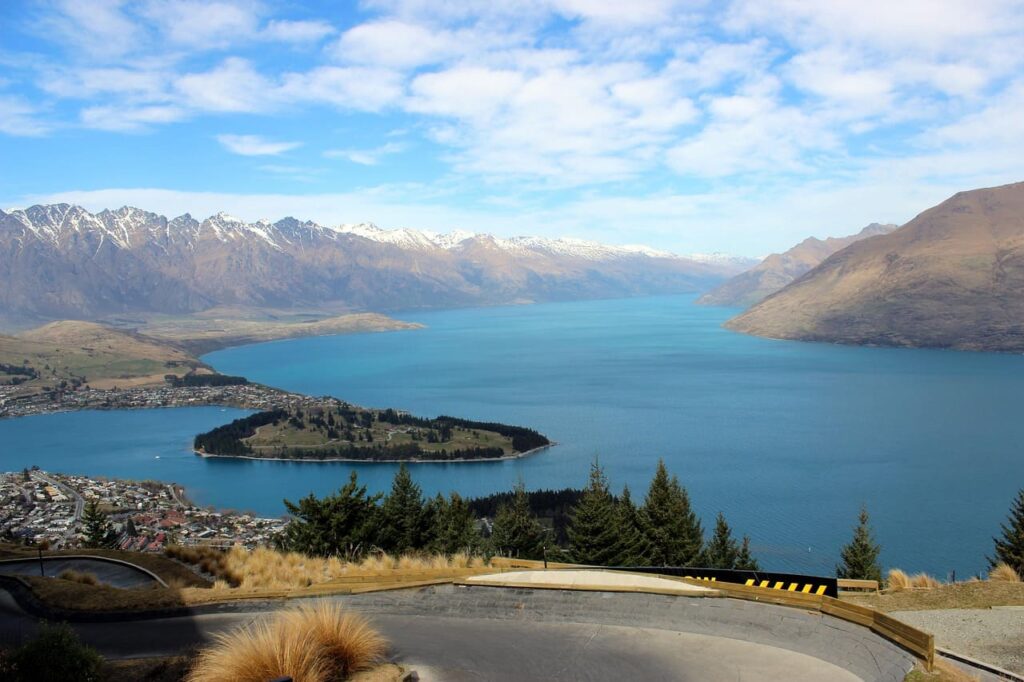
Queenstown is undeniably New Zealand’s adventure capital, a reputation earned through its unparalleled collection of heart-pounding activities set against some of the country’s most spectacular scenery. Perched on the shores of Lake Wakatipu and surrounded by the snow-capped mountains of The Remarkables, Cecil Peak, and Walter Peak, this small town punches far above its weight in terms of experiences offered.
The city represents the perfect marriage of adrenaline and sophistication. World-class adventure activities sit comfortably alongside fine dining, award-winning wineries, and luxury accommodations. Whether you’re here for the thrills or the views, Queenstown caters to every preference.
Highlights and Activities
Adventure Activities:
- Bungy jumping and zip-lining through spectacular gorges
- Jet boating on the pristine lake waters
- Paragliding with panoramic alpine views
- White-water rafting and canyoning expeditions
- Mountain biking on world-class trails
Seasonal Experiences:
- Winter: Three excellent ski fields offering challenging runs and magnificent alpine scenery
- Summer: Exceptional hiking, water sports, lake cruises, and mountain biking
Best Time to Visit Queenstown
Summer (December through February) offers perfect weather for hiking, cycling, and water sports, with warm days and crisp nights. Winter (June through August) provides premium skiing conditions and thriving après-ski culture, though with fewer crowds than summer months.
How to Get to Queenstown
- By Air: Regular flights from all major New Zealand cities and Australia
- By Road: Scenic drives from Auckland (13+ hours) or Christchurch (5 hours). The journey itself is an unforgettable experience
- Self-Drive Routes: The Crown Range Highway from Wanaka offers stunning scenery
Local Tips and Nearby Attractions
Arrowtown, a charming autumn-gold landscape in nearby valleys, offers excellent shopping and dining. Gibbston Valley features some of the country’s finest pinot noir wineries. Consider booking a half-day brewery tour to experience Queenstown’s emerging craft beer scene. For a truly memorable experience, take a Lake Wakatipu scenic cruise at sunset with optional visits to Walter Peak High Country Farm.
2. Milford Sound
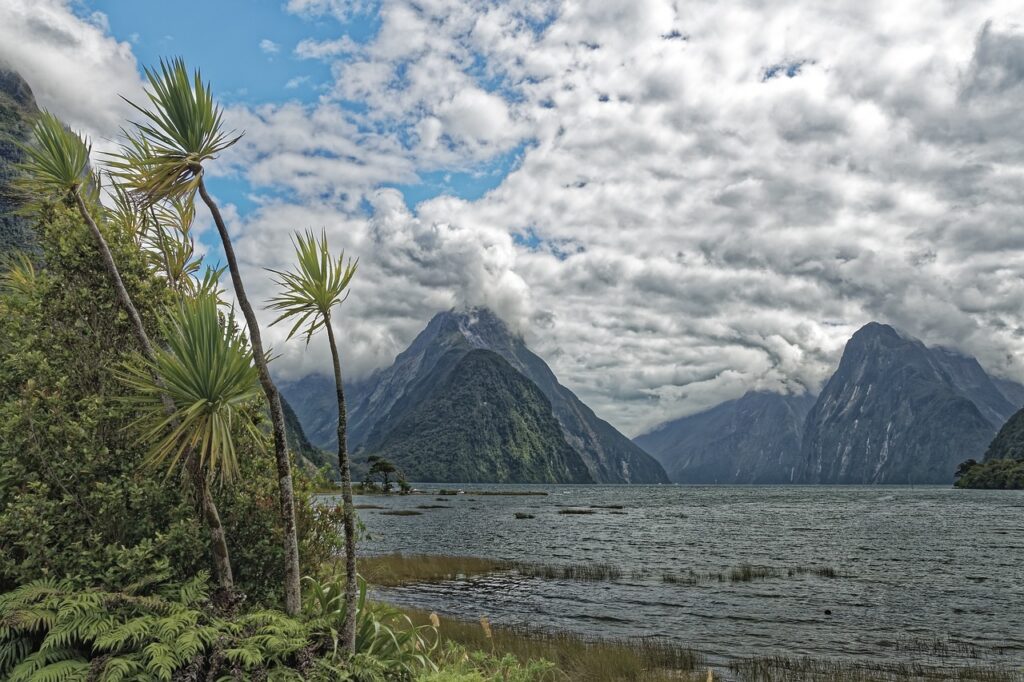
Milford Sound is the most famous fjord in New Zealand, carved by glaciers thousands of years ago. This geological masterpiece features steep cliffs, powerful waterfalls, and unique marine life that makes it one of the world’s most stunning natural wonders. Incredibly, one million tourists visit Milford Sound annually, testament to its universal appeal.
The sound’s steep cliffs and unique ecosystem create an almost otherworldly atmosphere. Waterfalls cascade down sheer rock faces, and the rainforest vegetation clings to impossibly steep slopes. On rainy days, the experience becomes even more dramatic as additional temporary waterfalls appear, creating a symphony of flowing water.
Best Time to Visit Milford Sound
The beauty of Milford Sound lies in its year-round appeal. Spring and autumn offer mild weather and fewer crowds. Summer brings clearer skies and longer daylight hours. Winter delivers a more intimate experience with fewer tourists. Rain is actually a blessing here, as it creates spectacular temporary waterfalls and enhances the dramatic atmosphere.
How to Get to Milford Sound
From Queenstown: Spend the night in Te Anau (118 kilometers away) or the luxurious Milford Sound Lodge. The drive itself is spectacular, featuring numerous viewpoints and hiking opportunities. A full-day tour from Queenstown (about 13 hours total) includes transport, meals, and a cruise through the sound.
From Te Anau: The road to Milford Sound offers breathtaking scenery at every turn. Stop at Key Summit, Mirror Lakes, and The Chasm for remarkable photo opportunities. The drive takes approximately 2 hours from Te Anau.
Scenic Flight Options: For the ultimate experience, book a scenic flight one way from Milford back to Queenstown. This cuts driving time in half while providing unforgettable aerial views of Fiordland National Park.
Activities and Highlights
- Fjord cruises on small boats (preferred for intimacy over large tour boats)
- Kayaking among towering cliffs and marine wildlife
- Dolphin and penguin watching opportunities
- Photography at iconic locations like Stirling Falls and Bowen Falls
- Overnight cruises for a truly immersive experience
3. Rotorua
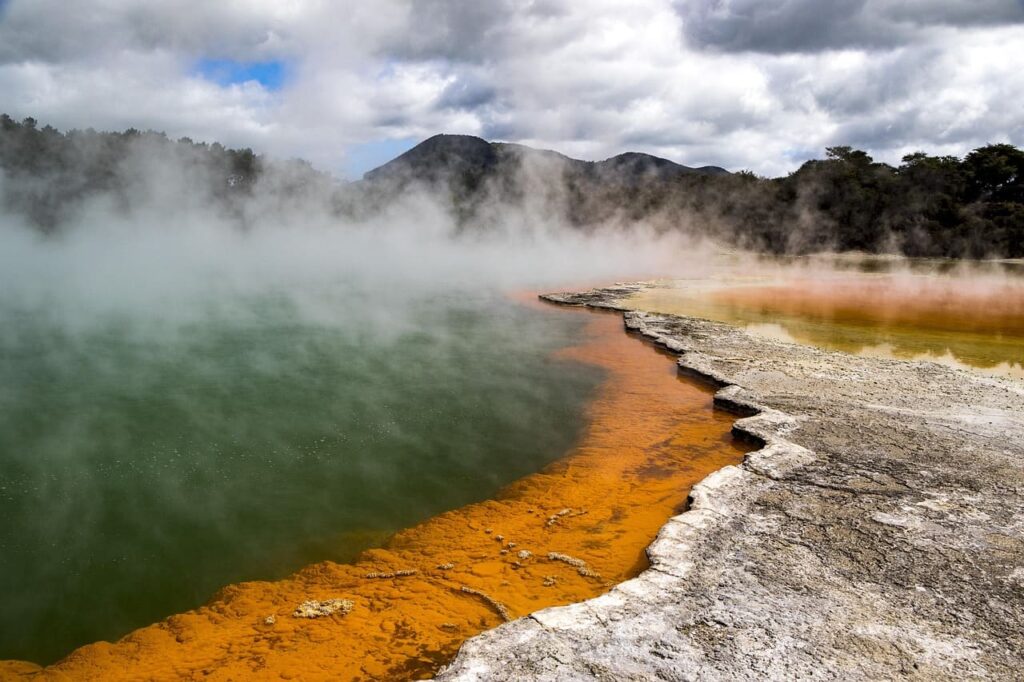
Rotorua sits at the intersection of natural power and Māori heritage, making it one of the most culturally significant destinations in New Zealand. The city is literally built on a geothermal hotbed, with geysers, hot springs, and colorful thermal pools creating an otherworldly landscape. Beyond the geological wonders, Rotorua offers deep cultural experiences that connect visitors to Māori traditions, history, and contemporary life.
The geothermal activity here is visible everywhere. Steam rises from unexpected places, the distinctive sulfur smell permeates the air (locals quickly become immune), and the earth itself feels alive with energy. This unique landscape has shaped both the environment and the culture of the Māori people who have called this region home for centuries.
Highlights and Attractions
Geothermal Wonders:
- Te Puia geothermal park featuring the Southern Hemisphere’s largest geyser
- Whakarewarewa Forest (The Redwoods) with 75-meter tall redwoods and illuminated treetop walks
- Wai-O-Tapu Thermal Wonderland with colorful mineral pools and active geysers
- Secret hot pools hidden in the forest offering peaceful soaking experiences
Cultural Experiences:
- Traditional Māori marae (meeting grounds) visits
- Hangi feasts (earth-cooked traditional meals)
- Haka and poi dance performances
- New Zealand Māori Art and Crafts Institute showcasing traditional arts
Best Time to Visit Rotorua
Spring (September through November) and autumn (March through May) offer mild weather and fewer crowds. Summer can be busy with tourists, while winter provides a quieter experience. The geothermal activities remain spectacular year-round regardless of season.
How to Get to Rotorua
- From Auckland: 3-hour drive or short domestic flight
- From Taupo: 1-hour scenic drive via the Thermal Explorer Highway
- Part of the North Island Loop: Connect easily with other destinations
Day Trip Ideas
Take a day trip to explore the Catlins region’s stunning waterfalls or visit nearby Hobbiton movie set. For adventure seekers, white-water rafting down the Kaituna River includes the world’s highest commercially rated drop at Tutea Falls (7 meters).
4. Auckland
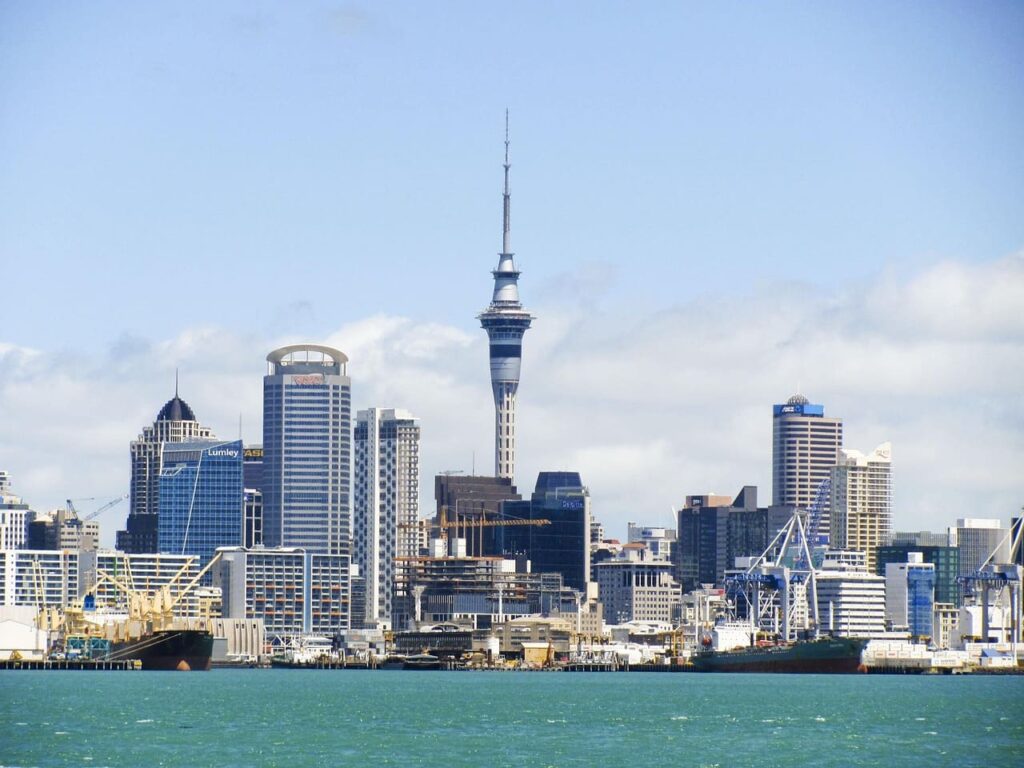
Auckland serves as New Zealand’s gateway city and primary international hub, making it the perfect starting point for any New Zealand adventure. This cosmopolitan metropolis seamlessly blends urban energy with natural beauty, creating a unique destination that appeals to city lovers and nature enthusiasts alike.
Built on volcanic soil and surrounded by harbors, Auckland’s geography shapes its character. The city sits between two harbors: the Waitemata Harbor to the east and the Manukau Harbor to the west. Volcanic cones dot the urban landscape, accessible for quick hikes and panoramic city views.
Highlights and Attractions
Urban Attractions:
- Sky Tower: Iconic structure offering 360-degree city views from the observation deck
- Auckland Museum: World-class exhibits featuring Māori artifacts and natural history
- Waiheke Island: Short ferry ride to a wine country paradise with boutique wineries and sculpture parks
- Viaduct Harbour: Waterfront area with restaurants, galleries, and maritime charm
- Mount Eden and other dormant volcanoes offering sunset viewing opportunities
Cultural Experiences:
- Te Papa Museum: Free exhibitions for locals, $35 NZD for international visitors
- Muriwai Beach: Famous gannet bird colony (October through March)
- Piha Beach: Iconic black sand beach and Lion Rock hiking spot
- Bethells Beach: Volcanic sand dunes and cave exploration
Best Time to Visit Auckland
Year-round mild climate makes Auckland accessible any season. Summer (December through February) offers perfect weather for outdoor dining, beach visits, and island exploration. Winter remains pleasant with fewer crowds and lower accommodation prices.
How to Get to Auckland
- By Air: Major international gateway for flights from worldwide destinations
- By Road: Central location on North Island with excellent road connections
- By Ferry: Serves as the ferry terminal to the South Island
Local Tips
Rent a car for exploring nearby attractions like Waiheke Island and the West Coast beaches. Book brewery tours to experience Auckland’s growing craft beer scene. Visit during summer for the best beach weather, but prepare for crowds and higher prices during school holidays.
5. Wellington
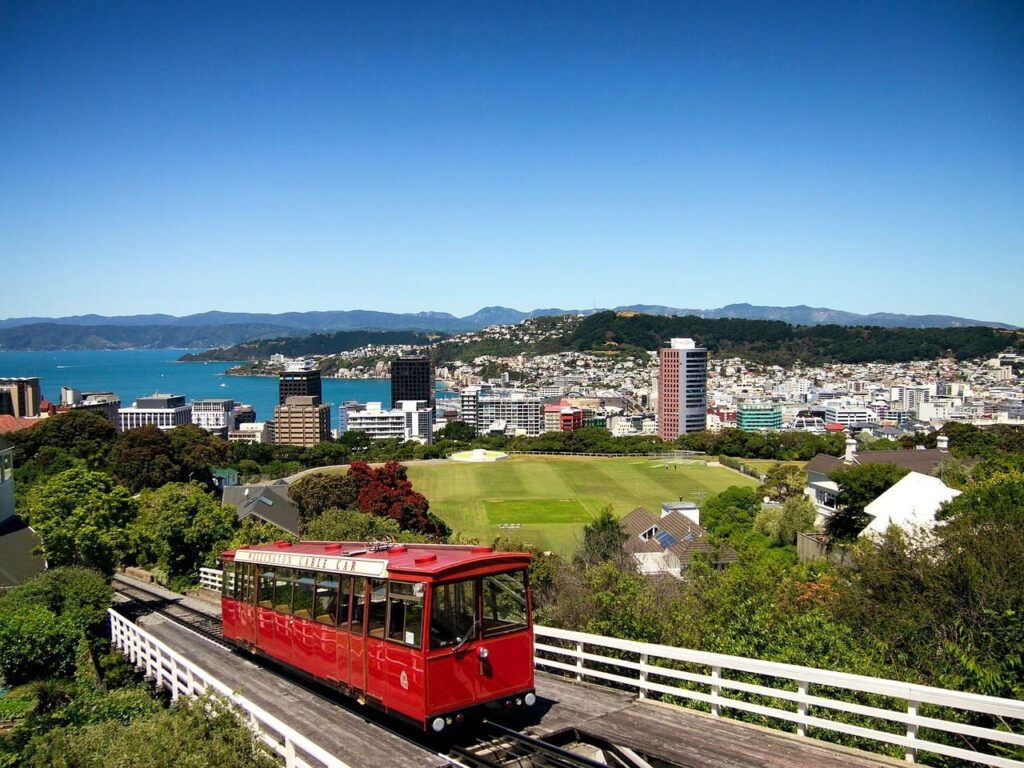
Wellington, New Zealand’s capital city, punches well above its weight in terms of cultural offerings and creative energy. Located at the southern tip of the North Island, this vibrant cultural hub has earned a reputation as the creative heart of New Zealand, renowned for its film industry, craft beer scene, and thriving arts community.
Wellington combines the sophistication of a capital city with the charm of a small town. The harbor creates a stunning natural backdrop, while steep hills surrounding the city offer endless opportunities for exploration. The locals, known as Wellingtonians, take pride in their creative heritage and welcoming attitude.
Highlights and Attractions
Cultural Must-Sees:
- Te Papa Museum (Museum of New Zealand Te Papa Tongarewa): Free for locals, premier attraction featuring Māori culture and national history
- Weta Workshop: Lord of the Rings and Hobbit film production workshop tours
- Cable Car: Charming funicular railway offering excellent views of the city and botanical gardens
- Cuban Street: Quirky street filled with independent cafes, vintage shops, and street art
Culinary and Beverage Scene:
- Craft Beer Capital: Wellington has the highest concentration of breweries in New Zealand
- Award-winning restaurants: World-class dining at affordable prices
- Waterfront dining: Excellent establishments with harbor views
Outdoor Activities:
- Mount Victoria Lookout: Short hike for panoramic city and harbor views at sunset
- Zealandia: Urban nature sanctuary and protected forest area
- Red Rocks: Seal colony viewable on scenic coastal walks
- Botanical Gardens: Connected to the city by cable car for easy access
Best Time to Visit Wellington
Summer (December through February) brings festivals, outdoor dining, and coastal walks. Winter remains pleasant with fewer crowds. The city experiences wind year-round, so dress in layers regardless of season.
How to Get to Wellington
- By Air: Regular flights from all major New Zealand cities
- By Ferry: Main terminal for ferries to the South Island (Picton service)
- By Road: 2-hour drive from Taupo or longer scenic routes from other regions
Day Trips from Wellington
Cape Palliser offers seal colonies and lighthouse views. The Wairarapa wine region is accessible for wine tours. The Hutt Valley provides outdoor recreation opportunities including white-water rafting.
6. Taupō and Tongariro National Park
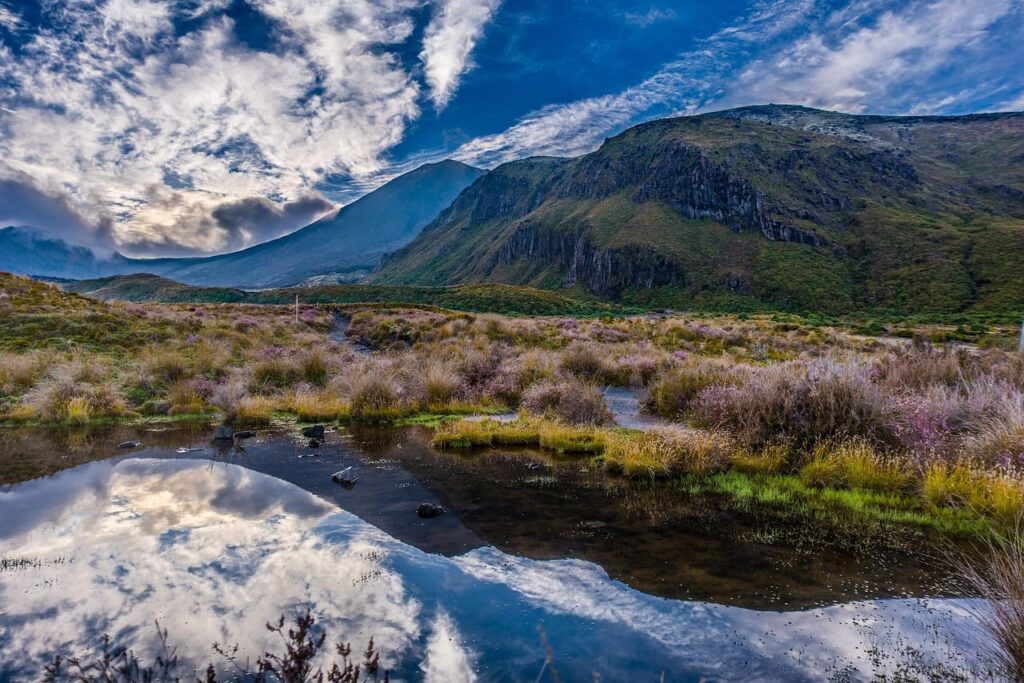
Lake Taupō and Tongariro National Park represent the beating heart of the North Island’s volcanic landscape. This region offers an outdoor paradise with a spiritual volcanic landscape that has captivated visitors for generations. The area sits in the center of the North Island, making it an ideal base for exploring multiple attractions.
Lake Taupō itself is New Zealand’s largest lake, formed by a massive volcanic eruption approximately 2,000 years ago. The surrounding landscape bears the marks of this dramatic geological history, with active and dormant volcanoes creating stunning scenery at every turn.
Highlights and Attractions
Lake Taupō Activities:
- Jet boating on Huka Falls: Thrilling rides through narrow gorges
- Scenic lake cruises featuring Māori rock carvings
- Fishing: Renowned for trophy trout fishing
- Water sports: Kayaking, paddleboarding, and swimming
- Lakeside walks offering peaceful nature experiences
Tongariro National Park:
- Tongariro Alpine Crossing: Epic day hike featuring volcanoes, alpine lakes, and Lord of the Rings filming locations
- Mount Doom/Mount Ruapehu: Sacred mountain (climbing the peak is culturally discouraged)
- Emerald Lakes: Stunningly colored volcanic crater lakes
- Taranaki Falls: Shorter day hikes with spectacular views
Geothermal Attractions:
- Craters of the Moon: Geothermal walk through steaming crater landscape ($10 NZD entry)
- Orakei Korako: Geothermal park with colorful hot springs and cave access
- Waiiotapu Thermal Wonderland: Colorful mineral pools and active geysers
- Waikite Valley Thermal Pools: Luxury hot pool experience
Best Time to Visit
Summer (December through February) offers ideal hiking conditions with clear weather and longer daylight hours. Winter (June through August) brings skiing to Mount Ruapehu and crisp mountain air. Spring and autumn provide mild weather with fewer crowds.
How to Get to Taupō and Tongariro
- From Auckland: 5-hour drive south
- From Rotorua: 1-hour scenic drive via the Thermal Explorer Highway
- From Christchurch: 6-hour drive with spectacular scenery
Adventure Activities
Skydiving at 16,500 feet offers breathtaking aerial views of the region. White-water rafting down the Tongariro River is considered one of the best in New Zealand. For the ultimate hiking experience, tackle the Tongariro Alpine Crossing day hike, covering 19 kilometers with elevation gains offering 360-degree views.
7. Christchurch
Christchurch, once devastated by a severe earthquake in 2011, has undergone a remarkable transformation into one of New Zealand’s most innovative cities. The recovery story is one of resilience and creativity, with the city embracing street art, sustainable architecture, and community-driven regeneration. Visitors today witness a vibrant, forward-thinking destination that honors its heritage while embracing the future.
The city’s Botanic Gardens represent over 150 years of horticultural tradition, while the downtown area now features the world’s most innovative temporary structures and street art. The contrast between heritage and modernity creates a uniquely inspiring atmosphere.
Highlights and Attractions
Garden and Natural Beauty:
- Christchurch Botanic Gardens: 21 hectares of stunning gardens blooming year-round
- Riccarton House: Historic mansion set within peaceful gardens
- Victoria Square: Heart of the city featuring heritage buildings and fountains
Cultural and Artistic Sites:
- Street art: World-class murals and temporary installations throughout the city
- Cardboard Cathedral: Innovative temporary cathedral built from recycled materials
- Art galleries: Numerous contemporary art spaces showcasing local artists
- Earthquake Museum: Educational exhibits about the 2011 earthquake and recovery
Adventure and Outdoor Activities:
- TranzAlpine Train: Spectacular 4.5-hour train journey to the West Coast, considered one of the world’s great train journeys
- Akaroa: Charming French-influenced village 80 kilometers away featuring dolphin watching and harbor cruises
- Banks Peninsula: Scenic drives and coastal walks offering dramatic views
Best Time to Visit Christchurch
Spring (September through November) brings spectacular blooms to the Botanic Gardens. Summer offers warm weather and outdoor festivals. Autumn showcases golden foliage, while winter remains mild for exploring.
How to Get to Christchurch
- By Air: Major South Island gateway with international and domestic flights
- By Road: 5-hour drive from Queenstown or scenic drives from other regions
- By Train: TranzAlpine train from Greymouth offers one of the world’s great train journeys
Day Trips and Extensions
The drive to Mount Cook National Park (3.5 hours) connects to Lake Tekapo and other spectacular South Island destinations. The West Coast beaches are accessible via day trip. Nearby Hanmer Springs offers thermal pools and adventure activities.
8. Hobbiton and Matamata
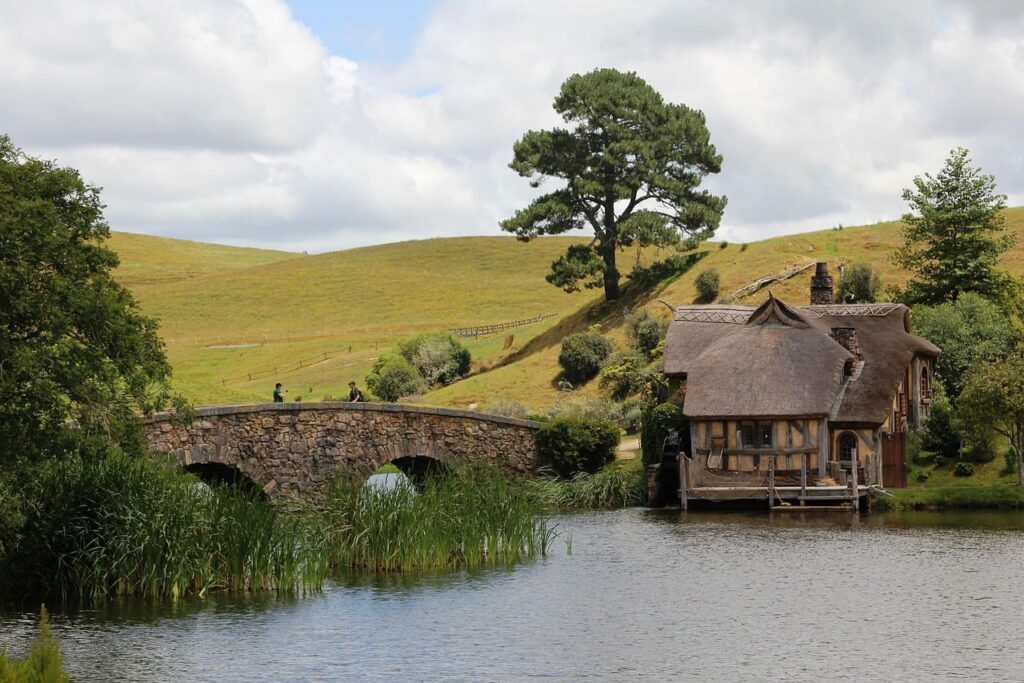
Hobbiton represents more than just a movie set; it’s an immersive journey into the fantasy world of Middle-Earth, created for the Lord of the Rings and Hobbit film franchises. Located in the picturesque countryside near Matamata (2 hours from Auckland, 1 hour from Rotorua), this magical destination attracts millions of devoted fans and curious travelers alike.
The movie set remains standing as a permanent attraction, meticulously maintained to preserve the enchantment captured on film. Walking through the Shire feels like stepping directly into Tolkien’s imagined world, with every detail perfectly crafted to create authenticity and wonder.
Highlights and Attractions
Movie Set Tour Includes:
- Hobbit holes: Charming dwellings with distinctive round doors and interior furnishings
- Green Dragon Inn: Working pub serving themed beverages and food
- Party Tree: Iconic location from the films
- Mill and Bag End: Frodo’s home and other key locations
- Director’s commentary: Knowledgeable guides sharing behind-the-scenes stories
Tour Options:
- Standard 2-hour walking tour: $120 NZD per person with GREEN DRAGON beverage included
- Premium breakfast tours: Enhanced experience starting early to avoid crowds
- Dinner tours: Evening experience with gourmet Hobbiton-themed meals
- Small group tours: Limited to 15 people for more intimate experience
Best Time to Visit Hobbiton
Year-round tours operate daily at multiple times. However, visiting early morning or late afternoon minimizes crowds compared to midday tours when buses arrive. Spring showcases vibrant gardens while summer offers warm weather for outdoor exploration. Book well in advance during peak season (December through February).
How to Get to Matamata
- From Auckland: 2-hour drive south
- From Rotorua: 1-hour drive west
- Rental car recommended for independent travel
- Alternatively, book a day tour from Auckland or Rotorua
Nearby Attractions
Matamata town itself offers charming cafes and shops. The surrounding Waikato region features horse farms, thermal springs, and rural New Zealand scenery. Consider extending your visit to explore nearby Hobbiton-related locations used in the films.
9. Franz Josef Glacier
Franz Josef Glacier represents one of the world’s rarest natural phenomena: a massive glacier descending toward rainforest and sea. Located on the West Coast of the South Island, this unique ecosystem exists nowhere else on Earth. The combination of ancient ice, lush subtropical vegetation, and rugged coastline creates a landscape of extraordinary contrasts and raw beauty.
The glacier has retreated significantly over recent decades due to climate change, making current visits particularly poignant. Visitors witness both the power of nature and its fragility, creating a thought-provoking and humbling experience.
Highlights and Activities
Glacier Experiences:
- Glacier valley viewpoint: Free 1-hour easy walk to distant glacier views
- Glacier trekking: Guided walks on the glacier itself, combining hiking with ice exploration
- Helicopter tours: Scenic flights offering aerial perspectives of the glacial landscape
- Heli-hikes: Combination helicopter transport and on-glacier hiking for maximum ice exposure
- Peters Pool: Glacial meltwater lake reflecting mountain views
Hiking Opportunities:
- Alex Knob Track: Challenging hike ascending above the valley for panoramic glacier views
- Coastal walks: Exploring the nearby Okarito Lagoon and beaches
- Rainforest walks: Experiencing the unique West Coast vegetation
Relaxation and Wellness:
- Franz Josef Hot Pools: Natural thermal pools costing $29 NZD per adult
- Multiple pool temperatures: Comfortable soaking in stunning natural surroundings
- Waterfall viewing: Hot pools feature scenic waterfall views
Best Time to Visit Franz Josef
Summer (December through February) offers the clearest weather and best accessibility for glacier activities. However, conditions can change rapidly in this weather-exposed region. Visitors should build flexibility into their itineraries, as helicopter tours and heli-hikes are weather-dependent. Winter brings fewer tourists but potentially greater weather challenges.
How to Get to Franz Josef
- From Queenstown: 5-6 hour scenic drive west via the Haast Pass
- From Wanaka: 6-hour drive through Mount Aspiring National Park
- From Greymouth: 2-hour drive north along the West Coast
- Self-drive with dramatic scenery at every turn
Local Tips and Extensions
The West Coast is sparsely populated, so book accommodations well in advance. Multiple nights allow flexibility for weather-dependent activities. Explore nearby Punakaiki (2 hours north) featuring Pancake Rocks and blowholes. Consider the scenic TranzAlpine train from Christchurch through the South Island’s dramatic landscape.
10. Bay of Islands
Bay of Islands represents the subtropical heart of New Zealand, featuring crystal-clear waters, historic significance, and abundant marine life. Located in Northland (3 hours north of Auckland), this region combines natural beauty with profound historical importance in Māori and European New Zealand history.
The bay contains over 140 islands scattered across sparkling waters, creating one of the country’s most visually stunning destinations. The subtropical climate supports lush vegetation and vibrant communities. The region pulses with water-based activities, historical attractions, and maritime adventures.
Highlights and Attractions
Historical Sites:
- Waitangi Treaty Grounds: Location where the foundational document was signed between Māori chiefs and British representatives in 1840
- Te Pii Museum: Exhibits detailing Māori and European history
- Russell: Historic town accessible by ferry, featuring colonial architecture and museums
- Kerikeri: Charming town with heritage buildings and local farms
Water-Based Activities:
- Dolphin watching: Dusky dolphins often seen in the bay (especially November through March)
- Hole in the Rock cruise: Boats navigate through a natural rock formation in the ocean
- Island hopping: Visiting remote islands for snorkeling and swimming
- Waka tours: Traditional canoe experiences led by Māori guides sharing cultural knowledge
- Game fishing: Opportunities for deep-sea fishing adventures
Cultural Experiences:
- Māori performances: Haka and traditional dances at Waitangi Treaty Grounds
- Hāngī feasts: Earth-cooked traditional meals featuring indigenous ingredients
- Cultural workshops: Learning Māori crafts and traditions
- Sunrise ceremonies: Special events at significant cultural locations
Best Time to Visit Bay of Islands
Summer (November through March) offers warm weather, calm seas, and optimal conditions for water activities. Dolphins are most active during this period. Winter remains mild and brings fewer tourists but potentially rougher seas for boating activities.
How to Get to Bay of Islands
- From Auckland: 3-hour drive north to Paihia
- By Air: Direct flights to nearby Kerikeri airport
- Self-drive: Scenic journey through Northland’s pastoral landscape
Day Trips and Extensions
The drive from Auckland to the Bay of Islands offers numerous scenic stops and attractions along the way. Nearby Whangarei Falls and forests provide hiking opportunities. The region connects easily to other North Island destinations for extended road trip itineraries.
Cultural Context: Understanding Aotearoa
To truly appreciate New Zealand, visitors should understand the Māori heritage that underpins the nation’s identity. The Māori people, who arrived from Polynesia approximately 700 years ago, developed a distinct culture profoundly connected to the natural environment.
Key Māori Concepts:
Manaakitanga (hospitality): The concept of generously welcoming and caring for guests remains central to New Zealand culture. You’ll encounter this spirit everywhere, from locals offering directions to tourism professionals ensuring unforgettable experiences.
Kaitiakitanga (guardianship of nature): This principle reflects responsibility for protecting and preserving the environment. Many conservation efforts and tourism practices reflect this deep respect for nature.
Whakapapa (genealogy): Connection to ancestors and the land forms the foundation of Māori identity. Many place names and cultural sites reflect these genealogical connections.
Māori Cuisine and Food Culture
Traditional Māori cuisine features heavily in contemporary New Zealand food culture. The hāngī, an earth-cooked feast using traditional methods, remains popular for celebrations and tourist experiences. Fresh seafood, including pāua (abalone), kina (sea urchin), and snapper, feature prominently. Modern chefs increasingly celebrate indigenous ingredients and techniques, creating innovative dishes rooted in tradition.
Wine and Beverage Culture
New Zealand Wine: The country produces exceptional wines, particularly pinot noir, sauvignon blanc, and chardonnay. Major wine regions include:
- Gibbston Valley (near Queenstown): Renowned for pinot noir
- Marlborough (near Blenheim): Famous for sauvignon blanc
- Hawke’s Bay: Diverse varietals including syrah and chardonnays
- Central Otago: Premium wines in a stunning alpine setting
Craft Beer: New Zealand’s craft beer revolution has created world-class breweries in cities like Wellington, Queenstown, and Wanaka. Brewery tours offer opportunities to taste innovative local beers while learning brewing techniques.
Kiwi Humor and Friendliness
New Zealanders, known affectionately as “Kiwis,” embody a distinctive culture characterized by humor, independence, and genuine friendliness. The relaxed “she’ll be right” attitude balances with strong environmental values and genuine hospitality. Visitors consistently praise the warmth of Kiwi welcomes and the authentic connections made during travels.
Travel Planning: Comprehensive Comparison
| Aspect | North Island | South Island | Recommendation |
|---|---|---|---|
| Landscape Type | Volcanic, geothermal, beaches | Mountains, fjords, glaciers | Both offer unique experiences |
| Best For | Culture, Māori heritage, city breaks | Adventure, hiking, scenic drives | Combine both for complete experience |
| Travel Duration | 5-7 days minimum | 7-10 days recommended | 10-14 days ideal for both islands |
| Transportation | Good public transport, rental cars available | Self-drive essential, fewer buses | Rent car for flexibility |
| Accommodation Range | Budget to luxury options | Mix of lodges and adventure hostels | Book ahead during peak season |
| Accessibility | Well-developed infrastructure | Remote areas require planning | Both very accessible for independent travelers |
| Peak Season | December through February | December through February | Book 6-8 weeks in advance |
| Budget Level | Moderate to high | Moderate to high | Budget $100-200+ NZD per day |
Frequently Asked Questions on Top 10 Places to visit in New Zealand
What is the best time to visit New Zealand?
December through February offers summer warmth but expects crowds and higher prices. March through May provides pleasant autumn weather with fewer tourists. June through August brings winter and skiing opportunities. September through November showcases spring blooms. Most travelers find shoulder seasons (March-May and September-November) ideal for balancing weather and crowds.
How many days are ideal to cover both islands of the New Zealand?
Two weeks (14 days) allows reasonable exploration of both islands without excessive rushing. Ten days permits visiting major attractions while skipping numerous worthy detours. Three weeks enables unhurried exploration of both islands plus many lesser-known destinations.
Should I self-drive or take guided tours in New Zealand?
Self-driving offers maximum flexibility and the ability to explore at your own pace. Rental cars provide independence for discovering hidden gems. Guided tours handle logistics, provide expert commentary, and work for travelers uncomfortable driving in unfamiliar countries. Many visitors combine both approaches, self-driving between major destinations while booking specific activity tours.
What are the top places to stay in New Zealand?
Queenstown offers luxury accommodation and adventure activity headquarters. Wellington provides urban comfort and cultural experiences. Rotorua connects visitors to Māori culture and geothermal wonders. Christchurch offers garden-focused relaxation. Lake Tekapo provides stargazing and alpine experiences. Consider spending multiple nights in fewer locations rather than constant movement.
Which regions offer the best Māori cultural experiences?
Rotorua stands as the premier destination for immersive Māori cultural experiences, with traditional villages, cultural performances, and Māori-led attractions. The Bay of Islands offers historical significance through the Waitangi Treaty Grounds. Wellington’s Te Papa Museum provides comprehensive Māori historical context. Hobbiton tours and other attractions throughout the country incorporate Māori perspectives and languages.
Practical Travel Information
Visa Requirements: Most visitors receive automatic visitor status upon arrival. Check specific requirements with the New Zealand Immigration website based on your citizenship.
Transportation:
- Domestic flights connect major cities efficiently
- Long-distance buses (FlexiBus, InterCity) serve all regions
- Rental cars provide maximum flexibility and access to remote areas
- Campervans enable budget-friendly accommodation and flexibility
Currency and Cost: New Zealand Dollar (NZD) is the currency. Budget $100-200 NZD per day for budget travelers, $200-400 NZD for mid-range experiences, $400+ NZD for luxury travel. Credit cards work widely, but cash remains useful in rural areas.
Safety and Health: New Zealand ranks among the world’s safest countries. Healthcare is excellent but expensive for visitors without insurance. Comprehensive travel insurance is highly recommended.
Accommodation: Options range from budget hostels ($30-50 NZD) to luxury lodges ($300+ NZD). Mid-range hotels ($150-250 NZD) offer comfort and good value. Booking in advance is essential during peak season (December through February).
Conclusion: Top 10 places to visit in New Zealand
New Zealand represents one of Earth’s most remarkable destinations, offering a rare combination of world-class adventure, authentic cultural experiences, and landscapes that defy imagination. The ten destinations outlined in this guide represent the absolute best of what this extraordinary country offers, each providing unique perspectives on the nation’s diverse character.
From the adrenaline-charged pursuits of Queenstown to the cultural richness of Rotorua, from the dramatic natural beauty of Milford Sound to the creative energy of Wellington, New Zealand delivers unforgettable experiences at every turn. Whether you’re seeking personal adventure, cultural immersion, or simple natural beauty, this country delivers beyond expectation.
The true magic of New Zealand lies not just in the famous attractions but in the freedom to explore beyond guidebooks and discover personal favorites. A hidden waterfall accessed via unmarked trail, a conversation with a local farmer, or a sunset watched from the edge of a quiet bay can often become the memory that defines an entire trip. These moments, unplanned and unfiltered, are what transform a holiday into a story you carry for life.
New Zealand rewards curiosity. The more you venture beyond the main routes, the more layers of its identity you uncover — from Māori legends whispered through geothermal valleys to coastal towns where life moves at the rhythm of the tide. Every region offers its own expression of Aotearoa, the land of the long white cloud, yet all share the same warmth, respect for nature, and quiet pride in their homeland.
Travelling through the top 10 places to visit New Zealand is only the beginning. Each destination invites you to slow down, connect, and understand how land and people coexist here in harmony. Take time to learn a few Māori phrases, taste local wines, and listen to stories that give context to the landscapes you admire. These interactions turn sightseeing into genuine connection.
Whether you choose to base yourself in Queenstown’s mountain luxury, sleep under the stars in Fiordland, or wake to birdsong near Rotorua’s lakes, the top 10 places to stay in New Zealand will surround you with both comfort and character. The country’s hospitality is as memorable as its scenery, ensuring that every visitor feels not like a guest, but a welcomed friend.
In the end, New Zealand is more than a destination — it’s an experience that stays with you long after you leave. Its vast skies, raw wilderness, and open-hearted people remind travellers of the beauty that exists when a nation protects its environment and celebrates its culture. From north to south, Aotearoa invites you to come, explore, and find your own piece of wonder within its shores.