Canada, the second-largest country in the world, is a land of staggering natural beauty, vibrant multicultural cities, and unforgettable experiences. From the rugged Pacific coastline to the historic streets of Quebec, from the majestic Rocky Mountains to the pristine wilderness of the far north, Canada offers travelers an incredible diversity of destinations that captivate the imagination and create memories that last a lifetime.
Whether you’re an outdoor enthusiast seeking adventure in untamed wilderness, a culture lover drawn to world-class museums and festivals, or simply someone who appreciates breathtaking landscapes, Canada has something extraordinary to offer. This comprehensive guide will take you through the top 10 places to visit in Canada, exploring not just the iconic destinations but also the hidden gems that make this country truly special.
As you plan your Canadian adventure, you’ll discover that each region has its own distinct character, shaped by unique geography, history, and cultural influences. From the cosmopolitan energy of Toronto to the European charm of Montreal, from the outdoor paradise of Banff to the coastal beauty of Vancouver Island, these destinations represent the very best of what Canada has to offer.
TL;DR – Quick Links to the Top 10 Places to Visit in Canada
-
Banff National Park, Alberta (Google Maps)
-
Vancouver, British Columbia (Google Maps)
-
Québec City, Québec (Google Maps)
-
Montreal, Québec (Google Maps)
-
Toronto, Ontario (Google Maps)
-
Niagara Falls, Ontario (Google Maps)
-
Jasper National Park, Alberta (Google Maps)
-
Victoria & Vancouver Island, British Columbia (Google Maps)
-
Ottawa, Ontario (Google Maps)
-
Churchill, Manitoba (Google Maps)
1. Banff National Park, Alberta: The Crown Jewel of the Canadian Rockies
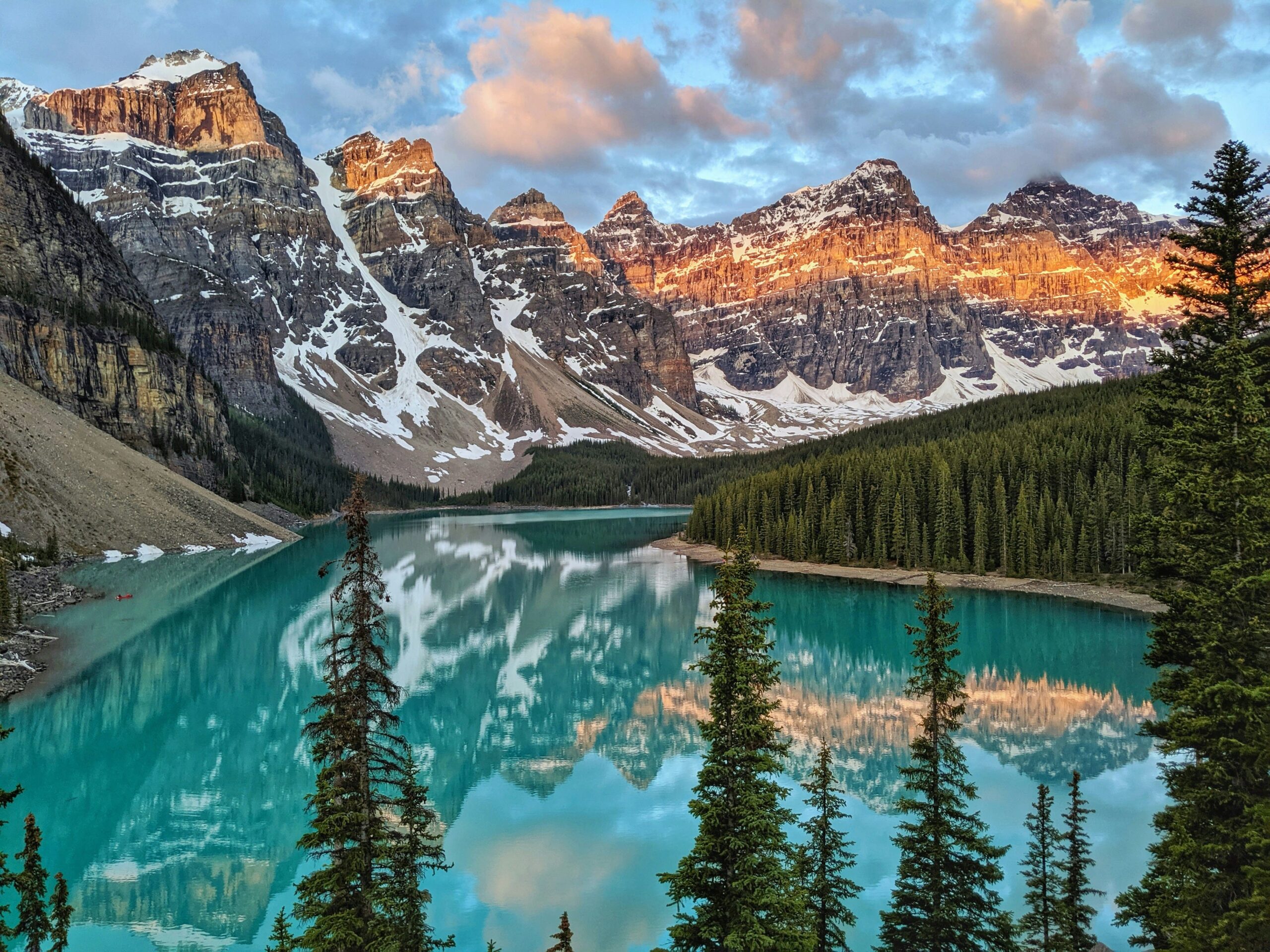
Nestled in the heart of the Canadian Rockies, Banff National Park stands as one of the most spectacular natural destinations anywhere in the world. Established in 1885 as Canada’s first national park, Banff encompasses over 6,600 square kilometers of pristine mountain wilderness, turquoise glacial lakes, dense evergreen forests, and abundant wildlife.
Why Banff Should Top Your Canadian Itinerary
Banff National Park isn’t just about scenic beauty though it certainly delivers on that front. The park offers an unparalleled combination of outdoor adventure, natural wonder, and accessible amenities that make it suitable for everyone from hardcore backpackers to luxury travelers seeking comfort in the wilderness.
The town of Banff itself serves as a perfect base for exploration, offering everything from budget-friendly hostels to world-class resorts like the iconic Fairmont Banff Springs Hotel, often called the “Castle in the Rockies.” The townsite provides excellent dining, shopping, and cultural attractions including the Banff Centre for Arts and Creativity and the Whyte Museum of the Canadian Rockies.
Must-See Attractions in Banff
Lake Louise stands as perhaps the most photographed location in all of Canada, and for good reason. The stunning turquoise waters, fed by glacial meltwater, are framed by towering peaks and the massive Victoria Glacier. In summer, visitors can hike the trail to the Lake Agnes Tea House, a historic structure serving refreshments since 1901, or paddle across the pristine waters in a canoe rented from the boat house. Winter transforms Lake Louise into a magical wonderland, with world-class skiing at the Lake Louise Ski Resort and the opportunity to skate on the frozen lake surface while surrounded by snow-capped peaks.
Moraine Lake, located in the Valley of the Ten Peaks, rivals Lake Louise in beauty and actually surpasses it in the eyes of many visitors. The vivid blue waters against the dramatic mountain backdrop create one of the most iconic vistas in Canada so iconic, in fact, that it once graced the Canadian $20 bill. Arrive early in the morning to avoid crowds and witness the spectacular sunrise illuminating the peaks. The short Rockpile Trail offers the best viewpoint, while more adventurous hikers can tackle the Consolation Lakes or Larch Valley trails.
The Icefields Parkway, connecting Banff to Jasper National Park, is widely considered one of the most scenic drives in the world. This 232-kilometer highway winds through some of the most spectacular mountain scenery imaginable, with numerous viewpoints, hiking trails, and attractions along the way. Don’t miss the Columbia Icefield, where you can walk on the Athabasca Glacier with specialized Ice Explorer vehicles, and the stunning Peyto Lake viewpoint, where the glacier-fed lake displays an otherworldly turquoise color.
What to Do in Banff
Outdoor enthusiasts will find endless activities in Banff. Summer offers world-class hiking, with trails ranging from easy lakeside strolls to challenging alpine scrambles. The Johnston Canyon trail, leading to impressive waterfalls and the colorful Ink Pots spring-fed pools in an open meadow ranks among the park’s most popular hikes. The trail features catwalks built into the canyon walls, providing dramatic perspectives of the rushing water below.
For more experienced hikers, the Plain of Six Glaciers trail from Lake Louise provides spectacular glacier views and another charming tea house destination. The trail climbs steadily through alpine terrain, offering increasingly impressive views of Victoria Glacier and surrounding peaks. The tea house, perched on a moraine with stunning glacier views, makes the perfect rest stop before returning.
Wildlife viewing opportunities abound throughout the park. Elk commonly wander through the town of Banff, particularly in autumn during the rutting season when bull elk bugle to attract mates a haunting sound that echoes through the valley. Bighorn sheep, mountain goats, black bears, grizzly bears, and occasionally wolves can be spotted along roadways and trails. Always maintain a safe distance of at least 30 meters from elk and 100 meters from bears, and never feed wildlife.
Winter transforms Banff into one of North America’s premier ski destinations, with three world-class resorts: Lake Louise Ski Resort (the largest ski area in Canada), Sunshine Village (known for its champagne powder), and Mount Norquay (offering steep terrain and night skiing). Beyond skiing and snowboarding, winter activities include ice skating on frozen lakes, snowshoeing through quiet forests, dog sledding, ice climbing, and relaxing in the Banff Upper Hot Springs while surrounded by snowy peaks a uniquely Canadian experience.
Hidden Gems in Banff
While Lake Louise and Moraine Lake attract massive crowds, savvy travelers can find quieter alternatives that offer equally stunning beauty. Sunshine Meadows, accessible via gondola from Sunshine Village, features alpine wildflower displays in July and August that are simply breathtaking. Over 300 species of wildflowers carpet the meadows in a rainbow of colors. The area offers relatively easy hiking trails through pristine alpine terrain with far fewer people than the more famous locations.
Marble Canyon in nearby Kootenay National Park (your Banff pass grants access) features a dramatic gorge carved through limestone, with a series of bridges crossing over the turbulent waters below. The trail is short and accessible but leads to spectacular geological formations and thundering waterfalls.
For those seeking solitude, the Skoki Valley backcountry area offers incredible alpine scenery and a historic backcountry lodge. While reaching Skoki requires either a lengthy hike or ski trip (approximately 11 kilometers from the trailhead), the rewards include pristine wilderness, turquoise alpine lakes, and a true escape from crowds.
2. Vancouver, British Columbia: Where Mountains Meet the Sea
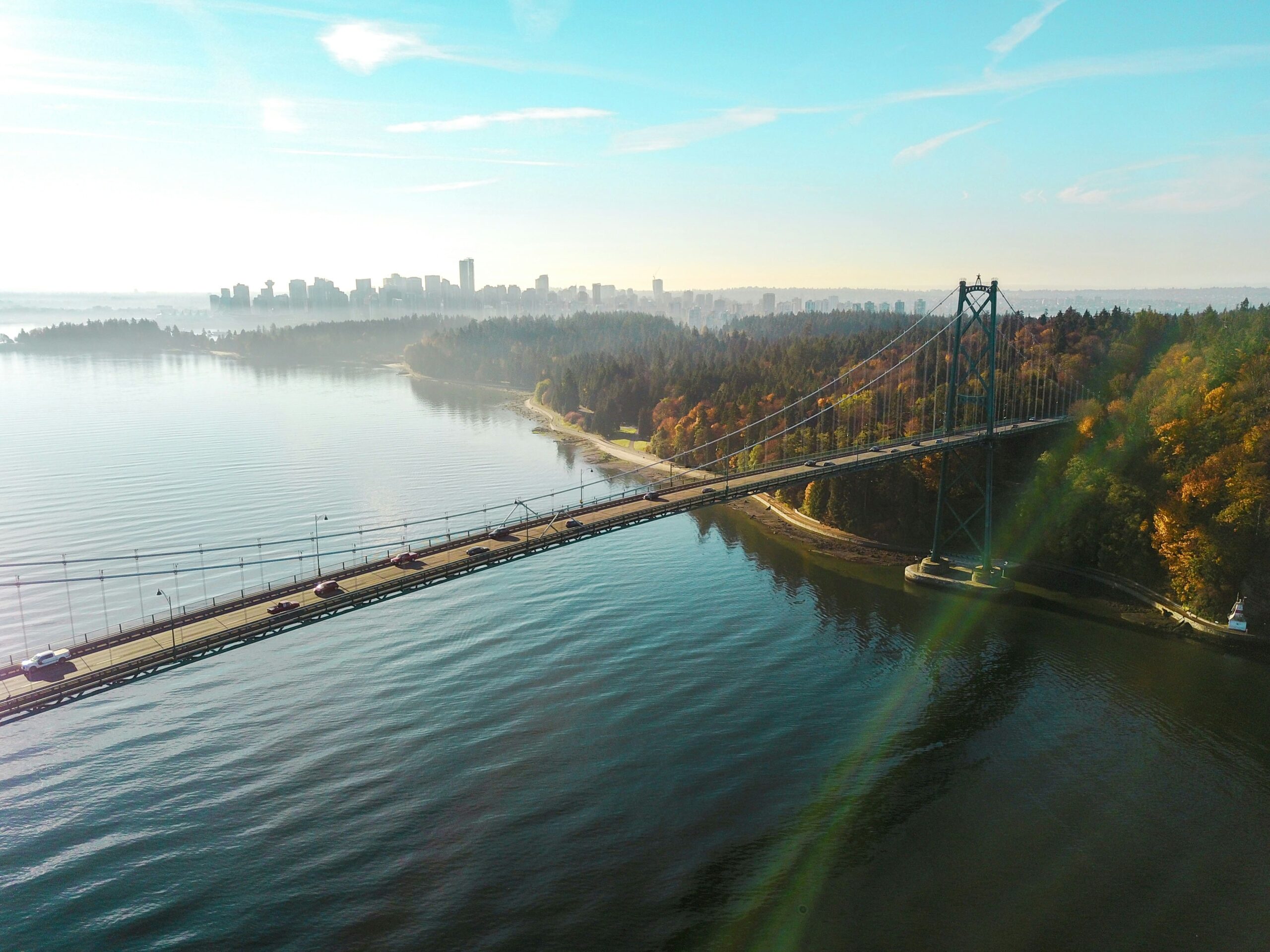
Vancouver consistently ranks among the world’s most livable cities, and it’s easy to understand why. This coastal metropolis boasts a stunning setting where snow-capped mountains rise dramatically behind a modern skyline, while the Pacific Ocean and its islands stretch out before the city. Vancouver offers the unique combination of urban sophistication and outdoor adventure, allowing you to ski in the morning and sail in the afternoon a claim few other cities can make.
The Essence of Vancouver
Vancouver’s character is defined by its remarkable diversity both natural and cultural. The city’s population represents virtually every corner of the globe, creating one of the most multicultural cities in North America. This diversity manifests deliciously in the city’s world-class dining scene, vibrant neighborhoods, and numerous cultural festivals throughout the year.
The mild climate, by Canadian standards, makes Vancouver enjoyable year-round. Winters are cool and wet rather than freezing, while summers are warm and generally dry. This temperate weather supports lush greenery throughout the city, earning Vancouver its reputation as one of the world’s greenest cities.
Stanley Park and the Seawall
No visit to Vancouver is complete without spending time in Stanley Park, a magnificent 1,000-acre urban park that ranks among the finest city parks in the world. The park features ancient rainforest, beautiful beaches including popular Third Beach and family-friendly Second Beach with its heated saltwater pool, the Vancouver Aquarium, and numerous trails and attractions.
The famous Seawall surrounds the park’s perimeter, offering 9 kilometers of paved pathway perfect for walking, jogging, cycling, or rollerblading while enjoying spectacular views of the mountains, ocean, and city skyline. The full loop around the park takes about 2-3 hours to walk or 1-1.5 hours to cycle, with numerous beaches, viewpoints, and attractions along the way.
Don’t miss the Totem Poles at Brockton Point, which represent various First Nations and tell important stories of Indigenous culture. These intricately carved poles, created by master carvers from different coastal First Nations, provide insights into the rich artistic and cultural traditions of Canada’s Indigenous peoples. The nearby Prospect Point offers the park’s highest viewpoint, with panoramic vistas of the Lions Gate Bridge and North Shore mountains.
Granville Island and Gastown
Granville Island transforms Vancouver’s industrial past into a vibrant present. This former industrial site under the Granville Street Bridge now hosts the popular Granville Island Public Market, where vendors sell fresh produce, seafood from both Pacific and Atlantic waters, artisanal baked goods, and unique artisan crafts. The island also features theaters including the Arts Club Theatre Company, galleries showcasing local artists, restaurants ranging from casual to upscale, craft breweries producing innovative beers, and studios where you can watch artisans create everything from jewelry to blown glass.
It’s an excellent place to spend several hours browsing, eating, and soaking up the creative atmosphere. The Kids Market offers a dedicated space for children’s shopping and entertainment, while the waterfront provides beautiful views and people-watching opportunities.
Gastown, Vancouver’s oldest neighborhood, combines Victorian architecture with contemporary cool. The cobblestone streets, gas lamps, the famous steam-powered clock (which whistles every 15 minutes), and numerous boutiques and restaurants create a charming atmosphere for exploration. The area has transformed from its gritty past into one of the city’s trendiest neighborhoods, with excellent dining options from contemporary Canadian cuisine to international flavors and vibrant nightlife in stylish cocktail bars and nightclubs.
What to Do in Vancouver
Vancouver serves as a gateway to incredible outdoor adventures. The North Shore Mountains provide year-round recreation, with world-class skiing and snowboarding at Grouse Mountain (accessible via the Skyride tram), Cypress Mountain (which hosted 2010 Olympic events), and Mount Seymour in winter. Summer brings hiking on dozens of trails ranging from easy forest walks to challenging mountain climbs, mountain biking on legendary trails, and wildlife viewing including the resident grizzly bears at Grouse Mountain’s wildlife refuge.
Capilano Suspension Bridge Park offers the thrilling experience of walking across a 137-meter suspension bridge swaying 70 meters above the Capilano River. The park also features the Treetops Adventure, a series of seven suspension bridges through the forest canopy connecting platforms built around massive Douglas fir trees, and the Cliffwalk, a cantilevered walkway along the granite cliff face that provides new perspectives on the temperate rainforest ecosystem.
For a more budget-friendly suspension bridge experience, the Lynn Canyon Suspension Bridge in Lynn Canyon Park offers similar thrills without the admission fee, plus beautiful hiking trails leading to waterfalls, swimming holes perfect for summer cooling off, and the Lynn Canyon Ecology Centre which provides education about the local ecosystem.
The city’s diverse neighborhoods each offer unique experiences. Explore Chinatown, one of North America’s largest, with its traditional architecture including decorative gates and colorful buildings, herbal shops selling traditional remedies, and excellent restaurants serving authentic Cantonese, Szechuan, and other regional Chinese cuisines. Visit the Dr. Sun Yat-Sen Classical Chinese Garden, an authentic Ming Dynasty garden completed in 1986 by artisans from Suzhou, China, that offers tranquility in the heart of the city with its carefully designed landscapes, traditional architecture, and peaceful koi ponds.
Commercial Drive, known as “The Drive” to locals, showcases Vancouver’s alternative side with vintage clothing shops, international restaurants representing Italian, Latin American, and other cuisines, independent cafes roasting their own beans, and a distinctly bohemian vibe. Main Street has emerged as a hip neighborhood with craft breweries producing innovative IPAs and ales, independent boutiques, and trendy eateries serving everything from vegan cuisine to gourmet burgers.
Hidden Gems in Vancouver
Wreck Beach, located below the University of British Columbia campus, is Canada’s largest clothing-optional beach. Whether or not you choose to bare all, the beach offers a unique atmosphere, beautiful ocean views, and a sense of freedom. Be prepared for the steep staircase there are over 400 steps down to the beach, which means 400 steps back up, though the views and beach experience make it worthwhile.
Queen Elizabeth Park sits atop Little Mountain, the highest point in Vancouver at 152 meters above sea level, offering spectacular 360-degree views of the city, mountains, and ocean. The park features beautifully landscaped gardens with over 1,500 plants representing regions from around the world, the Bloedel Conservatory (a domed tropical paradise filled with exotic plants and over 100 free-flying birds), and numerous walking paths.
For art lovers, the Museum of Anthropology at UBC houses one of the world’s finest collections of Northwest Coast First Nations art, including massive totem poles, intricate masks, ceremonial objects, and the impressive Bill Reid rotunda featuring his masterpiece “The Raven and the First Men” a massive yellow cedar sculpture depicting the Haida creation story.
3. Quebec City, Quebec: A Taste of Europe in North America
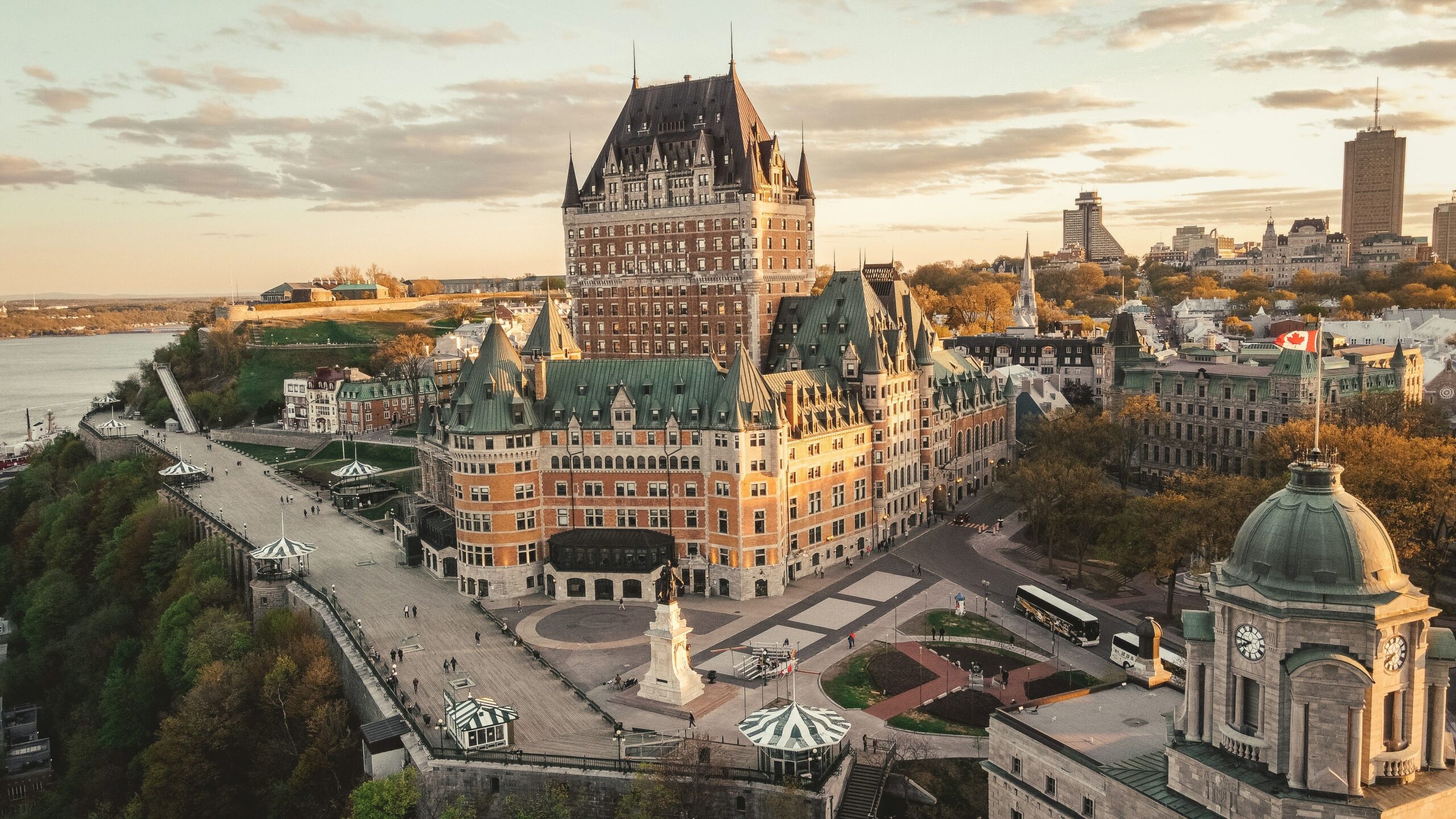
Step into Quebec City and you might forget you’re in North America. This enchanting city, perched on cliffs above the St. Lawrence River, feels distinctly European with its cobblestone streets, historic architecture, French language, and Old World charm. As the capital of Quebec province and one of North America’s oldest cities (founded in 1608), Quebec City offers a unique cultural experience that transports visitors across time and ocean.
The Magic of Old Quebec
Vieux-Québec (Old Quebec), a UNESCO World Heritage site, represents the only remaining fortified city north of Mexico. The stone walls, built by French and British colonial powers between 1608 and the late 1800s, still encircle the upper town, creating a romantic atmosphere enhanced by horse-drawn carriages (calèches) clopping along narrow streets, French cafes spilling onto sidewalks, and street performers entertaining passersby with music, juggling, and theatrical performances.
The city divides into Haute-Ville (Upper Town) and Basse-Ville (Lower Town), connected by steep streets, staircases including the historic Breakneck Stairs (Escalier Casse-Cou), and a funicular railway that has been carrying passengers between levels since 1879. Upper Town houses government buildings, historic sites, upscale shops, and the famous Château Frontenac, while Lower Town preserves the oldest part of the city along the river with buildings dating to the 17th century.
Château Frontenac and Dufferin Terrace
The Château Frontenac, towering above the St. Lawrence River, ranks among the world’s most photographed hotels. This massive castle-like structure, built in 1893 by the Canadian Pacific Railway, defines Quebec City’s skyline and serves as the city’s most iconic landmark. The hotel has hosted numerous world leaders, celebrities, and dignitaries over its 130-year history. Even if you don’t stay at this luxury Fairmont property (rooms can be expensive), you can enjoy drinks or a meal while soaking up the historic ambiance, or simply admire the magnificent architecture from the outside.
Experience the hotel’s famous afternoon tea service a Victorian tradition complete with finger sandwiches, scones with clotted cream and jam, delicate pastries, and fine teas served on elegant china in the Tea Lobby. Reservations are strongly recommended for this popular experience.
Terrasse Dufferin, a wide boardwalk stretching along the clifftop beside the Château Frontenac, provides breathtaking views of the St. Lawrence River (which is actually a saltwater estuary at this point), the city of Lévis across the water, Île d’Orléans downstream, and the distant Laurentian Mountains. The terrace features Victorian-style benches, street performers including musicians and living statues, vendors selling local crafts, and creates a lively atmosphere particularly pleasant on summer evenings when the setting sun casts golden light on the river.
In winter, an ice slide (toboggan run) provides thrilling rides for children and adventurous adults, reaching speeds up to 70 kilometers per hour as you zoom down the steep wooden slide on wooden sleds.
Exploring Lower Town
Petit Champlain, nestled in Lower Town at the base of the cliffs, claims to be North America’s oldest commercial district. This charming pedestrian street features boutiques selling Quebec-made crafts and fashion, art galleries showcasing local artists, cozy restaurants serving French-Canadian cuisine, and cafes where you can enjoy café au lait and croissants. The narrow lane, particularly beautiful when decorated for Christmas with thousands of lights transforming it into a winter wonderland, feels like stepping into a French village.
Place Royale, the site where Samuel de Champlain established a permanent settlement and founded Quebec in 1608, preserves buildings dating to the French colonial period. The square, dominated by the beautiful Notre-Dame-des-Victoires church (built in 1688 and one of North America’s oldest churches), features historic interpretation panels, museums including the Museum of Civilization, and period architecture that transport visitors to New France. The square hosts cultural events, outdoor concerts, and historical reenactments during summer.
The Old Port (Vieux-Port) area has been revitalized in recent years, with historic warehouses converted into modern condos, restaurants, and entertainment venues. The Marché du Vieux-Port (Old Port Market) offers local produce, Quebec specialties including maple products and artisanal cheeses, and artisan products in a modern building with views of the river. The waterfront promenade provides beautiful walking, particularly at sunset, and cruise ships dock here during the summer season.
Beyond the Walls
The Plains of Abraham (Plaines d’Abraham), site of the famous 1759 battle between British and French forces that determined Canada’s future, now forms a large urban park where locals and visitors enjoy walking, cycling, picnicking, cross-country skiing in winter, and various events and festivals throughout the year. The park connects to the Battlefields Park, creating a green corridor through the city with historic monuments commemorating the battle, interpretation centers explaining the historical significance, Martello Towers (British defensive structures), and stunning views of the river.
Montmorency Falls and Île d’Orléans
Just 15 minutes outside Quebec City, Montmorency Falls plunge 83 meters 30 meters higher than Niagara Falls, though considerably narrower. A suspension bridge spans the top of the falls, offering dramatic views of the cascading water and the St. Lawrence River below. Cable cars provide easy access to the top, while stairs (487 steps!) offer a more vigorous route. Walking trails provide various perspectives on the falls from different viewpoints. In winter, the frozen spray creates an impressive ice cone at the falls’ base, and adventurous visitors can try ice climbing on the frozen walls.
Île d’Orléans, a pastoral island in the St. Lawrence River just downstream from Quebec City, offers a glimpse of traditional rural Quebec that feels like stepping back in time. The island features six historic villages with stone churches and houses dating to the 17th and 18th centuries, farms offering fresh produce and local specialties including strawberries (June), raspberries (July), apples (September-October), craft shops selling handmade goods, and vineyards and cideries producing award-winning wines and ice ciders.
A scenic 67-kilometer road circles the island, passing stone houses, historic churches, agricultural landscapes that have changed little over centuries, and numerous farm stands and boutiques. Visit during harvest season to sample fresh local products, or in autumn when the island’s trees display brilliant fall colors. Many farms offer pick-your-own opportunities, chocolatiers craft artisanal chocolates, and several excellent restaurants serve farm-to-table cuisine highlighting island ingredients.
Winter in Quebec City
Quebec City transforms into a winter wonderland, embracing the cold with enthusiasm rather than enduring it. The Winter Carnival (Carnaval de Québec), held annually in February, ranks among the world’s largest winter festivals. The event features an elaborate ice palace serving as the focal point, international snow sculpture competition displaying incredible artistry, night parades with illuminated floats and performers, traditional canoe races across the icy St. Lawrence River (teams paddle, pull, and push their canoes across ice floes), and copious consumption of caribou a traditional alcoholic beverage made from red wine, spirits, and maple syrup served warm.
The carnival’s mascot, Bonhomme Carnaval (a large snowman), appears throughout the city during the festivities. Activities include snow baths (rolling in snow wearing only swimsuits a test of Canadian mettle!), ice skating, outdoor concerts, and various winter sports competitions.
4. Montreal, Quebec: Where Joie de Vivre Meets North American Energy
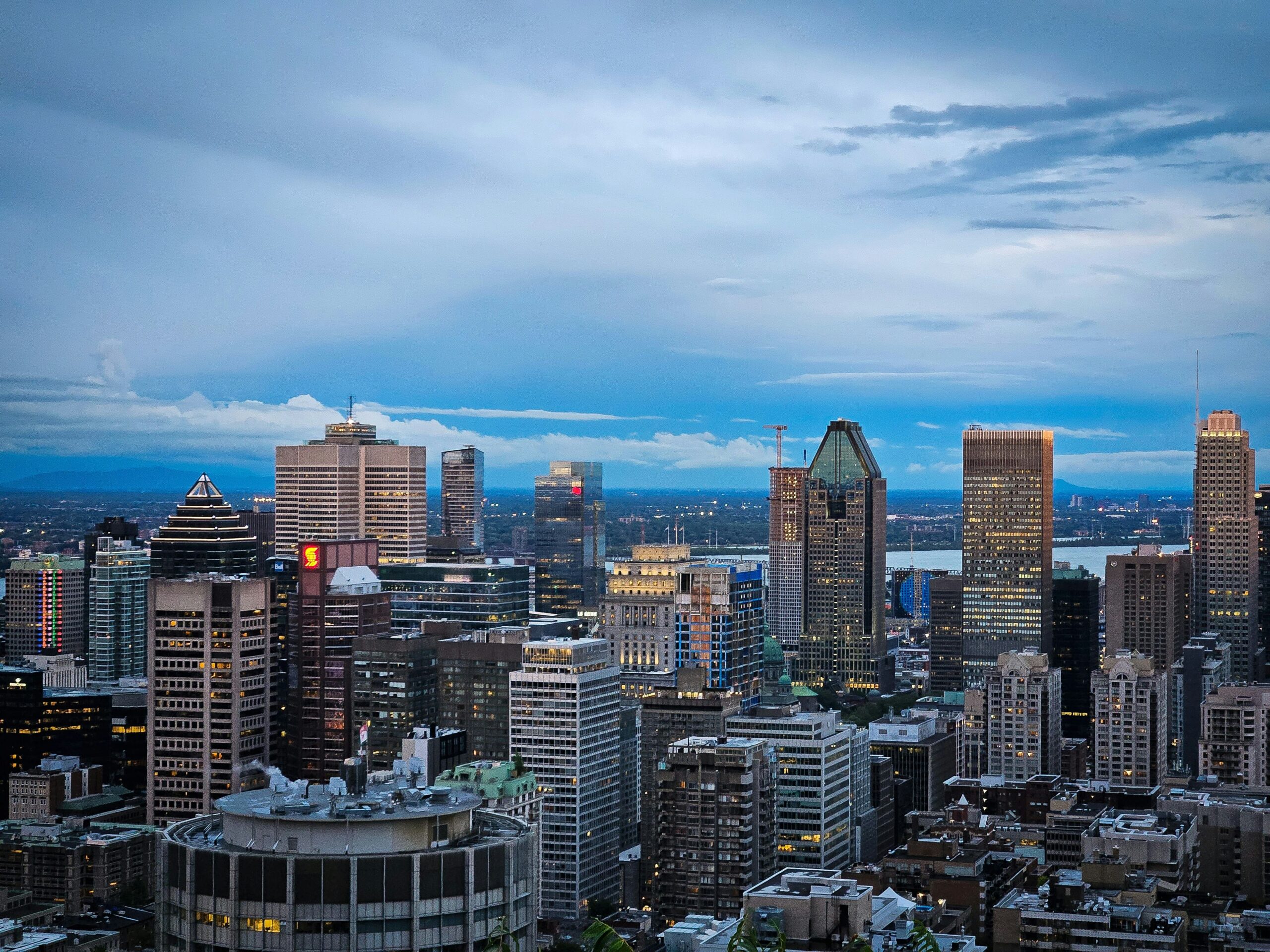
Montreal, Quebec’s largest city and Canada’s second-largest metropolitan area, pulses with a uniquely North American energy infused with European sensibility. This bilingual city (predominantly French-speaking but with a significant English-speaking population) offers world-class dining that rivals Paris or New York, vibrant nightlife that continues until dawn, numerous festivals that fill the calendar, rich history visible in its architecture and museums, and a creative spirit that has produced renowned musicians like Leonard Cohen and Arcade Fire, comedians, and artists.
Built on an island in the St. Lawrence River and named for Mont Royal, the hill at its heart, Montreal combines old-world charm in its historic districts with modern architecture and infrastructure in newer areas. The city’s relatively affordable cost of living compared to Toronto and Vancouver and creative atmosphere attract artists, students, and young professionals, contributing to its vibrant cultural scene and youthful energy.
Old Montreal: Where History Comes Alive
Vieux-Montréal (Old Montreal) preserves the city’s colonial past in a compact area of cobblestone streets like Rue Saint-Paul and Rue de la Commune, 17th-19th century buildings in various architectural styles including French colonial and Victorian, museums, art galleries, restaurants, and shops near the Old Port. The neighborhood’s European atmosphere, enhanced by horse-drawn calèches offering romantic rides, street performers including musicians and artists, and outdoor cafes perfect for people-watching, makes it Montreal’s most touristy area but deservedly so.
Place Jacques-Cartier, a sloping public square in the heart of Old Montreal, fills with street performers, portrait artists, cafes with outdoor terraces, and visitors during summer. The lively square, flanked by historic buildings including City Hall (Hôtel de Ville) at the top, provides an excellent people-watching spot and embodies Montreal’s joie de vivre the joy of living that characterizes the city’s spirit.
Notre-Dame Basilica, a masterpiece of Gothic Revival architecture completed in 1829, dazzles visitors with its brilliant blue ceiling adorned with golden stars, intricate woodwork throughout the interior, stunning stained glass windows depicting Montreal’s religious and colonial history rather than biblical scenes, and a magnificent Casavant organ with over 7,000 pipes. The basilica’s interior ranks among the most beautiful in North America, with every surface decorated in rich colors and gold leaf. Evening sound and light shows called “AURA” transform the space into a multisensory experience combining music, lights, and projections that highlight the architectural beauty.
Mount Royal: Montreal’s Green Heart
Mount Royal (Mont Royal), the hill that gives Montreal its name, provides the city’s most beloved green space. Designed by Frederick Law Olmsted, who also created New York’s Central Park, Mount Royal Park offers extensive trails for walking and cycling, lookouts with stunning views, picnic areas popular with families, and seasonal activities. The Kondiaronk Belvedere provides the iconic view of downtown Montreal’s skyline that appears in countless photos and postcards the view is particularly beautiful at sunset when the buildings glow in golden light, or at night when the city sparkles with lights.
The park attracts joggers year-round, cyclists exploring the winding paths, picnickers enjoying warm weather, and anyone seeking respite from urban life. In winter, Beaver Lake (a man-made pond) becomes a popular skating area with rental skates available, while cross-country skiing and snowshoeing trails wind through the snow-covered forest. The park’s highest point is crowned by the illuminated cross visible from across the city first erected in 1643, the current steel version installed in 1924 has become a Montreal symbol.
Montreal’s Distinctive Neighborhoods
Montreal’s neighborhoods each possess unique character and appeal. The Plateau (Plateau Mont-Royal) represents quintessential Montreal with its colorful houses painted in blues, reds, and yellows, distinctive exterior staircases that are a Montreal architectural feature (originally built outside to maximize interior space and reduce heating needs), independent shops selling everything from vintage clothing to artisanal goods, cozy cafes perfect for lingering over coffee, and diverse restaurants. Boulevard Saint-Laurent (The Main) and Rue Saint-Denis form the neighborhood’s main arteries, lined with restaurants, bars, shops, and theaters.
Mile End, adjoining the Plateau, has emerged as one of Montreal’s hippest neighborhoods, home to artists, musicians (Arcade Fire started here), and young professionals. The area features vintage shops selling curated secondhand clothing, independent boutiques, the famous bagel bakeries St-Viateur and Fairmount, locked in friendly rivalry as the city’s best (both have been wood-fire baking bagels 24/7 since the 1950s), trendy restaurants pushing culinary boundaries, and a creative atmosphere visible in the street art and cultural venues.
Jean-Talon Market, in Little Italy, ranks as one of North America’s largest public markets. The market overflows with fresh produce including Quebec specialties, meats from local farms, artisanal cheeses (Quebec produces over 700 varieties), baked goods from traditional boulangeries, flowers creating a riot of color, and specialty foods. The market is particularly impressive during the summer harvest season when local farmers bring incredible variety, and in autumn when pumpkins, squash, and apples dominate the stalls.
What to Do in Montreal
Montreal earns its reputation as the “Festival City,” hosting numerous major events throughout the year. The Montreal International Jazz Festival, held annually in late June and early July, ranks as the world’s largest jazz festival with over 1,000 concerts, 3,000 artists from 30+ countries, hundreds of free outdoor concerts on multiple stages, and paid indoor shows featuring international stars and emerging artists. The festival transforms downtown streets into pedestrian zones filled with music and celebration.
Just for Laughs (Juste pour rire), the world’s largest comedy festival, brings together top comedians from around the globe each July for stand-up shows, galas, street performances, and comedy screenings.
The Montreal Museum of Fine Arts, Canada’s oldest art museum founded in 1860, houses an impressive permanent collection spanning from antiquity to contemporary art, with particularly strong holdings of Canadian and Quebec art. The museum’s several pavilions connected via underground passages offer diverse special exhibitions throughout the year covering topics from fashion to archaeology to contemporary installations.
Montreal’s culinary reputation extends far beyond poutine, though the city certainly takes this Quebec classic seriously fries, cheese curds, and gravy have evolved into countless creative variations. Montreal-style bagels, smaller, denser, and sweeter than New York bagels, are boiled in honey-sweetened water and baked in wood-fired ovens. The debate over St-Viateur versus Fairmount continues to inspire passionate arguments among locals try both and decide for yourself.
Smoked meat, Montreal’s answer to pastrami, reaches its apotheosis at Schwartz’s Hebrew Delicatessen, a tiny landmark institution that has been serving overstuffed sandwiches since 1928. The long lines move quickly, and the experience standing elbow-to-elbow at communal tables, biting into tender, peppery meat piled high on rye bread is quintessentially Montreal.
5. Toronto, Ontario: Canada’s Cosmopolitan Heart
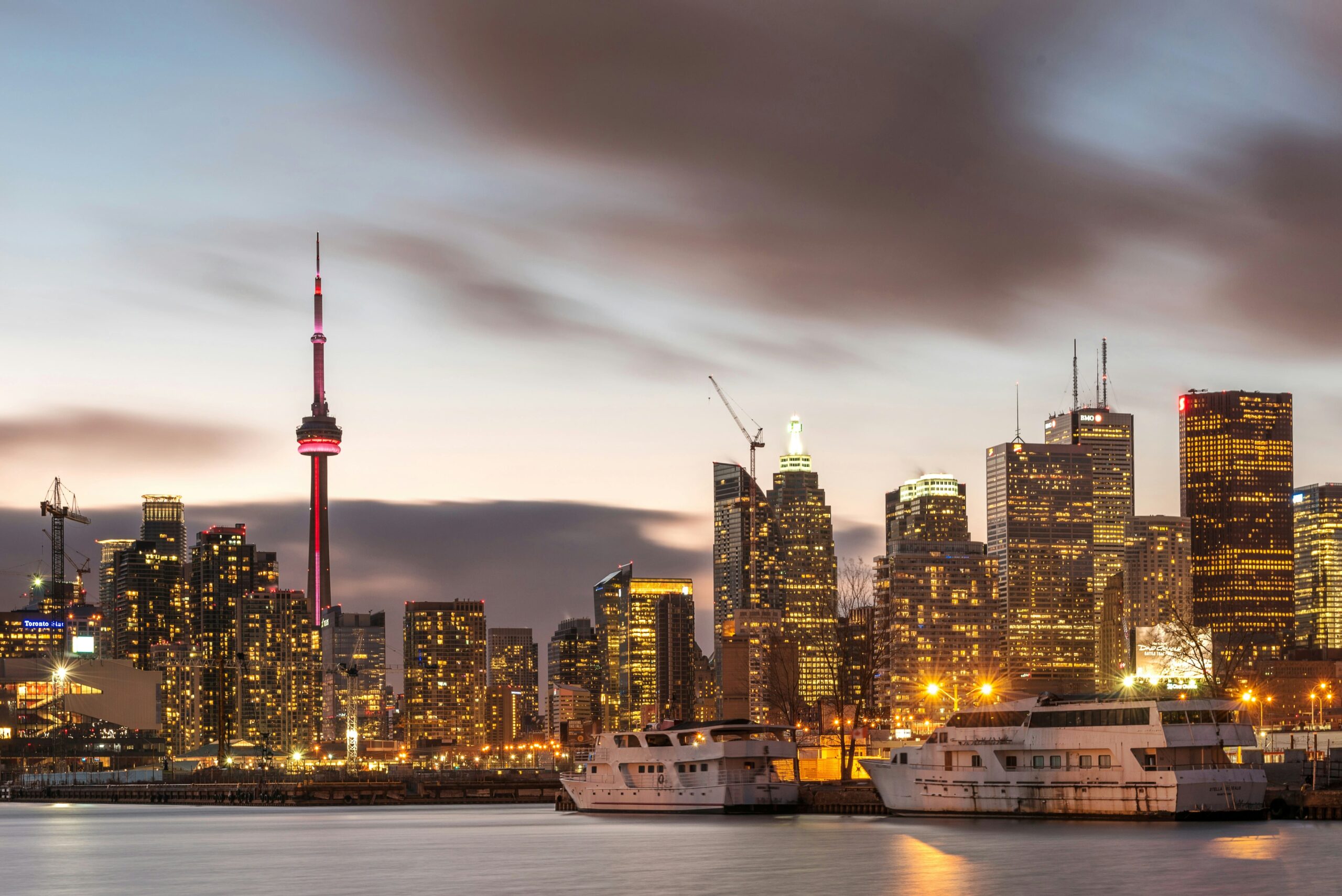
Toronto, Canada’s largest city and financial capital, pulses with energy, creativity, and diversity. Home to over 2.9 million people in the city proper and over 6 million in the Greater Toronto Area, Toronto ranks as one of the most multicultural cities on Earth, with more than half its population born outside Canada and over 180 languages spoken. This diversity creates a vibrant tapestry of neighborhoods, cuisines, festivals, and cultural experiences that make Toronto endlessly fascinating to explore.
The Toronto Experience
Toronto defies stereotypes. It’s dynamic, constantly evolving, and increasingly recognized as a global cultural powerhouse. The city’s film industry has earned it the nickname “Hollywood North” (more movies and TV shows film here than anywhere except Los Angeles), its restaurant scene rivals any major city with innovative chefs and diverse cuisines, and its arts and culture offerings are world-class from theater to visual arts to music.
The city spreads along the northern shore of Lake Ontario, with a modern skyline dominated by the iconic CN Tower. Despite its size and urban intensity, Toronto maintains numerous green spaces, parks like High Park with cherry blossoms in spring, and beaches along the waterfront that provide respite from the urban environment.
CN Tower and Major Attractions
The CN Tower stands as Toronto’s most recognizable landmark at 553 meters tall and held the title of world’s tallest free-standing structure for 32 years. Visitors can ascend to the observation decks via glass-fronted elevators for breathtaking 360-degree views of the city, lake, and surrounding region on clear days you can see Niagara Falls 120 kilometers away and even into New York State. The brave can experience the EdgeWalk, a hands-free walk around the tower’s main pod 356 meters above the ground you’re secured by harness but lean out over the edge for an adrenaline-pumping experience. For a memorable dining experience, the 360 Restaurant rotates slowly (completing a full rotation in 72 minutes), providing constantly changing views while you eat Canadian-inspired cuisine.
The Royal Ontario Museum (ROM), Canada’s largest museum, houses world-class collections of natural history (including spectacular dinosaur fossils), world cultures (Chinese temple art, Egyptian mummies, Greek and Roman artifacts), and art spanning centuries and continents. The controversial Michael Lee-Chin Crystal, a bold modern addition to the historic building designed by Daniel Libeskind, has become an architectural landmark that divides opinion but attracts attention. The ROM’s diverse exhibitions range from gem and mineral displays to fashion to contemporary installations.
Casa Loma, a Gothic Revival castle built between 1911-1914 by financier Sir Henry Pellatt, offers a unique glimpse into Toronto’s past and one man’s extravagant dream. The 98-room castle features secret passages connecting rooms, towers providing city views, underground tunnels connecting to the stables, beautiful gardens designed in formal European style, and period furnishings recreating early 20th-century upper-class life. The castle has been featured in numerous films and TV shows.
Toronto’s Diverse Neighborhoods
Kensington Market, a bohemian enclave of vintage shops selling curated clothing from past decades, international food vendors representing Caribbean, Latin American, Middle Eastern and Asian cuisines, independent cafes roasting single-origin beans, and vibrant street art covering walls and fences, offers a refreshingly gritty contrast to the polished downtown core. The market’s pedestrian-friendly streets encourage wandering and discovery you’ll find everything from Jamaican patty shops to vintage record stores to Buddhist temples in this eclectic neighborhood.
The Distillery District transforms Toronto’s Victorian-era industrial architecture (the former Gooderham and Worts Distillery, once the world’s largest distillery) into a pedestrian-only village of galleries, restaurants, boutiques, and performance spaces. The preserved brick buildings and cobblestone streets create an atmospheric setting for dining, shopping, cultural events, and simply strolling. In winter, the Distillery transforms into a magical Christmas market with artisan vendors, festive lights, and holiday cheer.
Toronto Islands
A short ferry ride from downtown, the Toronto Islands offer peaceful escape with beaches including clothing-optional Hanlan’s Point and family-friendly Centre Island Beach, parks perfect for picnicking, walking and cycling paths (the islands are car-free except for service vehicles), and spectacular views of the Toronto skyline particularly beautiful at sunset. Centre Island features Centreville Amusement Park, perfect for families with young children with its antique carousel, miniature train, and gentle rides. Ward’s Island and Algonquin Island host small residential communities with charming cottages, gardens, and a village-like atmosphere rare in a major city.
What to Do in Toronto
The Toronto International Film Festival (TIFF) in September ranks among the world’s most prestigious film festivals, attracting A-list celebrities, film enthusiasts, industry professionals, and media from around the globe. The festival screens hundreds of films from established directors and emerging talents, with many Oscar contenders premiering here. Even if you can’t attend screenings, the festival transforms downtown into a hub of excitement with red carpet events, industry parties, and star sightings.
The St. Lawrence Market, in a historic building dating to 1803, consistently ranks among the world’s best food markets. The main market on the building’s lower level offers fresh produce, premium meats, seafood flown in from both coasts, artisanal baked goods, cheese specialists, and specialty items from dozens of vendors who have operated family businesses here for generations. Visit on Saturday mornings for the farmers’ market on the second floor where Ontario farmers sell seasonal produce, preserves, meats, and baked goods.
Sports fans can catch games from Toronto’s major league teams: the Blue Jays (MLB) at Rogers Centre with its retractable roof, Raptors (NBA) at Scotiabank Arena, Maple Leafs (NHL hockey is practically religion in Toronto), Toronto FC (MLS), and Argonauts (CFL). The energy at these games, particularly during playoffs, is electric, and attending a game provides insight into Canadian sports culture.
6. Niagara Falls, Ontario: Nature’s Thundering Masterpiece
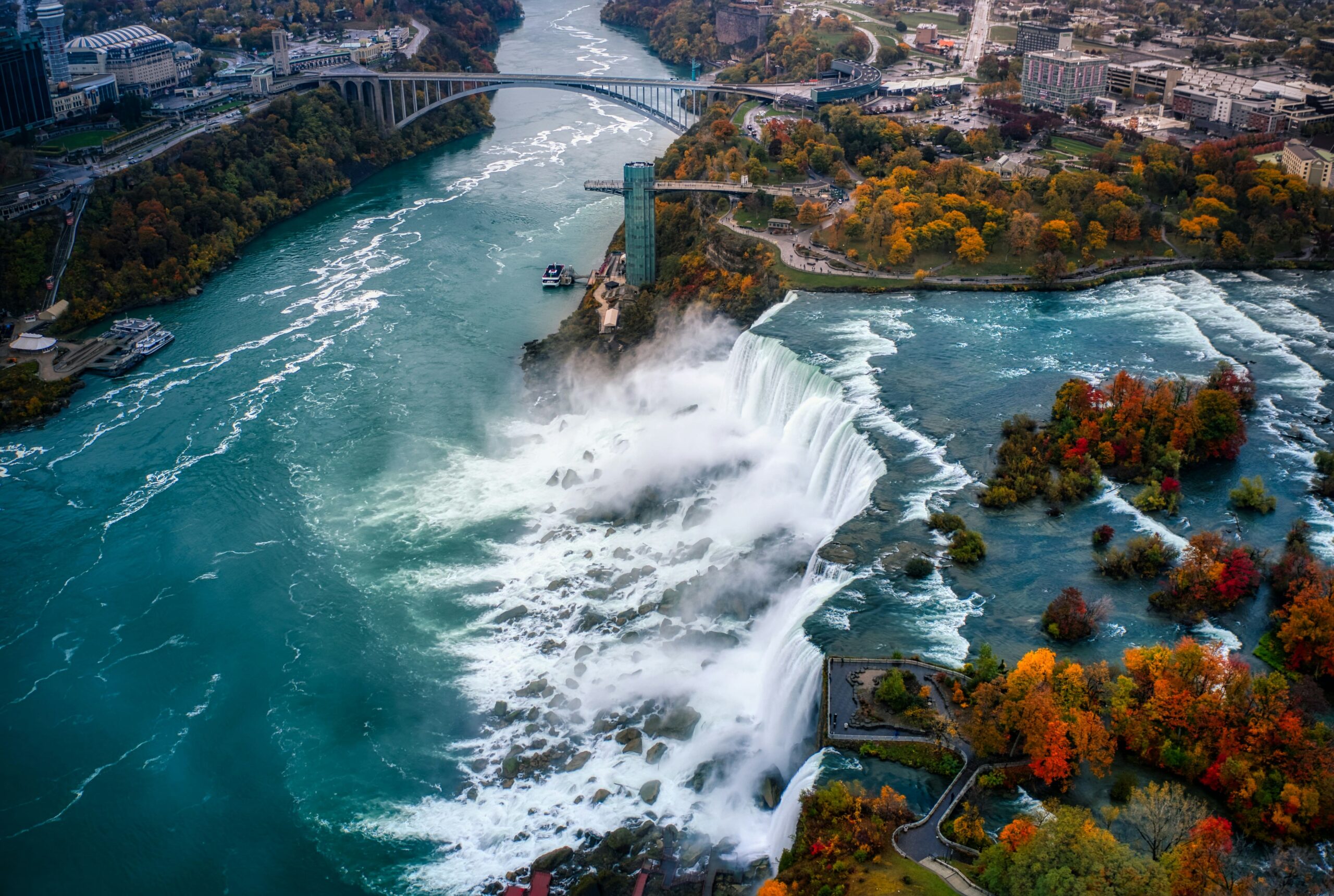
Niagara Falls represents one of the world’s most famous natural wonders, drawing millions of visitors annually to witness the raw power and beauty of three massive waterfalls straddling the Canada-US border. The Horseshoe Falls (Canadian Falls), the largest and most famous, stretches 790 meters wide and receives about 90% of the Niagara River’s flow approximately 2,800 cubic meters of water per second during peak tourist season. The thunderous roar can be heard from kilometers away, while the mist rising from the falls creates frequent rainbows that add to the spectacle.
Experiencing the Falls Up Close
Journey Behind the Falls provides a unique perspective, taking visitors through tunnels carved 46 meters through bedrock to observation portals directly behind the cascading Horseshoe Falls. Standing behind millions of liters of falling water offers an appreciation for the falls’ raw power as the water thunders past just meters away. Raincoats are provided but expect to get wet from the spray it’s part of the experience.
Hornblower Niagara Cruises (the Canadian equivalent of the American Maid of the Mist) offers the classic Niagara experience: a boat ride into the basin at the base of the falls. Wearing provided recyclable rain ponchos, passengers journey remarkably close to both the American Falls and the Horseshoe Falls, experiencing the falls’ power through the spray that soaks everyone, the deafening sound, and the motion of the boat in the turbulent waters. The 20-minute cruise operates from late April through November and provides unforgettable perspectives and photo opportunities.
Table Rock, the observation area directly beside Horseshoe Falls, provides the closest land-based views. The platform extends almost to the edge of the precipice, offering straight-down views of the water as it curls over the brink and crashes into the river below. This is the best spot for that classic Niagara Falls photo with the falls as your backdrop.
Niagara Wine Country
The Niagara Peninsula has emerged as one of Canada’s premier wine regions, with over 100 wineries producing exceptional wines, particularly ice wine a sweet dessert wine made from grapes that freeze naturally on the vine during December and January. The region’s unique microclimate, moderated by Lake Ontario and the Niagara Escarpment, creates ideal conditions for viticulture with warm summers, cool nights, and relatively mild winters.
Many wineries offer tours and tastings. Inniskillin, pioneers of Canadian ice wine, Peller Estates with its stunning underground barrel cellar, Jackson-Triggs offering modern architecture and contemporary art, and Trius with its acclaimed restaurant are among the larger, more visitor-friendly wineries. Smaller boutique wineries like Flat Rock Cellars and Stratus Vineyards offer more intimate experiences.
Niagara-on-the-Lake, a charming town about 20 minutes north of the falls, provides a more refined experience. This impeccably preserved 19th-century town features Victorian architecture, tree-lined streets perfect for strolling, excellent restaurants, boutique shops, galleries, and the renowned Shaw Festival one of North America’s largest repertory theatre festivals, presenting plays by George Bernard Shaw and his contemporaries from April through October.
7. Jasper National Park, Alberta: Wilderness on a Grand Scale
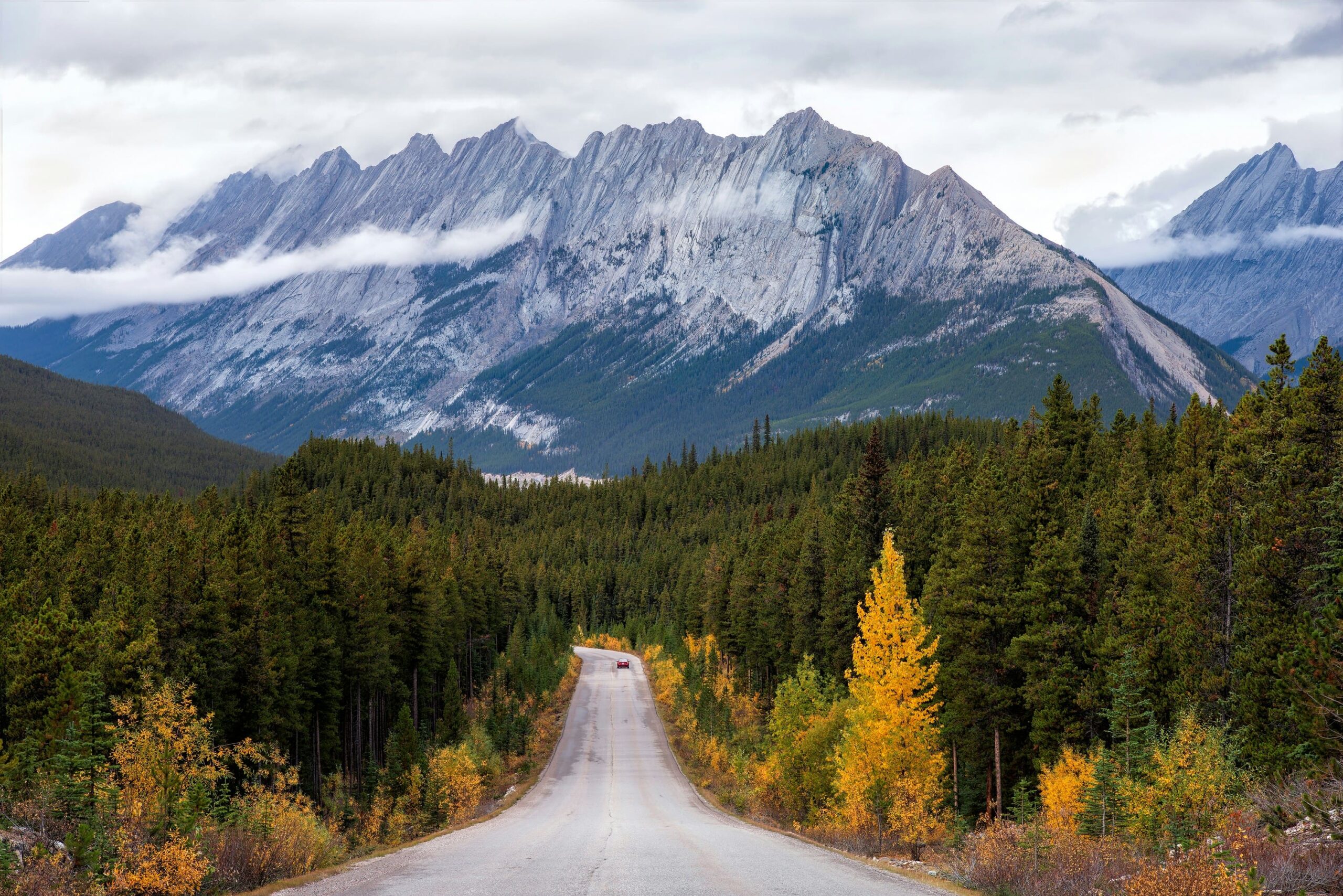
While Banff receives more visitors and recognition, Jasper National Park offers equally spectacular mountain scenery across an even larger area 10,878 square kilometers with a more laid-back atmosphere and fewer crowds. Located north of Banff in the Canadian Rockies, Jasper represents wilderness on a grand scale, with vast valleys carved by ancient glaciers, massive icefields feeding powerful rivers, pristine turquoise lakes, and abundant wildlife including elk, moose, bighorn sheep, mountain goats, black bears, grizzly bears, and wolves.
Maligne Lake and Canyon
Maligne Lake, the largest natural lake in the Canadian Rockies at 22 kilometers long, stretches through spectacular mountain scenery with peaks rising dramatically from the water’s edge. The lake’s most famous feature is Spirit Island, a tiny tree-covered islet that has become one of the most photographed spots in the Canadian Rockies though getting there requires a 90-minute boat cruise. The journey itself showcases the lake’s stunning beauty, with guides providing information about the geology, ecology, and history. Boat tours operate from late May through September, and the cruises book up quickly during peak season.
Maligne Canyon, carved by the Maligne River through limestone bedrock over thousands of years, creates a dramatic gorge up to 50 meters deep in places, with waterfalls, fossil beds visible in the canyon walls, and unique geological formations. A series of six bridges cross the canyon at different points, with trails allowing exploration at various levels. The upper bridges see the most traffic, while lower bridges offer more solitude. In winter, guided ice-walk tours through the frozen canyon offer a completely different but equally spectacular experience, with massive ice formations, frozen waterfalls, and blue ice creating an otherworldly landscape.
Columbia Icefield and Icefields Parkway
The Columbia Icefield, straddling the Continental Divide between Alberta and British Columbia, represents one of the largest accumulations of ice and snow south of the Arctic Circle. Covering approximately 325 square kilometers and reaching depths of 365 meters, the massive ice field feeds eight major glaciers including the Athabasca Glacier, which is easily accessible from the Icefields Parkway.
Athabasca Falls, though not particularly tall at 23 meters, impresses with its volume and force as the Athabasca River squeezes through a narrow gorge. Observation platforms and trails provide multiple viewpoints of this thundering cascade, with interpretive signs explaining how the falls formed and continue to erode the bedrock.
Dark Sky Preserve and Northern Lights
Jasper achieved designation as a Dark Sky Preserve in 2011, one of the world’s largest accessible dark sky preserves at over 11,000 square kilometers. The lack of light pollution creates exceptional conditions for stargazing, with the Milky Way clearly visible stretching across the sky on clear nights, meteor showers appearing in spectacular displays, and planets visible to the naked eye. The annual Jasper Dark Sky Festival in October celebrates this designation with astronomy programs, planetarium shows, guest speakers including astrophysicists and astronauts, photography workshops, and special viewing events at various locations throughout the park.
8. Victoria and Vancouver Island, British Columbia: Island Paradise
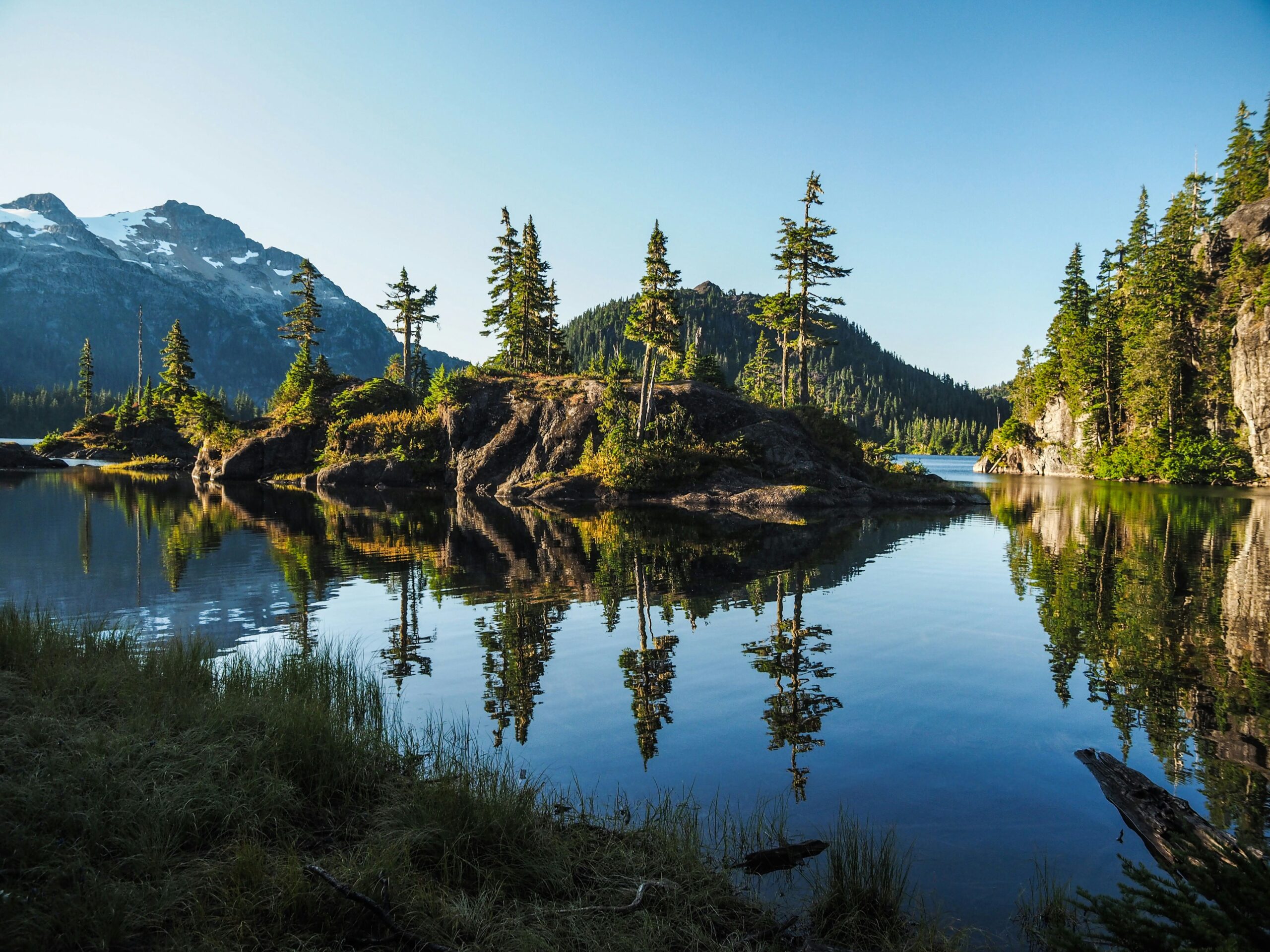
Vancouver Island, Canada’s largest Pacific island at 460 kilometers long, offers remarkable diversity from sophisticated urban culture in Victoria to rugged wilderness on the west coast, from ancient rainforests to pristine beaches. The island’s mild climate rarely freezing in winter, rarely hot in summer stunning natural beauty, and laid-back island atmosphere make it one of Canada’s most appealing destinations.
Victoria: British Charm Meets West Coast Soul
Victoria, British Columbia’s capital with about 85,000 residents (367,000 in the greater region), occupies the southern tip of Vancouver Island and embodies a unique blend of British colonial heritage and contemporary West Coast culture. The city’s historic buildings, English gardens blooming year-round, afternoon tea tradition, and double-decker buses reflect its British roots, while the mild climate, outdoor lifestyle, thriving craft beer scene, and farm-to-table restaurants reveal its modern Pacific Northwest character.
The Inner Harbour forms Victoria’s heart, with the impressive Parliament Buildings illuminated by thousands of lights each evening and the iconic Fairmont Empress Hotel facing each other across the water. The harbor buzzes with activity: seaplanes landing and departing every few minutes connecting Victoria to Vancouver and other coastal communities, water taxis shuttling passengers, street performers including musicians and buskers entertaining crowds, and boats of all sizes from kayaks to cruise ships coming and going.
Butchart Gardens, about 20 kilometers north of Victoria, ranks among the world’s finest botanical displays and attracts over a million visitors annually. The gardens began in 1904 when Jennie Butchart began transforming her husband’s exhausted limestone quarry into a garden. Today, the 22-hectare property features multiple themed gardens including the spectacular Sunken Garden (the original quarry, now featuring stunning displays), Rose Garden with hundreds of varieties, Japanese Garden with traditional elements like stone lanterns and a ceremonial gate, Italian Garden with formal symmetry, and Mediterranean Garden.
The gardens change dramatically with seasons, ensuring year-round interest: spring brings millions of bulbs including tulips and daffodils plus flowering trees, summer showcases roses and hundreds of bedding plant varieties in elaborate displays, fall features autumn colors and seasonal plantings, and winter transforms the gardens with holiday lights, carolers, and decorations during the annual “12 Days of Christmas” celebration.
Pacific Rim National Park and Tofino
The Pacific Rim National Park Reserve, on Vancouver Island’s rugged west coast, encompasses three distinct units showcasing the wild beauty of Canada’s Pacific coast. Long Beach, the most accessible section, features a 20-kilometer stretch of pristine sandy beach backed by temperate rainforest. The beach provides excellent surfing year-round (though cold Pacific water requires wetsuits even in summer), beachcombing for shells, driftwood, and Japanese glass fishing floats that occasionally wash ashore, tide pooling at low tide revealing sea stars, anemones, and other marine life, and storm watching in winter when powerful Pacific storms batter the coast with waves reaching 10 meters or higher.
Tofino, the gateway to Long Beach with a population of about 2,000 that swells during summer, has evolved from a remote fishing village into an eco-tourism destination while maintaining its laid-back character. The town offers excellent restaurants showcasing local seafood including salmon, halibut, spot prawns, and Dungeness crab, comfortable to luxurious accommodations from budget hostels to luxury resorts, surf shops offering lessons and rentals, galleries featuring local artists, and tour operators offering various adventures from whale watching to hot springs tours to bear viewing.
9. Ottawa, Ontario: Capital Culture and History
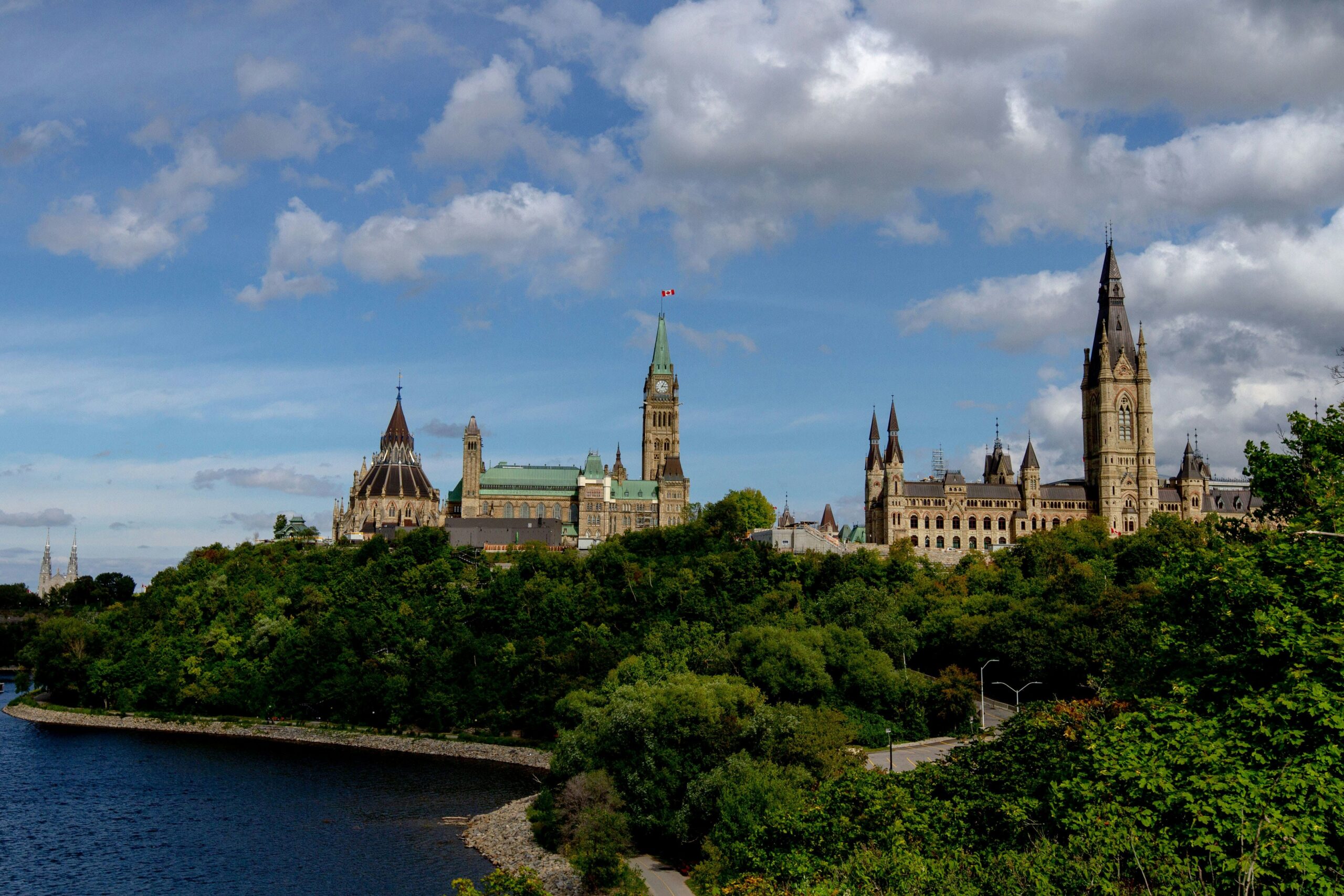
Ottawa, Canada’s capital city with about 1 million residents, surprises many visitors with its beauty, cultural offerings, and manageable size. Located on the Ottawa River at the border of Ontario and Quebec, the city combines impressive national institutions housed in stunning buildings, beautiful architecture from Gothic Revival to contemporary, extensive parks and green spaces including the Rideau Canal, and a vibrant cultural scene. While smaller and quieter than Toronto or Montreal, Ottawa offers a distinctly Canadian experience centered on the nation’s history, governance, and identity.
Parliament Hill
Parliament Hill, overlooking the Ottawa River from a bluff, houses Canada’s federal government in spectacular Gothic Revival buildings constructed between 1859 and 1927. The Peace Tower, rising 92 meters above the Centre Block, contains a 53-bell carillon that plays daily concerts and a memorial chamber honoring Canada’s war dead. The Centre Block is currently undergoing extensive renovation (expected completion in the 2030s), with Parliament temporarily relocated, though the hill and ceremonial spaces remain accessible and tours continue from temporary locations.
The Changing of the Guard ceremony, held daily during summer (late June through late August) on the Parliament Hill lawn, provides colorful military pageantry with guards in their distinctive red tunics and bearskin hats performing the ceremonial guard change. The free 30-minute ceremony attracts crowds, so arrive early for good viewing positions.
Rideau Canal
The Rideau Canal, a UNESCO World Heritage site, stretches 202 kilometers from Ottawa to Kingston, connecting the Ottawa River to Lake Ontario. Built between 1826 and 1832 under the direction of Lieutenant Colonel John By (for whom the city’s original name, Bytown, was derived), the canal represents an engineering marvel of the early 19th century and remarkably remains operational with its original stone locks still functioning.
In winter, the 7.8-kilometer downtown section transforms into the Rideau Canal Skateway the world’s largest naturally frozen skating rink according to Guinness World Records. Locals commute to work on skates, while visitors experience a quintessentially Canadian activity skating past downtown Ottawa. Heated shelters (called “changerooms”) along the route provide places to warm up, change into skates, and purchase hot chocolate and BeaverTails flat fried dough pastries topped with cinnamon sugar, Nutella, or other sweet toppings, a Canadian specialty that originated in Ottawa.
National Museums
The Canadian Museum of History, just across the river in Gatineau, Quebec, features exceptional exhibitions on Canadian history from Indigenous cultures through European contact to contemporary times. The First Peoples Hall displays the world’s largest indoor collection of totem poles along with artifacts, artwork, and exhibitions exploring Indigenous cultures from across Canada. The Grand Hall, with its soaring windows overlooking Parliament Hill and the Ottawa River, is architecturally spectacular with its undulating walls suggesting rolling hills.
The National Gallery of Canada, housed in a striking glass and granite building designed by Moshe Safdie, displays the world’s most comprehensive collection of Canadian art along with significant international works. The collection ranges from colonial-era religious art through the Group of Seven landscape painters who defined Canadian art in the early 20th century and beyond to contemporary installations. The gallery’s Canadian and Indigenous art galleries are particularly strong, while the contemporary art section challenges visitors with thought-provoking installations.
10. Churchill, Manitoba: The Polar Bear Capital of the World
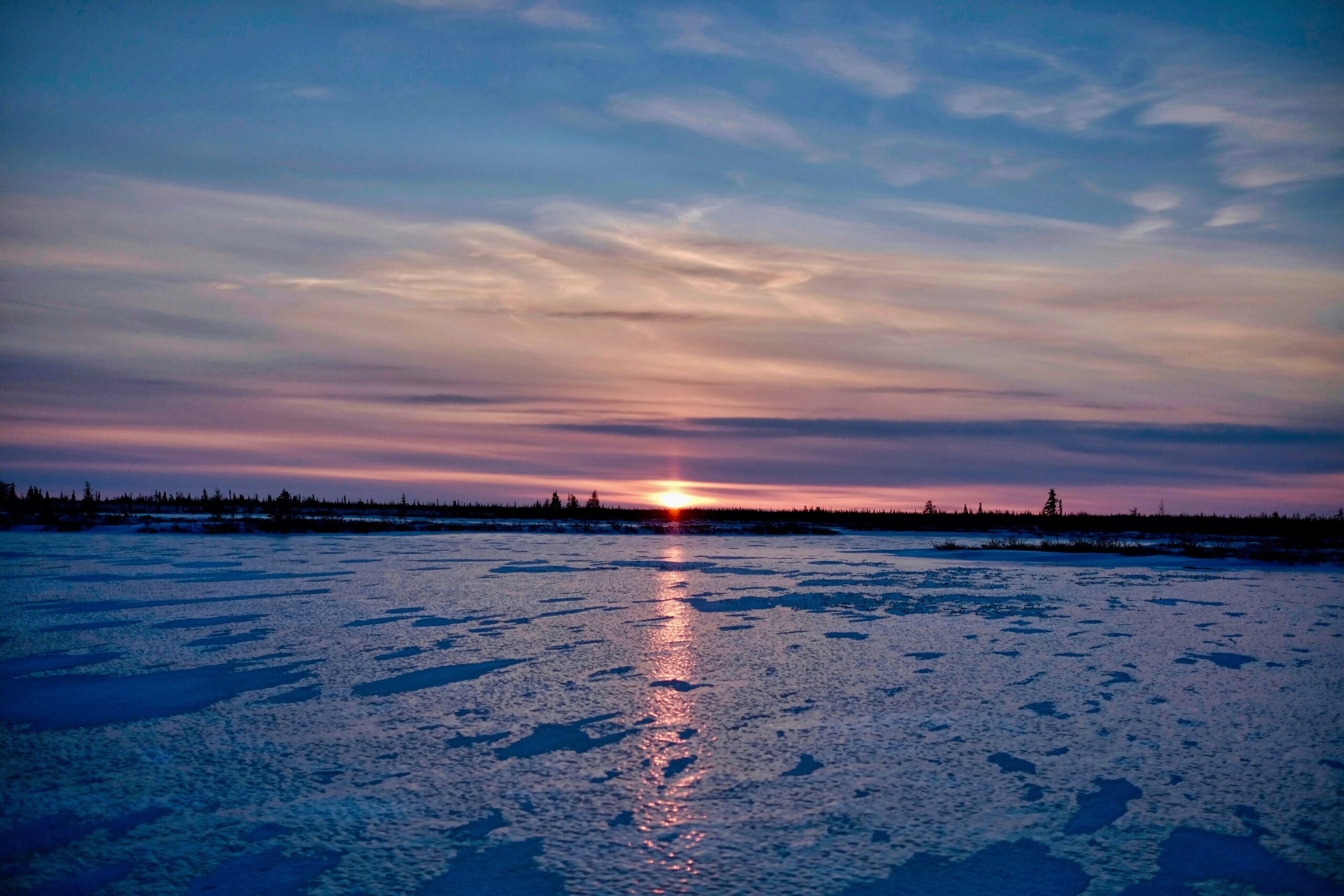
Churchill represents one of Canada’s most unique and remote destinations, offering experiences impossible to find elsewhere on Earth. This subarctic town of about 900 residents on Hudson Bay’s western shore attracts visitors from around the world seeking polar bears, beluga whales, northern lights, and true Arctic wilderness. Reaching Churchill requires commitment no roads connect it to the rest of Canada but the rewards are extraordinary and life-changing.
Polar Bear Season
Churchill’s reputation as the “Polar Bear Capital of the World” stems from its location along a natural polar bear migration route. Every fall (late October through early November), hundreds of polar bears gather near Churchill waiting for Hudson Bay to freeze solid enough to support their weight so they can return to the ice to hunt seals their primary food source. This annual congregation of bears creates unparalleled viewing opportunities found nowhere else.
Tundra Buggy Tours provide safe, close encounters with polar bears in their natural habitat. These specialized vehicles, resembling buses mounted on massive tires that lift passengers 3-4 meters above the ground well above curious bears traverse the tundra allowing intimate wildlife viewing without disturbing the animals or risking human safety. Seeing these massive predators adult males can weigh over 600 kilograms and stand 3 meters tall on hind legs up close as they spar, sleep, or investigate the tundra buggy is thrilling, humbling, and unforgettable.
Beluga Whales and Northern Lights
Summer (July-August) brings thousands of beluga whales to the Churchill River estuary and Hudson Bay waters near town. These small white whales, growing to about 5 meters long, migrate here to feed on abundant fish, give birth in the warmer shallow waters, and molt their skin in the relatively warm water and gravel substrate. Various tours offer whale encounters, from boat-based viewing where you can listen to their vocalizations through hydrophones to snorkeling or kayaking among the whales a bucket-list experience as these curious, friendly cetaceans often approach humans.
Churchill’s high latitude (58°N) and minimal light pollution create excellent conditions for viewing aurora borealis. The northern lights appear regularly from January through March, with February offering statistically the best viewing despite the extreme cold. Winter viewing requires extreme cold weather gear as February temperatures typically range from -20°C to -30°C, with windchill pushing values to -40°C or colder.
What to Do in Canada: Beyond the Top 10
Outdoor Adventures Across Canada
Canada’s vast wilderness provides boundless outdoor recreation opportunities. Hiking opportunities range from easy boardwalk nature walks suitable for all ages and abilities to challenging multi-day backcountry routes requiring navigation skills, wilderness experience, and physical fitness. National and provincial parks across the country maintain excellent trail systems with varying difficulty levels, from the Bruce Trail in Ontario (Canada’s oldest and longest footpath at 890 kilometers) to the challenging trails in Gros Morne National Park in Newfoundland.
Canoeing and kayaking connects visitors with Canada’s Indigenous heritage and voyageur history. The canoe was essential to Indigenous peoples for thousands of years and to European fur traders exploring the continent. Today, countless lakes, rivers, and coastal areas offer paddling from gentle to challenging. Algonquin Provincial Park in Ontario offers classic Canadian canoeing with portage routes through pristine wilderness, while the Bowron Lakes Circuit in British Columbia provides a 116-kilometer canoe loop through spectacular mountain scenery.
Cultural Experiences
Canada’s Indigenous cultures First Nations, Métis, and Inuit deserve understanding and respect. Many communities welcome visitors to learn about traditional practices, art, and contemporary Indigenous life through museums like the Canadian Museum of History, cultural centers offering demonstrations and workshops, and authentic experiences like staying in a traditional tipi or attending a powwow. These experiences provide insights into cultures that have thrived on this land for thousands of years.
Culinary experiences reflect Canada’s multiculturalism and regional specialties. Beyond poutine and maple syrup, explore Montreal’s smoked meat, Maritime lobster suppers, BC wild salmon prepared countless ways, Alberta’s renowned beef, Winnipeg’s vibrant Filipino food scene, Toronto’s diverse international restaurants, and Indigenous cuisine featuring traditional ingredients like wild game, berries, and bannock prepared with contemporary techniques.
Hidden Gems Worth Discovering
The Cabot Trail in Nova Scotia winds 298 kilometers along Cape Breton Island’s dramatic coastline through Cape Breton Highlands National Park. The scenic drive passes coastal cliffs dropping to the ocean, Acadian communities preserving French culture, Celtic music venues (Cape Breton has a strong Scottish heritage), and opportunities for whale watching, hiking, and experiencing Maritime hospitality.
Gros Morne National Park in Newfoundland features geological wonders including the Tablelands a section of the Earth’s mantle thrust above sea level and visible at the surface, a phenomenon found in few places on Earth. The park also features Western Brook Pond, a landlocked fjord carved by glaciers with cliffs rising 600 meters from the water, accessible via boat tours that depart after a 3-kilometer hike to the fjord.
Frequently Asked Questions
When is the best time to visit Canada?
The best time depends entirely on your interests and destination. Summer (June-August) offers the warmest weather, longest days with up to 16-18 hours of daylight in southern Canada, and full access to most attractions, hiking trails, and outdoor activities, but also brings peak crowds at popular destinations like Banff and Niagara Falls and highest prices for accommodations. This season is ideal for hiking, camping, festivals, and general sightseeing.
Fall (September-October) provides spectacular autumn colors, particularly in Eastern Canada where maple trees display brilliant reds, oranges, and yellows. Crowds thin out significantly after Labor Day, prices drop for accommodations and flights, and weather remains pleasant early in the season though it cools considerably by October. This is an excellent time for photography, wine tours in Niagara, and enjoying cities without summer crowds.
Winter (December-March) appeals to winter sports enthusiasts with world-class skiing and snowboarding, and those seeking unique cold-weather experiences like ice hotels in Quebec, winter festivals, skating on the Rideau Canal, and northern lights viewing. Many summer attractions close or reduce hours, but winter activities open up. This is the best time for northern lights in places like Yellowknife, Churchill, and Yukon.
How much does it cost to visit Canada?
Canada ranges from moderate to expensive depending on location and travel style. Major cities like Toronto and Vancouver have high accommodation costs expect to pay $150-300+ CAD per night for mid-range hotels, with hostels offering budget alternatives at $30-60 CAD for a dorm bed. Remote destinations like Churchill command premium prices due to transportation costs and limited competition a polar bear tour can cost $3,000-6,000+ CAD per person.
Budget travelers can find hostels in major cities, use public transportation (a day pass in Toronto or Montreal costs about $13 CAD), and camp in national and provincial parks ($20-40 CAD per night). Cooking some meals rather than always dining out significantly reduces costs groceries in Canada are reasonably priced except in remote northern communities where everything is flown in.
Is tipping expected in Canada?
Yes, tipping is customary in Canada, similar to United States practices. Restaurants: 15-20% of the pre-tax bill for table service (15% for adequate service, 18-20% for excellent service). Bars: $1-2 per drink or 15-20% of the tab. Taxis and ride-sharing: 10-15% of the fare. Hotel housekeeping: $2-5 per night. Tour guides: 10-20% depending on the tour type and quality. Food delivery: 10-15% or more for excellent service. Some restaurants automatically add gratuities for large groups (usually 6+ people) check your bill to avoid double-tipping.
What unique Canadian foods should I try?
Poutine: Quebec’s gift to the world french fries topped with squeaky cheese curds and hot gravy. Variations add countless toppings from pulled pork to foie gras, but traditionalists prefer the simple original. Montreal bagels: Smaller, denser, sweeter than New York bagels, boiled in honey water and baked in wood-fired ovens visit St-Viateur or Fairmount in Montreal. Butter tarts: A sweet Canadian pastry with butter, sugar, and eggs in flaky pastry, sometimes with raisins or pecans. Nanaimo bars: No-bake dessert from British Columbia with chocolate-coconut base, custard middle, and chocolate top. Maple syrup and products: Beyond pancake topping, try maple taffy (hot syrup poured on snow), maple butter, and maple-glazed salmon. Caesar: Canada’s national cocktail vodka, Clamato juice, hot sauce, and Worcestershire sauce, served with a celery salt rim and garnishes.
Your Canadian Adventure Awaits
The top 10 places to visit in Canada from Banff’s alpine majesty to Montreal’s vibrant culture, from Victoria’s seaside charm to Churchill’s polar wilderness represent only a fraction of what this vast nation offers. Each destination provides unique experiences, stunning beauty, and insights into Canada’s complex, diverse character.
What makes Canada truly special extends beyond spectacular scenery and world-class cities. It’s the vastness of wilderness areas where you can travel for hours seeing only trees, mountains, and wildlife. It’s the genuine friendliness of Canadians, who really do live up to their reputation for courtesy and helpfulness. It’s the successful multiculturalism that creates vibrant communities where different cultures coexist, contribute, and thrive together. It’s the pristine nature carefully protected in extensive national and provincial parks. It’s experiencing four distinct seasons, each offering different beauty and activities.
Whether you’re watching polar bears wait for freeze-up in Churchill, hiking among pristine mountain lakes in the Rockies, exploring Quebec City’s European charm and cobblestone streets, experiencing Toronto’s incredible multicultural energy and diverse neighborhoods, or simply paddling across a quiet northern lake as loons call in the distance, Canada creates memories that last a lifetime.
These top 10 best places to visit in Canada provide an excellent introduction to the country’s diversity and beauty. They represent accessible destinations that showcase what makes Canada special while offering excellent facilities, experiences, and infrastructure for visitors. Yet they’re just the beginning of what you can discover in this remarkable country.
Start planning your Canadian adventure today. Whether you have a week, a month, or longer, whether you seek outdoor adventure, urban exploration, cultural immersion, or culinary delights, Canada delivers experiences that will exceed your expectations. Welcome to Canada your adventure awaits!