
Portugal has emerged as one of Europe’s most captivating destinations, attracting millions of travelers who seek a perfect blend of history, culture, and natural beauty. This compact yet incredibly diverse nation offers everything from sun-drenched beaches and medieval hilltop towns to lush Atlantic islands and world-renowned wine regions.
Despite its relatively small size (approximately 92,000 square kilometers), Portugal packs an extraordinary variety of experiences into its borders. You can start your morning exploring cobblestone streets in a centuries-old city, enjoy lunch at a seaside restaurant with fresh Atlantic seafood, and end your day watching the sunset from dramatic coastal cliffs or volcanic mountains.
Portugal is experiencing unprecedented growth in tourism. According to the World Travel & Tourism Council, the country welcomed over 31 million guests in 2024, with projections suggesting up to 33 million visitors in 2025. The tourism sector now contributes approximately 21.5% to Portugal’s national GDP, making it a cornerstone of the economy.
The ease of travel between regions makes Portugal particularly appealing. High-speed trains connect major cities like Lisbon, Porto, and Coimbra, while well-maintained highways allow for scenic road trips through vineyard-covered valleys and coastal routes. The country’s two international hubs, Lisbon Portela Airport and Francisco Sá Carneiro Airport in Porto, offer direct connections to destinations worldwide.
This comprehensive guide covers the top 10 places to visit in Portugal, providing detailed insights into what makes each destination special, the best times to visit, and how to experience them authentically. Whether you’re drawn to the vibrant street art of Lisbon, the port wine cellars of Porto, the fairytale palaces of Sintra, or the pristine beaches of the Algarve, you’ll find everything you need to plan an unforgettable Portuguese adventure.
TL;DR: Quick Overview – Top 10 places to visit in Portugal
- Lisbon – Historic capital with iconic yellow trams, miradouros (viewpoints), and soulful Fado music echoing through Alfama’s narrow streets.
- Porto – Riverside charm meets architectural grandeur, with world-famous port wine cellars and the stunning Dom Luís I Bridge.
- Sintra – A UNESCO World Heritage Site featuring fairytale palaces, mystical gardens, and romantic mountain landscapes shrouded in mist.
- Algarve – Portugal’s golden southern coast boasting dramatic sea caves, hidden beaches, and some of Europe’s best surfing spots.
- Évora – Ancient Roman ruins and medieval architecture set in the heart of Alentejo’s cork oak forests and vineyard landscapes.
- Coimbra – One of Europe’s oldest university cities with a magnificent baroque library and the birthplace of Fado de Coimbra.
- Douro Valley – UNESCO-listed wine region with terraced vineyards cascading down hillsides and scenic river cruises through picturesque valleys.
- Madeira – The “Island of Eternal Spring” offering subtropical gardens, dramatic volcanic landscapes, and year-round mild weather.
- Azores – Nine volcanic islands in the mid-Atlantic featuring crater lakes, geothermal springs, and some of the world’s best whale watching.
- Óbidos – Perfectly preserved medieval village enclosed by ancient walls, offering cobblestone streets and the famous Ginja cherry liqueur.
1. Lisbon: Portugal’s Captivating Capital
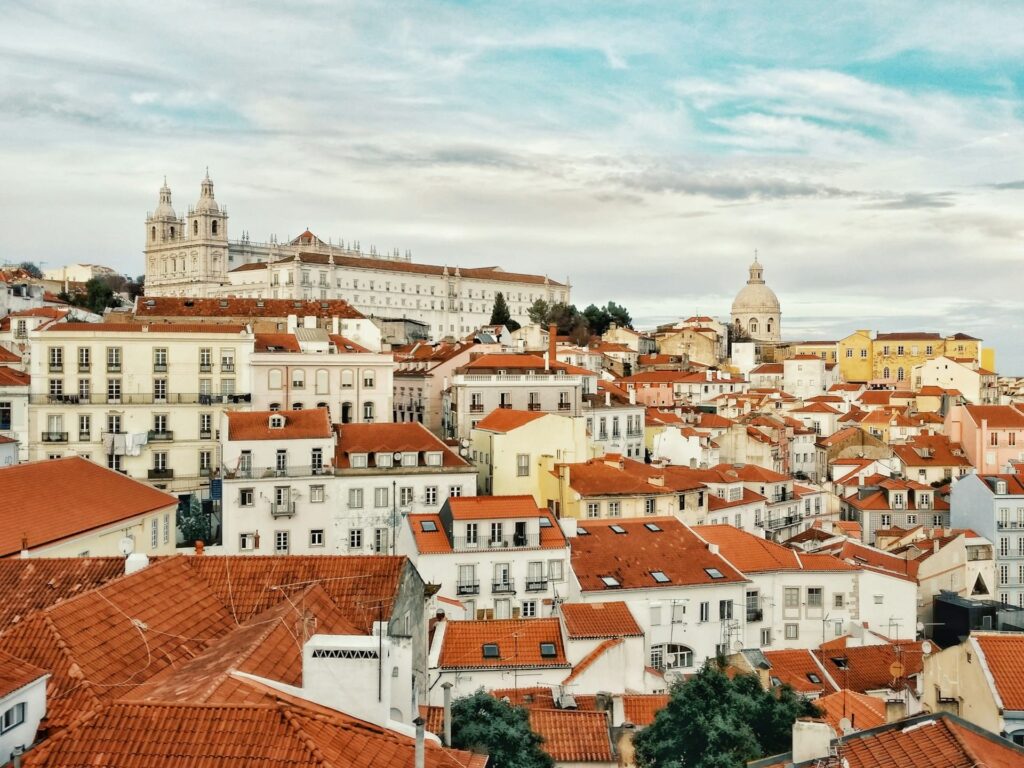
Highlights: Alfama district, Belém Tower, iconic Tram 28, LX Factory, São Jorge Castle, Time Out Market
Why Visit: Portugal’s capital city masterfully blends old-world charm with contemporary creativity. Lisbon sprawls across seven hills overlooking the Tagus River, offering spectacular viewpoints (miradouros) at nearly every turn. The city’s neighborhoods each have distinct personalities, from the labyrinthine medieval streets of Alfama to the bohemian cafés of Bairro Alto and the trendy converted warehouses of LX Factory.
Lisbon’s architectural heritage reflects centuries of history, with Manueline masterpieces in Belém, Art Deco buildings downtown, and colorful azulejo tiles adorning facades throughout the city. The devastating 1755 earthquake destroyed much of Lisbon, but the subsequent rebuilding created the orderly Pombaline Downtown district, a testament to Enlightenment-era urban planning.
The city’s cultural scene is thriving, with world-class museums like the Museu Nacional de Arte Antiga and MAAT (Museum of Art, Architecture and Technology), innovative street art in neighborhoods like Mouraria, and traditional Fado houses where you can experience Portugal’s hauntingly beautiful musical tradition.
Best Time to Visit: March through June and September through October offer the ideal combination of pleasant weather and manageable crowds. Summer months (July and August) can be extremely hot and crowded, while winter remains mild but wetter. According to Audley Travel, spring temperatures range from 62°F to 74°F, perfect for exploring the city’s hills on foot.
How to Get There: Lisbon Portela Airport (LIS) receives direct flights from major cities across Europe, North America, and beyond. From the airport, the metro red line connects to the city center in approximately 20 minutes. Alternatively, the Aerobus shuttle service runs regularly to major hotels and downtown areas.
Must-Do Experiences:
- Ride the vintage Tram 28 through Lisbon’s historic neighborhoods
- Watch the sunset from Miradouro da Senhora do Monte
- Explore the medieval Alfama district and visit São Jorge Castle
- Sample pastéis de nata at Pastéis de Belém, the famous pastry shop since 1837
- Visit the Jerónimos Monastery and Belém Tower, both UNESCO World Heritage Sites
- Experience live Fado music in an intimate casa de fados
2. Porto
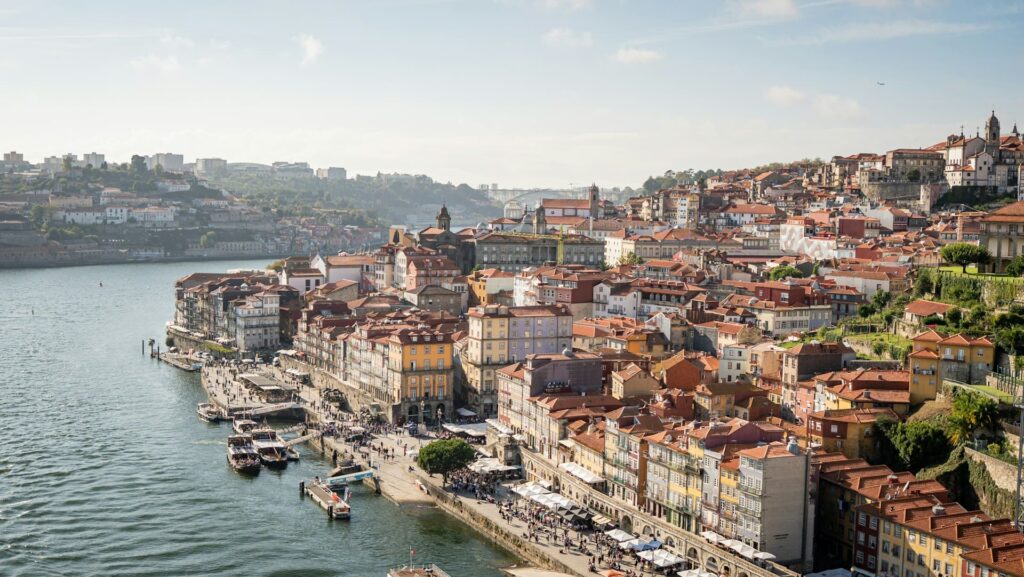
Highlights: Ribeira District, Dom Luís I Bridge, Port Wine Cellars in Vila Nova de Gaia, Livraria Lello, Clerigos Tower
Why Visit: Porto exudes a romantic, slightly weathered charm that captivates visitors immediately. The city’s historic Ribeira district, a UNESCO World Heritage Site, cascades down steep hillsides to the Douro River, where colorful buildings cluster along the waterfront. The iconic Dom Luís I Bridge, designed by a student of Gustave Eiffel, connects Porto to Vila Nova de Gaia, home to dozens of port wine cellars.
Porto’s architectural landscape is remarkably diverse, featuring everything from medieval churches to baroque palaces and contemporary structures like Rem Koolhaas’s Casa da Música. The city has undergone significant revitalization in recent decades, transforming old industrial areas into vibrant cultural spaces while preserving its historic character.
The culinary scene in Porto deserves special mention. Beyond port wine, the city offers exceptional restaurants serving traditional dishes like francesinha (a hearty sandwich with melted cheese and beer sauce), fresh Atlantic seafood, and the famous tripas à moda do Porto (tripe stew). The Mercado do Bolhão, recently renovated, provides an authentic glimpse into local food culture.
Best Time to Visit: May through October offers the best weather for exploring Porto. According to climate data, Porto experiences heavy rainfall from October to February, making it the wettest major city with a Mediterranean climate. Summer months bring pleasant temperatures and long daylight hours, perfect for riverside strolls and terrace dining.
Transport: Porto is easily accessible via a three-hour train journey from Lisbon or direct flights to Francisco Sá Carneiro Airport (OPO). The city’s compact center is walkable, though the hills can be challenging. The historic tram line and efficient metro system provide alternative transportation options.
Must-Do Experiences:
- Tour port wine cellars and enjoy tastings in Vila Nova de Gaia
- Walk across the upper deck of Dom Luís I Bridge for panoramic views
- Visit Livraria Lello, one of the world’s most beautiful bookstores
- Explore the contemporary art at Serralves Museum and its stunning gardens
- Climb Clérigos Tower for 360-degree city views
- Wander through the atmospheric Ribeira district at sunset
3. Sintra
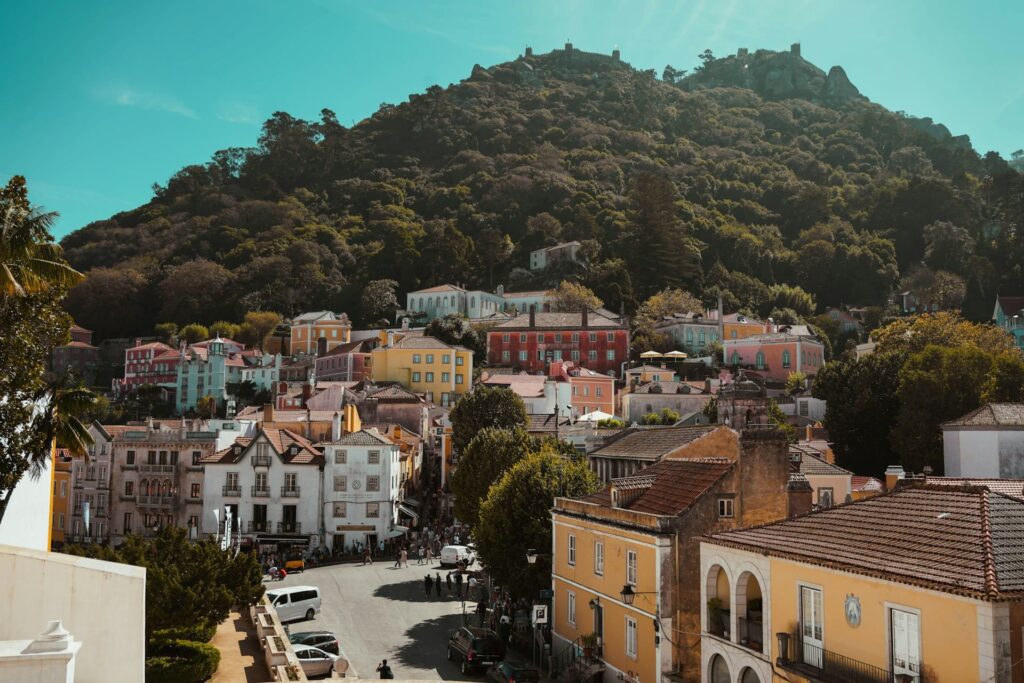
Highlights: Pena Palace, Quinta da Regaleira, Moorish Castle, National Palace of Sintra, Monserrate Palace
Why Visit: Just 40 minutes from Lisbon, Sintra feels like stepping into a storybook. This UNESCO World Heritage Site nestled in the Serra de Sintra mountains has captivated artists, poets, and royalty for centuries. Lord Byron called it “perhaps in every respect the most delightful in Europe,” and its enchanting palaces and gardens fully justify that praise.
The town’s microclimate creates an almost mystical atmosphere. Cool Atlantic winds meet the mountains, producing frequent mists that shroud the hilltop palaces and forests in ethereal beauty. This unique climate allowed for the creation of extraordinary botanical gardens featuring species from around the world.
Pena Palace, painted in vibrant yellows and reds, stands as Portugal’s most iconic castle, combining Romantic, Gothic, and Moorish architectural elements. Quinta da Regaleira offers mysterious grottos, underground tunnels, and the famous Initiation Well, a spiral staircase descending into the earth. The Moorish Castle provides spectacular views across the landscape, while Monserrate Palace showcases exotic Indo-Islamic architecture surrounded by botanical gardens.
Best Time to Visit: Spring (March to May) and autumn (September to November) provide the best experience, with mild temperatures and fewer crowds than summer. Arrive early in the morning to beat tour groups, especially at Pena Palace, which can become extremely crowded by midday.
Access: The suburban train line from Lisbon’s Rossio Station reaches Sintra in approximately 40 minutes. From Sintra’s train station, local buses 434 and 435 connect to the major palaces, though schedules can be limited. Many visitors opt for tuk-tuks or taxis to navigate the steep, winding roads between attractions.
Must-Do Experiences:
- Explore the colorful terraces and rooms of Pena Palace
- Descend the Initiation Well at Quinta da Regaleira
- Walk along the ramparts of the Moorish Castle
- Discover the hidden tunnels and grottoes in palace gardens
- Visit during the shoulder season for a more atmospheric experience
- Plan for a full day as attractions are spread across the hillside
4. The Algarve
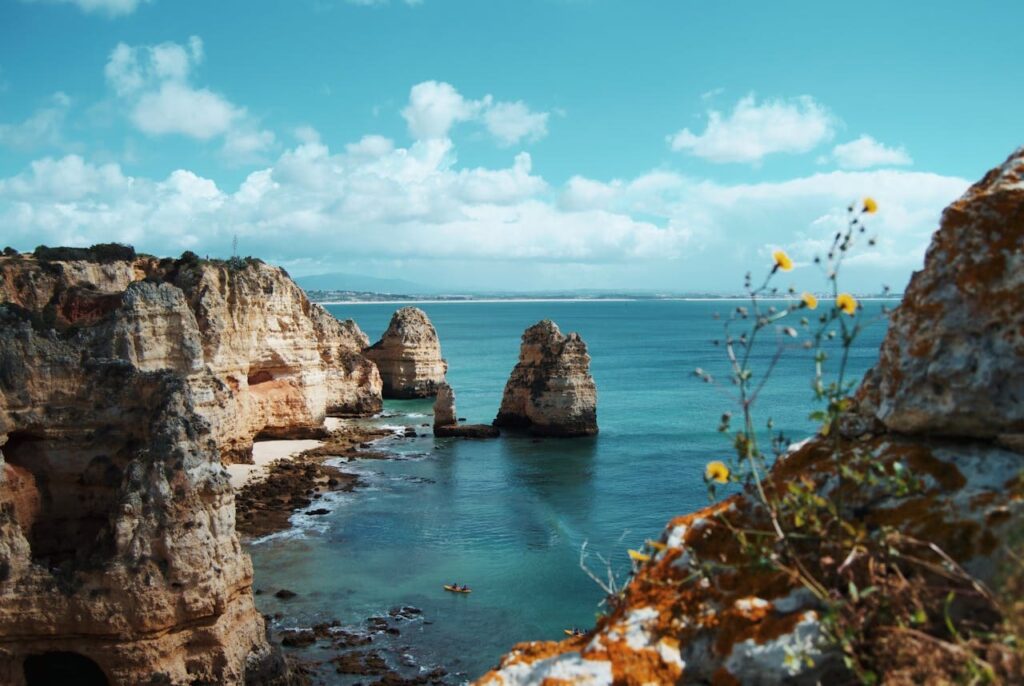
Highlights: Lagos, Benagil Cave, Tavira, Sagres cliffs, Praia da Marinha, Ria Formosa Natural Park
Why Visit: The Algarve region stretches along Portugal’s southern coast, offering over 150 kilometers of stunning beaches, dramatic limestone cliffs, and hidden coves. This sun-drenched region enjoys over 300 days of sunshine annually, making it one of Europe’s most reliable destinations for beach lovers and outdoor enthusiasts.
The Algarve’s coastline varies dramatically from east to west. The eastern Algarve features long sandy beaches and the protected lagoons of Ria Formosa Natural Park, a haven for migratory birds and marine life. The central Algarve showcases the region’s most famous geological formations, including golden cliffs, sea caves, and rock formations like the natural arches at Praia da Marinha. The western Algarve (Costa Vicentina) offers wild, windswept beaches popular with surfers and those seeking more rugged landscapes.
Beyond beaches, the Algarve surprises visitors with charming historic towns. Lagos combines a lively marina with a well-preserved old town and proximity to spectacular beaches. Tavira, often called the Algarve’s most beautiful town, features over 30 churches, a Roman bridge, and a more authentically Portuguese atmosphere away from resort areas.
Best Time to Visit: May through September provides peak beach weather, with water temperatures warming from 17°C in May to 22°C in August. However, July and August bring the highest crowds and prices. According to The Portugal News, Madeira and the Algarve consistently rank among Portugal’s most visited regions, with the Algarve experiencing particularly intense summer crowds.
Access: Faro Airport serves as the Algarve’s main gateway, with flights from across Europe. Trains connect to Lagos and other coastal towns, though rental cars provide the most flexibility for exploring hidden beaches and inland villages. The coastal road (N125) offers scenic drives with easy beach access.
Must-Do Experiences:
- Take a boat tour to Benagil Cave, one of the world’s most photographed sea caves
- Watch the sunset at Cabo de São Vicente, mainland Europe’s southwestern-most point
- Explore the golden cliffs and turquoise waters at Praia da Marinha
- Surf the Atlantic waves at Arrifana or Amado beaches
- Discover the islands of Ria Formosa by boat
- Sample fresh seafood and traditional cataplana dishes in fishing villages
5. Évora
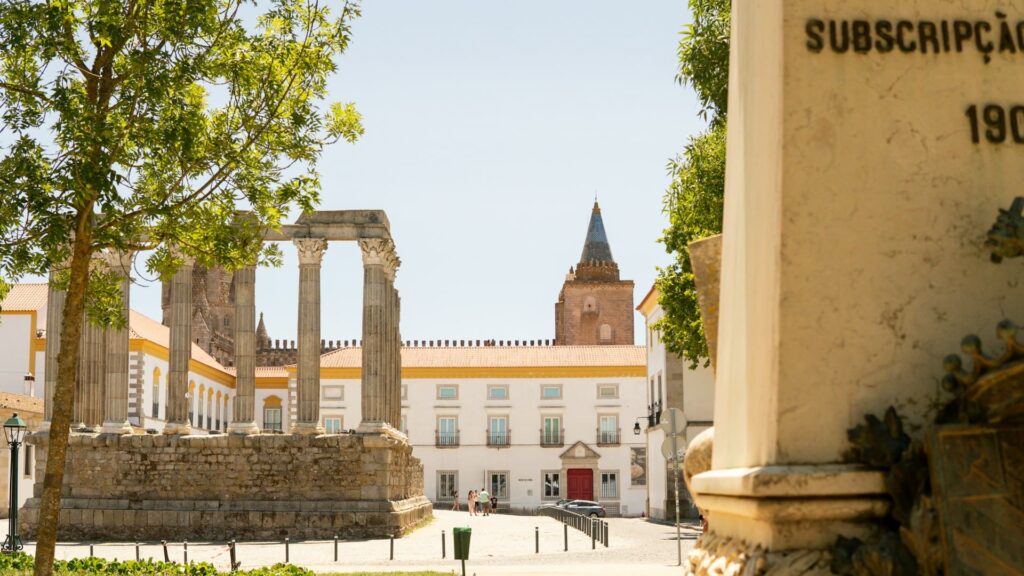
Highlights: Roman Temple of Diana, Chapel of Bones, Évora Cathedral, Giraldo Square, Almendres Cromlech
Why Visit: Évora stands as one of Portugal’s best-preserved medieval cities, earning UNESCO World Heritage status for its historical significance and architectural integrity. Located in the heart of the Alentejo region, this walled city offers a remarkable concentration of monuments spanning over 2,000 years, from Roman ruins to Renaissance palaces.
The city’s crown jewel is the Roman Temple, commonly called the Temple of Diana, dating to the 1st century AD. Its Corinthian columns stand as Portugal’s best-preserved Roman structure, a testament to Liberalitas Julia’s (Évora’s Roman name) importance in the empire. The juxtaposition of this ancient temple with medieval and Renaissance architecture creates a unique urban landscape.
Évora’s most distinctive attraction, the Capela dos Ossos (Chapel of Bones), confronts visitors with walls and pillars decorated with approximately 5,000 human skulls and bones. The inscription at the entrance translates to “We bones that are here, for yours await,” a memento mori reflecting 17th-century religious contemplation on mortality.
Beyond its monuments, Évora serves as a gateway to the Alentejo region’s cork oak forests, olive groves, and vineyards. The surrounding countryside, characterized by endless golden plains dotted with whitewashed villages, offers a dramatically different landscape from coastal Portugal. The region produces exceptional wines, olive oil, and traditional dishes featuring game, lamb, and Alentejo black pork.
Best Time to Visit: March through June and September through November provide comfortable temperatures for exploring. Summer months (July and August) can be brutally hot, with temperatures regularly exceeding 38°C (100°F), making sightseeing uncomfortable. The Alentejo’s Mediterranean climate means hot, dry summers and mild, relatively wet winters.
Access: Évora lies approximately 130 kilometers east of Lisbon, a 1.5-hour drive via the A6 highway. Regular buses connect Lisbon and Évora, taking around two hours. The historic center is compact and easily explored on foot, with most major attractions within a 15-minute walk of Giraldo Square.
Must-Do Experiences:
- Visit the haunting Chapel of Bones in the Church of São Francisco
- Explore the Roman Temple and imagine ancient Liberalitas Julia
- Climb the Évora Cathedral for panoramic views across Alentejo
- Wander the atmospheric streets within the medieval walls
- Visit the nearby Almendres Cromlech, a megalithic stone circle predating Stonehenge
- Sample Alentejo wines and traditional dishes like açorda (bread soup)
6. Coimbra
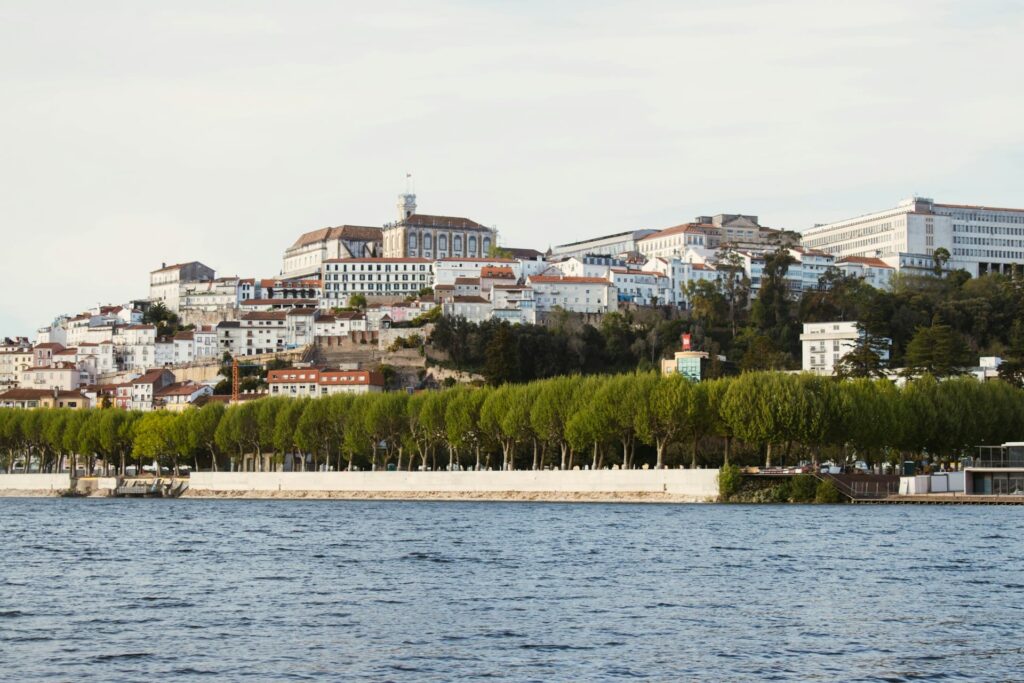
Highlights: University of Coimbra, Joanina Library, Mondego River, Santa Cruz Monastery, Portugal dos Pequenitos
Why Visit: Coimbra reigned as Portugal’s capital for over a century during the Middle Ages and remains the intellectual heart of the nation. The University of Coimbra, founded in 1290, ranks among Europe’s oldest universities and earned UNESCO World Heritage status in 2013. The university’s presence permeates every aspect of city life, from academic traditions to the distinctive Fado de Coimbra musical style.
The Biblioteca Joanina stands as one of the world’s most magnificent libraries. This baroque masterpiece, completed in 1728, houses approximately 200,000 volumes in gilt wooden shelves beneath painted ceilings. The library maintains a colony of bats that emerge at night to protect precious manuscripts from insects, a centuries-old biological pest control system. Visitors must book timed entry tickets as access is strictly limited to preserve this treasure.
Coimbra’s atmospheric Republicas, student houses with centuries-old traditions, contribute to the city’s unique character. These communal residences, some dating back hundreds of years, maintain their own customs, symbols, and hierarchy. During the Queima das Fitas (Burning of the Ribbons) in May, graduating students celebrate with a week-long festival featuring concerts, parades, and traditional serenades.
The Mondego River flows through Coimbra, offering pleasant riverside walks and the Portugal dos Pequenitos miniature park. The lower town features the commercial Santa Cruz district, while the upper town, centered around the university, maintains a more historic atmosphere with narrow medieval streets and traditional shops.
Best Time to Visit: April through October provides the best weather for exploring Coimbra’s hillside location. May brings the spectacular Queima das Fitas celebration, though accommodation becomes scarce and expensive during this period. The academic calendar significantly influences the city’s atmosphere, with quieter periods during summer and Christmas breaks.
Access: Coimbra benefits from excellent rail connections, located approximately two hours from both Lisbon and Porto on the main north-south train line. The Coimbra B station serves as the main interchange, with local trains shuttling to Coimbra A station in the city center. The historic district is quite hilly, so comfortable walking shoes are essential.
Must-Do Experiences:
- Tour the magnificent Biblioteca Joanina (book well in advance)
- Explore the university’s historic buildings and panoramic tower
- Attend a Fado de Coimbra performance, distinct from Lisbon’s style
- Visit Santa Cruz Monastery, burial place of Portugal’s first kings
- Stroll along the Mondego River at sunset
- Experience student life in the Republic district
7. Douro Valley
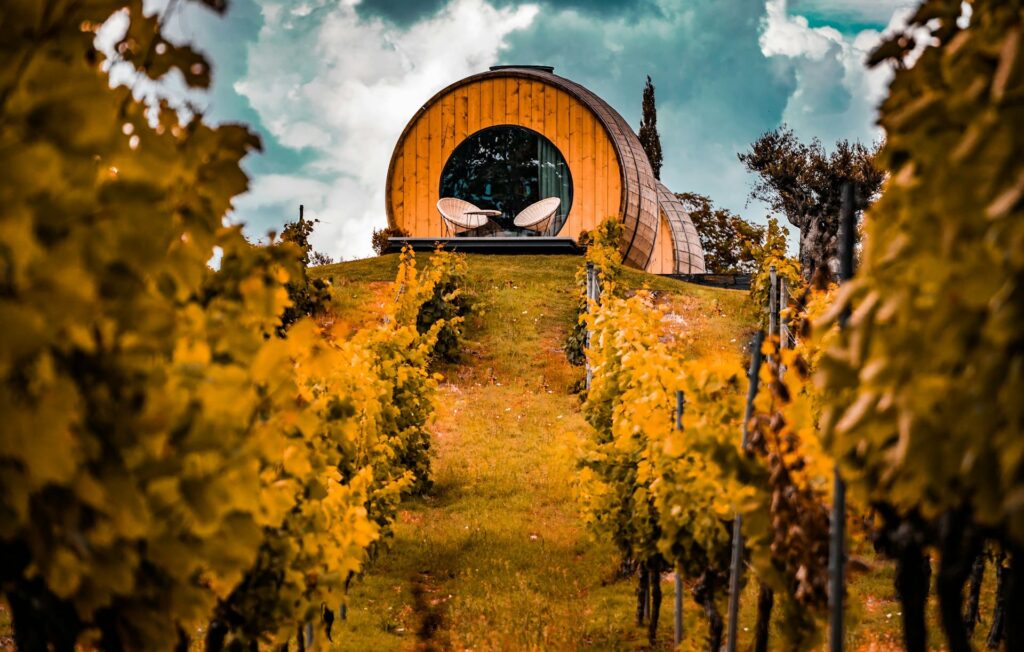
Highlights: Pinhão, Peso da Régua, terraced vineyards, Douro River cruises, historic quintas, Mateus Palace
Why Visit: The Douro Valley earned UNESCO World Heritage designation as a cultural landscape shaped by 2,000 years of winemaking tradition. This spectacular region produces port wine and increasingly acclaimed table wines from vineyards that cascade down impossibly steep hillsides in geometric terraces. The landscape’s beauty rivals its wines, with the Douro River snaking through mountains covered in precisely arranged vine rows.
The region’s winemaking heritage dates to Roman times, but the modern industry emerged in the 18th century when British merchants developed port wine. The demarcation of the Douro wine region in 1756 made it the world’s first officially delineated wine region, predating Bordeaux by a century. Today, over 250 quintas (wine estates) welcome visitors for tours, tastings, and increasingly, luxury accommodation.
The town of Pinhão serves as the Douro Valley’s heart, surrounded by the finest vineyards and featuring a train station decorated with stunning azulejo tile panels depicting vineyard scenes. Nearby Peso da Régua functions as the region’s commercial center and home to the excellent Douro Museum, which explores the valley’s viticultural history and traditions.
Transportation through the valley offers multiple spectacular options. The train journey from Porto to Pinhão ranks among Europe’s most scenic rail routes, following the river through dramatic gorges and past terraced hillsides. River cruises range from short trips to multi-day voyages, while drives along the N222 road (voted one of the world’s most beautiful drives) provide flexibility to stop at viewpoints and quintas.
Best Time to Visit: The harvest season from September through October provides the most spectacular experience, with vineyards bursting with grapes and winemaking activities in full swing. Spring (April to June) offers beautiful landscapes with wildflowers blooming among the vines. Summer brings hot temperatures but also numerous wine festivals. According to Rick Steves, visiting during the harvest allows witnessing traditional winemaking processes still practiced at many quintas.
Access: The Douro Valley begins approximately 100 kilometers east of Porto. Trains depart regularly from Porto’s São Bento Station, offering a scenic two-hour journey to Peso da Régua or three hours to Pinhão. Driving provides more flexibility to visit multiple quintas, though the winding roads require careful attention. Some visitors combine train travel with a river cruise for different perspectives of the landscape.
Must-Do Experiences:
- Take the scenic train ride along the Douro River
- Visit traditional quintas for wine tastings and tours
- Experience a river cruise through the valley
- Watch the sunset over terraced vineyards from a miradouro
- Visit during harvest season to witness grape picking and foot treading
- Explore Pinhão’s azulejo-decorated train station
8. Madeira
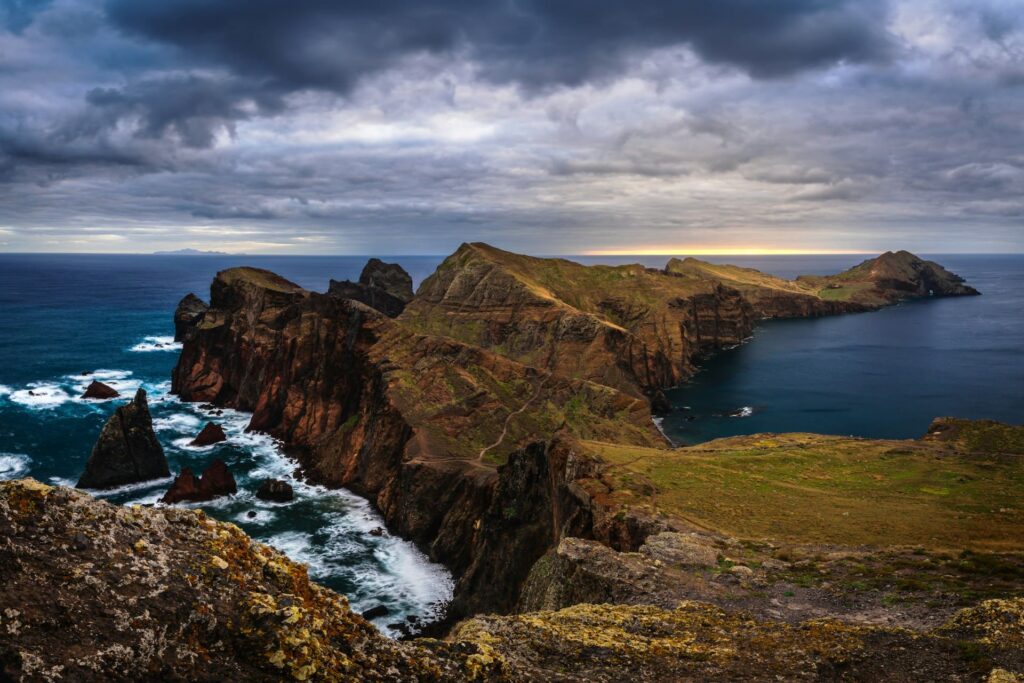
Highlights: Funchal, Pico do Arieiro, levada walks, Monte Palace Tropical Garden, Cabo Girão sea cliff
Why Visit: Madeira, a Portuguese archipelago 500 kilometers from the African coast, offers a subtropical paradise of dramatic cliffs, lush forests, and botanical gardens. The island’s nickname, “Island of Eternal Spring,” reflects its year-round mild climate, with temperatures rarely falling below 17°C or rising above 25°C. This consistent weather supports an extraordinary diversity of plant species, from native laurel forests (a UNESCO World Heritage Site) to exotic flowers from around the world.
The island’s volcanic origins created a landscape of stunning contrasts. Steep mountains rise directly from the ocean, creating dramatic coastal cliffs like Cabo Girão, one of Europe’s highest at 580 meters. The interior mountains, including Pico Ruivo (1,862 meters), offer hiking trails through cloud forests and rocky peaks with panoramic ocean views.
Madeira’s unique levada system, developed over 500 years, comprises over 2,000 kilometers of irrigation channels that carry water from the rainy north to the drier south. These levadas, maintained by dedicated walkways, now serve as hiking trails offering accessible routes through the island’s most spectacular landscapes. Trails range from easy strolls through banana plantations to challenging mountain traverses through ancient laurel forests.
Funchal, the capital city, combines Old World charm with contemporary amenities. The city’s historic center features cobblestone streets, traditional markets, and excellent restaurants serving Madeiran specialties like espetada (beef skewers) and bolo do caco (garlic bread). The cable car to Monte provides access to Monte Palace Tropical Garden and the famous toboggan ride down wicker sledges.
Best Time to Visit: Madeira welcomes visitors year-round thanks to its stable climate. Spring (March to May) brings wildflowers to hillsides and comfortable hiking temperatures. Summer attracts beach-goers and offers the warmest ocean temperatures. Autumn (September to November) provides excellent conditions for hiking and whale watching. Even winter remains mild, though slightly rainier, making Madeira an ideal escape from northern European winters.
Access: Cristiano Ronaldo Madeira International Airport receives direct flights from major European cities and connecting flights from Lisbon (1.5 hours). The airport’s dramatic location, with runways extending into the ocean on pillars, makes for an memorable arrival. Within Madeira, rental cars provide flexibility, though buses serve major routes and Funchal offers an efficient public transport system.
Must-Do Experiences:
- Hike the levada trails through laurel forests and mountain landscapes
- Watch sunrise from Pico do Arieiro (book a tour or rent a car)
- Explore Monte Palace Tropical Garden’s exotic plant collections
- Take the cable car to Monte and ride toboggans down to Funchal
- Visit Porto Moniz’s natural volcanic swimming pools
- Sample Madeira wine and traditional island cuisine
9. The Azores
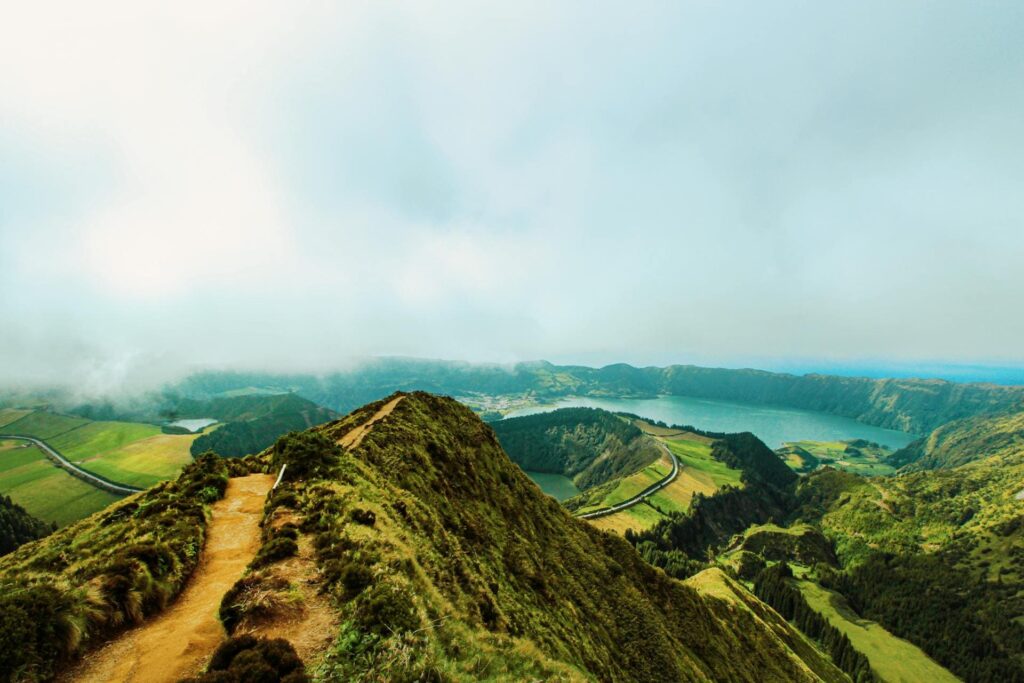
Highlights: São Miguel’s Sete Cidades crater lakes, Pico Island volcano, Furnas geothermal valley, whale watching, Flores Island waterfalls
Why Visit: The Azores archipelago, consisting of nine volcanic islands scattered across the mid-Atlantic, represents one of Europe’s last great wilderness destinations. Located 1,500 kilometers west of mainland Portugal, these islands offer landscapes of extraordinary beauty: crater lakes, volcanic peaks, waterfalls, hot springs, and coastal cliffs shrouded in subtropical vegetation.
São Miguel, the largest island, serves as most visitors’ introduction to the Azores. The Sete Cidades crater contains twin lakes (one blue, one green) within a massive volcanic caldera, creating one of the world’s most photographed natural wonders. Furnas Valley showcases the islands’ volcanic activity with bubbling hot springs, fumaroles, and the unique cozido das Furnas, a stew cooked underground using geothermal heat.
Pico Island features Portugal’s highest mountain, the 2,351-meter Pico volcano, which offers challenging summit hikes rewarded with views across the Atlantic. The island’s UNESCO-listed vineyard landscape demonstrates centuries of wine cultivation on volcanic rock, protected by thousands of stone walls creating distinctive geometric patterns.
The Azores enjoy a reputation as one of the world’s premier whale watching destinations. The deep waters around the islands host over 25 cetacean species, including sperm whales, fin whales, and several dolphin species visible year-round. The islands’ former whaling traditions now support thriving ecotourism, with experienced guides leading boat tours from several islands.
Beyond adventure activities, the Azores offer a glimpse into traditional Azorean culture. Each island maintains distinct character and traditions, from cheese-making on São Jorge to the September festivals celebrating the grape harvest. The capital, Ponta Delgada, combines historic architecture with modern amenities and serves as a base for exploring São Miguel.
Best Time to Visit: May through September provides the best weather conditions, with warmer temperatures and lower rainfall. Summer (July to August) offers the most reliable weather for hiking and water activities. According to travel experts, September and October remain excellent for whale watching while seeing fewer tourists. The islands experience changeable weather year-round due to their Atlantic location, so visitors should prepare for possible rain regardless of season.
Access: All nine islands have airports, with international flights arriving at João Paulo II Airport on São Miguel and inter-island flights connecting the archipelago. Direct flights operate from Lisbon (2.5 hours), Porto, and select North American and European cities. Ferries connect some islands during summer months, though flights remain more reliable given potentially rough seas.
Must-Do Experiences:
- Visit the stunning Sete Cidades crater lakes on São Miguel
- Bathe in the thermal pools at Furnas and Terra Nostra Park
- Hike to the summit of Pico Mountain (weather permitting)
- Go whale watching to spot sperm whales and dolphins
- Explore the lush landscapes and waterfalls of Flores Island
- Taste traditional cozido das Furnas cooked by volcanic heat
10. Óbidos
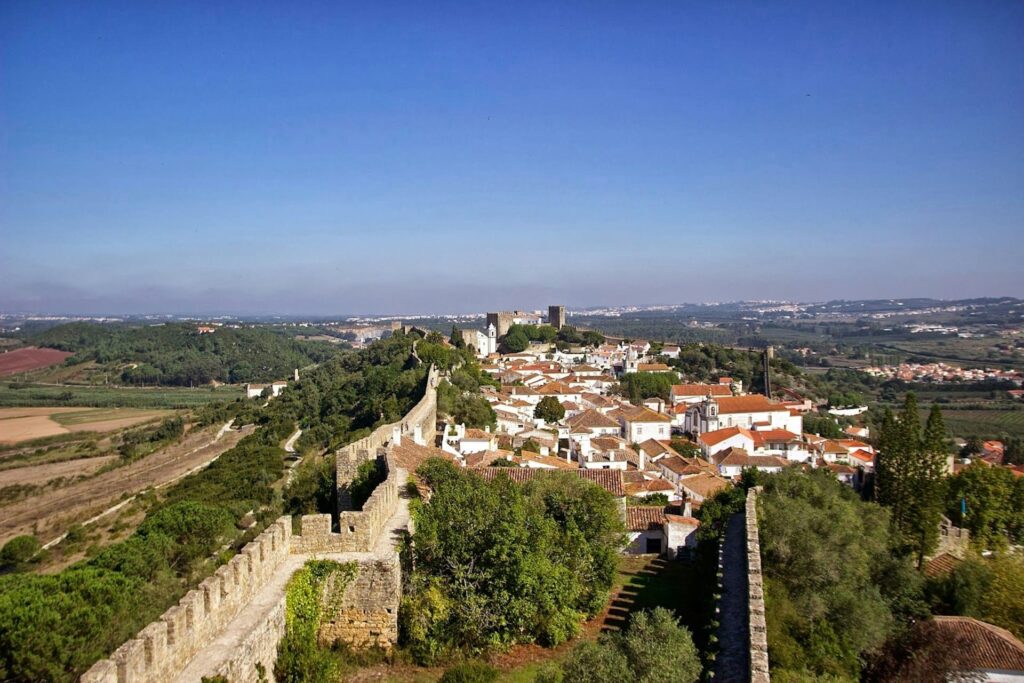
Highlights: Castle walls, whitewashed houses, Ginja liqueur in chocolate cups, medieval festivals, Santa Maria Church
Why Visit: Óbidos captures the imagination as a perfectly preserved medieval village enclosed within ancient walls. This tiny gem, covering less than one square kilometer, transports visitors back centuries with its cobblestone streets, whitewashed houses adorned with bougainvillea, and imposing castle now converted into a luxury pousada (historic inn).
The village’s history stretches back to Roman times, though its current appearance largely reflects medieval Portuguese architecture. The castle and walls date primarily to the 12th and 14th centuries, when Óbidos served as a royal wedding gift from King Dinis to Queen Isabel in 1282, establishing a tradition where subsequent Portuguese queens held the town as part of their dowry.
Walking atop the village walls provides spectacular views across the surrounding countryside of olive groves and windmills. The complete circuit takes approximately 30 to 40 minutes, though those with height concerns might prefer staying at ground level. The main street, Rua Direita, winds through the village past craft shops, galleries, and cafés serving the famous Ginja de Óbidos, a sour cherry liqueur traditionally served in edible chocolate cups.
Óbidos hosts several festivals throughout the year that enhance its medieval atmosphere. The Medieval Festival in July transforms the village into a living museum with costumed performers, artisan demonstrations, jousting tournaments, and traditional food stalls. The International Chocolate Festival in spring celebrates Portugal’s chocolate traditions, while the Christmas Village winter celebration adds seasonal charm.
The village’s compact size makes it popular as a day trip, though staying overnight allows experiencing Óbidos after tour buses depart. The castle’s pousada offers luxury accommodation with historic ambiance, while several smaller guesthouses provide more affordable options within the walls.
Best Time to Visit: Spring (March to May) and autumn (September to November) offer pleasant weather without summer crowds. The village becomes extremely busy during summer weekends and festival periods. Visiting on weekday mornings or late afternoons provides a more authentic experience with fewer tourists. Winter offers the quietest period, though some shops and restaurants may operate limited hours.
Access: Óbidos lies approximately 85 kilometers north of Lisbon, an easy one-hour drive via the A8 highway. Buses connect Lisbon and Óbidos (approximately 1.5 hours), though services are limited and schedules inconvenient for day trips. Many visitors opt for rental cars, which also enable exploring nearby attractions like the Alcobaça and Batalha monasteries, Nazaré fishing village, or the Berlenga Islands.
Must-Do Experiences:
- Walk the complete circuit of the medieval walls
- Visit Óbidos Castle and explore its battlements
- Sample Ginja liqueur in an edible chocolate cup
- Browse the craft shops and galleries along Rua Direita
- Attend the Medieval Festival or Chocolate Festival
- Explore Santa Maria Church with its beautiful azulejo tiles
Cultural Context: Portuguese Life & Traditions
Understanding Portuguese culture enhances any visit beyond merely sightseeing. Daily life in Portugal moves at a gentler pace than many European countries. The lunch hour extends from 1 PM to 3 PM, when businesses close and families gather for substantial midday meals. Evenings unfold leisurely, with dinner rarely starting before 8 PM and lasting well past 10 PM, especially during summer months.
Coffee culture permeates Portuguese society. Locals frequent cafés multiple times daily for bica (espresso), meia de leite (similar to a latte), or galão (more milk than coffee in a tall glass). These café visits serve as social occasions, moments to catch up with neighbors, read the newspaper, or simply watch the world pass by. The pastel de nata (custard tart) accompanies coffee as Portugal’s national pastry, with each café and pastelaria claiming superior recipes.
Azulejos, the decorative ceramic tiles visible throughout Portugal, represent more than mere decoration. These hand-painted tiles tell stories, depict historical events, and transform mundane surfaces into works of art. Churches, palaces, metro stations, and even residential buildings showcase azulejo panels in blue and white or polychrome designs. The tradition dates back centuries, with influences from Moorish, Spanish, and Dutch ceramic techniques creating a uniquely Portuguese art form.
The concept of saudade captures something essential about Portuguese character. This untranslatable word expresses a melancholic longing, a bittersweet nostalgia for something or someone absent. Saudade permeates Fado music, Portugal’s traditional genre characterized by mournful melodies and poetic lyrics exploring themes of loss, longing, and destiny. Experiencing Fado in an intimate casa de fados, with its strict etiquette of respectful silence during performances, provides profound insight into Portuguese emotional life.
Major festivals animate Portuguese culture throughout the year. Lisbon’s Festa de Santo António (June 12-13) transforms the city with street parties, grilled sardines, and the traditional marchas populares (neighborhood parades). Porto celebrates São João (June 23-24) with similar fervor, adding the peculiar tradition of hitting strangers with plastic hammers and leek flowers. These Santos Populares festivals represent peak moments of Portuguese community celebration.
Portuguese cuisine deserves special attention. The nation’s Atlantic location provides exceptional seafood, with sardines, octopus, and prawns featuring prominently on menus. Bacalhau (salt cod) holds iconic status, with Portuguese cooks claiming knowledge of 365 recipes, one for each day of the year. Regional specialties vary dramatically: Alentejo offers hearty meat dishes and bread-based soups, the Minho region serves vinho verde (young wine) with grilled fish, while Madeira and the Azores contribute their unique island cuisines.
Portugal’s wine culture extends far beyond port. The Vinho Verde region in the north produces crisp, slightly sparkling white wines perfect for summer afternoons. The Dão and Douro regions create robust reds from indigenous grape varieties like Touriga Nacional and Tinta Roriz. Alentejo’s vast plains yield increasingly acclaimed wines from both traditional and international grape varieties. According to the Instituto da Vinha e do Vinho, Portugal cultivates over 250 indigenous grape varieties, more than almost any other country its size.
The Portuguese approach to tourism emphasizes sustainability and authentic experiences. Unlike some Mediterranean destinations, Portugal has largely avoided the mass tourism developments that characterize parts of Spain and Greece. Rural tourism initiatives support small villages, traditional crafts survive in many regions, and locals generally welcome visitors warmly. This emphasis on preservation over rapid development creates more meaningful travel experiences and helps maintain Portugal’s distinctive character.
Essential Travel Information for Portugal
Visa and Entry Requirements
European Union and Schengen Area citizens can enter Portugal freely without visas for any length of stay. Citizens of the United States, Canada, Australia, New Zealand, and many other countries can visit Portugal visa-free for up to 90 days within a 180-day period. According to the Portuguese Ministry of Foreign Affairs, visitors from countries requiring visas should apply at Portuguese embassies or consulates in their home countries well before travel dates.
Portugal participates in the Schengen Agreement, meaning entry stamps count toward your total Schengen Area time limit. Travelers planning to visit multiple Schengen countries should track their cumulative days carefully to avoid overstaying.
Currency and Costs
Portugal uses the Euro (€) as its currency. The country remains one of Western Europe’s most budget-friendly destinations, offering excellent value compared to France, Germany, or Scandinavia. Based on current travel data:
Daily Budget Estimates:
- Budget travelers: €40–60 (hostels, street food, public transport)
- Mid-range travelers: €80–150 (modest hotels, restaurant meals, occasional taxis)
- Luxury travelers: €200+ (upscale hotels, fine dining, private tours)
Credit and debit cards are widely accepted in cities and tourist areas, though smaller villages and traditional restaurants may prefer cash. ATMs are abundant and typically offer better exchange rates than currency exchange services.
Transportation Within Portugal
Portugal’s transportation infrastructure has improved significantly over the past two decades. CP (Comboios de Portugal) operates the national rail network, connecting major cities efficiently. The Alfa Pendular high-speed trains link Lisbon and Porto in approximately 2 hours 40 minutes, while Intercidades trains serve regional routes. Book tickets in advance through the CP website for better prices.
Rental cars provide flexibility for exploring rural regions, wine valleys, and coastal areas where public transport is limited. Major international rental companies operate at airports and city centers. Portugal drives on the right side, and highway tolls apply on motorways (marked with “A” designations). Some rental companies offer electronic toll payment devices to simplify this process.
Urban transportation varies by city. Lisbon’s integrated system includes metro, buses, trams, and funiculars, all accessible with rechargeable Viva Viagem cards. Porto’s metro system serves the city center and airport, supplemented by historic trams and buses. For information on Lisbon’s transport options, visit Carris Metropolitana.
Accommodation Options
Portugal offers diverse accommodation ranging from budget hostels to luxury hotels and historic pousadas. Pousadas de Portugal manages a collection of historic properties (castles, monasteries, palaces) converted into upscale hotels, offering unique stays in remarkable buildings. Visit Pousadas de Portugal for bookings.
Alternative accommodations include:
- Quintas (manor houses in wine regions)
- Rural tourism properties (turismo rural)
- Coastal villas and apartments
- Traditional guesthouses (pensões)
- Modern design hotels in cities
Booking platforms like Booking.com and local vacation rental sites offer extensive Portuguese property listings. Summer months (June to September) and holiday periods require advance booking, particularly in popular destinations like Lisbon, Porto, the Algarve, and Madeira.
Language and Communication
Portuguese serves as the official language, though English proficiency varies regionally. Cities and tourist areas generally have good English speakers, particularly among younger generations and hospitality workers. Rural areas and older populations may have limited English skills, making a Portuguese phrasebook or translation app helpful.
Essential Portuguese phrases:
- Olá (Hello)
- Obrigado/Obrigada (Thank you – male/female speaker)
- Por favor (Please)
- Desculpe (Excuse me/Sorry)
- Fala inglês? (Do you speak English?)
- A conta, por favor (The bill, please)
Portuguese pronunciation differs significantly from Spanish, despite some vocabulary similarities. Locals appreciate visitors’ attempts to use basic Portuguese, even if conversations ultimately switch to English.
Safety and Health
Portugal consistently ranks among Europe’s safest countries. The Global Peace Index places Portugal in the top 10 safest countries worldwide. Violent crime remains rare, though petty theft (pickpocketing, bag snatching) occurs in tourist areas and on public transport, particularly in Lisbon and Porto.
Healthcare in Portugal meets high European standards. European Union citizens should carry a European Health Insurance Card (EHIC) for access to state healthcare. Non-EU visitors should obtain comprehensive travel insurance covering medical emergencies. Private clinics in major cities offer English-speaking doctors, while pharmacies (farmácias) provide over-the-counter medications and basic health advice.
Tap water is safe to drink throughout mainland Portugal, though some prefer bottled water due to taste preferences. The islands (Madeira and Azores) also maintain safe drinking water standards.
Climate Considerations by Season
Spring (March to May): Pleasant temperatures ranging from 15°C to 23°C, blooming landscapes, fewer crowds. Ideal for city exploration, hiking, and cultural activities. Some coastal areas remain cool for swimming.
Summer (June to August): Hot and dry, with temperatures reaching 30°C to 40°C inland, milder on coasts. Peak tourist season with highest prices and biggest crowds. Perfect for beaches, though cities can feel uncomfortably hot at midday.
Autumn (September to November): Warm early autumn transitioning to mild late autumn, temperatures from 20°C to 26°C in September, cooling to 15°C to 20°C by November. Excellent for wine region visits during harvest season. Reduced crowds after school holidays end.
Winter (December to February): Mild by European standards, with temperatures from 10°C to 16°C. Wetter, particularly in the north. Cities remain pleasant for sightseeing, though beaches are too cold for swimming. This represents the quietest, most affordable travel period.
According to climate data from the Portuguese Institute for Sea and Atmosphere, Portugal’s Mediterranean and Atlantic climates create significant regional variations, with the Algarve remaining warm year-round while northern regions experience more rainfall and cooler temperatures.
Sustainable and Responsible Travel in Portugal
Portugal has embraced sustainable tourism initiatives across many regions. The country’s Turismo de Portugal promotes responsible travel practices, encouraging visitors to respect local communities, natural environments, and cultural heritage.
Travelers can support sustainable tourism by:
- Using public transportation or cycling when possible
- Supporting local businesses, restaurants, and family-run accommodations
- Respecting natural areas, staying on marked trails, and removing all trash
- Visiting during shoulder seasons to reduce pressure on popular destinations
- Learning about and respecting local customs and traditions
- Avoiding single-use plastics and carrying reusable water bottles
- Choosing tour operators committed to environmental and social responsibility
Several Portuguese regions have implemented overtourism management strategies. Lisbon has limited cruise ship arrivals and implements neighborhood protection measures. Sintra requires timed entry tickets for major palaces to manage visitor flow. The Azores prioritize ecotourism and nature conservation, limiting development to preserve the islands’ pristine environments.
Portugal’s commitment to renewable energy, particularly wind and solar power, demonstrates national dedication to environmental sustainability. Visitors contributing to eco-friendly initiatives and choosing sustainable options help preserve Portugal’s beauty for future generations.
Regional Connectivity and Multi-Destination Itineraries
Portugal’s compact size makes multi-destination trips highly feasible. The approximately 560-kilometer distance from north to south allows covering significant ground without extensive travel time.
Sample Two-Week Itinerary
Days 1-3: Lisbon
- Explore historic neighborhoods, monuments, and museums
- Day trip to Sintra
- Evening Fado performance
Days 4-5: Évora and Alentejo
- Roman ruins and medieval architecture
- Wine tasting in Alentejo countryside
- Traditional village experiences
Days 6-8: Algarve
- Beach exploration and sea cave tours
- Coastal villages and cliff walks
- Fresh seafood dining
Days 9-11: Porto and Douro Valley
- Porto’s historic center and wine cellars
- Douro Valley wine tour
- River cruise or scenic train journey
Days 12-13: Coimbra
- University visit and library tour
- Fado de Coimbra performance
- Mondego River walks
Day 14: Return to Lisbon
- Final shopping or museum visits
- Departure from Lisbon Airport
This itinerary balances cities, countryside, and coast while maintaining reasonable travel times. Variations could substitute island visits (Madeira or Azores) for mainland coastal regions, though islands require additional travel time and separate flights.
Conclusion
Portugal’s remarkable diversity compresses extraordinary experiences into a relatively small geographic area. From the historic streets of Lisbon where yellow trams climb steep hills past tiled facades, to the terraced vineyards of the Douro Valley cascading toward ancient river valleys, the top 10 places to visit in Portugal each offer distinctive and memorable experiences.
The country’s appeal extends beyond individual destinations to encompass the welcoming Portuguese character, the exceptional cuisine rooted in Atlantic seafood and regional traditions, the artistic heritage visible in azulejo tiles and Manueline architecture, and the landscapes ranging from golden plains to volcanic peaks to dramatic coastal cliffs.
Portugal has successfully balanced tourism growth with cultural preservation, maintaining authentic traditions while developing modern infrastructure. The emphasis on sustainable practices, support for local communities, and preservation of natural environments positions Portugal as a model for responsible tourism development.
Whether your interests lie in history, nature, gastronomy, or simply relaxing on pristine beaches, Portugal delivers. The mainland offers medieval villages, world-class wine regions, and sophisticated cities. The Atlantic islands provide subtropical gardens, volcanic landscapes, and some of Europe’s best hiking and whale watching. The southern Algarve guarantees sunshine and spectacular coastlines, while the north showcases granite mountains, baroque architecture, and hearty regional cuisine.
For travelers seeking to explore beyond Lisbon and Porto, rewards await. The quieter cities of Évora and Coimbra reveal Portugal’s intellectual and spiritual heritage. The Douro Valley and Alentejo wine regions offer rural tranquility and viticultural excellence. The islands transport visitors to subtropical paradises where dramatic volcanic landscapes meet lush botanical diversity.
Portugal’s tourism infrastructure continues improving, with expanded flight connections, upgraded hotels, and enhanced visitor facilities, making travel increasingly comfortable without sacrificing authenticity. The country’s size allows exploring multiple regions in a single visit, while maintaining a relaxed pace that respects the Portuguese emphasis on savoring life’s pleasures.
Plan your Portuguese adventure to include at least two weeks if you wish to experience several regions comfortably. Single-week visits work well for focusing on Lisbon and surroundings, Porto and the Douro Valley, or an island escape to Madeira or the Azores. Whatever your timeframe, Portugal promises unforgettable memories, exceptional hospitality, and a travel experience that balances cultural richness with natural beauty.
For more European travel inspiration and practical guides, visit Top Travel Insider for comprehensive destination information and expert recommendations.
Frequently Asked Questions
How many days do you need to see the top 10 places in Portugal?
A minimum of two weeks allows comfortable exploration of the top 10 destinations, though three weeks provides a more relaxed pace. Mainland destinations (Lisbon, Porto, Sintra, Algarve, Évora, Coimbra, Douro Valley, and Óbidos) can be covered in 10-12 days with efficient planning. Adding the Atlantic islands (Madeira and Azores) requires additional time, as each island deserves 3-4 days minimum, plus travel time from the mainland.
For travelers with limited time, focus on 4-5 destinations that align with your interests. A classic itinerary might include Lisbon (3 days), Sintra (1 day), Porto (2 days), Douro Valley (2 days), and the Algarve (3 days) for an 11-day trip covering Portugal’s highlights.
Is Portugal affordable for travelers?
Yes, Portugal remains one of Western Europe’s most budget-friendly destinations. Accommodation, dining, and transportation costs significantly less than in France, Germany, Switzerland, or Scandinavia. A meal at a traditional restaurant typically costs €10-15 per person, while similar quality meals in Paris or London might cost twice that amount.
Budget travelers can explore Portugal comfortably on €40-60 daily, staying in hostels, eating at local cafés, and using public transport. Mid-range travelers spending €80-150 daily enjoy pleasant hotels, restaurant meals, and occasional private tours or rental cars. Even luxury travel in Portugal costs less than equivalent experiences in many European countries.
The Algarve and Lisbon command the highest prices, particularly during peak summer months. Northern regions, Alentejo, and smaller cities offer better value while providing equally authentic Portuguese experiences.
What’s the best way to travel around Portugal?
The optimal transportation method depends on your itinerary. For city-to-city travel between major destinations, trains offer comfortable, scenic, and affordable options. The Lisbon-Porto route via Alfa Pendular high-speed trains takes under three hours and provides a stress-free alternative to driving.
Rental cars provide flexibility for exploring wine regions, coastal areas, and rural destinations where public transport is limited or infrequent. The Douro Valley, Alentejo countryside, and Algarve coast are best explored with personal vehicles. Portuguese highways are well-maintained, though tolls apply on major motorways.
Within cities, public transportation networks are efficient. Lisbon and Porto offer integrated systems including metro, trams, buses, and funiculars. Walking remains the best way to experience historic city centers, though the hilly terrain in both Lisbon and Porto can be challenging for those with mobility limitations.
For island destinations, flights are necessary from the mainland, with inter-island connections available in the Azores. For detailed transportation planning between Portugal’s top destinations, check guides at Top Travel Insider.
Do I need a visa to visit Portugal?
Visa requirements depend on your nationality. European Union and Schengen Area citizens can enter Portugal freely without visas. Citizens of the United States, Canada, Australia, United Kingdom, New Zealand, Japan, South Korea, and many other countries can visit visa-free for tourism stays up to 90 days within a 180-day period.
Portugal participates in the Schengen Agreement, so time spent in Portugal counts toward your total Schengen Area limit. If you’ve already spent time in other Schengen countries (Spain, France, Italy, Germany, etc.), calculate your remaining allowed days carefully.
Travelers from countries requiring visas should apply at Portuguese consulates or embassies in their home countries well before departure. Processing times vary, so apply at least 4-6 weeks before intended travel dates. Visit the Portuguese Immigration and Borders Service for official visa information.
What foods should I try in Portugal?
Portuguese cuisine centers on exceptional seafood, fresh ingredients, and regional specialties that vary significantly across the country. Essential culinary experiences include:
Pastéis de nata: Creamy custard tarts with caramelized tops, best enjoyed at Pastéis de Belém in Lisbon or any traditional pastelaria.
Bacalhau: Salt cod prepared in hundreds of ways, from bacalhau à brás (shredded with eggs and potatoes) to bacalhau com natas (in cream sauce).
Grilled sardines: Especially during summer festivals, served simply with bread, salad, and olive oil.
Francesinha: Porto’s iconic sandwich layered with meats, covered in melted cheese and beer sauce.
Caldo verde: Traditional soup with kale, potatoes, and chouriço sausage, found throughout the country.
Piri-piri chicken: Spicy grilled chicken, particularly popular in the Algarve.
Arroz de marisco: Seafood rice, Portugal’s answer to paella, rich with shellfish and flavorful broth.
Pastéis de Tentúgal: Delicate pastry rolls filled with egg custard, from the Coimbra region.
Vinho verde: Light, slightly sparkling white wine from northern Portugal, perfect with seafood.
Ginja: Sour cherry liqueur traditionally served in chocolate cups in Óbidos.
Port wine: The fortified wine from the Douro Valley, ranging from white to tawny to vintage styles.
Regional specialties deserve exploration wherever you travel. Alentejo offers hearty meat dishes and açorda (bread soup), while Madeira serves espetada (beef skewers) and bolo do caco (garlic bread). The Azores contribute unique island cuisine including cozido das Furnas (stew cooked underground) and fresh seafood preparations.
For comprehensive food guides and restaurant recommendations across Portugal’s regions, visit Top Travel Insider for detailed culinary insights and local dining suggestions.