
Athens, the cradle of Western civilization, is a city where ancient history meets modern vibrancy. With over 3,400 years of recorded history, Greece’s capital stands as one of the world’s oldest cities, offering travelers an unparalleled journey through time. From the iconic Acropolis rising majestically above the city to hidden neighborhood gems tucked away in winding streets, Athens presents a tapestry of experiences that captivate millions of visitors each year.
This comprehensive guide explores the top 10 places to visit in Athens, revealing not just the must-see monuments but also the soul of this remarkable city. Whether you’re drawn to ancient ruins, Byzantine churches, world-class museums, or vibrant local neighborhoods, Athens delivers an experience that resonates long after you’ve returned home. Beyond the obvious tourist attractions, we’ll uncover hidden gems in Athens that even some locals overlook, along with essential Athens travel tips to help you navigate this magnificent metropolis like a seasoned traveler.
Planning what to do in Athens can feel overwhelming given the city’s wealth of offerings. Should you focus solely on ancient sites? How much time should you dedicate to museums? What about experiencing authentic Athenian culture? This guide answers these questions while providing practical insights to maximize your time in this extraordinary city. From sunrise at the Acropolis to sunset cocktails with panoramic views, from traditional tavernas to cutting-edge cultural spaces, Athens rewards curious travelers with layers of discovery.
TL;DR – Quick Links to the Top 10 Places to Visit in Athens
-
Central Market (Varvakios Agora) & Psiri District (Google Maps)
-
Stavros Niarchos Foundation Cultural Center (SNFCC) (Google Maps)
1. The Acropolis and Parthenon: The Crown Jewel of Athens
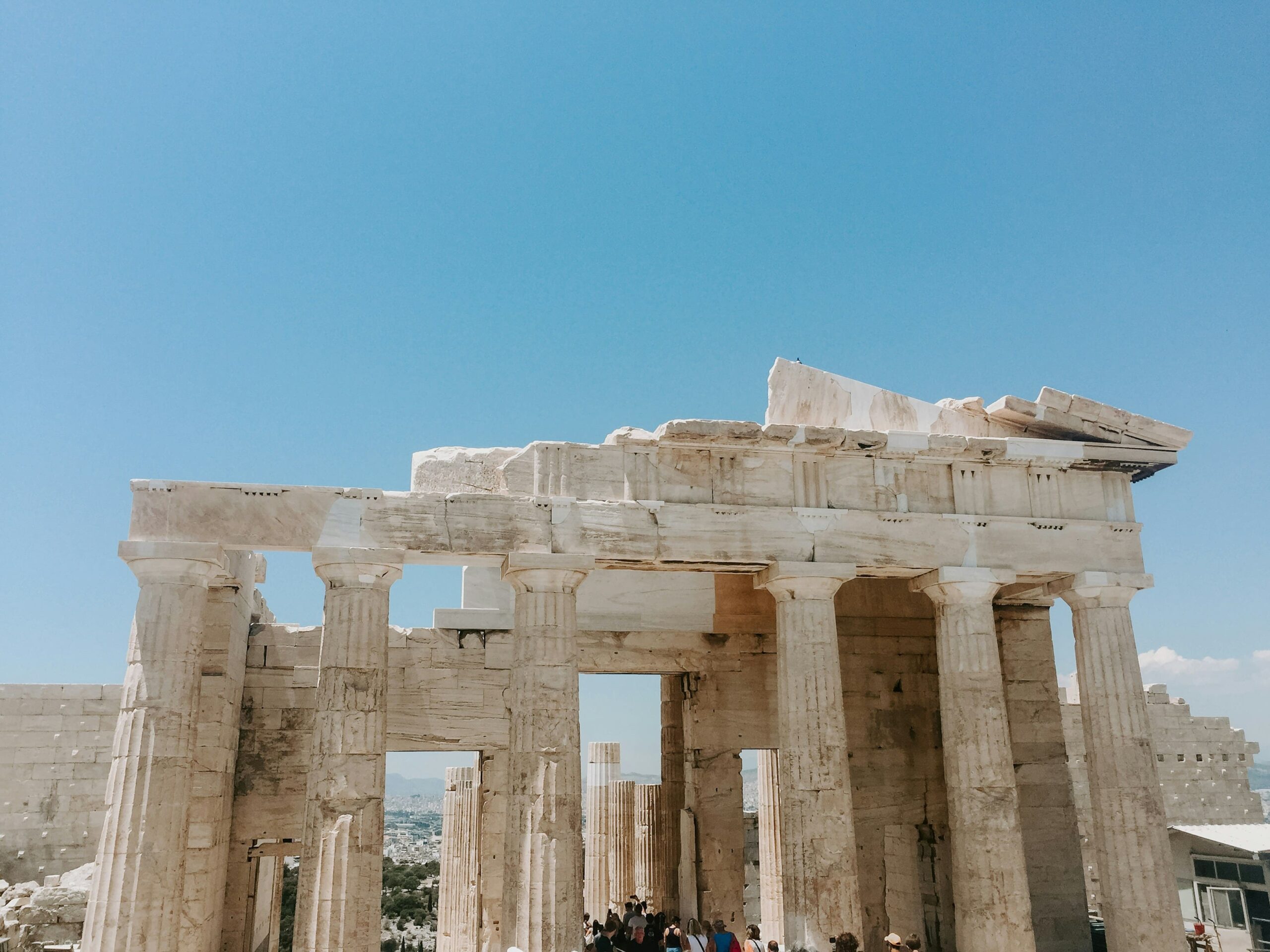
No list of the top 10 places to see in Athens would be complete without starting at the Acropolis, the ancient citadel that has dominated the city’s skyline for over two millennia. Perched on a rocky outcrop 150 meters above sea level, this UNESCO World Heritage Site represents the pinnacle of Classical Greek architecture and remains one of the most influential cultural monuments in human history.
The Acropolis complex encompasses several structures, but the Parthenon stands as its crowning glory. Built between 447 and 432 BCE during Athens’ Golden Age under Pericles, this temple dedicated to the goddess Athena showcases the Doric order in its most refined form. Despite damage from wars, explosions, and centuries of weathering, the Parthenon’s elegant proportions and sophisticated architectural innovations continue to inspire awe. The temple’s designers employed subtle optical refinements, slightly curved lines, and columns that lean imperceptibly inward, creating an illusion of perfect straightness and demonstrating the ancient Greeks’ advanced understanding of visual perception.
Beyond the Parthenon, the Acropolis complex includes the Propylaea, the monumental gateway that once controlled access to the sacred precinct. Its clever design incorporated both Doric and Ionic elements, creating a transition between the secular world below and the divine realm above. The Temple of Athena Nike, a small but exquisitely proportioned Ionic temple, celebrates Athenian military victories and offers stunning views over the city and surrounding hills.
The Erechtheion, perhaps the Acropolis’s most architecturally complex building, served multiple religious functions and features the famous Caryatid,s sculptured female figures serving as architectural supports. These graceful maidens have become icons of Greek art, though the versions currently on the monument are replicas; five originals reside in the Acropolis Museum, while one was controversially removed to the British Museum in the early 19th century.
Visiting Tips for the Acropolis
Timing your visit to the Acropolis significantly impacts your experience. Arrive either at opening time (8:00 AM in summer, varying seasonally) or late afternoon to avoid the crushing midday crowds and heat. Summer temperatures on the exposed marble can become punishing, with little shade available. Early morning visits offer cooler conditions, better light for photography, and a more contemplative atmosphere before tour groups arrive.
The marble surfaces are notoriously slippery, especially after rain, so wear shoes with good grip; save your fashion footwear for evening dining. The climb from the entrance to the summit involves uneven ancient steps and can challenge those with mobility issues. Take your time, stay hydrated, and rest at the numerous vantage points along the way.
A combined ticket (€30, valid for five days) grants access to the Acropolis plus six other significant archaeological sites: the Ancient Agora, Roman Agora, Hadrian’s Library, the Temple of Olympian Zeus, Aristotle’s Lyceum, and Kerameikos. This represents excellent value if you plan to explore Athens’ archaeological heritage thoroughly. Purchase your ticket online to skip queues, and note that the Acropolis offers free admission on specific dates throughout the year, including March 25, October 28, and the first Sunday of each month from November through March.
Consider hiring a licensed guide at the entrance or joining a small group tour. While the ruins speak volumes on their own, understanding the historical context, architectural innovations, and mythological significance transforms your visit from sightseeing to genuine cultural immersion. Audio guides are also available and provide comprehensive information at your own pace.
2. The Acropolis Museum: Where Ancient Meets Modern
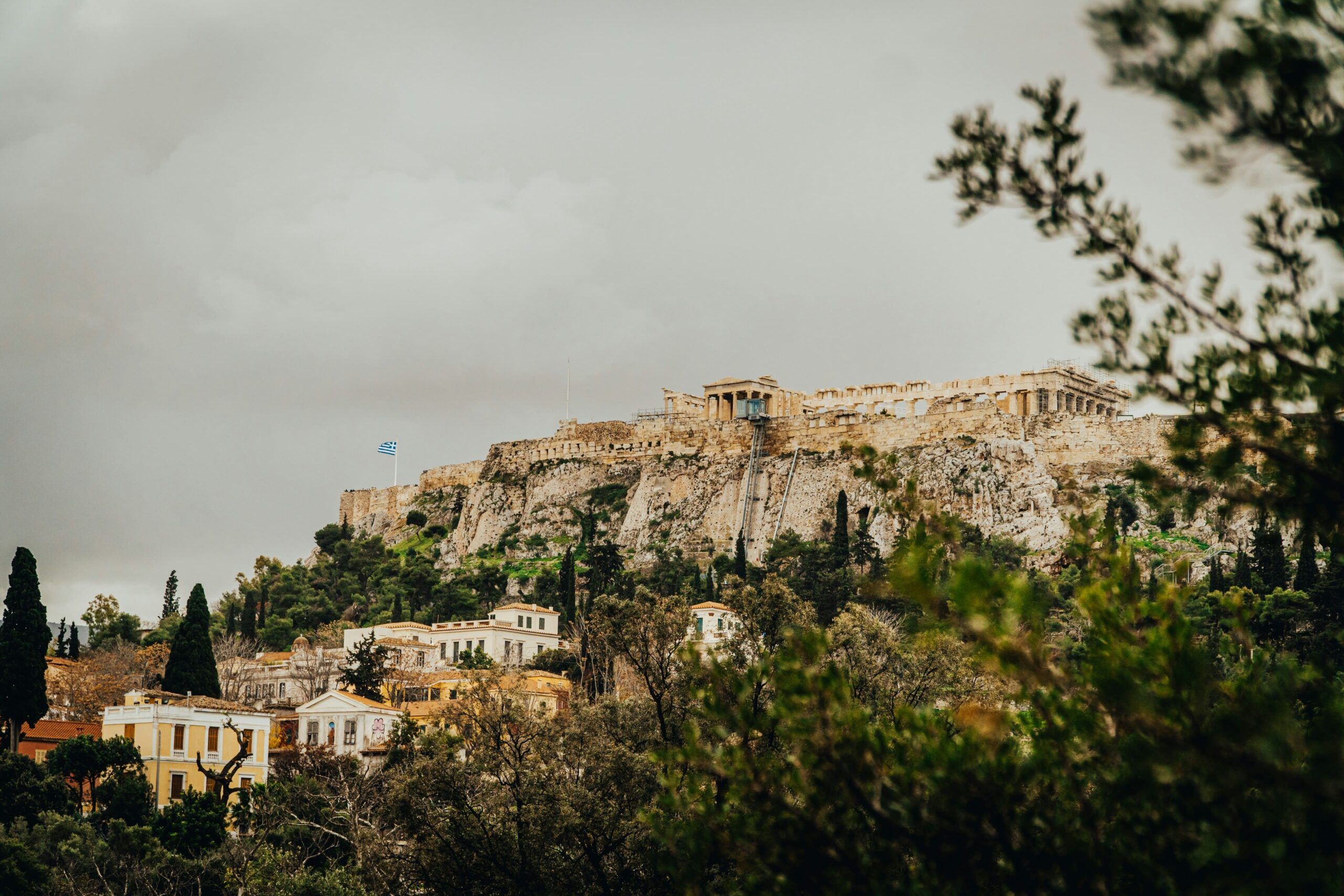
Located just 300 meters from the Acropolis itself, the Acropolis Museum ranks among the world’s finest archaeological museums and represents an essential complement to visiting the ancient site. Opened in 2009, this stunning contemporary building, designed by Swiss architect Bernard Tschumi, houses approximately 4,000 objects found on the Acropolis and surrounding slopes, displayed in a space flooded with natural light and offering constant visual connections to the ancient citadel visible through floor-to-ceiling windows.
The museum’s design tells a story through its three-level arrangement. The ground floor features finds from the Acropolis slopes, with a transparent floor revealing ongoing archaeological excavations beneath the building itself, a brilliant solution that preserves ancient ruins while allowing construction to proceed. This glass floor creates a literal and metaphorical link between present and past, reminding visitors that Athens’ history lies in layers beneath their feet.
The first floor houses the Archaic Gallery, a rectangular space displaying sculptures, votives, and artifacts from the Archaic period (7th to 5th century BCE). Here you’ll encounter the famous Moschophoros (Calf-Bearer), the Peplos Kore, and numerous other sculptures that showcase the evolution of ancient Greek art from rigid, Egyptian-influenced forms to the naturalistic style that would define Classical art. The collection of Korai (maiden) statues is particularly impressive, each young woman’s enigmatic smile inviting speculation about ancient beliefs and practices.
The top floor, designed with the exact dimensions and orientation of the Parthenon, houses the Parthenon Gallery, one of the world’s most impressive exhibition spaces. Here, the surviving Parthenon sculptures are displayed in their original sequential arrangement around the gallery’s perimeter, allowing visitors to appreciate how these reliefs worked together to tell stories from Greek mythology. The pediment sculptures and the famous frieze depicting the Panathenaic procession surround the space, while plaster casts occupy positions where original sections remain controversially held in foreign museums, primarily the British Museum.
This presentation makes a powerful, unspoken argument for the reunification of the Parthenon sculptures. Seeing the fragments displayed in their architectural context, with gaps clearly visible, communicates the loss more eloquently than words ever could. The museum has repeatedly offered to loan significant artifacts to any institution that would return the Parthenon marbles, demonstrating its commitment to international cultural exchange while advocating for these pieces’ reunification.
Making the Most of Your Museum Visit
The Acropolis Museum deserves at least two to three hours, though enthusiasts could easily spend a full day exploring its collections. Visit on Friday evenings when the museum stays open until 10:00 PM (summer season) and offers reduced crowds along with a romantic atmosphere as twilight falls over the illuminated Acropolis visible through the windows.
The museum restaurant and café on the second floor offers excellent Mediterranean cuisine with spectacular Acropolis views, perfect for lunch or coffee with a view. The outdoor terrace becomes particularly magical at sunset when the ancient citadel glows golden in the fading light.
Free guided tours in English are offered several times weekly, and audio guides are available in multiple languages. The museum shop stocks high-quality reproductions, scholarly books, and thoughtful gifts that go beyond typical tourist trinkets. Photography is permitted in most areas (without flash), allowing you to capture memories and details for later reflection.
Combination tickets with the Acropolis archaeological site are not available, so museum admission (€15 full price, with various reductions and free admission days) is separate. However, the museum is fully accessible for visitors with disabilities, featuring elevators, wheelchair access throughout, and designated viewing areas.
3. The Ancient Agora: Heart of Ancient Democracy
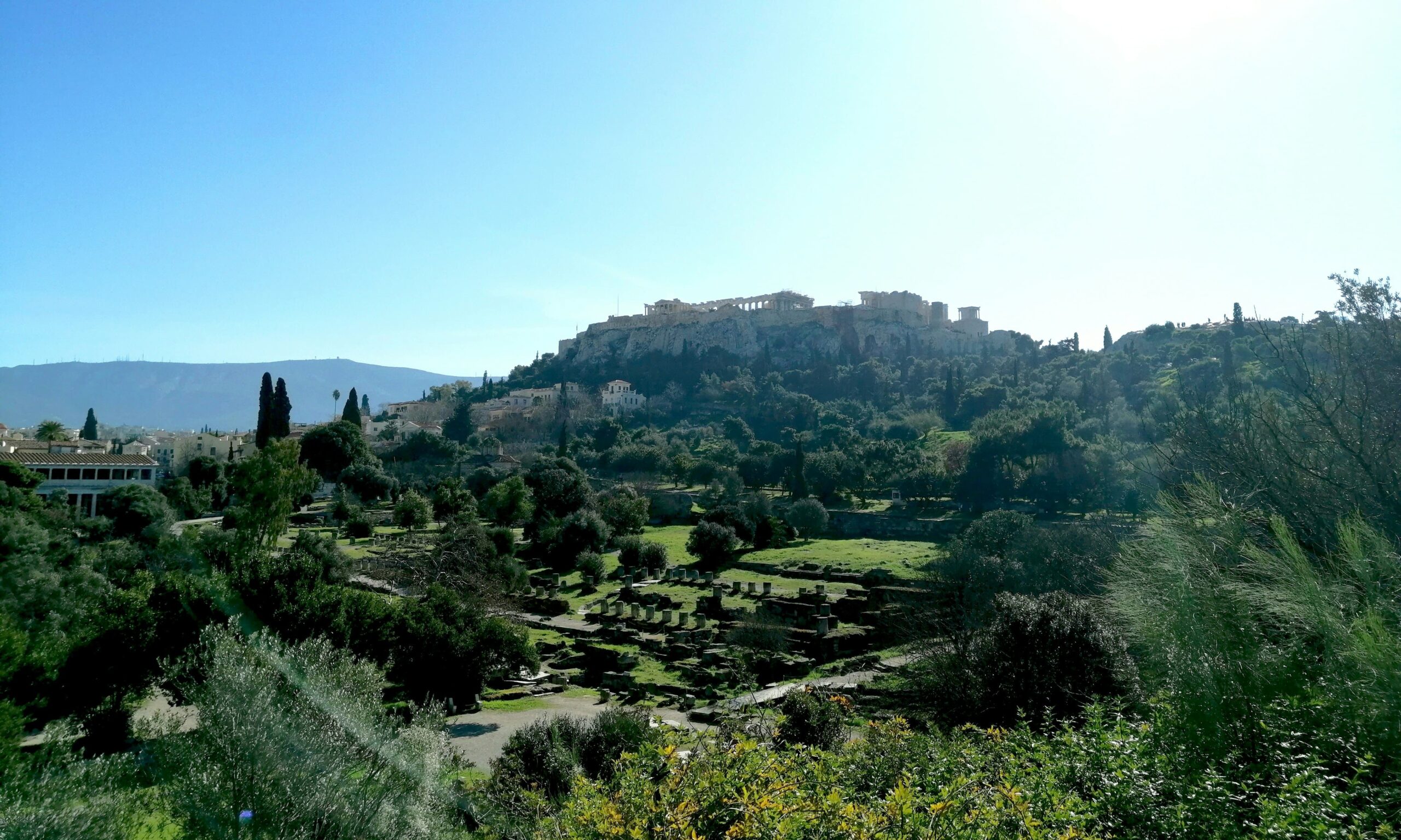
While the Acropolis dominated Athens’ religious and ceremonial life, the Ancient Agora served as the city’s social, political, and commercial heart. This sprawling site below the Acropolis housed the marketplace where Socrates questioned passers-by, where democracy was born, and where daily life unfolded for ancient Athenians. Walking through the Agora today requires imagination to populate the open spaces with the crowds, shops, and civic buildings that once filled this area, but the effort rewards visitors with insight into how ancient Greek society actually functioned.
The Agora’s history spans from the 6th century BCE through the late Roman period, with layers of construction, destruction, and rebuilding reflecting Athens’ turbulent history. Various invaders, including the Persians, Romans, Herulians, and Slavs, left their marks through destruction and reconstruction. Archaeological excavations, primarily conducted by the American School of Classical Studies since 1931, have uncovered foundations of numerous structures and thousands of artifacts that illuminate ancient Athenian life.
The site’s most recognizable monument is the Temple of Hephaestus, one of the best-preserved ancient Greek temples anywhere. Built around 450 BCE, this Doric temple dedicated to Hephaestus (god of metalworking and craftsmanship) and Athena stands virtually intact thanks to its conversion into a Christian church in the 7th century CE, which ensured its maintenance through the medieval period. The temple’s sculptural program and architectural refinements showcase Classical Greek temple design, while its hilltop position offers excellent views over the Agora and toward the Acropolis.
The reconstructed Stoa of Attalos, a two-story colonnade originally built by King Attalos II of Pergamon around 150 BCE, now houses the Agora Museum. This faithful reconstruction, completed in the 1950s, provides the only substantial covered structure on the site and helps visitors visualize how the ancient stoas functioned as multipurpose spaces for shopping, socializing, and shelter from sun or rain. The museum’s collection includes objects used in Athenian democracy, such as bronze ballots, kleroterion (allotment machines for selecting jurors), and ostraka (pottery shards used for voting on ostracism), tangible connections to democratic innovations still influencing governance worldwide.
Exploring Democratic Landmarks
The Agora contained numerous buildings crucial to Athens’ democratic government. The Bouleuterion housed the Council of 500 citizens who prepared legislation for the popular assembly. The Metroon served as the state archives and a temple to the Mother of the Gods. The Tholos, a circular building where the executive committee of 50 councillors worked, featured a dining room where these officials took their meals at public expense.
The Panathenaic Way, the ancient road leading from the main city gate to the Acropolis, runs through the Agora. Every four years, the Great Panathenaic Festival featured a procession along this route, the very procession depicted on the Parthenon frieze. Walking this ancient path connects you directly to ceremonies witnessed by Pericles, Socrates, and countless other ancient Athenians.
The Agora also reveals everyday life details often missing from monumental sites. Excavations uncovered workshops, wells, houses, and even ancient graffiti, creating a more complete picture of classical Athens beyond philosophical dialogues and political speeches. The discovery of Socrates’ prison and the Heliaia (people’s court) adds poignant historical depth, reminding us that the father of Western philosophy was condemned in buildings whose foundations you can walk among.
Allow at least two hours to explore the Ancient Agora, more if you want to thoroughly examine the museum. The site offers more shade than the Acropolis, with trees scattered throughout, making it more comfortable for midday visits. Early morning or late afternoon still provides the best light and fewer crowds. The combined ticket that includes the Acropolis covers this site, making it an excellent addition to your ancient monuments itinerary.
4. Plaka: Athens’ Most Charming Neighborhood
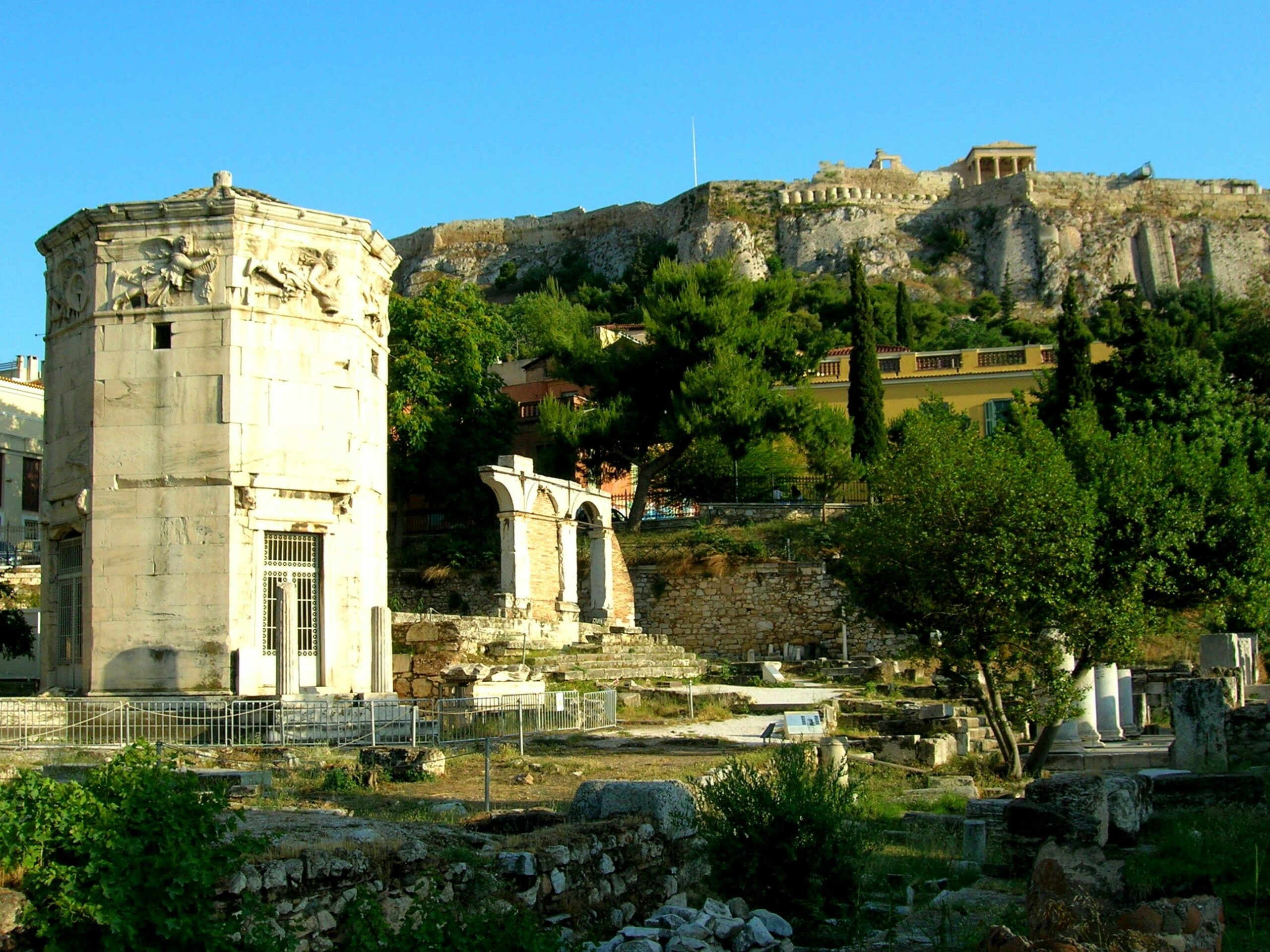
Nestled on the northeastern slopes of the Acropolis, Plaka stands as Athens’ oldest continuously inhabited neighborhood, its winding pedestrian streets and neoclassical houses creating an enchanting contrast to the modern city surrounding it. Often called the “Neighborhood of the Gods” due to its proximity to the Acropolis, Plaka transports visitors to a different era, where traditional tavernas spill onto cobblestone streets, bougainvillea cascades from balconies, and every corner reveals architectural details worth photographing.
Plaka’s labyrinthine layout reflects organic growth over centuries rather than modern urban planning. The neighborhood survived demolition threats in the mid-20th century when modernization fever gripped Athens, thanks to preservationists who recognized its unique character and historical value. Today, Plaka’s protection as a traditional settlement ensures that new construction respects the area’s architectural heritage, maintaining the neighborhood’s intimate scale and distinctive character.
The district offers numerous small museums that provide cultural depth beyond major monuments. The Museum of Greek Folk Art showcases traditional costumes, embroidery, metalwork, and carved wood pieces that illuminate Greek rural and island life. The Jewish Museum of Greece documents the 2,300-year history of Greek Jewish communities, including the tragic Holocaust period that destroyed Thessaloniki’s massive Sephardic community. The Frissiras Museum houses an excellent contemporary European painting collection in a beautifully restored neoclassical mansion.
Wandering Plaka without a specific destination ranks among Athens’ great pleasures. The neighborhood rewards aimless strolling, with hidden courtyards, tiny Byzantine churches tucked between buildings, and quiet squares offering respite from busier streets. Anafiotika, a tiny enclave within Plaka on the Acropolis’s northern slope, feels transplanted from a Cycladic island, its whitewashed houses and narrow passages built by workers from Anafi island in the 19th century who recreated their home island’s architecture in miniature.
Dining and Shopping in Plaka
Plaka’s dining scene ranges from tourist traps to excellent traditional tavernas that have served Athenians for generations. Avoid the main drags where aggressive touts try to lure you inside with laminated menus in multiple languages. Instead, venture into quieter side streets where locals eat. Look for places where menus are in Greek (with perhaps a handwritten English translation), where elderly Greek diners outnumber tourists, and where the greeting feels genuine rather than rehearsed.
Try traditional dishes like moussaka (layered eggplant and meat with béchamel sauce), pastitsio (baked pasta with meat sauce), or papoutsakia (stuffed eggplant boats). For meze (small plates), order taramosalata (fish roe dip), melitzanosalata (eggplant dip), and saganaki (fried cheese). Accompany your meal with local wine or ouzo, the anise-flavored spirit that’s a Greek institution.
Shopping in Plaka covers the full spectrum from cheap souvenirs to quality artisan goods. Adrianou Street, running through the neighborhood’s heart, features shops selling everything from “I Love Greece” t-shirts to handmade jewelry, leather sandals, and natural sea sponges. For quality purchases, seek out smaller boutiques specializing in Greek products: olive oil and cosmetics from specific regions, worry beads (komboloi) carved from amber or semi-precious stones, traditional ceramics, and contemporary Greek designers’ work.
The neighborhood also houses established shops selling traditional instruments like the bouzouki, antique stores offering everything from old coins to vintage textiles, and bookshops specializing in Greek culture and history. Take time to browse without pressure. Window shopping in Plaka’s atmospheric streets proves enjoyable even if you make no purchases.
5. The National Archaeological Museum: Greece’s Greatest Treasures
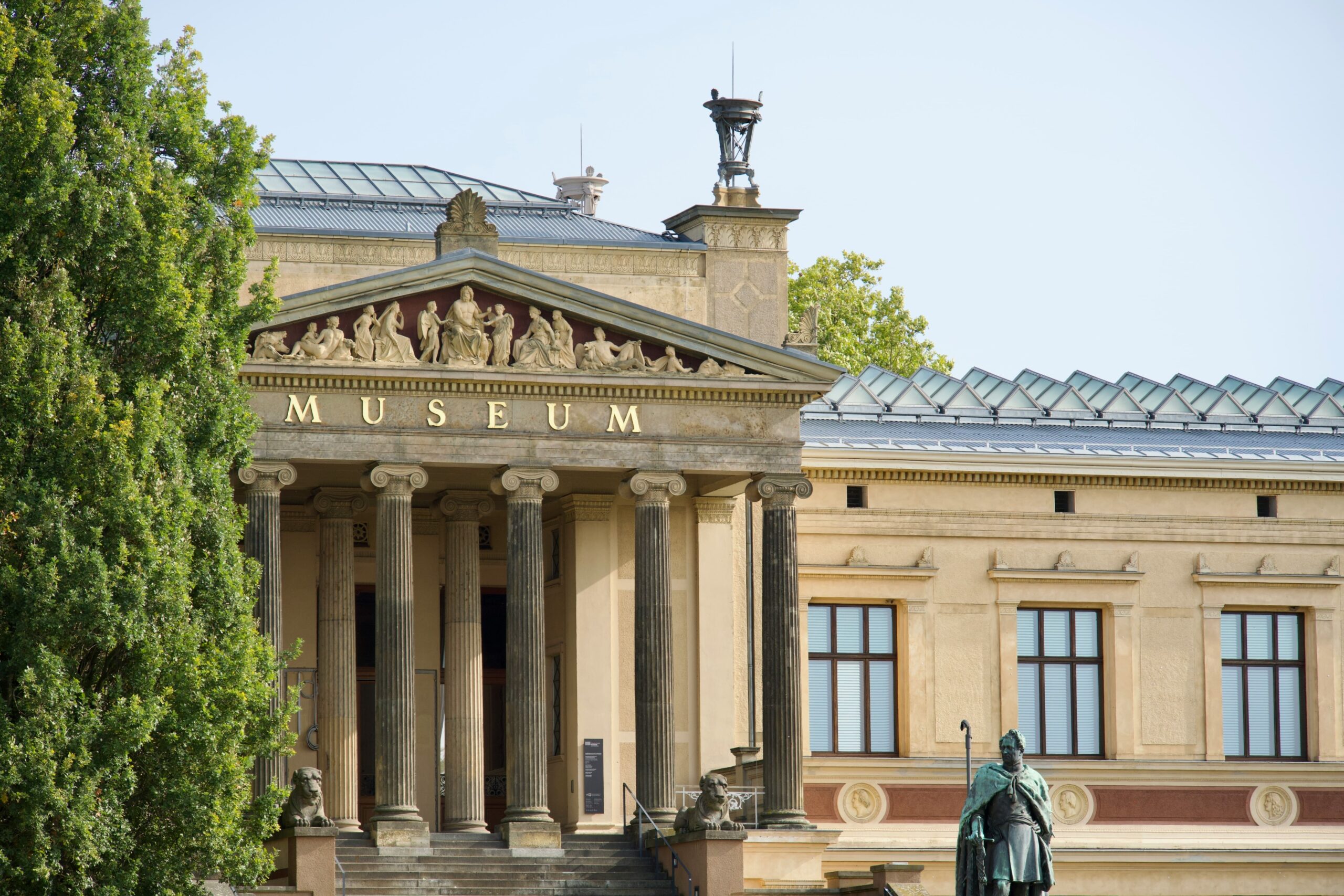
The National Archaeological Museum houses the world’s most comprehensive collection of ancient Greek artifacts, spanning from the Neolithic period through the Roman era. This imposing neoclassical building, completed in 1889, contains treasures that represent the pinnacle of ancient Greek artistic achievement and provide irreplaceable insights into Mediterranean civilization’s development. While often overlooked by visitors focused on outdoor monuments, the museum deserves equal status on any serious Athens itinerary.
The collection’s breadth and quality overwhelm first-time visitors. With over 11,000 objects on display (representing a fraction of the museum’s total holdings), you could spend days exploring the galleries and still discover something new. The museum’s organization follows chronological and thematic patterns, allowing visitors to trace artistic evolution across centuries and understand how historical events influenced artistic production.
The Mycenaean collection includes some of the museum’s most famous treasures, including the gold Mask of Agamemnon, discovered by Heinrich Schliemann at Mycenae in 1876. While scholars now doubt the mask depicts the legendary Trojan War leader, its fierce, bearded face still captivates viewers as a powerful example of early Greek metalwork. Surrounding cases display gold jewelry, weapons, vessels, and other grave goods that reveal Bronze Age Greek society’s wealth and artistic sophistication.
The Cycladic art collection showcases marble figurines from the Aegean islands, dating from 3200 to 2000 BCE. These abstract, minimalist sculptures influenced 20th-century modernists like Brancusi, Modigliani, and Giacometti with their simplified human forms and serene presence. The figures’ purpose remains debated: religious objects, fertility symbols, or prestige items for the elite? But their timeless aesthetic appeal is undeniable.
The sculpture collection traces the evolution from Archaic rigidity to Classical naturalism to Hellenistic emotionalism. The bronze Poseidon (or Zeus,) a rare original bronze rather than a Roman marble copy, demonstrates Classical sculpture’s peak, its perfect proportions and balanced composition frozen mid-gesture as the god prepares to hurl his trident (or thunderbolt). Found in a shipwreck off Cape Artemision, this 5th-century BCE masterpiece showcases why ancient Greek bronzes were prized throughout the ancient world.
Museum Highlights Not to Miss
The Antikythera Mechanism, discovered in another ancient shipwreck, represents the world’s oldest known analog computer. This complex system of bronze gears calculated astronomical positions and predicted celestial events, demonstrating scientific and technological sophistication far beyond what scholars previously attributed to ancient Greeks. Its discovery revolutionized the understanding of ancient science and technology.
The pottery collection illustrates the development of Greek ceramics from geometric designs through black-figure and red-figure techniques. Beyond their artistic value, these vases depict daily life, mythology, and historical events, serving as visual documents of ancient Greek culture. The detail in some pieces, delicate musical performances, athletic competitions, and domestic scenes provides windows into aspects of ancient life rarely documented in written sources.
The Egyptian and Near Eastern collection offers context for Greek art’s development, showing cultural exchange and influence from older Mediterranean and Middle Eastern civilizations. This section reminds visitors that Greek culture didn’t develop in isolation but absorbed and transformed ideas from surrounding peoples.
Plan to spend at least three to four hours in the museum, though enthusiasts could easily dedicate a full day. Visit on less crowded weekday mornings for a more contemplative experience. The museum café in the interior garden provides a pleasant break midway through your visit. Audio guides are available in multiple languages, and excellent guidebooks sold in the museum shop help prioritize what to see if time is limited.
6. Mount Lycabettus: Athens from Above
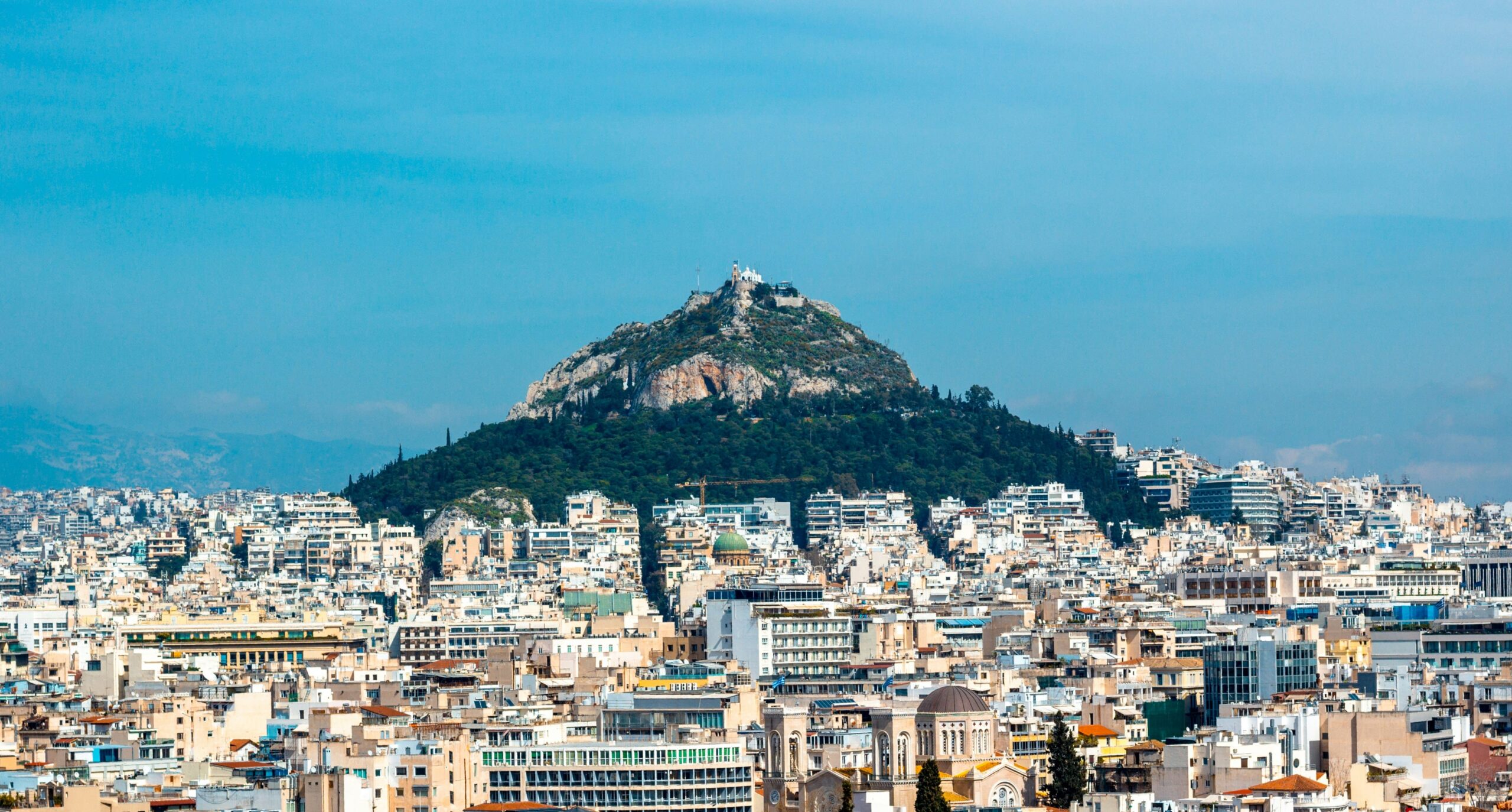
Rising 277 meters above sea level, Mount Lycabettus (Likavitos in Greek) towers over central Athens, offering breathtaking 360-degree panoramas that encompass the entire city, surrounding mountains, and the Saronic Gulf stretching to the horizon. This limestone hill, according to mythology, was dropped by Athena when startled while carrying it to fortify the Acropolis, providing Athens’ most spectacular viewpoint and a welcome escape from urban intensity.
The summit’s views are particularly magical at sunset when the Acropolis glows golden in the fading light, the city’s lights begin twinkling on, and the sky transforms through shades of orange, pink, and purple. Watching the day transition to night from this vantage point, perhaps with a glass of wine from the summit café, ranks among Athens’ most romantic experiences. The panorama extends from Mount Parnitha in the north to Mount Pentelicus (source of the Acropolis’s marble) in the northeast, across the Attic plain to the sea, and southwest toward the port of Piraeus.
Three routes lead to the summit, each offering different experiences. The funicular railway provides the easiest ascent, its cable car climbing the hill’s steep slope in about three minutes. Departing from the Kolonaki neighborhood, the funicular operates year-round and is particularly appreciated by those visiting during the summer heat or by those with mobility limitations. The ride itself offers increasingly expansive views as you ascend.
For the more adventurous, a winding path zigzags up the hillside through pine forest, offering exercise, fresh air, and changing perspectives on the city as you climb. The walk takes 20 to 30 minutes, depending on fitness level and chosen route. The main path starts from Ploutarchou Street in Kolonaki, while a shorter but steeper route begins from Loukianou Street. The trail provides shade and a surprisingly natural environment given the urban surroundings.
The most challenging route involves climbing the stone steps that ascend more directly, a workout that rewards with both fitness benefits and a sense of accomplishment. Regardless of the ascent method, comfortable shoes are essential, and bring water, especially in the summer months.
Summit Attractions and Activities
The summit features the small Chapel of Saint George, a 19th-century church that hosts services and attracts pilgrims and tourists alike. The whitewashed building’s simple architecture contrasts beautifully with the rocky summit and city sprawl below. The church celebrates its feast day on April 23rd with special services and festivities.
An open-air amphitheater carved into the hillside below the summit hosts concerts during the summer months, offering performances against the dramatic backdrop of Athens sprawling below. The venue’s natural acoustics and unique setting create memorable concert experiences, though the steep stone seating requires cushions for comfort during longer performances.
The summit café and restaurant allow visitors to linger over coffee or meals while absorbing the views. Prices reflect the location’s uniqueness, but the experience justifies the premium. The terrace fills quickly at sunset, so arrive early to secure a good table. Alternatively, bring your own refreshments and enjoy them at various viewing points around the summit.
Photography enthusiasts should visit twice, once for sunset and city lights, and again at sunrise when atmospheric conditions often provide crystalline clarity, the Acropolis catches first light, and the city awakens below. Early morning visits also avoid crowds, offering peaceful contemplation of Athens’ urban landscape.
7. Temple of Olympian Zeus and Hadrian’s Arch: Imperial Grandeur
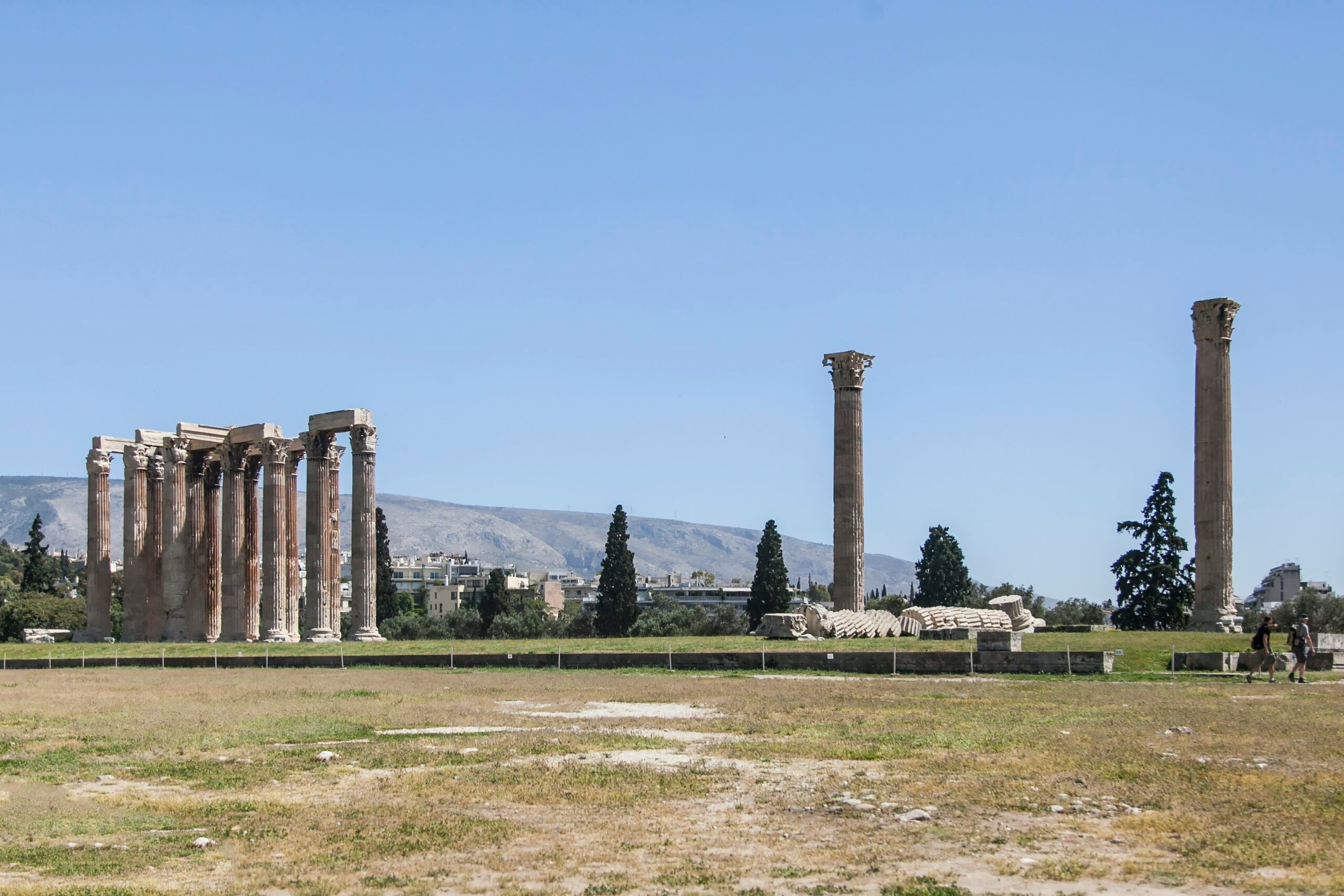
The Temple of Olympian Zeus, known locally as Olympieion, stands as a testament to ambition, persistence, and Roman imperial grandeur. This colossal temple, begun in the 6th century BCE but not completed until the Roman Emperor Hadrian’s reign in 132 CE, was once among antiquity’s largest temples. Though only 15 of the original 104 Corinthian columns remain standing, their massive scale, each 17 meters tall, conveys the structure’s overwhelming proportions and the statement its builders intended to make.
The temple’s construction history spans nearly 650 years, making it one of history’s longest-running building projects. The Athenian tyrant Peisistratos initiated construction around 515 BCE, planning a massive Doric temple, but work ceased after his dynasty’s overthrow. The temple sat unfinished for centuries, various rulers considering completion before abandoning the project as too expensive or politically fraught. During this period, some materials were repurposed for other constructions, diminishing the original plans.
The Hellenistic king Antiochus IV Epiphanes revived the project in 174 BCE, switching to the Corinthian order and enlarging the design. However, his death in 164 BCE halted work once again. The temple remained incomplete until Hadrian, a Philhellene emperor who particularly favored Athens, finally dedicated resources to finishing what earlier generations had started. His completion of the temple in 132 CE represented not just an architectural achievement but a political statement linking Roman power with Greek cultural prestige.
In its completed form, the temple measured 96 by 40 meters, with columns arranged in double rows on the sides and triple rows at the ends, creating a forest of marble supports surrounding the god’s statue. The cult statue of Zeus, fashioned from gold and ivory, reportedly rivaled Phidias’s famous Zeus at Olympia, though no trace of it survives. Hadrian also placed a statue of himself near the god, underlining the connection between divine and imperial power.
Hadrian’s Architectural Legacy
Adjacent to the temple stands Hadrian’s Arch, a monumental gateway marking the boundary between ancient Athens and the new Roman city that Hadrian created. Built entirely of Pentelic marble around 131-132 CE, the arch features inscriptions on both sides: “This is Athens, the ancient city of Theseus” facing the Acropolis, and “This is the city of Hadrian and not of Theseus” facing the new Roman quarter. These inscriptions diplomatically honored Athens’ heritage while asserting Roman contributions to the city’s grandeur.
The arch’s design combines Classical Greek and Roman architectural elements, featuring Corinthian columns and a pediment on the lower level with pilasters and a decorative parapet above. This synthesis symbolized the cultural fusion Hadrian promoted throughout his empire. The arch originally stood as part of a larger architectural ensemble connecting various Hadrianic monuments, though surrounding buildings have long since disappeared.
Visiting the Temple of Olympian Zeus takes less time than other major sites, but the combination with Hadrian’s Arch, the nearby Panathenaic Stadium, and pleasant surrounding gardens can easily fill two hours. The site is included in the combined archaeological ticket, making it an easy addition to a day visiting multiple ancient sites. Its location just southeast of the Acropolis means you can easily walk between these monuments.
The site offers different perspectives on Athens’ history than the Acropolis or the Agora. Where those sites represent Classical Greek achievement at its peak, the Olympieion illustrates later periods when Athens lived under foreign rule, yet remained culturally significant enough that powerful rulers sought to beautify and embellish it. The temple’s incompleteness for so long, followed by Roman completion, encapsulates Athens’ historical trajectory from independent city-state to subject city valued for its cultural prestige.
8. The Benaki Museum: Greek Culture Through the Ages
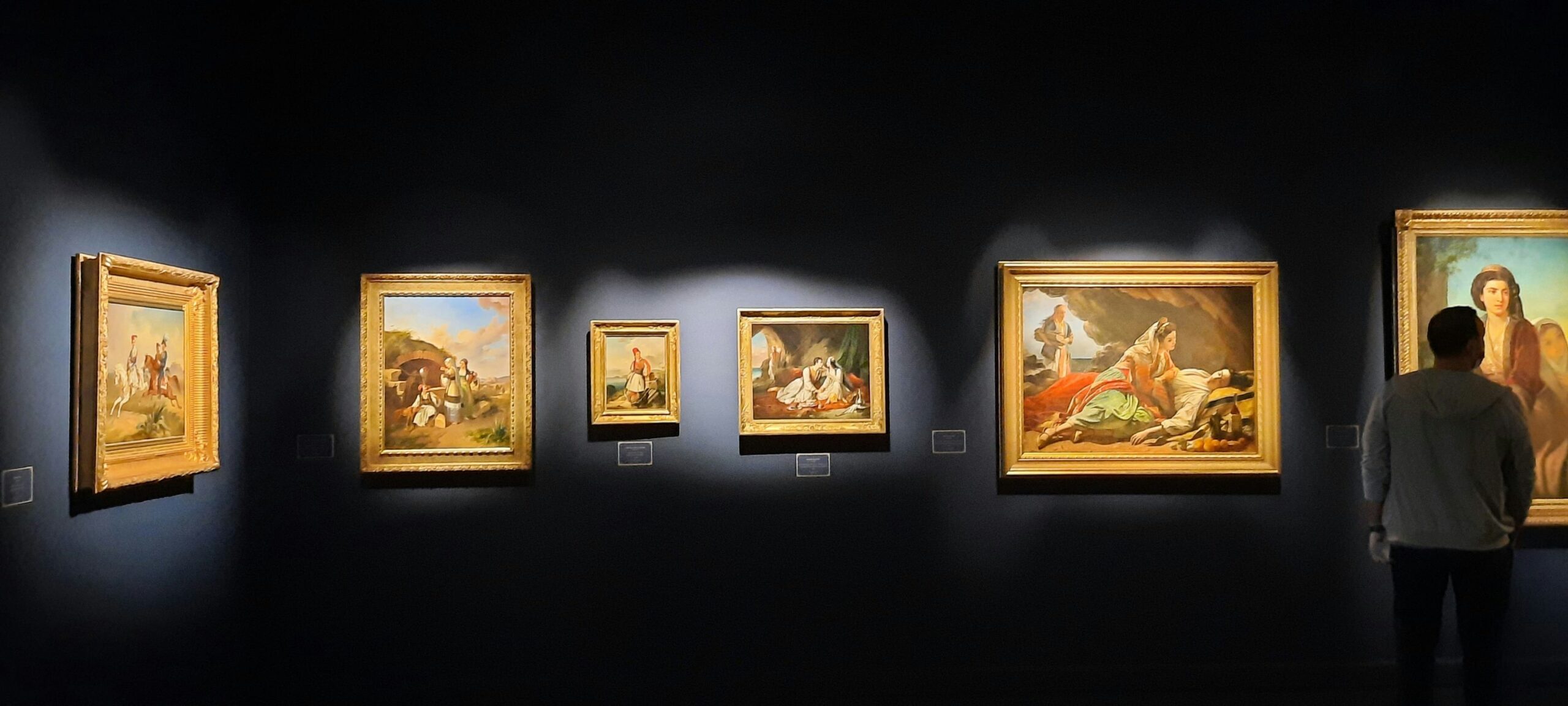
While Athens’ major archaeological museums focus primarily on ancient civilizations, the Benaki Museum offers something different: a comprehensive journey through Greek culture from prehistory to the 20th century. This exceptional institution, housed in an elegant neoclassical mansion on Vasilissis Sofias Avenue, presents Greek history not as a series of disconnected periods but as a continuous cultural evolution where ancient, Byzantine, Ottoman, and modern threads weave together into the complex tapestry of Greek identity.
Antonis Benakis, a wealthy Greek merchant from Alexandria, donated his extensive personal collection to the Greek state in 1931, creating the museum’s foundation. Since then, the collection has grown to over 45,000 objects spanning 7,000 years of Greek and Eastern Mediterranean culture. Unlike state archaeological museums focused primarily on excavation finds, the Benaki Museum showcases decorative arts, folk traditions, historical artifacts, and fine arts that illuminate how Greeks lived across centuries, not just what monuments they built.
The museum’s chronological arrangement across multiple floors allows visitors to trace cultural continuity and change. The ground floor covers prehistory and ancient Greece with carefully chosen artifacts that complement rather than duplicate the National Archaeological Museum’s holdings. Here you’ll find elegant jewelry, intricate metalwork, and everyday objects that reveal ancient Greeks’ artistic sensibilities beyond monumental sculpture and architecture.
The first floor focuses on the Byzantine and post-Byzantine periods, showcasing icons, ecclesiastical objects, jewelry, and ceramics from the 4th to 15th centuries. This collection illuminates a historical period often overlooked by visitors focused on Classical antiquity, yet essential for understanding Greek cultural continuity. The icons demonstrate Byzantine art’s spiritual intensity and technical sophistication, while secular objects reveal daily life under the Byzantine Empire.
The second floor addresses the Ottoman period and the Greek War of Independence, featuring weapons, costumes, documents, and artwork from the centuries when Greece formed part of the Ottoman Empire. This section presents a nuanced view of a complex historical period, showing cultural exchange and conflict, survival and resistance. The Greek Revolution materials, including weapons, flags, and paintings of revolutionary heroes, connect visitors emotionally to Greece’s struggle for independence.
Modern Greek Culture and Special Collections
The third floor showcases Greek folk art traditions: regional costumes, embroideries, woodcarvings, and silverwork that reflect Greece’s diverse regional identities and cultural practices. These objects demonstrate how traditional ways of life persisted in rural areas and islands even as urban centers modernized. The costume collection particularly impresses, with elaborate outfits from different regions showing stunning craftsmanship and revealing social status, regional identity, and occasion through their details.
The museum also maintains specialized collections in separate buildings, including the Museum of Islamic Art (housed in a nearby mansion, focusing on Islamic art from the 7th to 19th centuries, mostly from regions historically connected to Greece), and the Benaki Toy Museum. Additionally, temporary exhibitions showcase contemporary Greek artists, historical themes, or special collections, ensuring that even repeat visitors discover something new.
The Benaki Museum’s café-restaurant on the rooftop terrace deserves special mention. Offering excellent Mediterranean cuisine with Acropolis views, it attracts Athenians for business lunches, romantic dinners, and leisurely weekend brunches. The combination of quality food, artistic ambiance, and spectacular views makes it a destination in itself, not merely a museum amenity.
Plan for two to three hours to properly explore the main museum. Thursday evenings feature extended hours until midnight with reduced admission, attracting a younger, more social crowd and offering a different museum experience. The museum shop stocks quality books on Greek art and culture, design objects inspired by collection pieces, and contemporary Greek design products.
9. Central Market and Psiri: Athens’ Flavorful Heart
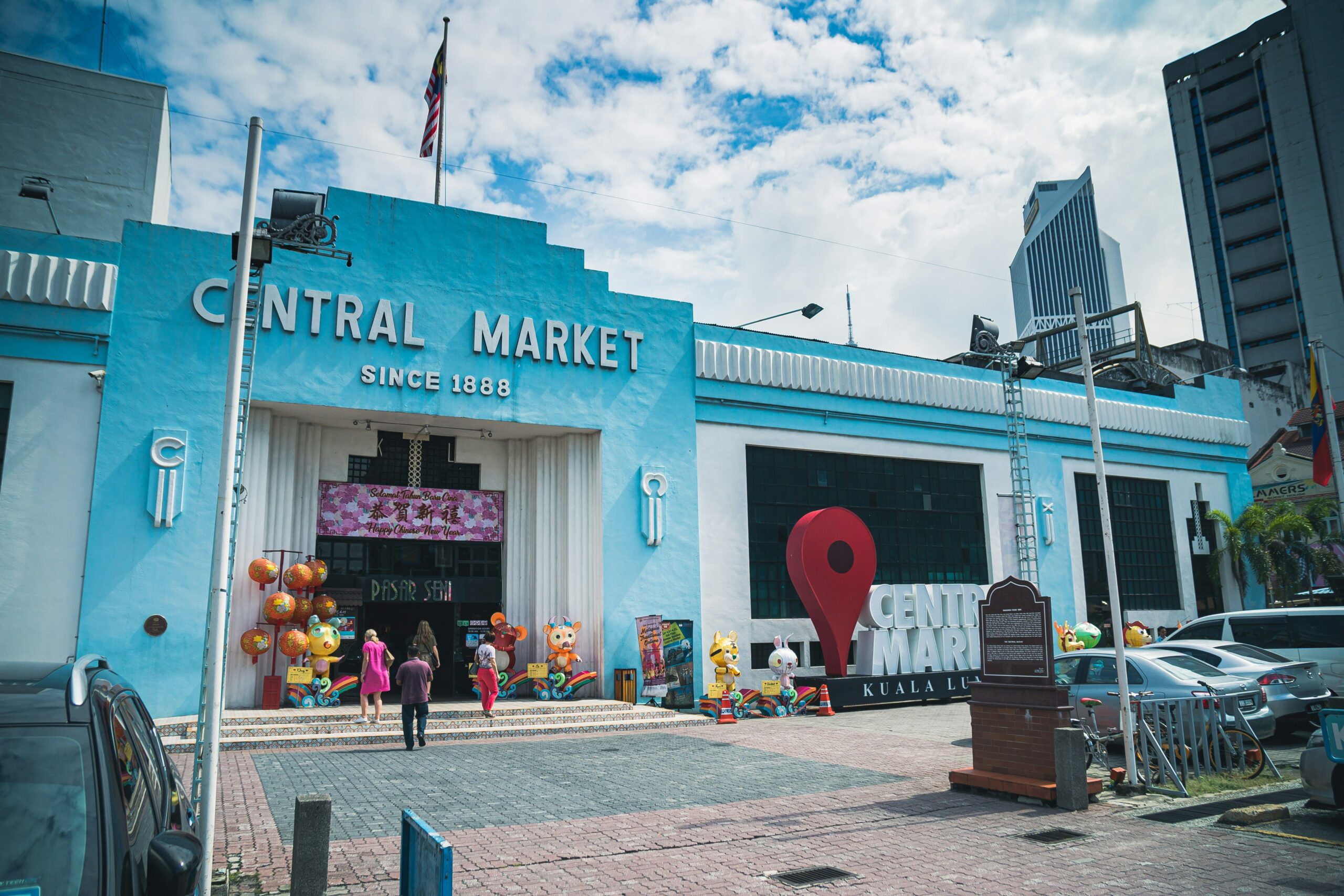
While ancient monuments and museums dominate most Athens itineraries, experiencing contemporary Athenian life requires venturing into neighborhoods where locals shop, eat, and socialize. The Central Market (Varvakios Agora) and adjacent Psiri district offer authentic immersion into Athens’ culinary culture and vibrant street life, revealing the city’s more immediate, visceral character beyond its celebrated past.
The Central Market, operating since 1886 in a magnificent covered structure, assaults your senses from the moment you enter. The meat section displays everything from entire lambs and pigs to carefully butchered cuts, with vendors expertly wielding knives and chatting with customers who know exactly which cut they want for Sunday dinner. The fish market next door showcases Mediterranean seafood in stunning variety: octopus and squid arranged like sculptures, silver-sided fish on ice, spiny lobsters waving antennae, and unfamiliar species that remind you that Greece’s maritime heritage continues strong.
The market’s sensory intensity, sights, sounds, and smells might overwhelm the squeamish, but it offers authentic insight into how Athenians shop and eat. Despite supermarket proliferation, many Athenians still prefer market shopping for freshness, quality, and personal relationships with vendors who’ve served their families for generations. Watching transactions, you’ll notice the personal interactions, negotiations, and recommendations that transform shopping from mere purchasing into social engagement.
Surrounding the covered meat and fish halls, outdoor stalls sell fruits, vegetables, nuts, spices, and dry goods. Seasonal produce dominates, and prices typically beat supermarkets. Even if you’re not shopping for ingredients, wandering these stalls provides education in Greek culinary traditions, which herbs and vegetables appear in which dishes, how Greeks select perfect tomatoes or judge olive oil quality, and what fruits mark different seasons.
Tavernas and Ouzeries: Eating Like Locals
Several traditional tavernas inside and around the market serve workers and shoppers from early morning through afternoon. These bare-bones establishments serve authentic Greek food at remarkably low prices with zero concession to tourist expectations. Order patsas (tripe soup, considered a hangover cure), or play it safer with grilled meats, stews, or meze. The atmosphere is loud, smoky (if you sit outside), and thoroughly local. Don’t expect English menus or explanations to point to what others are eating or let the server decide for you.
The adjacent Psiri neighborhood has transformed from a working-class district to one of Athens’ most vibrant nightlife areas while retaining much of its traditional character. During the day, Psiri appears fairly quiet, with small workshops, printing shops, and traditional businesses operating as they have for decades. By night, the neighborhood explodes into life as tavernas, bars, and ouzeries fill with Athenians eating, drinking, and celebrating life with characteristic Greek enthusiasm.
Psiri’s tavernas range from traditional establishments serving classic Greek dishes to modern interpretations of Greek cuisine using quality ingredients and contemporary techniques. Look for places where menus emphasize seasonal ingredients, where the wine list features Greek wines from small producers, and where the atmosphere feels authentic rather than designed for tourists. The best ouzeries serve creative meze small plates designed to accompany ouzo or wine that showcase Greek culinary traditions.
The neighborhood’s streets feature impressive street art and graffiti, making daytime walks worthwhile for art enthusiasts. Athens has developed a significant street art scene, and Psiri showcases some of its best work, from small stencil pieces to multi-story murals. The contrast between neoclassical buildings bearing street art and graffiti creates a visual tension reflecting Athens’ contemporary reality, ancient heritage, and modern struggle coexisting, sometimes uneasily.
Sunday morning provides the perfect time to visit the Central Market and Psiri. The market operates at full intensity as Athenians shop for Sunday dinner ingredients, while nearby Psiri recovers from Saturday night’s revelries. Stop at a traditional kafeneio (coffee house) for Greek coffee and a pastry while watching Athens wake up, then explore the market, purchase picnic supplies, and perhaps discover hidden gems in Psiri’s quieter daylight hours.
10. Stavros Niarchos Foundation Cultural Center: Athens’ Modern Masterpiece

While this guide emphasizes Athens’ ancient heritage, omitting the Stavros Niarchos Foundation Cultural Center (SNFCC) would ignore how contemporary Athens is actively creating new cultural landmarks for future generations. This spectacular complex in Kallithea, completed in 2016, houses the National Library of Greece and the Greek National Opera in a stunning building designed by Renzo Piano, surrounded by the Mediterranean’s largest public park.
The SNFCC represents a gift to the Greek people from the Stavros Niarchos Foundation, costing approximately €600 million and donated without strings attached to the Greek state. This extraordinary act of philanthropy created a world-class cultural institution that serves both practical functions and symbolic purposes, demonstrating Greece’s continued cultural vitality despite economic challenges that dominated international headlines during the 2010s.
Renzo Piano’s architectural masterpiece combines sustainability with beauty, featuring a massive canopy covered with solar panels that generates much of the complex’s energy needs. The building’s design incorporates natural cooling systems, extensive glass walls that blur boundaries between interior and exterior spaces, and an artificial hill that elevates the building while creating varied topographies in the surrounding park. The lighthouse-like structure visible from across Athens has become a contemporary landmark rivaling ancient monuments in iconic status.
The National Library houses over one million books and periodicals in temperature-controlled stacks, with magnificent reading rooms offering natural light, views over the park and toward the Saronic Gulf, and state-of-the-art research facilities. The library’s design encourages use as a public space, not just a research institution, with comfortable seating areas, café facilities, and exhibitions that invite visitors to linger. Free admission to the library’s public areas makes culture accessible to all, embodying democratic ideals that resonate with Athens’ ancient legacy.
The Greek National Opera relocated here from its cramped downtown facility, gaining two performance spaces a 1,400-seat main hall and a 450-seat alternative stage equipped with cutting-edge acoustics and theatrical technology. The opera company’s programming balances classical repertoire with contemporary works, Greek operas rarely performed elsewhere, and outreach programs that introduce opera to new audiences. The performance spaces themselves are architectural achievements, with warm wood interiors and superb acoustics that enhance every performance.
The Park: Athens’ Green Oasis
The 21-hectare Stavros Niarchos Park surrounding the cultural center provides Athens with desperately needed green space, featuring Mediterranean gardens, children’s playgrounds, sports facilities, outdoor performance spaces, and walking paths that attract Athenians seeking escape from urban congestion. Over 1,500 trees and 300,000 plants create a genuine ecosystem supporting birds, insects, and urban wildlife while offering shade and natural beauty.
The park functions as Athens’ contemporary agora, a gathering place where families picnic, friends meet for coffee at the various kiosks, children play, and couples stroll at sunset. Free events, outdoor film screenings, concerts, festivals, and educational programs activate the space year-round, ensuring the park serves as living cultural infrastructure rather than merely a decorative landscape. The park’s popularity demonstrates Athenians’ hunger for public spaces designed for people rather than cars, for leisure rather than commerce.
The Great Lawn, a gently sloping grass area, hosts major events and concerts while serving daily as a space for yoga, exercise, reading, or simply lying in the sun. The Mediterranean Garden showcases plants adapted to Greece’s climate, organized thematically to educate visitors about botanical diversity and sustainable landscaping. The Labyrinth, inspired by ancient Greek mythology, provides playful engagement with cultural heritage through landscape design. The canal running through the park recalls ancient Athenian waterworks while serving modern stormwater management functions.
Visiting the SNFCC requires traveling about 4 kilometers south of central Athens, easily reached by tram, bus, or metro (closest station is Syngrou-Fix, then bus or tram). The journey itself offers a perspective on contemporary Athens beyond tourist zones, passing through residential neighborhoods and commercial districts where real Athenian life unfolds. Plan to spend a full afternoon or evening at the SNFCC, combining library exploration, park wandering, and perhaps attending a performance if your schedule allows.
The complex operates with extended hours (park open from sunrise to midnight daily, buildings until late evening), making it accessible for visitors with packed daytime schedules. Sunset from the artificial hill provides spectacular views over the Saronic Gulf with the city spreading toward the mountains in the distance. The complex features excellent accessibility for visitors with disabilities, with ramps, elevators, and thoughtful design throughout.
Hidden Gems in Athens: Beyond the Top 10
While the top 10 places to visit in Athens provide essential experiences, the city rewards deeper exploration with countless hidden gems that most tourists miss. These lesser-known sites offer escape from crowds, insights into different aspects of Athenian culture, and the satisfaction of discovery that makes travel memorable.
Philopappos Hill and Monument
Across from the Acropolis, Philopappos Hill offers an alternative perspective on the ancient citadel while providing a quieter, more contemplative environment than the tourist-thronged sacred rock. The Philopappos Monument, built between 114-116 CE to honor Gaius Julius Antiochus Philopappos, a prince from the ancient kingdom of Commagene who became an Athenian citizen and benefactor, crowns the hill’s summit. The monument’s partially preserved marble façade shows architectural ambition, while the hilltop provides superb Acropolis views without barriers, cables, or tourist hordes.
The hill’s paths wind through pine forest, passing Byzantine church ruins, ancient quarries, and viewpoints revealing Athens from unexpected angles. Local Athenians use these paths for exercise, dog walking, and romantic walks, treating this as their neighborhood green space. The Pnyx, where the ancient Athenian assembly met to debate and vote on city business, occupies the hill’s northeastern spur, a profoundly significant site for democratic history yet rarely visited by tourists focused on the more impressive Acropolis.
Anafiotika
Within Plaka but deserving separate mention, Anafiotika is a tiny neighborhood clinging to the Acropolis’s northern slope, its whitewashed houses and narrow passages recreating a Cycladic island village in miniature. Workers from Anafi island built these houses in the 1860s while working on King Otto’s palace reconstruction, constructing their homes in a single night to exploit an Ottoman law allowing structures completed overnight to stand. The neighborhood’s survival through modern Athens’ development represents a small miracle, preserving vernacular architecture and community scale increasingly rare in contemporary cities.
Wandering Anafiotika’s steep, winding paths feels like stepping into a different world. Bougainvillea cascades from tiny balconies, cats sun themselves on whitewashed steps, and residents’ potted plants create miniature gardens along the narrow ways. The neighborhood’s intimacy and quiet contrast dramatically with bustling Plaka just steps away. This remains a living neighborhood, not a preserved museum piece, so visit respectfully, keeping noise down and respecting residents’ privacy.
Kerameikos Cemetery
The ancient Kerameikos district, named after the pottery workshops (kerameis) that once operated here, served as Athens’ most important cemetery from the 12th century BCE through Roman times. The archaeological site, far less crowded than the Acropolis or Agora, preserves impressive grave monuments, sections of ancient city walls and gates, and the Sacred Way that led to Eleusis for the famous Mysteries.
The site museum houses outstanding funerary sculptures and vessels that illustrate ancient Greek attitudes toward death and commemoration. Walking among the ancient graves, reading inscriptions that commemorate individuals dead for over 2,000 years, creates unexpectedly moving connections across time. The pomegranate and other plants growing among the ruins recall ancient funerary symbolism while contributing to the site’s melancholic beauty.
First Cemetery of Athens
For a different cemetery experience, the First Cemetery of Athens, established in 1837, functions as an open-air museum of neoclassical sculpture and modern Greek history. Notable Greeks from the arts, politics, sciences, and business are buried here under elaborate monuments that showcase 19th and 20th-century Greek sculpture. The cemetery’s atmosphere combines melancholy with artistic beauty, its tree-shaded paths and marble monuments creating a peaceful retreat from urban chaos.
Famous burials include Heinrich Schliemann (under a temple-form mausoleum decorated with Trojan War scenes), Nobel Prize-winning poets Giorgos Seferis and Odysseas Elytis, actress and Greek cultural icon Melina Mercouri, and numerous politicians, generals, and artists who shaped modern Greece. The “Sleeping Beauty” sculpture by Yannoulis Chalepas and the Afra family tomb with its distinctive Art Nouveau styling are particularly noteworthy.
Museum of Cycladic Art
This exceptional museum focuses on ancient Cycladic civilization, displaying one of the world’s finest collections of Cycladic figurines, those abstract marble sculptures that influenced modern artists. Beyond the Cycladic core collection, the museum houses ancient Greek art, Cypriot antiquities, and rotating exhibitions. The museum’s elegant presentation in a renovated neoclassical mansion and modern wing creates an intimate, sophisticated viewing experience distinct from larger state museums.
The ground floor café opens to a beautiful interior courtyard, providing a tranquil spot for coffee and reflection. The museum shop stocks high-quality art books, jewelry inspired by ancient designs, and contemporary Greek art and design objects. Thursday evening openings feature live music and a bar, transforming the museum into a cultural gathering space that attracts Athens’ creative class.
Technopolis and Gazi District
The former gasworks in the Gazi neighborhood have been transformed into Technopolis, a cultural center hosting exhibitions, concerts, and festivals in repurposed industrial buildings. The dramatic industrial architecture, with massive brick structures and metal framework, creates atmospheric exhibition and performance spaces unlike traditional cultural venues. The complex’s illuminated chimneys have become neighborhood landmarks, while the surrounding Gazi area has evolved into one of Athens’ most vibrant nightlife districts.
Gazi balances LGBT-friendly clubs, innovative restaurants, trendy bars, and creative spaces with remnants of its working-class industrial past. The neighborhood’s energy peaks after midnight when Athenians, having finished dinner around 10 or 11 PM, move on to bars and clubs for serious socializing. The contrast between massive industrial ruins and sleek contemporary establishments creates visual and cultural tension that captures Athens’ ongoing transformation.
National Garden and Zappeion
Behind the Parliament building, the National Garden provides 15.5 hectares of green refuge in central Athens, its shaded paths, duck ponds, and botanical diversity offering respite from urban intensity and summer heat. Commissioned by Queen Amalia in the 1830s, the garden initially served as the royal palace’s private grounds but opened to the public in 1923, becoming a beloved green space for Athenians.
The garden’s somewhat shabby elegance reflects decades of insufficient maintenance, but this neglect has allowed natural growth that creates a more authentic park atmosphere than over-manicured modern landscapes. Turtles sun themselves beside ponds, peacocks strut along paths, and the dense vegetation provides a genuine escape from the surrounding city. Ancient columns and architectural fragments scattered throughout remind visitors that Athens’ history lies in layers, literally and figuratively.
The Zappeion, a magnificent neoclassical building at the garden’s southern end, originally hosted Olympic Games events and now serves for exhibitions and conferences. The building’s striking circular colonnade and formal gardens provide popular settings for wedding photography. The surrounding area, including the Panathenaic Stadium (the only stadium in the world built entirely of marble, used for the first modern Olympics in 1896), extends your green space exploration while connecting to significant Olympic and modern Greek history.
Athens Travel Tips: Planning Your Visit
Successfully navigating Athens requires understanding the city’s rhythm, climate, infrastructure, and cultural expectations. These practical tips help maximize your time while minimizing frustration, allowing you to focus on experiencing rather than problem-solving.
Best Time to Visit Athens
Athens experiences a Mediterranean climate with hot, dry summers and mild, sometimes rainy winters. The ideal visiting periods are spring (April to June) and fall (September to October), when temperatures are pleasant, rainfall is minimal, and tourist crowds are more manageable than peak summer. Spring brings wildflowers, comfortably warm days perfect for extensive walking, and a sense of renewal as the city awakens from winter. Fall offers warm sea temperatures, harvest season freshness in markets, and beautiful light for photography.
July and August bring intense heat, with temperatures regularly exceeding 35°C (95°F) and occasionally reaching 40°C (104°F) or higher. Combined with summer crowds, these months challenge even heat-tolerant visitors. If summer travel is unavoidable, adjust your schedule: visit outdoor sites early morning or late afternoon, retreat to air-conditioned museums during midday heat, embrace the Mediterranean siesta culture, and save energy for evenings when Athens truly comes alive.
Winter (November to March) offers advantages for budget-conscious travelers: lower hotel rates, minimal crowds at major sites, and the opportunity to experience Athens as Athenians do, without tourist hordes. However, some archaeological sites have reduced hours, the weather can be rainy and occasionally cold, and the experience lacks summer’s vibrant outdoor life. Winter visits suit travelers more interested in museums and urban culture than beach weather and extensive outdoor exploration.
Getting Around Athens
Athens’ public transportation system combines metro, buses, trams, and trolleys into an integrated network that reaches most areas visitors want to explore. The metro, clean, efficient, and air-conditioned, provides the easiest way to navigate the city, with three lines connecting central Athens to the airport, port, and suburbs. Trains run frequently (every 5-10 minutes during peak hours), stations feature interesting archaeological displays (many excavations during construction uncovered ancient remains), and maps are clear and multilingual.
Purchase a five-day tourist ticket (€10) if staying several days, or individual tickets (€1.20 for 90 minutes, allowing transfers between metro, bus, trolley, and tram). Validate tickets at machines before boarding; inspectors regularly check, and fines for invalid tickets are steep. The metro operates from approximately 5:30 AM to midnight on weekdays, with extended hours on weekends.
Taxis are reasonably priced compared to other European capitals, making them practical for groups or when traveling with luggage. Insist the driver uses the meter or agree on a price beforehand for fixed routes like airport transfers. Uber and Beat (a local ride-sharing app) operate in Athens and often provide more reliable service than traditional taxis. For airport transfers, the metro (€10 one-way, 40 minutes to the city center) offers excellent value for solo travelers, while taxis or ride-shares make more sense for groups or those with substantial luggage.
Walking remains the best way to explore central Athens, with most major sites within walking distance of each other. However, be prepared for challenging conditions: uneven pavements, unpredictable drivers, and steep hills in some neighborhoods. Comfortable walking shoes are essential, save stylish but impractical footwear for evening dining. The city’s traffic and aggressive driving can intimidate pedestrians, but locals cross with confidence; follow their lead and remember that designated crosswalks don’t guarantee drivers will stop.
Where to Stay in Athens
Neighborhood selection significantly impacts your Athens experience. Plaka and Monastiraki offer maximum convenience for sightseeing, with the Acropolis and major sites within easy walking distance. However, these areas are heavily touristed, relatively expensive, and can feel artificial. Choose these neighborhoods if you prioritize convenience and don’t mind tourist-oriented surroundings.
Koukaki, just south of the Acropolis, has emerged as a favorite among travelers seeking an authentic neighborhood atmosphere with excellent site access. This primarily residential area features local tavernas, cafés frequented by Athenians, reasonable prices, and easy walks to major monuments. The neighborhood retains genuine local character while offering visitor amenities.
Kolonaki, Athens’ upscale shopping and dining district on Mount Lycabettus’s slopes, suits travelers seeking a sophisticated urban atmosphere, designer shopping, and upscale dining. Higher prices buy you proximity to excellent museums (Benaki, Cycladic Art), beautiful neoclassical architecture, and a neighborhood where wealthy Athenians actually live and shop.
Psiri and Gazi appeal to travelers prioritizing nightlife and contemporary culture over immediate ancient site access. These formerly working-class neighborhoods have gentrified into Athens’ trendiest districts, with excellent restaurants, bars, galleries, and creative energy. They’re less convenient for major archaeological sites but perfectly positioned for experiencing contemporary Athens.
Exarcheia, near the National Archaeological Museum, attracts alternative travelers with its bohemian, politically radical character. This neighborhood houses anarchist collectives, university students, artists, and political activists, creating an edgy, sometimes gritty atmosphere far removed from tourist Athens. Cafés and tavernas offer authentic experiences and rock-bottom prices, but the neighborhood’s political intensity and occasional protests aren’t for everyone.
Cultural Etiquette and Practical Considerations
Greeks are generally warm, hospitable people who appreciate visitors’ efforts to engage with their culture respectfully. Learn a few basic Greek phrases: “kalimera” (good morning), “efharisto” (thank you), “parakalo” (please/you’re welcome), and Greeks will respond warmly to your effort, even if your pronunciation is terrible.
Dress codes matter at religious sites. Cover shoulders and knees when visiting churches or monasteries. Many churches provide wraps for underdressed visitors, but better to dress appropriately from the start. Modest dress shows respect for religious spaces and the believers using them for prayer rather than tourism.
Greeks eat late by Northern European or North American standards. Lunch runs from 2:00 to 4:00 PM, while dinner starts around 9:00 or 10:00 PM and can extend until midnight or later. Restaurants opening at 6:00 PM cater primarily to tourists; locals won’t arrive until 9:00 at the earliest. Embrace this schedule, enjoy a leisurely afternoon siesta after lunch, allowing you to stay up late experiencing Athens’ legendary nightlife without exhaustion.
Tipping practices in Greece differ from American norms but resemble other European countries. Round up taxi fares or add a euro or two. In restaurants, leaving 5-10% is appreciated but not obligatory, especially since service charges are often included. For excellent service, 10% shows appreciation. Don’t feel pressured to leave American-style 15-20% tips.
Greeks smoke heavily, and despite restrictions, smoking in bars and restaurants remains common. Non-smokers should seek establishments with good outdoor seating or ventilation, or accept that smoke exposure is part of Greek social life.
Safety and Health
Athens is generally very safe for tourists, with violent crime rare and most issues limited to petty theft and pickpocketing in crowded tourist areas and public transportation. Use common sense: watch bags and pockets in crowds, avoid displaying expensive jewelry or electronics conspicuously, and keep valuables secure in hotel safes.
The greatest health risk comes from heat and sun during the summer months. Stay hydrated (tap water is safe throughout Athens), wear sunscreen, seek shade during midday hours, and recognize heat exhaustion symptoms. Older travelers or those with health conditions should be particularly cautious about summer heat exposure.
Pharmacies (pharmakeia, identified by green crosses) are widely available, and pharmacists are knowledgeable, often speaking English. For minor health issues, consulting a pharmacist before seeking doctor care is a common practice. Emergency medical care is available at public hospitals (free for EU citizens with European Health Insurance Cards, reasonably priced for others) and private clinics.
Strikes and protests occasionally disrupt public services, particularly transportation. These typically relate to economic issues or political disputes rather than targeting tourists, but can affect travel plans. Check the news for strike announcements and plan accordingly, building flexibility into your schedule.
Money Matters
Greece uses the euro, and ATMs are widely available throughout Athens. Credit cards are accepted at most hotels, restaurants, and shops in tourist areas, though smaller tavernas and traditional shops may prefer cash. Always carry some cash for small purchases, buses, and establishments that don’t accept cards.
Athens has become more expensive since the 2008-2018 economic crisis began easing, but it still offers good value compared to other major European capitals. Budget travelers can manage on €40-60 daily (hostel accommodation, street food, limited sightseeing), while mid-range travelers should budget €100-150 daily for comfortable hotels, restaurant meals, and site admissions. Luxury travelers can easily spend €300+ daily on high-end hotels, fine dining, and private tours.
The combined archaeological ticket (€30, valid for five days) represents Athens’ best tourism value if you plan to visit multiple ancient sites. Individual site admissions would cost significantly more, making this ticket worthwhile for anyone serious about exploring Athens’ archaeological heritage.
Language Considerations
English is widely spoken in tourist areas, hotels, restaurants, and by younger Greeks generally. However, English proficiency drops significantly in neighborhoods off the tourist path and among older Greeks. Learning basic Greek phrases helps in these situations and demonstrates respect for local culture. The Greek alphabet presents an initial challenge, but learning to sound out place names, street signs, and menu items significantly improves navigation and ordering confidence.
Many restaurant menus include English translations, though these can be entertainingly inexact. When in doubt, ask “Ti synistáte?” (What do you recommend?) invites servers to suggest specialties and usually produces good results. Don’t be afraid to point to what other diners are eating. Greeks understand that their cuisine may be unfamiliar and generally respond helpfully to curious visitors.
What to Do in Athens: Beyond Sightseeing
While visiting monuments and museums form the core of most Athens itineraries, the city offers diverse experiences that create richer, more memorable visits. These activities connect you with contemporary Athens culture, provide balance to history-heavy days, and offer insights unavailable through monument visits alone.
Food Tours and Cooking Classes
Athens’ culinary scene has exploded in recent years, with innovative chefs reimagining Greek cuisine while traditional tavernas maintain time-tested recipes. Food tours led by passionate local guides provide an introduction to Greek cuisine’s breadth, from street food like koulouri (sesame bread rings) and souvlaki to meze spreads at traditional ouzeries to modern interpretations at upscale restaurants. These tours often include market visits, allowing interaction with vendors and education about ingredients essential to Greek cooking.
Cooking classes offer hands-on engagement with Greek culinary traditions. Learn to prepare classic dishes like moussaka, gemista (stuffed vegetables), or dolmades (stuffed grape leaves) under expert instruction, gaining skills you can recreate at home. Many classes include market shopping, where instructors explain ingredient selection, followed by cooking instruction and communal meals featuring your creations. These experiences combine education with social interaction, often leading to friendships with fellow participants and instructors alike.
Day Trips from Athens
Athens serves as an excellent base for exploring wider Attica region and nearby attractions. The Temple of Poseidon at Cape Sounion, perched on cliffs overlooking the Aegean about 70 kilometers south of Athens, makes a spectacular sunset excursion. The dramatic coastal location and well-preserved temple create one of Greece’s most romantic sites, particularly as the sun descends into the sea behind the marble columns.
Delphi, the ancient sanctuary of Apollo and site of the famous oracle, lies about 180 kilometers northwest of Athens, manageable as a manageable long day trip or better as an overnight excursion. This UNESCO World Heritage Site combines spectacular mountain scenery with archaeological significance, with the ancient ruins scattered along a mountainside overlooking the valley below. The site’s mystical atmosphere helps explain why ancient Greeks believed this was the center of the world.
The Saronic Gulf islands, Aegina, Poros, and Hydra are accessible via ferries from Piraeus, offering quick escapes to island atmosphere without extensive travel. Hydra, car-free and architecturally preserved, particularly charms visitors with its amphitheatrical town, donkey “taxis,” and artistic community. These islands can be visited individually or combined in three-island day cruises that provide a sampling of each island’s character.
Nafplio, Greece’s first capital after independence, combines Venetian fortifications, neoclassical elegance, and seaside charm into one of Greece’s most romantic towns. At about 140 kilometers from Athens, it makes an excellent overnight trip, allowing time to explore the Palamidi fortress, wander the old town’s atmospheric streets, and visit nearby Mycenae and Epidaurus, two of the Peloponnese’s most significant ancient sites.
Attend a Performance
Athens maintains active performing arts traditions from ancient drama to modern theater, classical music to contemporary dance. The Athens and Epidaurus Festival, running from June through August, presents ancient drama, opera, dance, and music at historic venues including the Odeon of Herodes Atticus on the Acropolis’s southern slope and the ancient theater at Epidaurus. Watching ancient Greek drama performed in an ancient theater, under stars, creates unforgettable experiences connecting past and present.
The Greek National Opera at the Stavros Niarchos Foundation Cultural Center offers world-class productions in state-of-the-art facilities at relatively reasonable prices. The season runs from September through June, featuring classic opera repertoire alongside contemporary works and specifically Greek operas rarely performed elsewhere. Even if you don’t consider yourself an opera fan, experiencing a performance in this spectacular venue might convert you.
Rembetika, often called the Greek blues, originated in the 1920s-30s among refugees and urban working classes, expressing hardship, love, and longing through distinctive musical idioms. Several Athens venues specialize in rembetika performances, offering authentic experiences of this important musical tradition. The music’s emotional directness transcends language barriers, while the venues’ atmosphere provides insight into Greek urban culture’s grittier aspects.
Explore Contemporary Art and Culture
Athens’ contemporary art scene has flourished despite (or perhaps because of) recent economic challenges, with numerous galleries, alternative spaces, and street art enlivening the city. The National Museum of Contemporary Art (EMST) relocated to a renovated brewery in 2016, finally providing Greek contemporary art with a proper home after decades of provisional arrangements. The collection spans Greek and international artists from the 1960s onward, while temporary exhibitions showcase cutting-edge contemporary practices.
Street art tours reveal Athens’ vibrant urban art scene, from elaborate murals by international artists to politically charged graffiti by local collectives. These tours provide context for understanding how economic crisis, political turmoil, and social movements find expression through public art, transforming neglected buildings into canvases for collective expression.
Small galleries in neighborhoods like Metaxourgeio, Keramikos, and Monastiraki showcase emerging and established Greek artists across media. Opening receptions, typically on Thursday evenings, provide opportunities to meet artists and Athens’ creative community while enjoying wine and conversation. Gallery hopping offers free entertainment and cultural engagement beyond traditional tourist activities.
Hammam Experience
Several traditional hammams (Turkish baths) have been restored in Athens, offering opportunities for authentic spa experiences in historic settings. These baths combine steam rooms, marble massage platforms, and vigorous scrubbing and washing techniques that leave skin glowing and muscles relaxed. The experience connects to Ottoman-period bathing traditions while providing welcome relaxation after days of walking on marble ruins and cobblestone streets.
Beach Time
While Athens is famous for history rather than beaches, the city’s proximity to the Saronic Gulf means beaches are easily accessible via public transportation. The Athenian Riviera, stretching south along the coast, features numerous beaches, from organized facilities with sun beds and restaurants to more natural stretches. Taking a day to swim, sunbathe, and enjoy seaside seafood tavernas provides balance to cultural intensity and reminds you that Greece remains one of Europe’s premier beach destinations.
Frequently Asked Questions About Athens
What Is the Most Visited Place in Athens?
The Acropolis is Athens’ most visited site, attracting over 3 million visitors annually. Its crowning monument, the Parthenon, symbolises democracy, philosophy, and Classical civilisation. Despite heavy crowds at midday, standing on the Acropolis remains an unmissable Athens experience.
The Acropolis Museum ranks second, drawing about 1.5 million visitors yearly. It’s the ideal complement to the site itself, displaying sculptures and artefacts that reveal how the ancient citadel once looked and functioned.
What Not to Miss in Athens
Beyond the Acropolis, Athens offers remarkable sites and neighbourhoods:
- Ancient Agora – the true heart of ancient democracy, where Socrates taught.
- National Archaeological Museum – home to Mycenaean gold and Classical masterpieces.
- Plaka – a charming area of winding streets, courtyards, and Byzantine chapels.
- Koukaki, Psiri & Exarcheia – authentic districts showing Athens’ modern life.
- Nightlife – rooftop bars, tavernas, and music in Gazi and Psiri come alive after dark.
How Many Days Are Enough in Athens?
- 3 Days: See essentials – Acropolis, Museum, Agora, and Plaka.
- 5 Days: Add the Archaeological Museum, Benaki Museum, and a day trip to Cape Sounion, Delphi, or Hydra.
- 7+ Days: Explore local neighbourhoods, markets, performances, and nearby islands.
Most travellers find 4–5 days ideal for combining history, culture, and relaxation.
Is Athens Safe for Tourists?
Yes. Athens is generally safe, with violent crime rare. The main risks are pickpocketing in crowded areas like the metro or Monastiraki.
Tips:
- Keep valuables secure and stay alert in crowds.
- Avoid unlicensed taxis and insist that drivers use the meter.
- Some areas (like Omonia) can feel uncomfortable at night best to avoid.
Protests occasionally occur near Syntagma Square; observe from a distance.
Solo women and families generally find Athens welcoming and safe.
When Is the Best Time to Visit Athens?
| Season | Temperature | Highlights | Drawbacks |
| Spring (Apr–Jun) | 15–30°C | Flowers, Easter, mild weather | Higher Easter prices |
| Summer (Jul–Sep) | 30–40°C | Festivals, nightlife, beach trips | Heat, crowds |
| Autumn (Sep–Nov) | 18–30°C | Warm seas, wine harvests | Occasional rain |
| Winter (Dec–Mar) | 10–15°C | Low prices, empty sites | Short days, some rain |
Spring and autumn offer the best balance of weather and crowds.
Sample Itineraries
3-Day Plan
- Day 1: Acropolis & Museum, evening in Plaka
- Day 2: Ancient Agora, Central Market, Psiri nightlife
- Day 3: National Archaeological Museum, Kolonaki, sunset at Lycabettus
5-Day Plan
Add:
- Day 4: Day trip to Delphi, Hydra, or Sounion
- Day 5: Stavros Niarchos Center, Panathenaic Stadium, or cultural event
Final Thoughts
Athens is both ancient and alive, a city of contradictions where marble temples rise above graffiti-lined streets. Visit the Acropolis, but stay for the people, food, and energy. Wander, talk with locals, and savour moments that can’t be planned.
Athens’ magic lies not only in its monuments but in everyday life: late-night tavernas, strong coffee, laughter, and resilience born from 3,400 years of history.
Pack your curiosity and comfortable shoes, the cradle of Western civilisation awaits.
Kaló taxídi – Have a good journey.