
Peru offers travelers an extraordinary combination of ancient civilizations, dramatic landscapes, and vibrant culture that few countries can match. From the cloud-wrapped peaks of the Andes to the biodiversity of the Amazon Basin, this South American nation presents destinations that appeal to history enthusiasts, adventure seekers, and nature lovers alike.
The top 10 places to visit in Peru include the iconic Machu Picchu, the colonial charm of Cusco and Lima, the engineering marvel of the Nazca Lines, and natural wonders like Lake Titicaca and Colca Canyon. Each destination reveals different facets of Peru’s geography, which spans coastal desert, mountain highlands, and tropical rainforest, creating one of the most diverse ecosystems on the planet.
Peru’s cultural heritage extends back thousands of years, with the Inca Empire representing just the most recent chapter in a long sequence of sophisticated pre-Columbian civilizations. Today, Quechua-speaking communities maintain traditions that connect directly to this ancient past, while modern Peruvian cities blend colonial Spanish architecture with indigenous influences. The result is a travel experience that educates as much as it inspires.
This guide provides detailed information about each destination, including practical logistics, cultural context, and insider tips that will help you plan an unforgettable journey through Peru.
TL;DR: Quick Overview – Top 10 places to visit in Peru
- Machu Picchu: 15th-century Inca citadel and Peru’s most famous archaeological site, accessible via train or trek from Cusco.
- Cusco: Former Inca capital with Spanish colonial architecture, serving as the gateway to Machu Picchu and the Sacred Valley.
- Sacred Valley: Agricultural heartland of the Inca Empire featuring Ollantaytambo fortress and Pisac market.
- Lima: Coastal capital city known for world-class gastronomy, colonial historic center, and Pacific Ocean views.
- Arequipa & Colca Canyon: Peru’s second-largest city built from white volcanic stone, near one of the world’s deepest canyons.
- Lake Titicaca: World’s highest navigable lake straddling the Peru-Bolivia border, home to the Uros floating islands.
- Nazca Lines: Massive geoglyphs etched into the desert floor between 500 BCE and 500 CE, best viewed from the air.
- Paracas & Ballestas Islands: Coastal nature reserve and wildlife-rich islands often called the “Galapagos of Peru.”
- Huacachina: Desert oasis surrounded by towering sand dunes, popular for sandboarding and dune buggy adventures.
- Amazon Rainforest: Peru’s vast tropical wilderness accessible from Iquitos or Puerto Maldonado, offering unparalleled biodiversity.
1. Machu Picchu
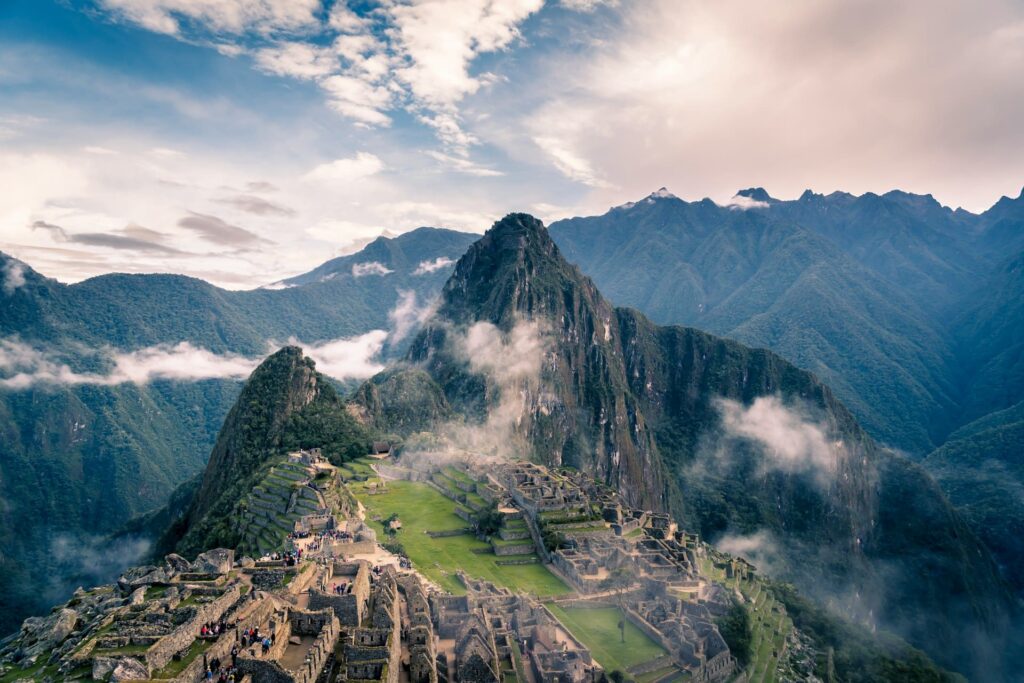
Machu Picchu stands as Peru’s most recognized landmark and represents the pinnacle of Inca architectural achievement. Built in the mid-15th century under Emperor Pachacuti, this mountaintop citadel remained unknown to the outside world until Hiram Bingham’s 1911 expedition brought it to international attention.
Highlights
The site comprises more than 150 structures arranged across a narrow ridge between two peaks at 2,430 meters (7,970 feet) above sea level. The Temple of the Sun demonstrates the Inca’s sophisticated understanding of astronomy, with windows positioned to capture the solstice sunrise. The Intihuatana stone, thought to function as an astronomical clock or calendar, showcases the precision of Inca stonework, where massive granite blocks fit together without mortar.
Agricultural terraces step down the mountainside, originally supporting the estimated 750 residents who lived here permanently. The urban sector divides into distinct zones for nobles, workers, and agricultural functions, revealing the hierarchical nature of Inca society.
Why Visit
Machu Picchu delivers an experience that transcends its status as a tourist attraction. Standing among structures that have endured five centuries of earthquakes, landslides, and weather creates a profound connection to the engineering prowess of the Inca civilization. The surrounding cloud forest harbors over 400 species of birds and nearly 200 orchid varieties, adding natural beauty to the archaeological wonder.
The site’s remote location, perched above the Urubamba River valley, creates an atmosphere of mystery that photographs cannot fully capture. Morning mist often shrouds the ruins, then lifts to reveal the full extent of the citadel against the backdrop of Huayna Picchu mountain.
Best Time to Visit
The dry season from May through September offers the most reliable weather for visiting Machu Picchu. June, July, and August see the largest crowds but provide clear skies and minimal rain. The Peruvian government limits daily visitors to 3,800 people to protect the site, making advance booking essential during peak months.
The shoulder months of April and October present a compromise between weather reliability and smaller crowds. The rainy season from November through March brings daily afternoon showers but fewer visitors and greener landscapes. Note that the Inca Trail closes completely each February for maintenance.
How to Get There
Most visitors reach Machu Picchu via train from Cusco or the Sacred Valley town of Ollantaytambo. PeruRail and Inca Rail operate multiple daily departures, with journey times ranging from 1.5 to 4 hours depending on your starting point. Trains arrive at Aguas Calientes (also called Machu Picchu Pueblo), where buses make the 20-minute switchback ascent to the ruins.
Trekking the classic Inca Trail requires four days and covers 42 kilometers (26 miles) through mountain passes reaching 4,215 meters (13,828 feet). Alternative treks include the Salkantay Trek (5 days), Lares Trek (4 days), and the shorter Inca Jungle Trek (4 days).
Budget travelers can walk along the train tracks from Hidroelectrica station (reached by bus from Cusco), though this route takes 2-3 hours and offers limited views.
Local Tip
Arrive at the site entrance before 6:00 AM to experience Machu Picchu with minimal crowds and potentially witness sunrise illuminating the ruins. The early morning hours also provide better opportunities to spot spectacled bears and Andean foxes in the surrounding area.
Purchase your entrance ticket months in advance through the official government website rather than third-party sellers. Tickets include specific entry times, and you must reserve additional permits separately if you plan to climb Huayna Picchu or Machu Picchu Mountain.
Hire a certified guide at the entrance or book one through your hotel in Aguas Calientes. Their explanations of the site’s astronomical alignments, water management systems, and religious significance transform the visit from simple sightseeing into genuine understanding.
2. Cusco
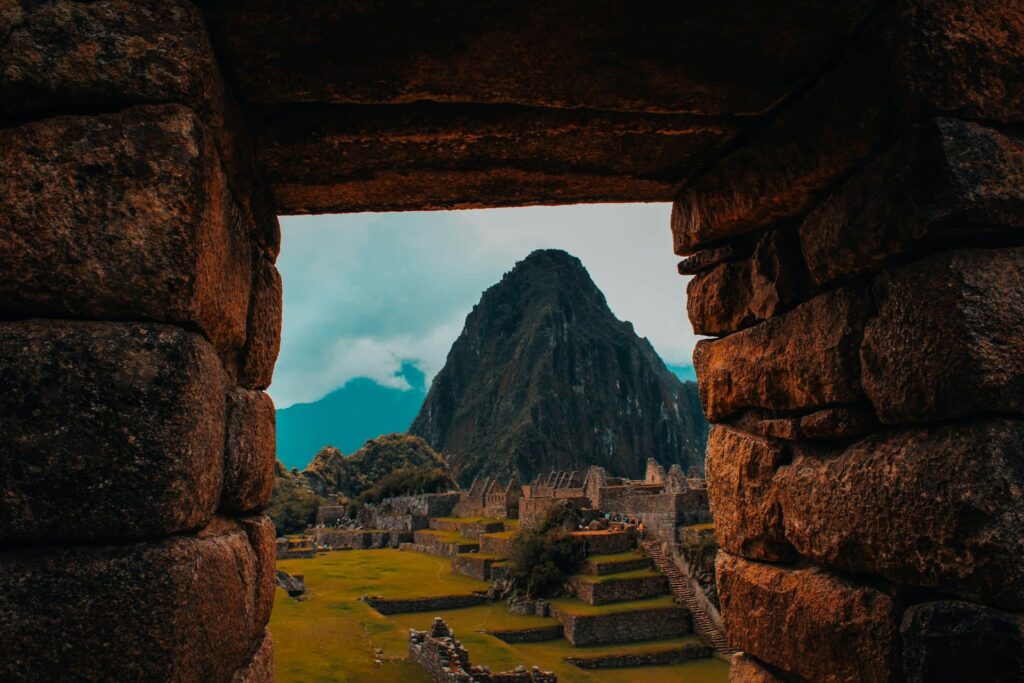
Cusco served as the capital of the Inca Empire (Tawantinsuyu) from the 13th century until the Spanish conquest in 1533. The name derives from the Quechua word “qosqo,” meaning “navel” or “center,” reflecting the city’s position as the empire’s administrative and spiritual heart.
Highlights
The Plaza de Armas forms Cusco’s central square, surrounded by colonial arcades, restaurants, and two major churches. Inca walls line several streets in the San Blas neighborhood, where massive stones fitted with such precision that a knife blade cannot slip between them demonstrate construction techniques that modern engineers still debate.
Qorikancha (Temple of the Sun) once stood as the Inca Empire’s most important religious site, its walls reportedly covered in gold sheets. Spanish conquistadors dismantled much of the temple and built the Convent of Santo Domingo atop its foundations, creating a stark architectural contrast visible today.
The fortress of Sacsayhuaman overlooks Cusco from the northern hillside. Its zigzag walls, constructed from limestone blocks weighing up to 200 tons, suggest both defensive and ceremonial purposes. The site hosts the annual Inti Raymi (Festival of the Sun) each June 24th, when thousands gather to witness a recreation of the Inca winter solstice celebration.
Why Visit
Cusco functions as the necessary base for Machu Picchu trips, but the city merits several days of exploration in its own right. The blending of Inca stonework with Spanish colonial buildings creates a unique architectural landscape found nowhere else in South America. Museums like the Museo de Arte Precolombino house exceptional collections of pre-Columbian artifacts that provide context for understanding Machu Picchu and other archaeological sites.
The city’s elevation at 3,399 meters (11,152 feet) requires acclimatization, making Cusco the ideal place to spend 2-3 days adjusting to altitude before attempting higher destinations or treks. This practical necessity allows time to explore the city’s markets, try local dishes like cuy (guinea pig), and visit nearby ruins.
Best Time to Visit
May through September brings dry, sunny days perfect for exploring Cusco’s cobblestone streets and nearby archaeological sites. Nighttime temperatures drop significantly year-round due to the high altitude, so pack layers regardless of season.
June attracts the largest crowds for Inti Raymi and other festivals, while July and August remain consistently busy with international tourists. The rainy season from November through March sees fewer visitors but daily afternoon showers that can disrupt sightseeing plans.
How to Get There
Jorge Chávez International Airport in Lima serves as Peru’s main international gateway. Alejandro Velasco Astete International Airport in Cusco receives domestic flights from Lima (1 hour 20 minutes), Arequipa, and Puerto Maldonado. LATAM, Avianca, and Sky Airline operate multiple daily Lima-Cusco flights.
Buses connect Cusco to Lima (20-22 hours), Arequipa (10 hours), and Puno near Lake Titicaca (6 hours). Cruz del Sur and Oltursa provide comfortable overnight buses with reclining seats and onboard service.
Local Tip
Purchase the Boleto Turístico (tourist ticket) for 130 soles (approximately $35 USD), which provides access to 16 archaeological sites around Cusco and the Sacred Valley, including Sacsayhuaman, Qenqo, Puca Pucara, Tambomachay, Pisac, Ollantaytambo, and Moray. The ticket remains valid for 10 days and saves significant money compared to buying individual entrance fees.
Stay in the San Blas neighborhood for a more authentic experience away from the Plaza de Armas crowds. This artistic quarter features narrow streets, artisan workshops, and local restaurants serving traditional Cusqueña cuisine at lower prices than tourist-focused establishments.
3. Sacred Valley
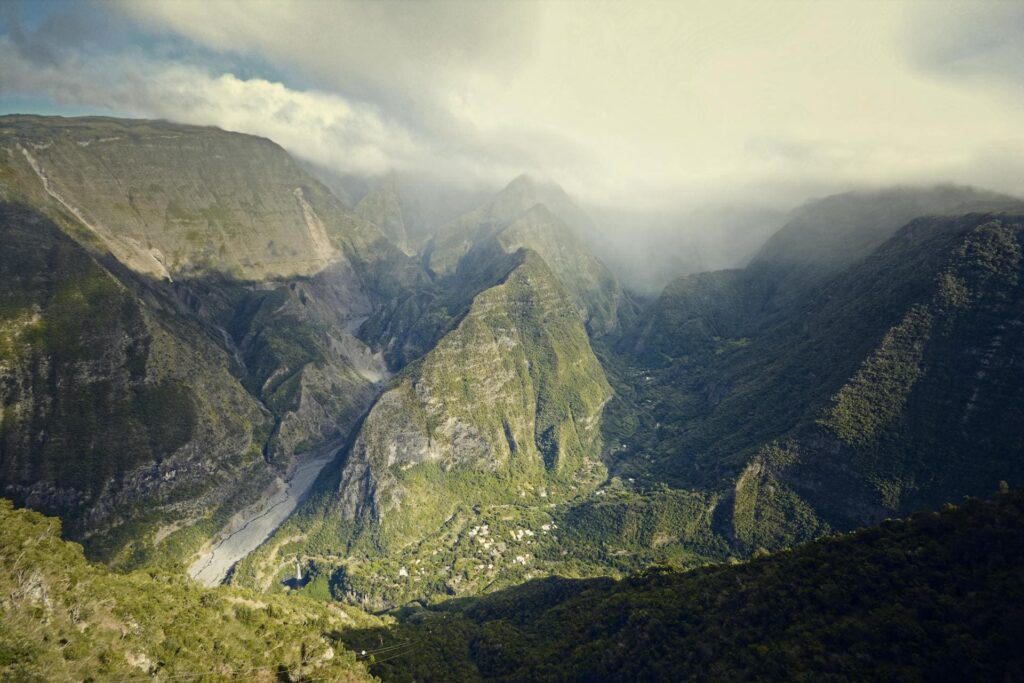
The Sacred Valley (Valle Sagrado) stretches approximately 60 kilometers (37 miles) along the Urubamba River between Pisac and Ollantaytambo. The Inca called this fertile region the “heart of the kingdom” because its lower elevation (2,800 meters/9,186 feet compared to Cusco’s 3,400 meters) and microclimate supported extensive agriculture.
Highlights
Pisac divides into two distinct areas: the agricultural terraces and temple complex perched on the mountainside, and the traditional market town in the valley below. The Sunday market attracts both tourists seeking textiles and jewelry and local Quechua communities trading produce and goods. The archaeological site above town includes ritual baths, temples, and an astronomical observatory demonstrating Inca celestial knowledge.
Ollantaytambo represents one of the few places where Spanish conquistadors suffered military defeat. The massive fortress, with its six monolithic stones weighing approximately 50 tons each, climbs the mountain in precise terraces. The town below maintains its original Inca urban plan, with narrow streets and water channels functioning exactly as they did five centuries ago.
Moray contains circular agricultural terraces arranged in a concentric amphitheater formation. Research suggests the Inca used this site as an agricultural laboratory, with each terrace level creating different microclimates for experimenting with crop varieties.
Why Visit
The Sacred Valley offers a more relaxed pace than Cusco while providing equally impressive archaeological sites with far fewer crowds. Villages like Urubamba and Maras maintain traditional lifestyles, with residents speaking Quechua as their primary language and wearing distinctive regional dress.
The valley’s lower altitude makes it an excellent first stop for travelers arriving in Peru, allowing gradual acclimatization before moving to higher elevations. Many visitors now choose to base themselves here rather than Cusco, using the valley as a peaceful retreat between excursions.
Best Time to Visit
The same dry season pattern applies: May through September provides optimal weather for exploring archaeological sites and hiking between villages. The rainy season brings muddy trails but also transforms the valley into a patchwork of green agricultural fields.
Market days vary by town: Pisac on Tuesday, Thursday, and Sunday; Chinchero on Sunday; Ollantaytambo daily but most active on Sunday. Planning your visit around market days adds cultural immersion to the archaeological exploration.
How to Get There
Collectivo (shared minivan) services run frequently between Cusco and Sacred Valley towns, departing from Pavitos Street near Plaza de Armas. The journey to Pisac takes 45 minutes, Urubamba 1.5 hours, and Ollantaytambo 2 hours. Fares range from 5-10 soles ($1.30-$2.60 USD) depending on distance.
Private taxis charge 150-200 soles ($40-$53 USD) for a full-day tour visiting multiple sites. Organized tours from Cusco typically visit Pisac, Ollantaytambo, and Chinchero in one long day, though this rushed schedule allows limited time at each location.
Many travelers now take a morning collectivo to Ollantaytambo, spend a night or two exploring the valley at a relaxed pace, then catch the train to Machu Picchu directly from there rather than returning to Cusco.
Local Tip
Visit the salt pans of Maras (Salineras de Maras), where approximately 3,000 shallow pools cascade down the mountainside. Local families have harvested salt here since pre-Inca times, using underground springs rich in salt minerals. The geometric patterns of white and brown pools create spectacular photographs, especially in late afternoon light.
Stop at a chicheria (traditional tavern) in Urubamba or Ollantaytambo to try chicha de jora, a fermented corn beverage that formed an essential part of Inca ceremonial life and remains popular in rural communities. Look for a red bag or flag on a pole outside, which indicates the establishment sells fresh chicha.
4. Lima
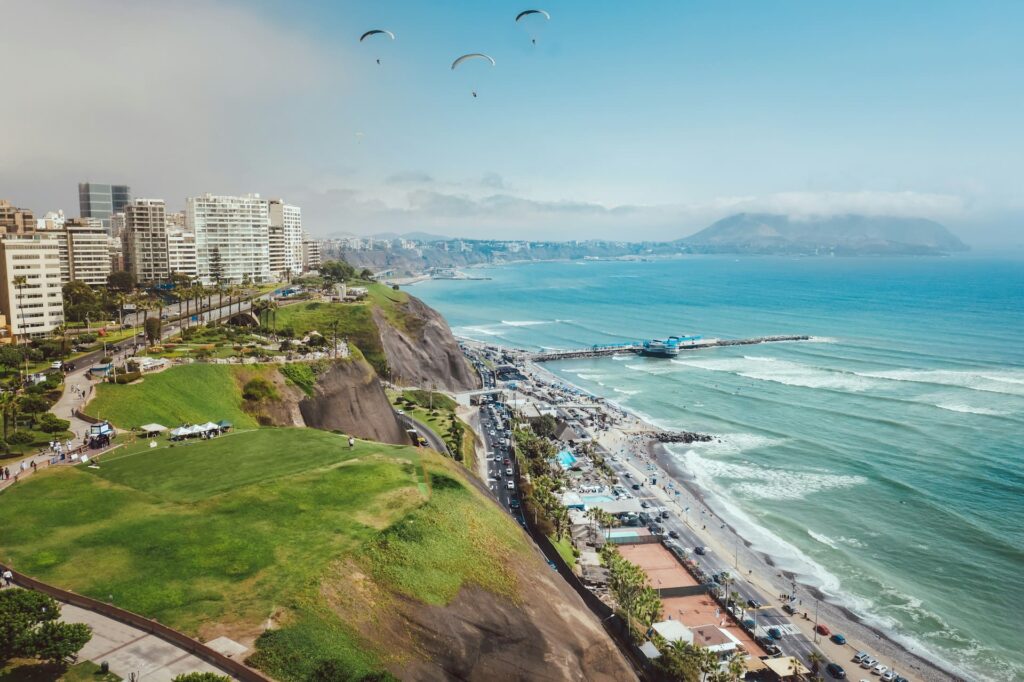
Lima, founded by Spanish conquistador Francisco Pizarro in 1535, evolved into South America’s most powerful colonial capital. Today, this coastal metropolis of nearly 10 million people blends 16th-century churches and mansions with modern skyscrapers, sprawling markets, and some of the world’s finest restaurants.
Highlights
The Historic Center earned UNESCO World Heritage status for its concentration of colonial architecture. The Government Palace, Archbishop’s Palace, and Lima Cathedral surround the Plaza Mayor, where Pizarro laid the city’s foundation stone. The Monastery of San Francisco features catacombs containing an estimated 70,000 skeletal remains and a library housing texts dating to the Spanish conquest.
Miraflores and Barranco represent Lima’s modern face. Miraflores offers upscale shopping, the Larcomar cliffside mall overlooking the Pacific Ocean, and the pre-Columbian adobe pyramid Huaca Pucllana illuminated dramatically at night. Bohemian Barranco attracts artists and musicians to its colorful colonial houses, the wooden Puente de los Suspiros (Bridge of Sighs), and abundant street art.
Lima’s culinary reputation has grown exponentially over the past two decades. Central and Maido regularly appear on the World’s 50 Best Restaurants list, while countless neighborhood cevicherias serve Peru’s iconic raw fish dish marinated in lime juice, ají peppers, and cilantro.
Why Visit
Most international flights arrive in Lima, making the capital city an unavoidable but rewarding stop. The diversity of experiences available ranges from exploring pre-Columbian archaeological sites to sampling innovative fusion cuisine that draws from Peru’s Japanese, Chinese, African, and indigenous influences.
Museums like the Museo Larco house comprehensive collections of pre-Columbian art, including the world’s largest collection of ancient Peruvian erotic pottery. The Museo de la Nación provides essential context about Peru’s various cultures before visiting archaeological sites elsewhere in the country.
Best Time to Visit
Lima sits on the Pacific coast but experiences minimal rainfall year-round. Instead, the weather divides into two seasons: warm and sunny from December through April (summer), and cool, overcast conditions from May through November (winter). The coastal fog called garúa blankets the city during winter months, creating gray skies despite the lack of actual rain.
Summer offers the best weather for beach activities and outdoor dining, though Lima’s beaches cannot compete with those in northern Peru or neighboring countries. The city’s cultural attractions and restaurants function year-round regardless of weather.
How to Get There
Jorge Chávez International Airport serves as Peru’s primary international hub, with direct flights from North America, Europe, and other South American cities. The airport sits in Callao, approximately 17 kilometers (11 miles) from central Lima.
Official airport taxis charge fixed rates: around 60-80 soles ($16-$21 USD) to Miraflores or Barranco. Ride-sharing apps like Uber and Cabify operate in Lima and typically cost less. The Metropolitan Bus Rapid Transit system provides a budget option, though navigating with luggage proves challenging.
Local Tip
Take a food tour through a local market to understand the ingredients that form the foundation of Peruvian cuisine. Mercado de Surquillo offers a more authentic experience than tourist-focused Mercado Central, with vendors selling exotic fruits like lucuma and chirimoya, dozens of potato and corn varieties, fresh fish, and Amazonian ingredients.
Reserve dinner at one of Lima’s acclaimed restaurants weeks in advance. Beyond the famous names, mid-range restaurants like Isolina Taberna Peruana in Barranco serve exceptional traditional dishes like ají de gallina (chicken in spicy walnut sauce) and anticuchos (grilled beef heart skewers) at accessible prices.
For coastal views, walk or bike the Malecón (clifftop promenade) from Miraflores to Barranco at sunset. Paragliders launch from the cliffs in late afternoon, creating colorful shapes against the Pacific Ocean backdrop.
5. Arequipa & Colca Canyon
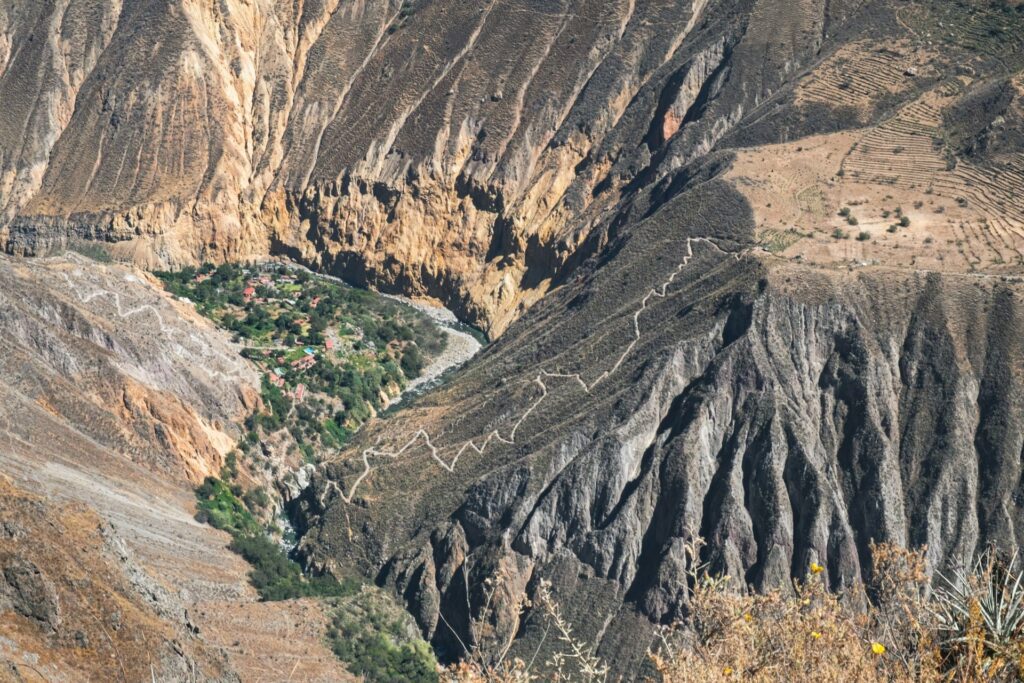
Arequipa, Peru’s second-largest city with approximately one million residents, sits at 2,335 meters (7,661 feet) above sea level, surrounded by three volcanic peaks: Misti, Chachani, and Pichu Pichu. Colonial buildings constructed from white volcanic stone (sillar) earned the city its nickname “La Ciudad Blanca” (The White City).
Highlights
The Santa Catalina Monastery occupies an entire city block, functioning as a cloistered convent from 1580 until 1970. The complex features cobblestone streets, colorful courtyards, and cells where wealthy families’ daughters lived in relative luxury compared to typical monastic conditions. The vivid blue and orange walls create a photographer’s paradise.
Colca Canyon plunges to depths exceeding 3,270 meters (10,725 feet), making it one of the world’s deepest canyons and roughly twice as deep as the Grand Canyon. The Cruz del Cóndor viewpoint offers the best opportunity to observe Andean condors, the world’s largest flying birds with wingspans reaching 3.3 meters (10.8 feet), riding thermal currents that rise from the canyon floor.
Pre-Inca agricultural terraces step down the canyon walls, still cultivated by local communities whose ancestors engineered these systems centuries before the Inca Empire. Villages like Yanque and Chivay maintain traditional lifestyles, and natural hot springs near Chivay provide welcome relaxation after long hiking days.
Why Visit
Arequipa offers a more authentically Peruvian urban experience than Lima or Cusco, with excellent restaurants, beautiful colonial architecture, and fewer international tourists. The surrounding landscape presents dramatically different scenery from the Cusco region, with desert-like conditions and volcanic peaks rather than cloud forests and jungle.
Colca Canyon attracts adventure travelers interested in multi-day treks that descend into the canyon, pass through traditional villages, and involve interactions with local Quechua communities. The combination of natural beauty, wildlife observation, and cultural immersion creates a more intimate experience than Peru’s busier tourist circuits.
Best Time to Visit
April through November provides the driest weather and best condor-viewing conditions, with the massive birds most active from 8:00 to 10:00 AM when thermal currents strengthen. May through August offers virtually guaranteed sunny skies but colder temperatures, especially at the canyon rim where elevations exceed 4,000 meters (13,123 feet).
The rainy season from December through March makes some canyon trails impassable but creates lush green landscapes and waterfalls that don’t exist during dry months.
How to Get There
Daily flights connect Lima to Rodríguez Ballón International Airport in Arequipa (1 hour 30 minutes). Buses travel from Cusco (10 hours), Puno (5 hours), and Lima (16 hours), with Cruz del Sur and Oltursa offering comfortable overnight service.
Colca Canyon lies 160 kilometers (100 miles) north of Arequipa, reached via a 3-4 hour bus journey. Tour operators offer day trips from Arequipa, though this involves leaving at 3:00 AM and spending 8 hours on a bus for just 2-3 hours at the canyon. Spending 1-2 nights in Chivay or another canyon village allows proper exploration.
Local Tip
Acclimate in Arequipa for at least one full day before visiting Colca Canyon. The road crosses Patapampa Pass at 4,910 meters (16,109 feet), and altitude sickness symptoms can strike quickly at this elevation without proper adjustment.
Try rocoto relleno (stuffed spicy peppers) and adobo arequipeño (pork marinated in chicha and spices) at traditional picanterías (family-run restaurants). Arequipa’s cuisine differs significantly from Lima and Cusco, with its own regional specialties reflecting the city’s agricultural surroundings.
Book a guided trek that descends into Colca Canyon rather than just visiting the viewpoint. A two-day trek allows you to reach the canyon floor, stay overnight in a small village, and experience the dramatic temperature and landscape shifts between rim and bottom.
6. Lake Titicaca
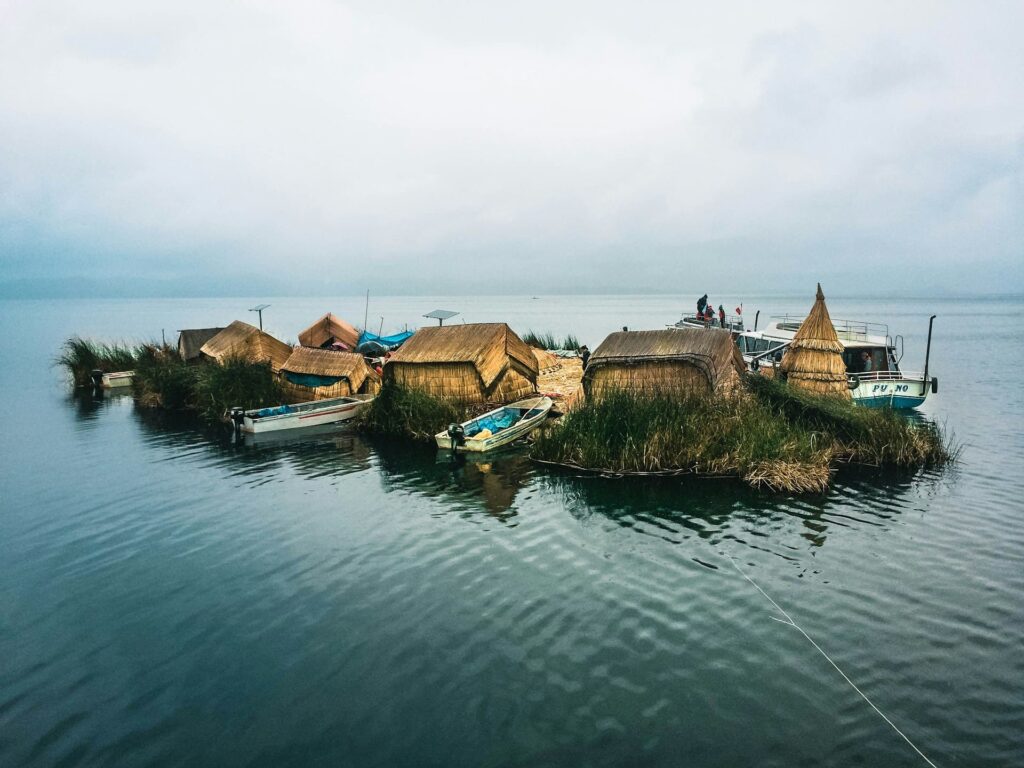
Lake Titicaca straddles the Peru-Bolivia border at 3,812 meters (12,507 feet) above sea level, making it the world’s highest navigable lake. The lake covers 8,372 square kilometers (3,232 square miles), with approximately 60% in Peruvian territory and 40% in Bolivia.
Highlights
The Uros Floating Islands consist of approximately 60 artificial islands constructed entirely from totora reeds that grow in the shallow lake waters. The Uros people originally built these floating platforms to isolate themselves from hostile Inca and Colla tribes, and today several hundred people maintain this unique lifestyle, though tourism has transformed the islands’ economy and traditional culture.
Taquile Island rises steeply from the lake, its hillside paths climbing to 4,050 meters (13,287 feet). The island’s 2,000 residents maintain a collective lifestyle based on Inca moral code: ama sua, ama llulla, ama qhilla (don’t steal, don’t lie, don’t be lazy). Male islanders knit the distinctive woolen hats that indicate their marital status, with red representing single men and red-and-white for married men.
Amantaní Island offers homestay experiences with Quechua-speaking families who maintain subsistence agriculture and weaving traditions. The island lacks cars, electricity in some areas, and commercial development, providing an authentic glimpse of rural Andean life.
Why Visit
Lake Titicaca holds profound spiritual significance in Andean cosmology. According to Inca mythology, the god Viracocha emerged from the lake to create the sun, moon, and stars, then crafted the first humans from stone. Visiting these islands connects travelers to traditions that extend back thousands of years.
The stark beauty of the altiplano (high plains) landscape differs completely from Peru’s other major destinations. The impossibly blue water stretching to distant mountains, the clear air at high altitude, and the slow pace of island life create a contemplative atmosphere.
Best Time to Visit
May through September brings dry, sunny days and cold nights, with temperatures occasionally dropping below freezing. The lake’s high altitude means intense sun during the day regardless of air temperature, requiring both sunscreen and warm layers.
The rainy season from December through March can disrupt boat schedules if storms arise, though rainfall generally occurs as brief afternoon showers rather than all-day downpours.
How to Get There
Puno, the main lakeside city, sits 5-6 hours by bus from Cusco or 5 hours from Arequipa. The Cusco-Puno route crosses the altiplano, reaching elevations above 4,300 meters (14,108 feet) at La Raya Pass. Some services stop at archaeological sites like Raqchi and Andahuaylillas along the way.
Standard tourist boats depart Puno’s port for the Uros Islands (30 minutes), Taquile Island (2-3 hours), and Amantaní Island (3-4 hours). Private speedboats reduce travel times by roughly half but cost significantly more.
The luxury Belmond Andean Explorer train connects Cusco and Puno in about 10 hours, with panoramic windows, gourmet meals, and stops at points of interest, though the high price (starting around $500 per person) limits this option to travelers with larger budgets.
Local Tip
Skip the rushed day trip from Puno that visits the Uros and Taquile Islands in one exhausting day. Instead, take a two-day trip with an overnight homestay on Amantaní Island. You’ll share meals with your host family, help with agricultural tasks if visiting during harvest season, and gain authentic insights into island life that day-trippers never experience.
Spend at least one full day in Puno before visiting the islands to acclimate to the altitude. Lake Titicaca sits at 3,812 meters, and boat trips to islands involve even higher elevations, making altitude sickness common among travelers who arrive directly from sea level.
Visit smaller, less-commercialized Uros islands rather than the first islands reached from Puno’s port. The further islands receive fewer visitors and maintain more traditional practices, though they require longer boat rides.
7. Nazca Lines
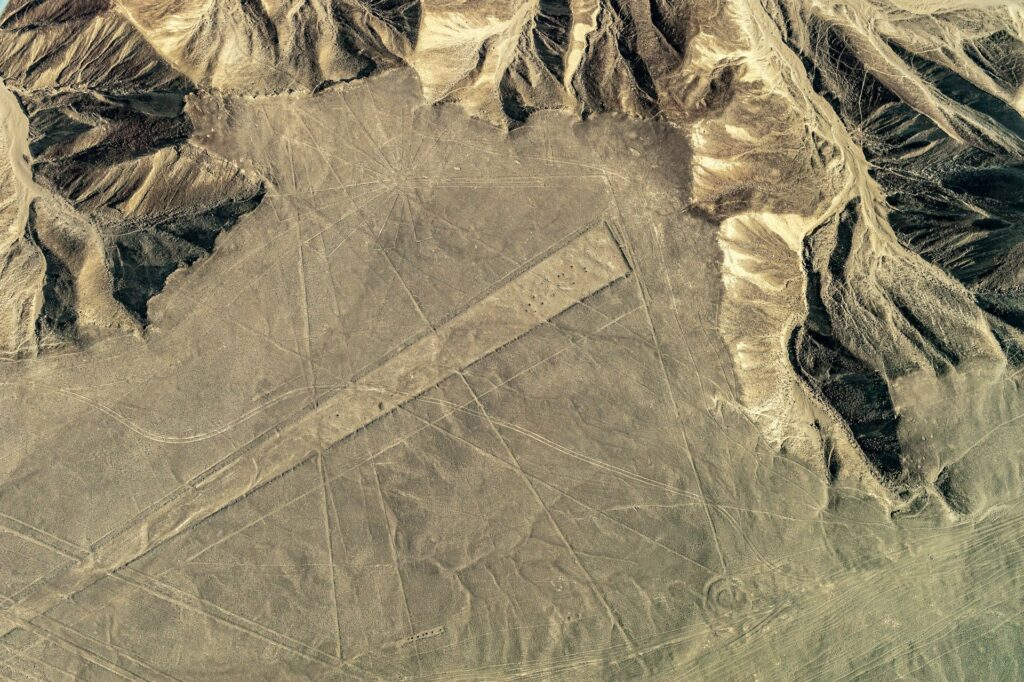
The Nazca Lines comprise approximately 300 individual figures and 10,000 lines etched into the desert floor of southern Peru. Created by the Nazca culture between 500 BCE and 500 CE, these geoglyphs remained largely unknown until commercial pilots spotted them in the 1920s.
Highlights
The geoglyphs divide into three categories: geometric shapes (straight lines, triangles, spirals), zoomorphic figures (animals and birds), and phytomorphic designs (plants and trees). The most famous include the Hummingbird (93 meters long), Monkey (110 meters long), Spider (47 meters long), and Condor (134 meters long).
The Nazca people created these massive designs by removing the top 12-15 centimeters of reddish pebbles to reveal lighter-colored ground beneath. The region’s extreme aridity (among the driest places on Earth) and minimal wind have preserved the lines for over 1,500 years.
Maria Reiche, a German mathematician and archaeologist, devoted 50 years to studying and protecting the lines. Her research suggested astronomical purposes, with certain lines aligning to solstices and equinoxes, though debates continue about the true function of these mysterious designs.
Why Visit
The Nazca Lines represent one of archaeology’s great puzzles. How did a pre-Columbian culture create designs meant to be viewed from the air centuries before flight technology existed? The mystery, combined with the sheer ambition of the project (some lines stretch 10 kilometers), fascinates visitors.
Flying over the lines in small aircraft provides a perspective impossible for their creators, allowing you to see the full scope of the monkey, spider, and hummingbird figures. The experience connects you to the ingenuity of ancient peoples while raising more questions than it answers.
Best Time to Visit
Nazca’s desert climate means minimal rainfall year-round, making any season suitable for visiting. May through September offers the most reliable flying conditions, with clear skies and calm morning air providing optimal visibility.
Flights operate throughout the day but morning departures (7:00-10:00 AM) typically encounter less turbulence than afternoon slots. Small plane flights over the desert can become quite bumpy, and motion sickness affects many passengers.
How to Get There
Nazca sits 450 kilometers (280 miles) south of Lima along the Pan-American Highway. Buses cover this route in approximately 7 hours, with Cruz del Sur and Oltursa offering comfortable service. Many travelers visit Nazca as an overnight stop between Lima and Arequipa or Cusco.
María Reiche Neuman Airport serves Nazca, though commercial flights from Lima have been inconsistent. Most visitors arrive by bus and book scenic flights locally.
How to See the Lines
Standard aerial tours last 30-35 minutes in single-engine Cessna aircraft carrying 5-6 passengers. Pilots bank steeply to allow views from both sides of the plane, which causes significant motion for passengers. Expect to pay around $80-$120 USD per person.
The Mirador (viewpoint) along the Pan-American Highway provides a free ground-level view of three figures: the hands, the tree, and the lizard. While you cannot appreciate the full scope from ground level, this option suits travelers with limited budgets or those prone to motion sickness.
Local Tip
Take motion sickness medication 30 minutes before your flight regardless of whether you typically experience airsickness. The small planes, desert thermals, and constant banking maneuvers affect even travelers with strong stomachs. Request a seat near the wing rather than the tail for a slightly smoother ride.
Visit the Maria Reiche Museum located 27 kilometers north of Nazca to understand the research and preservation efforts. The museum occupies Reiche’s former home and displays her tools, diagrams, and theories about the lines’ astronomical significance.
Combine your Nazca visit with stops at the Chauchilla Cemetery, where mummified remains and ceramics sit exposed in ancient tombs (ethically questionable from a preservation standpoint but popular with tourists), and the Cantalloc Aqueducts, a pre-Incan engineering system still functioning after 1,500 years.
8. Paracas & Ballestas Islands
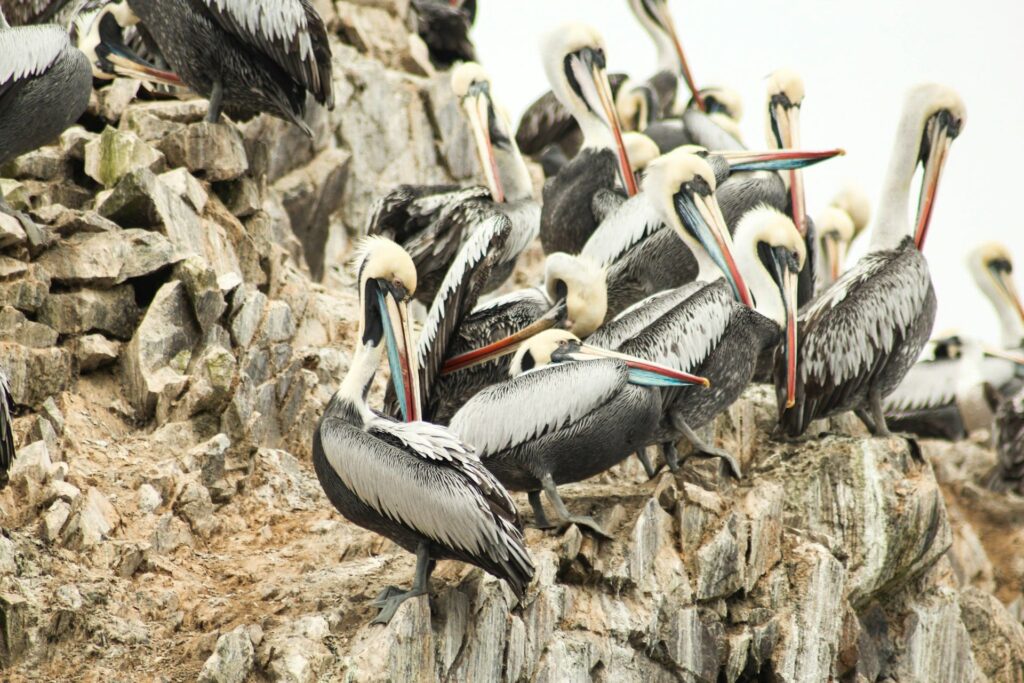
The Paracas Peninsula and Ballestas Islands sit approximately 250 kilometers (155 miles) south of Lima on Peru’s central coast. The Paracas National Reserve, established in 1975, protects 335,000 hectares (827,000 acres) of desert, ocean, and islands that harbor exceptional marine biodiversity.
Highlights
Ballestas Islands host Peru’s densest concentration of marine wildlife. Boat tours lasting 2 hours navigate around the rocky islands, where visitors observe Humboldt penguins, Peruvian boobies, cormorants, pelicans, and sea lions. More than 200 species of shorebirds and seabirds inhabit the islands, which cannot be entered due to conservation restrictions.
En route to the islands, boats pass the Candelabra geoglyph, a 180-meter-tall figure carved into a coastal cliff face. Theories about its origin range from connections to the Nazca Lines to Spanish colonial or pirate landmarks, though its purpose and creators remain unconfirmed.
The Paracas National Reserve features dramatic desert landscapes meeting the Pacific Ocean. Red sand beaches like Playa Roja contrast with turquoise waters, while the Cathedral rock formation (partially collapsed in a 2007 earthquake) once stood as the reserve’s most photographed landmark. The reserve protects fossil beds, ancient marine terraces, and pre-Columbian archaeological sites from the Paracas culture, which flourished here from 800 BCE to 100 CE.
Why Visit
Paracas offers Peru’s most accessible wildlife viewing experience, with abundant marine life visible from tour boats without requiring Amazon jungle treks or difficult travel. The islands’ nickname “Galapagos of Peru” reflects the density of species concentrated in a small area, though biodiversity doesn’t match Ecuador’s famous archipelago.
The combination of desert, ocean, and wildlife creates a completely different environment from Peru’s highland destinations. Visitors can incorporate Paracas into a coastal route connecting Lima with Nazca and Arequipa, breaking up long bus journeys with nature activities.
The town of Paracas itself remains small and manageable, with beachfront hotels, seafood restaurants, and a relaxed atmosphere that provides welcome relief from Peru’s larger cities.
Best Time to Visit
December through March brings the warmest weather and calmest seas, ideal for boat tours to the islands. The Humboldt Current flowing northward along Peru’s coast creates cool water temperatures year-round, but summer months offer the most comfortable conditions for beach activities.
April through November sees cooler temperatures and overcast skies, though wildlife remains abundant and tours operate daily. Morning departures typically encounter calmer waters than afternoon trips regardless of season.
How to Get There
Buses from Lima to Paracas take approximately 4 hours, with services departing multiple times daily. Cruz del Sur, Oltursa, and Peru Bus operate this route, with tickets costing 30-60 soles ($8-$16 USD) depending on service class.
Paracas sits along the Pan-American Highway, making it an easy stop for travelers heading south to Nazca (3.5 hours), Arequipa (10 hours), or north to Lima. Most visitors spend one night in Paracas, arriving in the afternoon and taking an early morning boat tour the following day.
The town remains compact enough to walk everywhere, though taxis and motorcycle taxis provide inexpensive transport to restaurants and hotels outside the center.
How to See the Wildlife
Boat tours to the Ballestas Islands depart from Paracas port daily at 8:00 AM, 10:00 AM, and 12:00 PM. The 8:00 AM departure offers the calmest seas and best light for photography. Tours cost approximately 40-50 soles ($11-$13 USD) per person, with an additional 16 soles ($4.25 USD) entrance fee to the national reserve.
Bring warm layers regardless of season, as the boat generates significant wind chill and ocean spray. Waterproof bags protect cameras and phones from moisture. The boat cannot land on the islands, so all wildlife viewing occurs from the water.
Tour operators provide similar experiences, as all boats follow the same route around the islands. Book through your hotel or any agency in town the evening before your desired departure.
Local Tip
Visit the Julio C. Tello Museum within the national reserve to learn about the Paracas culture’s sophisticated textile production. The museum houses mummies and cranially deformed skulls (a practice signifying high social status), along with examples of the intricate embroidered textiles for which this culture became renowned.
Take a private tour of the Paracas National Reserve in the afternoon after returning from the morning island tour. The reserve’s diverse landscapes include fossilized whale bones, viewpoints overlooking the Pacific, and beaches where you might spot flamingos feeding in shallow lagoons. Standard entrance fees apply (16 soles/$4.25 USD).
Order fresh seafood at beachfront restaurants in Paracas town. The ceviche, parihuela (seafood soup), and conchas negras (black clams) showcase the quality of seafood caught daily along this productive stretch of coast.
9. Huacachina Oasis
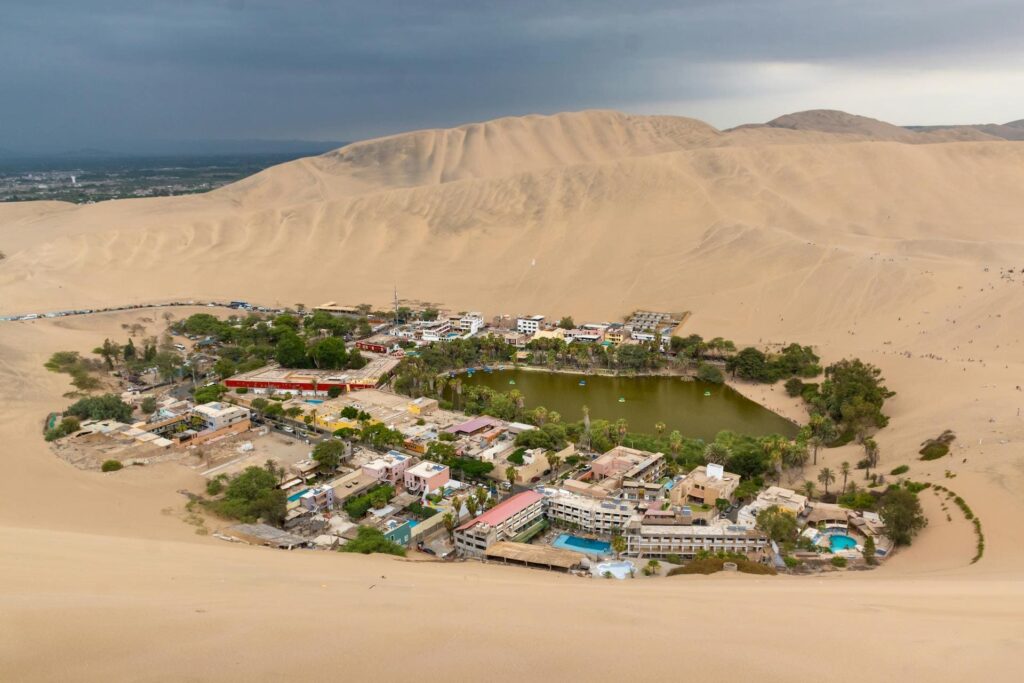
Huacachina, a village of fewer than 100 permanent residents, surrounds a natural desert lagoon ringed by towering sand dunes that reach heights of 300 meters (984 feet). Located 5 kilometers (3 miles) southwest of the city of Ica, this improbable oasis attracts adventure seekers for sandboarding and dune buggy excursions.
Highlights
The lagoon itself, fed by underground springs, creates a surreal scene with palm trees reflected in green water against massive beige sand dunes. A waterfront boardwalk circles the lagoon, lined with hotels, restaurants, and tour agencies, all seemingly transported from a mirage into reality.
Sandboarding down the dunes provides the main activity, with options for standing (like snowboarding) or lying prone on the board (faster and easier for beginners). The highest dunes deliver thrilling descents lasting 20-30 seconds, with soft sand landings ensuring safety even for inexperienced riders.
Dune buggy rides supplement sandboarding, with drivers navigating the steep dunes at high speeds, climbing near-vertical faces, and catching air over crests. The sunset tour has become particularly popular, allowing passengers to watch the sun sink toward the horizon while positioned atop the dunes.
Why Visit
Huacachina offers pure adventure tourism in a condensed, accessible format. Unlike multi-day treks or remote jungle lodges, you can experience desert thrills in just a few hours while based in comfortable hotels with pools and restaurants. The combination of natural beauty and adrenaline activities appeals to travelers seeking variety in their Peru itinerary.
The oasis atmosphere, particularly at sunset and after dark when restaurants illuminate the lagoon, creates a memorable scene. Huacachina’s small size and single-purpose focus (tourism) make it easy to navigate and enjoy without the usual urban hassles.
Best Time to Visit
Year-round visits work well, as Huacachina receives minimal rainfall and maintains warm temperatures. Summer months (December through March) bring the hottest conditions, with temperatures often exceeding 35°C (95°F), making early morning or late afternoon the best times for dune activities.
Winter months (June through August) offer cooler, more comfortable temperatures for physical activities, though nights become quite cold. Shoulder seasons provide the best balance of pleasant weather and manageable crowds.
How to Get There
Huacachina sits 300 kilometers (186 miles) south of Lima and 75 kilometers (47 miles) northwest of Nazca along the Pan-American Highway. Buses heading south from Lima toward Nazca, Arequipa, or Cusco stop in Ica city, from where taxis cover the short distance to Huacachina (10 minutes, approximately 10 soles/$2.60 USD).
Many travelers visit Huacachina as a brief stop between Lima and Nazca, spending one night to experience the sunset dune buggy tour. The proximity to Ica city provides access to grocery stores and ATMs, as Huacachina itself offers limited services.
Local Tip
Book your dune buggy and sandboarding tour for late afternoon (typically departing around 4:00 PM) to experience the dunes in softer light and cooler temperatures. Most tours include multiple stops for sandboarding, with the final stop positioned for sunset viewing. These tours last approximately 2 hours and cost 30-40 soles ($8-$11 USD) per person.
Stay in Huacachina overnight rather than just passing through on a day trip from Ica or Lima. Watching sunset from the dunes and then enjoying the illuminated oasis after dark provides the full experience. Budget accommodations start around 40 soles ($11 USD) per night, while mid-range hotels with pools charge 100-200 soles ($26-$53 USD).
Visit a pisco winery in the Ica Valley to understand Peru’s national spirit. Several bodegas (wineries) near Ica offer tours and tastings, explaining the production process for pisco and various wines made from grapes grown in this arid climate. Tacama, Peru’s oldest winery (established 1540), and Vista Alegre provide popular tour options.
10. Amazon Rainforest
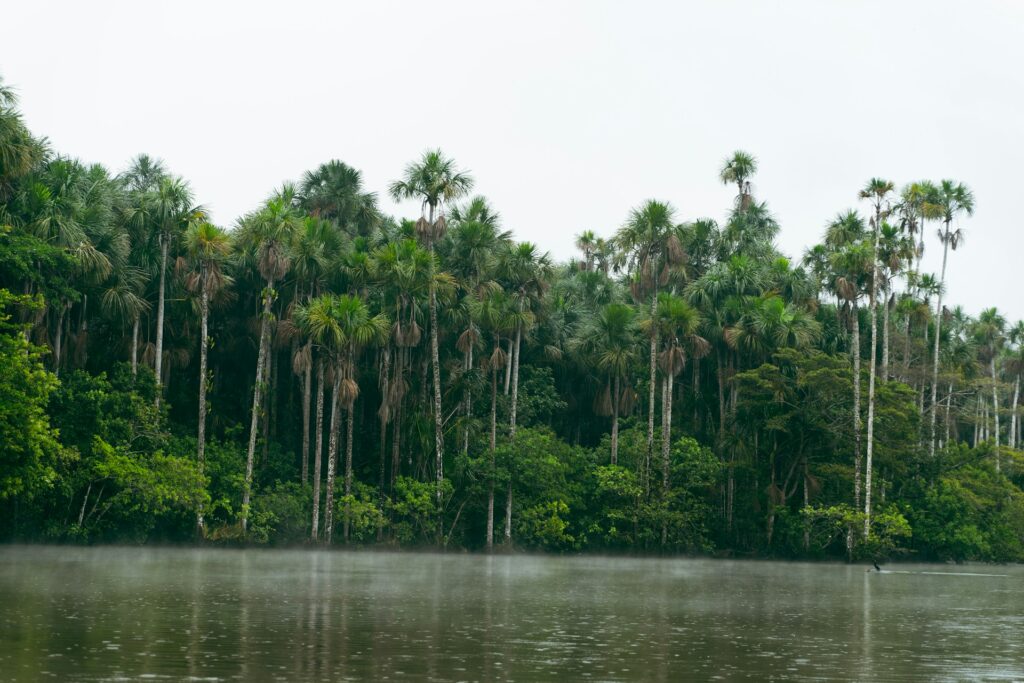
The Peruvian Amazon comprises approximately 60% of the country’s territory, making Peru home to the second-largest portion of Amazon rainforest after Brazil. Two main access points serve travelers: Iquitos in the northern Amazon and Puerto Maldonado in the southern Amazon, each offering distinct ecosystems and wildlife viewing opportunities.
Highlights: Northern Amazon (Iquitos)
Iquitos, accessible only by air or river (no roads connect it to the rest of Peru), serves as the gateway to the northern Amazon. The city itself features colorful houses built during the 19th-century rubber boom, when Iquitos ranked among South America’s wealthiest cities. The Belén Market and floating neighborhood provide glimpses of daily life in this isolated rainforest metropolis.
The Pacaya-Samiria National Reserve, covering 20,800 square kilometers (8,030 square miles), protects Peru’s largest protected wetland area. Pink river dolphins, manatees, caimans, and over 500 bird species inhabit this vast wilderness. Multi-day boat expeditions allow deep penetration into flooded forests accessible only during high-water seasons.
Highlights: Southern Amazon (Puerto Maldonado)
Puerto Maldonado sits at the confluence of the Tambopata and Madre de Dios rivers, providing access to the Tambopata National Reserve and Manu National Park. These protected areas contain some of Earth’s highest biodiversity, with research documenting over 1,000 bird species, 200 mammal species, and 10,000+ plant species within relatively small areas.
Colpa (clay lick) viewing represents a highlight of Tambopata lodges. Each morning, hundreds of macaws and parrots gather at exposed clay riverbanks to consume mineral-rich soil, creating spectacular displays of color and sound. Tambopata Research Center, located near the largest macaw clay lick, offers the most reliable viewing.
Canopy walkways, reaching 30-40 meters (98-131 feet) above the forest floor, provide perspectives on rainforest structure and wildlife that live in the emergent layer. Night walks reveal nocturnal species: tarantulas, tree frogs, stick insects, and caimans whose eyes reflect flashlight beams.
Why Visit
The Amazon represents Earth’s most biodiverse terrestrial ecosystem, containing an estimated 10% of all species on the planet. Experiencing this environment firsthand transforms abstract conservation discussions into visceral understanding of what humanity risks losing through deforestation.
Wildlife encounters in the Amazon differ from African safaris or Galapagos cruises. Animals blend into dense vegetation, requiring patience, local guides’ expertise, and sometimes luck to observe. The challenge makes successful sightings (giant river otters, tapirs, ocelots, or harpy eagles) particularly rewarding.
The cultural dimension adds depth to Amazon visits. Indigenous communities maintain traditional knowledge about medicinal plants, sustainable hunting practices, and forest navigation. Many lodges incorporate community visits that provide income alternatives to logging and mining.
Best Time to Visit
Amazon weather patterns divide into wet season (November through April) and dry season (May through October), though “dry” remains relative as rain falls regularly year-round in tropical rainforest climates.
Dry season offers easier overland access to certain areas and potentially more concentrated wildlife around remaining water sources. However, lower water levels limit boat access to some remote lodges and exploration routes.
Wet season provides high-water access to flooded forests (várzea) where canoeing beneath the forest canopy creates otherworldly experiences. Wildlife disperses more widely but river dolphins become more visible and migratory birds arrive from North America.
For Puerto Maldonado, June through August represents peak season with the most reliable weather. For Iquitos and the northern Amazon, July through November provides optimal conditions.
How to Get There
Iquitos: Daily flights from Lima (1 hour 45 minutes) serve as the only practical access method. LATAM, Star Peru, and Avianca operate this route. From Iquitos airport, boats transport visitors to rainforest lodges, with journey times ranging from 1 hour to several days depending on lodge location.
Puerto Maldonado: Daily flights from Lima (1 hour 30 minutes) and Cusco (30 minutes) arrive at Padre Aldamiz International Airport. Most lodges include boat transfers from Puerto Maldonado, typically lasting 45 minutes to 3 hours depending on lodge location along the Tambopata or Madre de Dios rivers.
Choosing a Lodge
Lodge selection dramatically impacts your Amazon experience. Budget lodges close to Iquitos or Puerto Maldonado offer lower prices but see degraded forests with fewer wildlife viewing opportunities. Remote lodges require longer boat transfers (and higher costs) but access pristine rainforest with significantly better chances of observing rare species.
Consider these factors:
Location: Lodges within protected reserves (Pacaya-Samiria, Tambopata National Reserve, or Manu) typically offer better wildlife viewing than those in buffer zones or unprotected forest.
Duration: Multi-day stays (3-5 nights minimum) allow time to adjust to rainforest rhythms and increase odds of significant wildlife encounters.
Guides: Experienced naturalist guides transform walks from hot, uncomfortable hikes into educational explorations. Research lodge guide qualifications and guest reviews.
Activities: Standard activities include guided walks, canoe trips, and night excursions. Specialized options might include canopy towers, visit to clay licks, kayaking, or community visits.
Local Tip
Pack strategically for Amazon visits: lightweight, quick-drying clothing in neutral colors, high-quality insect repellent with DEET, a headlamp with red-light option for night walks, and waterproof bags for protecting electronics from humidity and rain. Most lodges provide rubber boots, which prove essential for muddy trails.
Choose lodges affiliated with rainforest conservation organizations or those employing local guides from indigenous communities. Organizations like the Rainforest Conservancy and Amazon Conservation Association partner with lodges that support sustainable tourism and forest protection.
Embrace the heat, humidity, and insects as part of the authentic Amazon experience. Air conditioning and Wi-Fi connectivity decrease the further you travel from cities, but these “inconveniences” correlate directly with pristine environment quality and wildlife viewing opportunities.
Consider extending your Amazon stay beyond the typical 3-night minimum. Five to seven nights allow deeper immersion, greater wildlife diversity encounters, and time to develop relationships with guides who share progressively more detailed knowledge as they gauge your genuine interest.
Destination Comparison Table
| Destination | Region | Best Time to Visit | Must-See Attraction | Average Stay | Altitude Considerations |
|---|---|---|---|---|---|
| Machu Picchu | Cusco Region | May – September | Inca citadel & terraces | 1 day | 2,430m (7,970 ft) |
| Cusco | Highlands | May – September | Qorikancha, Sacsayhuaman | 2-3 days | 3,399m (11,152 ft) – Acclimatization essential |
| Sacred Valley | Highlands | May – September | Ollantaytambo, Pisac ruins | 2-3 days | 2,800m (9,186 ft) |
| Lima | Coast | December – April | Historic Center, food scene | 2-3 days | Sea level |
| Arequipa & Colca Canyon | Southern Highlands | April – November | Cruz del Cóndor viewpoint | 3-4 days | 2,335m – 4,910m (7,661 – 16,109 ft) |
| Lake Titicaca | Altiplano | May – September | Uros & Taquile Islands | 2-3 days | 3,812m (12,507 ft) – Highest on list |
| Nazca Lines | Coast | May – September | Aerial view of geoglyphs | 1 day | Sea level |
| Paracas & Ballestas | Coast | December – March | Marine wildlife viewing | 1-2 days | Sea level |
| Huacachina | Coast | Year-round | Sandboarding & dune buggies | 1 day | Sea level |
| Amazon Rainforest | Jungle | Varies by location | Wildlife, canopy walks | 3-5 days | 100-400m (328-1,312 ft) |
Data compiled from Peru’s Ministry of Foreign Trade and Tourism and regional tourism boards.
Cultural Context: Understanding Peru Beyond the Destinations
Indigenous Heritage and Language
Quechua, the language of the Inca Empire, remains spoken by approximately 3-4 million Peruvians today, primarily in highland regions. The Peruvian Constitution recognizes Quechua, Aymara, and other indigenous languages as official alongside Spanish in areas where they predominate.
Visiting Peru provides opportunities to hear Quechua in daily use, particularly in markets, rural villages, and during interactions with older community members. Many place names derive from Quechua words: Cusco (qosqo – center), Machu Picchu (old peak), Urubamba (spider plain), and Tambopata (inn by the river).
The Aymara people inhabit the Lake Titicaca region and maintain distinct cultural practices from Quechua communities. Their language, unrelated to Quechua linguistically, features unique sounds and grammatical structures that contribute to Peru’s linguistic diversity.
Andean Cosmovision
Traditional Andean worldview recognizes Pachamama (Mother Earth) as a living being deserving respect and reciprocity. This philosophy manifests in agricultural rituals, despacho ceremonies where offerings of coca leaves, seeds, and symbolic items thank Pachamama for her generosity, and sustainable land management practices developed over millennia.
The concept of ayni (reciprocity) governs social relations in traditional communities. This principle establishes that favors, labor, and resources must be reciprocated, creating tight social bonds and community cohesion. You might observe ayni during agricultural activities where community members work collectively on each family’s fields in rotation.
Apus (mountain spirits) command reverence in highland regions, with major peaks like Ausangate near Cusco and Misti above Arequipa considered sacred protectors. Many ceremonies and pilgrimages honor these spirits, seeking their blessing for harvests, health, and community wellbeing.
Peruvian Cuisine: A National Pride
Peru’s culinary renaissance over the past two decades has transformed national cuisine from regional comfort food into international acclaim. The fusion of indigenous ingredients with Spanish, African, Chinese, Japanese, and Italian influences creates a complex food culture unlike any other in South America.
Ceviche, raw fish marinated in lime juice with ají peppers, red onion, and cilantro, holds iconic status. The acidity “cooks” the fish proteins while preserving freshness. Traditional ceviche uses corvina (sea bass), though variations incorporate octopus, shrimp, or mixed seafood. Peruvians eat ceviche at lunch rather than dinner, believing morning-caught fish ensures optimal quality.
Papa a la Huancaína showcases Peru’s potato diversity (over 4,000 varieties grow here) with boiled yellow potatoes covered in spicy cheese sauce made from ají amarillo peppers, queso fresco, evaporated milk, and crackers. This humble dish appears at celebrations, restaurants, and home tables throughout the country.
Lomo saltado demonstrates Chinese influence (chifa cuisine), stir-frying beef strips with tomatoes, onions, ají peppers, soy sauce, and serving over rice with french fries. This fusion emerged from Chinese immigrant communities in Lima during the 19th century.
Ají de gallina features shredded chicken in a creamy, spicy sauce made from ají amarillo peppers, bread, milk, parmesan cheese, and pecans, served over rice with potatoes and olives. The dish reflects Spanish colonial cooking techniques adapted to local ingredients.
Regional variations add further depth: cuy chactado (fried guinea pig) in the highlands, juanes (rice and chicken wrapped in bijao leaves) in the Amazon, and rocoto relleno (stuffed spicy peppers) in Arequipa each represent local culinary traditions.
Festivals and Celebrations
Inti Raymi (Festival of the Sun), held June 24th in Cusco, recreates the Inca winter solstice ceremony honoring Inti, the sun god. Thousands of participants in traditional costumes perform choreographed rituals at Sacsayhuaman fortress, making this Peru’s second-largest festival after Carnival.
Qoyllur Rit’i (Star Snow), a pilgrimage to a glacier near Ausangate mountain, attracts tens of thousands of Quechua people each May or June. Participants hike to 4,600 meters (15,092 feet) elevation, spending nights in freezing temperatures as part of this syncretic ceremony blending Catholic and indigenous elements.
Carnaval celebrations vary by region, with Cajamarca hosting Peru’s most famous festivities. Water fights, paint throwing, costumed parades, and traditional music take over cities and villages during February or March.
Virgin of Candelaria, celebrated in Puno each February, features elaborate dance competitions where groups spend months preparing costumes and choreography. The festival honors the Virgin Mary while incorporating Aymara and Quechua traditions, earning UNESCO Intangible Cultural Heritage status.
Traditional Textiles
Peruvian textiles rank among the world’s most sophisticated, with weaving traditions extending back over 5,000 years. The Paracas culture produced embroidered textiles of such complexity that modern textile engineers study their techniques. Inca textiles served as currency, diplomatic gifts, and markers of social status.
Contemporary weavers in highland communities maintain these traditions, using natural dyes from plants, minerals, and insects to create intricate patterns. Each region displays characteristic designs, colors, and techniques that identify the weaver’s origin. The red cochineal dye, derived from insects that live on prickly pear cacti, produces vivid reds and pinks highly valued in traditional textiles.
Markets in Cusco, Pisac, and Chinchero sell both authentic handwoven textiles and factory-produced imitations. Authentic pieces command higher prices but support artisan communities and preserve cultural heritage. Look for irregularities, natural dye variations, and tight, even weaving as indicators of handmade quality.
Responsible Travel Considerations
Peru’s tourism growth brings economic benefits but also creates environmental and cultural pressures. Travelers can minimize negative impacts through conscious choices:
Support community-based tourism initiatives that employ local guides, source food locally, and distribute income directly to communities rather than external operators.
Respect archaeological sites by staying on marked paths, never touching ancient walls or carvings, and following guide instructions. Human oils and repeated contact damage stone and adobe structures.
Choose ethical wildlife experiences that observe animals in their natural habitats rather than captive or semi-captive situations. Avoid facilities offering selfies with sloths, caimans, or other wild animals, as these practices stress animals and support harmful wildlife trade.
Minimize plastic waste by carrying reusable water bottles, bags, and utensils. Peru’s waste management infrastructure struggles with the volume generated by tourism, particularly in remote areas.
Learn basic Spanish and Quechua phrases to show respect for local culture. Simple greetings in Quechua (allianchu – hello, yusulpayki – thank you) are appreciated in highland regions.
Purchase directly from artisans in markets rather than tourist shops when possible, ensuring fair compensation for skilled work. Bargaining is expected in markets but remain reasonable, as many artisans live on modest incomes.
Planning Your Peru Itinerary
Suggested Itineraries by Duration
One Week: Focus on the classic highlights around Cusco. Fly to Cusco, spend 2 days acclimatizing and exploring the city, 2 days in the Sacred Valley, and 2 days visiting Machu Picchu (including travel time). This condensed itinerary covers Peru’s most iconic destinations but leaves little flexibility.
Two Weeks: Add Lima (2-3 days) at the beginning or end, allowing proper introduction to Peruvian cuisine and culture. Include Puno and Lake Titicaca (2-3 days) or Arequipa and Colca Canyon (3-4 days) for highland diversity. This duration allows a more relaxed pace with time for spontaneous discoveries.
Three Weeks: Incorporate the Amazon rainforest (4-5 days from Puerto Maldonado or Iquitos), coastal destinations like Paracas and Huacachina (2-3 days), and the Nazca Lines (1 day). This comprehensive itinerary showcases Peru’s geographic diversity from coast to rainforest to mountains.
Altitude Acclimatization
Altitude sickness (soroche) affects travelers regardless of fitness level when ascending rapidly above 2,500 meters (8,202 feet). Symptoms include headache, nausea, fatigue, dizziness, and difficulty sleeping. Serious cases can develop into life-threatening conditions requiring immediate descent and medical attention.
Prevention strategies:
Ascend gradually. Spend 2-3 days in Cusco (3,399m) before attempting higher destinations or treks. Consider staying in the Sacred Valley (2,800m) first, then moving to Cusco.
Stay hydrated by drinking 3-4 liters of water daily at high altitude. Avoid alcohol for the first 48 hours after arrival.
Eat light meals emphasizing carbohydrates, which metabolize more efficiently at altitude than proteins or fats.
Chew coca leaves or drink coca tea (mate de coca), traditional remedies used by Andeans for centuries. While scientific evidence remains limited, many travelers report symptom relief.
Consider acetazolamide (Diamox) after consulting your physician. This medication aids acclimatization but carries side effects and contraindications.
Rest during your first days at altitude rather than attempting strenuous activities immediately after arrival.
Health and Safety
Peru generally offers safe travel experiences, though standard precautions apply. Petty theft occurs in tourist areas, particularly in Lima, Cusco, and on public transportation. Use hotel safes for passports and excess cash, remain aware of surroundings in crowded areas, and avoid displaying expensive jewelry or electronics.
Water safety: Drink only bottled or purified water throughout Peru. Ice in tourist restaurants generally comes from purified water, but exercise caution in local establishments.
Vaccinations: No vaccinations are legally required for entering Peru, but CDC recommendations include routine vaccines plus hepatitis A and typhoid. Yellow fever vaccination is recommended for travelers visiting the Amazon region, and some lodges require proof of vaccination.
Travel insurance: Purchase comprehensive travel insurance covering medical evacuation, particularly if visiting the Amazon or attempting high-altitude treks. Medical facilities in remote areas cannot handle serious conditions, requiring evacuation to Lima or international facilities.
Transportation Between Destinations
Domestic flights save time when covering Peru’s vast distances. LATAM, Sky Airline, and Star Peru connect major cities, with Lima serving as the hub for most routes. Book flights several weeks in advance for better prices and seat selection.
Buses offer comfortable, economical transportation between cities. First-class services (bus cama) on routes like Lima-Cusco or Lima-Arequipa feature reclining seats, meals, and entertainment systems. Cruz del Sur, Oltursa, and Civa maintain the best safety records and service standards. Book tickets online or at company offices rather than through street touts.
Collectivos (shared minivans) connect smaller towns and provide faster service than buses for short distances. They depart when full rather than on fixed schedules, requiring flexibility but offering authentic local travel experiences.
Trains operate on limited routes: Cusco to Machu Picchu, Cusco to Puno, and short tourist trains around Huancayo. These scenic journeys justify higher costs compared to buses, particularly the Cusco-Puno route crossing the altiplano.
Budget Considerations
Peru accommodates various budget levels, from backpackers to luxury travelers. Costs in tourist areas (Cusco, Machu Picchu, Lima tourist districts) exceed those in less-visited regions.
Daily budget ranges:
Budget: $30-$50 USD – Hostels, street food, local buses, self-guided exploration
Mid-range: $80-$150 USD – Comfortable hotels, restaurant meals, guided tours, some domestic flights
Luxury: $250+ USD – High-end hotels, gourmet restaurants, private guides, luxury trains
Machu Picchu significantly impacts budgets, with entrance tickets (152-200 soles/$40-$53 USD depending on circuit), train fares ($60-$120 USD round trip), buses from Aguas Calientes (52 soles/$14 USD round trip), and accommodation in Aguas Calientes adding up quickly. Budget for $150-$250+ per person just for Machu Picchu expenses.
Amazon lodges vary dramatically in price based on remoteness and comfort level, from basic jungle camps ($100-$150 per night) to luxury eco-lodges ($400-$800 per night), typically including meals, guides, and activities.
Conclusion
The top 10 places to visit in Peru collectively showcase the country’s extraordinary diversity, from pre-Columbian archaeological wonders to pristine natural environments. Machu Picchu rightfully claims Peru’s most iconic status, but reducing the country to this single destination misses the breadth of experiences available.
The high-altitude landscapes around Cusco, the Sacred Valley, and Lake Titicaca reveal Andean cultures maintaining traditions that stretch back millennia. Colonial cities like Lima and Arequipa demonstrate the complex blending of Spanish and indigenous influences that defines modern Peru. Coastal regions from Paracas to Nazca present dramatically different ecosystems where ancient civilizations flourished in harsh environments. The Amazon rainforest protects biodiversity found nowhere else on Earth.
Each destination demands different travel approaches: careful acclimatization planning for highland sites, adventurous spirits for Amazon lodges, appreciation for archaeological mystery at the Nazca Lines, and culinary curiosity in Lima. The variety ensures that Peru satisfies diverse travel interests within a single country.
Plan at least two weeks to experience Peru meaningfully, though three weeks allows the relaxed pace that transforms sightseeing into genuine cultural immersion. Respect the people, environments, and cultural heritage that make these destinations significant, choosing responsible tour operators and sustainable accommodations when possible.
Peru rewards travelers who venture beyond the obvious highlights. Small villages in the Sacred Valley, lesser-known archaeological sites, local markets, and conversations with Quechua speakers provide insights that famous landmarks alone cannot deliver. The country’s future depends on tourism that values preservation and community benefit over extractive practices.
Whether you’re drawn to ancient civilizations, wildlife diversity, adventure activities, or world-class cuisine, Peru delivers experiences that will reshape your understanding of South American culture, history, and natural beauty. The top 10 places to see in Peru represent starting points for exploration rather than definitive conclusions.
Begin planning your journey with realistic timeframes, appropriate budgets, and open minds. The experiences awaiting you in Peru will likely exceed expectations formed through photographs and descriptions, proving once again that certain places must be witnessed directly to be truly understood.
Visit Top Travel Insider for additional Peru travel guides, practical tips, and destination inspiration to help you plan your perfect Peruvian adventure.
Frequently Asked Questions – Top 10 places to visit in Peru
What is the best time of year to visit Peru?
The optimal time for visiting Peru depends on your destinations and priorities. For Machu Picchu, Cusco, and highland regions, the dry season from May through September offers the most reliable weather with clear skies and minimal rainfall. This period coincides with peak tourist season, resulting in larger crowds and higher prices.
Coastal destinations like Lima, Paracas, and Huacachina remain accessible year-round, though Lima experiences overcast skies from May through November despite minimal precipitation. The Amazon rainforest receives rain throughout the year, with wet season (November-April) providing better water access and dry season (May-October) offering easier jungle trekking.
Consider shoulder seasons (April, October, and November) for balancing favorable weather against smaller crowds and lower costs. Historical weather data shows significant variation between regions, making Peru a year-round destination when matching timing to specific locations.
How many days do you need to visit Machu Picchu?
Properly visiting Machu Picchu requires a minimum of two full days when accounting for travel from Cusco. Day one involves taking the train to Aguas Calientes and spending the night there. Day two begins with an early morning bus to the ruins, 3-4 hours exploring the site, and returning to Cusco that evening.
Adding the classic Inca Trail extends the trip to four days, while alternative treks like Salkantay require five days. These multi-day approaches provide fuller immersion in Andean landscapes and culture compared to rushed day trips from Cusco.
Budget extra days in Cusco before and after for altitude acclimatization and exploring the city itself. A realistic itinerary allocates 5-6 days total for the Cusco-Sacred Valley-Machu Picchu circuit.
Is it safe to travel around Peru?
Yes, Peru is generally safe for travellers, especially in popular destinations like Cusco, Lima, Arequipa, and the Sacred Valley. Petty theft can occur in crowded areas, bus terminals, or on public transport, so take standard precautions — keep valuables out of sight, use cross-body bags, and avoid isolated ATMs at night.
Long-distance buses and domestic flights are well regulated, and most tourist routes are patrolled. Political demonstrations can occasionally disrupt travel; check local advisories before moving between regions.
For trekking and remote travel (e.g., the Andes or Amazon), use registered tour operators and inform your accommodation of your plans. Following common-sense safety practices ensures a secure and rewarding trip across the country.
Do I need a visa to visit Peru?
Travellers from most countries — including the US, UK, Canada, EU, and Australia — do not need a visa for visits of up to 183 days for tourism. Your passport must be valid for at least six months beyond your arrival date.
At entry, you’ll receive a Tarjeta Andina (Andean Migration Card) electronically, which you may need to show when leaving the country. Always confirm current visa policies before travelling, as rules may change.
What currency is used in Peru, and can I use credit cards?
Peru’s official currency is the Peruvian sol (PEN). Major cities and tourist destinations accept credit and debit cards, especially Visa and Mastercard, but cash is preferred in rural areas and small businesses.
ATMs are widely available, and it’s advisable to carry smaller denominations for markets, taxis, and tips. Always notify your bank before travelling to avoid transaction blocks.