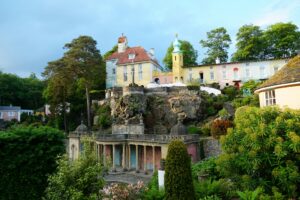
Chile is a country of extraordinary contrasts and breathtaking beauty. Stretching over 4,300 kilometers along South America’s western edge, this slender nation offers everything from the world’s driest desert to ancient glaciers, from vibrant cities to remote islands that feel like the edge of the world.
If you’re wondering what to do in Chile, you’re in for an incredible journey. This guide covers the top 10 places to visit in Chile, complete with budget-friendly Chile travel tips, hidden gems most tourists miss, and practical advice to help you make the most of your adventure.
Whether you’re a nature enthusiast, culture lover, or adrenaline junkie, Chile delivers experiences that will stay with you forever. Let’s explore the top 10 places to see in Chile that should be on every traveler’s bucket list.
Top 10 Places to Visit in Chile: Your Ultimate Travel Guide
TL;DR – Quick Links to the Top 10 Places to Visit in Chile
- Atacama Desert (Google Maps)
- Torres del Paine National Park (Google Maps)
- Valparaíso (Google Maps)
- Easter Island (Google Maps)
- Chilean Lake District (Google Maps)
- Santiago (Google Maps)
- Elqui Valley (Google Maps)
- Carretera Austral (Google Maps)
- La Serena & Coquimbo (Google Maps)
- Aysén Region (Google Maps)
1. Atacama Desert: The Driest Place on Earth
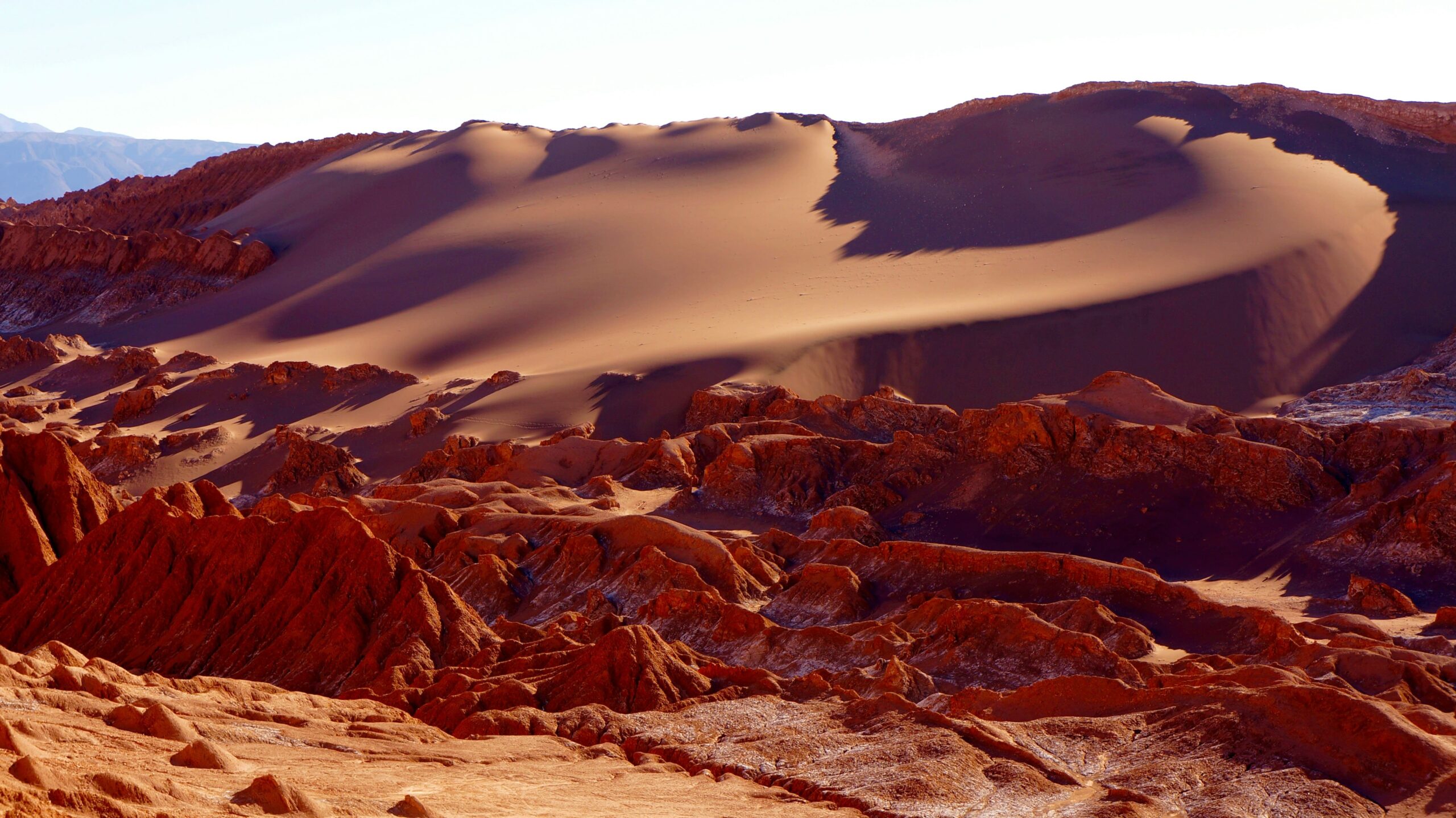
The Atacama Desert isn’t just a destination; it’s an otherworldly experience. Located in northern Chile, this vast expanse is considered the driest non-polar desert on Earth, with some areas receiving virtually no rainfall for decades.
Why Visit the Atacama Desert
The Atacama offers landscapes that seem plucked from another planet. Valle de la Luna (Moon Valley) features dramatic rock formations, salt flats, and dunes that glow in shades of gold, red, and purple as the sun sets. The El Tatio Geysers, situated at 4,320 meters above sea level, provide an unforgettable early morning spectacle as steam erupts against the backdrop of the Andes.
The night sky in the Atacama is legendary. With virtually no light pollution and over 300 clear nights per year, stargazing here is unmatched. Many visitors book tours at astronomical observatories to witness the cosmos in stunning clarity.
What to Do in Atacama
- Valle de la Luna sunset tour: Watch the landscape transform into a palette of brilliant colors
- El Tatio Geysers at sunrise: Arrive before dawn to see the geysers at their most active
- Laguna Cejar floating experience: Float effortlessly in salt lakes with higher salinity than the Dead Sea
- Stargazing tours: Join professional astronomers to explore the southern hemisphere’s night sky
- Laguna Miscanti and Miñiques: Visit these stunning high-altitude lagoons surrounded by volcanoes
Chile Travel Tips for Atacama
The altitude affects most visitors, so take it easy on your first day. San Pedro de Atacama, the main base town, sits at 2,438 meters. Drink plenty of water, avoid alcohol initially, and give your body time to acclimate.
Budget considerations: Hostel beds start around $15-20 USD per night, while mid-range hotels cost $60-100. Tours typically range from $30-80, depending on the activity. Book accommodations well in advance during peak season (December to February).
The temperature swings dramatically between day and night. Pack layers, including a warm jacket for evening tours and early morning geyser visits.
2. Torres del Paine National Park: Patagonia’s Crown Jewel
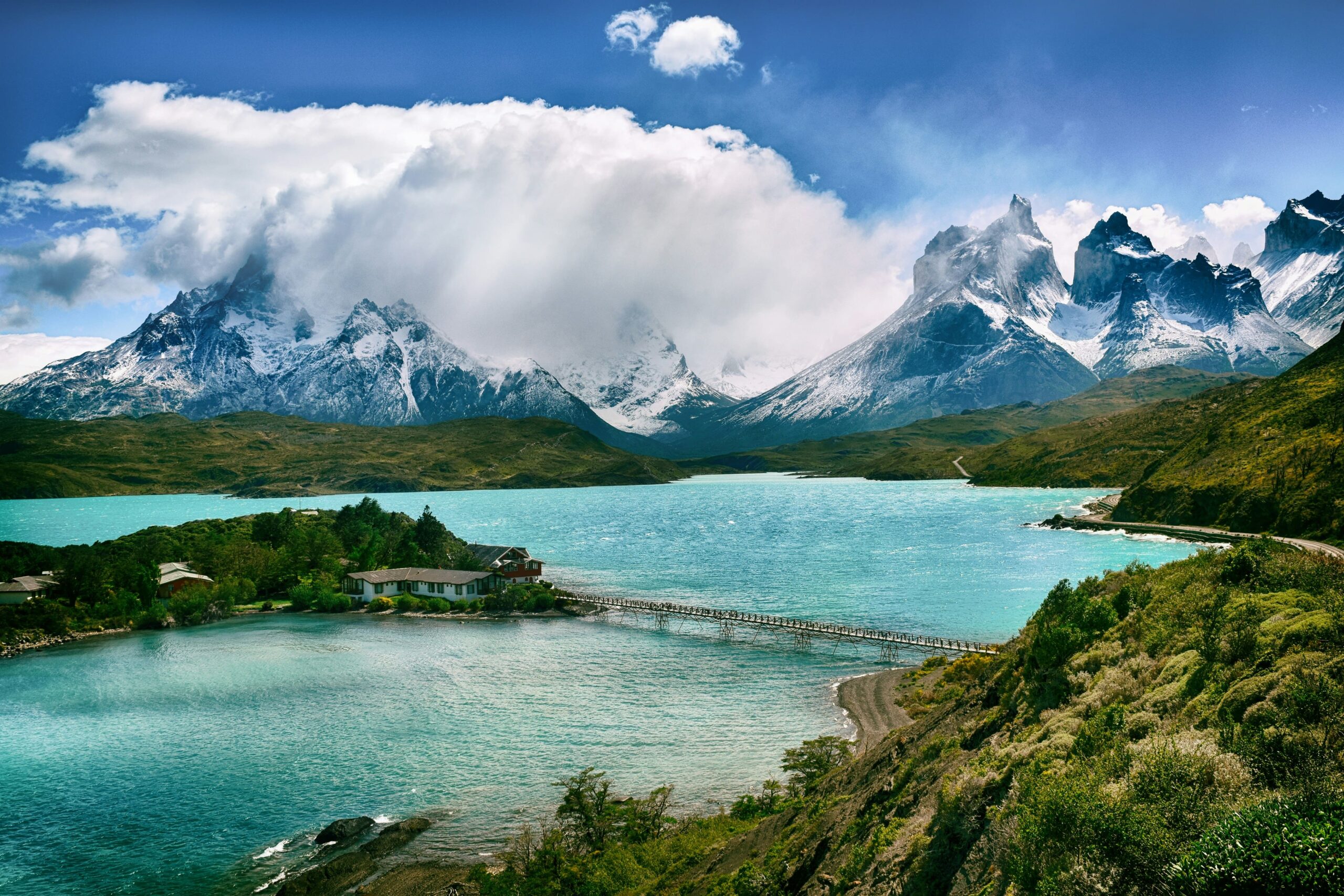
Torres del Paine National Park represents the very best of Patagonian wilderness. Located in southern Chile, this UNESCO Biosphere Reserve showcases dramatic granite peaks, electric-blue glaciers, pristine lakes, and abundant wildlife.
The Magic of Torres del Paine
The park’s namesake granite towers rise 2,500 meters into the sky, creating one of the most photographed landscapes in South America. Beyond the iconic towers, the park encompasses over 242,000 hectares of diverse ecosystems, from Patagonian steppe to lush forests.
Wildlife encounters are common and thrilling. Guanacos (wild relatives of llamas) roam freely, condors soar overhead, and if you’re lucky, you might spot a puma in the wild. The park is home to over 100 bird species and numerous mammals, making it a paradise for wildlife photographers.
Hiking Options in Torres del Paine
The W Trek is the park’s most popular multi-day hike, typically completed in 4-5 days. This 80-kilometer route takes you to the base of the towers, along the shores of turquoise lakes, and past the massive Grey Glacier.
The O Circuit extends the W Trek into a complete loop around the massif, requiring 8-10 days. This challenging route offers more solitude and equally spectacular views.
For day hikers, several shorter trails provide incredible experiences without the commitment:
- Base Torres trail: 8-10 hours round trip to see the iconic granite towers
- French Valley: 7-8 hours exploring a glacial valley between mountains
- Grey Glacier viewpoint: 3-4 hours for spectacular glacier views
Practical Information for Torres del Paine
Entrance fees: Foreign adults pay approximately 37,000 Chilean pesos (around $40 USD) during high season. The park operates year-round, but most visitors come between October and April when the weather is milder.
Accommodation ranges from rustic refugios (mountain lodges) at $40-80 per night for a bed, to luxury hotels starting at $400+ per night. Camping is available at designated sites for around $10-30 per person.
The park’s official website provides updated information on trail conditions, reservations, and regulations. All overnight visitors must book accommodations or campsites in advance, as capacity is limited to protect the environment.
3. Valparaíso: Chile’s Colorful Coastal Gem
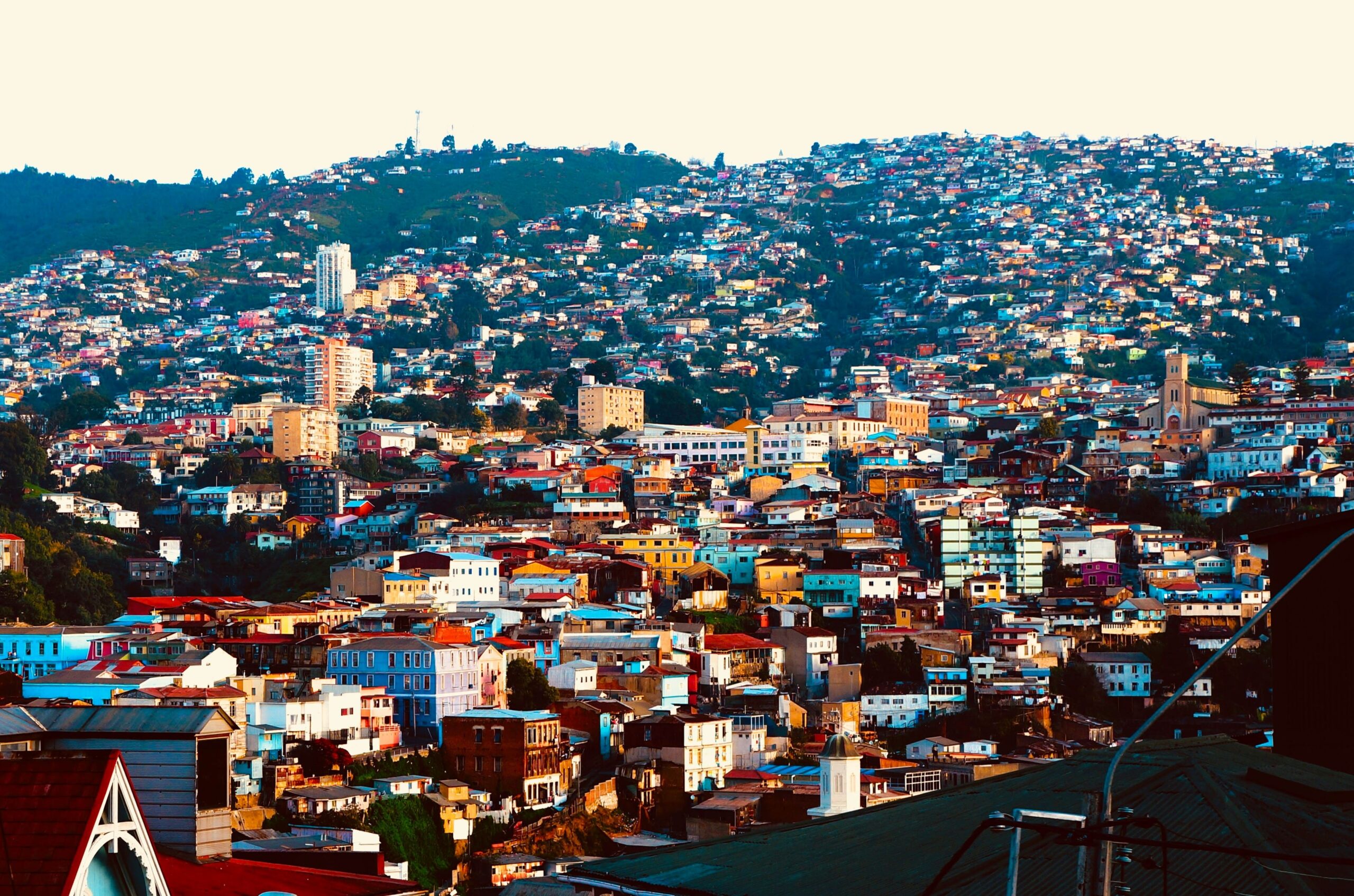
Just 120 kilometers northwest of Santiago, Valparaíso bursts with color, creativity, and character. This port city’s hillsides are covered with brightly painted houses, world-class street art, and historic funiculars that have carried residents up steep slopes since the 19th century.
Exploring Valparaíso’s Unique Charm
UNESCO designated Valparaíso’s historic quarter a World Heritage Site in 2003, recognizing its unique urban landscape and architectural significance. The city’s 42 hills (cerros) each have distinct personalities and neighborhoods worth exploring.
Street art here isn’t just decoration; it’s a cultural movement. Internationally renowned artists have transformed entire buildings into massive murals. Walking through neighborhoods like Cerro Alegre and Cerro Concepción feels like wandering through an open-air art gallery.
Top Things to Do in Valparaíso
Take multiple funicular rides to experience the city’s historic elevators. Ascensor Concepción, built in 1883, is the oldest. These aren’t just tourist attractions; they’re functioning public transport that locals use daily.
La Sebastiana, one of poet Pablo Neruda’s three Chilean homes, offers insight into the Nobel Prize winner’s eccentric taste and provides panoramic city views. The museum displays Neruda’s collections and explains his deep connection to Valparaíso.
The craft beer scene is thriving. Visit Altamira or Cervecería Miraflores to sample local brews while enjoying ocean views. Many bars occupy restored historic buildings, adding architectural charm to your tasting experience.
Valparaíso Travel Tips
Safety varies by neighborhood. Cerro Alegre and Cerro Concepción are safe and touristy, but some areas, particularly the lower port district at night, require more caution. Take Ubers or authorized taxis rather than walking through unfamiliar areas after dark.
Budget-friendly options abound. Hostels start around $12-18 per night, and the city’s numerous street food vendors and local eateries offer delicious meals for under $5. The empanadas here are legendary.
Combine your visit with nearby Viña del Mar, Chile’s garden city, located just 9 kilometers away. Viña offers beaches, parks, and a more polished atmosphere that contrasts nicely with Valparaíso’s bohemian vibe.
For more coastal destinations, check out Top Travel Insider’s blog.
4. Easter Island: Mystery and Magic in the Pacific
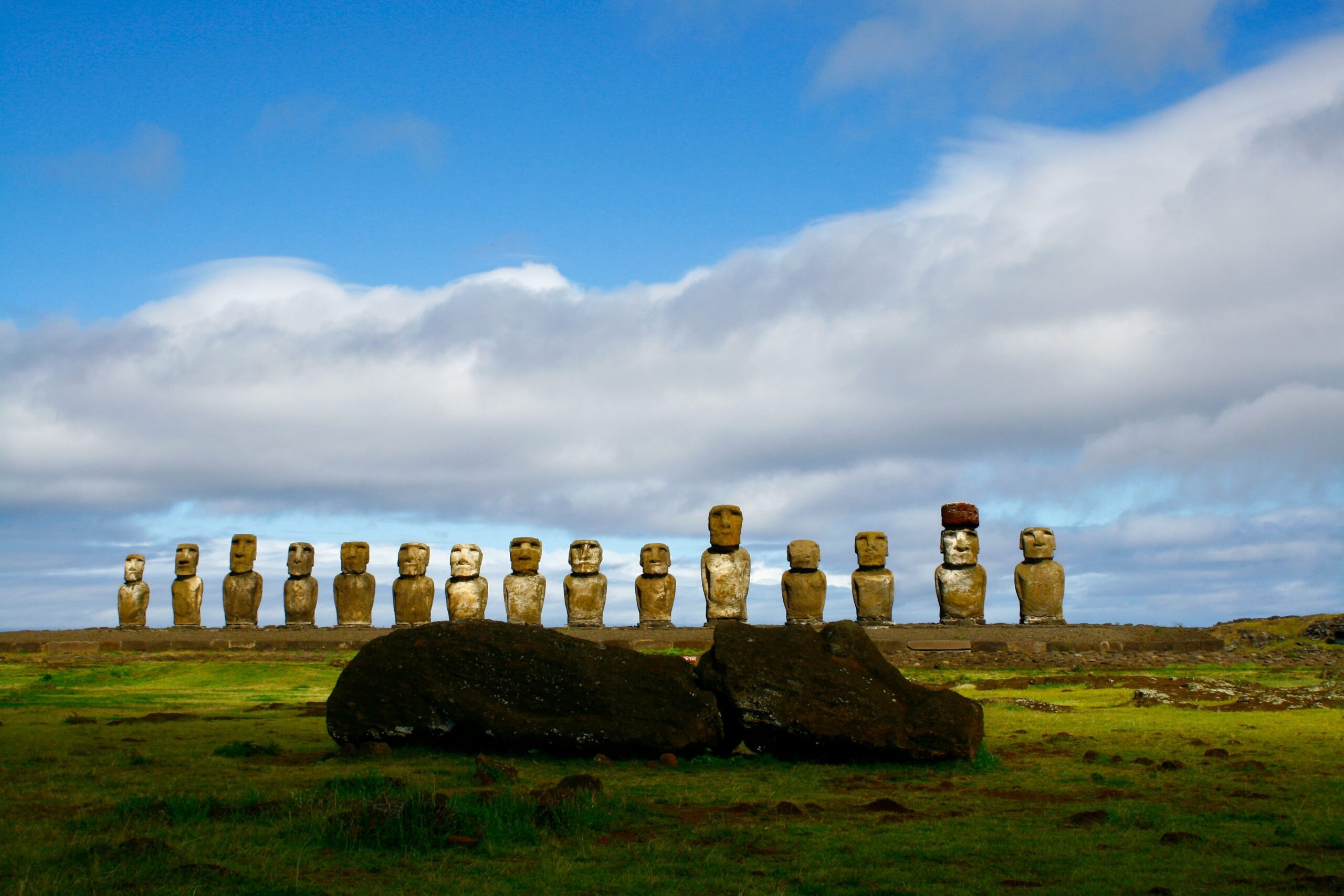
Easter Island (Rapa Nui) sits 3,700 kilometers off Chile’s coast, making it one of the world’s most remote inhabited islands. Famous for its massive moai statues, this Polynesian island offers far more than ancient mysteries.
The Enigmatic Moai Statues
Nearly 900 moai dot the island, ranging from partially carved figures in quarries to fully erected statues standing on ceremonial platforms (ahu). These monolithic human figures, carved by the Rapa Nui people between 1400 and 1650 CE, continue to captivate researchers and visitors alike.
Ahu Tongariki, the largest ceremonial platform, features 15 restored moai standing against the backdrop of the Pacific Ocean. Arriving at sunrise provides a magical experience as the first light illuminates these ancient guardians.
Exploring Rapa Nui Culture
The Rapa Nui people maintain strong connections to their Polynesian heritage. Traditional music, dance, and art remain vibrant parts of daily life. The annual Tapati Rapa Nui festival in February celebrates indigenous culture through competitions, performances, and traditional sports.
Rano Kau, a volcanic crater with a stunning freshwater lake, offers hiking opportunities and historical significance as the site of the Orongo ceremonial village. Here, the birdman cult ceremony took place annually, marking a fascinating chapter in the island’s history.
Planning Your Easter Island Visit
Flights from Santiago take about 5.5 hours on LATAM Airlines, which operates daily service. Round-trip tickets typically cost $400-800, depending on season and how far in advance you book.
Park entrance fees: The Rapa Nui National Park charges $80 USD for foreign visitors, valid for 10 days. This fee covers access to most archaeological sites across the island.
Accommodation options range from hostels at $30-50 per night to mid-range hotels at $100-150. The main town of Hanga Roa has most services, restaurants, and lodging options.
Rent a car, scooter, or bike to explore independently, or join guided tours that provide cultural context and historical background. The island measures just 24 kilometers at its longest point, making it manageable to explore thoroughly in 3-4 days.
5. Chilean Lake District: Alpine Beauty in South America
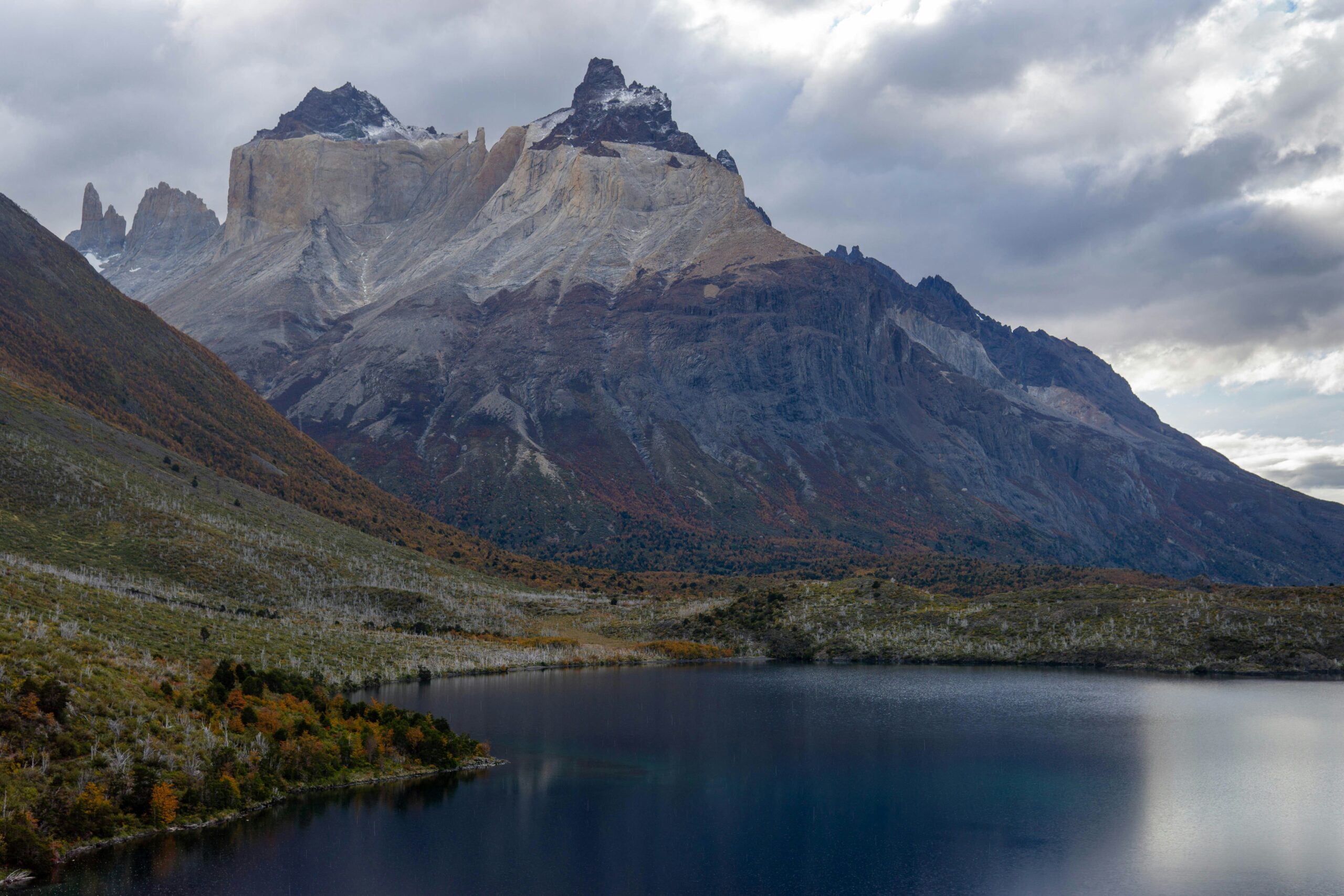
The Chilean Lake District stretches from Temuco south to Puerto Montt, encompassing emerald forests, snow-capped volcanoes, and crystal-clear lakes. This region feels like Switzerland transported to South America, with German-influenced architecture adding to the alpine atmosphere.
Highlights of the Lake District
Pucón serves as the adventure capital, offering activities year-round. This lakeside town sits at the base of Volcán Villarrica, one of Chile’s most active volcanoes. During winter, ski at local resorts; in summer, hike, kayak, or soak in natural hot springs.
Puerto Varas, known as the “City of Roses,” provides stunning views of Osorno and Calbuco volcanoes across Lake Llanquihue. German settlers heavily influenced this town’s architecture, cuisine, and culture in the mid-1800s. The kuchen (German cake) here is exceptional.
What to Do in the Lake District
Volcano climbing attracts serious adventurers. Climbing Volcán Villarrica involves ascending snow and ice fields to peer into an active lava lake crater. Tours include equipment and guides, typically costing $120-180 per person.
Thermal hot springs offer relaxation after active days. Termas Geométricas, about 30 kilometers from Pucón, features 20 slate pools connected by walkways through a stunning ravine. The Japanese-inspired design creates a unique therapeutic experience.
Chiloé Island, accessible from Puerto Montt, deserves several days of exploration. This large island features distinctive palafitos (houses on stilts), UNESCO World Heritage wooden churches, and a unique culture blending indigenous, Spanish, and mythological influences. Don’t miss trying curanto, a traditional seafood dish cooked in an earth oven.
Lake District Travel Planning
The region is accessible by bus, with frequent services between major towns. Buses from Santiago to Pucón take 10-12 hours and cost $30-50. Flying to Temuco cuts travel time significantly.
Budget accommodation is plentiful, with hostels starting around $15-25 per night. Camping is popular and inexpensive, with many lakeside sites charging $10-15 per tent.
The best visiting time runs from November to March (summer), though winter (June-August) offers skiing opportunities and fewer tourists. Rainfall is significant year-round, so pack waterproof gear regardless of season.
6. Santiago: Chile’s Vibrant Capital
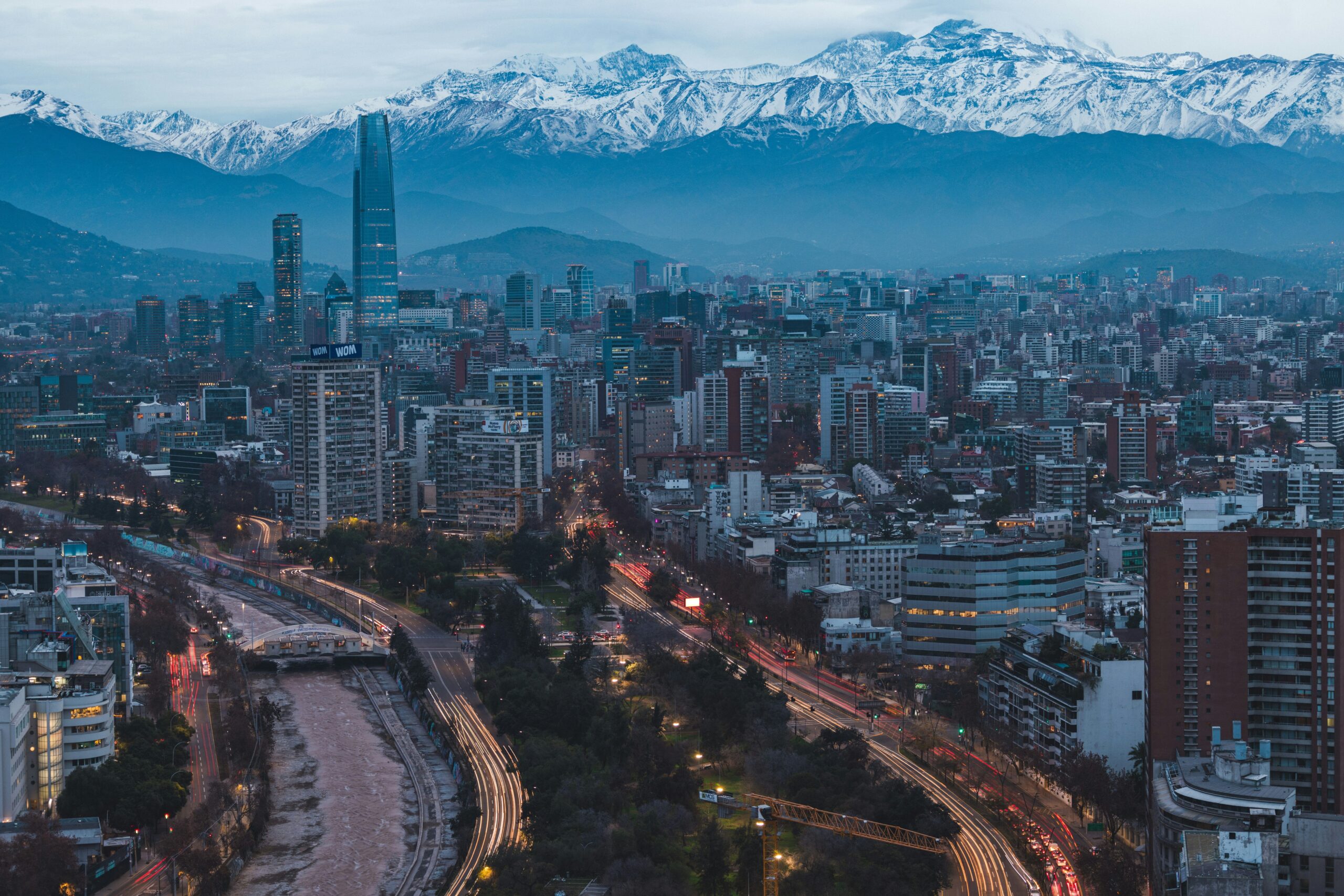
Santiago combines modern sophistication with historical charm, nestled in a valley surrounded by the Andes mountains. This bustling metropolis of 7 million people serves as most travelers’ introduction to Chile and deserves several days of exploration.
Exploring Santiago’s Neighborhoods
Bellavista buzzes with bohemian energy. This colorful neighborhood hosts Pablo Neruda’s La Chascona house-museum, countless restaurants, bars featuring live music, and vibrant street art. The Patio Bellavista complex offers dining and entertainment options in a pedestrian-friendly setting.
Barrio Lastarria exudes cultural sophistication. Boutique shops, art galleries, cafes, and restaurants line cobblestone streets. The nearby Cerro Santa Lucía, a small hill park in the city center, provides gardens, fountains, and city views without requiring significant climbing.
The historic center around Plaza de Armas showcases colonial architecture, including the Metropolitan Cathedral and the Presidential Palace (La Moneda). Free tours of La Moneda operate weekdays, offering insight into Chilean political history.
Santiago Activities and Attractions
Cerro San Cristóbal, the city’s largest hill at 880 meters, offers spectacular views and various activities. Take the funicular railway to the summit, where a large statue of the Virgin Mary overlooks the city. The hill also features walking trails, swimming pools, and the National Zoo.
Mercado Central, the central market, is a feast for the senses. Built in 1872, this architectural gem houses dozens of seafood restaurants and vendors. Try traditional dishes like pastel de jaiba (crab casserole) or machas a la parmesana (razor clams with parmesan).
Wine tasting opportunities abound near Santiago. The Maipo and Casablanca valleys produce world-class wines and are easily accessible on day trips. Many wineries offer tours and tastings for $20-40 per person.
Practical Santiago Information
Santiago’s metro system is modern, efficient, and inexpensive. A rechargeable Bip! The card costs about $1.50 to purchase and $0.90 per ride. The metro connects most tourist areas and is the fastest way to navigate the city.
Accommodation ranges dramatically. Budget hostels start around $12-20 per night, mid-range hotels cost $50-100, and luxury options exceed $200. The Providencia and Las Condes neighborhoods offer safer, more upscale options, while Bellavista provides budget-friendly alternatives.
Safety in Santiago requires standard urban precautions. Avoid displaying expensive items, be cautious in crowded areas (pickpocketing occurs), and use official taxis or Uber, especially at night. Most tourist areas are safe during daylight hours.
7. Elqui Valley: Wine, Pisco, and Stargazing
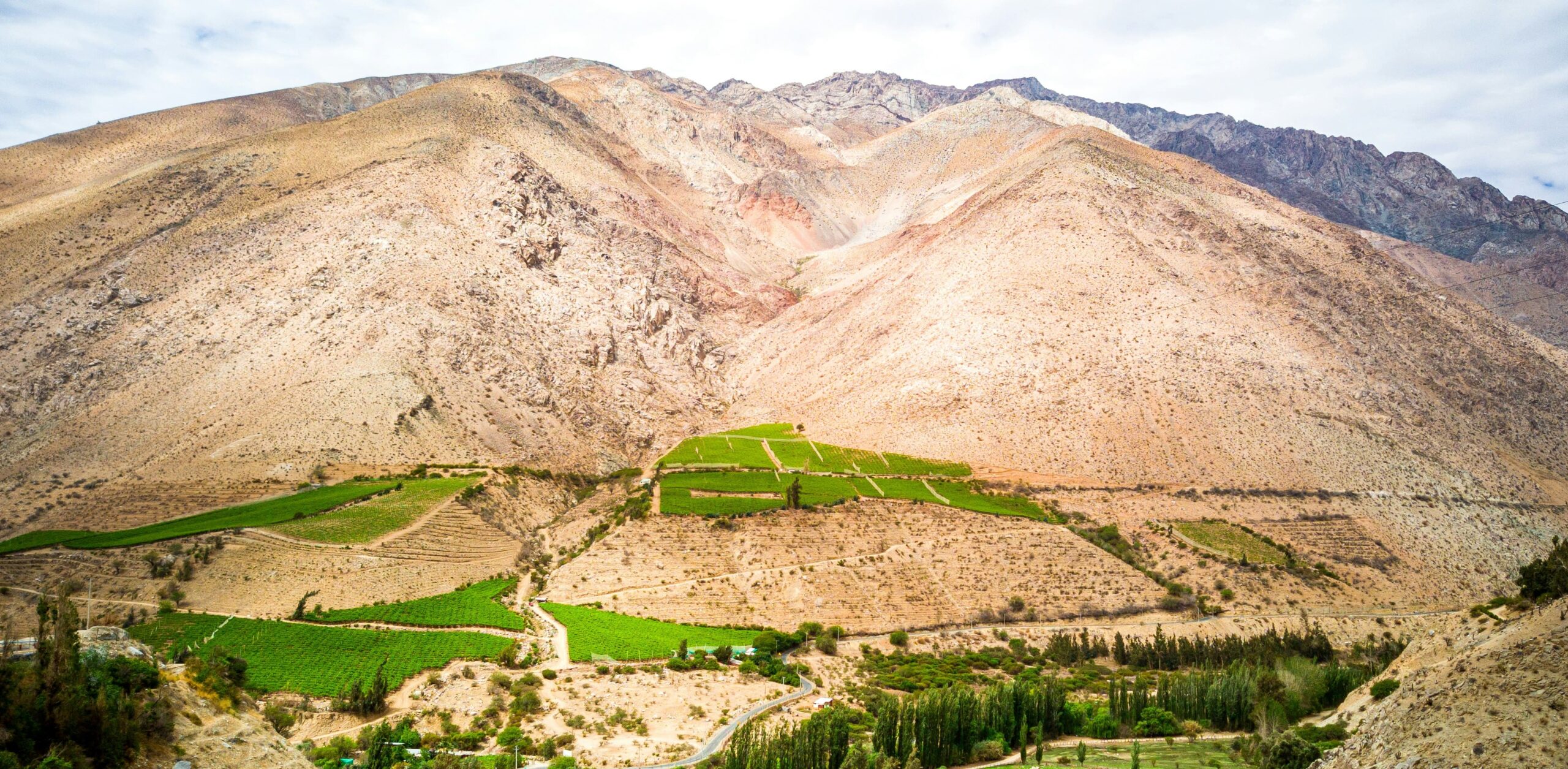
The Elqui Valley, located about 400 kilometers north of Santiago, offers a tranquil escape into Chile’s wine and pisco-producing heartland. This narrow valley, surrounded by arid mountains, enjoys over 320 days of sunshine annually, creating perfect conditions for vineyards and astronomical observations.
Discovering Elqui Valley’s Charm
Pisco production defines the valley’s economy and culture. This grape brandy, Chile’s national spirit, has been distilled here for centuries. The Pisco Elqui distillery offers tours explaining the production process, culminating in tastings of various pisco varieties.
The valley’s mystical reputation attracts spiritual seekers. Some believe the area possesses special energy, drawing practitioners of meditation, yoga, and alternative therapies. Numerous retreat centers offer wellness programs in serene settings.
Vicuña, the valley’s main town, honors Chile’s most famous poet, Gabriela Mistral, who was born here. The Gabriela Mistral Museum displays personal belongings and manuscripts of the Nobel Prize winner, providing insight into her life and work.
Activities in Elqui Valley
Wine and pisco tours are essential experiences. Many small producers welcome visitors for tastings and tours, often at no charge or for minimal fees. The combination of wine and pisco production in one valley creates unique tasting opportunities.
Hiking and horseback riding through the valley’s stunning landscapes provide daytime adventures. Trails wind through vineyards, along rivers, and up surrounding mountains, offering spectacular views and encounters with local wildlife.
Visiting Elqui Valley
Getting there requires buses from La Serena or Coquimbo, coastal cities about 1.5 hours away. These coastal cities have airports with flights from Santiago. Buses run regularly between the coast and valley towns.
Accommodation options include charming guesthouses, hostels, and cabins, typically costing $30-80 per night. Many properties feature gardens, pools, and mountain views, creating relaxing environments.
The valley enjoys pleasant weather year-round, though summer (December-February) brings the most visitors. Shoulder seasons offer equally beautiful weather with fewer crowds and better accommodation availability.
8. Carretera Austral: Chile’s Ultimate Road Trip
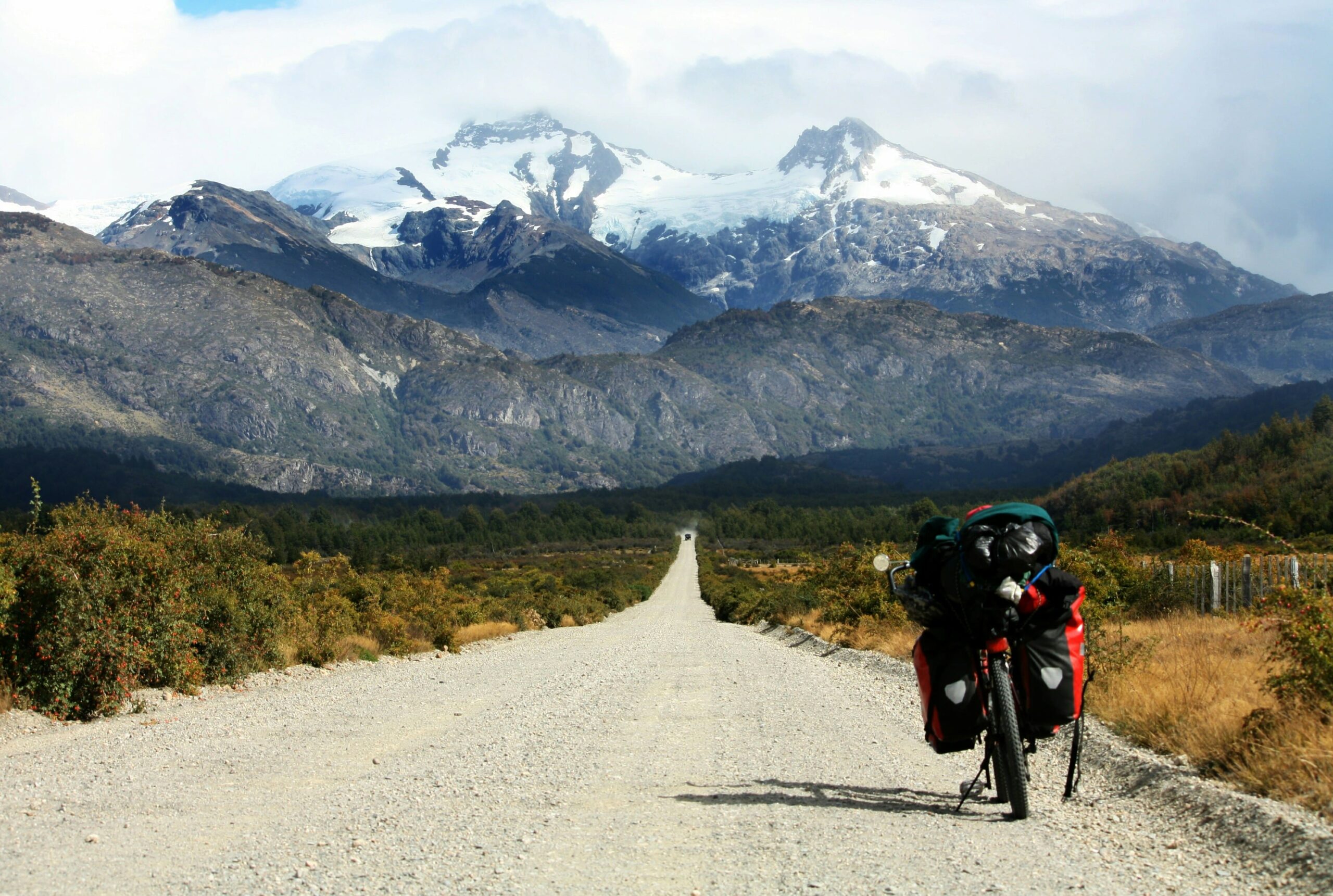
The Carretera Austral (Southern Highway) ranks among the world’s most spectacular road trips. This 1,240-kilometer route through Chilean Patagonia, much of it unpaved, traverses pristine wilderness, passing glaciers, fjords, rivers, and forests that few travelers experience.
Why the Carretera Austral Stands Out
Isolation defines this journey. The highway connects small communities scattered across one of Earth’s most sparsely populated regions. Between towns, you’ll travel for hours through wilderness, encountering more livestock than people.
The landscapes constantly astound. One day, you’re navigating winding mountain roads with glacier views; the next, you’re beside turquoise rivers flowing through ancient forests. The diversity of ecosystems along the route creates ever-changing scenery.
Several highlights deserve extended stays. Marble Caves at Puerto Río Tranquilo feature stunning blue caverns carved by water into marble cliffs. Boat tours navigate into these caves, where sunlight creates mesmerizing color displays.
Key Stops Along the Carretera Austral
Futaleufú attracts whitewater rafting enthusiasts worldwide. The Futaleufú River, with its brilliant turquoise water and challenging rapids, offers some of the planet’s best rafting. Even non-rafters appreciate the town’s stunning mountain setting.
Queulat National Park protects the Hanging Glacier (Ventisquero Colgante), where a glacier clings to a vertical cliff face, with waterfalls tumbling from its edge. A moderate 3-kilometer trail reaches a viewpoint overlooking this natural wonder.
Caleta Tortel, a unique coastal village, features wooden walkways instead of streets. Built entirely on stilts and boardwalks, the village perches where the Baker River meets the ocean, creating a distinctive settlement that feels removed from modern times.
Planning Your Carretera Austral Adventure
Vehicle options include personal cars, motorcycles, or rented vehicles. Many travelers combine buses (frequent between major towns) with hitchhiking or organized tours. Some sections require ferries, which should be booked ahead during peak season.
Accommodation varies widely. Camping is popular and necessary in some remote areas, with sites costing $5-15. Small towns offer hostels ($15-30) and guesthouses ($40-80). Larger settlements like Coyhaique have more options, including hotels.
Timing matters significantly. The route is accessible primarily from November to March. Outside these months, the weather becomes severe, services close, and some sections become impassable. Plan for variable weather even in summer; pack warm, waterproof clothing.
Fuel stations appear sporadically; fill up whenever possible. Carry spare fuel for remote sections. The Patagonian wind blows constantly and powerfully, making motorcycle travel challenging and vehicle choice important.
9. La Serena and Coquimbo: Beach Towns with Character
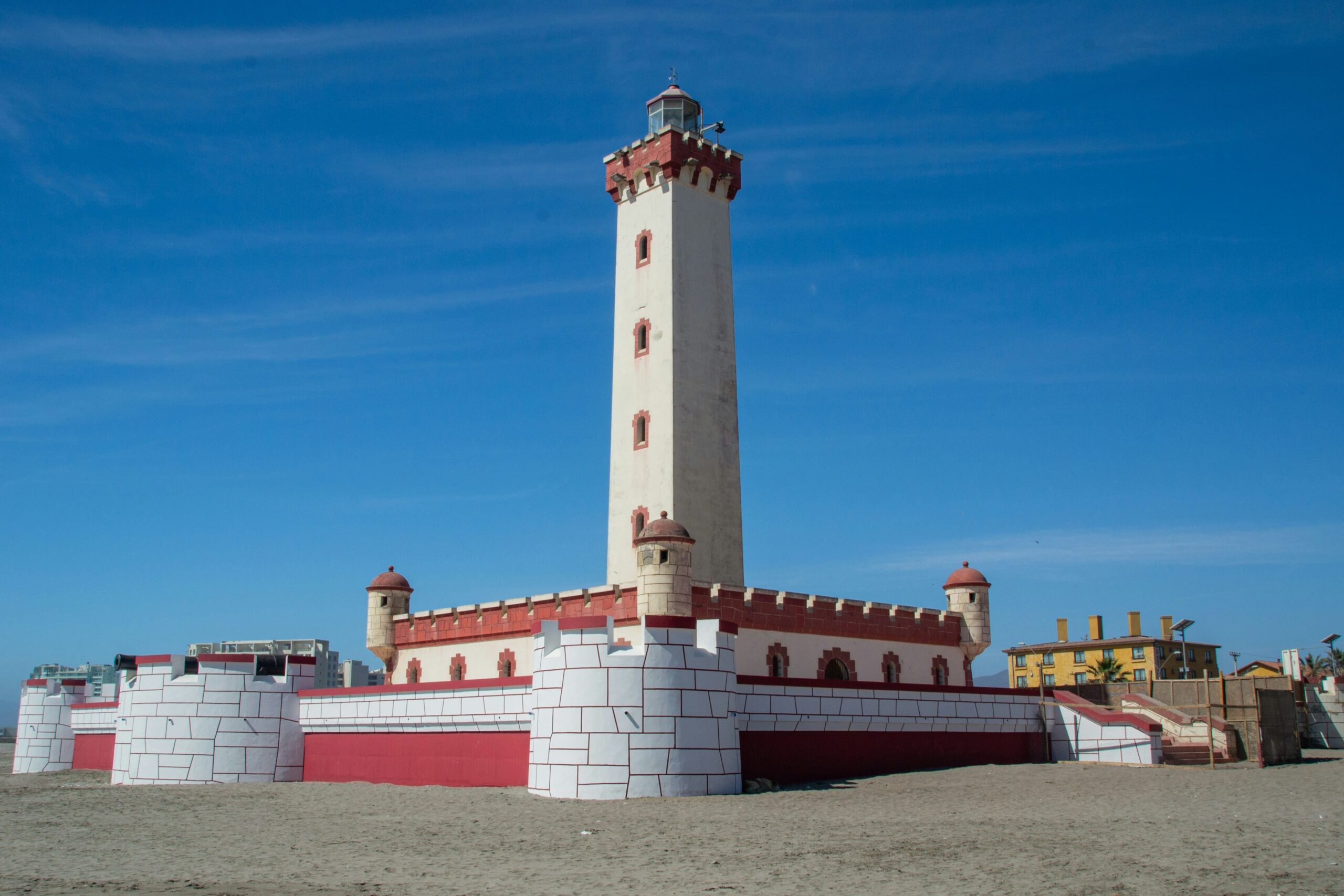
La Serena and neighboring Coquimbo offer Chile’s best beach town experience without the crowds of more famous destinations. Located 470 kilometers north of Santiago, these twin cities combine colonial charm, beautiful beaches, and accessibility. Top 10 Places to Visit in Chile: La Serena and Coquimbo
La Serena’s Colonial Heritage
La Serena, Chile’s second-oldest city, was founded in 1544. The historic center features well-preserved colonial architecture, stone churches, and a charming main plaza. The Monumental Lighthouse (Faro Monumental) serves as the city’s symbol and houses a small maritime museum.
The beach promenade (Avenida del Mar) stretches for several kilometers, lined with restaurants, bars, and beach access points. Unlike some Chilean beach towns, La Serena maintains the promenade well, creating pleasant walking and cycling routes.
Local markets showcase regional products. The Recova Market offers handicrafts, textiles, and local delicacies. Try papayas from nearby valleys, fresh seafood, or regional sweets like dulce de leche.
Activities Around La Serena and Coquimbo
Coquimbo’s port area features fresh seafood restaurants and the massive Cruz del Tercer Milenio, a 93-meter cross offering panoramic views after climbing 1,700 steps. The fishing harbor provides insight into Chile’s maritime industries and offers boat tours.
Beach activities range from swimming and sunbathing to surfing and beach volleyball. La Serena’s beaches extend northward for kilometers, offering options from crowded to nearly deserted.
The Pinguineras de Punta de Choros, located north of La Serena, protect colonies of Humboldt penguins. Boat tours visit the colonies and often encounter dolphins, sea lions, and occasionally whales. Tours cost around $30-40 per person.
Visiting La Serena and Coquimbo
Accessibility is excellent. La Serena has an airport with daily flights from Santiago (about 1 hour). Buses also connect regularly to Santiago (7 hours) and other northern destinations.
Accommodation suits all budgets. Hostels start around $12-18 per night, mid-range hotels cost $40-70, and beachfront resorts charge $100+. The city sees domestic tourism spikes during summer (January-February) and religious holidays.
The climate is Mediterranean, with warm, dry summers and mild winters. Summer temperatures reach 25-28°C (77-82°F), perfect for beach activities. The ocean remains cool year-round (14-18°C), though summer water temperatures are most comfortable.
La Serena serves as an excellent base for exploring the Elqui Valley (90 minutes inland) and makes a good stopping point on longer journeys north toward the Atacama Desert.
10. Aysén Region: Chilean Patagonia’s Hidden Gem
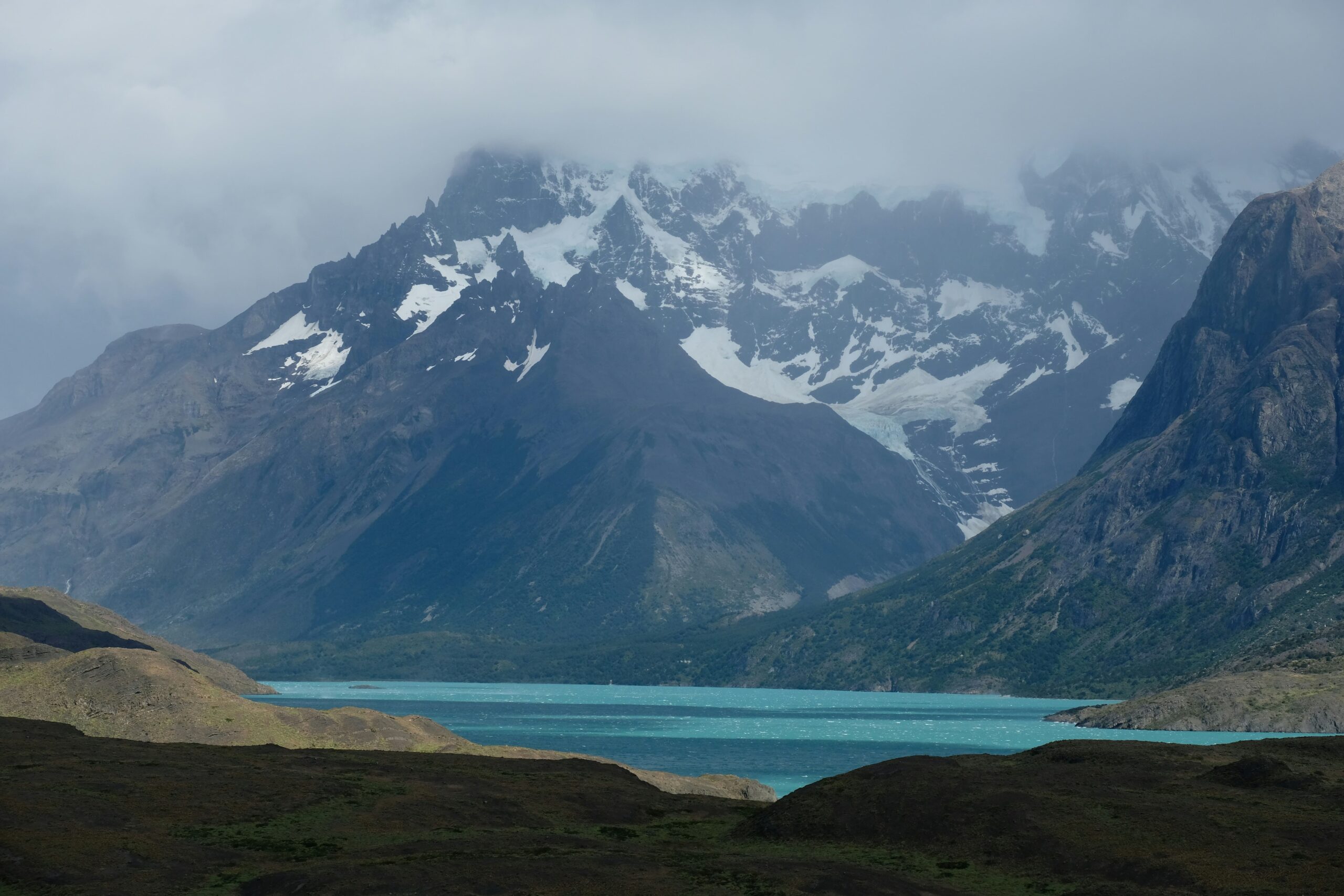
The Aysén Region exemplifies what people mean when they discuss hidden gems in Chile. Less visited than Torres del Paine or the Lake District, Aysén offers equally spectacular landscapes with far fewer tourists.
Why Aysén Remains Under the Radar
Accessibility challenges keep visitor numbers low. No direct flights connect Santiago to most Aysén destinations. Most travelers arrive via the Carretera Austral or flights to Balmaceda (near Coyhaique), requiring connections and patience.
The region’s remoteness preserves its pristine character. Massive ice fields, ancient forests, wild rivers, and rugged mountains remain largely untouched. Tourism infrastructure exists but remains modest, limiting crowds even during peak season.
Exploring Aysén’s Natural Wonders
Laguna San Rafael National Park protects the Northern Patagonian Ice Field and spectacular San Rafael Glacier. This massive glacier calves icebergs directly into the lagoon, creating dramatic displays. Multi-day boat tours from Puerto Chacabuco navigate through fjords to reach the glacier.
Capillas de Mármol (Marble Chapels) on Lake General Carrera feature stunning blue and white marble formations sculpted by waves over thousands of years. Kayak or boat tours explore these natural cathedral-like structures, best visited when sunlight illuminates the marble’s brilliant colors.
Cerro Castillo National Park offers world-class hiking without Torres del Paine’s crowds. The multi-day Cerro Castillo trek passes turquoise lakes, crosses mountain passes with spectacular views, and traverses diverse ecosystems. Day hikes also access the park’s beauty.
Aysén Practical Information
Coyhaique, the regional capital, provides services, accommodations, and tour operators. This small city offers everything travelers need for Aysén exploration, from equipment rentals to grocery stores and restaurants.
Accommodation options are limited compared to popular destinations, but sufficient. Hostels charge $15-25 per night, guesthouses cost $40-70, and small hotels run $80-120. Book ahead during January-February.
Transportation requires planning. Rent cars in Coyhaique to explore independently, or use sporadic bus services between towns. Some destinations require hiring private transport or joining organized tours.
The weather challenges even experienced Patagonian travelers. Wind, rain, and temperature swings happen year-round. Pack comprehensive weatherproof gear and flexible plans to accommodate weather delays.
Hidden Gems in Chile Most Travelers Miss
Beyond the top 10 destinations, Chile harbors numerous hidden gems worth exploring if time permits.
Huilo Huilo Biological Reserve
Located in the southern Lake District, this private reserve protects ancient rainforests, waterfalls, and diverse wildlife. Unique hotels designed to blend with nature (including a volcano-shaped hotel) offer comfortable bases for exploring trails, canopy walks, and hot springs.
Valdivia
This southern Chilean city features German-influenced architecture, craft beer culture, riverside parks, and nearby coastal towns. The Valdivia River and its tributaries create a scenic waterfront. Visit in February for the Noche Valdiviana festival, featuring decorated boats parading along the river.
Valle Nevado and Portillo Ski Resorts
Chile’s ski resorts offer Southern Hemisphere skiing from June to September. Valle Nevado, just 60 kilometers from Santiago, provides excellent skiing with Andes views. Portillo, on the Argentine border, offers a more intimate resort experience with legendary skiing.
Pucón’s Hidden Waterfalls
Beyond the main attractions, Pucón’s surroundings hide numerous waterfalls accessible via hikes. Ojos del Caburgua features bright blue pools perfect for swimming. Salto del Claro requires a short hike through the forest to reach its impressive cascade.
Lican Ray
This smaller Lake District town on Lake Calafquén offers tranquility and beauty without Pucón’s crowds. Volcanic black-sand beaches, forest trails, and affordable accommodations attract Chilean families and budget travelers seeking peaceful surroundings.
Frequently Asked Questions About Visiting Chile
What is the most beautiful part of Chile?
Beauty is subjective, but Torres del Paine National Park frequently tops lists of Chile’s most beautiful destinations. The dramatic granite peaks, turquoise lakes, and massive glaciers create scenery that feels almost too spectacular to be real. Photographers, hikers, and nature lovers consistently rate it among the world’s most beautiful places.
That said, the Atacama Desert offers a completely different type of beauty with its otherworldly landscapes, salt flats, and incredible night skies. The Chilean Lake District provides alpine beauty, while Patagonia’s Carretera Austral showcases pristine wilderness. Chile’s diversity means different travelers will find beauty in different regions.
What is the number one tourist destination in Chile?
According to official tourism statistics from SERNATUR (Chile’s National Tourism Service), Santiago consistently receives the most visitors, serving as the main entry point for international travelers. However, Torres del Paine National Park is often considered Chile’s premier natural destination.
In terms of international recognition and bucket-list appeal, Torres del Paine ranks as Chile’s most famous natural attraction, drawing hikers and nature enthusiasts from worldwide. The park welcomed over 300,000 visitors in 2019 (pre-pandemic numbers), making it Chile’s most visited national park.
Where should I go in Chile?
Your ideal Chilean itinerary depends on your interests, time available, and travel style. Here’s a quick framework:
For first-time visitors with 10-14 days: Santiago (3 days), Valparaíso (2 days), Atacama Desert (4 days), and either the Lake District or Torres del Paine (4-5 days).
For nature and adventure lovers: Focus on Patagonia, including Torres del Paine, the Aysén Region, and the Carretera Austral. Add the Atacama Desert for contrast.
For wine and culture enthusiasts: Explore Santiago, the surrounding wine valleys, Valparaíso, the Elqui Valley, and the Lake District’s German-influenced towns.
For those seeking off-the-beaten-path experiences: The Carretera Austral, Aysén Region, Chiloé Island, and northern coastal towns offer fewer tourists and authentic experiences.
Budget travelers should prioritize mainland Chile, as Easter Island adds significant expense. Patagonia requires more time due to distances, while the compact central region (Santiago to Lake District) allows seeing more destinations in less time.
What is the most famous in Chile?
Chile is most famous internationally for several things: Torres del Paine National Park ranks among the world’s most spectacular natural areas. Easter Island’s moai statues create one of archaeology’s most enduring mysteries. Chilean wine, particularly Carmenere and Cabernet Sauvignon from the Central Valley, has gained international acclaim.
Culturally, Chile is known for poets Pablo Neruda and Gabriela Mistral (both Nobel Prize winners), the Atacama Desert (often used as a Mars analog for scientific research), and increasingly, adventure tourism opportunities.
The country’s dramatic geography spanning over 4,300 kilometers, while averaging just 177 kilometers wide, making it unique globally. This creates the diverse climates and ecosystems that attract travelers seeking variety within a single country.
Essential Chile Travel Tips for Your Journey
When to Visit Chile
Chile’s seasons are opposite to the Northern Hemisphere. Summer runs from December to February, winter June to August. However, optimal visiting times vary by region:
- Atacama Desert: Year-round destination, though summer brings more tourists
- Central Chile (Santiago, Valparaíso, wine regions): Spring (September-November) and fall (March-May) offer pleasant weather
- Lake District: December to March for hiking; June to September for skiing
- Patagonia (Torres del Paine, Aysén): November to March; other months see harsh weather and limited services
- Easter Island: Year-round, though December to March brings the warmest weather
Shoulder seasons (November and March) often provide the best balance of good weather, fewer crowds, and better prices for Patagonia destinations.
Budget Planning for Chile
Chile is moderately expensive compared to neighboring South American countries but offers good value relative to North America or Europe.
Daily budget estimates:
- Budget travelers: $30-50 USD per day (hostels, street food, local transport, limited tours)
- Mid-range travelers: $80-120 USD per day (modest hotels, restaurant meals, regular tours)
- Comfort travelers: $150-250 USD per day (nice hotels, quality dining, private tours)
Expensive components include Easter Island (flights and accommodations), Torres del Paine (entrance fees and lodging), and domestic flights. Budget-friendly aspects include local buses, street food, hostels, and self-guided activities.
ATMs are widely available in cities and towns; most accept international cards. Credit cards work in most hotels, restaurants, and tour agencies, though small businesses and rural areas prefer cash.
Transportation Within Chile
Buses dominate long-distance travel. Companies like Turbus, Pullman, and Cruz del Sur operate comfortable coaches between major cities. Semi-cama (semi-reclined) and cama (fully-reclined) seats make overnight journeys comfortable.
Domestic flights save time on long distances. LATAM and Sky Airlines connect major cities, with prices varying dramatically based on booking timing. Santiago to Punta Arenas (gateway to Torres del Paine) takes 3.5 hours by air versus 50+ hours by bus.
Car rentals offer flexibility, especially in regions like the Lake District, Atacama, and the Carretera Austral. International driver’s licenses are recommended but not legally required for stays under 90 days. Gas prices are relatively high compared to the US.
Metro systems operate in Santiago and Valparaíso, providing efficient urban transport. Taxis and Uber function in major cities, offering safe, reasonably priced transport.
Health and Safety Considerations
Chile is generally safe for travelers, with lower crime rates than many South American countries. Standard precautions apply: avoid displaying valuables, be cautious in crowds, use official taxis, and stay alert in unfamiliar areas.
Altitude sickness affects visitors to the Atacama Desert and high-altitude areas. Symptoms include headaches, nausea, and fatigue. Acclimatize gradually, stay hydrated, avoid alcohol initially, and consider medication like acetazolamide if planning extensive high-altitude activities.
Healthcare quality is good in major cities, with private clinics offering excellent care. Travel insurance is essential, as medical costs for foreigners can be substantial. Pharmacies (farmacias) are abundant and well-stocked; many medications available only by prescription elsewhere are sold over the counter.
Water is safe to drink in most of Chile, though some travelers prefer bottled water initially. Food hygiene standards are generally high, making foodborne illness less common than in many developing countries.
Language and Communication
Spanish is Chile’s official language, and English proficiency varies significantly. Major tourist areas have English speakers, but rural areas and small towns require basic Spanish for effective communication.
Chilean Spanish includes unique slang and pronunciation that differ from textbook Spanish. Common terms include “po” (emphasis particle), “cachai” (understand?), and “weon” (dude/mate). Chileans tend to drop syllable endings and speak quickly, challenging even fluent Spanish speakers initially.
Download translation apps like Google Translate, which offers offline functionality. Learning basic phrases improves experiences significantly: greetings, numbers, food terms, and polite expressions open doors and create positive interactions.
Packing Essentials for Chile
Pack for multiple climates if visiting different regions. Essential items include:
- Layered clothing: Chile’s weather varies dramatically by region and time of day
- Waterproof jacket: Rain occurs throughout Chile, particularly in Patagonia and the Lake District
- Sturdy hiking boots: Essential for national parks and natural areas
- Sun protection: Sunscreen, hat, and sunglasses (Chile has high UV levels, especially in the south)
- Warm layers: Even in summer, Patagonian nights are cold
- Power adapter: Chile uses Type C and Type L plugs (220V)
Don’t overpack. Laundry services are available in most tourist areas at reasonable prices. Focus on versatile clothing items that layer well and dry quickly.
Cultural Etiquette and Customs
Chileans value politeness and formality in initial interactions. Greet people with “Buenos días” (good morning), “Buenas tardes” (good afternoon), or “Buenas noches” (good evening). Using “por favor” (please) and “gracias” (thank you) is essential.
Meal times differ from North American schedules. Lunch (almuerzo), the main meal, typically occurs between 1-3 PM. Dinner (cena) often starts after 8 PM, particularly in cities. “Once” (pronounced “on-say”) is a light evening meal or snack, similar to British tea time.
Tipping practices: In restaurants, 10% is standard for good service, though not mandatory. Some establishments add a service charge; check the bill. Tip tour guides 10-15% and hotel porters $1-2 per bag.
Respect indigenous cultures, particularly on Easter Island and in Mapuche territories in the Lake District. Ask permission before photographing people, sacred sites, or ceremonies. Purchase authentic crafts directly from artisans when possible.
Sustainable and Responsible Travel
Environmental conservation is crucial in Chile’s fragile ecosystems. Follow Leave No Trace principles: pack out all trash, stay on marked trails, camp only in designated areas, and respect wildlife by maintaining distance.
Support local communities by choosing locally-owned accommodations, restaurants, and tour operators when possible. This ensures tourism revenue benefits residents directly. Markets and family-run businesses often offer better cultural experiences than international chains.
Water conservation matters, especially in the Atacama Desert, where water scarcity is severe. Take shorter showers, reuse towels, and avoid wasting this precious resource.
Wildlife protection regulations exist in national parks and reserves. Never feed animals, maintain required distances (especially from marine life), and report violations to park rangers. Purchasing products made from endangered species (even outside Chile) is illegal and harmful.
Regional Climate Guide for Chile
Understanding Chile’s diverse climates helps with planning and packing. Here’s what to expect:
Northern Chile (Atacama Desert and Arica)
Desert climate dominates, with extreme temperature variations between day and night. Summer days (December-February) reach 25-30°C (77-86°F), dropping to 5-10°C (41-50°F) at night. Winter days are cooler but pleasant at 15-20°C (59-68°F).
Rainfall is nearly nonexistent in the Atacama, with some areas receiving no measurable rain for decades. The Pacific coastal areas like Arica have more moderate temperatures due to ocean influence.
Central Chile (Santiago, Valparaíso, Wine Valleys)
Mediterranean climate brings warm, dry summers and mild, wet winters. Summer temperatures (December-February) reach 28-32°C (82-90°F) in Santiago, while winter (June-August) sees 8-15°C (46-59°F).
Most rainfall occurs in winter, though amounts are modest (around 300-400mm annually in Santiago). Spring and fall offer ideal conditions with temperatures of 15-25°C (59-77°F).
Lake District
Oceanic climate means significant rainfall year-round, though summer is drier. Summer temperatures reach 20-25°C (68-77°F), while winter brings 5-12°C (41-54°F) and frequent rain.
Annual rainfall exceeds 2,000mm in some areas, making waterproof gear essential regardless of season. The region’s lush forests result from this abundant precipitation.
Patagonia (Torres del Paine, Aysén, Punta Arenas)
Subpolar oceanic climate creates cool, windy, and unpredictable weather. Summer temperatures rarely exceed 15-18°C (59-64°F), with nights dropping to 5-8°C (41-46°F). Winter brings temperatures near or below freezing.
Wind is constant and powerful, sometimes exceeding 100 km/h. This affects perceived temperature significantly; windproof clothing is essential. Rain and snow can occur at any time, even in summer.
Four seasons in one day is a common Patagonian saying. Morning sunshine can give way to afternoon rain, followed by wind and possibly snow, then clearing by evening. Pack for all conditions simultaneously.
Chilean Cuisine: What to Eat in Chile
Chilean cuisine reflects the country’s geography, combining seafood, agricultural products, and European influences into distinctive dishes.
Must-Try Chilean Dishes
Empanadas vary by region and filling. Empanadas de pino (beef, onion, olive, raisin, and egg) are the most traditional. Coastal areas serve seafood versions like empanadas de mariscos. These savory pastries appear at every celebration and are available from street vendors to fine restaurants.
Pastel de choclo is a comforting casserole layered with ground beef, chicken, onions, and topped with sweet corn paste, then baked until golden. This indigenous-influenced dish is particularly popular in summer when corn is fresh.
Curanto, traditional to Chiloé Island, involves cooking seafood, meat, potatoes, and vegetables in an earth oven heated with hot stones. This communal meal takes hours to prepare and represents the island’s unique culinary heritage.
Completo is Chile’s loaded hot dog, piled with avocado, tomatoes, mayonnaise, and sauerkraut. Despite seeming simple, completos are a point of national pride and surprisingly satisfying.
Chilean Seafood Specialties
Ceviche chileno differs from Peruvian ceviche, featuring larger fish pieces marinated briefly in lemon juice, then served with onions and cilantro. Chilean ceviche maintains more of the fish’s original texture.
Machas, razor clams prepared various ways, are delicious. Machas a la parmesana (baked with parmesan) and machas al pil pil (in garlic and chili sauce) are popular preparations found in coastal restaurants.
Caldillo de congrio, immortalized in a Pablo Neruda poem, is a rich conger eel soup with potatoes, onions, tomatoes, and spices. This traditional dish showcases Chilean coastal cuisine at its finest.
Centolla (king crab) from southern Chilean waters is a luxury worth trying. Punta Arenas and Puerto Montt serve the freshest centolla, prepared simply to highlight its sweet, delicate meat.
Chilean Drinks and Desserts
Pisco Sour, Chile’s national cocktail, combines pisco (grape brandy), lemon juice, sugar, and egg white, shaken with ice. The Elqui Valley produces most Chilean pisco. Note that Chile and Peru both claim this drink, leading to friendly rivalry.
Chilean wine deserves extensive exploration. The Maipo, Casablanca, Colchagua, and Maule valleys produce excellent wines, particularly Carmenere (Chile’s signature variety), Cabernet Sauvignon, and Sauvignon Blanc. Wine is affordable and high-quality even in restaurants.
Mote con huesillos is a traditional sweet drink featuring wheat grains and dried peaches in sweet syrup. This refreshing beverage appears at markets and street vendors, particularly in summer.
Manjar (also called dulce de leche) features in many Chilean desserts. Alfajores (cookies sandwiched with manjar) and brazo de reina (rolled cake filled with manjar) satisfy sweet cravings deliciously.
Creating Your Perfect Chile Itinerary
With so many incredible places to visit in Chile, creating an efficient itinerary maximizes your experience. Here are sample itineraries for different trip lengths:
One Week in Chile
Limited time requires focus. Choose one or two regions rather than trying to see everything.
Option 1: Santiago and Atacama
- Days 1-2: Santiago (city tour, wine valley day trip)
- Days 3-6: Atacama Desert (Valle de la Luna, geysers, stargazing, lagoons)
- Day 7: Return to Santiago, departure
Option 2: Santiago and Patagonia
- Days 1-2: Santiago
- Days 3-6: Torres del Paine (W Trek beginning or day hikes)
- Day 7: Return via Punta Arenas and Santiago
Two Weeks in Chile
Two weeks allow more comprehensive exploration.
Northern and Central Focus:
- Days 1-3: Santiago (city exploration, Valparaíso day trip)
- Days 4-8: Atacama Desert (extensive exploration of all major sites)
- Days 9-11: Wine country and coastal areas (Casablanca Valley, La Serena)
- Days 12-14: Return to Santiago, possible Easter Island extension
Nature and Adventure Focus:
- Days 1-2: Santiago
- Days 3-5: Lake District (Pucón activities, volcano, hot springs)
- Days 6-11: Torres del Paine (W Trek complete)
- Days 12-14: Return via Puerto Natales, Punta Arenas, Santiago
Three Weeks in Chile
Three weeks enable seeing diverse regions at a comfortable pace.
Comprehensive Chile Journey:
- Days 1-3: Santiago (city, wine valleys, Valparaíso)
- Days 4-8: Atacama Desert (complete exploration)
- Days 9-13: Lake District (Pucón, Puerto Varas, Chiloé Island)
- Days 14-20: Patagonia (Carretera Austral driving or Torres del Paine W Trek)
- Day 21: Return to Santiago
Alternative with Easter Island:
- Days 1-2: Santiago
- Days 3-6: Easter Island
- Days 7-11: Atacama Desert
- Days 12-15: Wine country and coast
- Days 16-21: Torres del Paine and Punta Arenas
Four Weeks or More
Extended time allows deep exploration and slower travel.
In a month, combine the northern desert, central wine regions, the Lake District, the complete Carretera Austral road trip, and Patagonia. Add Easter Island and the Elqui Valley for comprehensive Chilean experiences. This timeframe permits travel by bus, reducing costs while seeing countryside landscapes.
Consider splitting your time with two weeks in one trip, then returning for different regions another time. Chile’s diversity means multiple visits reveal different facets of this remarkable country.
Connecting with Chile: Visa and Entry Requirements
Most visitors to Chile receive automatic tourist visas upon arrival. Citizens of the United States, Canada, European Union countries, Australia, and New Zealand receive 90-day tourist visas free of charge.
Passport requirements: Your passport must be valid for at least six months beyond your planned departure date from Chile. Keep your tourist card (Tarjeta de Turismo) safe; you’ll need to present it when departing Chile.
Reciprocity fees were eliminated in 2015. Previously, certain nationalities paid entry fees, but these no longer exist, simplifying arrival procedures.
Extensions are possible through the Chilean immigration service (PDI) if you wish to stay beyond 90 days. This requires visiting immigration offices with proof of funds, onward travel plans, and paying associated fees.
Customs regulations prohibit importing fresh food, plants, seeds, and certain animal products. Chile takes agricultural biosecurity seriously due to its isolated geography and agricultural economy. Declare all food items to avoid fines.
Chile Travel Resources and Useful Websites
Planning becomes easier with reliable information sources:
Official Tourism Resources:
- Chile Travel – Official tourism website with comprehensive destination information
- SERNATUR – Chile’s National Tourism Service (Spanish-language site with valuable information)
- CONAF – National Forestry Corporation manages most national parks
Transportation:
- Rome2rio – Journey planning across different transport modes
- Turbus – Major intercity bus company
- LATAM Airlines – Chile’s main airline for domestic flights
General Travel Planning:
- Top Travel Insider – Comprehensive travel guides and tips
- WikiTravel Chile – Community-created travel information
- Lonely Planet Chile – Detailed guidebook and online resources
Weather and Conditions:
- Weather.com Chile – Accurate forecasts for Chilean cities
- Mountain Forecast – Essential for Patagonia and mountain areas
Start Planning Your Chilean Adventure
Chile offers travel experiences that few countries can match. From the ethereal landscapes of the Atacama Desert to the granite spires of Torres del Paine, from the colorful streets of Valparaíso to the mysterious moai of Easter Island, every region presents unique adventures and unforgettable memories.
These top 10 places to visit in Chile represent just the beginning of what you’ll discover. Beyond famous destinations, countless hidden gems in Chile await curious travelers willing to venture off the beaten path. The Carretera Austral reveals pristine Patagonian wilderness, the Elqui Valley offers starry nights and pisco tastings, and the Aysén Region provides solitude in spectacular landscapes.
What to do in Chile depends entirely on your interests and travel style. Adventure seekers find endless opportunities for hiking, climbing, skiing, rafting, and exploring. Culture enthusiasts discover rich indigenous heritage, colonial architecture, world-class museums, and vibrant artistic communities. Food and wine lovers indulge in fresh seafood, excellent wines, and distinctive Chilean cuisine. Nature photographers never run out of stunning subjects, from glaciers and volcanoes to wildlife and night skies.
The Chile travel tips throughout this guide prepare you for practical realities: variable weather, Spanish language challenges, regional distances, and budget considerations. Armed with this information, you can create an itinerary matching your dreams and circumstances.
Chile’s geography creates one of Earth’s most diverse countries. Spanning over 4,300 kilometers while remaining narrow, Chile encompasses deserts, beaches, forests, lakes, glaciers, and mountains within a single nation. This diversity means travelers can experience radically different environments within one trip, from the driest desert to temperate rainforests to Antarctic-adjacent glaciers.
The top 10 places to see in Chile featured in this guide provide a framework for your journey. Whether you have one week or several months, whether you’re backpacking on a budget or enjoying luxury lodges, Chile accommodates all travel styles. Each region offers enough attractions to justify extended visits, so don’t feel pressured to see everything in one trip.
Start with the destinations that resonate most strongly with you. Love hiking? Prioritize Patagonia and the Lake District. Fascinated by archaeology and culture? Focus on Easter Island, northern Chile, and Santiago’s museums. Seeking dramatic landscapes and solitude? The Carretera Austral and Aysén Region await. Want diverse experiences? Combine the Atacama Desert, central wine country, and a taste of Patagonia.
Remember that Chile surprises visitors with warmth and hospitality that match its natural beauty. Chileans take pride in their country’s attractions and genuinely enjoy helping travelers discover hidden corners and local favorites. Engage with locals, try regional foods, ask for recommendations, and remain open to unexpected detours and discoveries.
Sustainable travel practices protect the environments and communities that make Chile special. Support local businesses, minimize environmental impact, respect wildlife and cultural sites, and travel thoughtfully. Chile’s natural treasures need protection to remain beautiful for future generations.
Your Chilean adventure awaits. Whether standing before ancient moai statues, trekking beneath the granite towers of Patagonia, floating in Atacama salt lakes, or sampling wine in a sun-drenched valley, Chile creates moments that become lifelong memories.
The journey starts with planning, but the real adventure begins when you arrive. Use this guide as a foundation, then let Chile surprise and delight you with experiences beyond what any article can convey. The places to visit in Chile featured here are just the beginning of a country that rewards exploration, curiosity, and wonder.
For more travel inspiration, destination guides, and insider tips, visit Top Travel Insider to plan your next adventure.
Safe travels, and enjoy every moment of your incredible Chilean journey!