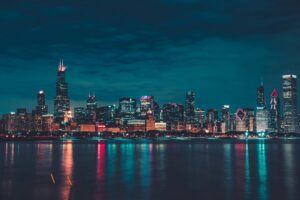
Manhattan, the beating heart of New York City, is a destination that captures the imagination of travelers worldwide. Whether you’re a first-time visitor or a seasoned explorer, discovering the top 10 things to do in Manhattan will help you experience the best this iconic borough has to offer. From towering skyscrapers to world-class museums, from serene parks to bustling neighborhoods, Manhattan attractions provide an unforgettable journey through American culture, history, and innovation.
This comprehensive guide explores the best things to do in Manhattan, offering insider tips, historical context, and practical advice to help you make the most of your visit. We’ll delve deep into each attraction, revealing hidden gems and must-see spots that define what to do in Manhattan. Whether you’re interested in art, architecture, food, entertainment, or simply soaking in the electric atmosphere of the city that never sleeps, this guide covers all the essential places to visit in Manhattan.
TL;DR – Quick Links to the Top 10 Things to Do in Manhattan
- Central Park (Google Maps)
- The Metropolitan Museum of Art (Google Maps)
- Times Square (Google Maps)
- Empire State Building (Google Maps)
- Statue of Liberty & Ellis Island (Google Maps)
- 9/11 Memorial & Museum (Google Maps)
- Brooklyn Bridge (Google Maps)
- Museum of Modern Art (MoMA) (Google Maps)
- Rockefeller Center & Top of the Rock (Google Maps)
- The High Line (Google Maps)
1. Central Park: Manhattan’s Urban Oasis
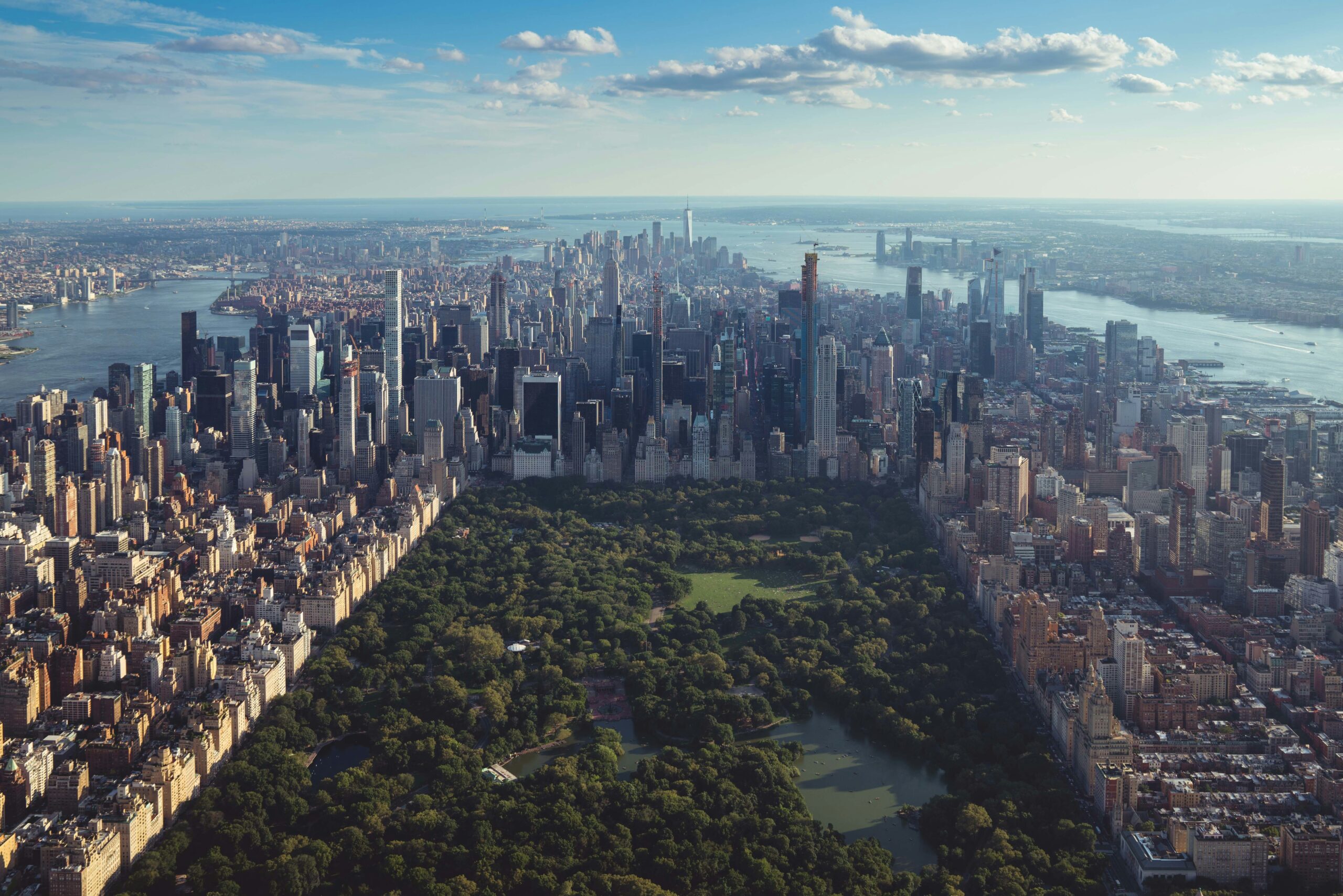
When considering the top 10 things to do in Manhattan, Central Park invariably claims a top position. This magnificent 843-acre green space represents one of the most successful examples of urban planning in American history and remains among the most beloved Manhattan tourist attractions.
The History Behind the Icon
Central Park opened in 1857, designed by Frederick Law Olmsted and Calvert Vaux, who won a design competition to create this urban masterpiece. The park was revolutionary for its time a democratic space where people of all social classes could enjoy nature, recreation, and respite from the increasingly crowded city streets. Today, Central Park receives approximately 42 million visitors annually, making it one of the most visited urban parks in the United States.
What to Do in Central Park
The park offers countless activities that make it one of the best things to do in Manhattan. During spring and summer, visitors can rent rowboats at the Loeb Boathouse on The Lake, enjoying peaceful moments surrounded by lush greenery while the Manhattan skyline towers in the background. The boathouse also features a restaurant where you can dine with stunning water views.
Bethesda Terrace and Fountain serve as the architectural heart of Central Park. The Angel of the Waters statue atop the fountain has become one of the park’s most photographed features. The intricate Minton tile ceiling beneath the terrace showcases over 15,000 colorful tiles in elaborate patterns, representing a remarkable feat of 19th-century craftsmanship.
The Mall and Literary Walk features a canopy of American elm trees, creating a cathedral-like atmosphere. This tree-lined promenade leads to Bethesda Terrace and displays statues of famous writers, including Shakespeare, Robert Burns, and Sir Walter Scott. It’s particularly magical during autumn when the leaves turn golden.
Strawberry Fields, the living memorial to John Lennon, attracts music fans from around the world. The 2.5-acre landscaped section features plants donated from nations around the globe and centers on the famous “Imagine” mosaic, created by Italian craftsmen. Visitors often leave flowers, candles, and personal tributes on the mosaic, especially on Lennon’s birthday (October 9) and the anniversary of his death (December 8).
Seasonal Activities
Each season transforms Central Park into a different wonderland, offering unique things to do in Manhattan throughout the year. Winter brings ice skating at Wollman Rink, with the Manhattan skyline providing a postcard-perfect backdrop. Spring explodes with cherry blossoms, tulips, and daffodils, particularly spectacular in the Conservatory Garden.
Summer offers free performances through SummerStage and Shakespeare in the Park at the Delacorte Theater. These world-class theatrical productions feature top-tier talent and have become a New York tradition since 1962. Securing tickets requires dedication they’re distributed free on a first-come, first-served basis starting at noon on the day of the performance.
Autumn transforms the park into a palette of reds, oranges, and golds. The Ramble, a 38-acre woodland, becomes especially enchanting during fall. This deliberately wild section of the park features winding paths, rustic bridges, and peaceful glens that feel miles away from the urban environment just beyond the trees.
Hidden Gems Within the Park
Among the lesser-known places to visit in Manhattan within Central Park are several treasures that many tourists overlook. Belvedere Castle, perched atop Vista Rock, offers panoramic views of the park and the surrounding city. This miniature Victorian castle houses a nature observatory with exhibits about the park’s wildlife and serves as an official New York weather station.
The Conservatory Garden, Central Park’s only formal garden, spans six acres and features three distinct garden styles: Italian, French, and English. The North Garden showcases a dark fountain surrounded by sloping lawns and crabapple trees. The Center Garden features a manicured lawn flanked by symmetrical plantings and hedges. The South Garden, themed around Frances Hodgson Burnett’s “The Secret Garden,” includes a lily pond and surrounding perennials.
The Hallett Nature Sanctuary, closed to the public for restoration in the 1930s and reopened in 2016, represents four acres of carefully restored woodland ecosystem. Guided tours reveal native plants, birds, and insects thriving in this protected environment.
Practical Tips for Visiting
Central Park is open from 6 AM to 1 AM daily. Entry is free, making it one of the most accessible Manhattan attractions. The park is generally very safe, though it’s wise to stay in populated areas after dark. Bike rentals are available at multiple locations around the park’s perimeter, with rental shops on Columbus Avenue, near Central Park South, and along Second Avenue.
The Central Park Conservancy offers free guided tours led by volunteer Urban Park Rangers who share fascinating details about the park’s history, design, and ecology. These tours typically last 60-90 minutes and don’t require reservations. The Conservancy also publishes a helpful app with interactive maps, recommended routes, and information about current events.
When planning your visit to Central Park, allow at least 2-3 hours to experience the highlights, though you could easily spend an entire day exploring. The park is massive roughly 2.5 miles long and half a mile wide, so comfortable walking shoes are essential. Bring water and snacks, though you’ll also find several food vendors and cafes throughout the park.
2. The Metropolitan Museum of Art: A Cultural Treasure
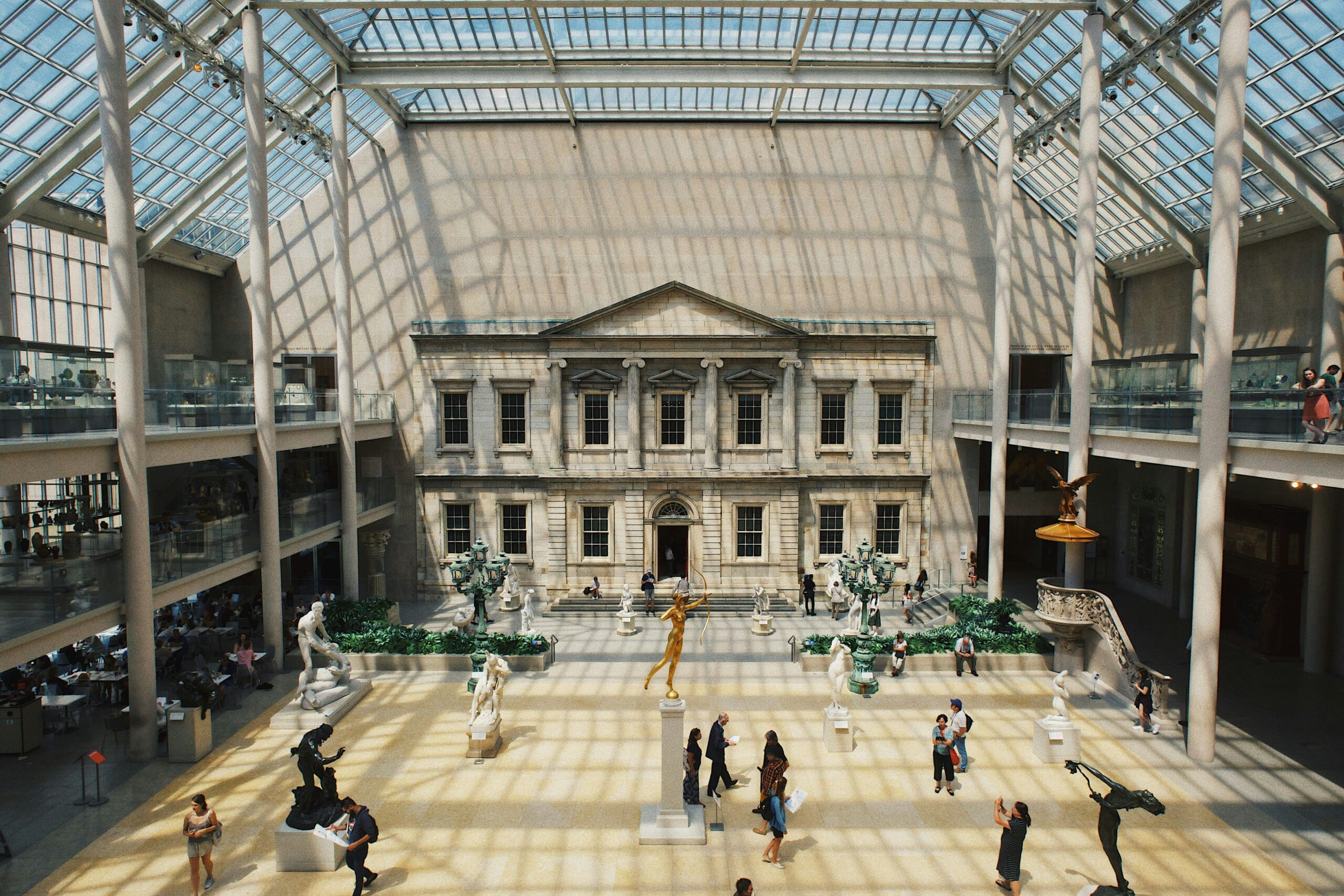
The Metropolitan Museum of Art, universally known as “The Met,” stands as one of the world’s premier cultural institutions and ranks among the absolute best things to do in Manhattan. Founded in 1870, The Met houses over two million works spanning 5,000 years of human creativity, making it the largest art museum in the Americas.
The Collections
The museum’s encyclopedic collection makes it impossible to see everything in a single visit, which is why many locals maintain memberships and return repeatedly. The Egyptian collection, featuring the Temple of Dendur in its own climate-controlled glass wing, represents one of The Met’s crown jewels. This complete Roman-era Egyptian temple was given to the United States in 1965 and reconstructed stone by stone inside the museum. The surrounding reflecting pool and floor-to-ceiling windows create an atmosphere that transports visitors to ancient Egypt while maintaining views of Central Park.
The European Paintings collection showcases masterpieces by Rembrandt, Vermeer, Velázquez, Caravaggio, and countless other masters. The museum owns several Rembrandts, including “Aristotle with a Bust of Homer,” for which The Met paid $2.3 million in 1961, then the highest price ever paid for a painting at auction. Today, this acquisition is considered one of the greatest bargains in art history.
The American Wing chronicles artistic development in the United States from colonial times through the early 20th century. Period rooms transported from actual historical homes provide context for furniture, decorative arts, and paintings. The Charles Engelhard Court features the stunning neoclassical facade of the original Branch Bank of the United States, rebuilt inside the museum, along with sculptures set among indoor gardens.
Special Exhibitions and Events
Beyond the permanent collection, The Met hosts temporary exhibitions that often become cultural phenomena. These special exhibitions have featured everything from haute couture in the annual Costume Institute shows (tied to the celebrity-studded Met Gala each May) to ancient treasures on loan from museums worldwide to contemporary art installations.
The Met Cloisters, located in Fort Tryon Park in northern Manhattan, represents a branch of the museum dedicated to medieval European art and architecture. This remarkable complex incorporates elements from five medieval French cloisters, creating an authentic medieval atmosphere overlooking the Hudson River. The collection includes illuminated manuscripts, tapestries (including the famous Unicorn Tapestries), and the Romanesque Fuentidueña Chapel. Visiting The Cloisters offers a completely different experience from the main museum and deserves its own half-day visit.
Maximizing Your Met Experience
Given the museum’s vast scale, strategic planning helps make the most of your visit a crucial consideration when exploring Manhattan tourist attractions with limited time. The Met suggests allowing at least three to four hours for your first visit, focusing on specific areas of interest rather than attempting to see everything.
Start by obtaining a museum map at the information desk in the Great Hall. The Met’s layout can be confusing, with galleries organized by culture and time period across three floors. Many visitors find it helpful to prioritize three or four areas they most want to see, allowing time for spontaneous discoveries along the way.
The museum offers several tours included with admission. Highlights tours provide 60-minute introductions to the collection’s masterpieces, while themed tours focus on specific cultures, periods, or artistic movements. Audio guides, available in multiple languages, provide detailed commentary on hundreds of works throughout the museum.
Timing your visit strategically can enhance the experience. The museum is typically most crowded on weekends, holidays, and weekend afternoons. Visiting on weekday mornings or during the Friday and Saturday evening hours (the museum stays open until 9 PM those nights) often provides a more peaceful experience. The rooftop garden and bar, open seasonally from May through October, offers spectacular views of Central Park and the Manhattan skyline, particularly stunning at sunset.
Admission and Membership
The Met operates on a suggested admission policy for New York State residents and students from New York, New Jersey, and Connecticut, meaning you pay what you wish (though the suggested amount is clearly posted). For visitors from other locations, admission includes same-day access to The Met Fifth Avenue, The Met Breakers, and The Met Cloisters.
For those planning multiple visits or extended stays in New York, membership offers excellent value. Members enjoy unlimited admission to all three locations, skip-the-line privileges, invitations to special member events and previews, and discounts at the museum shops and restaurants.
Dining at The Met
The museum houses several dining options that themselves qualify as places to visit in Manhattan. The Dining Room at The Met offers full table service with sophisticated American cuisine, while The American Wing Café provides lighter fare in an elegant setting beneath Louis Comfort Tiffany’s stained glass. During warm months, the Roof Garden Café serves drinks and small plates alongside those stunning city views.
The museum shops deserve mention as destinations themselves, offering high-quality art books, jewelry inspired by pieces in the collection, and gifts ranging from affordable postcards to museum-quality reproductions.
3. Times Square: The Crossroads of the World
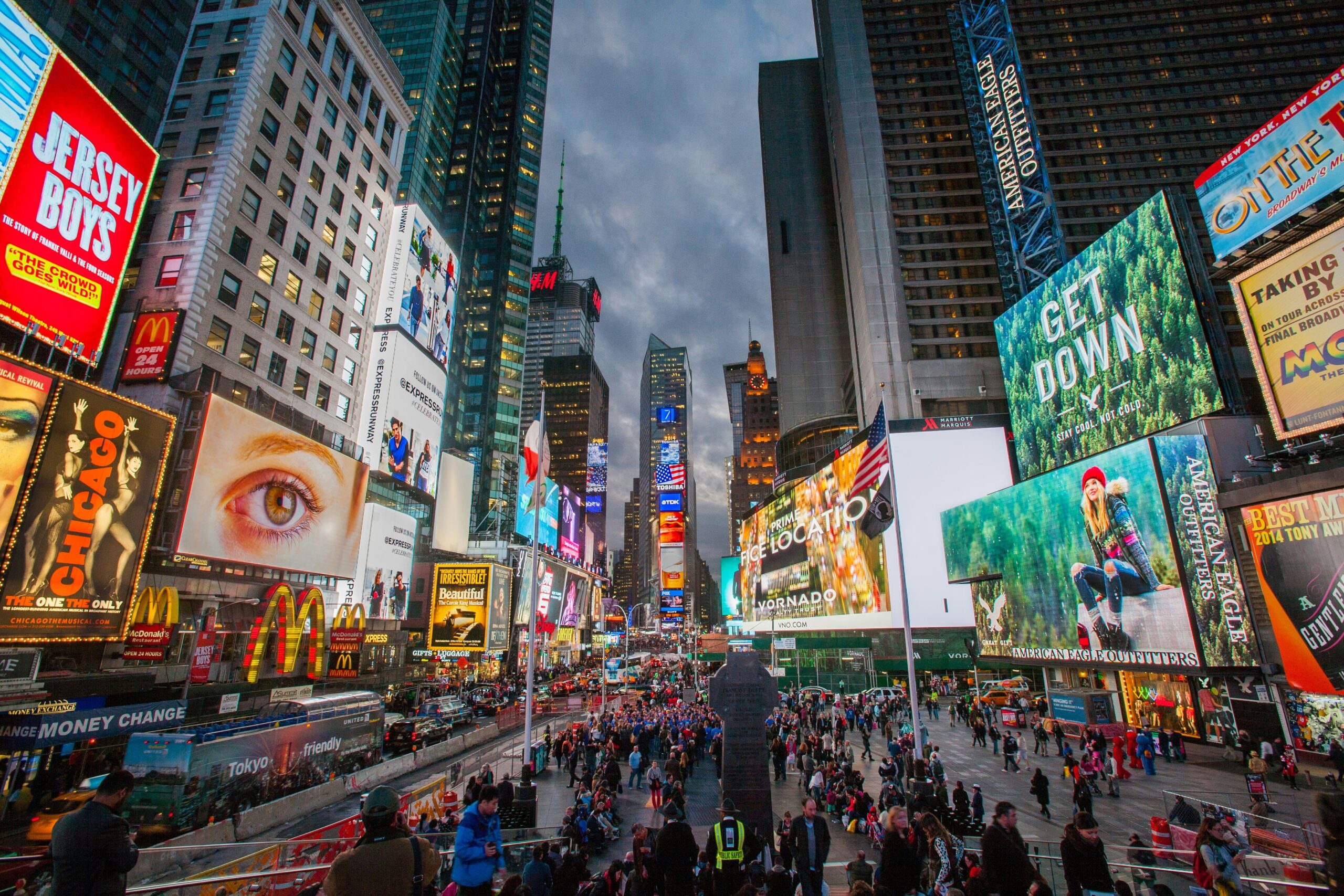
Love it or hate it, Times Square remains one of the most iconic Manhattan attractions and an essential stop when considering what to do in Manhattan. This bustling intersection of Broadway and Seventh Avenue has evolved from a dangerous, crime-ridden area in the 1970s and 1980s to a safe, sanitized (some say overly sanitized) tourist mecca that attracts roughly 50 million visitors annually.
The Transformation of Times Square
Named after The New York Times, which moved its headquarters to the newly erected Times Building in 1904, the area quickly became the city’s entertainment hub. The first electrified advertisement appeared in 1904, beginning the tradition of illuminated signage that defines Times Square today. The famous New Year’s Eve ball drop began in 1907, creating an annual tradition watched by billions worldwide.
The mid-20th century saw Times Square decline into notoriety for adult entertainment, crime, and urban decay. The area became synonymous with New York’s dangerous reputation. The transformation began in the 1990s under Mayor Rudy Giuliani’s administration, which implemented aggressive policing and zoning changes. Disney’s decision to renovate the New Amsterdam Theatre in the mid-1990s signaled a turning point, attracting other major corporations and entertainment companies.
The Broadway Theater District
Times Square serves as the heart of New York’s Broadway theater district, with over 40 professional theaters within walking distance. These venues host the world’s most prestigious theatrical productions, ranging from long-running musicals like “The Phantom of the Opera” (which ran for 35 years) and “Chicago” to critically acclaimed plays and innovative new works.
Catching a Broadway show ranks among the absolute best things to do in Manhattan. Productions feature world-class performers, elaborate sets and costumes, and professional orchestras. The concentration of theatrical talent and technical expertise in this small area is unmatched anywhere in the world.
Securing tickets requires some planning. While you can purchase advance tickets through official vendors like Telecharge or Ticketmaster, last-minute ticket seekers can visit the TKTS booth in Father Duffy Square (the northern triangle of Times Square) for same-day discounts up to 50% off. The TKTS booth opens at 3 PM for evening performances and 10 AM for matinees. Lines form early for popular shows, so arrive with time to spare. Digital TKTS boards display available shows and discount percentages.
Rush tickets and lottery systems offer another avenue for bargain hunters. Many shows sell a limited number of front-row or good seats at significantly reduced prices through digital lotteries held the day before or morning of performances. Some shows also offer standing-room tickets or student discounts with valid ID.
The Times Square Experience
Beyond the theater, Times Square offers a quintessential New York experience unlike anywhere else in the world. The massive digital billboards create a sensory overload of light, color, and movement. Visiting at night, when the signs are most impressive, should definitely rank on your list of things to do in Manhattan. The pedestrian plazas created in 2009 by closing Broadway to vehicle traffic between 42nd and 47th Streets provide space to sit, people-watch, and absorb the frenetic energy.
Street performers, costume characters, artists, and vendors populate the plazas, creating a circus-like atmosphere. While interactions with costume characters are optional (despite what they might suggest), if you do take photos with them, tips are expected, usually $5-10.
The New Year’s Eve celebration remains Times Square’s most famous event. However, attending requires extraordinary patience and planning. The viewing areas open in the afternoon, and once you’re in position, leaving means you can’t return. No bathrooms are available in the pens, and temperatures in late December can be brutal. Despite these challenges, millions still consider witnessing the ball drop in person a once-in-a-lifetime experience.
Notable Times Square Landmarks
Several specific locations within Times Square merit attention. The red TKTS booth with its illuminated glass steps provides both discounted tickets and a popular gathering spot with great views over the square. The red steps have become one of the most photographed locations in Manhattan.
The Coca-Cola Store and M&M’s World offer multi-story retail experiences celebrating these brands. While clearly commercial, both provide air-conditioned respite from crowds and heat during summer visits. The Disney Store showcases elaborate theatrical retail design that reflects Broadway’s influence.
Madame Tussauds New York, located on 42nd Street, features incredibly lifelike wax figures of celebrities, historical figures, and pop culture icons. While not unique to New York (Madame Tussauds has locations worldwide), the New York edition emphasizes figures relevant to the city’s entertainment history.
Hard Rock Cafe occupies a prominent location in Times Square, part of the international chain but notable for its extensive collection of music memorabilia. Similarly, Planet Hollywood brings Hollywood glitz to the Crossroads of the World with movie props and celebrity-worn costumes.
Practical Considerations
Times Square is free to visit, making it one of the most accessible Manhattan tourist attractions. The area is extremely safe, heavily policed, and crowded at virtually all hours. The crowds peak during evening hours, particularly on weekends and holidays. If you prefer fewer people, visit during weekday mornings.
The pedestrian plazas feature free Wi-Fi, though connectivity can be unreliable during peak times due to network congestion. Numerous dining options surround Times Square, from quick casual chains to upscale restaurants, though prices in this tourist-heavy area typically run higher than neighborhoods elsewhere in Manhattan.
The area is fully accessible via multiple subway lines, with the 42nd Street-Times Square station serving as one of the city’s busiest transit hubs. The station connects the 1, 2, 3, 7, N, Q, R, W, and S lines, providing easy access from anywhere in Manhattan and beyond.
While Times Square itself doesn’t require much time, you can walk through and see the highlights in 30 minutes, the surrounding area offers enough entertainment, dining, and shopping to fill an entire day. Most visitors naturally combine a Times Square visit with a Broadway show, creating a classic New York evening.
4. The Empire State Building: An Architectural Icon
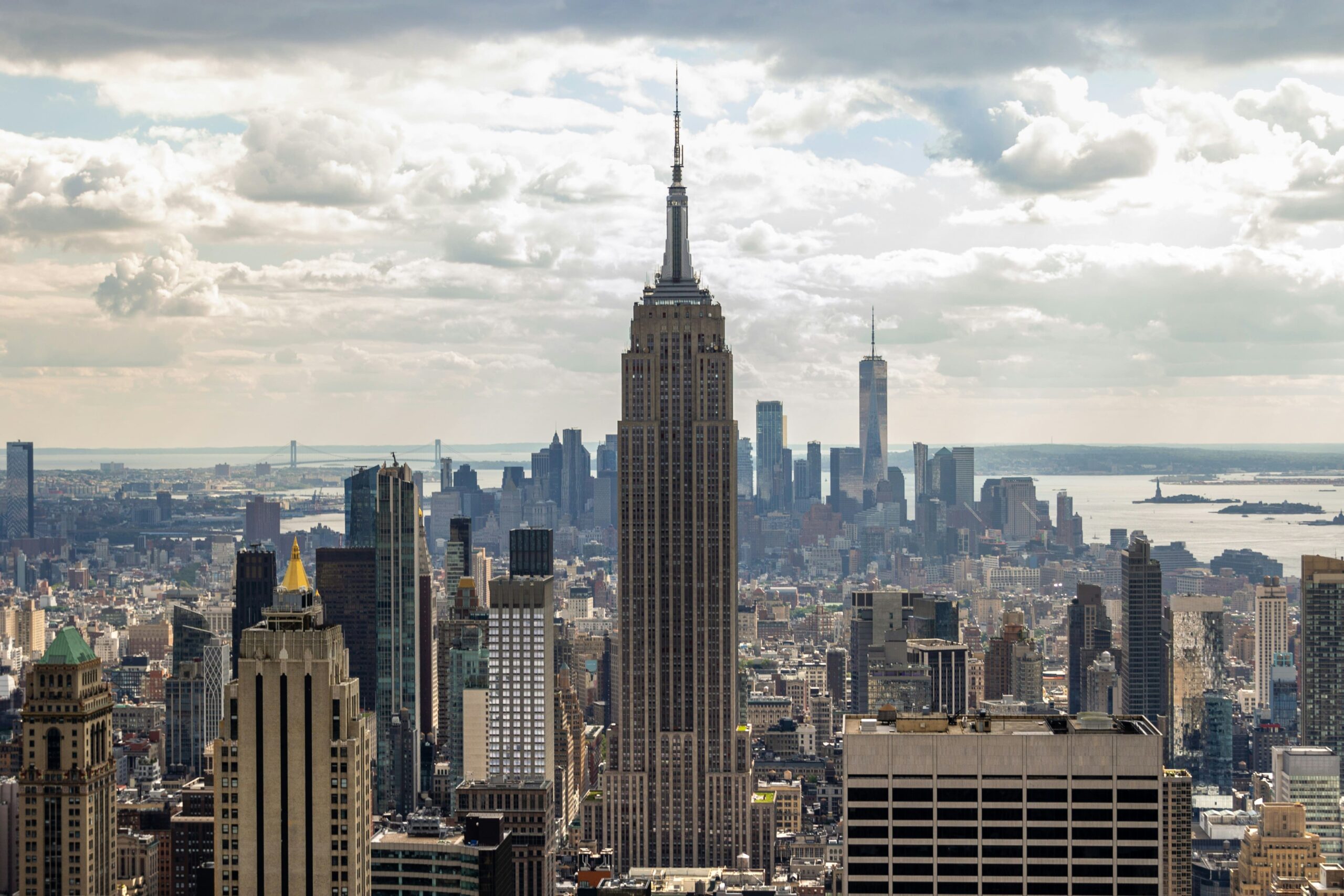
No list of the top 10 things to do in Manhattan would be complete without the Empire State Building. This Art Deco masterpiece has defined the Manhattan skyline since its completion in 1931 and remains one of the most recognizable buildings in the world. Standing 1,454 feet tall, including its antenna, the Empire State Building held the title of world’s tallest building for nearly 40 years.
Historical Significance
The Empire State Building’s construction during the Great Depression represents an astounding achievement. The project employed approximately 3,400 workers who completed the structure in just 410 days, an incredible pace considering the building’s size and the limited technology available in 1930-1931. The building officially opened on May 1, 1931, when President Herbert Hoover turned on its lights with the push of a button from Washington, D.C.
The building has appeared in over 250 films, cementing its place in popular culture. The 1933 film “King Kong” featured the giant ape climbing the tower while clutching Ann Darrow, creating one of cinema’s most enduring images. “Sleepless in Seattle,” “An Affair to Remember,” and countless other romantic films have used the Empire State Building’s observation decks as settings, establishing it as one of the world’s most romantic locations.
The building’s lights, which change colors to mark holidays, events, and causes, have become a beloved part of Manhattan’s nighttime skyline. The tower shines in red, white, and blue for patriotic holidays, pink for breast cancer awareness, green for St. Patrick’s Day, and rainbow colors for Pride Month. The LED lighting system installed in 2012 can create virtually unlimited color combinations and patterns, synchronized to music for special occasions.
The Observatory Experience
The Empire State Building offers two observation decks that provide different experiences. The Main Deck on the 86th floor, standing 1,050 feet above the city, features both indoor and outdoor viewing areas with 360-degree views of Manhattan, Brooklyn, Queens, the Bronx, and New Jersey. The outdoor promenade allows visitors to experience the wind and sounds of the city from this extraordinary height, while the enclosed areas provide climate-controlled viewing with floor-to-ceiling windows.
The Top Deck on the 102nd floor, standing 1,250 feet above ground, underwent a complete renovation that opened in 2019. This intimate observation deck features floor-to-ceiling windows providing unobstructed views in all directions. The smaller space and higher elevation create a more exclusive experience, though it requires an additional ticket surcharge.
What to Expect During Your Visit
Visiting the Empire State Building requires strategic planning to minimize wait times, an important consideration when optimizing your Manhattan attractions itinerary. The building welcomes approximately 4 million visitors annually, with peak crowding occurring during summer afternoons and weekends.
Purchasing tickets online in advance significantly reduces wait time. Express tickets, available for an additional fee, allow you to skip most lines. The building also offers a VIP experience with dedicated hosts who escort you to the observatories while providing historical commentary, then allow you to skip the line for a return visit on the same day.
Security screening occurs on the ground floor, followed by an elevator ride to the 80th floor. From there, visitors transfer to another elevator that reaches the 86th-floor Main Deck. The entire journey includes multimedia exhibits showcasing the building’s construction, cultural impact, and place in New York history. These exhibits, updated in 2019 as part of a $165 million renovation, feature interactive displays, historical artifacts, and celebrity audio commentary.
The observatories are open from 11 AM to midnight, with last elevators going up at 11:15 PM. Many visitors consider sunset the optimal visiting time, as you can see the city in daylight, watch the sun set over New Jersey, and experience Manhattan’s lights illuminating the evening. However, this timing attracts maximum crowds. Visiting during early morning hours or late at night often provides a more peaceful experience with shorter lines.
Photography enthusiasts will find the Empire State Building one of the best places to visit in Manhattan for capturing the city. The 86th-floor outdoor deck allows unobstructed photography without windows interfering. The northeast corner provides classic shots of Midtown Manhattan with the Chrysler Building prominently featured. The south side offers views of Lower Manhattan, including One World Trade Center. The west side showcases the Hudson River, New Jersey, and spectacular sunset views.
Additional Amenities
The ground-floor visitor center features a gift shop with Empire State Building merchandise, from simple postcards to elaborate replicas and commemorative items. STATE Grill and Bar on the ground floor offers upscale American dining in a space designed to echo the building’s Art Deco heritage. Tacombi, a Mexican restaurant, occupies another ground-floor space.
The building provides accessibility for visitors with mobility challenges, including wheelchair-accessible elevators and viewing areas. Audio guides available in multiple languages provide detailed commentary about the building’s history and the views from the observatories.
Comparing Manhattan’s Observation Decks
When deciding what to do in Manhattan for skyline views, consider how the Empire State Building compares to other observation deck experiences. One World Observatory at One World Trade Center offers more modern technology and arguably superior views of Lower Manhattan and the Statue of Liberty. Top of the Rock at Rockefeller Center provides closer proximity to Central Park and unique views of the Empire State Building itself (you can’t see the Empire State Building from the Empire State Building).
Each observatory offers distinct advantages. The Empire State Building provides the most iconic experience with the deepest historical significance. Many visitors ultimately decide that experiencing Manhattan from this particular vantage point represents an irreplaceable part of their New York adventure, making it one of the essential best things to do in Manhattan.
5. The Statue of Liberty and Ellis Island: Symbols of Freedom
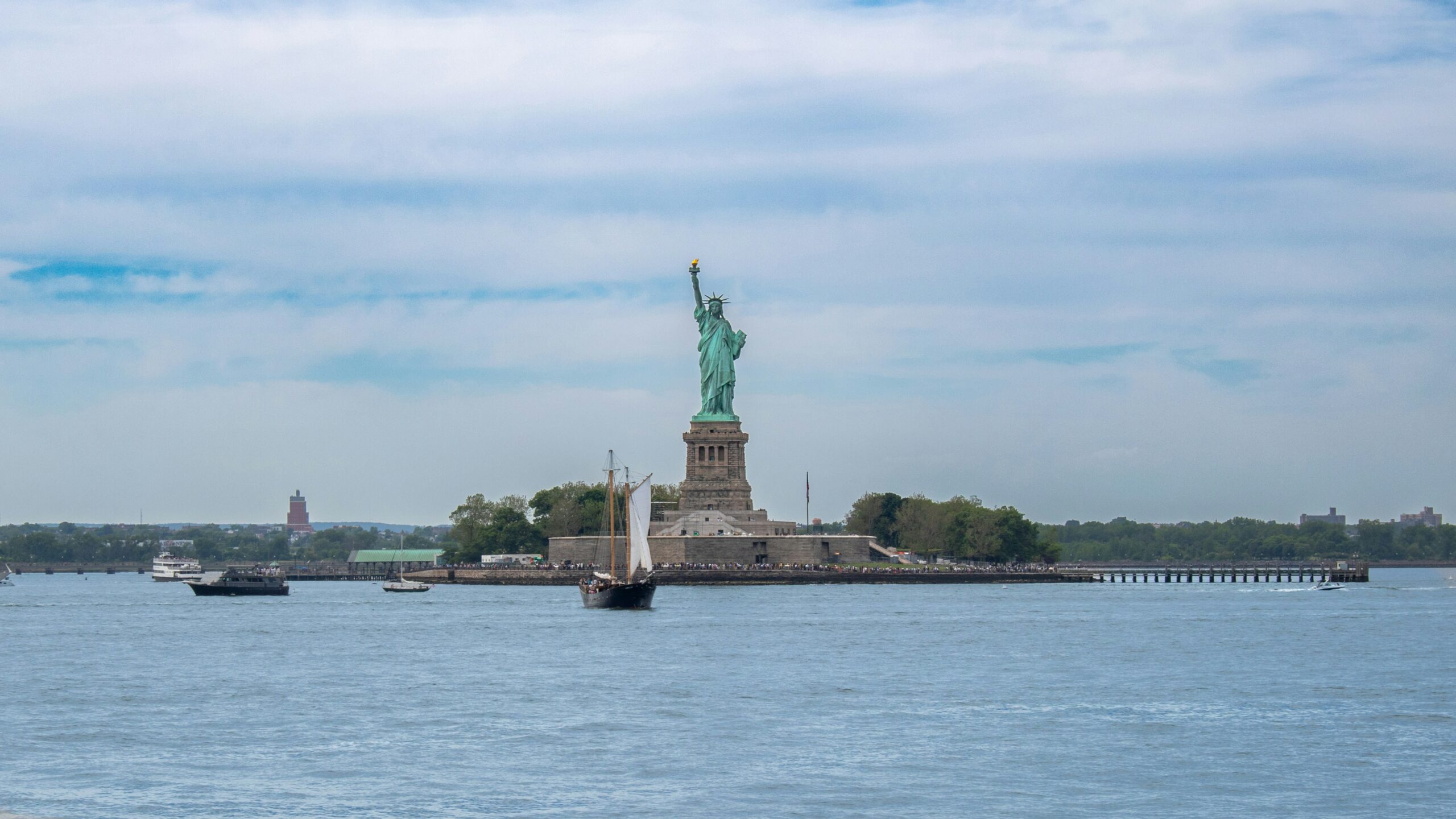
The Statue of Liberty stands as perhaps America’s most powerful symbol, representing freedom, democracy, and the immigrant experience. Visiting Lady Liberty and nearby Ellis Island ranks among the most meaningful things to do in Manhattan, though technically these monuments sit in New York Harbor rather than Manhattan proper (the Statue of Liberty is actually in New Jersey waters, though administered as part of New York).
Historical Context
France gifted the Statue of Liberty to the United States in 1886, commemorating the alliance between the two nations during the American Revolution and celebrating the abolition of slavery following the Civil War. French sculptor Frédéric Auguste Bartholdi designed the 151-foot copper statue, while Alexandre Gustave Eiffel (of Eiffel Tower fame) engineered the internal iron framework that supports the copper sheets.
The statue’s official name, “Liberty Enlightening the World,” reflects its symbolic purpose. Lady Liberty holds a torch representing enlightenment in her raised right hand, while her left arm cradles a tablet inscribed with the date of American independence: July 4, 1776. She wears a crown with seven spikes representing the seven continents and seven seas, emphasizing liberty’s universal application. Broken shackles and chains lie at her feet, symbolizing freedom from oppression.
Emma Lazarus’s poem “The New Colossus,” written in 1883 to help raise funds for the statue’s pedestal, has become inseparably connected to the monument. The famous lines “Give me your tired, your poor, your huddled masses yearning to breathe free” transformed the statue’s meaning from a general symbol of enlightenment to an icon of immigration and welcome, particularly poignant given Ellis Island’s proximity.
The Ellis Island Experience
Ellis Island served as America’s busiest immigration inspection station from 1892 to 1954, processing approximately 12 million immigrants. Today, over 100 million Americans, roughly 40% of the country’s population, can trace their ancestry to an immigrant who entered through Ellis Island, making it one of the most personally significant Manhattan tourist attractions for many visitors.
The Ellis Island National Museum of Immigration, housed in the restored Main Building, tells the immigration story through artifacts, photographs, oral histories, and interactive exhibits. The Registry Room (also called the Great Hall), where inspectors questioned immigrants, has been restored to its 1918-1924 appearance when over 5,000 people per day passed through. The vast space with its vaulted tile ceiling creates a powerful emotional experience as you imagine the hope, fear, and uncertainty immigrants felt in this room.
The American Immigrant Wall of Honor displays over 700,000 names of immigrants, representing countries from every corner of the globe. You can search for family names in the museum’s database, which contains arrival records and ship manifests. Many visitors report finding their ancestors’ records a profoundly moving experience.
The museum’s exhibits trace immigration patterns across American history, from colonial times through the present day, examining how immigration has shaped American culture, economy, and identity. Temporary exhibitions explore specific aspects of immigration, such as particular ethnic groups, time periods, or thematic issues.
Planning Your Visit
Visiting the Statue of Liberty and Ellis Island requires planning and typically consumes 4-6 hours. Statue Cruises operates the only ferry service to the islands, departing from Battery Park in Lower Manhattan (also accessible from Liberty State Park in New Jersey). Ferries run every 30-45 minutes, with the first departure around 9 AM and the last return from Liberty Island around 5 PM (hours vary seasonally).
Tickets sell out days or weeks in advance during peak season (May through September), so booking early is essential. Several ticket options are available: general admission includes ferry access and entrance to both islands; pedestal reserve tickets include access to the statue’s pedestal observation deck (the highest public area); crown reserve tickets (extremely limited and popular) allow you to climb the 354 steps up the narrow spiral staircase to the crown observation area.
Crown tickets typically sell out months in advance. The climb is strenuous and not recommended for people with mobility issues, claustrophobia, or heart conditions. The crown’s viewing windows are small, and the narrow staircase creates bottlenecks. However, standing inside this iconic monument provides an incomparable experience for those able to make the climb.
Security screening resembles airport security; no large bags are permitted, and you must pass through metal detectors. Lockers are available for storing bags that exceed the size restrictions. The security process and ferry wait times can be lengthy during peak hours, so arrive earlier than your scheduled ferry time.
Making the Most of Your Visit
Strategic timing enhances the experience. The first ferry of the day offers several advantages: smaller crowds, better photography light, and more time to explore both islands thoroughly. Visiting during weekdays rather than weekends also means fewer crowds. Off-season visits (November through March) provide the most peaceful experience, though weather can be unpredictable and some outdoor areas may close due to wind or cold.
Most visitors see Liberty Island first, then take the ferry to Ellis Island before returning to Manhattan. This sequence makes logistical sense, but you can structure your visit differently if preferred. The ferries operate on a loop system, allowing you to spend as much time as you wish on each island.
Liberty Island offers several viewing perspectives beyond the statue itself. Walking around the island’s perimeter provides different angles for photography and views back toward Manhattan’s skyline. The museum in the pedestal building contains the original torch (replaced in 1984 during renovation) and exhibits about the statue’s construction, symbolism, and cultural impact.
Ellis Island’s hospital complex, located in a separate building complex accessible via special hard hat tours (requiring separate tickets), reveals a fascinating but often overlooked aspect of the immigration experience. These tours explore unrestored buildings where ill immigrants were quarantined and treated, sometimes for months, while awaiting clearance to enter the country.
Practical Considerations
Both islands have food service, though options are limited and prices are high. Many visitors pack snacks and drinks. Dress in layers, as harbor weather can be significantly cooler and windier than Manhattan, even in summer. Comfortable walking shoes are essential. Accessibility accommodations include elevators to the pedestal level and accessible pathways on both islands.
Combining a Statue of Liberty visit with nearby places to visit in Manhattan creates an efficient itinerary. Battery Park, where ferries depart, sits at Manhattan’s southern tip in the Financial District. The 9/11 Memorial and Museum, Wall Street, the Brooklyn Bridge, and South Street Seaport are all within walking distance, allowing you to explore multiple Lower Manhattan attractions in one day.
6. The 9/11 Memorial and Museum: Remembering and Reflecting
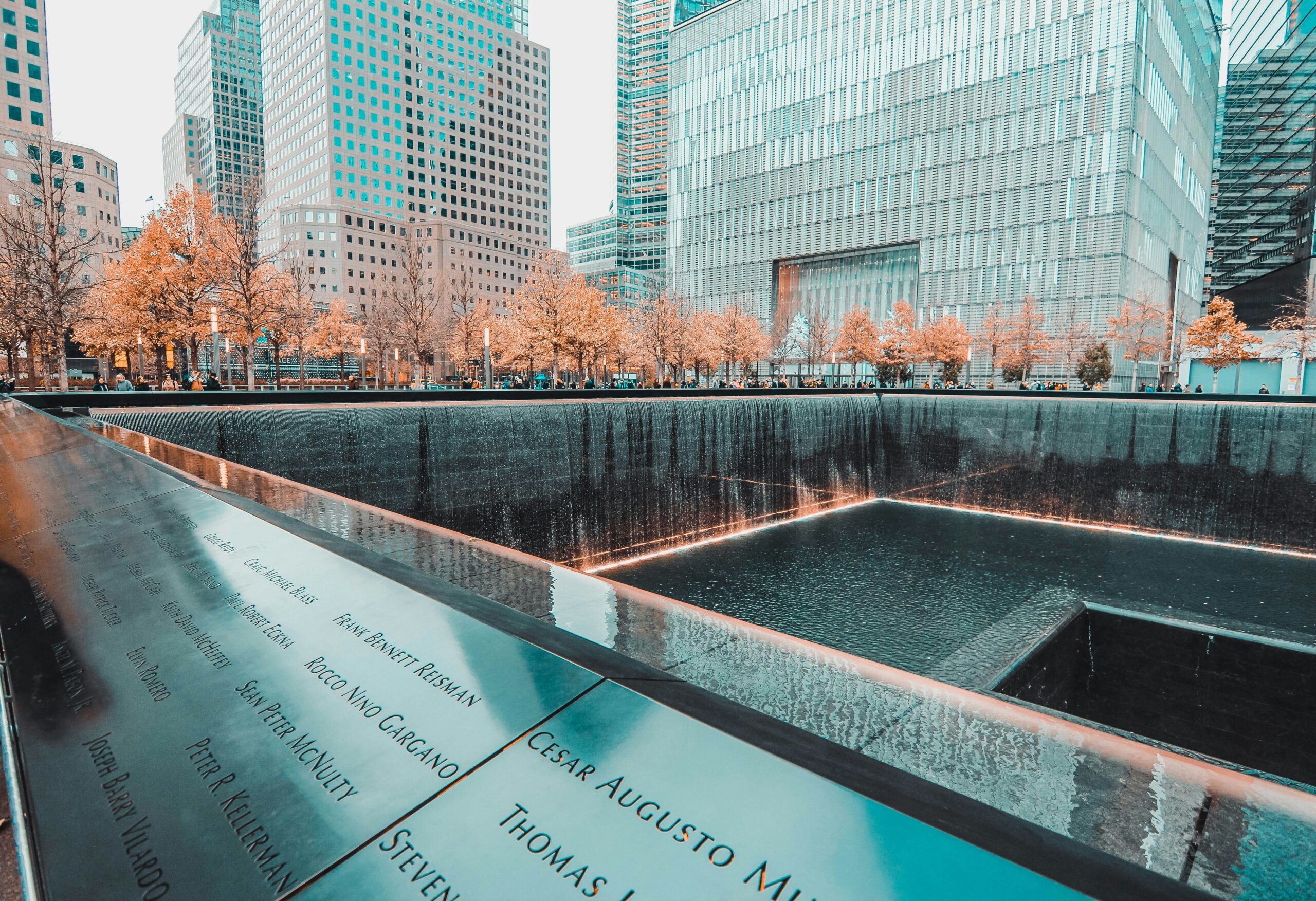
The National September 11 Memorial and Museum honors the 2,977 victims of the September 11, 2001, terrorist attacks and the six victims of the February 26, 1993, World Trade Center bombing. As one of the most emotionally powerful Manhattan attractions, the memorial and museum provide space for reflection, remembrance, and understanding of that tragic day and its aftermath.
The Memorial Design
The memorial, designed by Israeli-American architect Michael Arad and landscape architect Peter Walker, occupies the footprints of the original Twin Towers. Two enormous reflecting pools, each nearly an acre in size, feature the largest man-made waterfalls in North America. Water cascades down the pools’ sides and then disappears into a central void, creating a powerful metaphor for the absence and loss.
Bronze parapets surrounding the pools bear the names of every victim, arranged according to meaningful adjacencies where they worked, who they knew, and who they were with when they died, creating a memorial that reflects the human connections severed that day. Visitors often leave flowers in the engraved names, and some make pencil rubbings of names as remembrances.
The memorial plaza features over 400 swamp white oak trees, creating an urban forest that provides both beauty and contemplation space. One tree, known as the Survivor Tree, was discovered in the rubble with burned and broken branches. Nursed back to health and replanted at the memorial in 2010, this pear tree now stands as a living symbol of resilience and renewal.
The Museum Experience
The museum, located beneath the memorial plaza, presents the events of 9/11 through artifacts, narratives, images, and multimedia displays. The experience is emotionally intense and requires psychological preparation, particularly for those with personal connections to the attacks.
The museum’s entrance descends alongside the massive slurry wall, the original retaining wall that held back Hudson River water and remained standing after the towers collapsed. This descent into the exhibition space symbolizes a journey into that day’s events.
The Historical Exhibition chronicles September 11, 2001, beginning with the morning before the attacks through the immediate aftermath and long-term implications. The exhibition presents a minute-by-minute timeline using artifacts, first-person accounts, images, and recordings. Viewing all content in this section alone could require several hours.
Particularly powerful artifacts include the destroyed vehicles crushed by falling debris, the damaged Ladder Company 3 fire truck, pieces of the towers’ steel infrastructure, and personal items belonging to victims and survivors. The “Survivors’ Stairs,” the original staircase that hundreds used to evacuate, connects the ground-level plaza to the museum’s exhibition space, allowing visitors to literally follow the path escapees took.
The Foundation Hall houses the Last Column, a 36-foot steel beam that stood at Ground Zero throughout the recovery efforts and was ceremonially removed in May 2002. Covered with inscriptions, mementos, and missing persons photographs left by recovery workers and victims’ families, this column represents both the destruction and the determination to rebuild.
The In Memoriam exhibition honors each victim as an individual, displaying photographs and biographical information. Interactive touchscreens allow you to learn about victims’ lives, hear remembrances from loved ones, and understand the human cost beyond the statistics.
Practical Information
The memorial is free and open daily, accessible to anyone who wishes to visit. However, the museum requires timed tickets purchased in advance (though some free tickets are available for 9/11 family members, rescue and recovery workers, and others with direct connections). The museum is typically open daily from 10 AM to 5 PM, with extended hours until 7 or 8 PM on select days.
Security screening is mandatory for museum entry. Allow extra time for this process, especially during peak visiting hours. Large bags are not permitted, and bag check facilities are available outside the museum.
The museum recommends allowing 90 minutes to 2 hours for your visit, though many people spend considerably longer. The emotional intensity of the exhibits makes this an exhausting experience, so plan accordingly. Some visitors find it helpful to take breaks in the public spaces or visit the café.
The museum provides resources for visitors who may find the experience overwhelming. Staff members are trained to assist visitors, and quiet spaces are available if you need a moment. The museum clearly marks particularly graphic content, allowing visitors to choose whether to view these elements.
Visiting Considerations
Visiting the 9/11 Memorial and Museum represents one of the more solemn things to do in Manhattan. The site demands respectful behavior this is not merely a tourist attraction but a mass grave site where many victims remain. Photography is permitted in most areas except the In Memoriam exhibition, but visitors should be mindful of how and what they photograph.
The experience affects people differently. Some visitors find it cathartic and meaningful, while others find it overwhelming or too painful. Consider your emotional state and personal connection to the events when deciding whether and when to visit.
The memorial and museum complement other nearby Lower Manhattan sites. One World Trade Center (also called Freedom Tower) rises 1,776 feet on the northwest corner of the memorial, and its observation deck, One World Observatory, offers spectacular views. The Oculus, the striking white transportation hub designed by Santiago Calatrava, provides architectural interest and shopping. Trinity Church, Wall Street, the Brooklyn Bridge, and South Street Seaport are all within walking distance.
7. Brooklyn Bridge Walk: An Iconic Experience
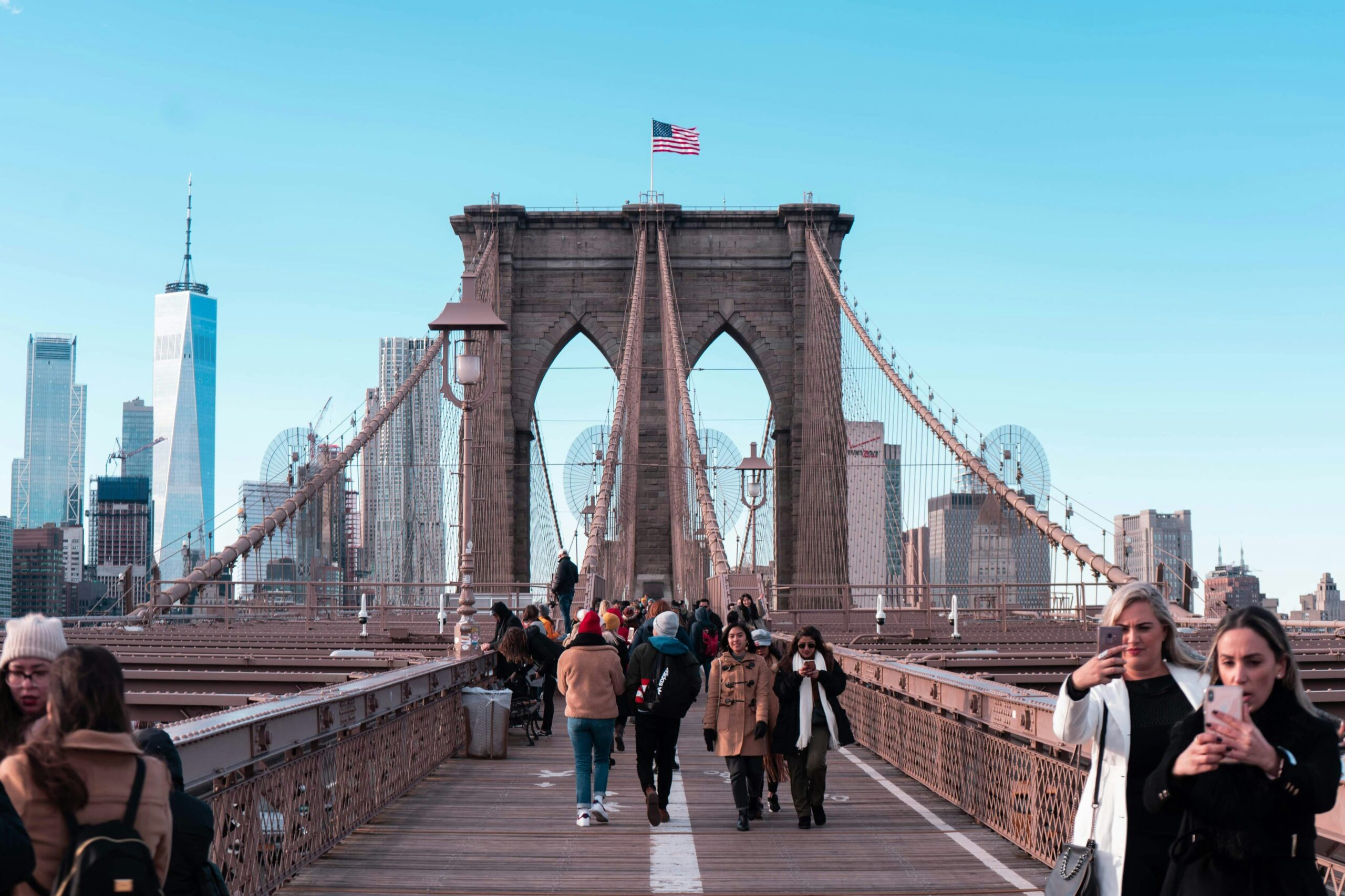
Walking across the Brooklyn Bridge represents one of the most beloved things to do in Manhattan, offering spectacular views, architectural wonder, and a quintessential New York experience. Completed in 1883, the Brooklyn Bridge was the world’s longest suspension bridge at the time and remains one of New York’s most recognizable symbols.
Engineering Marvel and Historical Significance
John Augustus Roebling designed the bridge, though he died from tetanus caused by a construction accident before work began. His son, Washington Roebling, took over as chief engineer but became paralyzed from decompression sickness (then called “caisson disease”) after working in the underwater pneumatic caissons used to build the bridge’s foundations. His wife, Emily Warren Roebling, became his assistant and liaison, learning engineering and overseeing construction on his behalf, a remarkable achievement for a woman in the 1870s-1880s.
The bridge took 14 years to complete and cost approximately $15 million (over $400 million in today’s dollars). Twenty-seven workers died during construction, including John Roebling himself. The bridge’s two Gothic-inspired stone towers rise 276.5 feet above the water, and the main span stretches 1,595.5 feet between the tower,s all achieved with 19th-century technology.
The bridge pioneered several engineering innovations. It was the first to use steel wire for suspension cables rather than iron, setting a new standard for bridge construction. The massive granite towers required caisson excavation at unprecedented depths. The bridge’s construction inspired poetry, artwork, and literature, with Walt Whitman and Hart Crane among the famous writers who celebrated its beauty and symbolic power.
The Walking Experience
The Brooklyn Bridge features a dedicated pedestrian and bicycle walkway elevated above the vehicle lanes, providing spectacular views of Lower Manhattan’s skyline, the East River, the Statue of Liberty, and Brooklyn. The wooden boardwalk stretches 1.1 miles from Manhattan to Brooklyn (or vice versa), taking 20-40 minutes to cross depending on your pace and how often you stop for photographs.
Starting from the Manhattan side allows you to walk toward the stunning Brooklyn skyline and DUMBO neighborhood, where excellent viewing spots and dining options await on the Brooklyn side. However, starting from Brooklyn means you walk toward Manhattan’s dramatic skyline, particularly impressive during morning light or at sunset. Many visitors choose Manhattan to Brooklyn, then explore DUMBO before returning to Manhattan via subway.
The Manhattan entrance is located near City Hall Park. The most direct access comes from the Brooklyn Bridge-City Hall subway station (4, 5, 6 trains) or the Chambers Street stations (A, C, J, Z trains). Look for signs directing you to the Brooklyn Bridge pedestrian path. The entrance requires climbing a staircase or walking a moderate incline.
The walkway provides constantly changing perspectives on the bridge itself, the city, and the river. The massive stone towers, with their pointed Gothic arches, create natural frames for photographs. The geometric patterns of the suspension cables create beautiful compositions, especially when photographed against blue skies. The diamond-patterned cable stays radiate from the towers in precise mathematical patterns that photographers love.
Photography Tips and Best Times
The Brooklyn Bridge ranks among the most photographed Manhattan tourist attractions, and for good reason, it’s incredibly photogenic from countless angles. Early morning offers the best light for photography, with the rising sun illuminating Manhattan’s buildings and fewer crowds blocking your shots. The soft morning light enhances the bridge’s stone and cable details.
Sunset provides dramatic lighting but attracts maximum crowds, both tourists and professional photographers. The bridge becomes especially crowded during summer evenings. If visiting during peak season, weekday mornings offer the best combination of good light and manageable crowds.
Blue hour, the period just after sunset, when the sky turns deep blu,e creates magical lighting conditions as the city lights illuminate while some natural light remains. This timing requires planning, as the exact moment is brief and varies by season.
Winter visits have distinct advantages: fewer tourists, crisp air that enhances visibility, and potentially dramatic weather conditions (though the bridge does close during severe storms or high winds). Snow on the bridge creates stunning photo opportunities for those willing to brave the cold.
Bicycle Considerations
Cyclists share the pedestrian walkway, and tensions between pedestrians and cyclists run high. The path has a marked dividing line: pedestrians on the side closer to Manhattan when walking to Brooklyn (the southern half), cyclists on the other side. However, many tourists ignore these markings, wandering across the entire path for photographs.
If you’re cycling, exercise patience and caution. Ring your bell early and often. Slow down in crowded sections. Be prepared for unpredictable pedestrian movements. If you’re walking, stay on the pedestrian side and remain alert for cyclists. Don’t stop suddenly in the bike lane for photographs.
Bike rentals are available near both bridge entrances. Many companies offer guided bike tours that cross the Brooklyn Bridge as part of longer tours exploring Brooklyn neighborhoods or continuing to attractions like Prospect Park.
What to Do After Crossing
The Brooklyn side of the Brooklyn Bridge deposits you in DUMBO (Down Under the Manhattan Bridge Overpass), one of Brooklyn’s most charming neighborhoods and one of the best places to visit in Manhattan‘s outer boroughs. DUMBO features cobblestone streets, converted warehouse buildings, waterfront parks, and that famous view of the Manhattan Bridge framed by buildings on Washington Street, one of New York’s most Instagram-famous locations.
Brooklyn Bridge Park stretches along the waterfront, offering 85 acres of landscaped parkland with spectacular Manhattan views. Jane’s Carousel, a restored 1922 carousel housed in a jewel-box acrylic pavilion designed by Pulitzer Prize-winning architect Jean Nouvel, delights children and adults alike. Empire Stores and the Time Out Market offer dining and shopping in restored Civil War-era warehouses.
Numerous restaurants and cafés in DUMBO provide excellent dining options with views. Grimaldi’s Pizzeria, claiming to be one of New York’s first pizzerias (though this claim is disputed), serves coal-fired pizza and attracts long lines. Juliana’s, opened by Grimaldi’s original founder after selling Grimaldi’s, sits just doors away, creating a pizza rivalry that locals debate passionately. The River Café, one of New York’s most romantic fine dining establishments, offers upscale cuisine with stunning views from its location on a barge in the East River.
Historical Walking Tours
Understanding the bridge’s engineering and history enhances the experience considerably. Several companies offer guided walking tours that explain the bridge’s construction, engineering innovations, and cultural significance. These tours typically last 60-90 minutes and include the crossing plus historical context about surrounding neighborhoods.
The Bridge Café, located at the Manhattan base of the bridge, operated from 1794 (in various incarnations) until Hurricane Sandy damage forced its closure in 2012. Though not currently operating, the building’s historical significance as one of New York’s oldest structures adds to the area’s historical richness.
Practical Considerations
The Brooklyn Bridge is always open and free, making it one of the most accessible Manhattan attractions. However, “always open” includes 3 AM winter nights when wind chill can be brutal and midnight summer evenings when crowds thin but the atmosphere becomes less secure. Visiting during daylight hours (expanded to early evening during summer) provides the best experience.
Weather significantly impacts comfort. Summer heat can be intense with no shade on the bridge. Winter wind creates dangerous wind chill. Rain makes the wooden walkway slippery. Check weather conditions before your walk and dress appropriately.
Wear comfortable walking shoes. The 1.1-mile walk isn’t particularly strenuous, but it’s enough to cause discomfort in inappropriate footwear, especially if you’re combining the bridge walk with other things to do in Manhattan that involve substantial walking.
Bathrooms are not available on the bridge itself. Use the facilities before beginning your crossing. Restrooms are available in nearby parks and businesses on both sides.
The bridge is wheelchair accessible, though the initial approach requires navigating slopes. The walkway itself is level with a gentle grade. However, the wooden planks can be challenging for wheelchair users, particularly when crowded.
8. Museum of Modern Art (MoMA): Contemporary Art Masterpiece
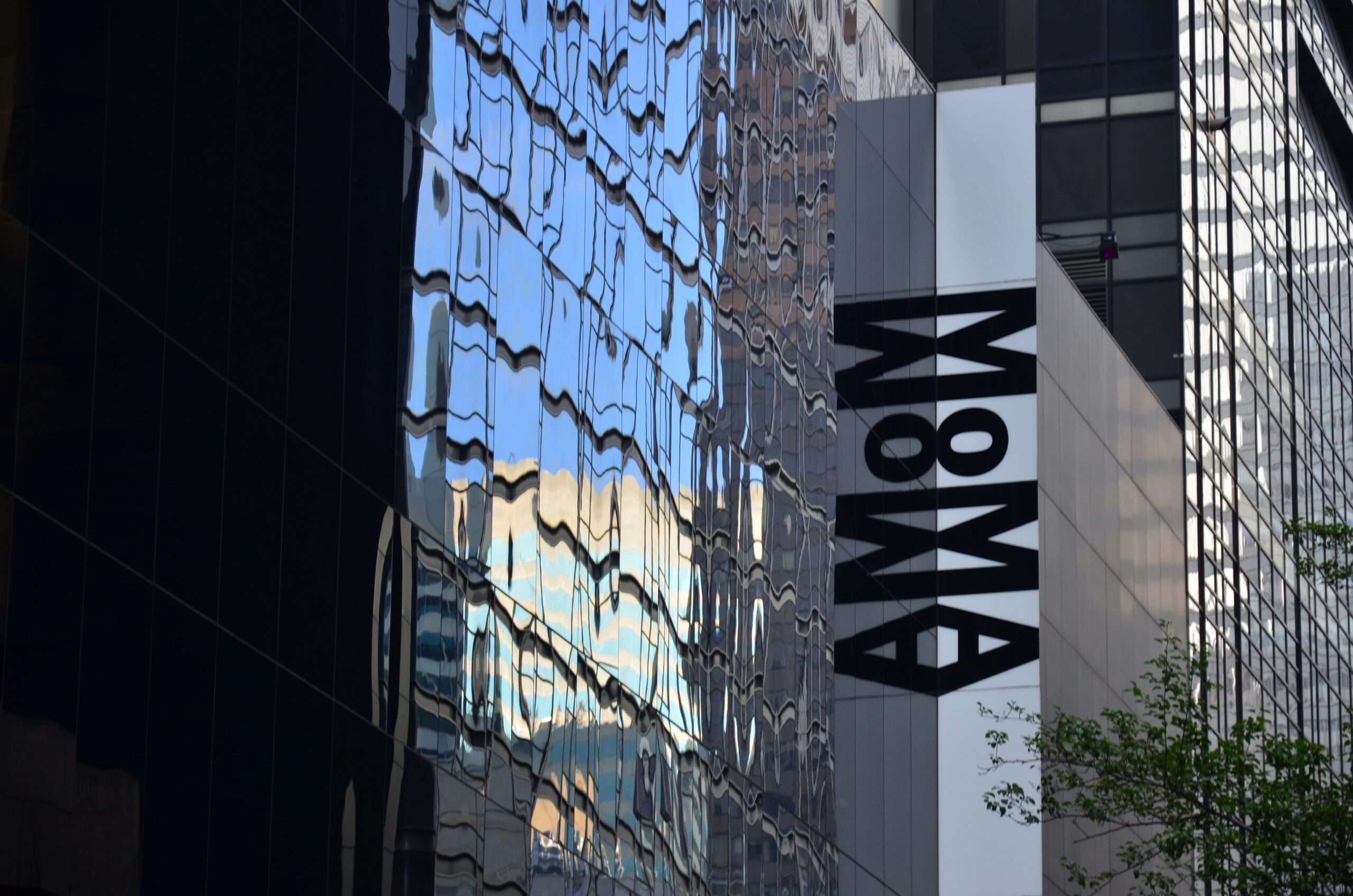
The Museum of Modern Art, universally known as MoMA, stands as the world’s most influential modern art museum and ranks among the essential best things to do in Manhattan for art lovers. Since its founding in 1929, MoMA has been instrumental in defining, preserving, and promoting modern and contemporary art.
The Collection
MoMA’s permanent collection contains approximately 200,000 works spanning painting, sculpture, drawing, prints, photography, architecture, design, film, and media art from the 1880s to the present. The collection includes some of the most famous artworks ever created, pieces so iconic they’ve become synonymous with modern art itself.
Vincent van Gogh’s “The Starry Night” (1889) draws crowds to the fifth-floor galleries. This swirling, emotional landscape, painted while Van Gogh was in an asylum in Saint-Rémy-de-Provence, has become one of the most recognized paintings in the world. Standing before the actual canvas, you can see the thick impasto brushstrokes and luminous colors that photographs can’t fully capture.
Pablo Picasso’s “Les Demoiselles d’Avignon” (1907), considered one of the most important paintings in the development of modern art, revolutionized artistic representation with its fragmented forms and African mask-influenced faces. The large canvas (8 feet by 8 feet) commands attention and rewards prolonged viewing as you discover details and relationships between the five figures.
Henri Rousseau’s “The Dream,” Salvador Dalí’s “The Persistence of Memory” (featuring those famous melting clocks), Henri Matisse’s “Dance,” Piet Mondrian’s “Broadway Boogie Woogie,” Jackson Pollock’s drip paintings, Andy Warhol’s soup cans and Marilyn Monroe prints, and countless other masterworks fill MoMA’s galleries. The concentration of art historical significance per square foot at MoMA is extraordinary.
Beyond painting, MoMA’s collection includes Marcel Duchamp’s revolutionary “Fountain” (a urinal signed “R. Mutt” that challenged the very definition of art), Claes Oldenburg’s “Floor Cake,” and comprehensive holdings of Abstract Expressionism, Pop Art, Minimalism, Conceptual Art, and contemporary movements.
The photography collection, with over 25,000 works, traces the medium’s evolution from its 19th-century invention through digital manipulation. The collection includes works by Ansel Adams, Henri Cartier-Bresson, Cindy Sherman, Diane Arbus, and countless others who defined photography as fine art.
The architecture and design collection contains over 28,000 works ranging from kitchen appliances and furniture to architectural models and drawings. Highlights include multiple chairs by Charles and Ray Eames, a 1946 Cisitalia sports car suspended in the atrium, and Frank Lloyd Wright architectural drawings.
The 2019 Expansion
MoMA underwent a massive expansion and renovation that reopened in 2019, adding 47,000 square feet of gallery space. The expansion, designed by Diller Scofidio + Renfro in collaboration with Gensler, created more public spaces, enhanced circulation, and allowed the museum to display more of its collection.
The renovation transformed how MoMA presents art, moving away from strict chronological organization toward thematic and cross-disciplinary dialogues. Galleries now place painting, sculpture, photography, film, design, and performance art in conversation, revealing connections across media and time periods. This approach, called “art in context,” creates more dynamic and thought-provoking exhibitions.
The Sculpture Garden, originally designed by Philip Johnson in 1953, provides an outdoor oasis in Midtown Manhattan. The garden features rotating sculpture displays, including works by Picasso, Rodin, Matisse, and contemporary artists. The garden’s marble pavement, fountains, and carefully selected trees create a contemplative environment where art and nature interact.
Special Exhibitions and Programs
Beyond the permanent collection, MoMA hosts temporary exhibitions that often become cultural phenomena. These exhibitions have featured retrospectives of individual artists (from established masters to emerging voices), thematic explorations of artistic movements or concepts, and installations specifically created for MoMA’s spaces.
MoMA’s film program, presenting over 1,000 films annually in its theaters, has been central to the museum’s mission since the 1930s. The Film Study Center houses over 30,000 films in its collection, including works from the silent era through contemporary cinema. Screenings include restored classics, director retrospectives, international cinema, experimental films, and new releases.
MoMA also presents live performance art, talks with artists and curators, and educational programs for all ages. The museum’s commitment to accessibility includes free admission from 4-8 PM every Friday, sponsored by UNIQLO (though free admission does not include special exhibitions).
Planning Your Visit
MoMA’s collection is extensive enough to require multiple visits for comprehensive viewing. First-time visitors should plan 3-4 hours minimum, focusing on highlights that most interest them. The museum provides a suggested highlights tour covering approximately 60 minutes, which works well for visitors with limited time.
The museum can be overwhelming. Consider downloading MoMA’s audio guide app, which provides commentary on key works. Physical audio guides are also available. Free guided tours, included with admission, depart regularly and focus on different aspects of the collection.
The museum is typically most crowded on weekends and on Friday evenings during free admission hours. Weekday mornings, particularly Tuesday through Thursday, offer more peaceful viewing conditions. The museum opens at 10:30 AM daily.
MoMA’s location on 53rd Street between Fifth and Sixth Avenues places it in the heart of Midtown Manhattan, easily accessible via multiple subway lines. The E and M trains stop at Fifth Avenue/53rd Street, depositing you virtually at the museum’s door. The museum is also within walking distance of Rockefeller Center, Times Square, and other major Manhattan tourist attractions, making it easy to combine with other activities.
Dining and Shopping
The Modern, MoMA’s Michelin-starred restaurant overlooking the Sculpture Garden, offers refined contemporary American cuisine. Reservations are essential for the dining room, though the adjacent bar area accepts walk-ins. The restaurant, run by restaurateur Danny Meyer’s Union Square Hospitality Group, represents one of New York’s finest dining experiences.
More casual dining options include Café 2 and Terrace 5 Café, offering sandwiches, salads, and pastries. Terrace 5 provides outdoor seating during warm months with city views.
The MoMA Design Store, with locations in the museum and on 53rd Street, offers carefully curated design objects, art books, jewelry, and gifts. Many items are exclusive to MoMA or represent design classics from the museum’s collection. The store merits browsing even if you don’t plan to make purchases, as it effectively functions as an extension of the design collection.
Membership and Admission
For visitors spending extended time in New York or planning multiple museum visits, MoMA membership provides excellent value. Members enjoy unlimited free admission, priority access to special exhibitions, advance ticket reservations, and discounts at the restaurant and store. The museum also participates in reciprocal admission programs with other museums worldwide.
MoMA PS1, the museum’s contemporary art center in Queens, is included with MoMA admission (used within 14 days). PS1, housed in a renovated school building, focuses on cutting-edge contemporary art and experimental installations. Its Warm Up summer music series, held in the outdoor courtyard, has become one of New York’s most popular summer events.
9. Rockefeller Center and Top of the Rock: Midtown Landmark
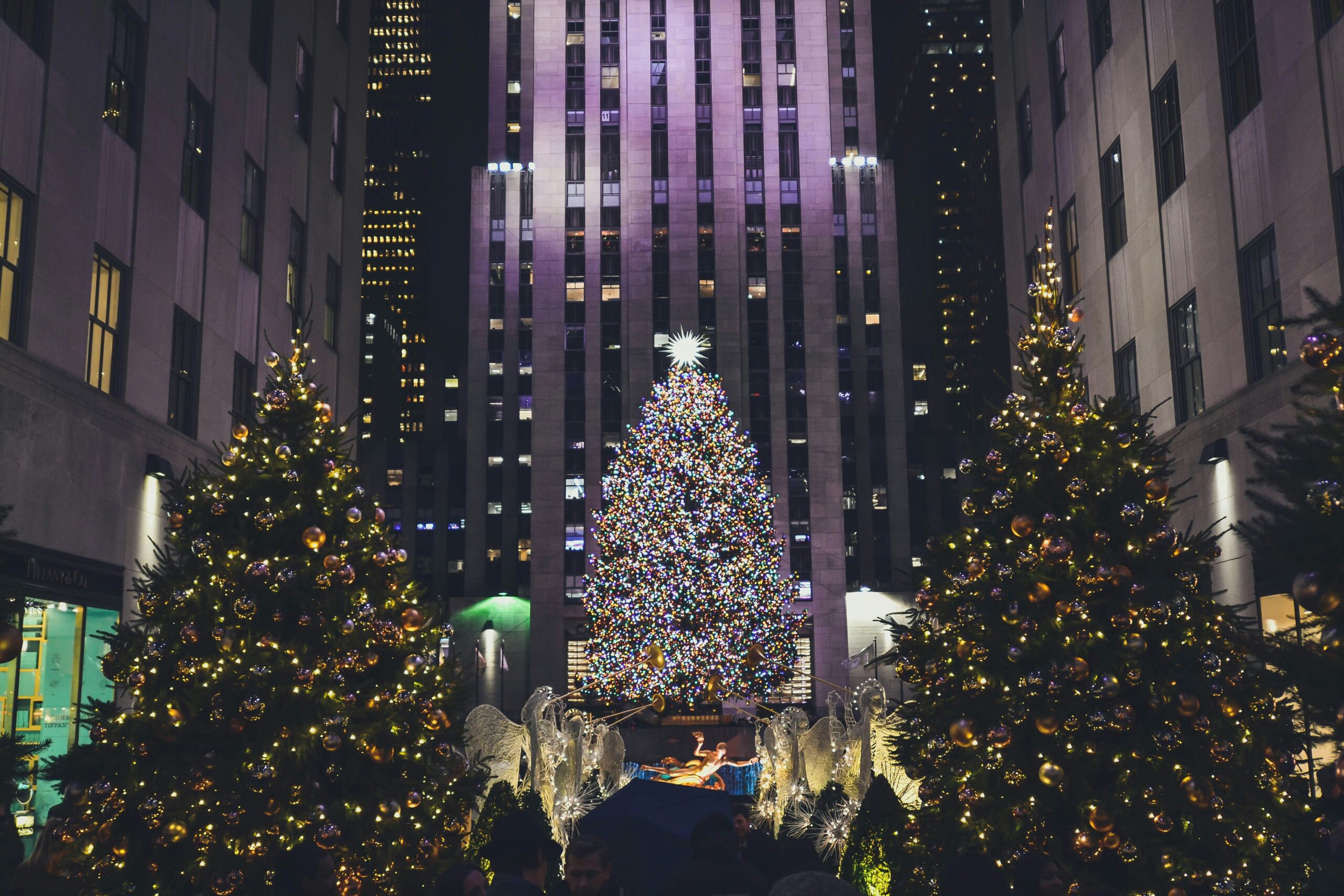
Rockefeller Center represents one of the greatest urban planning and architectural achievements in American history. This complex of 19 commercial buildings covering 22 acres in Midtown Manhattan contains offices, television studios, restaurants, shops, public plazas, and one of the best things to do in Manhattan, the Top of the Rock Observation Deck.
Historical and Architectural Significance
John D. Rockefeller Jr. developed Rockefeller Center during the Great Depression, beginning in 1930. The project employed approximately 75,000 workers over nine years and revitalized a declining neighborhood. The Art Deco design, executed by a team of architects, created a cohesive vision that balanced commercial function with artistic ambition.
The buildings feature numerous artworks that make Rockefeller Center an outdoor art gallery. Lee Lawrie’s “Atlas” statue, supporting a bronze armillary sphere outside the International Building, has become one of the complex’s most photographed elements. Paul Manship’s golden “Prometheus” statue presides over the Lower Plaza, surrounded by international flags. José María Sert’s murals in the main lobby of 30 Rockefeller Plaza (formerly called the RCA Building, now known as the Comcast Building) replaced Diego Rivera’s controversial original mural that was destroyed because it included a portrait of Lenin.
Top of the Rock Observation Deck
The Top of the Rock observation deck, located atop 30 Rockefeller Plaza at 70 floors (850 feet), provides some of Manhattan’s best skyline views. The observation deck spans three levels (floors 67, 69, and 70) and combines indoor and outdoor viewing areas with 360-degree vistas.
Unlike the Empire State Building’s observation deck, which is enclosed by safety fencing that can interfere with photography, Top of the Rock features low-profile glass panels and open-air viewing on the 70th floor. This design allows for unobstructed photographs and clearer views. The deck’s north-facing perspective provides spectacular Central Park views, capturing how the rectangular park contrasts with the surrounding buildings. The south view encompasses the Empire State Building, One World Trade Center, and the Statue of Liberty in the distance.
The observation deck’s three levels allow visitors to choose their perspective. The 67th floor is entirely indoor with floor-to-ceiling windows. The 69th floor combines indoor space with outdoor terraces. The 70th floor is completely open-air, offering the most immersive experience (weather permitting).
Sunset is the most popular time to view the city, as visitors can see it in daylight and watch it transform as the evening lights illuminate it. However, this timing attracts maximum crowds and typically requires waiting in lines, even with timed tickets. Early morning or late evening visits provide more spacious viewing conditions.
The observation deck operates from 9 AM to midnight (last elevator at 11 PM), allowing for flexible visiting times. Night visits offer the advantage of seeing Manhattan’s spectacular illuminated skyline, with the Empire State Building’s colored lights, Times Square’s billboards, and bridge lighting creating a dazzling display. However, you sacrifice the daytime architectural detail and Central Park’s green expanse.
The Plaza and Ice Skating
The Rockefeller Center plaza, also called the “Channel Gardens” and Lower Plaza, serves as one of Manhattan’s most famous gathering spaces. The plaza hosts the legendary Rockefeller Center Christmas Tree each holiday season, typically from late November through early January. The tree lighting ceremony, broadcast nationally, attracts massive crowds and kickstarts New York’s holiday season.
The ice skating rink, operating from October through April, offers a quintessentially New York experience. Skating beneath the Prometheus statue with the Rockefeller Center towers surrounding you creates memories featured in countless films and television shows. The rink is relatively small, and sessions can be crowded, but the location makes it special despite premium pricing.
During warmer months, the plaza transforms into an outdoor dining area for the Rock Center Café, with umbrella-covered tables replacing the ice.
NBC Studio Tours
30 Rockefeller Plaza houses NBC Studios, and the NBC Studio Tour offers behind-the-scenes access to television production. The 70-minute guided tour visits studios where shows like “Saturday Night Live,” “The Tonight Show Starring Jimmy Fallon,” and “NBC Nightly News” are produced (though you won’t see actual tapings, and tour routing varies depending on production schedules.
The tour provides insight into television history, production techniques, and broadcast technology. You might visit wardrobe departments, control rooms, and actual studios (when not in use). The tour concludes at the NBC Experience Store.
Radio City Music Hall
Radio City Music Hall, part of Rockefeller Center, opened in 1932 as the world’s largest indoor theater. The Art Deco interior, featuring a 60-foot-high “Great Stage,” crystal chandeliers, and sumptuous architectural details, merits visiting even without attending a performance. The venue hosts concerts, special events, and the famous Radio City Christmas Spectacular starring the precision dance company, the Rockettes.
The Stage Door Tour, a 75-minute guided experience, explores the theater’s history, architecture, and backstage areas. You’ll see the Rockettes’ costumes, meet a Rockette during peak season, and learn about the theater’s role in entertainment history.
Shopping and Dining
Rockefeller Center contains numerous shops, from luxury brands to specialty boutiques. The Channel Gardens pathway connecting Fifth Avenue to the Lower Plaza features rotating seasonal displays and plantings. The underground concourse connects the buildings and contains additional shops and restaurants, useful during inclement weather.
Dining options range from casual to upscale. The Rainbow Room, a legendary restaurant and event space on the 65th floor, offers formal dining with spectacular views and a revolving dance floor. The Sea Grill overlooks the ice skating rink, providing seasonal American cuisine with dramatic plaza views.
Practical Visiting Tips
Rockefeller Center is accessible via multiple subway lines. The B, D, F, and M trains stop at 47th-50th Streets/Rockefeller Center, the most convenient access point. The complex is also walkable from Times Square (about 10 minutes) and Central Park (5-10 minutes to the southeast corner).
Combining Top of the Rock with other Rockefeller Center attractions creates an efficient itinerary. Many visitors purchase combination tickets that include the observation deck and NBC Studio Tour or Radio City Music Hall Tour at reduced rates compared to separate admission.
For photography enthusiasts, the complex offers numerous opportunities. The Channel Gardens, Prometheus statue, and Atlas sculpture are famously photogenic. Early morning provides the best light and the fewest tourists for photographs. During the holiday season, arrive very early or late evening to avoid overwhelming crowds around the Christmas tree.
Visiting Rockefeller Center represents an essential thing to do in Manhattan for understanding the city’s architectural heritage and experiencing its commercial vitality. The complex functions as a living urban environment rather than merely a tourist site, with thousands of people working in the offices, shopping in the stores, and attending productions at Radio City.
10. The High Line: Urban Park Innovation
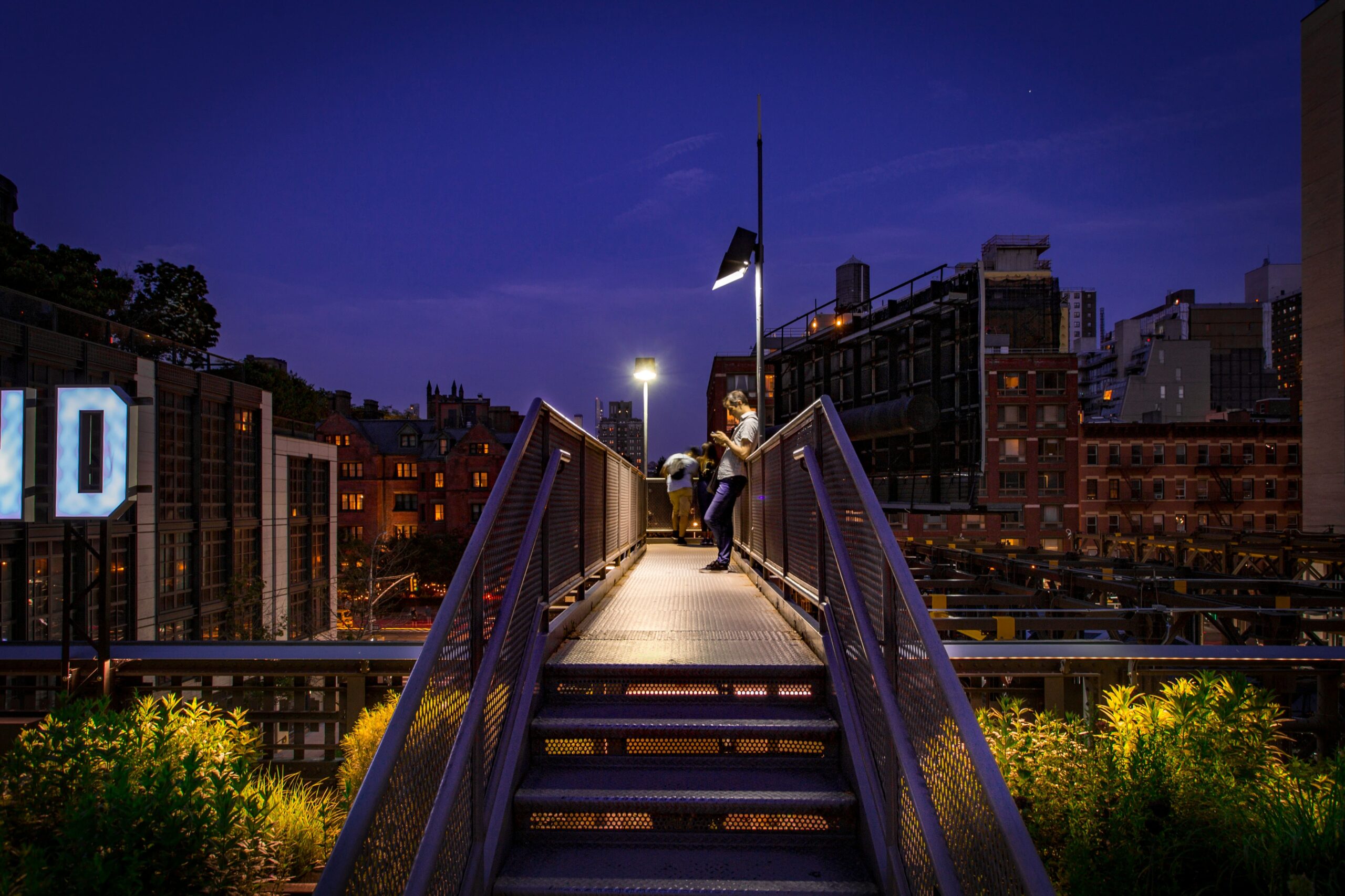
The High Line represents one of the most innovative places to visit in Manhattan, transforming an abandoned elevated railway into a 1.45-mile-long public park. This linear park, stretching from Gansevoort Street in the Meatpacking District to 34th Street, has become a model for adaptive reuse projects worldwide and one of the most popular Manhattan attractions.
From Railway to Park
The High Line railway was constructed in the 1930s to remove dangerous freight trains from Manhattan’s streets. The elevated structure carried freight trains directly into warehouses and factories, primarily serving the meatpacking and industrial businesses that dominated the West Side. The last train ran on the High Line in 1980, carrying three carloads of frozen turkeys. The structure then sat abandoned for two decades, gradually being overtaken by spontaneous vegetation.
In 1999, faced with imminent demolition, two residents, Joshua David and Robert Hammon, founded Friends of the High Line to advocate for the railway’s preservation and conversion into public space. Their vision, considered far-fetched at the time, eventually gained support from city officials, including Mayor Michael Bloomberg. The project transformed from an activist dream to reality, with the first section opening in 2009.
Landscape architecture firm James Corner Field Operations, in collaboration with architects Diller Scofidio + Renfro and planting designer Piet Oudolf, designed the park. The design preserves the railway’s industrial character while creating diverse landscapes mixing wild plantings, seating areas, and viewing platforms. The designers were inspired by the self-seeded landscape that had colonized the abandoned railway, a combination of grasses, wildflowers, and resilient plants that found purchase in the railway ballast.
Walking the High Line
Walking the High Line provides a unique perspective on Manhattan. Elevated approximately 30 feet above street level, you see the city from an unusual vantage point above the streets but well below the rooftops. This intermediate height creates intimate views into buildings while maintaining elevation above street noise and congestion.
The southern section, from Gansevoort Street to 20th Street, passes through the Meatpacking District and Chelsea, two of Manhattan’s most dynamic neighborhoods. This section offers views of the Hudson River, the Whitney Museum of American Art (whose building connects directly to the High Line), and Chelsea’s art gallery district. The Gansevoort Street entrance features the High Line’s only working remnants of the original railway infrastructure.
The middle section, from 20th to 30th Streets, contains the park’s most diverse landscapes and design features. The Sundeck at West 14th-15th Streets provides stadium-style seating overlooking the street below. The Chelsea Thicket creates a densely planted woodland feel. The 23rd Street Lawn offers open green space for lounging. The Chelsea Market Passage runs through the building that houses Chelsea Market, one of New York’s premier food halls.
The northern section, the final portion to open in 2014, extends from 30th to 34th Streets. This section features the Rail Yards installation, a seasonal wild landscape that changes throughout the year, and viewing platforms overlooking the Hudson Yards development. The Spur, a stub that branches off the main line at 30th Street, opened in 2019 and includes a plaza that hosts performances, installations, and cultural programming.
Art and Culture
The High Line functions as much as a cultural venue as a park. The High Line Art program presents rotating installations, performances, and exhibitions by contemporary artists. Past projects have included massive billboards by Ed Ruscha, sound installations, video art projected on buildings, and performances by emerging artists.
The park hosts numerous public programs, including stargazing nights (where astronomers bring telescopes for public viewing), yoga classes, educational workshops, guided tours, and cultural performances. Many programs are free, though some require registration.
The relationship between the High Line and the surrounding buildings creates unique opportunities for architecture enthusiasts. The park passes directly by or through several notable buildings, and many recent developments along its route were designed by prominent architects specifically to interact with the park. The Standard Hotel straddles the High Line between 12th and 13th Streets, creating a dramatic architectural moment. The structure houses the Top of the Standard bar, though note that the bar has gained notoriety for patrons exposing themselves in the floor-to-ceiling windows overlooking the park below, a problem the hotel has worked to address.
Seasonal Changes
The High Line’s extensive plantings, featuring over 500 species of perennials, grasses, shrubs, and trees, create a park that changes dramatically with the seasons. Spring brings bulbs and early perennials. Summer sees the prairie plantings and ornamental grasses reach their peak. Autumn displays changing foliage colors and seed heads that persist into winter. Even winter has beauty, with structural plants, evergreens, and interesting bark providing visual interest.
Piet Oudolf’s planting design emphasizes naturalistic combinations that evoke wild landscapes rather than formal gardens. Many plants are deliberately selected for their structural qualities when dormant, meaning the park remains visually interesting year-round rather than declining after peak bloom season.
Dining and Shopping
The High Line passes by or near numerous dining options. Chelsea Market, accessible via the passage at 15th-16th Streets, contains over 35 food vendors offering everything from fresh seafood to artisanal ice cream to Asian fusion cuisine. The market operates daily and provides excellent options for picnic provisions to enjoy on the High Line.
The Whitney Museum, located at the High Line’s southern terminus, features a restaurant and café with terraces overlooking the Hudson River and park. Untitled, the restaurant, offers elevated American cuisine, while Studio Café provides more casual options.
Numerous food vendors operate along the High Line during warm months, offering drinks, snacks, and light meals. However, many visitors prefer bringing their own provisions or purchasing food from nearby establishments.
Practical Information
The High Line is free and open daily, typically from 7 AM to 7 PM during winter months and 7 AM to 10 PM during summer. The park is wheelchair accessible via elevators at multiple access points, including Gansevoort Street, 14th Street, 16th Street, 23rd Street, and 30th Street. All pathways are fully accessible, though some viewing areas and seating require steps.
The park can be extremely crowded, particularly on weekends during warm weather. Weekday mornings or late afternoons offer more peaceful experiences. The park’s design accommodates crowds better than traditional parks through its linear layout. Even when crowded, you can keep moving forward rather than being trapped in a confined space.
Walking the entire High Line takes approximately 30-45 minutes at a moderate pace without stops. However, most visitors spend considerably longer, pausing to enjoy views, read interpretive signage, sit in seating areas, or visit adjacent attractions. Many people walk one direction on the High Line and return via the street level, allowing them to see the neighborhoods from both perspectives.
Comfortable walking shoes are essential the park’s surface is primarily paved with some boardwalk sections. Bring water during warm weather, as the elevated exposure can be hot and sunny. Sunscreen and hats are advisable in summer.
Bicycles, skateboards, and other wheeled recreational devices are not permitted on the High Line due to the narrow pathways and crowds. However, the park’s accessibility and gentle grades make it suitable for strollers and wheelchairs.
The High Line’s Impact
The High Line’s success has transformed the surrounding neighborhoods. Property values along its route have increased dramatically, spurring development of high-end residential buildings, hotels, shops, and galleries. This gentrification has been controversial, with critics arguing that the park has displaced longtime residents and businesses while primarily benefiting wealthy property owners and developers.
The park has inspired similar adaptive reuse projects worldwide, including the Promenade Plantée in Paris (which actually preceded the High Line but received renewed attention after its success), the 606 in Chicago, the Reading Viaduct in Philadelphia, and numerous others. The High Line demonstrated that creatively repurposed infrastructure can become valuable public space while honoring industrial heritage.
Including the High Line in your Manhattan attractions itinerary provides perspective on New York’s ability to reinvent itself. The park represents contemporary urbanism at its best preserving history, creating public space, supporting biodiversity, and generating community value while spurring economic development. Whether you’re interested in landscape design, contemporary art, architecture, urban planning, or simply enjoying a beautiful walk through interesting neighborhoods, the High Line delivers a memorable experience.
Bonus Recommendations: More Things to Do in Manhattan
While the top 10 things to do in Manhattan covered above represent essential experiences, Manhattan offers far more than ten attractions. Here are additional must-see sites and experiences that merit consideration when planning your visit.
The Guggenheim Museum
The Solomon R. Guggenheim Museum, located on Fifth Avenue along Museum Mile, features one of the world’s most distinctive museum buildings. Frank Lloyd Wright’s spiral design, completed in 1959, creates a revolutionary exhibition space where visitors ascend to the top via elevator, then walk down a continuous spiral ramp viewing art along the way. The building itself is as much a masterpiece as the modern and contemporary art displayed within. The collection includes important works by Kandinsky, Picasso, Pollock, and numerous other modern masters.
Lincoln Center
Lincoln Center for the Performing Arts represents the world’s leading performing arts complex. The 16.3-acre campus houses the Metropolitan Opera, New York Philharmonic, New York City Ballet, Juilliard School, and numerous other organizations. The plaza, with its iconic fountain, offers free outdoor concerts during the summer. The Metropolitan Opera offers Last-Minute Rush Tickets and standing room tickets for budget-conscious opera lovers. Tours of the campus reveal the architecture, history, and backstage areas of this cultural landmark.
Greenwich Village
Greenwich Village, often simply called “The Village,” embodies Manhattan’s bohemian history. This neighborhood was the epicenter of the 1960s folk music scene, the birthplace of the gay rights movement (the Stonewall Inn, site of the 1969 Stonewall Riots, operates as a national monument), and home to countless artists, writers, and musicians. Washington Square Park, with its iconic arch, serves as the neighborhood’s heart. Stroll the tree-lined streets, visit Washington Mews and MacDougal Alley (private streets with charming architecture), explore independent bookstores and cafés, and absorb the creative energy that still permeates this historic neighborhood.
SoHo and Tribeca
SoHo (South of Houston Street) transformed from a manufacturing district to an arts hub to a high-end shopping destination. The neighborhood features the largest collection of cast-iron architecture in the world, with ornate building facades that were revolutionary in the 19th century. Today, SoHo houses upscale boutiques, contemporary art galleries, restaurants, and cafés. Tribeca (Triangle Below Canal Street), formerly an industrial area, now features converted loft buildings, cobblestone streets, upscale restaurants, and the annual Tribeca Film Festival, founded by Robert De Niro.
Chinatown and Little Italy
These adjacent neighborhoods offer authentic cultural experiences and excellent dining. Chinatown, Manhattan’s most densely populated neighborhood, buzzes with activity, markets, restaurants, and shops. Canal Street features outdoor vendors selling everything imaginable. Explore side streets like Doyers Street (historically called “the Bloody Angle” due to gang violence) for dumpling houses, tea shops, and authentic Chinese bakeries. Little Italy, significantly smaller than it once was due to Chinatown’s expansion, maintains Italian identity along Mulberry Street with restaurants, cafés, and pastry shops. The annual Feast of San Gennaro celebrates Italian heritage each September.
The New York Public Library
The Stephen A. Schwarzman Building, the main branch of the New York Public Library on Fifth Avenue and 42nd Street, represents Beaux-Arts architecture at its finest. The iconic marble lions, “Patience” and “Fortitude,” guard the entrance. The Rose Main Reading Room, measuring 297 feet long with 52-foot-high ceilings decorated with painted clouds, ranks among the world’s most beautiful library spaces. Free tours reveal architectural details, historical collections, and famous spaces, including the room where writers and scholars have worked for over a century.
Grand Central Terminal
Grand Central Terminal (not “Station”, a terminal is where train lines end, while stations are intermediate stops) exemplifies early 20th-century architectural grandeur. The Main Concourse features a vaulted ceiling depicting the zodiac with 2,500 stars (painted backwards, supposedly due to the artist painting from God’s perspective looking down). The Whispering Gallery, located near the Oyster Bar restaurant, creates acoustic phenomena where whispers travel across an archway. The terminal houses numerous shops and restaurants, including the famous Oyster Bar, and offers free tours. The Holiday Fair during November and December features artisans selling handmade goods.
Fifth Avenue Shopping
Fifth Avenue from Rockefeller Center to Central Park features some of the world’s most famous shopping. Flagship stores for Saks Fifth Avenue, Tiffany & Co., Bergdorf Goodman, Apple, and countless luxury brands line this stretch. Even if you’re not shopping, window displays, particularly during the holidays, represent artistry worth experiencing. The Lego Store at Rockefeller Center and the Microsoft Store provide interactive experiences rather than merely selling products.
The Vessel at Hudson Yards
Hudson Yards, Manhattan’s newest neighborhood developed on former rail yards, features The Vessel, a controversial honeycomb-like structure with interconnected staircases providing views over the development and the Hudson River. The structure has been closed to the public due to several suicide incidents, but the surrounding Hudson Yards development includes high-end shops, restaurants, and the Edge observation deck. The Shed, a contemporary arts center with a movable shell that can expand the venue, hosts exhibitions, performances, and innovative cultural programming.
Battery Park and the Waterfront
Battery Park, at Manhattan’s southern tip, offers respite from Financial District crowds with waterfront promenades, memorials, and harbor views. Castle Clinton, a circular fort built for the War of 1812, later served as an immigration station (before Ellis Island), an aquarium, and now a national monument housing a ticket office for Statue of Liberty ferries. The Sphere, a sculpture damaged in the 9/11 attacks, serves as a memorial. The Battery Park City Esplanade extends north from Battery Park for two miles along the Hudson River, providing walking and cycling paths with exceptional views of the water and New Jersey.
The Tenement Museum
The Lower East Side Tenement Museum tells the story of immigration through restored apartments in a building that housed approximately 7,000 people from over 20 nations between 1863 and 1935. Guided tours (the only way to visit) recreate apartments from different time periods, telling specific families’ stories and illuminating the immigrant experience. This museum provides essential historical context for understanding how millions of immigrants built lives in America despite poverty, discrimination, and harsh conditions.
The Cloisters
Though covered briefly in The Met section, The Cloisters deserves emphasis as a standalone destination. This branch of The Metropolitan Museum of Art in Fort Tryon Park (northern Manhattan) feels like a medieval monastery transported to America. The collection of medieval European art displayed in architecture incorporating elements from five actual medieval cloisters creates an immersive historical experience. The gardens, planted with species documented in medieval times, enhance the atmosphere. The Unicorn Tapestries, among the most significant medieval artworks surviving today, represent the museum’s crowning glory.
Smorgasburg and Food Markets
Manhattan’s food culture deserves exploration. Smorgasburg, operating seasonally at various Manhattan locations, brings together dozens of food vendors offering innovative and international cuisines. Chelsea Market, housed in the former Nabisco factory where the Oreo was invented, features permanent food vendors plus shops. Essex Market on the Lower East Side showcases Latino and Jewish food cultures. Grand Central Market inside Grand Central Terminal offers prepared foods and specialty ingredients. These markets provide opportunities to sample New York’s diverse food scene.
Broadway Shows Beyond the Big Names
While catching a major Broadway musical represents a classic New York experience, Off-Broadway and Off-Off-Broadway theaters throughout Manhattan present innovative, challenging, and often more affordable productions. The Public Theater, located in the former Astor Library, produces groundbreaking work (Hamilton originated here). Second Stage Theater, Signature Theatre, and numerous smaller venues present new works and experimental productions that often transfer to Broadway. Checking theater listings and reviews can reveal treasures beyond the tourist-oriented blockbusters.
Neighborhood Walks and Architecture
Simply walking Manhattan’s diverse neighborhoods provides endless discovery. The Upper West Side features elegant pre-war apartment buildings, including the Dakota (where John Lennon lived and was killed), the Ansonia (known for thick walls that attracted musicians), and the San Remo (where recent sellers included Demi Moore and Steven Spielberg). The Upper East Side’s “Gold Coast” along Fifth Avenue showcases mansion-turned-museums, including the Frick Collection and Cooper Hewitt, Smithsonian Design Museum.
The Financial District combines colonial history (Trinity Church, Fraunces Tavern) with skyscrapers, including the famous Charging Bull statue and Fearless Girl. The West Village’s tree-lined streets, brownstones, and hidden courtyards reward aimless wandering. Harlem preserves rich African American history and culture, with landmarks including the Apollo Theater, Studio Museum in Harlem, and numerous historic churches.
Planning Your Manhattan Visit: Practical Tips
Successfully experiencing the best things to do in Manhattan requires strategic planning, given the borough’s size, density, and wealth of attractions. Here are essential tips for making the most of your visit.
How Many Days Do You Need?
Manhattan could occupy months of daily exploration, but most visitors have limited time. A minimum of three full days allows you to see major highlights like Central Park, major museums, Times Square, the Statue of Liberty, and the 9/11 Memorial. Five to seven days permits deeper exploration, including multiple museums, neighborhood walks, Broadway shows, and discovering lesser-known gems. Two weeks allows a comprehensive experience covering the most significant Manhattan attractions, plus time for spontaneous discoveries.
Creating an Efficient Itinerary
Group attractions by neighborhood and proximity to minimize travel time. A sample efficient day might combine Central Park, The Met, and Fifth Avenue shopping (all on the Upper East Side). Another day could cover Lower Manhattan: Financial District, 9/11 Memorial, Battery Park, and the Statue of Liberty. A Midtown day might include the Empire State Building, New York Public Library, Grand Central Terminal, and Times Square/Broadway.
However, efficiency shouldn’t override enjoyment. Manhattan’s magic often emerges during unstructured time, discovering a perfect café, stumbling into an unexpected gallery, or simply sitting in a park watching city life unfold. Balance planned activities with flexibility.
Transportation
The subway system, operating 24/7, provides the most efficient transportation. A 7-Day Unlimited Ride MetroCard offers cost-effective access if you’re visiting for a week. The OMNY contactless payment system allows you to tap credit cards, debit cards, or smartphones at turnstiles. Walking is often the best way to experience neighborhoods. Manhattan is highly walkable, and you’ll discover details impossible to notice from vehicles or underground.
Taxis and ride-sharing services (Uber, Lyft) offer convenience but cost more and can be slower than subways during high-traffic periods. Consider them for late-night travel, trips with heavy luggage, or when traveling to areas poorly served by public transit.
Citi Bike, New York’s bike share system, operates throughout Manhattan with stations approximately every few blocks. The system works well for point-to-point trips and exploring neighborhoods like the Hudson River Greenway or Central Park. However, Manhattan traffic can be intimidating for inexperienced urban cyclists.
When to Visit
Each season offers distinct advantages for experiencing things to do in Manhattan. Spring (April-May) brings mild temperatures, blooming flowers in parks, and outdoor activities resuming. Summer (June-August) offers the longest days, outdoor concerts and festivals, and the most vibrant street life, though temperatures and humidity can be uncomfortable. Autumn (September-November) provides ideal weather, fall foliage in Central Park, and cultural seasons (opera, ballet, theater) in full swing. Winter (December-February) features holiday decorations and festivities, fewer tourists (except during holidays), and lower hotel rates, though cold temperatures require appropriate clothing.
Budget Considerations
Manhattan can be expensive, but budget-conscious travelers can still experience much of what makes the city special. Many Manhattan tourist attractions are free: Central Park, the 9/11 Memorial, the Brooklyn Bridge, the High Line, numerous galleries, and more. Museums offer pay-what-you-wish hours or suggested admissions that allow entry at reduced rates. Broadway show lotteries and discount tickets make theater accessible. Ethnic neighborhoods offer excellent, affordable dining.
Plan major expenses. Museum admissions, Broadway shows, and observation decks represent significant costs. Purchasing advance tickets online often saves money and reduces wait times. Consider combination tickets (like CityPASS or New York Pass) if visiting many paid attractions.
Dining Strategy
Manhattan’s dining scene ranges from food carts to Michelin-starred restaurants. Don’t overspend on every meal; save splurges for special experiences while balancing with pizza slices, deli sandwiches, and ethnic neighborhood restaurants. Breakfast and lunch typically cost less than dinner at the same establishments.
Reservations are essential for popular restaurants, especially for dinner. Use OpenTable, Resy, or restaurant websites to book in advance. Walk-in opportunities exist, particularly if you’re flexible about timing; early dinners (5:30-6:30 PM) and late dinners (9:30+ PM) are easier to accommodate.
Safety and Common Sense
Manhattan is generally very safe, with crime rates at historic lows. However, basic precautions apply: stay aware of your surroundings, keep valuables secure, avoid displaying expensive jewelry or electronics unnecessarily, and trust your instincts about situations and people. Tourist-heavy areas attract pickpockets; keep bags closed and valuables in front pockets. Most neighborhoods are safe for walking even at night, though isolated areas and certain neighborhoods warrant more caution. When in doubt, take a taxi or ride-share rather than walking through unfamiliar areas late at night.
Scams targeting tourists do exist. Avoid costume characters in Times Square unless you’re prepared to pay for photos. CD vendors who approach you on the street will demand payment after handing you their music. Verify taxi meters are running and drivers aren’t taking unnecessary detours. Ignoring street vendors selling counterfeit goods supports illegal activities, and items may be confiscated at customs.
Pacing Yourself
Manhattan’s energy can be exhausting. Build downtime into your schedule. Stop at cafés, rest on park benches, and don’t try to cram too much into single days. Walking 10-15 miles daily is common when sightseeing in Manhattan; comfortable shoes are essential. Consider planning one major activity per half-day rather than attempting to see everything.
Accommodation Considerations
Where you stay significantly impacts your experience. Midtown locations offer proximity to major attractions but can feel touristy and overwhelming. The Upper West Side and Upper East Side provide quieter, more residential atmospheres while maintaining excellent subway access. Greenwich Village, the West Village, and Chelsea offer charm and excellent dining but typically cost more. The Financial District offers lower weekend rates but less nighttime activity.
Consider hotel alternatives like vacation rentals, though verify they’re legal (New York has strict short-term rental laws). Hostels provide budget options with opportunities to meet other travelers. Hotels in outer boroughs (Brooklyn, Queens) cost less but require commuting time.
Technology and Communication
Most hotels, cafés, and public spaces offer free Wi-Fi. However, a local SIM card or international phone plan ensures connectivity throughout your visit. Google Maps provides excellent navigation for both public transit and walking. The MTA’s app helps plan subway routes. Various apps offer museum guides, restaurant reviews, and activity suggestions.
Making Manhattan Memorable
The top 10 things to do in Manhattan covered in this guide, Central Park, The Met, Times Square, the Empire State Building, the Statue of Liberty and Ellis Island, the 9/11 Memorial, the Brooklyn Bridge, MoMA, Rockefeller Center, and the High Line, represent essential experiences that showcase Manhattan’s diversity, history, culture, and energy. These Manhattan attractions provide foundations for understanding what makes this borough unique.
However, Manhattan’s magic extends beyond any list. The city rewards curiosity, spontaneity, and openness to unexpected discoveries. The best experiences often emerge from wandering neighborhoods, striking up conversations, following recommendations from locals, and remaining flexible when plans don’t work out as expected.
Remember that no single visit can exhaust Manhattan’s possibilities. Even lifelong residents continue discovering new restaurants, galleries, performances, and experiences. Rather than attempting to see everything, focus on what genuinely interests you. Whether your passion is art, architecture, food, history, shopping, entertainment, or simply observing urban life, Manhattan offers unmatched opportunities.
The best things to do in Manhattan ultimately depend on your interests, but the experiences outlined in this guide provide a comprehensive introduction to the borough’s highlights. These places to visit in Manhattan have attracted millions of visitors and remain compelling because they authentically represent New York’s past, present, and future.
As you explore Manhattan tourist attractions and discover what to do in Manhattan, remember that the city continuously evolves. New restaurants open, galleries relocate, neighborhoods transform, and cultural institutions reinvent themselves. This dynamism ensures that Manhattan remains perpetually interesting, always offering something new to discover.
Whether this is your first visit or your fiftieth, approaching Manhattan with curiosity and enthusiasm ensures memorable experiences. The things to do in Manhattan covered in this guide provide structure, but the most meaningful moments often can’t be planned; they emerge from the unexpected encounter, the perfect moment of light on a building, the overheard conversation that reveals a hidden gem, or the simple pleasure of being present in one of the world’s greatest cities.
Manhattan is more than a destination; it’s an experience, a challenge, an inspiration, and an education. The borough has welcomed countless dreamers, artists, immigrants, and adventurers, each finding their own Manhattan among the endless possibilities. As you explore these Manhattan attractions and create your own New York story, you join the millions who have walked these streets and fallen under Manhattan’s spell.
The city that never sleeps awaits your discovery. Pack your curiosity, wear comfortable shoes, and prepare for an unforgettable journey through Manhattan’s streets, parks, museums, and neighborhoods. The experiences you’ll gather exploring the top 10 things to do in Manhattan and beyond will create memories lasting a lifetime.