
Nestled in the Hoàng Liên Son mountain range of northwestern Vietnam, Sapa has earned its reputation as the country’s undisputed trekking capital. This mountain town sits at 1,600 meters above sea level and serves as a gateway to some of Southeast Asia’s most spectacular hiking terrain.
The landscapes here tell a story written in terraced rice fields that cascade down mountainsides like giant green staircases, ethnic minority villages where traditional life continues as it has for centuries, and mountain peaks that pierce the clouds. When you’re trekking in Sapa Vietnam, you’re not just walking through scenery but immersing yourself in a living cultural tapestry woven by the Hmong, Dao, Giay, and Tay people who call these mountains home.
This comprehensive guide breaks down the 10 best trekking routes in Sapa Valley for every skill level, whether you’re a beginner seeking gentle village walks or an experienced hiker ready to conquer Vietnam’s highest peak. From the iconic Muong Hoa Valley with its ancient rice terraces to the challenging Fansipan summit trek, Sapa Valley Vietnam delivers trekking experiences that rival anywhere in the world.
For those planning a broader Vietnam adventure, you might also want to explore our guides to top places to visit in Vietnam and top things to do in Hoi An and discover what makes this country so captivating.
TL;DR: Quick Overview – Top 10 Trekking Routes in Sapa
Quick reference to the 10 best trekking routes in Sapa:
- Cat Cat Village Trek (4 km) – Easy waterfall walk to traditional Hmong village
- Y Linh Ho to Lao Chai to Ta Van Loop (12 km) – Classic rice terrace circuit through ethnic villages
- Ta Phin Village Trail (10 km) – Red Dao cultural experience with herbal baths
- Silver Waterfall & Love Waterfall Trek (6 km) – Scenic waterfalls with Fansipan views
- Fansipan Summit Trek (12-20 km) – Vietnam’s highest peak at 3,147 meters
- Sin Chai Village Trail (5 km) – Peaceful Black Hmong village alternative
- Su Pan to Ban Ho Trek (18 km) – Two-day deep valley adventure
- Seo My Ty Lake Trail (14 km) – Hidden alpine lake off the beaten path
- Giang Ta Chai Trek (8 km) – Waterfalls meet Red Dao culture
- Muong Hoa Valley Trek (10 km) – Iconic terraces and ancient rock carvings
1. Cat Cat Village Trek
Just 2 kilometers from Sapa Town, the Cat Cat Village trek serves as the perfect introduction to trekking in Sapa Vietnam. This easy trail winds downhill through pine forests before opening onto stunning views of terraced rice fields that seem to spill down the mountainside.
Why Visit: The Black Hmong village of Cat Cat has preserved its traditional way of life remarkably well. You’ll witness local craftspeople working with hemp and indigo dye, creating the distinctive dark blue clothing worn by Hmong women. The village’s hydroelectric power station, a remnant from French colonial times, still operates today. The trail culminates at a beautiful waterfall where locals gather and children play in the mist.
Best Time to Visit: March through May brings blooming flowers and green rice shoots, while September through November offers golden harvest scenery and comfortable temperatures. These periods provide the most pleasant hiking Sapa conditions with minimal rain.
How to Get There: Walk from Sapa Town center (about 30 minutes downhill) or hire a motorbike taxi. The entrance fee is approximately 70,000 VND (about $3 USD). The return journey uphill can be strenuous, so consider arranging transport back to town.
2. Y Linh Ho to Lao Chai to Ta Van Loop
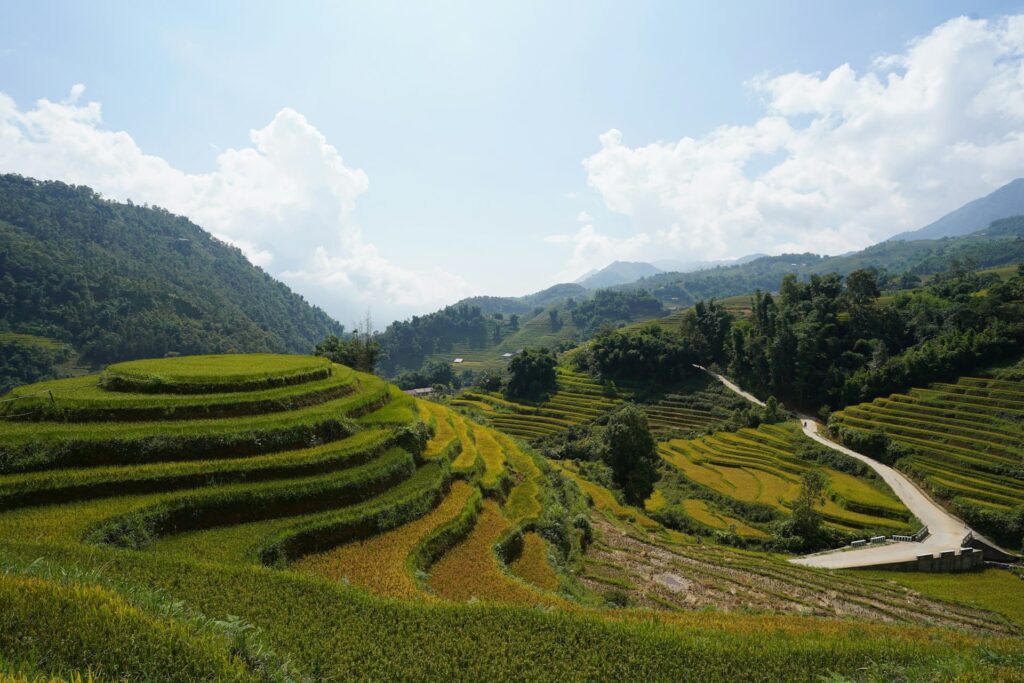
This 12-kilometer circuit represents the quintessential Sapa Valley Vietnam experience. Most tours to Sapa Vietnam feature this route because it perfectly encapsulates everything that makes the region special: dramatic terraced landscapes, authentic village encounters, and moderate physical challenge.
Why Visit: The trek begins at Y Linh Ho village and descends into the stunning Muong Hoa Valley. You’ll traverse endless rice terraces that change character with the seasons, cross bamboo bridges over rushing streams, and visit both Hmong villages (Lao Chai) and Giay communities (Ta Van). The Giay people’s distinctive stilt houses, built from local wood and bamboo, offer fascinating architectural contrast to Hmong dwellings.
Best Time: September transforms the valley into an ocean of golden rice awaiting harvest. According to the Sapa Tourism Board, this period attracts the most visitors but delivers unmatched photographic opportunities.
Access: Most trekkers start from Sapa Town with a short transfer to the Y Linh Ho trailhead. The route is well-marked enough for confident independent trekkers, though guides enhance the experience with cultural insights. Many people combine this trek with overnight homestays in Ta Van village.
For more incredible experiences in northern Vietnam, check out our guide to things to do in Hanoi.
3. Ta Phin Village Trail
Located 12 kilometers northeast of Sapa, the Ta Phin Village trail offers a different cultural perspective through the lens of the Red Dao ethnic minority. This community is known for their elaborate traditional dress, featuring bright red headdresses adorned with silver coins and tassels.
Why Visit: Ta Phin provides one of the most immersive cultural experiences available when trekking in Sapa Vietnam. The village is famous for herbal baths using traditional Red Dao medicinal plants. After your trek, soak tired muscles in wooden tubs filled with steaming water infused with dozens of local herbs. The village also hosts skilled embroiderers who create intricate textile patterns passed down through generations.
Best Time: This 10-kilometer trail works year-round due to its moderate elevation and good path conditions. Winter months (December through February) can be chilly but offer crystal-clear mountain views.
How to Get There: Hire a motorbike or join a guided tour from Sapa. The trail offers panoramic valley views and passes through varied terrain including bamboo forests and small streams. Ta Phin Cave, located nearby, adds another dimension to your visit with its impressive limestone formations.
4. Silver Waterfall & Love Waterfall Trek
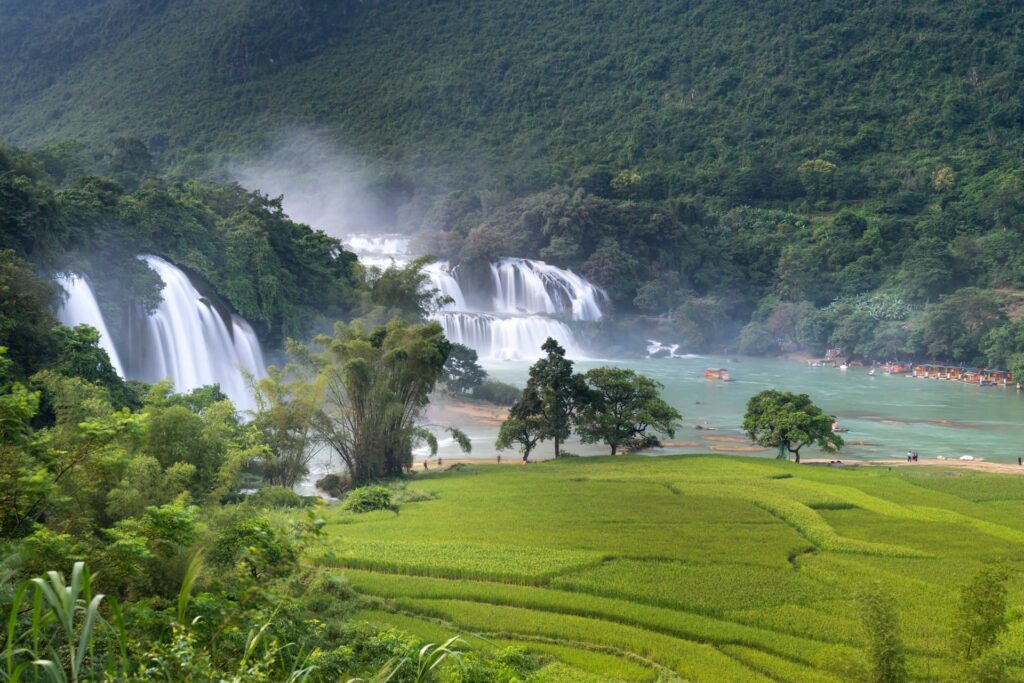
This half-day adventure combines natural beauty with relatively easy access, making it ideal for those with limited time for hiking Sapa. The route follows Highway 4D toward the Tram Ton Pass, Vietnam’s highest mountain pass at 1,900 meters.
Why Visit: Silver Waterfall (Thac Bac) plunges 200 meters down a granite cliff face, creating a thunderous spectacle especially impressive during the rainy season. A short hike beyond leads to Love Waterfall (Thac Tinh Yeu), nestled in a lush forest setting with multiple cascades. On clear days, Fansipan’s summit dominates the horizon, providing dramatic backdrop photography.
Access: The 6-kilometer route begins along Highway 4D, about 12 kilometers from Sapa Town. Motorbike rentals or taxi services easily reach the trailhead. Stone steps lead to both waterfalls, though they can become slippery. The trek requires moderate fitness but doesn’t involve technical challenges.
Pro Tip: Visit during weekday mornings to avoid tour group crowds. The mist from Silver Waterfall creates natural air conditioning even on warm days.
5. Fansipan Summit Trek
At 3,147 meters, Fansipan reigns as the highest mountain in Vietnam, Cambodia, and Laos, earning it the nickname “Roof of Indochina.” This challenging trek represents the ultimate achievement in Vietnam trekking Sapa.
Why Visit: Summiting Fansipan tests your endurance and rewards you with potentially life-changing views. On clear mornings, you’ll stand above the clouds with panoramic vistas stretching across three countries. The climb traverses multiple vegetation zones, from bamboo forests through rhododendron thickets to alpine terrain where only hardy shrubs survive.
Duration: Traditional summit attempts take 2-3 days, camping at base camps along the way. According to Vietnam’s Institute of Geography, the mountain receives over 50,000 trekkers annually. A cable car now provides an alternative route for those who want summit views without the grueling climb.
Access: Two main trails serve Fansipan. The Tram Ton route (6 kilometers one way) offers the most challenging ascent with steep sections requiring good fitness. The Sin Chai route (7 kilometers) provides a slightly gentler gradient. Most trekkers hire experienced guides and porters for safety and navigation. Essential gear includes warm layers, rain protection, and sturdy boots.
Important Note: Weather changes rapidly on Fansipan. Even summer months can bring freezing temperatures at the summit. Some tour operators require fitness certifications before accepting bookings.
6. Sin Chai Village Trail
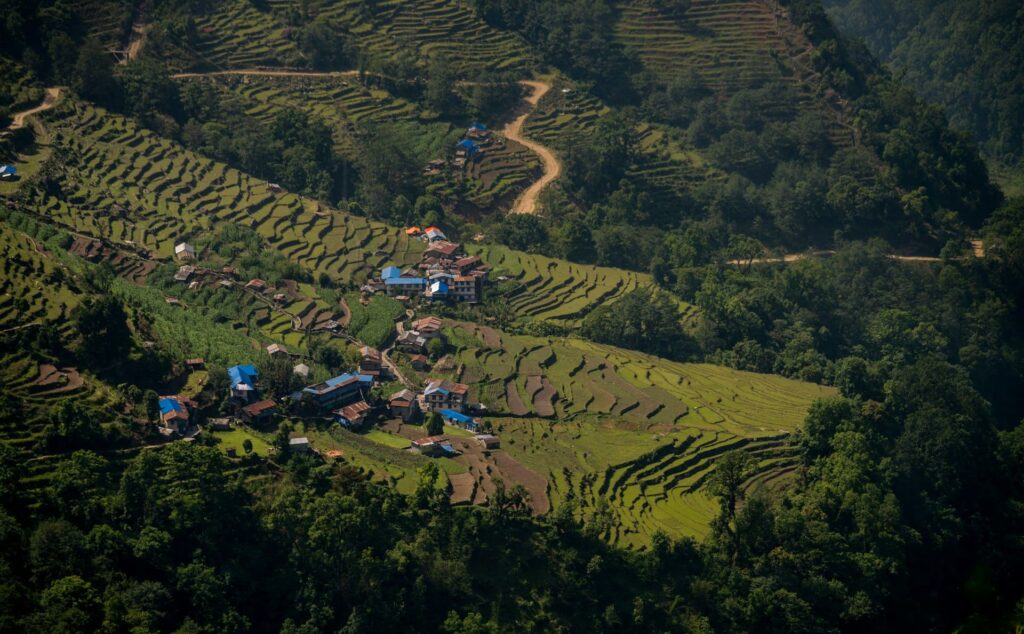
This 5-kilometer easy trek offers a quieter alternative to the popular Cat Cat route while delivering authentic Black Hmong cultural encounters. Sin Chai village sits on terraced mountainsides with sweeping valley views.
Why Visit: Sin Chai maintains a more traditional atmosphere with less tourist development than Cat Cat. The village’s 200 households practice subsistence agriculture, cultivating rice, corn, and vegetables on their terraced plots. Women in the village are renowned for their batik skills, creating intricate patterns on hemp cloth using beeswax and indigo dye.
Access: Located 5 kilometers from Sapa Town, the trail begins at the end of Muong Hoa Street. The gentle gradient makes this suitable for families and older trekkers. The route passes through pine forests before emerging at the village. Many visitors enjoy the walk one way and arrange motorbike pickup for the return journey.
Cultural Note: Sin Chai villagers appreciate visitors who make genuine attempts at cultural exchange rather than treating the village as a photo opportunity. Consider purchasing handicrafts directly from artisans to support the local economy.
7. Su Pan to Ban Ho Trek
This two-day, 18-kilometer adventure penetrates deep into Sapa’s remote valleys, offering one of the most rewarding overnight experiences available. The route descends into the dramatic Su Pan valley before climbing to the Red Dao village of Ban Ho.
Why Visit: This trek delivers everything serious hikers seek: challenging terrain, spectacular scenery, and authentic cultural immersion. The trail crosses rushing streams via suspension bridges that sway with each step, winds through dense bamboo forests where sunlight filters through green canopies, and traverses some of the region’s most pristine rice terraces.
Duration: Most trekkers complete this in two days with an overnight homestay in Ban Ho village. Families here have adapted to hosting visitors while maintaining traditional lifestyles. Evening meals feature local specialties, and mornings begin with roosters crowing and mist lifting from the valley.
Access: This route requires a guide familiar with the trail network. The terrain includes some steep sections and stream crossings that can be challenging during wet weather. Pack light but include layers, rain gear, and comfortable hiking boots. This represents an ideal choice for those seeking multi-day tours to Sapa Vietnam focused on trekking.
8. Seo My Ty Lake Trail
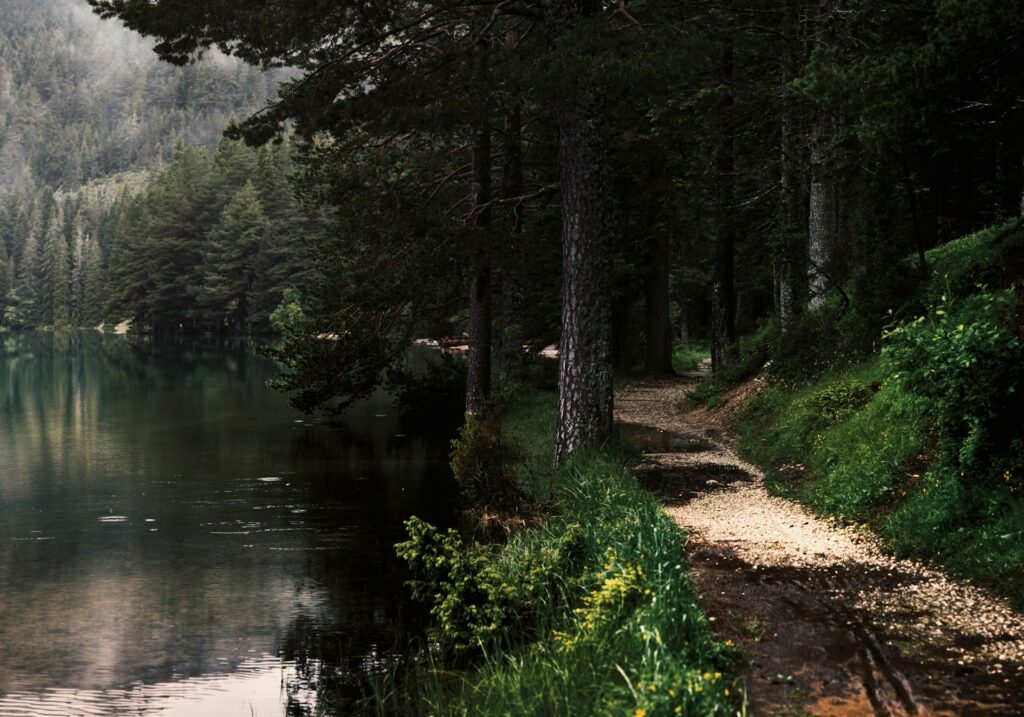
Seo My Ty Lake remains one of Sapa’s best-kept secrets, an alpine jewel that rewards the effort required to reach it. This 14-kilometer trek ventures into rarely visited territory 17 kilometers south of Sapa Town.
Why Visit: The lake sits in a high mountain basin surrounded by peaks, creating mirror-like reflections on calm days. According to local Hmong legends, the lake formed from the tears of a young woman mourning her lost love. Whether or not you believe the legend, the setting’s serene beauty proves unforgettable. This represents one of the most photogenic spots in Sapa Valley Vietnam.
Access: The challenging terrain and remote location make a private guide essential. The trail climbs steeply in sections, crossing several streams and passing through primary forest. Most visitors complete this as a full-day trek, though some hardy souls tackle it as an overnight expedition with camping near the lake.
Best Season: May through October offers the most reliable access, as winter weather can make the high-altitude trail treacherous. Early morning starts give you the best chance of calm water for reflection photography.
9. Giang Ta Chai Trek
This 8-kilometer route combines natural beauty with Red Dao cultural experiences, making it a favorite among those seeking balanced trekking in Sapa Vietnam. The trail winds through bamboo forests before arriving at the scenic village of Giang Ta Chai.
Why Visit: The trek features a beautiful waterfall midway, where locals often stop to rest and refill water bottles. The village itself showcases traditional Red Dao architecture and offers opportunities to witness daily life: rice pounding, textile weaving, and livestock tending. Unlike more touristed villages, Giang Ta Chai maintains an authentic atmosphere.
Access: Most trekkers combine this route with the Y Linh Ho to Ta Van loop, creating a longer circuit. The trail involves moderate difficulty with some steep sections offset by flat valley walking. Independent trekking is possible, though a guide enhances understanding of Red Dao customs and traditions.
Cultural Insight: Red Dao women maintain their distinctive appearance with shaved eyebrows and elaborate headdresses even during daily work. This commitment to cultural identity impresses visitors and provides unique photographic opportunities when approached respectfully.
10. Muong Hoa Valley Trek
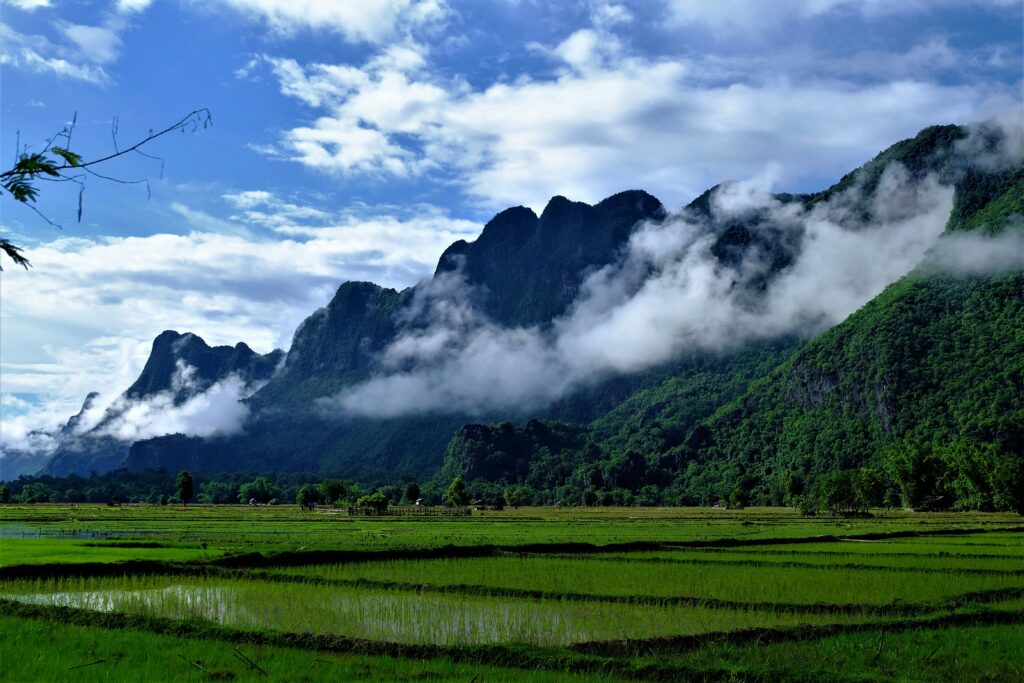
The Muong Hoa Valley represents perhaps the most iconic trekking in Sapa Vietnam destination. This 10-kilometer route follows the Muong Hoa stream through the heart of Sapa’s famous rice terrace landscape.
Why Visit: Beyond the spectacular terraced scenery, the valley contains ancient rock carvings dating back over 3,000 years. These petroglyphs, featuring geometric patterns and human figures, remain somewhat mysterious. Archaeologists continue debating their exact age and purpose, though they clearly hold spiritual significance for local communities.
The valley floor provides relatively easy walking on well-maintained paths, while the surrounding mountains create a dramatic amphitheater effect. You’ll pass through several ethnic minority villages where homestays offer overnight accommodation.
Best Time: May through October showcases the terraces at various growth stages. May brings bright green young rice shoots, August sees lush mature plants swaying in the breeze, and September through October delivers the golden harvest period. According to Vietnam National Administration of Tourism, Muong Hoa attracts over 100,000 visitors annually during peak season.
Access: The valley entrance lies just 3 kilometers from Sapa Town. Many trekkers walk from town or take a short motorbike ride to the trailhead. The path runs along the valley floor, making navigation straightforward even without a guide, though guides provide valuable context about the rock carvings and agricultural practices.
For southern Vietnam adventures, explore our guide to attractions in Ho Chi Minh City.
Trek Comparison Table
| Trek Route | Difficulty | Distance (km) | Duration | Key Highlights |
|---|---|---|---|---|
| Cat Cat | Easy | 4 | Half-day | Waterfall, Hmong culture, handicrafts |
| Y Linh Ho to Ta Van | Moderate | 12 | Full day | Iconic rice terraces, village circuit |
| Ta Phin | Easy | 10 | Half-day | Red Dao culture, herbal baths |
| Silver & Love Waterfall | Moderate | 6 | Half-day | Dramatic waterfalls, Fansipan views |
| Fansipan | Hard | 12-20 | 1-3 days | Vietnam’s highest summit at 3,147m |
| Sin Chai | Easy | 5 | Half-day | Authentic village life, batik workshops |
| Su Pan to Ban Ho | Moderate | 18 | 2 days | Deep valleys, suspension bridges, homestay |
| Seo My Ty | Hard | 14 | Full day | Hidden alpine lake, pristine wilderness |
| Giang Ta Chai | Moderate | 8 | Full day | Waterfalls, Red Dao village |
| Muong Hoa | Moderate | 10 | Full day | Famous terraces, ancient rock carvings |
Cultural Context: Beyond the Trek
Trekking in Sapa Vietnam offers more than physical exercise and scenic views. The region hosts five main ethnic minority groups, each with distinct languages, customs, and traditional dress.
The Black Hmong constitute the largest group, recognizable by their indigo-dyed hemp clothing and silver jewelry. Women wear pleated skirts and distinctive black headdresses. Their language belongs to the Hmong-Mien family, unrelated to Vietnamese.
The Red Dao (also called Red Dzao) are named for their bright red ceremonial headdresses adorned with silver coins and red tassels. Their traditional medicine system uses over 100 local plants, and their herbal baths have gained fame among visitors.
The Giay people build distinctive stilt houses using traditional architectural techniques passed down through generations. Their culture shows influence from both Chinese and Vietnamese traditions due to historical migrations and trade.
The Tay and Xa Pho represent smaller populations in the Sapa region. The Tay people excel at fish farming in valley ponds and practice sophisticated irrigation systems for their rice terraces.
Local Cuisine Worth Trying
After long treks, refuel with Sapa’s distinctive mountain cuisine:
Thang Co is a horse meat hotpot seasoned with local herbs and spices. While it may challenge some Western palates, this dish holds deep cultural significance and provides the protein and warmth valued by mountain communities.
Grilled skewers featuring local meats, vegetables, and tofu line Sapa’s evening market. Vendors grill over charcoal, creating smoky flavors that pair perfectly with sticky rice.
Herbal wine made from forest plants and rice spirits appears at many homestays. Hosts offer small cups as welcome drinks, and refusing politely if you don’t drink alcohol is perfectly acceptable.
Sticky rice comes in numerous varieties, including versions wrapped in bamboo leaves or colored with natural plant dyes. It serves as both breakfast food and trail snack.
Trekking Etiquette and Community-Based Tourism
Responsible hiking Sapa requires cultural sensitivity and environmental awareness:
Ask permission before photographing people, especially in villages. Many ethnic minority individuals, particularly older generations, feel uncomfortable being photographed without consent. Offering to share photos via email or messaging apps is appreciated.
Support community-based tourism by staying in homestays, purchasing handicrafts directly from artisans, and hiring local guides. This ensures tourism benefits reach the communities most impacted by visitor presence.
Minimize environmental impact by carrying out all trash, staying on marked trails to prevent erosion, and avoiding picking plants or disturbing wildlife. The fragile mountain ecosystems require protection for future generations.
Respect local customs regarding dress and behavior, particularly in villages. Cover shoulders and knees when visiting homes, remove shoes when entering houses, and avoid public displays of affection.
Fair pricing matters. While bargaining is acceptable in markets, remember that the few dollars you save may represent significant income for local families. Pay fair prices for handicrafts that require weeks of skilled labor to produce.
If you’re planning to explore more of northern Vietnam, don’t miss our comprehensive guide to things to do in Ninh Binh, another stunning region featuring dramatic karst landscapes.
Practical Planning for Your Sapa Trek
Getting to Sapa: Most travelers reach Sapa via overnight train or bus from Hanoi (approximately 320 kilometers). The train stops at Lao Cai station, followed by a one-hour bus or taxi ride to Sapa Town. Some visitors fly to Dien Bien Phu airport, though this requires a longer overland journey.
Accommodation: Sapa Town offers everything from budget hostels to luxury hotels. However, homestays in ethnic minority villages provide the most authentic experience. These family-run accommodations include meals and often cultural exchanges like traditional music performances or cooking demonstrations.
Guides vs. Independent Trekking: While some routes suit independent exploration, hiring local guides significantly enhances most treks. Guides navigate efficiently, provide cultural context, assist with language barriers, and support the local economy. Rates typically range from $20 to $40 USD per day depending on group size and trek difficulty.
Physical Preparation: Even moderate Sapa treks involve elevation changes and uneven terrain. Preparing with regular cardio exercise, practicing on hills or stairs, and breaking in hiking boots before arrival prevents discomfort and injury.
For those also planning to explore Ha Long Bay, check out our guide to the best Ha Long Bay cruises and tours.
Conclusion
Trekking in Sapa Vietnam delivers experiences that transcend ordinary tourism. These 10 routes showcase landscapes shaped by centuries of agricultural innovation, where terraced rice fields transform mountains into living works of art. They provide windows into cultures that maintain traditional ways of life while adapting to modern challenges.
From the easy Cat Cat Village introduction to the demanding Fansipan summit challenge, from the iconic Muong Hoa Valley terraces to the hidden beauty of Seo My Ty Lake, Sapa Valley Vietnam offers trekking routes matching every interest and fitness level. The combination of natural beauty, cultural authenticity, and physical challenge creates adventures that linger in memory long after you’ve descended from the mountains.
Whether you’re planning tours to Sapa Vietnam focused purely on trekking or incorporating hikes into a broader exploration of northern Vietnam, these 10 routes represent the region’s finest offerings. Each trail tells its own story through landscapes, villages, and the generous hospitality of the ethnic minority communities who call these mountains home.
Frequently Asked Questions
1. What is the best time for trekking in Sapa Vietnam?
The ideal trekking season runs from September through November and March through May. September and October deliver stunning golden rice terraces during harvest season with comfortable temperatures averaging 15-20°C (59-68°F). Spring months (March through May) bring blooming flowers, green rice shoots, and clear skies perfect for mountain views.
Avoid July and August when heavy rains can make trails muddy and dangerous, and leeches become problematic. December through February brings beautiful clear weather but cold temperatures often dropping below 5°C (41°F), with occasional snow on Fansipan.
2. How many days should I spend in Sapa?
A minimum of 3-4 days allows proper Sapa exploration without feeling rushed. This timeframe accommodates two full-day treks, one half-day easier route, and time to experience Sapa Town’s markets and cuisine. Serious trekkers planning the Fansipan summit or multiple overnight village stays should allocate 5-7 days.
Remember to factor in travel time from Hanoi (typically one day each direction) when planning your total trip duration. Many visitors find that spending 5 days in the Sapa region provides the perfect balance.
3. Can I trek Sapa without a guide?
Several routes allow safe independent trekking, particularly well-marked trails like Cat Cat Village, Sin Chai, and the Muong Hoa Valley. These paths see regular foot traffic and stay close to villages where you can ask for directions if needed.
However, hiring local guides offers significant advantages: they navigate efficiently, provide cultural insights impossible to gain independently, communicate with villagers in local languages, and support community-based tourism. For challenging routes like Fansipan, Seo My Ty, or Su Pan to Ban Ho, guides aren’t just helpful but essential for safety and navigation.
4. What should I pack for hiking Sapa?
Essential items include:
Footwear: Broken-in hiking boots with ankle support and good tread for muddy conditions Clothing: Layers including moisture-wicking base layers, fleece or down jacket, waterproof rain jacket and pants Sun protection: Hat, sunglasses, sunscreen (UV intensity increases with elevation) Hydration: Reusable water bottle or hydration system (bring purification tablets for refilling from streams) Navigation: Offline maps downloaded to your phone, power bank for charging First aid: Basic supplies including blister treatment, pain relievers, and any personal medications Miscellaneous: Headlamp, cash in small denominations, insect repellent, toilet paper, hand sanitizer
For overnight treks, add a sleeping bag liner, personal toiletries, and a change of clothes. Keep your pack under 10 kilograms if possible.
5. Are there easy treks in Sapa for beginners?
Absolutely. Cat Cat Village (4 km), Sin Chai (5 km), and Ta Phin (10 km) all offer easy to moderate terrain suitable for beginners, families, and older trekkers. These routes feature well-maintained paths, manageable elevation changes, and shorter distances that don’t require advanced fitness levels.
The Silver Waterfall & Love Waterfall trek works well for beginners comfortable with some stone steps and moderate uphill sections. Even the famous Muong Hoa Valley trek, while longer at 10 kilometers, follows relatively flat valley floor paths suitable for anyone with basic fitness.
Start with shorter routes to assess your comfort level before attempting longer or more challenging treks. Remember that even easy treks at Sapa’s elevation (1,600+ meters) may feel more strenuous than equivalent distances at sea level.