Last updated: October 2026
Florence has cafes for every mood, from gilded Belle Époque rooms where artists once argued about Futurism to small specialty bars where the coffee changes daily. The best cafes in Florence let you do both in one day, with a standing espresso in the morning and a long sit-down in the afternoon.
If you want the best cafes in Florence, pair one historic room such as Caffè Gilli or Caffè Rivoire with a specialty bar such as Ditta Artigianale. That gives you the city’s café heritage and its modern coffee scene without spending a whole day on either.
This guide covers ten cafes across the centre, Sant’Ambrogio and the Oltrarno, each with a practical box. After the list you will find notes on Italian coffee etiquette, what to order, a plan for one, two or three days, where to stay and a short guide to budget. For general trip planning, the Comune di Firenze website has official city information, and Tuscany’s tourism board has a useful overview of Florence’s historic cafes. Cafe details change often, so check opening days and hours before you go. Where something could not be confirmed, this guide says so.
Quick answer: What are the best cafes in Florence? For history, try Caffè Gilli, Caffè Concerto Paszkowski, Le Giubbe Rosse and Caffè Rivoire. For specialty coffee, go to Ditta Artigianale or Coffee Mantra. For a relaxed mix of coffee, books or design, choose Todo Modo, La Ménagère or Caffè Cibrèo.
Quick comparison: best cafes in Florence
| Cafe | Area | Best for | Price tier |
|---|---|---|---|
| Ditta Artigianale | Centro and Oltrarno | Specialty coffee and breakfast | Mid-range |
| Caffè Gilli | Piazza della Repubblica | A Belle Époque interior | Comfortable |
| Caffè Concerto Paszkowski | Piazza della Repubblica | Art Deco rooms and afternoon tea | Comfortable |
| Le Giubbe Rosse | Piazza della Repubblica | A literary and Futurist past | Comfortable |
| Caffè Rivoire | Piazza della Signoria | Hot chocolate with a view | Comfortable |
| La Ménagère | San Lorenzo | Brunch, design and flowers | Mid-range |
| Todo Modo | Via dei Fossi | Books with coffee | Cheap to mid-range |
| Caffè Cibrèo | Sant’Ambrogio | Velvet seats and pastries | Mid-range |
| Coffee Mantra | Sant’Ambrogio | Single-origin filter coffee | Cheap to mid-range |
| Caffetteria Emmeti | Campo di Marte | A neighbourhood specialty bar | Cheap |
1. Ditta Artigianale
Ditta Artigianale is the cafe that put specialty coffee on the map in Florence. Guides credit the champion barista Francesco Sanapo with starting it in the early 2010s, and it has grown into several cafes around the city. The original is on Via dei Neri, in the heart of the centre, and a branch on Via dello Sprone in the Oltrarno is a short walk from the Ponte Vecchio. Others have opened on streets such as Via Carducci and Lungarno Soderini, and sources list different numbers of branches, so check a current map for the one nearest you.
The coffee is roasted with care, and the menu goes well beyond the usual espresso. You will find filter coffee, single-origin beans and drinks built around the roast of the day. Reviewers mention a floral, citrus-style Ethiopian filter as a highlight, though the beans on offer change. If you are not sure, ask the barista what is best that day.
Ditta is also a good breakfast stop. Guides mention pastries, polenta cake and biscotti, and some branches serve pancakes and baked eggs for travellers who want something heartier than a cornetto. The design is modern, with plenty of seats, which makes it easier to sit down than at the old cafes.
Because it is popular, expect queues at the original on weekend mornings. A quieter branch can be a better bet when you want to linger.
- How to get there: On foot from the Duomo, about five minutes, or from the Ponte Vecchio to the Oltrarno branch.
- How long to spend: Thirty to forty-five minutes.
- Best time to go: A weekday morning, before the rush.
- Tip: Try a filter coffee instead of your usual espresso.
2. Caffè Gilli
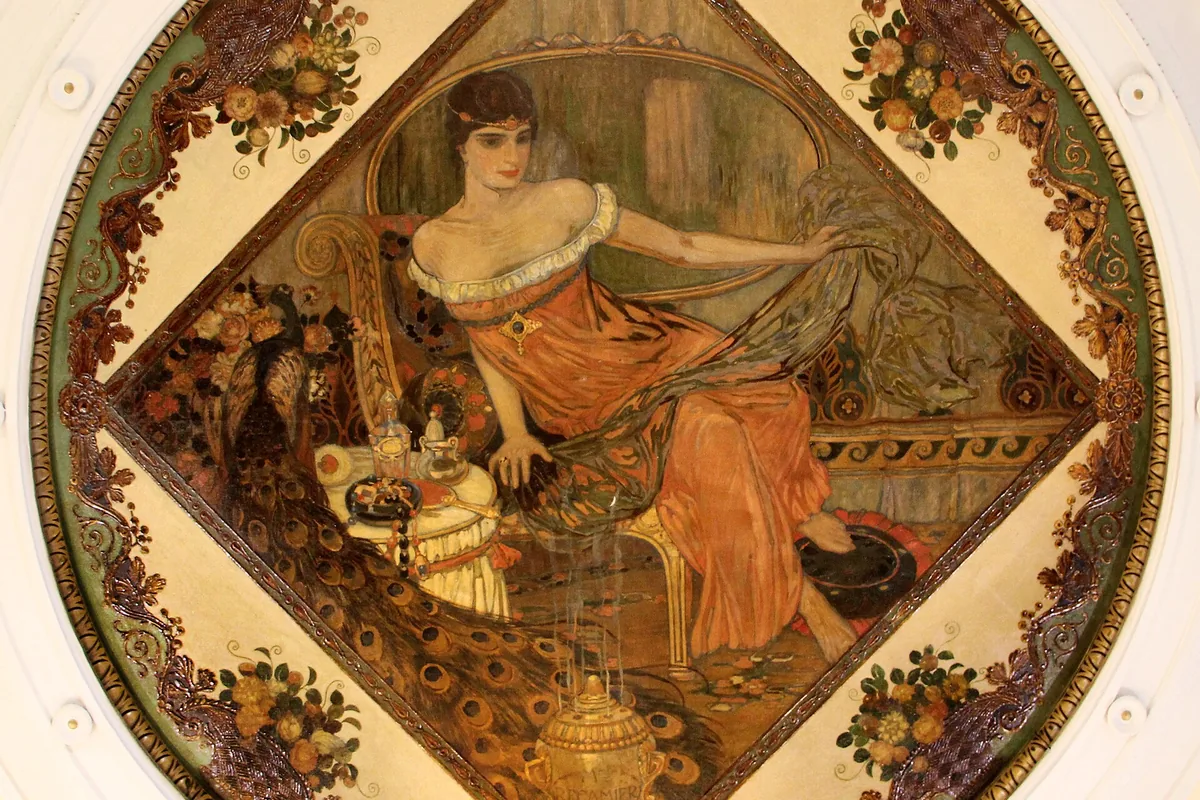
Caffè Gilli is the grand old lady of Piazza della Repubblica, with a Belle Époque interior that is a rare survivor in Florence. Guides say the business dates back to 1733 and moved to the square in the 1920s. Inside you will find a marble counter, stucco ceilings and glass cases of pastries and chocolates.
In the early twentieth century it was a meeting place for artists and writers, including figures from the Futurist movement. Today it is busy with visitors as well as locals, and one guide calls it touristy but says the coffee is solid. That is a fair summary. You come for the room as much as the cup.
The way you order changes the bill. At the bar, an espresso is a quick and cheap stop, as in any Italian cafe. At a table, especially on the square, you pay for the seat and the view, and the price rises accordingly. Many visitors take a standing coffee inside to see the interior, then decide whether to sit.
Pastries, chocolates and aperitivo drinks are all on offer, so Gilli works at any time of day. Sources disagree on the exact address, with one using the square and another a nearby street, so look for the corner of the piazza.
- How to get there: On foot from the Duomo, about five minutes.
- How long to spend: Thirty minutes at the bar, or an hour at a table.
- Best time to go: Mid-morning, when the pastries are fresh.
- Tip: Stand at the bar first to see the interior without paying table prices.
3. Caffè Concerto Paszkowski
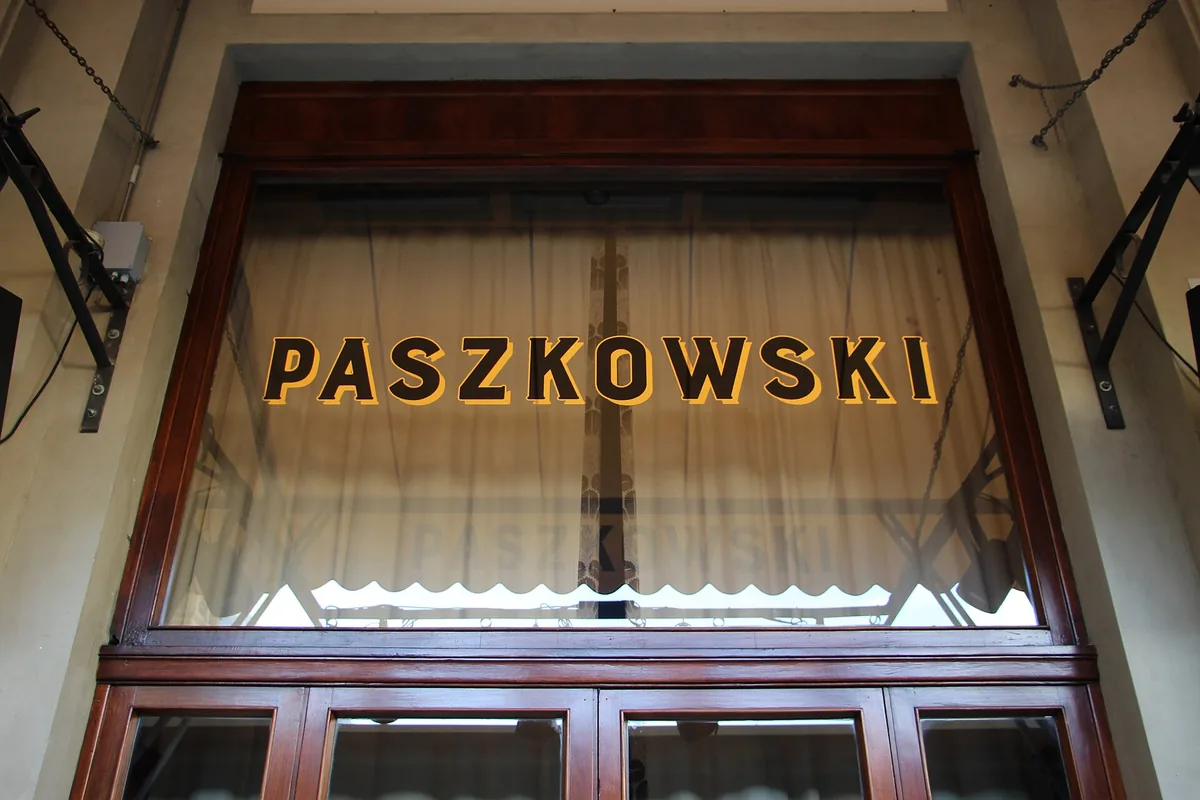
Caffè Concerto Paszkowski is the Art Deco cafe on the same square, with wood panelling, refined tea rooms and a long musical history. Its origins go back to 1846, and it later became known as a cafe-concert venue. It was declared a National Monument in 1991, which tells you how much the interior is valued.
The style is quieter and darker than Gilli’s, with panelled walls and an air of old Florence. Guides describe tea rooms as well as the main cafe, so it suits a long, slow afternoon. It is a good choice if you want a seat inside rather than a quick coffee at the bar.
The menu covers coffee, tea, pastries and light dishes, and it also serves drinks in the evening. In summer, tables spill out onto the square, with the square in front of you. The setting is part of the price, so treat it as a treat rather than a bargain.
Together with Gilli and Le Giubbe Rosse, it forms a trio of historic cafes within a few steps of each other, which makes a short walking tour of coffee culture easy. Visit one for coffee, another for a pastry and a third for an evening drink, and you will have seen the best of the square.
- How to get there: On foot from the Duomo, about five minutes.
- How long to spend: About an hour.
- Best time to go: Late afternoon, for tea and cake.
- Tip: Sit inside to enjoy the interior, then take a stroll on the square.
4. Le Giubbe Rosse
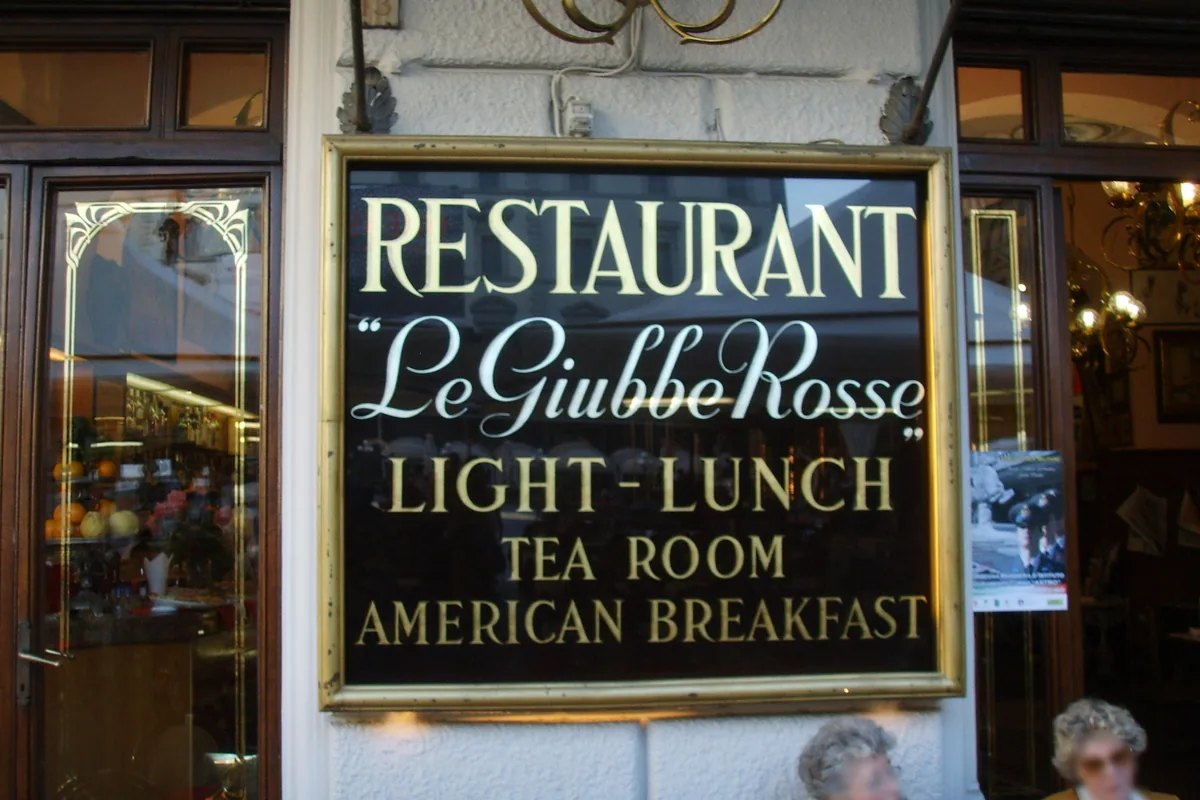
Le Giubbe Rosse is the cafe of writers and Futurists, named after the red jackets its waiters once wore. It opened in the late 1890s as a German-run beer hall, and the name comes from the red jackets its waiters wore. In the early twentieth century it became a meeting place for artists and writers.
The story has a recent twist. Reports say the company running it went bankrupt in 2018 and that the cafe stayed closed for several years, then reopened in June 2024 after a restoration. Reports differ on who now runs it, so check current opening details and the menu before you go, as things may have changed since then.
Inside, the walls are covered with period photographs and memorabilia, which gives the room a museum-like feel. It is a good place to sit with a coffee and imagine the debates that once took place here. Even if you are not a literature fan, the mix of history and a prime spot on the square is hard to beat.
Compared with Gilli and Paszkowski, it can feel a little less polished, but that is part of its character. It is a worthy stop for anyone interested in the cultural history of Florence, and it pairs well with the other two on a short crawl.
Prices are in line with other cafes on the square, so remember the difference between bar and table service.
- How to get there: On foot from the Duomo, about five minutes.
- How long to spend: Forty-five minutes.
- Best time to go: Mid-afternoon, between the lunch and aperitivo crowds.
- Tip: Look at the photographs on the walls while you wait for your coffee.
5. Caffè Rivoire
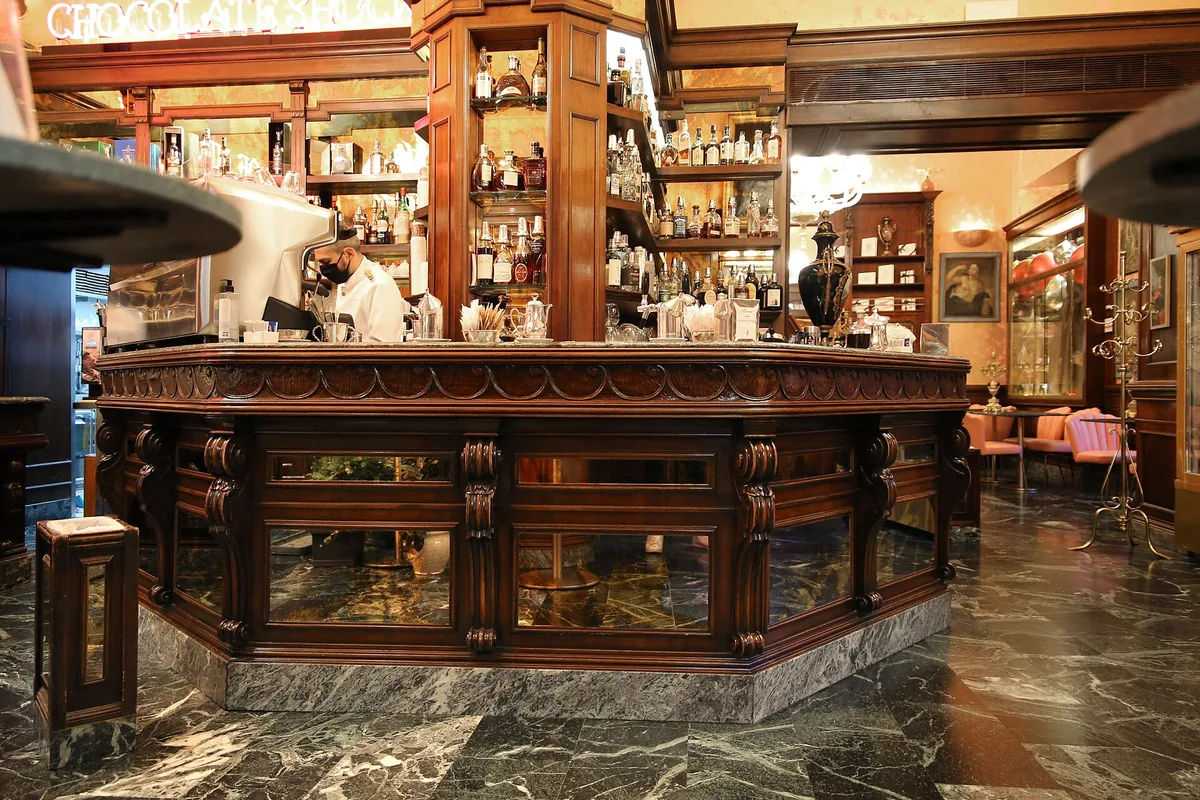
Caffè Rivoire is the place for hot chocolate, with tables on Piazza della Signoria and a Turin-style chocolate tradition. Sources agree it was founded in 1872 by Enrico Rivoire, a chocolatier from Turin who supplied the Savoy royal family, and who brought hot chocolate to Florence when the court moved there.
The hot chocolate is the signature item, and it is thick, rich and best on a cool day. The cafe also has its own chocolate workshop, so pastries and chocolates are made on site, according to guides. It makes a good dessert stop after a visit to the Uffizi or the Palazzo Vecchio, which are both a few steps away.
The location is the draw and the catch. You sit looking at the Palazzo Vecchio and the statues of the Loggia, which is one of the best views in the city. For that reason, table prices are higher than at a bar. If you are on a budget, take a drink at the counter, or choose a chocolate to take away.
Rivoire has had several owners over the years, and a travel guide notes that the celebrity visitors of the past are not always well documented, so treat the glamorous stories lightly. What is certain is the setting and the chocolate.
- How to get there: On foot from the Uffizi or the Duomo, about ten minutes.
- How long to spend: Forty-five minutes.
- Best time to go: A chilly afternoon, for hot chocolate.
- Tip: Have the drink at the bar if you want to save money, and sit outside only for the view.
6. La Ménagère
La Ménagère is a cafe, restaurant, bar, flower shop and homeware store under one roof. It stands on Via de’ Ginori in San Lorenzo, in a space that was once a housewares shop. Guides say the original business dates back to 1896, and the current concept opened in the mid-2010s, though sources give different years.
The industrial-style space is large, with recycled materials and design objects. It works as a breakfast spot, a brunch place, a coffee stop and a cocktail bar, so you can come at several times of day. Reviewers mention a coffee programme, hearty brunches and drinks such as matcha.
Opinions are mixed on the food, with some diners praising the setting and others finding the kitchen uneven, and one reviewer noting that it is not cheap. That is worth knowing. It is best treated as a relaxed place for coffee and brunch in a striking room rather than a serious food destination.
There is also live music in the downstairs space on some evenings, according to guides, so check the programme if that appeals. The flowers at the entrance are a nice touch, and the homeware section can tempt you into buying a souvenir.
Its location near the central market and the station makes it a handy base for a first morning in the city.
- How to get there: On foot from the central market or Santa Maria Novella station, about five minutes.
- How long to spend: One hour.
- Best time to go: A weekday morning, for brunch without the weekend crowd.
- Tip: Go for coffee and a pastry, and save the big meal for elsewhere.
7. Todo Modo
Todo Modo is an independent bookshop with a cafe and wine bar, and it is the best place in Florence to browse and sip. It is on Via dei Fossi, near Santa Maria Novella and the Ponte alla Carraia. Guides describe it as part bookshop, part enoteca, part cafe and part event space.
The shelves hold thousands of titles, including a wide English-language selection and guides to Tuscany. The cafe area is named Uqbar, after a story by Borges, and guides say it is a cosy place to read or work on a laptop. A back room hosts talks, screenings and small concerts, so it is worth checking the programme.
The atmosphere is calm and bookish, a welcome change from the busy piazza cafes. It suits solo travellers, writers and anyone who wants to recharge for an hour. Sit with a coffee and a book from the shelves, then buy one to take home as a souvenir that does not weigh much.
Sources agree it is closed on Mondays. One lists opening from Tuesday to Sunday during the day, but hours may have changed, so check the shop’s own website before you go. Its sister shop on Via dei Serragli focuses on illustrated books, which is useful if you are travelling with children.
- How to get there: On foot from Santa Maria Novella station, about ten minutes.
- How long to spend: One hour or more.
- Best time to go: Mid-morning on a weekday.
- Tip: Ask the staff for a Florence-related recommendation from the shelves.
8. Caffè Cibrèo
Caffè Cibrèo is a historic cafe in Sant’Ambrogio with red velvet seats and a see-and-be-seen feel. It is on Via del Verrocchio, close to the Sant’Ambrogio market, and belongs to the Cibrèo group started by the chef Fabio Picchi, who opened the original restaurant in 1979.
Guides describe a cafe that is open from early in the day to late at night, though sources disagree on opening days and hours, so check the official site before you go. It is known for breakfast pastries and coffee, and also for a simple pasta dish of tagliolini with cacio e burro that some visitors seek out.
The interior is warm and theatrical, with velvet armchairs that one guide says were salvaged from a theatre. There are also tables outside, which are pleasant when the weather is good. The neighbourhood has a more local feel than the centre, so you will see Florentines doing their shopping at the market.
Sources disagree on when the cafe opened, with one saying 1989 and another 2010, and neither could be confirmed from a primary source, so we do not give a date. What matters is the atmosphere, which is relaxed and a little glamorous.
It combines well with a morning at the market, followed by a stop for coffee and a pastry.
- How to get there: On foot from Santa Croce, about ten minutes.
- How long to spend: Forty-five minutes to an hour.
- Best time to go: A mid-morning visit after the market.
- Tip: Check the current opening days, as sources differ.
9. Coffee Mantra
Coffee Mantra is a tiny specialty cafe in Sant’Ambrogio that rotates a single-origin coffee every day. Guides describe it as a small corner shop a short walk from the market, with a counter, a high table and a couple of benches outside. It is not a place for a long sit.
The beans come from the Gearbox roastery in the Mugello area north of Florence, and guides describe Coffee Mantra as its Florence flagship. You can order a filter coffee, and some guides describe the barista preparing it at a brewing station. Reviewers have praised the flat white and said the prices are reasonable.
It is a purist’s cafe. Reviews mention that it has no wifi, no decaf and no tea, so it is best for people who want one thing done well. If you like to learn about the origin of your beans, ask the barista to explain the coffee of the day.
Because it is small, you may need to stand or take your cup away. That is easy to do in Sant’Ambrogio, which is full of nice places to walk, and the market and church are close by. It is listed on Borgo la Croce, but that address comes from a single source, so check a map before you set out.
- How to get there: On foot from Santa Croce or Sant’Ambrogio market, about ten minutes.
- How long to spend: Twenty to thirty minutes.
- Best time to go: Morning, when the single-origin coffee is fresh.
- Tip: Ask about the coffee of the day before you order.
10. Caffetteria Emmeti
Caffetteria Emmeti is a neighbourhood specialty bar that shows how far Florence’s coffee scene has spread beyond the centre. It is on Via Mannelli, in the Campo di Marte area, and began life as a traditional corner cafe. In 2020 it moved away from traditional coffee and started using specialty beans from the Florentine roaster La Sosta.
The coffee is well made, with espresso and a filter option, and the beans are sold to take home. It is a modest place with a local following rather than a tourist attraction, so you will find residents stopping in for a morning cup rather than sightseers.
It is not in the historic centre, so it works best if you are staying nearby, heading to the Campo di Marte stadium area or looking for somewhere quieter. The trip can be done by bus or a longer walk from the centre, and the area has a more everyday feel than the main sights.
If you are a coffee fan who has already visited the city’s best-known bars, this is a pleasant extra stop that shows another side of Florence. Expect a short list of drinks, friendly service and none of the queues of the central cafes.
Check the current address and hours on a map before you go, as small cafes change their opening days.
- How to get there: By bus or taxi from the centre, or a longer walk from Santa Croce.
- How long to spend: Thirty minutes.
- Best time to go: Morning.
- Tip: Buy a bag of beans to take home if you like the coffee.
Coffee and cafe terms to know in Florence
- Caffè: A single espresso. Order it at the bar and drink it standing.
- Caffè lungo: A longer espresso with more water.
- Cappuccino: Traditionally a morning drink. Italians rarely order it after a meal.
- Caffè macchiato: An espresso with a splash of milk.
- Cornetto: The Italian croissant, often filled with cream, jam or chocolate.
- Cioccolata calda: Thick Italian hot chocolate, almost like a pudding.
- Coperto: A small cover charge that some places add for table service.
How Italian coffee etiquette works
In most Florence cafes you pay at the cash desk first, then take your receipt to the bar and give it to the barista. Drinking at the bar is cheaper than sitting down, and tables on famous squares cost the most. Many locals have a quick coffee standing up, so it is perfectly normal to do the same. A tip is not expected for a bar coffee, though a coin or two for table service is welcome. Cafes close at different times, so check opening days, particularly for small independent places.
Suggested cafe plan for 1, 2 or 3 days
One day: Specialty coffee and breakfast at Ditta Artigianale, a standing coffee at Caffè Gilli and hot chocolate at Caffè Rivoire in the afternoon.
Two days: Add Todo Modo for a calm book break and Caffè Cibrèo for a morning around Sant’Ambrogio.
Three days: Add Le Giubbe Rosse, Caffè Concerto Paszkowski and Coffee Mantra, with La Ménagère for a relaxed brunch. For more places to eat in the city, see our guide to the best places to eat in Florence.
Where to stay for cafe lovers
- Near the Duomo and Piazza della Repubblica: Best for historic cafes and short walks.
- Sant’Ambrogio and Santa Croce: Best for local cafes and the morning market.
- San Lorenzo and Santa Maria Novella: Best for brunch, bookshops and train links.
Getting around
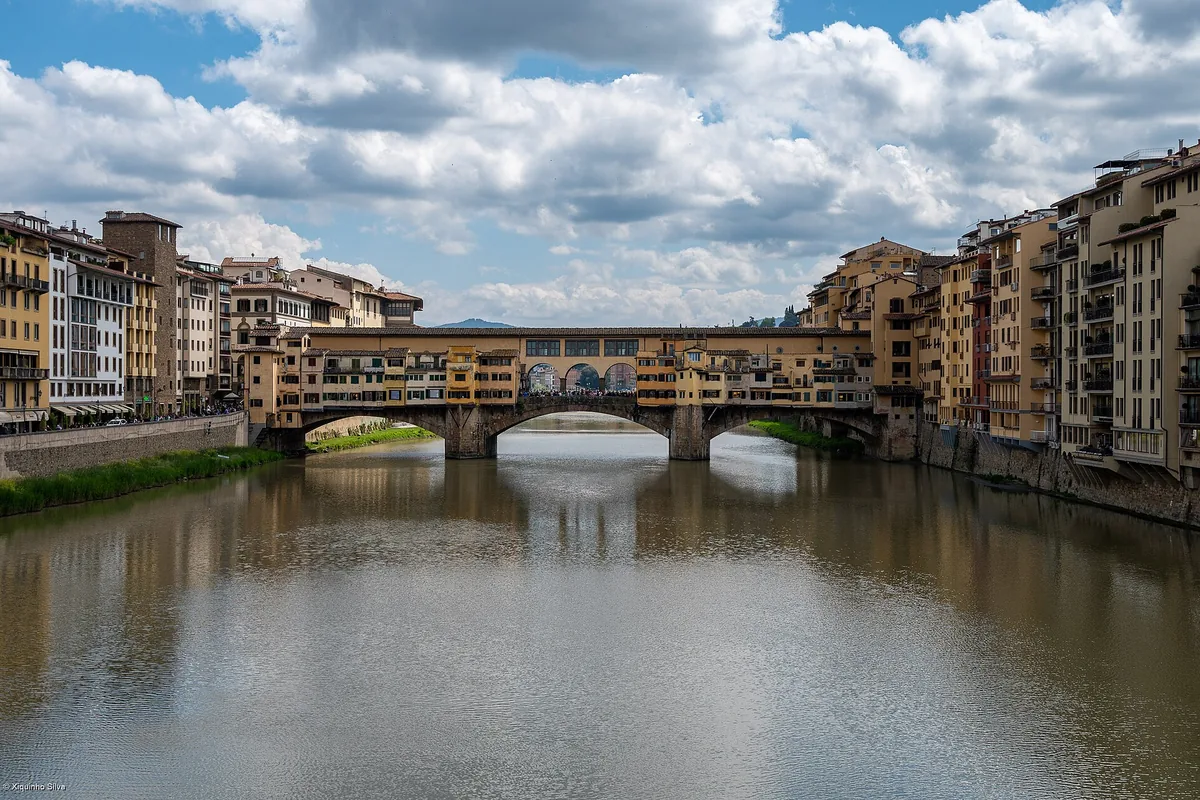
Central Florence is compact, and every cafe in the centre is within a short walk of the Duomo. Sant’Ambrogio is a pleasant walk east. For farther spots such as Campo di Marte, buses and taxis are useful, and the Comune di Firenze website is the place to check current transport information.
Budget guidance
- Cheap: A coffee at the bar in any cafe, or a pastry from a local bakery.
- Mid-range: A sit-down breakfast or brunch at Ditta Artigianale, La Ménagère or Caffè Cibrèo.
- Comfortable: Table service on Piazza della Repubblica or Piazza della Signoria, where you pay for the setting.
When the sun goes down, swap espresso for aperitivo with our guide to the best bars in Florence, and if you like cafes that are as good to look at as to drink in, browse our pick of the most Instagrammable cafes around the world.
Frequently Asked Questions
What are the best cafes in Florence?
For history, visit Caffè Gilli, Caffè Concerto Paszkowski, Le Giubbe Rosse and Caffè Rivoire. For specialty coffee, try Ditta Artigianale or Coffee Mantra. For books and a relaxed atmosphere, go to Todo Modo.
Where can I find the best coffee in Florence?
Specialty bars such as Ditta Artigianale and Coffee Mantra are good for single-origin and filter coffee. For a classic espresso, any good neighbourhood bar will do, ideally drunk standing at the counter.
Why is coffee cheaper at the bar in Florence?
Italian cafes charge less for drinks taken at the counter than for table service, because sitting costs the business more. On famous squares the difference is larger, so many visitors drink at the bar and only sit for the view.
What do Italians drink for breakfast in Florence?
Most locals have a cappuccino or espresso with a cornetto, standing at a bar. Cappuccino is traditionally a morning drink.
Are the historic cafes in Florence worth the price?
They can be, if you treat them as an experience. Have a drink at the bar to see the interior, or sit down for a treat. Check prices before you take a table.
Do Florence cafes open early?
Many open early in the morning, but days and hours vary, especially for small independent cafes, so check before you go.
Discover Florence
Florence rewards slow mornings, so pair these cafes with a day or two of sightseeing. If you have a spare day, our guide to day trips from Bologna shows what else is within easy reach of Florence by train.
Featured image: Photo by Freepenguin, CC BY-SA 3.0, cropped, via Wikimedia Commons