
Vietnam’s elongated S-shape stretches over 1,600 kilometers from north to south, creating a patchwork of microclimates that makes timing your visit crucial. While one region basks in sunshine, another might face monsoon rains or typhoons. Understanding these regional weather patterns will transform your Vietnamese adventure from good to extraordinary.
TL;DR: Quick Regional Guide – Best time to visit Vietnam
North Vietnam (Hanoi, Ha Giang, Sapa):
- Best Time: October to April for dry, cool weather
- Avoid: July to September (heavy rain and landslides)
- Key stops: Hanoi, Sapa, Ha Long Bay
Central Vietnam (Hue, Da Nang, Hoi An):
- Best Time: February to August for beach weather
- Avoid: October to November (typhoon season)
- Key stops: Hoi An, Da Nang, Hue
South Vietnam (Ho Chi Minh City, Mekong Delta, Phu Quoc):
- Best Time: December to April for dry heat
- Rainy but doable: June to August
- Key stops: Ho Chi Minh City, Phu Quoc, Mekong Delta
Best Overall Month: February offers ideal conditions across most regions
Best for Beaches: March to August (central coast) or December to April (southern islands)
Best for Trekking: October to April in northern mountains
Understanding Vietnam’s Climate Zones
Vietnam’s geography creates three distinct climate zones, each responding differently to monsoon patterns. The northern region experiences four seasons influenced by cold air masses from China. Central Vietnam faces the shortest dry season and bears the brunt of Pacific typhoons between September and November. Southern Vietnam remains tropical year-round, with temperature variations of just 5 degrees Celsius between seasons.
According to Vietnam’s General Statistics Office, the country receives an average annual rainfall ranging from 1,500mm in the south to over 3,000mm in mountainous northern areas. This dramatic variation means your ideal travel window shifts significantly depending on which places in Vietnam you plan to explore.
North Vietnam: Four Seasons, Endless Variety
Climate Overview
North Vietnam offers the country’s most dramatic seasonal changes. Winter brings temperatures that can drop to 5°C in the mountains, while summer humidity makes Hanoi feel like a steaming bowl of pho. The region’s topography ranges from sea-level deltas to 3,143-meter Fansipan, creating microclimates within microclimates.
October to December marks the sweet spot for northern exploration. Clear skies reveal Ha Long Bay’s limestone karsts in their full glory, while cool temperatures make walking tours of Hanoi’s Old Quarter comfortable. Night temperatures in Sapa can plunge below 10°C, perfect for cozying up in mountain lodges.
January to April extends the dry season, though early months bring occasional drizzle and fog. February often coincides with Tet (Lunar New Year), when Vietnam essentially shuts down for family celebrations. March and April warm up gradually, with spring blossoms painting northern valleys.
May to September brings heat and humidity, with July and August seeing the heaviest rainfall. Mountain roads become treacherous, and Ha Long Bay’s emerald waters turn choppy. Budget travelers can find deals during this off-season, but prepare for afternoon downpours.
Hanoi & Red River Delta
The capital city pulses with energy year-round, but October through December offers the most pleasant exploration weather. Temperatures hover between 20-25°C, ideal for navigating Hanoi’s attractions on foot or by cyclo.
Winter fog (January-February) creates atmospheric scenes around Hoan Kiem Lake, though visibility can hamper photography. This period also sees the Perfume Pagoda pilgrimage, when thousands of Buddhist devotees take boat trips through limestone caves.
Summer heat (June-August) pushes temperatures above 35°C with 80% humidity, making air-conditioned cafes your best friend. Yet this is when Vietnamese street food truly shines, as chilled bia hoi (draft beer) and fresh spring rolls provide perfect refreshment.
Getting There: Noi Bai International Airport serves as the gateway, located 45 minutes north of central Hanoi. Train connections link Hanoi to Ninh Binh (2 hours) and other northern destinations.
Sapa & Northwest Mountains
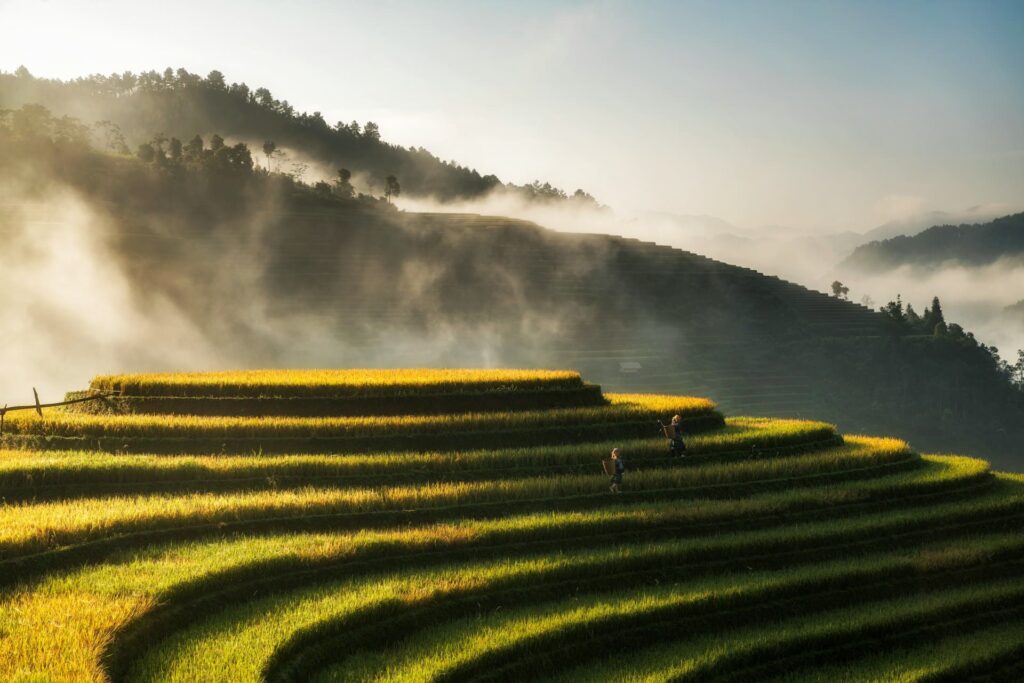
Vietnam’s northern frontier rewards visitors with terraced rice fields that cascade down mountainsides like nature’s own amphitheater. The trekking routes in Sapa rank among Southeast Asia’s most photogenic, but timing is everything.
September to November offers the harvest season, when rice terraces turn golden before your eyes. October brings comfortable daytime temperatures (15-20°C) and crystalline visibility. Local markets burst with fresh produce, and ethnic minority villages celebrate harvest festivals.
December to February turns bitterly cold, with occasional snow on Fansipan’s summit. Pack serious layers, but embrace the novelty of winter in tropical Vietnam. Hmong and Dao villagers don their most colorful traditional clothing during this season’s festivals.
May presents a different beauty as farmers plant new rice, flooding terraces create mirror-like reflections, and valleys glow emerald green. However, afternoon showers increase, and leeches emerge on forest trails.
Avoid July and August when relentless rain triggers landslides and makes mountain roads dangerous. Even experienced motorcyclists struggle with muddy conditions.
Getting There: Overnight sleeper trains depart Hanoi nightly, arriving in Lao Cai (gateway to Sapa) after 8 hours. Luxury limousine buses offer faster daytime alternatives. Cable cars whisk visitors to Fansipan’s summit in 15 minutes.
Ha Giang Loop
The legendary Ha Giang Loop has become Vietnam’s ultimate motorcycle adventure, winding through karst mountains along the Chinese border. This remote region demands respect for weather conditions.
October and November deliver perfect riding conditions. The famous Ma Pi Leng Pass reveals panoramic canyon views under blue skies, while buckwheat flowers paint valleys pink and white. Road surfaces stay dry, crucial for navigating hairpin turns.
December to April maintains good weather but brings cold temperatures at altitude. Pack windproof layers for early morning rides. March and April see rapeseed flowers blooming across valleys.
July to September closes some sections due to landslide risk. Even experienced riders should reconsider during heavy monsoon months. Local authorities may restrict access entirely during severe weather warnings.
Getting There: The 6-8 hour drive from Hanoi to Ha Giang City marks just the beginning. Most travelers rent semi-automatic motorbikes (Honda Blades or Winners) for the 3-4 day loop circuit. Guide services and homestays have improved dramatically in recent years.
Ha Long Bay
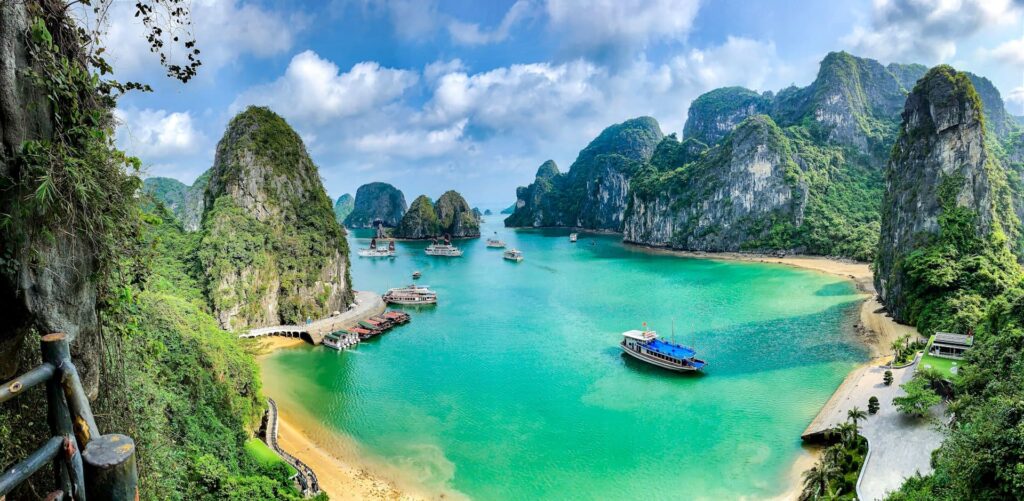
This UNESCO World Heritage Site draws over 6 million annual visitors to its 1,600 limestone islands. Weather significantly impacts your cruise experience, making seasonal timing crucial.
October to April provides the classic Ha Long Bay experience. Calm seas allow kayaking into hidden grottoes, while cooler temperatures (15-25°C) make deck lounging comfortable. Visibility extends for kilometers, perfect for sunrise photography.
May to September brings warmer swimming temperatures but increased storm risk. June through August sees occasional typhoon alerts that can cancel cruises entirely. However, off-season rates drop by 30-40%, and fewer boats mean less crowded swimming coves.
For the best Ha Long Bay cruise experience, book at least 2-3 weeks ahead during peak season (October-December). Overnight cruises departing from Tuan Chau or Ha Long International Port offer better value than day trips.
Getting There: The new expressway cuts transfer time from Hanoi to just 2.5 hours. Most cruise packages include round-trip transportation from Hanoi hotels.
Central Vietnam: Beach Paradise with a Catch
Climate Overview
Central Vietnam enjoys the longest dry season but also faces the country’s most destructive weather events. The region’s exposure to Pacific typhoons creates a sharp divide between excellent beach weather and dangerous storms.
February to August represents prime time for Da Nang’s beaches and Hoi An exploration. Sunshine averages 8-10 hours daily, and rainfall stays minimal. March through May offers the sweet spot before intense summer heat arrives.
September to November brings Vietnam’s most treacherous weather. Typhoons frequently make landfall between Hue and Nha Trang, bringing flooding that can cut road access for days. October 2020’s historic floods submerged Hoi An’s Ancient Town under 3 meters of water, displacing thousands.
Savvy travelers can score 50% discounts during the rainy season, but check weather forecasts obsessively and maintain flexible itineraries.
Hue Imperial City
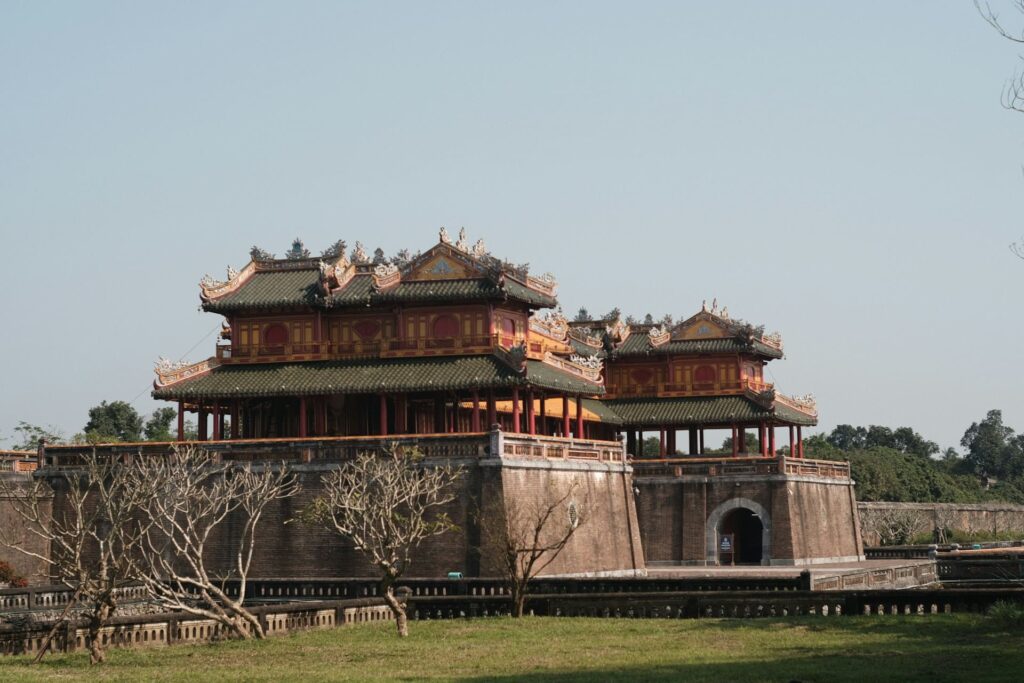
Vietnam’s former imperial capital preserves dynastic heritage through its UNESCO-listed Citadel and elaborate royal tombs. The city’s location along the Perfume River creates a romantic setting, enhanced by choosing the right season.
March to August delivers dry weather ideal for cycling between pagodas and tombs. The Hue Festival (held biennially in April or June) transforms the city with imperial reenactments, traditional music performances, and boat races on the Perfume River.
January and February bring cooler temperatures (18-23°C) and occasional drizzle that locals call “Hue rain.” This fine mist adds atmosphere but rarely disrupts sightseeing. Pack a light rain jacket and embrace the moody ambiance.
September through December should be avoided. Flooding regularly inundates streets, and the Perfume River swells dangerously. Some royal tombs become inaccessible when approach roads wash out.
Getting There: Phu Bai International Airport lies 15km south of central Hue. The scenic train journey from Da Nang (3 hours) hugs the coastline over the famous Hai Van Pass.
Da Nang & Hoi An
These neighboring destinations epitomize central Vietnam’s beach appeal. Modern Da Nang offers high-rise resorts and international dining, while UNESCO-listed Hoi An Ancient Town preserves 500 years of trading history.
February to May provides perfect beach weather before summer’s intense heat. Average temperatures range 25-30°C with minimal rain. This window also captures Hoi An’s full moon lantern festivals at their most magical.
June to August turns very hot (32-38°C) but seas remain calm and clear. Dawn or dusk beach visits become necessary to avoid midday sun. Air-conditioned attractions in Ho Chi Minh City provide welcome respite.
September marks the transition when occasional tropical storms arrive. By October and November, typhoon risk peaks. Monitor weather forecasts closely if visiting during these months. Some years pass without incident; others see devastating floods.
Hoi An’s Ancient Town features excellent drainage from centuries of monsoon adaptation, but surrounding areas flood regularly. The iconic Japanese Covered Bridge has witnessed countless storms since its construction in the 1590s.
Getting There: Da Nang International Airport serves both cities, with Hoi An just 30km south (45 minutes by taxi). Vietnam Airlines, VietJet, and Bamboo Airways offer dozens of daily domestic flights.
Nha Trang Beach
This resort city claims one of Vietnam’s longest dry seasons, stretching from January through August. Nha Trang’s protected bay and offshore islands create excellent conditions for snorkeling, diving, and island hopping.
February to July delivers consistent sunshine and calm seas. Water temperatures hover around 27°C, perfect for extended swimming. Island boat tours run smoothly, and visibility for diving reaches 20-30 meters.
August sees occasional afternoon showers but remains generally pleasant. September through December brings rougher seas and frequent rain that can dampen beach holidays.
The city’s tourism infrastructure continues expanding, with VinWonders theme park, cable cars to Hon Tre Island, and numerous mud bath facilities catering to domestic tourists.
Getting There: Cam Ranh International Airport, 40km south of Nha Trang, receives domestic flights from Hanoi, Ho Chi Minh City, and Da Nang.
South Vietnam: Tropical Consistency
Climate Overview
Southern Vietnam trades seasons for consistency. Instead of winter and summer, locals speak of wet season (May-November) and dry season (December-April). Temperature variations rarely exceed 5 degrees Celsius year-round, with highs typically between 30-35°C.
The wet season doesn’t mean constant rain but rather intense afternoon thunderstorms lasting 1-2 hours. Mornings often stay sunny, and the brief downpours provide welcome cooling. Budget travelers appreciate 30-40% lower hotel rates during these months.
December to April represents peak season when both domestic and international tourists flock south. Expect crowded attractions in the Mekong Delta and higher prices, but reliably sunny weather justifies the premium.
Ho Chi Minh City & Mekong Delta
Vietnam’s economic powerhouse never sleeps, and its tropical location means year-round visitability. However, seasonal differences still impact your experience.
December to April offers the driest conditions for exploring the city’s chaotic streets and nearby Cu Chi Tunnels. January tends toward comfortable warmth (28-32°C) while April can feel oppressively hot (35-38°C) before rains arrive.
May and June mark the start of wet season with dramatic afternoon storms. Interestingly, this coincides with the Mekong’s fruit season, when durian, mangosteen, and dragon fruit flood markets. Boat tours through the delta’s floating markets operate year-round but feel more authentic when surrounded by fruit-laden vessels.
July to September brings the heaviest rainfall. Streets flood regularly after downpours, though drainage improvements have reduced severity. The upside? Mekong tributaries swell, making river journeys more dramatic, and countryside glows emerald green.
Smart travelers schedule outdoor activities for mornings, visit air-conditioned museums during afternoon downpours, and emerge for evening street food tours once rains pass. The street food scene thrives regardless of weather.
Getting There: Tan Son Nhat International Airport ranks as Vietnam’s busiest, with connections to 50+ international destinations. Buses depart frequently for Mekong Delta towns like My Tho (2 hours) and Can Tho (3.5 hours).
Phu Quoc Island
Vietnam’s largest island has transformed from backpacker secret to resort destination, but its weather patterns remain unchanged. Located in the Gulf of Thailand, Phu Quoc enjoys a different climate than the mainland.
December to April delivers the perfect beach holiday formula: sunshine, calm seas, and temperatures around 28-30°C. This peak season attracts both Vietnamese families and international tourists. Book accommodations well in advance, especially around Tet and Western holidays.
Long Beach transforms into an endless strip of loungers and umbrellas, while northern beaches like Bai Thom maintain quieter vibes. Snorkeling trips to An Thoi archipelago benefit from 20-meter visibility.
May and June begin the rainy transition, though many days stay sunny. This shoulder season offers the best value, with hotel rates dropping 40% while weather remains generally pleasant. Brief afternoon showers clear quickly.
July to September brings full monsoon conditions. Rain falls more frequently, seas turn rough, and some resorts close entirely. However, determined budget travelers find near-empty beaches and rock-bottom prices. The things to do in Phu Quoc extend beyond beaches to pepper plantations, fish sauce factories, and night markets that operate year-round.
Getting There: Phu Quoc International Airport receives direct flights from Hanoi, Ho Chi Minh City, Da Nang, and select international cities including Singapore and Seoul.
Month-by-Month Weather Breakdown
| Month | North Vietnam | Central Vietnam | South Vietnam | Key Notes |
|---|---|---|---|---|
| January | Cool (15-20°C), dry | Cool (20-24°C), mild rain | Dry, warm (28-32°C) | Tet often falls late January |
| February | Cool, morning mist | Dry, sunny | Dry, hot (30-34°C) | Best overall month nationwide |
| March | Mild (20-25°C) | Dry, warming | Dry, hot (32-35°C) | Beach season begins |
| April | Warm (25-30°C) | Dry, hot | Very hot (34-37°C) | Peak dryness everywhere |
| May | Hot, humid, rain starts | Warming (30-35°C) | Rainy season begins | Fruit season in Mekong |
| June | Heavy rain | Excellent beach weather | Wet afternoons | Strong sun on central coast |
| July | Wet, hot | Hot, sunny | Wet, thunderstorms | Northern mountains slippery |
| August | Wet, oppressive heat | Peak beach season | Heavy afternoon rain | Typhoon monitoring needed |
| September | Rain easing | Transition, storm risk | Still wet | Rice harvest in north |
| October | Dry, cool, clear | High typhoon risk | Drying out | Best northern weather |
| November | Cool, crisp | Major storm risk | Dry season starts | Avoid central coast |
| December | Cold (10-18°C) | Dry, pleasant | Peak season | Best for southern islands |
Vietnam’s Major Festivals and Cultural Events
Tet Nguyen Dan (Lunar New Year)
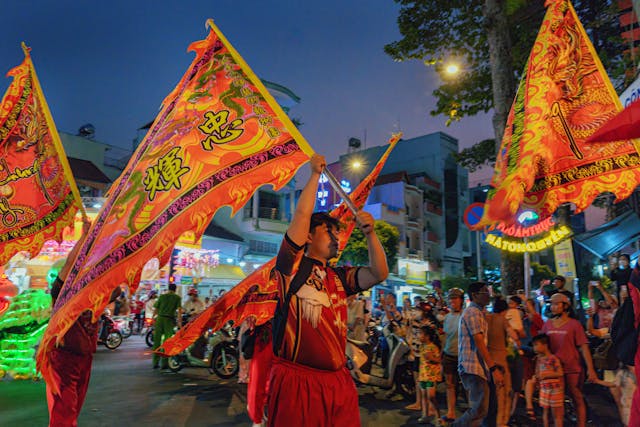
Falling in late January or early February, Tet represents Vietnam’s most important holiday. Families reunite, temples overflow with worshippers, and cities empty as millions return to ancestral villages.
Travel Impact: Most businesses close for 7-10 days. Domestic flight prices triple, and hotels near family hometowns book out months ahead. Tourist attractions may close or operate on reduced hours. However, witnessing Tet preparations – flower markets, kumquat trees, and festive decorations offer unique cultural immersion.
Streets explode with firecrackers at midnight (technically illegal but widely ignored), and dragon dances bring good fortune to shops and homes. If visiting during Tet, book everything in advance and maintain maximum flexibility.
Mid-Autumn Festival (Tet Trung Thu)
Usually falling in September or early October, this festival celebrates children with lantern parades, mooncakes, and lion dances. Hoi An becomes particularly magical as thousands of lanterns illuminate the Ancient Town.
Families picnic under the full moon, and street performers enact traditional tales. Modern celebrations include elaborate lantern competitions and theme park events.
Hue Festival
Held biennially (even years) in April, May, or June, this week-long event showcases Vietnam’s imperial heritage. Expect royal costume reenactments, classical music performances, dragon boat races on the Perfume River, and contemporary art exhibitions.
International artists join Vietnamese performers, creating a fusion of traditional and modern culture. Hotel prices surge, so book 2-3 months ahead.
Perfume Pagoda Festival
From January to March (after Tet), Buddhist pilgrims flock to this cave complex south of Hanoi. Boats carry worshippers along the Yen Stream through limestone landscapes, followed by hikes up Huong Tich Mountain.
The festival reaches its peak on the 15th day of the first lunar month, when tens of thousands converge. Weekdays offer more manageable crowds while maintaining the spiritual atmosphere.
Hung Kings Festival
April 10th (lunar calendar) honors Vietnam’s legendary founders with a pilgrimage to Phu Tho province’s Hung Kings Temple. This national holiday features traditional games, wrestling competitions, and offerings of sticky rice cakes.
Planning Your Vietnam Itinerary by Season
Peak Dry Season (December-February)
This window allows comprehensive Vietnam itineraries covering all regions. Start in Hanoi, explore northern mountains, fly to central beaches, and finish with southern islands. Cool northern weather balances hot southern temperatures.
Sample 14-day route: Hanoi (3 days) → Sapa (3 days) → Ha Long Bay (2 days) → Hoi An (3 days) → Ho Chi Minh City (2 days) → Phu Quoc (3 days)
Expect crowds and premium prices, but weather reliability justifies both.
Shoulder Season (March-April, October-November)
These transition months offer fewer tourists and moderate prices. March and April work well for central and southern Vietnam, though northern mountains warm up significantly. October and November excel for northern exploration but require avoiding central Vietnam entirely.
March-April Strategy: Focus on Hoi An to Da Nang beaches, then head south. Skip northern mountains.
October-November Strategy: Concentrate on Hanoi, Sapa, Ha Long Bay, and perhaps Ninh Binh. Fly south if extending your trip.
Wet Season (May-September)
Budget travelers willing to dodge rain showers can explore affordably. Northern Vietnam becomes challenging (July-August worst), central Vietnam remains decent (June-August), and southern Vietnam handles rain with afternoon patterns.
June-August Focus: Base yourself in central Vietnam’s beach towns. Take day trips inland when storms approach coast. Morning things to do in Ninh Binh work well before afternoon rains.
Pack quick-dry clothing, waterproof bags for electronics, and a positive attitude toward weather changes.
Practical Weather Planning Tips
Layer Your Clothing: Northern Vietnam’s mountain evenings require fleece or light jackets even in summer. Southern Vietnam stays warm year-round, but aggressive air conditioning in buses and restaurants necessitates long sleeves.
Monitor Typhoon Forecasts: Download weather apps like Windy or Tropical Tidbits when visiting central Vietnam between August and November. Typhoons typically give 3-5 days warning, allowing itinerary adjustments.
Book Flexibly During Monsoon: Choose accommodations with free cancellation during wet season. Flight tickets with change allowances provide peace of mind when storms threaten.
Embrace Local Rhythms: Vietnamese people adapt seamlessly to weather patterns. Copy their approach: seek shade during midday heat, expect afternoon showers during wet season, and enjoy street food that thrives in all conditions.
Pack Smart: Lightweight rain jacket, reef-safe sunscreen (30+ SPF), wide-brimmed hat, and comfortable walking shoes handle most conditions. Quick-dry clothes mean smaller luggage and faster laundry.
Conclusion: Match Your Travel Style to Vietnam’s Seasons
Vietnam’s dramatic climate variations transform from challenge to opportunity when properly planned. Beach lovers should target central Vietnam from February to August or southern islands December to April. Mountain trekkers find optimal conditions October through April in the north. Cultural enthusiasts can visit year-round, timing visits around major festivals.
The “best” time ultimately depends on your priorities. February offers the most balanced weather nationwide, but October delivers spectacular northern scenery, while March provides perfect beach conditions. Even wet season has advantages: lush landscapes, fewer tourists, and authentic glimpses of Vietnamese life when tourism pressure eases.
Vietnam rewards flexible travelers who research regional patterns and adjust itineraries accordingly. Whether you’re watching sunrise over Ha Long Bay’s limestone karsts, cycling through Hoi An’s lantern-lit streets, or cruising the Mekong’s floating markets, choosing the right season amplifies every experience.
Start planning your Vietnamese adventure by selecting your must-see regions, then align your dates with their optimal weather windows. With over 3,000 kilometers of coastline, towering mountains, and vibrant cities, Vietnam offers something extraordinary in every season.
Frequently Asked Questions
What month has the best weather overall in Vietnam?
February consistently delivers excellent conditions across most regions. Northern Vietnam enjoys cool, dry weather perfect for trekking, central Vietnam offers sunny beach days, and southern Vietnam basks in dry-season sunshine. The only drawback: February often coincides with Tet, when domestic travel peaks and some businesses close.
When is the cheapest time to visit Vietnam?
May through June and September represent shoulder seasons with 30-40% lower accommodation rates. September particularly offers deals as wet season continues in the south while northern weather improves. However, you’ll face occasional afternoon rain showers and need flexible plans.
Should I avoid Vietnam during typhoon season?
Typhoons primarily threaten central Vietnam between September and November, especially October. If visiting during these months, maintain flexible bookings, purchase travel insurance, and monitor weather forecasts closely. Many travelers visit without incident, but devastating storms do occur several times per year. Northern and southern Vietnam remain safe from typhoons.
What’s the best time for photography in Vietnam?
October through December delivers the most dramatic lighting and clear visibility nationwide. Northern mountains showcase golden rice harvests, Ha Long Bay’s karsts emerge from lifting fog, and southern cities enjoy crisp, pollution-free air. Early morning and late afternoon provide the most flattering light year-round.
Can I visit all of Vietnam in one trip, regardless of season?
Yes, but seasonal timing affects which regions shine. December through April allows successful north-to-south itineraries. During wet season (May-November), focus on specific regions rather than comprehensive tours: northern mountains (October-November), central beaches (June-August), or southern destinations (December-April) work better than attempting everything.
How does Tet affect travel plans?
Tet (Lunar New Year, late January or early February) transforms Vietnam. Transportation costs triple, hotels near family destinations sell out months ahead, and many businesses close for a week. Tourist attractions may operate on reduced hours. However, the festive atmosphere, flower markets, and cultural displays offer unique experiences. If visiting during Tet, book everything in advance and embrace the celebratory chaos.