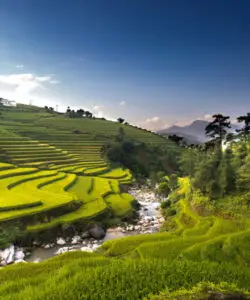
Planning your next European getaway? Albania offers the perfect combination of stunning Mediterranean coastline, ancient history, and authentic culture at a fraction of the cost of its more famous neighbors. This Balkan nation has transformed from one of Europe’s most isolated countries into a trending destination that savvy travelers are discovering before the crowds arrive.
An Albania holiday delivers everything you want from a Mediterranean escape: pristine beaches rivaling those in Greece, UNESCO World Heritage sites, delicious cuisine, and some of the warmest hospitality in Europe. Whether you’re seeking adventure in the Albanian Alps, relaxation on the Albanian Riviera, or cultural immersion in ancient stone cities, this hidden gem offers extraordinary value without compromising on experience.
In this comprehensive guide, you’ll discover the best places to visit in Albania, essential travel tips, safety information, visa requirements, and detailed itineraries to help you plan an unforgettable Albanian adventure.
TL;DR: Quick Overview
- Albania is affordable and safe with one of the lowest crime rates in Europe
- Top cities include Tirana, Berat, and Gjirokastër, each offering unique historical and cultural experiences
- The Albanian Riviera provides perfect summer holiday destinations with crystal-clear waters and pristine beaches
- Ideal for history lovers, hikers, and beach seekers with diverse landscapes from mountains to coastline
- Visa-friendly with 90-day visa-free access for most Western nationalities
- Best visited May through September for optimal beach weather and outdoor activities
Why Visit Albania?
Albania offers an authentic Mediterranean experience that combines the beauty of the Greek islands, the history of Italy, and the adventure of Croatia but without the tourist crowds or inflated prices. The country’s 300 days of sunshine annually, along with its dramatic coastline stretching over 450 kilometers, makes it an ideal destination for a summer holiday in Albania.
The Albanian landscape is remarkably diverse. Within a few hours’ drive, you can transition from the snow-capped Albanian Alps to ancient Ottoman towns, and then to turquoise beaches that rival anywhere in the Mediterranean. According to the World Tourism Organization, Albania has seen tourism growth rates exceeding 20% annually in recent years, yet it remains blissfully uncrowded compared to destinations like Croatia or Greece.
Key reasons to visit Albania:
The country’s turbulent history, from ancient Illyrian tribes through Ottoman rule to communist isolation, has created a unique cultural tapestry. Today’s Albania embraces visitors with genuine warmth while maintaining traditions that have been lost elsewhere in Europe. The food scene alone makes Albania worth visiting, with fresh Mediterranean ingredients, Ottoman influences, and mountain traditions creating a cuisine that surprises even seasoned travelers.
Unlike overtouristed Mediterranean destinations, Albania lets you experience authentic local culture. You’ll share meals with families who still practice traditional hospitality, explore archaeological sites without fighting through crowds, and discover beaches where you might be one of only a handful of visitors.
Is Albania Safe to Travel To?
Yes, Albania is very safe for travelers. Despite outdated stereotypes, modern Albania has one of the lowest crime rates in Europe. According to Numbeo’s Crime Index, Albania consistently ranks as safer than many Western European countries, with violent crime being extremely rare.
The most common issues tourists face are petty theft in crowded areas and occasional aggressive driving. These risks are minimal compared to major European cities like Barcelona or Rome. Albanian people are exceptionally welcoming to tourists, and you’ll often find locals going out of their way to help visitors.
Safety considerations for different traveler types:
Solo female travelers report feeling very safe in Albania. The culture is family-oriented and respectful, though conservative dress is appreciated in rural areas. Women traveling alone should take the same precautions they would anywhere: avoid walking alone late at night in unfamiliar areas and trust your instincts.
Families will find Albania extremely welcoming. Albanians love children, and family-run accommodations and restaurants are the norm. The country’s beaches, castles, and natural parks offer excellent family-friendly activities.
The UK Foreign Office and US State Department both rate Albania as safe for tourists, with standard travel precautions recommended. Political demonstrations occasionally occur in Tirana but are generally peaceful.
Practical safety tips:
- Keep valuables secure in crowded tourist areas
- Use licensed taxis or ride-sharing apps in cities
- Drive defensively as traffic rules are loosely followed
- Stick to marked trails when hiking in remote areas
- Purchase comprehensive travel insurance before your trip
Is Albania Cheap?
Albania is one of Europe’s most affordable destinations. You can enjoy a high-quality holiday for 40-60% less than you’d spend in neighboring Greece or Italy. This makes touring Albania accessible for budget travelers while still offering luxury options for those seeking upscale experiences.
Cost Comparison with Popular Mediterranean Destinations
| Expense | Albania | Greece | Croatia | Italy |
|---|---|---|---|---|
| Mid-range hotel (per night) | €40-70 | €80-120 | €70-110 | €90-150 |
| Restaurant meal | €6-10 | €15-25 | €12-20 | €15-30 |
| Beer (local) | €1.50-2 | €4-6 | €3-5 | €5-7 |
| Coffee | €1-1.50 | €3-5 | €2.50-4 | €3-5 |
| Daily car rental | €25-35 | €45-60 | €40-55 | €50-70 |
Source: Numbeo Cost of Living Database
Average daily costs for an Albania holiday:
- Budget traveler: €30-50 per day (hostels, street food, public transport)
- Mid-range traveler: €70-100 per day (3-star hotels, restaurant meals, occasional tours)
- Luxury traveler: €150-250+ per day (boutique hotels, fine dining, private tours)
Accommodation in Albania offers exceptional value. A comfortable guesthouse in a coastal town might cost €40-50 per night, while luxury boutique hotels in Berat or Gjirokastër range from €80-120. Even Tirana’s best hotels rarely exceed €150 per night.
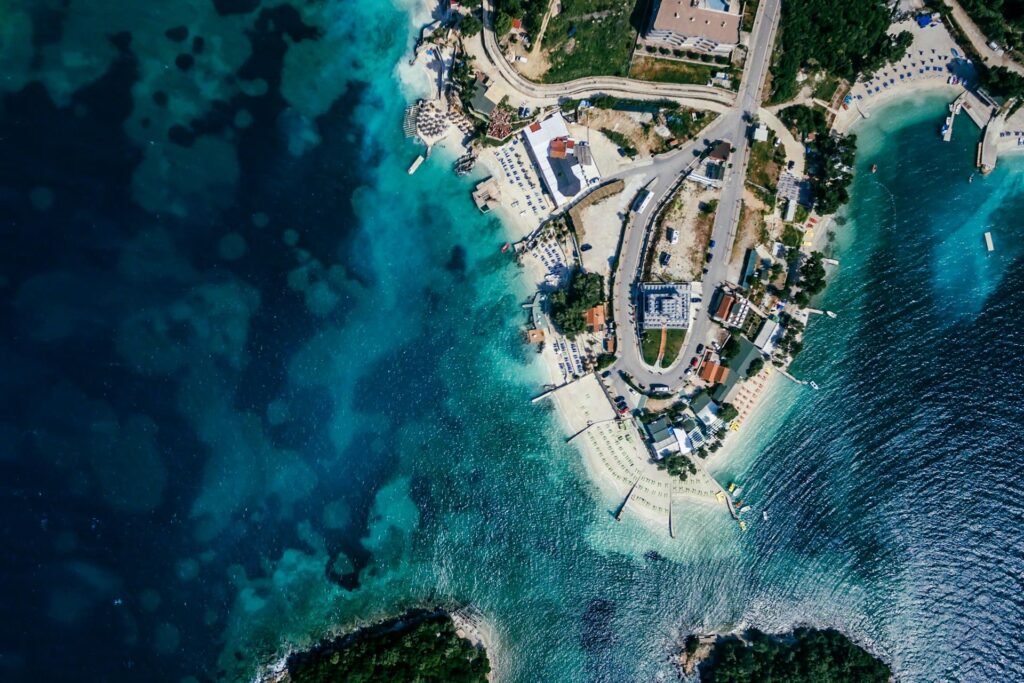
Food is remarkably affordable. A traditional meal at a local tavern costs €6-10, including generous portions and often complimentary rakia (local brandy). Fresh seafood on the coast, grilled meats in the mountains, and delicious byrek (savory pastries) everywhere provide excellent value.
Transportation costs are minimal. Local buses within cities cost around €1, while intercity buses are typically €5-15 depending on distance. Renting a car gives you freedom to explore and costs €25-35 per day, with fuel prices lower than most of Europe.
Activities and attractions are budget-friendly. Museum and castle entry fees range from €2-5, with many archaeological sites and natural attractions free to enter. This means you can experience Albania’s rich history and stunning nature without breaking the bank.
Albania Visa Requirements
Most visitors don’t need a visa for Albania. The country has generous visa policies designed to encourage tourism, making it one of the easiest European destinations to visit.
Visa-Free Entry
Citizens of the following regions can enter Albania without a visa for up to 90 days within a 180-day period:
- European Union member states
- United Kingdom
- United States
- Canada
- Australia
- New Zealand
- Most Latin American countries
- Many Asian countries including Japan, South Korea, Singapore, and Malaysia
For a complete list, check the Albanian Ministry of Foreign Affairs official website.
Entry Requirements
To enter Albania, you need:
- A passport valid for at least 3 months beyond your planned departure date
- Proof of sufficient funds for your stay (rarely checked but recommended)
- Return or onward travel tickets (occasionally requested)
- Travel insurance (highly recommended but not mandatory)
Important notes:
- If you hold a valid Schengen visa or US visa, you can enter Albania even if your nationality normally requires a visa
- Border crossings from Montenegro, Kosovo, North Macedonia, and Greece are straightforward
- There are no arrival forms or fees at Albanian borders
- Most travelers enter through Tirana International Airport or by land from neighboring countries
Travel Insurance
While not mandatory, comprehensive travel insurance is essential. The European Health Insurance Card (EHIC) is not valid in Albania as it’s not an EU member. Medical facilities in Albania are adequate for minor issues, but serious medical emergencies may require evacuation to Greece or Italy.
For more detailed visa information and updates, visit the official Albanian e-Visa portal or check with your nearest Albanian embassy.
Top Places to Visit in Albania
Albania’s compact size means you can experience remarkable diversity in a single trip. From the buzzing capital to ancient UNESCO towns, pristine beaches to dramatic mountains, these destinations showcase the best of what makes an Albania holiday unforgettable.
Tirana: The Colorful Capital
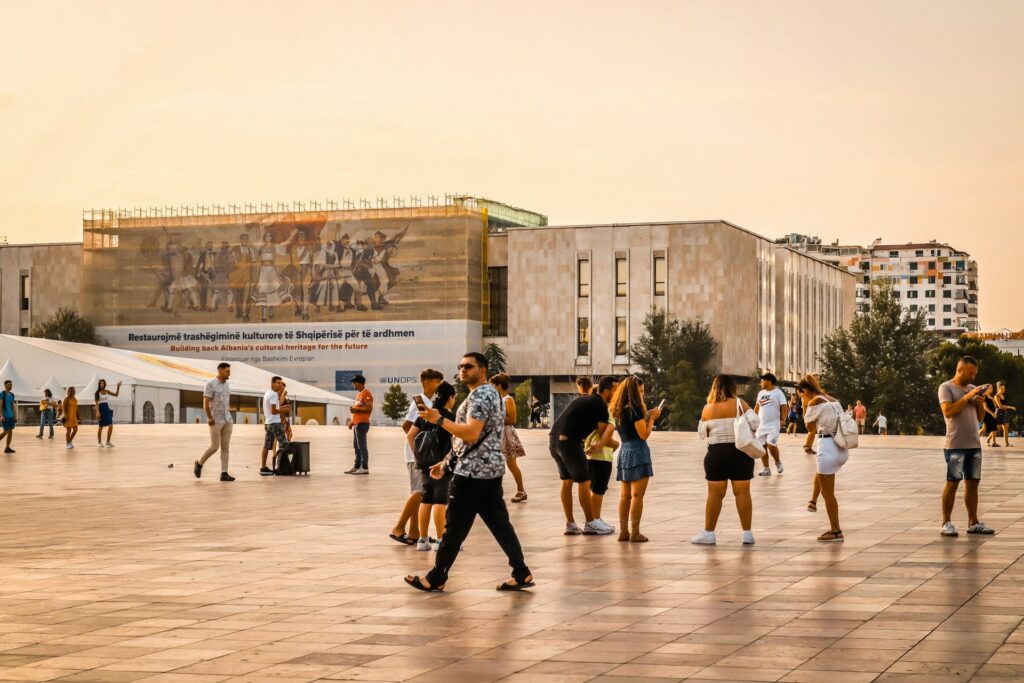
Tirana is where modern Albania pulses with energy. This isn’t a typical European capital, it’s an eclectic mix of Ottoman mosques, Italian-era architecture, communist-era monuments, and vibrantly painted buildings that reflect the city’s determination to move forward.
Start at Skanderbeg Square, the massive central plaza named after Albania’s national hero. The square is surrounded by key sites including the Et’hem Bey Mosque (1821), the National History Museum with its striking socialist mural, and the modern glass facade of Tirana’s new bazaar development.
Don’t miss Bunk’Art 1 and 2, underground bunker museums that powerfully document Albania’s communist period under dictator Enver Hoxha. These converted Cold War bunkers provide essential context for understanding modern Albania. Entry costs around €5 and offers several hours of fascinating exploration.
Blloku district is where Tirana’s youth culture thrives. Once a restricted area where only communist elite could live, it’s now filled with trendy cafes, restaurants, bars, and boutiques. The neighborhood perfectly symbolizes Albania’s transformation from isolation to openness.
For panoramic views, take the Dajti Ekspres cable car up Mount Dajti (€10 return). The 15-minute journey offers spectacular views over Tirana and the surrounding landscape. At the top, you’ll find restaurants, hiking trails, and refreshing mountain air.
Where to stay: Boutique hotels in the Blloku district offer the best location for nightlife and dining (€60-90/night). Budget travelers can find excellent hostels near Skanderbeg Square (€15-25/night).
Berat: The City of a Thousand Windows
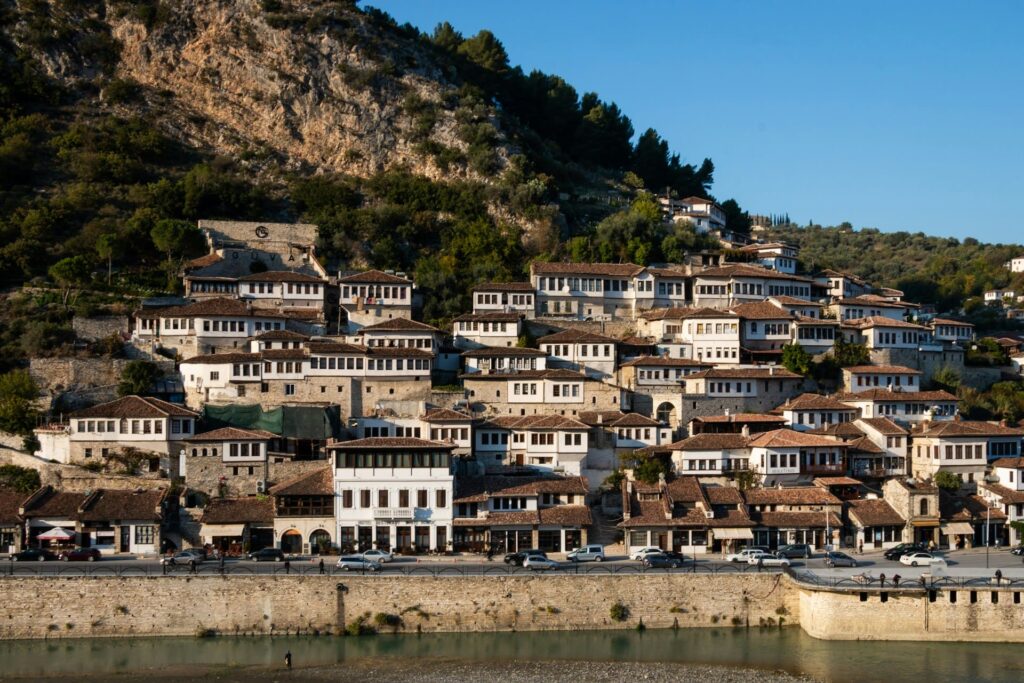
Berat is Albania’s most photogenic town and a UNESCO World Heritage site. White Ottoman houses cling to the hillside, their large windows stacked vertically giving the town its famous nickname. This is essential viewing for any Albania holiday focused on history and architecture.
The town is divided by the Osum River into three historic quarters. Mangalem and Gorica neighborhoods sit on opposite banks, their white houses creating a stunning architectural harmony. The Berat Castle (Kalaja) complex crowns the hilltop, still inhabited by local families who live within its walls.
Inside the castle, explore the Onufri Museum housed in a 13th-century church. The museum displays works by Onufri, a renowned 16th-century Albanian icon painter whose use of red became legendary. The castle itself is free to wander, with spectacular views over the valley.
Walk across the Gorica Bridge at sunset when the light turns the white houses golden. Stop at one of the riverside restaurants for traditional dishes like tavë kosi (baked lamb with yogurt) or qofte (grilled meatballs) while watching the town illuminate as darkness falls.
Where to stay: Stay within the castle walls for an authentic experience (€40-60/night for guesthouses), or choose riverside hotels in Mangalem for easier access to restaurants (€50-80/night).
Gjirokastër: The Stone City
Another UNESCO World Heritage site, Gjirokastër is known as the “Stone City” for its distinctive tower houses built from local stone. This mountain town offers a completely different architectural style from Berat, reflecting its unique history and geography.
Gjirokastër Castle dominates the skyline. This impressive fortress houses a museum, a captured American spy plane from the communist era, and an underground Cold War bunker. The castle’s terraces provide commanding views over the Drino Valley toward Greece, just 20 kilometers away.
The town’s Ottoman bazaar maintains its traditional character with artisan workshops, antique shops, and cafes. Visit the Skenduli House, an 18th-century Ottoman mansion open for tours that shows how wealthy families lived during the Ottoman period. The house’s elaborate interiors and secret passageways fascinate visitors.
Gjirokastër is also the birthplace of Albanian dictator Enver Hoxha and author Ismail Kadare. The town has preserved its intellectual and artistic heritage through several museums and cultural centers.
Where to stay: Traditional stone guesthouses offer authentic experiences (€35-60/night). Many are family-run with home-cooked breakfasts included.
Shkodër: Gateway to the Albanian Alps
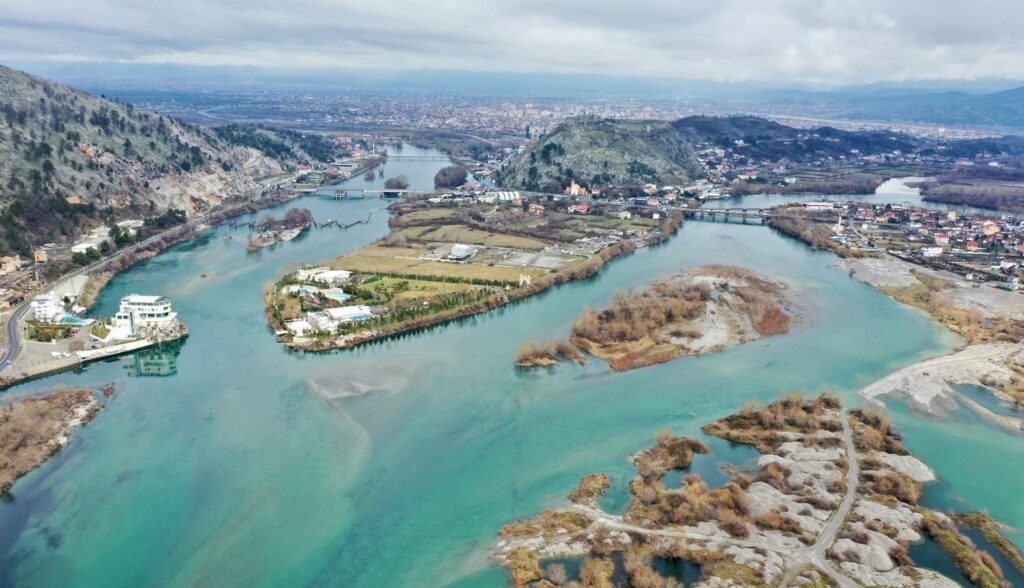
Shkodër is Albania’s cultural capital and the jumping-off point for exploring the stunning Albanian Alps (also called the Accursed Mountains). This historic city sits near Lake Shkodër, the largest lake in the Balkans, shared with Montenegro.
The Rozafa Castle sits on a rocky hill overlooking the city and lake. According to legend, a woman named Rozafa was walled into the castle’s foundations as a sacrifice to ensure its stability. The castle offers 360-degree views and costs €2 to enter.
Shkodër’s pedestrian-friendly streets are lined with cafes, small museums, and historic buildings. The Marubi National Museum of Photography houses the Balkans’ oldest photography collection, documenting Albanian life from the 1850s onward.
Use Shkodër as your base for excursions into the Albanian Alps. Day trips or multi-day hikes to Theth and Valbona reveal some of Europe’s last wild mountain landscapes. These areas are covered in more detail in the hiking section below.
Where to stay: Mid-range hotels in the city center (€40-70/night) provide comfortable bases for day trips. Budget hostels cater to hikers heading into the mountains (€12-20/night).
Sarandë: Riviera Gateway
Sarandë is the unofficial capital of the Albanian Riviera, a lively coastal town that serves as the perfect base for beach hopping and visiting nearby archaeological sites. The town faces the Greek island of Corfu, visible across the straits.
The palm-lined waterfront promenade buzzes with activity in summer. Restaurants serve fresh seafood, bars offer sunset cocktails, and shops sell beach essentials. While Sarandë itself can feel touristy in peak season, it provides excellent infrastructure and is the transport hub for exploring the southern coast.
Just outside town, the Lëkurësi Castle (built 1537) offers spectacular views over Sarandë, Corfu, and the coastline. Visit at sunset for unforgettable photo opportunities and dinner at the castle’s restaurant.
Day trips from Sarandë include:
- Butrint National Park (20km south) – A UNESCO site with Greek, Roman, and Byzantine ruins in a lakeside setting
- Blue Eye Spring (25km east) – A mesmerizing natural spring with impossibly blue water
- Ksamil (15km south) – Albania’s most famous beaches (detailed in the beaches section)
Where to stay: Beachfront hotels range from €50-150/night depending on luxury level. Book well ahead for July-August peak season.
Ksamil: Albanian Paradise
If Albania has a postcard destination, Ksamil is it. This small village boasts some of the most beautiful beaches in the Mediterranean, with white sand and water in shades of turquoise that rival tropical destinations.
Four small islands sit just offshore, easily reachable by swimming or renting a kayak (€5-10). The shallow, warm waters make Ksamil perfect for families. Despite growing popularity, the beaches maintain their natural beauty, though they do get crowded in July and August.
Ksamil tips:
- Visit in June or September for beautiful weather with fewer crowds
- Arrive early (before 10am) in peak season to secure beach spots
- Bring water shoes as some areas have rocky entries
- Many beaches charge €5-10 for sunbeds and umbrellas
- Several excellent seafood restaurants line the main beach area
Where to stay: Small hotels and apartments (€40-80/night) book up quickly in summer. Consider staying in Sarandë and making Ksamil a day trip if accommodation is limited.
Theth National Park: Mountain Paradise
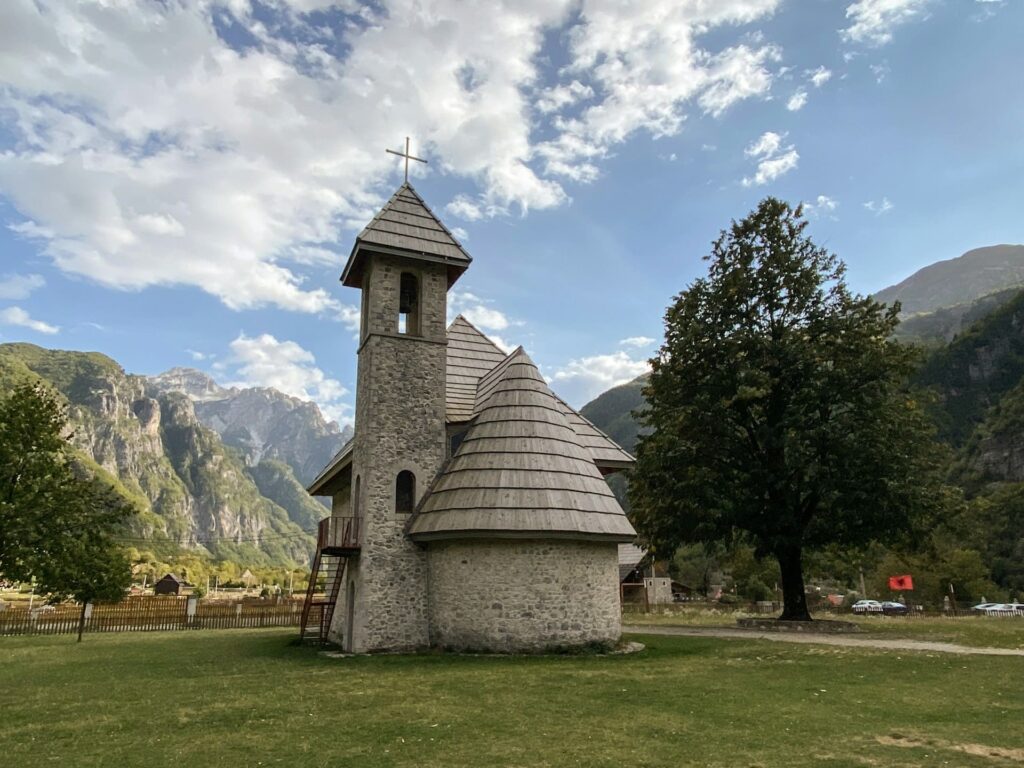
Theth represents Albania’s wild mountain soul. This remote village in the Albanian Alps can only be reached by a dramatic mountain road or on foot via hiking trails. The journey is part of the experience, with hairpin turns revealing increasingly spectacular mountain vistas.
The village maintains traditional mountain architecture, with stone lock towers (kulla) that once housed families during blood feuds. The Church of Theth with its red tile roof against mountain backdrop is one of Albania’s most photographed scenes.
Theth highlights:
- Blue Eye of Theth – A cold, clear mountain spring (1-hour easy hike)
- Grunas Waterfall – A 30-meter cascade (2-hour round trip hike)
- Theth to Valbona hike – One of Europe’s great mountain treks (6-8 hours, challenging)
The village has no ATMs or reliable cell service. Come prepared with cash, and embrace the digital detox. Basic guesthouses (€20-30/night including meals) offer authentic mountain hospitality where families share traditional dishes and stories.
Getting there: From Shkodër, take a shared furgon (minibus) in summer months (€10-15, 2-3 hours), drive yourself if experienced with mountain roads, or hire a 4×4 taxi (€80-100 one way). Roads can be impassable in winter and early spring.
Lake Ohrid: Tranquil Border Escape
Lake Ohrid straddles the border between Albania and North Macedonia. While the North Macedonian side is more developed, the Albanian shore offers tranquil villages, ancient churches, and stunning natural beauty at lower prices.
The town of Pogradec is the main Albanian settlement on the lake. It’s a relaxed destination perfect for swimming, lakeside dining, and enjoying Albania’s largest tectonic lake. The water is remarkably clear and the surrounding mountains provide a dramatic backdrop.
Lin Peninsula offers the best preserved Albanian side of the lake, with ancient mosaics from an early Christian basilica and traditional architecture. The Bay of Bones nearby (on the Macedonian side) features reconstructed prehistoric pile dwellings.
Where to stay: Lakeside hotels in Pogradec (€30-60/night) offer excellent value. The town is quieter than coastal destinations, making it ideal for travelers seeking relaxation.
For more information on Albanian destinations, visit Top Travel Insider’s Albania guides.
The Albanian Coast & Beaches
The Albanian Riviera stretches for over 150 kilometers along the Ionian Sea, offering some of Europe’s last unspoiled coastal beauty. From hidden coves to long sandy beaches, the Albanian coast delivers the Mediterranean dream at affordable prices.
Understanding the Albanian Coastline
Albania’s coast divides into two distinct regions:
The Ionian Coast (Albanian Riviera) runs from Vlorë to the Greek border. This is where you’ll find the most stunning beaches, dramatic cliffs, and the clearest water. Towns like Dhërmi, Himarë, Jale, and Ksamil define this region. The coastline here resembles southern Italy or the Greek islands, with olive groves and citrus trees climbing the hills above turquoise waters.
The Adriatic Coast from Vlorë north to Montenegro offers longer stretches of sandy beach and is less developed. Towns like Durrës and Shëngjin attract mainly Albanian tourists. While less spectacular than the Riviera, these beaches provide authentic local experiences and even lower prices.
Best Beaches on the Albanian Riviera
Dhërmi Beach is one of the Riviera’s most beautiful stretches. White pebbles meet crystal-clear water, backed by hills covered in olive trees. The beach is long enough that you can find quieter spots even in peak season. Several beach bars offer sunbeds (€10-15/day) and serve food and drinks with DJ sets in the afternoon. The old village of Dhërmi sits in the hills above, worth exploring for traditional architecture and sunset views.
Himarë offers multiple beaches around a bustling town. The main beach gets crowded but nearby Livadhi Beach and Potami Beach provide alternatives. Himaré has the best infrastructure on the Riviera, with supermarkets, pharmacies, and numerous restaurants. It’s ideal as a base for exploring other beaches by car or boat.
Jale Beach attracts a younger crowd with beach parties and a laid-back atmosphere. Located between Dhërmi and Himarë, Jale offers excellent swimming, basic beach shack accommodations, and a genuine beach community vibe. It’s popular with backpackers and budget travelers.
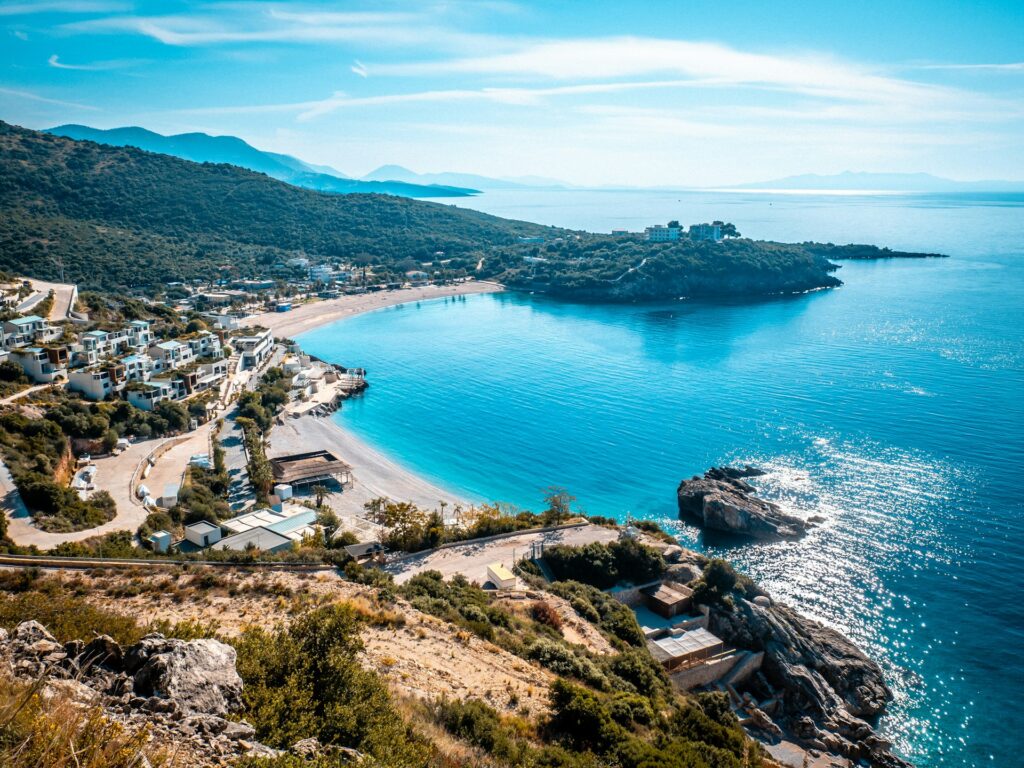
Gjipe Beach is the Riviera’s best-kept secret. Accessible only by hiking down a gorge or by boat, this pebble beach sits in a dramatic canyon where a river meets the sea. The effort to reach Gjipe rewards you with pristine nature and few crowds. Bring water and snacks as there are no facilities, and plan for 30-45 minutes hiking each way from the parking area.
Borsh Beach holds the title of Albania’s longest beach at 7 kilometers. This mostly sandy beach with some pebble sections offers plenty of space even in high season. The town of Borsh above the beach produces excellent olive oil and citrus fruits. Accommodation here is more affordable than in Dhërmi or Himarë (€30-50/night for apartments).
Ksamil (detailed earlier) technically isn’t on the Riviera proper but represents Albania’s most famous beaches. The four small islands and Caribbean-like waters make it unique.
Beach Activities
Boat trips are the best way to discover hidden coves and beaches accessible only from the water. Day trips from Himarë or Sarandë (€30-50 per person) typically include multiple swimming stops, lunch, and snorkeling equipment. Private boat charters are also available for groups.
Snorkeling and diving reveal Albania’s underwater treasures. The clear Ionian waters host diverse marine life, underwater caves, and even some ancient shipwrecks. Dive centers operate in Sarandë and Himarë, with PADI courses and guided dives available.
Water sports including kayaking, paddleboarding, and jet skiing are available at major beaches. Prices are reasonable (€10-20/hour) compared to other Mediterranean destinations.
Coastal hiking offers dramatic clifftop views. The trail from Dhërmi to Jale Beach takes about 2 hours and showcases the Riviera’s rugged beauty from above.
Practical Beach Information
Best time for beaches: June through September offers warm sea temperatures (23-27°C). July and August are busiest, while June and September provide the best balance of weather and crowd levels.
Beach facilities: Major beaches have sunbed rentals (€5-15), beach bars, and restaurants. Remote beaches like Gjipe have no facilities. Public beach access is free, though most people rent sunbeds.
What to bring: Reef shoes for rocky entries, snorkeling gear if you have it (rentals available but quality varies), plenty of sunscreen (expensive in tourist areas), and cash (many beach bars don’t accept cards).
Getting around: Renting a car is ideal for beach hopping. Buses run along the coastal road but schedules can be unreliable. Taxis between beaches are available but relatively expensive.
For beach lovers planning a summer holiday in Albania, the Riviera delivers everything you could want: stunning scenery, warm waters, affordable prices, and enough variety to fill weeks of exploration.
Best Cities in Albania
Beyond the top destinations already covered, several other Albanian cities deserve attention for their unique character and attractions.
Vlorë: Where Mountains Meet Sea
Vlorë marks the beginning of the Albanian Riviera and holds special significance as the site where Albanian independence was declared in 1912. The city combines urban amenities with beach access and nearby mountain adventures.
The Flag Square and Independence Monument commemorate Albania’s liberation from Ottoman rule. The Muradie Mosque (1542) showcases Ottoman architecture, while Italian-era buildings reflect Albania’s more recent history.
Vlorë serves as an excellent base for visiting Llogara Pass, where the coastal road climbs through Llogara National Park with breathtaking views over the Riviera. The pass reaches 1,027 meters, and several restaurants on top serve traditional roasted lamb with panoramic coastal views.
Korçë: Albania’s Cultural Heart
Korçë in southeastern Albania is known for its intellectual traditions, beer brewing, and unique dialect. Often called Albania’s “little Paris,” Korçë has a European cafe culture and beautiful examples of Ottoman and French-influenced architecture.
The city’s Old Bazaar has been beautifully restored, lined with cafes, boutiques, and workshops. Korçë’s several museums include the National Museum of Medieval Art, housing an impressive collection of icons and religious artifacts.
Korçë Beer is Albania’s favorite brew, and the brewery offers tours. The city also celebrates an annual beer festival in August.
Durrës: Ancient Port City
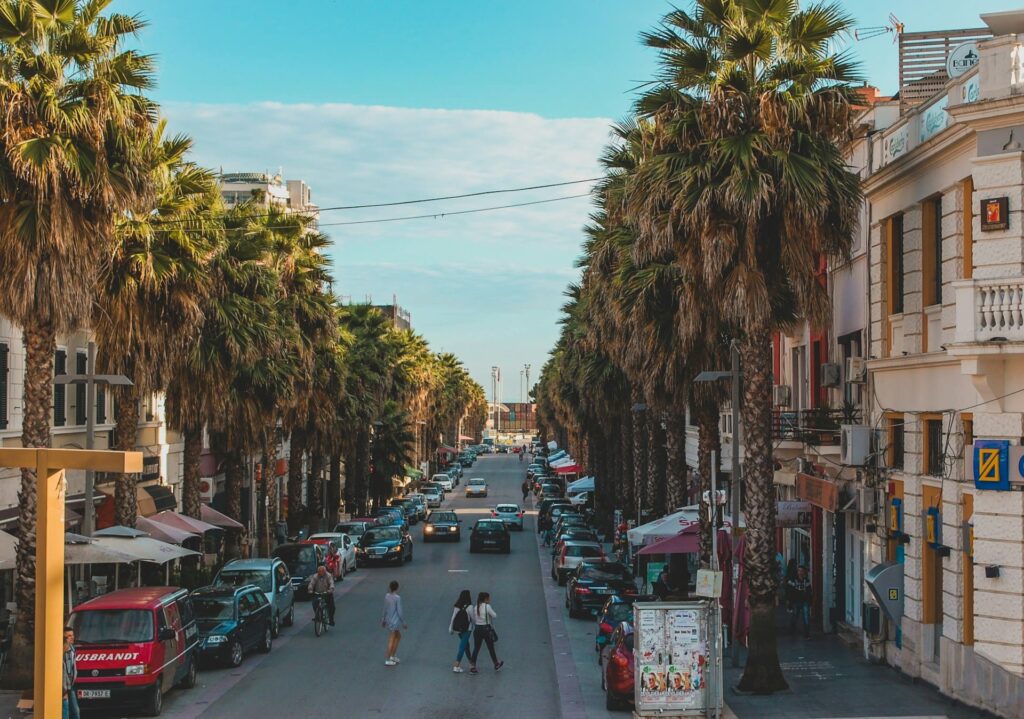
Durrës is Albania’s second-largest city and main port. Founded in 627 BC, it boasts some of Albania’s most impressive ancient ruins alongside modern beach resort development.
The Roman Amphitheatre dating to the 2nd century AD is one of the largest in the Balkans, seating 20,000 spectators. Discovered only in 1966, parts remain buried under modern buildings. The Archaeological Museum displays artifacts from Durrës’ long history.
While Durrës’ beaches don’t compare to the Riviera, they’re popular with Albanian families and offer a more authentic local experience than tourist-focused southern beaches.
Things To Do in Albania
An Albania holiday offers incredible diversity of activities beyond sightseeing. Whether you seek adventure, cultural immersion, or relaxation, Albania delivers experiences that few other European destinations can match at comparable prices.
Historical and Cultural Activities
Explore UNESCO World Heritage Sites: Albania has four UNESCO sites: Butrint archaeological park, Berat and Gjirokastër historic cities, and the ancient beech forests of the Albanian Alps. Each offers unique insights into Albania’s layered history from Illyrian and Greek periods through Ottoman rule.
Visit communist-era sites: Understanding Albania’s 40-year communist isolation under Enver Hoxha is essential to understanding modern Albania. The Bunk’Art museums in Tirana, the House of Leaves (secret police museum), and the thousands of concrete bunkers dotting the landscape tell this fascinating story.
Take a food tour: Albanian cuisine blends Mediterranean freshness with Ottoman influences and mountain traditions. Food tours in Tirana or Berat (€40-60) introduce you to byrek (savory pastries), tavë kosi (baked lamb with yogurt), qofte (grilled meatballs), and the potent rakia (fruit brandy) that Albanians serve as welcome to every guest.
Attend a traditional music performance: Albanian polyphonic singing from the south is a UNESCO Intangible Cultural Heritage. In cities, you might catch performances of traditional music, while mountain villages sometimes host folk festivals with dancing and singing.
Adventure Activities
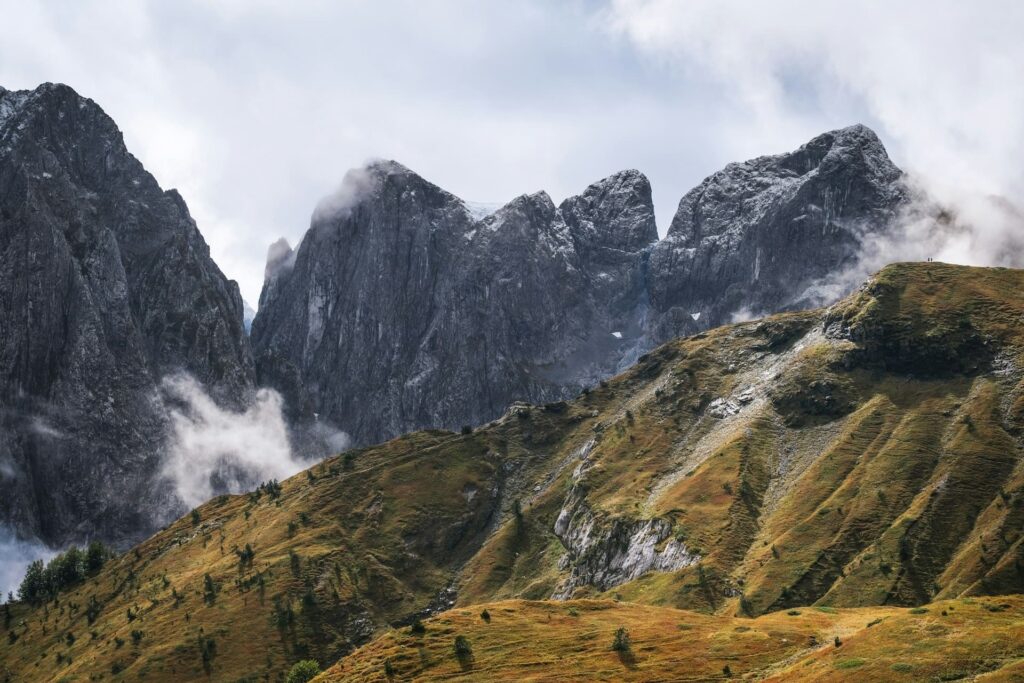
Hiking in the Albanian Alps: The Peaks of the Balkans Trail connects Albania, Kosovo, and Montenegro through spectacular mountain scenery. The multi-day trek passes through remote villages where traditional lifestyles continue. Day hikes from Theth or Valbona suit those with less time. Trails range from easy village walks to challenging peak ascents.
Rafting on the Osumi Canyons: Near Berat, the Osumi River carves through dramatic limestone canyons creating one of Europe’s most beautiful rafting experiences. Half-day trips (€40-60) suitable for beginners navigate rapids, swim in pools, and pass under natural arches. The canyon’s 70-meter walls create cathedral-like atmospheres.
Paragliding: The Albanian Riviera offers perfect conditions for tandem paragliding. Launch from clifftops above Dhërmi or Llogara (€80-120 for 15-20 minutes) and soar above the turquoise coast. No experience needed, professional pilots handle everything while you enjoy incredible views.
Via Ferrata: Several via ferrata routes allow adventurous travelers to scale cliffs using fixed cables and ladders. The Osumi Canyon Via Ferrata near Berat is the most developed, with several routes graded for different abilities (€60-80 including guide and equipment).
Mountain biking: The Albanian countryside offers endless possibilities for mountain biking, from coastal trails to challenging alpine routes. Bike tours operate from Tirana (€50-80/day) exploring rural areas rarely seen by tourists.
Relaxation and Leisure
Thermal baths: Albania has several natural hot springs. Bënjë Hot Springs near Përmet offer riverside pools with naturally warm water against a mountain backdrop. Basic facilities mean bringing towels and changing discreetly, but the setting is magical.
Wine tasting: Albania’s wine industry is experiencing a renaissance. Wineries around Berat and in the Cobo Winery near the coast offer tastings of local varieties like Shesh i Zi and Kallmet (€15-25 for tastings). Albanian wine may surprise you with its quality and character.
Boat trips: Beyond beach hopping, boat tours explore Albania’s rivers and lakes. Koman Lake ferry (actually a reservoir) is often called one of the world’s most scenic ferry journeys, passing through fjord-like scenery for three hours (€10).
Turkish bath (hammam): Traditional hammams operate in larger cities like Tirana, Berat, and Gjirokastër. Experience traditional bathing, scrubbing, and massage (€15-25) in beautifully restored Ottoman-era buildings.
Nightlife and Entertainment
Tirana nightlife: The capital’s Blloku district transforms into a party zone after dark. Bars, clubs, and live music venues stay open until dawn, especially weekends. Cover charges are minimal (€5-10) and drinks are cheap compared to Western Europe.
Coastal beach clubs: The Albanian Riviera comes alive in summer with beach clubs hosting international DJs. Folie Marine near Dhërmi and several venues in Sarandë offer dance-till-dawn experiences with waves crashing nearby.
Traditional taverns: For mellower evenings, find a traditional tavern with live music. Musicians playing çifteli (traditional string instrument) and singing Albanian folk songs create unforgettable atmospheres, especially in mountain towns.
What Is Albania Famous For?
Albania’s fame is growing, but several aspects of Albanian culture and landscape have always deserved recognition. Understanding what makes Albania unique enhances any visit.
Ottoman Architecture
Five centuries of Ottoman rule (1385-1912) left Albania with extraordinary architectural heritage. The white stone houses of Berat and Gjirokastër, the mosques and bazaars throughout the country, and the distinctive kulla (tower houses) in the north all reflect this influence. Unlike in Turkey where modernization has swept away much Ottoman heritage, Albanian isolation preserved these structures.
Communist Bunkers
Albania’s dictator Enver Hoxha was paranoid about invasion, so between 1967 and 1986, over 750,000 concrete bunkers were built across this small nation. That’s roughly one bunker for every four Albanians. These mushroom-shaped concrete structures still dot the landscape. Some have been converted into hotels, restaurants, or museums, while others rust away as monuments to communist-era paranoia.
Albanian Hospitality (Besa)
Besa is a sacred Albanian code of honor relating to keeping promises and protecting guests. During World War II, Albania was the only European country where the Jewish population increased during Nazi occupation. Albanians sheltered Jews, considering them guests protected by besa. This tradition of hospitality remains strong, you’ll often find locals insisting on treating visitors to coffee or rakia.
Traditional Cuisine
Albanian food reflects Mediterranean freshness, Ottoman influences, and mountain heartiness. Byrek (cheese or meat-filled pastry) is the national snack. Tavë kosi (lamb baked in yogurt sauce) is the traditional celebration dish. Coastal areas serve fresh fish grilled simply with lemon and olive oil. Mountain regions specialize in roasted meats and flija, a layered pancake cooked over an open fire.
Rakia deserves special mention. This clear fruit brandy (usually grape, plum, or mulberry) is offered to every guest. Refusing is mildly insulting. Be warned, it’s typically 40-50% alcohol. Many families make their own, and debates rage about whose grandmother makes the best rakia.
The Albanian Riviera
The Albanian Riviera has become Albania’s calling card. This stunning coastline rivals Greece and Croatia but remains less crowded and more affordable. The combination of turquoise waters, white pebble beaches, dramatic mountains, and traditional villages creates scenes that belong on postcards.
Mother Teresa
Albania’s most famous daughter, Mother Teresa, was born Anjezë Gonxhe Bojaxhiu in Skopje (now North Macedonia) to an Albanian family. While she spent her life in India, Albanians claim her proudly. Tirana’s airport bears her name, and a museum and square in the capital honor her legacy.
Ancient Illyrian Heritage
Before Greeks, Romans, and Ottomans, the Illyrians inhabited Albania. Modern Albanians are direct descendants of these ancient tribes. The Albanian language is unique, belonging to its own branch of Indo-European languages with no close relatives. This linguistic isolation preserved ancient roots, making Albanian fascinating for linguists.
Touring Albania: Routes & Itineraries
Touring Albania by car offers the ultimate freedom to discover hidden gems at your own pace. The country’s compact size means you can see remarkable diversity in a short trip. Here are proven itineraries for different trip lengths.
7-Day Albania Itinerary: Coastal and Culture Highlights
Day 1-2: Tirana Arrive in Tirana, explore the capital’s museums, Bunk’Art, Skanderbeg Square, and nightlife. Take the Dajti cable car for city views. Use this time to adjust and learn Albania’s context.
Day 3: Berat Drive to Berat (2 hours), check into accommodation within or near the castle. Explore the castle complex, Onufri Museum, and wander the white houses of Mangalem. Evening walk across Gorica Bridge for photos.
Day 4: Berat to Albanian Riviera Drive to the coast via Vlorë (3 hours to Dhërmi). Stop at Llogara Pass for lunch with views. Settle into Dhërmi or Himarë for beach time.
Day 5-6: Albanian Riviera Beach hop between Dhërmi, Jale, Gjipe, and Himarë. Take a boat trip to hidden coves. Enjoy seafood dinners and sunset drinks at beach bars.
Day 7: Sarandë and Butrint Drive to Sarandë (1.5 hours), visit Butrint archaeological site. If time allows, visit Blue Eye Spring or Ksamil beaches before departing from Sarandë or returning to Tirana.
14-Day Albania Itinerary: Complete Discovery
Day 1-2: Tirana Comprehensive exploration of the capital including museums, neighborhoods, and day trip to Krujë castle (1 hour north).
Day 3-4: Shkodër and Lake Shkodër Drive north to Shkodër (2 hours). Visit Rozafa Castle, explore the old town, and take a boat trip on Lake Shkodër to see traditional fishing villages.
Day 5-6: Albanian Alps (Theth) Navigate the mountain road to Theth or hire a 4×4. Hike to Blue Eye and Grunas Waterfall. Experience mountain guesthouse hospitality.
Day 7: Return to Shkodër Return from Theth, rest day in Shkodër or start journey south.
Day 8: Berat Drive to Berat (3 hours from Shkodër), settle in for two nights. Afternoon exploring the castle.
Day 9: Berat and Surroundings Full day in Berat with optional rafting or via ferrata in Osumi Canyons, or wine tasting at nearby wineries.
Day 10: Gjirokastër Drive to Gjirokastër (2.5 hours). Explore the castle, old bazaar, and Ottoman houses. Evening stroll through stone streets.
Day 11-13: Albanian Riviera Drive coastal road, stopping at beaches that appeal. Base yourself in one location (Himarë or Dhërmi) and day trip, or move between beach towns. Include boat trips and beach activities.
Day 14: Sarandë and Departure Final morning at Ksamil beaches or Butrint ruins before departing.
Northern Mountain Circuit (7 Days)
For adventure seekers and hiking enthusiasts:
Day 1-2: Tirana to Shkodër Capital exploration and travel to Shkodër.
Day 3-5: Albanian Alps Theth and Valbona with the famous mountain crossing hike. Stay in traditional guesthouses, experience remote village life.
Day 6: Komani Lake Take the spectacular Komani Lake ferry, one of the world’s most scenic boat journeys.
Day 7: Return to Tirana Via Shkodër or direct from Valbona region.
Southern Coastal Route (7 Days)
Perfect for a pure summer holiday in Albania:
Day 1: Arrive Tirana Brief city orientation.
Day 2-3: Berat Cultural immersion in UNESCO town.
Day 4-5: Central Riviera Dhërmi, Jale, Himarë beach exploration.
Day 6-7: Southern Coast Sarandë, Ksamil, Butrint, Blue Eye Spring.
Driving in Albania
Roads: Main routes are generally good. The coastal road offers stunning views but has sharp curves. Mountain roads to places like Theth can be challenging with hairpins and rough surfaces. A regular car suffices for most routes, though 4×4 is recommended for Theth.
Driving style: Albanian driving can be aggressive. Be defensive, watch for overtaking on blind corners, and expect livestock on rural roads. Traffic rules exist but enforcement is inconsistent.
Rental cars: Major companies operate in Tirana with rates around €25-35/day. Book ahead in summer. Ensure you have comprehensive insurance.
Fuel: Petrol stations are common on main routes but sparse in mountains. Fill up before heading to remote areas. Prices are lower than most of Europe.
Tolls: No highway tolls in Albania, making road trips more economical.
Parking: Usually easy outside Tirana. Coastal towns in summer can have limited parking near popular beaches. Many accommodations offer parking.
For detailed Albania travel planning, check out Top Travel Insider for more resources and guides.
What Is Albania Like? Culture & People
Understanding Albanian culture enhances any visit, turning a simple holiday into genuine cultural exchange. Albanians have preserved unique traditions while embracing modernity, creating a fascinating blend.
Hospitality and Warmth
Albanian hospitality is legendary. The tradition of besa (keeping one’s word and protecting guests) runs deep. Don’t be surprised if locals invite you for coffee or rakia, offer directions beyond what you asked, or insist on treating you. This isn’t tourism theater, it’s genuine cultural practice.
Family ties are exceptionally strong. Multiple generations often live together or nearby, and family decisions involve extensive consultation. Albanians will frequently ask about your family, as understanding someone’s family context is important in their worldview.
Language
Albanian (Shqip) is a unique Indo-European language with two main dialects: Gheg (north) and Tosk (south). While challenging for outsiders, Albanians appreciate any attempt to speak their language.
Useful Albanian phrases:
- Tungjatjeta (toon-jah-TYEH-tah) – Hello (formal)
- Mirëdita (meer-DEE-tah) – Good day
- Faleminderit (fah-leh-meen-DEH-reet) – Thank you
- Ju lutem (yoo LOO-tem) – Please/You’re welcome
- Sa kushton? (sah KOOSH-ton) – How much does it cost?
- Gëzuar (guh-ZOO-ar) – Cheers!
Many young Albanians speak English, especially in tourist areas. Italian is widely understood due to Italian television during communist times. Greek is common in the south.
Religion
Albania is majority Muslim (about 60%), with significant Catholic (10%) and Orthodox Christian (20%) minorities. However, decades of state atheism under communism created a largely secular society. The saying goes: “The religion of Albanians is Albanianism.”
Religious tolerance is notable. Mosques, Catholic churches, and Orthodox churches often sit near each other. Most Albanians aren’t particularly religious, though cultural traditions around holidays continue.
Social Customs and Etiquette
Greetings: Handshakes are standard. Close friends kiss on both cheeks. Using titles (Mr., Mrs.) shows respect, especially with older people.
Coffee culture: Coffee is central to Albanian social life. An invitation for coffee means sitting and talking for an hour or more. Rushing is considered rude. Turkish-style coffee is traditional, though Italian espresso culture is equally strong.
Dining customs: Albanians love hosting meals. If invited to someone’s home, bring a small gift (sweets, wine, or flowers). Expect large portions and multiple courses. Refusing food can offend, so accept at least a small amount.
Tipping: 10% in restaurants is appreciated but not mandatory. Round up taxi fares. Leave small tips for hotel staff.
Dress: Albanians dress smartly for going out. While tourists in beachwear are accepted in coastal areas, covering up when visiting mosques or rural areas shows respect. Women should bring a scarf for covering hair when entering mosques.
Photography: Always ask before photographing people, especially in rural areas. Some older people believe cameras capture their soul, while others simply value privacy.
Gender Dynamics
Albania is traditionally patriarchal, though this is changing rapidly in cities. Women travelers report feeling safe and respected. In rural areas, you might notice more traditional gender roles, but tourists are generally exempt from local expectations.
The historical practice of burrnesha (sworn virgins) is fascinating: women who took vows of celibacy and lived as men to fulfill male family roles. This practice is nearly extinct but demonstrates Albania’s complex gender history.
Economic Reality
Albania remains one of Europe’s poorer countries with an average monthly salary around €400-500. This economic reality means your tourism euros make a significant impact. Supporting local businesses, staying in family-run guesthouses, and tipping fairly helps communities directly.
Many Albanians work abroad, particularly in Greece, Italy, and Germany. Remittances from diaspora workers support many families. You’ll often hear about family members working overseas.
Communist Legacy
The 1944-1991 communist period, especially under Enver Hoxha (1944-1985), profoundly shaped modern Albania. The regime’s extreme isolation, religious persecution, and paranoid bunker-building created psychological impacts still visible today.
Older Albanians may remember this period with mixed feelings: some nostalgic for guaranteed employment and housing, others bitter about political persecution and poverty. Younger Albanians born after communism fell are determinedly forward-looking and pro-Western.
Understanding this history helps visitors appreciate Albania’s remarkable transformation in just three decades from Europe’s most isolated country to an emerging tourism destination.
When to Visit: Best Time for a Summer Holiday in Albania
Timing your Albania holiday correctly maximizes enjoyment and value. Albania has four distinct seasons, each offering different experiences.
Month-by-Month Guide
March-April (Spring)
- Weather: 15-20°C, occasional rain
- Pros: Wildflowers, fewer tourists, lower prices, perfect for city exploration and hiking
- Cons: Sea too cold for swimming, some mountain roads still closed
- Best for: Cultural tourism, hiking at lower elevations, budget travelers
May
- Weather: 20-25°C, mostly sunny
- Pros: Excellent weather, manageable crowds, green landscapes, comfortable for all activities
- Cons: Sea still cool (17-19°C) for swimming
- Best for: First-time visitors wanting to see everything, hikers, photographers
June
- Weather: 25-30°C, warm and sunny
- Pros: Perfect beach weather, warm sea (21-23°C), long days, fewer crowds than July-August, reasonable prices
- Cons: Prices rising, popular spots getting busier
- Best for: Beach lovers wanting to avoid peak crowds, families
July-August (Peak Summer)
- Weather: 30-35°C, hot and dry
- Pros: Guaranteed sunshine, warmest sea (24-27°C), everything open, vibrant atmosphere, festivals and events
- Cons: Crowded beaches, highest prices, extreme heat inland, accommodation books up, traffic on coastal roads
- Best for: Classic summer holiday in Albania, beach activities, nightlife enthusiasts
September
- Weather: 25-30°C early September, cooling toward end
- Pros: Still warm sea (23-25°C), fewer tourists, lower prices, grape harvest season, perfect weather
- Cons: Shorter days, some services reducing hours
- Best for: Best overall month for visiting, combines good weather with manageable crowds
October
- Weather: 20-25°C, more variable
- Pros: Very few tourists, cultural sites peaceful, beautiful autumn colors, lowest prices, still pleasant for cities
- Cons: Sea cooling (19-20°C), some coastal businesses closing, increased chance of rain
- Best for: Budget travelers, culture enthusiasts, those avoiding crowds
November-February (Winter)
- Weather: 5-15°C, rainy periods
- Pros: Rock-bottom prices, authentic local experience, skiing possible in northern mountains
- Cons: Cold, many coastal hotels closed, limited activities, short days, mountain roads impassable
- Best for: City breaks in Tirana, winter skiing in the north, travelers seeking very low prices
Weather Considerations
Coastal areas: Mediterranean climate with hot, dry summers and mild, wet winters. The Ionian coast enjoys particularly pleasant weather with over 300 sunny days annually.
Mountain areas: Alpine climate with cool summers perfect for hiking but harsh winters with heavy snow. Mountain roads close November through April.
Inland cities: Continental influences bring hotter summers and colder winters than the coast. Tirana can hit 35°C+ in July-August but drop to freezing in January.
Festival and Event Calendar
March: Dita e Verës (Summer Day) – March 14th, traditional spring celebration May: Tirana International Film Festival June: Kala Festival – electronic music in ancient castles July: Gjirokastër National Folk Festival (every 4 years) August: Korca Beer Festival, numerous village festivals October: Tirana Jazz Festival November: Tirana International Film Festival
Recommendation for Best Time
For beaches and classic summer holidays: June or September offer the sweet spot of good weather with fewer crowds and better value than July-August peak.
For comprehensive touring: May or late September/early October provide comfortable temperatures for both coastal and mountain activities.
For budget travel: October or April deliver decent weather at fraction of peak season prices.
For hiking Albanian Alps: July-September when high trails are snow-free and guesthouses open.
Avoid July-August unless you specifically want peak summer atmosphere and don’t mind crowds and premium prices. These months see mainly Italian, Polish, and regional tourists creating genuine summer buzz but also traffic and fully booked accommodations.
Data Tables: Albania Travel Costs and Information
Comprehensive Cost Breakdown
| Category | Budget | Mid-Range | Luxury | Notes |
|---|---|---|---|---|
| Accommodation | ||||
| Hostel dorm | €10-15 | – | – | Major cities only |
| Budget hotel/guesthouse | €25-40 | €40-70 | – | Clean, basic amenities |
| Mid-range hotel | – | €60-90 | €90-150 | 3-4 star, good location |
| Boutique/luxury | – | – | €120-250+ | Historic buildings, top service |
| Food & Drink | ||||
| Breakfast | €2-4 | €5-8 | €10-15 | Often included in hotels |
| Lunch (local tavern) | €5-8 | €8-12 | €15-25 | Full meal with drink |
| Dinner | €8-12 | €12-20 | €25-40+ | 3 courses with wine |
| Coffee | €1-1.50 | €1.50-2.50 | €3-5 | Turkish or espresso |
| Beer (0.5L) | €1.50-2 | €2-3 | €4-6 | Local brands cheapest |
| Transportation | ||||
| City bus | €0.40-1 | €0.40-1 | – | Flat fare |
| Intercity bus | €5-15 | €5-15 | – | Depends on distance |
| Taxi (per km) | – | €0.50-1 | €1-2 | Negotiate or use apps |
| Car rental (per day) | €20-30 | €30-40 | €50-80+ | Manual vs automatic |
| Fuel (per liter) | €1.40-1.60 | €1.40-1.60 | €1.40-1.60 | Petrol prices |
| Activities | ||||
| Museum/castle entry | €2-5 | €2-5 | – | Student discounts available |
| Guided tour (half-day) | €25-40 | €40-60 | €80-120+ | Group vs private |
| Beach sunbed set | €5-10 | €10-15 | €20-30 | 2 beds + umbrella |
| Boat trip | €25-40 | €40-60 | €100-200+ | Group vs private charter |
| Adventure activity | €40-60 | €60-80 | €100-150 | Rafting, paragliding, etc |
| Daily Totals | €30-50 | €70-100 | €150-250+ | Per person estimate |
Sources: Numbeo, travel surveys 2024-2025
Conclusion: Why Albania Should Be Your Next Holiday
Albania represents everything modern travelers seek: authentic experiences, stunning natural beauty, rich history, and exceptional value. This is the Mediterranean as it used to be, before mass tourism transformed coastlines into uniform resort strips and authentic culture gave way to tourist performances.
An Albania holiday delivers experiences you’ll struggle to find elsewhere in Europe. Where else can you explore a 2,400-year-old archaeological site in the morning, swim in turquoise Ionian waters in the afternoon, and dine on fresh seafood for €10 in the evening? Where else do locals still invite strangers for coffee just to share their pride in their country’s transformation?
The practical advantages are compelling. Albania’s affordability means your budget stretches 2-3 times further than in Italy or Greece. The visa-free access and straightforward entry make planning simple. The compact size allows you to experience dramatic diversity, from beaches to mountains to ancient cities, all within short drives. And crucially, Albania remains safe, welcoming, and increasingly well-equipped for international visitors while maintaining its authentic character.
But Albania’s real magic lies in its timing. You’re visiting during a unique window where the country has developed enough infrastructure for comfortable travel but hasn’t yet been transformed by mass tourism. The beaches remain pristine, locals genuinely welcome tourists rather than seeing them as mere income sources, and you can explore UNESCO sites without fighting through crowds. This won’t last forever.
The Albanian Riviera’s secret is spreading. International tourist arrivals have increased by over 20% annually for the past five years according to UNWTO data. Major hotel chains are planning developments. Cruise ships are adding Albanian ports. In five years, Albania may look very different. The time to visit is now, before everyone else discovers what you’re about to experience.
Whether you’re seeking a summer holiday in Albania on pristine beaches, cultural immersion in ancient stone cities, adventure in wild mountains, or simply exceptional value on a Mediterranean escape, Albania delivers beyond expectations. This is your chance to discover Europe’s last hidden gem before the secret gets out.
Start planning your Albania holiday today. Your future self will thank you for being among the travelers who discovered this extraordinary country at exactly the right moment.
For more travel inspiration and detailed destination guides, visit Top Travel Insider.
FAQ: Albania Travel Essentials
Is Albania cheap to visit?
Yes, Albania is very affordable compared to other European destinations. You can expect to spend 40-60% less than in Greece, Italy, or Croatia while enjoying comparable experiences. A comfortable mid-range holiday costs around €70-100 per person per day including accommodation, meals, transport, and activities. Budget travelers can manage on €30-50 daily, while those seeking luxury will find excellent value at €150-250 per day, prices that would buy basic experiences elsewhere in Mediterranean Europe.
The best value comes from local restaurants (meals for €6-10), family-run guesthouses (€40-70/night), and low-cost activities. Even hiring private guides or renting boats costs significantly less than in neighboring countries. Your money goes further in Albania than almost anywhere else in Europe, allowing you to enjoy higher-quality experiences than your budget might typically afford.
Do I need a visa for Albania?
Most visitors do not need a visa for Albania. Citizens of the EU, UK, USA, Canada, Australia, and many other countries can enter visa-free for up to 90 days. Your passport should be valid for at least 3 months beyond your planned departure date.
Additionally, if you hold a valid Schengen visa or US visa, you can enter Albania regardless of your nationality, even if you would normally require a visa. This makes Albania extremely accessible for international travelers already visiting Europe.
There are no visa fees, arrival forms, or complex entry procedures. You simply show your passport at the border, receive an entry stamp, and continue your journey. Check the Albanian Ministry of Foreign Affairs website for the most current visa information for your specific nationality.
Is it safe to travel around Albania?
Albania is very safe for travelers and has lower crime rates than many Western European countries. Violent crime is rare, and tourists are generally treated with respect and warmth. The biggest safety concerns are petty theft in crowded tourist areas and aggressive driving on the roads.
Solo female travelers consistently report feeling safe in Albania, though standard precautions apply: avoid walking alone late at night in unfamiliar areas, keep valuables secure, and trust your instincts. Families will find Albania exceptionally welcoming, as Albanian culture places high value on children and family.
Political demonstrations occasionally occur in Tirana but are typically peaceful. The UK Foreign Office and US State Department provide current safety assessments that rate Albania as safe for tourists with normal precautions recommended.
What are the most beautiful places in Albania?
The Albanian Riviera tops most lists with its turquoise waters and dramatic coastal scenery. Specific highlights include Ksamil for Caribbean-like beaches, Gjipe Beach for wild beauty, and Dhërmi for the perfect combination of beach and infrastructure.
For cultural beauty, Berat with its white Ottoman houses cascading down the hillside and Gjirokastër with its stone tower houses and massive castle offer UNESCO-protected architectural wonders. Both towns look like they’ve stepped out of centuries past.
Nature lovers should prioritize Theth National Park in the Albanian Alps, where dramatic mountain peaks surround a traditional village, and the Blue Eye Spring near Sarandë, where impossibly blue water bubbles up from underground. The Llogara Pass provides stunning views where mountains meet the sea.
Butrint National Park combines natural and historical beauty with ancient ruins set in pristine lakeside forest. Each of these destinations offers something unique, and Albania’s compact size means you can visit several in a single trip.
What’s the best time for a summer holiday in Albania?
June and September are ideal for an Albania summer holiday, offering the best balance of weather, crowds, and value. Both months provide warm temperatures (25-30°C), pleasant sea temperatures for swimming (21-25°C), and significantly fewer tourists than the July-August peak season.
June offers green landscapes, long days, and manageable prices. Everything is open and operating but without the crowds. September provides warm water from the summer heat, harvest season foods, and increasingly peaceful beaches as families return home after August holidays.
July and August guarantee sunshine and the warmest seas (24-27°C) but bring peak crowds, highest prices, and extreme heat inland (often 33-35°C). Book accommodations well ahead for these months. These months are perfect if you specifically want the summer buzz with beach parties and vibrant nightlife.
May works well for touring combined with beach time, though the sea remains cool (19-21°C). October offers pleasant weather for cities and culture but the sea is cooling and coastal businesses begin closing.
For pure beach holidays, target mid-June through mid-September. For comprehensive touring including cities, mountains, and coast, May, June, or September provide optimal conditions.
How many days should I spend in Albania?
A minimum of 7 days allows you to see Albania’s highlights, covering Tirana, one UNESCO city (Berat or Gjirokastër), and several days on the Albanian Riviera. This gives you a taste of Albania’s diversity without feeling rushed.
10-14 days is ideal for experiencing Albania comprehensively, allowing time for cities, mountains, and coast. You can include Tirana, both Berat and Gjirokastër, the Albanian Riviera, and either the Albanian Alps or additional coastal areas without constantly moving.
3-5 days works for focused trips: a long weekend could cover Tirana and Berat, or a pure beach holiday based in one Riviera town with day trips to surrounding beaches.
Many travelers wish they’d allocated more time to Albania upon arrival. The country’s compact size is deceptive, there’s more to see and do than initially appears, and the relaxed pace and low costs make extending your stay tempting.
Can I use euros in Albania?
Albania’s official currency is the Albanian Lek (ALL), but euros are widely accepted in tourist areas, especially for hotels, restaurants, and tour operators. However, you’ll get better value paying in lek, and smaller shops, local buses, and markets typically only accept lek.
Exchange rates when paying in euros are often unfavorable. ATMs are common in cities and towns, dispensing lek at fair exchange rates. Credit cards are accepted in mid-range and upscale establishments but cash remains essential for smaller businesses and rural areas.
Bring some cash in euros which you can easily exchange at banks or exchange offices in any town. Albanian lek cannot be easily changed back to euros outside Albania, so don’t withdraw large amounts near the end of your trip.
What should I pack for Albania?
For summer beach holidays: Lightweight clothing, swimwear, reef shoes for rocky beaches, strong sunscreen, hat, sunglasses, and a light cover-up for walking through towns. Include one outfit for nicer restaurants and one light sweater for air-conditioned spaces or evening breezes.
For mountain activities: Hiking boots, layered clothing (temperatures vary dramatically with altitude), rain jacket, sun protection, and a headlamp if staying in remote areas. Mountain guesthouses provide bedding but bring any specialty items.
Year-round essentials: Comfortable walking shoes (cobblestone streets are common), adapter plugs (European two-pin type C and F), basic first aid kit, any prescription medications, and copies of important documents.
Cultural considerations: Pack modest clothing for visiting mosques or rural areas. Women should bring a scarf for covering hair when entering mosques, and both men and women should avoid revealing clothing in conservative areas.
Albania’s climate varies significantly from coast to mountains. Check weather forecasts for your specific destinations and pack accordingly. Laundry services are available in most towns if you need to wash clothes during your trip.
Is Albanian food good?
Albanian cuisine is excellent and surprisingly diverse, blending Mediterranean freshness, Ottoman influences, and mountain traditions. The food scene is a highlight of visiting Albania for many travelers.
Must-try dishes include: Byrek (savory pastry with cheese, meat, or spinach), tavë kosi (lamb baked with yogurt and rice), qofte (grilled meatballs), fërgesë (peppers and tomatoes with cheese or meat), fresh grilled fish on the coast, and baklava or trilece for dessert.
Rakia (fruit brandy) is offered everywhere as a welcome drink. It’s strong (40-50% alcohol) but refusing is considered mildly rude. Coffee culture is huge, with both Turkish coffee and Italian espresso served everywhere.
Fresh ingredients and generous portions make Albanian restaurant meals excellent value. A full traditional meal rarely costs more than €10 per person. Coastal restaurants serve outstanding seafood, mountain areas specialize in grilled meats, and cities offer increasingly diverse international options alongside traditional taverns.
Vegetarians will find plenty of options in byrek, salads, stuffed peppers, and various vegetable dishes, though explaining dietary restrictions can be challenging in rural areas where meat-heavy diets are traditional.