There are travel experiences that stay with you forever, and spending a night at a desert camp in Morocco is undoubtedly one of them. Imagine yourself riding a camel across towering sand dunes in Morocco as the sun melts into the horizon, painting the sky in shades of amber and crimson. Later, you’ll sit around a crackling campfire under a blanket of stars so dense it feels like you could reach up and touch them.
A Morocco desert trip is more than just a tourist activity. It’s an immersion into a landscape that has captivated travelers, poets, and adventurers for centuries. The Sahara Desert offers a profound sense of silence, space, and timelessness that’s increasingly rare in our hyperconnected world. Whether you’re embarking on a 3 days Marrakech desert tour or planning a longer expedition, the Moroccan desert promises memories that will linger long after the sand has been shaken from your shoes.
This guide will walk you through everything you need to know about visiting a desert camp in Morocco, from choosing the right region and tour to packing essentials and understanding what makes this experience truly magical.
Where Is the Sahara Desert in Morocco?
The Sahara Desert spans approximately 9 million square kilometers across North Africa, making it the world’s largest hot desert. Morocco sits on the northwestern edge of this vast expanse, offering accessible yet authentic desert experiences.
Merzouga and Erg Chebbi represent the most popular destination for desert camps. Located in southeastern Morocco near the Algerian border, Erg Chebbi features dramatic dunes that rise up to 150 meters high. The village of Merzouga serves as the gateway, approximately 560 kilometers from Marrakech (about 9-10 hours by road) and 470 kilometers from Fes (roughly 7-8 hours).
Erg Chigaga offers a more remote and wilder desert experience. These dunes lie about 60 kilometers from the town of M’Hamid, which is roughly 360 kilometers from Marrakech. Reaching Erg Chigaga requires a 4×4 vehicle, making it less crowded but more adventurous.
Zagora sits closer to Marrakech at about 360 kilometers (6-7 hours drive). While the dunes here are smaller than those at Merzouga or Erg Chigaga, Zagora provides a more accessible option for travelers with limited time. The famous sign at the entrance to Zagora reading “Tombouctou 52 jours” (Timbuktu 52 days) harks back to the ancient trans-Saharan caravan routes.
According to Morocco’s tourism data, the southeastern desert regions have seen a steady increase in visitors, with Merzouga experiencing approximately 200,000 overnight stays annually in recent years.
What to Expect at a Desert Camp in Morocco
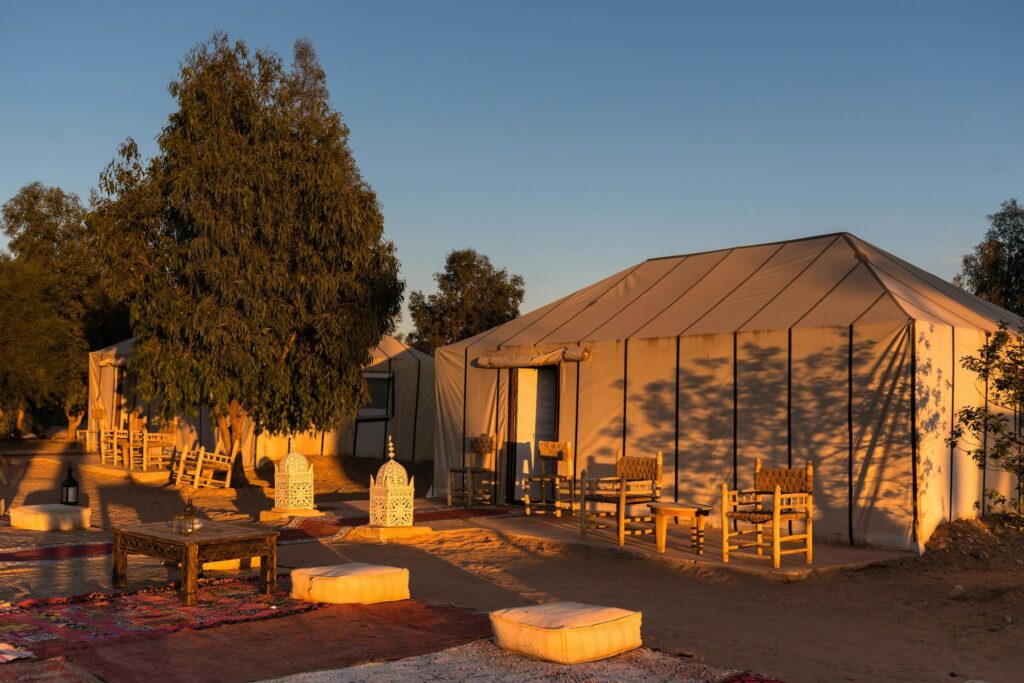
Desert camps in the Moroccan desert range from basic Berber-style tents to luxury accommodations with en-suite bathrooms and comfortable beds. Understanding what each type offers helps you choose the right experience for your preferences and budget.
Accommodation styles typically fall into three categories:
Standard camps feature traditional Berber tents with shared bathroom facilities. These camps sleep 2-4 people per tent on comfortable mattresses with blankets and pillows. While basic, they offer an authentic experience that connects you directly with Berber desert traditions.
Comfort camps upgrade the experience with private tents, better bedding, and sometimes private bathrooms. These camps often include additional amenities like solar-powered lighting and charging stations.
Luxury desert camps provide hotel-quality beds, private bathrooms with hot showers, air conditioning or heating, and upscale dining experiences. Some luxury camps feature swimming pools and spa services. Properties like Azalai Desert Camp and Erg Chigaga Luxury Camp represent this top tier.
Food at desert camps typically includes dinner and breakfast. Expect traditional Moroccan cuisine: tagines (slow-cooked stews with meat and vegetables), couscous, fresh salads, and Moroccan bread. Meals are often served communally, creating opportunities to meet fellow travelers. Vegetarian and dietary restrictions can usually be accommodated with advance notice.
Activities at the camp revolve around the desert experience itself:
- Camel trekking at sunset and sunrise
- Sandboarding down the dunes
- Stargazing sessions (the Sahara sky offers exceptional visibility)
- Traditional music and dance around the campfire
- 4×4 excursions to explore the surrounding desert
- Photography opportunities at golden hour
Most camps provide all activities as part of the package, though some luxury camps charge separately for certain excursions.
Top Morocco Desert Tours from Marrakech
Marrakech serves as the primary departure point for organized desert tours. The 3 days Marrakech desert tour has become the most popular option, offering the right balance of travel time and desert immersion.
Day 1: Marrakech to Dades Valley
The journey begins early, crossing the High Atlas Mountains via the spectacular Tizi n’Tichka pass at 2,260 meters elevation. You’ll stop at the UNESCO World Heritage site of Ait Benhaddou, an ancient fortified village that has served as a backdrop for films like Gladiator and Game of Thrones. The route continues through Ouarzazate (Morocco’s “Hollywood”) and the Valley of Roses before reaching Dades Gorges for overnight accommodation.
Day 2: Dades Valley to Merzouga
The second day travels through the dramatic Todra Gorges, where limestone cliffs rise 300 meters on either side of a narrow corridor. You’ll pass through traditional Berber villages and palm groves before arriving in Merzouga by late afternoon. Here, you’ll mount camels for a 1-2 hour trek into Erg Chebbi to reach your desert camp, arriving just in time for sunset over the dunes.
Day 3: Merzouga to Marrakech
After watching sunrise from the dunes, you’ll return to Merzouga by camel and begin the journey back to Marrakech, typically arriving in the evening.
Tour prices vary significantly based on accommodation level and group size:
| Tour Type | Price Range (per person) | Group Size |
|---|---|---|
| Budget Group Tour | $150-250 | 15-20 people |
| Mid-Range Private Tour | $300-500 | 2-6 people |
| Luxury Private Tour | $800-1,500 | 2-4 people |
Source: Average prices from Morocco tour operators, 2024-2025
Alternative tour lengths include:
2-day tours compress the experience but involve very long driving days with only one night in the desert. 4-day tours allow more time in the desert with additional stops at sites like the Draa Valley. 5-7 day tours can include both Erg Chebbi and Erg Chigaga, offering a comprehensive desert experience.
For more inspiration on Morocco travel experiences, visit Top Travel Insider for destination guides and trip planning advice.
Exploring the Sand Dunes in Morocco
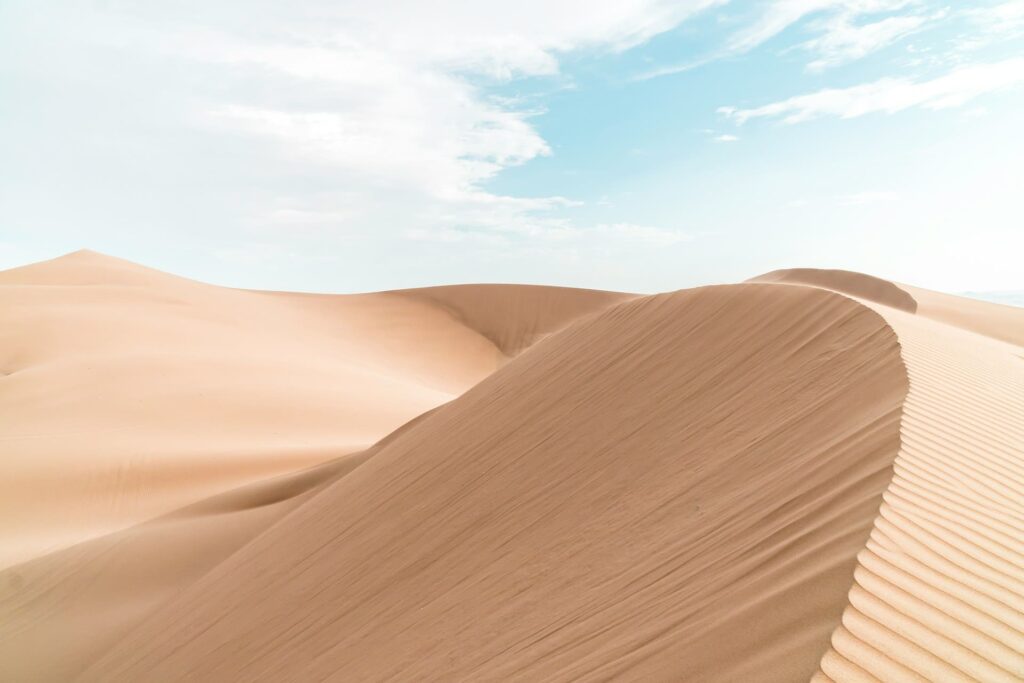
The sand dunes in Morocco create landscapes that feel almost otherworldly. Understanding the characteristics of different dune fields helps you choose the right destination.
Erg Chebbi near Merzouga features the country’s most impressive dunes. These golden mountains of sand stretch about 22 kilometers north to south and 5 kilometers east to west. The highest dunes reach approximately 150 meters, creating dramatic landscapes perfect for photography. The sand here has a distinctive orange-red hue, particularly striking during sunrise and sunset.
According to geological studies, erg formations like Chebbi result from thousands of years of wind patterns depositing and sculpting sand into these massive structures.
Erg Chigaga extends over a much larger area (approximately 40 kilometers long and 15 kilometers wide) with dunes reaching up to 300 meters in height, making them Morocco’s tallest. The remoteness of Chigaga means fewer tourists and a more pristine desert experience. The journey here requires crossing stone deserts and dried lake beds, adding to the adventure.
Best times for dune viewing:
Sunrise (typically 6:00-7:00 AM depending on season) offers cooler temperatures and soft, directional light that emphasizes the dunes’ curves and textures. The contrast between illuminated and shadowed faces creates stunning photographic opportunities.
Sunset (typically 6:00-7:30 PM) provides equally dramatic lighting with warmer tones. Most camps time their camel treks to reach viewpoint dunes for sunset, often including traditional mint tea service at the summit.
Camel trekking remains the quintessential way to experience the dunes. These “ships of the desert” have carried people across the Sahara for millennia. Modern tourist camels are well-trained and gentle, though the swaying motion takes some getting used to. Treks typically last 1-2 hours each way between Merzouga and the camps.
For those concerned about animal welfare, reputable operators ensure camels are well-cared for, properly fed, and not overloaded. You can also request 4×4 transport to the camps if you prefer not to ride camels.
Sandboarding has become increasingly popular at the dunes. Operators provide boards (similar to snowboards) for sliding down the steep dune faces. While not as fast as snow, the experience offers unique thrills and often results in sand-filled laughs.
What to Pack for a Morocco Desert Tour
Packing appropriately for the Moroccan desert makes the difference between comfort and misery. Desert conditions create unique challenges with extreme temperature swings and omnipresent sand.
Clothing essentials:
- Layers for temperature variation: Desert nights can drop to 5-10°C (41-50°F) in winter, while days reach 35-40°C (95-104°F) in summer
- Long, loose-fitting clothing: Protects from sun and sand while keeping you cool
- Warm jacket or fleece: Essential for evening and early morning
- Scarf or shemagh: Protects face from sun and sand, doubles as head covering
- Comfortable walking shoes: Closed-toe shoes prevent sand entry better than sandals
- Sunglasses: High-quality UV protection is crucial in the intense desert light
- Hat with brim: Protects face and neck from sun exposure
Technical gear:
- Headlamp or flashlight: Camps have limited lighting at night
- Power bank: Charging opportunities are limited, even at camps with solar power
- Camera with protective bag: Sand can damage equipment quickly
- Reusable water bottle: Stay hydrated, though camps provide water
Health and comfort items:
- High SPF sunscreen (50+): The desert sun is intense and reflects off sand
- Lip balm with SPF: Lips burn and crack easily in dry desert air
- Moisturizer: The extreme dryness affects skin significantly
- Hand sanitizer and wet wipes: Bathroom facilities are basic
- Basic medications: Include pain relievers, anti-diarrheal medicine, and any prescription medications
- Toilet paper: Not always available at rest stops en route
What to leave behind:
- Excessive valuables: Leave expensive jewelry and unnecessary electronics at your hotel
- Too much luggage: Most tours allow one bag per person; you don’t need your entire suitcase
- White or light-colored clothing: Sand stains are difficult to remove
How to Get to the Desert in Morocco
Reaching the Moroccan desert requires careful planning, as distances are substantial and road conditions vary.
From Marrakech:
The most common route follows the N9 highway over the Tizi n’Tichka pass through the High Atlas Mountains. This spectacular but winding road requires careful driving, especially in winter when snow can affect the pass. The route continues via Ouarzazate and the Draa Valley, eventually reaching Merzouga. Total distance: approximately 560 kilometers, taking 9-10 hours with stops.
An alternative route goes through the Dades Valley and Todra Gorges, offering different scenery and breaking the journey into manageable segments.
From Fes:
The route from Fes travels through Ifrane (sometimes called “Little Switzerland” for its Alpine architecture) and the Middle Atlas Mountains before descending toward Merzouga. Distance: approximately 470 kilometers, requiring 7-8 hours.
Transportation options:
Organized tours handle all transport, typically in comfortable minibuses or 4×4 vehicles with air conditioning. This option eliminates navigation stress and includes stops at key sites. Prices range from $150-1,500 per person depending on tour length and quality (see pricing table in section 4).
Private car hire with driver offers flexibility and comfort for those who want to customize their itinerary. Expect to pay $100-200 per day for the vehicle and driver, plus covering the driver’s accommodation and meals. This option works well for families or small groups.
Self-driving gives maximum freedom but requires confidence navigating unmarked roads and dealing with Moroccan driving conditions. Most international drivers’ licenses are accepted. Fuel stations become sparse after Ouarzazate, so fill up at every opportunity. GPS navigation is essential, though signals can be unreliable in remote areas.
Rental car services in Morocco typically charge $30-80 per day for compact cars, though 4×4 vehicles (recommended for Erg Chigaga) cost $80-150 daily.
Public transport exists but is impractical for desert camps. CTM and Supratours operate bus services to towns like Merzouga and Zagora, but you’ll still need to arrange separate transport to the actual camps.
Road conditions: Main highways (N9, N10) are generally well-maintained, but secondary roads can be rough. The final approach to camps, especially at Erg Chigaga, requires 4×4 vehicles. Driving at night is not recommended due to poor road lighting and potential hazards.
How to Plan Your Morocco Desert Trip
Strategic planning ensures your Morocco desert trip meets your expectations and budget while avoiding common pitfalls.
Best time to visit:
The Moroccan desert experiences extreme seasonal variation:
| Season | Temperature Range | Pros | Cons |
|---|---|---|---|
| Spring (March-May) | 20-30°C (68-86°F) | Pleasant weather, wildflowers after rain | Occasional sandstorms |
| Summer (June-August) | 35-45°C (95-113°F) | Fewer tourists, lower prices | Extremely hot days |
| Fall (September-November) | 25-35°C (77-95°F) | Ideal temperatures, clear skies | Peak season, higher prices |
| Winter (December-February) | 5-20°C (41-68°F) | Cooler hiking weather, dramatic light | Very cold nights |
Source: Morocco Climate Data
October through April represents the optimal window, with March-April and October-November offering the best balance of comfortable temperatures and manageable crowds.
Budget considerations:
A typical 3-day desert tour from Marrakech costs $150-500 per person in group settings, or $300-1,500 for private tours. Additional expenses include:
- Tips for guides and drivers: $5-10 per day per person
- Drinks at camps: $2-5 per beverage
- Optional activities: $10-30 each
- Meals during travel days: $10-20 per meal
Budget travelers can complete a 3-day tour for under $200 total, while luxury seekers might spend $2,000+ for premium experiences.
Selecting a tour operator:
Quality varies dramatically among Morocco’s hundreds of desert tour operators. Research thoroughly using these criteria:
Reviews and reputation: Check TripAdvisor, Google Reviews, and travel forums. Look for consistent positive feedback about guides, vehicles, and camps.
Transparency: Reputable operators clearly outline what’s included versus optional extras. Avoid operators who are vague about accommodation specifics or hidden costs.
Vehicle condition: Modern, well-maintained vehicles with air conditioning are essential for long desert drives.
Group size: Smaller groups (6-8 people) provide better experiences than large bus tours.
Camp quality: Request photos of actual camps, not stock images. Ask about bathroom facilities, bedding quality, and meal standards.
Flexibility: Good operators accommodate dietary restrictions and can adjust itineraries for weather or personal preferences.
Booking timeline:
Book 2-4 months in advance for peak season travel (March-April, October-November). Last-minute bookings (1-2 weeks) are possible during summer and winter but limit choices. Many operators require 20-30% deposits to confirm reservations.
Health and safety:
Morocco is generally safe for tourists, with desert tours experiencing few serious incidents. However:
- Ensure your travel insurance covers adventure activities
- Stay hydrated (drink 3-4 liters daily in hot weather)
- Use sun protection rigorously
- Inform your accommodation about any health conditions
- Carry a basic first aid kit
Conclusion
A desert camp Morocco experience ranks among the world’s most memorable travel adventures. From the moment you crest your first sand dune and see the vastness of the Sahara stretching to the horizon, you’ll understand why this landscape has captivated humans for millennia.
Whether you choose the towering dunes of Erg Chebbi, the remote wilderness of Erg Chigaga, or the accessible sand dunes in Morocco near Zagora, the essence remains the same: connection with a landscape of profound beauty and timelessness. The 3 days Marrakech desert tour has become popular precisely because it provides sufficient time to truly absorb the desert’s magic without requiring extensive vacation time.
The memories you’ll carry home go beyond the Instagram-worthy sunset camel rides and star-filled skies. You’ll remember the silence, so complete it feels like a presence. The warmth of Berber hospitality around the campfire. The surprising cold of desert nights and the joy of strong morning coffee as the sun illuminates the dunes in shades of gold and amber. The friendly camels, the taste of tagine cooked in the sand, and the sensation of fine Saharan sand between your toes.
Planning your Morocco desert trip requires some effort, but the rewards far exceed the logistics. Whether you’re a solo adventurer, a couple seeking romance, or a family creating lasting memories, the Moroccan desert welcomes all with its timeless beauty and transformative experiences.
The Sahara awaits. Your desert camp Morocco adventure is calling.
FAQ Section
How many days do you need for a Morocco desert trip?
The minimum recommended duration is 2 days, but this involves very long driving days with limited time in the desert itself. A 3-day tour from Marrakech is ideal for most travelers, providing sufficient time to experience the desert while visiting key sites like Ait Benhaddou and Todra Gorges. Four to five-day trips allow for more leisurely travel and deeper exploration of multiple desert regions.
Is it safe to camp overnight in the Sahara Desert?
Yes, overnight camping in Morocco’s Sahara is very safe. Desert camps are established, well-run operations hosting thousands of tourists annually. Camps provide secure accommodation, and guides are experienced in desert conditions. The main “dangers” are mild: cold nights requiring warm clothing and enthusiastic camp musicians who might keep you up late! Wildlife threats are nonexistent as the Sahara’s fauna is limited to small creatures like gerbils and occasional fennec foxes.
What’s the difference between Erg Chebbi and Erg Chigaga?
Erg Chebbi near Merzouga features more accessible dunes (reachable by regular vehicles) with established tourism infrastructure. Dunes reach 150 meters high across a more compact area. Erg Chebbi sees more tourists but offers reliable amenities and easier access from both Marrakech and Fes. Erg Chigaga requires 4×4 access and offers more remote, pristine desert experiences. Its dunes stretch higher (up to 300 meters) and wider, with fewer camps and tourists. Erg Chigaga appeals to adventure seekers wanting solitude, while Erg Chebbi suits those preferring convenience.
Do you need a guide for a Morocco desert tour?
While not legally required, a guide is highly recommended and practically necessary for first-time visitors. The desert’s featureless landscape makes navigation extremely difficult without local knowledge. Guides also handle logistics, provide cultural insights, manage camp arrangements, and ensure safety. Self-driving to towns like Merzouga or Zagora is possible, but accessing the actual camps requires local expertise, especially at Erg Chigaga where routes cross trackless terrain.
Are Morocco desert camps suitable for families or solo travelers?
Absolutely. Desert camps welcome all traveler types. Families find the experience educational and exciting for children (most camps accept kids of all ages, though camel riding has a minimum age of around 6-7 at most operators). Activities like sandboarding and stargazing appeal to young adventurers. Solo travelers enjoy the communal atmosphere at camps, with shared meals and campfires facilitating connections with fellow travelers. Many tour operators offer solo traveler discounts or can match solo travelers with others to reduce costs.
How cold does it get at night in the Moroccan desert?
Desert temperatures vary dramatically by season. In summer (June-August), nighttime temperatures remain comfortable at 20-25°C (68-77°F). During spring and fall (March-May, September-November), expect 10-15°C (50-59°F) at night. Winter (December-February) brings genuinely cold nights of 5-10°C (41-50°F), and temperatures can occasionally drop to freezing. All camps provide heavy blankets, but bringing a warm jacket is essential for winter visits. The dramatic day-night temperature swing (often 20-30°C difference) surprises many visitors.
Can you visit the Moroccan desert without joining a tour?
Yes, but it’s challenging and not recommended for first-time visitors. You can drive to towns like Merzouga or M’Hamid independently and arrange camp stays directly. However, you’ll need to negotiate with local guides for camel treks and camp access, which often costs similar to organized tours. The journey from Marrakech involves 9-10 hours of driving through mountains and unfamiliar roads. Most independent travelers find that tours provide better value, handle logistics, include guides knowledgeable about culture and history, and ensure reliable camp quality. If you do go independently, thorough research and booking camps in advance is essential.