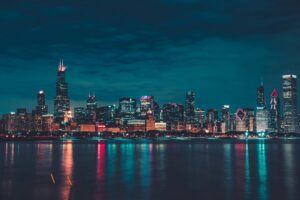
New York City stands as one of the world’s most vibrant art capitals, home to approximately 1,500 galleries that span from internationally renowned blue-chip institutions to experimental spaces pushing creative boundaries. Whether you’re an art collector, casual enthusiast, or first-time visitor, navigating the top 10 best art galleries in NYC can transform your understanding of contemporary and modern art. This comprehensive guide highlights the city’s most influential galleries, offering practical tips for making the most of your gallery-hopping adventure across Chelsea, the Lower East Side, SoHo, and beyond.
Why NYC’s Gallery Scene Is Unmatched
New York’s art gallery landscape offers something truly unique: density, diversity, and accessibility. Unlike many cities where galleries are scattered across distant neighborhoods, NYC’s best art galleries are clustered in walkable districts, making it feasible to visit multiple spaces in a single afternoon. The Chelsea Arts District alone houses over 200 galleries within a concentrated area. At the same time, neighborhoods like the Lower East Side and Tribeca offer emerging artists and experimental exhibitions that challenge conventional thinking.
What sets New York apart is the coexistence of different gallery ecosystems. Blue-chip galleries represent internationally acclaimed artists with museum-quality exhibitions, while smaller nonprofit and artist-run spaces provide platforms for emerging voices. This spectrum means visitors can experience everything from multimillion-dollar masterpieces to provocative installations by artists showing their work for the first time.
TL;DR – Quick Links to the Top 10 Best Art Galleries in NYC
- Gagosian Gallery – (Google Maps)
- David Zwirner Gallery – (Google Maps)
- Hauser & Wirth – (Google Maps)
- Pace Gallery – (Google Maps)
- Gladstone Gallery – (Google Maps)
- Lehmann Maupin – (Google Maps)
- Paula Cooper Gallery – (Google Maps)
- Luhring Augustine – (Google Maps)
- Metro Pictures – (Google Maps)
- Jack Shainman Gallery – (Google Maps)
1. Gagosian Gallery: The Global Powerhouse
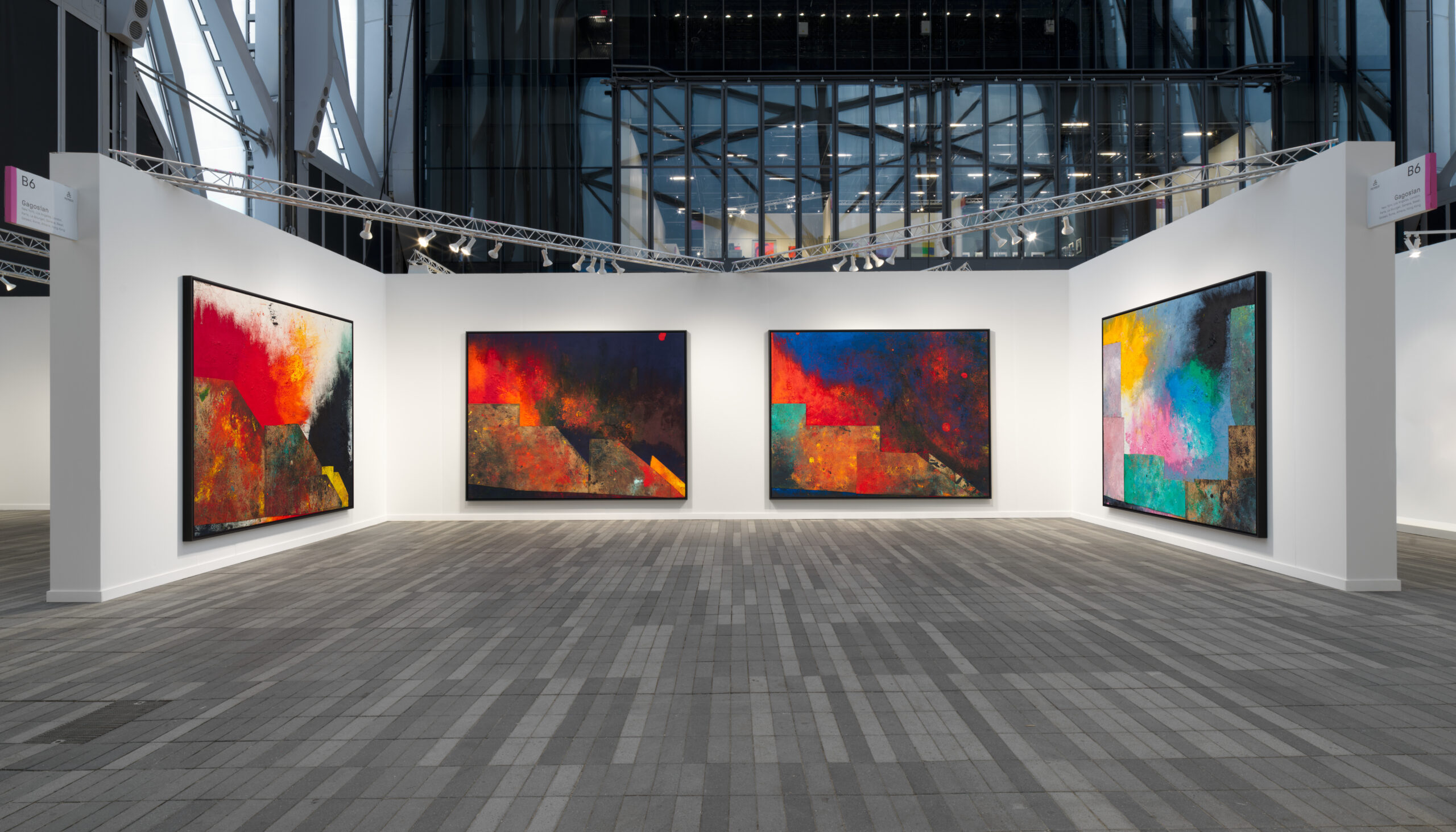
Gagosian Gallery represents the pinnacle of the contemporary art world, operating multiple locations across New York City, including Chelsea, the Upper East Side, and Madison Avenue. Founded by Larry Gagosian, this gallery has become synonymous with blockbuster exhibitions featuring artists like Cy Twombly, Richard Serra, Jeff Koons, and Damien Hirst.
Walking into any Gagosian location feels like entering a private museum. The gallery’s expansive white-cube spaces showcase meticulously curated exhibitions that often make international headlines. Recent shows have included major retrospectives of twentieth-century masters alongside cutting-edge contemporary installations. The gallery’s influence extends beyond exhibition walls. Gagosian represents some of the most valuable living artists and regularly participates in major art fairs worldwide.
For visitors, Gagosian offers free admission to all exhibitions, with knowledgeable staff available to discuss the works on view. The Chelsea location at 555 West 24th Street provides an excellent starting point for exploring the neighborhood’s Chelsea art galleries NYC scene. Check their website before visiting, as exhibitions change frequently and some shows require advance registration during peak times.
2. David Zwirner Gallery: Contemporary Art Excellence
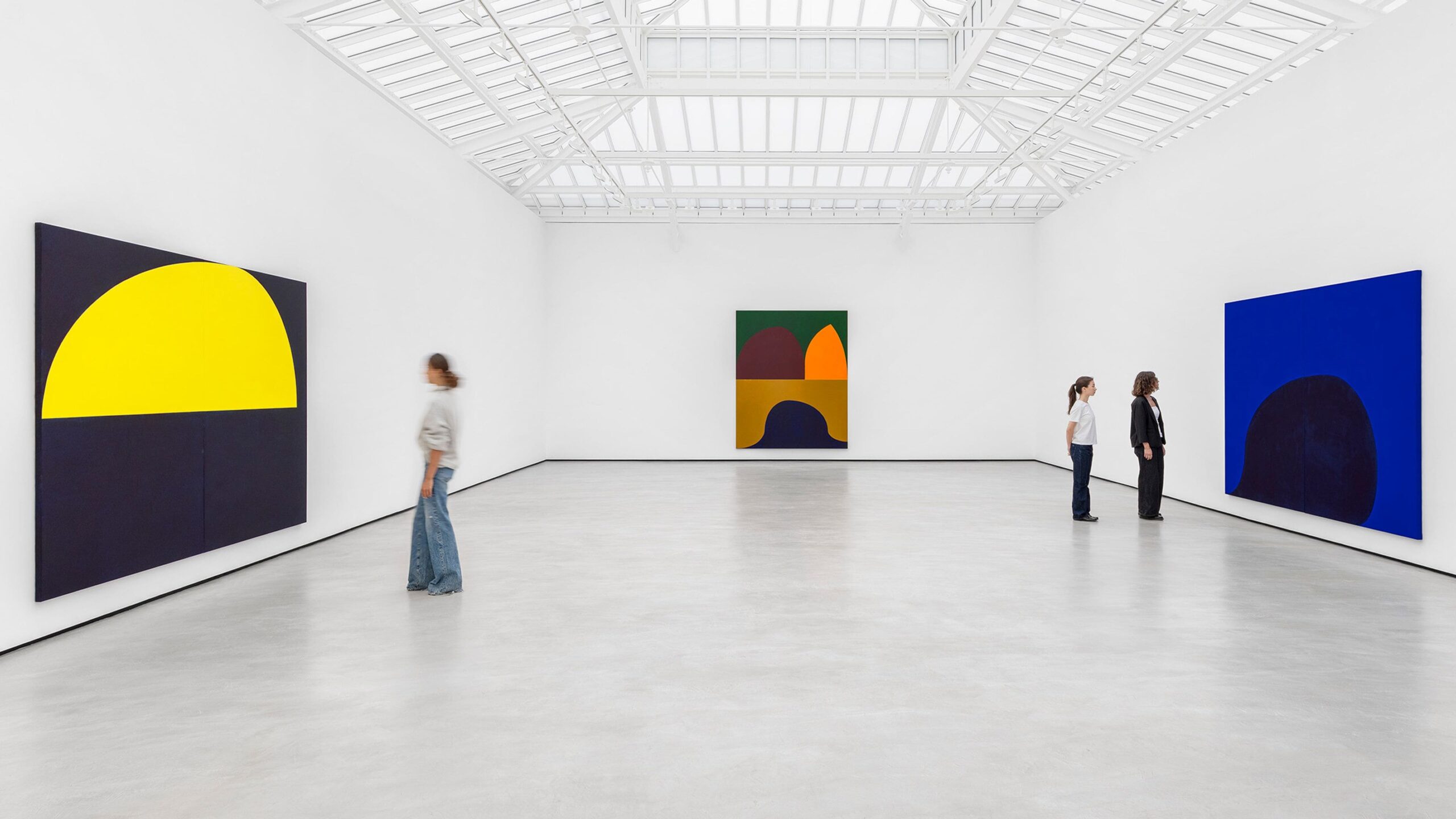
David Zwirner Gallery stands among the most respected contemporary art galleries NYC has to offer, representing over seventy artists and estates across locations in Chelsea and the Upper East Side. The gallery has earned its reputation through carefully curated exhibitions that balance established masters with emerging talents, maintaining relevance across generations of art collectors and enthusiasts.
The gallery’s roster includes luminaries like Yayoi Kusama, whose immersive installations draw enormous crowds, alongside photographers like Wolfgang Tillmans and painters like Alice Neel. Zwirner’s approach emphasizes long-term relationships with artists, supporting their practice over decades rather than chasing market trends. This philosophy has resulted in museum-quality exhibitions that often travel to major institutions worldwide.
The 19th Street location in Chelsea features expansive galleries across multiple floors, allowing for ambitious installations and comprehensive solo exhibitions. The Upper East Side townhouse location offers a more intimate setting, particularly well-suited for smaller-scale works and focused presentations. Both locations welcome visitors free of charge, and the gallery publishes excellent exhibition catalogs that provide deeper context for the works on view.
3. Hauser & Wirth: Where Art Meets Experience
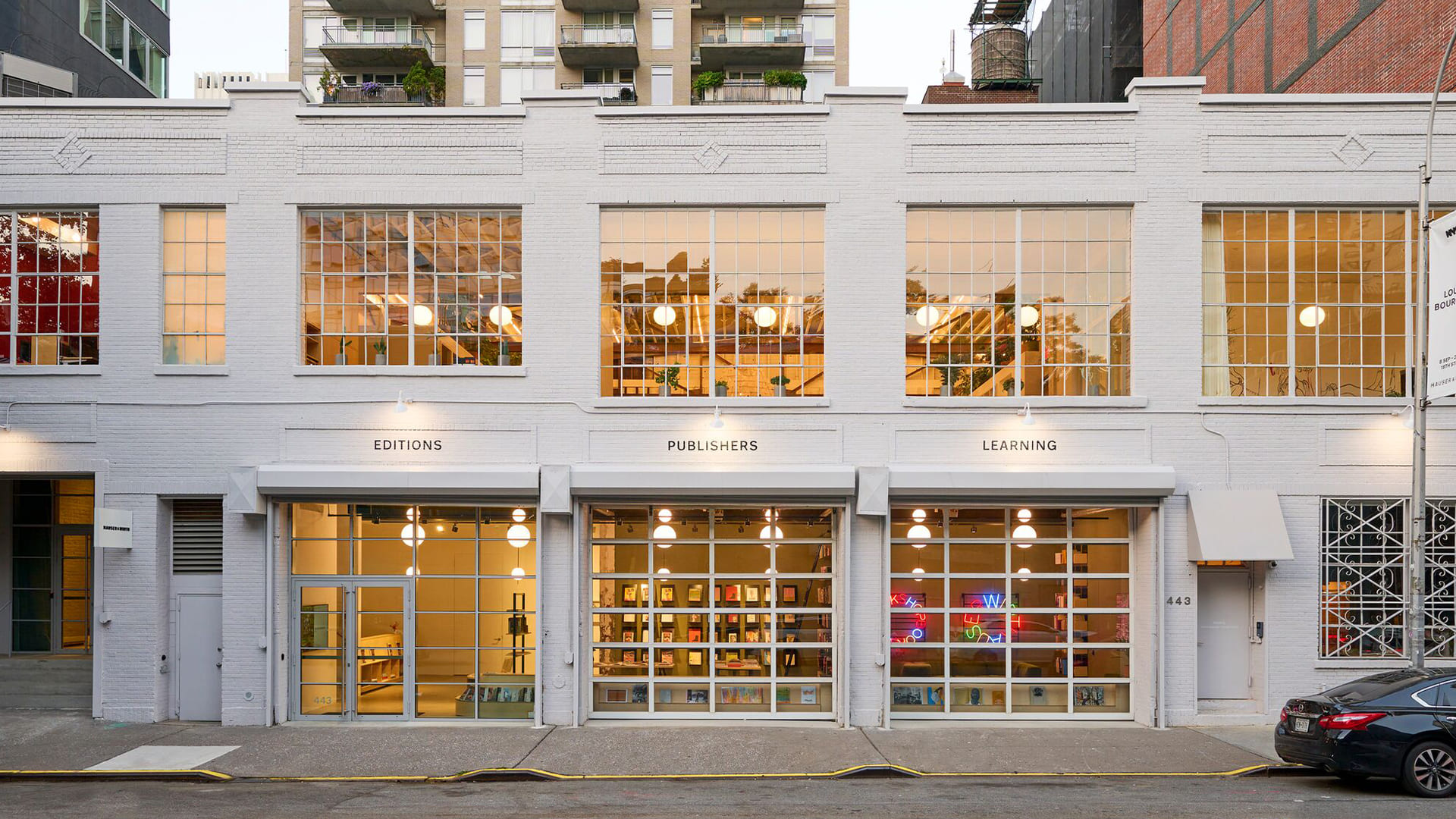
Hauser & Wirth has redefined what a gallery can be, transforming the traditional white-cube model into a comprehensive cultural destination. Their Chelsea location on 22nd Street not only houses world-class exhibitions but also features an on-site restaurant, bookstore, and educational programming that makes art accessible to broader audiences.
The gallery represents an impressive roster spanning modern masters and contemporary innovators, including Louise Bourgeois, Mark Bradford, and Jenny Holzer. What distinguishes Hauser & Wirth is their commitment to scholarship and education. Exhibitions are accompanied by extensive public programs, artist talks, and publications that help visitors engage more deeply with the artwork. The gallery also operates the Hauser & Wirth Institute, supporting emerging curators and art historians.
Architecturally, the Chelsea space features soaring ceilings and abundant natural light, creating an environment where monumental sculptures and intimate drawings receive equal attention. The inclusion of Roth Bar & Grill on the ground floor, serving seasonal cuisine inspired by the gallery’s Swiss roots, makes this an ideal stop for combining art viewing with dining. It’s one of the few gallery spaces where you can legitimately spend an entire afternoon without feeling you should move on.
4. Pace Gallery: Six Decades of Innovation
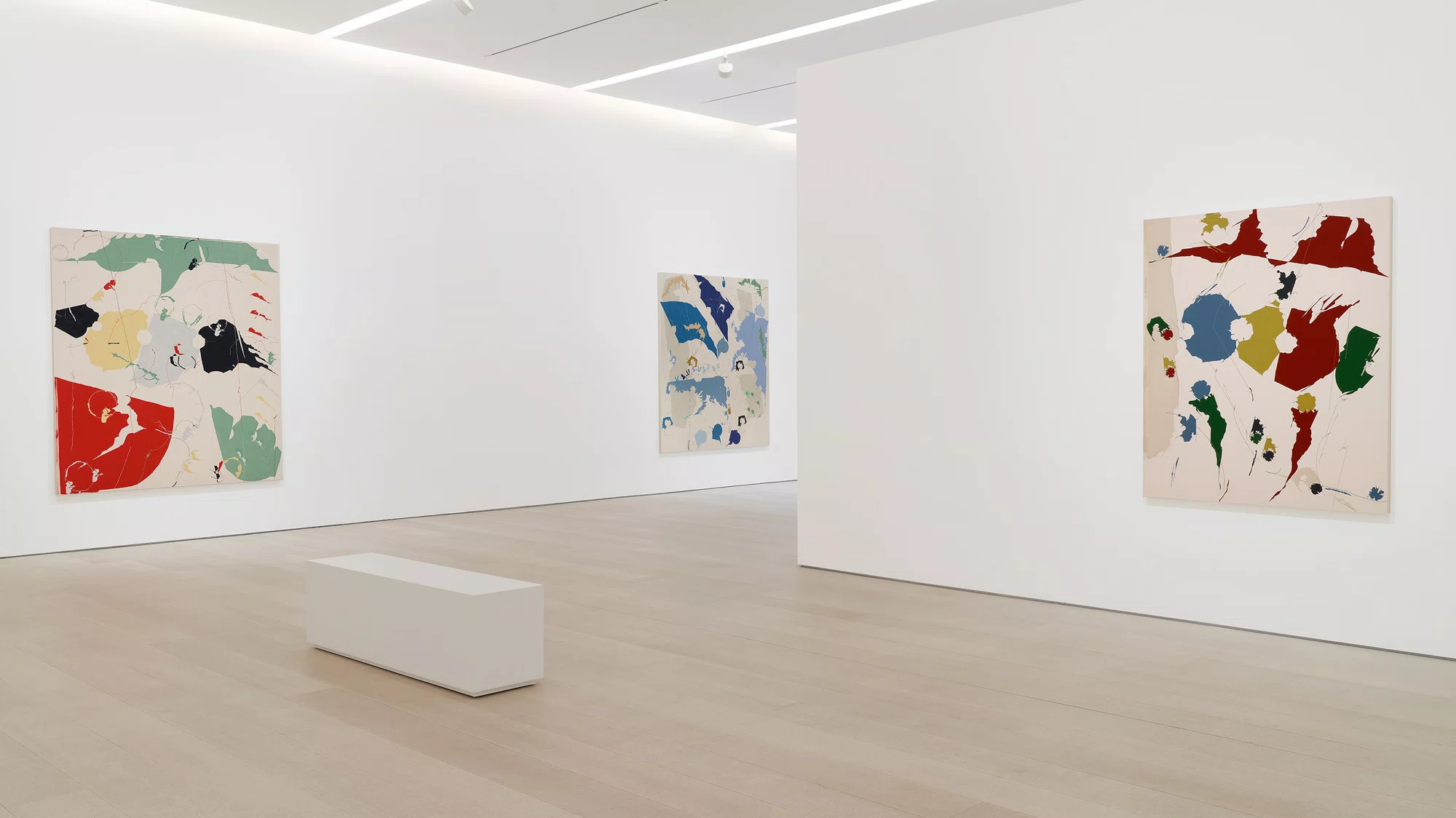
Pace Gallery brings over sixty years of experience to the New York art galleries landscape, representing a multigenerational program that bridges modernism and contemporary practice. With multiple locations, including a massive 75,000-square-foot flagship in Chelsea, Pace has the physical infrastructure to mount exhibitions of exceptional ambition and scale.
The gallery’s history includes early representation of artists like Mark Rothko, Agnes Martin, and Alexander Calder, establishing relationships that continue with their estates today. Contemporary program includes TeamLab, whose immersive digital installations pack crowds, and established figures like Yoshitomo Nara and Kiki Smith. This range means Pace exhibitions appeal to visitors with diverse interests, from traditional painting and sculpture to cutting-edge new media.
The Chelsea flagship, which opened in 2019, features eight galleries across multiple floors, offering simultaneous exhibitions that can occupy visitors for hours. The architectural design includes outdoor terraces with views of the High Line, connecting the gallery experience to the urban landscape. Pace also pioneered digital initiatives during recent years, developing online viewing rooms and virtual programming that complement their physical exhibitions.
5. Gladstone Gallery: Edgy and Intellectual
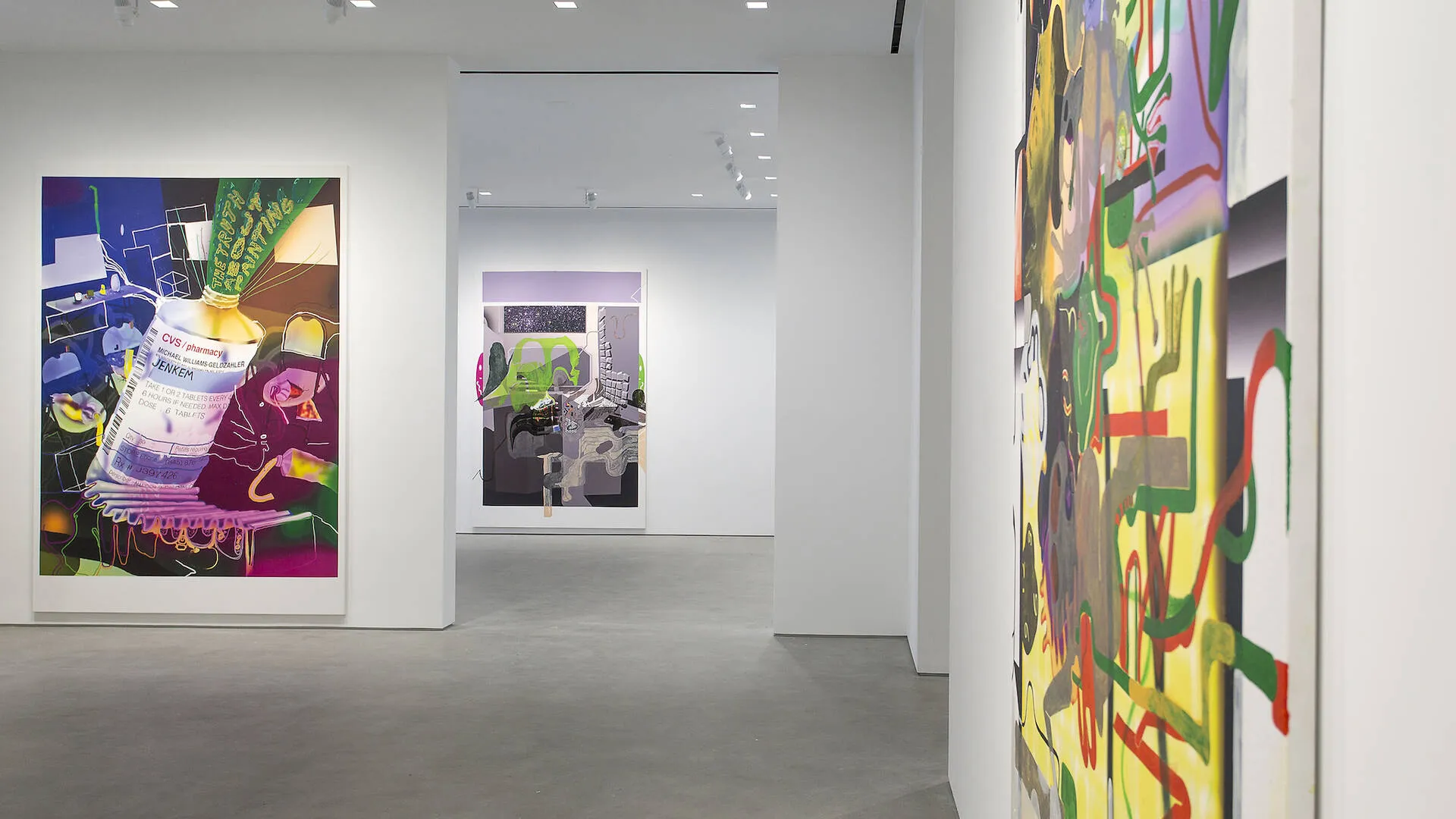
Gladstone Gallery occupies a unique position among the best art galleries NYC offers, known for representing artists who challenge conventions and push conceptual boundaries. Operating spaces in Chelsea and the Upper East Side, Gladstone has built a reputation for sophisticated exhibitions that require active engagement from viewers.
The roster includes influential figures like Rosemarie Trockel, Shirin Neshat, and Matthew Barney, artists whose work often addresses political themes, identity, and social structures. Exhibitions at Gladstone tend toward the cerebral and sometimes confrontational, making this gallery particularly appealing to visitors seeking art that provokes thought rather than simply pleasing the eye. The gallery has also championed international artists who might not receive attention from more market-driven institutions.
Both locations feature flexible gallery spaces that artists often transform dramatically, installing site-specific works that respond to the architecture. The Chelsea gallery on 21st Street is particularly striking, with industrial elements preserved from the building’s previous life, providing raw material for artists to engage with. Visiting Gladstone means encountering art that might not immediately reveal its meaning, bringing curiosity and patience to get the most from these exhibitions.
6. Lehmann Maupin: Global Perspectives
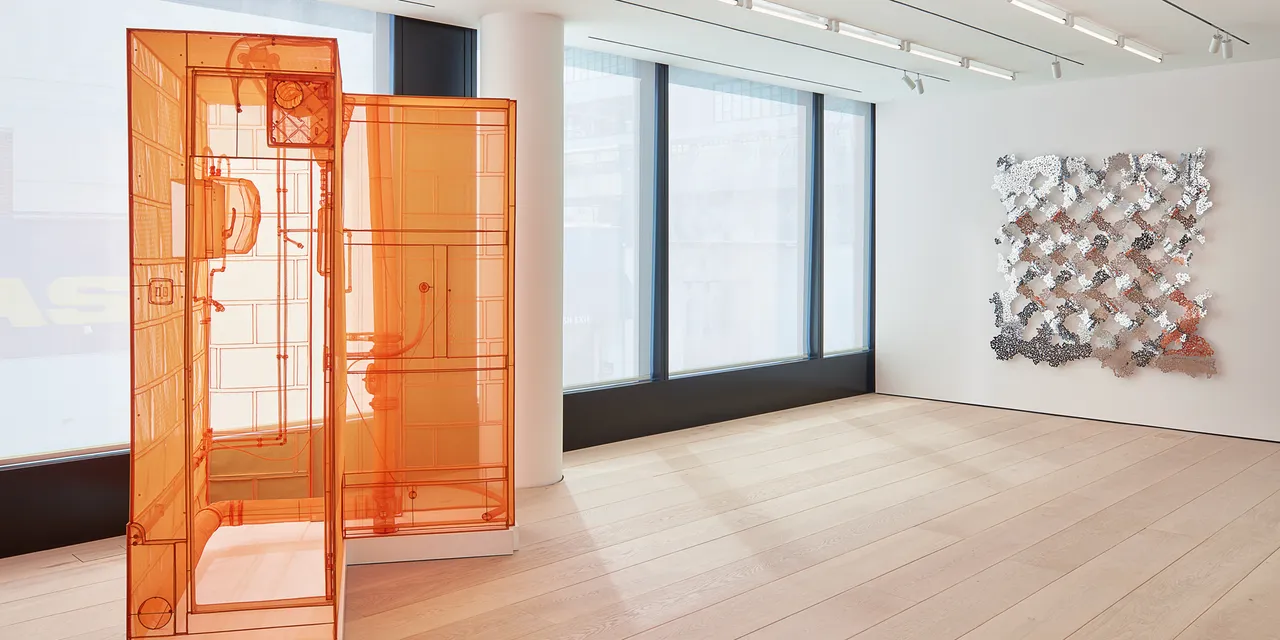
Lehmann Maupin distinguishes itself through international reach, representing artists from Asia, Africa, Latin America, Europe, and North America in their Chelsea gallery. This global perspective brings diversity to the New York gallery scene, introducing audiences to practices they might not encounter elsewhere while maintaining rigorous curatorial standards.
The gallery’s program includes established figures like Catherine Opie and Lee Bul alongside emerging artists pushing their practices in new directions. What makes Lehmann Maupin particularly valuable is their commitment to artists working outside Western art centers, providing platforms for voices that enrich conversations about contemporary art. Recent exhibitions have featured artists from Seoul, Bogotá, Johannesburg, and beyond, often presenting work that addresses global issues through localized perspectives.
The Chelsea space features high ceilings and abundant square footage, allowing for ambitious installations and comprehensive solo presentations. The gallery also maintains active publishing and education programs, producing catalogs and organizing talks that provide context for the work. For visitors interested in understanding how contemporary art functions as a global dialogue rather than a New York-centric phenomenon, Lehmann Maupin offers essential perspectives.
7. Paula Cooper Gallery: Historic Pioneer
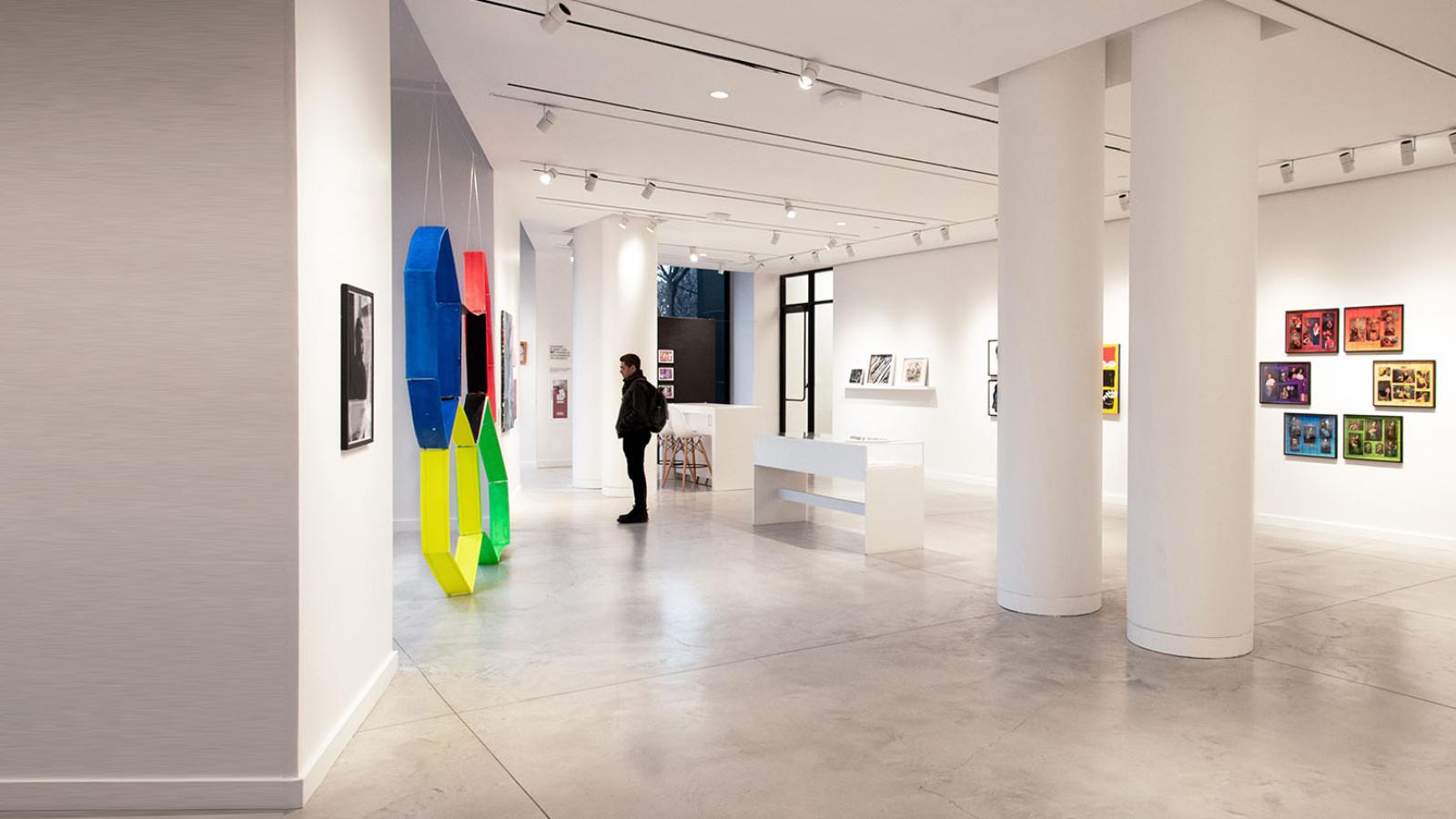
Paula Cooper Gallery holds a special place in art history as the first gallery to open in SoHo in 1968, helping establish the neighborhood as an art destination and pioneering the loft-gallery model. Now located in Chelsea, the gallery maintains its commitment to conceptual rigor and social engagement while representing both established and emerging artists.
The roster includes Carl Andre, whose minimalist floor sculptures defined a generation, and contemporary artists like Lorna Simpson and Kelley Walker. Paula Cooper has consistently supported artists working with challenging materials and ideas, from earthworks to conceptual photography. The gallery also operates a nonprofit component, donating portions of revenue to social justice organizations and maintaining that art exists within broader cultural and political contexts.
The current Chelsea location spans two buildings on 21st Street, offering generous spaces for installations that require room to breathe. The gallery architecture honors the industrial heritage of the neighborhood while providing pristine conditions for viewing art. Cooper’s longevity in the field means exhibitions benefit from decades of relationship-building with artists, often resulting in shows that reveal aspects of practices not visible elsewhere.
8. Luhring Augustine: Contemporary Focus
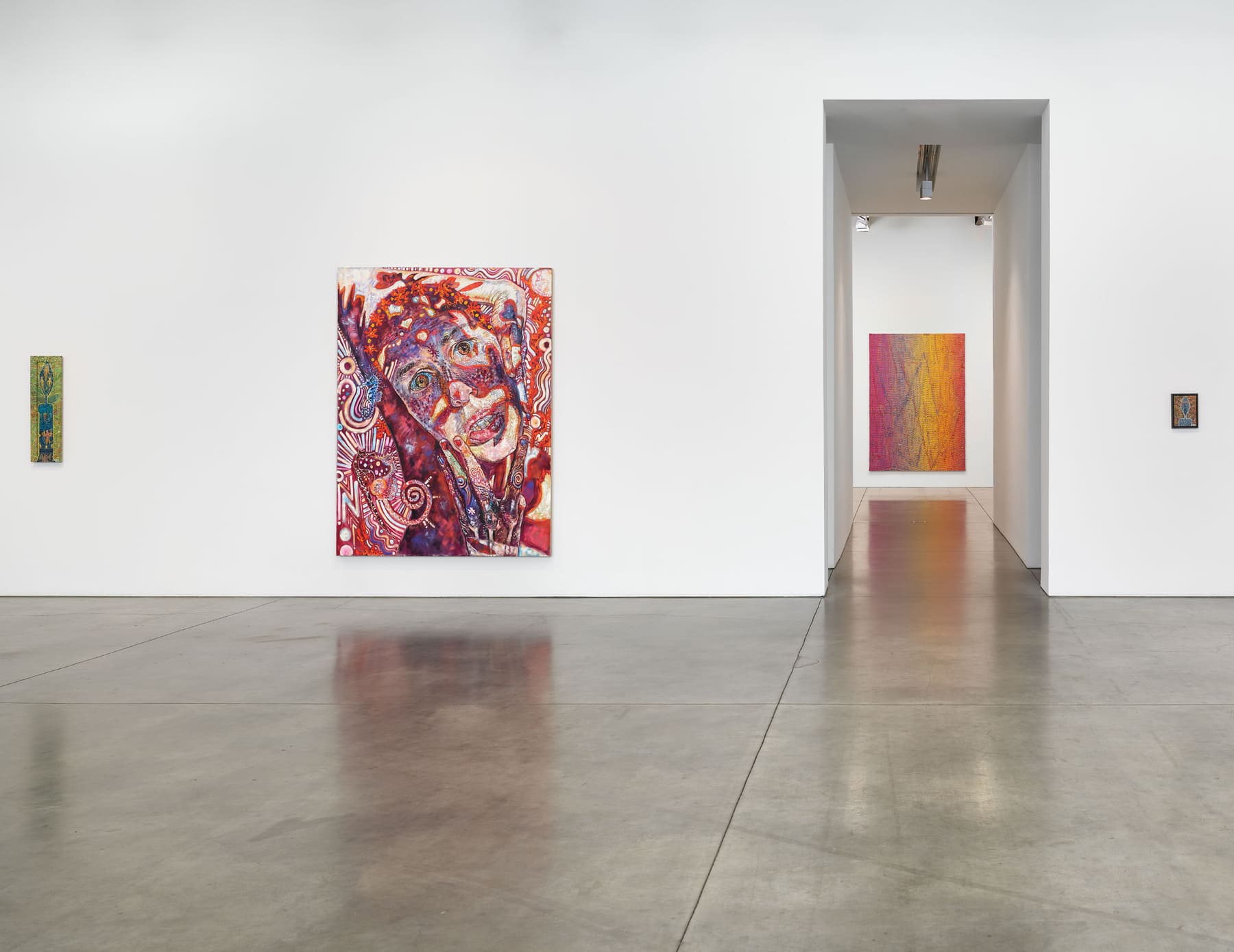
Luhring Augustine operates as a mid-sized gallery with outsized influence, representing approximately thirty artists whose practices span painting, sculpture, photography, video, and installation. Located in Chelsea, the gallery has developed a reputation for thoughtful exhibition programming that balances aesthetic pleasure with conceptual depth.
The artist roster includes contemporary masters like Pipilotti Rist, whose immersive video installations transform gallery spaces into dreamlike environments, and Rachel Harrison, whose sculptures combine found objects with acute cultural commentary. Luhring Augustine exhibitions often surprise visitors by juxtaposing seemingly disparate practices, revealing unexpected connections and expanding definitions of what contemporary art can be.
The gallery’s three exhibition spaces in Chelsea allow for simultaneous shows that provide variety within a single visit. The team is known for being particularly approachable, willing to discuss work with visitors regardless of their knowledge level or intention to purchase. This openness makes Luhring Augustine an excellent choice for those newer to gallery-going who want to learn without feeling intimidated by the environment.
9. Metro Pictures: Photography and Media
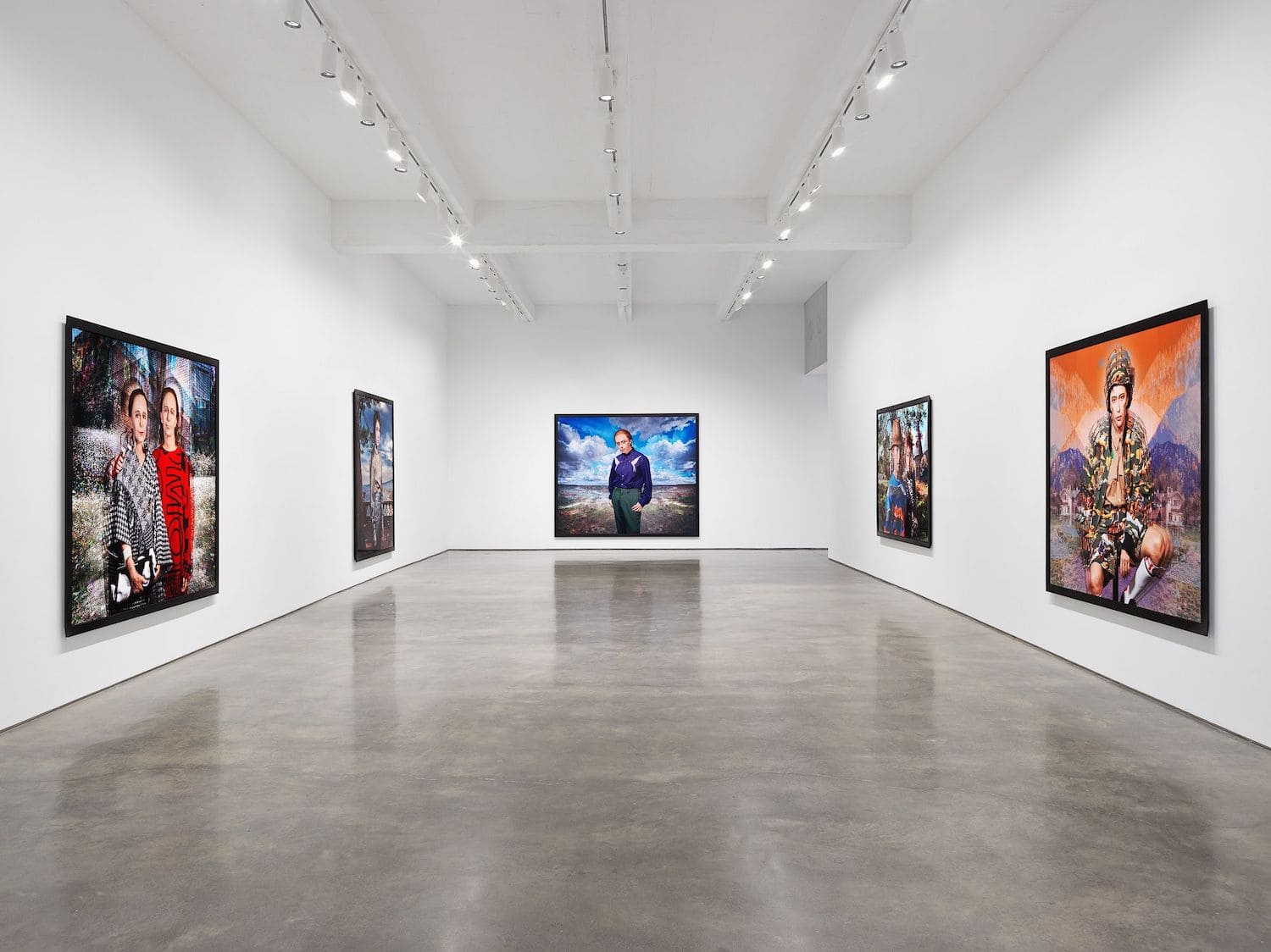
Metro Pictures has specialized in photography, film, and media-based art since its founding in 1980, establishing itself as essential viewing for anyone interested in how images function in contemporary culture. The Chelsea gallery represents artists like Cindy Sherman, whose self-portraits explore identity and representation, and Robert Longo, whose large-scale charcoal drawings capture the intensity of contemporary life.
What makes Metro Pictures particularly relevant today is its early recognition that photography and video would become central to artistic practice. The gallery supported artists working with these mediums before they achieved full acceptance in the art market, building relationships that continue decades later. Recent exhibitions have explored how artists use media to address political issues, personal narratives, and the nature of image-making itself.
The Chelsea space provides intimate settings well-suited to photographic work and video installations, with careful attention to lighting and presentation. Metro Pictures exhibitions often feel more like curated experiences than simple displays of art objects, with sequential arrangements that build narratives or ideas across multiple works. For visitors interested in understanding contemporary photography beyond documentary traditions, this gallery offers essential education.
10. Jack Shainman Gallery: Social Engagement
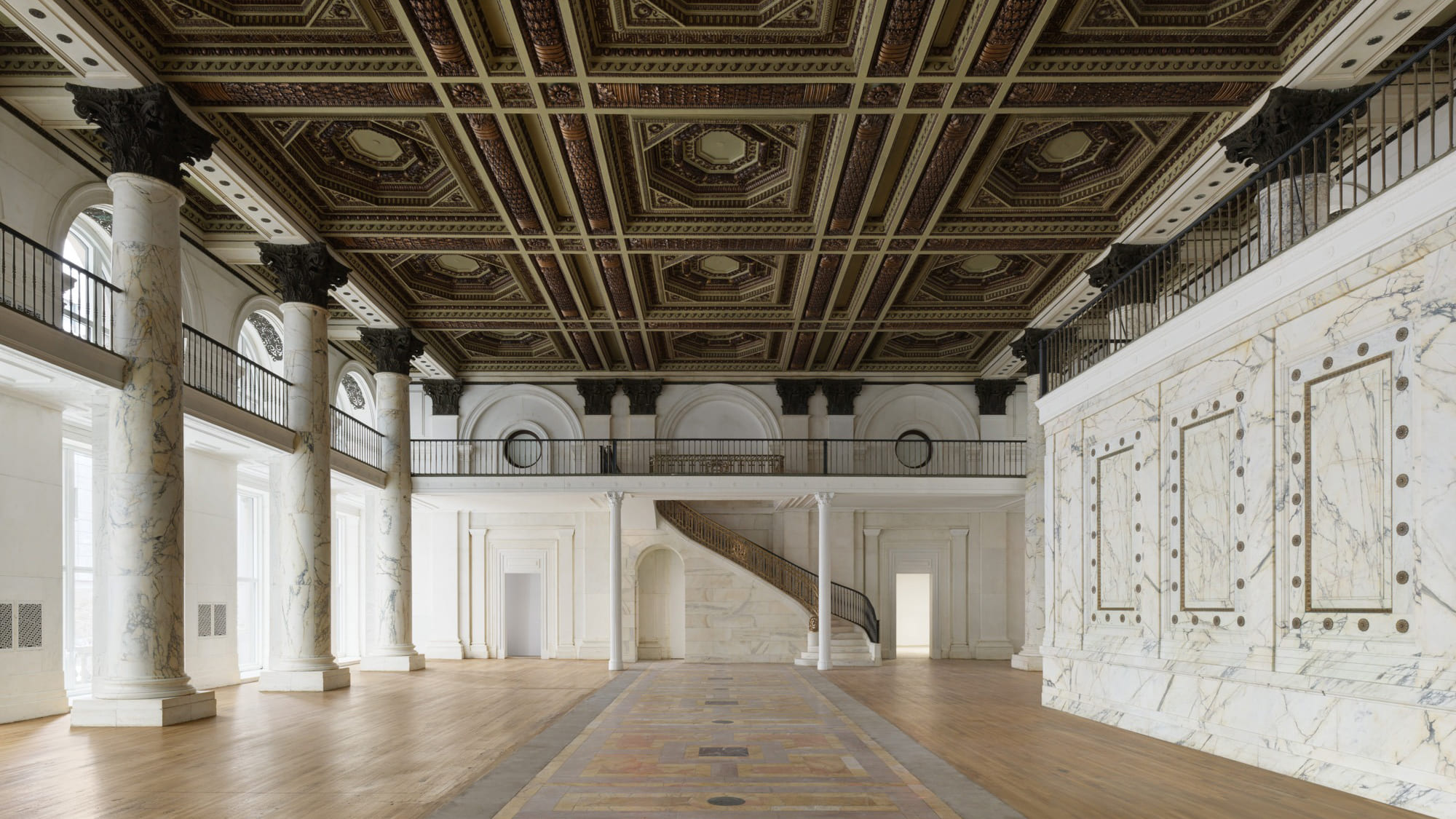
Jack Shainman Gallery rounds out this list through its commitment to representing artists whose work engages with social justice, history, and cultural identity. Operating spaces in Chelsea, the gallery has built a program that addresses urgent contemporary issues while maintaining exceptional artistic standards.
The roster includes celebrated figures like Kerry James Marshall, whose paintings reclaim space for Black subjects within art history, and Barkley L. Hendricks, whose portraits combine technical virtuosity with cultural commentary. Shainman has consistently championed artists of color, particularly those working with historical memory and identity politics, providing platforms that challenge dominant narratives within the art world.
The 20th Street gallery in Chelsea features generous spaces that accommodate both painting and installation, with exhibitions often transforming the entire venue. Shainman also operates The School in Kinderhook, New York, a satellite location that presents more experimental projects and performances. The gallery’s public programs include artist talks and panel discussions that help visitors understand the contexts surrounding the artwork, making this an educational experience beyond simple viewing.
Planning Your Gallery-Hopping Adventure
Navigating the NYC gallery guide requires some strategic planning to maximize your experience. Most galleries cluster in specific neighborhoods, making it practical to visit multiple spaces in a single outing without extensive travel. Here’s how to approach your gallery exploration:
Chelsea Arts District remains the epicenter, with over 200 galleries concentrated between 10th and 11th Avenues, primarily from 18th to 27th Streets. You can easily visit a dozen galleries on foot in a single afternoon. Most Chelsea galleries are open Thursday through Saturday, with some opening Tuesdays and Wednesdays. Thursday evenings often feature multiple openings, with galleries staying open until 8 PM and crowds gathering on the sidewalks between venues.
Lower East Side offers a different energy, with smaller galleries occupying storefronts and converted spaces along streets like Orchard and Rivington. This neighborhood showcases more emerging artists and experimental programming, often with an edge that feels distinct from Chelsea’s polished presentations. Sunday is popular here, with many galleries open in the afternoon.
Upper East Side galleries tend toward blue-chip programs in townhouse settings, offering more intimate experiences with canonical artists. Madison Avenue and its side streets host galleries like Gagosian and Mnuchin, alongside established dealers who’ve operated in the neighborhood for decades.
Practical logistics: All galleries mentioned are free to enter, though some major exhibitions might require advance registration during peak times. Gallery staff are generally knowledgeable and happy to discuss works, but they understand not everyone is a potential buyer don’t let this discourage you from asking questions. Comfortable shoes are essential, as you’ll be standing and walking extensively. Galleries are climate-controlled and well-lit, but bringing water is advisable for long gallery-hopping sessions.
Check gallery websites before visiting, as exhibition schedules change and some spaces close between shows for installation. Many galleries update their Instagram accounts with current exhibitions and special events, making social media a useful planning tool.
Beyond the Top 10: Expanding Your Experience
While this guide focuses on the top 10 best art galleries in NYC, the city’s art scene extends far beyond these institutions. Consider exploring smaller galleries that might become tomorrow’s powerhouses, such as 47 Canal in the Lower East Side, known for risk-taking exhibitions, or The Hole in Chelsea, which bridges street art and gallery practice.
Nonprofit spaces like Artists Space, White Columns, and SculptureCenter offer curatorially driven programs without market pressures, often presenting more experimental work. These institutions rely on grants and donations rather than sales, allowing them to support artists who might not yet have gallery representation.
Museum galleries also deserve attention. Spaces like the New Museum, Whitney Museum, and MoMA PS1 blur lines between museums and contemporary art spaces, often mounting exhibitions that feel as fresh as commercial galleries while providing additional context through wall labels and programming.
For those interested in photography specifically, galleries like Yancey Richardson, Yossi Milo, and Howard Greenberg represent the depth of NYC’s photographic scene. These spaces showcase everything from nineteenth-century vintage prints to cutting-edge contemporary work, offering specialization that general contemporary galleries can’t match.
Making the Most of Your Gallery Visits
Approaching gallery visits with the right mindset transforms them from potentially intimidating experiences into genuinely enjoyable explorations. Here are strategies for getting more from each visit:
Take your time: Unlike museums, where you might feel pressure to see entire collections, galleries are designed for focused viewing of limited works. Spend time with individual pieces rather than rushing through. If something resonates, sit with it. Many galleries provide seating precisely for this purpose.
Ask questions: Gallery staff are art professionals who’ve spent time with the work and the artists. Most are genuinely enthusiastic about sharing knowledge. Simple questions like “Can you tell me about this artist?” or “What’s the story behind this exhibition?” often open fascinating conversations. Don’t worry about seeming unknowledgeable curiosity is more valuable than expertise.
Read the press release: Most galleries provide printed or digital press releases that offer context about the exhibition, artist biography, and curatorial themes. These documents help orient your viewing and provide talking points if you engage with staff.
Consider the space: Notice how work is installed and how the gallery architecture shapes your experience. The same artwork appears different in various environments this relationship between art and space forms part of what galleries do.
Follow your interests: If a particular style, medium, or subject matter appeals to you, ask the gallery staff for recommendations of similar artists or exhibitions elsewhere. Building knowledge through your genuine interests proves more sustainable than trying to appreciate everything equally.
Seasonal Considerations and Special Events
New York’s gallery scene follows seasonal rhythms worth understanding. September marks the primary season opening, when galleries debut major exhibitions often timed to coincide with fall art fairs. The spring season launches in March, with another cluster of significant shows. Summer and late December tend to be quieter, with some galleries closing for installation or holiday breaks.
Frieze New York in May brings international galleries to Randall’s Island for one of the year’s major art fairs, with gallery exhibitions throughout the city coordinating their schedules to capitalize on the influx of collectors and enthusiasts. The Armory Show in September serves a similar function, creating festival atmosphere across Chelsea and beyond.
Thursday evenings in Chelsea feature multiple openings, with galleries offering wine and extended hours. These events provide social atmosphere and chances to see art in crowded contexts, though viewing conditions aren’t always ideal. Weekend afternoons offer quieter experiences better suited to contemplative viewing.
Gallery Night events occasionally coordinate across neighborhoods, with multiple spaces opening simultaneously and offering special programming. Check Art Forum’s events calendar for upcoming openings and events.
The Evolution of NYC’s Gallery Landscape
Understanding where New York’s galleries came from helps appreciate where they’re going. SoHo defined the gallery scene from the 1970s through the 1990s, with artists and galleries colonizing former manufacturing lofts. As the neighborhood gentrified, rising rents pushed galleries to Chelsea, which became the dominant district by the early 2000s.
Today, the landscape continues evolving. Some galleries maintain multiple locations to reach different audiences, while others experiment with satellite spaces in less expensive neighborhoods. The Lower East Side has emerged as a significant alternative to Chelsea, attracting younger galleries and artists with more affordable rents and grittier aesthetic.
Brooklyn galleries, particularly in Bushwick and Greenpoint, offer yet another model, often operating on smaller scales with more experimental programming. While not included in this top 10 focused on Manhattan, Brooklyn spaces like Interstate Projects, Real Fine Arts, and Klaus von Nichtssagend Gallery deserve attention from visitors willing to venture across the East River.
The pandemic accelerated digital initiatives, with galleries developing online viewing rooms and virtual programs. While nothing replaces in-person viewing, these digital components now complement physical exhibitions, making art more accessible to those who can’t visit New York or want to preview shows before visiting.
Your Journey Through NYC’s Gallery Scene
The top 10 best art galleries in NYC represent just the beginning of what the city offers art enthusiasts. From Gagosian’s blockbuster exhibitions to Jack Shainman’s socially engaged programming, these galleries provide entry points into contemporary and modern art at its highest level. The beauty of New York’s gallery landscape lies not just in individual spaces but in the ecosystem they create together, a dense concentration of artistic ambition, curatorial vision, and creative innovation.
Whether you’re an experienced collector or first-time gallery visitor, these ten institutions offer reliable starting points for exploration. Chelsea’s walkable density makes it practical to visit multiple galleries in a single afternoon, while the diversity of programs ensures you’ll encounter work spanning from traditional painting to experimental installation. Most importantly, all these spaces welcome visitors free of charge, making world-class contemporary art accessible to anyone willing to walk through the door.
Plan your route, wear comfortable shoes, and approach each gallery with curiosity rather than intimidation. The best art galleries NYC has to offer want you to engage with their exhibitions; that’s precisely why they’re there. Check gallery websites for current exhibitions, consider timing your visit to catch opening receptions, and remember that gallery-hopping is as much about discovery as it is about seeing specific works. You might find your new favorite artist in a gallery you’d never heard of before.
New York’s gallery scene rewards exploration, repeat visits, and a willingness to let art surprise you. These ten galleries provide a foundation, but the city’s approximately 1,500 gallery spaces mean you could visit new exhibitions every weekend for years without exhausting the possibilities. Start with this list, follow the threads that interest you most, and let the city’s unmatched art landscape reveal itself on your own terms.