Chicago has earned its reputation as a “city in a garden,” and once you explore its sprawling network of urban green spaces, you’ll understand why. With more than 600 parks managed by the Chicago Park District, the Windy City offers residents and visitors an incredible variety of outdoor spaces to enjoy. Whether you’re seeking iconic downtown attractions with stunning skyline views, peaceful nature retreats along Lake Michigan’s shoreline, or vibrant community gathering spots, the top 10 best parks in Chicago deliver unforgettable experiences throughout the year.
From the world-renowned sculptures of Millennium Park to the expansive lakefront vistas of Lincoln Park, Chicago’s outdoor spaces showcase the city’s commitment to public recreation, natural beauty, and community engagement. These parks aren’t just patches of green, they’re cultural destinations, family activity hubs, and essential breathing room in an urban environment. This comprehensive Chicago park guide will help you discover the best parks in Chicago, complete with insider tips, must-see features, and practical information to make the most of your outdoor adventures.
TL;DR – Quick Links to the Top 10 Best Parks in Chicago
- Millennium Park – (Google Maps)
- Grant Park – (Google Maps)
- Lincoln Park – (Google Maps)
- Humboldt Park – (Google Maps)
- Jackson Park – (Google Maps)
- Maggie Daley Park – (Google Maps)
- The 606 (Bloomingdale Trail) – (Google Maps)
- Garfield Park Conservatory – (Google Maps)
- Oz Park – (Google Maps)
- Calumet Park – (Google Maps)
1. Millennium Park – Chicago’s Iconic Downtown Destination
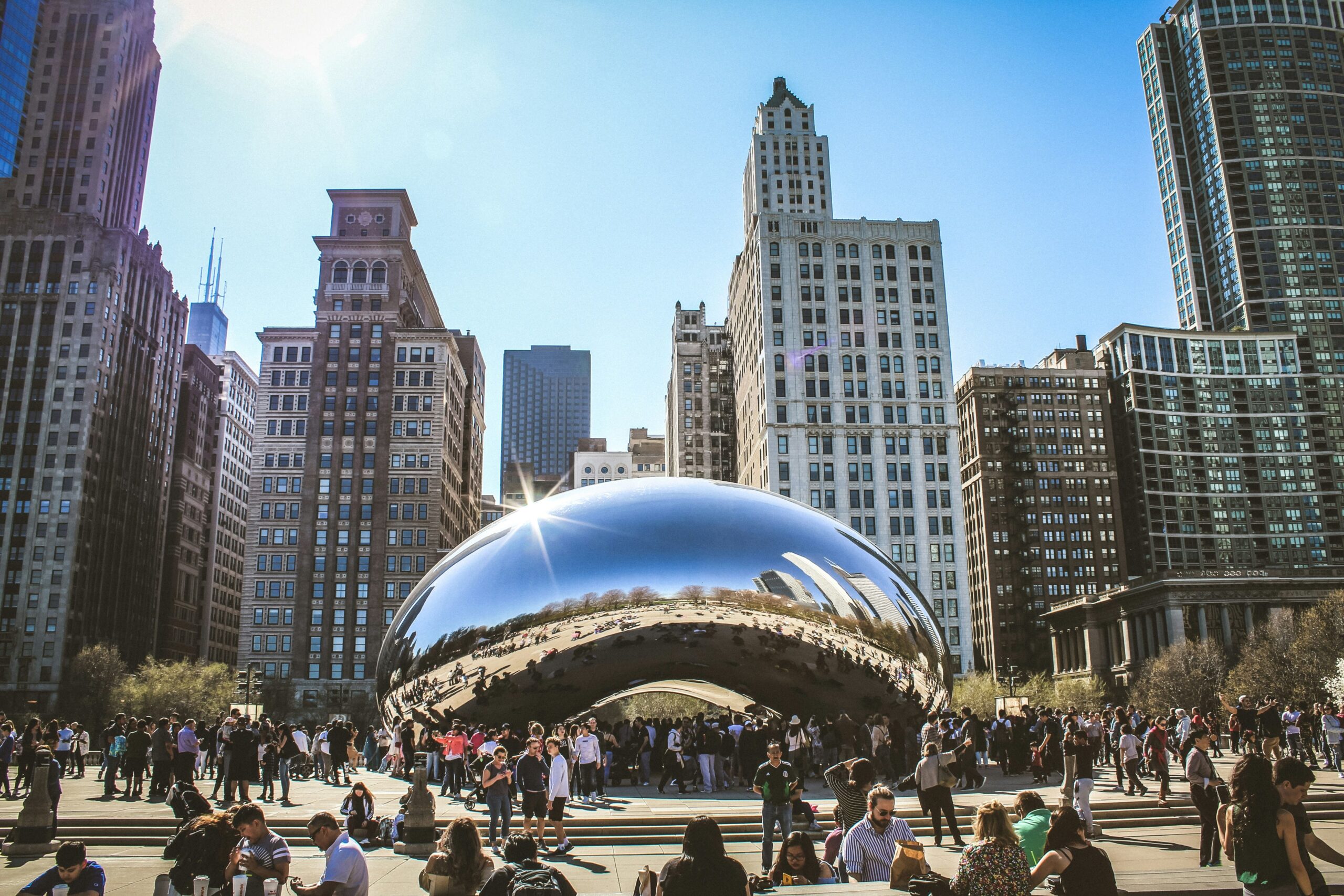
No Chicago park guide would be complete without starting at Millennium Park, the city’s most celebrated outdoor space and home to some of the most photographed public art in the world. Located in the heart of downtown Chicago along Michigan Avenue, this 24.5-acre park has become synonymous with the city itself since opening in 2004.
The star attraction is undoubtedly Cloud Gate, affectionately known as “The Bean” for its distinctive legume shape. This 110-ton stainless steel sculpture by artist Anish Kapoor reflects Chicago’s magnificent skyline in its mirror-like surface, creating endless photo opportunities. Visitors can walk beneath the 12-foot-high arch to experience the unique perspective from inside, where reflections multiply and distort in fascinating ways.
Beyond The Bean, Millennium Park features the Crown Fountain, an innovative water installation designed by Jaume Plensa. Two 50-foot glass block towers project video images of Chicago residents’ faces, which appear to spout water from their mouths into the shallow reflecting pool below. During summer months, children and adults alike splash in the fountain’s refreshing waters.
Music and performing arts lovers flock to the Jay Pritzker Pavilion, an outdoor concert venue with a stunning stainless steel headdress designed by Frank Gehry. The pavilion hosts free concerts throughout the summer, including the Grant Park Music Festival, making it one of the most accessible cultural venues in the city. The Great Lawn accommodates up to 7,000 people with an additional 4,000 seats in the pavilion itself.
The Lurie Garden offers a quieter experience within Millennium Park, featuring native prairie plants and perennials that bloom throughout the seasons. This 2.5-acre space provides a natural counterpoint to the park’s contemporary art installations. The BP Bridge, another Gehry creation, connects Millennium Park to Maggie Daley Park with a gracefully curving pedestrian walkway that offers elevated views of the surrounding cityscape.
Practical Tips: Millennium Park is open daily from 6 AM to 11 PM. Public restrooms are located near the Welcome Center. The park is easily accessible via public transportation, with multiple CTA train lines stopping nearby. Visit during weekday mornings for fewer crowds, or embrace the energy of weekend afternoons when street performers and vendors create a festival atmosphere.
2. Grant Park – Chicago’s Front Yard
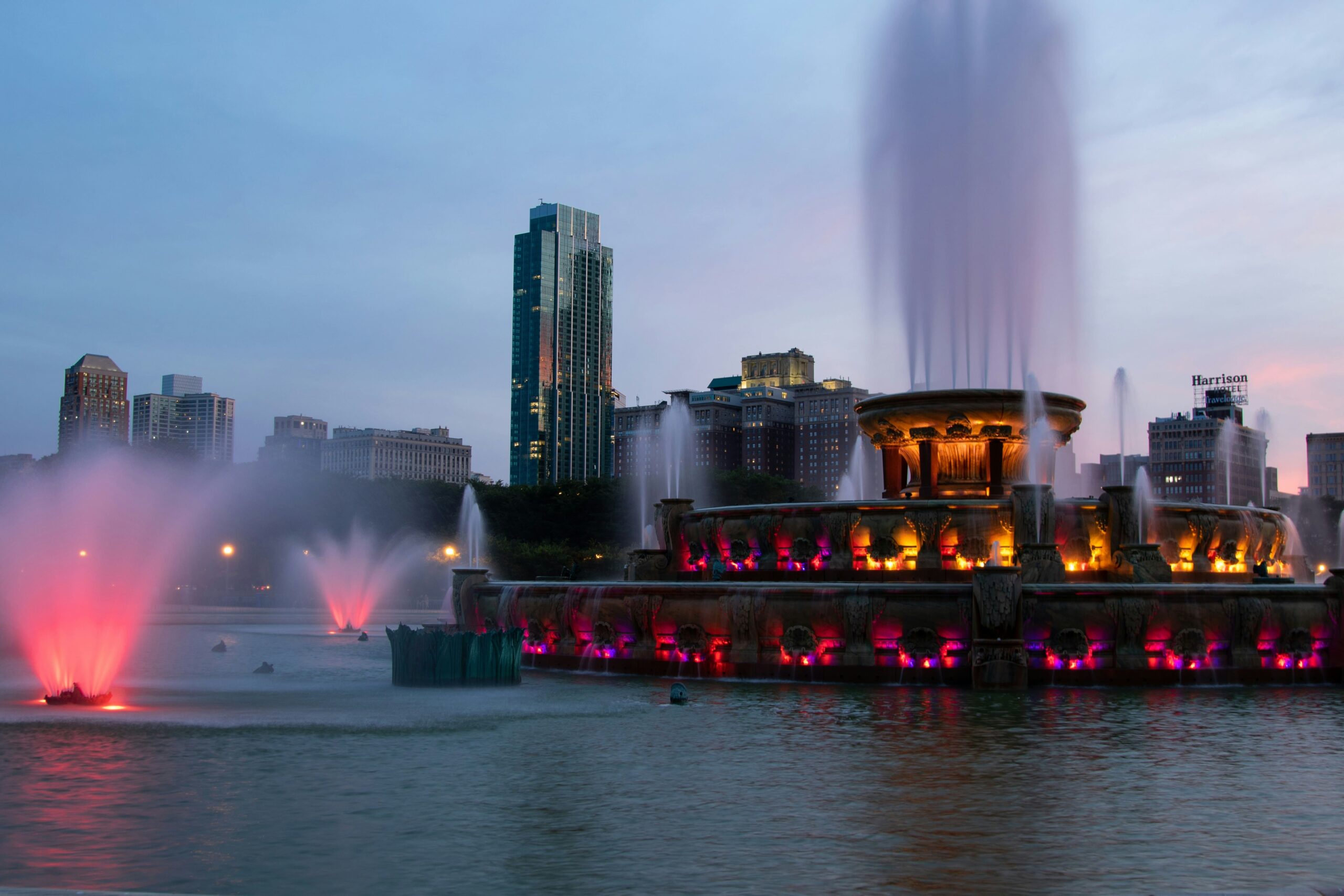
Stretching along the lakefront between Randolph Street and Roosevelt Road, Grant Park lives up to its nickname as “Chicago’s front yard.” This massive 319-acre green space serves as the city’s primary outdoor gathering place and has hosted countless festivals, concerts, and public celebrations since its creation in the late 19th century.
Buckingham Fountain stands as Grant Park’s centerpiece and one of the largest fountains in the world. Built in 1927 and modeled after the Latona Fountain at Versailles, this ornate pink marble structure shoots water 150 feet into the air during its elaborate 20-minute display. From April through October, the fountain operates daily with special light and music shows after dark that transform the fountain into a mesmerizing spectacle of color and movement.
Grant Park has become synonymous with Chicago’s world-class festival scene. Lollapalooza, one of the nation’s premier music festivals, takes over the park each summer, drawing hundreds of thousands of visitors. The Taste of Chicago, once the world’s largest food festival, showcases the city’s incredible culinary diversity. Other annual events include the Chicago Blues Festival, Chicago Jazz Festival, and various cultural celebrations that reflect the city’s diverse communities.
The park’s museum campus houses three of Chicago’s most important cultural institutions: the Field Museum of Natural History, Shedd Aquarium, and Adler Planetarium. While these attractions require admission, the surrounding grounds offer beautiful walking paths with panoramic Lake Michigan views and stunning perspectives of the Chicago skyline.
For active recreation, Grant Park features tennis courts, baseball fields, and extensive pathways perfect for walking, running, and cycling. The park’s strategic location makes it a natural connection point for the larger Lakefront Trail system that stretches 18 miles along Chicago’s shoreline.
Practical Tips: Free parking is extremely limited, so consider using public transportation or ride-sharing services. The #146 bus runs along Lake Shore Drive adjacent to the park. During major festivals, expect significant crowds and plan accordingly. The Columbus Drive Garage offers nearby paid parking options. For photography enthusiasts, the best skyline views are from the southern sections of the park near the Museum Campus, especially during golden hour.
3. Lincoln Park – Chicago’s Largest Lakefront Playground
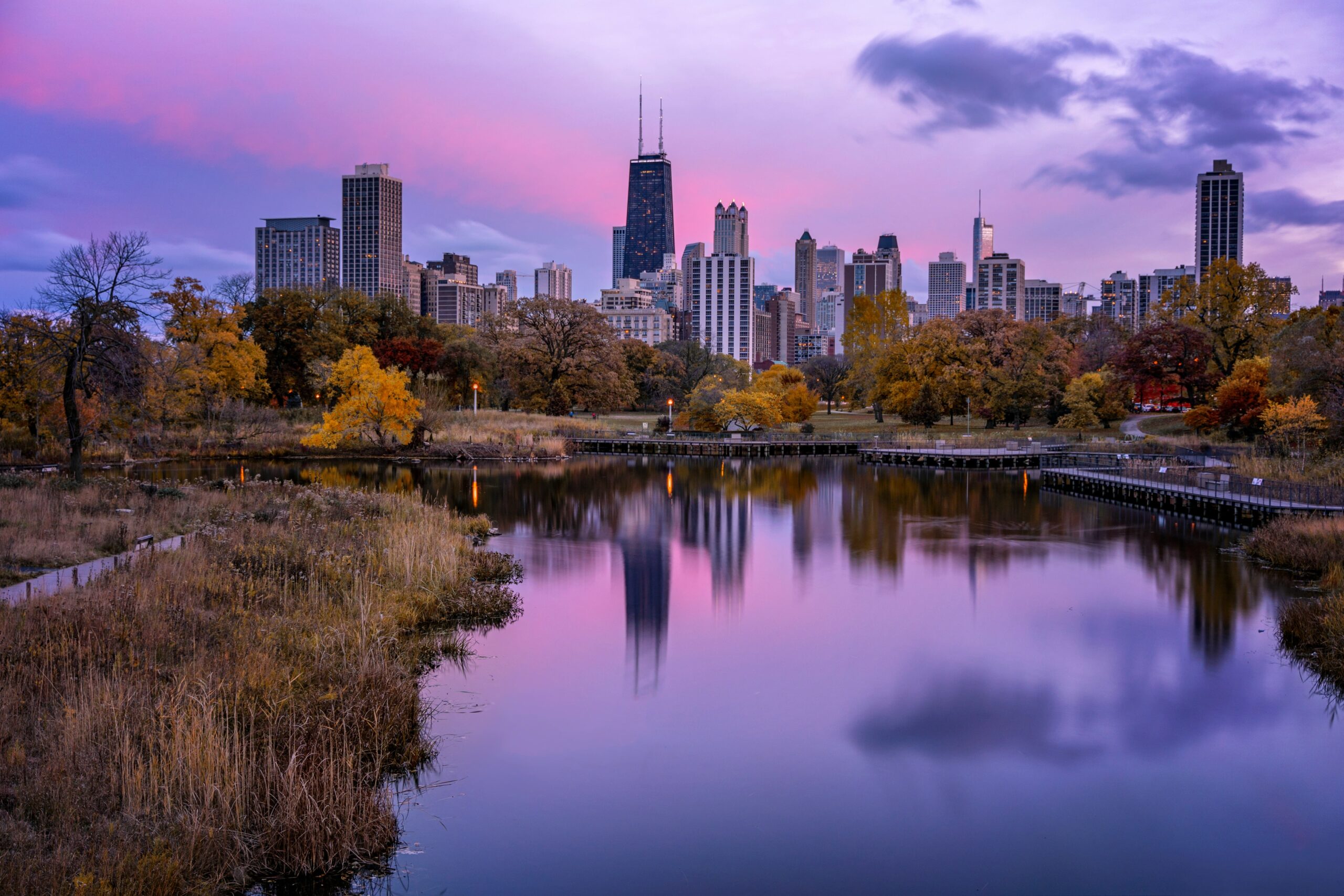
As one of the largest municipal parks in the United States, Lincoln Park spans an impressive 1,208 acres along six miles of Lake Michigan shoreline. This expansive outdoor space combines natural beauty, recreational facilities, and cultural attractions into a single extraordinary destination that attracts millions of visitors annually.
The Lincoln Park Zoo stands as the park’s most popular attraction and holds the distinction of being one of the oldest zoos in North America, established in 1868. Best of all, admission is completely free year-round. The zoo houses more than 1,000 animals representing 200 species in naturalistic habitats. The Regenstein Center for African Apes and the Kovler Lion House are particular highlights, while the Farm-in-the-Zoo offers hands-on experiences for children.
Nature enthusiasts will appreciate the Lincoln Park Conservatory, a Victorian-era glass house filled with tropical plants, ferns, and orchids that provide a welcome escape, especially during Chicago’s harsh winters. The adjacent formal gardens showcase seasonal displays of tulips, roses, and other ornamental plants that create stunning visual experiences throughout the growing season.
The Alfred Caldwell Lily Pool, a hidden gem within the larger park, represents one of the finest examples of Prairie School landscape design. This intimate 3-acre space features a naturalistic limestone landscape, cascading waterfalls, and quiet pavilions that create a serene atmosphere perfect for contemplation or romantic strolls. Local polls have even voted it one of Chicago’s most romantic spots.
Lincoln Park’s recreational offerings are virtually endless. The park includes multiple beaches. North Avenue Beach and Oak Street Beach are among Chicago’s most popular swimming and sunbathing destinations. Miles of paved pathways accommodate joggers, cyclists, and inline skaters. Athletic facilities include baseball fields, soccer pitches, tennis courts, and even a public driving range.
For boating enthusiasts, the Diversey Harbor provides slips for hundreds of boats, and the Lagoon offers paddle boat rentals during the summer months. Fishing is permitted throughout the park’s waterways, with anglers regularly catching bass, bluegill, and other species.
The park’s southern edge features the Chicago History Museum, which houses extensive collections documenting the city’s past. The Lincoln Park Nature Boardwalk, a relatively recent addition completed in 2010, transformed a concrete pond edge into a thriving ecosystem with native plants that support local wildlife, including turtles, frogs, and dozens of bird species.
Practical Tips: Lincoln Park is massive, so plan your visit around specific attractions or areas. The zoo can easily consume half a day, especially with young children. Free parking is available throughout the park, but fills quickly on weekends. The #22 and #151 buses provide excellent public transit access. Bike rentals are available near the lakefront if you want to cover more ground. The park is generally safe, but stick to well-populated areas after dark.
4. Humboldt Park – West Side Cultural Haven
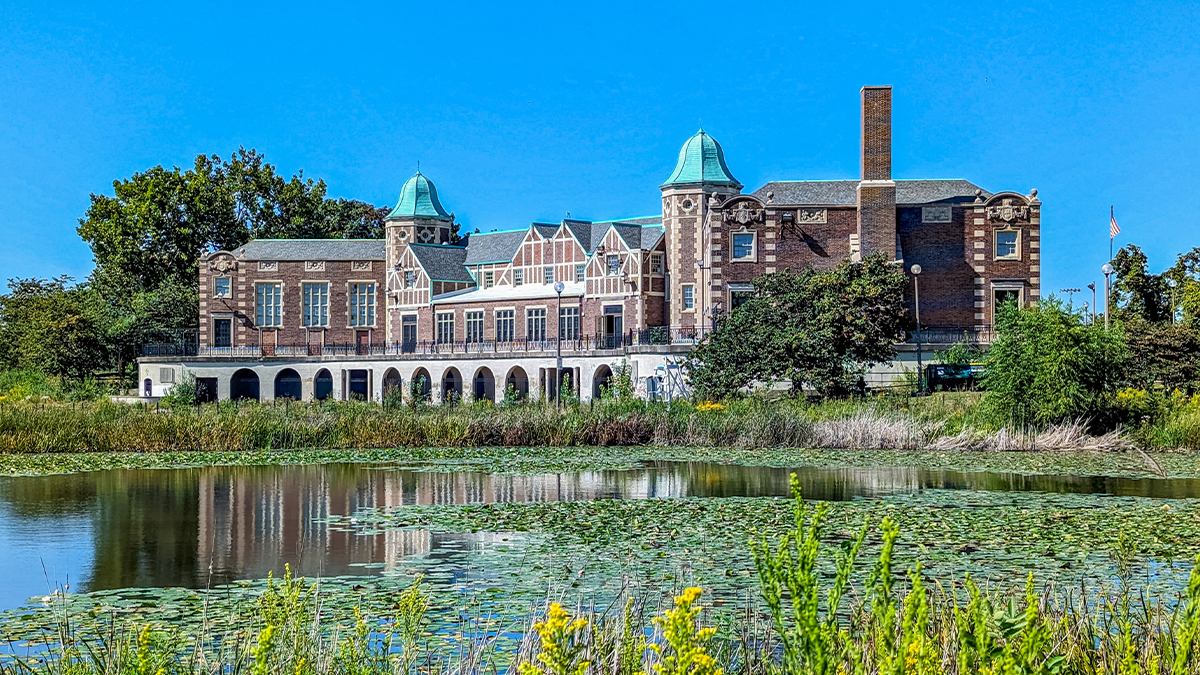
Humboldt Park brings 207 acres of green space and cultural vitality to Chicago’s West Side. Named after the German naturalist Alexander von Humboldt, this park has become a cornerstone of the city’s Puerto Rican community while welcoming visitors from all backgrounds to enjoy its natural beauty and recreational offerings.
The park’s signature feature is the sprawling lagoon system that winds through the landscape. The historic Humboldt Park Boathouse, built in 1907 in the Prairie School style, sits along the main lagoon and hosts community events and private rentals. During the summer months, visitors can rent paddle boats or simply enjoy watching waterfowl glide across the peaceful waters.
The formal garden areas showcase the original design vision of landscape architect Jens Jensen, who helped shape Chicago’s park system. His signature naturalistic style is evident in the carefully composed plantings that blend native prairie plants with ornamental species. The rose garden, in particular, becomes a fragrant showpiece during peak bloom.
Humboldt Park serves as a cultural hub for Chicago’s Puerto Rican community, most visibly represented by the ornamental gateways near the park’s Division Street entrance. These decorative structures, featuring the Puerto Rican flag’s colors, mark the heart of the Paseo Boricua neighborhood. The park hosts the annual Puerto Rican Festival and Parade, one of the city’s largest ethnic celebrations, which draws enormous crowds each June.
Recreational facilities include a fieldhouse with an indoor pool, multiple playgrounds designed for different age groups, baseball diamonds, tennis courts, and an artificial turf soccer field. The park’s inland beach provides a unique swimming experience away from Lake Michigan, complete with sand and a large pool complex.
The National Museum of Puerto Rican Arts & Culture, located within the park, offers free admission and showcases rotating exhibitions of artwork, historical artifacts, and cultural programming that celebrate Puerto Rican heritage and contemporary Latino art.
Practical Tips: Street parking is generally available around the park’s perimeter. The California Avenue entrance provides easy access to the lagoon and boathouse. The park is most lively during community events and summer weekends. The #52 and #94 buses provide public transit access from downtown. While the park has undergone significant improvements and is generally safe during daylight hours, remain aware of your surroundings and stick to populated areas.
5. Jackson Park – South Side Historic Gem
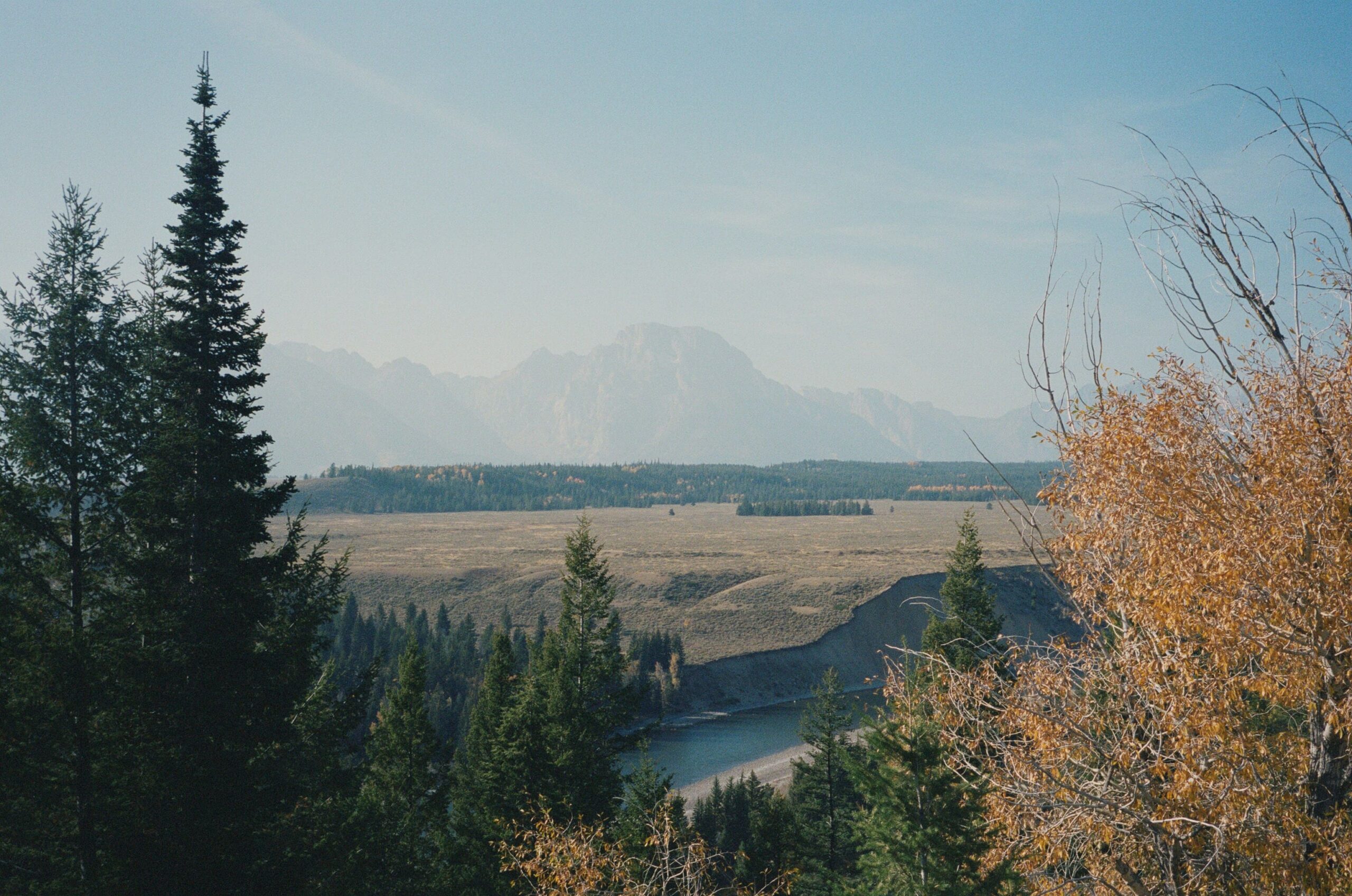
Jackson Park’s 551 acres on Chicago’s South Side offer a rich combination of history, natural beauty, and recreational opportunities. Designed by Frederick Law Olmsted and Calvert Vaux, the legendary landscape architects behind New York’s Central Park for the 1893 World’s Columbian Exposition, the park retains much of its historic character while serving modern recreational needs.
The park’s most distinctive feature is its lagoon system, which creates a network of waterways and islands that give Jackson Park a unique character among Chicago’s outdoor spaces. Wooded Island, accessible via pedestrian bridges, provides a serene natural retreat within the park. The island features winding paths through dense vegetation and the Osaka Garden (formerly the Garden of the Phoenix), a traditional Japanese strolling garden that was created for the 1893 exposition and restored in 1981.
The Osaka Garden has become one of Chicago’s most photographed locations outside of downtown. Stone lanterns, a moon bridge, a waterfall, and carefully pruned trees create an authentic Japanese garden experience. The garden offers a contemplative atmosphere perfect for meditation, photography, or simply escaping urban stress. Cherry blossoms transform the space into a pink paradise each spring.
Jackson Park Beach provides a popular summer destination with lifeguards, beach volleyball courts, and concessions. The beach offers excellent views of Lake Michigan and creates a relaxed atmosphere for families and groups of friends. The park’s harbor accommodates recreational boats and hosts the Jackson Park Yacht Club.
The park’s athletic facilities include a nine-hole golf course, tennis courts, baseball fields, and an outdoor track. Multiple playgrounds scattered throughout the park ensure that families with young children can find age-appropriate equipment easily.
The Museum of Science and Industry anchors Jackson Park’s northern boundary. This massive institution, housed in the only remaining building from the 1893 World’s Fair, offers interactive exhibits on everything from space exploration to genetics, though it requires separate admission.
History buffs will appreciate the Statue of the Republic, a 24-foot-tall gilded statue that commemorates the World’s Columbian Exposition. Known as “the Golden Lady,” this smaller replica of the original 65-foot statue serves as a tangible connection to Chicago’s historic World’s Fair.
Practical Tips: The park is accessible via the Metra Electric Line, with stops at 55th-56th-57th Street and 59th Street. Parking is available throughout the park, with the lots near the Museum of Science and Industry being the most convenient. The Osaka Garden is open dawn to dusk and is free to visit. Early morning visits offer the most peaceful experience and the best lighting for photography. The park recently underwent significant improvements related to the Obama Presidential Center development nearby.
6. Maggie Daley Park – Family Fun Central
Opened in 2015 and named after former First Lady of Chicago Maggie Daley, this 20-acre park has quickly become one of the most beloved family-friendly parks in Chicago. Located directly east of Millennium Park and connected by the BP Bridge, Maggie Daley Park was designed specifically with children and families in mind, offering innovative play spaces that engage young imaginations.
The park’s signature attraction is the Play Garden, an elaborate playground unlike anything else in the city. This three-acre wonderland features climbing structures, slides, swings, and water features divided into zones for different age groups. The Sea, the Harbor, the Dunes, the Meadow, the Plate, and the Hollow each offer distinct play experiences. The wavy, colorful landscape design mimics natural terrain while providing endless opportunities for active play.
The climbing walls at Maggie Daley Park provide another unique feature. These outdoor climbing structures include various difficulty levels suitable for beginners to experienced climbers. During operating season (weather permitting), staff supervise the walls and provide safety equipment, making this an accessible introduction to rock climbing.
Perhaps most uniquely, the park includes a quarter-mile skating ribbon that operates during the winter months. Unlike traditional ice rinks, this winding path through the park creates a more dynamic skating experience. The ribbon remains open through the winter season, weather permitting, and skate rentals are available on-site. During warm months, the ribbon converts to a pedestrian pathway offering elevated views of the surrounding park and skyline.
The Fieldhouse contains indoor amenities, including a food concession, restrooms, and a gymnastics facility. Multiple picnic groves throughout the park provide shaded areas for family gatherings, birthday parties, and casual meals. The park also features a large lawn area suitable for frisbee, soccer, or simply relaxing.
Tennis courts, designed with creative, colorful surfaces, add another recreational option. The park’s design seamlessly blends into its surroundings, with pathways connecting to the larger lakefront trail system and views of Lake Michigan visible from elevated areas.
Practical Tips: The park is free to visit, though some attractions like the climbing walls have fees. The Play Garden can get extremely crowded on weekends, especially during nice weather. Visit on weekday mornings for a calmer experience. The skating ribbon requires separate admission during winter, with discounts for children. Restrooms are located in the fieldhouse. The Millennium Park parking garage (enter on Columbus or Monroe) provides the nearest parking, though public transportation is recommended. Pack snacks and water, as food options are limited to one concession stand.
7. The 606 (Bloomingdale Trail) – Chicago’s Elevated Urban Greenway
The 606 represents one of Chicago’s most innovative park projects and has become a model for urban trail development nationwide. This elevated linear park, which opened in 2015, transformed a 2.7-mile abandoned railroad line into a vibrant greenway that connects four Chicago neighborhoods: Bucktown, Wicker Park, Logan Square, and Humboldt Park.
Similar in concept to New York’s High Line but with a distinctly Chicago character, The 606 provides a unique perspective on the city from approximately 17 feet above street level. Walking or cycling the trail reveals views into backyards, over rooftops, and across residential streets, offering glimpses of everyday Chicago life that aren’t visible from ground level. The elevated vantage point also provides occasional skyline views, particularly stunning during sunrise and sunset.
The trail surface is smooth and suitable for walking, running, cycling, and wheelchair use. Mile markers help visitors track their progress, and the trail’s endpoints at Ridgeway Avenue in the west and Walsh Park in the east connect to ground-level parks with additional amenities. Access points along the route allow users to hop on or off at various locations, making The 606 easy to incorporate into daily routines for residents.
Public art installations appear throughout The 606, with rotating exhibitions bringing color and culture to the greenway. Native plantings attract butterflies, birds, and other wildlife, creating surprising natural moments within the urban environment. Observation areas with seating provide places to rest and people-watch.
The 606’s six ground-level parks, Julia de Burgos Park, Humboldt Park, Palmer Park, Churchill Park, Bloomingdale Park, and Walsh Park, offer complementary amenities including playgrounds, athletic fields, and open green space. These parks serve as access points and destinations, extending The 606’s recreational opportunities beyond the trail itself.
Community programming includes fitness classes, walking clubs, and special events that bring neighbors together. The 606’s success has inspired community development in surrounding neighborhoods, with new restaurants, shops, and cultural venues opening near access points.
Practical Tips: The trail can get crowded during peak times (weekday evenings and weekend afternoons), particularly in good weather. For a peaceful experience, visit early morning on weekdays. The trail has a designated bike lane and a walking lane. Please stay in the appropriate lane to avoid collisions. No motorized vehicles (except mobility devices) are permitted. Dogs must be leashed. Parking is limited at access points, so consider cycling to the trail or using public transportation. The #72 bus runs along North Avenue, parallel to The 606, with stops near several access points. The trail is open 6 AM to 11 PM daily.
8. Garfield Park Conservatory & Grounds – Botanical Beauty on the West Side
The Garfield Park Conservatory has been called “landscape art under glass” and ranks among the largest and most stunning conservatories in the nation. Located within the 184-acre Garfield Park on Chicago’s West Side, this botanical institution offers an extraordinary experience that transports visitors to tropical forests, arid deserts, and colorful gardens regardless of Chicago’s weather.
The conservatory building itself is a masterpiece of architecture and horticultural design. Created by landscape artist Jens Jensen and opened in 1908, the structure uses innovative engineering that allows natural light to flood the interior while creating optimal growing conditions for thousands of plant species from around the world.
Inside, visitors can explore several distinct rooms, each representing different ecosystems. The Palm House features towering palms and tropical plants that create a dense canopy overhead. The Fern Room showcases hundreds of fern varieties arranged around a central lagoon with waterfalls, creating a misty prehistoric atmosphere. The Desert House contrasts sharply with cacti, succulents, and other arid-climate plants from the American Southwest and beyond.
The Show House rotates seasonal displays, with the spring and winter shows being particularly spectacular. The spring show typically features thousands of blooming bulbs, while the winter show creates elaborate holiday-themed displays. These seasonal exhibitions draw repeat visitors who appreciate the ever-changing plant arrangements.
The Elizabeth Morse Genius Children’s Garden offers interactive learning experiences for young visitors, with miniature railroads, water features, and engaging displays that teach about plant science and environmental stewardship. This space makes the conservatory particularly appealing for families with children who might otherwise find a botanical garden less engaging.
Special events at the conservatory include plant sales, educational workshops, yoga sessions, and evening events that allow visitors to experience the conservatory in a different light, literally. The conservatory’s admission is surprisingly affordable, and Chicago residents receive significant discounts.
The surrounding Garfield Park offers additional outdoor recreation. The park includes a historic fieldhouse, multiple playgrounds, a swimming pool, athletic fields, and a lagoon. The Golden Dome Fieldhouse, with its distinctive gilded dome, hosts community programming and serves as a neighborhood anchor.
Practical Tips: The conservatory is open daily except for major holidays, with hours varying by season. Admission is free for Illinois residents on Thursdays. The conservatory can get warm and humid, so dress accordingly. Photography is permitted and encouraged. The #52 bus provides direct access from downtown Chicago. Street parking is available around the conservatory and park. Plan at least 1-2 hours to fully explore the conservatory. The conservatory hosts special events throughout the year, so check the calendar before visiting to potentially catch something special like the summer garden walk or plant sale.
9. Oz Park – Neighborhood Charm in Lincoln Park
Oz Park brings a touch of whimsy to Chicago’s Lincoln Park neighborhood with its charming Wizard of Oz theme. While smaller than many of the parks on this list at just 13 acres, Oz Park has become a beloved community gathering spot that demonstrates how neighborhood parks can build local identity and create distinctive character.
The park features four bronze statues depicting characters from L. Frank Baum’s classic children’s story The Wonderful Wizard of Oz: Dorothy and Toto, the Tin Man, the Cowardly Lion, and the Scarecrow. These sculptures, created by artist John Kearney, have become popular photo opportunities and meeting points within the park. Children particularly enjoy climbing on and interacting with these whimsical artistic installations.
The park’s design balances active recreation with peaceful green space. Dorothy’s Playlot offers age-appropriate playground equipment for younger children, while Emerald Garden provides a beautifully landscaped area with flowers, ornamental grasses, and seating areas perfect for reading or quiet conversation. The softball fields host league games throughout the summer, and the park’s open lawn areas accommodate everything from casual frisbee games to organized fitness classes.
Residents use Oz Park extensively, creating a vibrant neighborhood atmosphere. During warm months, you’ll find families pushing strollers, dog walkers chatting while their pets play, and young professionals exercising after work. This local character distinguishes Oz Park from more tourist-focused destinations and offers visitors an authentic glimpse of Chicago neighborhood life.
The park hosts several annual events that draw the broader Lincoln Park community, including the Oz Park Art Festival and summer concert series. The Oz Park Advisory Council, a volunteer organization, works to maintain and improve the park through fundraising and community engagement, demonstrating the strong local investment in this neighborhood asset.
The surrounding Lincoln Park neighborhood offers excellent dining, shopping, and entertainment options, making Oz Park a perfect addition to a broader day of exploring this desirable Chicago area. Nearby attractions include the Lincoln Park Zoo (walking distance), the Peggy Notebaert Nature Museum, and countless restaurants and boutiques along Armitage and Halsted streets.
Practical Tips: Street parking can be challenging in this residential neighborhood, particularly on weekends. Consider public transportation, the #8 bus stops near the park, and the Fullerton Brown/Red Line stop is about a half-mile walk. The park is open dawn to dusk. Visit in late afternoon during summer to catch the golden hour lighting and see the park at its most active. While small, the park makes an excellent rest stop during a walking tour of the Lincoln Park neighborhood. Combine your visit with nearby attractions to make the most of your time in this area.
10. Calumet Park & Chicago’s Hidden Nature Gems
While technically representing several parks rather than a single location, Chicago’s lesser-known nature-focused parks deserve recognition as some of the best parks in Chicago for those seeking genuine natural experiences. These spaces showcase the city’s commitment to preserving natural habitats and providing access to authentic ecological environments.
Calumet Park, located in the city’s far South Side, offers 140 acres of recreational space with a significant natural component. The park features a lakefront beach, fieldhouse, sports facilities, and walking paths. What distinguishes Calumet Park is its location within the larger Calumet region, an area that contains some of the most ecologically significant land in the Chicago metropolitan area. The park provides access to Lake Michigan beaches that feel more remote than their northern counterparts, offering a peaceful alternative for those willing to venture beyond downtown.
The Alfred Caldwell Lily Pool, while located within Lincoln Park, deserves special mention as one of Chicago’s most serene and beautifully designed nature spaces. This Prairie School landscape design masterpiece features a naturalistic limestone garden, prairie plants, and a central lily pool that creates an incredibly peaceful atmosphere. Its intimate scale and careful design make it feel like a secret garden hidden within the larger park.
The North Park Village Nature Center on the city’s Northwest Side encompasses 46 acres of protected natural habitat. This former tuberculosis sanitarium site has been transformed into meadows, wetlands, and woodlands that support diverse wildlife. The nature center building offers educational programming, and the trails provide excellent bird-watching opportunities. Over 200 bird species have been documented at this urban nature preserve.
The Lincoln Park Nature Boardwalk, which wraps around the South Pond, represents a newer addition to Chicago’s nature-focused parks. This project transformed a concrete-lined pond into a thriving ecosystem with native wetland plants that filter water and provide habitat for fish, turtles, frogs, and countless bird species. Educational signage explains the ecological processes at work, making this both a beautiful walk and an educational experience.
The Northerly Island Nature Area, while not technically a park in the traditional sense, offers another exceptional nature experience within Chicago’s borders. This 91-acre peninsula extending into Lake Michigan features prairie restoration, walking paths, and spectacular skyline views. The site formerly housed Meigs Field airport and has been gradually returned to a more natural state, demonstrating Chicago’s commitment to creating wildlife habitat even in highly urbanized areas.
These nature-focused spaces provide essential habitat for migratory birds, native plants, and other wildlife while offering Chicago residents and visitors opportunities to experience authentic natural environments without leaving the city. They represent important ecological resources as well as recreational amenities.
Practical Tips: These nature-focused parks often require more detailed planning than traditional urban parks. Check websites or call ahead to confirm hours and any special access requirements. Bring binoculars for bird watching, especially during spring and fall migration seasons. Wear appropriate footwear, as trails may be unpaved or uneven. These parks generally attract fewer visitors than iconic locations like Millennium Park, offering peaceful experiences for those seeking solitude in nature. Consider joining guided nature walks offered at facilities like North Park Village Nature Center to learn more about local ecosystems. These spaces require preservation awareness stay on designated trails, don’t disturb wildlife, and pack out everything you bring in.
Planning Your Chicago Park Adventures
The best parks in Chicago offer something for everyone, from world-class art and architecture to peaceful natural retreats. Understanding the Chicago Park District system helps you make the most of these outdoor spaces.
Seasonal Considerations: Chicago’s four distinct seasons dramatically change the park experience. Summer (June-August) offers warm weather perfect for beaches, outdoor concerts, and festivals, though crowds peak during this season. Spring (April-May) brings beautiful blooms and comfortable temperatures with fewer visitors. Fall (September-October) provides stunning foliage and pleasant weather, while winter (November-March) transforms parks with snow, ice skating opportunities, and a peaceful, quiet atmosphere.
Getting Around: Chicago’s extensive public transportation system provides access to most major parks. The CTA train and bus network connects parks throughout the city, and services like Divvy bike share allow you to cycle between parks along the lakefront trail. Many parks offer limited street parking, so plan accordingly, especially during events.
Events and Programming: The Chicago Park District schedules thousands of events annually, from free concerts and movie nights to fitness classes and cultural festivals. Check the Chicago Park District website before your visit to discover special programming. Major music festivals like Lollapalooza transform parks during the summer months, requiring separate admission tickets.
Amenities and Facilities: Most Chicago parks include basic amenities like restrooms, water fountains, and trash receptacles. Larger parks feature fieldhouses with indoor facilities, concession stands, and equipment rentals. Beach areas provide lifeguards during designated hours in summer. Many parks include accessible pathways and facilities designed for visitors with disabilities.
Safety and Etiquette: Chicago parks are generally safe, especially in populated areas during daylight hours. Exercise normal urban awareness, keep valuables secured, and stick to well-lit, populated areas after dark. Follow posted rules regarding alcohol, smoking, and pet policies. Dogs must be leashed except in designated dog-friendly areas. Respect other park users by keeping noise levels reasonable and cleaning up after yourself and your pets.
Resources for Park Visitors: Several excellent resources help you explore Chicago’s outdoor spaces. The Choose Chicago official tourism website provides comprehensive park information and itinerary planning tools. Local blogs, neighborhood websites, and social media groups offer insider perspectives and up-to-date information about park conditions and events. The Chicago Park District mobile app provides maps, facility information, and program registration.
Frequently Asked Questions About Chicago Parks
What are the most famous parks in Chicago?
The most famous parks in Chicago include Millennium Park with its iconic Cloud Gate sculpture, Grant Park hosting major festivals and Buckingham Fountain, and Lincoln Park with its free zoo and extensive lakefront access. Jackson Park’s historic significance and Humboldt Park’s cultural importance also earn them recognition among Chicago’s most celebrated outdoor spaces.
Which Chicago park has The Bean?
Millennium Park is home to Cloud Gate, the reflective sculpture universally known as “The Bean.” Located in downtown Chicago along Michigan Avenue, this stainless steel artwork by Anish Kapoor has become one of the most photographed landmarks in the city since its installation in 2004.
Are parks in Chicago free to visit?
Yes, most Chicago parks are completely free to enter and enjoy. Admission to parks themselves costs nothing, though special attractions within parks may charge fees. For example, while Millennium Park is free, parking nearby is not. The Lincoln Park Zoo offers free admission, but certain attractions like the museum campus facilities in Grant Park require tickets. Special events and festivals held in parks may also charge admission.
What is the best park in Chicago for families?
Several parks excel for family visits. Lincoln Park offers a free zoo, conservatory, and beaches. Maggie Daley Park features innovative playgrounds, climbing walls, and the skating ribbon designed specifically for children. The 606 provides safe, elevated trail space perfect for teaching children to bike. Grant Park’s open spaces and Buckingham Fountain appeal to families, while Humboldt Park’s beach and boathouse create memorable experiences.
Can you swim in Chicago parks?
Yes, Chicago maintains 22 beaches along Lake Michigan, many located within or adjacent to parks. North Avenue Beach and Oak Street Beach near Lincoln Park are among the most popular. Jackson Park, Calumet Park, and other lakefront parks also feature beaches with lifeguards during the summer months. Several inland parks, including Humboldt Park, offer swimming pools or spray features. Beach season typically runs from Memorial Day through Labor Day.
What’s the best time to visit Chicago parks?
The ideal time depends on your interests. Summer weekdays offer warm weather with fewer crowds than weekends. Spring and fall provide comfortable temperatures and beautiful seasonal changes with moderate visitor numbers. Winter offers peaceful, snowy landscapes and activities like ice skating, though cold temperatures require appropriate clothing. Early mornings generally provide the most peaceful park experiences regardless of season.
Conclusion
The top 10 best parks in Chicago represent just a fraction of the city’s incredible park system. Still, they showcase the diversity, beauty, and cultural significance that make Chicago’s outdoor spaces truly world-class. From the iconic attractions of Millennium Park and Grant Park to the peaceful nature retreats scattered throughout the city, these parks provide essential green space, recreational opportunities, and gathering places that enhance life in the Windy City.
Whether you’re a visitor experiencing Chicago for the first time or a resident exploring new corners of your city, these parks invite you to slow down, connect with nature, engage with art and culture, and experience the community spirit that defines Chicago. The parks to visit in Chicago extend far beyond this list of ten; hundreds more neighborhood parks, playgrounds, and green spaces await your discovery throughout the city.
The Chicago Park District’s commitment to maintaining and improving these spaces ensures that future generations will continue enjoying the benefits of urban parks that promote health, community, and environmental stewardship. As you explore these outdoor destinations, you’ll understand why Chicago truly lives up to its reputation as a “city in a garden.”
So grab your walking shoes, pack a picnic, and head out to experience the top 10 best parks in Chicago. Whether you’re photographing The Bean, paddling Humboldt Park’s lagoon, cycling The 606, or simply relaxing on a blanket watching the clouds drift over Lake Michigan, Chicago’s parks offer endless opportunities for memorable experiences in the heart of the Midwest’s greatest city.