When most travelers think of green spaces in New York City, Central Park immediately comes to mind. While it’s undeniably iconic, limiting yourself to just one park means missing out on some of the city’s most spectacular outdoor spaces. With nearly 2,000 parks scattered across five boroughs, New York offers an incredible variety of hidden gems that provide everything from stunning waterfront views to peaceful wooded trails and vibrant community gathering spots.
This guide explores the top 10 best parks in NYC beyond Central Park, showcasing the diverse landscapes and unique experiences waiting just beyond Manhattan’s most famous green rectangle. Whether you’re a budget traveler looking for free activities, a local seeking quieter alternatives, or a visitor wanting to experience the authentic New York that residents love, these parks offer something special for everyone.
TL;DR – Quick Links to the Top 10 Best Parks in NYC Beyond Central Park
- Prospect Park, Brooklyn – (Google Maps)
- The High Line, Manhattan – (Google Maps)
- Brooklyn Bridge Park, Brooklyn – (Google Maps)
- Hudson River Park, Manhattan – (Google Maps)
- Washington Square Park, Manhattan – (Google Maps)
- Fort Tryon Park, Manhattan – (Google Maps)
- Flushing Meadows Corona Park, Queens – (Google Maps)
- Riverside Park, Manhattan – (Google Maps)
- Domino Park, Brooklyn – (Google Maps)
- Socrates Sculpture Park, Queens – (Google Maps)
1. Prospect Park, Brooklyn: Brooklyn’s Crown Jewel
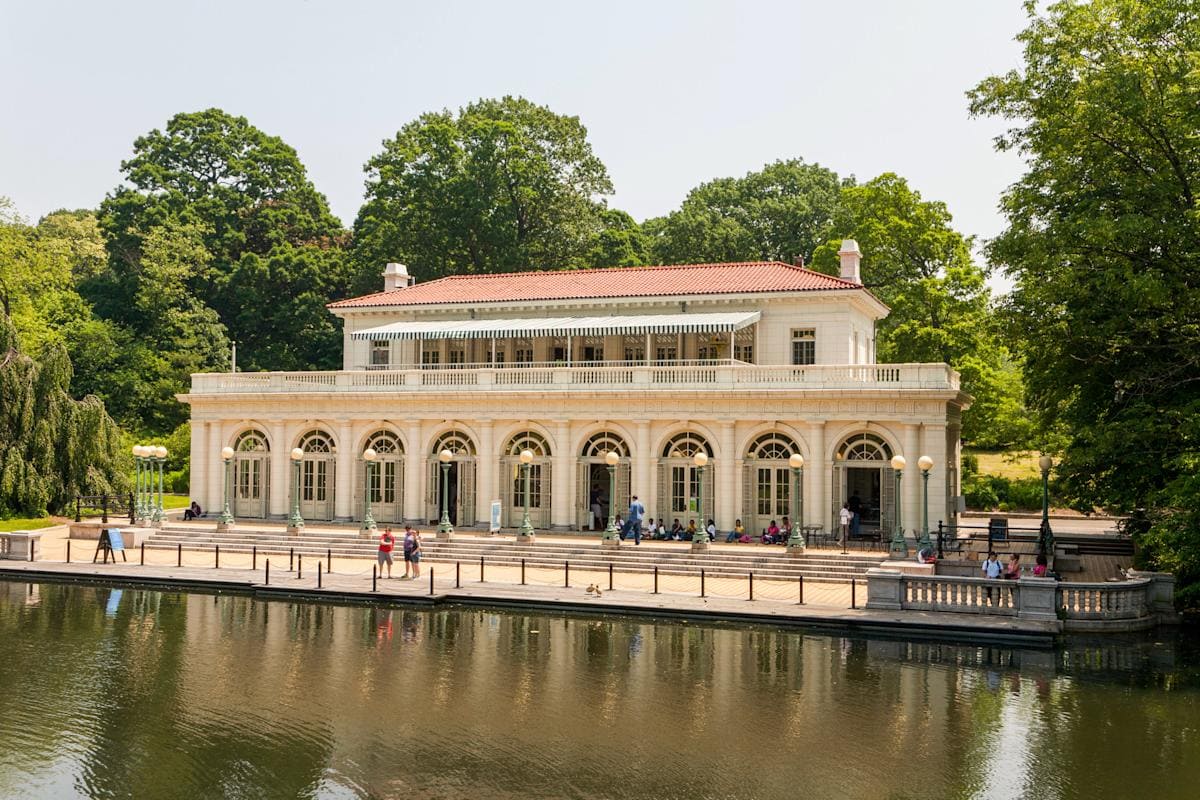
If Central Park had a slightly wilder, more laid-back sibling, it would be Prospect Park. Designed by the same landscape architects, Frederick Law Olmsted and Calvert Vau,x this 526-acre masterpiece in Brooklyn actually came after Central Park, and many believe the designers perfected their craft here.
What Makes Prospect Park Special
The Long Meadow stretches for nearly a mile, creating one of the longest uninterrupted meadows in any American urban park. This sweeping lawn feels remarkably untouched by the surrounding city, offering visitors a genuine escape into nature. Unlike Central Park’s more manicured aesthetic, Prospect Park embraces a wilder, more organic feel that makes you forget you’re in one of the world’s most densely populated cities.
The park’s 60-acre forest represents the last remaining natural forest in Brooklyn, with winding trails that transport you into what feels like upstate New York rather than an urban borough. Bird watchers flock here year-round, as the park serves as a critical stop along the Atlantic Flyway migration route.
What to Do in Prospect Park
Start your visit at Grand Army Plaza’s iconic arch, then explore the Boathouse along the Lullwater for stunning water views. The park offers free concerts at the Bandshell during the summer, a wonderful budget-friendly entertainment option. Rent a bike to circle the 3.35-mile loop, or simply spread out a blanket on the Long Meadow for a perfect picnic spot.
Families appreciate the Prospect Park Zoo, while fitness enthusiasts love the park’s varied terrain for running. The LeFrak Center at Lakeside offers ice skating in winter and roller skating in summer. Don’t miss the Audubon Center, housed in the beautifully restored Boathouse, which offers free nature programs and exhibits.
Travel Tip: Visit on weekday mornings for the quietest experience, especially in spring when the cherry blossoms bloom near the Boathouse. The park is easily accessible via multiple subway lines, including the 2, 3, B, Q, and S trains.
2. The High Line, Manhattan: Urban Park Reinvented
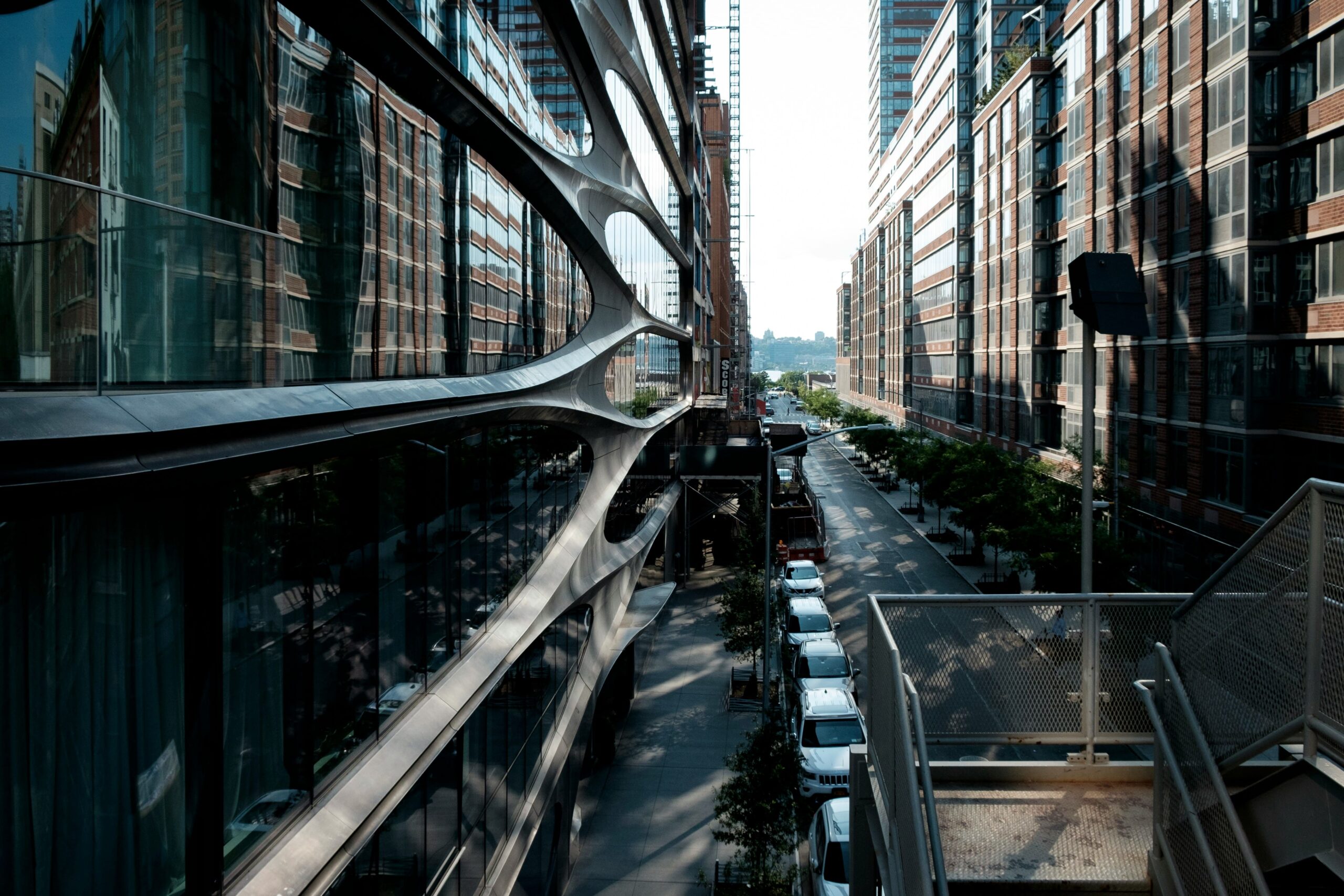
The High Line represents one of the most innovative urban park projects in the world. This 1.45-mile elevated linear park, built on a historic freight rail line above Manhattan’s West Side, transformed a rusting industrial relic into one of New York’s most beloved green spaces.
An Architectural Marvel Meets Nature
Walking the High Line feels like floating above the city streets. The park’s design brilliantly incorporates the railway’s industrial heritage with contemporary landscaping, creating distinct microclimates and garden zones. Native grasses, wildflowers, and trees grow through the original rail tracks, while contemporary art installations dot the pathway.
The park offers constantly changing perspectives of the city, from intimate neighborhood views of Chelsea to sweeping vistas of the Hudson River and dramatic glimpses between buildings that frame the city in unexpected ways. Sunset walks here are particularly magical, as the low light catches the glass towers along the route.
Exploring the High Line
Enter at any of the multiple access points between Gansevoort Street and 34th Street. The southern section near the Whitney Museum buzzes with activity and offers excellent people-watching. The middle section around Chelsea Market provides great food options nearby, while the northern reaches near Hudson Yards offer newer landscapes and the striking Vessel structure.
Built-in seating, including the famous amphitheater stairs at 10th Avenue, provides perfect spots to rest and observe the urban landscape. The park hosts free public programs including stargazing, fitness classes, and guided tours that reveal the history and ecology of this unique space.
Travel Tip: The High Line gets extremely crowded on weekend afternoons. Visit early morning or during weekdays for a more peaceful experience. It’s completely free to visit and remains open from 7 AM to 7 PM in winter and until 10 PM in summer. Learn more about visiting Friends of the High Line.
3. Brooklyn Bridge Park, Brooklyn: Waterfront Wonder
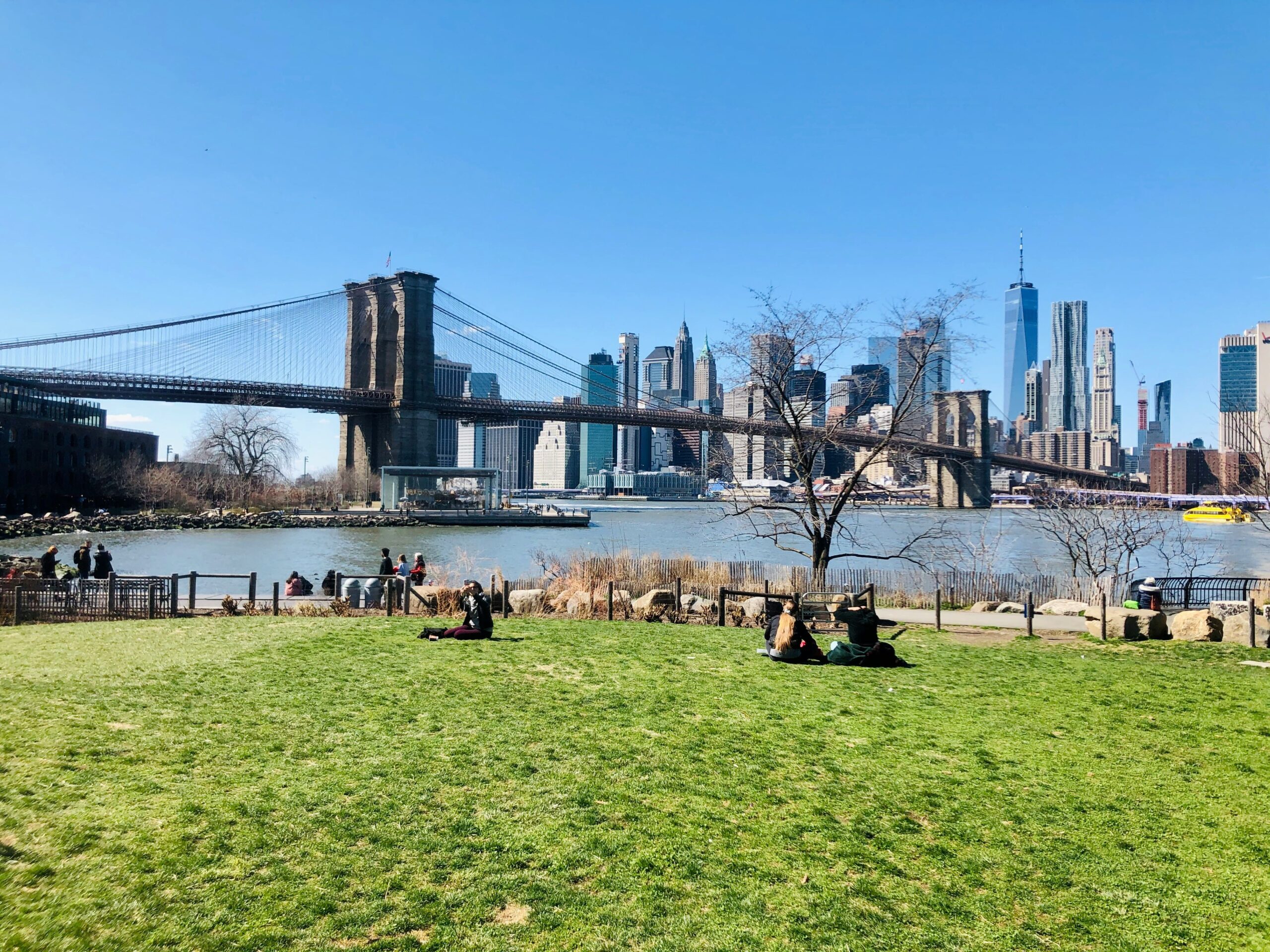
Stretching 1.3 miles along Brooklyn’s East River waterfront, Brooklyn Bridge Park transforms former industrial piers into a spectacular public space. This 85-acre park offers perhaps the most iconic Manhattan skyline views anywhere in the city, rivaling even the best vantage points from Manhattan itself.
Piers with Personality
Each pier in Brooklyn Bridge Park offers distinct attractions. Pier 1 features rolling hills and Harbor View Lawn with unobstructed skyline views, while Pier 2 hosts sports facilities, including basketball and handball courts that locals love. Pier 5 includes soccer fields and a boat launch, and Pier 6 delights families with playgrounds, including a fantastic water lab feature.
Jane’s Carousel, a beautifully restored 1922 merry-go-round housed in a Jean Nouvel-designed acrylic pavilion, creates an enchanting experience as the lights of the Brooklyn Bridge twinkle overhead. The juxtaposition of this historic carousel against the modern skyline perfectly captures New York’s blend of old and new.
Activities and Attractions
The park excels at providing free recreational activities. Pop-up pools in summer, free kayaking programs, outdoor movies, and concerts make this one of the best parks in NYC for budget travelers seeking entertainment. The waterfront promenade connects to Manhattan via the Brooklyn Bridge walkway, making it easy to combine your park visit with one of the city’s most famous walks.
Food options abound with food vendors, nearby restaurants in DUMBO, and Smorgasburg (Brooklyn’s famous food market) operating in the park on weekends during warmer months.
Travel Tip: Sunset visits are spectacular but crowded. For photographers, early morning provides the best light and the smallest crowds. Access via the A/C to High Street-Brooklyn Bridge or F to York Street stations.
4. Hudson River Park, Manhattan: New York’s Waterfront Playground
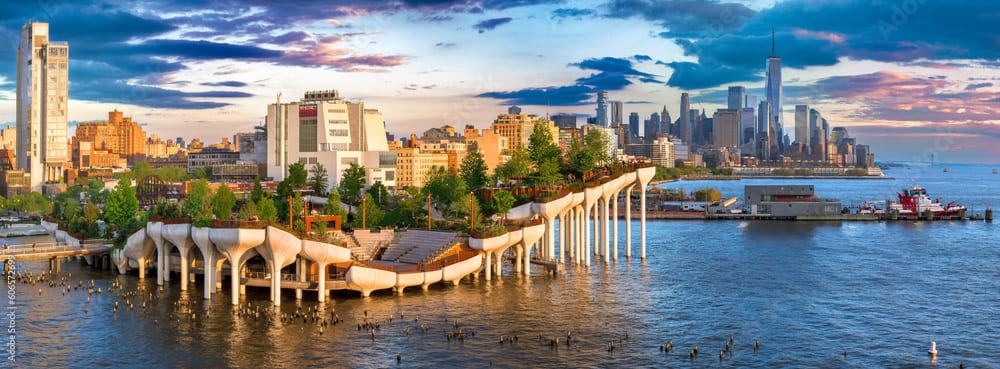
Running along Manhattan’s western edge from Battery Park to 59th Street, Hudson River Park spans 550 acres and four and a half miles, making it one of the longest waterfront parks in the United States. This park fundamentally changed how New Yorkers interact with their waterfront, transforming former industrial piers into a vibrant public space.
A Park of Many Faces
Hudson River Park encompasses incredible diversity. The southern section near Battery Park City offers quiet esplanades perfect for jogging with spectacular harbor views. Moving north through Tribeca and the West Village, the park features multiple piers converted into recreational spaces, including Pier 25 with its miniature golf and beach volleyball, and Pier 45 with its expansive lawn.
The Chelsea Piers complex, while privately operated, integrates into the park’s flow, while further north, the park becomes increasingly focused on active recreation with sports fields, dog runs, and bike paths. The entire length features a continuous bike and pedestrian path, making it easy to explore the full extent of this waterfront gem.
Best Features and Activities
Free kayaking programs operate from several locations during the summer months, providing one of the best free activities in the city. The bike path offers protected lanes for safe cycling, and numerous playgrounds keep families entertained. Pier 84 hosts special events and serves as a popular spot for watching sunsets over New Jersey’s Palisades.
The park also features multiple gardens, including naturalized areas designed to attract birds and butterflies. Public art installations appear throughout, and the vintage railroad tracks preserved in some sections remind visitors of the industrial heritage.
Travel Tip: Rent a Citi Bike to cover more distance and experience the full length of the park. Multiple subway lines provide access at different points. Visit during weekday afternoons when the after-work crowds haven’t arrived yet, but the park still feels lively.
5. Washington Square Park, Manhattan: The Heart of Greenwich Village
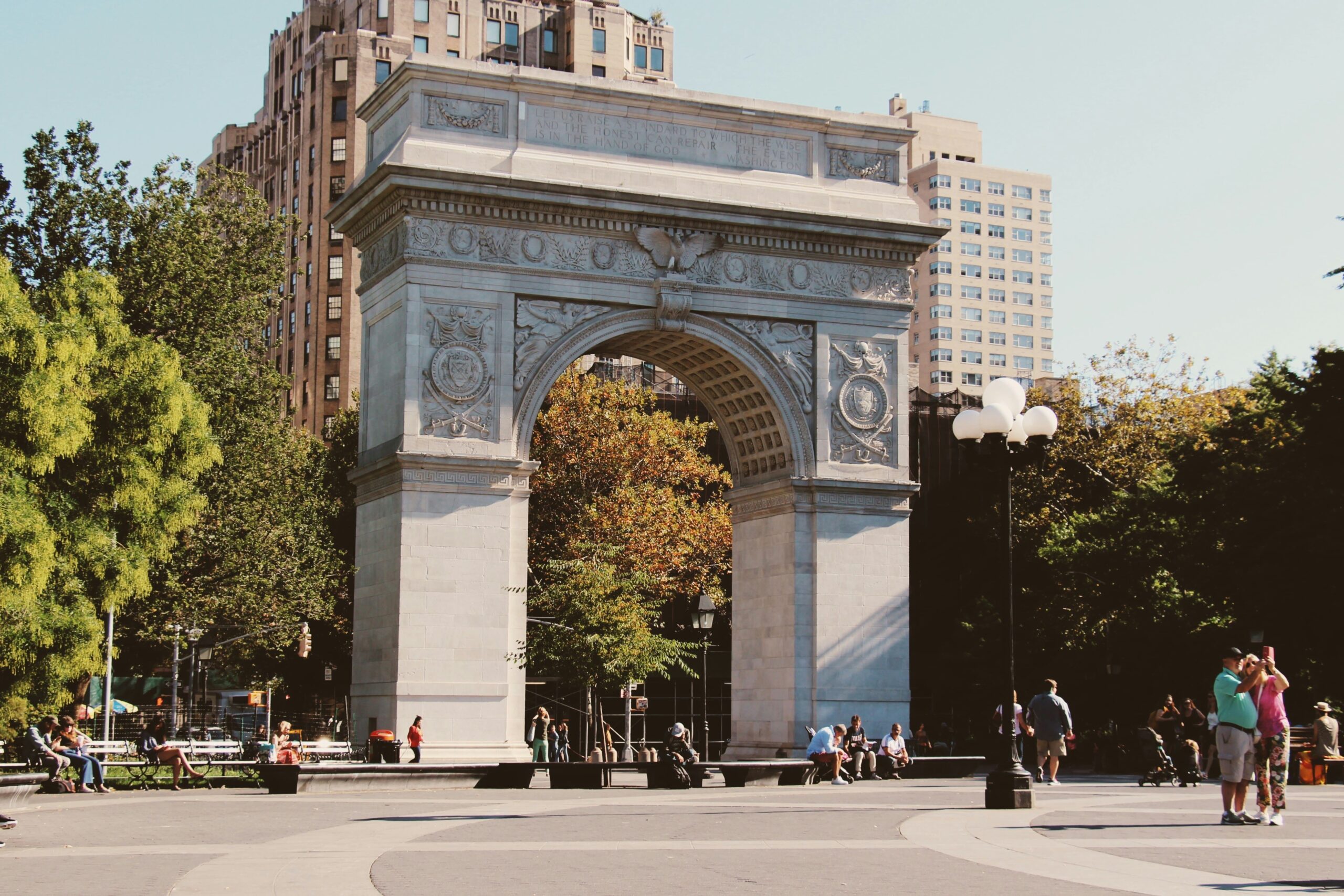
Few parks capture New York’s bohemian spirit like Washington Square Park. This 9.75-acre square in the heart of Greenwich Village has served as a gathering place for artists, activists, musicians, and students since the early 19th century. The park pulses with energy that feels quintessentially New York.
Historic Icon with Contemporary Vibrancy
The iconic Stanford White marble arch anchors the park’s northern edge, creating one of New York’s most photographed landmarks. Originally built of wood in 1889 to commemorate the centennial of George Washington’s inauguration, the permanent marble version erected in 1892 has welcomed visitors into Washington Square ever since.
The central fountain serves as the park’s social hub where street performers entertain, chess players compete at outdoor tables, and people from every walk of life converge. Musicians, from jazz performers to classical pianists, create an ever-changing soundtrack. This spontaneous street theater makes Washington Square one of the best spots for authentic New York people-watching.
What to Do in Washington Square Park
Simply sitting and observing provides endless entertainment. Watch rapid-fire chess matches where speed players slam down pieces with impressive confidence, or enjoy impromptu performances that range from opera singers to breakdancers. The dog run attracts wonderful canine characters, and the playgrounds stay busy with neighborhood children.
NYU’s campus surrounds the park, lending it a youthful, intellectual energy. Browse the surrounding streets of Greenwich Village for historic architecture, legendary music venues like the Blue Note, and countless cafes where Bob Dylan and other icons once gathered.
Travel Tip: The park is accessible via the A/B/C/D/E/F/M trains to West 4th Street. Visit on weekend afternoons for maximum activity, or weekday mornings for a quieter, more contemplative experience. It’s free, always open, and especially magical during the holiday season when the arch is illuminated.
6. Fort Tryon Park, Manhattan: Medieval Beauty in Upper Manhattan
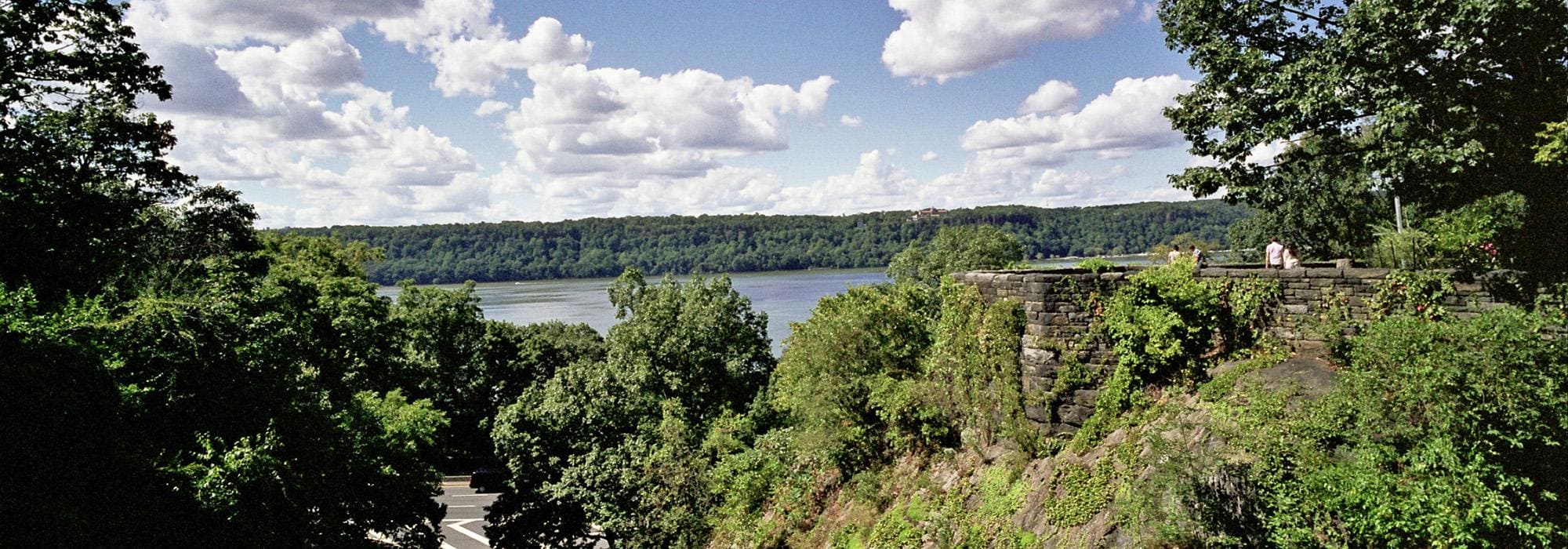
Perched on the highest natural point in Manhattan, Fort Tryon Park offers 67 acres of dramatic topography, woodland gardens, and breathtaking Hudson River views. This hidden gem in Washington Heights feels worlds away from the urban intensity below, offering a serene escape that many visitors miss entirely.
The Cloisters and Natural Beauty
The park’s crown jewel is The Cloisters, a branch of the Metropolitan Museum of Art dedicated to medieval European art and architecture. The museum building itself incorporates elements from five medieval French cloisters, creating an extraordinary setting that transports visitors to another time and place. While museum admission has a suggested donation, the surrounding park is completely free.
Landscape architect Frederick Law Olmsted Jr. (son of Central Park’s designer) created the park’s design in the 1930s, incorporating the steep terrain into a series of terraced gardens. The Heather Garden showcases seasonal blooms from spring through fall, while the woodlands provide shaded walking trails with spectacular overlooks.
Exploring Fort Tryon Park
Multiple paths wind through the park at different elevations, allowing you to choose between challenging climbs and gentler walks. The main promenade offers some of the best Hudson River views in the city, with the dramatic Palisades cliffs of New Jersey creating a stunning backdrop. Medieval-style archways and stone walls throughout the park add to the unique atmosphere.
The park remains remarkably uncrowded compared to more famous Manhattan parks. Fall foliage here rivals anywhere in the city, and spring blooms in the formal gardens create spectacular displays. Picnic areas offer peaceful spots to enjoy packed lunches while taking in the views.
Travel Tip: Take the A train to 190th Street, then follow the elevated walkway directly into the park. This entrance provides a dramatic arrival. Combine your visit with exploring the nearby neighborhood for excellent Dominican cuisine. Visit The Met Cloisters for museum hours and special exhibitions.
7. Flushing Meadows Corona Park, Queens: World’s Fair Legacy
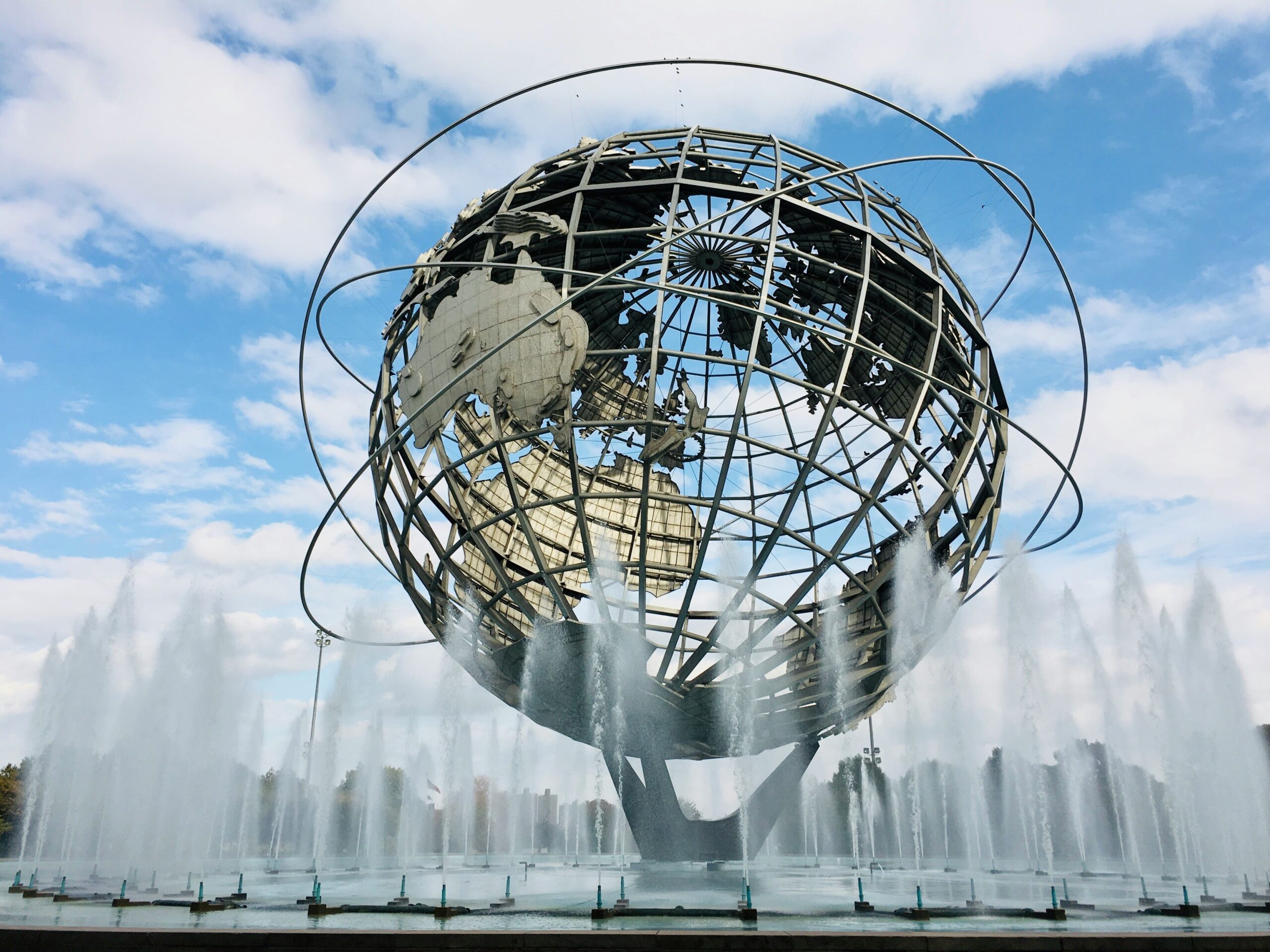
At 897 acres, Flushing Meadows Corona Park holds the title of New York City’s fourth-largest park, yet it remains relatively unknown to many visitors. This Queens treasure hosted two World’s Fairs (1939-40 and 1964-65), and remnants of these celebrations create a fascinating landscape that blends recreation, culture, and retrofuturistic architecture.
Iconic Structures and Diverse Attractions
The Unisphere, that massive stainless steel globe that stood as the symbol of the 1964 World’s Fair, remains one of the park’s most striking features. This 140-foot-tall sculpture representing Earth creates an unforgettable focal point and photo opportunity. Nearby, the New York State Pavilion’s observation towers stand as beautifully decaying monuments to mid-century optimism.
The park houses remarkable cultural institutions, including the Queens Museum (home to the famous Panorama of the City of New York), the New York Hall of Science, and the Queens Zoo. The Queens Botanical Garden borders the park, offering additional horticultural experiences.
Activities and Recreation
Two lakes, Meadow Lake and Willow Lake, provide opportunities for boating, fishing, and bird watching. The park includes numerous sports facilities: tennis courts, baseball fields, soccer pitches, and a cricket field that attracts players from Queens’ diverse international communities. The bike paths connect to the larger Queens greenway system.
Seasonal events include concerts, cultural festivals celebrating the borough’s diversity, and the Hong Kong Dragon Boat Festival on Meadow Lake. The park’s scale means you can always find quiet corners even when special events draw crowds to other areas.
Travel Tip: Accessible via the 7 train to Mets-Willets Point or 111th Street stations. The park is massive, so plan to spend several hours or focus on one area. Bring snacks as food options inside the park are limited, though nearby neighborhoods offer excellent international cuisine. Visit the U.S. Open Tennis Championships at the adjacent Billie Jean King National Tennis Center if you’re visiting in late summer.
8. Riverside Park, Manhattan: The Upper West Side’s Secret
Riverside Park stretches four miles along the Hudson River from 72nd Street to 158th Street, offering Upper West Siders and visitors a beautiful alternative to Central Park that never feels as crowded. This 330-acre park combines formal landscaping, recreational facilities, and waterfront access in a long, narrow ribbon that hugs Manhattan’s western edge.
Historic Design and Modern Amenities
Frederick Law Olmsted designed the southern portions of Riverside Park in the 1870s, and his vision created flowing landscapes that work beautifully with the sloping terrain down to the river. Later additions extended the park northward and, in the 1930s, added the lower-level waterfront esplanade and recreational facilities.
The park features several architectural landmarks, including the Soldiers’ and Sailors’ Monument at 89th Street, modeled after the Monument of Lysicrates in Athens, and the beautiful rotunda at 79th Street that offers spectacular river views. Throughout the park, community gardens, dog runs, and playgrounds serve neighborhood residents.
Best Ways to Experience Riverside Park
The waterfront path provides excellent biking and jogging routes with continuous river views. Multiple sports facilities include tennis courts, basketball courts, and baseball diamonds. The 79th Street Boat Basin, one of the few remaining residential anchorages in Manhattan, creates a unique neighborhood where people live year-round on houseboats.
Cherry Walk, near 100th Street, explodes with pink blossoms each spring, creating one of the city’s most beautiful seasonal displays. The park’s layout, with the Henry Hudson Parkway running through its middle level, creates upper and lower sections that each offer different experiences.
Travel Tip: Combine your visit with exploring the Upper West Side’s cultural institutions like the American Museum of Natural History. Multiple subway stops along the 1/2/3 lines provide easy access. The park is particularly beautiful during sunset when the light catches the New Jersey Palisades across the river.
9. Domino Park, Brooklyn: Williamsburg’s Industrial Chic Waterfront
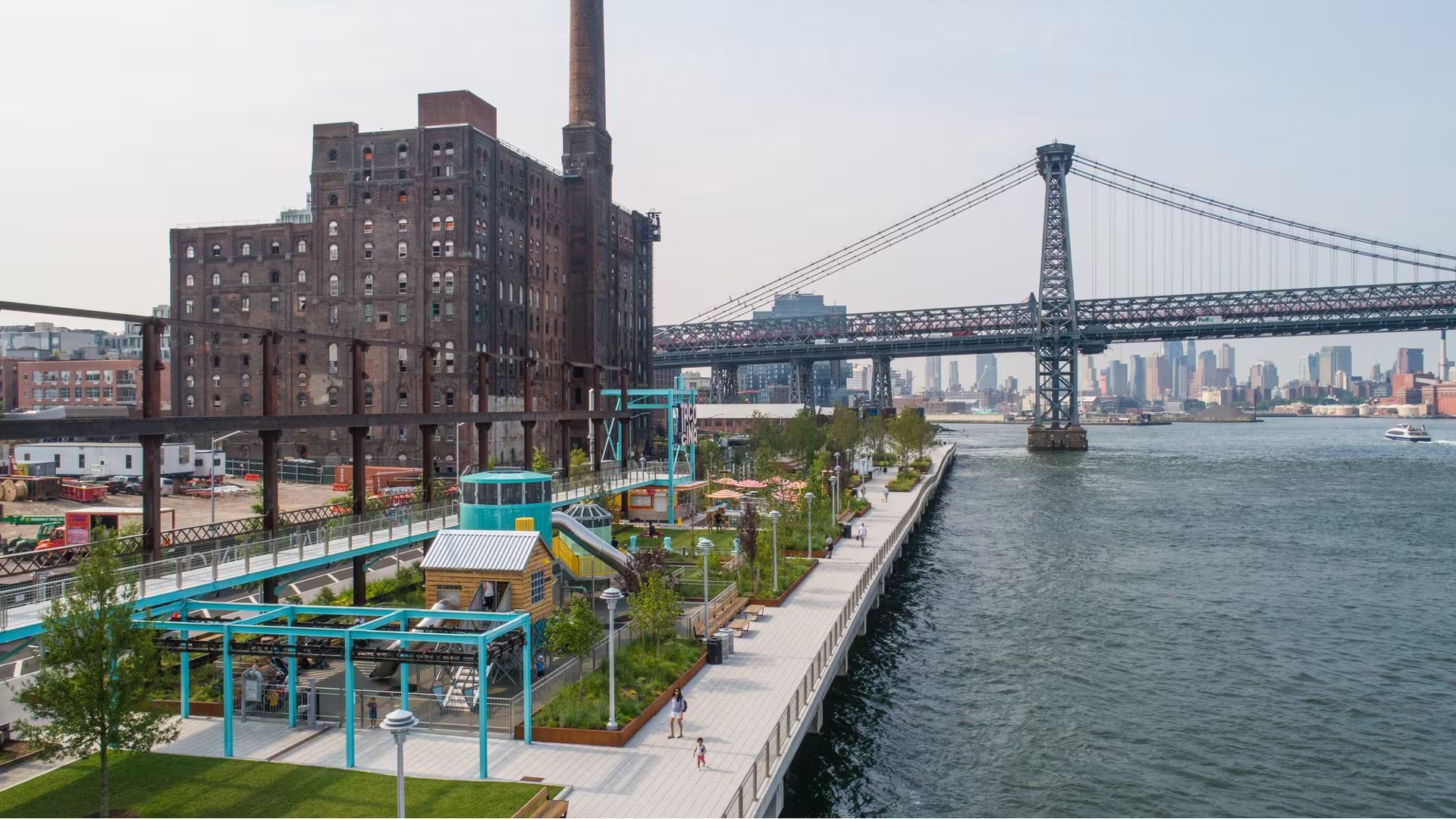
One of New York’s newest parks, Domino Park, opened in 2018 on the site of the former Domino Sugar Refinery in Williamsburg. This five-acre park perfectly captures Brooklyn’s transformation while honoring its industrial heritage, creating a model for how a post-industrial waterfront can become a vibrant public space.
Design Innovation Meets Historic Preservation
The park’s design brilliantly incorporates artifacts from the sugar refinery, including massive syrup tanks converted into seating, overhead crane rails, and the taffy hooks that now serve as play equipment. This industrial archaeology creates a distinctly Brooklyn aesthetic that celebrates the site’s working-class history even as luxury development surrounds it.
The elevated walkway provides exceptional Manhattan skyline views, particularly stunning during sunset and evening hours when the city lights create a glittering backdrop. Wide lawns, beach volleyball courts, dog runs, and carefully designed gardens offer diverse experiences within a relatively compact space.
What Makes Domino Park Special
The park excels at details: fog bridge (a walkway through mist), water playground for children, maritime-themed play equipment, and abundant seating that encourages lingering. The design prioritizes accessibility with smooth paths and multiple entry points.
Several food and beverage options operate in converted industrial structures, though these are the only paid elements in this otherwise free park. The park connects to the broader Brooklyn waterfront greenway, making it easy to extend your visit with walks in either direction along the East River.
Travel Tip: Easily accessible from the L train to Bedford Avenue or the East River Ferry to North Williamsburg. Weekend afternoons get crowded, particularly the volleyball courts and dog run. Visit on weekday evenings for a more relaxed vibe when locals come out after work. Explore the surrounding Williamsburg neighborhood for its thriving food scene, galleries, and vintage shops.
10. Socrates Sculpture Park, Queens: Art in the Open Air
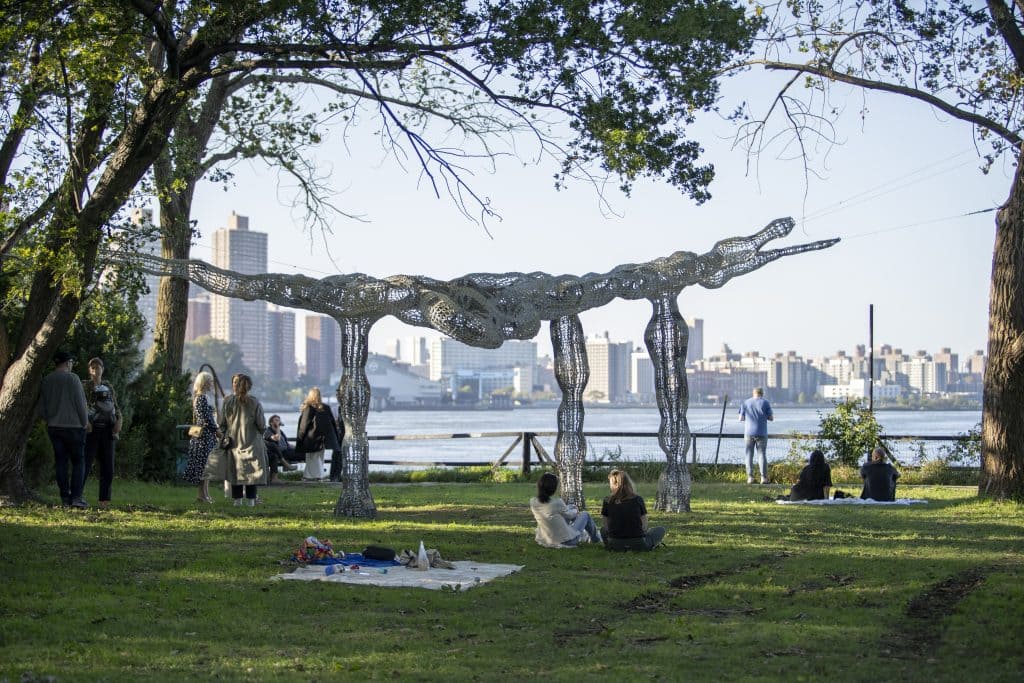
Socrates Sculpture Park in Long Island City offers something unique among parks in NYC beyond Central Park: a dedicated outdoor sculpture studio and exhibition space where artists create and display large-scale works. This 4.5-acre waterfront park provides cultural enrichment, stunning Manhattan views, and proof that great things come in small packages.
From Abandoned Landfill to Cultural Destination
The park’s origin story exemplifies New York’s creative spirit. In 1986, artist Mark di Suvero led a group of artists and community members to transform an abandoned landfill into a sculpture studio and public park. Today, it operates as an outdoor museum where emerging and established artists exhibit monumental sculptures, often created on-site, where visitors can watch the creative process.
The waterfront location provides dramatic views of the Manhattan skyline and Roosevelt Island. The industrial context of Long Island City’s transformed waterfront creates an appropriate backdrop for the contemporary art displayed throughout the park.
Experiencing Art and Nature
The sculpture installations change regularly, ensuring repeat visitors always find something new. Many works are interactive, inviting visitors to walk through, around, or even inside them. Free public programs include outdoor cinema, yoga classes, and family art workshops that make contemporary art accessible to everyone.
Despite its small size, the park provides space for picnics, lounging on the lawn, and simply contemplating art and nature together. The lack of traditional park structures keeps the focus on the sculptures and the creative energy they generate.
Travel Tip: Take the N/W trains to Broadway or the East River Ferry to Astoria. The park is free and open daily from 9 AM to sunset. Summer evening programming offers the best combination of comfortable weather and special events. Combine your visit with exploring Long Island City’s booming restaurant scene and other cultural institutions, including MoMA PS1. Check the Socrates Sculpture Park website for current exhibitions and programming.
Hidden Gems: More Parks Worth Exploring
While the above ten represent the absolute best parks in NYC beyond Central Park, several smaller hidden gems deserve mention for visitors with extra time:
Carl Schurz Park, Manhattan: This Upper East Side gem wraps around Gracie Mansion and offers a peaceful promenade with East River views. The park attracts fewer tourists despite its beauty, making it perfect for quiet contemplation.
McCarren Park, Brooklyn: Straddling Williamsburg and Greenpoint, this 35-acre park features a track, sports fields, and a popular seasonal swimming pool. The Saturday farmers market adds local flavor.
Inwood Hill Park, Manhattan: The last natural forest in Manhattan, this northern tip park offers genuine hiking trails, Native American caves, and spectacular Hudson River views without the crowds.
Green-Wood Cemetery, Brooklyn: Though technically a cemetery rather than a park, this National Historic Landmark’s 478 acres feature rolling hills, historic monuments, and some of Brooklyn’s highest elevations with incredible views.
Gantry Plaza State Park, Queens: Another Long Island City waterfront gem with restored shipping gantries as industrial art, fantastic Manhattan views, and a peaceful atmosphere.
Practical NYC Parks Travel Tips
Getting Around
Public transportation accesses virtually every park on this list. The subway system, while occasionally frustrating, provides the most efficient way to reach multiple parks in a single day. Purchase an unlimited MetroCard if you’re planning extensive park hopping. The NYC Ferry system offers a pleasant way to reach waterfront parks in Brooklyn, Queens, and Manhattan while enjoying harbor views.
Citi Bike, New York’s bike share program, operates throughout Manhattan, Brooklyn, Queens, and parts of the Bronx. Many parks feature Citi Bike stations at their entrances, making it easy to bike between green spaces. Several parks also offer bike rental options on-site.
Best Times to Visit
Weekday mornings offer the quietest park experiences, ideal for photography, contemplation, or simply enjoying nature without crowds. Weekend mornings attract fitness enthusiasts and families, while weekend afternoons bring peak crowds and energy.
Early fall (September-October) provides ideal weather with crisp temperatures and stunning foliage. Spring (April-May) bursts with blossoms but can be unpredictable weather-wise. Summer weekends fill with events, concerts, and activities, though heat and humidity can be intense. Winter visits offer unique beauty and solitude, though many park amenities close seasonally.
Budget Travel Advantages
Every park on this list offers completely free admission, a rarity in expensive New York City. These spaces provide ideal settings for budget-conscious travelers to experience the city without spending money on attractions. Pack picnics from grocery stores or food markets rather than eating at restaurants. Many parks offer free programming, including concerts, movie screenings, fitness classes, and cultural festivals during warmer months.
Free activities available across these parks include: hiking, bird watching, people watching, photography, reading, picnicking, playground time for families, dog walking, and simply enjoying the outdoors. Several parks offer free kayaking, sports court access, and walking tours.
What to Bring
Pack smart for park visits: water bottles (refill at fountains found in most parks), sunscreen, comfortable walking shoes, portable phone chargers, picnic supplies, and layers, as the weather can change. Bring a blanket for sitting on lawns and insect repellent for wooded areas or evening visits.
Safety and Etiquette
NYC parks are generally very safe during daylight hours, with regular parks department staff and police presence. Use common sense: stick to populated areas, particularly as evening approaches. Most parks close at dusk or 1 AM, depending on location.
Respect park rules: clean up after picnics, keep dogs leashed unless in designated off-leash areas, stay on paths in sensitive natural areas, and don’t disturb wildlife. Many parks prohibit alcohol, though enforcement varies.
Explore Beyond Manhattan
The greatest hidden gems exist in boroughs outside Manhattan. While Manhattan contains some spectacular parks, Brooklyn and Queens offer larger spaces, smaller crowds, and more authentic local experiences. Don’t let bridge-and-tunnel bias limit your exploration; some of New York’s most spectacular parks require leaving Manhattan.
Frequently Asked Questions
What is the largest park in New York City?
Pelham Bay Park in the Bronx holds the title as New York City’s largest park at 2,772 acres, more than three times the size of Central Park. This massive green space includes forests, meadows, and shoreline along Long Island Sound. While it didn’t make our top ten list due to its distance from most tourist areas, adventurous visitors will find it offers remarkable natural landscapes.
Which parks in NYC are not Central Park but worth visiting?
All ten parks featured in this guide offer experiences that rival or exceed Central Park in specific ways. Prospect Park provides a similar scale with a wilder aesthetic. Brooklyn Bridge Park and Hudson River Park offer waterfront access that Central Park cannot match. The High Line delivers an utterly unique elevated experience. Smaller parks like Washington Square Park and Fort Tryon Park provide distinctive neighborhood character and specialized attractions. Each park on this list earned its place by offering something Central Park doesn’t.
Are NYC parks free to visit?
Yes, all public parks in New York City are completely free to enter and enjoy. This includes every park mentioned in this guide. While some parks contain paid attractions within them, such as The Cloisters museum in Fort Tryon Park or food vendors throughout the parks themselves, they never charge admission. This makes them ideal for budget-conscious travelers and locals alike.
How many parks does New York City have?
New York City maintains nearly 2,000 parks across its five boroughs, ranging from tiny pocket parks to massive green spaces like Pelham Bay Park. These parks encompass approximately 30,000 acres of parkland. The variety is staggering, waterfront promenades, formal gardens, natural forests, playgrounds, sports facilities, and sculptural landscapes all fall under the parks department’s management. This extensive system ensures that most New Yorkers live within walking distance of public green space.
Discovering the Best Parks in NYC Beyond Central Park
The top 10 best parks in NYC beyond Central Park prove that New York offers remarkable diversity in its green spaces. From Prospect Park’s naturalistic landscapes to the High Line’s innovative urban design, from Brooklyn Bridge Park’s iconic skyline views to Fort Tryon Park’s medieval tranquility, each park provides unique reasons to venture beyond Manhattan’s famous centerpiece.
These parks in NYC beyond Central Park reveal the authentic character of their neighborhoods. Washington Square Park pulses with Greenwich Village’s bohemian energy. Domino Park showcases Williamsburg’s transformation from industrial hub to creative center. Socrates Sculpture Park demonstrates Queens’ commitment to making art accessible. Each park tells stories about New York’s past, present, and future.
What makes these green spaces truly special is their accessibility to everyone. These free, public spaces welcome all visitors regardless of budget or background. They provide opportunities for recreation, relaxation, cultural enrichment, and connection with nature within one of the world’s most urban environments. Whether you’re seeking quiet contemplation, active recreation, artistic inspiration, or simply a beautiful place to spend an afternoon, these hidden gems deliver.
For travelers planning a visit to New York, incorporating several of these parks into your itinerary provides balance to museum-heavy or shopping-focused days. For budget travelers, these free spaces offer some of the city’s best experiences without incurring any costs. For locals, these parks serve as backyards, community centers, and essential breathing room in a dense city.
As you explore the top 10 best parks in NYC beyond Central Park, remember that each offers just a fraction of what New York’s nearly 2,000 parks provide. These ten represent the very best, but countless smaller neighborhood parks and hidden corners await discovery. Get off the beaten tourist path, explore different boroughs, and discover why New Yorkers treasure their park system as one of the city’s greatest assets. The best parks in NYC are waiting for you to venture beyond Central Park and discover them for yourself.