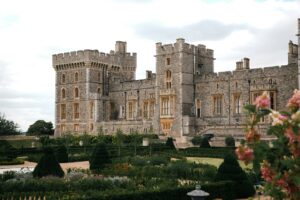
What are the top historic places in the UK? The United Kingdom preserves one of the world’s most remarkable historical landscapes, stretching from prehistoric stone circles to medieval castles and royal palaces that still function today.
This island nation contains layer upon layer of human achievement: Neolithic monuments that predate Egypt’s pyramids, Roman fortifications marking the edge of an ancient empire, medieval strongholds where kings plotted and prisoners perished, and cathedrals that witnessed the birth of new religions.
Historic places in the UK aren’t simply tourist attractions. They’re living documents where you can trace the evolution of Western civilization, from the mysterious rituals of our distant ancestors to the ceremonies of modern monarchy. Each site tells part of Britain’s complex story, shaped by invasion and resistance, religious upheaval, artistic brilliance, and the constant tug between unity and regional identity.
This guide focuses on the ten most significant historic sites that remain accessible to travelers today, spanning England, Scotland, Wales, and Northern Ireland. These are the places that didn’t just witness history but actively shaped it, leaving permanent marks on British culture, governance, and identity.
TL;DR: Quick Overview – Top 10 Historic Places in the UK
- Stonehenge, Wiltshire – Prehistoric monument older than the pyramids, mysterious purpose still debated
- Tower of London – Norman fortress, royal prison, and home to the Crown Jewels
- Edinburgh Castle, Scotland – Scotland’s most iconic stronghold perched on volcanic rock
- Roman Baths, Bath – Remarkably preserved Roman spa and sacred spring
- Hadrian’s Wall, Northern England – Ancient Roman frontier marking the empire’s northern boundary
- Windsor Castle, Berkshire – World’s oldest occupied castle, still used by the Royal Family
- Canterbury Cathedral, Kent – Seat of English Christianity and site of Thomas Becket’s martyrdom
- Cardiff Castle, Wales – 2,000 years of history from Roman fort to Victorian fantasy
- Giant’s Causeway, Northern Ireland – Natural wonder steeped in Irish mythology and volcanic drama
- Westminster Abbey, London – Coronation church and final resting place of monarchs and poets
1. Stonehenge, Wiltshire
Highlights
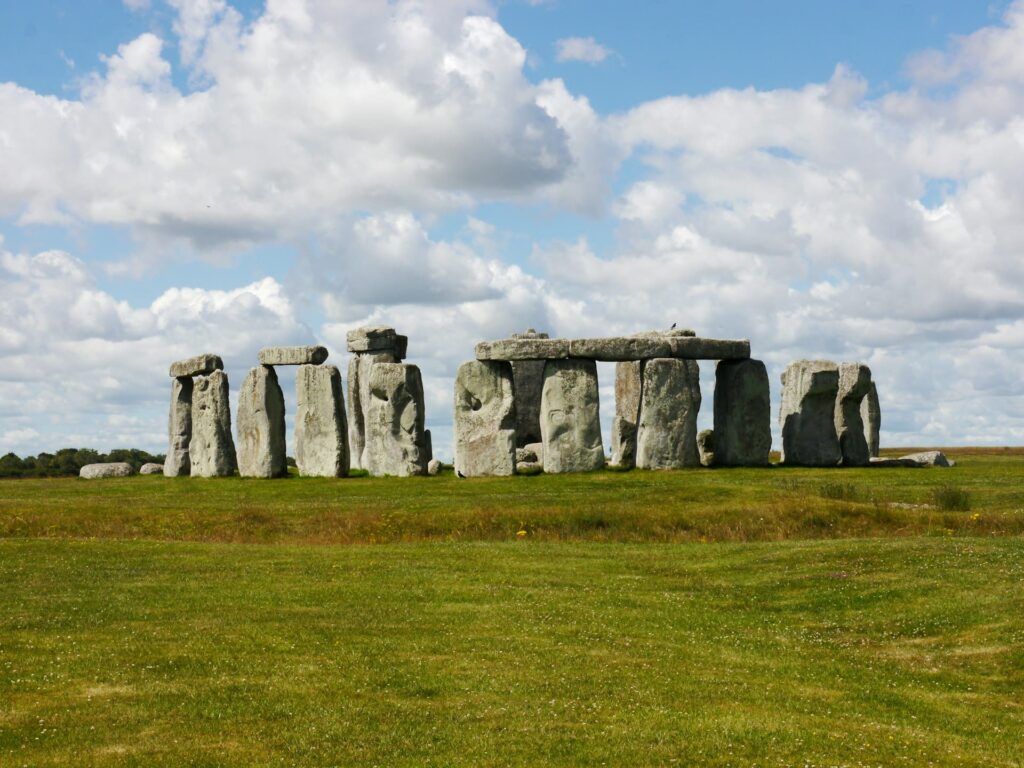
Stonehenge stands as Britain’s most enigmatic monument, a circle of massive stones erected between 3000 and 2000 BCE. The monument’s largest sarsen stones weigh up to 25 tons and were transported from quarries 25 miles away, while the smaller bluestones came from Wales, over 150 miles distant.
The site demonstrates sophisticated astronomical knowledge. Its alignment captures the summer solstice sunrise and winter solstice sunset with remarkable precision, suggesting its builders possessed advanced understanding of celestial movements.
Why Visit
Stonehenge represents humanity’s earliest architectural ambition in Britain. Standing before these ancient stones connects you to ancestors who organized massive labor projects without metal tools, written language, or wheeled transport.
The mystery deepens its appeal. Despite extensive archaeological study, including recent discoveries of nearby ceremonial sites at Durrington Walls, we still don’t fully understand Stonehenge’s purpose. Was it a healing temple? An astronomical observatory? A burial ground for elite families? The ambiguity invites personal interpretation.
UNESCO designated Stonehenge a World Heritage Site in 1986, recognizing both the monument itself and the surrounding Neolithic landscape, which contains hundreds of burial mounds and ritual structures.
Best Time to Visit
Early morning visits offer the most atmospheric experience, with fewer crowds and dramatic lighting. The site attracts over 1.6 million visitors annually according to English Heritage, so booking timed entry tickets in advance is essential.
The summer and winter solstices draw thousands for sunrise ceremonies. While crowded, these events provide unique access to the stone circle’s interior, normally restricted to protect the monument.
How to Get There
Stonehenge lies two miles west of Amesbury in Wiltshire, about 90 miles from London. Direct coaches run from London Victoria, taking approximately 2.5 hours. By car via the A303, the journey takes about two hours. The nearest train station is Salisbury, nine miles away, with connecting bus services.
2. Tower of London, London
Highlights
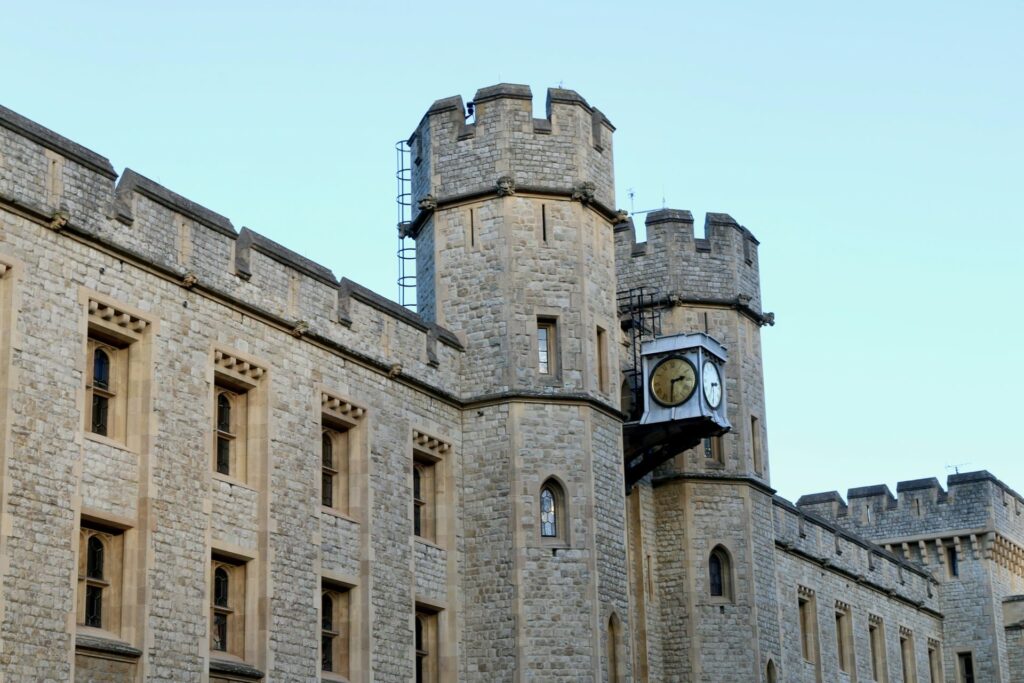
The Tower of London began as William the Conqueror’s statement of Norman power in 1066. The White Tower, its central keep, dominated the Saxon city it had just conquered. Over nine centuries, this fortress complex evolved into a royal residence, armory, treasury, menagerie, and most famously, a prison.
The Tower’s role in Tudor history particularly captivates visitors. Anne Boleyn, Catherine Howard, Lady Jane Grey, and countless others spent their final days here before execution. The Bloody Tower earned its name from the alleged murder of the two young princes, Edward V and his brother Richard, in 1483.
Today, the Tower houses the Crown Jewels, including the Imperial State Crown worn by monarchs at each State Opening of Parliament. The collection contains 23,578 gemstones, including the legendary Koh-i-Noor diamond and Cullinan I, the largest clear cut diamond in the world.
Why Visit
Few buildings embody British royal history as completely as the Tower. Walking through Traitors’ Gate, where prisoners arrived by boat from the Thames, or standing on Tower Green where Anne Boleyn was beheaded, makes history visceral and immediate.
The Yeoman Warders (Beefeaters) provide excellent tours, sharing centuries of stories with dark humor. These ceremonial guards have protected the Tower since Tudor times and now serve as its most engaging interpreters.
The Tower also offers spectacular views of Tower Bridge and the modern city skyline, creating a powerful juxtaposition between medieval and contemporary London.
Best Time to Visit
Weekday mornings, especially in autumn and winter, offer the best experience with manageable crowds. The Tower attracts approximately 3 million visitors annually, making it one of the UK’s most visited historic attractions.
Consider visiting during the Ceremony of the Keys, the 700-year-old ritual of locking the Tower gates each evening. This atmospheric ceremony requires advance booking but provides unforgettable access.
How to Get There
The Tower sits on the north bank of the Thames in central London. Tower Hill Underground station (Circle and District lines) provides the closest access. Numerous buses serve the area, and the Tower is walkable from London Bridge or Monument stations.
3. Edinburgh Castle, Scotland

Highlights
Edinburgh Castle dominates Scotland’s capital from Castle Rock, a volcanic plug formed 350 million years ago. This strategic position, with sheer cliffs on three sides, made it nearly impregnable and central to Scottish history for over 1,000 years.
The castle houses the Honours of Scotland, the oldest crown jewels in Britain, dating from the 15th and 16th centuries. These regalia predate the Union of the Crowns and represent Scottish sovereignty before the 1707 Act of Union with England.
The Stone of Destiny, used in the coronation of Scottish monarchs for centuries, sits alongside the crown jewels. England seized it in 1296, and it remained in Westminster Abbey until 1996, making its return profoundly symbolic for Scottish identity.
St. Margaret’s Chapel, built around 1130, survives as Edinburgh’s oldest building. This tiny Norman chapel honors Queen Margaret, who died in the castle in 1093.
Why Visit
Edinburgh Castle offers Scotland’s most comprehensive historical narrative in a single site. From the Wars of Independence to the Jacobite risings, from royal births to military sieges, the castle witnessed every major chapter of Scottish history.
The One O’Clock Gun fires daily (except Sundays), continuing a tradition begun in 1861 to help ships in the Firth of Forth set their maritime clocks. This Victorian timekeeping method persists as Edinburgh’s most distinctive daily ritual.
The castle provides stunning views across Edinburgh and the surrounding landscape, from Arthur’s Seat to the Firth of Forth. During the Edinburgh Festival, the castle esplanade hosts the spectacular Royal Edinburgh Military Tattoo.
Best Time to Visit
Spring (April-May) and autumn (September-October) balance pleasant weather with smaller crowds than peak summer. The castle attracts over 2.2 million visitors annually, making it Scotland’s most visited paid attraction.
Winter visits offer atmospheric experiences with shorter queues, though the exposed position makes warm clothing essential. The castle opens year-round except Christmas Day and Boxing Day.
How to Get There
The castle crowns the Royal Mile in Edinburgh’s Old Town, easily reached on foot from Waverley Station (10 minutes) or by numerous bus routes terminating on the Royal Mile. For those exploring Scotland’s top cities, Edinburgh provides an ideal base with excellent rail connections.
4. Roman Baths, Bath
Highlights
The Roman Baths reveal one of the ancient world’s most impressive spas, built around Britain’s only naturally occurring hot springs. Water emerges at 46°C (115°F), delivering over 1 million liters daily, just as it did 2,000 years ago.
Romans established Aquae Sulis around 60-70 CE, combining their bathing culture with worship of the Celtic goddess Sulis, whom they merged with their own Minerva. The resulting temple-bath complex became one of Roman Britain’s grandest religious sites.
The Great Bath, lined with lead and surrounded by columns, remains remarkably intact. Walking on Roman paving stones beside the steaming green water creates an extraordinary connection to imperial Rome. The engineering demonstrates sophisticated understanding of waterproofing, heating systems, and hydraulics.
Over 12,000 Roman coins thrown into the sacred spring as offerings have been recovered, alongside lead curse tablets asking the goddess to punish thieves and enemies. These everyday artifacts humanize the ancient worshippers.
Why Visit
The Roman Baths offer Britain’s finest example of Roman architecture and the best-preserved religious spa from the ancient world. Unlike many Roman ruins, the complex remains largely intact beneath Bath’s Georgian streets.
The museum displays exceptional artifacts: gilt-bronze head of Sulis Minerva, intricate carved stonework, and personal items that illuminate daily life in Roman Britain. Audio guides (included) feature Bill Bryson’s narration, adding wit to historical interpretation.
Bath itself merits exploration, with Georgian architecture earning the entire city UNESCO World Heritage status. The Royal Crescent and Circus demonstrate 18th-century elegance built directly atop Roman foundations.
Best Time to Visit
Early morning or late afternoon visits avoid peak crowds. The Baths attract approximately 1.3 million visitors annually. Torchlit evening tours (summer months) provide atmospheric experiences as darkness falls.
Combining the Roman Baths with Bath’s Christmas Market (late November through December) offers a magical experience, though expect significant crowds.
How to Get There
Bath lies 115 miles west of London, easily reached by train from London Paddington (90 minutes). The Roman Baths sit in the city center, a five-minute walk from Bath Spa station. By car via the M4, the journey from London takes about 2.5 hours.
5. Hadrian’s Wall, Northern England
Highlights
Emperor Hadrian ordered this massive fortification built in 122 CE to mark the Roman Empire’s northwestern frontier. Stretching 73 miles coast-to-coast across northern England, the wall represented Rome’s determination to control its territories and separate “civilization” from “barbarian” lands.
At its peak, the wall stood 15 feet high and included 80 milecastles (small forts at one-mile intervals), 160 turrets, and 17 larger forts housing up to 10,000 soldiers. These garrisons came from across the empire, bringing Syrian archers, Spanish cavalrymen, and Rhine boatmen to Britain’s windswept north.
Today, substantial sections survive, particularly at Housesteads Fort, one of Britain’s most complete Roman forts. Here you can explore barracks, granaries, latrines, and the commanding officer’s house, understanding daily military life on the empire’s edge.
Vindolanda, just south of the wall, has yielded extraordinary artifacts including wooden writing tablets revealing soldiers’ personal correspondence. These 2,000-year-old documents discuss birthday party invitations, supply requests, and complaints about British weather.
Why Visit
Hadrian’s Wall offers a uniquely immersive historical experience. Walking the wall path, with dramatic views across Northumberland’s hills, lets you follow in Roman soldiers’ footsteps while imagining the empire they served.
The wall represents the practical reality of imperial power. Unlike triumphal monuments celebrating victories, this was a working frontier requiring constant maintenance, supply, and defense. It humanizes Rome’s soldiers as men far from home, cold and uncomfortable in Britain’s climate.
UNESCO recognized Hadrian’s Wall as a World Heritage Site in 1987, acknowledging its outstanding universal value as evidence of the Roman Empire’s greatest extent.
Best Time to Visit
Late spring through early autumn (May-September) offers the best weather for exploring this exposed frontier. The Hadrian’s Wall Path, an 84-mile National Trail, attracts hikers who typically take 5-7 days to complete the full route.
Visiting requires realistic planning. The wall stretches across remote countryside with limited facilities. Most visitors focus on the central section between Hexham and Haltwhistle, where the best-preserved forts and dramatic landscape coincide.
How to Get There
The wall crosses Northumberland and Cumbria. Hexham serves as the main gateway town, reached by train from Newcastle (30 minutes) or Carlisle (45 minutes). The Hadrian’s Wall Country Bus (AD122) runs along the wall during summer months, providing access to major sites without a car.
6. Windsor Castle, Berkshire
Highlights
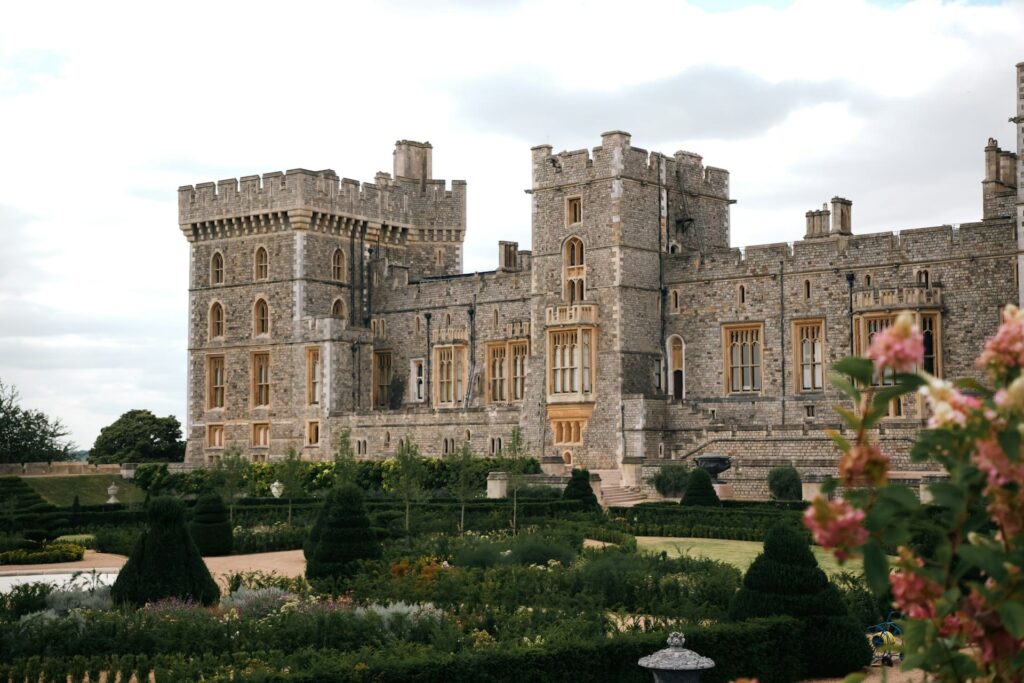
Windsor Castle holds the distinction of being the world’s oldest and largest occupied castle. William the Conqueror established the original fortress in 1070, and every monarch since has added to or modified it. The current Royal Family uses Windsor as a weekend residence and for state occasions.
The State Apartments showcase treasures from the Royal Collection, including paintings by Rembrandt, Rubens, and Canaletto. The Grand Reception Room and Waterloo Chamber demonstrate royal splendor at its peak.
St George’s Chapel, begun in 1475, ranks among England’s finest examples of Perpendicular Gothic architecture. It serves as the spiritual home of the Order of the Garter, Britain’s oldest order of chivalry, and contains the tombs of ten monarchs including Henry VIII, Charles I, and Queen Elizabeth II.
The castle’s working status adds unique appeal. You might encounter the Changing of the Guard ceremony or witness preparations for state banquets. When the Royal Standard flies, the monarch is in residence.
Why Visit
Windsor connects modern monarchy with medieval origins more directly than any other royal residence. Unlike museum palaces, Windsor remains a living, working castle where affairs of state still unfold.
The castle illustrates 1,000 years of royal taste and power. From the Norman fortress core through Gothic chapels to Georgian and Victorian renovations, architectural layers reveal changing concepts of monarchy and majesty.
After the devastating 1992 fire, meticulous restoration demonstrated British craftsmanship at its finest. The restored rooms, particularly the Grand Reception Room, showcase traditional techniques preserved by royal patronage.
Best Time to Visit
The State Apartments close during state visits and official events, so checking the calendar before visiting prevents disappointment. The castle attracts approximately 1.5 million visitors annually.
Weekdays outside school holidays offer the calmest experiences. The Changing of the Guard occurs at 11:00 AM on Mondays, Wednesdays, Fridays, and Saturdays (times vary seasonally), drawing large crowds.
How to Get There
Windsor lies 25 miles west of central London. Direct trains run from London Waterloo to Windsor & Eton Riverside (55 minutes) or from London Paddington to Windsor & Eton Central (35 minutes via Slough). The castle entrance stands opposite the Long Walk, a 10-minute walk from either station.
7. Canterbury Cathedral, Kent
Highlights
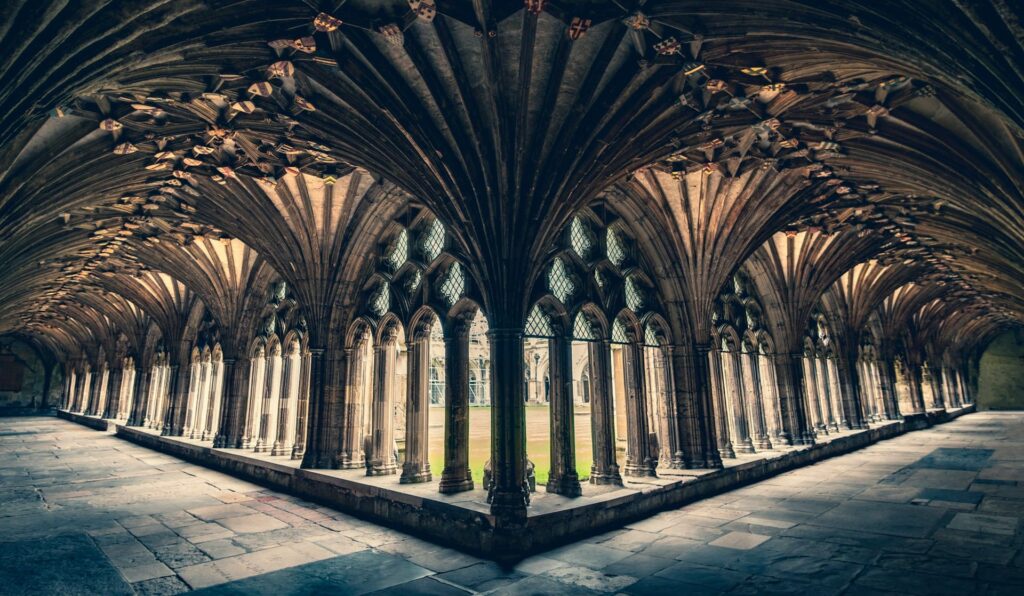
Canterbury Cathedral has served as the seat of the Archbishop of Canterbury, leader of the Church of England and symbolic head of the worldwide Anglican Communion, since 597 CE. The current building, primarily constructed between 1070 and 1834, represents one of England’s most important Norman and Gothic structures.
The cathedral’s fame rests largely on the 1170 murder of Archbishop Thomas Becket, killed by knights acting on King Henry II’s frustrated outburst. Becket’s martyrdom transformed Canterbury into Christendom’s fourth most important pilgrimage site after Jerusalem, Rome, and Santiago de Compostela.
The shrine of Thomas Becket (destroyed during the Reformation) stood where a single candle now marks the spot. Pilgrims traveled from across Europe, inspiring Geoffrey Chaucer’s The Canterbury Tales, which captured medieval England’s social fabric through stories told by pilgrims journeying to Canterbury.
The cathedral’s architecture astonishes. The soaring nave, the delicate fan vaulting in the Bell Harry Tower, and the extraordinary medieval stained glass windows (among the finest in Europe) create an overwhelming sense of sacred space.
Why Visit
Canterbury Cathedral embodies the entire sweep of English religious history. From Augustine’s Saxon mission through the Protestant Reformation to modern Anglicanism, this building witnessed and shaped Christianity’s evolution in Britain.
The cathedral illustrates the intersection of religious and political power. Becket’s murder demonstrated that even kings couldn’t fully control the Church. The subsequent Reformation showed monarchs could indeed break from Rome. Canterbury stood at the center of both transformations.
Walking the same route medieval pilgrims followed, seeing the spot where Becket fell, and standing before windows that illuminated faith for illiterate congregations 800 years ago creates profound historical resonance.
Best Time to Visit
Attending choral evensong provides the most authentic cathedral experience. The choir’s ethereal singing in that vast Gothic space connects visitors to centuries of worship. Services occur most days during term time (check the schedule).
Summer attracts peak crowds, but the cathedral’s size accommodates visitors well. Early morning provides quieter contemplation. The cathedral welcomes approximately 1 million visitors annually.
How to Get There
Canterbury lies 60 miles southeast of London. High-speed trains from London St Pancras reach Canterbury West in 56 minutes. The cathedral stands in the city center, a 10-minute walk from either Canterbury East or Canterbury West stations.
8. Cardiff Castle, Wales

Highlights
Cardiff Castle compresses 2,000 years of history within a single compact site in Wales’s capital. Romans built the original fort around 55 CE. Normans added a motte-and-bailey castle in the 11th century. Victorian renovation in the 1870s transformed it into a Gothic Revival fantasy.
The Norman keep, perched on its artificial mound, survives as one of Britain’s best-preserved examples. Climbing to its summit provides views across Cardiff and helps visualize the medieval fortress’s defensive purposes.
The castle’s Victorian transformation represents its most distinctive feature. John Crichton-Stuart, 3rd Marquess of Bute, employed architect William Burges to create extravagantly decorated interiors mixing Gothic, Classical, and Islamic influences. The resulting rooms, particularly the Arab Room and the elaborate ceiling in the Banqueting Hall, showcase Victorian wealth and imagination at their most uninhibited.
Roman walls, substantially intact, still surround the castle grounds. Walking along these 1,900-year-old fortifications demonstrates Roman engineering’s durability.
Why Visit
Cardiff Castle uniquely represents all major periods of Welsh history in one accessible location. Few sites compress such historical range so dramatically.
The Victorian interiors astonish with their opulence and creativity. These aren’t authentic medieval spaces but rather Victorian fantasies of medieval grandeur, revealing as much about 19th-century romanticism as about earlier periods.
The castle’s position in central Cardiff makes it an excellent introduction to Welsh history and culture. From here, visitors can explore the nearby National Museum and the regenerated Cardiff Bay area.
Best Time to Visit
The castle opens year-round, though interior tours of the Victorian apartments operate on scheduled times. Booking ahead ensures access to specific tours.
Summer sees the castle grounds host concerts and events. The Firing Line regimental museum within the castle merits time for those interested in Welsh military history.
How to Get There
Cardiff Castle sits in the heart of Wales’s capital, directly opposite the city center. Cardiff Central Station is a 10-minute walk. Excellent train connections serve Cardiff from London Paddington (2 hours), Bristol (45 minutes), and across Wales.
9. Giant’s Causeway, Northern Ireland

Highlights
The Giant’s Causeway consists of approximately 40,000 interlocking basalt columns resulting from volcanic activity 50-60 million years ago. When lava cooled rapidly, it fractured geometrically, creating hexagonal columns that appear almost artificially constructed.
The formation’s regularity inspired mythological explanations long before geology provided scientific answers. Irish legend credits the giant Finn MacCool (Fionn mac Cumhaill) with building the causeway to reach Scotland and fight the Scottish giant Benandonner. When Benandonner proved larger than expected, Finn’s wife disguised him as a baby. Benandonner, seeing the “baby’s” size and imagining the father’s proportions, fled back to Scotland, destroying the causeway behind him.
The causeway forms just part of a dramatic coastal landscape. The cliffs, rock formations with names like “The Organ” and “Giant’s Boot,” and the coastal path provide spectacular scenery. On clear days, Scotland’s coast is visible across the North Channel.
Why Visit
The Giant’s Causeway offers a rare combination of geological wonder and cultural mythology. The formations genuinely appear too regular to be natural, making the giant legends understandable and enhancing the site’s mystique.
UNESCO designated the Giant’s Causeway a World Heritage Site in 1986, recognizing both its geological significance and outstanding natural beauty. It represents one of the world’s most accessible and impressive examples of volcanic rock formations.
The site provides insight into Irish cultural identity. The Finn MacCool legend connects to Ireland’s Celtic heritage and the island’s rich tradition of mythology explaining natural phenomena through storytelling.
Best Time to Visit
The Causeway attracts over 1 million visitors annually, making Northern Ireland’s most popular tourist attraction. Early morning or late afternoon visits avoid peak crowds and provide better photography light.
Weather along this exposed coast changes rapidly. Waterproof clothing and sturdy footwear are essential year-round. Spring and autumn offer a good balance of manageable crowds and reasonable weather.
How to Get There
The Giant’s Causeway lies on Northern Ireland’s north coast, about 60 miles north of Belfast. Driving via the Causeway Coastal Route takes approximately 90 minutes from Belfast, passing through stunning scenery. Bus services run from Belfast and nearby towns including Bushmills (2 miles away).
10. Westminster Abbey, London

Highlights
Westminster Abbey has hosted every English and British coronation since William the Conqueror in 1066 (except Edward V and Edward VIII, neither of whom were crowned). The 1953 coronation of Queen Elizabeth II was the first televised, allowing millions to witness the ancient ceremony.
The Abbey functions as Britain’s national church, honoring the famous and powerful across centuries. Over 3,000 people are buried or commemorated here, including 17 monarchs, numerous Prime Ministers, and distinguished figures from every field.
Poets’ Corner began with Geoffrey Chaucer’s burial in 1400. Subsequently, monuments and graves honored Shakespeare, Dickens, Austen, the Brontë sisters, and many others, making it the literary heart of the nation.
The Coronation Chair, built in 1296 to hold the Stone of Scone (Stone of Destiny), has been used at every coronation since. Though the Scottish stone returned to Edinburgh in 1996, it will return for future coronations.
The Abbey’s Gothic architecture, particularly Henry VII’s Chapel with its extraordinary fan vaulting, ranks among Europe’s finest. The building evolved from 1245 through the 18th century, with each addition respecting and enhancing earlier work.
Why Visit
Westminster Abbey concentrates British history and culture more intensely than perhaps any other single building. Standing where kings and queens were crowned, where national heroes lie buried, where momentous state occasions unfold connects visitors to the entire sweep of British civilization.
The Abbey balances grandeur with intimacy. Amid the overwhelming architecture and historical weight, small memorials, like the grave of the Unknown Warrior or the scientists’ corner commemorating Darwin and Newton, provide human-scale encounters with history.
As a working church, the Abbey maintains its spiritual purpose. Attending services, particularly evensong with the Abbey choir, offers experiences unchanged in their essentials for centuries.
Best Time to Visit
The Abbey attracts approximately 1 million visitors annually. Weekday mornings offer the calmest experiences. The Abbey closes to tourists during services and special events, so checking the schedule prevents disappointment.
Attending services (free admission) provides access when tourist crowds are absent. Evensong, particularly on weekdays, offers atmospheric experiences with excellent acoustics showcasing the choir.
How to Get There
Westminster Abbey sits in the heart of central London, adjacent to the Houses of Parliament. Westminster Underground station (Jubilee, District, and Circle lines) exits directly opposite the Abbey. Numerous buses serve Parliament Square.
Comparison Table
| Site | Location | Historical Era | UNESCO Status | Average Visit Time |
|---|---|---|---|---|
| Stonehenge | Wiltshire | Prehistoric (3000-2000 BCE) | Yes (1986) | 2-3 hours |
| Tower of London | London | Medieval/Tudor (1066+) | Yes (1988) | 3-4 hours |
| Edinburgh Castle | Scotland | Medieval/Modern (1100s+) | Yes (1995, Old Town) | 2-3 hours |
| Roman Baths | Bath | Roman (60-70 CE) | Yes (1987, City of Bath) | 1.5-2 hours |
| Hadrian’s Wall | Northern England | Roman (122 CE) | Yes (1987) | Half day to full day |
| Windsor Castle | Berkshire | Medieval/Modern (1070+) | No | 2-3 hours |
| Canterbury Cathedral | Kent | Medieval (597 CE foundation) | Yes (1988) | 1-2 hours |
| Cardiff Castle | Wales | Roman/Medieval/Victorian | No | 1.5-2 hours |
| Giant’s Causeway | Northern Ireland | Geological (50-60 million years) | Yes (1986) | 2-3 hours |
| Westminster Abbey | London | Medieval/Modern (1245+) | Yes (1987) | 1.5-2 hours |
Cultural Context: Understanding Britain’s Layered History
Roman Britain’s Lasting Influence
The Roman occupation (43-410 CE) established Britain’s first unified administration, road network, and urban centers. Sites like Hadrian’s Wall and the Roman Baths demonstrate Roman engineering prowess, while Bath’s fusion of Celtic and Roman worship shows how empire adapted to local cultures.
Roman legacy shaped medieval Britain profoundly. Medieval cities often developed around Roman foundations. The concept of centralized governance, Roman roads that remained Britain’s transport arteries for centuries, and architectural knowledge transmitted through monastic preservation all trace to Roman Britain.
Medieval Power: Monarchy and Church
The medieval period saw constant tension between royal and ecclesiastical authority. Canterbury Cathedral’s Thomas Becket story illustrates this conflict dramatically. The Tower of London embodied royal power’s coercive face, while Westminster Abbey represented its ceremonial and sacred legitimization.
Norman castles like Windsor and Cardiff asserted military dominance over conquered populations. These weren’t primarily residences but control centers, radiating authority across subjugated territories. Their evolution into palaces reflects gradual transformation from conquest to governance.
Regional Identity Within Union
The UK’s historic places reveal persistent regional identities despite political union. Edinburgh Castle and Cardiff Castle embody Scottish and Welsh distinctiveness, housing symbols of nationhood that predate British unity.
The Stone of Destiny’s journey from Scotland to Westminster and back again tracks the complex relationship between Scottish identity and British governance. Similarly, Cardiff Castle’s prominence in Wales’s capital asserts Welsh history’s significance within the broader British narrative.
Northern Ireland’s Giant’s Causeway, while geological rather than human-made, carries Irish mythology that predates and persists through British rule, connecting modern visitors to pre-colonial Irish culture.
Religious Transformation
Britain’s historic places track the Protestant Reformation’s profound impact. Canterbury Cathedral witnessed English Christianity’s foundation, Becket’s martyrdom that strengthened papal authority, and later Henry VIII’s break from Rome that ended pilgrimage and destroyed Becket’s shrine.
Westminster Abbey’s dual nature as coronation church and burial ground reflects the English crown’s assumption of religious authority. The monarch as “Defender of the Faith” and head of the Church of England unified political and spiritual power in ways that still shape British governance.
Modern Preservation and Tourism
These historic sites function simultaneously as tourist attractions, educational resources, and living elements of British culture. Windsor Castle remains a working royal residence. Westminster Abbey and Canterbury Cathedral continue their religious purposes. Edinburgh Castle hosts the Military Tattoo alongside historical interpretation.
Tourism supports preservation. Admission fees fund conservation, research, and public access. The UK’s approximately 5.2 million overseas visitors in 2024 who cited heritage as a primary motivation demonstrate how historic places drive modern economic activity.
Conclusion
These ten historic places represent the foundational sites that shaped Britain and, through Britain’s global influence, affected world history. From Stonehenge’s prehistoric mystery through Roman engineering, medieval power struggles, religious transformation, and the evolution of modern monarchy, these sites preserve humanity’s most significant achievements and struggles.
Consider creating themed itineraries that connect related sites:
Roman Britain: Combine Hadrian’s Wall, the Roman Baths in Bath, and Roman walls at Cardiff Castle for a comprehensive understanding of Roman presence and engineering.
Royal Britain: Link the Tower of London, Windsor Castle, Edinburgh Castle, and Westminster Abbey to trace monarchy’s evolution from Norman conquest through modern constitutional kingship.
Sacred Britain: Canterbury Cathedral and Westminster Abbey, with side visits to Bath’s sacred springs, reveal how religious belief shaped British culture, from pagan worship through Christian dominance to Protestant reformation.
Each site rewards both brief visits and extended exploration. While you can see Stonehenge or the Tower of London in a few hours, truly understanding them requires reading their landscapes, considering their contexts, and imagining the countless lives that intersected with these places across millennia.
Historic places in the UK aren’t simply old buildings or ancient stones. They’re where the past remains tangible, where stories solidify into stone and landscape, and where modern visitors can still feel the weight and wonder of human achievement across the ages. Whether you spend a week or a month exploring these sites, each offers unique perspectives on the forces that shaped Britain and continue to resonate in contemporary British culture and identity.