
When travelers ask what makes Hoi An one of Vietnam’s most captivating destinations, the answer lies in its perfect blend of history, culture, and natural beauty. This UNESCO World Heritage site offers everything from wandering through lantern-lit ancient streets to cycling through emerald rice paddies, getting custom clothing tailored in 24 hours, and releasing lanterns on a moonlit river.
The Ancient Town forms the heart of Hoi An, where over 800 historic structures have been preserved within a compact, walkable area. Beyond the old quarter, you’ll find pristine beaches just 5 kilometers away, countryside villages where water buffalo still plow fields, and some of Vietnam’s most distinctive cuisine. Whether you’re seeking activities in Hoi An centered on culture, food, or nature, this riverside gem delivers experiences that feel both timeless and authentically Vietnamese.
This guide covers the best things to do in Hoi An, from must-see landmarks to hidden local experiences, plus practical details on timing, costs, and getting around.
TL;DR: Quick Overview
Top 10 Activities:
- Explore the Ancient Town’s yellow buildings and historic sites
- Cross the iconic Japanese Covered Bridge .
- Get custom-tailored clothing made in 24-48 hours
- Release lanterns on the Thu Bon River at night
- Cycle through rice fields to Tra Que and Cam Thanh villages
- Relax at An Bang Beach or Cua Dai Beach
- Taste cao lầu, white rose dumplings, and legendary bánh mì
- Visit My Son Sanctuary’s ancient Cham temples.
- Tour Tra Que Vegetable Village and join a cooking class.
- Shop the Night Market under thousands of lanterns
Best Time: February to April (dry, comfortable temperatures)
Top Day Trips: My Son Sanctuary, Cham Islands, Marble Mountains, Ba Na Hills
1. Wander Hoi An Ancient Town
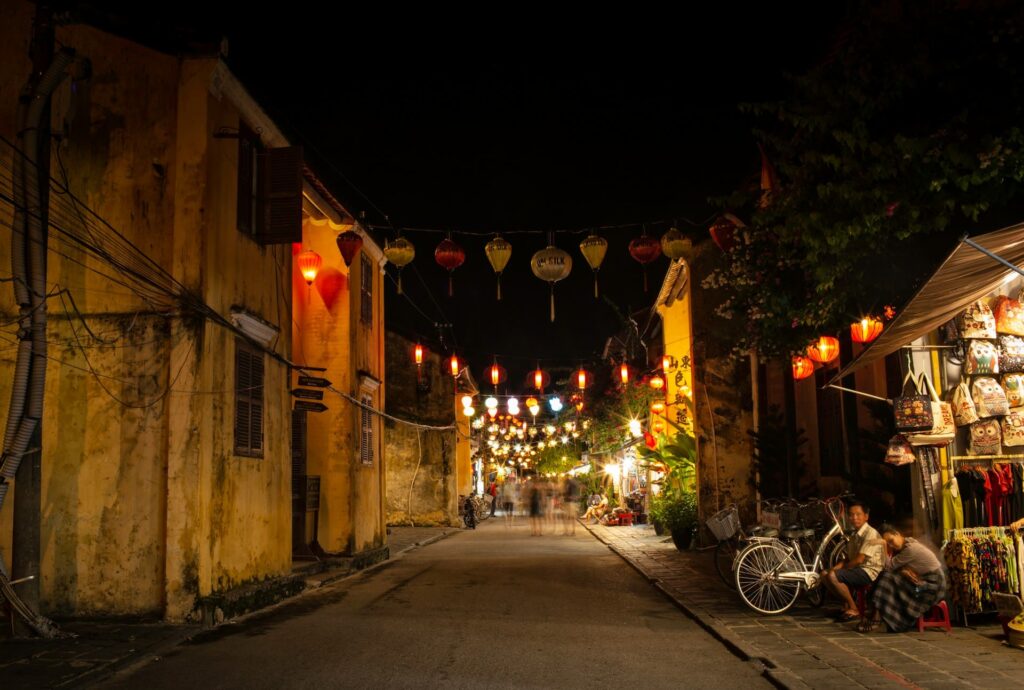
Highlights: The Ancient Town is the soul of Hoi An. Its butter-yellow merchant houses, moss-covered temples, and atmospheric assembly halls transport you to the 16th-century trading port when Japanese, Chinese, and European merchants converged here.
The Old Town Ticket (120,000 VND, approximately $5) grants access to five sites from a list that includes historic houses like the Tan Ky House and Phung Hung House, assembly halls such as the Fujian Assembly Hall with its ornate dragon sculptures, and cultural museums. Each structure tells stories of the families and communities that built Hoi An’s merchant wealth.
Why Visit: Walking these narrow lanes, especially early morning or late afternoon, reveals architectural details that survived wars and floods. The French colonial influences blend with Chinese shophouse designs and Japanese elements. Riverside walks along Bach Dang Street offer photogenic views of boats and cafes.
Best Time: Visit between 6-8 AM to experience the town waking up with fewer crowds, or after 5 PM when lanterns begin illuminating the streets. The 14th day of each lunar month brings the Lantern Festival, when electric lights are switched off and only lanterns and candles illuminate the old quarter.
How to Get There: The Ancient Town is compact and entirely walkable. Most hotels in Hoi An are within 5-15 minutes on foot. Bicycles are available everywhere for 20,000-30,000 VND per day.
2. Visit the Japanese Covered Bridge
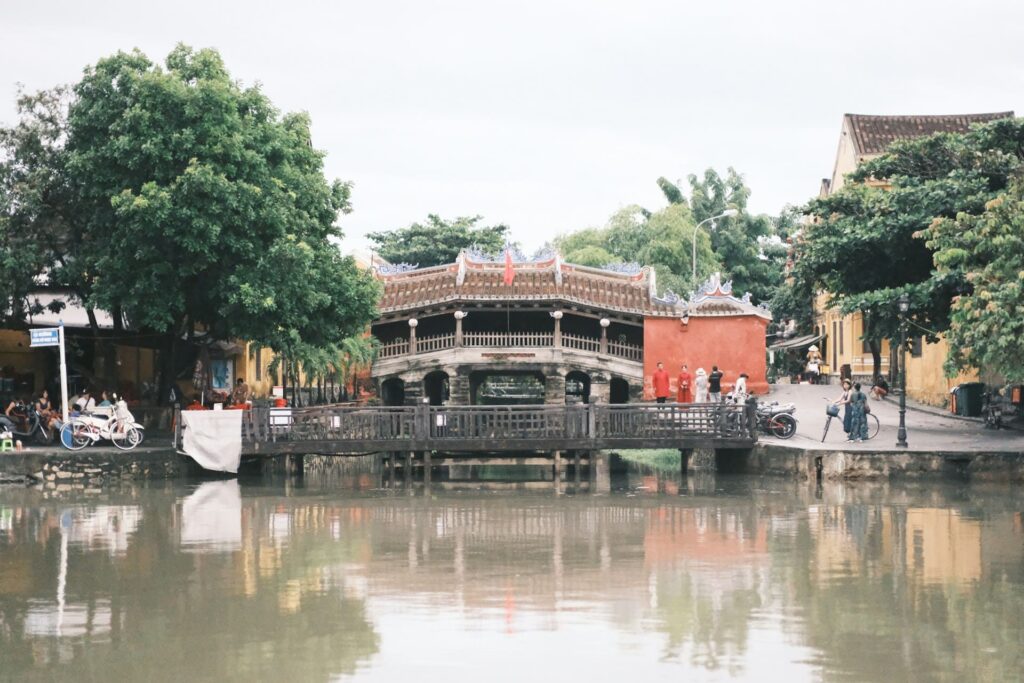
Highlights: The Chùa Cầu (Japanese Covered Bridge) is Hoi An’s most recognizable landmark, appearing on the 20,000 VND banknote. Built in the 1590s by the Japanese community, this 18-meter covered bridge connects two neighborhoods and houses a small temple dedicated to Tran Vo Bac De, a deity believed to control weather.
The bridge’s design reflects Japanese architectural techniques with Vietnamese and Chinese influences. Monkey and dog statues guard each end, representing the years construction began and ended in the Chinese zodiac.
Why Visit: Beyond its postcard-perfect appearance, the bridge represents Hoi An’s multicultural heritage. The dim interior, wooden beams, and red lacquered details create an intimate space that contrasts with the bustling streets outside.
Best Time: Early morning (6-7 AM) offers the best lighting and smallest crowds for photography. Late afternoon (4-5 PM) provides warm golden-hour light. Night visits reveal the bridge beautifully lit, though crowds increase significantly.
How to Get There: Located at the western edge of the Ancient Town on Tran Phu Street. Access is included with your Old Town Ticket. The bridge is a 5-minute walk from most central hotels.
3. Custom Tailoring in Hoi An
Highlights: Hoi An’s tailoring reputation is legendary. Dozens of shops can create custom suits, dresses, coats, or copies of your favorite garments within 24-48 hours. Popular tailors include Yaly Couture (established since 1990s), Kimmy Tailor, and BeBe Tailor, though hundreds of shops compete for business.
The process involves selecting fabric, showing reference photos or choosing from style books, multiple fittings (typically 2-3), and final pickup. Quality varies dramatically, so research and recommendations matter.
Why Visit: Where else can you have multiple custom-fitted outfits made for a fraction of Western prices? A tailored suit typically costs $80-200 depending on fabric quality, while dresses range from $30-100.
Best Time: Start the process on your first or second day in Hoi An to allow time for fittings. Many shops ship internationally if your schedule is tight.
How to Get There: Tailor shops cluster along Le Loi Street and throughout the Ancient Town. Yaly Couture has its main location at 358 Nguyen Duy Hieu Street, about 10 minutes by bicycle from the old quarter.
Pro tips: Bring reference photos, check fabric quality carefully, attend all fittings, and read recent reviews. Don’t necessarily choose the shop with the most aggressive touts outside.
4. Lantern Boat Ride on the Thu Bon River
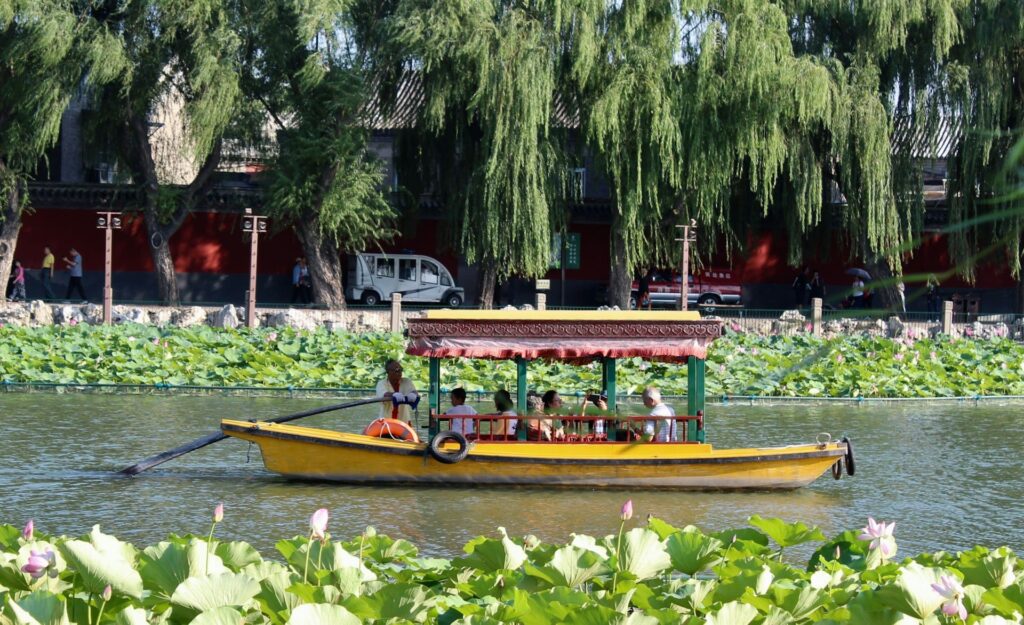
Highlights: As darkness falls, the Thu Bon River transforms into a glowing waterway of lantern boats. For 20,000-50,000 VND, you can purchase a candle-lit lantern, make a wish, and release it onto the water, watching it drift downstream alongside dozens of others.
Small wooden boats operated by local rowers offer 20-30 minute rides (around 100,000-150,000 VND per person) through the lantern-lit waters. The experience captures Hoi An’s romantic atmosphere better than almost any other activity.
Why Visit: The tradition of releasing lanterns symbolizes letting go of the past and welcoming good fortune. Floating past the Ancient Town’s illuminated waterfront, surrounded by hundreds of glowing lanterns, creates an almost magical atmosphere unique to Hoi An.
Best Time: Head out between 7-9 PM when lantern activity peaks. The 14th day of each lunar month during the Lantern Festival offers the most spectacular displays. Avoid rainy season (October-December) when river levels can be unpredictable.
How to Get There: Boat operators line the riverfront along Bach Dang Street. Simply walk to the water’s edge and negotiate directly. Most hotels can also arrange boats.
Environmental note: Some lanterns use biodegradable materials, but increased tourism has created waste concerns. Consider participating selectively and support operators using eco-friendly lanterns.
5. Cycling Through Rice Fields and Villages
Highlights: Hoi An’s countryside reveals Vietnam’s agricultural heart. Cycling routes lead through brilliant green rice paddies, past water buffalo, and into villages where life continues much as it has for generations.
Cam Thanh Coconut Village (4 km east) offers rides in traditional basket boats (thúng chai) through nipa palm waterways. Tra Que Vegetable Village (3 km north) showcases organic farming techniques and offers cooking classes. The routes between these villages wind through rice fields with minimal traffic.
Why Visit: These landscapes appear in countless Vietnam photographs for good reason. Cycling gives you freedom to stop for photos, interact with farmers, and access areas tour buses cannot reach. The flat terrain suits all fitness levels.
Best Time: Early morning (6-9 AM) or late afternoon (3-6 PM) avoids midday heat. Avoid heavy rain season (October-December) when paths become muddy.
How to Get There: Rent bicycles from hotels (often free) or shops (20,000-50,000 VND/day). Follow signs toward Cam Thanh or Tra Que, or book guided bicycle tours through hotels. Most routes are well-marked and take 2-4 hours round trip.
6. Relax at An Bang and Cua Dai Beaches
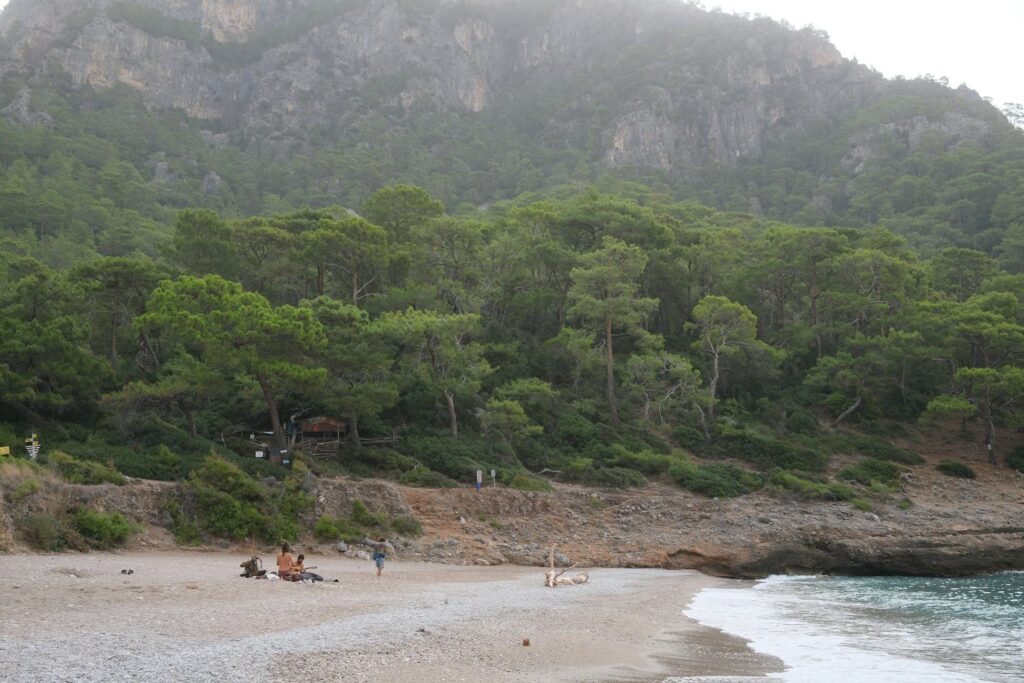
Highlights: Just 5 kilometers from the Ancient Town, An Bang Beach offers soft sand, gentle waves, and a growing collection of beach clubs serving fresh seafood and cocktails. Cua Dai Beach, slightly closer at 4 kilometers, has faced some erosion but remains popular with locals.
An Bang maintains a more relaxed, less developed atmosphere. Beach clubs like Soul Kitchen and Salt Pub provide loungers, shade, and excellent Vietnamese fusion food. The water stays relatively calm most of the year, suitable for swimming.
Why Visit: After days exploring historic sites and crowded markets, these beaches offer genuine relaxation. The golden sand, clear water, and laid-back vibe contrast perfectly with Hoi An’s busy old quarter.
Best Time: March to August provides the best weather for beach activities. Water temperatures stay warm year-round (25-28°C). Visit early morning or late afternoon to avoid peak sun. Avoid September to December when seas can be rough.
How to Get There: Rent a bicycle (15-minute ride) or take a taxi (50,000 VND). Many beach clubs offer free pickup service if you plan to eat there. The ride passes through countryside, making the journey pleasant.
For more beach experiences across Vietnam, check out the top places to visit in Vietnam.
7. Eat Your Way Through Hoi An
Highlights: Hoi An’s culinary scene deserves its own vacation. Three dishes define the city: cao lầu (thick rice noodles with pork, greens, and crispy wonton in a subtle broth, made using ancient well water), white rose dumplings (bánh bao bánh vạc, translucent shrimp dumplings shaped like roses), and bánh mì (Hoi An’s version features pâté, pickled vegetables, and perfectly crispy baguettes).
The Central Market and surrounding streets serve authentic versions. Bánh Mì Phượng gained Anthony Bourdain’s endorsement. The riverside restaurants along Bach Dang offer atmosphere, while smaller family-run spots on side streets often serve the most authentic food.
Night markets (along Nguyen Hoang Street) become food courts after dark, with countless stalls grilling seafood, making fresh spring rolls, and serving local desserts.
Why Visit: Hoi An’s food reflects centuries of cultural exchange. The cooking techniques and recipes are specific to this region and genuinely different from what you’ll find elsewhere in Vietnam.
Best Time: Lunch spots (11 AM-2 PM) serve traditional dishes when they’re freshest. Night markets come alive after 6 PM. Many specialist stalls sell out by mid-afternoon.
How to Get There: Food is everywhere in Hoi An. The Ancient Town contains dozens of restaurants. For markets, head to the intersection of Nguyen Hoang and Tran Phu streets. Bánh Mì Phượng sits at 2B Phan Chu Trinh Street.
According to UNESCO, Hoi An’s culinary traditions formed through Japanese, Chinese, and European trading influences over four centuries, creating unique fusion dishes found nowhere else.
8. My Son Sanctuary Day Trip
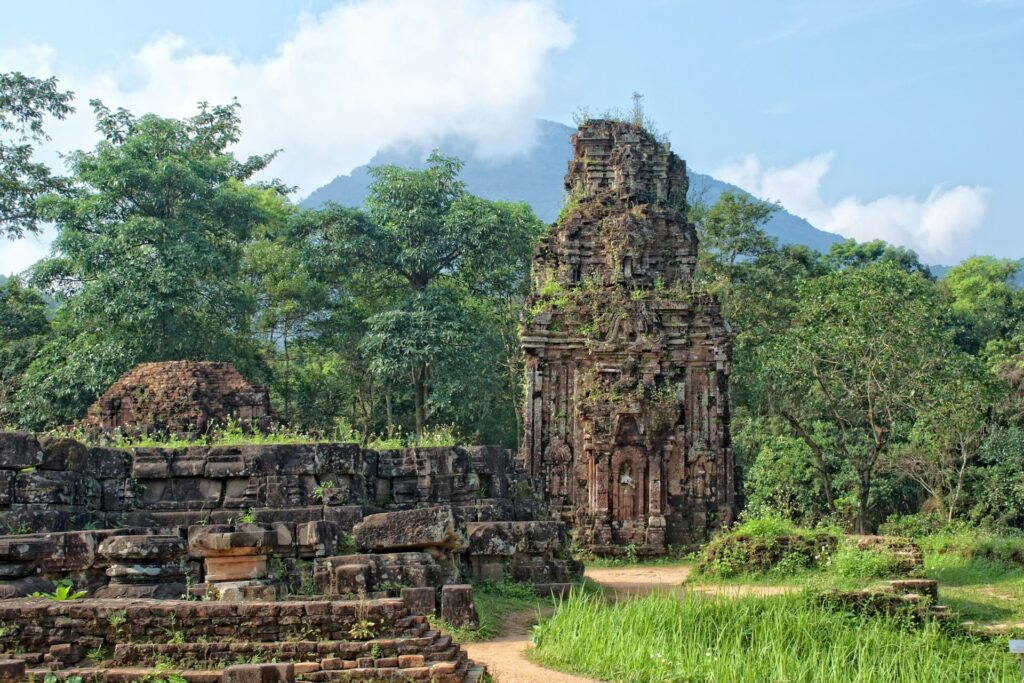
Highlights: My Son Sanctuary, 40 kilometers southwest of Hoi An, preserves Vietnam’s most important Cham temple complex. Built between the 4th and 14th centuries, these red brick towers served as religious centers for the Cham civilization, Vietnam’s Hindu kingdom that controlled central Vietnam for nearly 1,000 years.
The site contains approximately 70 surviving structures (down from over 200 originally, many destroyed during American War bombing). The Group B and C temples showcase the most impressive architecture, with carved goddesses, dancers, and Sanskrit inscriptions still visible.
Why Visit: My Son offers historical depth and architectural wonder. The jungle setting, morning mist, and ancient atmosphere create an experience comparable to (though smaller than) Cambodia’s Angkor temples. UNESCO designated My Son a World Heritage Site in 1999.
Best Time: Sunrise tours (departing Hoi An around 4-5 AM) reach the site as mist lifts and before crowds arrive. Standard tours leave 8-9 AM. Avoid midday visits between 11 AM-2 PM due to heat with minimal shade.
How to Get There: Book through hotels or tour agencies (typically $20-40 per person including transport, guide, and entrance fee). The 1.5-hour drive passes through countryside. Entrance costs 150,000 VND separately if traveling independently.
For more historic sites in Vietnam, explore the top things to do in Hanoi.
9. Tra Que Vegetable Village
Highlights: This small farming village 3 kilometers north of Hoi An specializes in herbs and vegetables using organic methods passed down through generations. The mineral-rich soil and sweet water from the De Vong River create ideal growing conditions for mint, basil, cilantro, and specialty greens.
Farmers welcome visitors to join farming activities (preparing soil, planting, watering with foot-powered pumps) and cooking classes using fresh-picked ingredients. Several families operate small restaurants serving dishes with vegetables harvested minutes before cooking.
Why Visit: Tra Que offers authentic agricultural tourism without feeling overly commercial. The hands-on farming experience and cooking classes teach traditional techniques while supporting the local community. It’s a refreshing break from Hoi An’s tourist crowds.
Best Time: Early morning (7-10 AM) when farmers are most active and temperatures are comfortable. Avoid rainy season afternoons when fields become muddy.
How to Get There: Bicycle from Hoi An takes 10-15 minutes along a flat, scenic route. Follow Hai Ba Trung Street north to Tra Que Road. Many cooking schools include Tra Que visits in their programs. Walking takes about 45 minutes.
10. Hoi An Night Market and Lantern Streets
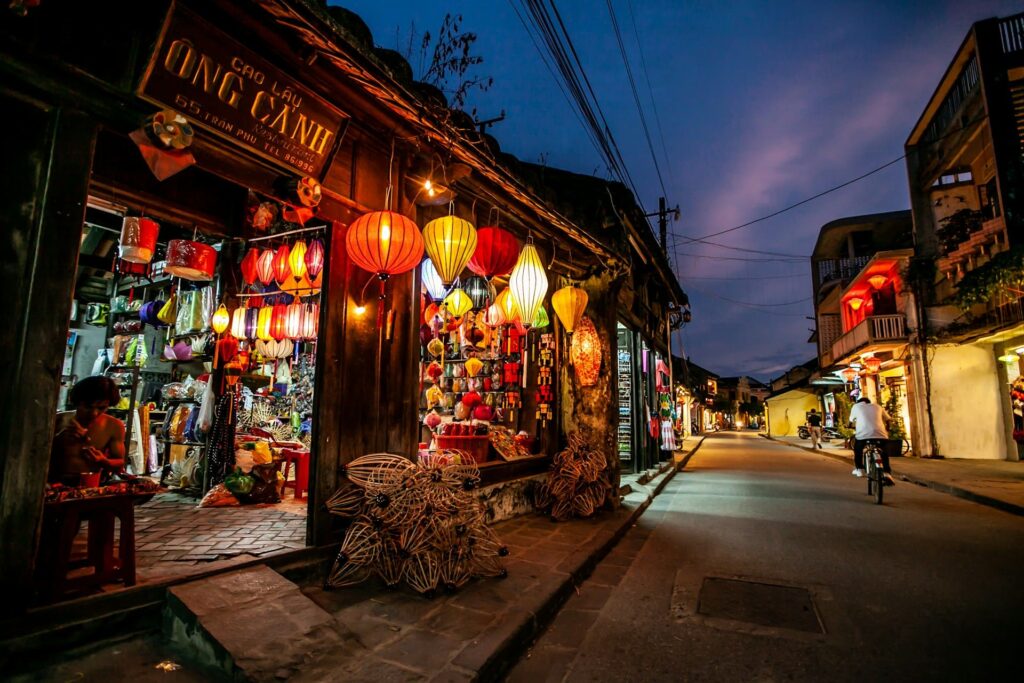
Highlights: As darkness falls, the Night Market along Nguyen Hoang Street transforms into a vibrant corridor of over 500 stalls selling everything from lanterns and silk scarves to street food and souvenirs. The entire Ancient Town amplifies its magic after sunset as thousands of multicolored lanterns illuminate yellow walls, creating the scenes that define Hoi An’s character.
An Hoi Islet across the An Hoi Bridge becomes particularly atmospheric with lanterns hanging over the street, creating colorful tunnels of light. Street performers, live music, and traditional games add to the energy.
Why Visit: Night in Hoi An feels fundamentally different from daytime. The soft lantern light, cooler temperatures, and festive atmosphere make evening walks essential to understanding the town’s appeal.
Best Time: The market operates 5 PM to 11 PM nightly, but 7-9 PM offers peak activity. Visit during the 14th lunar day monthly Lantern Festival when electric lights are switched off throughout the old quarter.
How to Get There: Walk to the intersection of Nguyen Hoang and Tran Phu streets in the heart of the Ancient Town. The main lantern streets include Tran Phu, Bach Dang riverside, and the An Hoi Islet area.
Photography tip: Bring a tripod for long exposures, or embrace the challenge of handheld shots at high ISO. The best images capture the lantern reflections in the river or through the bridge arches.
Best Time to Visit Hoi An
Understanding Hoi An’s climate determines whether you’ll experience the dreamy scenes in travel photos or rain-soaked streets.
February to April represents the ideal window. Temperatures range from 20-28°C (68-82°F), rainfall is minimal, and humidity stays tolerable. March and April see occasional hot days but generally comfortable conditions for walking and cycling.
May to August brings hot weather, with temperatures often exceeding 30°C (86°F) and high humidity. However, these months offer good beach conditions and the Hoi An Lantern Festival reaches peak spectacle on the 14th day of each lunar month. Book accommodations early as hotels fill up.
September to December marks the rainy season. October and November particularly see heavy rainfall, with November’s historical average exceeding 600mm according to Vietnamese meteorological data. The Thu Bon River often floods, sometimes covering the Ancient Town’s streets in knee-deep water. However, prices drop significantly and crowds thin dramatically. If you can handle occasional rain and potential flooding, you’ll have a more authentic local experience.
January serves as a shoulder month with cooler temperatures (18-24°C) and occasional drizzle, but generally pleasant conditions. Tet (Lunar New Year) falls in late January or early February, bringing festive atmosphere but also higher prices and many local businesses closing for several days.
For trekking enthusiasts planning to combine Hoi An with mountain adventures, consider these top trekking routes in Sapa.
Day Trips from Hoi An
Hoi An’s central location makes it an excellent base for exploring Central Vietnam’s diverse attractions.
My Son Sanctuary (40 km, 1.5 hours) deserves a morning visit as detailed earlier. The ancient Cham temples offer Vietnam’s most significant Hindu religious complex and make history tangible in ways the Ancient Town cannot match.
Cham Islands (Cù Lao Chàm, 15 km offshore) form a marine park with snorkeling, diving, and beach activities. According to the Cu Lao Cham Marine Protected Area, the islands protect over 1,000 marine species including endangered sea turtles. Day trips depart Cua Dai Beach around 8 AM, returning by 4 PM. The 45-minute speedboat ride costs approximately $15-25 with lunch included.
Marble Mountains (25 km south) comprise five limestone and marble hills near Da Nang, each named after elements: metal, wood, water, fire, and earth. Pagodas, caves, and viewpoints nestle within the peaks. Am Phu Cave depicts Buddhist hell and heaven in cave formations. The site takes 2-3 hours to explore. Combine with Da Nang’s beaches (30 km) for a full day.
Da Nang City (30 km north) offers urban contrast with its modern Dragon Bridge (which breathes fire and water on weekend nights), beaches, seafood restaurants, and the impressive Museum of Cham Sculpture housing the world’s largest Cham artifact collection.
Ba Na Hills and Golden Bridge (60 km, 1.5 hours) provide mountain scenery and the Instagram-famous Golden Bridge held by giant stone hands. The French colonial hill station reaches 1,400 meters elevation with cool temperatures. The cable car system holds world records for height difference and length. Tickets cost around $30-35 including cable car access.
Each destination works as a separate day trip or combine locations like Marble Mountains and Da Nang beaches in one excursion.
Learn more about southern Vietnam by exploring top attractions in Ho Chi Minh City.
Practical Information: Costs and Hours
| Attraction | Entry Fee | Opening Hours | Travel Time from Center | Ideal Duration |
|---|---|---|---|---|
| Ancient Town | 120,000 VND (~$5) | 24/7 (sites: 8 AM-5 PM) | 0 min (walkable) | 3-4 hours |
| Japanese Covered Bridge | Included in ticket | 24/7 | 0 min (walkable) | 15-30 minutes |
| Lantern Boat Ride | 100,000-150,000 VND (~$4-6) | 6 PM-10 PM | 0 min (riverside) | 30 minutes |
| An Bang Beach | Free | 24/7 | 15 min (bicycle) | 2-4 hours |
| My Son Sanctuary | 150,000 VND (~$6) | 6:30 AM-4:30 PM | 1.5 hours | 2-3 hours |
| Tra Que Village | 30,000-50,000 VND (~$1-2) | 7 AM-5 PM | 15 min (bicycle) | 2-3 hours |
| Night Market | Free | 5 PM-11 PM | 0 min (walkable) | 1-2 hours |
| Cham Islands | 100,000 VND park fee (~$4) | Day trips only | 45 min (boat) | 6-8 hours |
| Marble Mountains | 40,000 VND (~$1.50) | 7 AM-5:30 PM | 30 min | 2-3 hours |
Note: Prices are approximate and subject to change. Tour packages typically include entrance fees and transport.
Cultural Context
Understanding a few cultural nuances enhances your Hoi An experience and shows respect for local traditions.
The Old Town Ticket System confuses many visitors. Your 120,000 VND ticket permits entry to five locations from a list of 22 sites. You receive a ticket booklet and staff punch or tear portions as you enter qualifying locations. The ticket remains valid for multiple days, so you don’t need to rush through all five sites immediately. Many free areas of the Ancient Town don’t require tickets, only the specifically designated historic houses, museums, and assembly halls.
Lantern Festival Timing follows the lunar calendar. The 14th day of each lunar month transforms Hoi An into a candlelit wonderland when electric lights are switched off from 7-10 PM. Restaurants use candles, lanterns float down the river by the hundreds, and traditional performances fill the streets. Check lunar calendars to align your visit with this monthly celebration.
Local Etiquette is generally relaxed, but a few considerations matter. When entering temples or historic houses, dress modestly (covered shoulders and knees). Remove shoes when entering someone’s home or certain sacred spaces. Always ask permission before photographing local people, especially in villages. Bargaining is expected in markets but keep it friendly and reasonable.
Supporting Local Artisans makes a difference in Hoi An’s economy. The Ancient Town’s survival depends on tourism, but choosing locally-owned restaurants over international chains, buying directly from artisans rather than mass-produced souvenir shops, and hiring local guides distributes tourism revenue more equitably. Many tailoring shops, lantern makers, and family restaurants have operated for generations.
Environmental Considerations increasingly matter. The Thu Bon River faces pollution challenges from development and tourism. Choose lantern operators using biodegradable materials. Bring reusable water bottles (many hotels and cafes offer filtered water refills). Support beach clubs and restaurants with environmental initiatives.
Conclusion
The top Hoi An things to do span centuries of history, natural beauty, and living traditions. From wandering the Ancient Town’s yellow merchant houses to releasing lanterns on the moonlit Thu Bon River, from cycling through rice paddies to getting custom silk clothing tailored, each experience reveals different facets of this remarkable destination.
What to do in Hoi An ultimately depends on your interests and pace. History enthusiasts could spend days exploring assembly halls, merchant houses, and nearby My Son Sanctuary. Food lovers find paradise in the markets, riverside restaurants, and cooking classes. Beach seekers discover peaceful stretches of sand just minutes from the old quarter. Photographers chase golden-hour light on the Japanese Covered Bridge and lantern reflections in narrow streets.
The city rewards both quick visits and extended stays. Three to four days allows time for Ancient Town exploration, a beach afternoon, countryside cycling, and a day trip to My Son or the Cham Islands. A week permits deeper cultural immersion, multiple cooking classes, and additional excursions to Da Nang or the Marble Mountains.
Hoi An things to do transcend typical tourist activities. The town’s scale remains human, its traditions feel genuine rather than performative, and its rhythms blend past and present naturally. Whether you’re watching sunrise over the Thu Bon River, bargaining for silk lanterns in the night market, or simply sitting at a riverside cafe watching boats drift past yellow walls, Hoi An delivers moments that linger in memory long after you’ve left.
Plan your visit during the February-April dry season for ideal conditions, book accommodations near the Ancient Town for convenience, and leave room in your schedule for spontaneous discoveries. Some of the best things to see in Hoi An appear when you wander without a map, following lantern-lit alleys to hidden courtyards or stopping at family-run restaurants where no English menu exists but the food tastes extraordinary.
FAQ
How many days do you need in Hoi An?
Most travelers find 3-4 days ideal for experiencing Hoi An’s highlights without rushing. This allows time to explore the Ancient Town thoroughly (at least one full day), take a day trip to My Son Sanctuary or the Cham Islands, spend an afternoon at An Bang Beach, and experience the Night Market and lantern boat rides. Budget an additional day if you’re interested in multiple cooking classes or extensive custom tailoring. Active travelers who want to combine beach time, countryside cycling, and multiple day trips should consider 5-6 days.
What is Hoi An best known for?
Hoi An is best known as a UNESCO World Heritage trading port with exceptionally well-preserved 16th-19th century architecture blending Japanese, Chinese, and European influences. The city’s second claim to fame is custom tailoring, with hundreds of shops creating made-to-measure clothing in 24-48 hours. The lantern-lit streets at night, especially during monthly Lantern Festivals, create Hoi An’s signature romantic atmosphere. Additionally, the city celebrates its unique cuisine, particularly cao lầu noodles and white rose dumplings, and its position as a base for exploring Central Vietnam’s beaches, mountains, and ancient Cham sites.
Is Hoi An walkable?
Yes, Hoi An is extremely walkable. The Ancient Town is compact, measuring roughly 1 kilometer by 0.5 kilometers, making it easily explorable on foot within 2-3 hours. Most hotels and guesthouses sit within 5-15 minutes’ walk of the historic center. The flat terrain and pedestrian-friendly streets (many areas restrict motorized traffic) make walking pleasant. For destinations outside the old quarter like beaches (5 km), Tra Que Village (3 km), or Cam Thanh (4 km), bicycles are the preferred option and widely available for rent at minimal cost.
What is the best time to visit Hoi An?
The best time to visit Hoi An is February through April, when rainfall is minimal, temperatures stay comfortable (20-28°C/68-82°F), and humidity remains tolerable. March and April offer ideal conditions for both cultural exploration and beach activities. May through August brings hot weather but good beach conditions, though humidity increases significantly. Avoid October and November if possible, as these months see heavy rainfall and potential flooding. The monthly Lantern Festival (14th day of the lunar calendar) provides a special experience regardless of season, though it’s most enjoyable during dry months.
Can you do Da Nang or My Son as a day trip from Hoi An?
Absolutely. Da Nang sits just 30 kilometers north (40 minutes by car) and makes an easy day trip for visiting the Museum of Cham Sculpture, Dragon Bridge, beaches, and Marble Mountains. Many travelers combine Marble Mountains and Da Nang beaches in one excursion. My Son Sanctuary (40 km southwest, 1.5 hours) is the most popular day trip from Hoi An. Sunrise tours departing around 4-5 AM offer the best experience with mist-covered temples and fewer crowds. Standard tours leave around 8-9 AM. Both destinations can also be combined into longer excursions, though this makes for a very full day.
Do I need to book tailors in advance?
No advance booking is necessary for tailors in Hoi An. The city contains hundreds of tailoring shops actively competing for business, so walk-ins are welcomed everywhere. However, starting the process early in your trip (day 1 or 2) is essential because quality tailors require 2-3 fittings over 24-48 hours. Read recent reviews online, ask your hotel for recommendations, and visit multiple shops to compare prices and portfolios before committing. Bring reference photos of styles you like and inspect fabric quality carefully. Popular shops like Yaly, Kimmy, and BeBe can get busy during peak season, but they manage multiple orders simultaneously.