Argentina stretches across nearly 3,700 kilometers of South America’s southern cone, offering travelers an extraordinary diversity of landscapes, cultures, and experiences. From the thundering waterfalls of Iguazú to the glacial wilderness of Patagonia, from the wine valleys of Mendoza to the cosmopolitan streets of Buenos Aires, this magnificent country captivates visitors with its raw beauty and passionate spirit. Whether you’re seeking adventure, culture, gastronomy, or natural wonders, understanding the top 10 places to visit in Argentina will help you craft an unforgettable journey through one of the continent’s most diverse destinations.
What is the Number One Tourist Destination in Argentina?
Buenos Aires consistently ranks as the number one tourist destination in Argentina, attracting millions of international visitors annually. The Argentine capital combines European elegance with Latin American passion, offering world-class dining, legendary tango performances, stunning architecture, and vibrant neighborhoods that pulse with energy day and night. As the cultural and economic heart of Argentina, Buenos Aires serves as the gateway for most travelers and provides an essential introduction to Argentine culture, history, and cuisine.
However, Iguazú Falls competes closely for this title, particularly among nature enthusiasts. This UNESCO World Heritage Site draws visitors from around the globe who come to witness one of the planet’s most spectacular natural wonders. The falls’ sheer power and beauty make it an unmissable highlight on any Argentina itinerary.
What is the Most Beautiful Part of Argentina?
Determining the most beautiful part of Argentina proves challenging given the country’s remarkable diversity, but many travelers and photographers consistently point to Patagonia as Argentina’s most stunning region. The Patagonian landscape encompasses pristine glaciers, turquoise lakes, jagged mountain peaks, and endless steppes that create some of the most dramatic scenery on Earth. Within Patagonia, locations like Perito Moreno Glacier, Mount Fitz Roy, and the Lakes District near Bariloche showcase nature at its most magnificent.
However, beauty remains subjective. The Northwest’s colorful rock formations in Salta and Jujuy provinces offer a completely different aesthetic layers of red, orange, purple, and green stone that create surreal desert landscapes that look like nature’s own abstract paintings. The vineyard-covered valleys of Mendoza, with the snow-capped Andes as a backdrop, present yet another definition of beauty. The remote wetlands of Iberá, teeming with wildlife, demonstrate that Argentina’s beauty takes many forms.
Where Should You Go in Argentina?
Where you should go in Argentina depends entirely on your interests, travel style, and available time. For first-time visitors with limited time, the classic trio of Buenos Aires, Iguazú Falls, and one Patagonian destination (typically El Calafate for glaciers or Bariloche for lakes and mountains) provides a well-rounded introduction to the country’s highlights. This combination offers culture, natural wonders, and adventure within a 10-14-day timeframe.
Adventure seekers should prioritize Patagonia, particularly El Chaltén for hiking, Ushuaia for end-of-the-world exploration, and Peninsula Valdés for wildlife encounters. Wine enthusiasts must include Mendoza and possibly Salta’s high-altitude vineyards in their itinerary. Those seeking hidden gems in Argentina should venture to places like Iberá Wetlands, the Quebrada de Humahuaca, or the remote valleys of La Rioja province, where authentic experiences await far from tourist crowds.
Cultural travelers will find Buenos Aires, Córdoba, and Salta most rewarding, while nature photographers should focus on Patagonia, the Northwest, and Iguazú. The best places to visit in Argentina ultimately align with your personal travel priorities. However, certain destinations, such as Iguazú Falls and Buenos Aires, appeal to virtually everyone and should feature on virtually every Argentina itinerary.
Now, let’s explore the top 10 places to see in Argentina in detail, providing you with comprehensive information to plan your perfect Argentine adventure.
TL;DR – Quick Links to the Top 10 Places to Visit in Argentina
- Buenos Aires (Google Maps)
- Iguazú Falls (Google Maps)
- El Calafate & Perito Moreno Glacier (Google Maps)
- Mendoza Wine Region (Google Maps)
- Bariloche & Lake District (Google Maps)
- Ushuaia – End of the World (Google Maps)
- Salta & Northwest Argentina (Google Maps)
- Peninsula Valdés (Google Maps)
- Iberá Wetlands (Google Maps)
- Córdoba (Google Maps)
1. Buenos Aires: The Paris of South America
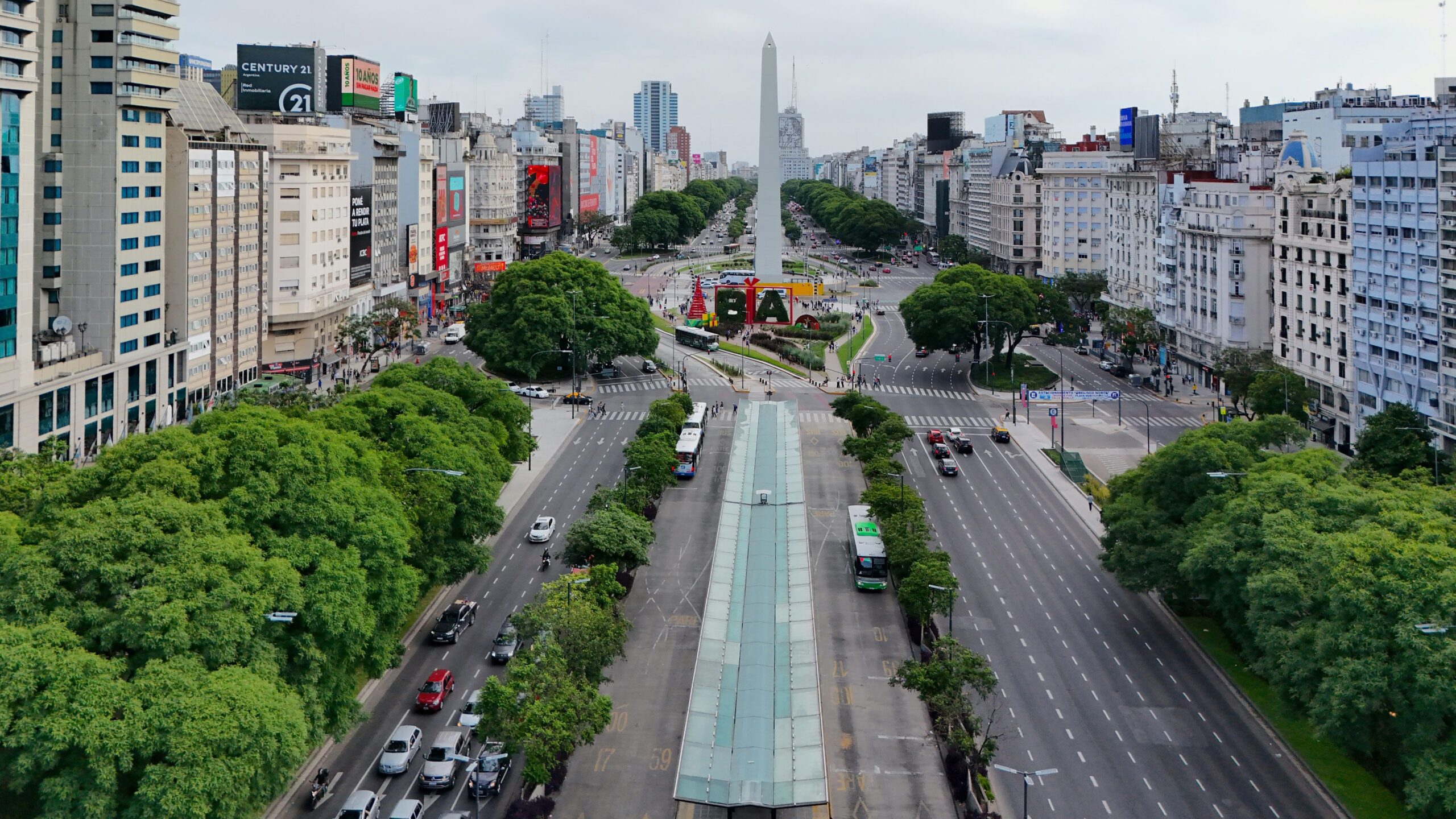
Buenos Aires stands as one of South America’s most sophisticated and culturally rich capitals, blending European architecture with Latin American passion. This sprawling metropolis of nearly 3 million people in the city proper (15 million in the greater metropolitan area) offers travelers an intoxicating mix of history, art, gastronomy, and nightlife that rivals any major world city.
Neighborhoods to Explore
Palermo represents Buenos Aires’s trendiest district, subdivided into Palermo Soho (boutiques, cafes, and street art), Palermo Hollywood (restaurants and nightlife), and Palermo Chico (elegant residences and parks). The neighborhood’s tree-lined streets, numerous parks, including the expansive Parque Tres de Febrero, and thriving gastronomic scene make it a favorite base for international visitors.
San Telmo, the city’s oldest neighborhood, transports visitors back in time with its cobblestone streets, colonial architecture, and bohemian atmosphere. Every Sunday, the famous San Telmo Market fills Plaza Dorrego with antiques, handicrafts, and street performers, while tango dancers perform impromptu shows in the square. The neighborhood’s traditional bars and parrillas (steakhouses) serve some of the city’s most authentic cuisine.
Recoleta exudes elegance and old money, featuring French-style architecture, upscale shops, museums, and the famous Recoleta Cemetery where Eva Perón rests in an ornate mausoleum. The neighborhood’s cafes, particularly the historic Café La Biela, provide perfect spots for people-watching and soaking in porteño culture.
La Boca, while touristy, offers colorful photo opportunities along Caminito street, where brightly painted houses and tango performances create a vibrant atmosphere. The neighborhood also hosts La Bombonera stadium, home to the legendary Boca Juniors football club.
Cultural Highlights
Buenos Aires’s cultural calendar never stops. The Teatro Colón, one of the world’s finest opera houses, offers tours and performances in a stunning Belle Époque building. The MALBA (Museum of Latin American Art) showcases regional artists, including Frida Kahlo and Diego Rivera, while the Museo Nacional de Bellas Artes houses an impressive European and Argentine collection.
Tango pervades the city’s identity. Beyond tourist shows, authentic milongas (tango dance halls) operate nightly across the city, where locals dance until dawn. For beginners, many venues offer classes before evening dancing begins.
Culinary Scene
Argentine beef earned its legendary status for good reason, and Buenos Aires offers countless parrillas serving perfectly grilled steaks. Don Julio, La Cabrera, and El Desnivel rank among locals’ favorites. Beyond beef, the city’s culinary scene has evolved tremendously, with innovative chefs creating fusion cuisine, while traditional spots still serve empanadas, choripán, and milanesas.
The café culture remains central to porteño life. Historic cafes like Café Tortoni (opened 1858) and Confitería Ideal provide atmospheric settings for coffee and medialunas (Argentine croissants) while soaking in decades of history.
Practical Tips
Buenos Aires requires at least three full days to scratch the surface, though a week allows deeper exploration. The city sprawls extensively, so using the efficient subway system (Subte) or ride-sharing apps proves essential for covering ground. Walking tours of different neighborhoods provide excellent orientation and historical context.
Safety requires standard urban precautions, avoiding displaying expensive items, remaining aware of surroundings, and taking registered taxis or ride-sharing apps at night. Most tourist areas remain safe during daylight hours.
2. Iguazú Falls: Nature’s Thundering Masterpiece
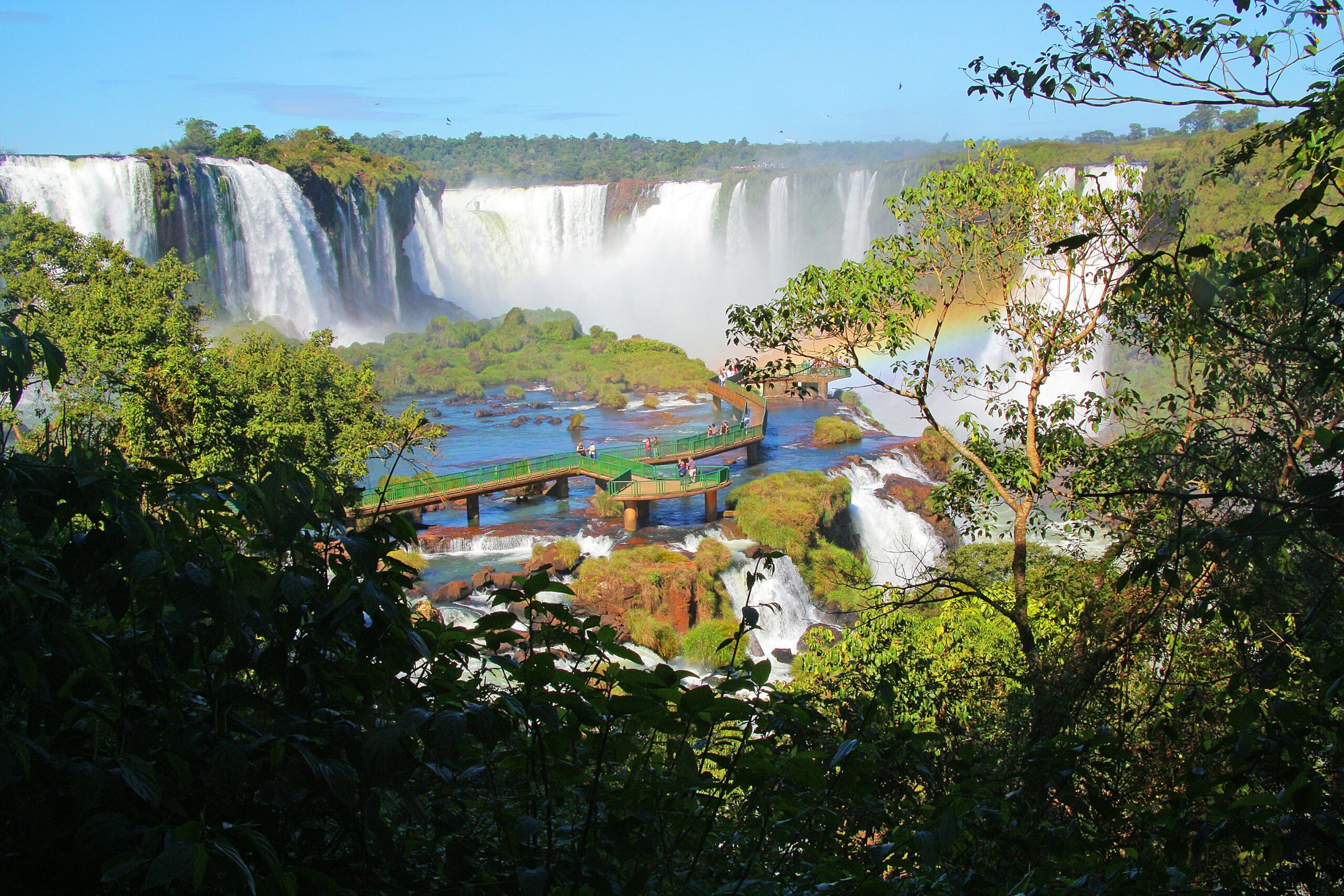
Straddling the border between Argentina and Brazil, Iguazú Falls represents one of the planet’s most awe-inspiring natural wonders. This massive waterfall system consists of 275 individual cascades stretching nearly three kilometers, with flows reaching 450,000 cubic feet per second during peak water levels. The falls’ thundering power, rainbow-filled mist, and surrounding subtropical rainforest create an unforgettable sensory experience.
The Argentine Side
The Argentine side of Iguazú offers the most comprehensive and intimate experience with the falls. An extensive network of elevated walkways allows visitors to approach the cascades from multiple angles, including the spectacular Garganta del Diablo (Devil’s Throat), where the Iguazú River plunges 80 meters into a horseshoe-shaped chasm, creating a deafening roar and permanent mist cloud.
The park’s trail system is divided into upper and lower circuits. The Upper Circuit provides panoramic views looking down on the falls, offering unique perspectives of the water’s edge before it plunges over the cliffs. This 1,750-meter walkway takes approximately one hour and remains fully accessible, making it suitable for visitors with mobility limitations.
The Lower Circuit descends to the falls’ base, where walkways bring you face-to-face with individual cascades. The mist here soaks visitors thoroughly, but the proximity to the falls’ raw power makes waterproof gear worthwhile. This 1,700-meter circuit requires about two hours and includes some stairs, though nothing too strenuous.
The Garganta del Diablo requires a separate visit via a small train that transports visitors to a walkway extending over the river. The 1,100-meter catwalk leads directly to the viewpoint overlooking the Devil’s Throat, where the volume of water, noise, and spray create an almost overwhelming sensory experience. Visiting early morning or late afternoon provides the best light for photographs and fewer crowds.
The Brazilian Side
While the Argentine side offers proximity, the Brazilian side provides the best panoramic views of the falls system. A single walkway extends along the opposite bank, offering spectacular vistas of the entire cascade amphitheater. The trail culminates in an extended catwalk that reaches into the falls themselves, delivering dramatic views of the Devil’s Throat from the opposite perspective. Most visitors allocate one day to the Argentine side and a half-day to the Brazilian side.
Wildlife and Nature
Iguazú National Park protects 67,720 hectares of Atlantic Forest, one of the world’s most biodiverse ecosystems. The park hosts 450 bird species, including five toucan species, and 80 mammal species, though many remain elusive. Coatis (members of the raccoon family) boldly approach visitors don’t feed them despite their persistent begging. Sharp-eyed visitors might spot butterflies, lizards, and, if extremely fortunate, jaguars or tapirs, though these require dedicated wildlife tours.
Boat Tours and Adventures
Several adventure options enhance the Iguazú experience. Gran Aventura combines a truck ride through the jungle with a zodiac boat ride that approaches the falls’ base, where passengers get completely drenched under San Martín Falls. This adrenaline-pumping experience operates weather-permitting.
For a unique perspective, helicopter flights over the falls operate from the Brazilian side, offering bird’s-eye views of the entire system. While expensive and brief (approximately 10 minutes), the aerial perspective showcases the falls’ true scale.
Visiting Tips
Plan at least two full days for Iguazú, one for the Argentine side and a half-day for the Brazilian side. The falls lie approximately 17 kilometers from Puerto Iguazú town, where most accommodations and services are concentrated. Buses run regularly between the town and the park.
Visit during shoulder seasons (April-May or September-November) for pleasant weather and manageable crowds. Summer (December-February) brings extreme heat and humidity, while winter (June-August) offers cooler temperatures but reduced water flow. The falls’ volume varies dramatically by season, with the highest flows typically March-May following summer rains.
Essential items include waterproof protection for electronics, quick-dry clothing, sturdy walking shoes with good grip (walkways get slippery), sunscreen, insect repellent, and sufficient water. The park has restaurants, but prices exceed outside alternatives.
Brazilian side access requires appropriate visa documentation for your nationality. US citizens, for example, can now enter Brazil visa-free for tourism, but requirements change periodically, so verify current regulations before arrival.
3. El Calafate and Perito Moreno Glacier: Ice Age Landscape
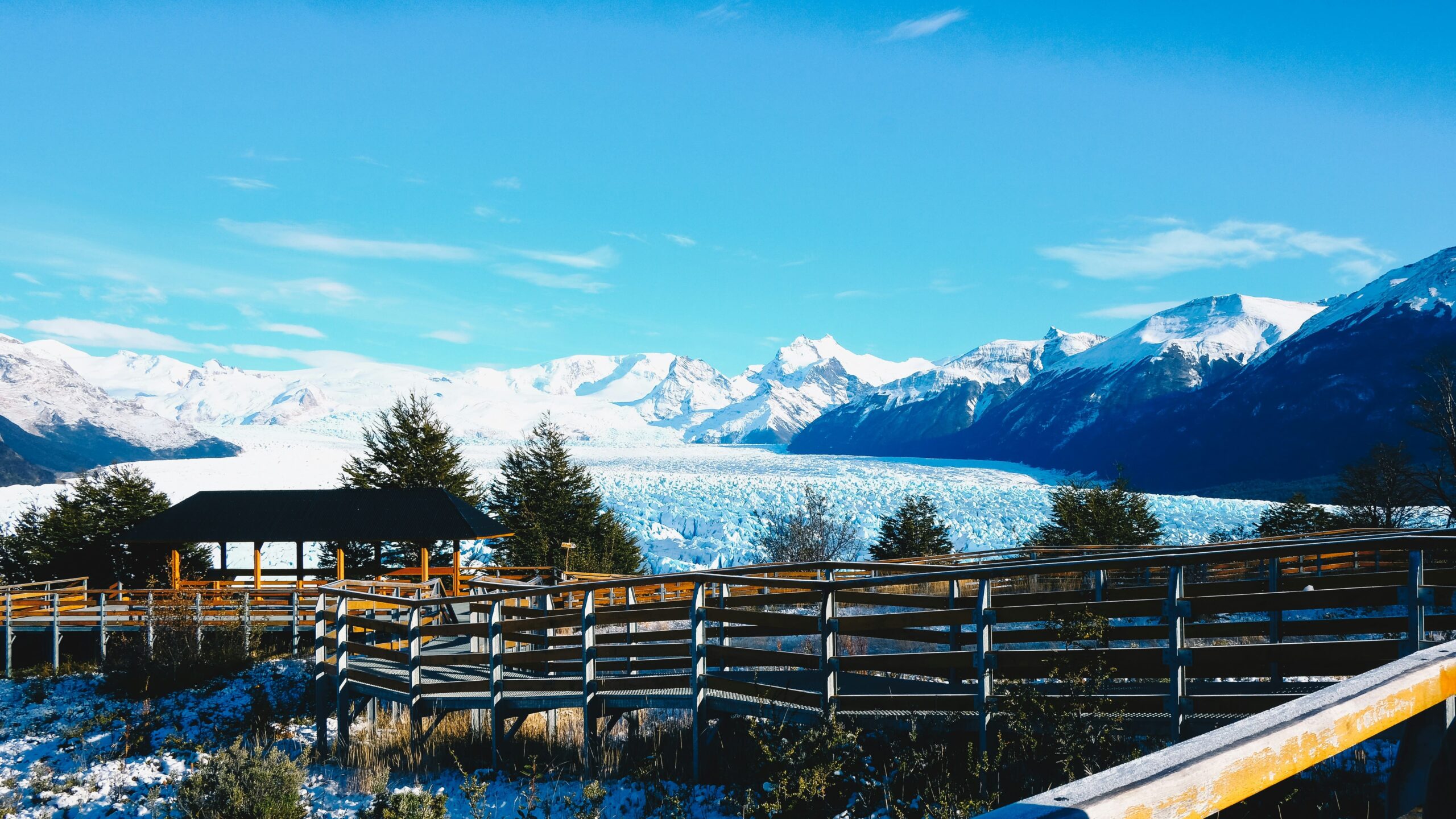
El Calafate serves as the gateway to Los Glaciares National Park, home to the spectacular Perito Moreno Glacier and dozens of other massive ice rivers descending from the Southern Patagonian Ice Field. This small town on the shores of Lago Argentino has grown from a sleepy settlement into Patagonia’s tourism hub, attracting visitors who come to witness one of the planet’s few advancing glaciers.
Perito Moreno Glacier
Perito Moreno Glacier represents Argentina’s most accessible and dramatic glacial experience. This 250-square-kilometer ice mass extends 30 kilometers in length and presents a towering face of approximately 74 meters above Lago Argentino’s surface (with another 170 meters below water). Unlike most of the world’s glaciers, Perito Moreno maintains equilibrium, neither significantly advancing nor retreating, making it a unique natural laboratory for glaciologists.
The glacier’s drama extends beyond its massive size. The ice face regularly calves huge chunks that crash into the lake with thunderous roars, creating waves and spectacular displays. On rare occasions (most recently 2016), the glacier advances until it dams the Brazo Rico arm of the lake, causing water levels to rise until pressure breaks the ice dam in a catastrophic rupture witnessed by fortunate visitors.
Los Glaciares National Park constructed an extensive series of walkways and platforms that provide multiple viewing angles of the glacier from the opposite shore. The walkway system includes both upper and lower circuits, allowing visitors to spend hours observing the glacier from different perspectives. The proximity is remarkable at closest approach; you stand barely 400 meters from the ice face, clearly seeing the glacier’s azure blue hues and hearing the constant cracking and groaning of moving ice.
Ice Trekking Experiences
Several companies offer ice trekking excursions onto Perito Moreno’s surface, providing an entirely different perspective. The Minitrekking experience suits most fitness levels, involving a boat crossing, a brief hike along the lakeshore, and approximately 1.5 hours walking on the glacier wearing crampons. Guides lead groups across the ice, exploring crevasses, moulins (vertical shafts), and ice caves while explaining glacial formation and dynamics.
The Big Ice expedition offers more extensive exploration for fit adventurers, including approximately five hours on the glacier, navigating more challenging terrain and reaching more remote ice formations. The physical demands increase substantially, requiring good fitness and stamina, but the experience of penetrating deeper into this frozen wilderness rewards the effort.
Other Glaciers and Excursions
While Perito Moreno rightfully receives most attention, Los Glaciares National Park protects 47 major glaciers. The Glaciers Gourmet experience combines glacier viewing with fine dining, navigating Lago Argentino while stopping to observe Upsala, Spegazzini, and other glaciers before enjoying a gourmet meal at a remote estancia.
Upsala Glacier, the park’s largest, extends 53 kilometers but has receded dramatically in recent decades, serving as a visible reminder of climate change impacts. Spegazzini Glacier displays the tallest ice face in the park at 135 meters above lake level, creating a towering wall of sculpted ice.
El Chaltén Day Trip
From El Calafate, many visitors take a day trip or overnight excursion to El Chaltén, Argentina’s trekking capital, located about three hours north. This small mountain village sits beneath the dramatic spires of Mount Fitz Roy and Cerro Torre, offering world-class hiking through pristine Patagonian wilderness. Even if you don’t plan extended treks, the drive through Patagonian steppe provides scenic rewards, and shorter hikes around El Chaltén deliver spectacular mountain views.
Practical Considerations
El Calafate lies 320 kilometers from Perito Moreno Glacier in El Chaltén, so visiting both requires careful logistics. Most visitors base themselves in El Calafate, taking a full-day excursion to the glacier (approximately 80 kilometers from town) and potentially a separate trip to El Chaltén.
The town itself offers comfortable accommodations ranging from hostels to luxury hotels, numerous restaurants serving Patagonian lamb, and shops selling outdoor gear and souvenirs. Avenida del Libertador General San Martín serves as the main street, lined with tour agencies where you can book excursions.
Patagonian weather remains notoriously unpredictable. Pack layers, including windproof and waterproof outer shells, as conditions can shift rapidly. Even summer temperatures (December-February) rarely exceed 15-20°C, while winds intensify the chill. Winter (June-August) brings extreme cold, snow, and limited daylight hours, though fewer crowds and potential for crisp, clear views.
Reserve glacier trekking experiences well in advance during peak season (December-February), as spaces fill quickly. Ice trekking has age restrictions (typically 10-65 years) and requires reasonable fitness, though standard walkway viewing suits all ages and abilities.
4. Mendoza: Wine Country at the Andes’ Feet
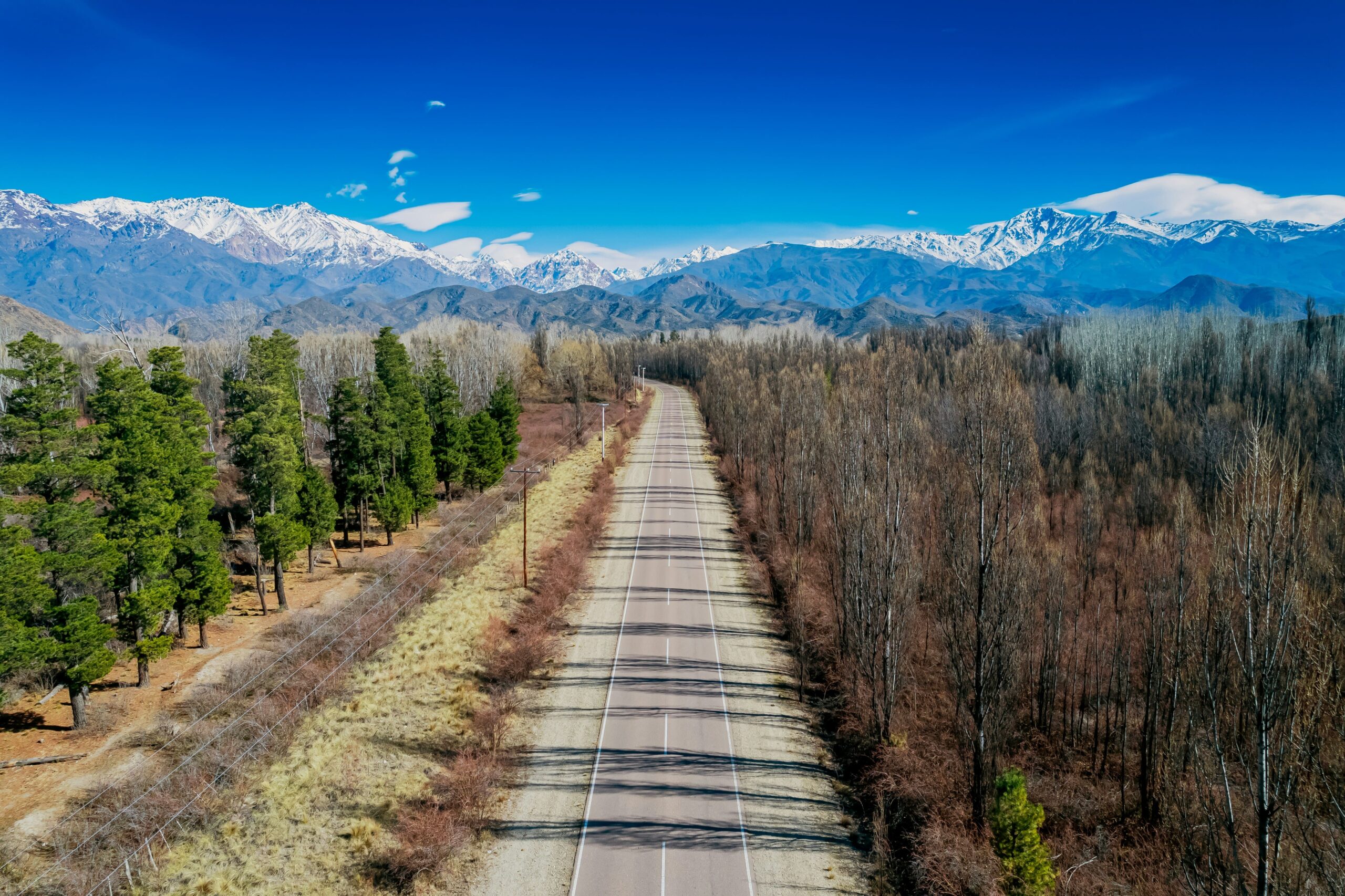
Mendoza province produces approximately 70% of Argentina’s wine, making it the undisputed heart of Argentine viticulture. The city of Mendoza serves as base for exploring hundreds of bodegas (wineries) scattered across several distinct wine regions, all set against the stunning backdrop of the Andes mountains, including Aconcagua, the Western Hemisphere’s highest peak.
Wine Regions
Luján de Cuyo, located 30 kilometers south of Mendoza city, produces some of Argentina’s finest Malbecs from high-altitude vineyards. Historic bodegas here include Catena Zapata, whose striking Mayan-pyramid-inspired building has become an architectural landmark, and Norton, dating to 1895. The region’s terroir, high elevation, intense sunlight, cool nights, and minimal rainfall create ideal conditions for concentrated, complex wines.
Valle de Uco, about 100 kilometers south of Mendoza city, represents Argentina’s newest premium wine frontier. Vineyards here reach elevations of 900-1,700 meters, producing exceptionally elegant wines with marked acidity and refined tannins. The valley’s stunning mountain scenery rivals any wine region globally. Boutique producers like Zuccardi Valle de Uco and Salentein combine world-class wines with cutting-edge architecture and fine dining.
Maipú, Mendoza’s traditional wine heartland, offers the most accessible bodega hopping, with many wineries concentrated within easy cycling distance. The region maintains a more rustic, traditional atmosphere, with family-run operations alongside established names like Trapiche and Bodegas López.
Bodega Experiences
Modern Argentine wineries have evolved far beyond simple tastings, offering comprehensive experiences combining wine, gastronomy, art, and architecture. Many high-end bodegas now feature restaurants helmed by renowned chefs, creating food and wine pairings that showcase regional ingredients alongside estate wines.
Catena Zapata offers architectural grandeur and serious wine education, with vertical tastings showcasing different terroirs and vintages. Zuccardi Valle de Uco combines striking contemporary architecture, an excellent restaurant sourcing ingredients from their organic garden, and thoughtfully curated tastings. Salentein boasts a private art gallery alongside their wine cellars and mountain-view restaurant.
Smaller, family-run bodegas provide more intimate experiences. Producers like Cecchin, Familia Zuccardi (different from Zuccardi Valle de Uco), and Carmelo Patti offer personal interactions with winemakers, often sharing their philosophy and techniques in casual conversation.
Beyond Wine
Mendoza offers much beyond viticulture. The city itself, rebuilt after a devastating 1861 earthquake, features wide, tree-lined avenues, extensive irrigation canals, and beautiful parks. Plaza Independencia anchors the city center, surrounded by restaurants, shops, and cultural spaces.
Aconcagua Provincial Park attracts mountaineers aiming for the 6,962-meter summit, but day visitors can access lower elevations for spectacular mountain views without technical climbing. The approach road from Mendoza passes stunning Andean scenery, including the Puente del Inca (Inca Bridge), a natural rock formation spanning a river.
Adventure activities abound in Mendoza’s mountains. White-water rafting on the Mendoza River, horseback riding through Andean foothills, and mountain biking down rugged trails provide adrenaline alternatives to wine tasting. In winter (June-September), nearby ski resorts like Las Leñas attract skiers and snowboarders.
Practical Wine Touring
Organized wine tours provide the most convenient and responsible way to visit multiple bodegas, handling transportation and reservations while allowing participants to taste freely without driving concerns. Tours range from group bus excursions to private, customized experiences focusing on specific interests or regions.
Alternatively, many visitors rent bicycles in Maipú, cycling between nearby wineries along quiet country roads a pleasant way to combine exercise, scenery, and wine tasting. This works best for fit cyclists comfortable with several hours in the saddle.
Always make reservations at wineries, especially high-end operations with limited daily visitors. Walk-in visits work at some traditional bodegas but risk disappointment at exclusive properties. Tastings typically cost 500-3,000 Argentine pesos, depending on the bodega’s prestige and wines poured, often refundable with wine purchases.
The best visiting months are March-May (harvest season with beautiful fall foliage) and September-November (spring blooming). Summer (December-February) brings extreme heat, sometimes exceeding 40°C, while winter can be surprisingly cold with some bodegas reducing hours.
5. Bariloche and the Lake District: Alpine Argentina
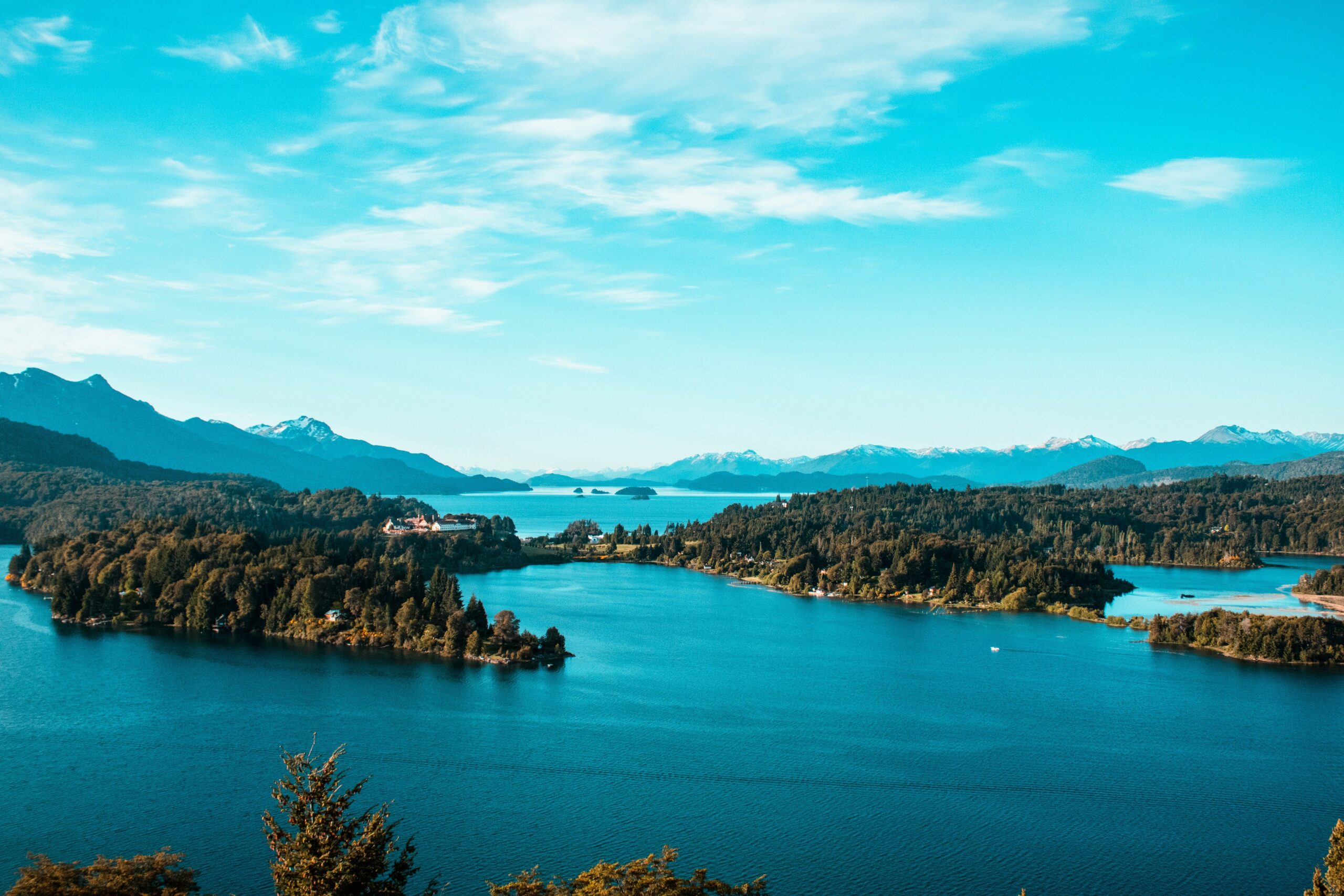
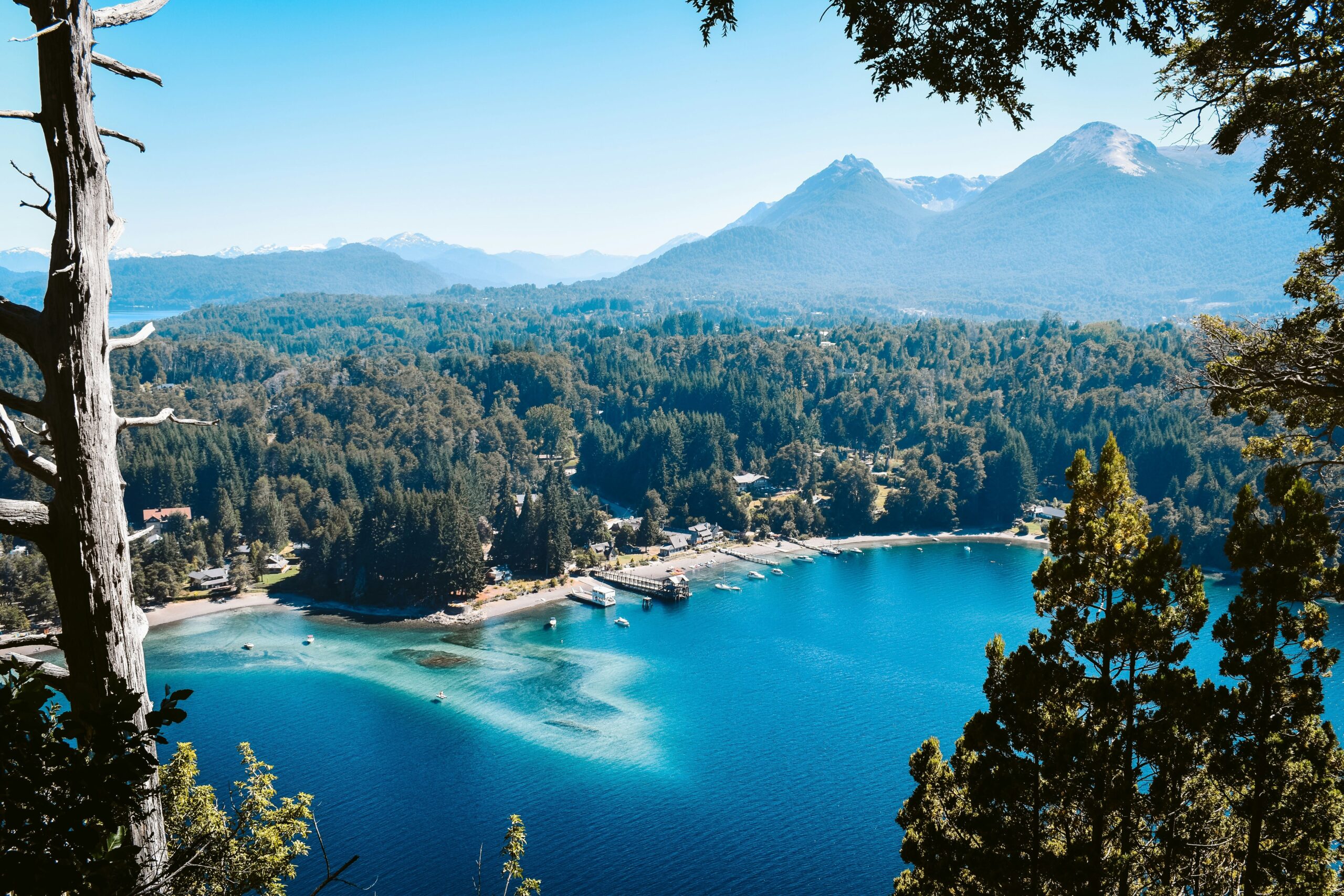
San Carlos de Bariloche, nestled on the shores of Nahuel Huapi Lake in northern Patagonia, presents Argentina’s most Alpine-like landscape. Often called the “Switzerland of South America,” this mountain town combines dramatic Andean peaks, crystal-clear lakes, chocolate shops, and outdoor adventures that attract visitors year-round.
Natural Beauty
Nahuel Huapi National Park, Argentina’s oldest national park, established in 1934, protects 717,261 hectares of mountains, forests, and lakes. The park’s centerpiece, Nahuel Huapi Lake, extends 557 square kilometers with seven branches reaching into forested valleys. The lake’s deep blue waters, surrounded by snowcapped peaks and ancient Arrayán forests, create postcard scenery at every turn.
The Circuito Chico, a 60-kilometer scenic loop from Bariloche, showcases the region’s beauty via paved road accessible by car, bicycle, or tour bus. The route passes Playa Bonita beach, Cerro Campanario viewpoint (a short chairlift provides 360-degree lake and mountain views), Puerto Pañuelo (departure point for lake cruises), and Villa La Angostura. The entire circuit takes 3-4 hours by car with stops, or a full day by bicycle.
Cerro Catedral, South America’s largest ski resort, transforms into a hiking and mountain biking destination during summer. A cable car provides access to upper elevations even for non-skiers, delivering spectacular panoramic views across the Lake District. Several restaurants at mid-mountain offer lunch with extraordinary vistas.
Outdoor Adventures
Bariloche serves as an outdoor adventure hub offering activities for all seasons and ability levels. Hiking options range from gentle lakeside walks to demanding full-day climbs. Popular treks include Cerro Llao Llao, Refugio Frey (requiring camping gear), and Laguna Negra. The park maintains well-marked trails, though weather can change rapidly, requiring proper preparation.
Water sports thrive on Nahuel Huapi’s clear waters. Kayaking, stand-up paddleboarding, sailing, and fishing (the lake holds introduced trout and salmon) provide aquatic options. Several beaches, including Playa Bonita and Bahía Serena, offer swimming during warm summer months, though water temperatures rarely exceed 18°C.
Mountain biking has exploded in popularity, with numerous trails ranging from gentle lakeside paths to technical single-track descents. Bike rental shops provide equipment and maps, while guides lead excursions for those unfamiliar with the terrain.
In winter (June-September), Cerro Catedral attracts skiers and snowboarders to South America’s best-developed ski resort, featuring 120 kilometers of runs, modern lifts, and infrastructure rivaling many European resorts. Smaller resorts like Cerro Bayo near Villa La Angostura offer more intimate skiing experiences.
The Chocolate Route
Bariloche’s chocolate tradition dates to early Swiss and German immigrants who established chocolate shops in the 1940s. Today, Avenida Bustillo hosts dozens of chocolaterías offering everything from traditional bonbons to elaborate sculptures. Mamuschka, Rapa Nui, and Fenoglio rank among the most famous, each offering factory tours and tastings. While quality varies and some shops cater primarily to tour groups, genuine artisanal chocolate rivals anything from Belgium or Switzerland.
Villa La Angostura
This charming town, 80 kilometers from Bariloche, offers a quieter, more upscale alternative base for exploring the lake district. Its microclimate creates warmer, drier conditions than Bariloche, while maintaining spectacular mountain and lake scenery. The town’s highlight, Los Arrayanes National Park, protects a unique forest of Arrayán trees, whose cinnamon-colored bark and twisted trunks create a fairy-tale atmosphere. The park occupies the Quetrihué Peninsula, accessible via a 12-kilometer forest walk or boat from Villa La Angostura.
Practical Information
Bariloche requires 3-5 days for adequate exploration, though outdoor enthusiasts could easily spend weeks. The town offers excellent infrastructure, including accommodations for all budgets, restaurants serving everything from Patagonian lamb to international cuisine, and outdoor gear shops for last-minute equipment needs.
Summer (December-February) brings the best weather for hiking and water sports, though peak season means crowds and higher prices. Shoulder seasons (October-November and March-April) offer a sweet spot of decent weather, fall colors in autumn, and fewer tourists. Winter attracts skiers but limits other activities.
Weather variability requires flexible planning and appropriate clothing. Layering systems work best, with windproof and waterproof outer shells essential. Even summer days can start sunny and turn stormy within hours.
6. Ushuaia: The End of the World
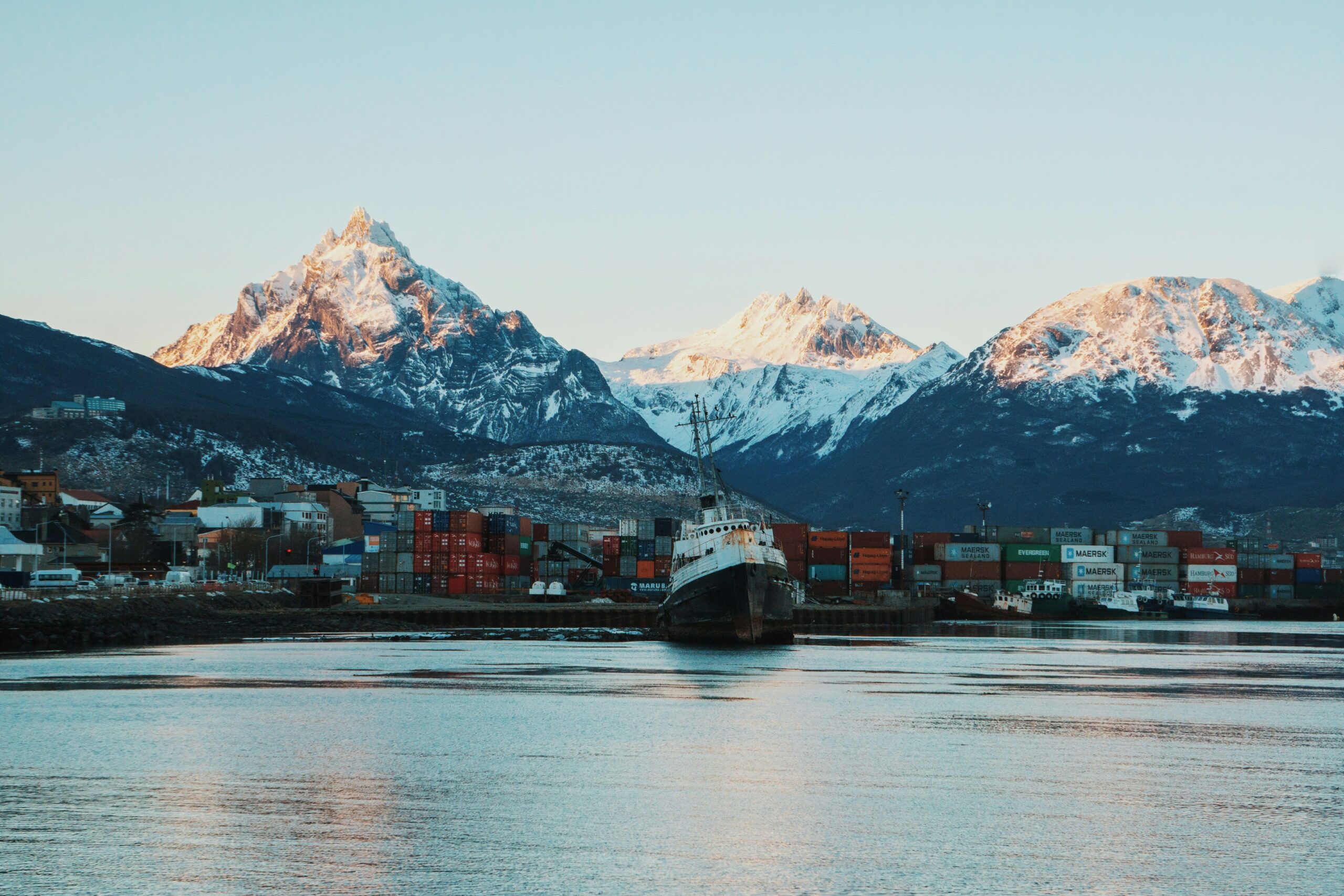
Ushuaia holds the distinction of being the world’s southernmost city, perched on the Beagle Channel coast at 54°48′ South latitude. This dramatic location, surrounded by mountains, forests, and cold seas at the very edge of inhabited South America, creates a unique atmosphere that draws adventurers, wildlife enthusiasts, and those seeking the thrill of reaching Earth’s extremities.
The Setting
The city itself stretches along the Beagle Channel shore, with colorful buildings ascending the foothills of the snow-capped Martial Range. The setting alone justifies the journey, the sense of remoteness, the harsh beauty of southern Patagonia, and the knowledge that only Antarctica lies further south, creating an almost mystical ambiance.
Martial Glacier, accessible via a chairlift from Ushuaia’s edge, provides an accessible mountain experience. A short hike beyond the chairlift’s top station leads to the glacier itself and delivers panoramic views over Ushuaia, the Beagle Channel, and Chilean mountains beyond. The hike ranges from moderate to challenging, depending on how far you venture, with well-marked trails and spectacular alpine scenery.
Tierra del Fuego National Park
Parque Nacional Tierra del Fuego, Argentina’s first coastal national park, protects 63,000 hectares of subantarctic forest, peat bogs, mountains, and coastline just 12 kilometers from Ushuaia. The park offers numerous hiking trails ranging from easy lakeside walks to strenuous ridge climbs.
The Coastal Trail (Senda Costera) follows the Beagle Channel shore for approximately 8 kilometers, passing through dense southern beech forests, along rocky beaches, and past abandoned indigenous shell middens. The trail’s end at Lapataia Bay marks the terminus of Route 3, which begins thousands of kilometers north in Buenos Aires a popular spot for photographs with the “end of the road” sign.
Laguna Esmeralda trek, located outside the national park, rewards hikers with stunning views of a turquoise glacial lake surrounded by mountains. The 9-kilometer round-trip hike crosses peat bogs on wooden walkways, climbs through forests, and finally opens to the dramatic lake view. The trail can be muddy and challenging but ranks among Tierra del Fuego’s most beautiful hikes.
Tren del Fin del Mundo (End of the World Train) follows a historic logging railway route into the national park. This narrow-gauge steam train provides a scenic, relaxed way to enter the park while learning about the region’s logging history and indigenous peoples. While touristy, the train experience charms visitors of all ages.
Beagle Channel Excursions
Boat tours on the Beagle Channel rank among Ushuaia’s most popular activities, offering wildlife viewing and spectacular scenery. Standard tours visit sea lion colonies on rocky islands, observe Magellanic and gentoo penguins, and approach Les Eclaireurs Lighthouse, often misidentified as the “Lighthouse at the End of the World” (the actual lighthouse from Jules Verne’s novel stands on Isla de los Estados).
Longer excursions reach Martillo Island, home to a gentoo and Magellanic penguin colony, where visitors can walk among nesting birds, an extraordinary wildlife encounter available only in a few locations globally. These tours require booking and weather permits, but provide unforgettable close encounters with penguins going about their daily routines seemingly unconcerned by human observers.
Antarctica Gateway
Ushuaia serves as the primary departure point for Antarctic cruises, with dozens of ships embarking from its port between November and March. While Antarctic cruises require significant time and budget, they represent the ultimate extension of an Argentina journey for travelers seeking the ultimate adventure. Even if you don’t sail south, Ushuaia’s status as an Antarctica gateway adds to its frontier atmosphere.
Activities and Culture
Beyond nature, Ushuaia offers museums providing context for the region’s history. The Museo del Fin del Mundo covers indigenous peoples, early European settlement, and natural history. The Museo Marítimo y Presidio occupies a former prison that operated until 1947, now housing extensive exhibits on Tierra del Fuego’s maritime history and the prison’s infamous past.
Adventure activities abound. Kayaking the Beagle Channel provides an intimate water-level perspective on the coastline. 4×4 excursions into the mountains and valleys inland from Ushuaia, access areas unreachable by normal vehicles. Horseback riding through valleys and along ridges offers yet another way to experience Tierra del Fuego’s landscape.
In winter (June-September), Cerro Castor ski resort, just 26 kilometers from Ushuaia, provides southern hemisphere skiing when northern resorts sit summer-dormant. The season runs longer here due to the extreme latitude, with reliable snow from June through October.
Practical Considerations
Ushuaia’s remoteness means higher costs than mainland Argentina; expect to pay more for accommodations, food, and activities. The city has excellent infrastructure given its location, with options from hostels to luxury lodges.
The weather remains challenging year-round. Summer temperatures rarely exceed 15°C, while winter brings snow and temperatures around 0°C. Most critically, wind frequently howls through the region layer appropriately and always carry windproof gear. The weather can shift from sunny to stormy within minutes.
The summer season (December-February) offers the longest daylight (nearly 17 hours), best weather, and full activity availability, but also brings crowds and peak prices. Shoulder seasons (October-November and March-April) provide a balance of acceptable weather and fewer visitors. Winter attracts ski enthusiasts but severely limits some activities, though the snow-covered landscape creates its own stark beauty.
7. Salta and the Northwest: Colonial Charm and Colorful Mountains
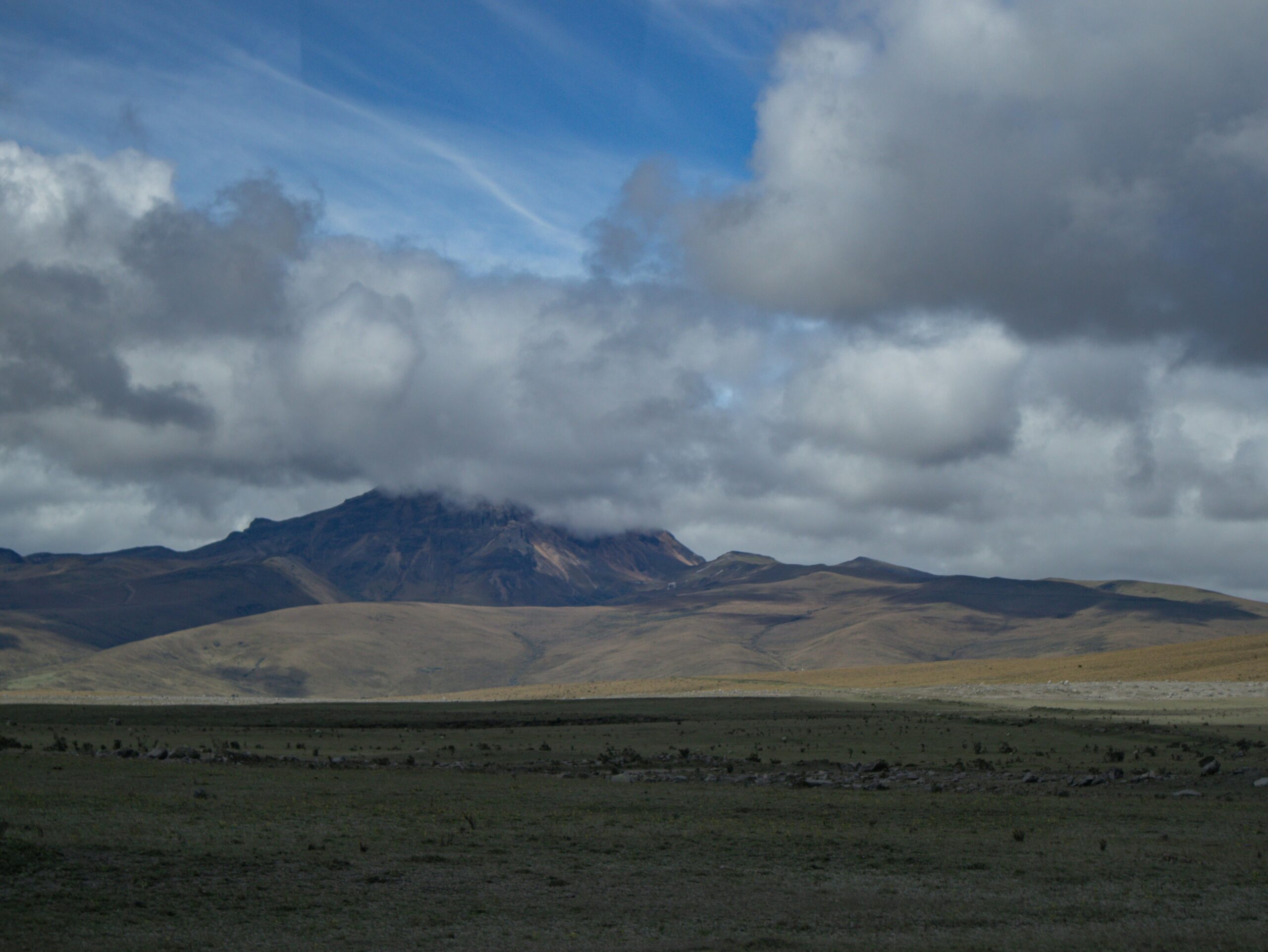
Argentina’s Northwest region offers dramatically different landscapes and culture from the rest of the country. Salta city serves as the gateway to this colonial region, where indigenous traditions blend with Spanish heritage, pre-Columbian ruins dot the landscape, and some of Earth’s most colorful geology creates surreal desert scenery.
Salta City
Salta itself charms visitors with remarkably preserved colonial architecture, vibrant culture, and sophisticated gastronomy. The city maintains a more traditional, less European atmosphere than Buenos Aires, with strong indigenous influences visible in markets, music, and food.
The city center revolves around Plaza 9 de Julio, surrounded by colonial buildings including the distinctive pink Cabildo (colonial town hall) and the neo-classical Cathedral. The plaza’s palm trees and central monument create a pleasant gathering space where locals socialize, especially during warm evenings.
Cerro San Bernardo rises 260 meters above the city, accessible via a steep path with stations of the cross shrines or a convenient cable car. The summit provides panoramic views across Salta’s red-tiled roofs toward surrounding mountains, particularly beautiful at sunset when the city lights begin twinkling.
Salta’s folklore music tradition remains vibrant, with peñas (folk music venues) hosting nightly performances. These venues range from tourist-oriented shows to authentic neighborhood spots where locals gather to dance traditional chacarera and zamba dances while drinking wine and eating empanadas.
Quebrada de Humahuaca
This 155-kilometer valley north of Salta, inscribed as a UNESCO World Heritage Site, presents some of Argentina’s most spectacular geology. Millennia of sediment deposition and erosion created layer-cake mountains displaying every color imaginable, reds, oranges, purples, greens, yellows, and whites, stratified in distinct bands.
Purmamarca, a tiny village at the Quebrada’s southern entrance, sits at the base of the Cerro de los Siete Colores (Hill of Seven Colors), a mountain face displaying seven distinct color layers. The village’s whitewashed colonial church and adobe houses contrast beautifully with the surrounding technicolor geology. A short walking circuit around the hill takes about 45 minutes and provides multiple viewing angles.
Tilcara offers more infrastructure while maintaining authentic character. The town’s pre-Incan fortification, Pucará de Tilcara, sits on a hilltop overlooking the valley a reconstructed indigenous settlement occupied between 1000-1480 CE. The ruins include residential structures, a ceremonial plaza, and agricultural terraces, providing insight into pre-Columbian life in this harsh environment. The climb to the pucará takes about 20 minutes and is rewarded with sweeping valley views.
Humahuaca itself, the valley’s namesake town, maintains a more working-class, less touristy atmosphere. The town’s clock tower features a life-sized figure of San Francisco Solano that emerges daily at noon to bless the crowd below, a quirky tradition drawing daily gatherings of tourists and locals.
Salinas Grandes, massive salt flats located at 3,450 meters between Salta and Jujuy provinces, cover 212 square kilometers of blindingly white expanse. The flats create stunning photo opportunities, especially perspective-trick shots, playing with the flat, featureless surface. Visit during midday for the whitest conditions, though mornings and late afternoons offer softer light and fewer crowds.
Cafayate and Calchaquí Valleys
South of Salta, the Calchaquí Valleys present entirely different desert landscapes and Argentina’s highest-elevation vineyards. The journey from Salta to Cafayate via Quebrada de las Conchas (also called Quebrada de Cafayate) passes extraordinary rock formations carved by wind and water over millions of years.
The quebrada features named formations, including the Garganta del Diablo (a narrow slot canyon), the Anfiteatro (an amphitheater-shaped rock formation with remarkable acoustics), and Los Castillos (castle-like rock spires). The entire 183-kilometer drive from Salta to Cafayate takes 3-4 hours, but deserves much longer with stops at viewpoints and formations.
Cafayate, a charming wine town surrounded by vineyards, specializes in Torrontés, Argentina’s signature white grape varietal. This aromatic white wine thrives in the region’s high-altitude, dry climate, producing wines with intense floral aromatics and crisp acidity. Dozens of bodegas around Cafayate offer tastings, from large commercial operations to tiny family-run producers.
Notable wineries include Bodega El Porvenir de Cafayate, whose historic estate produces both traditional and innovative wines, and Domingo Hermanos, a boutique producer crafting exceptional high-altitude wines. Many bodegas offer bicycle rentals, allowing visitors to cycle between wineries through quiet vineyard roads.
Cachi and the High Puna
The mountain village of Cachi, accessible via the spectacular Cuesta del Obispo mountain pass, offers authentic northwestern culture with minimal tourism development. The drive from Salta crosses landscapes from cloud forest through arid puna (high-altitude desert), reaching elevations above 3,600 meters at Piedra del Molino before descending to Cachi at 2,280 meters.
Cachi’s whitewashed colonial buildings, cobblestone streets, and 18th-century church create a timeless atmosphere. The town serves as a base for exploring nearby archaeological sites, including Las Pailas, an indigenous agricultural complex with remarkably preserved terraces.
Los Cardones National Park, between Salta and Cachi, protects vast forests of cardón cacti, some reaching 3 meters tall and living over 300 years. These iconic cacti create surreal landscapes, especially when backlit during golden hour.
Practical Tips for the Northwest
The Northwest’s high elevations (most destinations sit above 2,000 meters, with mountain passes exceeding 4,000 meters) require acclimatization. Ascend gradually when possible, stay hydrated, avoid alcohol initially, and recognize altitude sickness symptoms. Coca tea, widely available, helps some people manage altitude effects.
Distances can be deceptive what looks like short drives on maps often require hours on winding mountain roads. Road conditions vary significantly, with some routes requiring high-clearance vehicles or 4WD during the rainy season (December-March).
The dry season (April-November) provides the best traveling conditions, with clear skies and minimal rain. Summer (December-March) brings afternoon thunderstorms that can render some roads impassable and obscure mountain views. Winter (June-August) offers crystal-clear skies but cold nights, with temperatures occasionally dropping below freezing.
Salta serves as the logical base, with good flight connections to Buenos Aires and other major cities. From Salta, explore as day trips or multi-day circuits, staying in smaller towns. Most travelers allocate 4-7 days for the region, though more time allows deeper exploration of this culturally rich area.
8. Peninsula Valdés: Marine Wildlife Paradise
Peninsula Valdés, a hook-shaped landmass jutting into the Atlantic Ocean from Patagonia’s coast, ranks among the world’s premier marine wildlife destinations. This UNESCO World Heritage Site hosts one of the planet’s most important breeding populations of southern right whales, along with massive elephant seal colonies, sea lions, penguins, orcas, and diverse seabirds.
Southern Right Whales
The peninsula’s main draw, southern right whales, arrive between June and December to breed and calve in the protected waters of Golfo Nuevo and Golfo San José. Females give birth in the shallow, calm gulfs, remaining for months while calves grow strong enough for migration to Antarctic feeding grounds.
Puerto Pirámides, the peninsula’s only town and tourism hub, offers whale-watching boat tours that approach within meters of these gentle giants. The whales display remarkable tolerance of boats, often approaching out of apparent curiosity. Mothers with calves frequently surface alongside vessels, while adult males breach spectacularly, launching their 40-ton bodies clear of the water.
The whales’ peak season runs September-November, when populations reach maximum and weather improves, though whales are present June-December. Some individuals remain year-round. The intimate encounters possible here whales often surfacing directly beside boats, their massive eyes gazing at passengers, create profoundly moving experiences that remain etched in memory.
Marine Colonies
Punta Norte, at the peninsula’s northeastern tip, hosts massive elephant seal colonies where males weighing up to 4,000 kilograms battle for dominance and mating rights. These enormous seals arrive in August, with territorial battles beginning in September and continuing through the breeding season. The beach scenes of dozens of massive bulls, each surrounded by harems of females and pups, present nature at its most dramatic and competitive.
Punta Norte gained additional fame as the site where orcas (killer whales) intentionally beach themselves to capture young sea lions and elephant seal pups, a unique hunting technique passed down through generations. This behavior occurs primarily in March-April, requiring exceptional timing and significant luck to witness.
Punta Delgada and Caleta Valdés host additional elephant seal colonies accessible via guided tours or independent visits. Caleta Valdés, a long, narrow inlet, also hosts Magallanic penguin burrows and serves as nursery grounds for elephant seals.
Sea lion colonies dot the coastline at various points, including large colonies near Puerto Pirámides visible from the cliffs. Unlike elephant seals, sea lions remain year-round, providing reliable viewing opportunities.
Punta Tombo Penguin Colony
While technically outside Peninsula Valdés proper, Punta Tombo deserves mention as one of the world’s largest continental Magellanic penguin colonies. Located 180 kilometers south, the reserve hosts approximately 500,000 penguins that return annually September-April to breed.
A boardwalk system allows close encounters with nesting penguins the birds burrow into the sandy soil, raising chicks within meters of the walkways. Visitors walk among thousands of penguins going about their daily routines: arriving from fishing trips, feeding chicks, defending territories, and waddling between burrows and ocean. The cacophony of penguin brays, the sometimes overwhelming smell, and the sheer numbers create an unforgettable wildlife spectacle.
Puerto Madryn Base
Most visitors base themselves in Puerto Madryn, a coastal city 75 kilometers from Peninsula Valdés. This modern city offers excellent accommodations, restaurants, tour operators, and the Ecocentro museum, which provides valuable context about the region’s marine ecosystems and conservation challenges.
Puerto Madryn’s beaches and waterfront promenade provide pleasant relaxation between wildlife excursions. Some visitors combine peninsula tours with diving or snorkeling the area’s clear waters and kelp forests attract divers, while sea lion snorkeling tours offer unique underwater encounters.
Visiting Logistics
Peninsula Valdés requires at least two full days for adequate exploration, one for whale watching and nearby sites, and another for the entire peninsula circuit, visiting all major wildlife points. The peninsula circuit covers approximately 400 kilometers on mostly dirt roads, taking a full day with stops.
Independent driving is possible with rental vehicles, though guided tours provide expert guidance, guarantee wildlife sightings, and include interpretation. The peninsula charges an entry fee at the isthmus entrance, valid for the day.
Wildlife timing matters significantly. Whales: June-December (peak September-November). Elephant seals: August-March (peak September-November). Penguins at Punta Tombo: September-April (peak November-December). Orcas at Punta Norte: March-April. Plan timing based on priority species.
The weather on this exposed coastline can be harsh strong winds blowing almost constantly, particularly from September to November. Temperatures remain cool year-round, rarely exceeding 20°C in summer. Layered clothing, windproof jackets, and sun protection prove essential.
9. Iberá Wetlands: Argentina’s Wildlife Secret
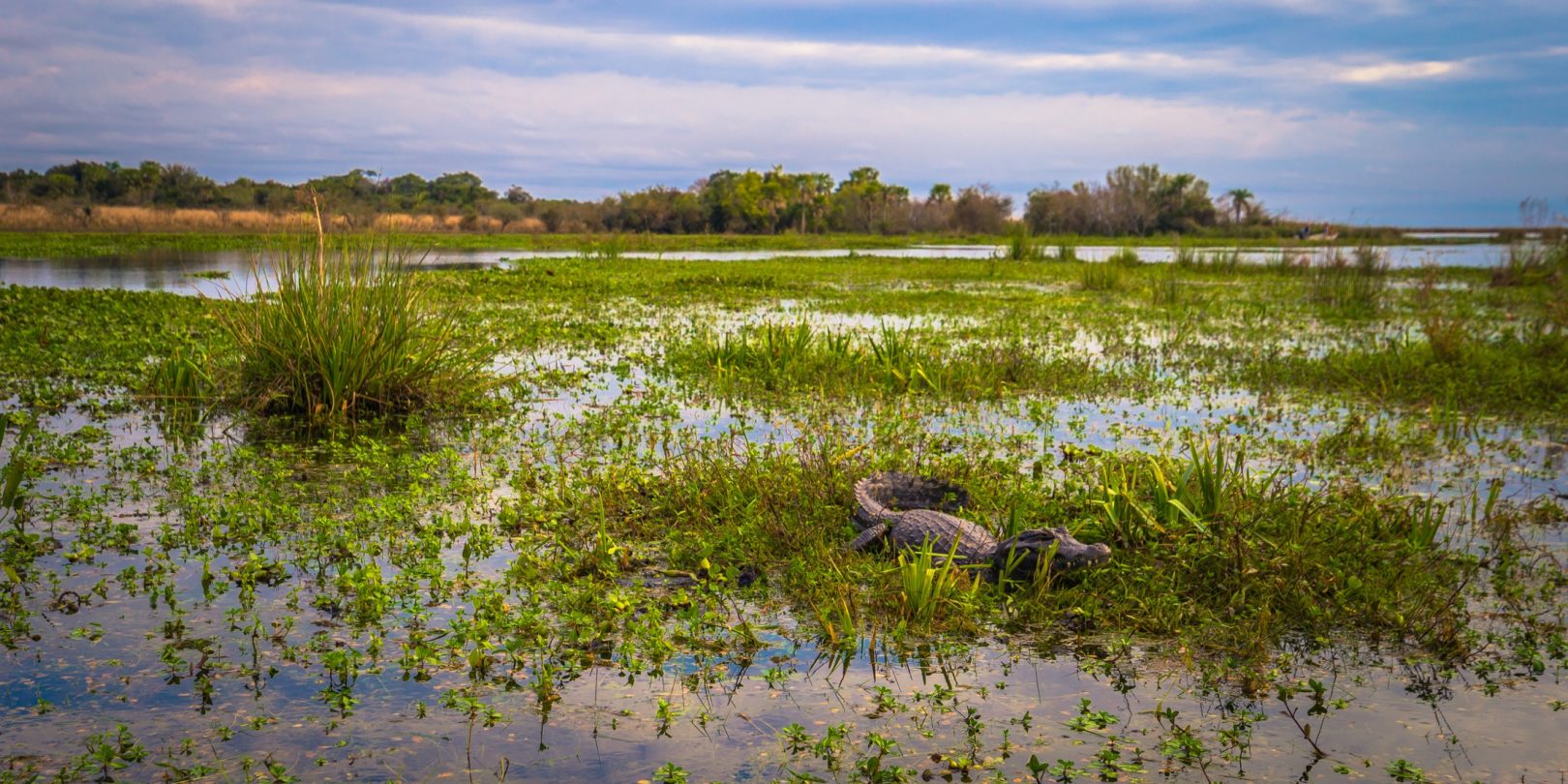
The Iberá Wetlands, covering 13,000 square kilometers in northeastern Argentina’s Corrientes province, represent one of South America’s most important freshwater ecosystems and one of Argentina’s best-kept secrets among international travelers. This vast mosaic of marshes, lagoons, floating islands, and gallery forests hosts extraordinary wildlife diversity, increasingly including species reintroduced through ambitious rewilding projects.
The Ecosystem
Iberá’s name derives from the Guaraní language, meaning “shining waters,” referring to the wetlands’ crystal-clear lagoons reflecting sky and clouds. The system consists of shallow lagoons connected by waterways and separated by embalsados floating islands formed by aquatic plants whose roots never touch bottom. These surreal formations drift slowly, occasionally rearranging the landscape overnight.
The wetlands formed in a depression left by ancient rivers, collecting rainfall and groundwater in a system with no surface outlet. Water slowly seeps underground or evaporates, creating a dynamic equilibrium that supports one of the continent’s richest ecosystems.
Wildlife Encounters
Iberá offers Argentina’s best wildlife viewing, with exceptional biodiversity and increasing populations of formerly extinct species. Capybaras, the world’s largest rodents, graze in groups along waterways and wander through grasslands. These docile, pig-sized animals show little fear of humans, often approaching within meters.
Caimans (yacaré in Spanish) bask on mudbanks and float at the water surface, their eyes and nostrils barely protruding. The wetlands support two species: the broad-snouted caiman and the yacaré caiman. Night safaris reveal dozens of glowing red eyes reflecting in flashlight beams, an eerie reminder of the caiman populations thriving here.
Marsh deer, South America’s largest deer species, wade through shallow water feeding on aquatic vegetation. These elegant cervids, endangered throughout much of their range, thrive in Iberá’s protected habitat. Sightings occur frequently, particularly during boat excursions.
The birdlife astounds ornithologists and casual observers alike. The wetlands host over 350 bird species, including jabiru storks (the Americas’ tallest flying bird), roseate spoonbills, numerous heron and egret species, kingfishers, and the strange hoatzin. The dawn chorus creates a cacophony of whistles, squawks, and calls.
Rewilding Projects
Iberá has become ground zero for South America’s most ambitious rewilding initiative. The Conservation Land Trust (founded by Tompkins Conservation) has been reintroducing locally extinct species through careful breeding and release programs.
Giant anteaters, extinct in Iberá for decades, now roam the wetlands again. These peculiar mammals, using their powerful claws and extremely long tongues to extract ants and termites, have established breeding populations. Morning and evening drives frequently encounter anteaters shuffling through grasslands.
Pampas deer, once abundant across Argentina’s grasslands, faced near-extinction through habitat loss and hunting. Iberá’s reintroduction program has established viable populations visible during wildlife drives.
Most dramatically, jaguars returned to Iberá after a 70-year absence. The reintroduction program, breeding jaguars in controlled conditions before releasing them into protected areas, represents a remarkable conservation success. While sightings remain rare due to the cats’ elusive nature and low densities, knowing apex predators again hunt these wetlands creates psychological completion to the ecosystem.
Additional rewilding projects focus on giant otters, tapirs, and peccaries all species historically present but locally extinct. These programs position Iberá as a conservation model, demonstrating that with sufficient habitat protection and management, even large mammal communities can be restored.
Visiting Iberá
Colonia Carlos Pellegrini, a small village on Laguna Iberá’s western shore, serves as the primary tourism base. This sleepy settlement offers lodges, estancias (ranches), and basic services. Most accommodations include meals and guided activities, boat excursions, safaris, horseback rides, and kayaking.
Boat excursions provide the quintessential Iberá experience, navigating narrow channels through embalsados while guides point out wildlife and explain the ecosystem. Early morning and late afternoon trips offer the best wildlife activity and lighting for photography.
Safari drives explore the surrounding grasslands and gallery forests on private ranch properties, searching for anteaters, deer, capybaras, and potentially jaguars. Knowledgeable guides share their intimate knowledge of animal behaviors and habitats.
Kayaking allows silent, intimate exploration of lagoons and channels. Paddling through narrow waterways, drifting past caimans and wading birds while water lilies bloom around you, creates magical moments impossible from motorboats.
The wetlands operate year-round, though conditions vary seasonally. Summer (December-February) brings high water levels, lush vegetation, oppressive heat and humidity, and abundant insects (mosquito repellent essential). Winter (June-August) offers cooler temperatures, lower water, easier wildlife viewing as animals concentrate near remaining water, and fewer insects, though some lodges close. Spring (September-November) and autumn (March-May) provide comfortable weather and good wildlife viewing.
Access and Logistics
Iberá remains relatively remote, contributing to its pristine condition but complicating access. Most visitors fly to Posadas or Corrientes cities, then drive 2-4 hours to Colonia Carlos Pellegrini on unpaved roads. Some lodges arrange transfers. Alternatively, long-distance buses from Buenos Aires reach nearby towns, with taxi transfers to the wetlands.
Plan at least 2-3 nights for worthwhile exploration, though wildlife enthusiasts could easily spend a week. Most accommodations operate on a full-board basis (all meals and activities included), simplifying planning and logistics. The remote location means limited dining and shopping options outside lodges.
This emerging destination sees far fewer visitors than Iguazú or Patagonia, offering authentic experiences and a sense of genuine discovery increasingly rare in modern travel. Supporting local lodges and conservation projects through your visit contributes directly to protecting this extraordinary ecosystem.
10. Córdoba: Argentina’s Cultural Heart
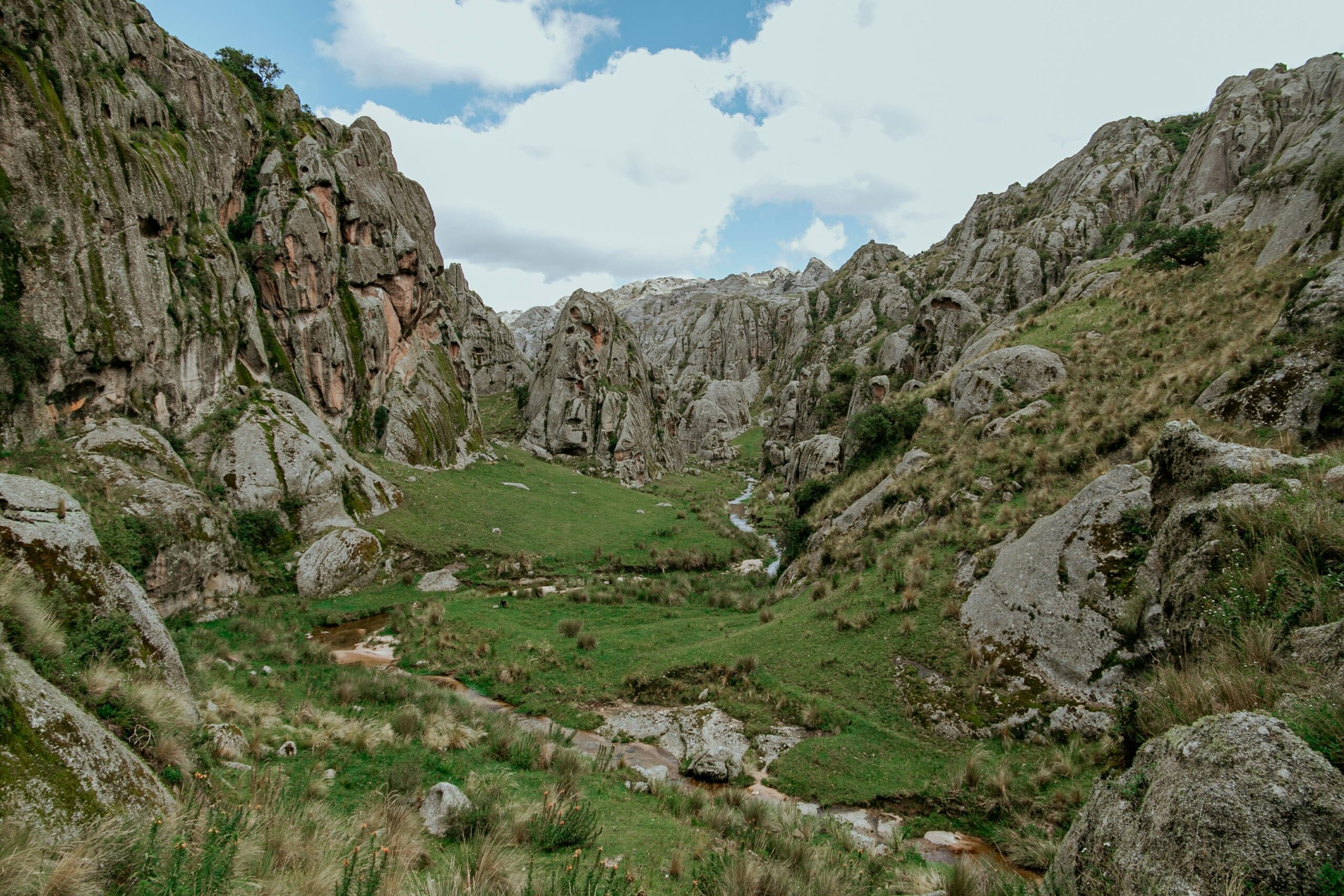
While often overlooked by international travelers, Córdoba deserves recognition as one of Argentina’s most historically significant and culturally vibrant cities. Argentina’s second-largest city (approximately 1.5 million residents) combines colonial heritage, university culture, mountain landscapes, and proximity to traditional estancias, creating a multifaceted destination offering unique insights into Argentine life beyond Buenos Aires’s cosmopolitan bubble.
Colonial Heritage
Córdoba’s Jesuit Block (Manzana Jesuítica), a UNESCO World Heritage Site, represents the architectural and spiritual center of Jesuit missions in southern South America during the 17th-18th centuries. The complex includes the Church of the Society of Jesus (Argentina’s oldest surviving church, begun in 1640), the University of Córdoba (the oldest university in Argentina, founded in 1613), and associated buildings.
The Jesuit estancias surrounding Córdoba, Jesús María, Santa Catalina, Caroya, Alta Gracia, and La Candelaria formed the economic engine supporting Jesuit educational and missionary work. These working ranches, now museums and UNESCO sites, showcase colonial agricultural systems, Baroque churches, and indigenous-European cultural fusion. Alta Gracia, the most accessible and best-preserved, lies just 36 kilometers from Córdoba city.
The Córdoba Cathedral, facing Plaza San Martín, combines multiple architectural styles reflecting centuries of construction and renovation. Its blend of Baroque, Neoclassical, and indigenous influences creates a uniquely Argentine religious architecture.
University Culture
The Universidad Nacional de Córdoba, one of the Americas’ oldest universities, profoundly shapes the city’s character. The student population creates a youthful, progressive atmosphere with active nightlife, cultural events, and intellectual discourse. The Barrio Güemes, the bohemian quarter, concentrates cafes, galleries, live music venues, and alternative shops popular with students and creative types.
The university’s role in the 1918 University Reform Movement, which spread across Latin America demanding modernization and democratization of higher education, remains a source of local pride. This progressive tradition continues to influence Córdoba’s political and cultural landscape.
Sierras de Córdoba
The Sierras de Córdoba mountain range rising west of the city creates a landscape of rolling hills, reservoirs, rivers, and charming mountain towns, attracting domestic tourists, particularly during summer when coastal Argentines flee to higher elevations seeking cooler temperatures.
Villa Carlos Paz, 36 kilometers from Córdoba, serves as the gateway to the Punilla Valley. This bustling resort town on San Roque Lake offers water sports, hiking, and family entertainment, though it gets extremely crowded during the January-February holidays.
La Cumbre, further into the mountains, maintains a more tranquil, upscale character. This picturesque town, settled by British immigrants, offers hiking, paragliding (the area’s strong thermal currents create ideal conditions), and quaint tea houses. The town hosts an annual classical music festival attracting renowned performers.
Villa General Belgrano, in the Calamuchita Valley, celebrates German heritage (founded by survivors of the Graf Spee battleship) with Alpine-style architecture, microbreweries, and an October beer festival rivaling Munich’s scale. The surrounding hills offer hiking, mountain biking, and river swimming.
Gaucho Culture
Córdoba province maintains strong gaucho (Argentine cowboy) traditions, with working estancias welcoming visitors to experience rural life. These ranch stays allow participation in cattle work, horseback riding across open ranges, traditional asados (barbecues), and folk music performances.
Estancias range from rustic working ranches offering basic accommodations to luxury properties providing polo, gourmet dining, and spa services while maintaining authentic gaucho atmosphere. This represents one of Argentina’s most culturally immersive experiences, providing insight into rural traditions continuing largely unchanged for centuries.
Culinary Scene
Córdoba’s food culture differs notably from Buenos Aires, with regional specialties worth seeking. Locro, a hearty stew of corn, beans, meat, and pumpkin, traditionally eaten on national holidays, finds excellent preparation in Córdoba’s traditional restaurants. Empanadas cordobesas distinguish themselves through specific spice blends and cooking methods.
The city’s large student population supports numerous budget-friendly restaurants, cafes, and parillas. The Mercado Norte (North Market), recently renovated, offers food stalls serving everything from traditional Argentine fare to international cuisine in a trendy market-hall setting.
Practical Information
Córdoba sees relatively few international tourists despite its significance, creating opportunities for authentic experiences without tourist crowds. The city serves as an excellent addition for travelers with extra time who want to experience Argentine life beyond the standard tourist circuit.
The city requires 2-3 days for the colonial sites, museums, and neighborhood exploration. Add 2-3 days for Sierra excursions or estancia stays. The surrounding area works well as a relaxing break between more intensive destinations like Patagonia or the Northwest.
Córdoba’s climate features hot summers (December-February, frequently exceeding 35°C) and mild winters. The Sierras stay several degrees cooler than the city, making mountain towns particularly pleasant during summer heat.
Flight connections link Córdoba with Buenos Aires, Mendoza, and other major cities. The city’s central location makes it a logical stopover when traveling between different regions. Long-distance buses connect with virtually every Argentine destination.
Hidden Gems in Argentina: Off the Beaten Path
Beyond the established tourism circuit, Argentina harbors countless lesser-known destinations offering remarkable experiences without crowds. These hidden gems in Argentina reward travelers willing to venture further and invest more time exploring.
Talampaya and Ischigualasto National Parks (also called Valle de la Luna/Moon Valley) in La Rioja and San Juan provinces showcase extraordinary geological formations and paleontological significance. These desert landscapes feature red sandstone canyons, bizarre rock formations, and fossils from the Triassic period. The region’s remote location keeps visitor numbers low despite the spectacular scenery.
Quebrada de las Flechas, between Cafayate and Cachi, presents another northwestern hidden gem, a valley filled with arrow-shaped rock formations rising dramatically from the valley floor. The scenery rivals more famous quebradas but seesa fraction of the visitors.
Sierra de la Ventana, in Buenos Aires province, offers accessible mountain hiking just 550 kilometers from the capital. These ancient mountains, among the oldest on the continent, provide a complete contrast to the flat pampas landscape, with challenging summit hikes, clear streams, and diverse flora unknown in Patagonia.
El Impenetrable National Park in Chaco province protects one of Argentina’s least-accessible wilderness areas. This vast forest and scrubland ecosystem hosts wildlife, including jaguars, tapirs, and peccaries, with new tourism infrastructure slowly developing to share this wilderness with adventurous travelers.
Los Antiguos, a small town on Patagonia’s northern steppe, cultivates Argentina’s finest cherries thanks tothe microclimate created by nearby Lago Buenos Aires. The region offers access to turquoise lakes, remote estancias, and Cueva de las Manos (Cave of the Hands), a UNESCO site featuring 9,000-year-old handprint paintings.
These and dozens of other lesser-known destinations await travelers with curiosity and flexibility. While they require more planning and possibly some Spanish language skills, they are rewarded with authenticity and discoveries impossible in heavily visited areas.
Argentina Travel Tips: Planning Your Journey
Successfully navigating Argentina’s vast distances and regional differences requires strategic planning and flexibility. These practical Argentina travel tips will help you maximize your experience while avoiding common pitfalls.
When to Visit
Argentina’s size spans multiple climate zones, making the “best time to visit” dependent on specific destinations. Generally, spring (September-November) and fall (March-May) offer the sweet spot of pleasant weather and manageable crowds across most regions.
Summer (December-February): Peak season for Patagonia and the Lake District, with the longest days and most reliable weather. However, Buenos Aires and the Northwest get extremely hot. Coastal destinations and mountain towns fill with Argentine vacationers, particularly in January.
Fall (March-May): Excellent overall timing, comfortable temperatures nationwide, fall colors in Patagonia and Mendoza’s wine regions, fewer crowds, and lower prices. Many consider April-May the ideal months for comprehensive Argentina travel.
Winter (June-August): Best for skiing in Bariloche or Las Leñas, whale watching at Peninsula Valdés (beginning season), and Northwest exploration under clear skies. Patagonia becomes extremely cold with short days, while Buenos Aires experiences mild winter weather.
Spring (September-November): Another excellent window for warming weather, spring wildflowers, prime whale watching at Peninsula Valdés, and reasonable crowds before high summer season.
Getting Around
Argentina’s enormous size (the 8th largest country globally) demands strategic transportation planning. Flights prove essential for covering vast distances efficiently. Domestic flights connect all major destinations, with Buenos Aires’s Aeroparque (AEP) serving as the primary hub. Book domestic flights in advance during peak season, as popular routes sell out.
Long-distance buses operate extensively, offering comfortable, affordable alternatives to flying. Argentine buses feature high-quality standards, with cama (sleeper) and semi-cama (reclining) classes providing comfortable overnight travel. Major routes run multiple times daily with competition keeping prices reasonable.
Car rentals work well for specific regions like Mendoza wine country, the Lake District, or Peninsula Valdés where public transport proves inconvenient. However, Argentine drivers can be aggressive, rules get loosely followed, and rural roads vary dramatically in quality. Driving in Buenos Aires isn’t recommended for first-time visitors.
Money Matters
Argentina’s complex economic situation creates unique challenges and opportunities for travelers. Official exchange rates differ significantly from informal “blue dollar” rates, affecting purchasing power. Using ATMs provides official rates, while exchange houses (casas de cambio) and unofficial exchanges offer better rates for US dollars cash.
Credit cards are widely accepted in tourist areas, major cities, and higher-end establishments. However, many restaurants, shops, and hotels offer significant discounts (often 10-20%) for cash payment in pesos. Always carry sufficient cash, especially when traveling to remote areas where ATMs may be scarce and cards rarely accepted.
Tipping follows similar guidelines to North America 10% in restaurants (sometimes included as cubierto/cover charge), small amounts for taxi drivers and hotel staff, and 10-15% for tour guides.
Language
Spanish dominates throughout Argentina, with English spoken primarily in upscale hotels, tourist agencies, and some Buenos Aires businesses. Learning basic Spanish phrases dramatically improves your experience, particularly outside major tourist zones. Argentine Spanish features distinctive pronunciation (especially the “ll” and “y” sounds) and extensive slang (lunfardo), but remains mutually intelligible with other Spanish dialects.
Translation apps help bridge communication gaps, though spotty internet in remote areas can limit functionality. Carrying a Spanish phrasebook or downloading offline translation data proves worthwhile.
Safety
Argentina generally ranks among South America’s safest countries for travelers, though standard precautions apply. In cities, particularly Buenos Aires, remain aware of surroundings, don’t display expensive items, and avoid empty streets late at night. Pickpocketing occurs in crowded tourist areas and public transport.
Most reported incidents involve opportunistic theft rather than violent crime. Staying in reputable accommodations, using registered taxis or ride-sharing apps, and avoiding ostentatious displays of wealth minimize risks significantly.
Health Considerations
No mandatory vaccinations exist for Argentina, though yellow fever vaccination is recommended if visiting Iguazú Falls area, and routine vaccinations should be current. Tap water is safe to drink in major cities, though some travelers prefer bottled water. In remote areas, water quality varies inquire locally or use purification methods.
Argentina’s healthcare system includes excellent private hospitals in major cities. Comprehensive travel insurance including medical evacuation coverage is strongly recommended, as costs can be high and some facilities require payment guarantees before treatment.
Cultural Considerations
Argentines maintain late schedules dinner rarely begins before 9:00 PM and often starts closer to 10:00 or 11:00 PM, particularly in Buenos Aires. Restaurants may not even open for dinner until 8:00 PM. Adapt to local schedules for authentic experiences, or seek restaurants catering to tourists for earlier dining.
Mate (pronounced MAH-teh), a bitter herbal tea, forms the social glue of Argentine culture. If offered mate in a social setting, accepting and following proper etiquette (don’t say thank you until you’re done drinking, return the gourd to the server, don’t touch the bombilla/metal straw) shows cultural respect.
Argentines tend toward directness and passion in conversation, talking animatedly about football, politics, and regional pride. Avoid discussing the Falklands War (Malvinas) unless relationships are well-established, as this remains a sensitive topic.
What to Do in Argentina: Experiences Beyond Sightseeing
Understanding what to do in Argentina extends beyond visiting landmarks to embracing experiences that reveal the country’s soul. These activities provide deeper connections with Argentine culture, nature, and lifestyle.
Attend a Football Match
Football (soccer) approaches religious fervor in Argentina. Attending a match, particularly in Buenos Aires where legendary clubs like Boca Juniors and River Plate play, provides insight into Argentine passion like nothing else. The choreographed chanting, flag-waving, and emotional intensity create electric atmospheres unlike sports events elsewhere. For safety and guaranteed entry, book through official channels or tourist agencies that handle tickets and transportation.
Learn to Tango
Tango originated in Buenos Aires’s working-class neighborhoods, evolving from immigrant cultural fusion into Argentina’s most iconic cultural export. Taking tango lessons, even just one or two classes, provides appreciation for this complex dance’s nuance. Many milongas offer beginner classes before evening dancing begins, welcoming newcomers regardless of experience.
Share a Parilla Experience
Argentine beef deserves its reputation, and experiencing a traditional parilla (steakhouse) or asado (barbecue) ritual forms an essential cultural experience. Beyond the meat quality, the social aspect gathering with friends or family for hours-long meals with wine, conversation, and multiple courses reveals Argentine priorities and lifestyle. Some estancias and tour companies offer asado experiences including participation in preparation and cooking.
Hike in Patagonia
While mentioned in destination sections, the transformative power of multi-day Patagonian hiking deserves emphasis. Treks like the four-day Huemul Circuit near El Chaltén or shorter day hikes to Laguna de los Tres or Laguna Torre provide not just spectacular scenery but solitude, physical challenge, and deep connection with pristine wilderness increasingly rare globally.
Visit a Working Estancia
Experiencing gaucho culture at a working estancia offers insight into rural traditions continuing largely unchanged. Participating in ranch work, riding across open ranges, sharing mate with gauchos, and hearing their stories and folk music connects visitors with Argentina’s rural soul often missed by conventional tourism.
Sample Regional Cuisines
While beef dominates discussions of Argentine food, regional cuisines offer variety worth exploring. The Northwest’s locro and tamales, Patagonia’s lamb and game meats, Mendoza’s wine-country cuisine, and Buenos Aires’s immigrant-influenced Italian and Spanish dishes all tell different stories about Argentina’s cultural layers.
Experience Peña Folklore
Peña folk music venues, particularly in the Northwest, showcase traditional Argentine music and dance. These range from tourist-oriented performances to local spots where communities gather weekly for music, dancing, and socializing. The passionate performances of chacarera, zamba, and other folk styles, often accompanied by bombo drums and guitars, provide windows into regional cultural identity.
Crafting Your Perfect Argentina Itinerary
Deciding which of the top 10 places to visit in Argentina to include in your itinerary depends on available time, interests, budget, and travel style. Here are sample itineraries for different time frames:
Two Weeks: The Essential Argentina
- Days 1-4: Buenos Aires (exploring neighborhoods, tango show, museums, food tours)
- Days 5-7: Iguazú Falls (Argentine and Brazilian sides, boat tours)
- Days 8-11: El Calafate and El Chaltén (Perito Moreno Glacier, hiking around Mount Fitz Roy)
- Days 12-14: Mendoza (wine touring, Aconcagua day trip)
This itinerary covers culture, natural wonders, adventure, and gastronomy, providing a comprehensive introduction to Argentina’s diversity.
Three Weeks: In-Depth Exploration
Add to the two-week itinerary:
- Days 15-17: Bariloche and the Lake District (scenic drives, hiking, chocolate shops)
- Days 18-21: Salta and Northwest (Quebrada de Humahuaca, Cafayate wine region, colonial architecture)
This allows deeper regional exploration while maintaining reasonable pacing.
Four Weeks: Argentina Immersion
Add to the three-week itinerary:
- Days 22-25: Peninsula Valdés (whale watching, wildlife colonies)
- Days 26-28: Iberá Wetlands (wildlife viewing, boat excursions)
- Or substitute: Days 22-28: Ushuaia (Tierra del Fuego National Park, Beagle Channel, end-of-world atmosphere)
This extended timeframe allows including wildlife destinations and experiencing Argentina’s remarkable ecological diversity.
Regional Focus Options
Alternatively, consider regional focus itineraries:
Patagonia Focus (2-3 weeks): Buenos Aires (3 days) → El Calafate (3 days) → El Chaltén (4 days) → Bariloche (4 days) → Ushuaia (4 days)
Wine and Culture (2 weeks): Buenos Aires (4 days) → Mendoza (4 days) → Salta (3 days) → Cafayate (2 days) → Córdoba (2 days)
Wildlife Safari (2 weeks): Buenos Aires (3 days) → Iguazú Falls (3 days) → Iberá Wetlands (3 days) → Peninsula Valdés (4 days)
Conclusion: Argentina Awaits
From the sophisticated boulevards of Buenos Aires to the raw wilderness of Patagonia’s glaciers, from the thundering cascades of Iguazú to the colorful mountains of the Northwest, from whale-filled waters at Peninsula Valdés to wine-covered valleys in Mendoza, Argentina’s extraordinary diversity ensures every traveler finds their perfect experience.
These top 10 places to visit in Argentina merely scratch the surface of what this vast country offers. Beyond these highlights lie countless additional destinations, each with unique character and attractions. The challenge isn’t finding interesting places in Argentina it’s deciding which extraordinary experiences to prioritize given time constraints.
Whether you’re drawn by natural wonders, cultural experiences, wildlife encounters, adventure sports, or culinary exploration, Argentina delivers with a passion and intensity that mirrors the Argentine character itself.
The best places to visit in Argentina ultimately depend on your personal interests, but the destinations covered in this guide represent the country’s unmissable highlights places that have earned their reputations through sheer magnificence, cultural significance, or unique experiences found nowhere else on Earth. From the iconic to the undiscovered, from the comfortable to the challenging, these destinations collectively showcase why Argentina captivates travelers and inspires return visits.
Planning your Argentine adventure requires balancing ambitions with reality. The country’s vast distances mean you cannot see everything in one trip, but this provides the perfect excuse to return. Each region offers enough depth to warrant weeks of exploration, yet even a shorter visit focusing on 3-4 destinations can provide profoundly satisfying experiences.
As you explore these top 10 places to see in Argentina, remember that the greatest rewards often come from slowing down, engaging with locals, trying unfamiliar foods, and allowing spontaneity alongside planning. Accept that buses will run late, weather will disrupt plans, and language barriers will create confusion these challenges form part of the adventure, often leading to unexpected discoveries and memorable stories.
Argentina’s current economic challenges create exceptional value for international travelers while presenting opportunities to support local communities through your tourism dollars. Choosing locally-owned accommodations, eating at neighborhood restaurants, hiring local guides, and purchasing directly from artisans ensures your visit benefits the people who make Argentina special.
Most importantly, approach Argentina with openness to its unique rhythms and customs. Accept the late dining hours, the passionate discussions, the mate-sharing rituals, and the sometimes frustrating inefficiencies as part of the Argentine experience rather than obstacles to overcome. This acceptance transforms travel from merely seeing sights into genuine cultural exchange and personal growth.
The hidden gems in Argentina await those willing to venture beyond the standard circuit. These lesser-known destinations often provide the most authentic encounters and strongest connections with place and people. While the famous attractions deserve their status, don’t hesitate to explore lesser-known regions when time and interest allow.
Remember these essential Argentina travel tips as you finalize your plans: book internal flights early during peak season, carry cash for better rates and access in remote areas, learn basic Spanish phrases, stay flexible with weather-dependent activities, pack layers for unpredictable Patagonian weather, allocate more travel time than maps suggest, and most critically, don’t over-schedule Argentina rewards those who take time to savor experiences rather than rushing between highlights.
The question of what to do in Argentina extends far beyond the activities and destinations described here. It encompasses moments impossible to plan: spontaneous conversations with strangers over shared mate, unexpected wildlife encounters, finding the perfect parilla recommended by locals, getting lost in Buenos Aires neighborhoods and discovering hidden cafes, watching gaucho horsemen work on remote estancias, experiencing the emotional power of tango danced by elderly couples in neighborhood milongas, or standing alone at sunset watching Perito Moreno Glacier calve massive ice blocks into turquoise waters.
These unplanned moments, woven between your carefully researched itinerary, often become the most treasured memories. They emerge from staying present, remaining curious, and maintaining openness to whatever each day brings. This balance between planning and spontaneity, between hitting highlights and allowing discovery, separates merely visiting Argentina from truly experiencing it.
As global tourism increasingly homogenizes destinations, Argentina retains authentic character and genuine wilderness. The country hasn’t yet fully embraced tourism infrastructure in many regions, meaning fewer crowds, more authentic interactions, and genuine discoveries remain possible. This makes now an excellent time to visit, before development inevitably transforms these experiences.
Whether you’re watching the sun set over Buenos Aires from a Palermo rooftop bar, feeling the spray of Iguazú Falls soak your clothes, hiking beneath Mount Fitz Roy’s jagged spires, tasting Malbec where it was harvested, spotting capybaras in Iberá’s shining waters, or sitting in Peninsula Valdés’s protected gulfs watching southern right whales breach beside your boat, you’ll understand why Argentina inspires such passion among travelers.
The journey through these top 10 places to visit in Argentina creates more than vacation memories it expands perspectives, challenges assumptions, and reveals the beauty of embracing different ways of experiencing the world. Argentina’s landscapes inspire awe, its culture demands engagement, and its people, once you break through initial reserve, demonstrate warmth and generosity that transforms travel into genuine human connection.
So start planning your Argentine adventure. Research, book flights, study maps, and make reservations. But also leave space for serendipity, prepare for surprises, and approach your journey with the curiosity and openness that transforms sightseeing into life-changing travel. Argentina awaits with glaciers and waterfalls, mountains and wetlands, cities and wilderness, wine and beef, tango and football, gauchos and penguins a country of endless contrasts and consistent excellence that will exceed your expectations and inspire dreams of return before you’ve even departed.
From the most beautiful part of Argentina in Patagonia’s pristine wilderness to the number one tourist destination of Buenos Aires’s sophisticated streets, from well-trodden paths to secret spots known only to locals, Argentina offers something for every traveler. The only real mistake is not going, or not staying long enough. So extend that trip by a few days, add one more destination, take that extra hike, attend another tango show, order another bottle of Malbec, and immerse yourself completely in this extraordinary country.
Your Argentine adventure awaits. These ten destinations provide the framework, but you’ll write your own story through the choices you make, the people you meet, and the experiences you embrace. Safe travels, and may your journey through Argentina be everything you dream and more than you imagined possible.
¡Buen viaje! (Have a good trip!)