
Chicago, the Windy City, stands as one of America’s most vibrant and culturally rich destinations. Whether you’re a first-time visitor or a seasoned traveler, discovering the top 10 places to visit in Chicago will help you experience everything this remarkable metropolis has to offer. From world-class museums and architectural wonders to stunning lakefront attractions and culinary delights, Chicago delivers an unforgettable experience. This guide covers what to do in Chicago, explores hidden gems, and shares essential travel tips to make your visit truly memorable. Whether you’re interested in the top 10 places to go in Chicago or seeking the best restaurants in Chicago, you’ll find insider recommendations that showcase both famous landmarks and lesser-known treasures throughout the city.
TL;DR – Quick Links to the Top 10 Places to Visit in Chicago:
- Millennium Park (Google Maps)
- Art Institute of Chicago (Google Maps)
- Willis Tower Skydeck (Google Maps)
- The Field Museum (Google Maps)
- Shedd Aquarium (Google Maps)
- Chicago Riverwalk (Google Maps)
- Museum of Science and Industry (Google Maps)
- The Magnificent Mile (Google Maps)
- Navy Pier (Google Maps)
- Architecture & Boat Tours (Google Maps)
1. Millennium Park: The Heart of Modern Chicago
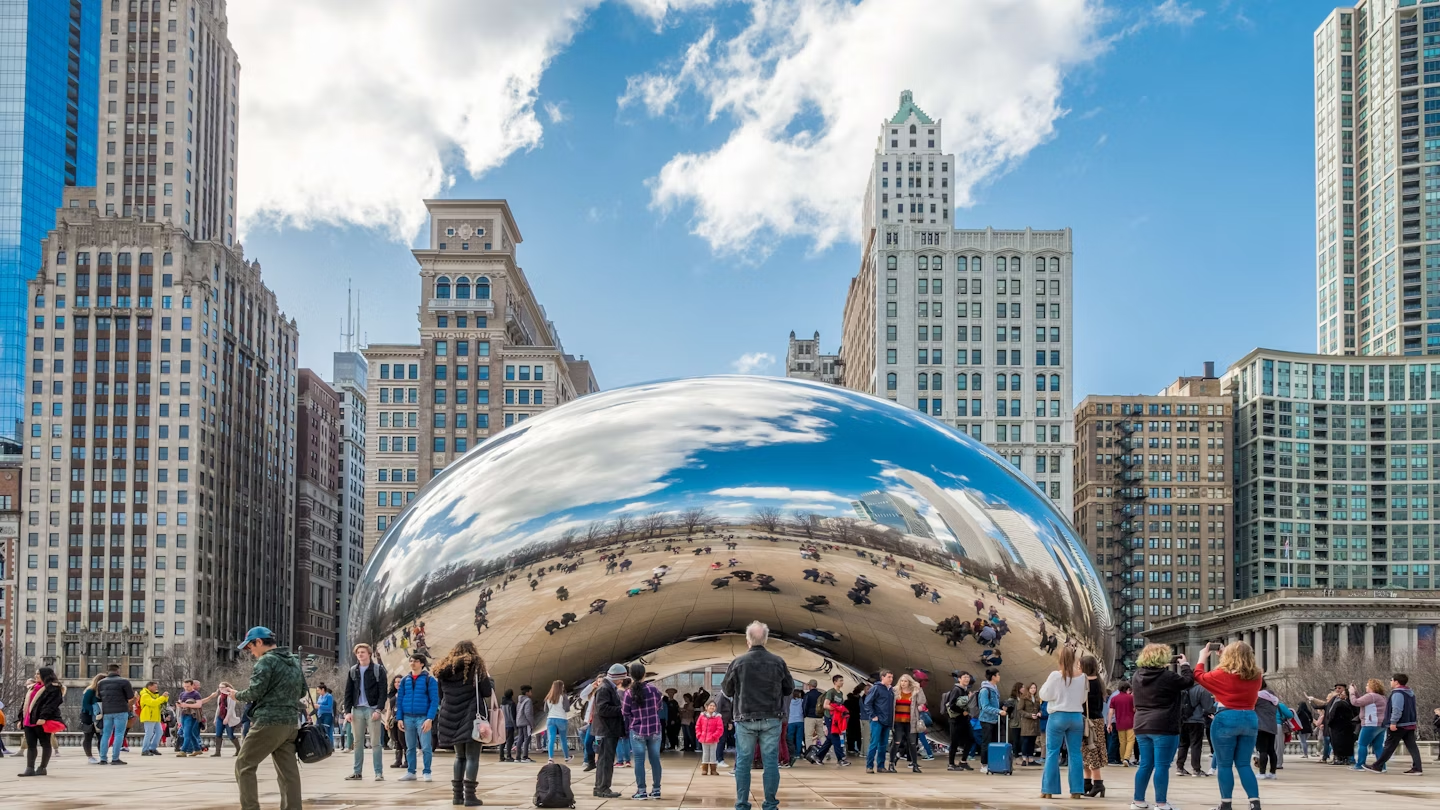
Millennium Park stands as the crown jewel of Chicago attractions and has become synonymous with the city itself. This iconic 24-acre public park in downtown Chicago opened in 2006 and has since become the most visited attraction in Illinois, drawing millions of tourists annually. At the heart of the park stands the famous “Cloud Gate,” colloquially known as “The Bean,” a massive public sculpture composed of 168 stainless-steel plates welded together to create a seamless, mirror-like surface.
The Cloud Gate reflects Chicago’s famous skyline and the clouds that roll across the sky, creating an ever-changing visual experience. Visitors love standing beneath the sculpture and gazing upward at their distorted reflections and the city above. The experience is surreal and humbling, making it one of the most photographed attractions in Chicago. The best times to visit are early morning or late afternoon, when the crowds are smaller and the lighting creates stunning photo opportunities.
Beyond the Bean, Millennium Park offers numerous attractions and activities. The Crown Fountain, another artistic centerpiece, features a 50-foot-high video display screen showing faces of Chicago residents. Water shoots from a trench in front of the fountain, creating a delightful interactive experience, especially popular during the summer months. Children and adults alike love running through the water jets on hot days.
The Jay Pritzker Pavilion is an architectural marvel designed by renowned architect Frank Gehry. This outdoor concert venue features a spectacular stainless-steel construction and world-class acoustics. Throughout the year, the park hosts free concerts, movies, and cultural events, making it a hub for arts and entertainment.
The AT&T Plaza, located on the south side of the park, frequently hosts special exhibitions and installations. The park also features beautiful landscaping, including the Lurie Garden, a one-and-a-half-acre perennial garden designed to reflect the natural landscape of the Midwest. Walking through the Lurie Garden provides a peaceful escape from the bustling downtown area and offers beautiful photo opportunities throughout the year.
Millennium Park is completely free to enter and explore, making it an ideal destination for budget-conscious travelers. The park is easily accessible via public transportation, and the Chicago Riverwalk begins nearby, allowing you to extend your visit. Most visitors recommend spending at least two to three hours exploring all the park has to offer. Visit early in the morning for a more peaceful experience, or in the evening when the sun sets, casting golden light across the stainless-steel surfaces of the iconic sculptures.
2. Art Institute of Chicago: A World-Class Museum Experience
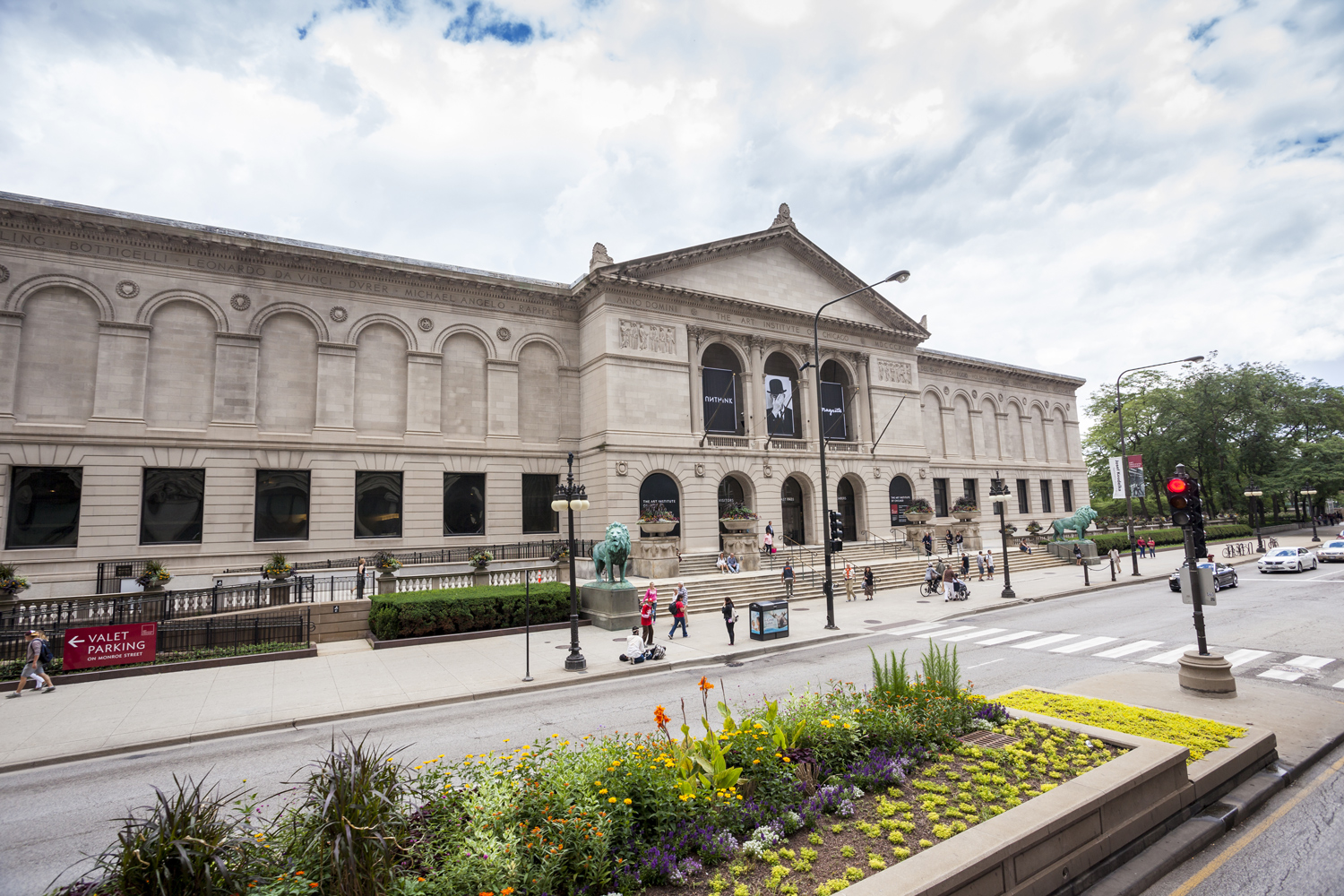
The Art Institute of Chicago ranks among the finest art museums in the world, housing an extraordinary collection spanning thousands of years and cultures. Located in Grant Park, just steps from Millennium Park, this Beaux-Arts building is instantly recognizable by the two bronze lion statues flanking its main entrance on Michigan Avenue. These iconic lions have stood guard since 1894, and locals have affectionately named them “Leonardo” and “Michelangelo.”
The museum’s collection is staggeringly impressive, featuring over 300,000 artworks across American, African, Asian, European, and Latin American galleries. The Art Institute is particularly renowned for its American collection, which includes iconic works by artists such as Grant Wood, Georgia O’Keeffe, and Edward Hopper. The museum’s “American Gothic” by Grant Wood is one of the most recognizable paintings in American art history and is a must-see for any visitor.
The Impressionist and Post-Impressionist galleries are another highlight, featuring masterpieces by Monet, Van Gogh, Cézanne, and Renoir. The museum’s collection of Claude Monet’s Water Lilies series is particularly impressive and provides an intimate look at one of the most celebrated artists in history. Walking through these galleries feels like stepping into a different era of artistic expression.
Photography enthusiasts will appreciate the museum’s extensive photography collection, one of the finest in the world. The decorative arts galleries showcase stunning examples of furniture, jewelry, textiles, and ceramics from around the globe. Architecture and design lovers can explore galleries dedicated to architectural drawings and models, offering insight into how buildings and spaces are conceived and developed.
The museum also features rotating special exhibitions throughout the year, ensuring that even repeat visitors always have something new to discover. Past exhibitions have explored everything from contemporary art to historical retrospectives, providing diverse perspectives and engagement with different artistic movements.
A visit to the Art Institute can easily consume an entire day, as the sheer volume of artwork is vast. Most first-time visitors spend three to four hours exploring the galleries, though art enthusiasts often spend much longer. The museum offers guided tours, audio guides, and interactive digital experiences to enhance your visit. The café on-site provides a nice break and is reasonably priced for a museum eatery.
Admission fees are reasonable, and Chicago residents receive reciprocal memberships, which benefit the local community. The museum is conveniently located on public transportation and is within walking distance of many other Chicago attractions and Chicago travel tips destinations. Morning visits tend to be less crowded than afternoons and weekends.
3. Willis Tower Skydeck: Reaching New Heights
Willis Tower, formerly known as the Sears Tower, stands as an iconic symbol of Chicago’s architectural prowess and skyline dominance. Completed in 1973, this 110-story skyscraper was the tallest building in the world for 25 years and remains one of the most recognizable buildings in the United States. The tower’s distinctive bundled tube structure, comprising nine square tubes, creates its characteristic silhouette that defines Chicago’s famous skyline.
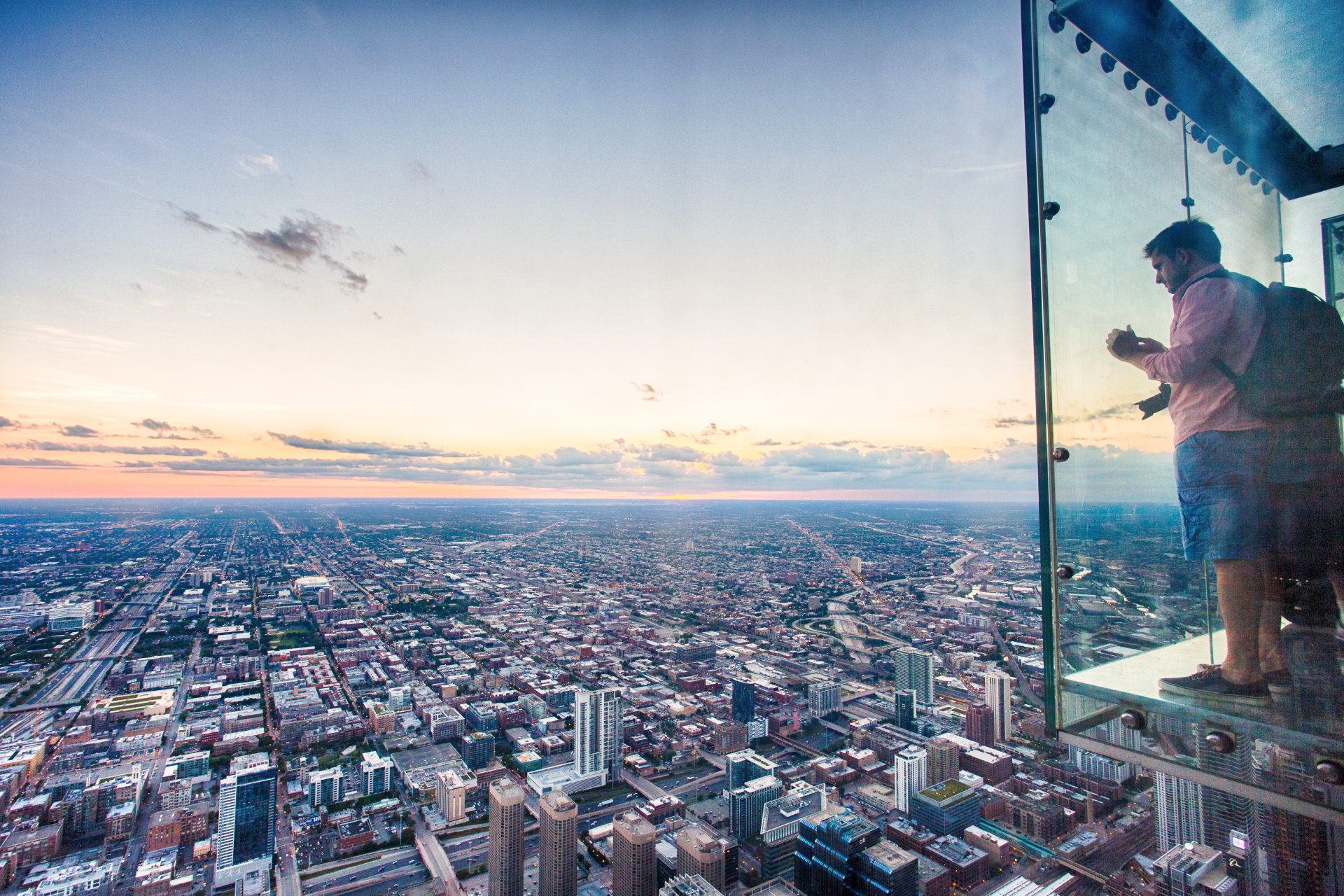
The Skydeck observation deck sits on the 103rd floor, 1,353 feet above street level, offering visitors breathtaking panoramic views of the city, Lake Michigan, and the surrounding regions. On clear days, visibility extends up to 50 miles, allowing you to see four states: Illinois, Indiana, Michigan, and Wisconsin. The viewing platforms wrap around the entire floor, ensuring that you can see views in every direction without retracing your steps.
The highlight of many visitors’ experience is “The Ledge,” an architectural innovation that extends four feet outside the building’s facade, enclosed by thick glass that offers thrilling views straight down to the street 1,353 feet below. Walking out onto The Ledge creates an exhilarating sensation of floating above the city, and the glass floor provides an unforgettable perspective for the brave-hearted. Many visitors report that standing on The Ledge is both terrifying and absolutely incredible, making it a must-do for adventure seekers.
The Skydeck experience includes interactive exhibits and information displays that help you understand the city’s geography and history. On-site multimedia presentations tell the story of Chicago’s development and the Willis Tower’s construction. Knowledgeable staff members provide information and assistance throughout your visit, and binoculars are available for a closer look at distant landmarks.
The best time to visit the Skydeck is late afternoon or early evening when the sun is lower on the horizon, creating stunning lighting and contrast. This timing also allows you to see the city transition from day to night, with city lights beginning to twinkle as darkness falls. However, this is also the busiest time, so arrive early to beat crowds or consider visiting during off-peak hours for a more intimate experience.
The Skydeck is located in the Loop, Chicago’s central business district, making it easily accessible via public transportation. The building’s ground floor features a gift shop and food court, providing refreshments and souvenirs. While admission is not cheap, many visitors consider the experience absolutely worth the investment, as the views are incomparable and provide a perspective that truly helps you understand Chicago’s vastness and architectural significance.
4. The Field Museum: Natural Wonders and Ancient Mysteries
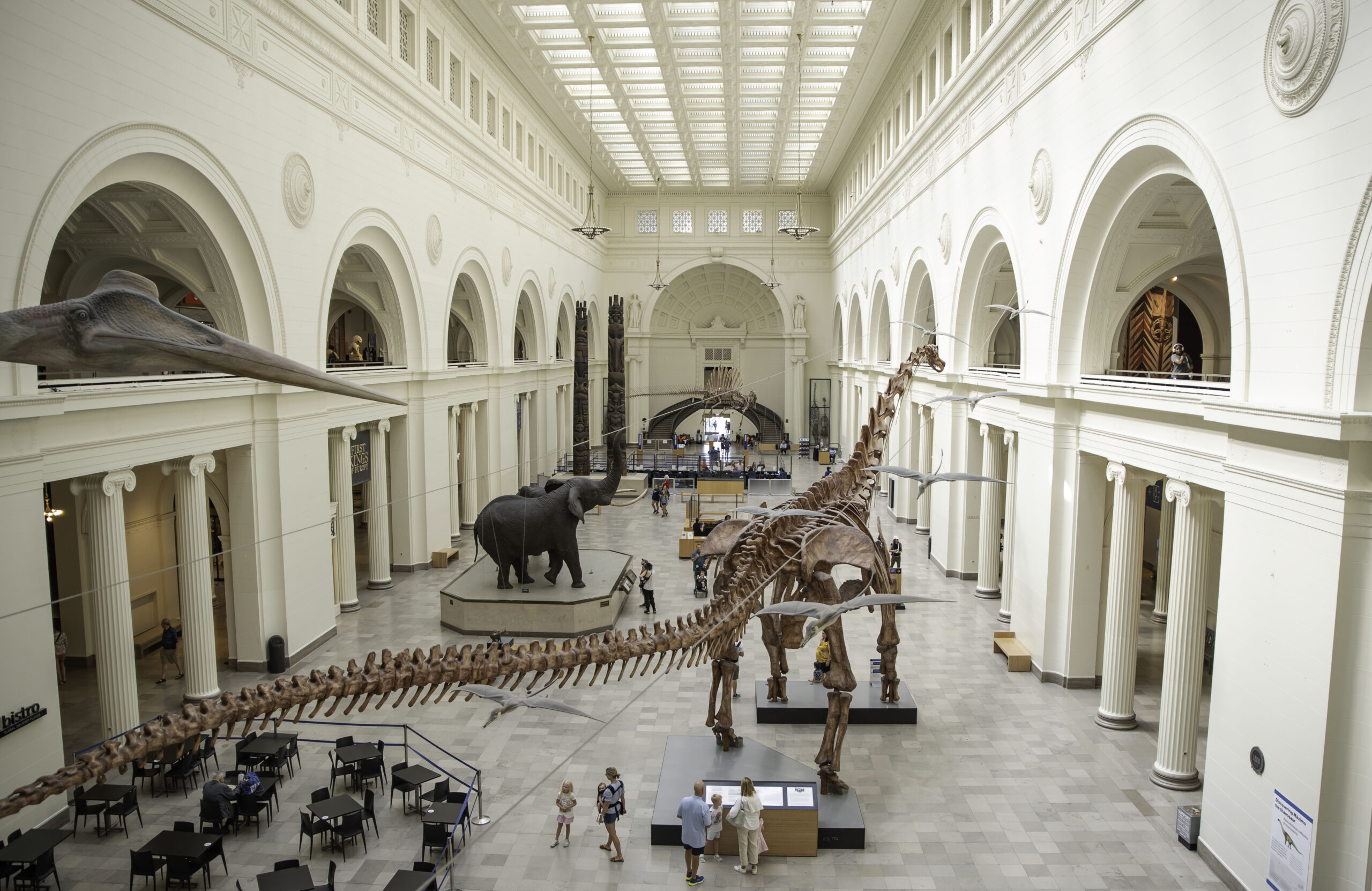
The Field Museum stands as one of the largest natural history museums in the world, housing an extraordinary collection of over 40 million specimens and artifacts. Located in Grant Park along the shores of Lake Michigan, the museum’s neoclassical building is a magnificent architectural structure that opens onto sweeping views of the lake and city skyline.
The museum’s most famous resident is Sue, the largest and most complete Tyrannosaurus rex skeleton ever discovered. Sue dominates the main floor, positioned so that visitors enter through the skeletal jaw structure. Standing face-to-face with a 40-foot-long predator that roamed the Earth 67 million years ago is a humbling and awe-inspiring experience. Sue’s skeleton reveals fascinating details about the creature’s life, including injuries she sustained during her lifetime and evidence of her incredible power and dominance.
Beyond the T. rex, the Field Museum houses an extensive paleontology collection featuring dinosaur skeletons, fossils, and interactive exhibits that educate visitors about prehistoric life. The Egyptian mummies section is another major draw, with numerous preserved human remains, sarcophagi, and funerary artifacts that provide insight into ancient Egyptian civilization and beliefs about the afterlife. The detailed hieroglyphic inscriptions on these artifacts tell stories of individuals who lived thousands of years ago.
The museum’s Native American collections are extensive and respectfully presented, showcasing the rich cultural heritage of indigenous peoples throughout North and South America. Artifacts include ceremonial objects, clothing, weapons, and artwork that demonstrate the sophisticated societies that developed on these continents long before European contact. The museum’s approach to presenting these materials emphasizes cultural respect and acknowledges historical injustices.
The zoology galleries feature taxidermied animals from around the world, organized by habitat and geographic region. A visit through these galleries is like taking a virtual safari across Africa, exploring the Amazon rainforest, diving into ocean depths, and traversing icy polar regions. The careful attention to detail in displaying these animals, often with their natural backgrounds recreated, creates an immersive experience that educates about biodiversity and animal behavior.
The gem and mineral collection dazzles visitors with colorful crystals, precious stones, and geological specimens from around the world. The exhibit explains geological processes, mineral formation, and the rarity and value of various gems. Interactive elements allow visitors to touch certain minerals and participate in hands-on learning experiences.
The Field Museum experience is enhanced by knowledgeable docents who staff various galleries and are happy to answer questions and share fascinating details about the collections. The museum also offers guided tours, special exhibitions, and educational programs that cater to different age groups and interests.
Visiting the Field Museum typically requires four to six hours to see the major highlights, though dedicated natural history enthusiasts could spend much longer. The museum’s café provides lunch options, and the gift shop offers a wide variety of souvenirs, from dinosaur toys to educational books and mineral specimens. The museum’s location in Grant Park means you can easily combine your visit with other nearby attractions, making for a full day of exploration and discovery.
5. Shedd Aquarium: Beneath the Waves
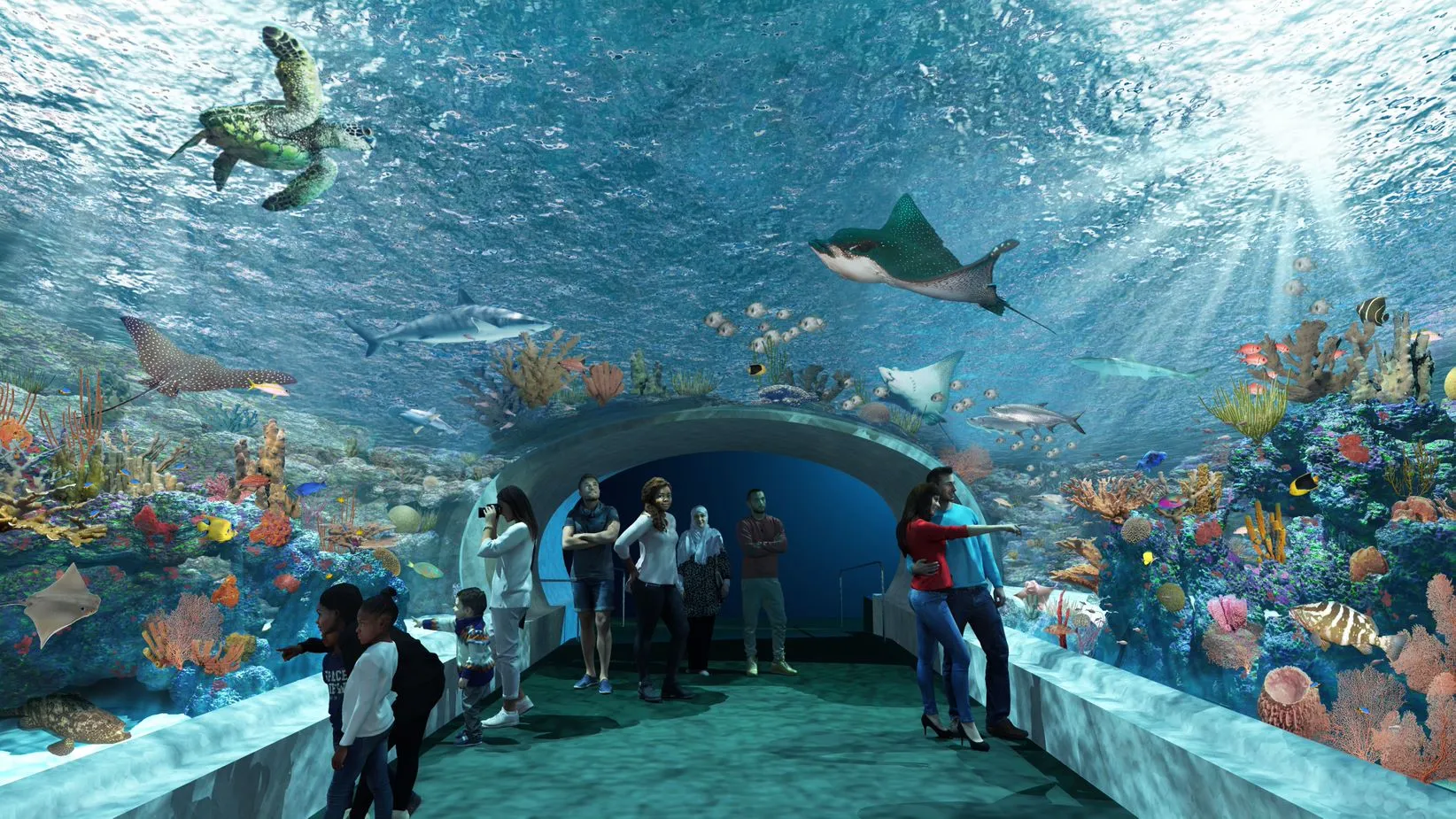
The Shedd Aquarium, officially the John G. Shedd Aquarium, ranks among the premier aquariums in the world and stands as one of the top 10 places to visit in Chicago. Located directly on Lake Michigan’s shores in Grant Park, the aquarium’s location is particularly symbolic, as visitors enjoy live waters lapping at the building’s exterior while they explore the vast collection of aquatic life within.
The aquarium houses over 32,000 animals representing more than 3,500 species, making it an unparalleled destination for experiencing marine biodiversity. The collection ranges from tiny seahorses and jellyfish to massive whale sharks and playful dolphins. The Shedd’s beluga whales are particularly famous and beloved by visitors, known for their intelligence, playfulness, and the unique vocalizations they produce. Watching these magnificent creatures interact with trainers and each other provides insight into their complex social behaviors and cognitive abilities.
The dolphin shows are a major highlight, featuring acrobatic displays that demonstrate the incredible athleticism and intelligence of these marine mammals. The trainers explain behavioral and ecological information while the dolphins leap, spin, and interact with their handlers in what appears to be a joyful partnership. These shows are incredibly popular and often sell out, so arrive early or purchase tickets in advance.
The penguin exhibit is another visitor favorite, featuring several species of these adorable flightless birds. The exhibit mimics their natural Antarctic and sub-Antarctic habitats, with water pools and climate-controlled environments. Watching penguins swim underwater with remarkable agility, then waddle across land on their short legs, provides endless entertainment and photo opportunities.
The aquarium’s jellyfish exhibits are hypnotic and educational, featuring various species with fascinating adaptations. The jellyfish move with otherworldly grace, and the exhibits often feature colored lighting that enhances their ethereal appearance. The educational signage explains jellyfish biology, their role in ocean ecosystems, and their surprising longevity compared to many other animals.
The underwater viewing tunnel is a remarkable installation where visitors walk beneath a reinforced acrylic tunnel surrounded by massive tanks. Rays, fish, and other aquatic life swim directly overhead and on all sides, creating an immersive experience that simulates being on an ocean floor dive. The sense of being surrounded by marine life is both thrilling and educational.
The sea horse exhibit showcases the remarkable biology and behavior of these unique creatures. Seahorses, with their prehensile tails, upright swimming orientation, and the unique breeding behavior where males carry and deliver offspring, represent some of nature’s most unusual adaptations. The exhibit provides detailed information about seahorse conservation, as these creatures face threats in the wild from habitat loss and overharvesting.
The Shedd Aquarium also features educational programs, interactive touch pools, and special encounters where visitors can get up close with certain animals under expert guidance. These programs provide deeper engagement and understanding of marine conservation issues. The aquarium actively participates in breeding programs for endangered species and contributes to marine conservation efforts worldwide.
A typical visit to the Shedd Aquarium lasts three to five hours, allowing time to see the various exhibits, watch the dolphin show, and explore the educational displays. The aquarium is well-suited for families with children but offers enough sophisticated science and conservation messaging to engage adult visitors. The on-site café offers lunch options, and the gift shop features marine-themed souvenirs and educational materials.
The aquarium’s location in Grant Park places it within easy walking distance of Millennium Park, the Art Institute, and the Field Museum, allowing visitors to experience multiple major attractions during a single trip. The combination of these three museums in Grant Park creates an optimal environment for a full day or multiple days of cultural and educational exploration.
6. Chicago Riverwalk: Urban Waterfront Elegance
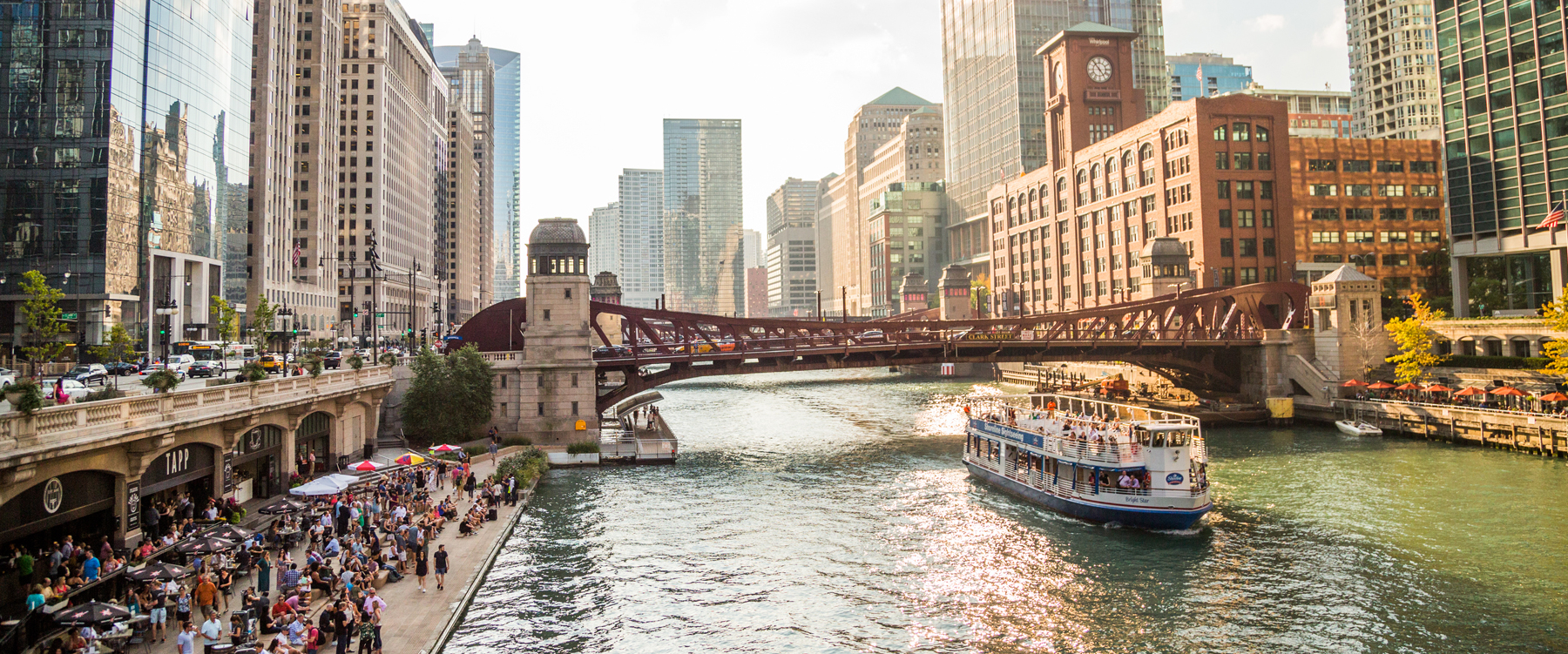
The Chicago Riverwalk stands as one of the most beautifully revitalized urban waterfront spaces in America and represents a transformation of how the city’s residents and visitors interact with the Chicago River. Stretching for 1.25 miles along the south bank of the river from Lake Michigan to Lake Street, this pedestrian walkway provides a stunning escape from the urban bustle while maintaining complete immersion in the city’s vibrant energy.
The Riverwalk winds through several neighborhoods and passes beneath downtown bridges, each offering unique perspectives and experiences. The architectural tour provided by the river’s setting is remarkable, as you walk beneath iconic bridges and historic buildings while the river’s architecture and history unfold around you. The river’s significance to Chicago’s development cannot be overstated, historically serving as the city’s main thoroughfare for commerce and trade before railroads and highways took precedence.
The walkway is lined with restaurants, bars, and cafés that offer both casual and upscale dining options. Many establishments feature outdoor seating directly on the water, allowing diners to enjoy meals while watching the river traffic pass by. Boat tours depart regularly from various points along the riverwalk, offering guided, narrated tours that explain the architectural significance of the buildings lining the river. These architecture tours are highly recommended and provide invaluable context for understanding Chicago’s development and architectural innovations.
The Riverwalk features beautiful landscaping with native plants, trees, and flowers that change with the seasons. Public art installations are scattered throughout the walkway, adding visual interest and cultural engagement. Seating areas are positioned at intervals, providing resting spots and viewpoints to simply sit and absorb the river’s energy. Many visitors bring coffee or snacks and spend time observing the water, boats, and city life flowing around them.
During the summer months, the Riverwalk comes alive with special events, concerts, and programming. Food trucks, pop-up vendors, and extended seating create a lively festival atmosphere. The iconic corn hole boards and ping pong tables that appear seasonally add a playful element that encourages visitors to linger and engage with the space. These summer activities represent Chicago travel tips that many locals would recommend for a quintessential Chicago experience.
The Riverwalk is free to access and walk along, making it a perfect destination for budget-conscious travelers. However, dining and beverage purchases at the restaurants and bars do require payment, with prices reflecting the prime location and upscale nature of many establishments. More affordable options exist alongside high-end restaurants, ensuring that visitors with various budgets can enjoy the experience.
Photography opportunities abound along the Riverwalk, particularly during sunset when the light reflects off the water and illuminates the surrounding architecture in warm tones. Early morning walks are quiet and peaceful, offering a different experience from the bustling afternoons and evenings. Many visitors find that combining a Riverwalk walk with an architecture boat tour provides the most amazing understanding of Chicago’s riverfront heritage and architectural significance.
The Riverwalk’s location in the Loop makes it easily accessible via public transportation and provides direct access to other major attractions. The walkway also serves as a connection point to neighborhoods like the West Loop, further expanding exploration opportunities. Whether you’re seeking a romantic evening stroll, a casual family outing, or a deeper dive into Chicago’s architectural heritage, the Chicago Riverwalk delivers an unforgettable experience.
7. The Museum of Science and Industry: Chicago’s Largest Museum
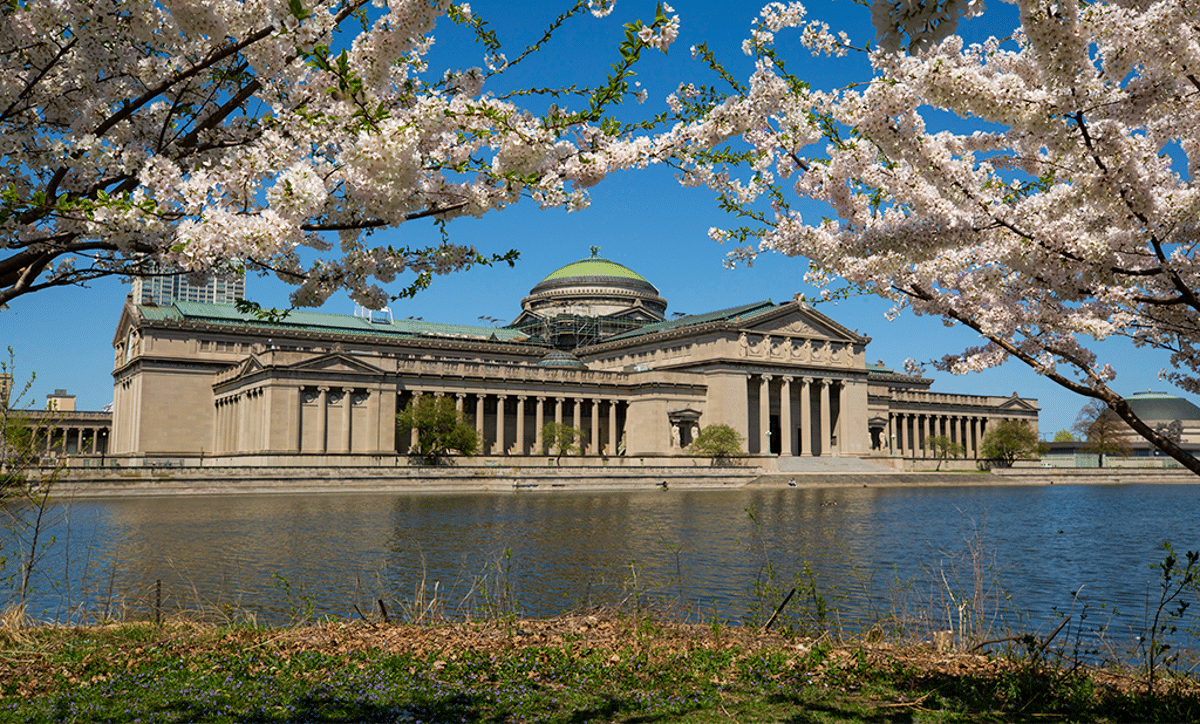
The Museum of Science and Industry stands as Chicago’s largest museum and ranks among the most visited science museums in the world. Located in Hyde Park on the city’s South Side, the museum occupies the Palace of Fine Arts, an impressive neoclassical building constructed for the 1893 World’s Columbian Exposition. The building’s striking white stone façade and grand architecture set the tone for the extraordinary experience that awaits within.
The museum’s collection is staggeringly diverse, featuring over 400,000 square feet of exhibit space showcasing scientific and industrial achievements. The museum’s philosophy emphasizes hands-on learning and interactive engagement, making it particularly appealing for families with children but equally rewarding for adult visitors with scientific curiosity.
One of the museum’s most famous attractions is the U-505 submarine, a German Type IXC U-boat captured during World War II. Visitors board the submarine and experience the cramped quarters where sailors lived and worked during combat patrols. The exhibit provides historical context about submarine warfare, naval technology, and the individual sailors whose lives were forever altered by war. Walking through the narrow corridors and compartments creates a visceral understanding of the challenges faced by submariners.
The “You! The Experience” exhibit is a remarkable journey through human biology, exploring everything from genetics and disease to organ systems and human development. Interactive stations allow visitors to test their reflexes, see genetic variations in populations, and understand how their bodies function. The exhibit emphasizes personal health and encourages visitors to think about their own biological processes.
The coal mine exhibit recreates a realistic underground mining environment, complete with functioning machinery and detailed explanations of mining techniques and safety considerations. Visitors descend underground (though still within the museum) and experience the challenging conditions faced by miners. The exhibit educates about mining’s role in providing energy and resources while emphasizing the dangers and hardships of the profession.
The airplane collection is another highlight, featuring historic aircraft suspended from the ceiling and positioned throughout the space. The exhibits explore aviation history, technological innovations, and the science of flight. Visitors can interact with flight simulators and learn about aerodynamics and aircraft design. The sheer scale of some of these aircraft, especially when viewed up close, impresses visitors with human engineering accomplishments.
The Omnimax theater within the museum presents large-format films that take viewers on visual journeys around the world and through space. The massive curved screen and immersive sound system create an enveloping experience that feels far more engaging than standard cinema presentations. Various films rotate through the theater, offering different experiences and educational content.
The transportation exhibits showcase the evolution of vehicles, from early automobiles to modern electric vehicles and prototypes of future transportation concepts. The museum explores how technology has changed how humans move and how environmental considerations are increasingly shaping vehicle design. Interactive exhibits allow visitors to understand mechanical principles and engineering concepts.
The museum features numerous galleries devoted to topics ranging from climate science and sustainability to food production and agricultural technology. These exhibits emphasize the interconnections between scientific discovery, technological innovation, and everyday life. The museum’s commitment to making science accessible and engaging is evident throughout the carefully designed exhibits and well-trained staff.
Visiting the Museum of Science and Industry requires at least half a day, though many visitors spend a full day or more exploring the vast collection. The museum is well-organized with clear signage and maps available at the entrance. The café and food court provide lunch options and refreshments. The gift shop offers a wide variety of educational toys, books, and souvenirs related to science and technology.
8. The Magnificent Mile: Shopping and Architectural Splendor
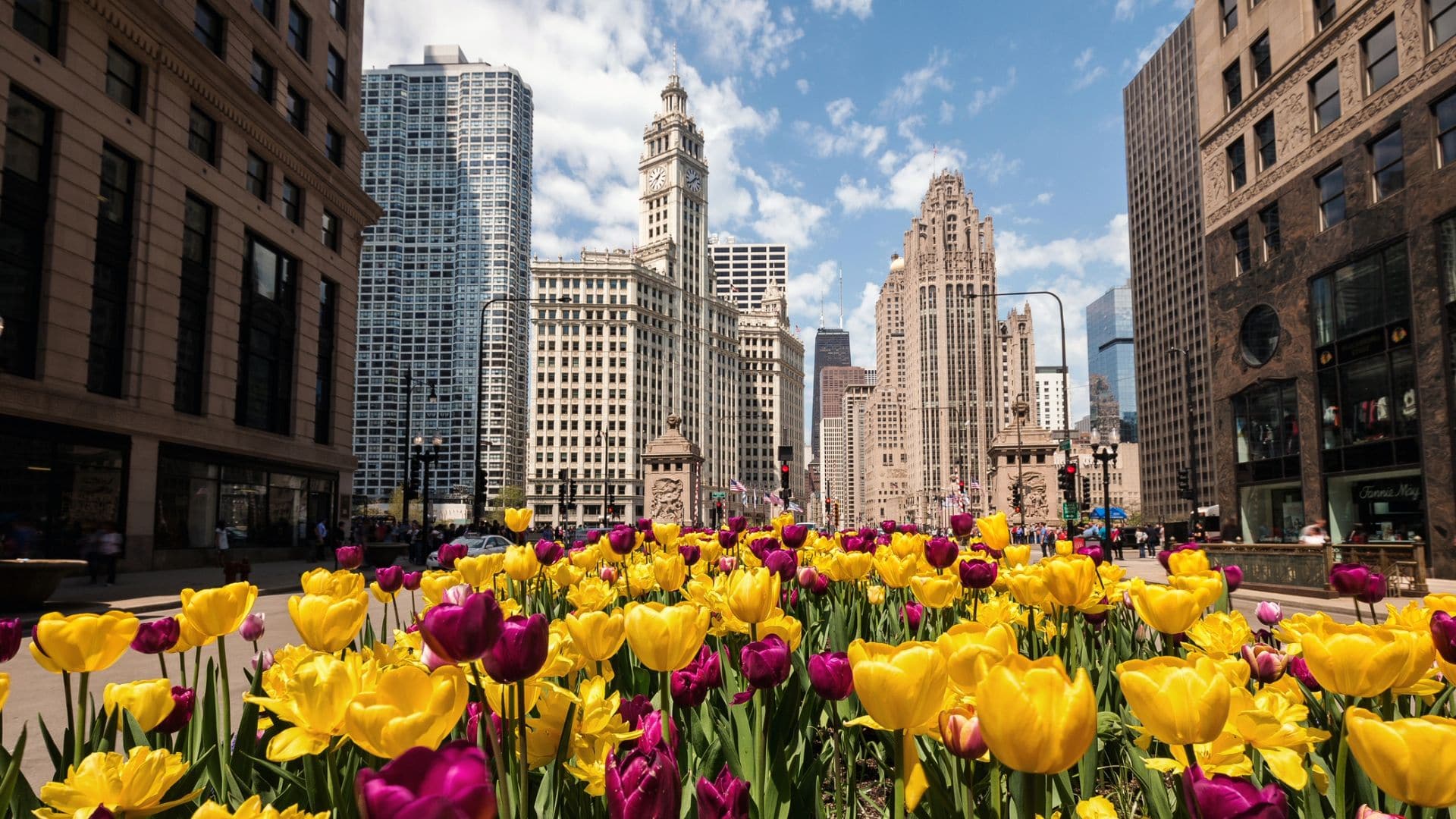
The Magnificent Mile, officially known as Michigan Avenue between the Chicago River and Oak Street, represents one of the most famous shopping and dining districts in the world. This roughly one-mile stretch of prime real estate combines world-class retail, fine dining, luxury hotels, and stunning architecture to create a quintessentially upscale urban experience that exemplifies what to do in Chicago for shopaholics and architecture enthusiasts.
The street’s name derives from its extraordinary collection of high-end boutiques, department stores, and specialty shops that line both sides of the avenue. Designer flagship stores representing the world’s most prestigious fashion houses create a shopping experience unmatched in most American cities. Luxury brands, including Gucci, Prada, Louis Vuitton, and countless others, showcase their latest collections in impressive storefronts designed to impress and inspire desire. The window displays are themselves works of art, designed to captivate passersby and draw them into the stores.
Beyond fashion, the Magnificent Mile features stores devoted to jewelry, art, home décor, and technology. The variety ensures that shoppers with diverse interests and budgets can find something appealing. Department stores like Nordstrom and Bloomingdale’s provide wide-ranging selections and often feature special sales and promotions that make luxury shopping more accessible.
The architecture along the Magnificent Mile is equally impressive as the retail offerings. The street showcases different architectural eras and styles, from ornate early twentieth-century buildings to cutting-edge contemporary designs. The 875 North Michigan Avenue building (formerly the Chicago Water Tower Place) is an exemplary post-modern structure that has become iconic in its own right. Its distinctive stepped design and reflective façade make it instantly recognizable in photographs and films.
The Chicago Water Tower, built in 1869, stands as a Gothic Revival masterpiece and symbol of the city’s resilience. During the Great Chicago Fire of 1871, the water tower was one of the few structures that survived the conflagration. Today it houses a visitor center and serves as a photogenic landmark marking the beginning or end of the Magnificent Mile. The building’s intricate stone carvings and architectural details reward close inspection.
The restaurants and cafés along the Magnificent Mile offer diverse cuisines and service styles, from quick casual dining to Michelin-starred fine dining establishments. Many restaurants feature outdoor seating during warmer months, creating vibrant sidewalk scenes filled with people watching and urban energy. The dining options cater to different budgets and preferences, ensuring that visitors can eat well regardless of their spending capacity.
Art galleries interspersed throughout the Magnificent Mile showcase contemporary art, photography, and sculptures. These galleries provide cultural engagement and opportunities to view and potentially purchase original artworks. Even if you’re not interested in purchasing art, the galleries offer free browsing and often feature impressive exhibitions.
The Magnificent Mile is accessible via public transportation and features parking facilities, though costs can be high. Many visitors recommend walking the entire length of the mile to appreciate both the retail offerings and architectural details. This walk provides an excellent overview of the area and allows for strategic decisions about which stores to enter and explore in depth.
For those seeking a more relaxed experience away from the crowded main shopping areas, the side streets branching off from Michigan Avenue feature smaller boutiques, unique shops, and hidden gems that offer a different shopping experience. These quieter areas are particularly appealing for travelers seeking to discover what to do in Chicago beyond the most obvious tourist destinations.
Shopping hours typically extend into the evening, making the Magnificent Mile an ideal destination for both day and evening activities. The area comes alive at night with illuminated storefronts and busy restaurant scenes. The area is particularly festive during the holiday season, when elaborate window displays and special decorations create a magical shopping atmosphere.
9. Navy Pier: Entertainment and Lake Michigan Breezes
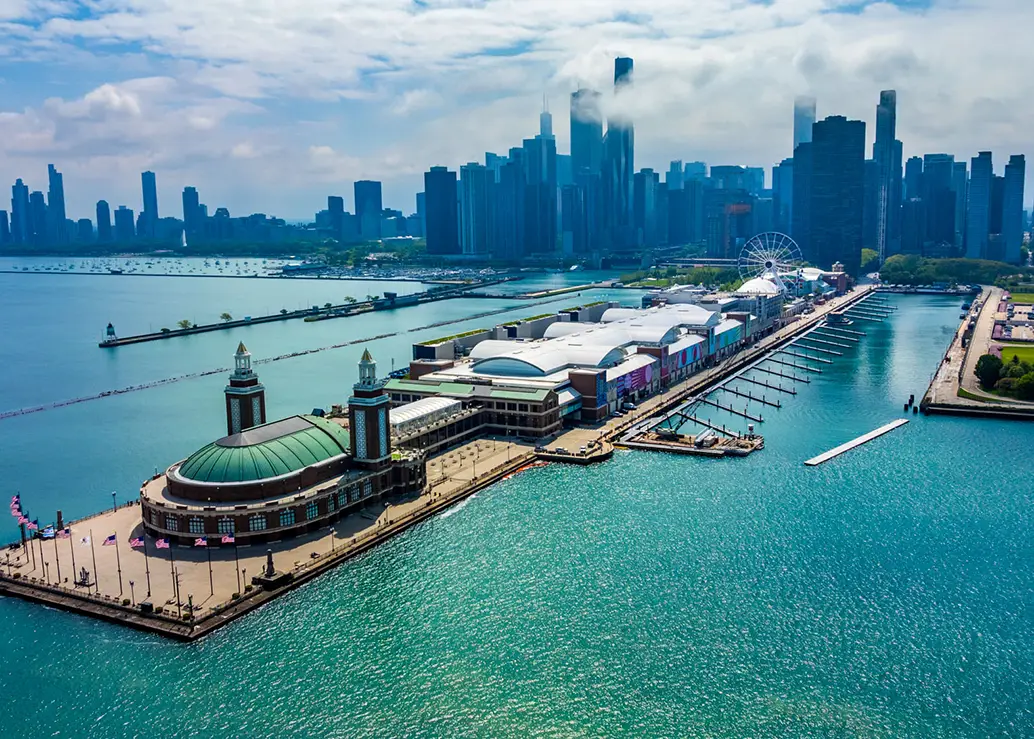
Navy Pier stands as Chicago’s most visited attraction, welcoming over nine million visitors annually. This historic pier, extending 3,000 feet into Lake Michigan, represents one of the most iconic Chicago attractions and serves as an entertainment and recreation hub offering something for everyone. Whether seeking thrilling amusement rides, cultural performances, or simply a peaceful walk along the water, Navy Pier delivers memorable experiences.
The most recognizable feature of Navy Pier is the Ferris wheel, officially known as the Centennial Wheel. This 196-foot-tall observation wheel provides panoramic views of the city skyline, Lake Michigan, and the surrounding landscape. The rotation is slow and gentle, allowing passengers to comfortably enjoy the views without feeling rushed. Evening rides offer particularly stunning vistas as the city lights begin to twinkle and the sky transforms through the spectrum of sunset colors. The climate-controlled, fully enclosed cabins ensure comfort regardless of weather conditions.
Navy Pier features numerous restaurants and casual dining options scattered throughout the pier, ranging from quick-service vendors to full-service establishments. The variety of cuisines and price points ensures that visitors can find appealing food options. Many establishments offer outdoor seating with water views, creating a pleasant dining experience that combines food with the ambiance of the lakefront.
The IMAX theater at Navy Pier screens large-format films that provide immersive educational and entertainment experiences. The combination of the massive screen and powerful sound system creates visceral experiences that transport viewers to distant locations and through fascinating scientific phenomena. The theater regularly features films about nature, space, and adventure.
The Chicago Shakespeare Theater, located on Navy Pier, presents theatrical productions ranging from classic Shakespeare plays to contemporary works. The company is renowned for innovative productions and strong performances. Even for visitors without deep theatre knowledge, the accessible productions and engaging performances make for a memorable cultural experience.
Family activities at Navy Pier include the Fabulous Chicago’s Funhouse Maze, an interactive fun house featuring mirror mazes, holograms, and various optical illusions. This activity is particularly popular with children and provides entertainment and laughter for family groups. The adjacent arcade features various games and activities that appeal to kids of different ages.
The pier features beautiful landscaping and seating areas that provide perfect spots for relaxation and people watching. The walkways encircling the pier offer peaceful strolls with consistent water views and fresh lake breezes. Many visitors recommend simply walking the entire pier without paying for specific attractions, as the experience of being surrounded by water and city is enjoyable in itself.
Navy Pier hosts seasonal events and programming throughout the year, from live music performances and cultural festivals to holiday celebrations and fireworks displays. The summer months are particularly lively, with the pier becoming a vibrant center of entertainment and socializing. These seasonal activities represent Chicago travel tips that locals often recommend for visitors wanting to experience authentic Chicago culture and community gatherings.
The pier is free to enter and walk throughout, making it an accessible destination for all budgets. However, specific attractions such as the Ferris wheel, theater, and specialty dining do require payment. The combination of free and paid experiences allows visitors to enjoy Navy Pier according to their interests and budget.
The location on Lake Michigan ensures consistent refreshing breezes and water views, providing relief from the urban heat during summer months. The open-air setting creates a refreshing contrast to indoor attractions and provides opportunities for photography with the city skyline as a backdrop.
Navy Pier is easily accessible via public transportation and the walkable pedestrian path from downtown areas. Parking facilities are available nearby, though parking fees apply. The pier’s location makes it an ideal addition to itineraries that also include the Chicago Riverwalk, Millennium Park, or downtown Loop attractions.
10. The Art of Architecture: Boat Tours and Historic Neighborhoods
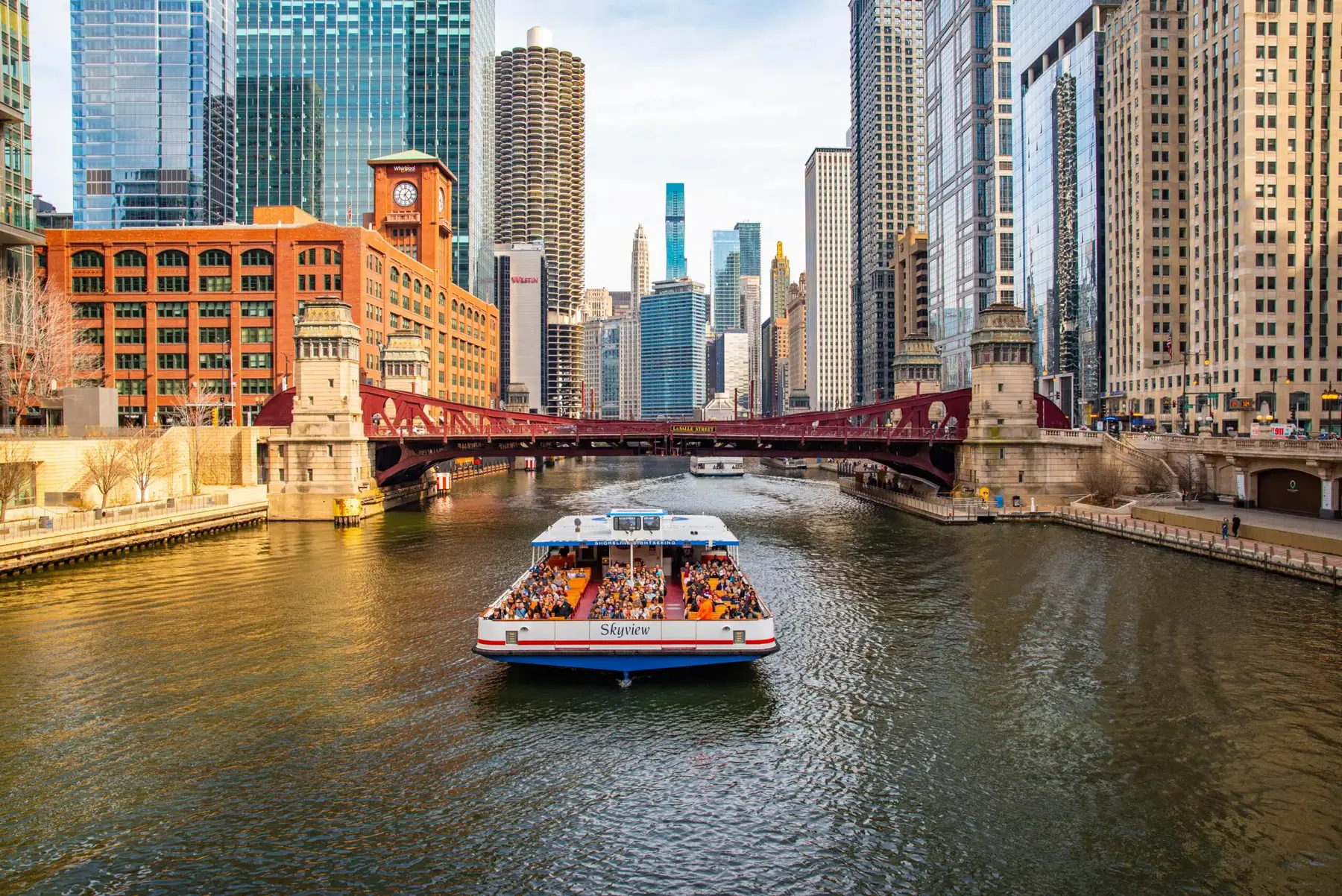
Chicago’s architectural heritage is unmatched in the United States, with the city serving as a living laboratory for architectural innovation and home to some of the world’s most iconic buildings. A boat architecture tour is widely considered one of the best Chicago attractions and provides an incomparable education about architectural styles, innovations, and the evolution of urban design. These guided tours depart regularly from downtown locations and navigate the Chicago River, providing unique perspectives of buildings that are difficult to appreciate from street level.
The boat tours are narrated by knowledgeable guides who provide detailed information about each building’s architectural style, historical significance, construction techniques, and notable architects. The commentary spans from 19th-century Victorian and Romanesque Revival buildings to contemporary glass and steel skyscrapers. Famous structures, including the Wrigley Building, Tribune Tower, and Marina City, are explained with anecdotes and technical details that bring the buildings to life.
The architectural evolution visible from the river tells the story of Chicago’s development and America’s architectural innovations. The city’s unique position in architectural history stems from several factors: the rebuilding after the Great Chicago Fire of 1871 created opportunities for innovative construction; the development of the steel-frame construction technique enabled the rise of skyscrapers; and the concentration of visionary architects, including Frank Lloyd Wright, Louis Sullivan, and other,s created a center of architectural excellence.
Chicago’s hidden gems in chicago extend far beyond the famous downtown structures. Neighborhoods throughout the city showcase diverse architectural styles and neighborhood character. The Pilsen neighborhood features vibrant street art and murals, combined with historic Mexican-American cultural heritage visible in architecture, restaurants, and community events. The architectural diversity in Pilsen reflects the neighborhood’s changing demographics over more than a century and represents the cultural layers that compose modern Chicago.
The Wicker Park neighborhood showcases Victorian and early 20th-century residential architecture alongside contemporary galleries, boutique shops, and trending restaurants. The neighborhood’s transformation from an industrial working-class area to a trendy urban village is visible in the architectural contrast between preserved historic buildings and contemporary renovations.
The Arts and Crafts movement influenced architectural development in Chicago, with numerous residential buildings showcasing the movement’s emphasis on handcrafted details, natural materials, and integration with nature. These homes, concentrated in neighborhoods like Oak Park and nearby suburbs, represent a distinctive architectural style that emerged from American design philosophy.
The Loop neighborhood showcases the highest concentration of significant buildings and represents the heart of Chicago’s downtown. The building density and architectural variety within the Loop could occupy an entire day of exploration for architecture enthusiasts. Walking tours of the Loop allow visitors to appreciate architectural details at street level, which provides a different perspective than river tours and reveals human-scale design elements that might be missed from a distance.
Frank Lloyd Wright, one of America’s greatest architects, spent much of his career in Chicago and the surrounding suburbs. His Prairie School style, emphasizing horizontal lines, organic integration with landscape, and rejection of unnecessary ornamentation, represented a revolutionary approach to residential design. The Frank Lloyd Wright Home and Studio in Oak Park allows visitors to see Wright’s living and working spaces and to appreciate his design philosophy in intimate detail.
The Robie House, another Frank Lloyd Wright masterpiece, exemplifies Prairie School architecture with its dramatic horizontal lines, extended overhangs, and integration with the surrounding landscape. The house’s design emphasizes space continuity and connection between interior and exterior, revolutionary concepts that influenced architectural thinking for generations.
Architectural photography enthusiasts will find endless opportunities for compelling images throughout Chicago. The geometric forms of skyscrapers, reflections in glass and steel, the interplay of light and shadow on building facades, and the contrast between old and new structures create visually striking compositions. Early morning and late afternoon light create particularly dramatic effects, making these times optimal for architectural photography.
Chicago’s commitment to preserving historic architecture while embracing contemporary innovation creates a unique urban landscape. The city’s buildings span centuries of architectural evolution, and exploring them provides both aesthetic pleasure and historical education. Whether experiencing Chicago attractions through formal guided tours or personal exploration, the architecture represents an essential aspect of understanding and appreciating what makes Chicago unique.
Frequently Asked Questions
Q: What is the number-one attraction in Chicago?
Many sources point to Millennium Park as Chicago’s top draw. The park’s iconic Cloud Gate sculpture, known as “The Bean,” has become the most recognizable symbol of Chicago and attracts millions of visitors annually. The sculpture’s unique mirror-like surface reflects the city skyline and clouds, creating an ever-changing visual experience. The combination of the Bean’s fame, free admission, and the park’s multiple other attractions, including the Crown Fountain and Jay Pritzker Pavilion, makes Millennium Park the quintessential Chicago experience. Its accessibility and photographic appeal have contributed to its status as the city’s premier attraction.
Q: How can I spend one day in Chicago?
A good one-day Chicago itinerary might include visiting the Skydeck at Willis Tower for expansive city views, walking the Magnificent Mile for shopping and architecture, strolling Millennium Park to see the Bean and Crown Fountain, and catching a boat architecture tour to understand Chicago’s rich architectural heritage. If time permits, an evening visit to Navy Pier provides entertainment and lake views. For a more culturally focused day, you might substitute the Magnificent Mile with the Art Institute or the Field Museum. The key is prioritizing based on your interests, whether architecture, art, nature, entertainment, or food, and understanding that true exploration requires multiple days. Early morning starts allow you to beat crowds and maximize productivity.
Q: What is Chicago famous for?
Chicago is most famous for its striking architecture, including iconic skyscrapers like Willis Tower and the distinctive skyline that defines American urban imagery. The city’s deep-dish pizza is legendary, with renowned establishments like Pizzeria Uno and Pequod’s attracting pizza enthusiasts worldwide. The city’s lakefront setting on Lake Michigan contributes to its distinctive character and provides recreational and aesthetic value. Chicago is home to world-class museums, including the Art Institute, the Field Museum, and the Museum of Science and Industry. The city’s diverse neighborhoods reflect vibrant cultural communities and offer distinctive culinary experiences. Chicago’s jazz history, blues heritage, and contemporary music scene have influenced American culture significantly. The city’s sports teams, particularly the Cubs and White Sox, hold passionate fan bases and represent important aspects of Chicago’s identity.
Q: What are the must-see attractions in Chicago?
Must-see attractions include Millennium Park and the iconic Cloud Gate sculpture, which represents Chicago’s most recognizable symbol. The Art Institute of Chicago provides world-class art viewing and should not be missed by culture enthusiasts. The Shedd Aquarium offers marine education and entertainment alongside Lake Michigan views. The Field Museum’s paleontology collection, including the famous Sue dinosaur skeleton, attracts visitors interested in natural history and prehistoric life. Navy Pier combines entertainment, dining, and lake views in a single accessible location. Willis Tower Skydeck provides unparalleled perspectives of the city and surrounding regions from 1,353 feet above street level. The Chicago Riverwalk offers free walking and architectural exploration opportunities. Architecture boat tours are highly recommended for understanding Chicago’s distinctive urban character and design innovations. These attractions represent a mix of entertainment, education, and cultural engagement that collectively define the Chicago experience.
Q: Are there affordable (or free) things to do in Chicago?
Yes, Chicago offers numerous free and affordable activities for budget-conscious travelers. Millennium Park is completely free to enter and explore, including access to the Cloud Gate sculpture, Crown Fountain, and Jay Pritzker Pavilion. The park regularly hosts free concerts, movies, and cultural events throughout the year. The Chicago Riverwalk is free to walk and explore, offering architectural education and scenic views without cost. Many museums offer free or pay-what-you-wish hours during specific times, making world-class art and natural history education accessible to all budgets. The 606 Trail, an elevated pedestrian and bicycle path converted from historic railroad infrastructure, is free and offers a unique perspective of Chicago neighborhoods and public art. Beach access along Lake Michigan is free, providing recreational opportunities and swimming during the summer months. Many neighborhoods feature free public art installations and street murals that tell stories of local communities and cultures. Walking tours organized by community groups often operate on a donation basis, providing guided cultural education at minimal cost. Public parks throughout the city offer green spaces, playgrounds, and recreational facilities free of charge. Taking advantage of these affordable and free options allows visitors to experience authentic Chicago and save money for dining, which is where much of a Chicago visit’s expenses naturally accumulate. The city’s commitment to accessible public spaces and cultural programming reflects a philosophy that believes quality experiences should be available to residents and visitors regardless of economic circumstances.
Conclusion: Top 10 Places to Visit in Chicago
Chicago truly deserves its reputation as one of America’s most vibrant and culturally rich destinations. The top 10 places to visit in Chicago span artistic and cultural institutions, iconic architectural landmarks, beautiful natural spaces, and world-class entertainment venues. From the mirror-like reflections of the Cloud Gate at Millennium Park to the thrilling views from Willis Tower Skydeck, from the wonders of natural history at the Field Museum to the marine marvels at the Shedd Aquarium, Chicago offers experiences that inspire, educate, and entertain.
The diversity of what to do in Chicago ensures that visitors with varied interests will find compelling attractions and activities. Architecture enthusiasts can spend days exploring the city’s distinctive buildings and styles. Art lovers will find museums of international caliber. Nature enthusiasts can enjoy extensive lakefront access, parks, and green spaces. Foodies will discover culinary excellence ranging from casual street food to Michelin-starred fine dining. Families will find attractions and activities perfectly suited for children of all ages alongside adult-oriented experiences.
Chicago’s hidden gems in chicago extend beyond the most famous attractions, with unique neighborhoods, local restaurants, independent shops, and community gathering spaces revealing the authentic character of the city. The residents who live here year-round demonstrate a passion for their city that visitors experience through warm hospitality and pride in local accomplishments and culture.
The practical Chicago travel tips outlined throughout this guide, including visiting during off-peak hours, utilizing public transportation, researching free museum hours, and combining nearby attractions, will maximize the value and enjoyment of your Chicago experience. The city’s excellent public transportation system makes exploring neighborhoods and attractions accessible without a car, though parking and rental services are available for those preferring personal vehicle transportation.
Whether you’re planning a quick weekend visit or an extended stay, the top 10 places to visit in Chicago will ensure that your time in the Windy City is filled with memorable experiences, stunning imagery, educational enrichment, and genuine connections with the city and its people. Chicago’s combination of world-class attractions, architectural significance, cultural depth, and welcoming atmosphere makes it a destination that visitors typically want to return to, discovering new experiences and revisiting favorite spots with each visit.
The city continues to evolve and innovate, with new restaurants, galleries, and public spaces constantly emerging while historic landmarks are preserved and celebrated. This dynamic balance between honoring the past and embracing the future represents what makes Chicago such a compelling destination. Come experience the magic of this great American city and discover why so many people fall in love with Chicago and make it their cherished destination for years to come.