London is a city where centuries of history collide with cutting-edge culture, creating an unforgettable experience for every traveler. Whether you’re a first-time visitor or returning to discover more, finding the top 10 places to visit in London can transform your trip from ordinary to extraordinary. This comprehensive guide covers everything from world-famous landmarks to hidden gems in London that even locals treasure, ensuring your adventure through Britain’s capital is nothing short of spectacular.
TL;DR – Quick Links to the Top 10 Places to Visit in London:
- The Tower of London (Google Maps)
- The British Museum (Google Maps)
- Westminster Abbey & Big Ben (Google Maps)
- Buckingham Palace (Google Maps)
- Tate Modern (Google Maps)
- Hyde Park & Kensington Gardens (Google Maps)
- Borough Market (Google Maps)
- Leadenhall Market (Google Maps)
- Barbican Conservatory (Google Maps)
- The National Gallery & Trafalgar Square (Google Maps)
1. The Tower of London: A Fortress Steeped in History
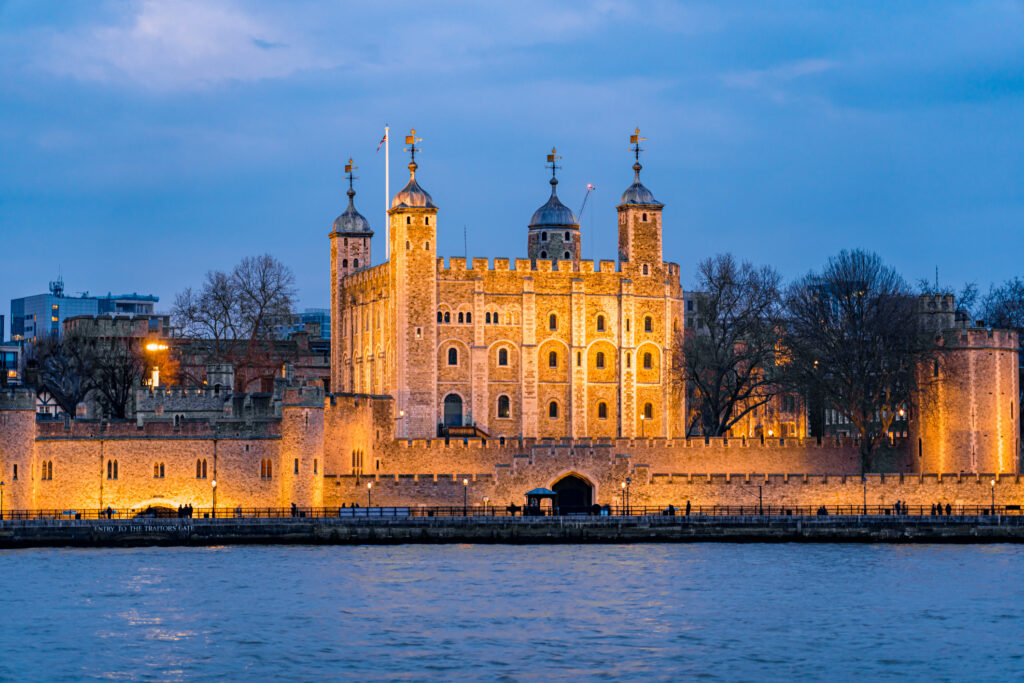
There are a few places in London where history feels as tangible as it does at the Tower of London. Perched on the banks of the River Thames, this iconic fortress has played a pivotal role in shaping the story of Britain. It was originally constructed by William the Conqueror in the 11th century as a symbol of Norman power, and over the centuries, it has functioned as a royal residence, an armory, a treasury, a zoo, and most infamously, a prison. Kings and queens lived here, plotted, and, in some tragic cases, were executed within its stone walls.
Today, it remains one of the top 10 places to see in London, drawing millions of visitors each year who come to experience its layered history. The centerpiece of the complex is the White Tower, one of the most complete examples of 11th-century military architecture in the world. Inside, visitors will find the Royal Armouries collection, which includes awe-inspiring suits of armor worn by Henry VIII, Charles I, and other monarchs. The scale and craftsmanship of these armors tell a story not just of warfare, but of ceremony, power, and vanity.
One of the Tower’s most spellbinding attractions is the Crown Jewels. Guarded behind thick glass and armed personnel, these dazzling objects, scepters, crowns, and orbs are still used in royal ceremonies to this day. The Sovereign’s Sceptre contains the Cullinan I, the largest clear-cut diamond in the world, and the Imperial State Crown alone is encrusted with over 2,800 diamonds. It’s no wonder that this glittering display is often the first stop for many visitors.
Beyond the glint of gemstones, the Tower of London tells darker tales. It was here that Anne Boleyn, the ill-fated second wife of Henry VIII, was imprisoned and beheaded. The Bloody Tower, ominously named, is where the young Princes in the Tower are said to have met their mysterious fate. The Yeoman Warders, popularly known as Beefeaters, act not only as ceremonial guards but also as storytellers who bring these grim chapters to life with charisma and gravitas. Their guided tours blend theatricality with historical accuracy and are an essential part of the experience.
And then there are the ravens. As legend goes, if the ravens ever leave the Tower, the kingdom will fall. To this day, a group of resident ravens, each named and closely cared for, are kept on the grounds. They wander the cobblestones, posing for photos and occasionally squawking at tourists. Their presence adds to the mythic quality of the place, linking the modern visitor to the Tower’s superstitious past.
The Tower’s strategic location also makes it a perfect anchor for your day’s itinerary. Just a short walk away is Tower Bridge, another icon of London, which offers breathtaking views from its high-level walkways. Nearby, you’ll find the vibrant St. Katharine Docks, perfect for lunch along the water, and the towering silhouette of The Shard looming to the west.
In terms of London travel tips, it’s best to book your Tower of London tickets in advance, especially during the summer. Try to arrive early in the morning to avoid the largest crowds. This also gives you a head start on the Crown Jewels, which can see long queues by midday. Allocate at least three hours for your visit, especially if you plan to join a guided tour or explore the exhibits in detail. Tickets for adults start around £30, but if you’re planning to visit multiple attractions, the London Pass can save both time and money.
For those interested in royal history, ghost stories, or simply standing in a place where kings walked and queens perished, the Tower of London offers a journey unlike any other. It’s not only one of the top 10 best places to visit in London, but a powerful reminder that the past is never really past, it’s waiting behind the next turret or echoing along the Tower’s stone corridors. Without question, this historic fortress ranks high among the 10 top places to visit in London, especially for anyone who wants to connect deeply with the city’s medieval soul.
2. The British Museum: World Treasures Under One Roof
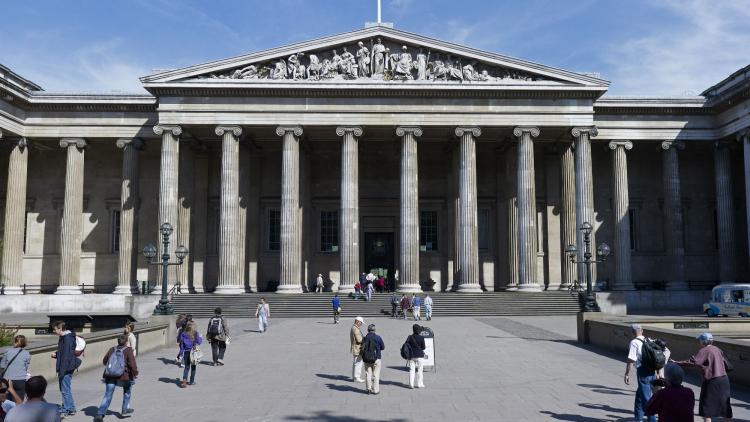
Among the top 10 places to visit in London, the British Museum stands as one of the most iconic landmarks, and the best part is, it’s completely free. Few places in the world offer such an extensive window into human civilization. With over eight million artifacts spanning more than two million years of history, the museum takes you on an unforgettable journey through time. From the Rosetta Stone to Egyptian mummies, the Parthenon sculptures to Samurai armor, it’s not just one of the top 10 best places to visit in London; it’s one of the greatest museums on Earth.
Founded in 1753, the British Museum was the world’s first national public museum and remains a cornerstone of global culture. Its grand architecture and vast collection make it a must-see for anyone planning what to do in London. As soon as you step inside, you’re greeted by the breathtaking Great Court, redesigned by Sir Norman Foster. It’s the largest covered public square in Europe, illuminated by a stunning glass roof that bathes the space in natural light. This central courtyard connects most galleries, making it an ideal starting point for your exploration.
The Egyptian galleries are often the first stop for visitors. Here, the Rosetta Stone commands attention, its carved inscriptions unlocking the ancient language of hieroglyphs and rewriting our understanding of history. Nearby, you’ll find preserved mummies, intricate coffins, and everyday objects from the Nile Valley, offering a glimpse into the lives and beliefs of ancient Egyptians. These rooms are among the museum’s busiest, but their magic never fades.
From there, head toward the Greek and Roman galleries, where you’ll encounter the legendary Parthenon Sculptures (also known as the Elgin Marbles). Once adorning Athens’ most famous temple, these carvings embody the spirit of ancient Greece, its philosophy, art, and civic pride. Whether you view them as Greek treasures or global heritage, their craftsmanship and storytelling power are undeniable. It’s easy to see why the British Museum ranks high on lists like the 10 top places to visit in London and draws millions of visitors every year.
Continue your journey through the Assyrian Galleries, home to colossal winged bulls and relief carvings depicting epic battles and royal rituals. These pieces from ancient Mesopotamia offer an awe-inspiring sense of scale and artistry. The Asian Art collections, meanwhile, transport you to China, Japan, and Southeast Asia, with intricate jade sculptures, Buddhist relics, and beautifully detailed samurai armor. Each room feels like stepping into a new civilization, each with its own voice and legacy.
For visitors looking for hidden gems in London, the Enlightenment Gallery is a must. Tucked along the museum’s original reading room, this gallery captures the 18th-century curiosity that gave birth to modern museums. Cabinets filled with fossils, coins, manuscripts, and scientific instruments reflect a time when scholars sought to understand the world by collecting it. It’s quieter, more reflective, and perfect for travelers who prefer less-crowded corners when exploring the top 10 secret places to visit in London.
With over 80 galleries spread across several floors, it’s impossible to see everything in one visit. The smartest move? Focus on the sections that interest you most. For example, history buffs can spend hours in the Ancient Egypt and Greece galleries, while art enthusiasts might prefer the Islamic, Asian, or African collections. Families will appreciate interactive exhibits and kid-friendly trails that make the experience engaging for younger visitors. These London travel tips can help you make the most of your visit: arrive early, download the museum’s app for self-guided tours, and plan short breaks in the Great Court café.
Another huge plus: entry to the British Museum is completely free. You can walk in any day of the week and explore to your heart’s content. However, special exhibitions like ones focusing on lost civilizations or groundbreaking archaeological discoveries require paid tickets. These are usually worth it, offering rare artifacts from around the world and insights that go beyond the permanent collection. Booking ahead online is smart, especially during weekends or holidays when crowds peak.
Located in Bloomsbury, just a short walk from Tottenham Court Road or Russell Square stations, the museum sits in one of London’s most charming neighborhoods. The area is filled with cozy cafés, garden squares, and bookshops, a perfect spot to unwind after your visit. Many travelers make the British Museum their first stop before exploring other nearby attractions, making it a natural part of any itinerary that covers the top 10 places to see in London.
If you want to dive deeper, the museum hosts lectures, film screenings, and cultural workshops that bring history to life. From discussions about ancient trade routes to sessions on artifact conservation, these programs transform the museum from a static display into a living classroom. It’s this commitment to education and accessibility that keeps the British Museum relevant in a rapidly changing world.
The museum also sparks essential conversations about cultural heritage and repatriation. Some of its most famous objects, such as the Parthenon Sculptures and the Benin Bronzes, were collected during the British Empire, raising questions about ownership and ethics. Rather than shying away from controversy, the museum acknowledges these debates, encouraging visitors to reflect on how history is preserved and shared. This openness adds a deeper layer of meaning to your visit; it’s not just about admiring artifacts but understanding the complex stories behind them.
Before leaving, stop by the museum shop for art-inspired gifts, or relax at the café under the Great Court’s glass roof. Whether you’re savoring a cup of coffee or flipping through a guidebook, it’s hard not to feel awe for the sheer scale of human creativity on display. Every visit feels different; you might come for the mummies and end up captivated by a 9th-century Chinese scroll or a Viking hoard you didn’t expect to see.
The British Museum isn’t just a stop on your London itinerary; it’s a destination that redefines what a museum can be. It educates, inspires, and challenges in equal measure. For travelers compiling their list of top 10 places to visit in London, it’s a no-brainer. But beyond its fame, it remains one of the city’s most rewarding hidden gems, a place where the entire world converges under one magnificent roof. Whether you’re a history enthusiast, a casual tourist, or someone searching for what to do in London on a rainy afternoon, this museum offers an experience that’s both humbling and unforgettable.
3. Westminster Abbey and Big Ben: Icons of British Heritage
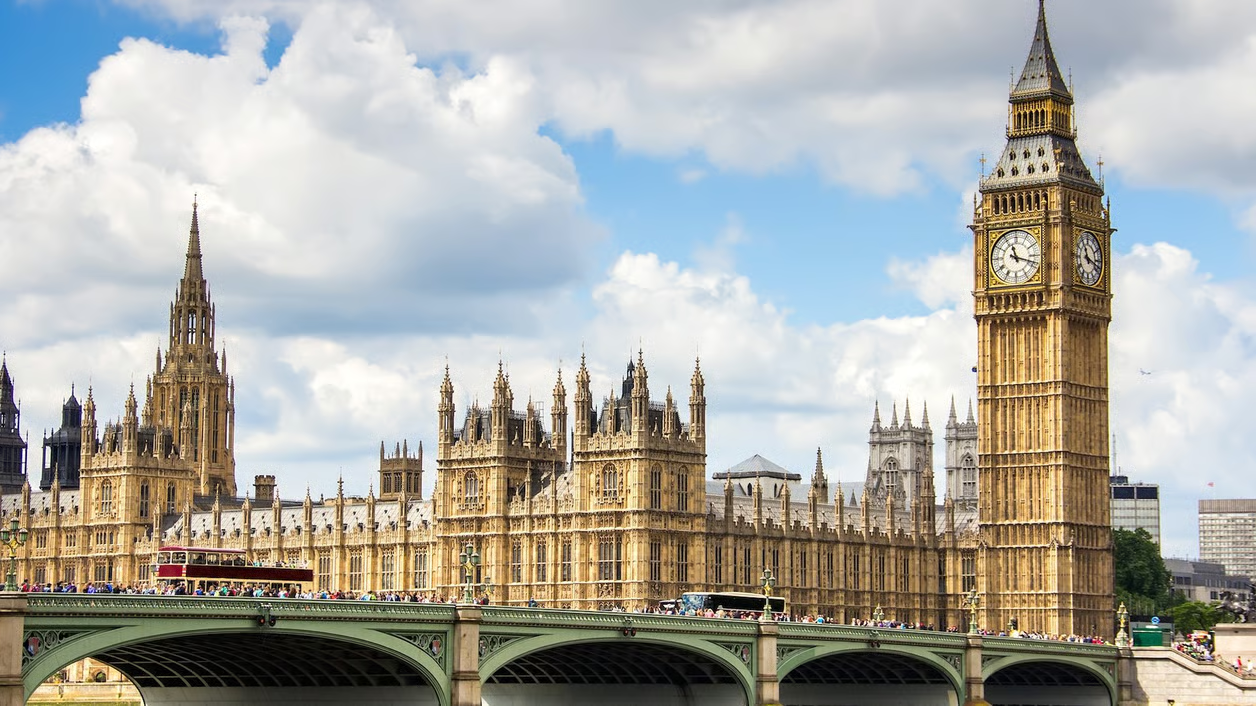
Few landmarks embody London’s identity quite like Westminster Abbey and Big Ben. Sitting side by side along the River Thames, they form the historic and political heart of the capital. If you’re planning your itinerary for the top 10 places to visit in London, this area is essential.
Westminster Abbey: Where History Lives
Founded more than a thousand years ago, Westminster Abbey has hosted every royal coronation since 1066 and holds the tombs of monarchs, poets, and scientists who shaped British history. Its soaring Gothic architecture is breathtaking vaulted ceilings, stained-glass windows, and intricate carvings that define medieval craftsmanship at its peak.
Stepping inside feels like entering a living museum. The Nave impresses immediately, with its towering arches and stone monuments. Nearby lies the Coronation Chair, built in 1300 for King Edward I and used in every coronation since. It’s an extraordinary symbol of continuity, connecting modern Britain to its medieval roots.
No visit is complete without a stop at Poets’ Corner, where literary icons such as Chaucer, Dickens, and Kipling rest. Even Shakespeare and Austen are commemorated here. This section alone makes the Abbey one of the top 10 places to see in London for lovers of art and culture. Across the church, the Scientists’ Corner pays tribute to Isaac Newton, Charles Darwin, and Stephen Hawking, a meeting place of genius across the ages.
For the best experience, book tickets online and arrive early. The audio guide provides rich context about each chapel and monument. If possible, stay for Evensong, the choir service held most evenings, free to attend and unforgettable for its atmosphere.
Big Ben and the Elizabeth Tower
Just steps away stands Big Ben, officially the Great Bell, housed in the Elizabeth Tower of the Palace of Westminster. Completed in 1859, it’s one of the most famous clock towers in the world and one of the top 10 best places to visit in London for first-time travelers.
When its bells chime, their sound resonates across Westminster as an unmistakable soundtrack of the city. The tower’s neo-Gothic design, intricate detailing, and four illuminated clock faces make it one of London’s most photographed landmarks. At night, when it glows above the Thames, it’s pure magic.
Tours inside the tower require booking and are limited to UK residents, but the exterior views are spectacular and completely free. The best vantage point is Westminster Bridge, especially at sunset when the light catches the stonework and reflects on the river.
The Heart of British Democracy
Big Ben forms part of the Palace of Westminster, home to the Houses of Parliament. You can book guided tours to see where the nation’s most important decisions are made. Standing in Parliament Square, you’re surrounded by statues of figures like Churchill, Mandela, and Lincoln, reminders that this space represents not just Britain’s story, but the world’s.
For anyone exploring what to do in London beyond the standard tourist stops, the Churchill War Rooms just around the corner are a must. This underground museum preserves the bunkers where Winston Churchill led Britain through World War II. It’s immersive, fascinating, and one of the most compelling historical sites in the city.
After absorbing so much history, take a short walk to St. James’s Park, one of London’s most beautiful green spaces. With its flowerbeds, lake, and royal pelicans, it offers a peaceful contrast to the grandeur of Westminster. From the park’s bridge, you can capture perfect views of Buckingham Palace in one direction and Big Ben in the other two icons in a single frame.
Nearby cafés and pubs provide ideal spots to unwind. Try a riverside drink or classic English tea before heading toward the London Eye, another must-see landmark offering panoramic views of Westminster’s skyline.
Getting here is easy. Westminster Underground Station (Jubilee, District, and Circle lines) exits right beside Big Ben. Visit early in the morning to avoid crowds, especially if you want quiet time in the Abbey. Dress respectfully; it’s still an active place of worship. For photos, aim for golden hour or twilight; the combination of Big Ben’s illumination and the river reflection creates one of the city’s most iconic shots.
If you’re looking for hidden gems in London, slip behind Parliament into Victoria Tower Gardens, a small riverside park that most tourists miss. It’s calm, green, and offers an incredible view of the Palace’s southern façade.
4. Buckingham Palace: Royal Splendor and Ceremony
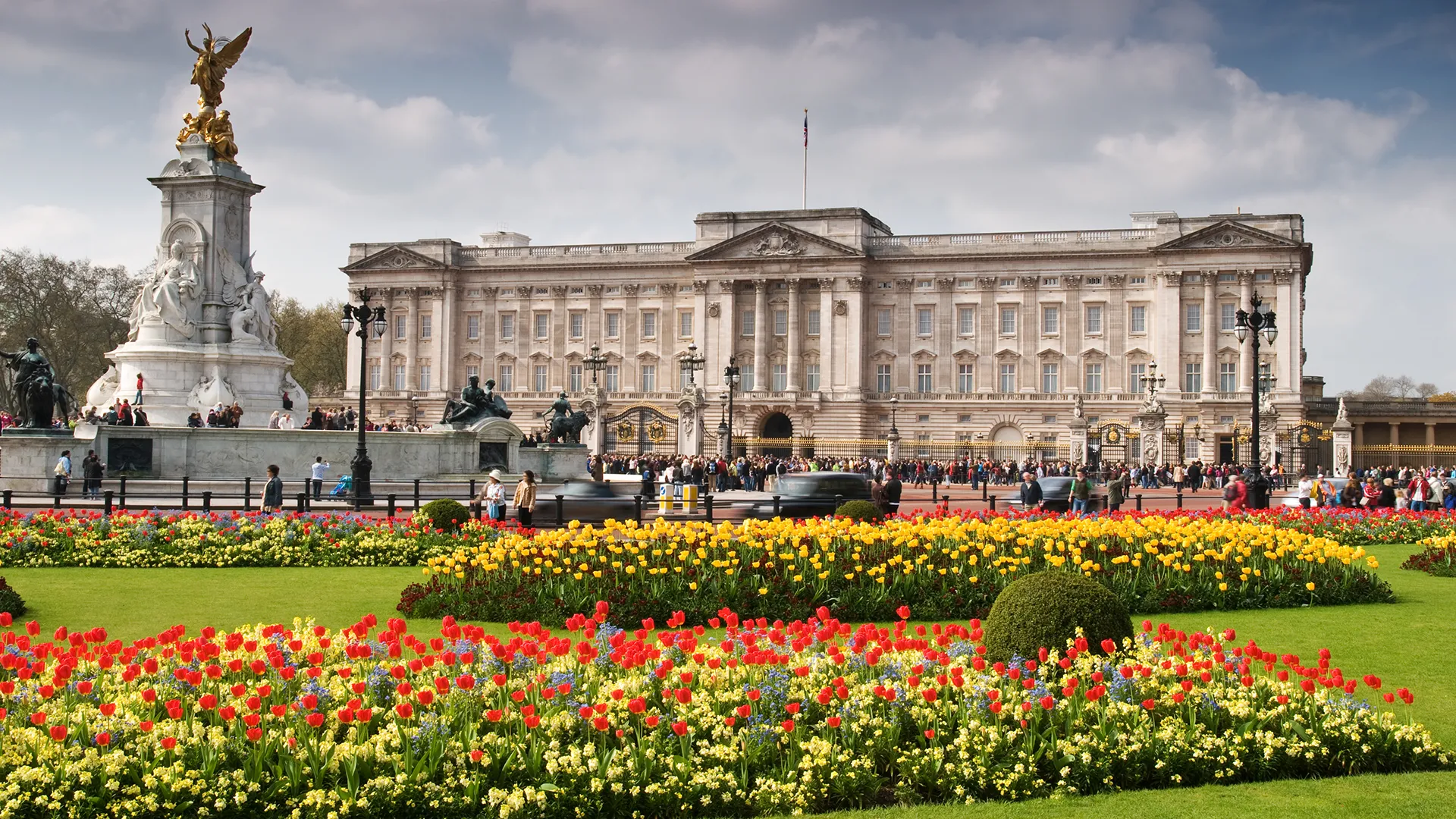
No trip to London feels complete without visiting Buckingham Palace, the majestic residence of the British monarch and one of the top 10 places to visit in London. Whether you’re drawn by royal history, architecture, or the famous Changing of the Guard, the palace represents the enduring grandeur of Britain’s monarchy and remains a must-see for anyone exploring the capital.
The Changing of the Guard: A Quintessential British Spectacle
Few experiences capture London’s royal pageantry better than the Changing of the Guard. Held at 11:00 a.m. on Mondays, Wednesdays, Fridays, and Sundays (weather permitting), this centuries-old ceremony draws crowds from around the world. As the Household Division’s soldiers march in perfect precision, dressed in their red tunics and tall bearskin hats, the scene feels like a step back in time.
The ceremony is both symbolic and practical, marking the formal handover of responsibility between the old and new guards, but it’s also one of the most photographed moments in the city. Arrive at least 30–45 minutes early for the best viewing spots along The Mall or directly in front of the palace gates. If you want to beat the rush, catch the guard change at nearby St. James’s Palace, where it begins before the troops march to Buckingham Palace accompanied by a military band.
The pageantry, music, and atmosphere make it one of the top 10 best places to visit in London for first-time travelers. For photography lovers, sunny days or slightly overcast skies provide perfect lighting to capture the grandeur of the moment.
While most visitors only see Buckingham Palace from the outside, those visiting between July and September get a rare treat: access to the State Rooms. These 19 rooms are open to the public when the royal family departs for Balmoral Castle, offering an extraordinary look inside one of the world’s most famous residences.
Every detail reflects elegance and heritage. The Grand Staircase, lined with portraits of former monarchs, sets the tone as you move through opulent chambers adorned with crystal chandeliers, gilded ceilings, and marble columns. The Throne Room, used for official ceremonies, exudes regal symbolism with crimson drapery and gold detailing.
The Picture Gallery is another highlight, housing masterpieces from the Royal Collection, including works by Rembrandt, Rubens, and Canaletto. Each painting tells part of Britain’s story, not only through art but through the generations of kings and queens who lived surrounded by it. Visiting these rooms gives you a sense of the balance between ceremonial duty and personal legacy that defines the British monarchy.
If you’re wondering what to do in London during the summer, this seasonal opening is unmissable. Tickets sell out quickly, so book well in advance. Audio guides are included and offer fascinating commentary about royal events, architecture, and historic visitors.
Behind the palace walls lies one of the hidden gems in London, the Buckingham Palace Gardens. Spanning 39 acres, they form the largest private garden in the city, complete with rolling lawns, a lake, and over 300 species of flowers and plants. On special open days, visitors can stroll through this tranquil retreat, enjoy a picnic on the grass, or follow a guided tour explaining the garden’s royal traditions and design.
Despite being at the heart of London, the atmosphere feels surprisingly peaceful. You can admire views of the palace’s west façade reflected in the lake or spot the famous Rose Garden near the summerhouse. It’s one of those top 10 secret places to visit in London that most tourists miss, and one of the few opportunities to experience royal serenity away from the city’s bustle.
Outside the palace, The Mall, a grand red-paved avenue stretching to Trafalgar Square, creates one of the most iconic London views. It’s used for royal parades, national celebrations, and major events such as the late Queen Elizabeth II’s Platinum Jubilee. At its center stands the Victoria Memorial, a gleaming marble monument dedicated to Queen Victoria, representing courage, truth, and motherhood. It’s an excellent spot for photos, particularly when framed by the palace in the background.
From here, take a stroll through St. James’s Park, one of the oldest royal parks in London. With its elegant bridges, pelicans, and flower-lined paths, it offers picture-perfect views of both Buckingham Palace and Westminster. If you’re creating a travel itinerary of the 10 top places to visit in London, combining the Palace, the park, and nearby attractions like the Royal Mews or Green Park makes for an ideal half-day route.
Timing and positioning are key. For the Changing of the Guard, arrive by 10:15 a.m. to secure a good view at the railings. The ceremony lasts about 45 minutes, and the area fills up fast. Avoid using umbrellas; they block views and annoy those behind you. Instead, bring a light rain jacket if the weather looks unpredictable.
If you’re visiting in summer, allocate around two hours for the State Rooms tour and an additional hour if you’re exploring the gardens. Photography inside the palace isn’t allowed, but there are plenty of opportunities outside the gates, particularly from Constitution Hill and The Queen Victoria Memorial.
The nearest Underground stations are Green Park, Victoria, and St. James’s Park, all within a 10-minute walk. After your visit, explore nearby cafés on Piccadilly or treat yourself to afternoon tea at The Ritz for the full British experience.
Buckingham Palace isn’t just the official residence of the monarch; it’s a living symbol of continuity, duty, and ceremony. Whether you’re watching the guards march in unison, touring the regal halls, or relaxing in the gardens, the palace embodies the very essence of British tradition.
For travelers mapping out the top 10 places to see in London, Buckingham Palace ranks near the top not just for its history, but for the atmosphere it creates. It’s where the pomp of royalty meets the pulse of modern London, where heritage feels alive rather than distant.
Whether you’re a history enthusiast, a first-time visitor, or simply exploring what to do in London for the weekend, this landmark delivers spectacle, culture, and timeless charm in equal measure. Standing before its golden gates, you’ll understand why Buckingham Palace remains one of the most beloved and enduring symbols of the United Kingdom.
5. The Tate Modern: Contemporary Art in an Industrial Cathedral
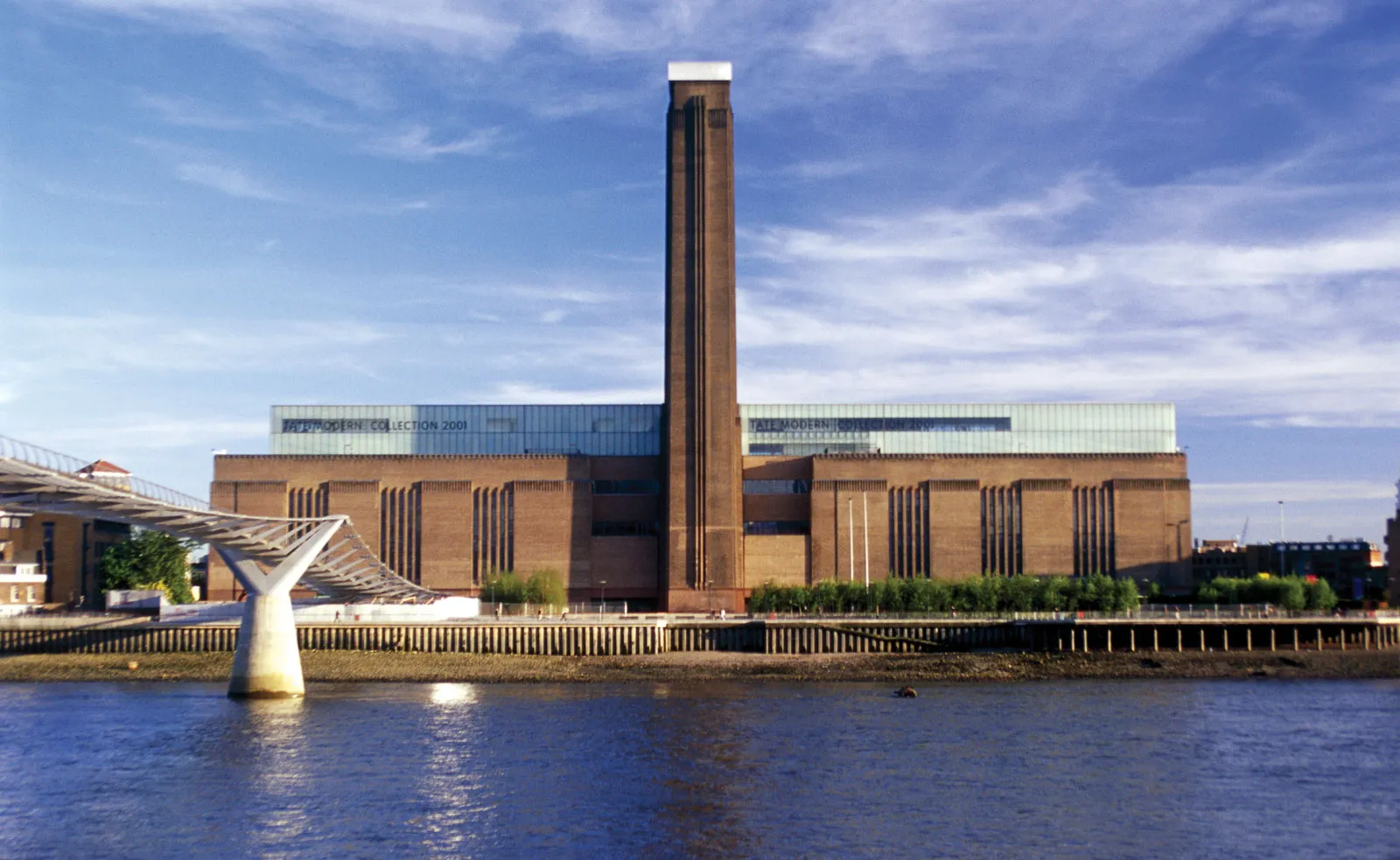
For anyone exploring culture and creativity, the Tate Modern is easily one of the top 10 places to visit in London. Set in a converted power station on the South Bank of the Thames, this world-renowned gallery transforms industrial architecture into a cathedral of modern art. It’s free to enter, endlessly inspiring, and one of the most dynamic cultural spaces in the city.
The Tate Modern occupies the former Bankside Power Station, redesigned by Herzog & de Meuron in 2000. The building itself is a masterpiece, its monumental brick façade and 99-metre chimney make it instantly recognizable on the London skyline. Inside, the Turbine Hall, once home to massive generators, now serves as a dramatic exhibition space for monumental installations that redefine the limits of art.
Past installations have included Olafur Eliasson’s The Weather Project, which filled the hall with a glowing artificial sun, and Ai Weiwei’s Sunflower Seeds, consisting of millions of hand-painted porcelain seeds. Each exhibit transforms the space, making no two visits alike. For travelers asking what to do in London beyond the usual attractions, this is where creativity truly comes alive.
The Tate Modern’s permanent collection features some of the most influential artists of the 20th and 21st centuries. Expect to find Picasso, Warhol, Matisse, Dali, Hockney, Rothko, and Pollock, among many others. These aren’t just paintings on walls; they represent revolutions in how we see the world.
Each gallery is organized around themes rather than chronology, connecting works across time and geography. One moment, you’re staring at a Rothko Seagram mural, immersed in deep, meditative colour fields; the next, you’re standing before Warhol’s Marilyn Diptych, confronting celebrity and repetition in pop culture. The variety ensures that even casual visitors can find something that resonates.
If you’re short on time, the museum’s Highlights Tour helps you navigate the essential pieces in about an hour. Alternatively, download the free Tate app for maps, commentary, and artist insights, one of the best London travel tips for maximizing your visit.
In 2016, the Tate expanded with the Switch House, a 10-story pyramid-like extension made of perforated brick. It added new galleries for performance, photography, and interactive installations, along with a 360-degree viewing level at the top. The view is phenomenal, stretching across the Thames toward St. Paul’s Cathedral, Millennium Bridge, and the City skyline. It’s one of the best free vantage points in central London and an underrated hidden gem in London for photographers.
Arrive around sunset for the most spectacular light, when St. Paul’s dome glows golden and the river sparkles below. The rooftop café and bar serve great coffee, wine, and light meals perfect for unwinding after a few hours of gallery-hopping.
Part of what makes the Tate Modern one of the top 10 places to see in London is its unbeatable location. Step outside and you’re right on the Thames Path, one of the city’s most scenic walks. To your left, Shakespeare’s Globe Theatre and Borough Market await; to your right, the Millennium Bridge leads directly across the river to St. Paul’s. Street performers, local artists, and food vendors give this area a creative, energetic pulse that perfectly complements the museum’s spirit.
If you’re visiting on a weekend, explore the Southbank Centre food market for global cuisine or browse the secondhand book stalls under Waterloo Bridge. These little experiences make the area one of the top 10 best places to visit in London for culture lovers who enjoy more than just sightseeing; they want atmosphere, movement, and authenticity.
The Tate Modern isn’t static; it constantly evolves with new temporary exhibitions, live performances, and talks by leading artists. From retrospectives of icons like Yayoi Kusama or Andy Warhol to groundbreaking digital and installation art, the lineup always pushes boundaries. Some exhibits require tickets, but they’re worth every penny if you want a deeper experience of contemporary art.
Families are welcome too; there are dedicated activity areas and creative workshops that make art accessible to kids. This blend of innovation and inclusivity makes the Tate Modern not just one of the top 10 places to visit in London, but one of the most inspiring.
6. Hyde Park and Kensington Gardens: Green Lungs of the City
When planning the top 10 places to visit in London, few spots capture the city’s balance between nature and urban life like Hyde Park and Kensington Gardens. Together, these two vast green spaces form London’s central oasis, offering tranquility, history, and quintessential British charm just steps away from some of the capital’s busiest streets. Whether you’re looking for outdoor relaxation, family-friendly fun, or a glimpse of royal heritage, this area delivers it all.
Covering 350 acres, Hyde Park is one of the largest and most beloved parks in London. It’s where locals jog, picnic, or paddle on the Serpentine, a man-made lake created in 1730 that still serves as the park’s focal point. In summer, you can rent a rowboat or pedal boat, feed the ducks, or enjoy open-air swimming at the Serpentine Lido, one of London’s most refreshing hidden gems, when the weather cooperates.
The park’s layout encourages exploration. Stroll along tree-lined avenues, discover rose gardens, or find a shady bench near the water for quiet reflection. You’ll encounter monuments like the Joy of Life Fountain and the 7 July Memorial, which commemorate moments of resilience and hope in the city’s history. It’s a place where nature, culture, and community blend seamlessly.
One of Hyde Park’s most famous traditions lives on at Speaker’s Corner, located near Marble Arch. Every Sunday since the 1800s, people have gathered here to express their opinions on politics, religion, and anything else imaginable. It’s a living symbol of Britain’s commitment to free speech and democracy, and one of those experiences that make London so distinctive. Listening to impromptu debates or even joining in yourself is a fun way to feel part of the city’s spirit.
For travelers figuring out what to do in London on a sunny morning, Hyde Park is the perfect start. Grab a coffee from one of the kiosks, rent a bike through Santander Cycles, and follow the paths that weave between open meadows and serene water views. It’s a chance to slow down, breathe, and enjoy the natural side of the capital.
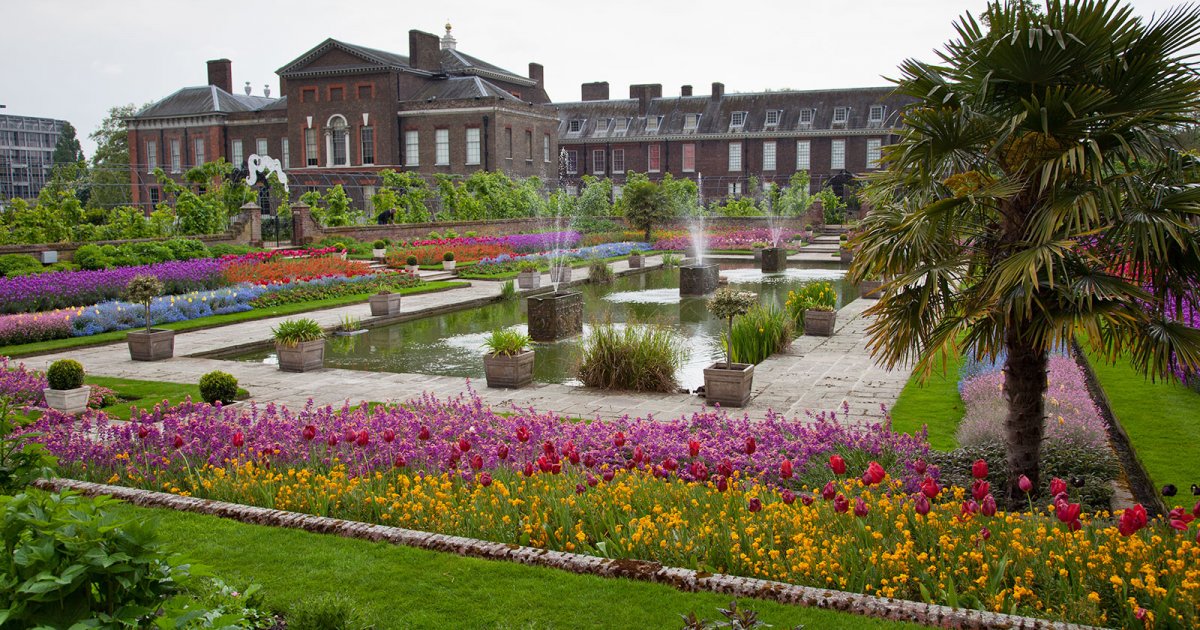
Directly west of Hyde Park lies Kensington Gardens, slightly quieter and more refined, with an atmosphere steeped in royal history. Once the private gardens of Kensington Palace, this 275-acre landscape is where monarchy meets serenity. The palace itself is still a working royal residence, and the home of the Prince and Princess of Wales is open to visitors year-round. Inside, you’ll find exhibits about Queen Victoria’s childhood, royal fashion, and the life of Princess Diana.
The surrounding gardens are masterpieces of design. The Italian Gardens, near Lancaster Gate, are among the park’s most photogenic spots. Created in the 1860s as a gift from Prince Albert to Queen Victoria, these ornamental water gardens feature elegant stone basins, fountains, and sculptures that make for postcard-perfect photos.
Another highlight is the Peter Pan statue, tucked along the west side of the Long Water. Erected in 1912, it celebrates J.M. Barrie’s beloved character and has become a symbol of childhood wonder. Nearby, the Diana Memorial Playground offers an imaginative space for kids to explore, complete with a giant wooden pirate ship and sensory trails. For families looking for peaceful, meaningful fun, Kensington Gardens easily ranks among the top 10 best places to visit in London.
If you prefer a quieter walk, head toward the Albert Memorial, an ornate Victorian monument opposite the Royal Albert Hall. Its gilded spire and intricate sculptures commemorate Prince Albert’s contributions to arts and science, reflecting Britain’s 19th-century optimism and creativity. This part of the gardens feels timeless, offering both grandeur and calm, one of those top 10 secret places to visit in London that reveal a deeper layer of the city’s heritage.
Both parks host events year-round. In summer, Hyde Park’s British Summer Time Festival brings global music acts to the Great Lawn, while in winter, the park transforms into Winter Wonderland, a massive fairground filled with rides, markets, and festive lights. Meanwhile, Kensington Gardens often features open-air art installations and guided walks through the royal grounds.
Even outside special events, the parks feel alive. Early mornings attract joggers and cyclists; afternoons see locals sprawled on the grass with books and snacks. It’s this constant rhythm of daily life that makes these parks some of the top 10 places to see in London, not because they’re flashy, but because they represent the city’s beating heart.
7. Borough Market: A Foodie’s Paradise
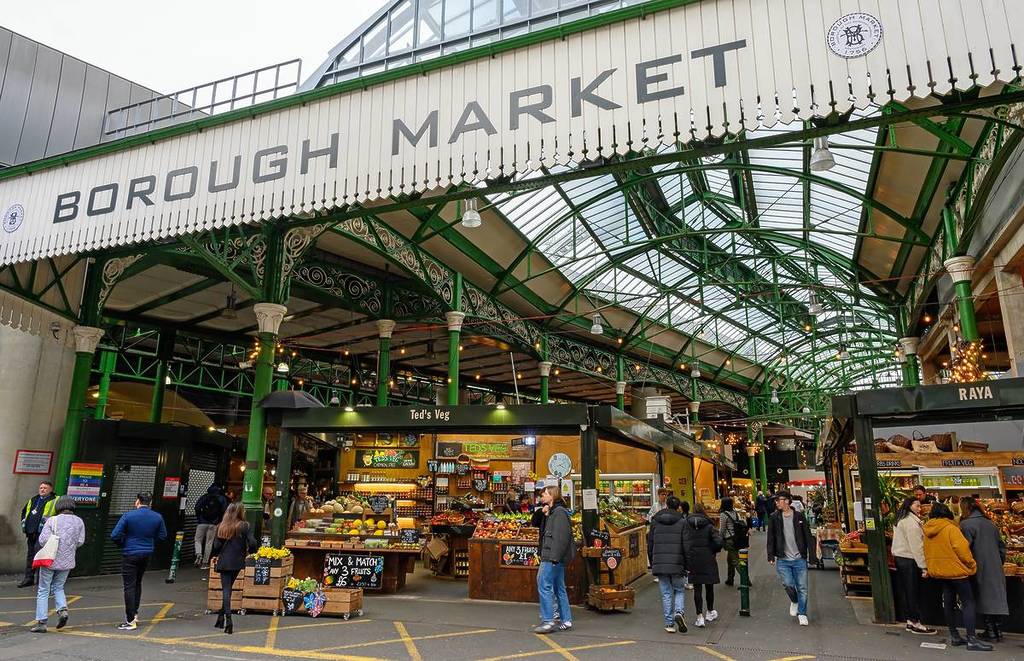
If you’re wondering what to do in London that truly captures the city’s flavor, literally look no further than Borough Market. Just steps from London Bridge, this historic food market has become a must-visit for locals, chefs, and travelers alike. It’s not only one of the top 10 places to visit in London, but also one of the most authentic experiences in the city a living, breathing celebration of food, culture, and community.
A Market with 1,000 Years of History
Borough Market’s roots stretch back to the 12th century, when traders gathered here to sell grains, livestock, and produce. Over the centuries, it has evolved into a modern culinary hub while maintaining its old-world charm. Beneath the glass-and-iron railway arches, the air is thick with the smell of sizzling food, roasted coffee, and fresh herbs, a feast for the senses.
Today, the market hosts over 100 independent vendors offering everything from artisan cheeses and charcuterie to handmade chocolates, exotic spices, and organic vegetables. The diversity mirrors London itself, global, dynamic, and endlessly creative. Whether you’re a serious foodie or just hungry, Borough Market delivers something unforgettable.
What to Eat at Borough Market
Part of the fun is simply wandering and sampling. Grab a grilled cheese sandwich from Kappacasein, melted to perfection with Montgomery cheddar and onions on sourdough. Follow it with a chorizo roll from Brindisa, one of the market’s most famous bite,s a smoky, spicy explosion that keeps people lining up all day.
If seafood is your thing, don’t miss Richard Haward’s Oysters, freshly shucked and served with lemon and Tabasco. For dessert, treat yourself to bread and butter pudding from Ginger Pig, or pick up a slice of cake from Comptoir Gourmand. There’s also Monmouth Coffee, a London institution known for its single-origin beans and perfectly brewed flat whites.
For travelers building a list of the top 10 best places to visit in London, Borough Market is more than a place to eat, it’s a place to taste London’s soul. Every stall reflects passion and craftsmanship, from local farmers and bakers to international street-food pioneers serving Korean bibimbap, Ethiopian stews, or Venezuelan arepas.
When and How to Visit
The market operates Monday through Saturday, with the full market running from Wednesday to Saturday. To avoid the heaviest crowds, plan your visit on a weekday morning between 10 a.m. and noon. You’ll have more space to browse, chat with traders, and enjoy the atmosphere before lunch rush sets in.
Even if you don’t plan to eat much, Borough Market makes a great stop for people-watching and photography. The contrast between the Victorian-era structure and the modern skyline, especially The Shard towering overhead, creates one of the city’s most striking urban scenes.
Surrounding Attractions: More Than Just Food
Borough Market’s location is unbeatable for anyone exploring the top 10 places to see in London. Right next door stands Southwark Cathedral, one of the city’s oldest churches, with its Gothic spire and peaceful cloisters. A short walk along the Thames Path takes you to Shakespeare’s Globe Theatre, a faithful reconstruction of the Elizabethan playhouse where Shakespeare’s works were performed.
Head a few minutes east, and you’ll reach Tower Bridge and the Tower of London, both iconic landmarks that pair perfectly with a food-filled morning at the market. To the west, the Tate Modern awaits with world-class art exhibitions. For panoramic views, climb The Shard’s Skydeck, offering one of London’s most breathtaking perspectives.
Combining Borough Market with these attractions makes for one of the most satisfying and efficient itineraries in the city, ideal for those ticking off the 10 top places to visit in London in a single day.
Hidden Corners and Local Secrets
Beyond the main stalls, Borough Market hides a few surprises. Tucked into side alleys and arches, you’ll find wine bars, craft beer cellars, and cheese caves where producers offer tastings and tell their stories. For a quieter moment, step into Neal’s Yard Dairy, where you can sample traditional British cheeses from across the countryside. Or visit Wright Brothers Oyster & Porter House for a sit-down meal paired with stout or Champagne.
These small, character-filled spots are some of the top 10 secret places to visit in London, the kind of discoveries that make you feel like a local rather than a tourist.
London Travel Tips for Visiting Borough Market
- Timing matters: Arrive early (before 11 a.m.) for smaller crowds and fresher selections.
- Bring cash and a reusable bag: While most stalls accept cards, smaller vendors prefer cash, and you’ll likely end up buying more than planned.
- Sample first: Most traders encourage tastin,g don’t be shy to ask questions about ingredients or origins.
- Avoid weekends if possible: Saturdays can get packed; weekday mornings are far more relaxed.
- Stay nearby: Combine your visit with a riverside walk, or grab a drink at one of the nearby pubs like The Market Porter or The Old Thameside Inn.
Why Borough Market Belongs on Every London Itinerary
Borough Market embodies London’s character, historic yet modern, refined yet unpretentious. It’s where centuries-old trading tradition meets today’s culinary innovation. Here, you’ll find farmers who’ve sold produce for generations alongside young chefs redefining street food.
For travelers curating their top 10 places to visit in London, the market stands out not just as a place to eat, but as an experience that connects you to the city’s past and present. It’s a space that invites you to slow down, taste, talk, and take part in a tradition that’s been alive for nearly a millennium.
Whether you’re hunting for hidden gems in London, savoring local flavors, or simply looking for inspiration, Borough Market delivers in every sense. It’s more than a market it’s a community, a celebration, and a reminder that food is one of the most universal ways to understand a city.
8. Leadenhall Market: Victorian Elegance and Hidden Magic
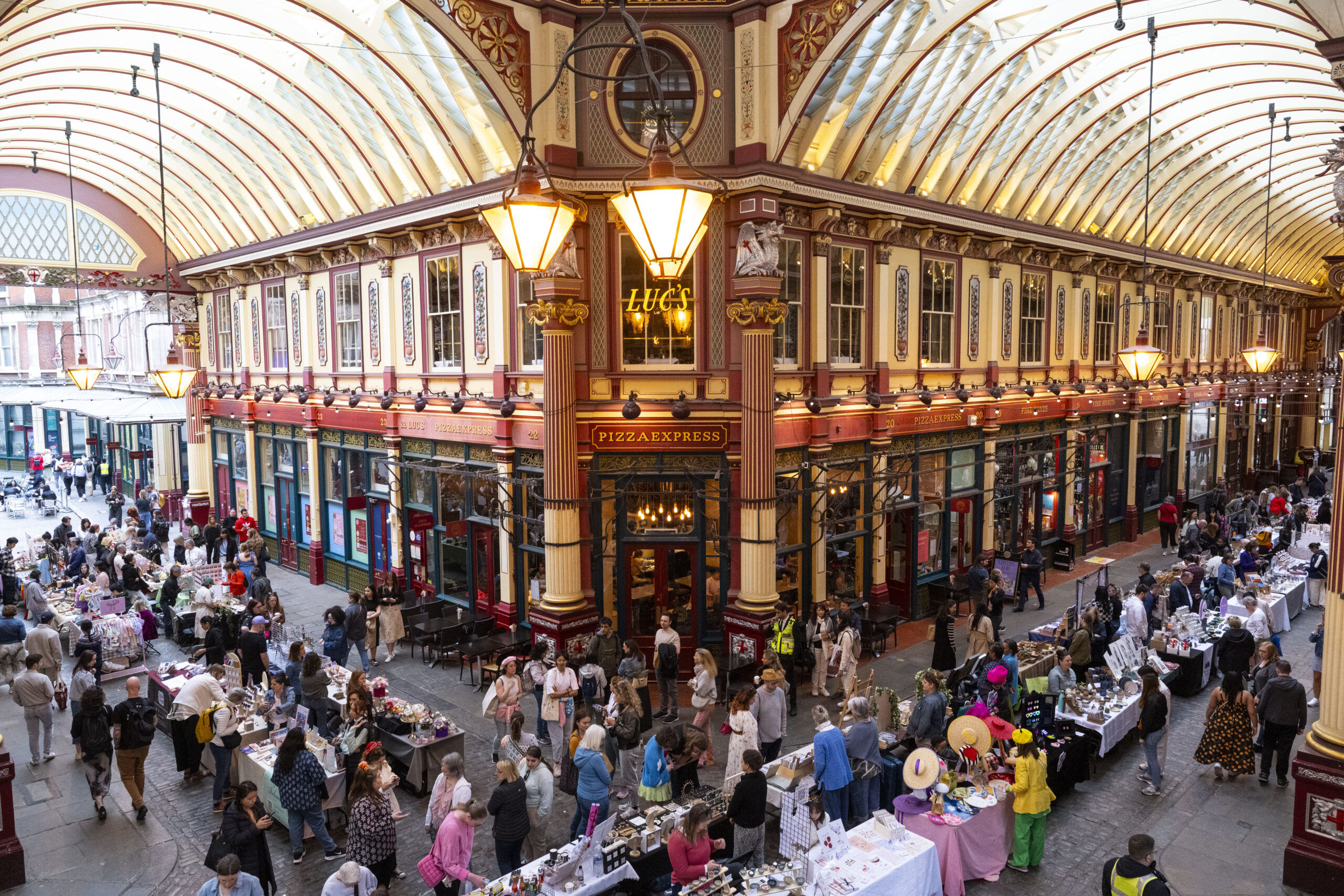
Tucked between skyscrapers in the City of London’s financial district, Leadenhall Market is one of the most captivating hidden gems in London. Dating back to the 14th century, this beautifully preserved market combines history, architecture, and atmosphere in a way few places can. Its ornate arcades, wrought-iron details, and glass ceilings transport visitors straight into Victorian London, making it a must-see for anyone curating their list of the top 10 places to visit in London.
A Market Steeped in History
Leadenhall began as a medieval meat and poultry market in 1321, serving London’s merchants and butchers for centuries. Rebuilt several times, its current form, designed by Sir Horace Jones in 1881, showcases elaborate ironwork, sweeping arches, and richly painted green and maroon façades. Though modern shops now line its lanes, the market has retained its charm and elegance, standing as a living testament to London’s architectural heritage.
It’s also one of the oldest continually operating markets in the city. Strolling through its polished cobblestone walkways, you can almost feel the layers of history beneath your feet, centuries of trade, conversation, and daily life preserved in an environment that feels untouched by time. This timelessness is exactly what makes Leadenhall one of the top 10 best places to visit in London for travelers who appreciate culture beyond the obvious landmarks.
A Setting Straight Out of the Movies
Film enthusiasts will instantly recognize Leadenhall Market from the Harry Potter films, where it served as the location for Diagon Alley in Harry Potter and the Philosopher’s Stone. The glass roofs, narrow alleys, and whimsical shopfronts made it the perfect stand-in for the magical shopping street. Fans still come here to find the blue doorway at 42 Bull’s Head Passage, which was used as the entrance to the Leaky Cauldron.
But even if you’re not a Potterhead, the market’s cinematic beauty is undeniable. Early mornings, when sunlight filters through the glass canopy, or dusk, when golden lights glow against the wrought iron, create an atmosphere that’s both romantic and otherworldly. It’s one of those top 10 secret places to visit in London, where you can enjoy peace and beauty without the chaos of the major tourist spots.
Shopping, Dining, and Local Character
Today, Leadenhall Market blends old-world elegance with modern London life. The arcades house boutique shops, florists, wine merchants, and tailors, alongside some of the city’s most atmospheric pubs and restaurants. Stop by The Lamb Tavern, a Victorian pub with wooden interiors and classic British ales, or enjoy fresh seafood at Chamberlain’s of London, a family-run institution with deep ties to the market’s trading past.
If you’re visiting around lunchtime, the market hums with city workers enjoying a quick meal or drink. You’ll find everything from upscale dining to quick bites, Mediterranean tapas, gourmet burgers, sushi, and artisan coffee. On quieter days, it’s the perfect spot to sit beneath the painted ceiling with a cup of espresso, people-watch, and soak in the sense of place.
For travelers exploring what to do in London beyond the standard attractions, this blend of elegance, history, and daily life is what sets Leadenhall apart. It’s an experience that feels authentic less like a museum and more like stepping into the city’s living story.
Location and Nearby Attractions
Leadenhall Market is conveniently located between Bank, Monument, and Liverpool Street stations, making it easy to access from anywhere in central London. Because it’s free to explore, you can spend as little or as much time as you like wandering through its passages.
Its position also makes it a perfect stop on a self-guided walking tour of the City of London. From here, you can visit The Gherkin (30 St Mary Axe) for modern architecture, Sky Garden for sweeping skyline views, or St. Dunstan in the East, another of London’s most breathtaking hidden gems, a bombed-out church turned peaceful garden sanctuary. For architecture lovers, this area ranks high among the top 10 places to see in London because of its contrast between historic and futuristic design.
London Travel Tips for Visiting Leadenhall Market
- Best time to visit: Early mornings for quiet photography, or late afternoon when the lights begin to glow. Weekends are ideal for a calmer experience as nearby offices close.
- Cost: Free to enter and explore.
- Getting there: Nearest Underground stations are Bank, Monument, or Aldgate. All are within a 5–10 minute walk.
- Food tip: Try a weekday lunch for local energy or visit after 5 p.m. when city workers unwind at pubs great for people-watching.
- Photography: The market’s design makes it a dream location for architecture and street photographers. Bring a wide-angle lens to capture the full expanse of its domed roof.
- Combine your visit: Pair Leadenhall with nearby Borough Market, Tower Bridge, or a Thames riverside walk for a full-day itinerary of classic and contemporary London.
Why Leadenhall Deserves a Spot on Every London Itinerary
Leadenhall Market is the kind of place that reminds you why London is endlessly fascinating. It’s not grand like Buckingham Palace or famous like Big Ben, but it tells a quieter, more personal story of traders, craftsmen, and everyday Londoners who shaped the city over centuries. It’s living proof that history and modernity can coexist beautifully.
For travelers planning their 10 top places to visit in London, this market deserves a firm spot on the list. It offers history without crowds, architecture without barriers, and charm without cost. Whether you’re admiring the ceiling, enjoying a pint in a 19th-century pub, or retracing the steps of a young wizard, Leadenhall Market captures the essence of hidden London, magical, elegant, and timeless.
9. The Barbican Conservatory: A Tropical Secret Garden
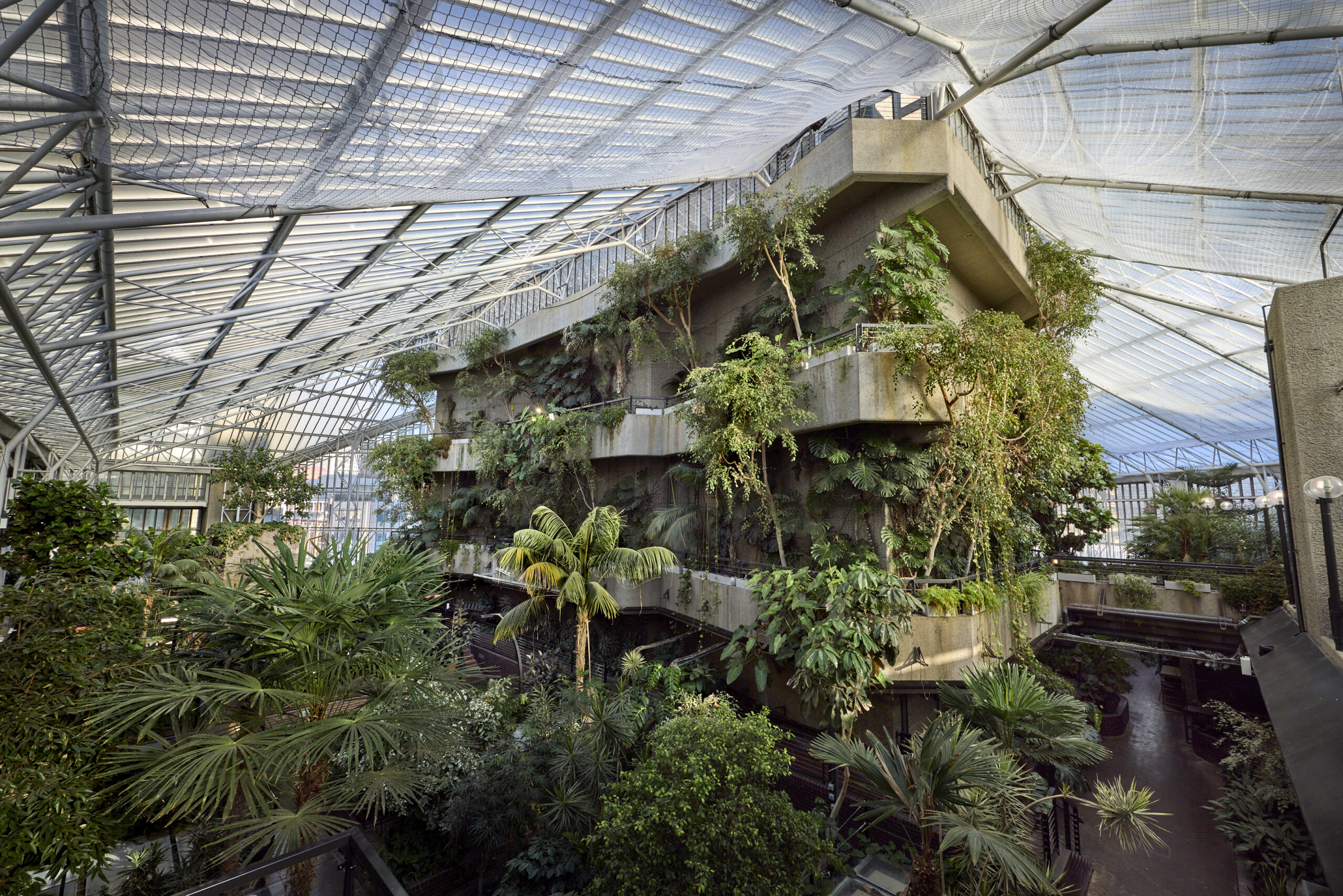
Among the top 10 secret places to visit in London, the Barbican Conservatory stands out as one of the city’s most unexpected discoveries, a tropical paradise hidden inside one of London’s most striking architectural landmarks. Perched atop the Brutalist Barbican Centre, this lush glasshouse is home to more than 1,500 species of plants, trees, and exotic wildlife. It’s serene, surreal, and completely unlike anything else in the capital.
A Hidden Oasis in the Heart of the City
The Barbican Conservatory first opened in 1984 as part of the larger Barbican Estate, an ambitious post-war urban renewal project known for its raw concrete geometry and maze-like design. What makes this conservatory special is the juxtaposition between nature and architecture, the softness of tropical foliage set against sharp Brutalist lines. It’s a visual contradiction that somehow feels perfectly balanced, offering a peaceful sanctuary amid the hard edges of the city.
Inside, towering palm trees, climbing vines, and flowering orchids fill the space with color and fragrance. Koi fish glide through ponds below, and free-roaming terrapins occasionally sun themselves on rocks. The humidity, the filtered light, and the gentle hum of fountains create a calm atmosphere that feels a world away from central London’s noise. It’s one of those hidden gems in London that makes you stop, breathe, and appreciate how diverse the city can be.
What You’ll See
The conservatory spans three interconnected zones, each with its own ecosystem. The tropical area features banana trees, ferns, and coffee plants thriving in the warm, humid air. The arid zone contrasts sharply, showcasing desert cacti and succulents adapted to survive with minimal water. Finally, the temperate section bridges the two environments, with species like fig trees and philodendrons that thrive in mild climates.
What makes the Barbican Conservatory even more captivating is its integration into the architecture of the Barbican Centre, a cultural hub for theatre, music, and film. The plants climb over concrete pillars and railings, softening the building’s harsh geometry and creating an almost post-apocalyptic jungle aesthetic. It’s no surprise that photographers, architecture students, and Instagram enthusiasts consider it one of the top 10 places to see in London.
If you’re planning what to do in London on a relaxed Sunday, a morning visit here is perfect. The lighting is magical, especially when sunlight filters through the glass and mist forms around the foliage. Entry is free, but you need to book online in advance, as space is limited and the conservatory opens only on selected Sundays and bank holidays.
A Cultural Experience Beyond the Greenhouse
The Barbican Conservatory is part of the Barbican Centre, one of Europe’s leading arts and performance venues. After your visit, you can explore the centre’s art galleries, concert halls, or cinemas. If you time your trip right, you might catch a live performance by the London Symphony Orchestra, a theatre production, or a contemporary art exhibition. Combining the conservatory with a show makes for one of the most rewarding London travel tips, a day that blends nature, architecture, and culture seamlessly.
Just a few minutes’ walk away lies the Museum of London (currently closed for relocation until 2026 but with pop-up exhibitions nearby), and the St. Giles Cripplegate Church, one of the few medieval buildings that survived the Blitz. Together, they make the Barbican area a fascinating stop for anyone exploring the top 10 places to visit in London that combine history and innovation.
Photography and Atmosphere
Photographers love the Barbican Conservatory for its unique contrasts. The combination of glass, steel, and dense greenery makes it one of the most photogenic indoor locations in the city. The symmetry of the walkways, reflections in the ponds, and dappled light through tropical leaves offer endless creative possibilities. Whether you’re a professional with a DSLR or just using your phone, you’ll walk away with shots that look like they were taken somewhere far more exotic than London.
To make the most of your visit, arrive early around opening time to enjoy the calm before it gets busier. The conservatory’s layout invites exploration, with winding paths and hidden corners that feel almost secret. It’s easy to lose track of time here, especially with the gentle background music from the Barbican Centre floating up from below.
Where to Eat and Relax Nearby
After exploring, head to the Barbican Kitchen or the Conservatory Café, which both serve excellent coffee, pastries, and light meals. Alternatively, walk five minutes to Whitecross Street Market, a local street-food hub popular with city workers during the week. It’s a great way to continue your food adventure while staying close to the Barbican’s peaceful atmosphere.
If you’re visiting in the evening, nearby Clerkenwell and Farringdon offer some of the best dining options in London, ranging from modern British to Michelin-starred restaurants. Pairing the tranquil conservatory visit with dinner nearby is one of the simplest yet most rewarding London travel tips for visitors who prefer experiences that blend relaxation and discovery.
Why It Deserves a Spot on Your London List
The Barbican Conservatory isn’t loud, flashy, or overrun with tourists. It’s quiet, refreshing, and utterly unique, a reminder that even in one of the world’s busiest cities, nature finds a way to thrive. It’s an architectural marvel wrapped in greenery, and one of the top 10 best places to visit in London for travelers who love contrast: urban structure meets organic life.
It’s also a symbol of London’s creative spirit, constantly reinventing itself while preserving its layers of history. Whether you’re a plant lover, photographer, architecture enthusiast, or simply searching for calm, the Barbican Conservatory delivers an experience that feels both secret and special.
If you’re assembling your list of the top 10 places to visit in London, this one belongs right near the top, not just for its beauty, but for how it makes you feel: grounded, inspired, and reconnected with nature in the most unexpected of places.
10. The National Gallery and Trafalgar Square: Art and Public Life
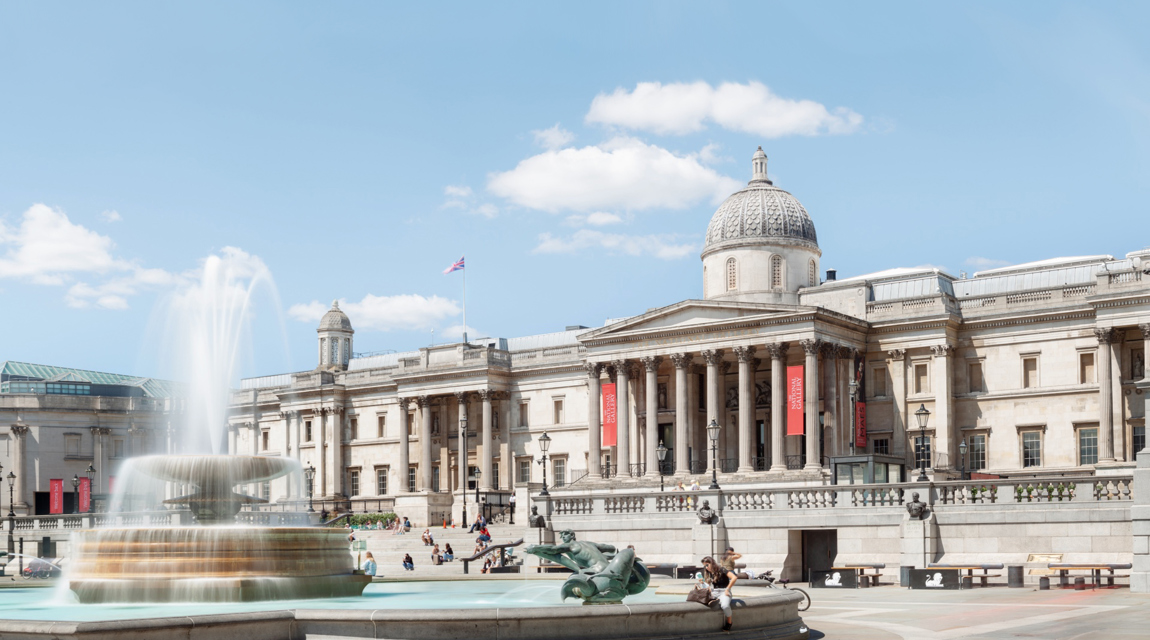
Rounding off our guide to the 10 top places to visit in London, The National Gallery and Trafalgar Square together capture the essence of London’s cultural heart, where art, history, and everyday life intersect. One offers quiet contemplation and timeless beauty, the other hums with energy and public spirit. Both are must-sees for anyone exploring the top 10 places to visit in London, combining world-class art with an unmistakably British sense of place.
The National Gallery: Seven Centuries of Artistic Genius
Founded in 1824, the National Gallery stands proudly at the north end of Trafalgar Square, housing more than 2,300 paintings that trace the evolution of European art from the 13th to the 20th century. Its neoclassical façade may look formal, but inside you’ll find one of the most accessible and inspiring collections anywhere, and best of all, admission is completely free.
Walking through the galleries feels like leafing through the pages of an art history textbook brought to life. You’ll encounter icons like Leonardo da Vinci’s The Virgin of the Rocks, Botticelli’s Venus and Mars, Rembrandt’s Self-Portraits, Turner’s Rain, Steam and Speed, and Van Gogh’s Sunflowers works which have shaped culture across generations. The Impressionist rooms, glowing with light-filled canvases by Monet, Degas, and Renoir, are perennial favorites among visitors.
For art enthusiasts building their list of the top 10 best places to visit in London, the National Gallery is a no-brainer. Yet even casual visitors often find themselves unexpectedly moved by the sheer intimacy of standing inches away from genius. Unlike many major museums, the layout here encourages slow exploration. Each room flows into the next, guiding you through centuries of style, emotion, and technique without feeling overwhelming.
Audio guides and free tours are available daily, making it easy to dive deeper into particular artists or movements. And for those wondering what to do in London on a rainy afternoon, few experiences can compare to losing yourself among masterpieces that have defined Western art for centuries.
A Hidden Gem for Art Lovers
While the main galleries draw crowds, there are quieter corners that qualify as genuine hidden gems in London. Don’t miss Room 45, which showcases smaller works by Vermeer and de Hooch, perfect examples of Dutch Golden Age tranquility. The Annenberg Court Café, tucked inside the museum, is also a serene spot to recharge with a view overlooking the square below. Visiting on weekday mornings or late afternoons ensures a calmer atmosphere and more time to reflect.
The gallery also hosts rotating temporary exhibitions, often focusing on a single artist or theme. Though these sometimes require tickets, they’re worth it for the chance to see rare works on loan from major international museums.
Trafalgar Square: The Beating Heart of London
Step outside the National Gallery and you’re immediately immersed in the energy of Trafalgar Square, one of the most recognizable public spaces in the world. Built in the 1830s to commemorate Admiral Horatio Nelson’s victory at the Battle of Trafalgar, the square is anchored by Nelson’s Column, which rises 52 meters above the fountains and bronze lion statues that guard its base.
Trafalgar Square is more than a landmark; it’s London’s open-air stage. Throughout the year, it hosts celebrations like Chinese New Year, Pride in London, and Christmas carol concerts, as well as spontaneous rallies, performances, and art installations. It’s a place where Londoners come together, reflecting the city’s inclusive and dynamic spirit.
One of the square’s most intriguing features is the Fourth Plinth, originally intended for an equestrian statue but now home to a rotating series of contemporary artworks. From giant thumbs to ice cream sculptures, each installation challenges or delights, symbolizing London’s creative pulse. It’s this blend of history and innovation that secures Trafalgar Square’s place among the top 10 places to see in London.
Surroundings and Nearby Attractions
The location couldn’t be more central. From Trafalgar Square, it’s a short walk to Covent Garden, Leicester Square, and Piccadilly Circus, each offering a different slice of London life. For those chasing culture, the National Portrait Gallery (reopening after renovation in 2023) sits just next door, while Whitehall leads directly to Big Ben and the Houses of Parliament.
For a different perspective, head to the rooftop bar at The Trafalgar St. James Hotel for cocktails with panoramic views of the square. It’s one of those top 10 secret places to visit in London where you can relax above the crowds and take in the city from a new angle.
London Travel Tips for Visiting
- Admission: The National Gallery is free; some exhibitions require tickets.
- Best time to visit: Early morning (right after opening) or late afternoon to avoid the mid-day rush.
- Photography: Allowed in most galleries, but no flash. The square outside is excellent for night shots, especially when the fountains are lit.
- Getting there: Charing Cross and Leicester Square Underground stations are within a 5-minute walk.
- Accessibility: The gallery and square are both wheelchair accessible.
- Nearby dining: Visit The National Café inside the gallery or try St Martin-in-the-Fields Café in the Crypt, a local favorite for affordable meals beneath the historic church.
Why It Belongs on Every London Itinerary
Together, the National Gallery and Trafalgar Square embody what makes London one of the world’s great cultural capitals. The gallery connects you to centuries of human creativity, while the square connects you to the city’s living rhythm, where art, history, and modern life coexist in perfect harmony.
For travelers creating their list of the top 10 places to visit in London, this pairing belongs firmly at the top. It’s where you can stand in front of masterpieces that changed the world, then step outside into a space that continues to inspire new ones every day. Few destinations deliver that kind of balance, serenity within, energy without.
Whether you’re visiting for the art, the history, or simply the atmosphere, The National Gallery and Trafalgar Square remind you why London remains one of the most extraordinary cities on earth, timeless, diverse, and endlessly alive.
Essential London Travel Tips for Your Visit
Getting Around: The Oyster card or contactless payment card offers the best value for public transport. The Tube (London Underground) is faster for longer distances, while buses provide scenic routes through the city. Walking between central attractions often takes less time than you’d expect and lets you discover unexpected corners of the city.
Budget-Smart Strategies: Many of London’s best attractions are free, including the British Museum, National Gallery, Tate Modern, and all major parks. The London Pass can provide savings if you’re planning to visit multiple paid attractions, while free walking tours offer excellent introductions to different neighborhoods.
Timing Your Visit: Spring (April-May) and autumn (September-October) offer mild weather and fewer crowds than summer. Book tickets online in advance for popular paid attractions to skip queues. Many museums stay open late one evening per week, offering a different atmosphere with fewer families.
Beyond the Top 10: London rewards exploration beyond the guidebook highlights. Discover neighborhood markets in Brixton or Columbia Road, explore street art in Shoreditch, wander through Notting Hill’s colorful houses, or catch sunset views from Primrose Hill. Each area has its own character and community.
Frequently Asked Questions
What is the most visited place in London?
The British Museum consistently ranks as London’s most visited attraction, welcoming over six million visitors annually. It’s free admission, world-class collections, and central location make it accessible to all travelers.
What are 5 famous places in London?
The five most iconic landmarks include Big Ben and the Houses of Parliament, the Tower of London, Buckingham Palace, Tower Bridge, and the London Eye. These symbols of London appear on virtually every postcard, capturing the city’s royal heritage and modern appeal.
What should I not miss in London?
Don’t miss experiencing London’s diversity of free museums, historic pubs (some dating back centuries), vibrant markets like Borough or Portobello, theatrical performances in the West End, and simply wandering through neighborhoods like Covent Garden, Shoreditch, or South Kensington to feel the city’s unique atmosphere.
Is 3 days in London enough?
Three days allow you to cover major highlights but barely scratch the surface. A well-planned three-day itinerary can include the Tower of London, British Museum, Westminster Abbey, a Thames river cruise, Borough Market, and an evening show. However, a week lets you explore neighborhoods more deeply and include day trips to Windsor, Oxford, or Bath.
Where do most tourists go in London?
Tourist activity is concentrated in Central London, particularly around Westminster (Big Ben, Parliament, and Westminster Abbey), the South Bank (London Eye, Tate Modern, and Borough Market), the Tower of London area, and Trafalgar Square. Covent Garden and Oxford Street draw crowds for shopping and entertainment.
Conclusion: Your London Adventure Awaits
These top 10 places to visit in London represent just the beginning of what this magnificent city offers. From royal palaces to world-class museums, hidden gardens to bustling markets, London seamlessly blends its storied past with an innovative present. The beauty of London lies not just in its famous landmarks but in discovering your own favorite corners—a quiet churchyard, a perfect pub, a viewpoint that captures the city’s essence.
Whether you’re planning your first visit or returning to explore deeper, London rewards curiosity and invites exploration. Take time to wander beyond the itinerary, engage with locals, and let the city reveal its layers. With this guide to the top 10 places to visit in London, you’re equipped to create memories that will draw you back time and again to this endlessly fascinating capital. Start planning your London adventure today, the city is waiting to surprise and delight you at every turn.