Norway stands as one of Europe’s most captivating destinations, offering visitors an unparalleled combination of dramatic natural landscapes, vibrant cultural experiences, and modern Scandinavian charm. The top 10 places to visit in Norway showcase the country’s incredible diversity, from the UNESCO-listed fjords that carve deep into the mountainous terrain to the ethereal Northern Lights that dance across Arctic skies. Whether you’re an adventure seeker, nature enthusiast, or cultural explorer, this Norway travel guide will help you discover the best places to visit in Norway and understand what makes each destination unique.
Norway’s appeal lies in its dramatic contrasts. You’ll find yourself hiking alongside pristine alpine lakes one day and exploring charming medieval towns the next. The country’s commitment to sustainable tourism and outdoor recreation has made it a paradise for those seeking authentic natural experiences. With over 50,000 islands along its coastline and extensive national parks, Norway offers countless beautiful places in Norway that will leave lasting impressions.
This comprehensive guide covers the top destinations in Norway, detailing what to see, when to visit, and practical information to help you plan the perfect Norwegian adventure. From the famous Norway attractions that draw millions of visitors annually to hidden gems that remain relatively undiscovered, we’ll explore everything you need to know about this Nordic wonderland.
TL;DR – Quick Links to the Top 10 Places to Visit in Norway
- Geirangerfjord (Google Maps)
- The Lofoten Islands (Google Maps)
- Northern Lights (Google Maps)
- Preikestolen (Pulpit Rock) (Google Maps)
- Kjeragbolten (Google Maps)
- Sognefjord (Google Maps)
- The Flåm Railway (Google Maps)
- Bergen (Google Maps)
- Tromsø (Google Maps)
- The Oslo to Bergen Railway (Google Maps)
1. Geirangerfjord: The Crown Jewel of Norwegian Fjords
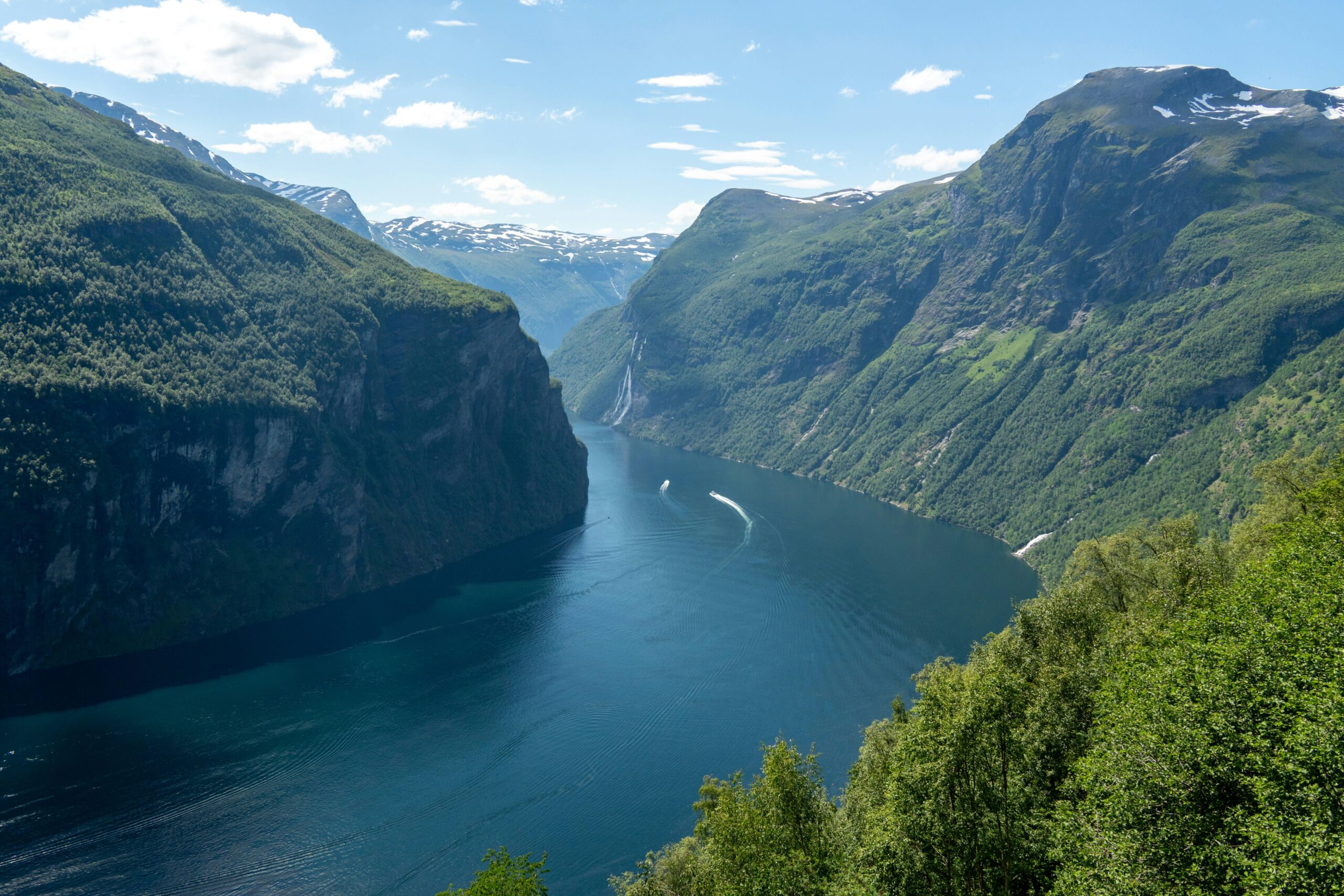
Geirangerfjord consistently ranks among the most spectacular top 10 places to see in Norway, and for good reason. This 15-kilometer-long fjord is a masterpiece of nature, carved by glaciers over millions of years and flanked by towering cliffs that rise to 1,500 meters above sea level. The fjord’s striking blue waters reflect the surrounding peaks, creating a landscape so dramatic that it appears almost unreal.
The fjord is named after the small village of Geirange, which sits at its head and serves as the primary gateway for visitors exploring this region. Geirangerfjord was designated a UNESCO World Heritage Site in 2005, recognizing its outstanding universal value and geological significance. The fjord is part of the larger West Norwegian Fjords landscape, which encompasses several interconnected fjord systems.
What to Do in the Geirangerfjord
There are numerous what to do in Norway when visiting the Geirangerfjord. The most popular activity is taking a fjord cruise, which allows you to experience the dramatic scenery from the water level. These cruises typically last between one and seven hours, depending on the specific route and your preferences. From the water, you’ll see the fjord’s most famous waterfalls, including the Seven Sisters waterfall and the Suitor waterfall—named according to an old Norwegian legend.
Hiking is another essential activity for exploring this region. The Trollstigen (Troll’s Ladder) trail, accessible from Geirangerfjord, offers breathtaking views as it winds through the mountains with 11 hairpin turns and connects to the surrounding plateau. The Dalsnibba viewpoint, accessible by road or hiking trail, provides panoramic views of the fjord and the surrounding mountain landscape.
For the more adventurous, kayaking on the fjord offers an intimate perspective on the towering cliffs and hidden coves. Several operators offer guided kayaking tours suitable for both beginners and experienced paddlers. Photography enthusiasts will find countless compositions, especially during the midnight sun season when the landscape is bathed in continuous light.
Best Time to Visit
The summer months from June to August represent the peak season for Geirangerfjord, when the weather is warmest, hiking trails are fully accessible, and all facilities are open. However, this period also brings the largest crowds. The shoulder seasons of May and September offer excellent weather with fewer visitors, making them ideal for those seeking a more intimate experience.
Accommodation and Practicalities
Geirange village offers accommodations ranging from luxury hotels to cozy guesthouses. The nearby towns of Åndalsnes and Trollhättan provide additional lodging options and services. The fjord is accessible from both the west coast and the inland valleys, offering flexibility in how you approach this beautiful place in Norway.
2. The Lofoten Islands: Arctic Wilderness and Dramatic Peaks
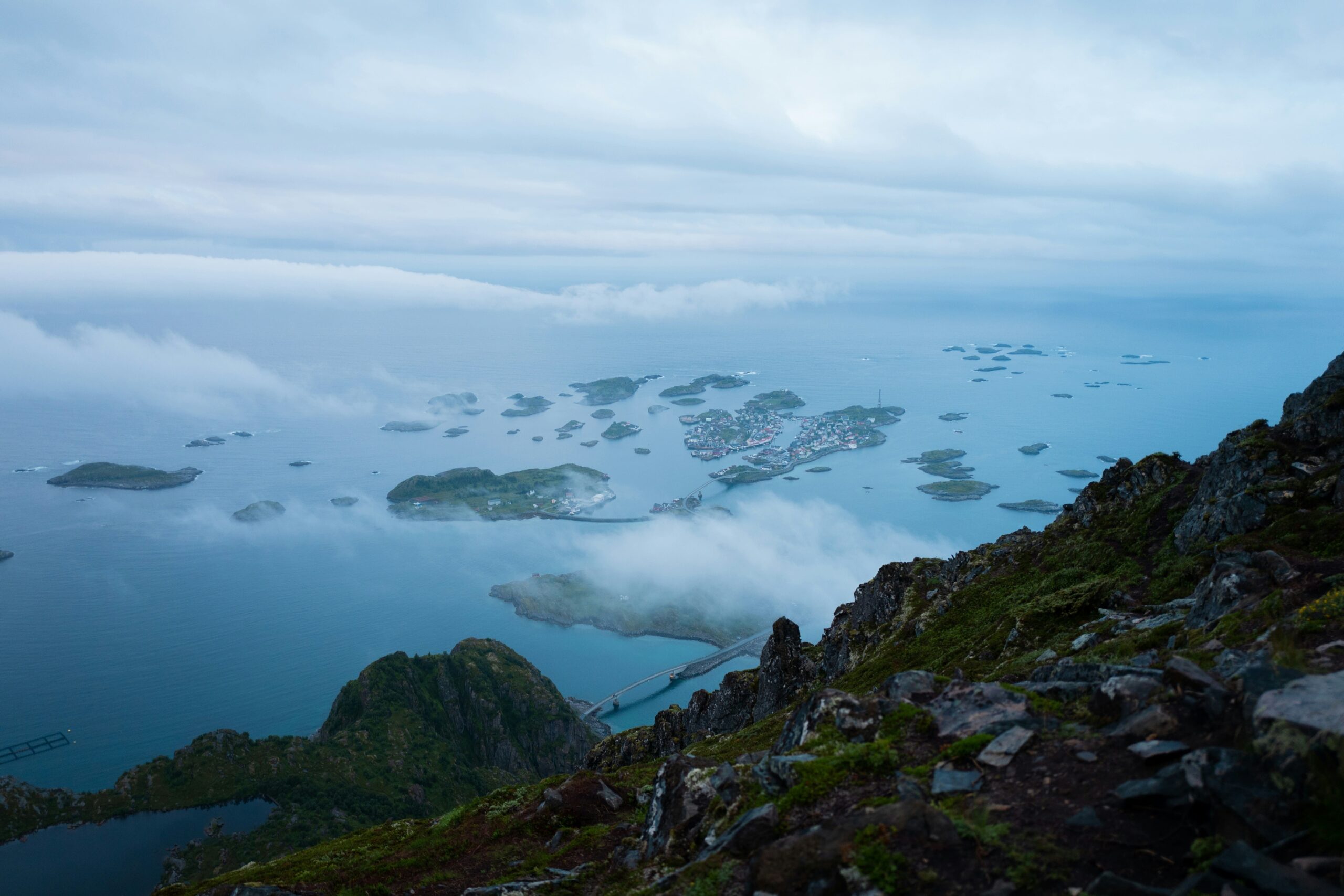
Located in northern Norway, the Lofoten Islands represent some of the most dramatic and authentic Norway tourist spots, offering a stark and mesmerizing landscape where jagged peaks rise directly from the sea. Comprising several main islands, including Vestvågøy, Flakstadøya, Moskenesøya, and others, the Lofoten Islands create a unique archipelago characterized by their distinctive geography and vibrant fishing heritage.
The islands have inspired artists and photographers for generations, with their distinctive scenery appearing in countless travel photographs and artistic works. The Lofoten Islands are renowned for their unique light during different seasons, from the midnight sun in summer to the Northern Lights in winter, and the distinctive golden hour light in spring and autumn.
Arctic Adventures and Activities
The Lofoten Islands offer exceptional opportunities for outdoor adventure and cultural exploration. What to do in Norway in the Lofoten Islands includes hiking among the distinctive peaks, with trails ranging from easy walks to challenging mountain expeditions. The Reinebringen trail offers spectacular views of the picturesque fishing village of Reine and the surrounding landscape.
Fishing is deeply embedded in the islands’ culture and history. Visitors can participate in traditional fishing experiences, trying their hand at catching Arctic cod (skrei) or joining guided fishing expeditions. The traditional fishing villages, such as Reine and Hamnøy, showcase traditional Norwegian architecture with colorful houses clustered around harbors, preserving a way of life that has existed for centuries.
Water-based activities are abundant, including kayaking in the sheltered waters, boat tours to explore secluded coves, and wildlife viewing expeditions where you might encounter sea eagles, puffins, and marine mammals. For rock climbers, the islands offer world-class climbing opportunities with routes suitable for various skill levels.
Northern Lights in the Lofoten Islands
The Lofoten Islands are among the best locations for viewing the Northern Lights, with the islands positioned well within the Arctic Circle’s aurora zone. The winter season, from October to February, offers the longest nights and clearest skies for aurora viewing. The contrast of the green or red aurora dancing above snow-covered peaks and frozen fjords creates an unforgettable spectacle.
The islands provide several advantages for Northern Lights viewing compared to other Arctic destinations. The relatively accessible infrastructure, combined with the dramatic mountain scenery and dark skies, creates ideal conditions for both viewing and photographing the aurora phenomenon.
Cultural Heritage and Fishing Villages
The Lofoten Islands provide insights into traditional Norwegian coastal culture. The historic fishing village of Å, at the southern tip of Moskenesøya, has been carefully preserved as an open-air museum, showcasing 19th-century fishing industry architecture and lifestyle. The Lofoten Stockfish Museum in Kabelvåg documents the centuries-old tradition of drying fish on racks in the Arctic air.
Visiting the Lofoten Islands
Access to the Lofoten Islands is via the E10 highway, which connects the islands with the mainland. The drive itself is spectacular, crossing multiple bridges and offering continuous scenic views. The islands are accessible year-round, though winter visits require careful driving preparation.
Accommodations range from luxury lodges to traditional fishermen’s cabins (rorbuer), which have been converted into tourist accommodations while preserving their authentic character. The islands’ relatively small population means services are more limited than in larger Norwegian cities, making planning essential.
3. The Norwegian Northern Lights: Nature’s Celestial Phenomenon
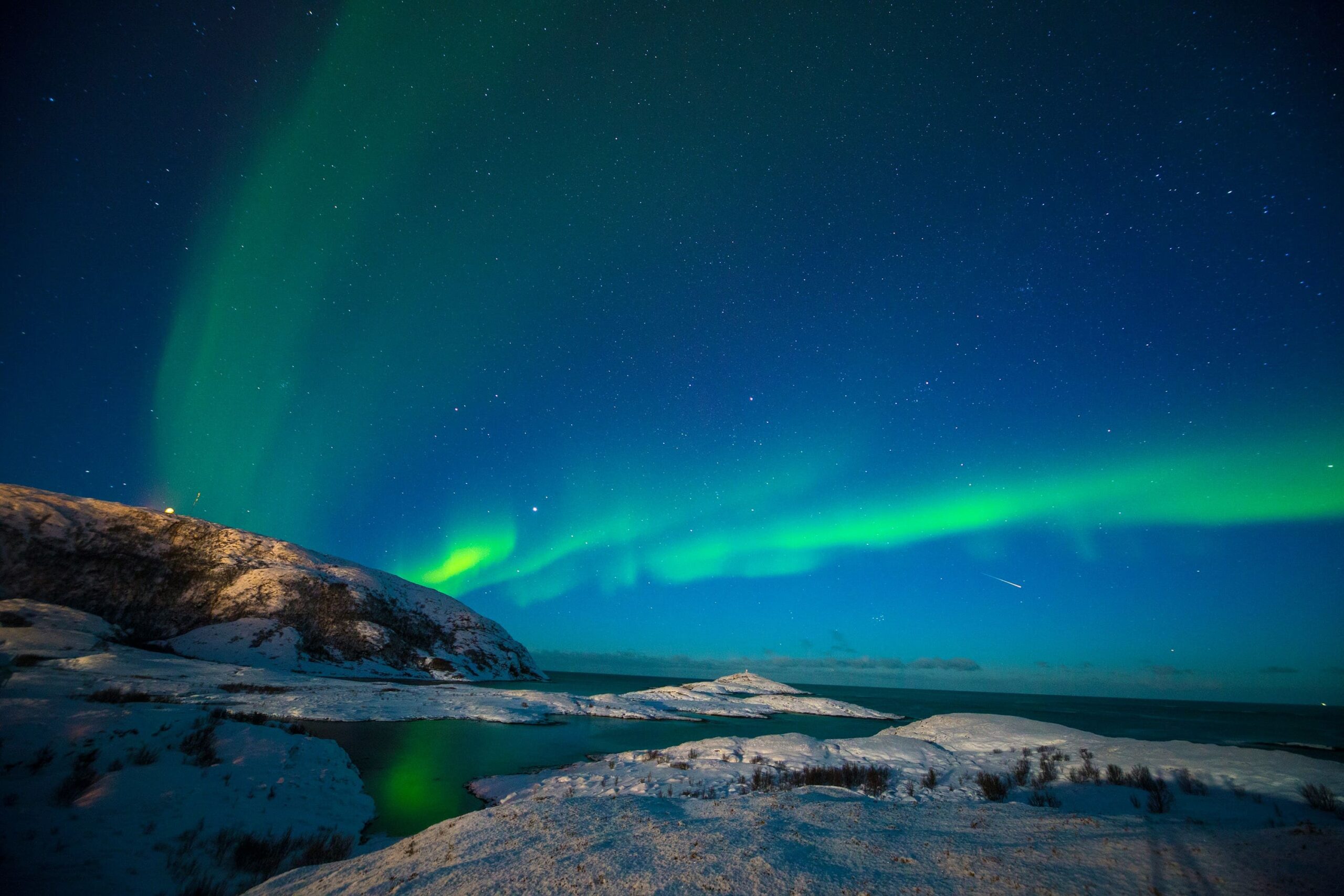
No discussion of top destinations in Norway would be complete without highlighting the Northern Lights, one of the world’s most extraordinary natural phenomena. The aurora borealis, known locally as the “Northern Lights,” is caused by the interaction of solar wind with Earth’s magnetic field, creating spectacular displays of colored light in the night sky.
The Northern Lights have captivated humans throughout history, inspiring myths, legends, and scientific inquiry. In Norse mythology, the aurora was believed to be the reflection of the Valkyries’ armor as they rode across the sky. Modern science has revealed the aurora to be a stunning manifestation of complex physics, involving charged particles from the sun colliding with gases in Earth’s upper atmosphere.
Best Northern Lights Locations in Norway
While the Northern Lights can be seen throughout northern Norway, certain locations offer superior viewing opportunities and infrastructure. Norway attractions in the north include Tromsø, often called the “Gateway to the Northern Lights,” which sits at 69 degrees north latitude and offers excellent aurora viewing combined with modern amenities and guided tour services.
Tromsø serves as the primary hub for Northern Lights tourism in Norway, with numerous tour operators offering guided aurora hunts. The city also hosts the Northern Lights Cathedral, an iconic modern structure designed to resemble the aurora, and the Polar Museum, which documents the region’s history of polar exploration.
The Lofoten Islands, as mentioned previously, offer perhaps the most dramatic backdrop for aurora viewing, with the distinctive peaks creating stunning compositions. The North Cape area in Finnmark provides the northernmost Northern Lights viewing locations in Norway, with viewing tours available during the winter months.
Other exceptional Northern Lights locations include Alta, which combines aurora viewing opportunities with opportunities to experience the traditional Sámi culture, and Hammerfest, the world’s northernmost town and another excellent aurora viewing location.
Northern Lights Viewing: Practical Information
Northern Lights viewing depends on several conditions: dark skies, clear weather, and sufficient solar activity. The best viewing period runs from September to March, when the Arctic nights are longest. However, the phenomenon can occur during any night when conditions align appropriately.
Tour operators throughout northern Norway offer guided Northern Lights hunts, which increase your chances of seeing the aurora by transporting visitors to optimal viewing locations and waiting throughout the night if necessary. Many tours include comfortable heated cabins or accommodations to ensure comfort during the viewing experience.
Photography of the Northern Lights requires specific camera settings and techniques. A full-frame camera with a wide-angle lens of at least f/2.8 aperture is recommended, along with a sturdy tripod. Many guided tours cater to photographers with special photography tours and extended viewing times designed to capture high-quality images.
The Science and Mythology of Aurora
Understanding the Northern Lights enriches the viewing experience. The aurora occurs when the sun’s corona expels charged particles in a phenomenon called a coronal mass ejection (CME). These particles travel toward Earth, and when they interact with our planet’s magnetosphere, they are funneled toward the polar regions. There, they collide with oxygen and nitrogen molecules in the thermosphere, producing the characteristic green, red, pink, and purple hues of the aurora.
The aurora’s colors depend on which gases are involved and at what altitude the collisions occur. The green aurora, most commonly observed, results from oxygen emissions at altitudes of 100-300 kilometers. Red auroras result from oxygen at higher altitudes (above 300 kilometers), while purple and blue hues come from nitrogen excitation.
Monitoring solar activity through aurora forecast websites allows visitors to make informed decisions about Northern Lights viewing. An aurora forecast index rating the likelihood and intensity of auroral activity helps guide tour bookings and viewing expectations.
4. Preikestolen (Pulpit Rock): An Iconic Norwegian Adventure
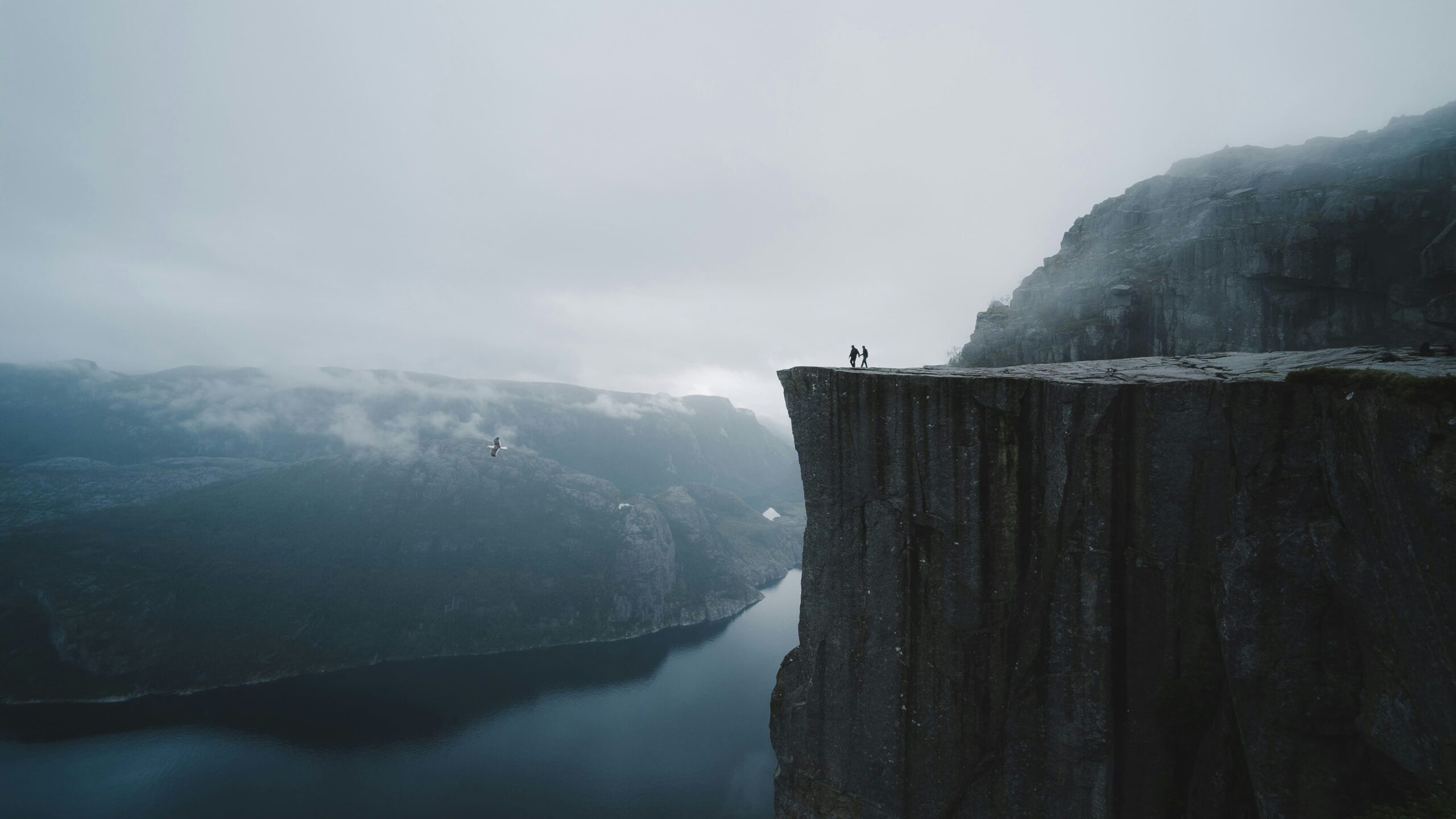
Preikestolen, known in English as Pulpit Rock, stands as one of Norway attractions most recognizable landmarks and most photographed cliffs in the world. This massive cliff formation rises 604 meters almost vertically from Lysefjord, creating a rectangular plateau approximately 25 meters on each side. The dramatic views from its summit attract adventure seekers from around the globe. Located near the town of Stavanger on Norway’s southwest coast, Preikestolen is part of the Rogaland region and has become iconic in Norwegian tourism. The cliff’s distinctive rectangular shape results from unique geological formations and erosion patterns that have shaped the landscape over millions of years.
The Preikestolen Hike
The hike to Preikestolen ranks among the most popular and accessible what to do in Norway for visitors of varying fitness levels. The round-trip hike covers approximately 7.4 kilometers and takes about two hours each way for those at moderate fitness levels. The well-maintained trail ascends gradually through forests and across plateaus, offering increasingly spectacular views as you climb.
The final approach to the cliff edge requires careful footing on uneven terrain and can be crowded during peak season. Standing at the cliff’s edge, gazing down at the waters of Lysefjord far below, creates an unforgettable sense of scale and drama. The views extend across the fjord to the surrounding mountains and islands, particularly stunning during the golden hour of sunrise or sunset.
Lysefjord: A Spectacular Setting
Preikestolen’s stunning location within Lysefjord adds another dimension to the experience. Lysefjord is one of Norway’s most dramatic fjords, characterized by towering cliff walls that in some places rise nearly 1,000 meters from the sea. Several beautiful places in Norway are located within Lysefjord, including the Kjeragbolten boulder (which we’ll discuss in the next entry), tucked deep within the fjord.
Fjord cruises provide an alternative or complementary way to experience Lysefjord, allowing visitors to appreciate the dramatic scenery from water level and see Preikestolen from below. These cruises often combine multiple attractions, offering comprehensive Lysefjord experiences.
Planning Your Visit to Preikestolen
The hike is accessible year-round, though winter conditions require extra caution and appropriate gear. Summer (June to August) sees the largest crowds, with the trail becoming congested during peak hours. Visiting early in the morning or during the shoulder seasons offers a more intimate experience with fewer crowds.
Stavanger, located approximately 40 kilometers from Preikestolen, serves as the primary base for visitors. The city offers excellent accommodations, restaurants, and services. The Preikestolen Mountain Lodge, situated at the beginning of the hiking trail, offers accommodations, meals, and trail information.
Photography at Preikestolen can be challenging due to crowds and the inherent danger of positioning yourself close to the cliff edge for optimal angles. Many photographers find that arriving early or visiting during shoulder seasons provides better composition opportunities with fewer people in their frames.
5. Kjeragbolten: The Iconic Boulder Between Two Cliffs
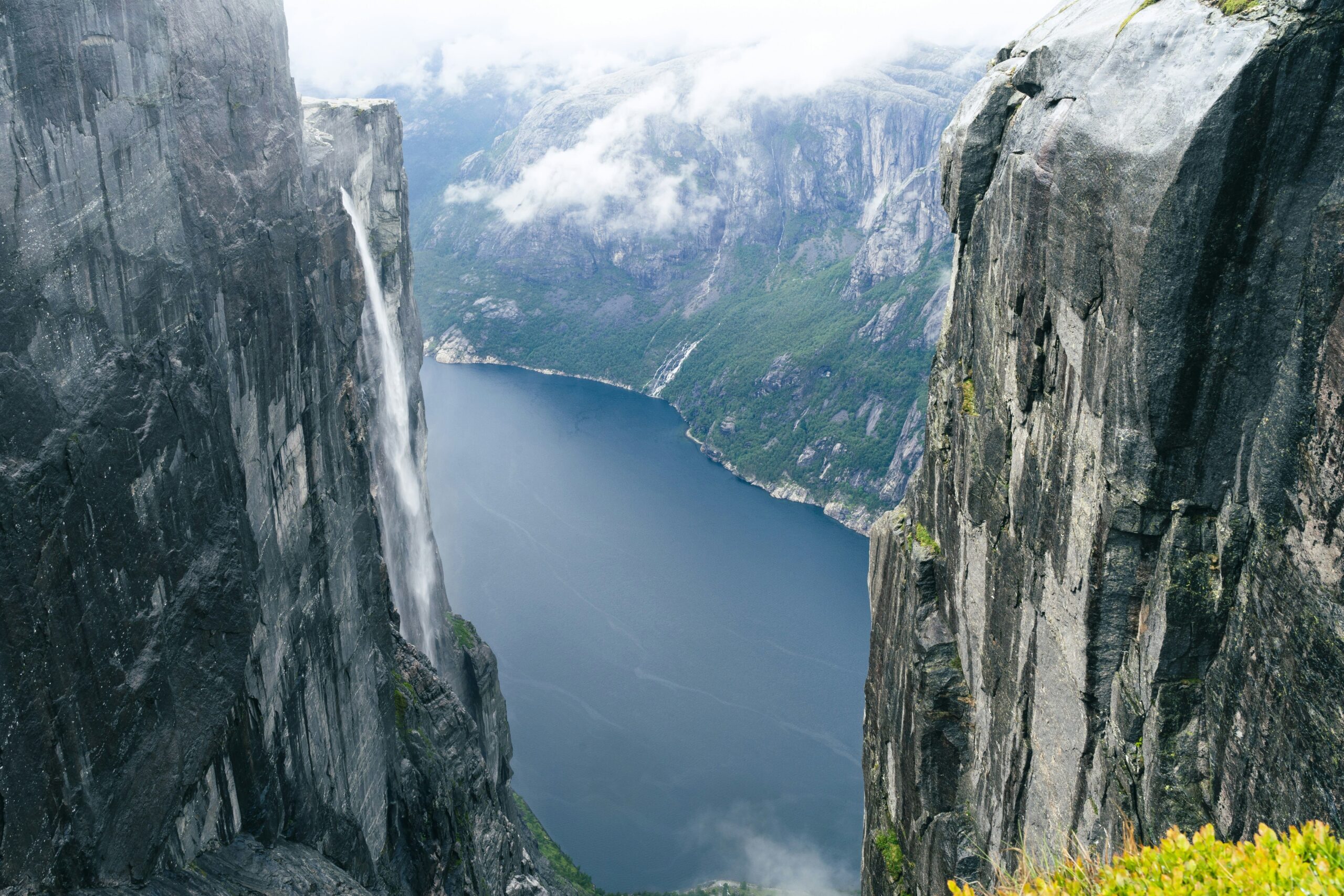
Kjeragbolten stands as one of Norway’s tourist spots most distinctive and visually striking tourist spots. This massive boulder, wedged between two cliff faces in Lysefjord, has become famous worldwide through social media and travel photography. The boulder measures approximately 5 meters in diameter and appears to defy gravity, perched 985 meters above the fjord floor.
The boulder’s position creates a dramatic illusion of instability, leading to countless visitors attempting to balance on it for photographs. This practice, while visually striking, requires careful consideration of safety. The boulder itself is stable and has remained in its position for thousands of years, held firmly by the surrounding rock formations.
The Kjerag Hike
Reaching Kjeragbolten requires a challenging hike that takes approximately three to four hours each way from the trailhead. The 10-kilometer round-trip hike climbs steeply through forests and across alpine terrain, gaining approximately 900 meters in elevation. The trail is exposed in places and can be dangerous in poor weather or winter conditions.
The hike attracts experienced hikers and adventure enthusiasts seeking one of Norway’s most beautiful places in Norway. The trail passes through varied terrain, including forests, alpine meadows, and exposed ridge sections offering spectacular views across Lysefjord and the surrounding landscapes.
Activities at Kjeragbolten
Beyond photography, Kjeragbolten serves as a base camp for base jumping, with the boulder positioned between two cliff faces that offer ideal jumping conditions. Each August, experienced base jumpers from around the world gather for the Kjerag Base Jump, an event that draws hundreds of jumpers and spectators.
The surrounding Kjerag plateau offers excellent hiking and scrambling opportunities, with numerous trails exploring the alpine terrain. In winter, the area transforms into a mountaineering destination, with experienced mountaineers ascending the snowy terrain and possibly encountering base jumpers who jump from Kjerag year-round.
Practical Information
The Kjeragbolten hike begins near the town of Lysebotn, accessible via the dramatic Lysebotn road, a steep mountain pass with 27 hairpin turns. The hike is closed during winter months (typically November through April) due to avalanche danger and snow conditions, though experienced winter mountaineers sometimes attempt winter ascents.
This destination represents a more challenging option within the top 10 places to visit in Norway, suitable for those with solid hiking experience, good fitness levels, and comfort with exposed terrain and heights.
6. Sognefjord: Norway’s Longest and Deepest Fjord
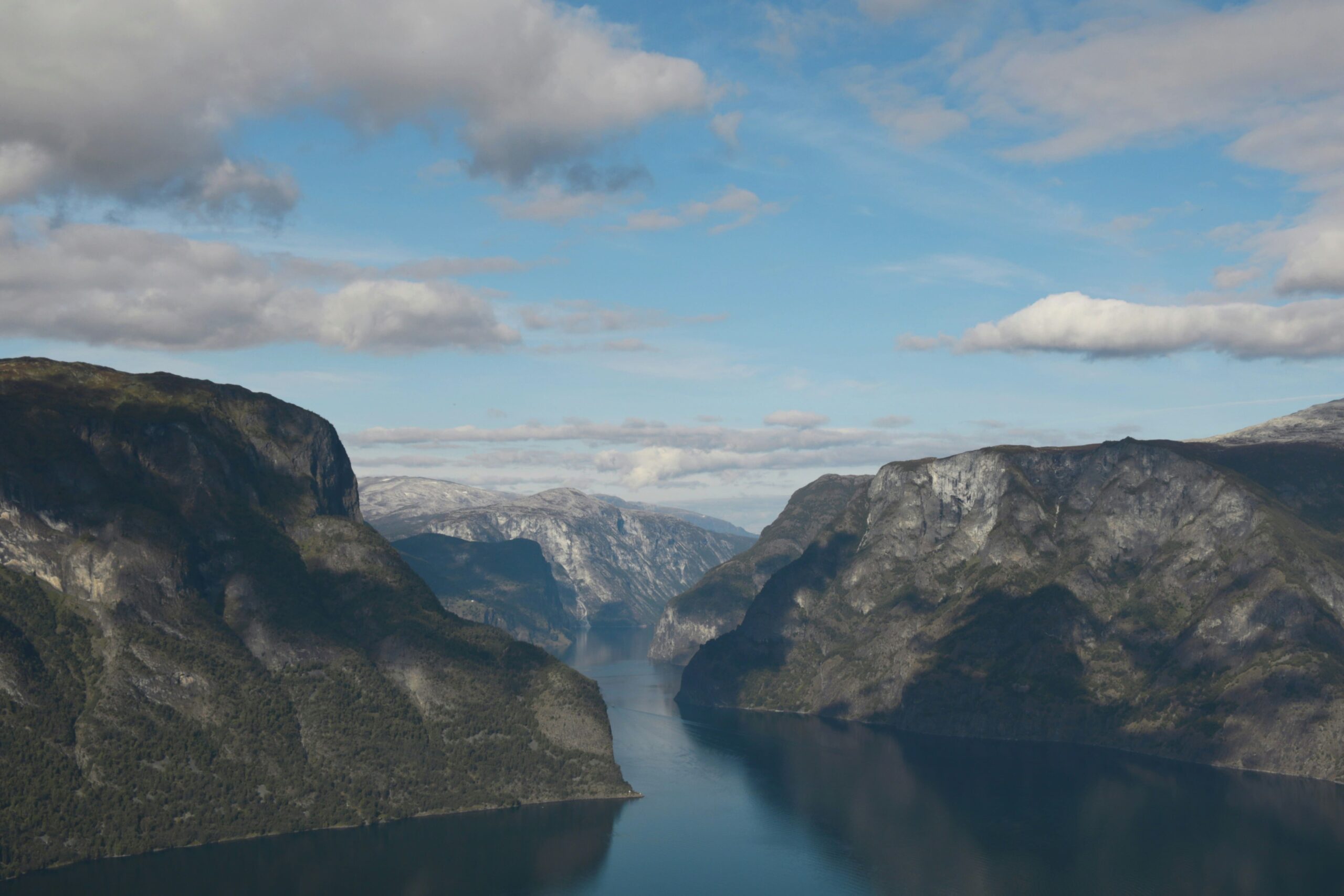
Sognefjord extends 205 kilometers inland from the coast, making it Norway’s longest fjord and the world’s second-longest fjord after Greenland’s Scoresby Sund. With depths reaching 1,308 meters, it’s also Norway’s deepest fjord. Often called the “King of Fjords,” Sognefjord represents top 10 places to see in Norway that epitomize the country’s dramatic fjord landscape.
The fjord system encompasses numerous branches and arms that extend into the surrounding mountains, creating a complex network of waterways and valleys. Glaciers descend to fjord level in several locations, including Jostedalsglacier, Europe’s largest mainland glacier and a UNESCO World Heritage Site.
Exploring Sognefjord
The Norway travel guide should highlight multiple ways to experience Sognefjord. Fjord cruises operate along the main fjord and its various branches, offering views of dramatic cliff scenery, waterfalls, and glaciers. Many cruises combine water-based experiences with train journeys, particularly the famous Flåm Railway, which descends steeply from the mountains to the fjord with spectacular views at every turn.
The Geirangerfjord branch (mentioned previously) is one of Sognefjord’s most famous branches. Other notable branches include Nærøyfjord, which rivals Geirangerfjord in scenery and is also a UNESCO World Heritage Site, and Balestrand, known for its Victorian-era tourism heritage and distinctive hotels.
Glaciers and Alpine Scenery
Jostedalsglacier, cascading into Sognefjord territory, represents one of Norway’s attractions that showcase the landscape’s ongoing transformation through glacial processes. Multiple glacier arms descend from the main ice field, including Nigardsbreen, accessible to visitors and featuring an impressive glacier lake and hiking trails.
The surrounding mountains provide excellent hiking opportunities, with trails ranging from gentle walks to challenging alpine expeditions. The area offers opportunities to view the glacier’s retreat over time, with marked trails showing historical glacier positions.
Gateway Towns
Several towns provide gateways to Sognefjord experiences. Balestrand, located along the fjord, retains its 19th-century character with distinctive Victorian buildings, making it one of beautiful places in Norway with particular historical significance. Flåm, at the end of the famous railway line, serves as another primary gateway and offers accommodations and services.
Vík, located near where the Nærøyfjord joins the Sognefjord, provides access to both fjord cruises and hiking trails. The small village of Aurland offers similar facilities and represents a quieter alternative to Flåm.
Best Time to Visit Sognefjord
The summer season from June to August offers the warmest weather and most accessible hiking trails, though this period also brings the largest crowds. The shoulder seasons provide excellent weather with fewer visitors. Winter transforms the landscape into a snow-covered wonderland, though some services may be limited.
7. The Flåm Railway: An Engineering Marvel Through the Mountains
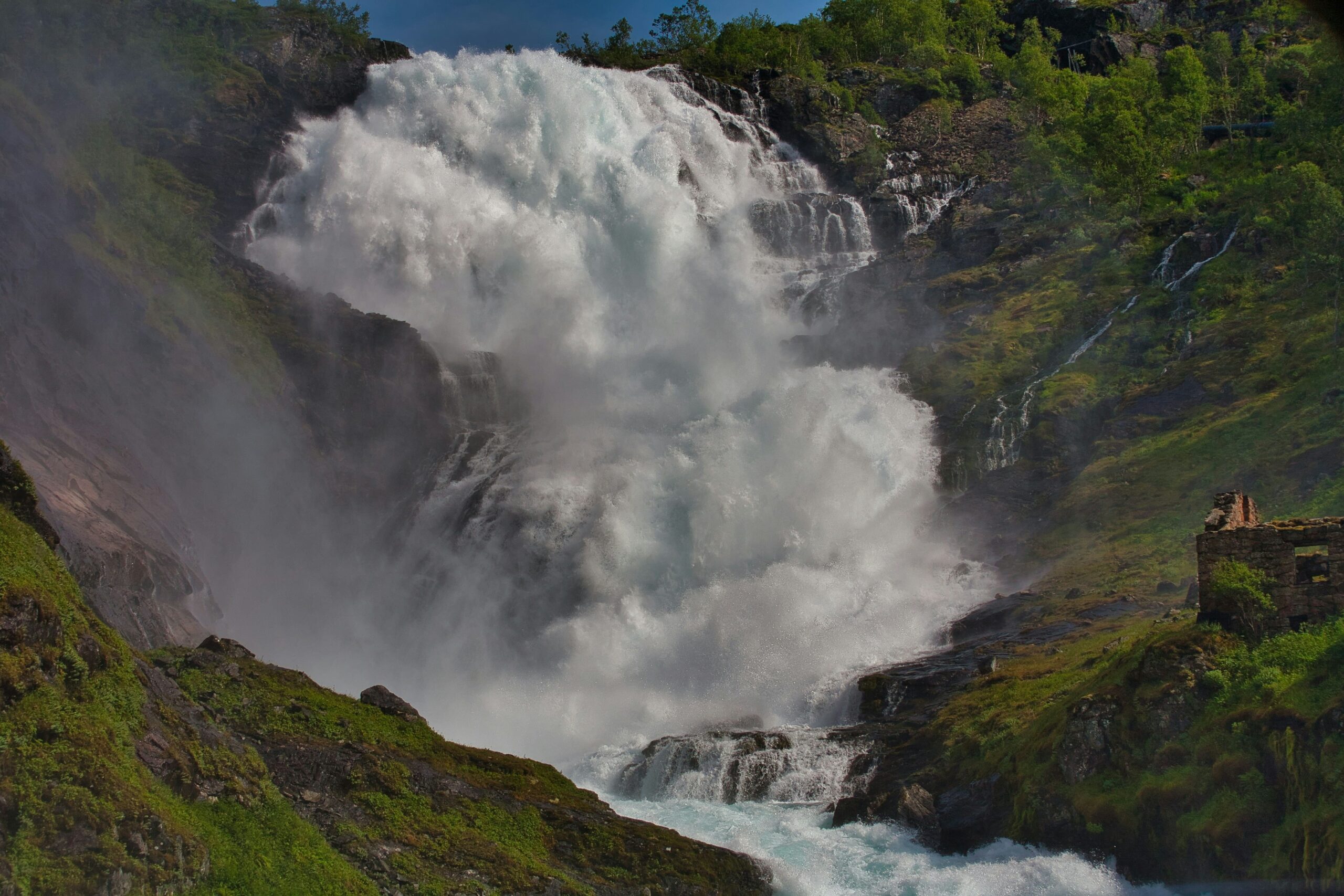
The Flåm Railway stands as a remarkable engineering achievement and one of the world’s most spectacular train journeys, earning its place among Norway’s attractions and what to do in Norway. This 20.2-kilometer railway line descends 863 meters from the mountain plateau to sea level at Flåm, traveling through 20 tunnels and passing numerous waterfalls, glaciers, and scenic viewpoints.
Completed in 1940 after over 15 years of construction, the railway remains one of the steepest railway lines in the world when measured by gradient. The line’s maximum gradient of 5.5% required innovative engineering solutions and carefully designed curves to allow trains to navigate the steep terrain safely.
The Flåm Railway Experience
The round-trip journey from Myrdal to Flåm and back takes approximately two hours per direction, allowing travelers to experience the dramatic landscape transformation from mountain plateau to coastal fjord. The train moves slowly enough to appreciate the landscape, with frequent stops at viewpoints where passengers can disembark to photograph and explore.
The stations along the route, particularly Kåra and Blomheller, were built specifically for the railway and represent remarkable engineering feats balanced on cliff sides. The architecture and infrastructure of these stations reflect Norwegian mountain building traditions while accommodating modern railway requirements.
Combining the Flåm Railway with Other Experiences
The Norway travel guide should emphasize combining the Flåm Railway with other Sognefjord experiences. The classic itinerary combines the train journey with a fjord cruise and potentially the Bergen Railway, creating a comprehensive circular route through western Norway. This combination allows travelers to experience diverse landscapes and transportation modes while viewing multiple top destinations in Norway.
The Flåm Railway also connects with the Bergen Railway, another scenic route that traverses the mountains between Oslo and Bergen, passing through the highest mountain plateau in northern Europe (at Finse station).
Practical Information
The Flåm Railway operates year-round, offering different experiences with each season. Summer trains are well-populated, requiring advance ticket reservations. Spring and autumn offer excellent weather with fewer crowds. Winter journeys can be spectacular, traveling through snow-covered landscapes, though some tours may be suspended during severe weather.
Accommodation in Flåm ranges from mountain lodges to modern hotels, with the town well-equipped to serve the thousands of travelers who pass through daily. Several hiking trails descend from the mountain plateau alongside the railway, allowing adventurous travelers to hike portions of the descent while still utilizing the train for other sections.
8. Bergen: A Historic Coastal City and Gateway to the Fjords
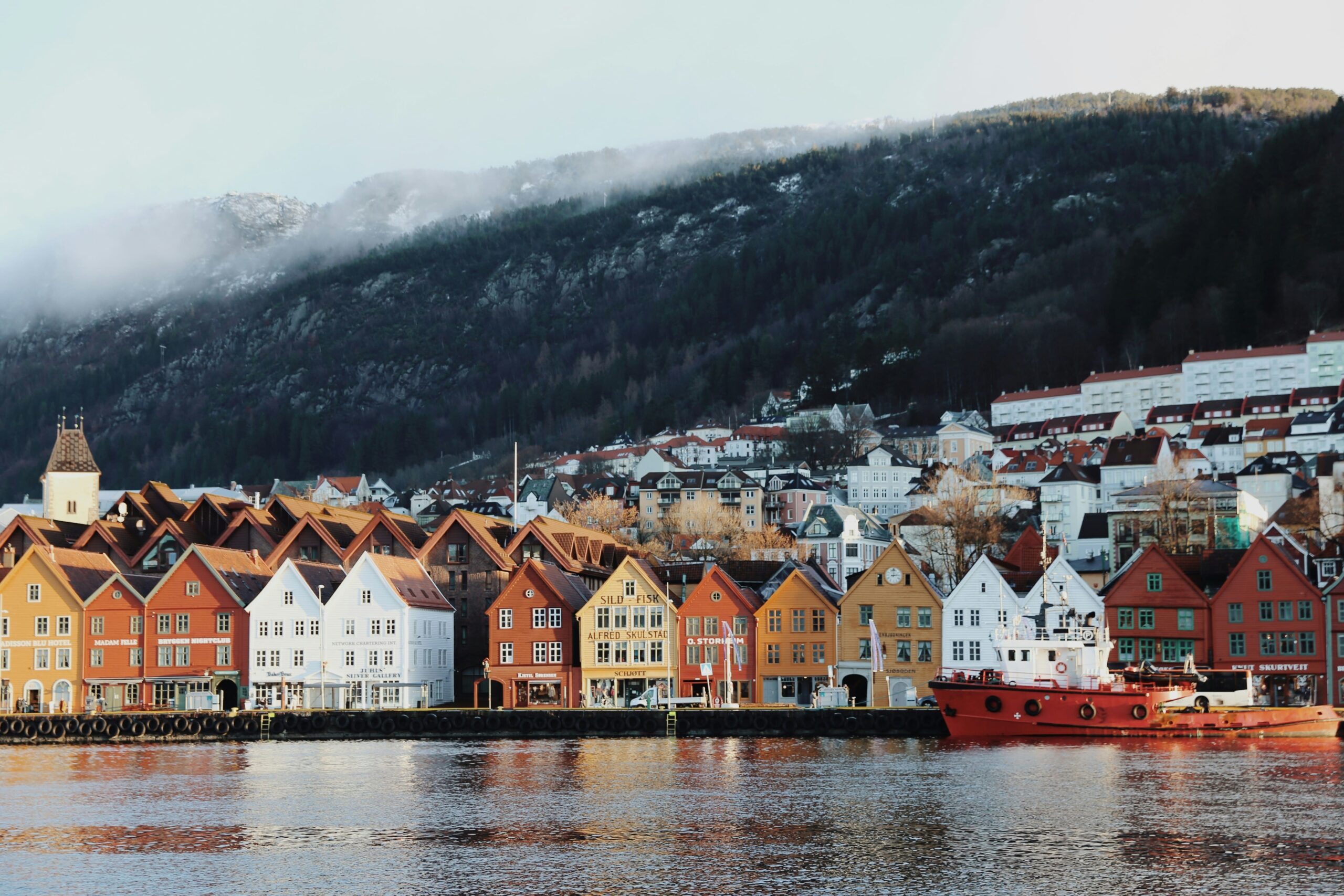
Bergen, Norway’s second-largest city and historically the country’s most important port, serves as a crucial gateway to the top 10 places to visit in Norway. Located on the southwest coast, Bergen is renowned for its distinctive architecture, vibrant cultural scene, and position as the starting point for fjord explorations.
Bergen’s significance dates back to the 11th century when King Olav III established it as a major port. The city became the capital of the Hanseatic League’s Norwegian territory, making it one of medieval Europe’s most important trading centers. This heritage is evident in the preserved Bryggen district, a UNESCO World Heritage Site featuring distinctive wooden buildings that represent centuries of commercial and maritime history.
Exploring Bergen’s Historic Districts
The Bryggen district represents beautiful places in Norway with profound historical significance. The colorful wooden buildings cluster along the harbor, with their narrow gable-fronted facades creating a picturesque and distinctive streetscape. These buildings date back centuries, with some structures dating to the 14th century, though most were rebuilt following fires that periodically destroyed the wooden district.
Walking through Bryggen’s narrow alleyways transports visitors to another era. Small shops sell traditional Norwegian crafts and souvenirs, while restaurants serve traditional seafood dishes prepared according to centuries-old recipes. The Hanseatic Museum and Schøtstuene, located within restored Bryggen buildings, document the district’s commercial and social history.
Cultural Attractions and Museums
Bergen hosts numerous museums and cultural attractions reflecting its artistic heritage and maritime importance. The Edvard Grieg Museum is located in the composer’s former home, Troldhaugen, situated on the outskirts of the city overlooking a lake and the surrounding mountains. The museum preserves Grieg’s study and concert hall, offering insights into the life and work of Norway’s most famous composer.
The KODE Art Museums, comprising four distinct collections, showcase Norwegian and international art spanning from medieval religious works to contemporary installations. The museums’ collections are particularly strong in Norwegian landscape painting and maritime art.
What to Do in Norway: Bergen Activities
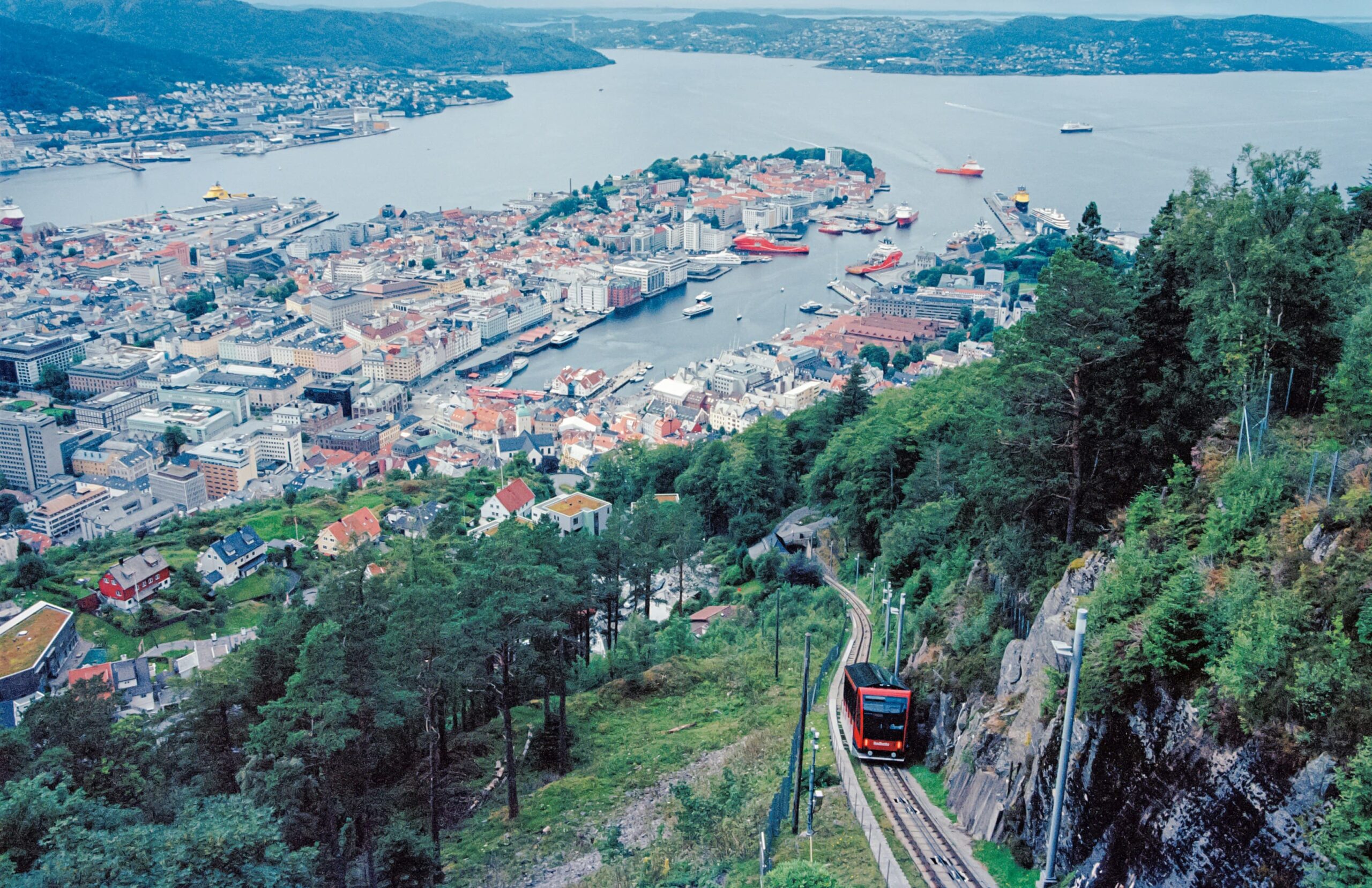
Beyond historical and cultural exploration, Bergen offers numerous what to do in Norway. The city’s position on a peninsula surrounded by mountains provides excellent hiking opportunities. Fløyen, the most popular hiking destination, offers a cable car ascent for those preferring easier access, with hiking trails providing an alternative for a more active experience.
The fish market at the harbor represents a quintessential Bergen experience, with stalls selling fresh seafood, traditional Norwegian foods, and souvenirs. The market has operated in its current location since 1276, making it one of the oldest continuously operating markets in Europe.
Gateway to the Fjords
Bergen’s position makes it an ideal base for exploring the western Norwegian fjords. The Flåm Railway’s connection through the Bergen Railway provides direct access from Bergen to the mountain plateau and fjord regions. Cruise ships frequently dock in Bergen, with passengers embarking on fjord excursions from this port.
Accommodation and Services
Bergen offers accommodations ranging from luxury hotels overlooking the harbor to budget-friendly hostels and guesthouses. The city’s restaurant scene reflects both traditional Norwegian cuisine and international influences, with establishments ranging from casual cafes to fine dining venues.
9. Tromsø: The Northern Lights Capital and Arctic Gateway
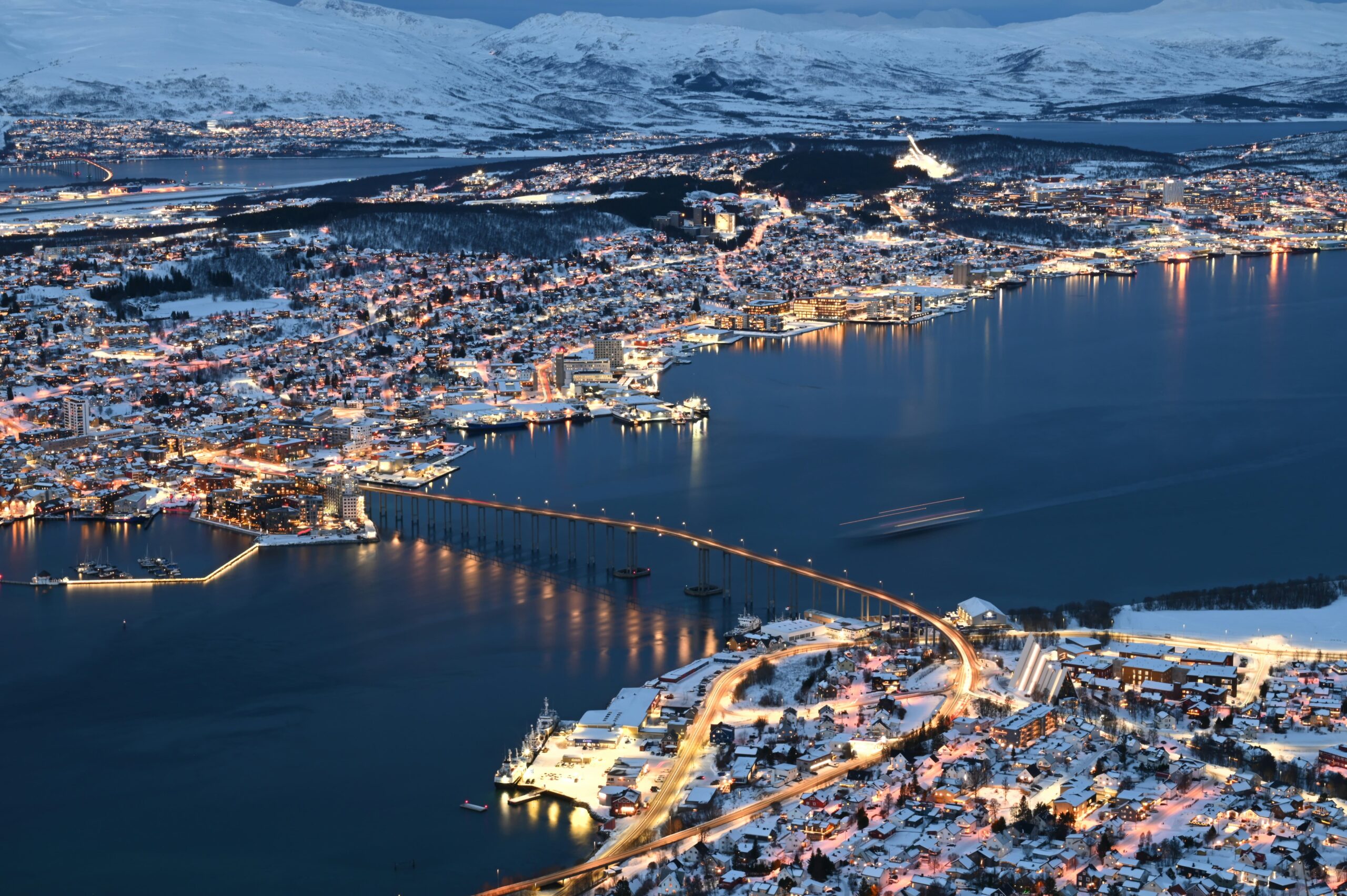
Tromsø, located at 69 degrees north latitude in northern Norway, has emerged as the primary destination for experiencing the Northern Lights and exploring the Arctic. Known as the “Gateway to the Northern Lights” and the “Paris of the North” for its vibrant cultural scene, Tromsø represents top destinations in Norway that combine natural phenomena with urban amenities.
The city’s position well above the Arctic Circle provides excellent Northern Lights viewing opportunities throughout the winter months (September through March). However, Tromsø’s status as a modern, developed city with quality accommodations, restaurants, and entertainment venues distinguishes it from other Arctic destinations, making it accessible and appealing to diverse travelers.
Northern Lights and Arctic Experiences
The Northern Lights viewing industry centers on Tromsø, with numerous tour operators offering guided aurora hunts. These tours transport visitors to locations with optimal viewing conditions, often waiting throughout the night in heated cabins or comfortable lodges. The tours combine the thrill of potentially seeing the aurora with the comfort of warm beverages and food.
Beyond Northern Lights viewing, Tromsø offers other Arctic experiences. Dog sledding allows visitors to experience traditional Arctic transportation methods while traveling through snow-covered landscapes. Snowmobiling expeditions explore the surrounding wilderness, reaching remote areas inaccessible by other means.
Tromsø Activities and Norway Attractions
Tromsø’s vibrant cultural scene includes the Northern Lights Cathedral (Arctic Cathedral), an iconic modernist structure completed in 1965. The building’s design references the Northern Lights, with its distinctive peaked roof and glass facade creating an interior filled with northern light. The cathedral serves both religious functions and as a major tourist attraction.
The Polar Museum documents Tromsø’s history as a center for Arctic exploration and hunting. Exhibits detail expeditions to the North Pole and Arctic regions, showcasing the equipment and techniques used by polar explorers throughout history.
The cable car ascent to Storsteinen mountain (421 meters) provides panoramic views across the city, fjords, and the surrounding landscape. The summit offers an excellent vantage point for viewing the midnight sun during summer or for Northern Lights viewing during winter (though urban light pollution makes this less ideal than remote viewing locations).
Midnight Sun
During the summer months (approximately May to July), Tromsø experiences the midnight sun phenomenon, where the sun never fully sets below the horizon. This continuous daylight enables visitors to enjoy outdoor activities at all hours, including hiking, boating, and exploring the surrounding landscape.
Midnight sun viewing from Tromsø combines the Arctic phenomenon with accessibility and comfort. Tourist accommodations arrange sunrise viewings from strategic viewpoints overlooking the surrounding landscape bathed in the soft golden light of the midnight sun.
Sámi Culture
Tromsø provides opportunities to experience indigenous Sámi culture, which is deeply embedded in northern Norwegian and Arctic heritage. The Sámi Parliament building in nearby Karasjok serves as the political center for Sámi representation, while Sámi cultural experiences operate throughout the region, offering visitors insights into traditional reindeer herding, clothing, and lifestyle.
Practicalities
Tromsø International Airport provides direct flights from Oslo, Bergen, and other Norwegian cities, as well as international connections. The city’s accommodation options range from luxury hotels to budget lodges, with prices significantly higher during the peak Northern Lights season (December to February).
10. The Oslo to Bergen Railway: An Epic Journey Through Norwegian Landscapes
The Bergen Railway (Bergen Banen) represents one of the world’s most spectacular train journeys and one of the most significant what to do in Norway for those seeking comprehensive landscape experiences. This 496-kilometer railway line connects Oslo (Norway’s capital) with Bergen on the coast, traversing the country through forests, mountains, rivers, and fjords.
Completed in 1909, the Bergen Railway stands as a remarkable engineering achievement, descending from Oslo’s urban landscape through the forested eastern highlands, crossing the snow-covered Dovre plateau at Finse (1,222 meters above sea level), and descending through western mountain valleys to the coastal lowlands and Bergen.
The Journey Experience
The approximately 7-hour journey takes travelers through profoundly different landscapes, with each region offering distinctive scenery and character. The train departs Oslo, traveling through forested terrain before ascending toward the mountains. The central section traverses the Dovre plateau, where the landscape transforms into high mountain terrain, with vast views across snow-covered plateaus (in winter) or alpine tundra (in summer).
The western descent offers perhaps the most dramatic scenery, passing waterfalls, deep valleys, and through numerous tunnels carved through mountain rock. The journey culminates in arrival at Bergen, with the final approach offering glimpses of fjords and coastal landscape.
Stations and Stopping Points
Several stations along the route offer opportunities for exploration and accommodation. Finse, located at the rail line’s highest point, provides access to hiking trails, glaciers, and mountain terrain. The station’s location on the plateau between two lakes creates a distinctive landscape accessible from the train.
Myrdal Station, located on the descent toward the coast, serves as the terminus for the Flåm Railway (discussed previously), allowing travelers to combine the Bergen Railway with the spectacular Flåm descent and Sognefjord experiences.
Train Accommodations and Services
The Bergen Railway offers various service levels, from standard day cars to accommodation trains that allow travelers to sleep during the journey, with berths in sleeping cars and meals served in dining facilities. First-class accommodation provides increased comfort and amenities.
Seasonal Considerations
The journey offers different experiences with each season. Summer travel provides continuous daylight and accessible hiking opportunities at intermediate stops. Winter journeys traverse snow-covered landscapes, particularly spectacular across the Dovre plateau. Spring and autumn offer mild weather and colorful landscapes as forests transition between seasons.
The Bergen Railway closes during severe weather in winter, with service interruptions possible due to avalanche risk or extreme snow conditions. Visitors planning winter travel should confirm train schedules in advance.
Planning Your Norway Travel Guide: Practical Information and Tips
Best Time to Visit Norway
Norway offers distinctive experiences throughout the year. Summer (June to August) provides the warmest weather, longest days, and most accessible hiking trails, though this period sees the largest crowds and highest prices. The midnight sun phenomenon in Arctic regions adds a magical dimension to summer visits.
Autumn (September to October) offers excellent weather, stunning fall foliage, and the beginning of Northern Lights viewing opportunities. Winter (December to February) provides the best Northern Lights viewing conditions, winter sports opportunities, and the dramatic snow-covered landscapes, though some services may be limited and travel can be challenging.
Spring (April to May) offers transitional weather with increasing daylight and the melting snows revealing emerging greenery. This season provides an excellent balance of good weather, manageable crowds, and reasonable prices.
Getting Around Norway
Norway’s transportation infrastructure is excellent, with well-maintained roads, efficient public transportation, and comprehensive travel services. The Norwegian railway system connects major cities, with express trains offering comfort and scenic routes. Regional buses provide access to areas without rail service, while car rental enables independent exploration of scenic routes and remote regions.
The coastal ferry network connects numerous towns and villages, with many ferries offering spectacular scenery and transportation across fjords and coastal waters. Ferries range from small local transport services to large modern vessels offering accommodation and dining facilities.
Accommodation Options
Norway offers diverse accommodation options suitable for various budgets and preferences. Luxury hotels provide premium comfort and services in major cities and resort areas. Mid-range hotels and guesthouses offer good value and comfortable accommodations throughout the country. Budget options including hostels and campsites provide affordable alternatives, particularly for younger travelers and those seeking immersive outdoor experiences.
Traditional mountain cabins (hytte) and farmhouse accommodations offer authentic Norwegian experiences, often located in spectacular settings. The Lofoten Islands’ traditional fishermen’s cabins (rorbuer), mentioned previously, represent distinctive regional accommodation options.
Activities for Different Interests
Adventure enthusiasts should prioritize hiking opportunities, with trails available throughout the country at varying difficulty levels, from gentle walks to challenging alpine expeditions. Kayaking, skiing, climbing, and mountaineering offer additional adrenaline-pumping options.
Nature lovers will appreciate Norway’s national parks, with over 40 parks protecting diverse ecosystems. Birdwatching, wildlife photography, and natural landscape exploration provide immersive nature experiences.
Cultural travelers should explore historic cities like Bergen and Oslo, medieval stave churches scattered throughout the country, and Sámi cultural sites in the north. Norway attractions of cultural significance include museums, galleries, and archaeological sites documenting the country’s rich history.
Photography enthusiasts will find endless subjects, from dramatic landscapes to Northern Lights, midnight sun, and seasonal transformations. The consistent quality of light, particularly during the extended daylight hours of summer or the dramatic winter conditions, makes Norway exceptionally photogenic.
Food and Dining
Norwegian cuisine emphasizes fresh, local ingredients reflecting the country’s coastal and mountain heritage. Traditional dishes include fish-based preparations (salmon, cod, and other seafood), meat dishes featuring game and domesticated animals, and dairy products featuring Norway’s renowned cheeses.
Modern Scandinavian cuisine, originating partly in Norway, emphasizes local, seasonal ingredients prepared simply to showcase their natural flavors. Contemporary restaurants in Oslo, Bergen, and other major cities offer innovative interpretations of traditional cuisine, while casual restaurants and cafes serve traditional comfort food.
Must-try Norwegian foods include fresh salmon, traditional brown cheese (brunost), seafood soup, meatballs, and the regional specialties found in different parts of the country.
Transportation and Logistics
Getting to Norway: Norway is well-connected to the rest of Europe through multiple transportation routes. Oslo International Airport (Gardermoen) serves as the primary international gateway, with flights from most major European cities and many international destinations. Bergen, Stavanger, and Trondheim airports also receive international flights, providing alternative entry points for accessing different regions of the country.
Driving in Norway: Norway’s road system is excellent, with well-maintained highways and scenic routes throughout the country. The famous scenic routes (Norwegian: Nasjonale turistveger) highlight particularly beautiful drives, with designated stopping points providing optimal views and photography opportunities. These include the Atlantic Ocean Road, Sognefjellet, Hardangervidda, and Lofoten Islands routes.
Driving in Norway requires an International Driving Permit for non-European visitors, along with original vehicle registration documents. The roads are generally safe, though winter driving requires appropriate tires (studded or winter-appropriate) and careful navigation through snow and icy conditions. Mountain passes may close during severe weather, requiring travelers to plan alternative routes.
Public Transportation: Norway’s extensive public transportation network connects major cities through trains, long-distance buses, and coastal ferries. The Hordaland Reisepass and regional passes provide economical transportation options for exploring specific areas. The Norway in a Nutshell package combines train, fjord cruise, and bus travel in an integrated itinerary covering major attractions efficiently.
Hiking and Mountain Trails: Throughout Norway, well-maintained hiking trails range from gentle walks along fjord shores to challenging alpine expeditions. The Norwegian Mountain Code emphasizes responsible outdoor practices, including respect for private property, environmental protection, and safety awareness. Most hiking is accessible without guides, though professional hiking guides and mountain schools offer expert-led experiences for those seeking instruction or desiring specialized knowledge.
Budget Considerations
Norway consistently ranks among Europe’s most expensive destinations, particularly for accommodations, food, and attractions. However, numerous strategies can reduce costs. Visiting during shoulder seasons (spring and autumn) offers better value than peak summer tourism. Accommodations outside major cities and tourist centers provide lower rates. Cooking meals in self-catering accommodations significantly reduces food expenses compared to dining in restaurants.
Many Norwegian attractions offer free or low-cost access. Hiking is free once you reach the trailheads, and numerous natural attractions require no entrance fees. Museums offer discounts for bookings or combined tickets, and many cities offer tourist cards providing discounts on accommodations, attractions, and transportation.
Language and Communication
Norwegian is the official language, though English is widely spoken in tourist areas, hotels, restaurants, and by younger populations. Learning basic Norwegian phrases enhances interactions with locals and demonstrates cultural respect. However, visitors can navigate Norway comfortably with English in most situations.
Safety and Health
Norway is exceptionally safe by international standards, with low crime rates and strong emergency services. The healthcare system is excellent, with high-quality medical facilities throughout the country. Visitors from EU/EEA countries can access healthcare using European Health Insurance Cards, while others should maintain comprehensive travel insurance.
Outdoor safety requires attention to weather conditions, particularly in mountain regions where conditions can change rapidly. Checking weather forecasts before outdoor activities and maintaining awareness of avalanche risk during winter months are essential precautions.
Hidden Gems: Beyond the Top 10
While the top 10 places to visit in Norway attract the largest numbers of international visitors, the country contains numerous lesser-known destinations offering distinctive experiences with fewer crowds.
Rondane National Park
Rondane National Park, Norway’s oldest national park (established 1962), encompasses pristine mountain terrain featuring 28 peaks exceeding 2,000 meters. The park’s accessible hiking trails range from leisurely walks to challenging alpine expeditions. The distinctive rock formations and mountain lakes create dramatic landscape compositions, while the park’s relative remoteness compared to coastal attractions provides a more intimate wilderness experience.
Isfjorden and Spitsbergen
Spitsbergen, an Arctic archipelago located between mainland Norway and the North Pole, represents an extreme frontier destination for adventurous travelers. The accessibility of Longyearbyen, the archipelago’s largest settlement, provides a surprising level of infrastructure in this remote location. Dog sledding, snowmobiling, and Northern Lights viewing combine with unique Arctic ecosystems and the historic significance of coal mining heritage to create distinctive experiences.
Hardangerfjord
While less famous than Geirangerfjord or Sognefjord, Hardangerfjord stretches 179 kilometers inland, offering stunning scenery and numerous outdoor activities. The fjord is particularly notable for its waterfalls, especially Vøringfossen, which plummets 182 meters from the plateau above. The surrounding region offers excellent hiking, and the Hardanger Bridge, Northern Europe’s longest suspension bridge, provides distinctive architectural and scenic interest.
Jotunheimen National Park
Jotunheimen, meaning “Home of the Giants,” encompasses Norway’s highest mountains, including Galdhøpiggen (2,469 meters) and Glittertind (2,465 meters). The park’s pristine mountain terrain features dramatic peaks, glaciers, alpine lakes, and extensive hiking trail networks. The Besseggen ridge hike ranks among Norway’s most popular and dramatic day hikes, offering stunning views of the Gjendin and Bessvatnet lakes separated by the knife-edge ridge.
Vesterålen Islands
The Vesterålen Islands, located south of the Lofoten Islands, offer similar Arctic scenery with fewer tourists. The distinctive midnight sun (summer) and Northern Lights (winter) viewing opportunities combine with excellent fishing, whale watching, and hiking to create distinctive Arctic experiences.
The North Cape
North Cape (Nordkapp) represents the northernmost accessible point of mainland Europe, located at 71 degrees north latitude. The cape’s dramatic cliff scenery and symbolic significance as Europe’s northern extreme attract visitors seeking the geographic superlative experience. The visitor center provides context about the location’s cultural and geographic significance, while the surrounding region offers Arctic experiences and Northern Lights viewing.
Regional Specialties and Cultural Traditions
Stave Churches
Norway’s collection of medieval stave churches represents a distinctive architectural heritage unique to Scandinavia. These wooden structures, built without nails and featuring complex interlocking construction, comprise an important part of Norwegian medieval history. Borgund Stave Church, with its distinctive steep roof and intricate dragon-head decorations, stands as perhaps the most photographed example. The Norwegian Stave Church Heritage organization documents and preserves approximately 28 remaining stave churches, several of which are accessible to visitors.
Sámi Heritage
The indigenous Sámi people have inhabited northern Norway, Sweden, Finland, and Russia for centuries, maintaining distinctive cultural traditions including language, traditional dress, and the historic practice of reindeer herding. Northern Norwegian communities and tourist experiences provide opportunities to learn about Sámi culture, meet Sámi people, and understand indigenous Arctic heritage. The Sámi Parliament in Karasjok represents political self-determination, while cultural centers and museums throughout the north document Sámi history and contemporary life.
Viking Heritage
Norway’s Viking heritage permeates the country’s history and cultural identity. The Viking Ship Museum in Oslo preserves remarkably well-preserved Viking-era vessels, providing insights into Viking seafaring technology and maritime culture. The Keltner Maritime Museum in Stavanger and numerous archaeological sites throughout the country document Viking settlement, trade routes, and cultural practices. Understanding Viking heritage enriches appreciation for Norwegian landscapes, as many Viking exploration and settlement patterns correlate with the geography of accessible fjords and coastal passages.
Traditional Folk Arts and Crafts
Norwegian rosemaling (decorative painting) represents a distinctive folk art tradition featuring colorful floral designs applied to wooden objects. Local artisans throughout the country continue this centuries-old practice, with workshops and galleries showcasing contemporary rosemaling works. Traditional textiles, woodcarving, and other crafts maintain cultural connections to historical practices while adapting to contemporary artistic expressions.
Seasonal Festivals
Norway hosts numerous festivals celebrating cultural traditions, artistic achievement, and seasonal changes. The Bergen International Festival (Festspillene i Bergen) presents classical music, dance, theater, and opera performances in May. The Lillehammer Film Festival showcases international cinema. The winter carnival celebrations in various northern towns combine Arctic landscape experiences with festive cultural events. These festivals provide insights into Norwegian culture and opportunities to experience the country alongside local communities.
Environmental Considerations and Sustainable Tourism
Protecting Norway’s Wilderness
Norway’s natural landscapes face increasing pressure from tourism development and climate change impacts. Sustainable tourism practices ensure that future generations can experience the beautiful places in Norway in their pristine condition. Visitors should adhere to the Norwegian Mountain Code (Friluftslivet), which emphasizes responsible outdoor behavior, including respect for private property, waste management, and environmental protection.
Following established trails prevents landscape damage from uncontrolled foot traffic. Camping exclusively in designated areas protects fragile alpine vegetation from trampling. Proper waste disposal, including carrying out all non-biodegradable materials, preserves the cleanliness of wilderness areas and protects wildlife.
Climate Change Impacts
Norway’s glaciers are retreating significantly due to climate change, with many glaciers expected to disappear by mid-century if current warming trends continue. Visitors witnessing these landscapes should consider the geological processes at work and the long-term implications of climate change for Arctic regions and global systems.
The Jostedalsglacier, Europe’s largest mainland glacier, has retreated substantially over recent decades, with multiple arms showing dramatic retreat. Visitor centers and hiking trails often mark historical glacier positions, allowing visitors to visually understand the pace of glacial retreat.
Responsible Tourism Practices
Travelers to Norway can minimize their environmental impact through conscious choices. Using public transportation rather than car rental reduces carbon emissions. Patronizing locally-owned businesses supports local economies and reduces the extractive impacts of international tourism. Choosing accommodations and tours operated according to environmental certification standards supports businesses committed to sustainability.
Understanding the carrying capacity of popular attractions helps distribute visitor pressure. Visiting top destinations in Norway during shoulder seasons rather than peak summer periods reduces pressure on infrastructure and natural systems. Supporting conservation efforts through donations or volunteer work during visits contributes to landscape protection.
Practical Itineraries for Different Travel Styles
The Classic Norwegian Fjord Tour (7-10 Days)
This itinerary covers the most famous top 10 places to see in Norway, ideal for first-time visitors seeking comprehensive overviews. The journey begins in Bergen, exploring the historic Bryggen district and preparing for fjord experiences. The itinerary then follows the Sognefjord, combining the Flåm Railway with fjord cruises to experience this UNESCO World Heritage landscape.
Days include time for Geirangerfjord exploration via cruise or hiking, Preikestolen hike near Stavanger, and optional extensions to include other Sognefjord branches or hiking in the surrounding mountains. The itinerary returns to Bergen for departure, allowing flexibility for additional activities based on interests and fitness levels.
The Arctic and Northern Lights Adventure (7-10 Days)
This itinerary prioritizes Arctic experiences and Northern Lights viewing, requiring travel to northern Norway during winter months (November to February). The journey typically begins in Tromsø, with multiple nights allowing extended aurora hunt opportunities. Accommodations in lodges or hotels equipped for Northern Lights viewing ensure comfort during late-night viewing sessions.
Days include experiences such as dog sledding, snowmobiling, Sámi cultural visits, and exploration of Tromsø’s urban attractions. Optional extensions include visits to the North Cape, Spitsbergen expeditions, or additional Arctic regions. This itinerary requires flexibility, as Northern Lights viewing depends on clear skies and solar activity beyond travelers’ direct control.
The Active Explorer’s Route (10-14 Days)
This itinerary emphasizes hiking, mountaineering, and outdoor adventure across multiple regions. The journey includes challenging hikes to Kjeragbolten, Besseggen ridge in Jotunheimen, and various routes in Rondane National Park and the surrounding mountain regions.
Multi-day hiking treks, such as the Trolltunga trail or routes across Hardangervidda, provide immersive wilderness experiences. Rock climbing, mountaineering instruction, and guided expeditions to more challenging peaks accommodate various skill levels. This itinerary requires good fitness levels and outdoor experience, with professional guides recommended for technical alpine activities.
The Coastal and Artistic Journey (7-10 Days)
This itinerary prioritizes cultural experiences, artistic heritage, and coastal exploration. The journey includes extensive time in Oslo and Bergen, exploring museums, galleries, and cultural institutions. The famous Bergen Railway provides a spectacular journey between these artistic centers, with stops along the route for hiking and nature exploration.
Coastal towns such as Stavanger and smaller communities showcase local artistic traditions, galleries, and crafts. The itinerary incorporates fish markets, restaurant experiences showcasing Norwegian cuisine, and interactions with local artists and cultural practitioners.
The Remote Frontier Experience (10-14 Days)
This challenging itinerary prioritizes remote locations and authentic Arctic experiences, ideal for adventurous travelers comfortable with basic accommodations and unpredictable conditions. The journey includes the Lofoten Islands, extended time in northern regions, and possibly Spitsbergen or other frontier areas.
Days emphasize wildlife viewing, fishing experiences, encounters with local communities, and immersion in Arctic landscapes. This itinerary often involves hiring local guides, flexible scheduling to accommodate weather conditions, and comfort with isolation from major tourist infrastructure.
Making the Most of Your Norwegian Adventure
Photography Tips for Norwegian Landscapes
Norway’s dramatic landscapes provide endless photography subjects. The extended daylight hours during summer (and midnight sun in Arctic regions) allow photography throughout the day. Winter provides dramatic contrasts between snow-covered landscapes and dark skies, particularly valuable for Northern Lights photography.
Golden hour photography (the hour after sunrise and before sunset) produces particularly beautiful results, with warm light illuminating landscapes from low angles. The midnight sun creates continuous golden hour conditions, allowing photographers to work throughout the night during summer months.
For landscape photography, wide-angle lenses (14-24mm on full-frame cameras) capture the expansive scale of Norwegian landscapes. Neutral density filters enable longer exposures, creating silky water effects in rivers and fjords. Polarizing filters reduce glare and enhance sky colors, particularly in bright summer conditions.
Northern Lights photography requires fast, wide-angle lenses (f/2.8 or faster) and high ISO settings (1600-3200). Full-frame cameras provide superior low-light performance compared to crop-sensor models. Sturdy tripods are essential, as exposure times of 15-30 seconds eliminate camera shake. Remote triggers or self-timers prevent blur from shutter activation.
Learning Norwegian: Basic Phrases and Cultural Understanding
While English suffices for most tourism contexts, learning basic Norwegian phrases enhances cultural interactions and demonstrates respect for local communities. Essential phrases include “Hei” (hello), “Takk” (thank you), “Nei” (no), “Ja” (yes), and “Unnskyld” (sorry). Numbers, basic questions, and directional terms prove useful in navigating the country.
Understanding Norwegian cultural norms enriches interactions with locals. Norwegians value directness, personal space, and individual autonomy. Excessive physical contact, loud conversation, and intrusive questions are considered impolite. Conversely, respectful inquiry about personal experiences and interests often leads to meaningful conversations.
The concept of “friluftsliv” (literally “free air life”) represents a fundamental Norwegian cultural value emphasizing outdoor recreation, nature connection, and simple living. Understanding this philosophy provides context for the country’s outdoor culture, environmental conservation efforts, and the prominence of hiking and nature exploration in Norwegian society.
Connecting with Local Communities
Authentic cultural experiences emerge through interactions with local communities rather than solely through commercial tourism. Visiting farmers’ markets, attending local festivals, and patronizing family-owned restaurants provide opportunities to meet residents and understand contemporary Norwegian life beyond tourist frameworks.
Home-stays, farm accommodations, and family-run guesthouses often facilitate deeper community interactions than large hotels. Hosting families frequently share local knowledge, recommendations, and insights into regional culture and traditions. Participating in community activities such as local celebrations or collaborative cooking experiences creates meaningful connections.
Solo Travel Considerations
Norway is exceptionally safe and welcoming for solo travelers of all ages and experience levels. The well-developed infrastructure, clear signage, and English-speaking population facilitate independent navigation. Hostels throughout the country provide opportunities for social interaction with other travelers, while private accommodations suit those preferring solitude.
Solo hiking is generally safe, particularly on well-established trails where other hikers provide social presence. However, advanced wilderness travel and mountaineering should involve professional guides or experienced companions for safety and enjoyment maximization.
Family Travel in Norway
Norway offers excellent family travel experiences with activities suitable for children of various ages. Fjord cruises, gentle hiking trails, and wildlife viewing engage younger children. Older children appreciate more challenging hikes, adventure activities, and interactive museums.
Many accommodations offer family-friendly facilities, including kitchenettes for meal preparation, children’s programs, and babysitting services. Norwegian restaurants accommodate families with children’s menus and high chairs. Beach areas around fjords and coastal regions provide swimming and beach play opportunities during the summer months.
The Magic of Norway
The top 10 places to visit in Norway represent the country’s extraordinary natural and cultural diversity, from the dramatic fjords carved by ancient glaciers to the ethereal Northern Lights illuminating Arctic skies. Each destination offers distinctive experiences and perspectives on Norway’s remarkable landscapes and cultural heritage.
Whether you hike among alpine peaks, cruise through UNESCO World Heritage fjords, experience the continuous daylight of the midnight sun, or witness the aurora borealis dancing across winter skies, Norway delivers profound and transformative travel experiences. The country’s commitment to environmental preservation, outdoor recreation, and cultural heritage ensures that these beautiful places in Norway remain pristine for future generations.
Norway’s attractions range from world-famous landmarks to hidden gems accessible to intrepid explorers. The Norway travel guide provided here offers starting points for discovering your own Norwegian adventure, whether your interests focus on outdoor activities, cultural exploration, photography, or simply experiencing one of Earth’s most spectacular landscapes.
The Norwegian concept of friluftsliv—the freedom and fulfillment found in nature’s open air—permeates the country’s character and appeal. Whether you spend two weeks exploring extensively or brief intervals focusing on specific regions, Norway invites you to experience the profound connection between humans and the natural world.
Prepare for your Norwegian adventure with appropriate equipment, realistic expectations, and openness to the unexpected discoveries that independent travel provides. Pack layers to accommodate Norway’s variable weather, bring sturdy hiking boots for exploring trails, and charge your camera batteries—you’ll find endless subjects worthy of preservation.
The mountains, fjords, forests, and Arctic landscapes of Norway await your exploration. From standing on the edge of Preikestolen overlooking the fjord far below, to watching the Northern Lights shimmer across the Arctic sky, to hiking among alpine peaks with views extending to distant horizons, Norway offers transformative experiences that will inspire, challenge, and delight you. Welcome to one of Earth’s most magnificent destinations—your Norwegian adventure awaits.