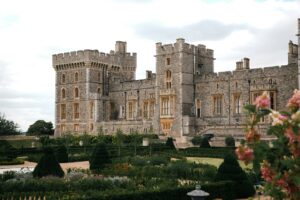
TL;DR: Top 10 Place to Visit in the UK
- London – Iconic landmarks, world-class museums, West End theaters
- Edinburgh & Highlands – Historic castles, Isle of Skye, dramatic Scottish landscapes
- Lake District – Hiking trails, beautiful lakes, Beatrix Potter charm
- Cornwall – Stunning beaches, coastal walks, perfect for surfing
- York – Medieval walls, York Minster, atmospheric ghost tours
- Bath – Roman baths, Georgian elegance, relaxing spa experiences
- Cambridge & Oxford – University colleges, punting, architectural beauty
- Snowdonia, Wales – Mountain hiking, Welsh castles, outdoor adventures
- Belfast & Giant’s Causeway – Titanic Museum, scenic coastline, unique geology
- The Cotswolds – Picturesque villages, rolling hills, romantic countryside
The United Kingdom stands as one of the world’s most captivating travel destinations, weaving together centuries of history with stunning natural landscapes and vibrant modern culture. From the bustling streets of London to the rugged peaks of the Scottish Highlands, this island nation offers an extraordinary diversity of experiences within a relatively compact area.
Whether you’re drawn to ancient castles perched on dramatic cliffs, charming villages that seem frozen in time, or world-class museums brimming with treasures, the UK delivers unforgettable moments at every turn. For first-time visitors, exploring the top 10 places to visit in the UK is the perfect way to experience the country’s most iconic landmarks and regions that define its charm.
What makes the UK particularly special for travelers is its remarkable accessibility. You can start your morning exploring a medieval cathedral, spend your afternoon wandering through rolling countryside, and finish your evening in a cosmopolitan city center, all within a few hours of travel. The country’s well-developed transportation network, including efficient train services and regional airports, makes moving between destinations straightforward and enjoyable.
This combination of variety and convenience has made the UK a perennial favorite among travelers from around the globe, whether they’re visiting for the first time or returning to discover new corners of this fascinating country.
Why Visit the UK
The United Kingdom presents travelers with an almost overwhelming wealth of reasons to visit. Its historical significance cannot be overstated; this is where Shakespeare penned his immortal plays, where the Industrial Revolution transformed the world, and where royal dynasties have shaped centuries of history.
You can walk through castles that have stood for a thousand years, explore Roman ruins that predate many European cities, and visit universities that have educated some of history’s greatest minds. This living connection to the past creates an atmosphere that history enthusiasts find absolutely intoxicating.
Beyond its heritage, the UK boasts an astonishing variety of natural beauty. The country encompasses everything from the gentle, lake-dotted landscapes of Cumbria to the wild, windswept moors of Yorkshire, from the golden beaches of Cornwall to the dramatic volcanic formations of Northern Ireland’s coast.
Each region possesses its own distinct character, shaped by geology, climate, and centuries of human interaction with the land. Nature lovers can find endless opportunities for hiking, cycling, wildlife watching, and simply drinking in breathtaking views that have inspired poets and painters for generations.
The cultural richness of the UK extends far beyond its historical monuments. Contemporary Britain pulses with creative energy, from London’s cutting-edge art galleries and West End theaters to Edinburgh’s world-renowned festivals, from Liverpool’s musical heritage to the innovative food scenes emerging in cities across the nation. The country’s multicultural makeup, particularly in urban centers, has created a fascinating blend of traditions, cuisines, and perspectives that enriches the travel experience immeasurably.
Travel logistics in the UK work strongly in the visitor’s favor. Distances between major destinations remain manageable, with most journeys taking just a few hours by train or car. The extensive rail network connects even smaller towns and villages, while budget airlines and regional airports provide quick connections between England, Scotland, Wales, and Northern Ireland.
English is spoken everywhere, making communication effortless for many international visitors. The tourism infrastructure is well-developed, with accommodation options ranging from budget hostels to luxury hotels, and countless restaurants, tour operators, and visitor centers ready to help you make the most of your journey.
The short distances between vastly different regions mean you can experience multiple facets of British life in a single trip. In one week, you might explore a bustling metropolis, hike through mountain wilderness, relax in a spa town, and wander through medieval streets. This variety makes the UK ideal for both first-time visitors wanting to see the highlights and repeat travelers seeking to dig deeper into specific regions or interests. Whether your passion is architecture, literature, outdoor adventure, culinary experiences, or simply soaking up atmosphere in cozy pubs, the UK has something to offer.
Top 10 Places to Visit in UK
Quick Reference Table
| Rank | Destination | Key Highlights | Best For | Ideal Duration |
| 1 | London | Big Ben, Buckingham Palace, British Museum, West End | First-timers, culture lovers | 3-5 days |
| 2 | Edinburgh & Highlands | Edinburgh Castle, Royal Mile, Isle of Skye, Highland scenery | History, dramatic landscapes | 4-6 days |
| 3 | Lake District | Hiking trails, Windermere, Beatrix Potter attractions | Families, nature enthusiasts | 2-4 days |
| 4 | Cornwall | Beaches, coastal paths, St Ives, surfing | Couples, summer holidays | 3-5 days |
| 5 | York | Medieval city walls, York Minster, Shambles, ghost tours | History buffs | 1-2 days |
| 6 | Bath | Roman Baths, Georgian architecture, Thermae Spa | Relaxation, couples | 1-2 days |
| 7 | Cambridge & Oxford | University colleges, punting, museums | Architecture fans, academics | 1-2 days each |
| 8 | Snowdonia, Wales | Mountain hiking, Conwy Castle, Welsh culture | Outdoor adventurers | 2-4 days |
| 9 | Belfast & Giant’s Causeway | Titanic Museum, Causeway Coast, Game of Thrones sites | Scenic seekers, history fans | 2-3 days |
| 10 | The Cotswolds | Stone villages, rolling hills, country pubs | Romantic getaways | 2-3 days |
1. London
London serves as the gateway to the UK for most international visitors, and with good reason. This sprawling metropolis of over nine million people manages to be simultaneously ancient and ultramodern, traditional and cutting-edge, quintessentially British and remarkably international.
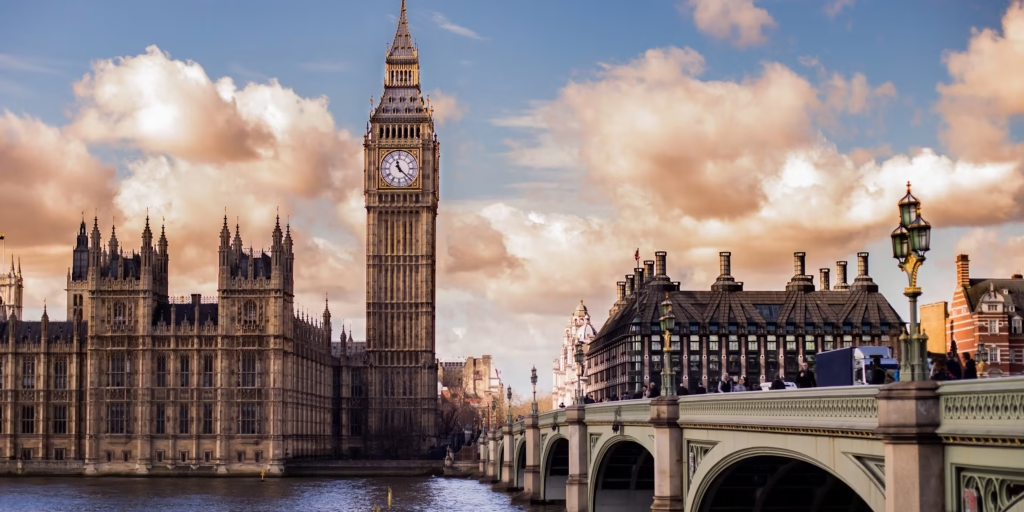
The city’s iconic landmarks form a checklist that virtually every first-time visitor wants to complete: Big Ben and the Houses of Parliament standing grandly beside the Thames, Buckingham Palace with its famous Changing of the Guard ceremony, the Tower of London with its Crown Jewels and dark history, and Tower Bridge creating one of the world’s most recognizable skylines.
Beyond these famous sights, London offers an embarrassment of riches. The British Museum houses treasures from every corner of the globe and every era of human history, all available to view completely free of charge. The National Gallery, Tate Modern, and Victoria and Albert Museum similarly offer world-class collections without admission fees.
The West End theater district rivals Broadway for quality and variety of productions. Markets like Borough, Camden, and Portobello Road provide fascinating glimpses into local life and opportunities to sample foods from around the world. Neighborhoods from trendy Shoreditch to elegant Kensington, from multicultural Brixton to historic Greenwich, each offer their own distinct flavors and attractions.
The best time to visit London is during late spring or early autumn, when the weather is generally pleasant and the parks are at their most beautiful. Summer brings longer days and outdoor festivals but also larger crowds and higher prices. Winter, particularly around Christmas, offers a magical atmosphere with festive lights and ice rinks, though expect short, gray days. Whenever you visit, London’s indoor attractions mean you’ll never be at a loss for things to do, regardless of weather.
An insider tip: purchase a London Pass or Oyster Card to save significantly on both attractions and transportation. The city’s Tube system is remarkably efficient and can whisk you across town in minutes, though don’t overlook the pleasure of traveling by Thames Clipper boat or simply walking along the South Bank, where you’ll stumble upon street performers, book markets, and constantly changing views of the city’s architectural treasures.
2. Edinburgh & the Highlands
Edinburgh stands as one of Europe’s most beautiful capitals, a city where medieval and Georgian architecture creates a stunning backdrop for contemporary cultural life. The Old Town, crowned by Edinburgh Castle perched atop its volcanic crag, features narrow alleyways called “closes” that transport you back centuries.
The Royal Mile, stretching from the castle to the Palace of Holyroodhouse, thrums with bagpipers, street performers, shops selling tartan and whisky, and historic sites at every turn. The New Town, despite its name dating from the 18th century, showcases magnificent Georgian townhouses and gardens that make you understand why Edinburgh is often called the “Athens of the North.”

Beyond the city limits, the Scottish Highlands unfold in all their dramatic glory. This is a landscape that defies easy description: mountains that change color with the shifting light, deep lochs reflecting brooding skies, ancient forests where red deer roam, and coastlines of savage beauty.
The Isle of Skye, accessible by bridge from the mainland, exemplifies Highland magic with its jagged Cuillin mountains, fairy pools of crystal-clear water, and villages where Gaelic is still spoken. The North Coast 500, a scenic driving route, takes you through some of Scotland’s most remote and spectacular scenery, passing white-sand beaches, towering cliffs, and whisky distilleries where you can sample the “water of life.”
Summer in Scotland brings long days (nearly 24 hours of daylight in June in the far north) and the famous Edinburgh Festival Fringe, the world’s largest arts festival. However, this is also peak tourist season. Late spring and early autumn offer a sweet spot of reasonable weather with fewer crowds. Winter can be harsh in the Highlands, with many roads becoming impassable, but Edinburgh itself remains enchanting under a dusting of snow, and you’ll find excellent deals on accommodation.
An insider tip: book your accommodation well in advance if visiting Edinburgh during August, when the Festival Fringe transforms the city into a month-long celebration of performing arts. For the Highlands, consider staying in small villages or B&Bs rather than larger hotels; you’ll get a more authentic experience and valuable local advice about hidden viewpoints and walking trails.
3. Lake District
The Lake District in Cumbria represents England’s most beloved national park, a landscape of serene lakes, rolling fells, and charming villages that has inspired writers and artists for centuries. Wordsworth, Coleridge, and Beatrix Potter all drew creative sustenance from these hills and waters, and visitors today can understand exactly why.
Windermere, the largest natural lake in England, stretches for ten miles through the heart of the region, its waters dotted with boats and surrounded by woodland that explodes with color in autumn. Ullswater and Derwentwater offer equally stunning scenery with fewer crowds, while smaller tarns tucked into mountain valleys reward hikers willing to venture off the beaten path.
The region caters beautifully to outdoor enthusiasts of all abilities. Challenging hikes up Scafell Pike, England’s highest mountain, or along the famous Striding Edge on Helvellyn provide thrills for experienced walkers, while gentle lakeside paths and low-level forest trails suit families with young children or those seeking more relaxed exploration. Cycling routes wind through valleys and over passes, with bike rental available in most towns. Water sports from kayaking to paddleboarding to sailing flourish on the lakes, and numerous companies offer equipment rental and lessons.
The towns and villages of the Lake District possess considerable charm in their own right. Keswick serves as an excellent base, with outdoor shops, cozy pubs, and a fascinating Pencil Museum celebrating the area’s industrial heritage. Grasmere draws visitors to Wordsworth’s Dove Cottage and its famous gingerbread. Hawkshead features Beatrix Potter connections and beautifully preserved medieval architecture. Ambleside offers excellent shopping and dining, while Coniston remembers both the Victorian art critic John Ruskin and speed record-breaker Donald Campbell.
Visit in late spring when lambs dot the hillsides and wildflowers carpet the meadows, or in autumn when the forests turn gold and red. Summer brings the best weather but also the largest crowds; midweek visits work better than weekends if you have flexibility. Winter offers stark beauty and solitude, though many attractions close and mountain conditions can be treacherous.
An insider tip: use the extensive network of lake ferries and historic steamers as both transportation and attractions in themselves. A cruise on Windermere or Ullswater provides perspectives on the landscape impossible to achieve from roads, and many walking routes can incorporate ferry journeys for variety and to avoid backtracking.
4. Cornwall
Cornwall occupies England’s southwestern tip, a county that feels almost like a separate country, with its own Celtic heritage, distinct accent, and fierce local pride. The Atlantic Ocean shapes everything here, creating hundreds of beaches ranging from vast expanses of golden sand perfect for families to tiny coves accessible only at low tide. The coastline alternates between gentle beaches and dramatic cliffs where waves crash with hypnotic power. The South West Coast Path, one of Britain’s finest long-distance trails, traces the entire Cornish coast for over 300 miles, offering jaw-dropping views at virtually every turn.

St Ives has evolved from a fishing village into one of Britain’s most important artistic centers, its special quality of light attracting painters since the 19th century. The Tate St Ives gallery showcases both historical and contemporary works, while the Barbara Hepworth Museum and Sculpture Garden provides insight into one of modern art’s giants.
The town’s beaches, cobbled streets, and excellent restaurants create an intoxicating atmosphere that makes it easy to understand why artists have always flocked here. Further along the coast, Newquay serves as Britain’s surf capital, where consistent Atlantic swells create conditions that range from beginner-friendly to genuinely challenging.
Beyond beaches and art, Cornwall offers remarkable historical sites. Tintagel Castle, dramatically situated on a cliff-bound island connected to the mainland by a narrow neck of land, claims associations with King Arthur that may be legendary but create undeniable romance.
The Eden Project, housed in enormous biomes that look like soap bubbles from a distance, recreates different global ecosystems and provides fascinating insights into humanity’s relationship with plants. Historic fishing ports like Fowey, Padstow, and Falmouth combine working harbors with excellent seafood restaurants, many run by celebrity chefs who have discovered Cornwall’s extraordinary local produce.
Summer in Cornwall brings warm weather perfect for beach activities but also means crowded roads and beaches, particularly during school holidays. Late spring and early September offer the best balance of good weather with manageable crowds. Even winter has its charms, with dramatic storms creating spectacular displays of nature’s power, though many attractions and restaurants close outside the main season.
An insider tip: venture beyond the famous beaches to discover hidden coves that locals guard jealously. Ask in local pubs or shops rather than relying solely on guidebooks, and always check tide times to avoid getting cut off. Many of Cornwall’s most magical spots require a bit of scrambling down cliff paths, but the reward of having a perfect beach almost to yourself makes the effort worthwhile.
5. York
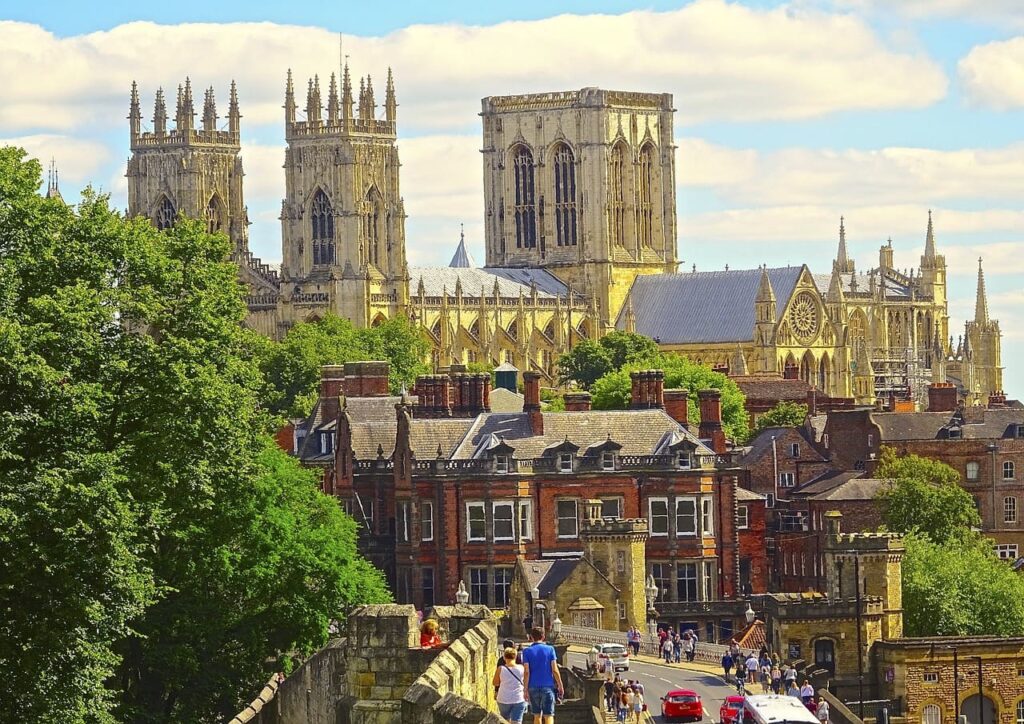
York stands as perhaps England’s most perfectly preserved medieval city, where Roman foundations support Viking-era streets topped with medieval buildings, all encircled by largely intact city walls. Walking these walls provides an excellent orientation, offering views over a cityscape of church spires, narrow lanes, and the magnificent bulk of York Minster.
This Gothic cathedral, one of northern Europe’s finest, took over 250 years to build and contains half of all the medieval stained glass in England. Climbing the 275 steps of the central tower rewards you with panoramic views across York and the surrounding countryside.
The Shambles, York’s most famous street, epitomizes medieval urban planning with buildings that lean so far over the narrow lane that residents could supposedly shake hands across it from upper windows. Originally home to butchers (shambles being the old word for slaughterhouse), the street now houses chocolate shops, tearooms, and boutiques in buildings that date back to the 14th century. The city’s Viking heritage comes alive at the Jorvik Viking Centre, where you travel back in time to experience the sights, sounds, and smells (yes, they’ve even recreated the smells) of 10th-century York.
York’s reputation as Britain’s most haunted city supports a thriving ghost tour industry. Evening walks through narrow snickelways (York’s term for alleyways) take you past sites of executions, plague burials, and reported supernatural encounters.
Whether you believe in ghosts or not, these tours provide entertaining insights into York’s darker history while showing you parts of the city you might otherwise miss. The city also boasts excellent museums, from the National Railway Museum (housing the world’s largest collection of locomotives) to the Yorkshire Museum with its Roman, Viking, and medieval artifacts.
York works well as a year-round destination. Summer brings warm weather and outdoor festivals but significant crowds. Christmas transforms the city into a winter wonderland with one of Britain’s best Christmas markets spread around historic buildings. Spring and autumn offer pleasant weather with fewer visitors, making this arguably the best time for a leisurely exploration.
An insider tip: purchase a York Pass for free entry to over 30 attractions plus discounts at restaurants and shops. Also, explore beyond the main tourist streets to find York’s hidden gems; Goodramgate, Gillygate, and the area around Museum Gardens offer quieter but equally atmospheric streets with excellent independent shops and cafes.
6. Bath
Bath represents one of Britain’s most elegant cities, where honey-colored Georgian architecture creates an urban landscape of remarkable harmony and beauty. The city’s fame rests on its Roman heritage; the remarkably well-preserved Roman Baths complex, built around Britain’s only naturally occurring hot springs, allows you to walk where Romans walked 2,000 years ago.
The Great Bath, with its steaming waters and surrounding columns, creates an almost magical atmosphere, particularly when visited during evening opening hours when fewer visitors allow for quiet contemplation of this engineering marvel.
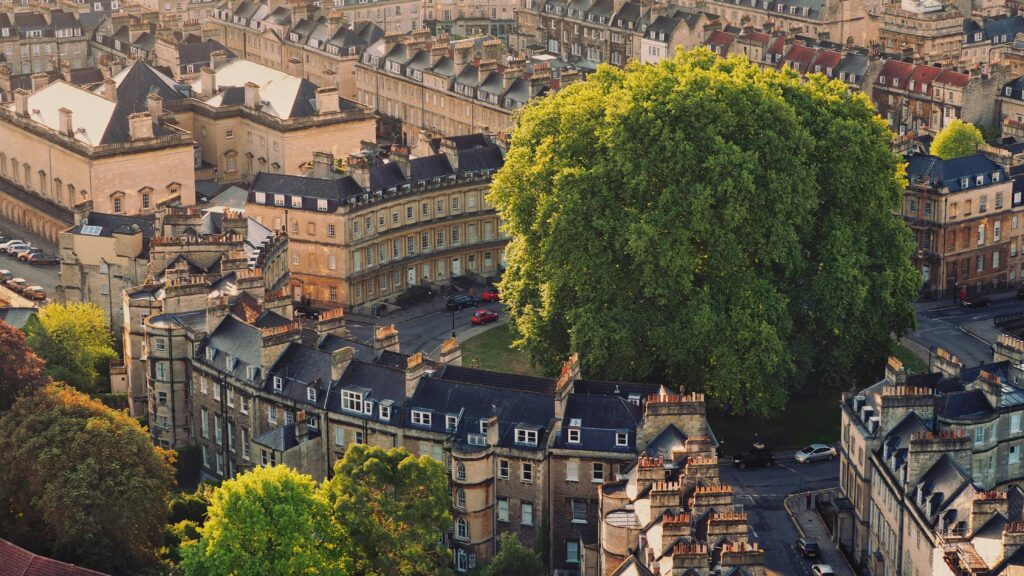
The Georgian era, when Bath became Britain’s most fashionable spa town, shaped the city’s current appearance. The Royal Crescent, a sweeping arc of 30 townhouses overlooking parkland, represents 18th-century architecture at its finest. Number 1 Royal Crescent has been restored as a museum, showing how wealthy Georgian visitors lived in considerable luxury.
The Circus, another Georgian masterpiece, creates a circular space that pays homage to classical architecture. Walking Bath’s streets feels like stepping into a Jane Austen novel (she lived here from 1801 to 1806), and the Jane Austen Centre celebrates her connection to the city with exhibitions and period costume experiences.
Modern Bath continues the spa tradition at Thermae Bath Spa, where you can bathe in naturally warm waters in contemporary rooftop pools while gazing across the city’s rooftops. The combination of warm water, stunning views, and the knowledge that you’re continuing a 2,000-year tradition creates a uniquely relaxing experience. The city also offers excellent shopping along Milsom Street and in the independent boutiques of Catherine Hill, plus a thriving restaurant scene that includes several Michelin-starred establishments.
Bath works well as a year-round destination, though summer brings the most visitors. Spring sees Bath at its loveliest, with flowers blooming in the parks and comfortable temperatures for walking. The Bath Christmas Market, one of Britain’s best, transforms the area around Bath Abbey into a wonderland of wooden chalets selling crafts, food, and mulled wine.
An insider tip: arrive early or visit during late afternoon to see the Roman Baths with fewer crowds. For stunning views over the city, climb to Alexandra Park or Prior Park Landscape Garden, both offering panoramic perspectives that showcase Bath’s remarkable architectural unity.
7. Cambridge & Oxford
Cambridge and Oxford, Britain’s two ancient university cities, offer remarkably similar experiences despite maintaining a fierce rivalry. Both feature stunning college architecture dating back centuries, both sit on rivers perfect for punting, both house world-class museums and libraries, and both exude an atmosphere of academic excellence that permeates every street. Visiting both provides fascinating comparisons, though each deserves at least a full day to do it justice.
Cambridge centers on the River Cam, where students and tourists alike propel flat-bottomed punts with long poles, either gliding peacefully under the willows or getting tangled in the branches (it’s harder than it looks). The colleges line the river in a parade of architectural styles spanning 800 years.
King’s College Chapel represents the pinnacle of English Gothic architecture, its fan-vaulted ceiling considered one of the world’s finest. Trinity College, Newton’s alma mater, features a magnificent library designed by Wren. St John’s College boasts the Bridge of Sighs, inspired by its Venetian namesake. Many colleges allow visitors to explore their courts, chapels, and gardens, providing glimpses into student life that has continued largely unchanged for centuries.
Oxford presents a denser, more urban feel than Cambridge, with colleges packed tightly into the city center. Christ Church College served as inspiration for Hogwarts in the Harry Potter films, and its Great Hall remains instantly recognizable to millions of moviegoers.
The Bodleian Library, one of the world’s oldest and most important, offers tours that reveal its stunning reading rooms. The covered market, dating from the 18th century, provides an authentic slice of Oxford life amid the tourist attractions. Climbing the tower of the University Church of St Mary the Virgin rewards you with superb views across the city’s famous “dreaming spires.”
Both cities offer excellent museums at no charge. Cambridge’s Fitzwilliam Museum houses treasures from ancient Egypt to modern art, while Oxford’s Ashmolean Museum (Britain’s oldest public museum) and the natural history museum with its dinosaur skeletons and dodo remains provide hours of fascination. Both cities also feature vibrant cultural scenes with theater, music, and literary events drawing on their university connections.
Visit during term time if possible (October to March and April to June, with breaks for Christmas and Easter) when students fill the streets and the cities feel most alive. Summer brings tourists but fewer students, creating a different atmosphere. Avoid arrival days at the start of terms when accommodation becomes scarce.
An insider tip: in both cities, explore the lesser-known colleges and streets away from the main tourist routes. Some of the most beautiful architecture and most authentic atmospheres hide down side streets or in colleges that don’t appear in all the guidebooks. Also, book accommodation well in advance, as both cities have limited options that fill quickly, particularly during graduation periods.
8. Snowdonia, Wales
Snowdonia National Park in northwest Wales encompasses some of Britain’s most dramatic mountain scenery, where peaks rise sharply from valleys, waterfalls cascade down rocky cliffs, and ancient castles perch on strategic heights. Mount Snowdon itself, at 1,085 meters the highest peak in Wales and England, dominates the region.
The most popular path to the summit, the Llanberis Path, takes about 6 hours round trip and requires reasonable fitness, though the truly lazy (or time-pressed) can take the Snowdon Mountain Railway, a rack-and-pinion railway that has climbed to the summit since 1896.
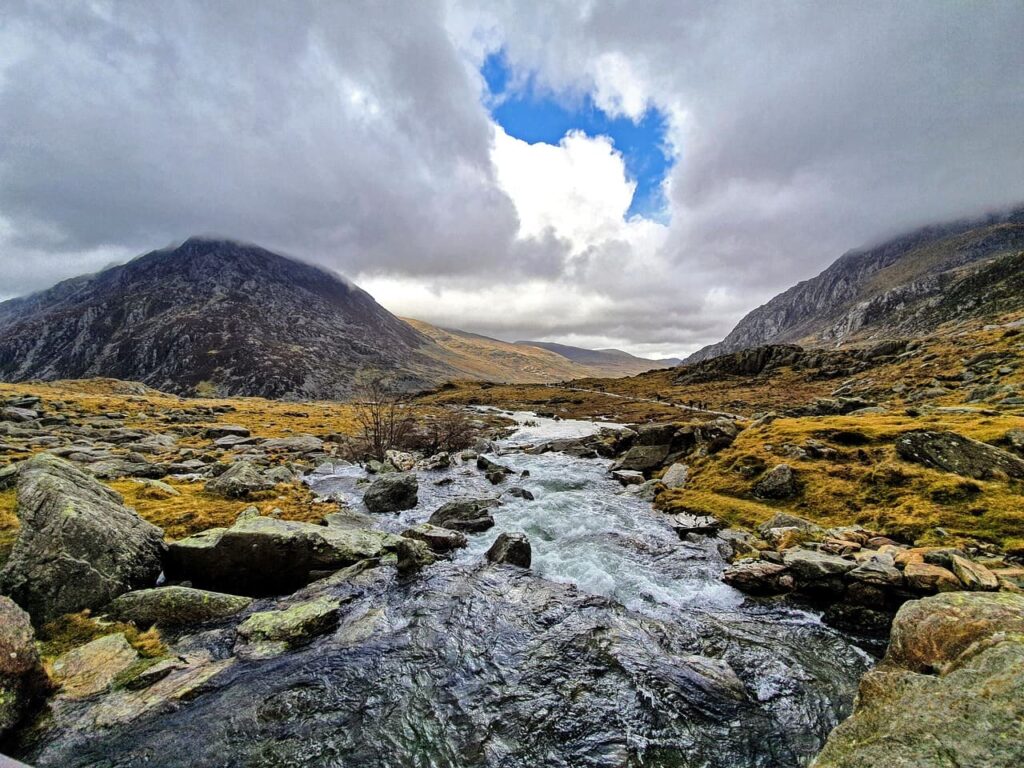
The park extends far beyond Snowdon, offering countless hiking opportunities from gentle valley walks to serious mountain scrambles. The Glyderau range provides dramatic rocky landscapes with the famous Cantilever Stone, a boulder that appears to defy gravity.
Cadair Idris, another major peak, features in Welsh mythology as the seat of a giant, and legend claims that anyone spending a night on its summit will wake either mad, a poet, or dead (day hikes are safer and equally rewarding). The Ogwen Valley, often less crowded than the Snowdon area, offers spectacular scenery and excellent rock climbing.
Welsh castles proliferate throughout Snowdonia, many built by Edward I in the 13th century to subdue the Welsh. Conwy Castle, with its eight massive towers, completely dominates the medieval walled town it guards. Caernarfon Castle, where the Prince of Wales is traditionally invested, represents medieval military architecture at its finest. Harlech Castle occupies a spectacular clifftop position with views across Cardigan Bay. All three form part of a UNESCO World Heritage Site recognizing their exceptional historical importance.
The region also preserves Welsh language and culture more robustly than most parts of Wales. In villages throughout Snowdonia, Welsh remains the everyday language, road signs appear in both Welsh and English, and traditions from male voice choirs to sheep farming continue much as they have for generations. This authentic cultural dimension adds depth to any visit, reminding you that you’re exploring not just beautiful scenery but a living culture with ancient roots.
Visit in late spring or early autumn for the best balance of weather and crowds. Summer brings the most reliable weather but also the most visitors, particularly on Snowdon itself. Winter transforms the mountains into serious terrain requiring mountaineering skills, though the lower valleys remain accessible and offer stark beauty under snow. Always check weather forecasts before hill walking, as conditions can change rapidly, and mist can descend with little warning.
An insider tip: explore some of Snowdonia’s lesser-known areas like the Rhinogydd mountains or the Carneddau range. These regions offer similarly spectacular scenery with a fraction of the visitors you’ll encounter on Snowdon. Also, consider staying in small villages rather than the busier towns; you’ll experience more authentic Welsh hospitality and often find better value for money.
9. Belfast & Giant’s Causeway
Belfast has transformed remarkably in recent decades from a city synonymous with conflict into a vibrant, welcoming destination that confidently celebrates its heritage while embracing the future. The Titanic Belfast museum, located on the site where the ill-fated ship was built, provides a deeply engaging exploration of Belfast’s shipbuilding heritage and the Titanic’s story through nine interactive galleries. The building itself, with its angular form suggesting ice crystals and ship prows, has become an architectural landmark. The adjoining Titanic Quarter showcases how former industrial areas have been reimagined as mixed-use neighborhoods.
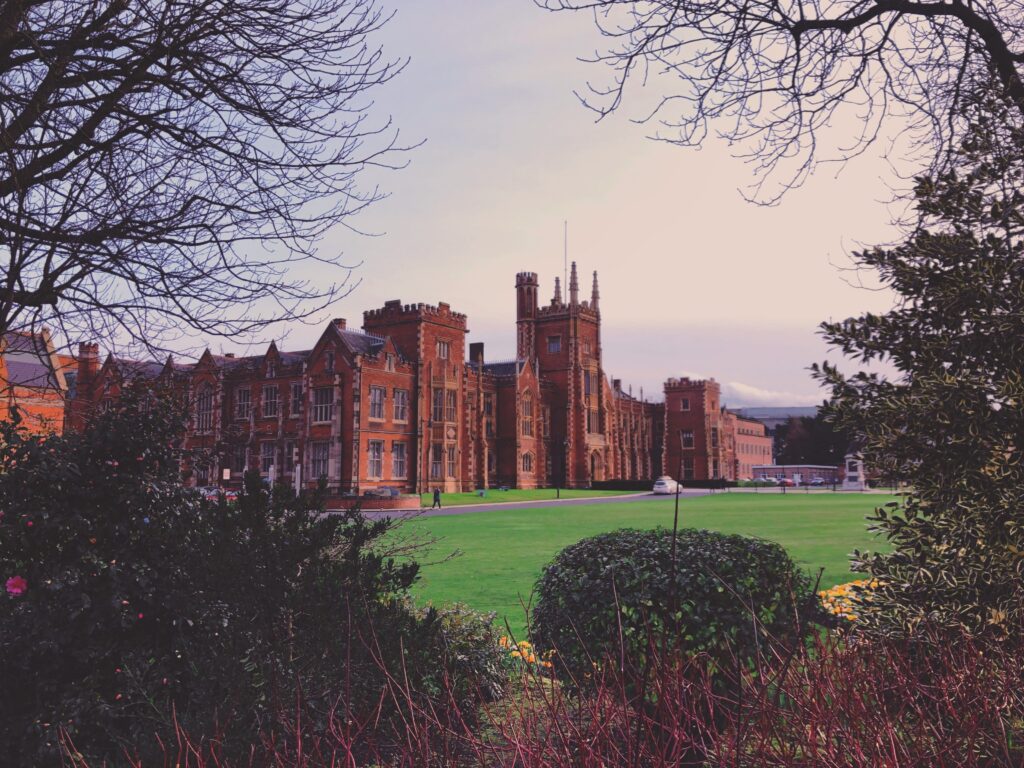
The city center reveals Belfast’s Victorian grandeur in buildings like the ornate Crown Liquor Saloon (now National Trust-protected), the domed City Hall set in attractive gardens, and the Grand Opera House with its exotic oriental-influenced decoration. Street art, particularly the murals in working-class neighborhoods, provides powerful insights into the Troubles and ongoing peace process.
Guided tours, often led by people who lived through the conflict, offer nuanced perspectives on this complex history that go far beyond what guidebooks can convey. The city’s cultural scene thrives with excellent restaurants, traditional music pubs, and a growing reputation for craft beer and cocktails.
An hour’s drive north of Belfast brings you to one of the world’s geological wonders, the Giant’s Causeway. This extraordinary formation of approximately 40,000 interlocking basalt columns, most of them perfectly hexagonal, was created by volcanic activity some 60 million years ago.
The columns fit together so precisely and regularly that it’s easy to understand why legend attributes them to giants rather than geology. According to Irish mythology, the giant Finn McCool built the causeway to walk to Scotland to fight his rival. The surrounding Causeway Coast offers equally spectacular scenery with dramatic cliffs, rope bridges (the Carrick-a-Rede rope bridge swings 30 meters above crashing waves), ruined castles, and beaches that featured in Game of Thrones filming.
The Causeway Coast also encompasses charming towns like Bushmills, home to the world’s oldest licensed whiskey distillery (established 1608), where tours reveal traditional production methods and include tastings. Portrush and Portstewart offer classic seaside resort experiences with excellent beaches, while Dunluce Castle provides romantic clifftop ruins that seem to grow from the rock itself.
Visit in late spring or summer for the best weather and longest days, crucial when you want to explore coastal areas. The Giant’s Causeway can be incredibly crowded during summer afternoons, so arrive early or late in the day for a more contemplative experience. Belfast works well year-round, with indoor attractions providing refuge from winter weather.
An insider tip: the official Giant’s Causeway visitor center charges parking fees, but you can park in the town of Bushmills and walk the coastal path to the causeway for free. This scenic walk takes about 45 minutes each way and actually provides better views than approaching from the car park. In Belfast, take a black taxi tour for the most insightful perspectives on the city’s history and the peace process.
10. The Cotswolds
The Cotswolds represents many people’s idealized vision of rural England: honey-colored stone villages with thatched roofs, rolling green hills dotted with sheep, country pubs with open fires and excellent ales, manor houses set in magnificent gardens, and a pace of life that seems to belong to a gentler era. This Area of Outstanding Natural Beauty stretches across six counties in south-central England, encompassing hundreds of villages and market towns that have prospered on wool trade wealth for over 500 years.
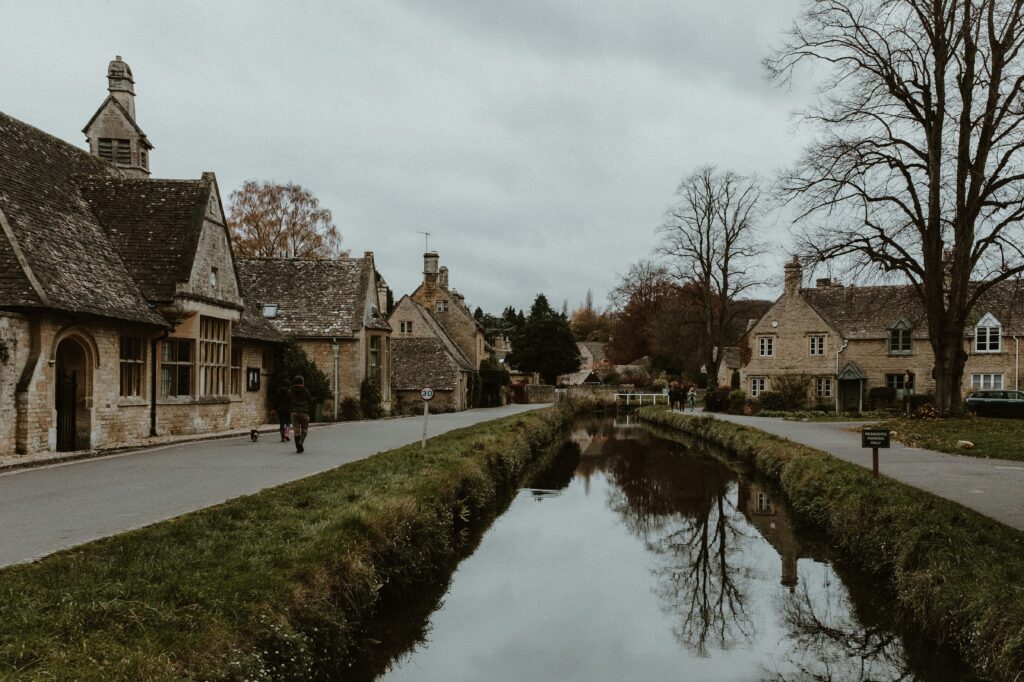
Villages like Bourton-on-the-Water (sometimes called the Venice of the Cotswolds for its low bridges over the River Windrush), Bibury (William Morris called Arlington Row its most beautiful street in England), and Castle Combe (regularly voted Britain’s prettiest village) attract visitors by the busload, and deservedly so.
Their architectural unity, created by local limestone that varies from gold to deep honey depending on where it was quarried, creates almost impossibly picturesque scenes. However, the Cotswolds rewards those who venture beyond the famous villages to explore lesser-known settlements. Villages like Snowshill, Upper and Lower Slaughter, and Painswick offer equal beauty with fewer crowds.
The market towns provide more substantial bases for exploration. Chipping Campden features an excellent high street lined with medieval buildings and serves as the start (or end) of the Cotswold Way, a 102-mile walking trail that traverses the region. Stow-on-the-Wold, reputedly the highest town in the Cotswolds, centers on a historic market square surrounded by antique shops and tearooms.
Cirencester, the capital of the region, boasts Roman heritage (it was second only to London in Roman Britain), an impressive church, and good shopping. Broadway combines beauty with quality shops and restaurants in a town that attracted artists and writers in the 19th and early 20th centuries.
Gardens flourish in the Cotswolds, taking advantage of the gentle climate and aristocratic patronage. Hidcote Manor Garden represents one of Britain’s finest examples of the “garden room” style, where different areas create distinct atmospheres. Kiftsgate Court nearby provides a more intimate experience. Blenheim Palace, Winston Churchill’s birthplace, combines baroque architecture with landscaping by Capability Brown. Sudeley Castle offers both history and spectacular gardens in a truly romantic setting.
The Cotswolds works well in any season except perhaps deep winter when many attractions close. Late spring brings bluebells carpeting woodland floors, summer offers perfect weather for walking and garden visiting, and autumn paints the landscape in gold and russet tones that complement the stone buildings beautifully. Weekends bring crowds from London and Birmingham, so midweek visits prove more relaxing.
An insider tip: stay in lesser-known villages rather than the famous beauty spots. You’ll find better value accommodation and experience the Cotswolds at its most authentic when day-trippers have departed. Also, explore on foot wherever possible; the gentle hills make for pleasant walking, and you’ll discover views and villages that car-bound visitors miss entirely.
Top 10 Hidden Gems & Lesser-Known Spots To Visit in the UK
While the top 10 destinations deservedly claim fame, Britain hides countless treasures that receive far less attention but offer experiences every bit as memorable for those willing to venture off the well-trodden tourist trail. These hidden gems in UK travel provide opportunities to escape crowds and discover places where you might be one of only a handful of visitors, even in peak season.
Rye, East Sussex perches on a hill in southeast England, a perfectly preserved medieval town of cobbled streets, timber-framed houses, and atmospheric alleyways. The town’s position near Romney Marsh and the sea made it a prosperous port in medieval times, though the harbor has now silted up, leaving Rye two miles inland. Mermaid Street, with its steep incline and overhanging buildings, could serve as a film set for any period drama.
The town combines historical beauty with contemporary life; excellent restaurants, independent shops, and galleries make this more than just a pretty face. The church of St Mary overlooks the town, its clock dating from 1561 and reputedly the oldest functioning turret clock in Britain.
Northumberland Coast stretches for over 60 miles along England’s northeast edge, offering vast, empty beaches, dramatic castles, and abundant wildlife. Bamburgh Castle dominates its stretch of coastline, a massive fortress on a basalt outcrop that has defended this shore since medieval times. Holy Island (Lindisfarne) can only be reached at low tide via a causeway, creating twice-daily isolation that has preserved its peaceful, spiritual atmosphere since monks settled here in 635 AD.
The Farne Islands provide nesting sites for puffins, seals, and countless other seabirds; boat trips from Seahouses allow close encounters with wildlife that seems indifferent to human observers. This coastline receives far fewer visitors than southern England’s beaches despite offering arguably more dramatic scenery.
Durness, Scottish Highlands occupies Britain’s northwest corner, where white-sand beaches look onto turquoise waters that wouldn’t seem out of place in the Caribbean if not for the temperature. The remoteness (Durness lies over 50 miles from the nearest town of any size) has preserved an almost pristine landscape. Smoo Cave, a large sea cave with a waterfall inside, provides easy access to impressive geology. The nearby Balnakeil Craft Village occupies a former radar station converted into artists’ studios. In summer, daylight lasts nearly 24 hours, creating an otherworldly quality as the sun barely dips below the horizon before rising again.
Lavenham, Suffolk represents medieval England frozen in time. This wool town in eastern England prospered in the 15th and 16th centuries, filling with half-timbered houses and guildhalls that still dominate the streetscape. Over 300 buildings hold historic protection status, creating an architectural ensemble virtually unmatched in Britain.
Unlike many historic towns, Lavenham never developed much industry, so it escaped the Victorian rebuilding that transformed most British towns. Walking its crooked streets, you encounter buildings leaning at improbable angles, their ancient timbers slowly settling. The Guildhall, a spectacular timber-framed building from 1529, now belongs to the National Trust and houses exhibitions about the wool trade.
Portmeirion, Wales defies easy description, an Italianate fantasy village created between 1925 and 1975 by architect Clough Williams-Ellis on a private peninsula. Pastel-colored buildings, a piazza, colonnades, and a campanile create a Mediterranean atmosphere in the Welsh hills overlooking an estuary. The village served as the setting for the 1960s television series “The Prisoner,” adding to its surreal quality.
Despite being entirely artificial (and some might argue rather kitsch), Portmeirion possesses undeniable charm. It operates as a hotel, allowing overnight guests to experience the village after day-trippers depart, when the setting sun turns the buildings pink and gold.
These hidden gems in UK itineraries demonstrate that famous attractions tell only part of Britain’s story. Every region conceals places of remarkable beauty or interest that receive a fraction of the attention lavished on major tourist sites. Seeking out these lesser-known destinations rewards you with more authentic experiences, interactions with locals rather than just fellow tourists, and the satisfaction of discovering places that most visitors overlook entirely.
UK Travel Tips & Hacks
Successful travel in the UK requires understanding certain practicalities that can significantly enhance your experience while saving both time and money. These UK travel tips come from both practical experience and local knowledge, addressing the common challenges visitors encounter.
Best Travel Times by Season
The UK’s temperate maritime climate means you’ll rarely encounter extreme weather, but you should definitely expect variability. Late spring (May through early June) offers perhaps the best combination of pleasant weather, blooming flowers, and manageable crowds. The countryside looks magnificent with fresh green growth and wildflowers, while cities remain comfortable for walking. Early autumn (September through October) provides similar advantages, with the added bonus of autumn colors transforming forests and parklands into spectacular displays of gold, red, and bronze.
Summer (July and August) brings the warmest weather and longest days, with sunset occurring as late as 10 PM in Scotland. However, this is also peak tourist season, meaning higher prices, crowded attractions, and fully booked accommodations, particularly in popular destinations. If you must visit during summer, booking well in advance becomes essential, and consider visiting major attractions early in the morning or late in the afternoon to avoid the worst crowds.
Winter travel in the UK has its devotees, particularly around Christmas when cities sparkle with festive lights and markets. December offers genuine charm despite short days and often cold, damp weather. January and February typically bring the year’s worst weather, along with the lowest prices and smallest crowds. Many coastal attractions close during these months, but cities remain fully operational with museums, theaters, and restaurants providing plenty to do regardless of weather.
Rail Passes and Transportation Strategy
Britain’s extensive rail network provides the most efficient way to travel between cities and regions, offering frequent service, comfortable carriages, and views that roads cannot match. However, train travel in the UK can be expensive if you don’t plan strategically. Advance purchase tickets, bookable up to 12 weeks before travel, can cost a fraction of walk-up fares. For example, a London to Edinburgh ticket might cost over £150 if purchased on the day of travel but under £40 if booked weeks in advance.
For visitors planning multiple train journeys, BritRail passes offer excellent value. These passes, available only to non-UK residents, allow unlimited travel for a set period (ranging from consecutive days to a month of flexibility). The BritRail England Pass covers England only, while the BritRail Pass includes Scotland and Wales. Calculate the cost of your planned journeys individually versus a pass; for three or more long-distance trips, passes usually save money while offering the freedom to hop on any train without reservations.
ScotRail offers similar passes specifically for Scotland, valuable if you’re spending significant time north of the border. Regional rail passes exist for areas like the Lake District and Cornwall, worth investigating if you plan to base yourself in one region and make multiple day trips.
Within London, avoid buying individual tickets for the Tube or buses. An Oyster Card or contactless payment card caps your daily spending and costs significantly less per journey than paper tickets. The caps mean you’ll never pay more than a day pass would cost, regardless of how many journeys you make.
Budgeting and Money-Saving Strategies
The UK, particularly London, has a reputation for being expensive, but smart travelers can control costs significantly. City passes like the London Pass, Edinburgh Pass, or York Pass provide free entry to multiple attractions plus additional benefits like skip-the-line access. These passes make sense if you plan intensive sightseeing, though calculate whether you’ll actually visit enough attractions to justify the cost.
Many of Britain’s finest attractions charge no admission whatsoever. In London, the British Museum, National Gallery, Tate Modern, Natural History Museum, and numerous other institutions offer free entry to permanent collections. Regional cities follow the same model; Manchester’s museums, Edinburgh’s National Museum of Scotland, and Cardiff’s National Museum all welcome visitors without charge. This generosity allows budget-conscious travelers to experience world-class collections without spending anything.
Eating well need not break the bank. Pub food has evolved dramatically in recent decades; many pubs now serve excellent meals at reasonable prices, particularly at lunchtime when they often offer special deals. Supermarket meal deals (typically a sandwich, snack, and drink for around £3-4) provide cheap lunches, while markets offer both inexpensive meals and fascinating local color. Restaurant lunch menus often cost significantly less than dinner at the same establishment, particularly in upscale dining rooms.
Off-peak travel consistently delivers better value. Visiting attractions on weekday mornings rather than weekend afternoons can mean shorter queues and sometimes reduced admission. Traveling between destinations on weekdays rather than Fridays or Sundays typically costs less for both trains and accommodations. Many hotels and B&Bs offer better rates for midweek stays compared to weekends.
Packing Essentials
The UK’s changeable weather demands versatile packing. The local saying “if you don’t like the weather, wait five minutes” contains truth; you can experience sun, clouds, rain, and wind all in a single afternoon. Layering provides the best strategy. A waterproof jacket with a hood becomes your most valuable item, useful year-round. Pack clothes you can layer: t-shirts, long-sleeve shirts, sweaters, and perhaps a light insulated jacket for cooler months.
Comfortable walking shoes matter enormously. British cities reward exploration on foot, with many attractions within walking distance of each other. Cobblestone streets, uneven pavements, and potential wet conditions make sturdy, waterproof footwear essential. Save the fashion shoes for evenings out; during the day, prioritize comfort and practicality.
A compact umbrella fits easily in a daypack and provides insurance against sudden showers. However, don’t let rain deter you from outdoor activities; British people have perfected the art of doing things regardless of weather. With proper waterproof gear, rain becomes an inconvenience rather than a showstopper.
British electrical outlets use three-pin plugs different from most countries. Bring appropriate adapters (widely available online before your trip or at airports and electronics shops in the UK). The UK uses 230-volt power; most modern electronics like phone chargers work fine, but check vintage equipment or hair styling tools, which might need voltage converters.
Local Dining Culture
British dining culture combines traditional elements with contemporary influences from around the world. Understanding a few basics enhances your dining experiences and helps avoid misunderstandings. Tipping practices differ from American norms; in restaurants, 10-12% is standard if service hasn’t been included (check your bill, as many restaurants add a service charge automatically).
Pub culture generally doesn’t involve tipping for drinks ordered at the bar, though you might leave small change or offer to buy the bartender a drink if you’ve received excellent service.
Many popular restaurants, particularly in London and other major cities, require reservations days or even weeks in advance. Make bookings before you travel for restaurants you particularly want to try. However, excellent meals can be found without reservations at pubs, cafes, and casual restaurants throughout the country.
Traditional British food deserves trying despite its mixed reputation. A proper Sunday roast (roasted meat, Yorkshire pudding, vegetables, and gravy) represents British cooking at its hearty best. Fish and chips, done well, provides crispy batter, flaky fish, and golden chips that bear little resemblance to inferior versions found in many tourist areas; ask locals for recommendations rather than eating at the first chippy you encounter. Full English breakfast (eggs, bacon, sausage, beans, tomatoes, mushrooms, and toast) might seem intimidating but fuels a full day of sightseeing.
Markets provide some of Britain’s best food experiences. Borough Market in London, St. George’s Market in Belfast, or Cardiff Central Market offer opportunities to sample artisan foods, chat with producers, and eat exceptional meals at reasonable prices. Farmers’ markets occur in towns across the country, typically weekly or monthly, showcasing local produce and prepared foods.
Cultural Considerations
British culture values queuing (standing in line) to an almost religious degree. Always join the back of queues and wait your turn; attempting to jump queues guarantees hostile reactions. This applies everywhere: bus stops, ticket offices, shop counters, and anywhere else multiple people want service.
The British reputation for politeness and reserve contains truth. “Please,” “thank you,” and “excuse me” oil the wheels of daily interactions. Staff in shops, restaurants, and attractions generally maintain professional courtesy, and responding in kind creates positive interactions. The reserved nature doesn’t indicate unfriendliness; locals can be extremely helpful if you ask for directions or recommendations, though they’re less likely to strike up random conversations with strangers than in some cultures.
Pub etiquette follows specific rules. Order drinks at the bar rather than waiting for table service in traditional pubs. Pay when you order rather than running a tab (unless the pub specifically offers table service). If drinking with a group, rounds are customary; each person takes turns buying drinks for everyone. This works well in groups of similar size but can become expensive in large groups, so agree beforehand whether you’re doing rounds or buying your own.
What to Do in UK Beyond the Obvious
Britain rewards curiosity and spontaneity. Every town of any size hosts weekly markets where you can observe local life and sometimes find unexpected treasures. Village fetes, steam railway enthusiast events, historic house open days, and countless other local happenings occur constantly, particularly in summer. Tourist information centers can direct you to events happening during your visit.
Walking in the countryside, whether on established long-distance paths or local circular routes, provides deep immersion in British landscapes. The “right to roam” legislation in England and Wales grants access to much privately-owned land, meaning you can walk across fields and moorland as long as you follow the countryside code: close gates, stick to paths through crops, control dogs around livestock, and take your litter home.
British heritage organizations like the National Trust, English Heritage, Historic Scotland, and Cadw manage hundreds of properties open to visitors. Membership in these organizations (available to overseas visitors) quickly pays for itself if you plan to visit multiple properties, plus supports conservation work that preserves Britain’s heritage for future generations.
Attending live performances, whether West End theater, local amateur dramatics, folk music in a pub, or classical concerts in a cathedral, connects you with British cultural life in ways that sightseeing alone cannot achieve. Most towns have theaters or arts centers with programs ranging from professional touring productions to local performances. Prices vary enormously; you might pay £100 for premium West End seats or £10 for an excellent local production.
Top 10 Family Places to Visit in UK
Planning a family getaway requires balancing adult interests with keeping children engaged and happy. These top UK destinations excel at providing experiences that appeal across generations, combining educational value with genuine fun. The following locations offer the infrastructure families need (family rooms, child-friendly restaurants, appropriate facilities) alongside attractions that prevent the dreaded “I’m bored” complaints.
London tops the list for families because its sheer variety means something for everyone. Children love the Natural History Museum’s dinosaur galleries, the Science Museum’s interactive exhibits, and the British Museum’s mummies. The Tower of London brings history alive with Beefeaters, Crown Jewels, and tales of imprisoned princes.
Outdoor attractions like Hyde Park, Regent’s Park (with its excellent playground and boating lake), and the Diana Memorial Playground provide space to run and play. Theater options range from family-friendly West End shows like “The Lion King” to performances specifically for children. The London Transport Museum entertains with vintage buses and trains children can climb aboard.
Lake District attracts families seeking outdoor adventures in manageable doses. Walking trails suit all abilities, from lakeside strolls pushable with strollers to proper hill walks for older children. Boat cruises on Windermere or Coniston provide gentle entertainment with spectacular views.
The World of Beatrix Potter attraction in Bowness brings Peter Rabbit and friends to life through recreated scenes and interactive elements. The Lakeland Motor Museum displays vintage cars and motorcycles that fascinate children and adults alike. Adventure activities from treetop rope courses to kayaking provide excitement for energetic families.
Cornwall delivers beach holidays British-style. The county’s numerous beaches offer everything from safe, shallow paddling at sheltered coves to proper surf beaches where older children and teenagers can take lessons. Rockpooling at low tide reveals crabs, anemones, and small fish. The Eden Project educates about ecology and conservation through spectacular biomes housing tropical and Mediterranean plants, with adventure trails and seasonal activities keeping children engaged.
Flambards Theme Park provides rides and attractions specifically designed for families. The South West Coast Path includes sections suitable for family walks, rewarding effort with stunning views and opportunities to spot seals, dolphins, or basking sharks.
York makes history accessible and exciting for children. The Jorvik Viking Centre uses time-capsule rides through recreated Viking streets, complete with authentic smells that make children giggle. York’s Chocolate Story traces the city’s confectionery heritage (York was home to several major chocolate manufacturers) through interactive experiences ending with chocolate-making opportunities.
The National Railway Museum, despite being free, contains treasures including historic locomotives children can climb aboard. Ghost walks designed specifically for families dial down the scariness while maintaining atmosphere. The city walls provide a unique way to see York while burning off energy.
Snowdonia offers Welsh adventures perfect for active families. The Snowdon Mountain Railway provides a way to reach Wales’s highest peak without the six-hour hike, though families with older children might enjoy hiking part-way and taking the train down. Bounce Below creates an extraordinary experience in a disused slate cavern, where vast trampolines interconnect in an underground playground. Zip World includes the world’s fastest zip line and other aerial adventures.
Castles like Conwy and Caernarfon capture children’s imaginations while teaching about medieval warfare and royal power struggles. Surf Snowdonia offers inland surfing on artificial waves, perfect for learning without ocean currents.
Edinburgh combines urban sophistication with child-friendly attractions. Edinburgh Castle dominates the skyline and delivers cannons, dungeons, and Crown Jewels. The Camera Obscura and World of Illusions provides five floors of optical tricks and hands-on exhibits. The Museum of Childhood takes adults on nostalgia trips while showing children how previous generations played. Arthur’s Seat, the extinct volcano in the city center, provides an achievable hike with panoramic rewards. During August, the Festival Fringe includes numerous shows specifically for children and families.
Belfast surprises many visitors with its family appeal. Titanic Belfast uses state-of-the-art interactive exhibits to tell the story of history’s most famous ship, engaging children through touch screens, reconstructions, and the preserved slipways where the ship was built. W5 (WhyWhenWhatWhereWho) in the Odyssey complex provides hands-on science exhibits.
The Ulster Museum covers everything from dinosaurs to Egyptian mummies to local history. Day trips to the Giant’s Causeway combine geology lessons with outdoor exploration and the fun of hopping between hexagonal columns.
Cambridge offers intellectual stimulation in family-friendly packages. Punting on the River Cam creates quintessentially Cambridge experiences; pole-based propulsion proves harder than it looks, generating laughter as various family members try their hand at steering. The Fitzwilliam Museum welcomes families with special trails and activities. The Museum of Technology demonstrates working steam engines and vintage machinery that fascinate mechanically-minded children.
The Botanic Garden provides beautiful outdoor spaces perfect for picnics. Many colleges welcome visitors, offering glimpses into university life that might inspire academic ambitions.
Bath combines Roman history with genteel attractions. The Roman Baths now offer family-friendly audio guides that include children’s versions with stories and games. The Fashion Museum displays centuries of clothing styles; special trails help children engage with historical fashion. Royal Victoria Park includes an excellent adventure playground and botanical gardens.
Bath Skyline Walk provides a six-mile circular route through woodland and meadows with spectacular views, manageable for families with older children. The Holburne Museum runs family workshops and activities during school holidays.
The Cotswolds might seem adult-oriented but contains numerous family-friendly elements. Birdland Park & Gardens in Bourton-on-the-Water houses penguins, flamingos, and tropical birds in beautiful gardens. Cotswold Farm Park allows children to meet and feed farm animals, with play areas and tractor rides.
Hidcote Manor Garden provides not just formal gardens but also woodland play areas. Market towns like Stow-on-the-Wold and Chipping Campden offer ice cream shops, toy stores, and traffic-free streets safe for young walkers. The gentle countryside suits family cycling, with bike rental available in numerous locations.
Top 10 Romantic Places to Visit in UK
Whether celebrating a honeymoon, anniversary, or simply escaping together, these romantic spots across the UK promise unforgettable memories. They combine beautiful settings with intimate atmospheres, excellent dining, and activities that encourage connection rather than distraction. The following destinations have hosted countless couples over the years, yet each maintains the magic that makes romance flourish.
Bath virtually defines romantic British destinations. The honey-colored Georgian architecture creates a beautiful backdrop for hand-in-hand strolls. Bathing together in the warm waters at Thermae Bath Spa, particularly in the rooftop pool at sunset, creates intimate moments with spectacular city views.
Dinner at one of Bath’s excellent restaurants followed by an evening walk along the Royal Crescent or through Pulteney Bridge (lined with shops like its inspiration in Florence) captures romance perfectly. Stay in one of the elegant Georgian townhouses converted to hotels or intimate B&Bs for complete immersion in Bath’s refined atmosphere.
The Cotswolds represents the quintessence of English rural romance. Villages built entirely from golden limestone, country pubs with fires crackling in ancient hearths, manor house hotels with four-poster beds and fine dining, all combine to create an atmosphere perfect for couples. Walking hand-in-hand through villages like Bourton-on-the-Water or Bibury, exploring antique shops in Stow-on-the-Wold, or simply relaxing in the gardens of a country hotel allows complete escape from daily pressures. Book a cottage for two with exposed beams, a fireplace, and views over rolling hills for the ultimate romantic retreat.
Cornwall offers romantic possibilities from intimate cove beaches to luxurious coastal hotels. St Ives combines artistic atmosphere with beautiful beaches, excellent restaurants (some Michelin-starred), and stunning coastal scenery. Sunset walks along the South West Coast Path, perhaps ending with fish and chips eaten on the beach, create simple but memorable moments. Book a cottage or hotel room with sea views; falling asleep to wave sounds and waking to seascapes creates immediate relaxation. Port Isaac, Padstow, and Fowey offer similar charms with fewer crowds than St Ives.
Isle of Skye delivers romance through dramatic landscapes that inspire awe. The Cuillin mountains create a spectacular backdrop, while coastal walks reveal hidden beaches and seal colonies. The remoteness encourages couples to focus on each other rather than external distractions. Stay in a remote cottage or small hotel where you might not see another building. Explore the Fairy Pools, walk to Neist Point lighthouse, or simply drive the island’s scenic roads, stopping at viewpoints that seem designed for lingering embraces.
Cambridge provides romantic experiences centered on the river and historic architecture. Punting allows couples to glide beneath willow trees and past magnificent college buildings, particularly magical during summer evenings when the setting sun gilds the ancient stone. Wander through college courts and chapels when allowed, climb church towers for sunset views, and dine at restaurants occupying historic buildings.
Lake District attracts couples seeking romantic immersion in nature. Book a lakeside cottage or boutique hotel room with mountain views. Sunrise walks before breakfast, gentle rowing on mirror-calm lakes, afternoon tea in country houses, and dinners featuring local lamb and Cumberland sausages create days of simple pleasures. The dramatic scenery provides inspiration for long conversations and quiet companionship.
York offers romance steeped in history. Walk hand-in-hand along the medieval city walls at sunset, exploring the intimate streets of the Shambles after day-trippers have departed, and attending evensong at York Minster to hear the choir in the magnificent Gothic setting. Afternoon tea at Betty’s becomes a ritual locals and visitors both adore. Evening ghost walks provide opportunities for protective hand-holding and shared excitement. York’s numerous boutique hotels occupy historic buildings, offering four-poster beds, original features, and characterful atmospheres perfect for romantic getaways.
Edinburgh combines urban sophistication with dramatic natural settings. Climb Arthur’s Seat at sunset for panoramic views over the city and Firth of Forth, perhaps bringing champagne and glasses in a backpack. Explore the Royal Mile’s hidden closes and courts, stumbling upon unexpected views and intimate corners. Dine at one of Edinburgh’s excellent restaurants (the city boasts multiple Michelin stars), then attend a performance at one of the many theaters or concert halls. The Edinburgh Festival in August provides endless entertainment options, though the city’s romantic appeal extends year-round.
Oxford offers similar romantic elements to Cambridge but with its own character. Punting on the Cherwell provides similar pleasures, perhaps adding a picnic hamper with wine and cheese. Christ Church Meadow offers riverside walks just minutes from the city center. The city’s numerous historic pubs create cozy settings for intimate conversations over local ales.
Climbing towers for views, exploring colleges hand-in-hand, and dining at restaurants occupying historic buildings weave together into romantic experiences. The Covered Market provides opportunities to gather picnic supplies from artisan producers for countryside excursions.
St Ives within Cornwall deserves specific mention for its romantic atmosphere. This artistic harbor town offers narrow streets winding up from the harbor, beaches within walking distance of the town center, the Tate St Ives for cultural stimulation, and numerous excellent restaurants and cafes. The quality of light that attracted artists for over a century creates magical sunsets and gentle illumination throughout the day. Book a cottage or hotel room with harbor or sea views.
Simple pleasures like morning coffee watching fishing boats, afternoon beach walks, and seafood dinners at sunset create perfect romantic days requiring no elaborate planning.
FAQs
What is the most popular place to visit in the UK?
London remains the top tourist draw thanks to its iconic landmarks and attractions. The capital city attracts millions of visitors annually who come to see Big Ben, Buckingham Palace, the Tower of London, and world-class museums like the British Museum and National Gallery.
London’s combination of historical significance, cultural offerings, diverse dining, and excellent transportation connections make it the natural starting point for most UK visits. Beyond the famous sights, London’s distinct neighborhoods from trendy Shoreditch to elegant Kensington offer different atmospheres and attractions that reward exploration beyond the main tourist areas.
What are the best family-friendly destinations in the UK?
Lake District, York, and London offer plenty of options for kids and parents alike. The Lake District provides outdoor adventures from gentle lake cruises to mountain hikes, plus attractions like The World of Beatrix Potter and numerous activity centers. York brings history alive through interactive museums like Jorvik Viking Centre, makes learning fun at York’s Chocolate Story, and provides the National Railway Museum with its collection of historic trains children can explore.
London’s variety ensures something for every family member, from dinosaurs at the Natural History Museum to theater productions to parks with playgrounds and boating lakes. Cornwall and Edinburgh also rank highly for families, offering beach activities and castle explorations respectively.
What’s the best time to visit the UK?
Late spring to early autumn (May to September) offers the best weather and daylight. May and June provide blooming flowers, fresh green landscapes, and manageable crowds before peak summer season. July and August bring the warmest temperatures and longest days but also the most visitors and highest prices.
September offers excellent weather with autumn colors beginning to appear and summer crowds diminishing. Winter has its charms, particularly around Christmas, but short days and often cold, damp weather limit some activities. For specific regions, timing matters; Cornwall and coastal areas really need warmer months, while cities remain interesting year-round.
Are there romantic places to visit in the UK?
Yes, Bath, the Cotswolds, and the Isle of Skye are perfect for couples. Bath combines Georgian elegance, the Thermae Bath Spa for relaxing together in warm waters, excellent dining, and beautiful architecture creating an inherently romantic atmosphere. The Cotswolds deliver quintessential English countryside romance with stone villages, country hotels, intimate pubs, and rolling landscapes perfect for hand-in-hand walks.
The Isle of Skye offers dramatic Highland scenery, remote cottages for two, stunning coastal walks, and the kind of wild beauty that makes couples feel like the only people in the world. Cornwall, Cambridge, and Edinburgh also provide excellent romantic experiences with their own distinct character and appeal.
How many days do I need to explore the UK properly?
A minimum of two weeks allows you to see highlights across England, Scotland, and Wales without feeling too rushed. With two weeks, you might spend 4-5 days in London, 3-4 days in Scotland (Edinburgh and Highlands), 2-3 days in the Cotswolds or Bath, and the remainder exploring one or two additional regions like Cornwall, Lake District, or York. One week requires focusing on a specific region or hitting just the top highlights.
Three weeks or more allows deeper exploration, visiting smaller towns, hidden gems, and spending time experiencing places rather than just checking them off a list. The UK rewards both quick visits and extended stays depending on your interests and available time.
Do I need a car to travel around the UK?
Not necessarily; trains and buses connect most destinations efficiently. The rail network reaches virtually every town of significance, and services run frequently on major routes. Buses fill gaps in rural areas not well-served by trains. Many of the top 10 places to visit in UK can be easily reached and explored using public transportation. London, Edinburgh, York, Bath, Cambridge, and Oxford all work perfectly without a car, as do many Lake District and Snowdonia destinations.
However, a car provides significant advantages in rural areas like the Cotswolds, Cornwall, and Scottish Highlands, allowing you to explore at your own pace, reach remote viewpoints, and discover small villages off bus routes. Balance convenience against the challenges of driving on the left, navigating narrow rural roads, and finding parking in historic town centers.
Is the UK expensive to visit?
The UK can be expensive, particularly London, but budget-conscious travelers can control costs. Advance-purchase train tickets, BritRail passes, budget accommodations, free museums, pub meals, supermarket meal deals, and off-peak travel all reduce expenses significantly. Many of Britain’s finest attractions including top museums, most cathedrals and churches, parks, and walking trails charge no admission.
Accommodation ranges from budget hostels to luxury hotels, with B&Bs providing good value and authentic experiences. Food costs vary enormously; £3 meal deals exist alongside £100-per-person tasting menus, so you control spending through choices. Budget £60-80 per day minimum for basic travel (hostel accommodation, cheap meals, public transport), £120-150 for comfortable midrange travel, or £200+ for more luxurious experiences.
What should I pack for a UK trip?
Layers, waterproof jacket, comfortable walking shoes, and an umbrella are essential. Weather changes quickly and often, so adaptable clothing works best. Pack clothes you can layer rather than single heavy items; t-shirts, long-sleeve shirts, sweaters, and perhaps a light insulated jacket for cooler months provide flexibility. A waterproof jacket with hood becomes your most valuable item year-round.
Comfortable, waterproof walking shoes matter enormously as you’ll walk extensively on potentially wet pavements and cobblestones. Bring appropriate electrical adapters for UK three-pin outlets. Casual clothing works for most situations; only upscale restaurants and theaters require dressier attire. The British dress casually by international standards and prioritize practicality over fashion for daytime activities.
Can I visit Scotland, Wales, and England in one trip?
Absolutely; the UK’s compact size makes multi-region trips very feasible. Trains connect London to Edinburgh in 4.5 hours, London to Cardiff in 2 hours, and London to Manchester or Liverpool in about 2 hours. You can realistically visit all three countries in two weeks, or focus on two countries in one week.
A sample two-week itinerary might include: London (3-4 days), Bath and Cotswolds (2-3 days), Wales including Snowdonia (2-3 days), Lake District (2 days), Edinburgh and Scottish Highlands (4-5 days). Alternatively, focus on England and Scotland or England and Wales if you prefer deeper exploration of fewer regions. The infrastructure supports multi-region travel well with good transportation connections and accommodation options throughout.
Are there good hiking opportunities in the UK?
Yes, excellent hiking exists throughout the UK for all ability levels. The Lake District, Snowdonia, and Scottish Highlands offer serious mountain walking including peaks over 3,000 feet. Long-distance paths like the South West Coast Path (630 miles), Pennine Way (268 miles), and West Highland Way (96 miles) provide multi-day adventures, though you can walk shorter sections as day hikes.
Gentler options include the Cotswold Way, coastal paths in Cornwall and Northumberland, and numerous circular routes throughout the countryside. All hiking requires proper equipment; British weather can change rapidly even in summer. Many areas have mountain rescue teams that respond to emergencies, but prevention through proper preparation, appropriate clothing, and weather awareness keeps you safe while enjoying spectacular landscapes.
Why the Top 10 Places to Visit in the UK Capture the Country’s True Spirit
The United Kingdom’s enduring appeal stems from its ability to satisfy remarkably diverse interests within a relatively compact area. History enthusiasts find themselves overwhelmed by choices spanning Roman ruins to medieval castles to Victorian industrial heritage. Nature lovers discover landscapes as varied as any continent offers, from gentle hills to savage mountains, from golden beaches to dramatic cliffs.
Culture seekers encounter world-class museums, theaters, musical venues, and festivals celebrating everything from literature to contemporary art. Food lovers experience both traditional British cooking undergoing a renaissance and international cuisines reflecting the country’s multicultural makeup.
What truly distinguishes the UK as a destination is how its parts combine into a coherent whole. The same journey might take you from a cutting-edge restaurant in a renovated warehouse to a medieval cathedral to a contemporary art gallery to a walking trail through ancient woodland, all within a few hours. This layering of different eras, styles, and experiences creates richness that rewards return visits as much as first encounters.
The top 10 places to visit in UK provide a framework for exploration, but they represent starting points rather than complete destinations. Each major site opens doors to surrounding areas, lesser-known attractions, and unexpected discoveries.
London leads to Surrey’s country estates and Kent’s cathedral cities. Edinburgh connects to the Highlands but also to coastal towns and Border abbeys. The Lake District sits near Hadrian’s Wall and Yorkshire Dales. Cornwall links to Devon’s moorlands and Somerset’s levels. Each destination you visit suggests several more, creating journeys that could extend indefinitely.
Perhaps the UK’s greatest gift to visitors is accessibility in multiple senses. English is spoken everywhere, making communication straightforward for many international visitors. The tourism infrastructure, refined over centuries, anticipates visitor needs with clear signage, helpful information centers, and accommodations at every price point. Transportation networks, whether trains, buses, or roads, connect destinations efficiently. This accessibility means you can focus on experiences rather than logistics, on discovery rather than stress, on memories rather than problems.
Whether you follow Top Travel Insider‘s suggestions exactly or use them as inspiration for your own explorations, whether you visit for a week or a month, whether you’re traveling solo, as a couple, or with family, the UK rewards curiosity, openness, and engagement. Come prepared for rain but hoping for sunshine. Come expecting history but ready for contemporary surprises.
Come planning to see famous landmarks but willing to discover hidden corners. Come with a list but remain flexible enough to abandon it when something unexpected captures your attention. The UK has hosted travelers for centuries and knows how to provide unforgettable experiences to those willing to explore beyond the obvious and dive deep into its layered landscapes, histories, and cultures.