
Vietnam’s street food scene represents one of the most authentic culinary experiences in Southeast Asia. From steaming bowls of pho served on tiny plastic stools to sizzling banh xeo cooked over charcoal grills, the country’s food culture thrives on its pavements, night markets, and bustling alleyways. The best street food in Vietnam isn’t confined to a single destination. Instead, it spreads across ten distinctive cities, each offering its own regional flavours, cooking techniques, and culinary traditions.
This guide explores the top 10 street food cities in Vietnam, revealing what makes each destination essential for food-focused travellers. Whether you’re drawn to the refined northern palate of Hanoi, the bold southern flavours of Ho Chi Minh City, or the spice-forward central Vietnamese cuisine of Hue, you’ll find practical guidance on where to eat, what to order, and when to visit.
TL;DR: Quick Overview
Hanoi – Pho, bun cha, and banh cuon in the Old Quarter
Ho Chi Minh City – Com tam, banh mi, and late-night street feasts near Ben Thanh Market
Hue – Bun bo Hue, banh khoai, and royal cuisine influences
Hoi An – Cao lau, white rose dumplings, and riverside dining
Da Nang – Mi Quang, seafood BBQ, and beach-side food stalls
Haiphong – Banh da cua, nem cua be, and northern seafood traditions
Can Tho – Mekong specialties, floating markets, and southern sweetness
Nha Trang – Coastal seafood, bun cha ca, and grilled delicacies
Da Lat – Highland produce, Vietnamese pizza, and mountain flavours
Quy Nhon – Banh it la gai, beach barbecues, and central coast charm
1. Hanoi
Highlights
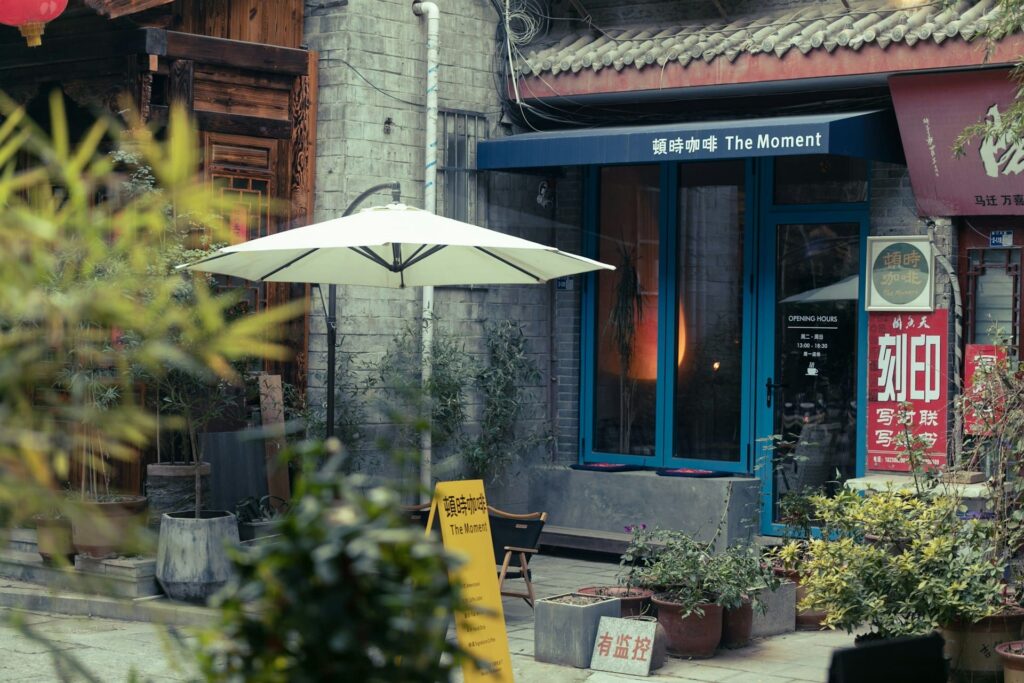
Hanoi’s street food culture reflects centuries of culinary refinement. The capital city showcases northern Vietnam’s subtle, balanced approach to flavour, where fresh herbs, delicate broths, and precise seasoning define the eating experience. Walking through the Old Quarter reveals vendors specialising in single dishes, often perfected over generations.
The city’s food cities in Vietnam reputation stems from its diversity. Morning brings steaming bowls of pho from family-run shops that have operated since the French colonial period. Lunchtime sees office workers queuing for bun cha, the grilled pork and noodle dish that gained international attention after President Obama dined at a small Hanoi restaurant in 2016.
Why Visit for Street Food
Hanoi offers the most comprehensive introduction to Vietnamese street food traditions. The city’s cooler climate and historical role as the imperial capital shaped a cuisine that emphasises technique over heat, refinement over boldness. Pho originated here, and the capital’s version remains the benchmark against which all others are measured.
Beyond pho, Hanoi excels at dishes rarely found elsewhere. Banh cuon (steamed rice rolls filled with minced pork and mushrooms) showcase the northern preference for soft textures and gentle flavours. Bun rieu (crab noodle soup with tomato broth) demonstrates the northern ability to build complex, layered tastes without overwhelming the palate.
For those exploring top things to do in Hanoi, the street food experience forms an essential part of understanding the city’s cultural identity.
Best Time to Visit
October to April provides the most comfortable weather for street food exploration. Temperatures range from 15°C to 25°C, cool enough for hot soups and grilled dishes. The winter months (December to February) can drop to 10°C, perfect for enjoying steaming bowls of pho ga (chicken pho) or bun oc (snail noodle soup).
Avoid the peak summer months (June to August) when temperatures exceed 35°C and humidity makes outdoor eating less pleasant.
Where to Try the Best Dishes
Dong Xuan Market and the surrounding Old Quarter streets contain Hanoi’s highest concentration of street food vendors. Ta Hien Street transforms into a pedestrian food zone each evening, though prices run slightly higher than elsewhere.
For authentic experiences, head to Hang Buom Street for bun cha, Hang Dieu Street for banh cuon, and the area around Hoan Kiem Lake for pho. Most dishes cost between 30,000 and 60,000 VND (approximately £1 to £2.50).
2. Ho Chi Minh City (Saigon)
Highlights
Southern Vietnam’s largest city operates at a different culinary pace than Hanoi. Where the capital favours restraint, Saigon embraces boldness. Street food here carries more sweetness in the sauces, more chilli in the condiments, and more variety in the ingredients. The city never truly sleeps, and neither does its food scene.
Saigon’s street food reflects its historical role as a trading port and its diverse population. Chinese, Cambodian, and French influences appear throughout the menu. Banh mi showcases this fusion perfectly: Vietnamese baguette filled with pate (French), pickled vegetables (Vietnamese), and coriander (universal).
Why Visit for Street Food
Ho Chi Minh City offers the most intense street food experience in Vietnam. The density of vendors, the variety of regional cuisines represented, and the late-night eating culture create an environment where food remains constantly available. District 1’s Ben Thanh Market area and District 5’s Chinatown provide contrasting but equally compelling food experiences.
The city excels at rice dishes. Com tam (broken rice) comes topped with grilled pork chop, shredded pork skin, and a fried egg, all drizzled with scallion oil. The texture of broken rice, slightly stickier than regular grains, soaks up the accompanying nuoc mam (fish sauce) dressing perfectly.
Exploring attractions in Ho Chi Minh City naturally leads to street food discoveries, as vendors cluster around major landmarks and tourist areas.
Best Time to Visit
December to April represents the dry season, with temperatures between 25°C and 35°C. The lack of rain makes outdoor eating more reliable, though the heat remains intense during midday.
The wet season (May to November) brings afternoon downpours but doesn’t significantly disrupt the street food scene. Covered markets and vendors with awnings continue operating throughout.
Where to Try the Best Dishes
Ben Thanh Market serves as the central hub, though prices reflect the tourist traffic. For more authentic experiences, explore Phan Xich Long Street in Phu Nhuan District or the alleyways around Tan Dinh Market.
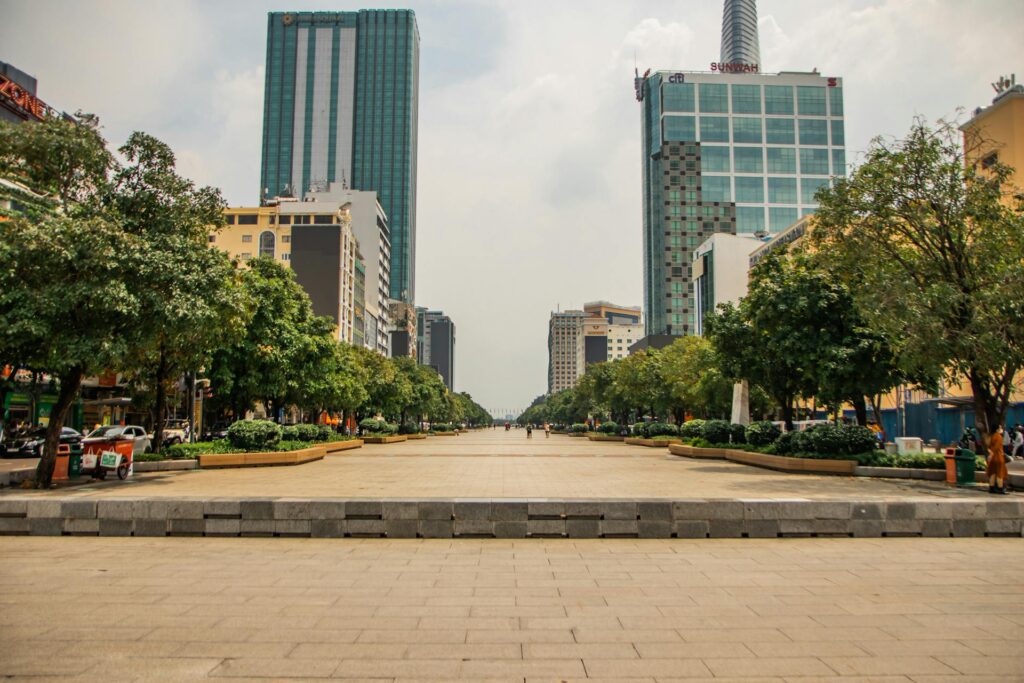
Night markets appear across the city after 6pm, with the largest concentrations in District 1 and along Nguyen Hue Walking Street. Expect to pay 40,000 to 80,000 VND per dish in tourist areas, 25,000 to 50,000 VND in local neighbourhoods.
3. Hue
Highlights
Vietnam’s former imperial capital maintains a distinct culinary identity shaped by centuries of royal court cuisine. The food of Hue carries more complexity, more spice, and more presentation than anywhere else in the country. Even street vendors here approach their craft with an attention to detail that reflects the city’s aristocratic past.
Bun bo Hue, the signature dish, exemplifies this approach. The beef and pork noodle soup contains lemongrass, fermented shrimp paste, and a spice level that would shock northern Vietnamese diners. The broth simmers for hours, extracting flavour from beef bones and pig trotters, creating a richness that defines central Vietnamese cooking.
Why Visit for Street Food
Hue offers food enthusiasts a chance to experience Vietnamese street food guide territory that bridges north and south. The cuisine here takes northern techniques and southern boldness, creating something entirely unique. The city’s smaller size compared to Hanoi or Saigon means vendors concentrate in specific areas, making food exploration more manageable.
Beyond bun bo Hue, the city excels at banh khoai (crispy pancakes filled with shrimp and pork), banh beo (steamed rice cakes topped with dried shrimp), and nem lui (lemongrass skewers). These dishes rarely appear in other Vietnamese cities with the same quality or authenticity.
Those visiting top things to do in Hue City will find that food forms an integral part of understanding the imperial legacy.
Best Time to Visit
February to April provides the most pleasant weather, with temperatures between 20°C and 28°C and minimal rainfall. The city experiences a long rainy season from August to January, with October and November seeing particularly heavy downpours.
Where to Try the Best Dishes
Dong Ba Market serves as Hue’s culinary centre, with vendors selling bun bo Hue, banh khoai, and other specialties from dawn until mid-afternoon. The streets surrounding the market, particularly Tran Cao Van and Chi Lang, contain dozens of additional food stalls.
For evening eating, head to the western bank of the Perfume River, where vendors set up along the waterfront. Most dishes cost 30,000 to 50,000 VND.
4. Hoi An
Highlights
This ancient trading port’s street food scene reflects its unique history. Chinese, Japanese, and European merchants all left culinary marks on Hoi An, creating dishes found nowhere else in Vietnam. The city’s three signature preparations (cao lau, white rose dumplings, and fried wonton) all showcase this cultural blending.
Cao lau demonstrates the specificity of Hoi An cuisine. The thick rice noodles are allegedly made with water from a specific ancient well, the pork is marinated in local spices, and the dish is topped with crispy rice crackers and fresh herbs. Whether the well water truly makes a difference remains debatable, but the dish’s distinct texture and flavour are undeniable.
Why Visit for Street Food
Hoi An provides the most atmospheric street food experience in Vietnam. The Ancient Town’s lantern-lit streets, riverside setting, and preserved architecture create an environment where eating becomes part of a larger cultural immersion. The city’s compact size means you can walk between food stalls, markets, and riverside vendors without transportation.
The city also excels at accessible, foreigner-friendly street food. Vendors here have decades of experience serving international visitors, meaning you’ll find English menus, clear pricing, and patient explanations of ingredients more readily than elsewhere.
For comprehensive guidance on the city’s food offerings, explore top things to do in Hoi An.
Best Time to Visit
February to May offers ideal conditions, with temperatures between 23°C and 30°C and low rainfall. The city becomes crowded during the Lunar New Year (late January or early February), but the special holiday foods make this an interesting time to visit.
Avoid October and November, when flooding regularly affects the Ancient Town and disrupts street food operations.
Where to Try the Best Dishes
The Hoi An Central Market opens early, with vendors selling banh mi, cao lau, and com ga (chicken rice) until mid-afternoon. For evening eating, the streets around the Ancient Town, particularly Tran Phu and Bach Dang, fill with food stalls after 5pm.
The Japanese Covered Bridge area contains numerous vendors, though prices run 20% to 30% higher than elsewhere. Expect to pay 40,000 to 70,000 VND per dish in the Ancient Town, 25,000 to 45,000 VND in outlying areas.
5. Da Nang
Highlights
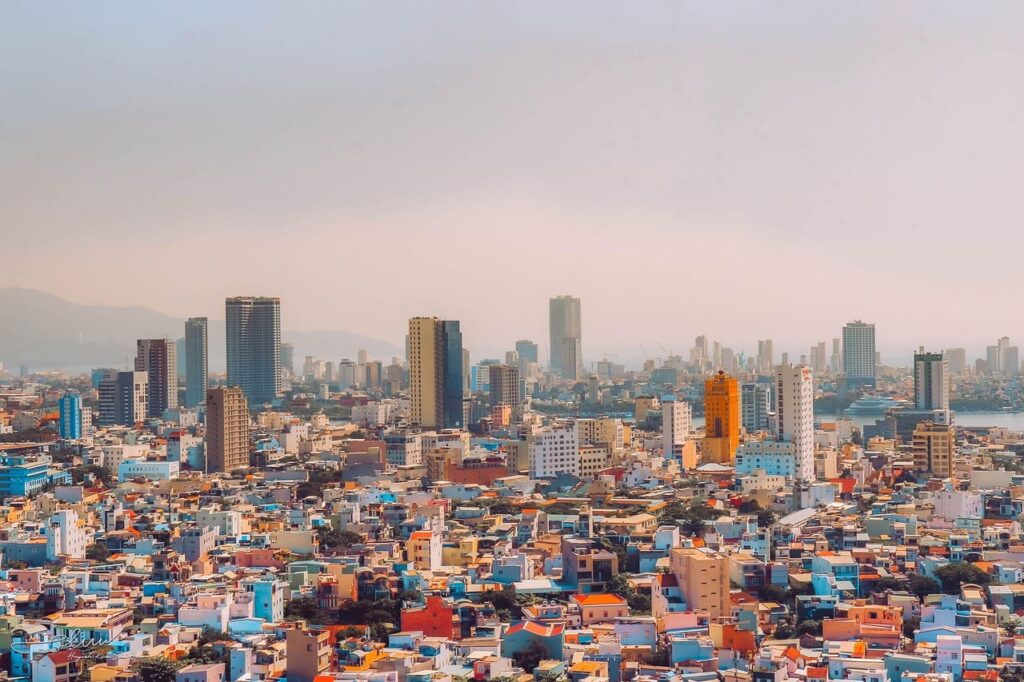
Vietnam’s third-largest city serves as central Vietnam’s culinary crossroads. Located between Hue and Hoi An, Da Nang developed its own food identity while incorporating influences from both neighbours. Mi Quang, the turmeric-infused noodle dish, represents the city’s ability to create something distinctly local.
The dish uses flat rice noodles stained yellow with turmeric, topped with shrimp, pork, quail eggs, rice crackers, and peanuts. Unlike most Vietnamese noodle soups, mi Quang contains minimal broth, making it more of a dry noodle dish with sauce. Fresh herbs and lime juice add brightness to the rich, savoury base.
Why Visit for Street Food
Da Nang combines the accessibility of a modern city with the authenticity of traditional street food culture. The seafood here rivals anywhere in Vietnam, thanks to the city’s coastal location. Grilled seafood stalls line the beaches, offering everything from clams and oysters to lobster and sea urchin, all cooked over charcoal and served with salt, pepper, and lime.
The city also serves as a base for exploring nearby Da Nang beaches, where beachside food vendors offer fresh seafood throughout the day.
Best Time to Visit
February to May provides the best weather, with temperatures between 24°C and 30°C and calm seas for seafood availability. The city experiences heavy rain from September to December, though this doesn’t significantly disrupt the covered markets.
Where to Try the Best Dishes
Han Market serves as the central food hub, with vendors selling mi Quang, banh trang cuon thit heo (pork and vegetable rice paper rolls), and bun mam (fermented fish noodle soup). The surrounding streets, particularly Ong Ich Khiem and Hung Vuong, contain additional food stalls.
For seafood, head to My Khe Beach or Non Nuoc Beach in the evening, when vendors set up grills along the sand. Most dishes cost 35,000 to 60,000 VND, with seafood prices varying based on selection and season.
6. Haiphong
Highlights
This northern port city receives far fewer tourists than Hanoi, meaning its street food scene remains largely unchanged by outside influence. Haiphong’s coastal location shapes a cuisine focused on seafood and crab preparations rarely found inland. The city’s signature dish, banh da cua (red rice noodle soup with crab), showcases this maritime heritage.
The noodles derive their distinctive red-brown colour from the use of gac fruit or annatto seeds. The broth combines crab paste, tomatoes, and vinegar, creating a tangy, umami-rich base unlike anything else in Vietnamese cuisine. Fresh crab meat, fried tofu, and water spinach complete the bowl.
Why Visit for Street Food
Haiphong offers food travellers a chance to experience northern Vietnamese cuisine without the tourist infrastructure of Hanoi. The city’s vendors expect local customers, meaning prices remain lower and authenticity higher. The seafood preparations here provide insight into coastal northern Vietnamese food culture that isn’t available in the capital.
Nem cua be (baby crab spring rolls) represents another Haiphong specialty. Tiny whole crabs are mixed with pork, vegetables, and vermicelli, then wrapped in rice paper and deep-fried until crispy.
Best Time to Visit
October to April provides comfortable temperatures between 15°C and 25°C. The summer months (May to September) bring intense heat and occasional typhoons that can disrupt travel to nearby Cat Ba Island.
Where to Try the Best Dishes
Sat Market serves as Haiphong’s food centre, with vendors selling banh da cua, nem cua be, and other local specialties throughout the day. The market’s second floor contains a food court where multiple vendors compete for customers.
For evening eating, explore the streets around Tam Bac Lake, where food stalls appear after 5pm. Most dishes cost 30,000 to 50,000 VND.
7. Can Tho (Mekong)
Highlights
The Mekong Delta’s largest city provides access to a food culture shaped by rivers, rice paddies, and tropical abundance. The southern Vietnamese love of sweet flavours reaches its peak here, where coconut milk, palm sugar, and tropical fruits appear in savoury and sweet preparations alike.
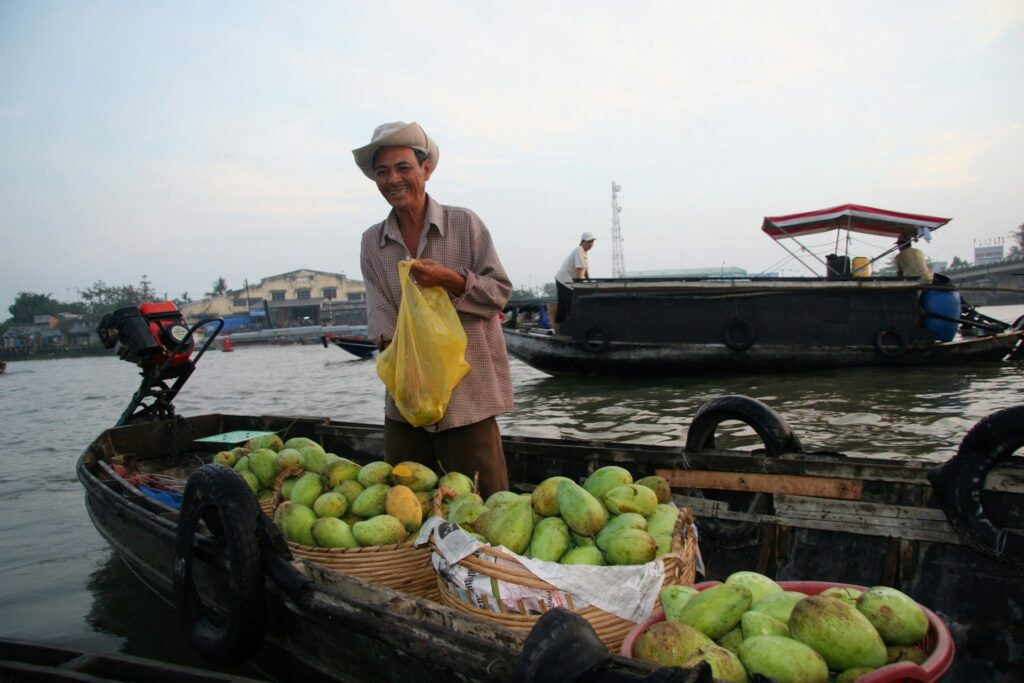
Can Tho’s Mekong flavours extend to dishes like bun rieu (crab noodle soup with a southern twist, incorporating more tomatoes and sweetness), banh cong (deep-fried shrimp and mung bean cakes), and hu tieu (rice noodle soup with Chinese influences). The city’s floating markets provide theatrical backdrops for morning noodle soup consumed on small boats.
Why Visit for Street Food
Can Tho offers the most authentic representation of southern Vietnamese food culture outside Ho Chi Minh City. The proximity to rice paddies, fruit orchards, and fish farms means ingredients arrive at markets with minimal transportation time. The city’s night market along Hai Ba Trung Street transforms into one of Vietnam’s best street food destinations after dark.
For broader context on the region, explore top attractions in the Mekong Delta.
Best Time to Visit
December to April represents the dry season, with temperatures between 26°C and 32°C. The floating markets operate year-round but are most accessible during the dry season when water levels remain stable.
Where to Try the Best Dishes
Can Tho Night Market (Hai Ba Trung Street) operates from 6pm to midnight, offering hundreds of food stalls selling everything from banh xeo (sizzling pancakes) to lau mam (fermented fish hot pot). The market’s riverside location provides cooling breezes during the hot evenings.
For daytime eating, explore the area around Can Tho Market (Cho Can Tho), where vendors sell bun rieu, hu tieu, and banh cong from dawn until mid-afternoon. Most dishes cost 25,000 to 45,000 VND.
8. Nha Trang
Highlights
This coastal resort city combines beach tourism with serious seafood traditions. The waters around Nha Trang produce some of Vietnam’s finest seafood, from spiny lobsters to enormous prawns to countless varieties of fish. Street vendors here grill, steam, and stir-fry these ingredients with techniques refined over generations.
Bun cha ca, Nha Trang’s signature dish, features fish cake noodle soup with a clear, delicate broth. The fish cakes contain mackerel or other white fish, mixed with spices and herbs, then formed into patties and grilled before being added to the soup. The result tastes lighter and more refined than most Vietnamese noodle soups.
Why Visit for Street Food
Nha Trang provides the best combination of beach relaxation and serious street food exploration. The city’s vendors cater to both domestic tourists and international visitors, creating a food scene that balances accessibility with authenticity. The seafood night markets along Tran Phu Street showcase the variety of preparations possible with fresh coastal ingredients.
Best Time to Visit
February to May offers the best weather, with temperatures between 24°C and 30°C and calm seas. Avoid November and December when heavy rain and rough seas affect seafood availability and beach access.
Where to Try the Best Dishes
Dam Market serves as the central food hub, with vendors selling bun cha ca, banh can (mini rice pancakes), and nem nuong (grilled pork sausage skewers) throughout the day. The market’s second floor contains a food court offering views over the city.
For seafood, head to Tran Phu Street in the evening, where vendors set up grills along the beach. Most dishes cost 40,000 to 80,000 VND, with seafood prices varying significantly based on selection.
9. Da Lat
Highlights
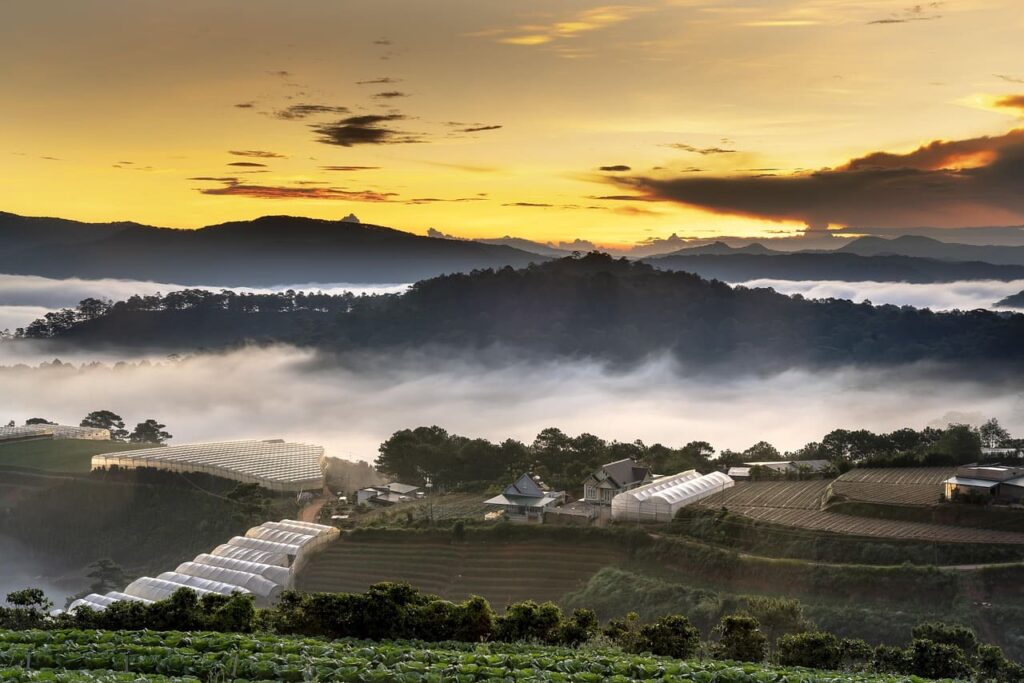
Vietnam’s mountain resort town operates at cooler temperatures and higher elevations than anywhere else on this list. The climate allows for vegetables, fruits, and agricultural products impossible to grow in Vietnam’s tropical lowlands. Strawberries, avocados, artichokes, and a dozen varieties of lettuce all thrive here.
Da Lat’s street food reflects this agricultural abundance. Banh trang nuong (Vietnamese pizza) consists of rice paper grilled over charcoal, then topped with quail egg, dried shrimp, green onions, and chilli sauce. The dish originated in Da Lat and remains best experienced here, where the crispy rice paper contrasts perfectly with the rich toppings.
Why Visit for Street Food
Da Lat offers food travellers something completely different from Vietnam’s tropical cities. The cool evening temperatures (often dropping to 15°C) make hot dishes and grilled foods more appealing. The city’s markets overflow with produce rarely seen elsewhere in Vietnam, providing insight into the country’s agricultural diversity.
The city also excels at fruit-based snacks and drinks. Fresh soy milk, artichoke tea, mulberry juice, and avocado smoothies appear at vendors throughout the city.
Best Time to Visit
November to March provides the coolest temperatures, between 15°C and 24°C. The city experiences a rainy season from May to October, though afternoon showers rarely last long.
Where to Try the Best Dishes
Da Lat Night Market opens daily from 5pm to midnight, offering banh trang nuong, grilled corn, and dozens of other snacks. The market’s covered sections protect from the frequent light rain.
For daytime eating, explore the area around Da Lat Market (Cho Da Lat), where vendors sell banh mi xiu mai (Vietnamese meatball sandwiches), banh uot long ga (steamed rice rolls with chicken), and fresh fruit throughout the day. Most dishes cost 20,000 to 40,000 VND.
10. Quy Nhon
Highlights
This central coast city remains relatively undiscovered by international tourists, meaning its street food scene retains an authenticity increasingly rare in Vietnam’s more visited destinations. Quy Nhon’s beaches rival those of Nha Trang or Da Nang, but without the crowds or commercialisation.
Banh it la gai, a sticky rice dumpling wrapped in ramie leaves, represents Quy Nhon’s most distinctive contribution to Vietnamese cuisine. The dumpling contains mung bean paste and pork, steamed until the rice becomes translucent and slightly chewy. The ramie leaves impart a subtle, earthy flavour unique to this preparation.
Why Visit for Street Food
Quy Nhon offers food enthusiasts a final frontier in Vietnamese street food exploration. The city’s vendors prepare central Vietnamese classics (banh xeo, bun cha ca, mi Quang) alongside hyperlocal specialties found nowhere else. The beach setting provides a relaxed atmosphere for extended food exploration.
The city’s fish sauce production also makes it an interesting destination for those wanting to understand this fundamental Vietnamese ingredient. Several fish sauce factories around Quy Nhon offer tours showing traditional fermentation methods.
Best Time to Visit
March to August provides the best weather, with temperatures between 26°C and 32°C and calm seas. The city experiences rough weather from September to February, though this doesn’t significantly affect the street food scene.
Where to Try the Best Dishes
Quy Nhon Market opens early, with vendors selling banh it la gai, banh hoi long heo (rice vermicelli with pork intestines), and other local dishes until mid-afternoon. The beachfront along Xuan Dieu Street fills with seafood vendors each evening.
Most dishes cost 25,000 to 50,000 VND, making Quy Nhon one of Vietnam’s most affordable food destinations.
Understanding Vietnam’s Regional Food Culture
Vietnamese cuisine divides into three distinct regional traditions, each shaped by climate, history, and available ingredients. Understanding these differences enhances appreciation for the diversity found across the top 10 street food cities in Vietnam.
Northern Vietnamese cuisine (Hanoi, Haiphong) emphasises balance, subtle flavours, and minimal spice. The cooler climate historically limited the availability of tropical ingredients, while Chinese culinary influence remains strong due to centuries of cultural exchange. Northern dishes use more black pepper than chilli, more soy sauce than fish sauce, and favour clear broths over thick, complex ones. Rice remains the staple grain, consumed at nearly every meal.
Central Vietnamese cuisine (Hue, Hoi An, Da Nang, Quy Nhon) incorporates more spice, more complexity, and more presentation than either north or south. The region’s imperial history created a cuisine that values appearance alongside taste. Central Vietnamese cooks use more chilli peppers, more fermented ingredients, and more turmeric than their northern or southern counterparts. The region’s position between north and south creates a culinary bridge, incorporating techniques and ingredients from both.
Southern Vietnamese cuisine (Ho Chi Minh City, Can Tho) reflects the Mekong Delta’s tropical abundance and cultural diversity. The hot climate allows year-round cultivation of tropical fruits, vegetables, and herbs. Southern cooks use more sugar, more coconut milk, and more Chinese five-spice powder than northerners. The region’s history as a trading hub brought Cambodian, Thai, and Chinese influences that remain visible in dishes like hu tieu and banh xeo.
According to data from Vietnam’s General Statistics Office, rice production in the Mekong Delta accounts for over 50% of the country’s total output, explaining southern cuisine’s elaborate rice-based dishes and greater variety of rice noodle preparations.
These regional differences mean that travelling between Vietnamese cities provides genuine culinary discovery rather than repetitive experiences. A week spent eating in Hanoi and Ho Chi Minh City reveals two fundamentally different approaches to Vietnamese cooking, despite sharing common ingredients and techniques.
Street Food Cities Comparison Table
| City | Signature Dish | Best Market | Typical Price (VND) | Food Style |
|---|---|---|---|---|
| Hanoi | Pho, Bun Cha | Dong Xuan Market | 30,000-60,000 | Northern: subtle, balanced, minimal spice |
| Ho Chi Minh City | Com Tam, Banh Mi | Ben Thanh Market | 40,000-80,000 | Southern: sweet, bold, diverse |
| Hue | Bun Bo Hue | Dong Ba Market | 30,000-50,000 | Central: spicy, complex, refined |
| Hoi An | Cao Lau | Central Market | 40,000-70,000 | Fusion: Chinese-Vietnamese blend |
| Da Nang | Mi Quang | Han Market | 35,000-60,000 | Central: turmeric-forward, fresh seafood |
| Haiphong | Banh Da Cua | Sat Market | 30,000-50,000 | Northern coastal: crab-focused |
| Can Tho | Bun Rieu, Hu Tieu | Night Market | 25,000-45,000 | Mekong: sweet, coconut-rich |
| Nha Trang | Bun Cha Ca | Dam Market | 40,000-80,000 | Coastal: seafood-dominant |
| Da Lat | Banh Trang Nuong | Night Market | 20,000-40,000 | Highland: vegetable-rich, cool climate |
| Quy Nhon | Banh It La Gai | Quy Nhon Market | 25,000-50,000 | Central coast: local specialties |
Conclusion
The top 10 street food cities in Vietnam showcase the country’s remarkable culinary diversity. From Hanoi’s refined pho to Saigon’s bold banh mi, from Hue’s complex bun bo to Quy Nhon’s hyperlocal specialties, these destinations reveal how geography, history, and culture shape food traditions.
Understanding where to eat in Vietnam requires recognising that no single city captures the complete picture. The northern cities offer subtle, technique-driven preparations. The central cities provide spice, complexity, and imperial influences. The southern cities deliver tropical abundance and bold, sweet flavours. Together, these ten destinations provide a comprehensive introduction to Vietnamese street food culture.
For travellers planning food-focused journeys through Vietnam, visiting multiple cities from this list ensures exposure to the country’s full culinary range. Whether you’re exploring the places to visit in Vietnam or specifically targeting food destinations, these cities represent the essential stops for understanding Vietnamese cuisine.
The accessibility, affordability, and quality of Vietnamese street food make it one of the world’s great culinary experiences. Most dishes cost less than £2, vendors operate throughout the day and night, and the food itself represents centuries of refined technique and cultural exchange. These ten cities preserve and continue this tradition, ensuring that Vietnam’s street food scene remains as vibrant today as it was generations ago.
FAQ
What city has the best street food in Vietnam?
No single city definitively offers the best street food in Vietnam, as each destination excels at different preparations. Hanoi provides the most refined northern cuisine, particularly pho and bun cha. Ho Chi Minh City offers the greatest variety and most intense street food scene. Hue delivers the most complex, spice-forward central Vietnamese dishes. For first-time visitors, Hanoi or Ho Chi Minh City provide the broadest introduction to Vietnamese street food culture.
Is Vietnamese street food safe to eat?
Vietnamese street food is generally safe when following basic precautions. Choose vendors with high customer turnover, ensuring ingredients remain fresh. Look for stalls where food is cooked to order at high temperatures. Avoid raw vegetables that may have been washed in untreated water unless you’re in established tourist areas. Most travellers experience no issues eating street food throughout Vietnam. The country’s street food culture has operated safely for generations, with vendors understanding proper food handling practices.
How much does street food cost in Vietnam?
Street food prices vary by city and location but remain remarkably affordable. In local neighbourhoods, expect to pay 20,000 to 50,000 VND (£0.70 to £1.75) per dish. Tourist areas like Hanoi’s Old Quarter or Ho Chi Minh City’s District 1 charge 40,000 to 80,000 VND (£1.40 to £2.80). Coastal cities charge more for seafood dishes, particularly during high season. A complete street food meal typically costs less than £5, including multiple dishes and drinks.
What is the most famous Vietnamese street food?
Pho remains Vietnam’s most internationally recognised street food, though it represents just one element of the country’s culinary landscape. Banh mi has gained similar global recognition due to its accessibility and flavour balance. Within Vietnam itself, regional specialties like bun cha (Hanoi), bun bo Hue (central Vietnam), and com tam (southern Vietnam) enjoy equal or greater popularity among locals. The most famous dish often depends on the region you’re visiting.
When is the best time to experience Vietnamese street food?
Street food operates throughout the day in Vietnam, though different dishes appear at specific times. Morning (6am to 9am) brings pho, banh mi, and coffee. Lunch (11am to 1pm) sees bun cha, com tam, and rice-based dishes. Evening (5pm to 9pm) offers the widest variety, with night markets opening and vendors selling everything from grilled seafood to desserts. Late night (9pm to midnight) in cities like Ho Chi Minh City and Hanoi continues with noodle soups and snacks. Each time period provides distinct culinary experiences.