The UK is perfectly designed for weekend escapes. From medieval cities where cobblestoned streets wind past ancient pubs to dramatic coastlines where cliffs meet the sea, you can find remarkable experiences just a few hours from home.
A great UK weekend getaway combines three essential elements: easy accessibility by train or car, enough attractions to fill two to three days without feeling rushed, and an atmosphere that lets you disconnect from routine. Whether you’re drawn to Georgian architecture and Roman baths, coastal walks and fish and chips by the pier, or mountain trails and lakeside villages, the destinations on this list deliver authentic British experiences without requiring a week off work.
This guide focuses on places where you can arrive Friday evening, explore Saturday and Sunday, and return home feeling refreshed rather than exhausted. Each destination offers walkable centers, distinctive local food culture, and enough variety to suit couples seeking romantic getaways, friends planning cultural trips, or solo travellers craving new perspectives.
TL;DR: Quick Overview
- Edinburgh – Scotland’s capital blends medieval history with world-class dining and festival energy
- Bath – Georgian elegance meets Roman heritage in England’s most beautiful spa city
- York – Medieval walls encircle Yorkshire charm, cosy pubs, and Viking history
- Brighton – Seaside bohemia with pebble beaches, vibrant nightlife, and Regency architecture
- Oxford – Honey-stone colleges, riverside walks, and centuries of academic atmosphere
- Liverpool – Beatles heritage, waterfront museums, and one of Britain’s best food scenes
- Cardiff – Wales’ compact capital offers castles, covered markets, and Cardiff Bay
- Lake District – England’s most dramatic landscapes with hiking, lakes, and mountain villages
- Cotswolds – Honey-coloured villages, rolling hills, and the quintessential English countryside
- Belfast – Northern Ireland’s renaissance city with Titanic history and coastal beauty nearby
1. Edinburgh

Scotland’s capital ranks among Europe’s most atmospheric cities, where volcanic crags rise above medieval streets and Georgian crescents frame views of the Firth of Forth. Edinburgh compresses remarkable density into a walkable center, making it ideal for weekend exploration.
Highlights
The Royal Mile descends from Edinburgh Castle through the Old Town’s historic heart, passing St Giles’ Cathedral and countless closes (narrow alleyways) that reveal hidden courtyards. The castle itself dominates the skyline, while Holyrood Palace anchors the opposite end of this famous street.
Beyond the medieval core, the New Town’s Georgian terraces showcase 18th-century urban planning at its finest. Princes Street Gardens separates old from new, offering green space and views of the castle perched on its volcanic rock.
Arthur’s Seat, an extinct volcano in Holyrood Park, provides 360-degree city views after a manageable climb. For food lovers, Edinburgh’s restaurant scene rivals London’s, with particular strength in modern Scottish cuisine that celebrates local seafood, game, and whisky.
Why Visit for a Weekend
Edinburgh rewards slow exploration. You can climb Calton Hill for sunrise views, browse the National Museum of Scotland (free admission), explore the underground vaults beneath the Royal Mile, and still have time for leisurely meals in Leith’s waterfront restaurants or cocktails in speakeasy-style bars.
The city’s compact geography means most attractions sit within 30 minutes’ walk of each other. Festival season (August) brings the world’s largest arts festival, though accommodation prices surge and crowds intensify.
Best Time to Go
Spring (April to May) offers mild weather and cherry blossoms without peak summer crowds. Autumn (September to October) provides crisp air, autumn colours, and more available accommodation after the festival exodus.
Winter brings Christmas markets and Hogmanay (New Year) celebrations, though days are short with darkness by 3:30 PM. Summer means long daylight hours but also premium prices and packed attractions.
How to Get There
Direct trains from London King’s Cross reach Edinburgh Waverley in approximately 4.5 hours. Advance tickets can cost as little as £30 return, though last-minute fares exceed £150. The station sits in the city center, putting you within walking distance of most hotels.
Flying takes about 1.5 hours from London but adds airport transit time at both ends. From Manchester, the train journey takes roughly 3.5 hours. Edinburgh Airport connects to the city center via tram (35 minutes) or bus (25 minutes).
For more on Scotland’s capital, explore our detailed Edinburgh guide and discover other top cities to visit in Scotland.
2. Bath
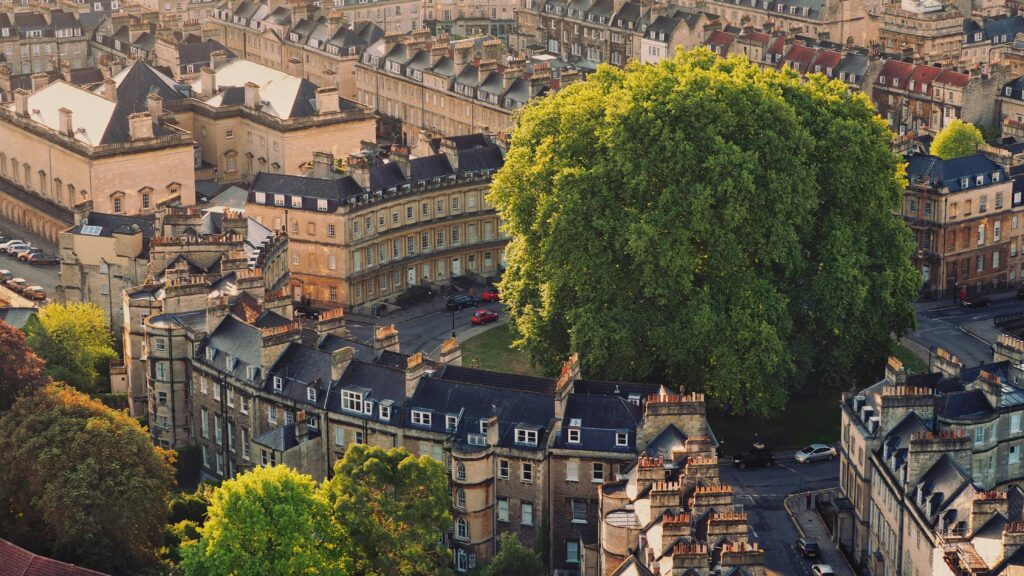
This Georgian masterpiece built around natural hot springs offers one of Britain’s most elegant weekend experiences. Bath’s honey-coloured limestone architecture glows in any light, while the compact city center makes it perfect for a relaxed two-day visit.
Highlights
The Roman Baths remain remarkably preserved, revealing how Romans transformed these thermal waters into a grand bathing complex nearly 2,000 years ago. Audio guides bring the ancient world alive as you walk on original Roman pavements and peer into the steaming Sacred Spring.
The Royal Crescent curves magnificently across a hillside overlooking Victoria Park, representing Georgian architecture at its peak. Nearby, the Circus forms a perfect circle of townhouses, while Pulteney Bridge spans the River Avon with shops built across its length (one of only four such bridges worldwide).
Bath Abbey’s fan vaulting creates one of England’s most beautiful church interiors, while the Thermae Bath Spa lets you bathe in naturally warm waters while viewing the city from a rooftop pool.
Why Visit for a Weekend
Bath suits unhurried exploration. Browse independent shops on Milsom Street, take afternoon tea at the Pump Room, walk the canal towpath to the charming village of Bathampton, or climb to Alexandra Park for panoramic views.
The city’s walkability means you rarely need transportation, though climbing the hills to reach viewpoints like Bath Skyline Walk provides both exercise and perspective. Jane Austen connections attract literary pilgrims, with the Jane Austen Centre offering insights into her Bath years.
Best Time to Go
Late spring and early autumn provide the best weather for walking Bath’s hilly streets and surrounding countryside. The Bath Festival in May brings classical music performances to historic venues.
Avoid visiting during major university events when accommodation becomes scarce. Winter offers lower prices and atmospheric Christmas markets, though the city’s hilltop position means cold winds and occasional snow.
How to Get There
Direct trains from London Paddington take approximately 1.5 hours, making Bath one of the easiest weekend escapes from the capital. Trains run frequently throughout the day, and Bath Spa station sits 10 minutes’ walk from the city center.
From Birmingham, expect about 2 hours by train. Bristol Airport lies 20 miles west, connected by bus (around 90 minutes) or taxi.
3. York
Medieval walls still encircle this Yorkshire gem where Viking streets intersect with Roman foundations and Georgian townhouses. York compresses 2,000 years of history into a small, highly walkable center that reveals new layers with each visit.
Highlights
York Minster dominates the city with its Gothic magnificence. The largest medieval cathedral in Northern Europe features stunning stained glass, including the Great East Window with its biblical scenes spanning an area equivalent to a tennis court. Climbing the 275 steps to the tower’s top rewards effort with views across Yorkshire.
The Shambles twists through the medieval quarter, its overhanging timber buildings creating one of Europe’s most photographed streets. Once lined with butchers’ shops, it now houses chocolatiers, tea rooms, and independent retailers.
Walking the complete city walls takes roughly two hours, offering changing perspectives on the Minster, glimpses into private gardens, and understanding of York’s defensive history. The walls remain remarkably complete, one of England’s finest examples of medieval fortifications.
Why Visit for a Weekend
York balances major attractions with intimate discoveries. Explore the National Railway Museum (free admission, showcasing locomotives from the Flying Scotsman to Japanese bullet trains), wander the Museum Gardens’ botanical collections among Roman ruins, or take a ghost walk through reputedly haunted streets.
The city’s pub culture shines particularly bright. York claims more pubs per square mile than anywhere else in England, ranging from the Golden Fleece (reputedly the most haunted) to tiny hidden gems barely wider than a doorway.
Yorkshire food traditions add another dimension. Try traditional Yorkshire puddings, sample locally made cheese at the Shambles Market, or book dinner at one of York’s Michelin-rated restaurants.
Best Time to Go
Spring and autumn offer the best combination of manageable crowds and pleasant weather. The city gets extremely busy during school holidays and especially around Christmas when the St Nicholas Fair transforms the center into a festive market.
Winter brings atmospheric low-angled light that makes the Minster glow, though temperatures drop significantly. Summer means long days for walking the walls and surrounding countryside, but also peak tourist volumes.
How to Get There
York sits on the East Coast Main Line, with direct trains from London King’s Cross reaching the city in approximately 2 hours. From Edinburgh, the journey takes about 2.5 hours. Manchester and Leeds both lie under an hour away by train.
The station sits just outside the city walls, a 10-minute walk from the Minster. York’s compact size means you won’t need any transportation once you arrive.
4. Brighton
England’s most bohemian seaside resort combines Victorian grandeur with contemporary edge. Brighton packs extraordinary diversity into a compact space where Regency architecture meets street art, pebble beaches adjoin thriving nightlife, and traditional fish and chips coexist with innovative vegan cuisine.
Highlights
The Royal Pavilion epitomises Brighton’s eccentricity. This former royal residence resembles an Indian palace transplanted to the Sussex coast, its exterior domes and minarets concealing even more extravagant Chinese-inspired interiors. The Pavilion Gardens offer free access and peaceful green space.
Brighton Pier represents classic British seaside culture, its amusement arcades, rides, and fish and chip vendors creating nostalgic atmosphere. For contrast, walk to the skeletal remains of the West Pier, a photogenic ruin extending into the sea.
The Lanes form Brighton’s oldest quarter, narrow alleyways now filled with jewellery shops, antique dealers, and independent boutiques. Adjacent North Laine offers vintage clothing stores, record shops, and alternative culture.
Why Visit for a Weekend
Brighton’s appeal extends beyond its beach. The British Airways i360 observation tower provides 360-degree views from 450 feet, while the Brighton Museum and Art Gallery showcases everything from ancient Egyptian artifacts to 20th-century design.
The city’s food scene rivals larger British cities, with particular strength in vegetarian and vegan options. Brighton claims the highest concentration of restaurants per capita in the UK outside London, according to local tourism statistics.
Nightlife ranges from seafront clubs to intimate music venues. Brighton’s LGBTQ+ scene creates inclusive atmosphere, particularly around St James’s Street and Kemptown.
Best Time to Go
Late spring through early autumn suits beach-going and outdoor activities. Brighton Pride in August brings Europe’s largest Pride festival, though accommodation becomes scarce and prices surge.
Winter brings dramatic waves crashing against the pier and lower hotel rates. The city functions year-round rather than shutting down off-season like some coastal resorts.
Weekends mean crowds, particularly when London residents escape to the coast. Consider Friday arrivals or Sunday departures to avoid peak Saturday congestion.
How to Get There
Brighton sits just one hour from London by frequent direct trains from London Bridge, Victoria, or St Pancras. This proximity makes it popular for day trips, though staying overnight lets you experience evening atmosphere without worrying about last trains.
From Gatwick Airport, trains reach Brighton in 30 minutes. The station sits 10 minutes’ walk from the seafront.
5. Oxford
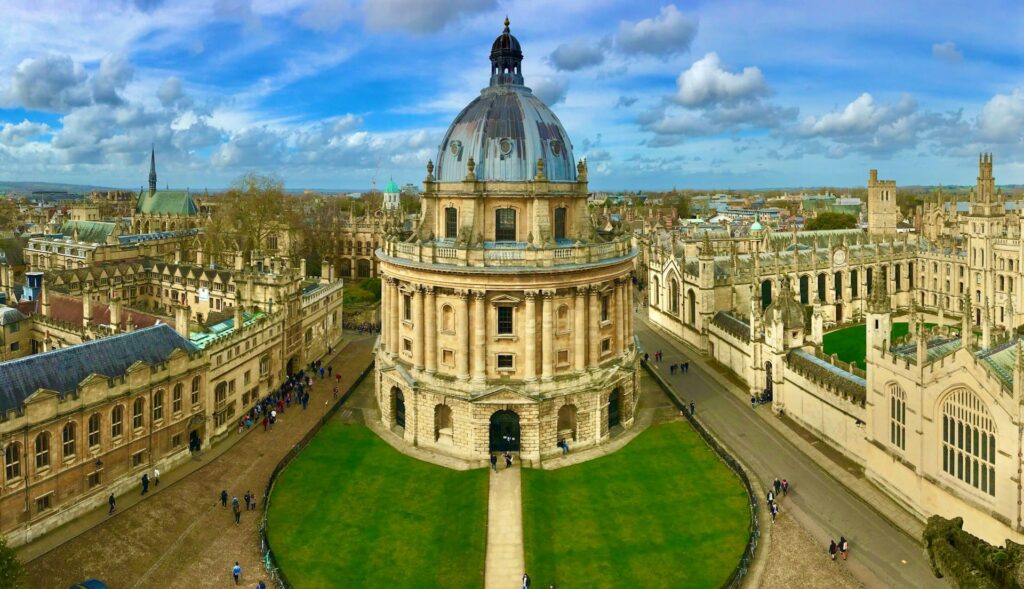
England’s oldest university city wraps centuries of academic tradition in honey-coloured stone. Oxford’s college architecture, riverside meadows, and bookshop-lined streets create atmosphere that rewards wandering without agenda.
Highlights
The Bodleian Library ranks among the world’s most important research libraries, its historic reading rooms and courtyards accessible via guided tours. Nearby, the Radcliffe Camera’s circular design creates Oxford’s most recognizable landmark.
Christ Church College serves double duty, functioning as both Oxford college and Anglican cathedral. Harry Potter fans recognize its dining hall and staircases from the films, though the college’s history extends back to 1546.
The Ashmolean Museum (free admission) houses Britain’s oldest public museum, with collections spanning ancient Egyptian artifacts to contemporary art. For literary pilgrims, the Eagle and Child pub commemorates the Inklings, the informal literary group including J.R.R. Tolkien and C.S. Lewis.
Why Visit for a Weekend
Oxford rewards slow exploration. Climb St Mary’s Church tower for city views, punt along the River Cherwell past college boathouses and meadows, or browse Blackwell’s legendary bookshop with its vast underground Norrington Room.
The University Parks and Port Meadow provide expansive green spaces perfect for walks. Port Meadow has remained unchanged for thousands of years, its open grassland still grazed by horses and cattle.
Oxford’s restaurant scene has evolved significantly, moving beyond traditional college dining to embrace modern British and international cuisines. The Covered Market offers local produce, artisan foods, and Oxford’s famous sausages.
Best Time to Go
May and June bring students punting, college gardens at their peak, and generally warm weather. Avoid graduation week (late June to early July) when accommodation becomes scarce.
September and October offer autumn colours without peak summer crowds. Many colleges close to visitors during exam periods (April to June) and Christmas vacation.
Winter means fewer tourists and atmospheric fog settling over the meadows, though short days limit sightseeing time. Some colleges open their dining halls for Christmas lunch, offering unique experiences.
How to Get There
Trains from London Paddington reach Oxford in approximately one hour, running every 30 minutes throughout the day. The station sits about 15 minutes’ walk west of the city center, or you can take a bus or taxi.
The Oxford Tube and X90 coach services run 24 hours between Oxford and London, taking 90 minutes to 2 hours depending on traffic. Both arrive in the city center, more convenient than the railway station for some hotels.
6. Liverpool
This port city has transformed from industrial decline to cultural renaissance. Liverpool combines maritime heritage, musical pilgrimage sites, architectural grandeur, and one of Britain’s most dynamic food and drink scenes.
Highlights
The Albert Dock waterfront hosts several major museums, all with free admission. The Tate Liverpool showcases modern and contemporary art, while the Merseyside Maritime Museum explores the city’s seafaring history. The International Slavery Museum provides powerful, necessary examination of Liverpool’s role in the transatlantic slave trade.
Beatles fans find pilgrimage sites throughout the city. The Beatles Story museum at Albert Dock traces the band’s journey, while the Cavern Club on Mathew Street (a reconstruction of the original venue) hosts live music nightly. Walking tours cover childhood homes, schools, and inspiration sites for famous songs.
Liverpool’s architectural heritage impresses. The Three Graces (Royal Liver Building, Cunard Building, and Port of Liverpool Building) define the waterfront skyline, while the city center features more Grade II listed buildings than anywhere in Britain outside London.
Why Visit for a Weekend
Liverpool suits both cultural tourists and food lovers. The Baltic Triangle has emerged as the city’s creative quarter, with independent bars, street food markets, and art spaces occupying former warehouses. The Georgian Quarter showcases the city’s 18th-century wealth through elegant townhouses now housing galleries, shops, and restaurants.
Football culture permeates the city. Anfield (Liverpool FC) and Goodison Park (Everton FC) offer stadium tours, while match days create electric atmosphere in surrounding pubs.
Liverpool’s nightlife reflects its musical heritage. Live music venues range from intimate basement clubs to the Philharmonic Hall, home to the Royal Liverpool Philharmonic Orchestra.
Best Time to Go
Summer brings the best weather and festivals like the Liverpool International Music Festival and Africa Oyé, Europe’s largest free celebration of African music and culture. The city’s northern location means relatively cool summers without oppressive heat.
Autumn suits museum visits and cultural experiences when tourist numbers drop. Christmas brings festive markets and ice skating in Chavasse Park.
Winter means lower hotel rates but also cold, damp weather. Spring (April to May) offers mild temperatures and fewer crowds than summer.
How to Get There
Direct trains from London Euston reach Liverpool Lime Street in approximately 2 hours and 15 minutes. From Manchester, the journey takes just 50 minutes. Edinburgh lies about 3.5 hours away by train.
Liverpool John Lennon Airport serves budget airlines, connecting to the city center via bus or taxi (30 minutes). The cruise terminal welcomes transatlantic liners, maintaining Liverpool’s maritime traditions.
7. Cardiff
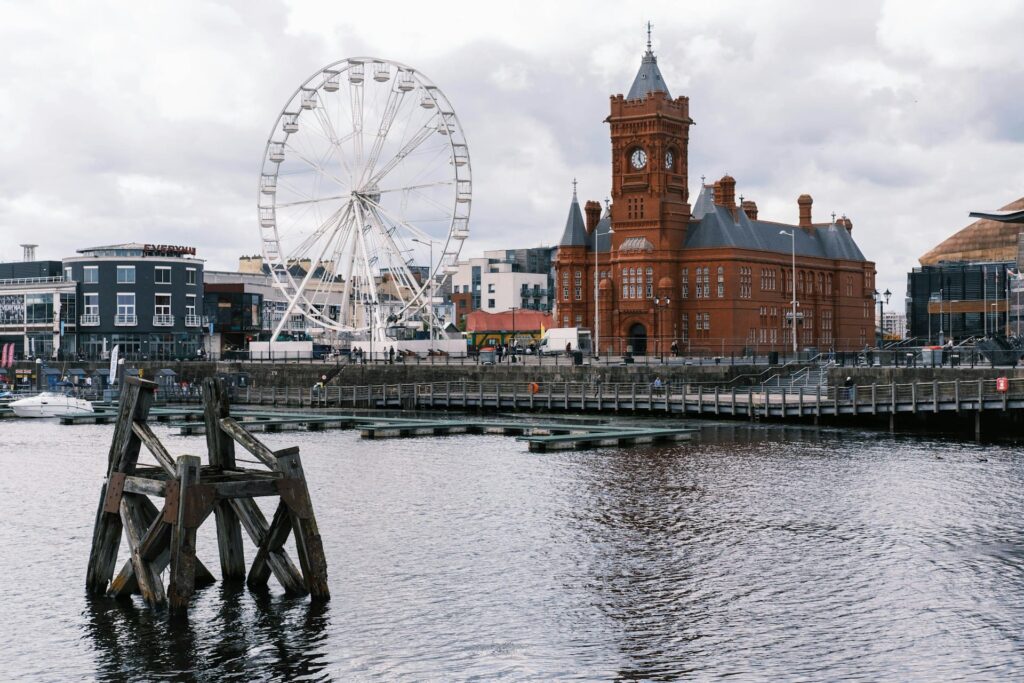
Wales’ compact capital blends Celtic heritage, Victorian arcades, and modern waterfront development. Cardiff packs remarkable variety into a small, easily navigated center where you can explore a Norman castle, watch rugby at Principality Stadium, and dine on Welsh lamb within minutes of each other.
Highlights
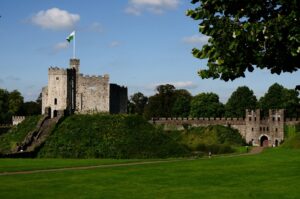
Cardiff Castle occupies the city’s heart, its history spanning Roman fort, Norman keep, and Victorian Gothic mansion. The castle’s opulent interiors showcase 19th-century fantasy architecture, while you can walk sections of the Roman walls.
The Cardiff Bay waterfront transformation turned former docklands into cultural quarter. The Wales Millennium Centre hosts opera, ballet, and theater, its architecture incorporating Welsh slate and poetry inscribed in steel. The Senedd (Welsh Parliament building) offers free tours showcasing contemporary design and democratic process.
Victorian and Edwardian shopping arcades lace the city center, their cast-iron and glass roofs sheltering independent shops, cafes, and the historic Cardiff Market. The market specializes in Welsh food, from bara brith (fruit bread) to Welsh cakes cooked fresh on griddles.
Why Visit for a Weekend
Cardiff rewards visitors seeking authentic Welsh culture without countryside isolation. Watch international rugby at Principality Stadium, where the retractable roof creates incredible atmosphere and the city transforms into celebration during Six Nations matches.
The National Museum Cardiff (free admission) houses one of Europe’s finest Impressionist collections alongside Welsh art and natural history. St Fagans National Museum of History (free admission, 4 miles west of the city center) preserves Welsh buildings from different eras, creating open-air museum spanning 500 years.
Cardiff’s food scene celebrates Welsh ingredients. Try cawl (traditional soup), Welsh rarebit, and locally sourced seafood. The city has developed a strong craft beer culture, with the Tiny Rebel brewery leading Wales’ craft beer revolution.
Best Time to Go
Spring and early summer offer the best weather for exploring both city and nearby countryside. Six Nations rugby (February to March) creates electric atmosphere but also crowds and premium accommodation prices.
Autumn suits museum visits and food experiences. The Cardiff International Food and Drink Festival in July showcases Welsh and international cuisines.
Winter brings Christmas markets around the castle and ice skating. Wales’ rainy reputation means waterproof layers help year-round, though Cardiff receives less rain than western Welsh cities.
How to Get There
Direct trains from London Paddington reach Cardiff Central in approximately 2 hours, running every 30 minutes. From Bristol, the journey takes just one hour. Birmingham lies about 2 hours away by train.
Cardiff Airport, located 12 miles southwest, connects to the city center via bus (30-40 minutes). The station sits in the city center, within easy walking distance of most hotels and attractions.
8. Lake District
England’s most dramatic landscape rewards visitors willing to embrace outdoor adventure. The Lake District combines craggy mountains, glacial lakes, and stone-built villages into scenery that inspired William Wordsworth, John Ruskin, and Beatrix Potter.
Highlights
Windermere, England’s largest lake, provides the region’s hub. Take a steam launch between Bowness and Ambleside, walk lakeside paths, or tackle the moderate climb to Orrest Head for panoramic views spanning multiple lakes and fells.
Grasmere village centers Lake District literary tourism. Dove Cottage preserves Wordsworth’s home from his most productive years, while the Grasmere Gingerbread Shop has produced its secret-recipe treat since 1854. The village’s setting between lake and fell creates quintessential Lake District scenery.
Keswick offers a more rugged northern alternative to Windermere’s Victorian elegance. Derwentwater lake circuit provides moderate 10-mile walking, while Catbells fell rewards two-hour climbers with 360-degree mountain views.
Why Visit for a Weekend
The Lake District suits active weekends. Hike to Scafell Pike (England’s highest mountain), scramble up Helvellyn via Striding Edge, or choose gentler valley walks past waterfalls and through woodland.
Boat cruises offer relaxation between hikes. Multiple operators serve Windermere, Ullswater, Derwentwater, and Coniston, combining transport with sightseeing.
Lake District food emphasizes local farming. Try Herdwick lamb (a breed adapted to fell grazing), Cumberland sausage, and sticky toffee pudding (invented at the Sharrow Bay Hotel on Ullswater). Visit The National Trust’s guidelines for conservation-minded travel in this protected landscape.
Best Time to Go
Late spring and early autumn offer the best weather, though “best” remains relative in Britain’s wettest region. The Lake District receives about 130 inches of annual rainfall in the western valleys, so waterproof clothing proves essential year-round.
Summer brings longest days for hiking but also peak crowds. Book accommodation well in advance. School holidays mean busy trails and full car parks.
Winter offers solitude and dramatic scenery, though snow closes high-level routes and days end early. Some hotels and restaurants close November through March.
How to Get There
The Lake District lacks direct motorway or railway access, maintaining its protected character but requiring more travel time. From London, expect 3 to 4 hours by train to Windermere or Oxenholme (the Lakes’ gateway station), then bus or taxi to lakeside towns.
Driving from Manchester takes about 2 hours, from Edinburgh roughly 2.5 hours. The M6 motorway runs along the Lake District’s eastern edge, with exits at Kendal and Penrith providing main access points.
Once in the region, local bus services connect major towns and villages, though a car provides most flexibility for exploring multiple valleys and fells.
9. Cotswolds
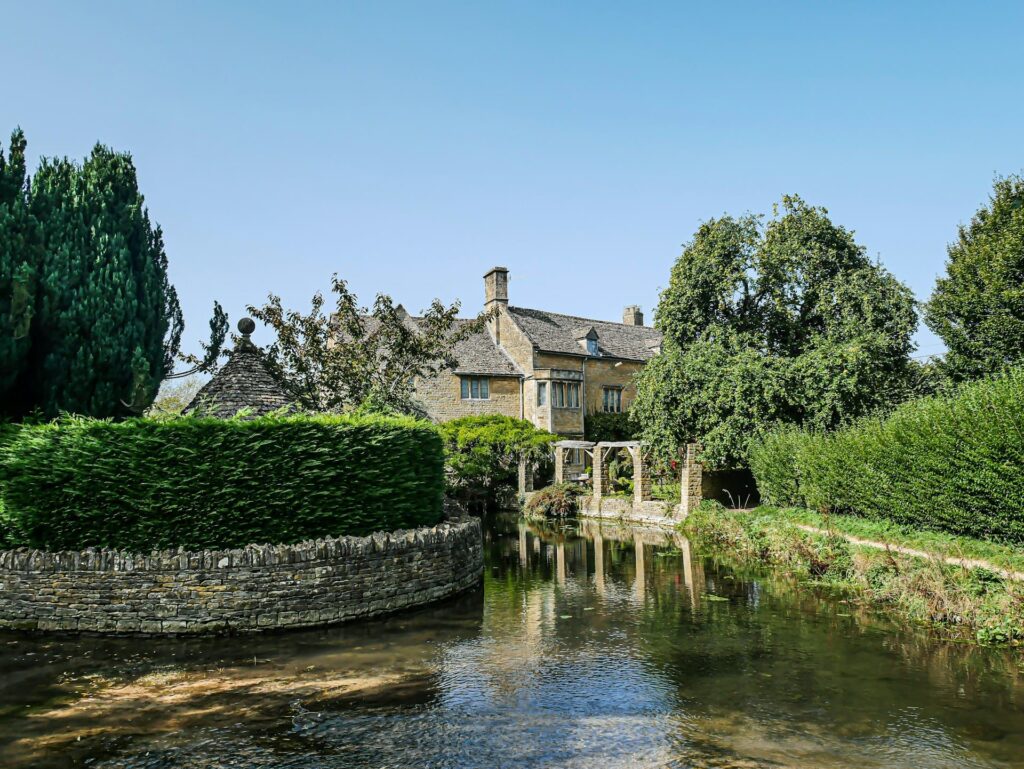
This Area of Outstanding Natural Beauty epitomizes English countryside, where honey-coloured limestone villages nestle in rolling hills, medieval wool churches rise above ancient market squares, and country pubs serve local ales by limestone fireplaces.
Highlights
Chipping Campden represents Cotswolds perfection. Its High Street curves gently between limestone buildings dating from the 14th to 17th centuries, when wool trade wealth funded construction. The Market Hall (1627) still stands in the center, its open arches creating gathering space.
Bourton-on-the-Water earns its “Venice of the Cotswolds” nickname through the River Windrush flowing through the village center, crossed by elegant stone bridges. The Model Village recreates Bourton in perfect 1/9th scale, while the Cotswold Motoring Museum houses vintage cars and memorabilia.
Stow-on-the-Wold, perched on a hill at 800 feet, offers antique shops, art galleries, and classic market square. Its position at the intersection of eight roads made it important for sheep trading, once hosting fairs with 20,000 sheep.
Why Visit for a Weekend
The Cotswolds reward gentle exploration and slow travel. Walk sections of the Cotswold Way, a 102-mile National Trail running from Chipping Campden to Bath. Even short walks reveal classic countryside views, dry-stone walls, and grazing sheep.
Visit villages like Castle Combe (featured in films from War Horse to Stardust), Broadway (gateway to the northern Cotswolds), or Bibury (William Morris called Arlington Row “the most beautiful village in England”).
The region’s food culture celebrates local ingredients. Cotswold sheep produce distinctive lamb, while the Cotswold Lion (now extinct but being revived) gave name to the local cheese. Country pubs offer proper environments for Sunday roasts.
Best Time to Go
Late spring brings wildflowers and lambs in the fields. Gardens open to visitors, including Hidcote Manor and Kiftsgate Court near Chipping Campden.
Autumn offers harvest atmosphere, autumn colours, and fewer crowds than summer. September and October provide reliable weather for walking.
Summer means the busiest period. Popular villages like Bourton-on-the-Water and Bibury overflow with tour buses and day-trippers. Visit midweek or arrive early morning for relative calm.
Winter brings quiet beauty but also limited daylight and closed seasonal attractions. Christmas transforms the Cotswolds into festive storybook scenery.
How to Get There
The Cotswolds lack convenient train service, requiring buses or cars from railway stations at Moreton-in-Marsh, Kemble, or Cheltenham. Driving provides the most practical option for exploring multiple villages across the 800-square-mile region.
From London, expect about 2 hours driving to reach the southern Cotswolds. From Birmingham or Oxford, the journey takes roughly 90 minutes.
Tour operators offer day trips from London, Bath, and Oxford, though staying overnight lets you experience villages after day-trippers depart and enjoy country pubs without worrying about driving.
10. Belfast
Northern Ireland’s capital has transformed from troubled past to dynamic present. Belfast combines Victorian industrial heritage, political murals documenting complex history, Georgian and Edwardian architecture, and one of Ireland’s most vibrant food and drink scenes.
Highlights
Titanic Belfast stands on the former shipyard where the doomed liner was built. This nine-gallery museum traces the ship’s conception, construction, launch, and sinking through interactive exhibits. The building’s angular design evokes ship’s prow, while the adjacent SS Nomadic (Titanic’s tender ship) remains the last White Star Line vessel afloat.
The Cathedral Quarter has evolved into Belfast’s cultural hub. Cobbled streets between bars, restaurants, and street art lead to the MAC (Metropolitan Arts Centre), while traditional pubs host nightly live music, particularly Irish traditional sessions.
Political murals throughout West Belfast document the Troubles and peace process. Taxi tours provide context for these neighborhood artworks, explaining symbolism and history from both communities’ perspectives.
Why Visit for a Weekend
Belfast balances history with contemporary culture. Explore Victorian Belfast through City Hall (free tours showcase marble staircases and council chambers), the Grand Opera House, and the Crown Liquor Saloon (an ornate Victorian gin palace now owned by the National Trust).
The Ulster Museum (free admission) covers everything from archaeology to contemporary art. The adjacent Botanic Gardens provide peaceful green space, with the restored Palm House creating tropical environment under Victorian glass.
Belfast’s food scene has exploded in recent years. The St George’s Market (weekend only) brings together local producers, artisan foods, and street food vendors under a Victorian roof. The city center now hosts numerous Michelin-recognized restaurants.
Best Time to Go
Late spring through early autumn offers the most reliable weather and longest days. Belfast sits at 54°N latitude, meaning summer sunlight extends until 10 PM while winter days end by 4 PM.
St Patrick’s Day (March 17) brings celebrations across the city. The Belfast International Arts Festival (October) showcases theater, music, and visual arts.
Winter means lower prices but shorter days for sightseeing. Christmas markets around City Hall create festive atmosphere.
How to Get There
Belfast has two airports: Belfast International Airport (13 miles northwest) serves mainly budget carriers, while George Best Belfast City Airport sits just 3 miles from the center.
Ferry services from Cairnryan, Scotland (2.5 hours), and Liverpool (8 hours overnight) provide alternative arrival options, particularly for those bringing cars to explore the Causeway Coastal Route and other nearby attractions.
From Dublin, express buses take about 2 hours, while the train journey (via Lisburn) takes slightly longer but offers more comfort and scenery.
Weekend Getaway Comparison Table
| Destination | Best For | Ideal Stay | From London (approx.) |
|---|---|---|---|
| Edinburgh | Culture & history | 2-3 days | 4.5 hours by train |
| Bath | Relaxed city break | 2 days | 1.5 hours by train |
| York | Medieval atmosphere | 2-3 days | 2 hours by train |
| Brighton | Seaside escape | 2 days | 1 hour by train |
| Oxford | Academic heritage | 2 days | 1 hour by train |
| Liverpool | Music & maritime | 2-3 days | 2.25 hours by train |
| Cardiff | Welsh culture | 2 days | 2 hours by train |
| Lake District | Nature & hiking | 3 days | 3-4 hours by train/drive |
| Cotswolds | Countryside villages | 2-3 days | 2 hours by car |
| Belfast | History & food | 2-3 days | 1.5 hours by flight |
The British Weekend Culture
British weekends away follow distinct patterns shaped by geography, transport infrastructure, and cultural traditions. Understanding these rhythms enhances your experience.
Food and Drink Traditions
The Sunday roast remains central to British weekend culture. Roasted meat (beef, lamb, pork, or chicken), Yorkshire pudding, roasted vegetables, and gravy create the traditional combination served in pubs and restaurants from noon onwards. Many establishments require advance booking for Sunday lunch.
Afternoon tea transforms breaks into occasions. From Bath’s elegant Pump Room to Edinburgh’s sophisticated hotel lounges, the ritual of tea, sandwiches, scones with clotted cream and jam, and pastries marks special occasions or simply slow afternoons.
Fish and chips by the coast, whether on Brighton’s pier or Edinburgh’s Leith waterfront, represents essential seaside tradition. Proper fish and chips come wrapped in paper (historically newspaper, now food-safe alternatives) for eating while walking or sitting on benches overlooking the water.
Pub Culture
British pubs function as community centers, not just drinking establishments. Country pubs in the Cotswolds or Lake District provide refuge after walks, serving local ales and hearty food by open fires. City pubs range from historic coaching inns with centuries of history to contemporary craft beer bars.
Real ale (cask-conditioned beer served without additional gas pressure) remains important to British pub culture. The Campaign for Real Ale (CAMRA) publishes guides to Britain’s best pubs, focusing on beer quality and traditional atmosphere.
Pub etiquette remains straightforward: order at the bar rather than waiting for table service in most traditional establishments, engage in friendly conversation with locals without being intrusive, and understand that the bell for “last orders” comes before actual closing time.
Walkability and Pace
British cities reward walking. Medieval street patterns create organic discovery rather than grid-based efficiency. York’s snickelways (narrow passages), Bath’s Georgian terraces, and Edinburgh’s closes all reveal their secrets to pedestrians willing to wander.
The right to roam in countryside areas (particularly in Scotland) provides access to landscapes that remain privately owned in other countries. Footpaths, bridleways, and ancient rights of way cross farmland and estates, marked by signs and often maintained by volunteers.
British walking pace traditionally moves slower than American tourist habits. Weekend breaks emphasize relaxation and immersion over checklist completion. This attitude manifests in leisurely pub lunches, afternoon tea breaks, and evening walks simply for pleasure rather than exercise.
Conclusion
These top 10 weekend getaways in the UK demonstrate the country’s remarkable diversity packed into relatively small geography. Within three hours of most starting points, you can reach medieval cities, dramatic coastlines, mountain landscapes, or peaceful countryside villages.
The best weekend breaks combine easy accessibility with enough attractions and atmosphere to create memorable experiences without rushing. Consider mixing urban and rural destinations across multiple weekends. Follow a culture-focused Edinburgh or York visit with countryside calm in the Cotswolds or Lake District. Balance Bath’s architectural elegance with Brighton’s seaside energy.
British weekend getaways work year-round, each season bringing different advantages. Spring and autumn often provide the sweet spot between weather and crowds, though winter’s lower prices and summer’s long daylight hours both offer appeal.
Transport infrastructure makes these destinations accessible even without cars, though driving provides more flexibility in countryside areas like the Lake District and Cotswolds. Book trains in advance for significant savings over walk-up fares.
Whether seeking history, nature, food, culture, or simply change of scene, these destinations deliver authentic British experiences that remind you why weekend breaks refresh perspective and energy better than staying home ever could.
For more UK travel inspiration, explore our guides to places to visit in London and the broader UK destinations.
Frequently Asked Questions
What is the best weekend getaway in the UK without a car?
Bath, York, Oxford, and Brighton all excel for car-free weekends. Each offers compact, walkable centers with excellent train connections from major cities. Bath sits just 90 minutes from London with everything concentrated within a 20-minute walk. York’s medieval core fits inside the city walls, eliminating transport needs. Brighton’s seaside location means the beach, pier, and Lanes shopping quarter all lie within easy walking distance of the train station.
Edinburgh and Liverpool also work well without cars, though their larger size means occasional bus or taxi use for outlying attractions like the National Museum of Scotland or Liverpool’s Baltic Triangle.
Which UK city is best for a romantic weekend?
Bath consistently ranks as Britain’s most romantic city break destination. Its Georgian architecture creates elegant atmosphere, the Thermae Bath Spa offers couples’ treatments and rooftop pools overlooking the city, and numerous restaurants provide intimate dining. Riverside walks and surrounding countryside add to the peaceful ambiance.
Edinburgh offers dramatic alternative romance with castle views, Arthur’s Seat walks, and sophisticated dining. York’s medieval charm suits couples preferring cosy pub atmospheres and ancient streets lit by gas lamps.
What is the cheapest UK weekend break?
Liverpool and Cardiff typically offer the best value, combining lower accommodation costs with free major attractions. Liverpool’s museums (Tate Liverpool, Maritime Museum, Walker Art Gallery) provide world-class collections without admission fees. Cardiff’s National Museum and St Fagans open for free, while the castle remains relatively affordable.
Travel costs matter more than destination for budget weekend breaks. Advance train bookings can cut costs by 70% compared to last-minute tickets. Traveling in shoulder seasons (April to May, September to October) brings lower hotel rates than summer peaks.
Are UK weekend trips good year-round?
Yes, with appropriate planning for each season. Spring (April to May) offers mild weather and blooming gardens without summer crowds. Summer provides longest days but brings peak prices and busy attractions.
Autumn (September to October) delivers excellent conditions for both cities and countryside, with harvest festivals and autumn colours enhancing atmosphere. Winter means lower prices, festive markets, and attractions without crowds, though short days (sunset by 4 PM in northern locations) limit sightseeing time.
Pack layers regardless of season. British weather changes quickly, and afternoon rain showers arrive even during generally sunny months. Waterproof jackets prove essential, particularly for Lake District or Scottish destinations.
How far in advance should I book a UK weekend break?
Train tickets release 12 weeks in advance, with the cheapest fares selling quickly. According to Trainline’s booking data, travelers save an average of 61% by booking advance tickets compared to day-of-travel fares.
Book accommodation as early as possible for festival periods (Edinburgh in August, Bath during Christmas markets, York around school holidays). For normal weekends, 4 to 6 weeks ahead typically secures good selection at reasonable prices.
Last-minute deals appear occasionally when hotels need to fill rooms, but relying on this strategy risks limited choice or having to stay outside your preferred area.