
Phu Quoc Island has rapidly transformed from a sleepy fishing community into one of Southeast Asia’s most sought-after beach destinations. Located in the Gulf of Thailand, this Vietnamese gem offers an intoxicating blend of powdery white sand beaches, dense tropical forests, and rich cultural heritage that rivals any top destination in Vietnam.
What makes Phu Quoc special? Unlike the bustling streets of Hanoi or the urban energy of Ho Chi Minh City, Phu Quoc delivers a slower pace where beach relaxation meets adventure. From snorkeling in crystal-clear waters to sampling the world’s finest fish sauce, the island caters to every type of traveler.
According to Vietnam’s tourism authority, Phu Quoc welcomed over 5 million visitors in 2019 (pre-pandemic levels), with numbers steadily recovering. The island’s infrastructure has evolved dramatically, now featuring international resorts, theme parks, and the world’s longest non-stop three-rope cable car, yet it still retains pockets of authentic island life.
Whether you’re planning a romantic escape, a family-friendly adventure, or a solo backpacking journey, this guide covers everything from must-visit beaches to hidden cultural gems.
TL;DR: Quick Overview of Phu Quoc’s Top Attractions
Here’s your snapshot of the best things to do in Phu Quoc:
- Long Beach (Bai Truong) – View on Google Maps
- Phu Quoc National Park – View on Google Maps
- Grand World Phu Quoc – View on Google Maps
- VinWonders Phu Quoc – View on Google Maps
- Vinpearl Safari – View on Google Maps
- Phu Quoc Night Market – View on Google Maps
- Sao Beach (Bai Sao) – View on Google Maps
- Hon Thom Cable Car + Sun World – View on Google Maps
- An Thoi Archipelago – View on Google Maps
- Pepper Farms – View on Google Maps
- Fish Sauce Factory – View on Google Maps
- Ham Ninh Fishing Village – View on Google Maps
1. Long Beach (Bai Truong): Phu Quoc’s Iconic Sunset Strip
Highlights
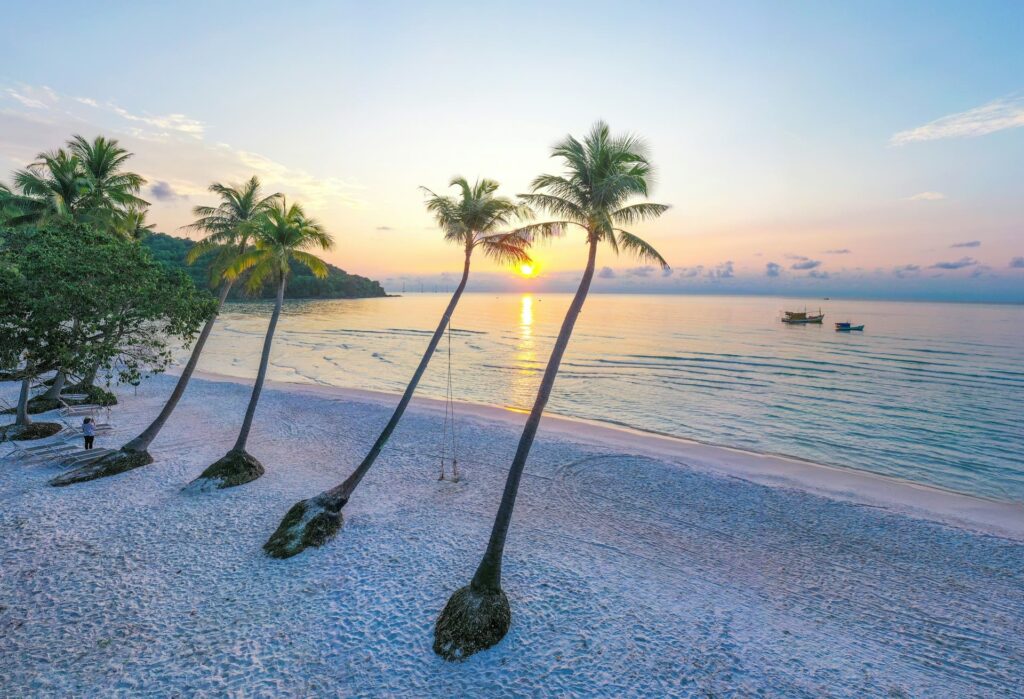
Long Beach stretches approximately 20 kilometers along Phu Quoc’s western coast, making it the island’s longest and most developed beach. The golden sand coastline is dotted with high-end resorts, beachfront restaurants, and casual beach bars.
Picture this: lounging on a beach chair as the sun melts into the Gulf of Thailand, painting the sky in shades of orange and pink while sipping a fresh coconut.
Why Visit
This is where Phu Quoc’s resort culture thrives. Unlike the more secluded beaches in Da Nang, Long Beach offers easy access to amenities, water sports, and dining options. The beach’s western orientation delivers spectacular sunset views nightly.
The section near Duong Dong town gets lively with beach clubs and water activities including jet skiing, parasailing, and paddleboarding. Further south, the atmosphere becomes quieter and more exclusive, where luxury resorts claim private beach sections.
Best Time to Go
Visit between November and March during the dry season when rainfall is minimal and seas are calm. The beach is accessible year-round, but monsoon season (July to October) brings rough waters and frequent rain.
For sunset viewing, arrive around 5:30 PM. Weekdays tend to be less crowded than weekends when domestic tourists flock to the island.
How to Get There
Long Beach runs parallel to the main road through Duong Dong. Most resorts along this stretch offer direct beach access. From Phu Quoc International Airport, it’s a 15-20 minute taxi ride costing approximately $6-8.
Renting a motorbike (around $6 per day) gives you freedom to explore different sections of the beach.
2. Phu Quoc National Park: Into Vietnam’s Jungle Heart
Highlights
Covering over 31,000 hectares (more than half the island), Phu Quoc National Park protects one of Vietnam’s last remaining pristine tropical forests. The UNESCO Biosphere Reserve status, granted in 2006, recognizes its exceptional biodiversity.
The park harbors 929 plant species and numerous endemic animals, including the endangered Phu Quoc Ridgeback dog, silver langurs, and slow loris, according to UNESCO’s biosphere reserve data.
Why Visit
For travelers seeking relief from beach lounging, the national park offers genuine wilderness exploration. Multiple trekking trails wind through dense jungle, past streams, and up to panoramic viewpoints.
The Ganh Dau trail and the route to Mount Heaven (Nui Chua) provide moderate hiking experiences with rewarding views. The forest’s interior remains relatively untouched, offering a stark contrast to the developed coastal areas, much like the trekking experiences in Sapa.
Best Time to Go
Trek during the cool, dry season from November to February when temperatures are more manageable (24-28°C) and trails are less muddy. Early morning hikes (starting by 7 AM) help you avoid midday heat and increase wildlife spotting chances.
Avoid the rainy season when trails become slippery and leeches are more active.
How to Get There
The park’s main entrance sits in the northern part of the island, approximately 30 kilometers from Duong Dong. Hire a motorbike or join an organized tour. Guided treks cost around $32-60 depending on duration and difficulty.
Independent hiking is possible but hiring a local guide is recommended for safety and to maximize wildlife encounters.
3. Grand World Phu Quoc: Vietnam’s Entertainment Megaplex
Highlights
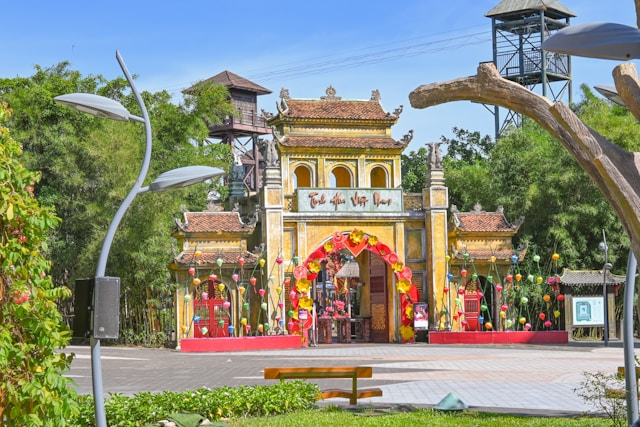
Grand World is Phu Quoc’s answer to a 24-hour entertainment city. This sprawling complex combines shopping, dining, cultural shows, and nightlife in an area designed to resemble Venice with its canals and European-style architecture.
The centerpiece is the Bamboo Airways Tower, offering 360-degree island views. The complex features street performances, water puppet shows, and a nightly multimedia fountain display.
Why Visit
Free admission makes Grand World accessible to all budgets (though you’ll pay for activities, food, and shows inside). It’s particularly impressive after dark when thousands of lights illuminate the canals and buildings.
The cultural performances showcase Vietnamese traditions in a polished, tourist-friendly format. Families appreciate the kid-friendly atmosphere, while couples enjoy the romantic canal-side dining options.
Best Time to Go
Visit in the evening from 6 PM onwards when the complex comes alive. The main fountain show typically runs at 8 PM and 9 PM. Weekends feature additional performances and livelier crowds.
During major Vietnamese holidays (Tet, National Day), special events and extended programming occur.
How to Get There
Grand World is located in the southern part of Phu Quoc, about 20 minutes south of the airport. Taxis from Duong Dong cost approximately $8-10. Many resorts offer free shuttle services.
The complex provides ample parking for those arriving by motorbike.
4. VinWonders Theme Park: Southeast Asia’s Aquatic Playground

Highlights
VinWonders Phu Quoc ranks among Vietnam’s largest amusement parks, featuring six themed zones including a massive water park, amusement rides, an aquarium, and a Viking-themed area.
The water park alone contains 12 distinct pools and slides, including the dramatic Typhoon slide and the relaxing Lazy River. The aquarium showcases over 300 species of marine life in impressively designed tanks.
Why Visit
This is one of the best family-friendly attractions in Vietnam, offering full-day entertainment for all ages. The park combines thrilling rides with educational marine exhibits, making it both fun and enriching.
Air-conditioned spaces provide welcome relief from tropical heat. The park’s modern facilities and safety standards meet international expectations, a consideration for families with young children.
Best Time to Go
Visit on weekdays to avoid crowds, especially during Vietnamese school holidays. The park opens at 9 AM and closes around 6 PM, though hours extend during peak season.
Arrive at opening time to experience popular rides before queues form. The water park section is most enjoyable between 10 AM and 3 PM when the sun is strongest.
How to Get There
VinWonders connects to Hon Thom Island via the cable car system, but also has a mainland entrance in the south of Phu Quoc. From Duong Dong, it’s approximately 25 kilometers (40-minute drive).
Entrance tickets cost around $24-32 for adults, with various package deals available combining VinWonders, the cable car, and other attractions.
5. Vinpearl Safari: Vietnam’s Premier Wildlife Park

Highlights
Vinpearl Safari Phu Quoc is Vietnam’s first safari park, housing over 3,000 animals representing more than 150 species across 380 hectares. The park divides into three main zones: open safari, primate area, and a wildlife conservation center.
Visitors journey through recreated African savanna and Asian jungle habitats, observing giraffes, zebras, rhinos, and various antelope species roaming in spacious enclosures.
Why Visit
The safari experience brings visitors remarkably close to exotic wildlife in semi-natural settings. Unlike traditional zoos, animals here enjoy significantly more space and enrichment.
The educational component focuses on conservation, with information about endangered species and breeding programs. The primate conservation center works to protect rare Vietnamese species, offering insights into local wildlife protection efforts.
Best Time to Go
Visit in the early morning (8-10 AM) or late afternoon (3-5 PM) when animals are most active. Midday heat causes many animals to seek shade and rest.
The park operates daily from 9 AM to 4 PM. Plan for a 3-4 hour visit to fully explore all zones.
How to Get There
Vinpearl Safari is located in the northern part of Phu Quoc, approximately 30 kilometers from Duong Dong. The journey takes about 45 minutes by motorbike or taxi.
Many tour operators offer combined packages including transportation. Entry tickets cost around $22-26 for adults, with discounts for children.
6. Phu Quoc Night Market: A Feast for the Senses
Highlights
The Dinh Cau Night Market serves as Phu Quoc’s culinary and cultural epicenter after dark. Over 100 stalls pack the covered market area, selling everything from grilled seafood to local handicrafts.
The intoxicating aroma of charcoal-grilled fish, squid, and shellfish fills the air. Vendors display the day’s catch on ice, allowing customers to select their seafood and specify cooking preferences.
Why Visit
Authenticity meets accessibility here. Unlike many tourist markets across Southeast Asia, Phu Quoc’s night market maintains reasonable prices while delivering exceptional food quality. It’s the perfect place to sample local specialties like grilled scallops with spring onion oil, sea snails, and the island’s famous fish sauce.
Beyond food, the market offers pearl jewelry, dried seafood products, and locally-made pepper from Phu Quoc’s famous farms. Similar to Hoi An’s vibrant market scene, the atmosphere balances commercial energy with genuine local character.
Best Time to Go
The market operates nightly from approximately 5 PM to midnight, hitting peak activity between 7-9 PM. Arrive earlier for the best seafood selection before popular items sell out.
Weekends see heavier crowds, but the energy and variety intensify. For a more relaxed experience, visit on weekday evenings.
How to Get There
The market sits in Duong Dong town center, within walking distance of most central accommodations. From Long Beach resort areas, expect a 10-15 minute taxi ride costing around $3-5.
Parking is available for motorbikes near the market entrance.
7. Sao Beach: Phu Quoc’s Postcard-Perfect Paradise
Highlights
Bai Sao (Sao Beach) consistently ranks among Vietnam’s most beautiful beaches, and photographs don’t lie. Powdery white sand contrasts brilliantly against turquoise waters so clear you can see fish swimming around your feet.
The beach stretches about 7 kilometers along Phu Quoc’s southeastern coast, though the main developed section spans roughly 2 kilometers with beach restaurants, chair rentals, and water sports operators.
Why Visit
If you envision a tropical island paradise, Sao Beach delivers exactly that. The shallow, calm waters make it ideal for families with children and non-swimmers. Unlike Long Beach’s sunset views, Sao Beach offers spectacular sunrise opportunities for early risers.
The beach maintains a more natural feel than developed Long Beach, with simpler facilities and fewer high-rise resorts. Water sports including kayaking and jet skiing are available but don’t dominate the scenery.
Best Time to Go
Visit during the dry season (November to March) when waters are calmest and clearest. The beach can get busy between 10 AM and 3 PM when day-trippers arrive, so consider arriving early morning or late afternoon for a more peaceful experience.
The eastern-facing beach means mornings offer the best lighting for photography, with softer shadows and golden sunlight.
How to Get There
Sao Beach is located in southeastern Phu Quoc, approximately 25 kilometers from Duong Dong (45-minute ride). The road is paved and well-maintained, making it easily accessible by motorbike.
Taxis from central areas cost around $12-16 each way. Many tour operators include Sao Beach in southern island day trips.
8. Hon Thom Cable Car + Sun World: Sky-High Island Views
Highlights
The Hon Thom Cable Car holds the Guinness World Record for the longest non-stop three-rope cable car system, spanning 7,899.9 meters across the sea. The 15-20 minute journey connects the main island to Hon Thom (Pineapple Island), offering breathtaking aerial views of the archipelago.
At the destination, Sun World Hon Thom Nature Park awaits with pristine beaches, water sports, and leisure facilities spread across 110 hectares.
Why Visit
The cable car experience itself justifies the visit. Gliding above emerald waters with panoramic views of scattered islands creates an unforgettable perspective. The engineering achievement is remarkable, with cabins suspended high above the sea.
Hon Thom Island delivers on the promise of exclusivity with well-maintained beaches, clear snorkeling areas, and various water activities. The island feels removed from Phu Quoc’s increasingly developed main area.
Best Time to Go
Clear days offer the best visibility, so check weather forecasts. Visit during the dry season (November-March) when skies are typically cloudless. The cable car operates from 8 AM to 5 PM daily.
Early morning rides provide soft lighting and thinner crowds. Sunset timing doesn’t work well for cable car photography as you’d be returning when light is optimal.
How to Get There
The cable car station is in southern Phu Quoc, near An Thoi town, approximately 30 kilometers from Duong Dong. The journey takes 45-50 minutes by road.
Combination tickets (cable car plus Sun World activities) cost around $24-30. Some packages include VinWonders Theme Park access.
9. An Thoi Archipelago Snorkeling: Underwater Paradise
Highlights
The An Thoi Archipelago comprises 15 small islands south of Phu Quoc, creating one of Vietnam’s premier snorkeling and diving destinations. Popular spots include Hon May Rut, Hon Gam Ghi, and Hon Mong Tay, each offering distinct underwater landscapes.
Coral reefs here support diverse marine life including clownfish, parrotfish, sea turtles, and occasional reef sharks. Visibility typically reaches 15-20 meters during the dry season.
Why Visit
Vietnam’s coastal waters don’t always deliver world-class snorkeling, but the An Thoi Archipelago is a notable exception. The protected marine environment has allowed coral recovery and fish populations to thrive.
Half-day and full-day boat tours typically visit 3-4 islands, combining snorkeling sessions with beach time and fresh seafood lunches. It’s an accessible way to experience multiple islands without committing to extensive Ha Long Bay cruise tours.
Best Time to Go
Book trips during the dry season (November-April) when seas are calm and visibility is optimal. Rough waters during monsoon season (July-October) often result in tour cancellations.
Morning departures (7-8 AM) typically encounter better conditions before afternoon winds pick up. Full-day tours provide more relaxed pacing and additional island stops.
How to Get There
Tours depart from An Thoi Port in southern Phu Quoc. Most operators provide hotel pickup from anywhere on the island, included in tour prices.
Half-day tours cost approximately $16-24 per person, while full-day excursions with lunch run $32-48. Prices include snorkeling equipment, though bringing your own mask ensures better fit and hygiene.
10. Pepper Farms: Phu Quoc’s Aromatic Heritage
Highlights
Phu Quoc pepper enjoys protected geographical indication status, recognized for its intense aroma and complex flavor profile. The island’s red basalt soil and tropical climate create ideal growing conditions, producing what many chefs consider Vietnam’s finest pepper.
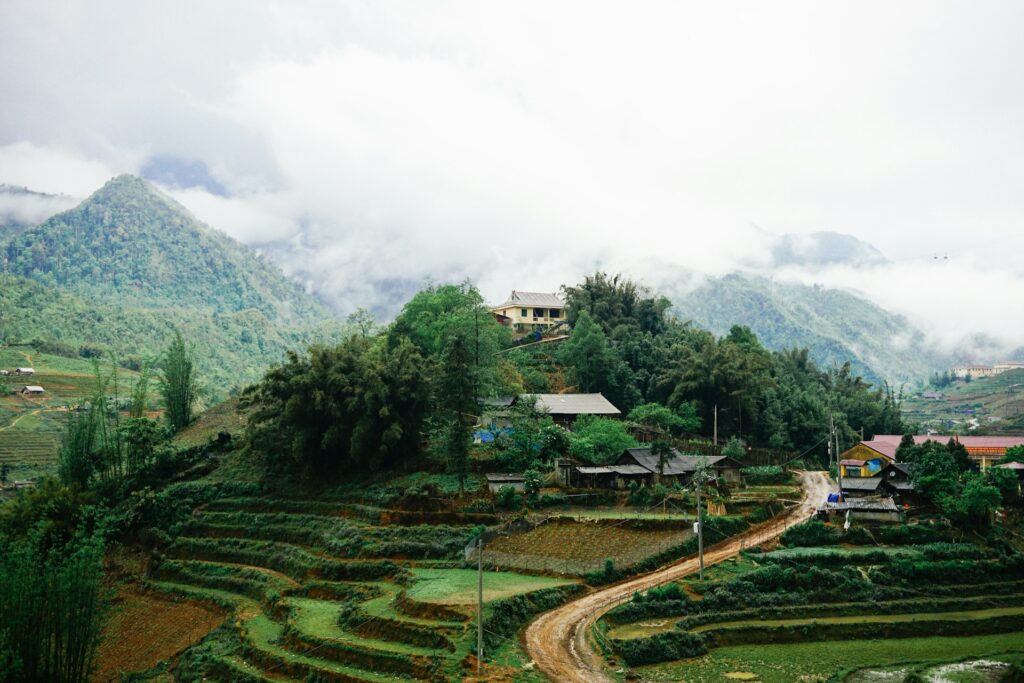
Several farms welcome visitors, with Khu Tuong Pepper Farm being the most tourist-friendly. Walking through rows of pepper vines climbing wooden poles, visitors learn about cultivation, harvesting, and processing techniques.
Why Visit
This agricultural experience provides insight into one of Phu Quoc’s most important exports and cultural products. The farms demonstrate traditional farming methods still used today, from hand-picking peppercorns to sun-drying techniques.
Practical value: purchasing pepper directly from farms guarantees authenticity and quality while supporting local farmers. Prices are significantly lower than at tourist shops, and farms often offer samples of different pepper varieties (black, white, and red).
Best Time to Go
Best time to visit during the harvest season (February to May) to witness peppercorn picking and processing. However, farms welcome visitors year-round, and pepper vines are visually impressive even outside harvest periods.
Morning visits (8-11 AM) avoid the strongest heat and typically coincide with active farm work.
How to Get There
Several pepper farms operate around the island, with concentrations in the central and northern regions. Khu Tuong Pepper Farm is approximately 10 kilometers from Duong Dong, easily reached by motorbike or taxi.
Most farms don’t charge entrance fees but expect visitors to purchase products. Tours typically last 30-45 minutes.
11. Fish Sauce Factories (Nuoc Mam): Liquid Gold of Phu Quoc
Highlights
Phu Quoc fish sauce holds the same protected status as champagne or Parmigiano Reggiano, recognized globally as a premium product. The island produces nuoc mam following centuries-old methods using fresh anchovies and sea salt fermented in large wooden barrels for 12-18 months.
The most famous producer, Khai Hoan Factory, offers tours showing the traditional fermentation process and explaining what makes Phu Quoc’s fish sauce distinctive.
Why Visit
Fish sauce is fundamental to Vietnamese cuisine, and understanding its production deepens appreciation for the country’s culinary traditions. The tour might not appeal to everyone due to the strong fermentation smell, but it represents authentic cultural heritage rarely showcased in tourism.
The experience challenges comfort zones while rewarding curiosity. Tasting sessions demonstrate quality differences between grades of fish sauce, much like wine tasting reveals complexity in fermented grapes.
Best Time to Go
Factories operate year-round during business hours (8 AM-5 PM). The smell is intense regardless of timing, so there’s no “better” time from an olfactory perspective.
Combine the visit with other nearby attractions to maximize your northern island exploration.
How to Get There
Major fish sauce factories are located in Duong Dong town, making them easily accessible. Khai Hoan Factory sits along Nguyen Van Cu Street, a short taxi ride or 10-minute motorbike trip from most accommodations.
Tours are typically free, with the expectation that visitors purchase bottles to take home. A premium liter bottle costs around $4-6.
12. Ham Ninh Fishing Village: Authentic Island Life
Highlights
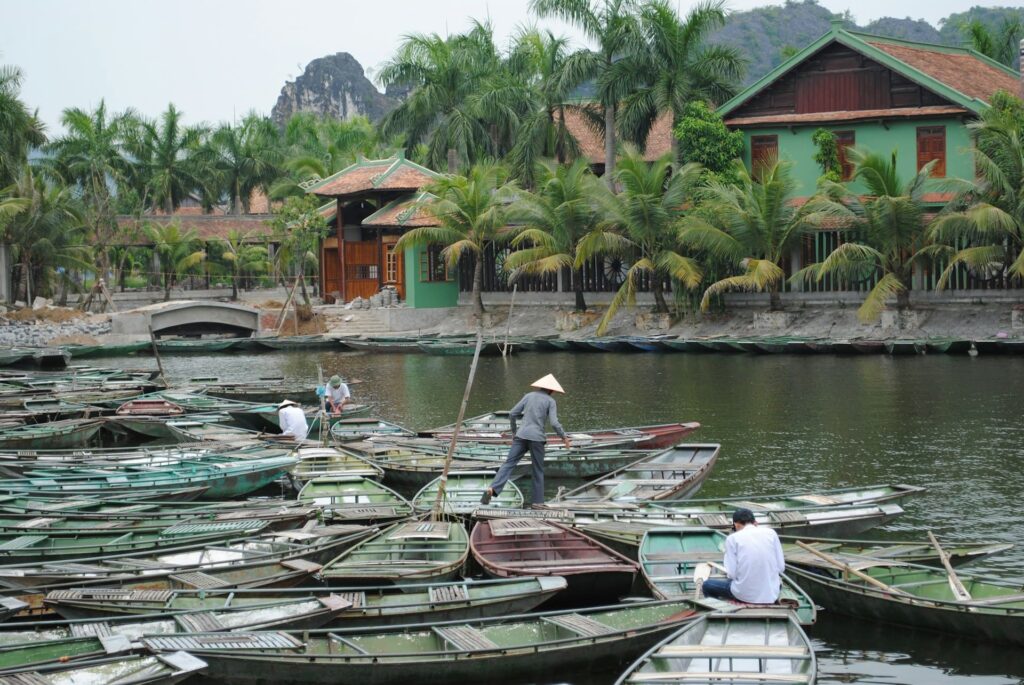
Ham Ninh represents traditional Phu Quoc before mass tourism arrived. This small fishing village on the eastern coast retains its authentic character with wooden houses on stilts, fishing boats bobbing in the harbor, and locals mending nets along the shore.
The village is famous for crab dishes, particularly grilled sea crab served at simple waterfront restaurants where you dine with your feet in the sand.
Why Visit
Ham Ninh offers a glimpse into the island’s fishing heritage and provides contrast to the developed resort areas. The pace slows considerably here; life follows the tides and fishing schedules rather than tourist demands.
Seafood restaurants serve the day’s catch at prices lower than more touristy areas, and the quality is exceptional. The setting, with mountains rising behind the village and fishing boats anchored offshore, creates a picturesque scene especially during golden hour.
Similar to exploring Ninh Binh’s rural landscapes, Ham Ninh rewards travelers seeking authenticity over polish.
Best Time to Go
Visit in the late afternoon (4-6 PM) when fishing boats return with their catch and the village comes alive with activity. Stay for sunset and dinner at a waterfront restaurant.
The dry season offers more reliable weather, but the village operates year-round. Early morning visits capture fishermen preparing to depart.
How to Get There
Ham Ninh is located on Phu Quoc’s eastern coast, approximately 18 kilometers from Duong Dong (30-minute ride). The road is paved and scenic, passing through local communities and pepper farms.
Motorbike is the most convenient option, allowing you to explore at your own pace. Taxis from central areas cost around $8-10 one way.
Beach Comparison: Finding Your Perfect Phu Quoc Shore
| Beach Name | Vibe | Facilities | Best For | Entry Cost |
|---|---|---|---|---|
| Long Beach | Developed, resort-style | Full amenities, water sports, restaurants, resorts | Sunset viewing, resort guests, water activities | Free (beach chairs may charge) |
| Sao Beach | Natural, popular | Moderate facilities, restaurants, chair rentals | Swimming, photography, families | Free |
| Ong Lang Beach | Quiet, boutique | Limited facilities, small resorts, restaurants | Couples, relaxation, privacy | Free |
| Vung Bau Beach | Remote, pristine | Minimal facilities | Solitude, adventure seekers | Free |
Pro tip: Each beach offers distinct experiences. Long Beach suits travelers wanting convenience and vibrant atmosphere. Sao Beach delivers postcard beauty with moderate development. Ong Lang provides intimate escapes, while Vung Bau appeals to adventurers seeking undiscovered coastline.
Cultural Context: Understanding Phu Quoc’s Heritage
The Island’s Fishing Legacy
Phu Quoc’s identity is deeply rooted in fishing traditions dating back centuries. Before tourism arrived, fishing sustained the island’s economy and shaped its culture. Nearly 40% of the local population still engages in fishing or fishing-related industries according to local government statistics.
The traditional fishing methods, wooden boats, and communal fishing practices remain visible in villages like Ham Ninh. Understanding this heritage adds depth to your island experience.
Pepper and Fish Sauce: Liquid and Ground Gold
Two products have brought Phu Quoc international recognition: premium pepper and fish sauce. Both carry protected geographical indication status from the European Union, similar to how only sparkling wine from the Champagne region can be called Champagne.
Phu Quoc pepper’s reputation stems from the island’s unique red basalt soil, which imparts distinctive aromatic qualities. The pepper trade has enriched the island for over a century.
Fish sauce production represents centuries of Vietnamese culinary tradition. The fermentation process transforms humble anchovies and salt into a complex umami-rich condiment essential to Vietnamese cooking. Phu Quoc’s fish sauce commands premium prices in domestic and international markets.
Vietnamese Hospitality and Community Life
Despite rapid tourism development, Phu Quoc residents maintain traditional Vietnamese values of hospitality and community. Markets, family-run restaurants, and village interactions offer opportunities to experience this warmth.
Learning a few Vietnamese phrases enhances these interactions. Simple greetings like “Xin chào” (hello) and “Cảm ơn” (thank you) demonstrate respect and often result in genuine smiles and extra helpfulness.
The island’s Buddhist temples and community shrines reflect spiritual life that continues alongside tourism growth. Visitors who approach these spaces respectfully may witness ceremonies or local worship practices, similar to cultural experiences found in Hue City’s historic sites.
Conclusion: Crafting Your Phu Quoc Adventure
Phu Quoc delivers a rare combination of natural beauty, cultural authenticity, and modern amenities that satisfies diverse travel styles. Whether you prioritize beach relaxation, cultural immersion, family activities, or culinary exploration, the island accommodates all preferences within relatively compact geography.
The best Phu Quoc itinerary balances popular attractions with local experiences. Spend mornings exploring natural sites like the national park or snorkeling the archipelago. Dedicate afternoons to beach time and sunset viewing. Evenings come alive at the night market or Grand World’s entertainment venues.
Don’t rush. Phu Quoc rewards slow travel and spontaneous discoveries. That unmarked seafood shack might serve the best grilled squid of your trip. The pepper farm you pass while riding between destinations might offer the most interesting conversation of your day.
As Vietnam continues developing its tourism infrastructure, Phu Quoc represents a sweet spot between undiscovered and overdeveloped. The island retains authentic character while offering reliable standards that make travel comfortable and safe.
Pack reef-safe sunscreen, rent a motorbike for independence, keep small bills for local vendors, and maintain an open mind. The best things to do in Phu Quoc often reveal themselves when you venture beyond the planned itinerary.
Frequently Asked Questions
What is Phu Quoc best known for?
Phu Quoc is internationally recognized for three main attractions: pristine white-sand beaches (particularly Sao Beach and Long Beach), premium fish sauce holding protected geographical indication status, and world-class pepper. The island has emerged as Vietnam’s premier beach destination, offering a combination of natural beauty, resorts, and authentic cultural experiences including fishing villages and traditional farms.
Is 3 days enough for Phu Quoc?
Three days provides sufficient time to experience Phu Quoc’s highlights, though you’ll need to prioritize. A typical 3-day itinerary includes: Day 1 covering the national park and northern attractions, Day 2 focused on beaches (Sao Beach and Long Beach) with evening at the night market, and Day 3 exploring the southern islands via cable car or snorkeling tour. Four to five days allows a more relaxed pace and deeper cultural exploration.
Where should I stay in Phu Quoc?
Accommodation choice depends on your priorities. Long Beach offers the most resort options with easy access to dining and nightlife, ideal for first-time visitors seeking convenience. Ong Lang Beach provides a quieter boutique hotel atmosphere perfect for couples. Duong Dong town center suits budget travelers wanting proximity to the night market and local life. Southern areas near An Thoi work well for diving enthusiasts and those prioritizing island-hopping activities.
What is the best month to visit Phu Quoc?
The optimal period for visiting Phu Quoc is November through March, coinciding with Vietnam’s dry season. These months feature minimal rainfall, calm seas ideal for snorkeling and island tours, comfortable temperatures (24-30°C), and excellent visibility. December and January represent peak season with higher prices and more crowds. February and March offer slightly better value with similar weather conditions. Avoid July through October when monsoon rains frequently disrupt activities.
How do I get around Phu Quoc Island?
Renting a motorbike provides the most freedom and cost-effectiveness (approximately $6 per day). The island’s roads are generally well-maintained and traffic is light compared to mainland Vietnam. Taxis using meters are readily available through apps like Grab. Many resorts offer bicycle rentals suitable for nearby exploration. For travelers uncomfortable riding motorbikes, hiring a private car with driver for full-day tours costs around $32-48 and provides flexibility without riding concerns.