
Vietnam stretches over 1,000 miles from north to south, offering travelers an extraordinary diversity of landscapes, cultures, and experiences. From the misty mountains of Sapa to the bustling streets of Ho Chi Minh City, from the emerald waters of Halong Bay to the ancient town of Hoi An, planning the perfect Vietnam itinerary requires careful consideration of time, interests, and regional logistics.
The best Vietnam itineraries balance iconic destinations with authentic experiences while accounting for the country’s unique geography. Whether you have one week or two, understanding how to navigate between regions will transform your trip from overwhelming to unforgettable.
This comprehensive guide presents five tested Vietnam itineraries spanning 7, 10, and 14 days. Each route is designed to maximize your time, minimize backtracking, and showcase the country’s most compelling destinations. You’ll find day-by-day breakdowns, transport advice, and regional insights to help you choose the perfect route for your travel style.
TL;DR: Quick Overview – Top 5 Vietnam Itineraries
7-Day Itineraries:
- Classic North Vietnam: Hanoi → Ninh Binh → Halong Bay → Hanoi
- Central Vietnam Highlights: Da Nang → Hoi An → Hue → Da Nang
10-Day Itineraries:
- North to Central Route: Hanoi → Sapa → Ninh Binh → Hoi An
- South & Central Explorer: Ho Chi Minh City → Mekong Delta → Da Nang → Hoi An → Hue
14-Day Itinerary:
- Complete Vietnam Journey: Hanoi → Halong Bay → Hue → Hoi An → Ho Chi Minh City → Mekong Delta (optional: Phu Quoc)
Vietnam Itinerary Comparison Table
| Itinerary | Trip Length | Best For | Regions Covered | Transport Required |
|---|---|---|---|---|
| Classic North | 7 days | First-timers, culture seekers | Hanoi, Ninh Binh, Halong | Road + cruise |
| Central Vietnam | 7 days | Beach lovers, history buffs | Da Nang, Hoi An, Hue | Car + short flights optional |
| North to Central | 10 days | Culture + trekking enthusiasts | Hanoi, Sapa, Hoi An | Train + flight |
| South to Central | 10 days | Food lovers, city explorers | HCMC, Mekong, Hoi An | Flight + road |
| Full Vietnam | 14 days | Complete experience seekers | North to South | Flight + road |
Itinerary 1: 7-Day Classic North Vietnam
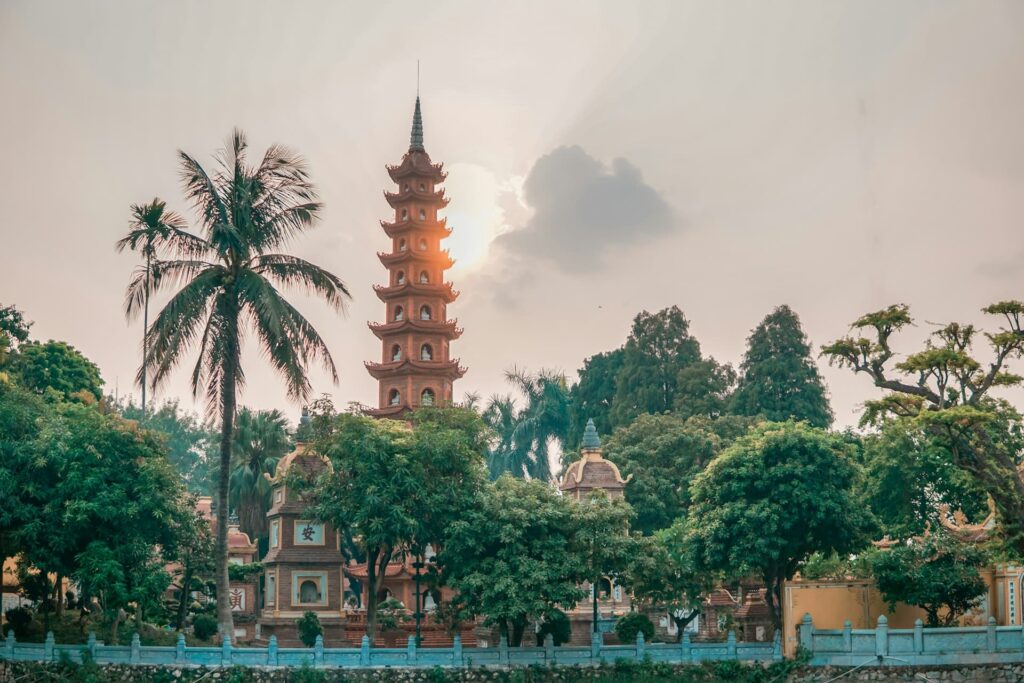
The Classic North Vietnam itinerary showcases the country’s cultural heartland, combining metropolitan energy with stunning natural wonders. This route is perfect for first-time visitors who want to experience Vietnam’s most iconic northern destinations without feeling rushed.
Day-by-Day Breakdown
Day 1-2: Hanoi
Begin your journey in Vietnam’s captivating capital. Spend two days exploring the Old Quarter’s chaotic charm, visiting the Ho Chi Minh Mausoleum, and experiencing the city’s legendary street food scene. Don’t miss a traditional water puppet show and the atmospheric Hoan Kiem Lake at sunset.
Discover more experiences in our detailed guide to things to do in Hanoi.
Day 3: Ninh Binh
Take a two-hour drive south to Ninh Binh, often called “Halong Bay on land.” Explore the dramatic limestone karsts by sampan boat through Trang An or Tam Coc, cycle through rice paddies, and climb the 500 steps to Hang Mua viewpoint for panoramic vistas.
Find comprehensive suggestions for things to do in Ninh Binh.
Day 4-5: Halong Bay
Return to Hanoi and transfer to Halong Bay for an overnight cruise among 1,600 limestone islands. Kayak through hidden lagoons, visit Sung Sot Cave, and watch the sunrise over the emerald waters. According to UNESCO, Halong Bay’s geological value spans 500 million years.
Explore your options in our guide to the best Halong Bay cruises.
Day 6-7: Hanoi
Return to Hanoi for final explorations, souvenir shopping at Dong Xuan Market, and perhaps a half-day cooking class before your departure.
Highlights
- Hanoi’s 1,000-year-old cultural heritage
- Ninh Binh’s spectacular karst landscapes
- Overnight cruise through Halong Bay’s limestone islands
- Authentic Vietnamese cuisine in every region
Why This Route Works
This itinerary concentrates on northern Vietnam, eliminating the need for internal flights and long-distance travel. The circular route from Hanoi allows for efficient transportation by private car or organized tours. The pacing balances active exploration with relaxation on the cruise.
Best Time to Go
October to April offers the most pleasant weather in northern Vietnam. Temperatures range from 15-25°C (59-77°F), with lower humidity and minimal rainfall. Avoid July and August when temperatures can exceed 35°C (95°F) with high humidity.
How to Get Around
- Hanoi to Ninh Binh: Private car (2 hours) or bus
- Ninh Binh to Hanoi: Return by private car
- Hanoi to Halong Bay: Shuttle bus included with cruise bookings (3.5 hours)
- Within cities: Walking, cyclo, or Grab (Southeast Asia’s Uber equivalent)
Itinerary 2: 7-Day Central Vietnam

Central Vietnam offers a perfect blend of beaches, imperial history, and culinary excellence. This itinerary focuses on three UNESCO World Heritage sites within a compact geographic area, making it ideal for travelers who prefer beach time and cultural immersion over extensive travel.
Day-by-Day Breakdown
Day 1-2: Da Nang
Fly into Da Nang and spend your first days relaxing on My Khe Beach, visiting the impressive Marble Mountains, and exploring the Museum of Cham Sculpture. Take the cable car to Ba Na Hills for cooler mountain air and the famous Golden Bridge.
Day 3-5: Hoi An
Transfer 30 minutes south to the enchanting ancient town of Hoi An. Spend three days wandering lantern-lit streets, getting custom clothes tailored, learning to cook Vietnamese dishes, and cycling to An Bang Beach. Don’t miss the monthly Full Moon Lantern Festival if your dates align.
Explore comprehensive activities in our Hoi An guide.
Day 6-7: Hue
Journey north to Hue, Vietnam’s former imperial capital. Explore the vast Imperial Citadel, cruise the Perfume River, and visit elaborate royal tombs. Sample the region’s distinctive cuisine, including bun bo Hue (spicy beef noodle soup).
Check out our detailed Hue itinerary for more ideas.
Highlights
- Da Nang’s modern beaches and mountain escapes
- Hoi An’s preserved 15th-century trading port
- Hue’s imperial architecture and royal cuisine
- Central Vietnam’s exceptional food culture
Why This Route Works
All three destinations sit within a 150-kilometer stretch, connected by the scenic Hai Van Pass. This geographic concentration means more time exploring and less time traveling. The route progresses logically from beach relaxation to cultural immersion.
Best Time to Go
February to May provides the most reliable weather in central Vietnam. Beach conditions are excellent, and rainfall is minimal. Avoid October and November, when this region experiences its heaviest rainfall and occasional typhoons, according to Vietnam’s meteorological data.
How to Get Around
- Airport: Fly into Da Nang International Airport
- Da Nang to Hoi An: Private car or Grab (40 minutes)
- Hoi An to Hue: Private car over Hai Van Pass (3 hours) or train from Da Nang
- Within cities: Walking and bicycle in Hoi An; car or motorbike in Hue
Itinerary 3: 10-Day North to Central Route

This 10-day Vietnam itinerary combines the best of northern culture with central beach destinations. It’s designed for travelers who want mountain trekking, cultural depth, and coastal relaxation in a single journey.
Day-by-Day Breakdown
Day 1-2: Hanoi
Arrive in Hanoi and spend two days acclimatizing. Explore the Old Quarter, visit Temple of Literature, and sample the city’s incredible street food. Take an evening stroll around West Lake for a glimpse of local life.
Day 3-5: Sapa
Take the overnight train to Lao Cai, then transfer to Sapa (1,600 meters elevation). Spend three days trekking through terraced rice fields, visiting ethnic minority villages like Cat Cat and Ta Van, and summiting Fansipan (Vietnam’s highest peak at 3,143 meters) via cable car.
Discover the best routes in our Sapa trekking guide.
Day 6: Ninh Binh
Return to Hanoi and continue to Ninh Binh for a day of cycling and boat tours through the stunning karst landscape.
Day 7: Travel Day
Fly from Hanoi to Da Nang (1.5 hours). Transfer to Hoi An and settle into your accommodation.
Day 8-10: Hoi An
Dedicate three days to exploring Hoi An’s ancient town, learning traditional crafts, taking a cooking class, and relaxing on nearby beaches. Consider a day trip to the My Son Sanctuary ruins.
Highlights
- Sapa’s minority cultures and mountain landscapes
- Hanoi’s urban energy and street food
- Ninh Binh’s natural beauty
- Hoi An’s UNESCO-listed architecture
Why This Route Works
This itinerary showcases Vietnam’s geographic diversity, from mountains to coast. The single flight from Hanoi to Da Nang eliminates backtracking. The overnight train to Sapa saves a day of travel time while providing a quintessential Vietnamese experience.
Best Time to Go
September to November or March to May works best for this route. These months offer pleasant weather in both the mountains and coast. Sapa’s rice terraces are most photogenic in September and October when rice reaches full maturity.
How to Get Around
- Hanoi to Sapa: Overnight train to Lao Cai, then shuttle bus (8-9 hours total)
- Hanoi to Ninh Binh: Private car (2 hours)
- Hanoi to Da Nang: Domestic flight (1.5 hours)
- Da Nang to Hoi An: Private car or Grab (40 minutes)
Itinerary 4: 10-Day South & Central Vietnam

Perfect for travelers who prefer warmer weather year-round, this itinerary starts in the dynamic south and works northward through central Vietnam. It emphasizes food culture, river life, and beach relaxation.
Day-by-Day Breakdown
Day 1-3: Ho Chi Minh City
Begin in Vietnam’s largest city, formerly known as Saigon. Explore the War Remnants Museum, admire Notre-Dame Cathedral and the Central Post Office, and experience the organized chaos of Ben Thanh Market. Take a sobering visit to the Cu Chi Tunnels to understand Vietnam War history.
Find more activities in our Ho Chi Minh City guide.
Day 4-5: Mekong Delta
Journey south to the Mekong Delta, Vietnam’s agricultural heartland. Stay overnight in Can Tho to experience the Cai Rang Floating Market at dawn. Cruise narrow canals, visit fruit orchards, and sample fresh tropical produce.
Discover delta experiences in our Mekong Delta attractions guide.
Day 6: Travel & Da Nang
Fly from Ho Chi Minh City to Da Nang (1.5 hours). Spend the afternoon exploring beaches or visiting the Marble Mountains.
Day 7-8: Hoi An
Transfer to Hoi An for two days of cultural immersion. Get custom clothing made, explore the ancient town, and enjoy the relaxed riverside atmosphere.
Day 9-10: Hue
Complete your journey in Hue, exploring imperial monuments and sampling the region’s refined royal cuisine.
Highlights
- Ho Chi Minh City’s energy and historical significance
- Mekong Delta’s floating markets and river culture
- Hoi An’s tailoring tradition and ancient architecture
- Hue’s imperial grandeur
Why This Route Works
Starting in the south takes advantage of year-round warm weather in Ho Chi Minh City and the Mekong Delta. The single flight to central Vietnam is efficient, and the progression from urban to rural to coastal offers excellent variety.
Best Time to Go
December to April provides the best conditions throughout this route. The Mekong Delta is most accessible during the dry season, and central Vietnam enjoys stable beach weather during these months.
How to Get Around
- Ho Chi Minh City to Mekong Delta: Private car or organized tour (2-3 hours to Can Tho)
- Ho Chi Minh City to Da Nang: Domestic flight (1.5 hours)
- Between central destinations: Private car or train
- Within cities: Grab, cyclo, or walking
Itinerary 5: 14-Day Full Vietnam Route
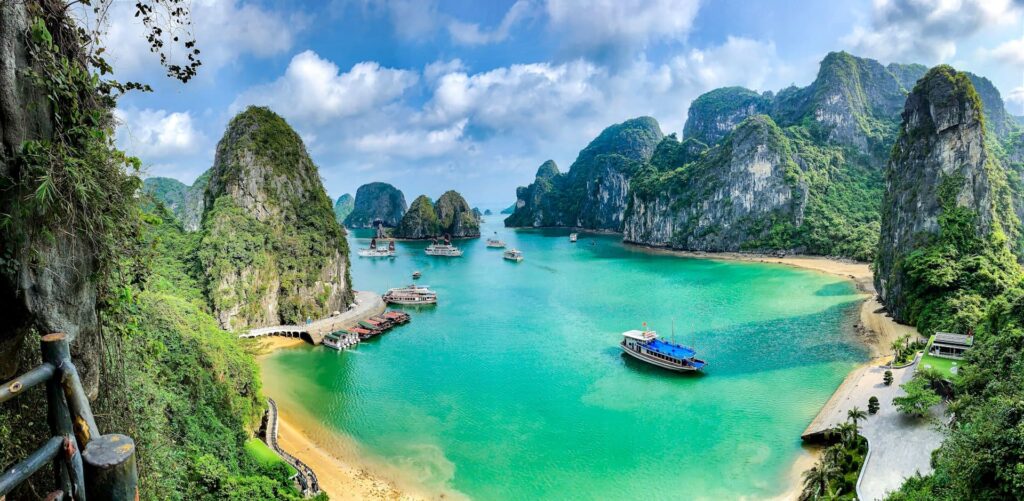
The complete Vietnam itinerary is the ultimate introduction to this diverse country. With two weeks, you can travel from north to south (or vice versa), experiencing mountains, cities, beaches, and river deltas while maintaining a comfortable pace.
Day-by-Day Breakdown
Day 1-3: Hanoi
Start with three days in the capital, allowing time for day trips to nearby attractions and full immersion in northern Vietnamese culture.
Day 4-5:
Take an overnight luxury cruise through the bay, including kayaking, cave visits, and sunset viewing from the deck.
Day 6-7: Hue
Fly to Hue and spend two days exploring imperial monuments, taking a dragon boat cruise, and sampling royal cuisine.
Day 8-10: Hoi An
Continue to Hoi An for three relaxed days. This extended stay allows for beach time, cooking classes, and multiple tailoring fittings.
Day 11-12: Ho Chi Minh City
Fly south to Vietnam’s most dynamic metropolis. Explore war history, French colonial architecture, and phenomenal street food.
Day 13-14: Mekong Delta OR Phu Quoc
Choose your finale: experience the Mekong Delta’s floating markets and rural life, or fly to Phu Quoc island for beach relaxation. Phu Quoc offers white-sand beaches, seafood restaurants, and numerous activities.
Highlights
- Comprehensive coverage of Vietnam’s most significant regions
- Balance between cultural immersion and relaxation
- Flexibility to customize the final days
- Opportunity to experience northern and southern Vietnamese cultures
Why This Route Works
Two weeks provides enough time to include Vietnam’s major highlights without exhausting daily travel. The north-to-south progression follows a logical geographic flow. Strategic flights (Hanoi to Hue, Hoi An to Ho Chi Minh City) eliminate backtracking while keeping costs reasonable.
Best Time to Go
February to April offers the most consistent weather across all regions on this route. While no season is perfect everywhere in Vietnam, spring provides pleasant temperatures from north to south with minimal rainfall.
How to Get Around
- Hanoi to Halong Bay: Shuttle bus with cruise (3.5 hours)
- Hanoi to Hue: Domestic flight (1.5 hours)
- Hue to Hoi An: Private car (3 hours)
- Hoi An/Da Nang to Ho Chi Minh City: Domestic flight (1.5 hours)
- Ho Chi Minh City to Mekong Delta: Private car or organized tour
- Ho Chi Minh City to Phu Quoc: Domestic flight (1 hour)
For additional destination ideas, consult our comprehensive guide to places to visit in Vietnam.
Practical Tips for All Vietnam Itineraries
Booking Domestic Flights
Vietnam’s main carriers include Vietnam Airlines, VietJet Air, and Bamboo Airways. Book flights in advance during peak season (December to March) to secure better prices. Popular routes like Hanoi to Da Nang or Ho Chi Minh City to Phu Quoc operate multiple times daily.
Train Travel
The Reunification Express connects Hanoi to Ho Chi Minh City, taking approximately 30 hours for the full journey. Overnight trains with sleeper cabins are popular for routes like Hanoi to Lao Cai (for Sapa access). Book berths through Vietnam Railways or reputable booking sites.
Visa Requirements
Many nationalities can enter Vietnam visa-free for 15 to 45 days, depending on citizenship. Check current requirements before travel, as regulations change periodically. E-visas are available for longer stays from most countries.
Currency and Costs
Vietnam uses the Vietnamese Dong (VND). Budget travelers can manage on $30-50 per day, mid-range travelers $70-120, and luxury travelers $200+. ATMs are widely available in cities and tourist areas. Credit cards are accepted in hotels and upscale restaurants but less common in smaller establishments.
Cultural Etiquette
Remove shoes when entering homes and some restaurants. Dress modestly when visiting temples and pagodas. Learn basic Vietnamese phrases like “xin chào” (hello) and “cảm ơn” (thank you) for warmer interactions with locals.
Conclusion – Top 5 Vietnam Itineraries
Choosing among these Vietnam itineraries depends on your available time, regional interests, and travel style. The 7-day routes offer concentrated experiences in either northern or central Vietnam, perfect for travelers with limited time or those combining Vietnam with other Southeast Asian destinations.
The 10-day itineraries provide a comfortable middle ground, allowing you to experience two major regions without feeling rushed. The north-to-central route suits adventure seekers and culture enthusiasts, while the south-to-central option appeals to food lovers and those preferring warmer climates.
The 14-day complete journey delivers the most comprehensive Vietnam experience, showcasing the country’s remarkable diversity from mountain villages to tropical beaches. This extended itinerary allows for spontaneous detours and deeper connections with places and people.
Regardless of which route you choose, Vietnam’s combination of stunning landscapes, rich history, incredible cuisine, and welcoming people ensures an unforgettable journey. Start planning your Vietnam adventure today with these tested itineraries as your foundation.
Frequently Asked Questions
Is 7 days enough to visit Vietnam?
Seven days allows you to explore one region of Vietnam thoroughly. You can cover northern highlights (Hanoi, Ninh Binh, Halong Bay) or central destinations (Da Nang, Hoi An, Hue) comfortably. While you won’t see the entire country, a focused 7-day itinerary provides a meaningful introduction to Vietnamese culture, cuisine, and landscapes.
Should I travel Vietnam north to south or south to north?
Both directions work well. North-to-south travel progresses from cooler to warmer weather, which many travelers prefer. South-to-north routes often finish in Hanoi, offering better international flight connections for some travelers. Consider weather patterns for your travel dates and which regions interest you most when deciding direction.
When is the best time to visit Vietnam?
Vietnam’s climate varies significantly by region. Generally, spring (February to April) and autumn (September to November) offer the most pleasant conditions nationwide. Northern Vietnam is ideal from October to April, central Vietnam from February to May, and southern Vietnam from December to April. No season is perfect everywhere simultaneously due to Vietnam’s length and varied geography.
Is it easy to travel between cities in Vietnam?
Yes, Vietnam’s tourist infrastructure is well-developed. Domestic flights connect major cities in 1-2 hours. Overnight trains serve popular routes. Private cars and buses link nearby destinations. The Reunification Express train offers a scenic alternative to flying for long distances. Grab (ride-sharing app) operates in most cities for local transportation.
How many internal flights do I need for a 14-day trip?
A typical 14-day north-to-south itinerary requires 2-3 internal flights. Common routes include Hanoi to Hue (or Da Nang), Da Nang to Ho Chi Minh City, and optionally Ho Chi Minh City to Phu Quoc. This combination of flying and ground transport balances efficiency with experiencing Vietnam’s landscapes. You can reduce flights by taking overnight trains, though this increases travel time.