
Staten Island remains one of New York City’s most underrated boroughs, offering visitors a perfect blend of natural beauty, cultural richness, and historical significance. If you’re planning your next urban adventure, discovering the top 9 attractions in Staten Island should be at the top of your list. This comprehensive Staten Island sightseeing guide will help you navigate everything from iconic landmarks to hidden gems, ensuring you make the most of your visit to this often-overlooked treasure.
Unlike the bustling streets of Manhattan or the hipster enclaves of Brooklyn, Staten Island offers a more relaxed pace while remaining easily accessible via the famous Staten Island Ferry a free ride that provides stunning views of the Statue of Liberty and Manhattan skyline. Whether you’re a nature enthusiast, history buff, or simply looking for unique things to do in Staten Island, this guide covers everything you need to know.
TL;DR – Quick Links to the Top 9 Things to Do in Staten Island
- Staten Island Ferry – (Google Maps)
- Snug Harbor Cultural Center & Botanical Garden – (Google Maps)
- Historic Richmond Town – (Google Maps)
- Staten Island Zoo – (Google Maps)
- South Beach & Franklin D. Roosevelt Boardwalk – (Google Maps)
- Fort Wadsworth – (Google Maps)
- Clove Lakes Park – (Google Maps)
- Jacques Marchais Museum of Tibetan Art – (Google Maps)
- Staten Island September 11 Memorial (Postcards) – (Google Maps)
1. Staten Island Ferry: Your Gateway to Adventure
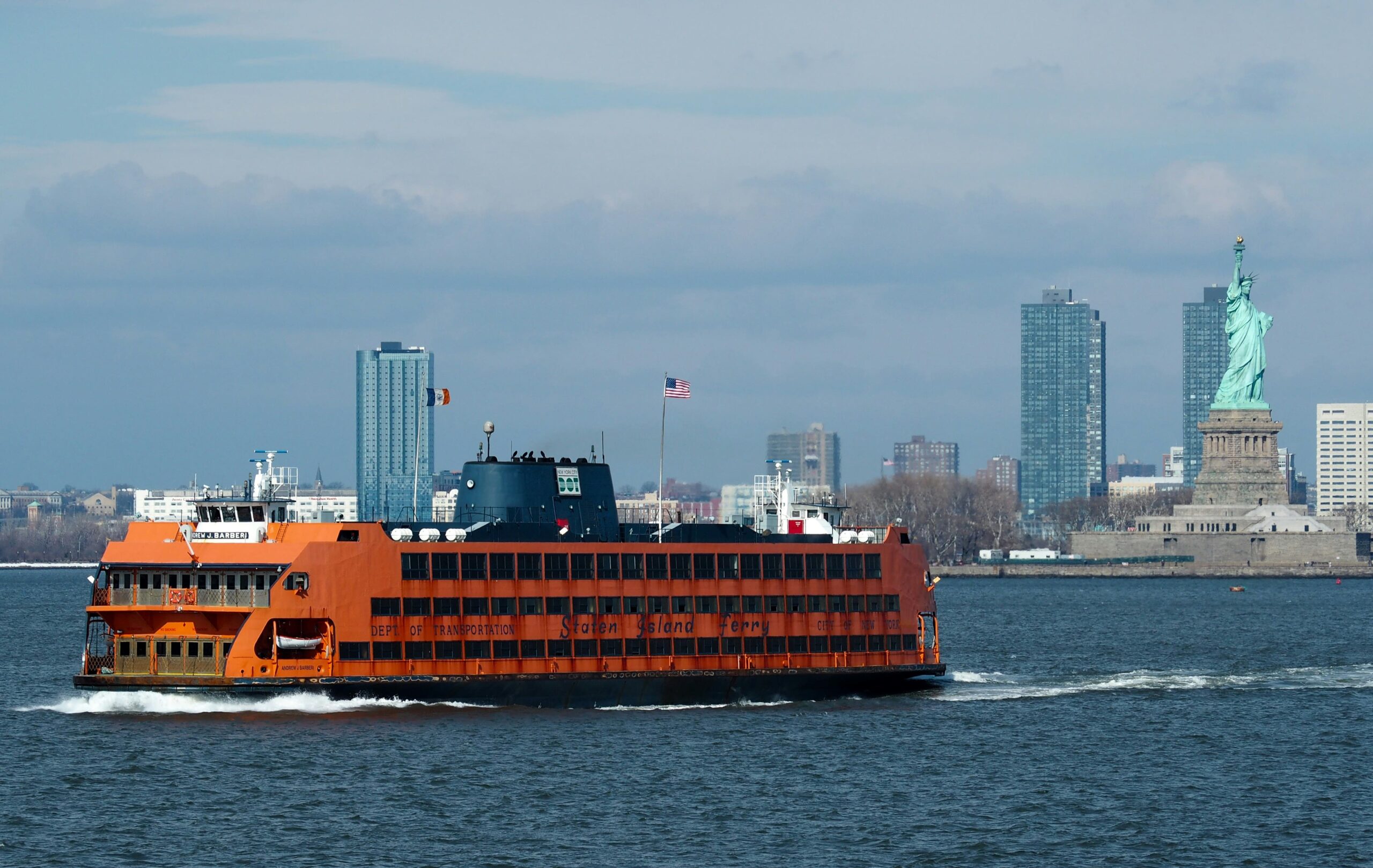
Before diving into the borough itself, let’s talk about how most visitors arrive: the Staten Island Ferry. This isn’t just transportation, it’s an attraction in itself and one of the best free experiences in New York City. The 25-minute journey offers unparalleled views of the Statue of Liberty, Ellis Island, and the Manhattan skyline, making it a photographer’s dream.
The ferry operates 24 hours a day, 365 days a year, with boats departing every 15-30 minutes during peak hours and every hour after midnight. Pro tip: Stand on the right side of the ferry (as you leave Manhattan) for the best Statue of Liberty views. The ferry is completely free in both directions, making it an essential part of your Staten Island travel tips toolkit.
Once you arrive at the St. George Terminal, you’ll find yourself at the doorstep of Staten Island’s attractions. The terminal itself has undergone recent renovations and features restaurants, shops, and an observation deck with panoramic harbor views.
2. Snug Harbor Cultural Center & Botanical Garden
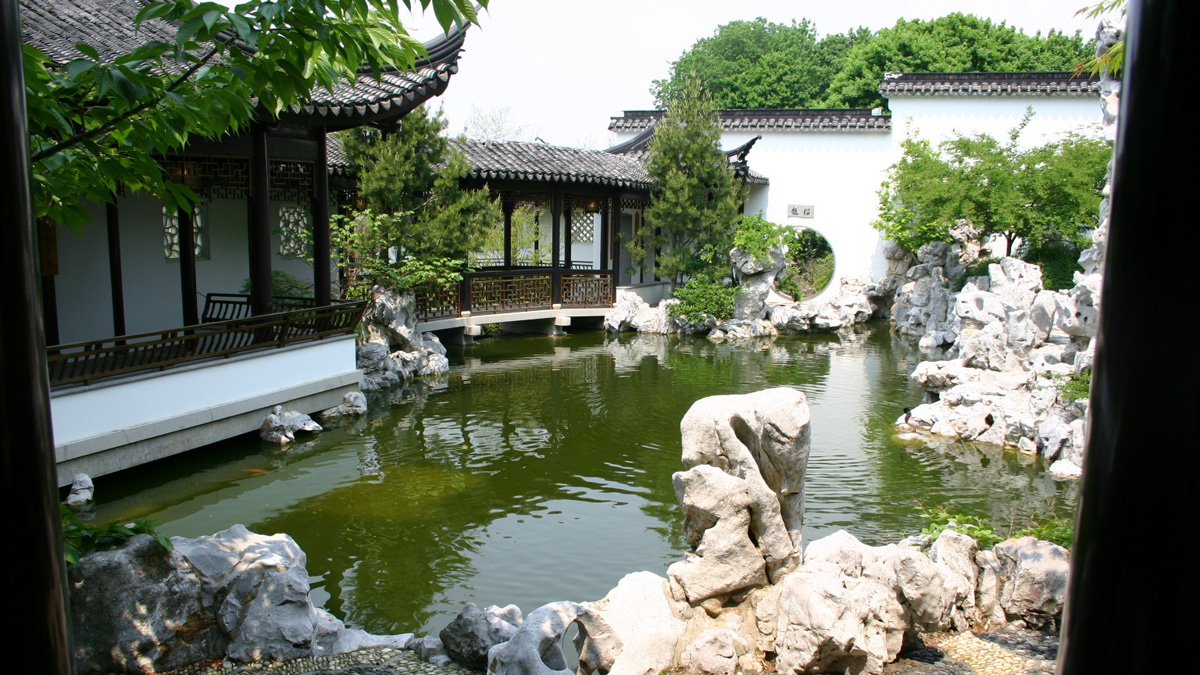
Topping any list of Staten Island must-see destinations is the Snug Harbor Cultural Center & Botanical Garden, a sprawling 83-acre campus that seamlessly blends art, culture, and nature. Originally founded in 1801 as a retirement home for sailors, this National Historic Landmark District has transformed into one of the most diverse cultural institutions in New York City.
The campus houses multiple botanical gardens, including the stunning Chinese Scholar’s Garden, one of only two authentic Chinese gardens in the United States. This tranquil space features traditional Ming Dynasty architecture, koi-filled ponds, bamboo groves, and carefully manicured landscapes that transport visitors to ancient Suzhou. The attention to detail is extraordinary, from the hand-carved lattice windows to the strategically placed scholar rocks.
Beyond the Chinese Scholar’s Garden, Snug Harbor offers the Secret Garden, featuring English perennial plantings; the Connie Gretz Secret Garden, designed specifically for children; the Heritage Rose Garden with over 3,000 rose plants; and the Tuscan Garden with Mediterranean-inspired plantings. The New York Chinese Scholar’s Garden alone requires at least an hour to fully appreciate, while art enthusiasts should allocate time for the Newhouse Center for Contemporary Art and the Noble Maritime Collection.
Practical information: Open year-round with seasonal hours. Admission to the grounds is free, though individual gardens charge a small fee (around $6 for adults). Combination tickets are available. Plan for at least 2-3 hours to explore the highlights.
3. Historic Richmond Town: Living History Museum

Step back in time at Historic Richmond Town, one of the most authentic living history villages in the country. This 100-acre outdoor museum complex features more than 30 historic buildings dating from the late 17th to early 20th centuries, most of which have been relocated to this site to preserve them.
Unlike typical museums where artifacts sit behind glass, Historic Richmond Town brings history to life through costumed interpreters who demonstrate period trades and crafts. Watch blacksmiths forge tools, printers set type on 19th-century presses, and historical cooks prepare meals using authentic recipes and techniques. The Voorlezer’s House, built around 1695, is the oldest surviving elementary schoolhouse in the United States.
The village represents over 300 years of Staten Island history and American life. Highlights include the General Store stocked with period goods, the Guyon-Lake-Tysen House (a Dutch Colonial farmhouse), the County Clerk’s and Surrogate’s Office, and various trade shops. Special events throughout the year include Civil War reenactments, colonial harvest festivals, and traditional holiday celebrations.
Practical information: Open Wednesday through Sunday, with limited winter hours. Admission is $10 for adults, $8 for seniors and students, and free for children under 5. Guided tours are included with admission. Allow 2-4 hours, depending on your interest level in history.
4. Staten Island Zoo: Compact but Mighty
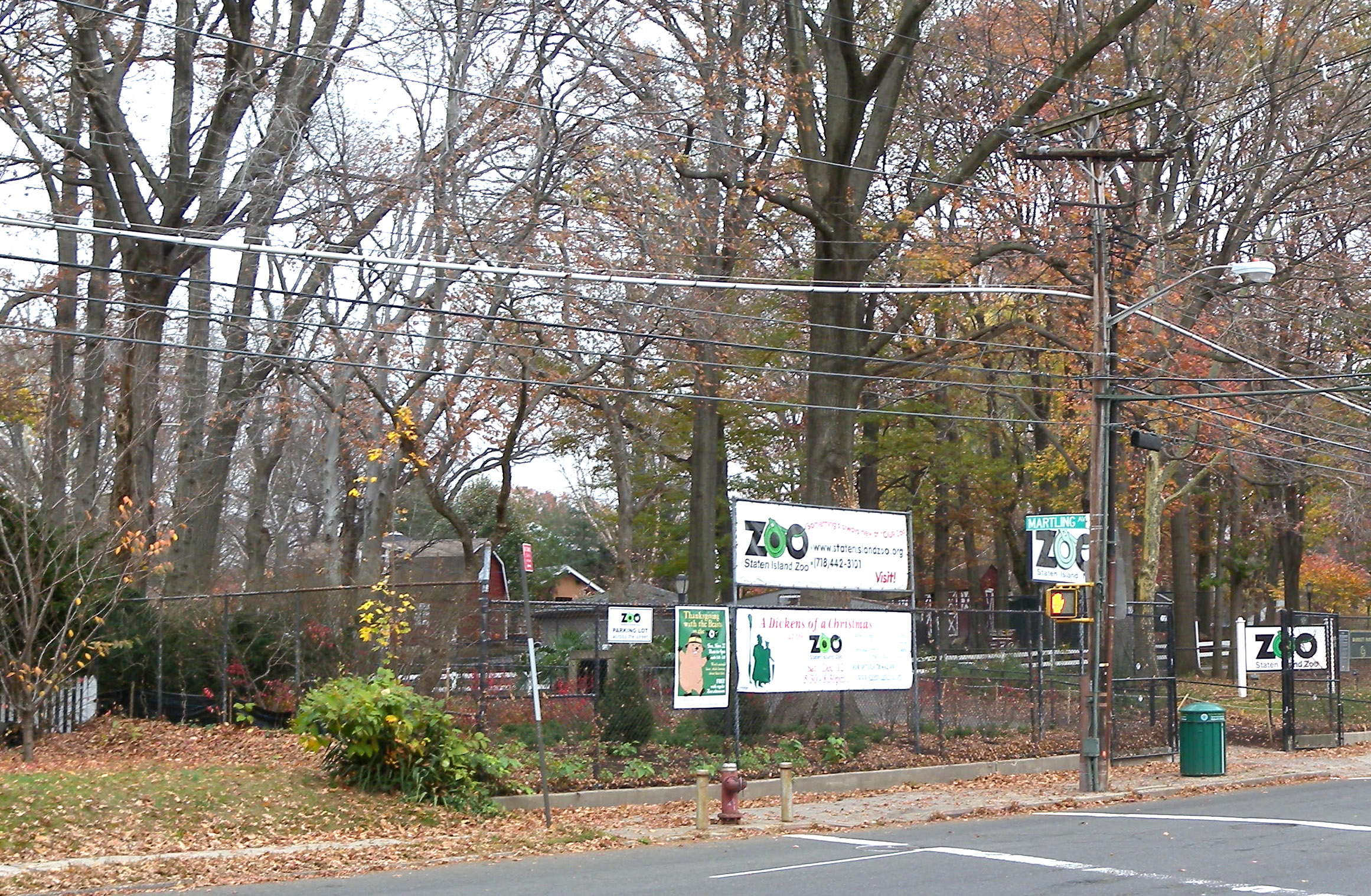
Don’t let its modest 8-acre size fool you; the Staten Island Zoo packs an impressive punch for animal lovers. Established in 1936, this intimate zoo is particularly renowned for its reptile collection, one of the most extensive in the United States. The Carl Kauffeld Serpentarium houses rattlesnakes from every species native to the United States, along with exotic species from around the world.
The zoo’s Tropical Forest exhibit recreates a rainforest habitat complete with free-flying birds, poison dart frogs, and African leopards. The aquarium section showcases both freshwater and marine species, while the farm area allows children to interact with domestic animals. The zoo has made significant conservation commitments, participating in Species Survival Plans for several endangered species.
What makes the Staten Island Zoo particularly appealing is its manageable size, perfect for families with young children who might get overwhelmed at larger zoos. You can see the entire collection in 1.5-2 hours without feeling rushed, making it an ideal morning or afternoon activity.
Practical information: Open daily except Thanksgiving and Christmas. Admission is $12 for adults, $9 for children (ages 3-14), free for children under 3. The zoo offers free admission on Wednesdays after 2 PM. Parking is available on-site.
5. South Beach and Franklin D. Roosevelt Boardwalk
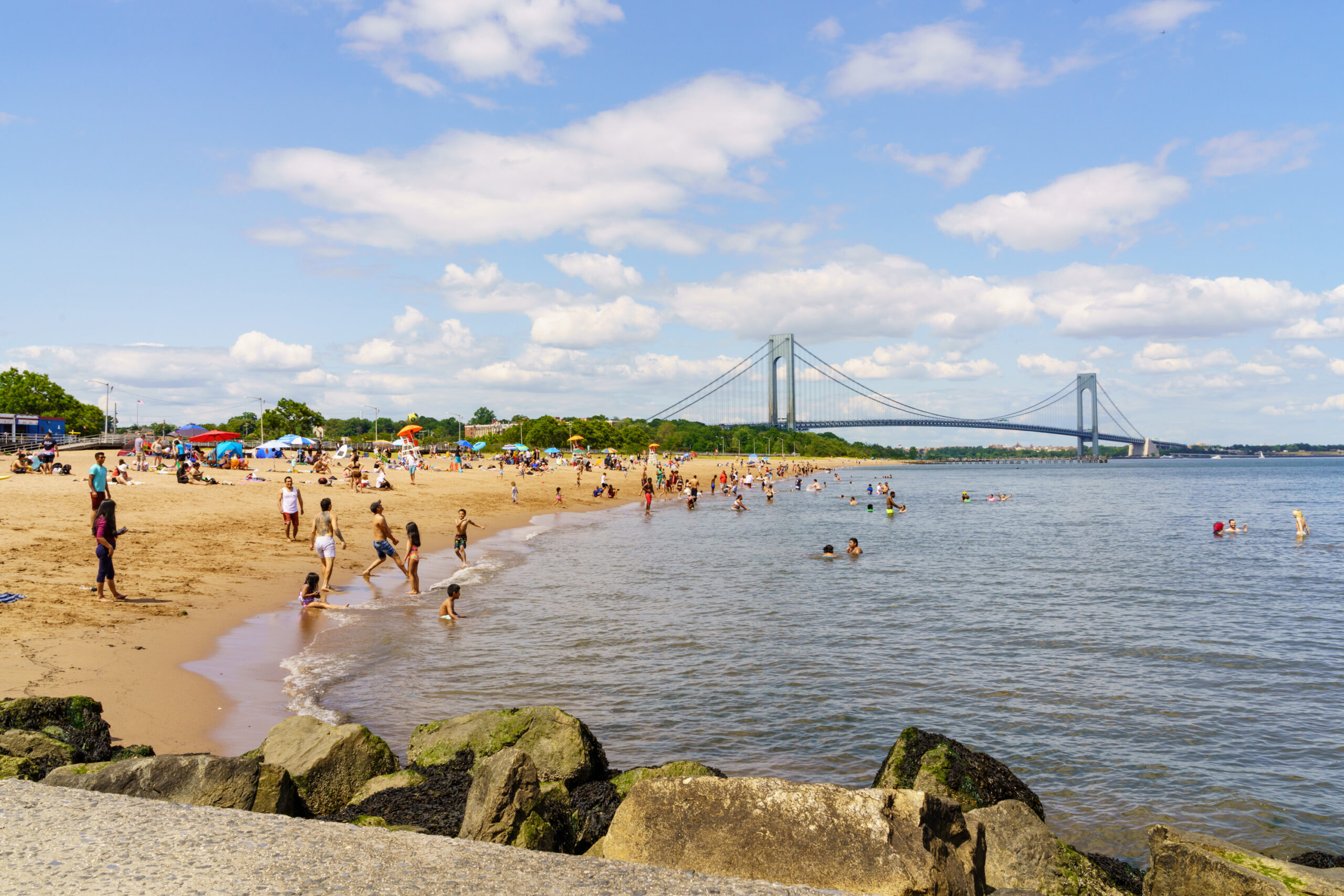
When it comes to things to do in Staten Island that involve sun, sand, and surf, South Beach and the Franklin D. Roosevelt Boardwalk deliver. This 2.5-mile boardwalk stretches along Staten Island’s eastern shore, offering breathtaking views across the Verrazano-Narrows Bridge and Lower New York Bay. Top 9 Attractions in Staten Island: South Beach
The boardwalk, built in the 1930s as a New Deal project, has been beautifully maintained and renovated. It’s wider than the famous Coney Island boardwalk and far less crowded, making it perfect for joggers, cyclists, and families with strollers. Fitness enthusiasts will appreciate the outdoor exercise equipment stations along the route, while benches and gazebos provide rest spots with spectacular water views.
South Beach itself features a sandy shoreline that’s popular for swimming during the summer months (June through September). The beach is clean and well-maintained by the Parks Department, with lifeguards on duty during the official beach season. Ocean Breeze Fishing Pier extends into the water, offering anglers a prime spot to cast their lines without needing a boat.
As the sun sets, the boardwalk transforms into a romantic promenade with the Manhattan skyline twinkling in the distance. Local food vendors set up carts selling Italian ices, hot dogs, and other boardwalk classics. The nearby neighborhoods offer authentic ethnic restaurants, particularly Italian and Sri Lankan cuisines.
Practical information: The boardwalk is open 24/7 and free to access. Beach season runs from Memorial Day through Labor Day with lifeguards on duty. Free parking is available on nearby streets, though it fills up quickly on summer weekends. Arrive early or visit on weekdays for the best experience.
6. Fort Wadsworth: Military History with Million-Dollar Views
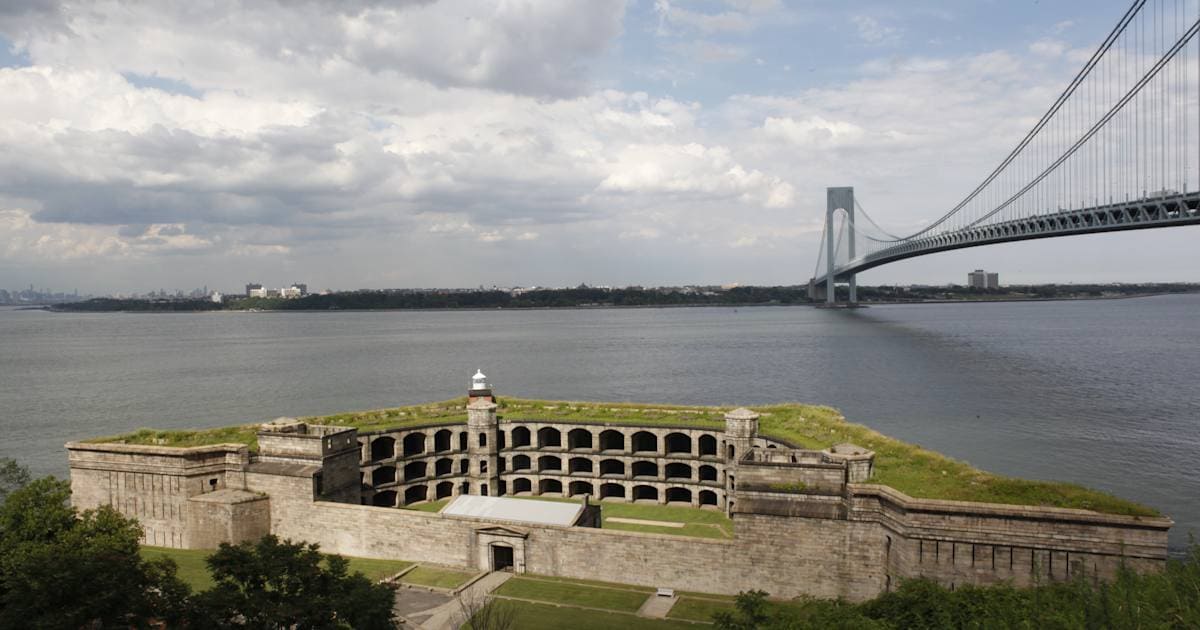
Perched on a bluff overlooking the Narrows, the strait connecting Upper New York Bay with Lower New York Bay, Fort Wadsworth offers both historical significance and some of the most spectacular views in New York City. This military installation has guarded New York Harbor since before the American Revolution, making it one of the longest continuously garrisoned military sites in the country.
The fort’s strategic location made it crucial for harbor defense through multiple wars. Battery Weed, a granite fortress completed in 1861, showcases impressive military architecture with its three tiers of gun emplacements. Above it sits Fort Tompkins, which offered additional defensive positions. While many of the buildings are still undergoing restoration, the National Park Service offers ranger-led tours that bring the site’s military history to life.
What truly sets Fort Wadsworth apart from other hidden gems in Staten Island is its unobstructed views. Stand beneath the Verrazano-Narrows Bridge’s massive towers and watch container ships pass through the Narrows. On clear days, you can see all the way to Sandy Hook, New Jersey. The site includes hiking trails through coastal forest and meadow habitats, popular with birdwatchers during migration seasons.
Practical information: Free admission and parking. The visitor center operates limited hours, typically Thursday through Sunday, but the grounds and trails are accessible daily from dawn to dusk. Guided tours are available on weekends during warmer months. Combined visits with nearby attractions make efficient use of time.
7. Clove Lakes Park: Urban Wilderness

For nature lovers seeking things to do in Staten Island away from tourist crowds, Clove Lakes Park offers 193 acres of serene woodland, meadows, and three picturesque lakes. This hidden gem sits in the geographic center of Staten Island, providing a peaceful escape that feels worlds away from urban life. Top 9 Attractions in Staten Island: Clove Lakes Park
The park’s centerpiece is the chain of three lakes, Clove Lake, Brooks Lake, and Martling Lake, formed by damming Clove Creek. These waters attract diverse wildlife, including swans, geese, ducks, herons, and numerous songbird species. The park is particularly beautiful during autumn when the surrounding forest erupts in brilliant fall colors.
Walking and jogging trails wind through the park, ranging from easy lakeside strolls to more challenging woodland paths. The Ice Skating Rink operates during the winter months, while the playground and picnic areas make it perfect for family outings. Fishing is permitted in the lakes (with proper New York State licenses), with bass, catfish, and sunfish among the catches.
Clove Lakes Park also holds historical significance. The area was once home to clay pits that supplied materials for pottery and brickmaking in the 19th century. Remnants of this industrial past can still be spotted by observant visitors.
Practical information: Open daily from dawn to dusk. Free admission and parking. The park can be accessed from multiple points. Victory Boulevard and Clove Road are the main entrances. Best visited during weekday mornings for the most peaceful experience. Bring insect repellent during the summer months.
8. Jacques Marchais Museum of Tibetan Art
Among the most unexpected hidden gems in Staten Island is the Jacques Marchais Museum of Tibetan Art, the first museum in the United States dedicated to Tibetan art and culture. Perched on a hillside in the Lighthouse Hill neighborhood, this unique institution houses one of the largest collections of Himalayan artifacts outside of Asia.
The museum was founded by Jacques Marchais (born Jacqueline Klauber), an art dealer and collector who never visited Tibet but developed a passionate interest in its spiritual and artistic traditions. The buildings themselves are modeled after a Tibetan mountain monastery, with stone walls, terraced gardens, and traditional architectural details creating an authentic atmosphere.
Inside, the collection spans more than 1,000 years and includes thangka paintings, bronze sculptures, ritual objects, musical instruments, and decorative arts. The meditation garden features a koi pond, waterfall, and plantings chosen for their significance in Buddhist symbolism. The peaceful setting encourages contemplation and provides stunning views across the Lower New York Bay.
Throughout the year, the museum hosts cultural events, meditation sessions, lectures, and performances that explore Tibetan and broader Himalayan cultures. The annual Tibetan Festival, typically held in October, features traditional music, dance, food, and crafts.
Practical information: Open Wednesday through Sunday, with limited winter hours. Admission is $6 for adults, $5 for seniors, $3 for students and children over 6. The hilltop location requires climbing stairs, so it may not be suitable for visitors with mobility limitations. Allow 1-2 hours for your visit.
9. Staten Island September 11 Memorial (Postcards)
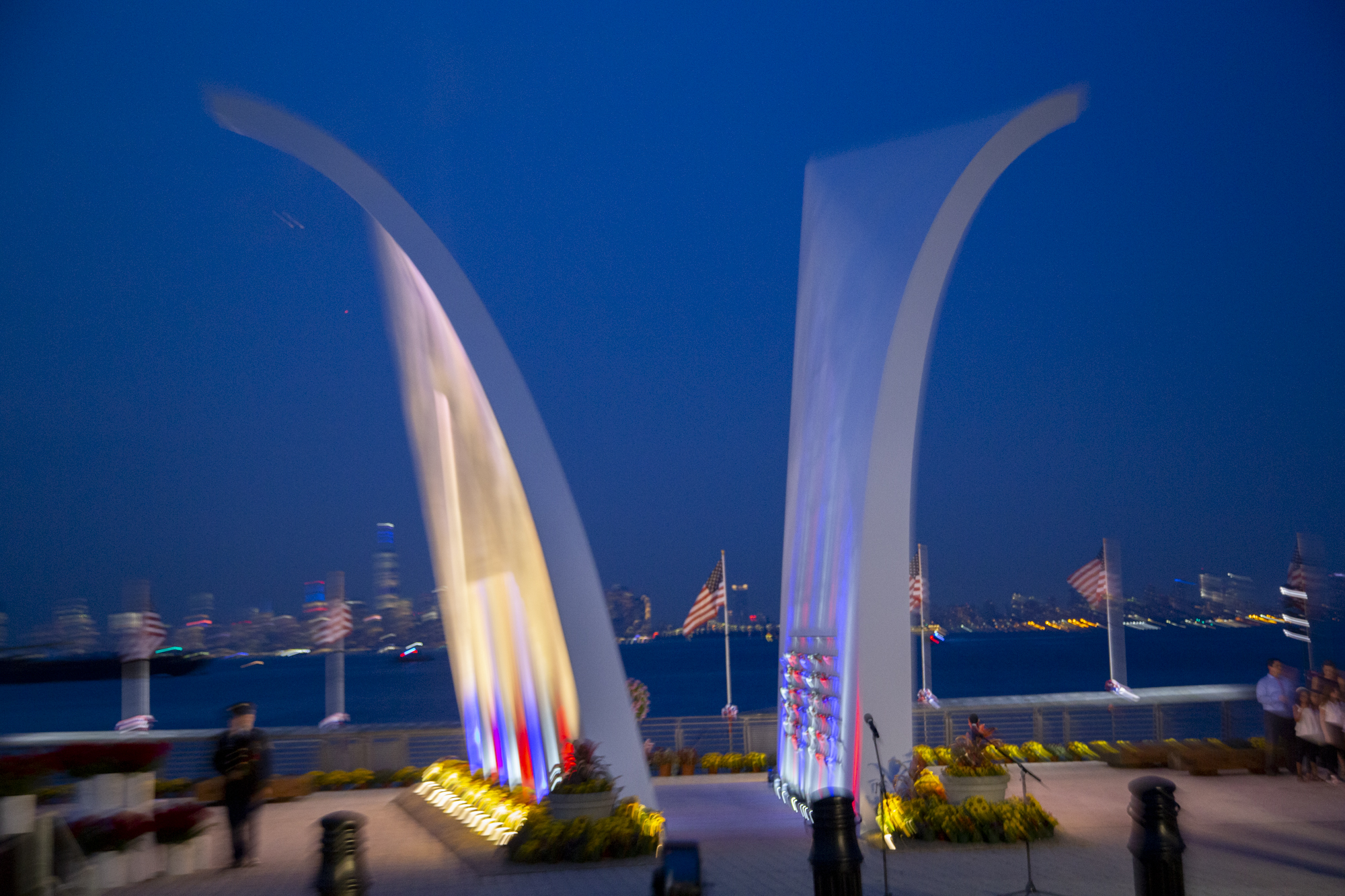
The Staten Island September 11 Memorial, officially titled “Postcards,” serves as a poignant tribute to the 274 Staten Island residents who lost their lives in the September 11 attacks the largest loss of any New York City neighborhood. Located in Bank Street Park at the St. George waterfront, this memorial stands as one of the most moving 9/11 memorials in the city.
Designed by architect Masayuki Sono, the memorial features two white granite wings rising 40 feet into the air, creating a symbolic postcard shape. The wings frame the view across the harbor to where the Twin Towers once stood, with the silhouettes cut out of the granite allowing visitors to see the skyline through the memorial itself. At sunset, the effect is particularly powerful as light filters through these symbolic voids.
The memorial includes a walking path lined with descriptive plaques that detail the events of September 11 and honor the victims. The setting, with unobstructed water views and the constant presence of the ferry boats arriving and departing, creates a contemplative space that encourages reflection.
Practical information: Free and accessible 24 hours a day. Located within easy walking distance (about 5 minutes) from the Staten Island Ferry terminal at St. George. The memorial is integrated into a waterfront esplanade that makes for pleasant walking. Allow 15-30 minutes for a meaningful visit.
Staten Island Travel Tips: Making the Most of Your Visit
Getting Around Staten Island
While the Staten Island Ferry is free and convenient for reaching the borough, getting around once you arrive requires some planning. The Staten Island Railway (SIR) runs along the eastern shore from St. George to Tottenville, providing free transfers from the ferry. However, many attractions are not directly accessible by public transit.
Bus service connects major attractions, but routes can be infrequent compared to other boroughs. For visitors wanting to see multiple Staten Island must-see destinations in one day, renting a car or using ride-sharing services is most efficient. Taxis and Uber/Lyft are readily available, especially near the ferry terminal and major attractions.
For active visitors, bike rentals are available near the St. George Ferry Terminal, and Staten Island’s quieter streets make cycling more pleasant than in other boroughs. The South Beach Boardwalk and Greenbelt trail system offer excellent car-free routes for exploration.
How Long Should You Stay?
A dedicated day trip can cover 3-4 major attractions, particularly if they’re geographically clustered. For a more relaxed pace that includes the top 9 attractions in Staten Island, consider dedicating a full weekend. This allows time for unexpected discoveries and prevents the rushed feeling that comes from trying to see too much in too little time.
Many visitors combine Staten Island with a broader New York City itinerary, treating it as a day trip from Manhattan accommodations. However, staying overnight on Staten Island itself offers advantages; hotels are generally less expensive than in Manhattan, and you’ll experience the borough from a local perspective.
Budget Considerations
Staten Island offers exceptional value compared to more tourist-heavy areas of New York City. The free ferry ride alone saves money while providing spectacular views. Many attractions have modest admission fees or are completely free (Fort Wadsworth, Clove Lakes Park, the 9/11 Memorial).
Dining on Staten Island is notably more affordable than in Manhattan, with family-owned restaurants serving generous portions at reasonable prices. The borough’s diverse immigrant communities mean authentic international cuisines, particularly Italian, Sri Lankan, Mexican, and Albanian, are readily available at a fraction of Manhattan prices.
Best Times to Visit
Staten Island is a year-round destination, with each season offering distinct advantages. Spring (April-May) brings blooming gardens at Snug Harbor and comfortable temperatures for walking tours. Summer (June-August) is ideal for beach activities and outdoor events, though weekends can be crowded. Fall (September-October) offers spectacular foliage in parks and gardens with fewer visitors. Winter (December-February) provides a quiet, intimate experience, though some attractions have reduced hours.
Weekdays are significantly less crowded than weekends at popular attractions. If your schedule permits, visiting Tuesday through Thursday provides the best combination of open attractions and manageable crowds.
What to Bring
Comfortable walking shoes are essential you’ll do more walking than you might expect, especially at sprawling sites like Snug Harbor and Historic Richmond Town. Weather can change quickly near the water, so layered clothing is advisable. Don’t forget sunscreen and hats for summer visits, as many attractions involve significant outdoor time.
Camera enthusiasts should bring extra batteries and memory cards Staten Island offers countless photo opportunities from harbor views to architectural details to garden landscapes. A reusable water bottle and snacks are practical additions since some attractions have limited food services.
Hidden Gems Worth Seeking Out
Beyond our top 10 list, Staten Island harbors numerous lesser-known treasures. The Conference House, where Benjamin Franklin attempted to negotiate peace with the British in 1776, sits at the southern tip of the island. The Greenbelt consists of 2,800 acres of forests, wetlands, and hiking trails Staten Island’s wilderness heart. The Staten Island Museum at Snug Harbor showcases natural science, art, and history collections.
Food enthusiasts should explore Sri Lankan restaurants along Victory Boulevard (earning it the nickname “Little Sri Lanka”), authentic Italian bakeries in neighborhoods like Rosebank and Great Kills, and Mexican groceries and taquerias that serve Staten Island’s growing Latin American community.
Combining Attractions Efficiently
Geographic clustering can maximize your time. Group 1: Start with the ferry, visit the 9/11 Memorial at St. George, then head to Snug Harbor (15 minutes by car). Group 2: Combine South Beach/Boardwalk with Fort Wadsworth (adjacent) and Alice Austen House (5 minutes away). Group 3: Historic Richmond Town, Staten Island Zoo, and Clove Lakes Park form a central cluster.
Local Etiquette and Cultural Considerations
Staten Island has a strong sense of local identity and community pride. Residents appreciate visitors who show genuine interest in the borough beyond surface-level tourism. When visiting residential neighborhoods to reach attractions, be respectful of private property and parking regulations.
The borough’s diverse communities each maintain distinct cultural traditions. When visiting ethnic restaurants or shops, approach with curiosity and respect. Many business owners are happy to share information about their cuisines and cultures with interested visitors.
Seasonal Events and Festivals
Staten Island’s cultural calendar includes numerous events that showcase the borough’s character. The Richmond County Fair, held annually in early September at Historic Richmond Town, is New York City’s only authentic county fair, complete with agricultural exhibits, carnival rides, and live entertainment. The Festival of Lights at Snug Harbor transforms the gardens into a winter wonderland each December.
The St. George Theatre, a restored 1920s movie palace, hosts concerts, comedy shows, and theatrical performances throughout the year. The summer concert series at various parks offers free entertainment ranging from classical music to rock bands.
Food festivals celebrate Staten Island’s culinary diversity the Sri Lankan Festival, Italian Heritage Festival, and various food truck gatherings provide opportunities to sample global cuisines without leaving the borough.
Family-Friendly Activities
Staten Island excels as a family destination with attractions appealing to all ages. The Staten Island Children’s Museum at Snug Harbor offers hands-on exhibits designed for children under 10. Historic Richmond Town’s interactive demonstrations engage young visitors more effectively than traditional museums. The zoo’s manageable size prevents the overwhelming exhaustion that larger zoos can cause.
South Beach and the boardwalk provide classic summer family fun without the chaos of Coney Island. Clove Lakes Park offers playgrounds, picnic areas, and wildlife viewing opportunities. Many attractions offer family programming, especially during school vacation periods and summer months.
Accessibility Considerations
Most major Staten Island attractions have made significant improvements for visitors with mobility limitations. The Staten Island Ferry is fully accessible with elevator access and designated seating areas. Snug Harbor’s main grounds are navigable by wheelchair, though some garden paths have uneven surfaces.
Historic Richmond Town’s historic buildings present accessibility challenges due to their age and authenticity; many feature stairs and narrow doorways. The museum provides accessibility information on its website and can arrange modifications for visitors who call ahead.
Public transportation accessibility varies; the Staten Island Railway is fully accessible, but not all bus routes have accessible vehicles. Planning and checking accessibility features before visiting ensures a smoother experience.
Photography Opportunities
For photography enthusiasts, Staten Island offers endless opportunities. The ferry ride provides iconic Manhattan skyline and Statue of Liberty shots. The Chinese Scholar’s Garden at Snug Harbor delivers intricate architectural details and serene landscape compositions. Historic Richmond Town allows period architecture photography that could pass for colonial-era images.
South Beach and the boardwalk shine during golden hour, with the Verrazano-Narrows Bridge and Manhattan skyline creating dramatic backdrops. Fort Wadsworth’s elevation provides unique harbor perspectives. The Alice Austen House honors photography’s history while offering contemporary photo opportunities from its waterfront grounds.
Dining Recommendations
Staten Island’s food scene reflects its cultural diversity. For Italian cuisine the borough’s dominant culinary tradition try family-run restaurants in neighborhoods like Rosebank, Dongan Hills, and Great Kills. Red sauce classics share menu space with regional Italian specialties rarely found elsewhere in New York.
The concentration of Sri Lankan restaurants along Victory Boulevard offers authentic dishes like kottu roti, hoppers, and lampries at incredibly reasonable prices. Mexican taquerias throughout the borough serve fresh, flavorful food to Staten Island’s growing Latin American communities.
Waterfront dining options near South Beach and the St. George Ferry Terminal combine views with quality food. For casual meals, authentic Italian bakeries offer sandwiches on fresh-baked bread, pastries, and excellent coffee at prices that seem frozen in time.
Why Staten Island Deserves Your Time
The top 9 attractions in Staten Island represent just the beginning of what this remarkable borough offers visitors willing to venture beyond Manhattan’s familiar streets. From the cultural richness of Snug Harbor to the living history of Richmond Town, from pristine beaches to moving memorials, Staten Island delivers diverse experiences that rival any New York City destination.
What sets Staten Island apart is its authentic character. This isn’t a borough that has reinvented itself for tourists. The attractions, restaurants, and neighborhoods remain genuinely connected to local communities and traditions. Visitors experience New York City through a different lens, one that values space, greenery, and community connections alongside cultural institutions and historical sites.
The accessibility via free ferry service makes Staten Island an economical choice for budget-conscious travelers, while the relative lack of crowds means you can actually enjoy attractions without fighting through tourist masses. Whether you’re a first-time visitor to New York City looking to experience a less hectic side of the metropolis or a returning traveler seeking discoveries, the things to do in Staten Island provide memorable experiences that challenge preconceptions about this often-overlooked borough.
As you plan your visit, remember that Staten Island rewards those who approach it with curiosity and openness rather than a checklist mentality. The borough’s hidden gems reveal themselves to visitors who take time to wander, converse with locals, and appreciate the unique character that makes Staten Island unlike anywhere else in New York City.
Start planning your Staten Island adventure today. The ferry awaits, and these top 10 attractions are calling your name. You’ll discover that Staten Island isn’t just worth visiting; it’s an essential New York City experience that too many travelers miss.