
Planning a family vacation can feel overwhelming, especially when you’re considering destinations halfway across the world. But Vietnam stands out as one of Southeast Asia’s most rewarding family travel destinations, offering a rare combination of safety, accessibility, cultural richness, and natural beauty that keeps both parents and children engaged.
From the bustling streets of Hanoi to the emerald waters of Ha Long Bay, from the lantern-lit charm of Hoi An to the pristine beaches of Nha Trang, Vietnam delivers experiences that create lasting family memories without the stress that often accompanies international travel with kids.
This comprehensive guide explores the top 10 family-friendly places in Vietnam, providing detailed insights into what makes each destination special, practical tips for visiting with children, and advice on building an itinerary that balances adventure with relaxation.
TL;DR: Quick Navigation to Top Family Destinations
Northern Vietnam:
- Hanoi – Cultural immersion, museums, lakes
- Ha Long Bay – Overnight cruises, caves, kayaking
- Ninh Binh – Countryside boat rides, cycling
Central Vietnam:
- Da Nang – Beach resorts, theme parks
- Hoi An – Ancient town, cooking classes
- Hue – Imperial history, river cruises
- Phong Nha – Cave exploration, nature
Southern Vietnam:
- Nha Trang – Beach fun, VinWonders theme park
- Da Lat – Cool highlands, farms
- Ho Chi Minh City – Urban culture, Mekong Delta access
Why Vietnam Works Brilliantly for Family Travel
Vietnam has become increasingly popular among families, and the statistics back this up. According to the Vietnam National Administration of Tourism, the country welcomed over 12.6 million international visitors in 2023, with family travelers representing a growing segment seeking authentic cultural experiences combined with modern amenities.
Several factors make Vietnam particularly family-friendly:
Safety and hospitality: Vietnamese culture places children at the center of family life, and this warmth extends to visitors. Locals are genuinely delighted to interact with children, often going out of their way to help families navigate unfamiliar situations.
Affordable luxury: Your travel budget stretches further in Vietnam than in many Western destinations. Quality family-friendly resorts, private tours, and excellent dining options remain accessible for middle-income families.
Diverse experiences: Within a single trip, families can experience ancient temples, UNESCO World Heritage sites, tropical beaches, mountain landscapes, and vibrant cities without the exhausting travel times common in larger countries.
Food accessibility: While Vietnamese cuisine is flavorful and unique, it’s generally mild enough for children’s palates. Fresh spring rolls, pho noodle soup, grilled meats, and tropical fruit smoothies provide familiar textures with interesting new flavors.
Now let’s explore the top 10 destinations that make Vietnam family holidays truly special.
1. Hanoi: Cultural Gateway to the North
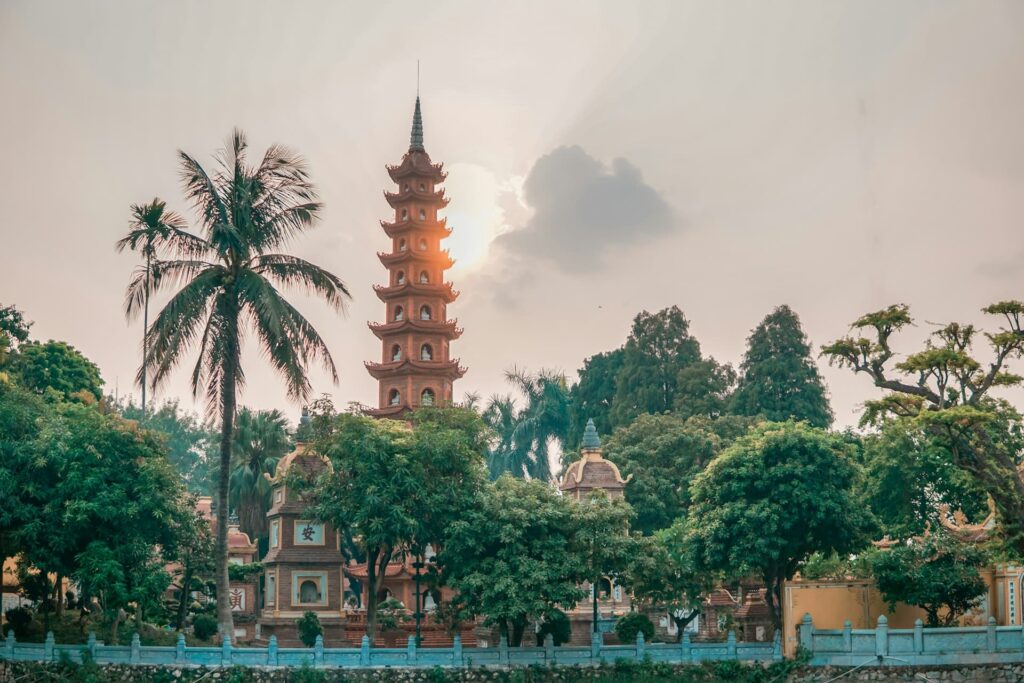
Hanoi serves as the perfect introduction to Vietnamese culture, offering families a manageable blend of history, green spaces, and child-friendly attractions within a compact, walkable area.
Why Hanoi Works for Families
Vietnam’s capital strikes a balance between exotic appeal and practical accessibility. The Old Quarter’s 36 streets buzz with energy that older children find exciting, while Hoan Kiem Lake provides a peaceful retreat where younger kids can run freely as locals practice tai chi at dawn.
The city’s layout centers around several lakes and parks, creating natural breaks between cultural activities. This rhythm prevents the overwhelming feeling that sometimes accompanies urban exploration with children.
Top Family Activities
Water Puppet Theatre remains one of Hanoi’s most child-friendly cultural experiences. These traditional performances combine Vietnamese folk tales with colorful puppets that dance across a water stage, accompanied by live traditional music. Shows last about 50 minutes, perfect for maintaining children’s attention.
The Vietnam Museum of Ethnology ranks among Asia’s finest anthropological museums and presents Vietnam’s 54 ethnic groups through interactive exhibits, traditional houses, and cultural demonstrations. Children especially enjoy the outdoor section featuring full-scale traditional dwellings from different regions.
Train Street has become one of Hanoi’s most photographed locations, though families should view it from designated cafés rather than walking on the tracks. The sight of trains passing within inches of buildings fascinates kids and provides a glimpse into everyday Hanoi life.
For more activities, explore our detailed guide to the top 15 things to do in Hanoi.
Practical Details
Best time to visit Hanoi: October through April offers cooler, drier weather ideal for walking tours and outdoor activities.
Getting there: Noi Bai International Airport serves daily flights from major Asian hubs and select international destinations.
Family tip: Stay near Hoan Kiem Lake for easy access to attractions and a variety of family-friendly restaurants.
2. Ha Long Bay: Limestone Wonders and Family Cruises
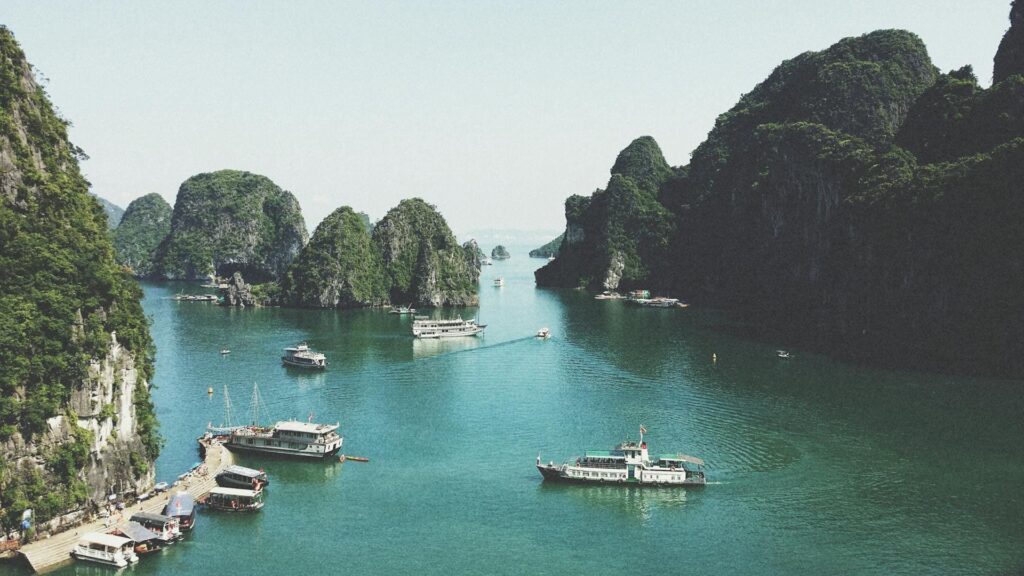
Ha Long Bay presents one of Southeast Asia’s most spectacular natural landscapes, with nearly 2,000 limestone karsts rising dramatically from emerald waters, creating a dreamlike seascape that looks plucked from a fantasy film.
Why Families Love Ha Long Bay
Overnight cruises provide structured, safe environments where families can relax while experiencing multiple activities. Modern cruise boats offer spacious family cabins, attentive staff, and carefully planned itineraries that balance adventure with downtime.
Children particularly enjoy the gentle adventure aspect: kayaking through calm bays, exploring massive caves filled with stalactites and stalagmites, watching the sunset from the top deck, and even participating in cooking demonstrations.
The contained environment of a cruise ship works brilliantly for families with younger children, eliminating concerns about losing sight of kids in crowded tourist areas while still delivering exciting experiences.
Must-Do Activities
Sung Sot Cave (Surprise Cave) ranks among Ha Long Bay’s most impressive caverns. The vast chambers filled with naturally formed sculptures captivate children’s imaginations, while the well-maintained pathways and lighting make exploration safe and accessible.
Kayaking excursions through hidden lagoons and around limestone formations provide active fun suitable for children aged five and up. Guides accompany all groups, and the calm, protected waters create a safe environment for first-time kayakers.
Swimming and beach time on cruise itineraries gives families a chance to cool off and play in the bay’s clear waters, typically at beaches accessible only by boat.
For cruise options, check our guide to the top 8 best Ha Long Bay cruises and tours.
Practical Details
Best time to visit: March through May and October through November offer pleasant weather with fewer crowds than peak summer months.
Getting there: Most cruises depart from ports 3 to 4 hours from Hanoi. Many operators include shuttle bus transfers, or families can book private cars for more comfort and flexibility.
Family tip: Book at least a two-night cruise if time allows. The extra day means a more relaxed pace and the opportunity to explore Lan Ha Bay or Bai Tu Long Bay, quieter alternatives to the main Ha Long area.
3. Ninh Binh: Ha Long Bay on Land
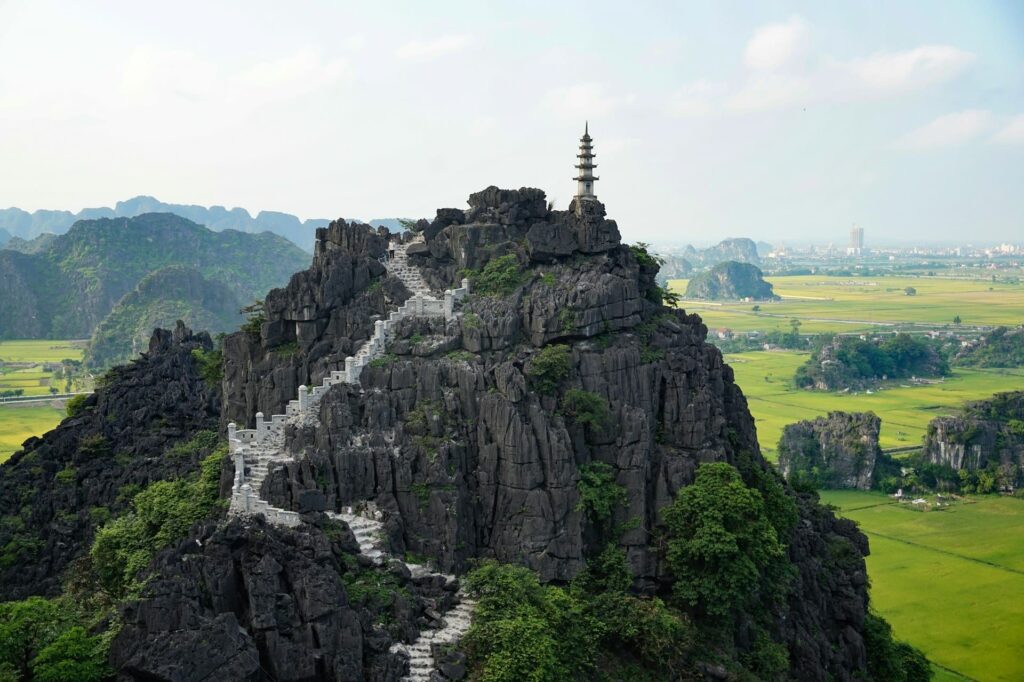
Often called “Ha Long Bay on land,” Ninh Binh offers stunning limestone karst landscapes rising from vast rice paddies, creating a peaceful countryside escape just two hours from Hanoi’s urban energy.
Why Ninh Binh Suits Families
The province’s star attractions revolve around gentle boat rides through flooded caves and past towering karsts, making it perfect for families with younger children who might find more adventurous activities challenging.
Tam Coc and Trang An boat tours accommodate families comfortably in small rowboats, with local rowers (often using their feet to paddle) guiding you through spectacular scenery at a leisurely pace. These 1.5 to 2-hour journeys feel magical for children without requiring physical exertion or concentration.
The flat terrain makes Ninh Binh excellent for family cycling adventures through rice paddies and traditional villages, offering authentic glimpses of rural Vietnamese life.
Top Family Experiences
Trang An Scenic Landscape Complex, a UNESCO World Heritage Site, combines natural beauty with cultural significance. The boat journey passes through nine caves and visits several temple sites built into cliff faces, creating variety that keeps children engaged throughout the tour.
Mua Cave viewpoint rewards families with older children (who can manage the 500-step climb) with panoramic views across Ninh Binh’s dramatic landscape. The ascent takes about 30 minutes at a moderate pace.
Hoa Lu Ancient Capital provides historical context as Vietnam’s capital in the 10th and 11th centuries, with well-preserved temples set against the backdrop of limestone mountains.
Discover more activities in our top 10 things to do in Ninh Binh guide.
Practical Details
Best time to visit: February through May showcases the rice paddies at their greenest, creating the most photogenic landscapes.
Getting there: Two hours by car or train from Hanoi makes Ninh Binh an easy day trip, though staying overnight allows for a more relaxed exploration.
Family tip: Start boat tours early morning to avoid midday heat and crowds. Bring hats and sun protection as there’s minimal shade on the water.
4. Da Nang: Beach City Paradise
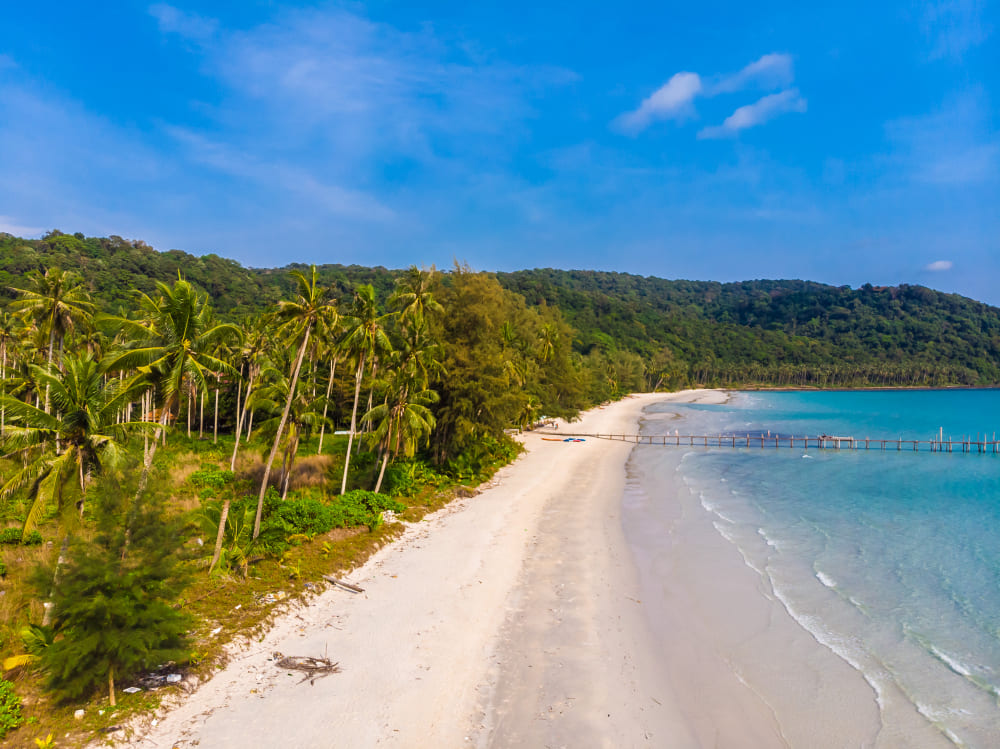
Da Nang has rapidly developed into one of Vietnam’s most family-friendly cities, combining pristine beaches with modern infrastructure, quality resorts, and attractions designed specifically for children.
Why Da Nang Excels for Families
The city strikes the perfect balance between beach relaxation and urban convenience. My Khe Beach, ranked among the world’s most beautiful beaches by Forbes, offers clean sand, gentle waves, and a relaxed atmosphere that feels safe for families.
Many of Da Nang’s international-standard resorts feature kids’ clubs, multiple swimming pools, water slides, direct beach access, and babysitting services, allowing parents moments of relaxation while children remain entertained and supervised.
The city’s compact layout means attractions sit within short distances, minimizing travel time that can exhaust children on vacation.
Family Highlights
Ba Na Hills ranks as Da Nang’s most popular family attraction. The mountain resort complex, accessed via cable car (holding Guinness World Records for longest and highest cable car), features the famous Golden Bridge held aloft by giant stone hands, a French-themed village, gardens, temples, and Fantasy Park amusement center with dozens of games and rides.
Asia Park provides an evening entertainment option with a giant Ferris wheel, roller coasters, and themed zones representing different Asian countries.
Marble Mountains offer cultural exploration with Buddhist temples built into marble caves, though the stairs make this more suitable for families with older children.
For beach recommendations, see our guide to Da Nang’s top 10 beaches.
Practical Details
Best time to visit: February through August delivers sunny, dry weather ideal for beach activities, though temperatures peak in July and August.
Getting there: Da Nang International Airport connects directly with major Asian cities and offers frequent domestic flights.
Family tip: Many resorts offer connecting rooms or suites ideal for families. Book accommodations with pool access and kids’ amenities for maximum convenience.
5. Hoi An: Lantern-Lit Charm and Cultural Immersion
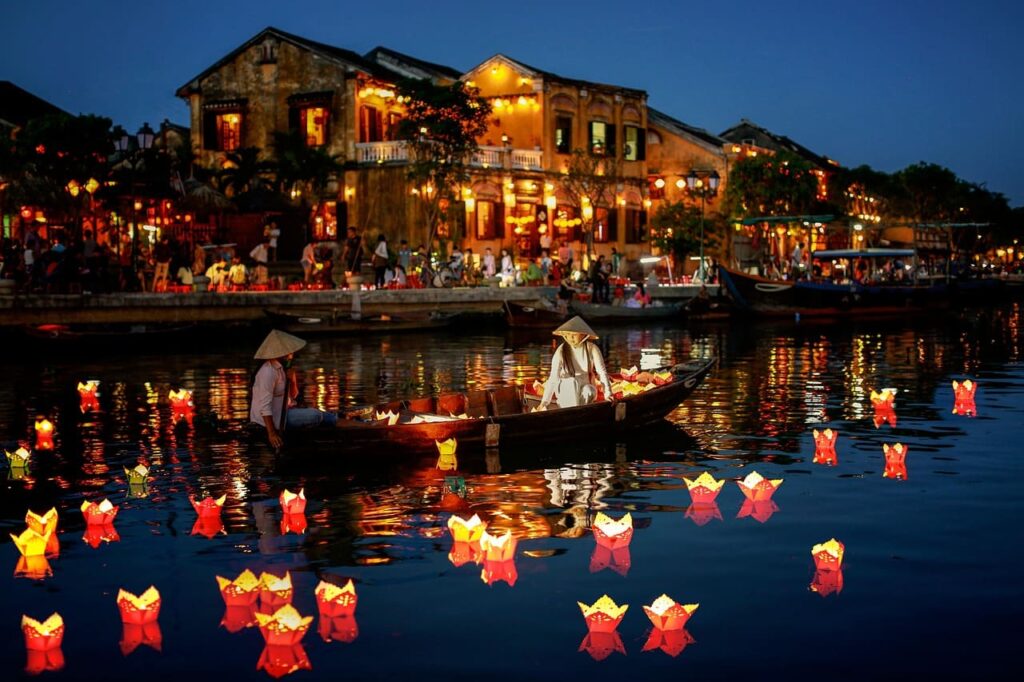
Located just 30 minutes from Da Nang, Hoi An presents a completely different atmosphere. This UNESCO World Heritage ancient town enchants families with its preserved architecture, lantern-lit streets, and gentle pace that feels tailor-made for exploring with children.
What Makes Hoi An Special for Families
Hoi An’s traffic-free Ancient Town eliminates one of the biggest stresses of traveling with children in Vietnam. Families can wander freely through yellow-walled buildings adorned with colorful lanterns without constantly watching for motorbikes.
The town’s compact size means children can explore on foot or bicycle without getting overwhelmed by distances. Cycling to nearby villages through rice paddies and along quiet rural roads ranks among Hoi An’s most memorable family activities.
Vietnamese culture feels particularly accessible in Hoi An through hands-on activities like lantern making, cooking classes designed for families, and traditional boat rides that explain local fishing techniques.
Top Family Activities
Lantern making workshops allow children to create and decorate their own silk lanterns under guidance from local artisans. These workshops typically last about an hour and provide a tangible souvenir children actually made themselves.
Family cooking classes at venues like Red Bridge Cooking School include market tours where children learn about Vietnamese ingredients, followed by hands-on preparation of dishes like spring rolls and cao lau (Hoi An’s signature noodle dish).
Coconut boat rides in the water coconut forests near Cam Thanh village provide both entertainment and education. Local boatmen demonstrate traditional fishing techniques and perform playful spinning tricks in the round basket boats.
Tra Que Vegetable Village offers cycling tours through organic farms where families can participate in traditional farming activities and enjoy fresh herb-infused dishes.
Explore more in our top 10 Hoi An things to do guide.
Practical Details
Best time to visit: February through April and July through September offer the best weather. Avoid October and November when heavy rains can cause flooding.
Getting there: Taxi, private car, or grab ride from Da Nang takes 30 to 45 minutes.
Family tip: Stay in the Ancient Town area for the most atmospheric experience, or choose nearby resorts with pool facilities for a mix of culture and beach time at An Bang Beach.
6. Hue: Imperial City and Cultural Heritage
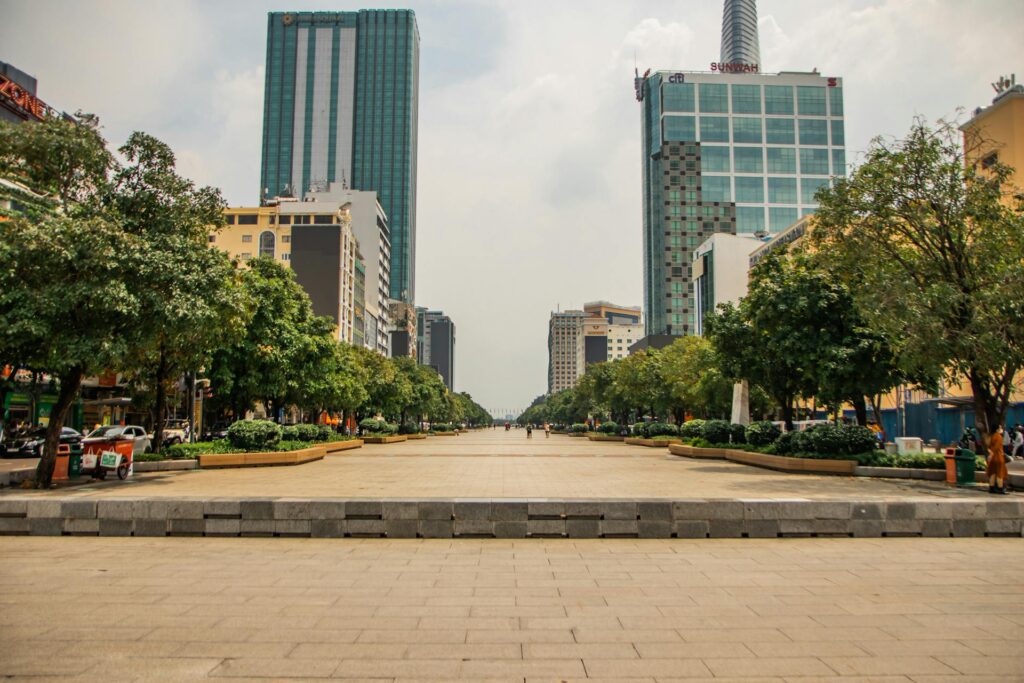
Hue, Vietnam’s former imperial capital, provides families with a fascinating window into the country’s royal past through well-preserved monuments, peaceful river landscapes, and a noticeably calmer atmosphere than other Vietnamese cities.
Why Families Appreciate Hue
Hue’s Imperial City complex offers children a tangible connection to history. Walking through palace grounds, royal theaters, and ancient gates brings history lessons to life in ways that museum exhibits cannot match.
The city’s compact heritage sites cluster along the Perfume River, making exploration manageable for families with limited time or younger children who tire easily. Most major attractions sit within a small area accessible by cyclo (bicycle rickshaw) or car.
Perfume River cruises provide relaxing family time while moving between sites, with sunset dinner cruises offering particularly magical experiences as traditional music plays and lanterns light the water.
Key Attractions
The Imperial City (also called the Citadel) served as the political and administrative center of the Nguyen Dynasty. Children enjoy exploring the Forbidden Purple City where only the royal family could enter, though much was damaged during the Vietnam War.
Thien Mu Pagoda, Hue’s most iconic religious site, sits picturesquely on a hill overlooking the Perfume River. The seven-tiered tower and peaceful gardens make for pleasant exploration.
Royal tombs scattered in the countryside outside Hue present different architectural styles reflecting each emperor’s personality. Khai Dinh Tomb fascinates children with its fusion of Vietnamese and European design elements.
For more activities, visit our guide to the top 10 things to do in Hue City.
Practical Details
Best time to visit: February through April delivers pleasant weather. Note that Hue experiences more rainfall than coastal areas.
Getting there: Phu Bai Airport serves domestic flights, or travel by train or car (1 to 2 hours) from Da Nang through the scenic Hai Van Pass.
Family tip: Hire a private guide for the Imperial City to bring history alive through stories that engage children’s imaginations.
7. Phong Nha: Cave Adventures in Nature’s Wonderland
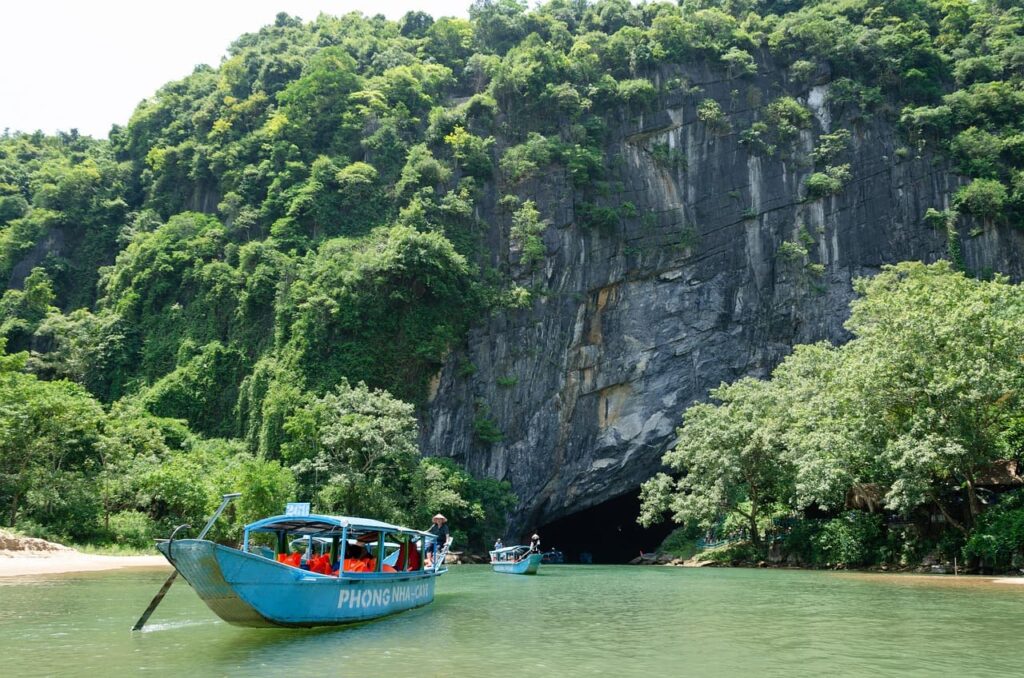
For families seeking authentic adventure in spectacular natural settings, Phong Nha delivers experiences unlike anywhere else in Vietnam. This region harbors some of the world’s most impressive cave systems, including Son Doong, the planet’s largest cave.
Why Adventurous Families Love Phong Nha
Phong Nha-Ke Bang National Park, a UNESCO World Heritage Site, offers family-friendly cave exploration that feels genuinely adventurous without requiring extreme fitness or experience. The dramatic limestone landscapes and pristine jungle create an immersive natural environment increasingly rare in modern tourism.
The area’s developing tourism infrastructure means fewer crowds than more established destinations, giving families a sense of discovery. Local guides provide excellent service, and the small-town atmosphere of Phong Nha village offers authentic interactions with Vietnamese rural life.
Must-Experience Caves
Phong Nha Cave tours travel by boat into a massive cavern filled with spectacular stalactites and stalagmites illuminated by colored lights. The smooth boat ride through the cave entrance makes this accessible for all ages, including young children.
Paradise Cave lives up to its name with a 1-kilometer wooden walkway through enormous chambers decorated with stunning rock formations. The well-maintained infrastructure makes this safe for families, though the stairs require moderate fitness.
Dark Cave (Hang Toi) suits teenagers and adventurous families, combining zip-lining, kayaking, swimming, and mud bathing. The experience involves more physical activity and darkness (headlamps provided) than other caves.
Practical Details
Best time to visit: February through August offers dry weather ideal for cave exploration and outdoor activities.
Getting there: Fly to Dong Hoi airport, then take a shuttle bus or private car (50 minutes) to Phong Nha village.
Family tip: Stay at least two nights to experience multiple caves without rushing. Several family-run guesthouses and eco-lodges in Phong Nha village offer comfortable, affordable accommodation.
8. Nha Trang: Vietnam’s Premier Beach Resort Destination
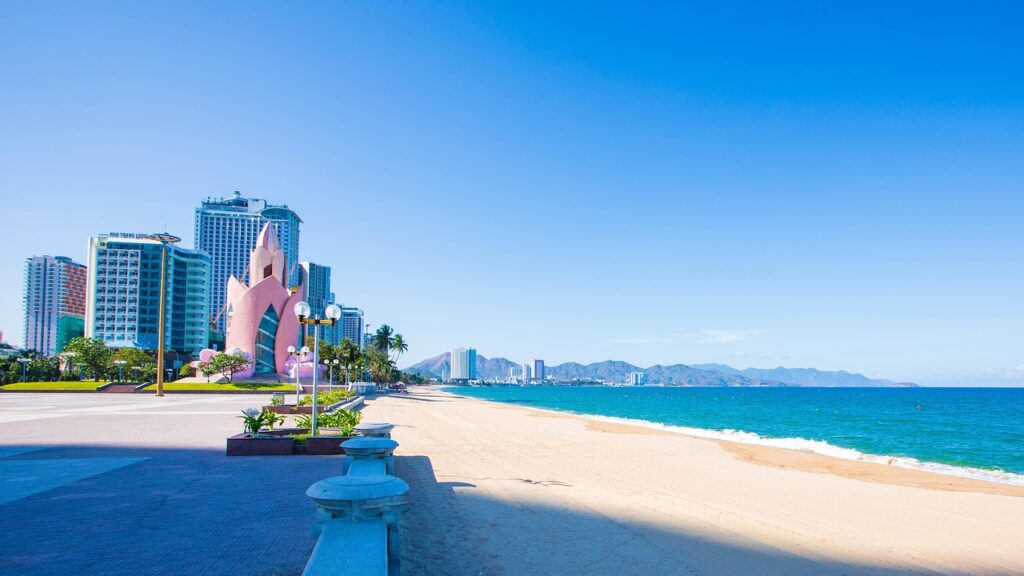
Nha Trang ranks as Vietnam’s most developed beach resort city, offering families a tropical beach vacation with the added bonus of Vietnamese culture and cuisine rather than the sometimes artificial feel of purpose-built resort destinations.
Why Nha Trang Works Well for Families
The 6-kilometer stretch of golden sand backed by palm trees and promenade creates a classic beach holiday environment where families can settle into a relaxing routine. The calm, warm waters and gentle waves make swimming safe and enjoyable for children.
VinWonders Nha Trang, Vietnam’s largest amusement and water park complex, provides full days of entertainment with roller coasters, water slides, an oceanarium, and more. Access via cable car over the bay adds extra excitement to the experience.
The city’s established tourism infrastructure means abundant family-friendly restaurants, resorts with kids’ clubs, and English-speaking tour operators offering activities from snorkeling to island hopping.
Top Family Activities
VinWonders (formerly Vinpearl Land) delivers a full-day adventure with zones for different ages, from gentle rides for toddlers to thrilling attractions for teenagers. The oceanarium features dolphin shows that delight younger children.
Snorkeling and diving trips to nearby islands like Hon Mun showcase colorful coral reefs and tropical fish in clear, protected waters. Many operators offer family-friendly tours with snorkeling equipment sized for children.
Mud baths at Thap Ba Hot Spring Center provide a unique and fun experience. Children giggle at the sensation of warm mineral mud, followed by hot spring soaks and pool time.
Practical Details
Best time to visit: February through September offers dry, sunny weather perfect for beach activities. Avoid October through December when heavy rains affect the region.
Getting there: Cam Ranh International Airport sits 40 minutes south of Nha Trang city with connections to major Asian hubs.
Family tip: Book resorts along the main beach strip for easy access to restaurants and activities, or choose Bai Dai beach north of the city for a quieter, more upscale experience.
9. Da Lat: Cool Mountain Retreat
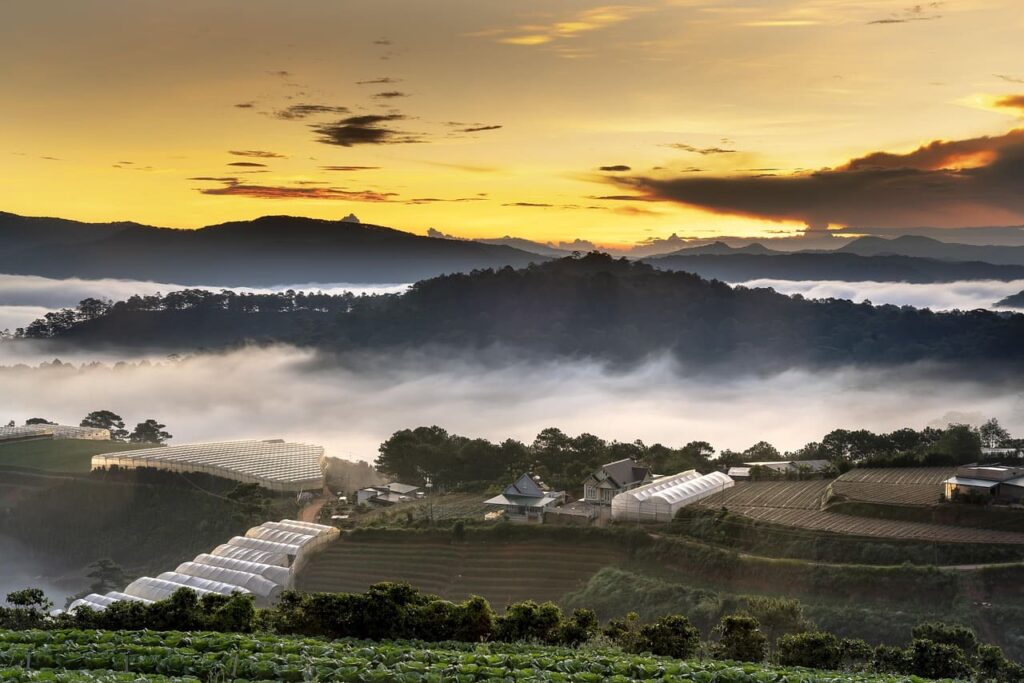
Da Lat offers a refreshing contrast to Vietnam’s tropical heat, sitting at 1,500 meters elevation in the Central Highlands. This “city of eternal spring” provides families with cool temperatures, pine forests, flower gardens, and a distinctly different Vietnamese experience.
What Makes Da Lat Unique for Families
The cool climate (averaging 18 to 23°C year-round) provides welcome relief from coastal and lowland heat, particularly appreciated by families with young children. The temperate weather enables comfortable all-day exploration without wilting in humidity.
Agricultural tourism thrives in Da Lat’s surrounding hills, with strawberry farms, coffee plantations, and vegetable gardens offering hands-on experiences. Children love picking their own strawberries and feeding animals at farm stays.
Da Lat’s French colonial influence created a city unlike anywhere else in Vietnam, with European-style villas, pine-lined streets, and a relaxed pace that feels almost Mediterranean.
Family Highlights
Datanla Waterfall combines natural beauty with adventure activities. Families can reach the falls via alpine coaster or cable car, with playground areas and food stalls at the bottom.
Truc Lam Monastery and Tuyen Lam Lake offer peaceful exploration with cable car access providing scenic views over pine forests and the lake.
Flower gardens throughout Da Lat showcase colorful blooms year-round, with photo opportunities that children and parents both enjoy.
Lakeside activities around Xuan Huong Lake include pedalo rentals, cycling, and evening walks through illuminated gardens.
Practical Details
Best time to visit: December through March delivers the driest weather, though Da Lat’s cool climate makes it pleasant year-round.
Getting there: Lien Khuong Airport serves domestic flights from Hanoi and Ho Chi Minh City, followed by a 40-minute scenic drive to Da Lat.
Family tip: Pack light jackets or sweaters as evenings can be genuinely cool, especially for young children used to tropical temperatures.
10. Ho Chi Minh City: Urban Energy and Southern Culture

Ho Chi Minh City (still commonly called Saigon) pulses with energy as Vietnam’s largest metropolis and economic engine. While more chaotic than northern cities, Ho Chi Minh City offers families fascinating museums, vibrant markets, and easy access to Mekong Delta adventures.
Why Families Should Include Ho Chi Minh City
The city provides an energizing contrast to Vietnam’s more peaceful destinations, showing families the dynamism of modern Vietnam. The mix of French colonial architecture, modern skyscrapers, traditional markets, and international restaurants creates a multicultural atmosphere.
Excellent family-friendly museums present Vietnamese history through engaging exhibits that educate without feeling didactic. The War Remnants Museum requires parental discretion regarding age-appropriate content but offers important historical context.
Mekong Delta day trips from Ho Chi Minh City introduce families to the “rice bowl of Vietnam” through river cruises, floating markets, and traditional village visits.
Top Family Activities
Cu Chi Tunnels fascinate older children and teenagers with this remarkable underground network used during the Vietnam War. The experience includes crawling through enlarged tunnel sections and learning about the ingenuity required for survival.
Saigon Zoo and Botanical Gardens provide a green oasis in the city center with a variety of animals, shaded walking paths, and playground areas.
Ben Thanh Market immerses families in Vietnamese market culture with overwhelming sights, sounds, and smells. This works best with older children who can handle crowded, bustling environments.
Water puppet theatre at Golden Dragon Water Puppet Theatre offers similar performances to Hanoi’s venues, providing cultural entertainment in a comfortable setting.
Discover more in our guide to the top 12 attractions in Ho Chi Minh City.
Practical Details
Best time to visit: December through April offers drier weather, though the city remains hot and humid year-round.
Getting there: Tan Son Nhat International Airport serves numerous international routes and domestic connections throughout Vietnam.
Family tip: Stay in District 1 for proximity to attractions and restaurants. Use Grab (Southeast Asia’s Uber equivalent) for safe, affordable transportation around the city.
Planning Your Vietnam Family Holiday: Practical Considerations
Ideal Trip Duration
Most families find 10 to 14 days optimal for experiencing Vietnam’s diversity without feeling rushed. This timeframe allows you to combine 2 to 3 regions, mix beach time with cultural exploration, and build in rest days that prevent exhaustion.
A sample two-week itinerary might include: Hanoi (2 nights), Ha Long Bay cruise (2 nights), Hoi An (3 nights), Da Nang beach time (2 nights), and Ho Chi Minh City with Mekong Delta day trip (3 nights).
Health and Safety
According to the U.S. Centers for Disease Control and Prevention, travelers to Vietnam should ensure routine vaccinations are current and consider additional vaccines for Hepatitis A and Typhoid depending on activities and rural exposure.
Food and water safety requires attention. While street food from busy vendors with high turnover is generally safe, families with young children might prefer sticking to cooked dishes and bottled water, particularly during the first few days as digestive systems adjust.
Travel insurance covering medical emergencies and evacuation provides peace of mind for families traveling internationally with children.
Getting Around
Domestic flights connect major cities quickly and affordably, saving precious vacation time otherwise spent on long bus journeys. Vietnam Airlines, VietJet Air, and Bamboo Airways serve most routes multiple times daily.
Private cars with drivers offer maximum flexibility and comfort for families. While more expensive than public transportation, the convenience and safety make this worthwhile for many families, particularly when traveling with young children or significant luggage.
Grab app provides reliable, affordable rides in cities, with options for cars (not just motorbikes) that accommodate families with luggage and car seats.
Food and Dining
Vietnamese cuisine adapts well to children’s tastes. Pho (noodle soup), banh mi (Vietnamese sandwiches), com tam (broken rice with grilled pork), and spring rolls typically appeal to even selective eaters.
Fresh fruit smoothies (sinh to) and coconut ice cream provide safe, delicious treats that children love. Markets and restaurants offer familiar options like grilled chicken, fried rice, and fresh fruit when kids need comfort food.
International restaurants in tourist areas provide backup options for particularly adventurous-resistant children, though most families find their kids more willing to try new foods when traveling.
Cultural Considerations
Vietnamese people adore children, and families often find locals going out of their way to help, whether offering seats on buses, helping carry strollers, or simply smiling and waving at children. This welcoming attitude makes Vietnam particularly rewarding for family travel.
Dress modestly when visiting temples and religious sites. This means covering shoulders and knees for both adults and children, showing respect for local customs.
Bargaining is expected at markets but should be done with a smile and sense of humor. Teaching children about respectful cultural exchange in markets becomes part of the educational experience.
Comparison Table: Family-Friendly Holidays Vietnam at a Glance
| Destination | Best For | Ideal Ages | Key Activities | Difficulty Level |
|---|---|---|---|---|
| Hanoi | Culture & museums | All ages | Lakes, museums, water puppets | Easy |
| Ha Long Bay | Gentle adventure | 5+ years | Cruises, caves, kayaking | Easy–Moderate |
| Ninh Binh | Countryside slow travel | All ages | Boat rides, cycling | Easy |
| Da Nang | Beaches & resorts | All ages | Theme parks, beaches | Easy |
| Hoi An | Culture & slow travel | All ages | Cooking classes, lanterns | Easy |
| Hue | History | 6+ years | Imperial City, pagodas | Easy |
| Phong Nha | Adventure nature | 7+ years | Caves, boat rides | Moderate |
| Nha Trang | Beaches & theme parks | All ages | Snorkeling, VinWonders | Easy |
| Da Lat | Cool climate & farms | All ages | Farms, waterfalls | Easy |
| Ho Chi Minh City | Urban culture | All ages | Museums, markets | Easy–Moderate |
Understanding Vietnamese Family Culture
Vietnamese family culture places children at the absolute center, with multigenerational households remaining common and extended family networks providing constant support. This cultural orientation translates directly into how Vietnamese people interact with foreign families traveling through their country.
Don’t be surprised when restaurant staff offer to hold your baby while you eat, when shopkeepers offer small gifts to your children, or when strangers smile and interact with your kids on public transportation. This warmth isn’t superficial politeness but genuine cultural expression.
Traditional festivals create wonderful opportunities for family cultural immersion. Tet (Lunar New Year, typically January or February) brings dragon dances, fireworks, and festive foods, though note that many businesses close during this period. Mid-Autumn Festival (September or October) features lantern parades specifically for children, with mooncakes and colorful displays throughout cities.
Additional Family-Friendly Destinations
While this guide focuses on the top 10 destinations, several other locations deserve consideration for families with specific interests:
Sapa, in Vietnam’s far north, offers stunning rice terraces and hill tribe culture but requires more physical fitness for trekking. Families with older, active children find this rewarding destination.
Phu Quoc Island provides another beach option with resorts, water activities, and a more laid-back atmosphere than Nha Trang.
Mekong Delta towns like Can Tho offer authentic river life experiences with floating markets and orchard visits that captivate children.
For comprehensive Vietnam travel inspiration, see our guide to the top 10 places to visit in Vietnam.
Final Thoughts: Creating Lasting Family Memories
Vietnam family holidays offer something increasingly rare in modern tourism: the opportunity to experience authentic culture while maintaining comfort and safety standards that allow parents to relax. The country’s rapid tourism development has created infrastructure supporting families without sacrificing the cultural authenticity that makes travel meaningful.
From the limestone karsts of Ha Long Bay to the lantern-lit streets of Hoi An, from the beach resorts of Da Nang to the cave adventures of Phong Nha, Vietnam presents a rhythm that suits family travel: enough novelty to excite children, enough familiarity to avoid overwhelm, and enough infrastructure to prevent logistical stress.
The memories created during Vietnam family holidays tend to be richer and more lasting than passive beach vacations. Children who cycle through rice paddies, make their own lanterns, explore ancient caves, and taste exotic fruits develop broader worldviews and adaptability that serve them throughout life.
Most importantly, Vietnamese hospitality toward children creates an atmosphere where families feel genuinely welcome rather than merely tolerated, transforming a standard vacation into an experience of human connection across cultural boundaries.
Whether you’re planning your first family international trip or you’re experienced travelers seeking new destinations, Vietnam delivers a family holiday that balances adventure with accessibility, culture with comfort, and excitement with ease.
Frequently Asked Questions
Is Vietnam safe for family travel?
Yes, Vietnam is generally very safe for families. According to the World Economic Forum’s Travel & Tourism Development Index, Vietnam has steadily improved its tourism safety ratings. Tourist areas maintain low crime rates, locals are helpful toward families, and cities offer good infrastructure. Standard travel precautions apply: watch belongings in crowded areas, use reputable tour operators, and maintain awareness in traffic.
What is the best age for children to visit Vietnam?
All ages can enjoy Vietnam, though the ideal experience varies. Infants and toddlers suit calmer destinations like Da Nang beach resorts and Hoi An’s traffic-free streets. Children aged 5 to 12 years get maximum enjoyment from Vietnam’s diversity, appreciating cave explorations, cooking classes, and cultural activities. Teenagers enjoy more adventurous options like Ha Long Bay kayaking and Phong Nha cave adventures.
How long should a Vietnam family holiday be?
10 to 14 days provides the ideal balance for most families. This duration allows you to experience 2 to 3 distinct regions without exhausting children with constant packing and travel. A shorter 7-day trip works for families focusing on a single region (like Hanoi, Ha Long Bay, and Ninh Binh in the north, or Da Nang, Hoi An, and Hue in the center). Families with more time can extend to three weeks to cover north, central, and south comprehensively.
Is street food safe for children?
Yes, with proper precautions, street food is generally safe and delicious. Choose vendors with high customer turnover, which indicates fresh ingredients. Stick to thoroughly cooked dishes like pho, grilled meats, banh mi, and fried spring rolls rather than raw salads or pre-cut fruit from street carts. Watch the food being prepared when possible. Many families find their children more adventurous with food when eating at bustling street stalls where the experience itself becomes part of the fun.
What should we pack for a Vietnam family trip?
Pack light, breathable clothing, sun protection, and a few key items. Essentials include: sunscreen and hats for all family members, insect repellent, hand sanitizer and wet wipes, basic first aid supplies and any prescription medications, comfortable walking shoes, light rain jackets (depending on season), and modest clothing for temple visits. Vietnam has excellent shopping, so you can buy forgotten items easily and affordably. Consider packing a small daypack for each child to carry their own water bottle, snacks, and entertainment for travel days.
Do we need visas for Vietnam?
Visa requirements vary by nationality. Many countries now benefit from visa exemptions for stays up to 15 to 45 days, including most European nations, the UK, and several Asian countries. U.S. citizens can stay visa-free for up to 45 days. For longer stays or nationalities requiring visas, e-visas are available online for up to 90 days and are straightforward to obtain. Always check current requirements before booking as policies occasionally change.
What is the best month to visit Vietnam for a family trip?
February to April offers the most consistent weather across all regions. During these months, northern Vietnam (Hanoi, Ha Long Bay, Ninh Binh) has cooled from winter with pleasant temperatures, central Vietnam (Da Nang, Hoi An, Hue) enjoys dry, sunny conditions ideal for beaches, and southern Vietnam (Ho Chi Minh City, Mekong Delta) experiences hot but manageable weather before the rainy season. This makes it easier to create multi-region itineraries without encountering extreme weather anywhere.
Are there child discounts for attractions and tours?
Yes, most attractions, tours, and accommodation offer child discounts. Children under a certain age (often 5 or 6 years) frequently enter free, while children under 12 typically receive 50% discounts. Family rooms in hotels often cost only slightly more than double rooms. Always ask about family packages and child rates when booking. International hotel chains and upscale resorts usually offer kids-stay-free promotions and complimentary meals for children.
How do we handle the language barrier with children?
English is increasingly common in tourist areas, but basic preparation helps. Many tour guides, hotel staff, and restaurant workers in family-friendly destinations speak functional English. Download Google Translate app with offline Vietnamese for backup. Learn a few basic phrases like “xin chào” (hello), “cảm ơn” (thank you), and “bao nhiêu?” (how much?). Children often enjoy learning these phrases and using them. Picture menus are common in tourist restaurants, making ordering easier for families.
What about medical facilities if our child gets sick?
Major cities and tourist destinations have good medical facilities. Hanoi, Ho Chi Minh City, and Da Nang all have international clinics and hospitals with English-speaking doctors accustomed to treating foreign patients. Family Medical Practice and Vinmec hospitals have multiple locations across Vietnam. For common childhood ailments like fever, upset stomach, or minor injuries, pharmacies are plentiful and pharmacists often speak basic English. Always purchase comprehensive travel insurance covering medical evacuation for peace of mind.
Can we find familiar food if our children won’t eat Vietnamese cuisine?
Yes, tourist areas offer plenty of familiar options. International restaurants serving pizza, pasta, burgers, and other Western foods are common in cities and beach towns. Major resorts have buffets with international sections. Supermarkets like Vinmart sell imported snacks, crackers, and other comfort foods. However, many families find their children more willing to try Vietnamese food than expected, especially dishes like spring rolls, grilled meats, fried rice, and fresh tropical fruits which tend to appeal to young palates.
Is it easy to find baby supplies and diapers?
Yes, baby supplies are readily available in cities and tourist areas. Major supermarkets and convenience stores stock international brands of diapers, formula, baby food, and wipes. Prices are comparable to or cheaper than Western countries. However, selection may be limited in rural areas or small towns, so stock up when visiting larger cities. If your child requires specific brands or has allergies, consider bringing a supply from home.
How do Vietnamese people react to breastfeeding in public?
Vietnamese culture is generally accepting of breastfeeding, though discrete covering is appreciated. Women traditionally breastfeed, and you’ll see local mothers nursing babies in public spaces. Using a light cover or nursing in quieter corners of restaurants and cafes shows cultural sensitivity. Many modern malls and airports now have dedicated nursing rooms. Hotels and resorts are always accommodating if you need a private space.
What are the best activities for teenagers in Vietnam?
Teenagers enjoy more adventurous and independent activities. Popular options include kayaking in Ha Long Bay, exploring Dark Cave in Phong Nha (with zip-lining and mud baths), learning to cook Vietnamese food in hands-on classes, cycling through Hoi An’s countryside, snorkeling in Nha Trang, trying water sports at beach resorts, shopping in night markets, and experiencing the energy of cities like Ho Chi Minh City. Many teens also appreciate Vietnam’s history, particularly sites like the Cu Chi Tunnels and war museums that connect to topics they study in school.
Should we book tours in advance or when we arrive?
A hybrid approach works best for families. Book major experiences in advance, including Ha Long Bay overnight cruises, international flights, and accommodation during peak seasons (December to February). This ensures availability and often provides better prices. Leave flexibility for last-minute decisions about day trips, cooking classes, and other activities based on weather, energy levels, and children’s interests. Hotel concierges and local tour operators can arrange excellent experiences on short notice, often at competitive prices.