
Travelling to Vietnam means navigating three distinct climate zones, each with its own packing demands. The north swings from cool winters to misty mountain chill, central Vietnam faces seasonal typhoons, and the south stays tropical and humid year-round.
This comprehensive guide answers a key traveller question: What exactly should be your Vietnam packing list?
Whether you’re planning to explore the top places to visit in Vietnam or crafting the perfect Vietnam itinerary, your packing strategy will make or break your trip comfort level.
Below you’ll find a complete, practical, region-specific packing list covering clothing, gear, toiletries, culturally appropriate items, and what not to bring.
TL;DR: Quick Overview
North Vietnam: Light layers, rain jacket, warm clothing in winter, trekking shoes for Sapa adventures.
Central Vietnam: Hot-weather clothing, waterproof layers, dry bag for beach and monsoon seasons.
South Vietnam: Breathable tropical clothing, anti-humidity gear, lightweight sandals, sun protection.
Essentials Anywhere: Travel insurance, power bank, mosquito repellent, international adapter, modest outfits for temples.
Seasonal Must-Haves: Monsoon rain gear (Sept-Dec), sun protection (Mar-Aug), warm layers for Hanoi & mountains (Dec-Feb).
Quick Links to Top Destinations
- Hanoi – Northern gateway city
- Ha Long Bay – UNESCO World Heritage Site
- Sapa – Mountain trekking paradise
- Hoi An – Ancient town and lantern capital
- Da Nang – Central coastal city
- Ho Chi Minh City – Southern metropolis
- Phu Quoc – Island paradise
- Mekong Delta – River region
Understanding Vietnam’s Regional Climates
Vietnam stretches more than 1,650 kilometres north to south, creating dramatic seasonal variations that catch many travellers off guard.
The Three Climate Zones
Northern Vietnam experiences four distinct seasons. Winter temperatures in Hanoi can drop below 10°C (50°F), while mountain regions like Sapa occasionally see frost. According to Vietnam’s General Statistics Office, Hanoi’s average January temperature is 16.4°C, but it can feel much colder due to humidity.
Central Vietnam enjoys dry, sunny beaches most of the year, but typhoon season from September to December brings heavy rainfall. The region around Hue and Hoi An can receive over 2,500mm of rain annually, with most falling between October and November.
Southern Vietnam maintains tropical conditions year-round, with temperatures rarely dropping below 25°C (77°F). Ho Chi Minh City averages 28°C throughout the year, with humidity levels consistently above 75%.
Why Regional Packing Matters
Your packing list changes more in Vietnam than in most Southeast Asian destinations. You may start your journey in cool, misty Hanoi and end in sticky, tropical Ho Chi Minh City, requiring completely different wardrobes.
Understanding the best time to visit Vietnam by region helps you pack smarter and lighter.
Optimal Travel Windows
- North Vietnam: October to April (cool, dry weather)
- Central Vietnam: February to August (beach season)
- South Vietnam: December to April (dry season)
What to Pack for North Vietnam
Northern Vietnam includes Hanoi, Ha Long Bay, Ninh Binh, and the mountainous regions of Sapa and Ha Giang. Expect chilly winters, warm summers, and unpredictable rain throughout the year.
Climate Considerations
Hanoi winters genuinely require layers. December through February sees temperatures between 10-20°C, with occasional cold snaps bringing readings below 10°C. The humidity makes it feel even colder than the thermometer suggests.
If you’re planning things to do in Hanoi during winter months, prepare for a climate that feels more like European autumn than tropical Asia.
Essential Clothing Items
Layering pieces are your best friend in the north. Pack:
- Light down jacket or fleece (December to February)
- Long trousers, jeans, or technical trekking pants
- Moisture-wicking base layers for mountain hikes
- Waterproof jacket for year-round showers
- Warm socks and a lightweight scarf during winter months
Footwear for Northern Adventures
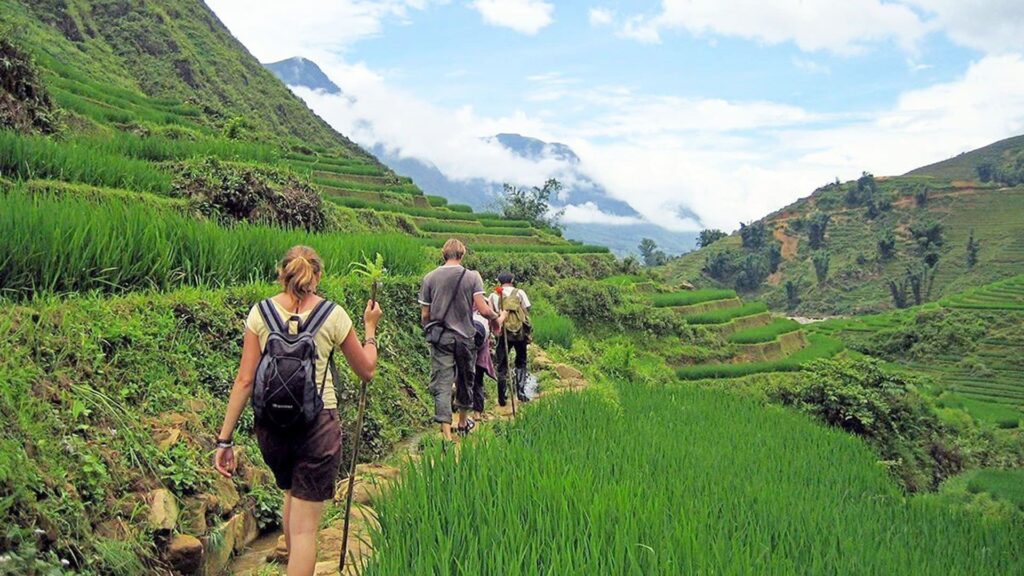
For trekking routes in Sapa, you’ll need proper hiking shoes with good grip. Rice terrace trails can be slippery, especially after rain.
In Hanoi itself, comfortable walking shoes are sufficient. You’ll be covering significant distances exploring the Old Quarter and visiting temples.
Ha Long Bay Specifics
For Ha Long Bay cruises, pack:
- Wind-resistant jacket (boats get breezy)
- Non-slip shoes for wet decks
- Swimwear for kayaking and cave visits
- Seasickness medication if you’re prone to motion sickness
Don’t Forget
- Reusable water bottle for long sightseeing days
- Small backpack for day trips to Ninh Binh
- Power bank (charging opportunities may be limited in rural areas)
Getting to North Vietnam
Noi Bai International Airport (HAN) in Hanoi serves as the main gateway. Regional buses and trains connect efficiently to Sapa, Ninh Binh, and Ha Long Bay, though journeys can be long.
What to Pack for Central Vietnam
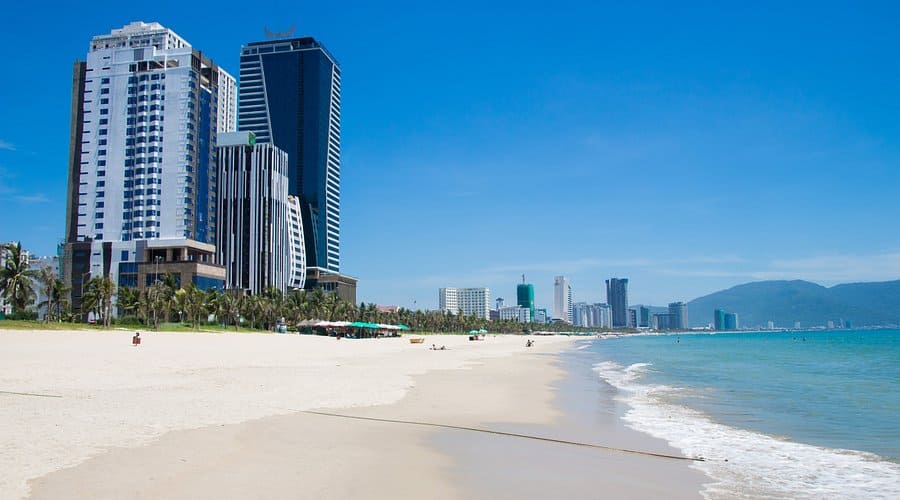
Central Vietnam covers Da Nang, Hoi An, Hue, and the stunning coastline in between. Hot, dry conditions dominate spring and summer, but heavy monsoon rains arrive later in the year.
Understanding Central Vietnam’s Weather
The central region experiences two distinct seasons. From February to August, expect sunshine, blue skies, and temperatures reaching 35°C. September to December brings the monsoon, with October and November being particularly wet.
Da Nang beaches are spectacular during dry season but can be rough and closed during storms.
Beach and City Essentials
Pack lightweight, breathable fabrics:
- Cotton or linen tops and shorts
- Swimwear and quick-dry beach towels
- Sundresses or light trousers for evening strolls
- Breathable underwear (humidity is significant)
Monsoon Season Preparation
If visiting between September and December, add:
- Waterproof dry bag for electronics and valuables
- Compact travel umbrella
- Sandals with excellent traction (Hoi An’s streets get slippery)
- Quick-drying clothes that won’t stay damp
Hoi An Specific Items
For things to do in Hoi An, consider:
- Comfortable cycling clothes (bike tours are popular)
- Camera with good low-light capability for lantern photography
- Small crossbody bag for evening market visits
Hue Cultural Visits
Exploring Hue’s attractions requires modest temple attire:
- Long, lightweight skirt or trousers
- Shoulder-covering tops
- Comfortable walking shoes (the Imperial City is vast)
Sun Protection Strategy
Central Vietnam’s sun is intense. According to the World Health Organization UV Index, Vietnam regularly experiences “very high” to “extreme” UV levels.
Bring:
- Wide-brim hat or cap
- High SPF sunscreen (50+ recommended)
- UV-protection sunglasses
- Lightweight long-sleeve sun shirt
Travel Logistics
Da Nang International Airport (DAD) provides the main access point. Hoi An sits just 30 kilometres south, reachable by shuttle or taxi in 45 minutes. Hue lies 100 kilometres north.
What to Pack for South Vietnam
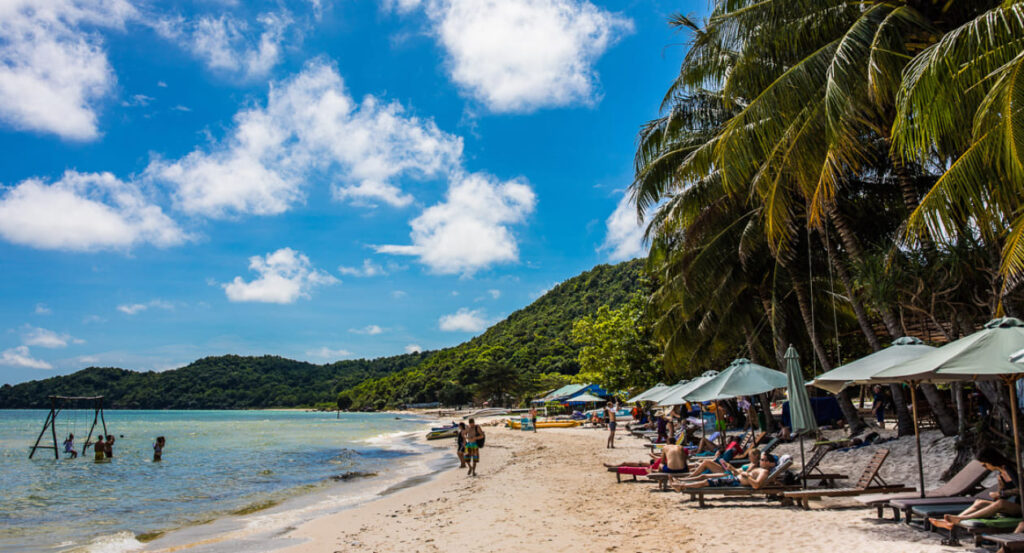
South Vietnam, encompassing Ho Chi Minh City, the Mekong Delta, and islands like Phu Quoc, maintains hot, humid conditions throughout the year.
The Humidity Challenge
Southern Vietnam’s humidity averages 80% year-round. This affects everything from your clothes to your electronics. Fabrics take longer to dry, cameras can fog up, and you’ll sweat constantly.
When exploring Ho Chi Minh City attractions, you’ll understand why locals prefer air-conditioned shopping malls during midday.
Clothing for Tropical Heat
Ultra-light, moisture-wicking fabrics are essential:
- Technical travel shirts that dry quickly
- Shorts or lightweight trousers
- Minimal, breathable underwear
- One light cardigan for overly air-conditioned spaces
Avoid:
- Heavy cotton (stays damp)
- Dark colours (absorb heat)
- Tight-fitting clothes (trap moisture)
Footwear for the South
Comfortable, breathable sandals work for most situations. You’ll be:
- Walking through markets
- Hopping on and off boats in the Mekong Delta
- Exploring temples (easy shoe removal is helpful)
- Navigating occasional puddles
Bring one pair of closed-toe shoes for nicer restaurants or evening activities.
Island Essentials for Phu Quoc
For Phu Quoc activities, pack:
- Reef-safe sunscreen (protect Vietnam’s coral reefs)
- Snorkelling gear if you prefer your own
- Beach cover-up for walking between hotel and beach
- Waterproof phone pouch
- Flip-flops specifically for beach use
Electronics Protection
Humidity damages electronics. Protect your gear:
- Silica gel packets in camera bags
- Zip-lock bags for phones and tablets
- Waterproof cases for boat trips
- Keep devices powered on when possible (reduces condensation)
Mosquito Country
The Mekong Delta and rural areas have significant mosquito populations. Pack:
- DEET-based repellent (30-50% concentration)
- Long, light sleeves for dawn and dusk
- Permethrin-treated clothing if trekking
- After-bite treatment
Heat Management Tools
Consider bringing:
- Small, USB-rechargeable portable fan
- Cooling towel for neck
- Electrolyte packets for hydration
- Lightweight cap with neck protection
Access Points
Tan Son Nhat International Airport (SGN) in Ho Chi Minh City handles international arrivals. Domestic flights connect to Phu Quoc, Con Dao, and other southern destinations. Buses reach the Mekong Delta in 2-3 hours.
Clothing Essentials for All Regions
A versatile, layered wardrobe handles Vietnam’s climate diversity without overpacking.
The Core Wardrobe
3-4 lightweight tops in moisture-wicking fabric form your foundation. Choose neutral colours that mix and match easily.
1-2 long-sleeve shirts serve multiple purposes: sun protection, temple visits, and air-conditioned spaces. Linen or technical fabrics work best.
Quick-dry shorts and trousers (at least two pairs each) mean you can wash clothes in your hotel sink and have them dry overnight.
Temple and Cultural Attire
Vietnam modernises rapidly, but religious sites maintain traditional standards. Pack:
- Modest clothing covering shoulders and knees
- Lightweight scarf or sarong (improvises as temple cover)
- Easily removable shoes (many temples require barefoot entry)
All-Season Must-Haves
Packable rain jacket works everywhere in Vietnam. Sudden tropical downpours happen in all regions, even during “dry” season.
Swimwear gets used more than you’d expect: beaches, hotel pools, hot springs in the north, boat tours, and waterfall visits.
Layering Strategy
The “three-layer system” adapts to all Vietnamese climates:
- Base layer (moisture-wicking top)
- Mid layer (light fleece or long-sleeve shirt)
- Outer layer (waterproof jacket)
You’ll use all three in northern mountains, only the base in the south.
Fabric Choices
Merino wool regulates temperature, resists odours, and dries quickly. One merino shirt can be worn multiple days.
Synthetic technical fabrics dry fastest but can retain odours. Bring travel laundry detergent for frequent washing.
Natural fibres like linen and cotton breathe well but dry slowly in humid conditions.
Electronics and Travel Gear
Vietnam’s infrastructure supports modern travellers, but bringing the right gear enhances convenience and safety.
Power Considerations
Vietnam uses Type A, C, and F plugs with 220V electricity. Most modern electronics handle this voltage, but always check your devices.
A universal travel adapter is essential. Vietnam’s outlets vary even within the same building. Models with USB ports reduce the number of adapters you need.
Staying Charged
A 20,000mAh power bank provides 4-5 full phone charges, crucial for long travel days. Many street food cities in Vietnam have limited charging access while you’re out exploring.
Bring charging cables for all devices, plus one spare USB cable.
Mobile Connectivity
eSIM capability simplifies Vietnam mobile data. Services like Airalo offer affordable Vietnamese data plans activated before arrival.
Alternatively, purchase a physical SIM at the airport (Viettel, Mobifone, or Vinaphone). Data is inexpensive: 3-4GB costs around $5-10.
Photography Equipment
Vietnam offers incredible photography opportunities. Pack:
- Camera with extra memory cards
- Portable lightweight tripod for landscapes and low light
- Lens cleaning kit (humidity and dust are constant)
- Waterproof camera bag or dry bag
Phone cameras often suffice for most travellers. Vietnam’s bright light conditions favour smartphone photography.
Safety and Security
An anti-theft daypack with slash-proof fabric, hidden zippers, and RFID protection secures valuables in crowded cities. Ho Chi Minh City and Hanoi see occasional bag snatching, particularly from motorcycles.
Consider:
- Money belt or neck pouch for passport and cash
- Cable lock for securing bags on buses
- Photocopy of passport stored separately
Useful Extras
- Waterproof phone case for boat trips and beach days
- E-reader loaded with books (lighter than physical books)
- Portable Bluetooth speaker (many hotels have basic sound systems)
- International driving permit (if planning to rent a motorbike)
Toiletries, Health Items, and Medications
Vietnam’s cities stock most toiletries, but bringing essentials saves time and ensures you have preferred brands.
Medical Essentials
Pack a basic first aid kit containing:
- Adhesive bandages in various sizes
- Antiseptic cream or wipes
- Pain relievers (ibuprofen and paracetamol)
- Anti-diarrheal medication
- Antihistamines for allergies
Prescription Medications
Bring prescription medications in original packaging with doctor’s letters explaining their purpose. Vietnam’s customs occasionally questions unmarked pills.
Bring extra medication beyond your trip length. Lost luggage or travel delays happen.
Heat and Hydration
Oral rehydration salts combat dehydration from heat, humidity, and occasional traveller’s diarrhea. Mix with bottled water when feeling depleted.
Electrolyte tablets or powders serve similar purposes and weigh almost nothing.
Sun and Insect Protection
High SPF sunscreen (50+) is essential but expensive in Vietnam if buying Western brands. Bring enough from home.
Insect repellent with 30-50% DEET protects against mosquitoes that can carry dengue fever. According to the Centers for Disease Control and Prevention, dengue occurs throughout Vietnam, particularly during rainy season.
Toiletry Basics
Travel-size versions suffice:
- Shampoo and conditioner (or use hotel supplies)
- Body wash or soap
- Toothpaste and toothbrush
- Deodorant (harder to find strong options in Vietnam)
- Razor and shaving cream
Women’s Specific Items
Tampons and menstrual cups are less common in Vietnam. Pads are widely available, but bring preferred products from home.
Birth control pills and other female-specific medications should come from home.
Easy to Replace Locally
Save packing space by buying these items in Vietnam:
- Basic shampoo and soap
- Sunscreen (local brands work well)
- Wet wipes and tissues
- Contact lens solution
- Basic toiletries
Health Precautions
- Hand sanitiser for markets and bus journeys
- Water purification tablets (if trekking remote areas)
- Motion sickness tablets (for winding mountain roads)
- Probiotic supplements (support digestive health)
Cultural Considerations and Dress Code Tips
Vietnam blends modern and traditional values. Dressing appropriately shows respect and often results in warmer interactions with locals.
Temple Etiquette
Religious sites expect covered shoulders and knees. This applies to:
- Buddhist pagodas
- Cao Dai temples
- Hindu temples in southern Vietnam
- Ancestral halls and family shrines
Bring a lightweight scarf or sarong that quickly converts casual clothing into modest attire.
Shoe Removal
Remove shoes when entering:
- Temples and pagodas
- Vietnamese homes
- Some shops selling carpets or fabric
- Guesthouses and homestays
- Certain restaurants (look for shoe racks)
Slip-on shoes speed up this process considerably.
Urban vs Rural Standards
Ho Chi Minh City and Hanoi mirror international standards. Shorts, tank tops, and casual wear are perfectly acceptable for everyday activities.
Rural areas and religious sites appreciate more conservative dress. Long pants or knee-length skirts and covered shoulders demonstrate cultural awareness.
Beach Behaviour
Swimwear belongs on the beach only. Vietnamese people rarely walk through town in beach clothing. Change before leaving the beach area.
Topless sunbathing is not culturally acceptable in Vietnam, even on tourist beaches.
Gender Considerations
Women face few dress restrictions in cities. Tank tops and shorts are fine. Some older Vietnamese may view very revealing clothing negatively, but this doesn’t affect tourist experiences.
Men should wear shirts in cities. Shirtless walking, except on beaches, appears disrespectful.
Business and Dining
Nicer restaurants appreciate smart casual dress. Shorts and flip-flops may result in uncomfortable looks, though rarely outright refusal.
If attending business meetings, standard business attire applies: long pants, collared shirts, closed-toe shoes.
Interacting with Locals
Modest dress often leads to:
- Better prices at local markets
- More willing photo subjects
- Warmer welcomes in homestays
- Easier conversations with older Vietnamese
What to Avoid
- Overly revealing clothing in religious sites
- Political statement t-shirts
- Camouflage patterns (associated with military)
- Clothing featuring Buddha images used decoratively (considered disrespectful)
What Not to Bring
Leaving these items home saves luggage space and potential headaches.
Overpacking Traps
Heavy winter coats are unnecessary even in northern Vietnam. A light down jacket and layers handle the coldest Hanoi or Sapa weather.
Excessive toiletries waste space. Vietnam’s cities stock international brands, often at lower prices than Western countries.
Too many shoes. Three pairs maximum handle all situations: one for walking/hiking, one for casual/beach, one nicer pair for evenings.
Safety and Security
Expensive jewellery attracts unwanted attention and provides minimal benefit. Leave valuable pieces at home.
Large amounts of cash. ATMs are widespread in Vietnamese cities. Carry minimal cash and use cards where possible.
Electronics You Won’t Use
Laptop (unless working remotely). Phones and tablets handle most travel needs.
Hair dryer. Most hotels provide them, and Vietnam’s humidity makes hair styling futile anyway.
Electric converters for high-wattage devices (straighteners, curling irons). They’re heavy and Vietnam’s voltage differs from some countries.
Restricted Items
Drones require permits in Vietnam. Regulations change frequently. Research current rules or risk confiscation. Many tourist sites specifically prohibit drone usage.
Excessive medications without proper documentation can raise customs concerns.
Cultural Missteps
Books or materials critical of the Vietnamese government may be confiscated at customs.
Ivory, coral, or products from endangered species are illegal to bring in or out of Vietnam.
Impractical Clothing
High heels sink into uneven pavements and temple grounds.
White clothing shows dirt immediately in dusty or muddy conditions.
Bulky shoes or boots (unless specifically trekking). They consume luggage space and won’t get worn.
Complete Vietnam Packing List by Region
North Vietnam Checklist
Clothing:
- Light down jacket or fleece
- 3-4 moisture-wicking tops
- Long trousers (2 pairs)
- Warm socks and lightweight scarf
- Waterproof jacket
- Base layers for mountain hiking
Footwear:
- Trekking shoes with grip
- Casual walking shoes
Accessories:
- Reusable water bottle
- Day backpack
- Warm hat for mountains
Special Items:
- Trekking poles for Sapa
- Headlamp for early starts
- Warmer sleeping bag liner (if homestaying)
Central Vietnam Checklist
Clothing:
- Lightweight cotton or linen tops
- Shorts and breathable trousers
- Swimwear and quick-dry towel
- Rain gear for monsoon season
Footwear:
- Sandals with good traction
- Light sneakers for cycling
Accessories:
- Wide-brim sun hat
- Sunglasses
- Dry bag (essential during monsoon)
- Travel umbrella
Special Items:
- Camera for Hoi An lanterns
- Beach bag
- Snorkelling gear
South Vietnam Checklist
Clothing:
- Ultra-light, moisture-wicking clothing
- Minimal quick-dry underwear
- Light cardigan for AC
- Beach cover-up
Footwear:
- Breathable sandals
- One pair closed-toe shoes
Accessories:
- Mosquito repellent
- Portable fan
- Reef-safe sunscreen
- Waterproof phone case
Special Items:
- Anti-humidity bags for electronics
- Electrolyte packets
- Cooling towel
Universal Essentials
Documents:
- Passport (6+ months validity)
- Visa (check current requirements)
- Travel insurance documents
- Vaccination records
- Credit cards and backup card
Electronics:
- Universal travel adapter
- Power bank (20,000mAh)
- Phone with eSIM/local SIM
- Charging cables and backups
Health:
- First aid kit
- Prescription medications
- Sunscreen (SPF 50+)
- Insect repellent (DEET)
- Hand sanitiser
Cultural Items:
- Modest temple clothing
- Lightweight scarf or sarong
- Easy-remove shoes
Conclusion
Packing for Vietnam requires understanding that one size doesn’t fit all regions. The north demands layers and trekking preparation, central Vietnam needs waterproof sun protection, and the south requires anti-humidity strategies and breathable everything.
The key to successful Vietnam packing lies in versatile, lightweight choices that layer and adapt. Focus on moisture-wicking fabrics, quick-dry materials, and items serving multiple purposes.
With this comprehensive regional guide, you’ll be ready for Hanoi’s cool, misty mornings, Hoi An’s humid lantern-lit evenings, and Ho Chi Minh City’s energetic tropical atmosphere. Your luggage will contain exactly what you need without excess weight holding you back.
Remember that Vietnam’s modern cities allow for last-minute purchases, so pack your essentials and embrace the flexibility of buying items locally when needed.
Now you’re ready to explore everything from northern mountain treks to southern island paradises, properly equipped for whatever Vietnamese adventure awaits.
Frequently Asked Questions
What should I wear in Vietnam in December?
Northern Vietnam gets genuinely chilly in December, so bring a fleece or light down jacket. Hanoi temperatures range from 13-20°C, and Sapa can drop below 10°C. Central and southern Vietnam stay warm (25-30°C), though central provinces may experience monsoon rain. Pack layers for the north and lightweight clothing for central and southern regions.
Is it acceptable to wear shorts in Vietnam?
Yes, shorts are acceptable in most casual settings throughout Vietnam. Cities like Hanoi and Ho Chi Minh City see plenty of shorts year-round. However, for temples, pagodas, and cultural sites, wear knee-length clothing out of respect. Consider bringing convertible pants that zip off into shorts for maximum versatility.
Do I need hiking shoes for Vietnam?
Only if visiting mountainous regions like Sapa, Ha Giang, or Da Lat. The rice terrace treks require proper grip and ankle support, especially after rain. Cities, beaches, and most tourist sites don’t require hiking shoes. Comfortable walking shoes or sandals suffice for urban exploration and coastal areas.
Can I buy toiletries in Vietnam?
Absolutely. Major cities stock familiar international brands at pharmacies and supermarkets. Local brands work well and cost less than imported options. However, specific items like tampons, particular deodorants, or prescription skincare are better brought from home. Rural areas have limited selection, so stock up in cities before heading to remote regions.
Do women need to dress modestly in Vietnam?
It depends on location. Urban centres like Hanoi and Ho Chi Minh City are relaxed regarding dress codes. Tank tops, shorts, and casual wear are perfectly normal. However, temples, pagodas, and rural areas appreciate modest dress covering shoulders and knees. Bring a lightweight scarf or sarong to quickly convert casual outfits into temple-appropriate attire.
How much luggage should I bring?
A single carry-on backpack (40-50L) or small rolling suitcase suffices for most Vietnam trips. Internal flights have baggage fees, buses have limited storage, and you’ll be moving between destinations frequently. Pack light, do laundry every few days, and buy items locally if needed. Vietnam’s warm climate means clothes dry overnight.
Do I need a visa for Vietnam?
Visa requirements vary by nationality and change periodically. Many nationalities receive visa-free entry for 15-45 days. Others require e-visas or visas on arrival. Check current requirements at Vietnam’s immigration website or your country’s embassy before booking flights. Ensure your passport has at least six months validity remaining.
What about travel insurance?
Travel insurance is essential for Vietnam. Medical care quality varies significantly, and serious issues may require medical evacuation to Bangkok or Singapore, costing tens of thousands of dollars. Choose policies covering medical emergencies, evacuation, trip cancellation, and lost luggage. Adventure activities like trekking or motorbiking may require additional coverage.
Should I bring US dollars or Vietnamese dong?
Bring neither in large amounts. ATMs are widespread in Vietnamese cities and offer better exchange rates than bringing cash. Withdraw Vietnamese dong as needed. Some hotels and tour operators accept US dollars, but you’ll typically get better rates paying in local currency. Carry a small amount of dollars ($100-200) as emergency backup.
Is Vietnam safe for solo travellers?
Vietnam is generally very safe for solo travellers, including women. Petty theft occurs in crowded areas, but violent crime against tourists is rare. Standard precautions apply: don’t flash expensive items, watch your belongings on buses, and avoid deserted areas late at night. Vietnamese people are typically helpful and welcoming to solo travellers.