Last updated: November 2026
The best cities to visit in Scotland are Edinburgh, Glasgow, Aberdeen, Inverness, Stirling and Dundee. Together they cover royal history, music and art, granite architecture, the Highlands, medieval battlefields and modern design, and the distances between them are short. For official planning help, start with VisitScotland.
Scotland is small enough that you can combine several cities in one trip without long journeys. This guide covers the six cities in turn, each with a short facts list, then a suggested itinerary, how to get around, where to stay, costs and answers to common questions. Where something has recently changed (Inverness Castle, the Mackintosh Building in Glasgow and the Bannockburn visitor centre, for example), we say so.
Quick answer: What are the best cities to visit in Scotland? For a first trip, choose Edinburgh for history and Glasgow for culture, music and food. Add Stirling for castles and battlefields, Inverness for the Highlands, Dundee for design and Aberdeen for granite streets and the coast. Edinburgh, Glasgow, Stirling and Dundee are easy to link by train, so a week works well.
Cities to Visit in Scotland at a Glance
| # | City | Best for |
|---|---|---|
| 1 | Edinburgh | Castle, Old Town and festivals |
| 2 | Glasgow | Museums, music and Mackintosh design |
| 3 | Aberdeen | Granite architecture and the beach |
| 4 | Inverness | Highland base, Loch Ness and Culloden |
| 5 | Stirling | Castle and Scottish independence history |
| 6 | Dundee | Design, the V&A and polar history |
1. Edinburgh
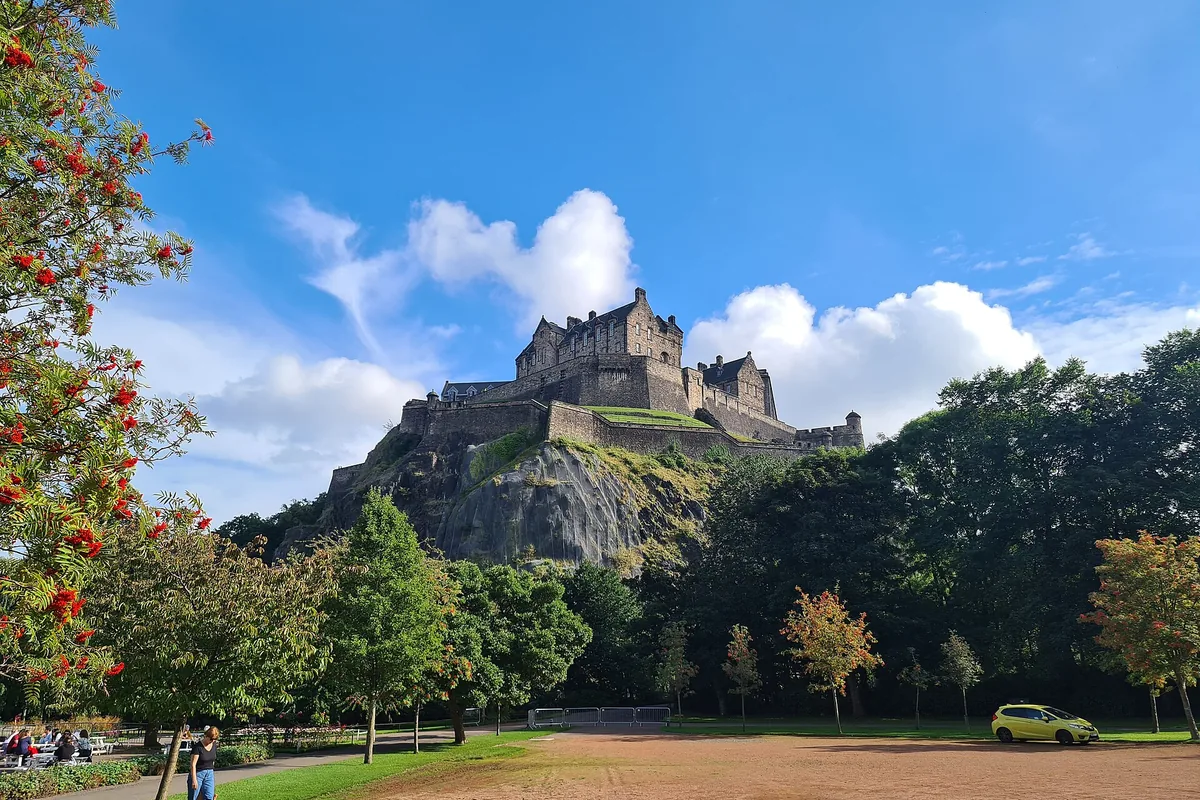
Edinburgh is Scotland’s capital and the city most first-time visitors choose, with a castle on an extinct volcano and a medieval Old Town beside a Georgian New Town. The Old and New Towns together are a UNESCO World Heritage Site, and the contrast between the two is the reason the skyline is so striking.
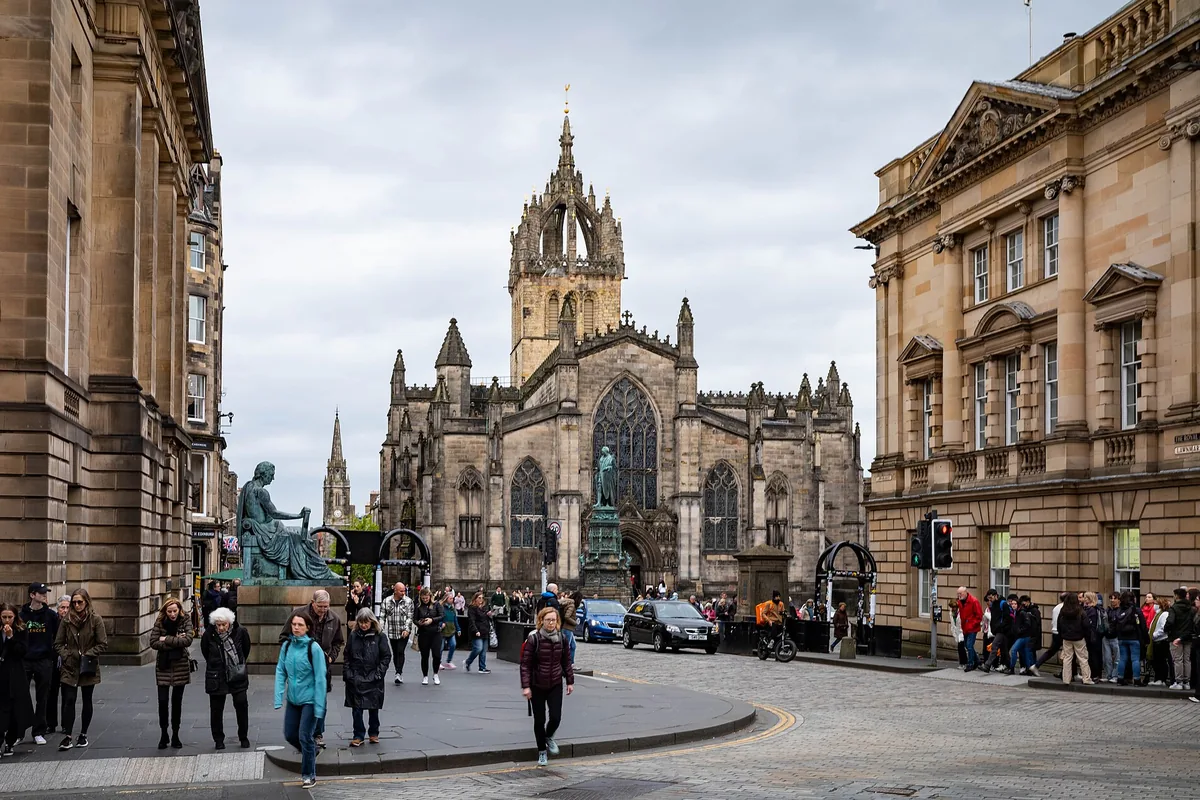
The Royal Mile runs from Edinburgh Castle down to the Palace of Holyroodhouse. It is called a mile because it is made up of several streets that together measure a Scots mile, which is slightly longer than an English one. Along the way you pass St Giles’ Cathedral, closes (narrow alleys) leading off the street and the Real Mary King’s Close, an underground tour of old streets beneath the city. Make a stop at the Scotch Whisky Experience near the castle if you want an easy introduction to whisky regions.
The New Town, built from the 18th century, has wide Georgian streets and squares, and Princes Street faces the Old Town across the gardens. Arthur’s Seat, the main peak in Holyrood Park, is a manageable climb for most walkers and rewards you with views over the city and the Firth of Forth. Edinburgh is busiest in August, when the Fringe and other festivals fill the city, so book accommodation early if you plan to visit then. For more detail, see our full guide to what to do in Edinburgh.
- How to get there: Direct trains from London and other UK cities arrive at Edinburgh Waverley, and Edinburgh Airport has a tram and bus link to the centre.
- How long to spend: 2 to 3 days, or 4 if you want to add day trips.
- Best time to go: May to June and September for good weather and fewer crowds, or August for festivals.
- Tip: Book timed castle entry and any Arthur’s Seat plans for a clear day, and wear shoes with grip on cobbles.
2. Glasgow
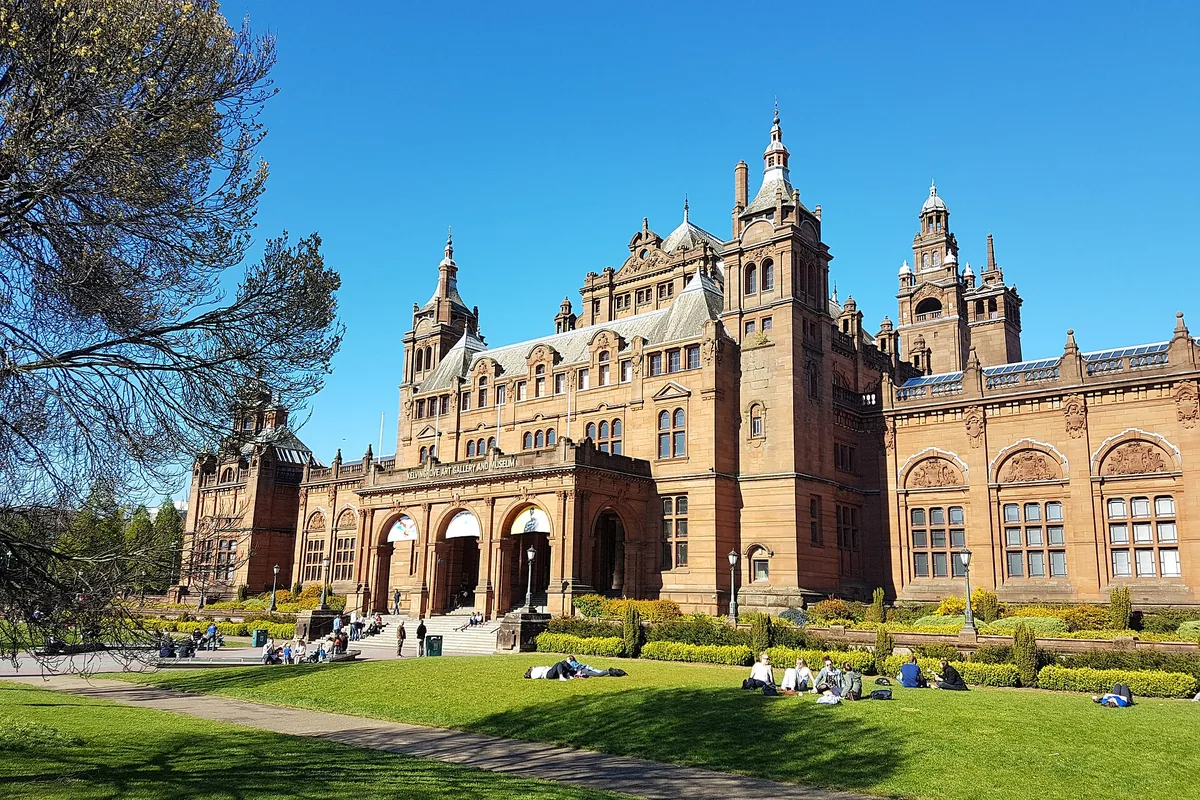
Glasgow is Scotland’s largest city and its liveliest for music, art, architecture and food. It was once a shipbuilding powerhouse and now has a confident cultural scene, helped by its status as a UNESCO City of Music.
The West End around the University of Glasgow has Gothic Revival architecture, independent shops, cafes and Kelvingrove Art Gallery and Museum, which has free entry (check the Glasgow Life website for current opening details). Its collection ranges from natural history to Dali’s painting of Christ of St John of the Cross, and a Spitfire hangs in the main hall. The Riverside Museum on the Clyde, designed by Zaha Hadid, covers transport and social history and also has free entry, and the Glasgow Science Centre is nearby.
Glasgow is the home city of Charles Rennie Mackintosh. Note that the Mackintosh Building at the Glasgow School of Art was badly damaged by fires in 2014 and 2018 and is being reinstated, so it is not open to visit as an attraction. You can still follow Mackintosh’s work at other sites in the city, such as the House for an Art Lover, and check the official sites for opening arrangements. Glasgow’s live music runs from small venues such as King Tut’s Wah Wah Hut to large arena shows. For food, see our guide to the best places to eat in Glasgow, and for escapes beyond the city, see our guide to the best day trips from Glasgow.
- How to get there: Trains from Edinburgh and London arrive at Glasgow Central and Queen Street, and Glasgow Airport is a short ride from the centre.
- How long to spend: 2 days, or 3 if you want to add Loch Lomond or the Trossachs.
- Best time to go: May to September for dry weather, but museums make it a good year-round city.
- Tip: Use the subway, buses and walking to cover the West End and the city centre, as most sights are compact.
3. Aberdeen
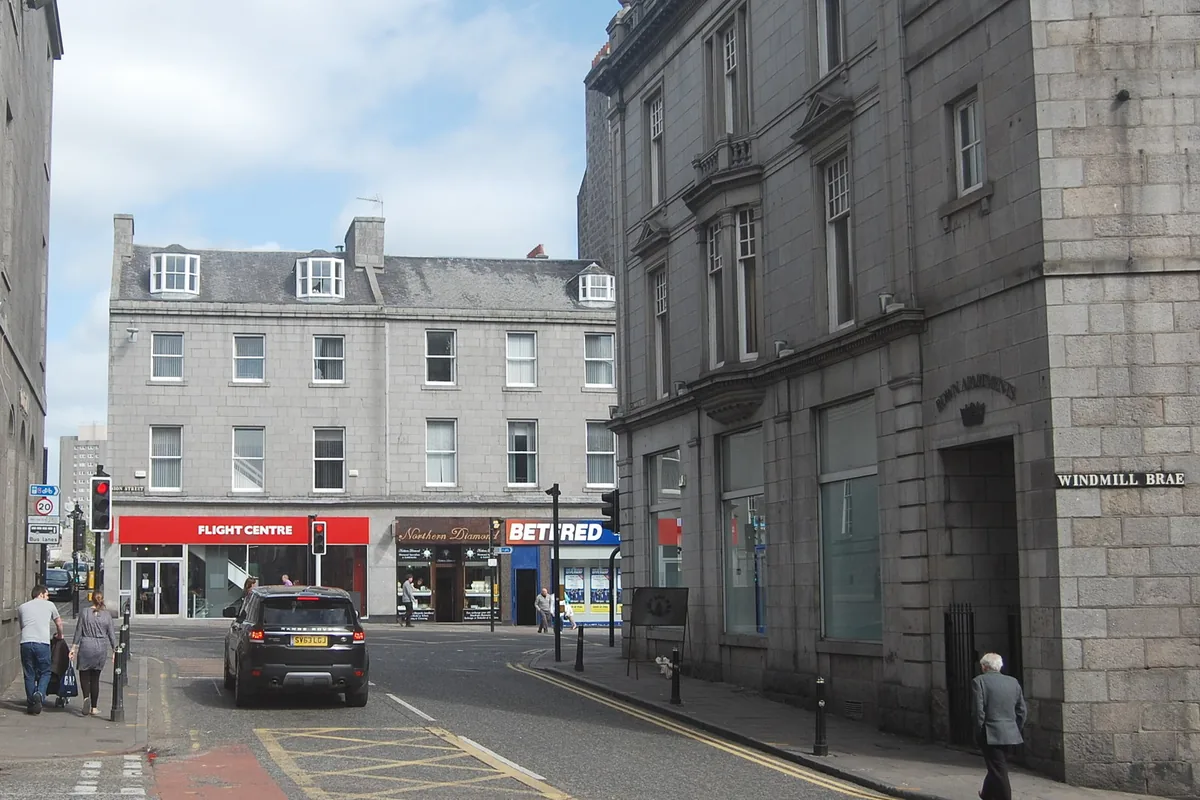
Aberdeen, Scotland’s third largest city, is known as the Granite City for its grey stone buildings. It sits on the North Sea coast and has a different character from Edinburgh and Glasgow, with a working harbour, a long beach and a strong link to the offshore energy industry.
Union Street is the main street and shows off the granite architecture the city is named for. Aberdeen granite was widely used in buildings, and it was also used for the Thames Embankment in London. In Old Aberdeen, around the University of Aberdeen (founded in the 15th century), cobbled streets lead to St Machar’s Cathedral and King’s College Chapel, whose crown tower is a landmark.
Aberdeen Art Gallery reopened in 2019 after a major redevelopment and is a good rainy day stop. On the seafront, the long sandy beach and the Beach Ballroom give the city a coastal side that surprises many visitors. Aberdeen is also a useful base for Royal Deeside, where Balmoral Castle is the royal family’s Scottish home (check its website for the seasons when the grounds are open), and for exploring the whisky distilleries and castles of north-east Scotland by car or organised tour.
- How to get there: Direct trains from Edinburgh and Glasgow take around 2.5 hours or more, and Aberdeen Airport has regular flights.
- How long to spend: 1 to 2 days, longer if you add Deeside or the castle trail.
- Best time to go: Late spring to early autumn for beach walks and longer daylight.
- Tip: Visit Old Aberdeen in the morning, then walk back towards Union Street for the art gallery and harbour.
4. Inverness
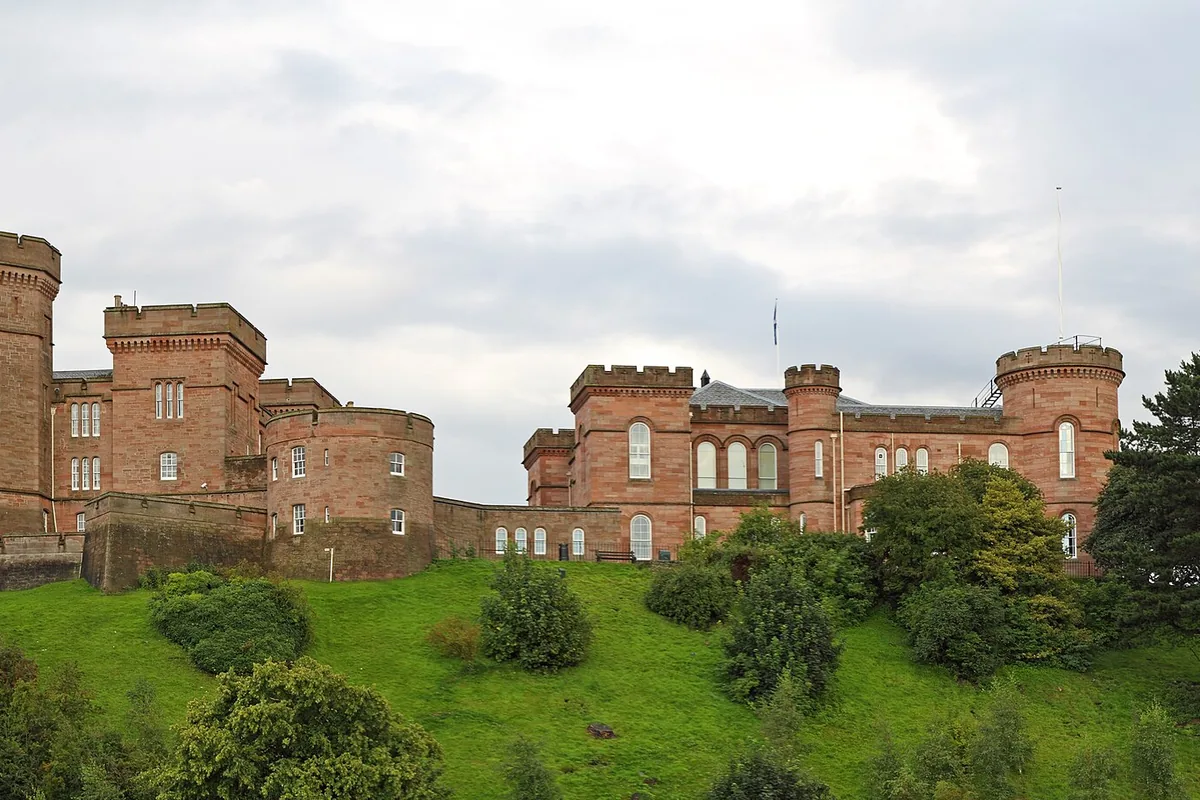
Inverness is the capital of the Highlands and the best city base for Loch Ness, Culloden and the North Coast 500. It sits where the River Ness meets the Moray Firth, and the compact centre is easy to explore on foot.
Inverness Castle, above the river, has been transformed into the Inverness Castle Experience, which opened in February 2026 after a major redevelopment, so it is now a visitor attraction with views over the city. Check the official Inverness Castle site for current ticketing. Walk along the River Ness to the Ness Islands, visit St Andrew’s Cathedral and the Eden Court theatre and cinema complex, and enjoy the waterfront pubs and restaurants in the evening.
Beyond the city, Loch Ness is a short drive away, with boat trips and the ruins of Urquhart Castle on its shore. Culloden Battlefield, the site of the 1746 battle that ended the Jacobite rising, is a few miles from the centre and has a visitor centre run by the National Trust for Scotland. Cawdor Castle is a seasonal, privately owned castle nearby, so check its opening dates before you go. Inverness is also the usual starting point for the North Coast 500, the scenic driving route around the northern Highlands.
- How to get there: Trains run from Edinburgh, Glasgow and Aberdeen, and Inverness Airport has flights from several UK cities.
- How long to spend: 2 days, or 3 to 4 if you add Loch Ness, Culloden and a Highland drive.
- Best time to go: May to September for the best weather and longest days.
- Tip: Pick up a hire car or join a small group tour if you want to see Loch Ness and Culloden in one day.
5. Stirling
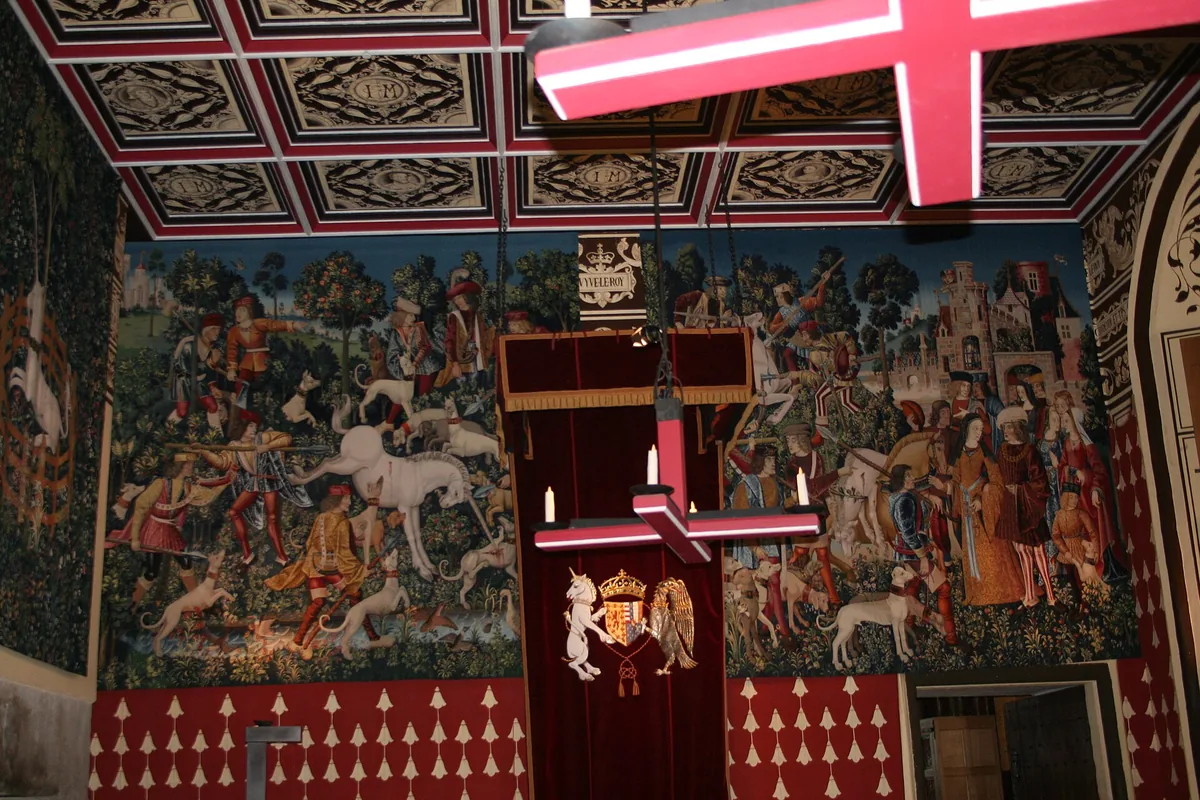
Stirling is a small city with some of Scotland’s most important history, often described as the gateway between the Lowlands and the Highlands. It is one of the easiest side trips from Edinburgh or Glasgow, and it is worth an overnight stay.
Stirling Castle stands on a volcanic crag and was a favoured residence of Stuart monarchs. The Great Hall and Royal Palace give a sense of Renaissance court life, and the castle looks out over the Forth valley. The National Wallace Monument, a tower of about 67 metres on Abbey Craig, commemorates William Wallace and the Battle of Stirling Bridge in 1297, with a spiral stair to the viewing gallery.
The Old Town is compact, with the Church of the Holy Rude, where the infant James VI was crowned, and the Old Bridge over the River Forth. Bannockburn, where Robert the Bruce won a famous victory in 1314, is on the edge of the city. Note: the National Trust for Scotland’s Bannockburn visitor centre is due to close for a major upgrade, with reopening planned for 2028, while the battlefield grounds stay open, so check the National Trust for Scotland before planning a visit. Doune Castle, a medieval castle used as a film and TV location, is a short drive away. For more places of this kind, see our guide to historic places in the UK.
- How to get there: Direct trains run from Edinburgh and Glasgow, with journey times of well under an hour.
- How long to spend: 1 day, or an overnight stay if you want to see the castle, monument and Old Town at a relaxed pace.
- Best time to go: Spring to early autumn for walking up to the monument and exploring the Old Town.
- Tip: Start at the castle in the morning, then visit the monument in the afternoon, as it is a short bus or taxi ride from the centre.
6. Dundee
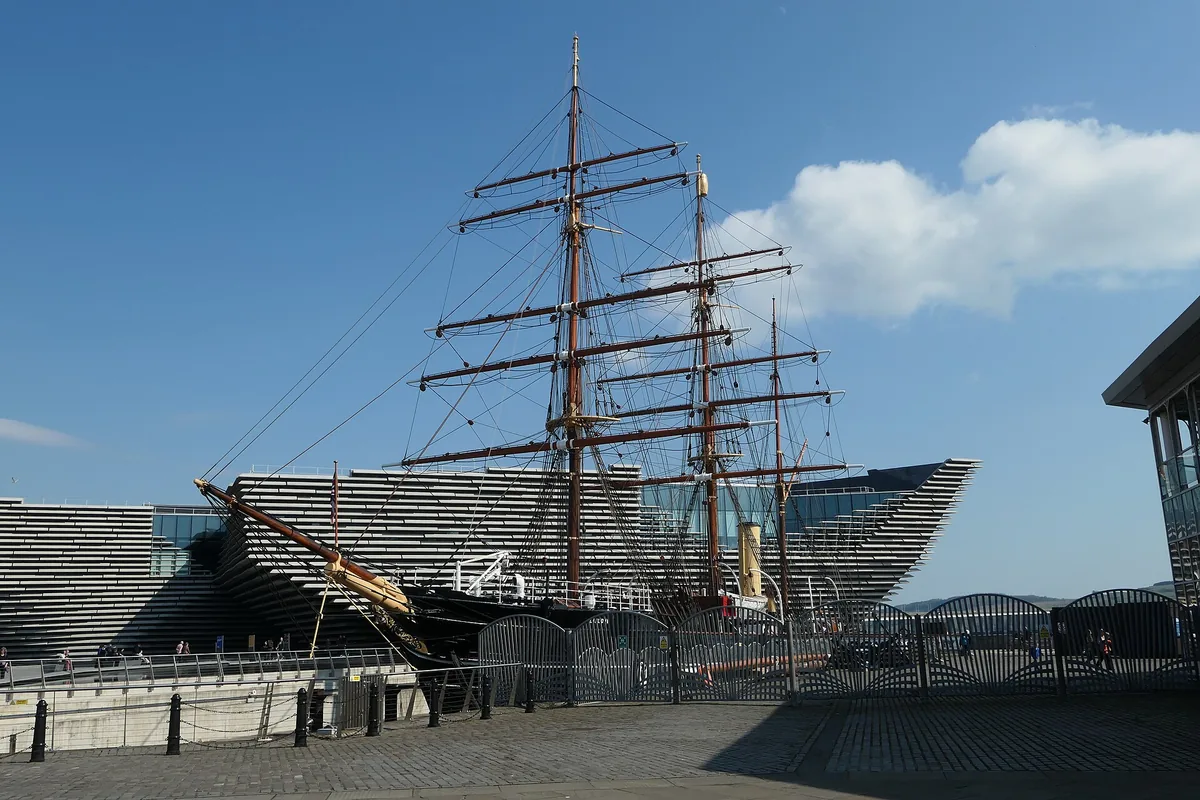
Dundee is Scotland’s design city, with a regenerated waterfront and a world-class museum on the River Tay. It was once known for jute, jam and journalism and now trades on design, video games and polar history.
The V&A Dundee, designed by Kengo Kuma and opened in 2018, was Scotland’s first dedicated design museum. It is the centrepiece of the waterfront, and its exhibitions cover Scottish and international design. Alongside it, RRS Discovery at Discovery Point is the ship that carried Captain Scott’s first Antarctic expedition, and it was built in Dundee. The McManus is the city’s main art gallery and museum, in a Victorian Gothic building in the centre.
Slessor Gardens and the waterfront paths are good for an evening walk, and the Law hill above the city gives wide views over the Tay. Dundee is close to Glamis Castle, which has royal connections and is open seasonally, so check its website before planning a visit. The city is also less crowded than Edinburgh, so it is a good choice for a quieter stop.
- How to get there: Trains run from Edinburgh (around 1.5 hours) and from Aberdeen and Glasgow, and the station is next to the waterfront.
- How long to spend: 1 to 2 days, including the V&A, Discovery Point and the McManus.
- Best time to go: Spring to early autumn, although museums make it good in any season.
- Tip: Combine the V&A and RRS Discovery in one day, as they are only a short walk apart.
More Cities and Towns Worth Adding
If you have extra time, consider Perth and St Andrews on the way between Edinburgh and Dundee, or the islands covered in our guide to the best Scottish islands to visit. Scotland also has newer city status towns such as Dunfermline, which can be visited by a short train ride from Edinburgh.
How Many Days Do You Need? A 7-Day Scotland Cities Itinerary
A week is enough to see the main cities without rushing, and most legs are short train rides. If you have less time, drop Aberdeen or Dundee. If you have more, add a Highland drive from Inverness.
Days 1 to 3: Edinburgh
Spend the first day on the Royal Mile and the castle, the second in the New Town and on Arthur’s Seat, and the third on a museum visit or day trip. Allow an evening for the Old Town closes and a traditional pub.
Day 4: Stirling
Take the train in the morning, visit the castle and Old Town, then climb to the Wallace Monument in the afternoon. Stay overnight, or continue to Glasgow in the evening.
Days 5 and 6: Glasgow
Use the first day for the West End and Kelvingrove, and the second for the Riverside Museum, the city centre and live music in the evening.
Day 7: Dundee, Inverness or Aberdeen
Choose one based on your interests. Go to Dundee for design and the waterfront, Inverness for the Highlands, or Aberdeen for a granite city and the coast. If you want all three, extend the trip by 3 or 4 days.
Getting Around Scotland’s Cities
Trains and buses connect Scotland’s cities, and each city centre is easy to explore on foot. Edinburgh to Glasgow takes roughly 50 minutes by train, and Stirling and Dundee are also direct rail trips from Edinburgh. Inverness and Aberdeen are further, with longer journeys of a few hours, so plan those legs as part of a longer day. Check the official ScotRail website for timetables, tickets and engineering works.
Buses cover routes where rail does not, and a hire car is useful for Deeside, Loch Ness and the North Coast 500. Within cities, walking and local buses cover most sights, and Glasgow also has a small subway. Book rail tickets in advance for the best fares, and avoid driving in the centre of Edinburgh or Glasgow where you can, as parking is limited.
Where Should You Stay in Scotland?
Stay in the centre of each city so that you can walk to the main sights in the evening. In Edinburgh, the Old Town and New Town are the most convenient. In Glasgow, the city centre, Merchant City and West End all work well. In Inverness, stay near the River Ness, and in Stirling choose the Old Town or near the station. For Dundee and Aberdeen, central hotels near the station and the waterfront or Union Street keep transport simple. Book early for August in Edinburgh.
How Much Does a Trip to Scotland’s Cities Cost?
Scotland can suit most budgets, but Edinburgh in August and the Highlands in summer are the most expensive. Accommodation is the biggest cost and it varies a lot by city and season. You can save by visiting outside peak months, booking trains in advance, using free museums such as Kelvingrove and the Riverside Museum, and eating where locals eat rather than on the main tourist streets. Attraction prices change, so check each official site before you go.
When Is the Best Time to Visit Scotland’s Cities?
May, June and September are the best months for mild weather, long days and fewer crowds than July and August. Summer has the longest daylight and the most events, while autumn brings colour and quieter streets. Winter is cold and short on daylight, but cities such as Edinburgh and Glasgow have Christmas events and cosy pubs. Weather changes quickly in Scotland, so pack layers and a waterproof at any time of year.
What Should You Know Before Visiting?
Book popular attractions and accommodation early, and check opening arrangements before you go. Scotland uses the pound sterling, and contactless payments are widely accepted. Visitors from some countries need a UK electronic travel authorisation, so check the UK government website before you travel. Sunset is very early in winter and very late in summer, so plan outdoor activities around daylight.
Frequently Asked Questions
What are the best cities to visit in Scotland?
The best cities to visit in Scotland are Edinburgh, Glasgow, Stirling, Inverness, Dundee and Aberdeen. Edinburgh and Glasgow are the top choices for a first trip, and the others suit a longer visit.
Which is the best city in Scotland for a first visit?
Edinburgh is the best city for a first visit because of its castle, Old Town and compact layout. Add Glasgow if you want art, music and food.
How many days do you need to see the main cities in Scotland?
Seven days is enough for Edinburgh, Stirling and Glasgow plus one more city. With only 3 to 4 days, focus on Edinburgh and Glasgow, or add Stirling as a day trip.
What is the best Scottish city for the Highlands?
Inverness is the best city for the Highlands, as it is the gateway to Loch Ness, Culloden and the North Coast 500. The Inverness Castle Experience opened in 2026, so it is also a good time to visit.
Is Glasgow or Edinburgh better to visit?
Edinburgh is better for history and views, and Glasgow is better for museums, music and nightlife. They are about 50 minutes apart by train, so most visitors see both.
What is the best time to visit the cities of Scotland?
May, June and September are the best months for good weather and fewer crowds. August is lively in Edinburgh because of the festivals, but accommodation is more expensive and busier.
Discover More of Scotland
Keep planning with the best day trips from Edinburgh, which cover the countryside, castles and coast around the capital. Together with the guides above, they help you turn a list of cities into a full Scottish itinerary.
Featured image: Photo by Mike McBey, CC BY 2.0, cropped, via Wikimedia Commons