Last updated: November 2026
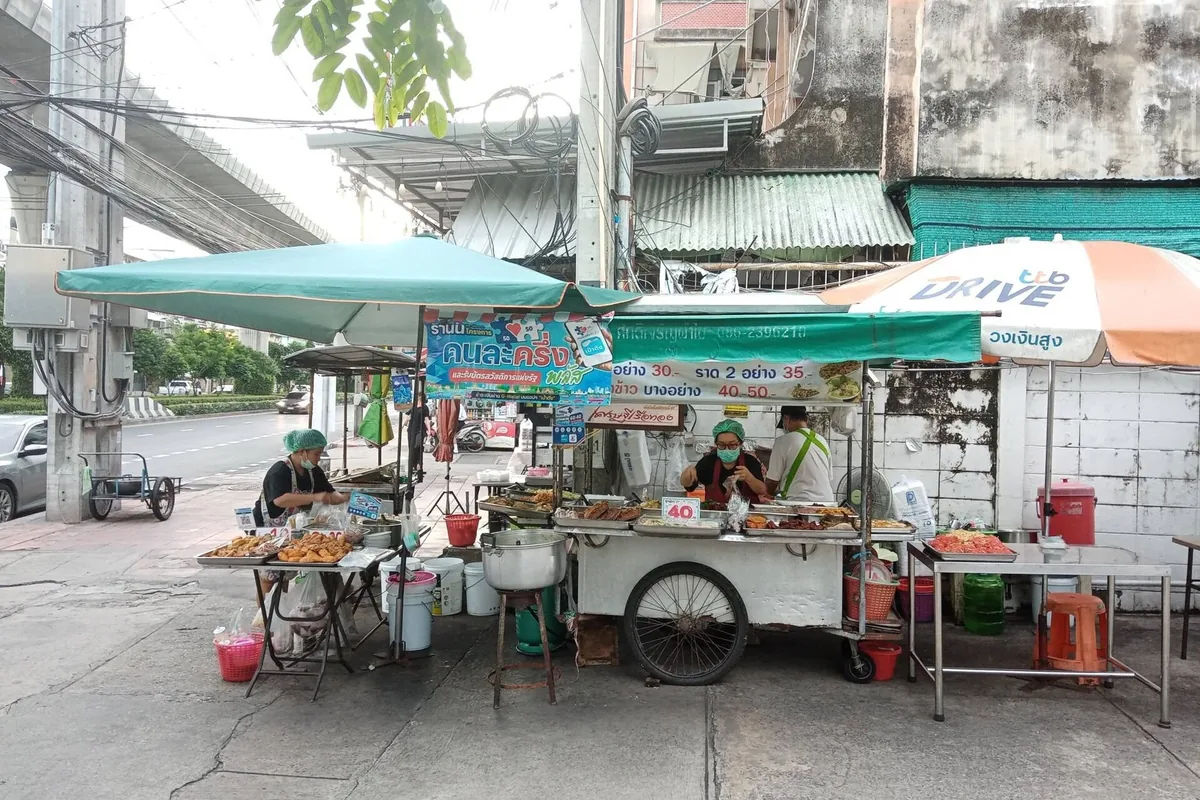
Bangkok is one of the best cities in the world for eating on the street, and the trick is knowing where to go. The best street food in Bangkok is found in Yaowarat (Chinatown), on Soi Convent in Silom, at Wang Lang Market, at the Or Tor Kor food court and at the city’s new hawker centre beside Lumphini Park. The rest of our list adds Michelin-recognised chicken rice in Pratunam, Indian snacks in Phahurat, the after-work stalls of Ari, the old desserts of Nang Loeng and the riverside alleys of Talat Noi.
This guide is built around places rather than single stalls, because stalls move, change hands and close for holidays far more often than neighbourhoods do. Bangkok has also tightened its rules on pavement vendors, so some roadside carts have moved indoors or into managed food areas. Where a listing is unclear we say “check before you go”. We keep this list separate from our guide to the best night markets in Bangkok and our pick of the best places to eat in Bangkok, which covers famous restaurants and named stalls, and there is a free printable 3-day food itinerary further down. For official visitor information, see the Tourism Authority of Thailand and the Michelin Guide Thailand.
Quick answer: What is the best street food in Bangkok? The best street food in Bangkok is in Yaowarat (Chinatown), Soi Convent, Wang Lang Market, Or Tor Kor Market, Pratunam, Phahurat, Ari, the Lumphini hawker centre, Nang Loeng Market and Talat Noi. For a first visit, start with Yaowarat in the evening. For a calm lunch, try Wang Lang Market or Or Tor Kor. For a managed, easy introduction, use the Lumphini hawker centre.
Free printable itinerary
Planning a trip? Download our 3-Day Bangkok Street Food Itinerary as a PDF: the day-by-day plan plus all 10 places with directions and map links. Print it or keep it on your phone.
Quick comparison: the best street food in Bangkok
| Place | Area | Best for | When to go |
|---|---|---|---|
| Yaowarat Road | Chinatown | Seafood, noodles and sweets | Evening |
| Soi Convent | Silom | Isan food and office lunches | Weekday lunchtime |
| Wang Lang Market | Thonburi, by the river | Snacks and local desserts | Morning to early afternoon |
| Or Tor Kor Market | Kamphaeng Phet | Clean, high quality market food | Morning to lunchtime |
| Pratunam chicken rice | Pratunam | A famous one-dish meal | Lunch |
| Phahurat | Little India | Samosas, dosas and sweets | Daytime |
| Soi Ari and Phahonyothin Soi 7 | Ari | After-work grazing | Late afternoon |
| Lumphini hawker centre | Lumphini Park | An easy first taste | Lunch or evening |
| Nang Loeng Market | Old Town | Traditional Thai desserts | Morning |
| Talat Noi | Riverside Chinatown | Snacks, shrines and alleys | Morning |
1. Yaowarat Road (Chinatown)
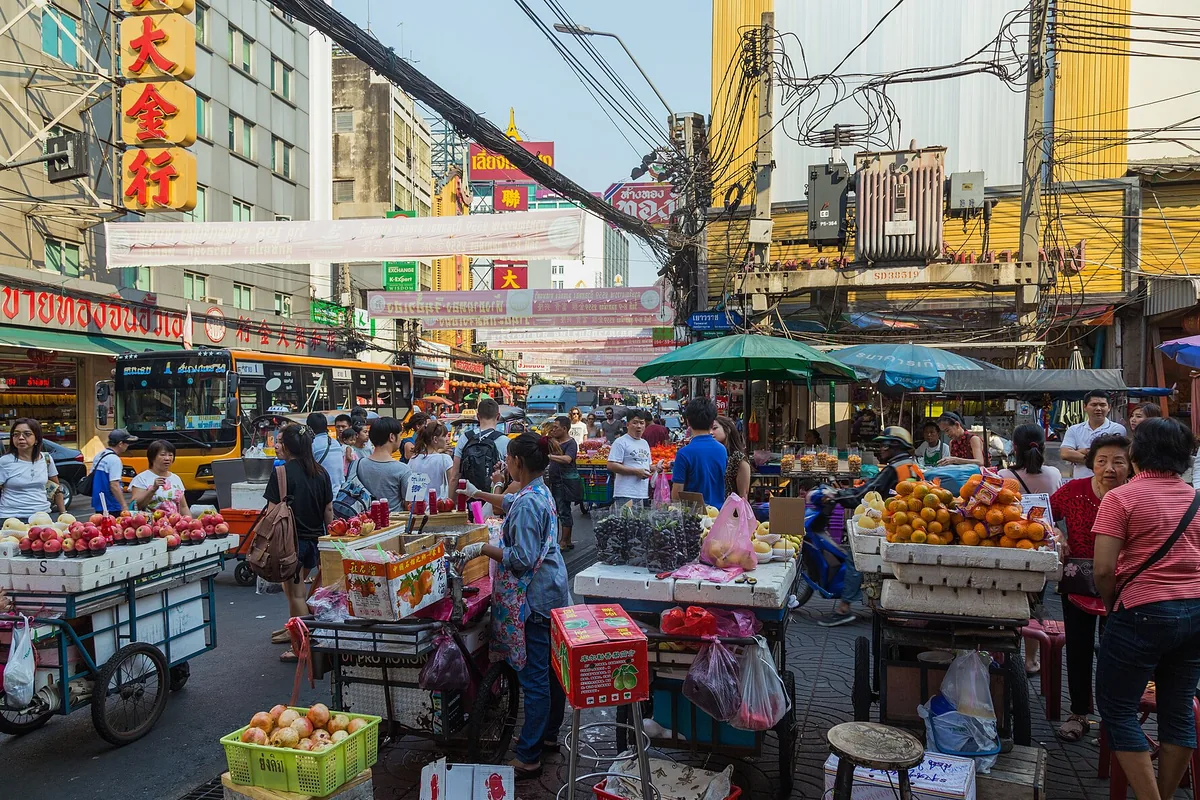
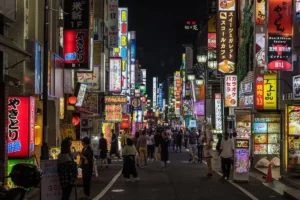
Yaowarat Road is the street food capital of Bangkok, and the single best place to eat outdoors in the city. The Michelin Guide has recognised several Chinatown street food stalls over the years, and the evening scene along the main road and its side alleys is the reason. As the gold shops close, stalls roll out onto the pavement with grilled seafood, roast duck, fish maw soup, Teochew noodles, fried rice, oyster omelettes and dessert carts selling sweet soups and toasted buns.
The best approach is to graze. Pick a side street, order one dish at one stall, then move on rather than sitting down for a full meal. Some of the most talked-about places are in quiet alleys a short walk from the main road, including Michelin-recognised stalls for rice noodle rolls and wok-fried rice, so a map app and a little patience pay off. Queues usually mean turnover, which is a good sign for freshness.
Yaowarat is busy and loud, especially on weekends and during Chinese New Year and the Vegetarian Festival, when many stalls switch to meat-free menus and the whole street turns yellow and red. Wear closed shoes, expect slow-moving crowds and keep valuables in a front pocket or bag. Many stalls take cash only, so bring small notes. Bangkok has tightened its rules on street vending, with enforcement focused mainly on busy main roads, and Chinatown remains one of the city’s liveliest street food districts, but check current local news if you are planning a trip around a particular stall.
For a calmer visit, go late afternoon, when the first stalls are setting up and queues are short. Our night market guide, linked above, covers the wider evening scene.
- How to get there: MRT Blue Line to Wat Mangkon station, then walk to Yaowarat Road, or take the Chao Phraya Express Boat to Ratchawong pier and walk.
- How long to spend: Two to three hours, ideally over dinner.
- Best time to go: From late afternoon into the evening, on a weekday if you dislike crowds.
- Tip: Share dishes with a friend so you can try more stalls, and check for a clean, busy stall rather than an empty one.
2. Soi Convent, Silom
Soi Convent is the best street food lane for a weekday lunch in Bangkok’s business district. It runs beside a convent school near Sala Daeng, and office workers pour in at midday for Isan food, Thai curries, noodles and desserts. The best known address is Hai Som Tam Convent, a long-running Isan restaurant famous for its papaya salad, grilled chicken and sticky rice, which is why the soi is often recommended as an easy introduction to northeastern Thai cooking.
Other pitches along the soi change with the seasons. Guides over the years have pointed to a khao so-i (northern Thai curry noodle) shop, carts selling steamed chicken rice and noodle stalls, and the mix of stalls and small restaurants gives you several choices within a short walk. This is a good place to learn the Isan basics, such as the difference between a pounded papaya salad with fermented fish sauce and a sweeter central Thai version. You can usually ask for less chilli, and it is wise to do so on your first order.
Because it serves offices, Soi Convent is strongest on weekday lunchtimes and quieter at weekends, and some places close on Sundays or Mondays. Hours vary by stall and listings are often old, so check before you go and have a backup plan nearby. The area also has plenty of cafes and a few bars on its edges, which makes it easy to continue an afternoon in Silom. If you are also exploring the city after dark, our guide to the best bars in Bangkok includes rooftop and cocktail bars in the same part of town.
- How to get there: BTS Sala Daeng or MRT Silom station, then a short walk along Convent Road.
- How long to spend: About one hour for lunch.
- Best time to go: Weekday lunch, a little before or after the main rush.
- Tip: Order papaya salad, grilled chicken and sticky rice to share, and ask for the spice level you can handle.
3. Wang Lang Market
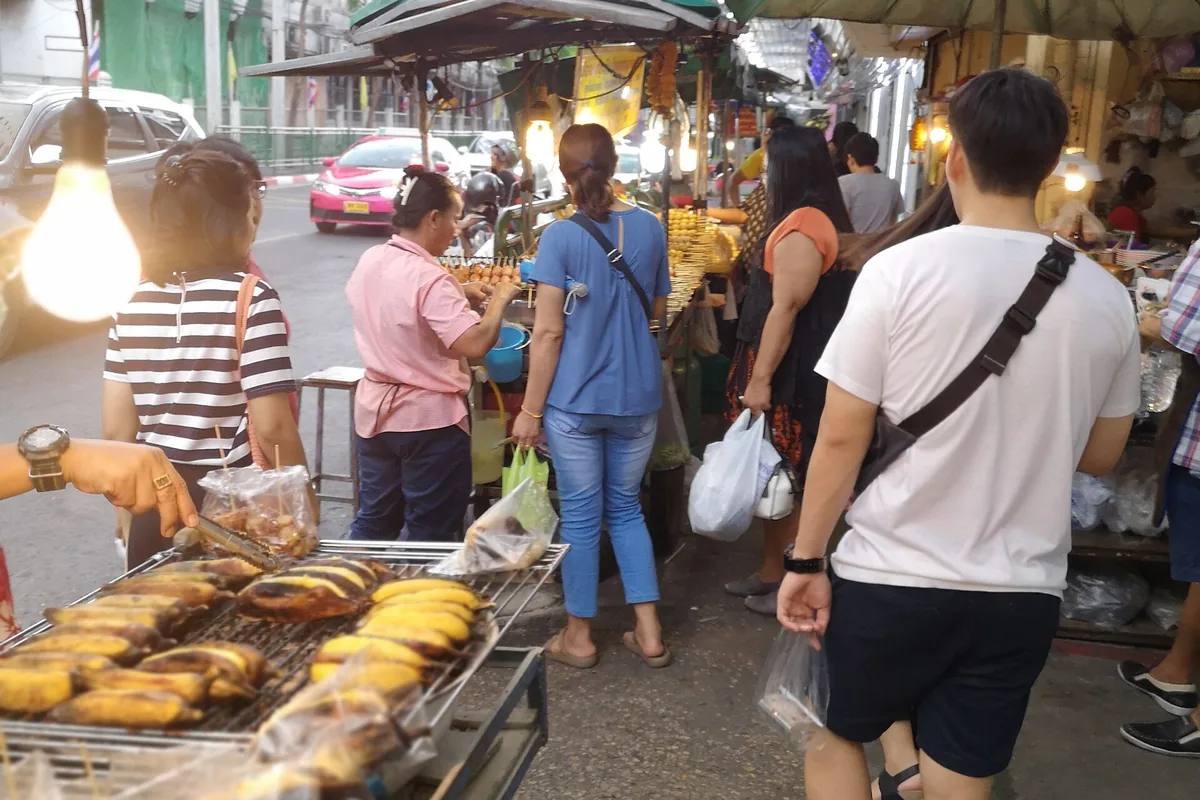
Wang Lang Market is the best riverside street food market for a relaxed local morning. It sits on the Thonburi side of the Chao Phraya, next to Siriraj Hospital, and its narrow lanes are lined with food stalls, small shops and snack vendors. It is known for hoy tod (crispy oyster or mussel omelette), noodles, fried snacks, fresh fruit and a wide range of Thai desserts, and much of the trade is local people, hospital staff and students.
Because the market follows the working day, it is best from the morning to the early afternoon. Listings disagree on exact opening hours, but it is generally busiest around lunchtime and quieter in the evening. The lanes are tight, so travel light and avoid a large backpack. If you are travelling with children, remember that this is a working market and the pavements can be crowded.
The journey is part of the appeal. Crossing the river by Chao Phraya Express Boat to Wang Lang (Prannok) pier, beside Siriraj Hospital, lets you see the old city from the water, and the market begins close to the pier. Boat schedules and pier names can vary, so confirm on the Chao Phraya Express Boat site before you set out. You can combine the visit with the nearby Siriraj Museums or with a walk to the Bangkok Noi canal, but both are separate tickets or outings, so plan around your own timetable.
Most stalls sell by the plate or the bag, which keeps the food cheap and easy to share. Bring small notes and some water. If you want to try the oyster omelette, choose a stall where you can see it being fried to order.
- How to get there: Chao Phraya Express Boat to Wang Lang (Prannok) pier, or BTS Saphan Taksin and a boat up the river from Sathorn pier.
- How long to spend: One to two hours.
- Best time to go: Late morning, when most stalls are open and food is fresh.
- Tip: Check which pier the boat stops at before you board, and bring small cash.
4. Or Tor Kor Market
Or Tor Kor Market is the best place to try Bangkok street food in a clean, well-organised setting. It is a fresh produce market run by the Marketing Organization for Farmers, across the road from the weekend market at Chatuchak, and it is known for high quality fruit, seafood, meat and prepared foods. At the back is a food court with stalls cooking classics such as braised pork leg on rice, braised duck noodles, fried oyster pancakes and pad thai.
Locals often call it Bangkok’s best market for fruit, and it is a good place to buy seasonal fruit such as mango and durian to eat on the spot. Prices are a little higher than at neighbourhood markets, which is the trade-off for the quality and the cleanliness. The aisles are covered, which makes it a sensible choice in the hot or rainy seasons.
Opening hours vary by listing, so check before you go, and note that the food court may have a different closing time to the market itself. It is busiest at weekends, when visitors to Chatuchak add to the crowds, so a weekday morning or lunch is more relaxed. Look for dishes that you can see being cooked to order, and be prepared to point and smile if there is no English menu.
If you are visiting Chatuchak, plan the market first and go to Or Tor Kor for lunch afterwards. Our night market guide covers the Friday night version of Chatuchak.
- How to get there: MRT Blue Line to Kamphaeng Phet station, then use the exit that leads to the market and walk a couple of minutes.
- How long to spend: One to two hours, including fruit shopping.
- Best time to go: A weekday late morning, when the food court is open and the market is not too crowded.
- Tip: Buy fruit from the stalls with a cut sample, and eat a hot dish while it is fresh from the wok.
5. Pratunam chicken rice
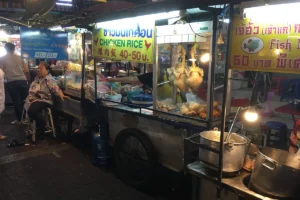
Pratunam chicken rice is the best single street dish in Bangkok for first timers. Khao man gai, a plate of poached chicken on rice cooked in chicken stock with a dipping sauce, a bowl of broth and a few cucumber slices, is the simplest and most reliable dish in the city’s street food repertoire, and the Pratunam version is one of the best known. The famous shop here, Go-Ang Pratunam Chicken Rice, has been going since the 1960s and has appeared on the Michelin Guide’s Bib Gourmand list in several past editions, so it is a good example of how a basic street style dish can reach a very high standard.
It is a small shop rather than a roving cart, which makes it easy to find, but the queue can still be long at lunchtime. Order the chicken rice with the sauce on the side, add a bowl of broth and perhaps some fried tofu or extra chicken skin. The sauce, a blend of fermented soybean, ginger, garlic and chilli, is the heart of the dish, so taste it before adding more. Compare it with the chicken rice you can find at stalls elsewhere to see the difference careful poaching makes.
The Michelin listing history has varied between sources and years, so check the current Michelin Guide Thailand listing before you rely on it. The shop’s opening days and times also change, so check before you go, and note that Pratunam is a busy wholesale clothing district, so the pavements are packed in the afternoon.
Pratunam has plenty of other street food too, including noodle stalls and fruit sellers, so you can make a short wander of it. If you want something heavier, try a nearby bowl of noodles afterwards.
- How to get there: BTS Chit Lom or Ratchathewi, then a taxi, motorbike taxi or a hot walk along Phetchaburi Road. Check the exact address on a map app.
- How long to spend: About 45 minutes.
- Best time to go: Just before the lunch rush, or mid afternoon.
- Tip: Go early to avoid the queue, and check current hours before you travel.
6. Phahurat (Little India)
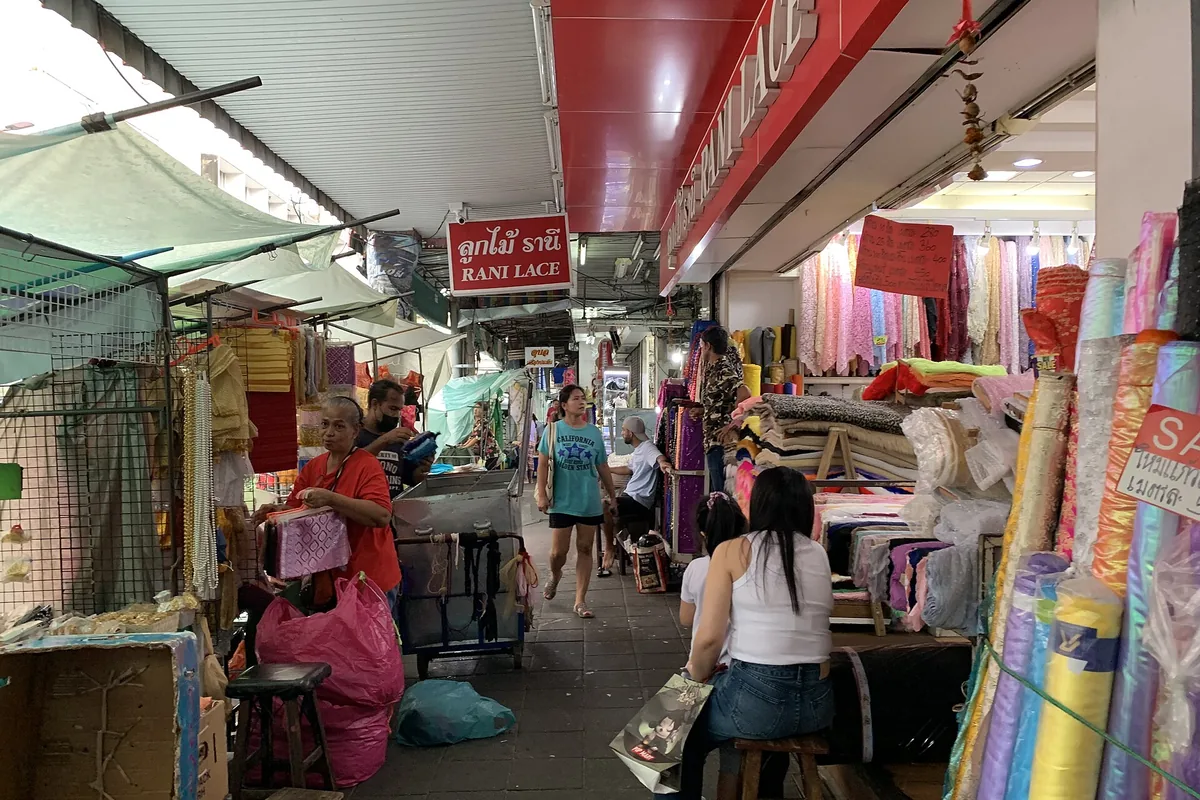
Phahurat is the best place in Bangkok for Indian street food. This compact district next to Chinatown is the centre of the city’s Indian and Sikh communities, with fabric shops, sari sellers and a large Sikh temple, and its alleys are packed with stalls and small restaurants selling samosas, dosas, biryani, lassi and bright Indian sweets. It is a very different flavour to the rest of this list, and it shows how many cultures feed into Bangkok’s food.
Many shops here keep daytime hours and close earlier than the Chinatown stalls, so it works well as a late morning or lunchtime stop before heading to Yaowarat in the evening. Guides name long-running restaurants on the surrounding streets, including Royal India, but whether a named place is open on the day you go is uncertain, so check before you go. The street stalls change more often, so it is best to follow your nose and the queues.
Phahurat is also a good place to try a thali, a plate with several small dishes. Vegetarian travellers will find it one of the easiest districts in the city, and halal options are common. Look for sweets such as jalebi and barfi to take away as a snack. Expect crowded, narrow lanes with motorbikes and carts, so watch your step.
If you are combining areas, Phahurat sits close to Yaowarat and Talat Noi, and the three together make a good full day on foot. Consider the heat and take breaks in shaded cafes or the covered market lanes.
- How to get there: MRT Blue Line to Sam Yot or Wat Mangkon and walk, or Chao Phraya Express Boat to Memorial Bridge pier (Saphan Phut) and walk. Check the route in a map app.
- How long to spend: One to two hours.
- Best time to go: Late morning or early afternoon, as many shops close earlier in the evening.
- Tip: Try a vegetarian thali for lunch, and carry cash for the small stalls.
7. Soi Ari and Phahonyothin Soi 7
Soi Ari is the best street food area for a relaxed, local after-work crowd. Ari is a leafy, residential neighbourhood north of the centre with a growing cafe scene, and its street food clusters around the BTS station exit, along Phahonyothin Soi 7 and into Soi Ari 1. You will find noodle carts, grilled meat skewers, rice porridge, Hainanese chicken rice, sweet snacks and drinks, with the busiest period from the late afternoon as office workers stop on the way home.
The scene here is quieter and less touristy than Chinatown, so it is a good place to try Thai neighbourhood street food at a gentler pace. Some of the stalls have been there for years, including noodle shops and rice porridge carts that serve the morning crowd, but the names change and many are small, so we recommend walking the lane and choosing the busiest stall instead of working from a fixed list. Morning is also good, with rice porridge, coffee and grilled pork skewers from the stalls near the entrance to the soi.
Ari is also a good base for cafe stops between meals, and Soi Ari 4 and its side lanes have small restaurants and shops. The district is walkable and compact, so it suits a slow afternoon. A weekend walking street appears nearby on some days, but listings are unreliable, so check before you go.
Because Ari is on the BTS, it is easy to combine with a trip to the northern end of the line or with the weekend market at Chatuchak. Use the street food to fill the gap between your other plans.
- How to get there: BTS Sukhumvit Line to Ari station, then walk down Phahonyothin Soi 7 and Soi Ari 1.
- How long to spend: One to two hours.
- Best time to go: Late afternoon on a weekday, or a weekend morning for breakfast.
- Tip: Walk the whole lane first, then order from the stalls with the busiest queues.
8. Lumphini hawker centre
The Lumphini hawker centre is the best place to try Bangkok street food in a managed, comfortable setting. The city authority has been moving vendors into designated food centres, and one of the newest sits beside Lumphini Park on Ratchadamri Road, with access from Sala Daeng BTS and Lumphini MRT stations. It opened in stages from April 2026 and brings together street food vendors from the surrounding streets, with different groups working in morning and evening shifts, so the stalls you find at lunch may differ from those at dinner.
This is the easy option for first timers. It has seating, shade and a more organised layout than a pavement, which helps if you are worried about heat, hygiene or knowing where to sit. It is also a snapshot of how the city is changing, as the authority has tightened rules on roadside carts and encouraged vendors to move into centres like this one. Not everyone is happy about that, so the atmosphere is different to a classic street, but the food comes from experienced vendors.
Because the centre is new, details such as the number of stalls, the shifts and the payment methods may change, so check current information before you go. Stalls were set up with QR payment boxes for Thai banking and wallet apps, so check whether cash is accepted when you arrive and carry small notes just in case. Combine your meal with a walk or a rest in Lumphini Park, which is one of the city’s most popular green spaces.
If you want the classic street experience, go to Yaowarat in the evening, and use the hawker centre for a calmer lunch.
- How to get there: BTS Sala Daeng or MRT Lumphini, then walk to the park side entrance. Check the exit in a map app.
- How long to spend: One to two hours, plus time in the park.
- Best time to go: Lunch or early evening, avoiding the hottest part of the afternoon.
- Tip: Walk the whole hall before you order, and check which shift is running.
9. Nang Loeng Market
Nang Loeng Market is the best place in Bangkok for traditional Thai desserts and old-fashioned snacks. Often described as one of the city’s oldest markets, it sits in the old town away from the main tourist routes, and its narrow lanes of shophouses are known for steamed and coconut-based sweets, small noodle bowls and curries sold by families that have run their stalls for generations. It is quiet compared with Chinatown, and the pace is gentle.
Desserts are the reason to come. Look for steamed custards and coconut jelly cups, layered sweets and small cakes made with palm sugar. Some stalls are famous locally and sell out early, so aim to arrive in the morning. Savoury options include curries, rice dishes and noodles, usually cooked in small batches in the same family kitchens for decades. Because it is a living neighbourhood market, it does not feel like a tourist attraction, and the vendors may speak little English, so friendly gestures go a long way.
Hours vary between sources, and the market generally winds down after lunch, so check before you go and plan for the morning. It is not close to a train station, so a taxi or tuk-tuk is the simplest way to arrive, and you can walk to it from Democracy Monument if the weather is cool. After the market you can walk to nearby sights in the old town.
Bring small notes and an empty stomach, because the desserts are small and you will want to try several. Take a bag for sweets to enjoy later.
- How to get there: Taxi or tuk-tuk from the old town or Khao San Road, or a walk from Democracy Monument. There is no nearby train station.
- How long to spend: One to two hours.
- Best time to go: Morning, ahead of lunch, when the desserts are freshest.
- Tip: Go before midday, as popular desserts sell out, and ask what is freshly made.
10. Talat Noi
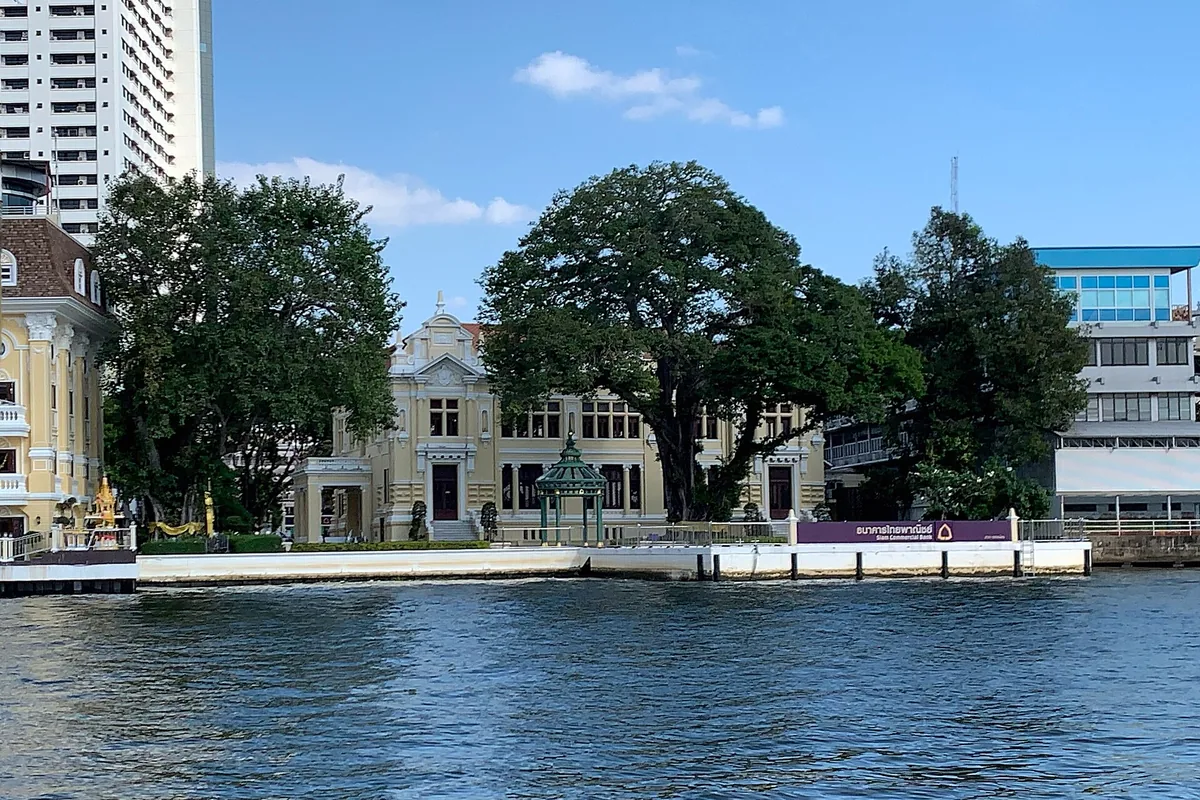
Talat Noi is the best place for street food with a sense of old Bangkok. This small riverside neighbourhood south of Yaowarat is a maze of narrow lanes, century-old houses, Chinese shrines and car repair workshops, and its street food is a mix of small carts and family shops. Snacks you might find include fried chive cakes, satay, noodles and coffee from carts and small cafes, with lanes near Soi Wanit 2 and Soi Charoen Krung 22 as the usual starting points.
Talat Noi suits a slow morning walk, when the vendors are fresh and local families do their shopping. The shrines are small and active places of worship, so be quiet and respectful, and ask before taking photos of people. The lanes are narrow and shared with motorbikes and delivery carts, so walk single file and watch for traffic. Street art, old garages and riverside corners make the neighbourhood popular with photographers, which can mean small crowds at weekends.
Because the food is spread through the alleys, the best way is to wander and snack, then rest in a small cafe. Listings vary and some stalls open only for part of the day, so check before you go. The area connects easily to Yaowarat and Phahurat, so a morning in Talat Noi followed by Chinatown in the evening is a classic day.
For transport, the walk from Hua Lamphong MRT station is possible but hot, so some visitors prefer a taxi to Charoen Krung Soi 22 or a boat to a nearby pier.
- How to get there: MRT Blue Line to Hua Lamphong then walk or taxi to Charoen Krung Soi 22, or a Chao Phraya boat to a nearby pier.
- How long to spend: One to two hours.
- Best time to go: A weekday morning, when vendors are fresh and lanes are quieter.
- Tip: Wear flat shoes and be careful in the narrow lanes, and keep a small amount of cash for snacks.
Thai street food dishes to look out for
Knowing what to order helps you eat well even without a menu in English. Start with a few reliable dishes and branch out from there.
- Khao man gai: Chicken rice with a ginger and soybean dipping sauce.
- Pad thai and pad see ew: Wok-fried noodles, one tangy and one savoury.
- Som tam: Pounded green papaya salad, usually spicy.
- Moo ping: Grilled pork skewers, often with sticky rice.
- Hoy tod: Crispy oyster or mussel omelette.
- Kuay teow: Noodle soups, including boat noodles.
- Khao kha moo: Braised pork leg on rice.
- Mango sticky rice: A seasonal dessert, best when mangoes are ripe.
Suggested street food plans for 1, 2 or 3 days: a 3-Day Bangkok Street Food Itinerary
Use this plan to cover the places above without too much travel. Our free printable 3-day Bangkok street food itinerary has the same stops in a handy format.
Day 1: Chinatown and the river
Start the morning in Talat Noi with snacks and coffee, then walk to Phahurat for an Indian lunch. In the late afternoon head to Yaowarat Road and graze through the evening. Everything is walkable or a short boat or taxi ride, so keep the day relaxed.
Day 2: Old town and Thonburi
Go to Nang Loeng Market in the morning for desserts, then take a taxi to the river for a boat to Wang Lang Market and a late snack lunch. Spend the afternoon resting, then return to the river at sunset. This day has less walking and more time on the water.
Day 3: Silom, Lumphini and Ari
Have a weekday lunch on Soi Convent, then walk to the Lumphini hawker centre for dessert and a rest in the park. Finish at Soi Ari in the late afternoon. If you have time before leaving Bangkok, add Or Tor Kor Market or the Pratunam chicken rice shop at the start of the day, as both are easy by MRT or BTS plus a short taxi ride.
Getting around Bangkok
The BTS Skytrain and MRT metro are the easiest way to cover this list. Yaowarat, Or Tor Kor, Lumphini and Ari all have a station close by, and the BTS and MRT websites show routes and fares. The Chao Phraya Express Boat is useful for Wang Lang, Phahurat and Talat Noi, and is a pleasant way to cross the river. Taxis and ride-hailing apps are good for Nang Loeng and Pratunam, but traffic can be heavy, so avoid the rush hour. Motorbike taxis are fast but carry some risk, so only use them if you are confident.
How much does Bangkok street food cost?
Street food is one of the cheapest ways to eat in Bangkok. A simple plate from a stall is usually the lowest cost meal in the city, while sit-down places and tourist-oriented stalls charge more.
- Budget: Stalls, markets and hawker centres, where a dish is a small spend.
- Mid-range: Well-known shops and Michelin-listed stalls, which cost more and may have queues.
- Treat yourself: Seafood on Yaowarat or a long evening of tasting dishes, where the total adds up quickly.
Carry small notes, because many stalls do not take cards, and check the price before ordering seafood, which is usually sold by weight.
Where should you stay in Bangkok for street food?
- Chinatown and the old town: Best for Yaowarat, Phahurat, Talat Noi and Nang Loeng on foot.
- Silom and Sathorn: Good for Soi Convent, Lumphini and an easy BTS and MRT link.
- Ari and Phaya Thai: Quieter and local, with easy BTS access to Ari and Or Tor Kor.
- Sukhumvit: A convenient central base with quick links to the rest of the city.
Frequently Asked Questions
What is the best street food in Bangkok?
The best street food in Bangkok is in Yaowarat (Chinatown), especially in the evening. Soi Convent, Wang Lang Market and Or Tor Kor Market are the best places for a quieter daytime meal.
Is street food in Bangkok safe to eat?
Street food in Bangkok is generally safe if you choose busy stalls where food is cooked fresh and served hot. Avoid food that has been sitting out, and drink bottled water if you have a sensitive stomach.
Where is the best place to eat street food in Bangkok for the first time?
Yaowarat in the evening is the classic first stop, and the Lumphini hawker centre is the easiest managed option. Both let you try many dishes in a short time.
Is Bangkok street food disappearing?
Bangkok has tightened rules on pavement vendors and has been moving some into managed hawker centres, so some roadside carts have gone. Chinatown and many markets remain very active, but check current local news before planning around a particular stall.
Do you need cash for street food in Bangkok?
Yes, bring small notes, as most stalls and markets still take cash only. Some newer food centres and larger shops accept digital payments, but you should not rely on them.
What is the best time to eat street food in Bangkok?
Evening is best for Yaowarat and Soi Ari, and late morning to lunch is best for markets such as Wang Lang, Or Tor Kor and Nang Loeng. Avoid the hottest part of the afternoon.
Discover more of Bangkok
Once you have eaten your way around the city, plan a break from the heat and traffic with our guide to the best day trips from Bangkok, from floating markets to the old capital of Ayutthaya. If you are heading south afterwards, our round-up of the best Thai islands will help you choose a beach to finish your trip.
Featured image: Photo by Marcin Konsek, CC BY-SA 4.0, cropped, via Wikimedia Commons