Last updated: November 2026
The best things to do in Edinburgh are visiting Edinburgh Castle, walking the Royal Mile, climbing Arthur’s Seat, touring the Palace of Holyroodhouse and exploring the National Museum of Scotland. The city is compact, so most sights are within walking distance of each other. For official visitor information, see VisitScotland.
This guide covers 10 of the best things to see and do in Edinburgh, each with a short facts list, then a 3-day itinerary, getting around, where to stay, costs and answers to common questions. It also flags recent changes, such as the reopening of the Elephant House cafe and the new visitor levy on accommodation.
Quick answer: What are the best things to do in Edinburgh? Start with Edinburgh Castle and the Royal Mile, then add Holyroodhouse and Arthur’s Seat. Use the National Museum of Scotland for a free rainy-day option, Calton Hill for sunset views and the New Town and Dean Village for a quieter walk. Two days covers the highlights and three to four days lets you add food, whisky and a day trip.
Things to Do in Edinburgh at a Glance
| # | Thing to do | Best for |
|---|---|---|
| 1 | Edinburgh Castle | History and views |
| 2 | The Royal Mile | Old Town atmosphere and closes |
| 3 | Palace of Holyroodhouse and Holyrood Abbey | Royal history |
| 4 | Arthur’s Seat, Holyrood Park and Calton Hill | Free hiking, sunset and city views |
| 5 | National Museum of Scotland | A free, weatherproof day |
| 6 | Old Town, Grassmarket and Harry Potter sites | Pubs, history and Greyfriars |
| 7 | New Town and Dean Village | Georgian streets and quiet walks |
| 8 | Edinburgh’s festivals | August arts and Hogmanay |
| 9 | Scottish food and whisky | Tastings and traditional dishes |
| 10 | Ghost tours and underground vaults | Evening atmosphere |
1. Edinburgh Castle

Edinburgh Castle sits on Castle Rock above the city and is the best place to start a visit. It has been a royal residence, military fortress and prison, and it houses the Scottish Crown Jewels and the Stone of Destiny.
Inside, look for the Great Hall, the National War Museum and St Margaret’s Chapel, which is widely described as the oldest surviving building in Edinburgh. The One O’Clock Gun is fired from the castle at 1pm every day except Sundays, and it is worth timing a visit around it.
Book timed tickets through the official castle website rather than relying on queues, and allow plenty of time, because the site is large and busy. After your visit, walk down into Princes Street Gardens to see the castle from below.
- How to get there: Walk up the Royal Mile from Waverley Station, or take a bus to the Old Town.
- How long to spend: 2 to 3 hours.
- Best time to go: First entry slot, or late afternoon outside peak summer.
- Tip: Check the official site for ticket types, timed entry and any closures for events.
2. The Royal Mile

The Royal Mile is the main street of the Old Town, running from the castle to the Palace of Holyroodhouse. It is made up of several named streets and is lined with pubs, shops, museums and narrow alleys called closes.
Highlights include St Giles’ Cathedral, the Real Mary King’s Close (an underground tour of preserved streets), the Camera Obscura and World of Illusions near the castle, and the Writers’ Museum in Lady Stair’s Close, which covers Robert Burns, Walter Scott and Robert Louis Stevenson. Duck down the closes to find quieter courtyards and small viewpoints, and be prepared for steep steps.
The Royal Mile is touristy, so use it for the sights and then step off it for food and drink. During August the street is filled with performers promoting Fringe shows.
- How to get there: Walk from Waverley Station up the steps or via Cockburn Street.
- How long to spend: Half a day, including one or two attractions.
- Best time to go: Early morning for quieter streets, or evening after the day-trippers leave.
- Tip: Walk downhill from the castle to Holyrood so the walk is easier.
3. Palace of Holyroodhouse and Holyrood Abbey
The Palace of Holyroodhouse is the monarch’s official residence in Scotland and stands at the foot of the Royal Mile. It was the home of Mary, Queen of Scots, and visitors can see the State Apartments and Mary’s rooms.
Next to the palace are the ruins of Holyrood Abbey and the palace gardens. The palace can close for royal and state events, so check the Royal Collection Trust site for opening dates and ticket details before you go.
The palace sits beside Holyrood Park, so it is easy to combine with Arthur’s Seat on the same day. The Scottish Parliament building is also nearby; check its official site for visiting details.
- How to get there: Walk down the Royal Mile or take a bus to Holyrood.
- How long to spend: 1.5 to 2 hours.
- Best time to go: Morning, followed by a walk in the park.
- Tip: Check for closures before planning your day.
4. Arthur’s Seat, Holyrood Park and Calton Hill
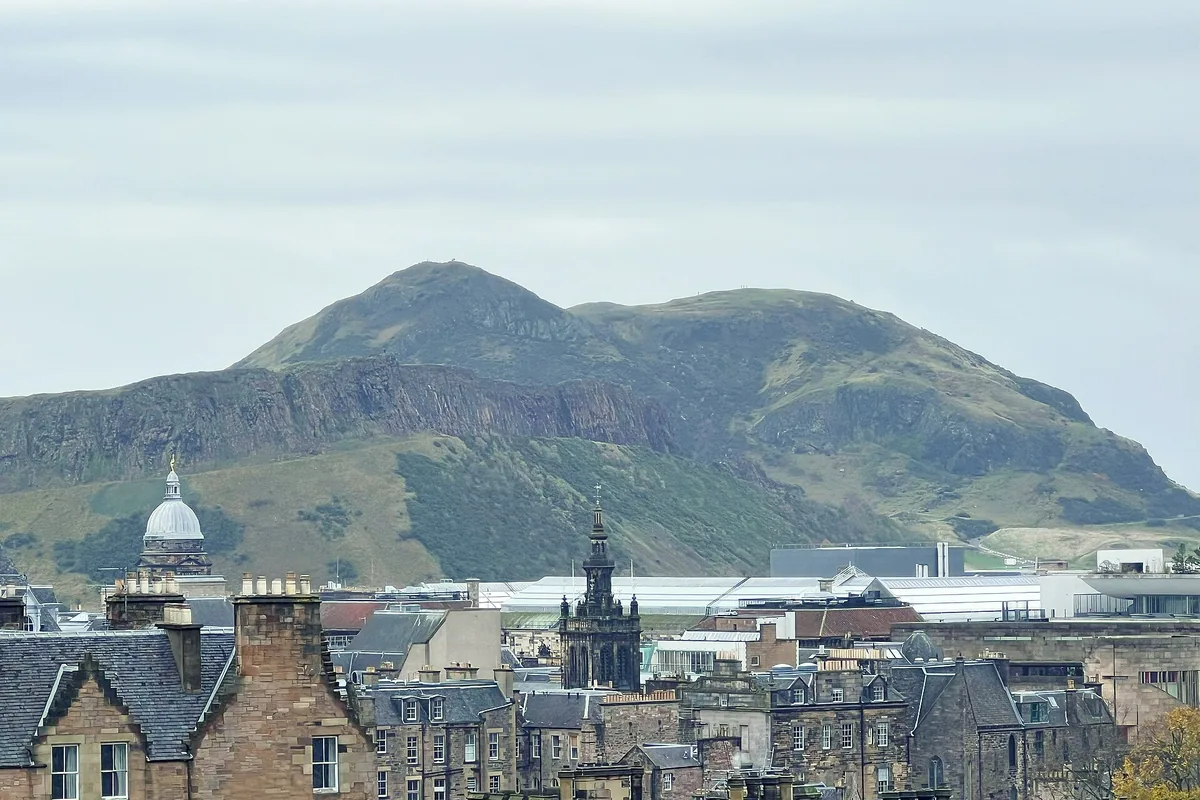
Arthur’s Seat is an extinct volcano in Holyrood Park and one of the best free things to do in Edinburgh, with Calton Hill as an easier alternative. It rises to about 251 metres, and the views take in the Old Town, the Firth of Forth and the surrounding hills.
The direct route is steep and can be slippery, while gentler routes loop around by Dunsapie Loch. Salisbury Crags give a dramatic alternative if you do not want the full climb. Details on the park are on the Historic Environment Scotland website.
Go early or in the evening for softer light and fewer people. Wear shoes with good grip, as paths can be muddy, and take a windproof layer because it is exposed at the top.
Calton Hill is a shorter, easier climb a few minutes from Princes Street, with the Nelson Monument, the Dugald Stewart Monument and the unfinished National Monument, which was modelled on the Parthenon in Athens. Sunset is the most popular time, and the Old Town skyline is a favourite subject for photographers. It is a good choice when you do not have time for Arthur’s Seat.
- How to get there: Walk from the Palace of Holyroodhouse, or take a bus to Holyrood.
- How long to spend: 1.5 to 3 hours for Arthur’s Seat, plus 45 to 90 minutes for Calton Hill.
- Best time to go: Sunrise or sunset on a clear day.
- Tip: Choose the circular route for an easier climb, stay on marked paths and bring a layer for Calton Hill’s breezy top.
5. National Museum of Scotland
The National Museum of Scotland has free general admission and is the best rainy-day choice in the city. Its galleries cover natural history, science and technology, world cultures and Scottish history.
Highlights include Dolly the Sheep, ancient Egyptian objects, Viking and medieval treasures and a rooftop terrace with views over the Old Town. Special exhibitions may be ticketed, so check the museum’s website for what is on and any booking requirements.
- How to get there: Walk from the Royal Mile or the Grassmarket.
- How long to spend: 2 to 4 hours.
- Best time to go: Mornings, or any wet or cold day.
- Tip: Pick two or three galleries rather than trying to see everything.
6. Old Town, Grassmarket and Harry Potter Sites
The Old Town is a UNESCO World Heritage Site with medieval streets, tall tenements and steep stairways. The Old and New Towns were inscribed together, and the contrast between them is one of Edinburgh’s main attractions.
The Grassmarket is a lively square beneath the castle, with pubs, restaurants and shops. Nearby, Victoria Street curves up towards George IV Bridge and is a favourite for photos. Greyfriars Kirkyard and the statue of Greyfriars Bobby are close by.
For Harry Potter fans, this is also the best area for a short themed walk, as J.K. Rowling wrote much of the early series in Edinburgh. The Elephant House cafe on George IV Bridge, which closed after a fire in 2021, has reopened, so check its details before you go. Victoria Street is often compared with Diagon Alley, Greyfriars Kirkyard has gravestones with names that fans recognise, and George Heriot’s School is often linked with Hogwarts. These are popular connections rather than official film locations.
For something to eat or drink, our guides to the best bars in Edinburgh and the best fish and chips in Edinburgh cover places in and around the Old Town.
- How to get there: Walk down from the castle, or from the National Museum of Scotland.
- How long to spend: 2 to 3 hours.
- Best time to go: Late afternoon into the evening.
- Tip: Keep to marked paths in Greyfriars Kirkyard and respect any signs and restrictions.
7. New Town and Dean Village
The New Town is a planned Georgian district with wide streets and elegant squares, and Dean Village is a quiet corner beside the Water of Leith. Both are part of a calmer side of the city.
In the New Town, walk along George Street and around Charlotte Square, with its uniform Georgian frontages. Princes Street has the main shops and views of the Old Town across the gardens. Dean Village, a short walk away, has old mill buildings, a stone bridge and a riverside path.
Stockbridge, beside the Water of Leith, is a nearby neighbourhood with independent shops, cafes and a weekend market. For a break, see our guides to the best cafes in Edinburgh and the best afternoon teas in Edinburgh.
- How to get there: Walk west from Princes Street, or take a bus to the West End.
- How long to spend: 2 to 3 hours.
- Best time to go: Morning, for quiet streets and good light on the river.
- Tip: Follow the Water of Leith walkway between Dean Village and Stockbridge.
8. Edinburgh’s Festivals
Edinburgh is famous for its festivals, and August is the busiest month, with the Fringe, the International Festival and the Edinburgh Military Tattoo. The Fringe describes itself as the world’s largest arts festival, and shows range from comedy to theatre and music.
Winter has its own events, including Christmas markets and Hogmanay, the Scottish New Year celebration. Dates and ticket systems change each year, so check the Edinburgh Festival Fringe and each event’s official site.
If you visit during the festivals, book accommodation and key events early. Note that Edinburgh has introduced a visitor levy of 5% on paid overnight accommodation, which started on 24 July 2026 for eligible bookings, so check the City of Edinburgh Council visitor levy page for how it applies.
- How to get there: Most festival venues are in the Old Town and city centre, within walking distance.
- How long to spend: A few days if you are going for the festival.
- Best time to go: August for the Fringe, or late December for Hogmanay.
- Tip: Book early, mix paid shows with free street performances and keep time between venues.
9. Scottish Food and Whisky
Edinburgh is a good place to try Scottish food, from haggis, neeps and tatties to Cullen skink and fresh seafood. Traditional pubs, modern restaurants and food markets are all within walking distance of the centre.
For whisky, the Scotch Whisky Experience near the castle offers a tour and tasting that introduces the main whisky regions. Traditional pubs such as the Bow Bar are known for their whisky lists. Many Old Town pubs also serve traditional dishes, so you can combine a meal and a dram.
- How to get there: Most food and whisky spots are in the Old Town and New Town.
- How long to spend: 1 to 3 hours for a tasting or a meal.
- Best time to go: Lunch or early evening.
- Tip: Ask staff for recommendations by region, and book tastings ahead in busy months.
10. Ghost Tours and Underground Vaults
Edinburgh’s history of closes, vaults and graveyards makes it a popular city for ghost tours. Options include guided walks and the underground South Bridge Vaults, and the Real Mary King’s Close offers a historical tour beneath the Royal Mile.
Tours run in the day and the evening, and evenings suit the atmosphere best. Some graveyards have access restrictions, and the Covenanters’ Prison in Greyfriars Kirkyard is generally open only on guided tours, so choose a reputable operator and check what is included.
- How to get there: Most tours start on or near the Royal Mile.
- How long to spend: 1 to 2 hours.
- Best time to go: After dark, or on a rainy afternoon.
- Tip: Book ahead in summer, and choose a small-group tour for a better experience.
More Things to Do in Edinburgh
If you have extra time, add Leith for waterfront food, Stockbridge for its market and shops, the Royal Botanic Garden for green space or a sunrise walk around Holyrood Park. For more ideas beyond the city, see our guide to the best day trips from Edinburgh, which covers castles, coast and countryside within easy reach.
How Many Days Do You Need? A 3-Day Edinburgh Itinerary
Two days covers the highlights, but three days lets you see the city at a relaxed pace. The route below keeps each day in one part of town to limit walking and transport.
Day 1: Old Town
Start at Edinburgh Castle at opening time, walk down the Royal Mile with a stop at St Giles’ Cathedral and one of the closes, and have lunch around the Grassmarket. In the afternoon, visit the National Museum of Scotland or Greyfriars, and finish with a whisky tasting or an evening ghost tour.
Day 2: Holyrood and the hills
Visit the Palace of Holyroodhouse in the morning, then climb Arthur’s Seat or walk around Salisbury Crags. In the afternoon, go up Calton Hill for views and finish with dinner in the New Town.
Day 3: New Town, Dean Village and a day trip
Spend the morning in the New Town and Dean Village, with lunch in Stockbridge. If you have the energy, use the rest of the day for a short trip out of the city, using the ideas in the day trips section above.
Getting Around Edinburgh
Edinburgh is compact and walkable, but hills and cobbles make it tiring, so use buses for longer distances. The Old Town is steep, and a bus or taxi can save energy at the end of the day. Edinburgh Waverley is the main railway station, and the airport has tram and bus links to the centre. For public transport details, see Lothian Buses and the Edinburgh Trams official site.
Wear comfortable, grippy shoes, check opening times before long walks and avoid driving in the centre, as parking is limited and some areas are restricted.
Where Should You Stay in Edinburgh?
The Old Town is best for first-time visitors, the New Town is better for a calmer, central base, and Leith or Stockbridge suit those who want a local feel. The Old Town puts you beside the castle and Royal Mile but can be noisy, especially in August. The New Town has good transport links and restaurants. Leith has a waterfront and a lively food scene, and Stockbridge is residential and village-like, with a short walk into the centre.
Book early for August and Hogmanay, and check whether the visitor levy applies to your stay.
How Much Does a Trip to Edinburgh Cost?
Edinburgh can be expensive in August and at Hogmanay, but many of its best experiences are free. Accommodation is the biggest cost and it varies a lot by season and area. Free options include Arthur’s Seat, Calton Hill, the National Museum of Scotland, Dean Village and the Royal Mile itself.
To save money, visit outside August, book castle and palace tickets in advance, use buses and walk where possible. Attraction prices change, so check each official site before you book.
When Is the Best Time to Visit Edinburgh?
May, June and September give the best balance of weather, daylight and crowds. August is lively but crowded and expensive, while winter has short days and cold weather but Christmas markets and Hogmanay. Spring brings blossom in the gardens and autumn has good light and quieter streets. Weather changes quickly, so pack layers and a waterproof at any time of year.
What Should You Know Before Visiting Edinburgh?
Book major attractions early, wear sturdy shoes and check the details of closures before you go. Many attractions use timed tickets, and some close for events or maintenance. Visitors from some countries need a UK electronic travel authorisation, so check the UK government website before you travel. Scotland uses the pound sterling, and contactless payment is widely accepted.
For a wider view of the country, see our guide to the best cities to visit in Scotland.
Frequently Asked Questions
What are the best things to do in Edinburgh?
The best things to do in Edinburgh are Edinburgh Castle, the Royal Mile, the Palace of Holyroodhouse, Arthur’s Seat, Calton Hill and the National Museum of Scotland. Add the New Town, Dean Village and a whisky tasting if you have more time.
What can you do in Edinburgh for free?
You can climb Arthur’s Seat and Calton Hill, walk the Royal Mile, explore Dean Village and visit the National Museum of Scotland, which has free general admission. Parks and viewpoints cost nothing too.
How many days do you need in Edinburgh?
Two days cover the highlights, and three to four days let you add food, whisky and a day trip. If you only have one day, focus on the castle, the Royal Mile and Holyrood.
What is there to do in Edinburgh at night?
Evening options include ghost tours, whisky tastings, live music in Old Town pubs and dinner in the New Town. In August, the Fringe fills the evenings with comedy and theatre.
Is Arthur’s Seat difficult to climb?
Arthur’s Seat is a moderate climb. The direct route is steep and can be slippery, but the circular route around Dunsapie Loch is easier and suits most people with good shoes.
What are the most photogenic places in Edinburgh?
Calton Hill at sunset, Victoria Street, Dean Village and the view of the castle from Princes Street Gardens are the most popular photo spots. Go early or late for the best light.
Discover More of Edinburgh
Edinburgh rewards a second visit, so keep a few places for next time, such as Leith, the Botanic Garden and the Pentland Hills. Use this guide alongside your planning for the rest of Scotland, and check official sites for current details before you go.
Featured image: Photo by David Hillas, CC BY-SA 2.0, cropped, via Wikimedia Commons