Last updated: November 2026
The best day trips from Bath are Bristol, Wells, Glastonbury, Salisbury and Stonehenge, Lacock and Castle Combe, with Cheddar Gorge, Cardiff and Stourhead as strong extras if you have more time or a car. Bath sits in a handy spot between the Cotswolds, Somerset and Wiltshire, so a day out rarely means more than an hour or so of travel. If you are also exploring further afield, our guide to the best day trips from London covers more of southern England.
This guide covers ten day trips from Bath, with realistic ways to get there by train, bus or car, how long to allow and what to do when you arrive. A free printable 3-day itinerary near the end groups the trips into easy days, so you can plan without juggling timetables.
Quick answer: What are the best day trips from Bath? The easiest are Bristol and Salisbury by direct train, and Wells by bus. For history, pair Salisbury with Stonehenge. For picture-perfect villages, choose Lacock or Castle Combe. Cardiff, Cheddar Gorge and Stourhead are worth the extra effort if you have time, and a car makes the countryside trips much simpler.
Free printable itinerary
Planning a trip? Download our 3-Day Bath Day Trip Itinerary as a PDF: the day-by-day plan plus all 10 places with directions and map links. Print it or keep it on your phone.
Quick comparison: day trips from Bath
| # | Day trip | Best for | Main way to get there | Time each way |
|---|---|---|---|---|
| 1 | Bristol | Harbour, street art, museums | Direct train | Under 20 minutes |
| 2 | Wells | Cathedral and a tiny medieval city | Bus | Around an hour or more |
| 3 | Glastonbury | Legends, Tor views, abbey ruins | Bus via Wells, or car | Around 1.5 hours by bus |
| 4 | Salisbury | Cathedral, Magna Carta, market town | Direct train | About an hour |
| 5 | Stonehenge | Prehistoric monument | Train to Salisbury plus bus or taxi, or car | About 1.5 hours |
| 6 | Lacock | Film-set village and photography history | Train to Chippenham plus bus | Around 1.5 hours |
| 7 | Castle Combe | Cotswold-style village | Car, or train plus taxi | Short drive, longer by public transport |
| 8 | Cheddar Gorge | Dramatic scenery and caves | Car, or bus via Wells | About an hour by car |
| 9 | Cardiff | Castle, museums, Welsh capital | Direct train | A little over an hour |
| 10 | Stourhead | Landscape garden and lake walks | Car | Around an hour |
1. Bristol

Bristol is the easiest of all the day trips from Bath, with fast trains making it a short hop of well under 20 minutes. That speed means you can spend almost the whole day exploring a lively harbour city with plenty of free things to see.
Start at the Harbourside, where the old docks have been turned into museums, cafes and open-air walks. The SS Great Britain, Brunel’s pioneering iron steamship, is the headline attraction and sits in the dry dock where she was built. Nearby, the free M Shed museum tells the story of the city, and the Wapping Wharf area has a good choice of independent places to eat. The SS Great Britain site is the place to check visiting details.
Next, head up to Clifton, a Georgian suburb with elegant terraces, independent shops and the famous Clifton Suspension Bridge spanning the Avon Gorge. Walking across is free for pedestrians, and the viewpoint near Clifton Observatory gives the classic photograph of the bridge. If you enjoy street art, wander through Stokes Croft, where murals cover whole walls and Bristol’s creative reputation is easy to see. Bristol Cathedral, close to College Green, is a calmer stop with a fine medieval interior.
Because Bristol is so close, it also works as a half-day add-on to another trip, or as a rainy-day backup when the countryside looks soggy. Many visitors combine it with an evening meal before taking the train back. If you would like to stay longer, our guide to the best day trips from Bristol shows what else you can reach from the city.
- How to get there: Direct trains run from Bath Spa to Bristol Temple Meads, with a journey time that is typically well under 20 minutes. Check Great Western Railway for current times.
- How long to spend: A full day if you want the ship, Clifton and the harbour; half a day for a quick look.
- Best time to go: Spring to early autumn for harbour walks, though museums make it a good year-round option.
- Tip: Walk from Temple Meads to the harbour rather than taking a taxi, and save the hillier Clifton section for the afternoon, or use a bus.
2. Wells

Wells is one of England’s smallest cities and one of the most atmospheric day trips from Bath, built around a spectacular medieval cathedral. It feels more like a market town than a city, and you can see the main sights on foot in a single relaxed day.
Wells Cathedral is the star. Its west front is covered in hundreds of medieval statues, and inside you will find the dramatic scissor arches, a famous medieval astronomical clock and a worn, atmospheric chapter house staircase. Check the Wells Cathedral website for service times, tours and any closed areas before you visit, since parts of the building can be restricted during events.
Just beside the cathedral, the Bishop’s Palace is surrounded by a moat and a pleasant garden. It is still the home of the Bishop of Bath and Wells, and the grounds are among the most peaceful spots in the city. Some of the ramparts involve steps, so check access if mobility is a concern. Nearby, Vicars’ Close is a cobbled medieval street often described as the oldest complete residential street in Europe, and it is free to look at.
Wells also has a traditional market, usually held on Wednesdays and Saturdays, plus a handful of good cafes and pubs around the Market Place. It pairs very naturally with Glastonbury or Cheddar Gorge, since local buses link all three.
- How to get there: Bus services 173 and 174 link Bath and Wells. Routes changed in 2026, so confirm on the First West of England site. By car it is roughly an hour.
- How long to spend: Half a day for the cathedral and palace; a full day if you add Glastonbury.
- Best time to go: Spring and early summer for the gardens, or market days for extra buzz.
- Tip: Visit the cathedral early, before coach parties arrive, then explore the palace grounds while it is quieter.
3. Glastonbury
Glastonbury is the day trip for anyone who likes legend with their landscape, with a famous hill, ruined abbey and some very individual shops. Think of it as part spiritual centre, part market town, set in the flat green Somerset Levels.
The big draw is Glastonbury Tor, the steep hill topped by the ruined tower of St Michael’s church. The climb is by a well-made path with steps, and it takes most people about 20 to 30 minutes up, depending on fitness. The reward is a wide view across the Somerset Levels. The Tor is managed by the National Trust, so check its page for current access notes. There is no parking at the foot of the Tor, so plan to walk up from the town.
In town, Glastonbury Abbey is a set of atmospheric ruins in peaceful parkland, linked in legend to King Arthur and to Joseph of Arimathea. The official Glastonbury Abbey site has current opening details. Nearby, Chalice Well and its gardens are a quiet place to rest after the climb, and the High Street is packed with crystal shops, bookshops and vegetarian cafes.
Note that the famous festival takes place at a farm near Pilton, not in the town itself, so do not expect festival grounds on your visit.
- How to get there: The simplest route by bus is to Wells first, then a local service on to Glastonbury. Confirm routes on the First West of England site, as services and diversions change. By car it is about an hour.
- How long to spend: Four to six hours covers the Tor, abbey and a lunch stop.
- Best time to go: Dry weather in spring or autumn; the Tor path can be slippery after rain.
- Tip: Wear proper shoes, take water for the climb and combine Glastonbury with Wells for a full day.
4. Salisbury
Salisbury is one of the best-value day trips from Bath, with a direct train, a spectacular cathedral and a lovely medieval centre that rewards slow wandering. The journey is typically about an hour, so you get a long day in the city.
Salisbury Cathedral is the main reason to come. Its spire is the tallest church spire in the UK, and the building was largely completed in a single burst of construction, which is why it looks so harmonious. Inside, the octagonal Chapter House holds one of the four surviving original copies of Magna Carta from 1215, and you can also see the medieval turret clock. The cathedral runs tower tours with a climb of several hundred steps, and these usually need booking ahead. Check the Salisbury Cathedral site for tickets, timed entry and tour dates.
The Cathedral Close, with its lawns and old houses, is one of the loveliest walks in southern England. Outside the Close, Salisbury’s market square has a traditional market on Tuesdays and Saturdays, and the surrounding streets have old inns, tea rooms and independent shops. A gentle riverside path leads from the centre towards the water meadows, which give a classic view of the cathedral across the grass.
Salisbury is also the base for visiting Stonehenge, so many visitors combine the two in one longer day, or save Stonehenge for a second trip.
- How to get there: Direct trains run from Bath Spa to Salisbury, usually taking about an hour. Check GWR for the current timetable.
- How long to spend: Three to five hours for the cathedral and town; add several hours if you plan to include Stonehenge.
- Best time to go: Any season, though spring and summer are best for the Close and water meadows walk.
- Tip: Book the Magna Carta Chapter House slot and any tower tour early, as these are timed and popular.
5. Stonehenge
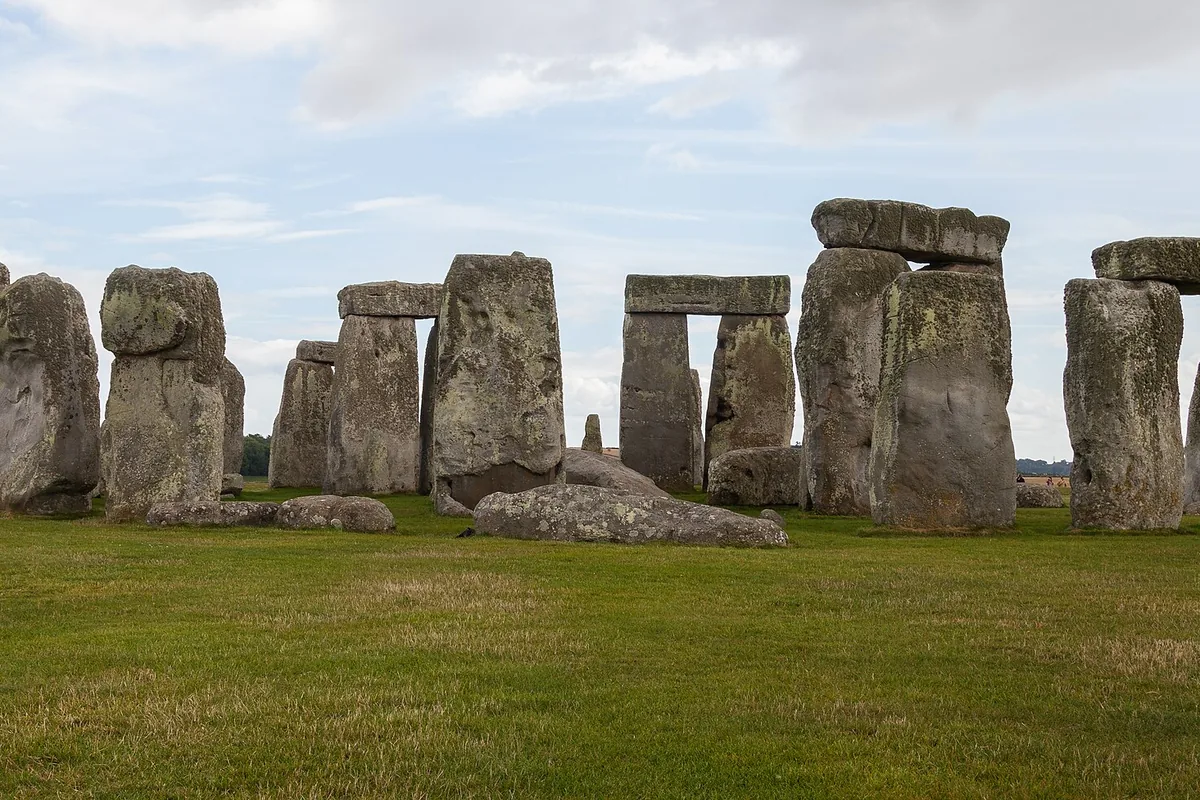
Stonehenge is the most famous prehistoric monument in Britain, and it is a rewarding if slightly more complicated day trip from Bath. The stone circle is roughly 4,500 years old, and standing beside it is a genuinely memorable experience, even when it is busy.
English Heritage runs the site, and you should book tickets in advance, since walk-up availability on the day is limited. The visitor centre is more than a mile from the stones, with a shuttle bus included in the ticket that runs frequently between the two. At the visitor centre you will find exhibitions about the people who built the monument, along with reconstructed Neolithic houses outside. Read the English Heritage Stonehenge page for current ticket rules, timed entry and what you can bring.
The stones themselves are viewed from a path around the circle, rather than by walking among them, apart from special access visits that are booked separately. The path is level and mostly accessible. Photographers tend to like early or late slots, when light is softer and crowds thinner.
From Bath, the simplest approach without a car is to take the train to Salisbury and then use a tour bus, a local bus or a taxi to reach the site. Operators and timetables change, so check current options before you go. Driving takes around an hour or a little more, and the site has its own car park.
- How to get there: Train from Bath Spa to Salisbury, then a bus, tour shuttle or taxi (check current operators); or drive.
- How long to spend: About two to three hours at the site, plus travel.
- Best time to go: Early morning or late afternoon outside school holidays.
- Tip: Book a timed ticket ahead, bring a waterproof layer because the site is open and exposed, and allow time for the shuttle.
6. Lacock
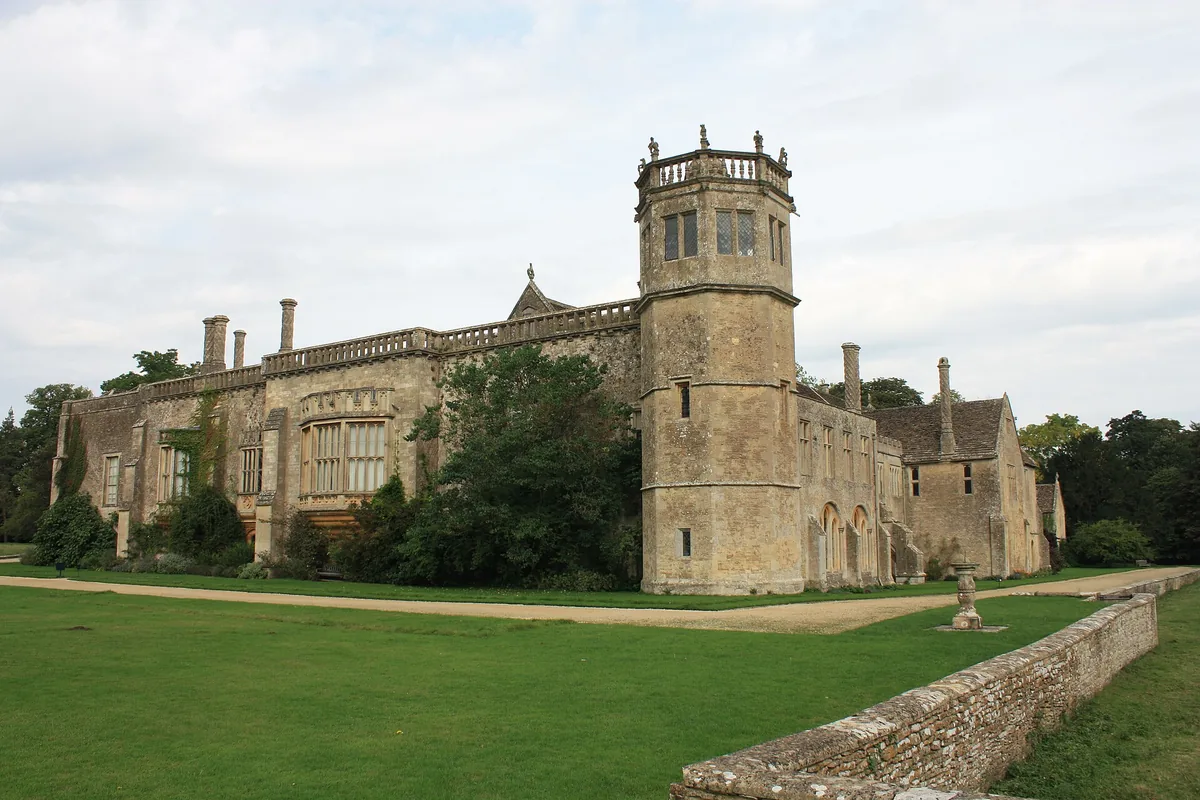
Lacock is a beautifully preserved village that looks like a film set, mainly because it has been used as one. Almost the whole place is owned by the National Trust, which has helped keep the medieval streets free from modern clutter.
The centrepiece is Lacock Abbey, a former nunnery turned country house, whose cloisters have appeared in the Harry Potter films. The abbey was also the home of William Henry Fox Talbot, a pioneer of photography, and the Fox Talbot Museum in the village explores his early experiments, including one of the first photographic negatives of the abbey’s famous oriel window. Check the National Trust Lacock page for opening arrangements and ticket details.
The village itself is made up of four streets of timber-framed and stone houses, with old pubs, tea rooms and small shops. Because the buildings are largely unchanged, it also appears often in period dramas. The surrounding fields and the River Avon offer gentle walks if you want to stretch your legs after wandering the streets.
Going by public transport takes a little planning. The nearest stations are Chippenham and Melksham, and local buses link both with the village. Check the National Trust page and the bus operators for the current route, stop and times before travelling.
- How to get there: Train from Bath Spa to Chippenham, then a local bus to Lacock; or drive, using the National Trust car park.
- How long to spend: Three to four hours for the abbey, museum and village.
- Best time to go: Weekday mornings, when the village is quietest.
- Tip: Pair Lacock with Castle Combe by car for an easy village day, and check the abbey’s seasonal opening before you set off.
7. Castle Combe
Castle Combe is often called one of the prettiest villages in England, with honey-coloured stone cottages, a little stream and almost no modern intrusion. It is small, so it works best as a short, scenic stop rather than a full day on its own.
The village centre is built around a medieval market cross and a quiet stretch of the By Brook, spanned by a stone bridge that makes the classic photograph. Walk along the main street, look at the tiny houses, and visit the old church of St Andrew. The village has been used as a film location, including for War Horse, which adds to the sense of stepping into a picture.
There are a couple of traditional pubs and a handful of cafes, so you can have a relaxed lunch. If you like walking, footpaths lead out into the surrounding countryside along the stream. Castle Combe also has a motor racing circuit nearby, which can add noise on event days, so check before you go if peace and quiet matter to you.
Visiting needs care. Parking is very limited, and the village itself asks visitors to use public transport, cycle or carpool when they can. Street parking is restricted and enforced. Without a car, the usual approach is a train from Bath Spa to Chippenham, then a bus or taxi for the last few miles. Buses are infrequent, so check timetables or book a taxi back in advance.
- How to get there: Drive and use the official car park at the top of the village, or take the train to Chippenham and a bus or taxi.
- How long to spend: One to two hours; combine with Lacock for a full day.
- Best time to go: Early morning or late afternoon, to avoid coach groups and the tightest parking.
- Tip: Arrive early, because the car park fills quickly in summer, and plan your return taxi if you come by train.
8. Cheddar Gorge
Cheddar Gorge is the dramatic limestone gorge in the Mendip Hills, and it is the best day trip from Bath for big scenery. Cliffs rise steeply on both sides of the road, and the village at the bottom is home to the cheese that took its name from the place.
The easiest way to enjoy it is to walk the Cliff Top Walk, a circular route that climbs one side of the gorge and returns along the other. The ascent starts with a long staircase known as Jacob’s Ladder, which has several hundred steps, so it is best for people comfortable with stairs. At the top, the views over the Somerset countryside are excellent. Gough’s Cave and the other caves are paid attractions, and the Cheddar Gorge and Caves website has current details and combined tickets. Check the site’s access information before you go, as the cliff path and caves are not easy for wheelchairs or pushchairs.
Cheddar itself has a small cluster of cafes, gift shops and a working cheese company where you can try the local product. The gorge road is open to traffic, though it is narrow and busy in summer, so many visitors prefer to park once and walk.
Without a car, a common route is bus 173 or 174 from Bath to Wells, then bus 126 on to Cheddar. Timetables vary, especially on Sundays, so confirm before you travel. It pairs naturally with a morning in Wells.
- How to get there: By car around an hour; or bus to Wells and then the 126 to Cheddar (check current services).
- How long to spend: Three to five hours with the walk and one cave visit.
- Best time to go: Dry days in spring and autumn, when the walk is comfortable.
- Tip: Wear sturdy shoes, and consider combining the gorge with Wells in the same day.
9. Cardiff
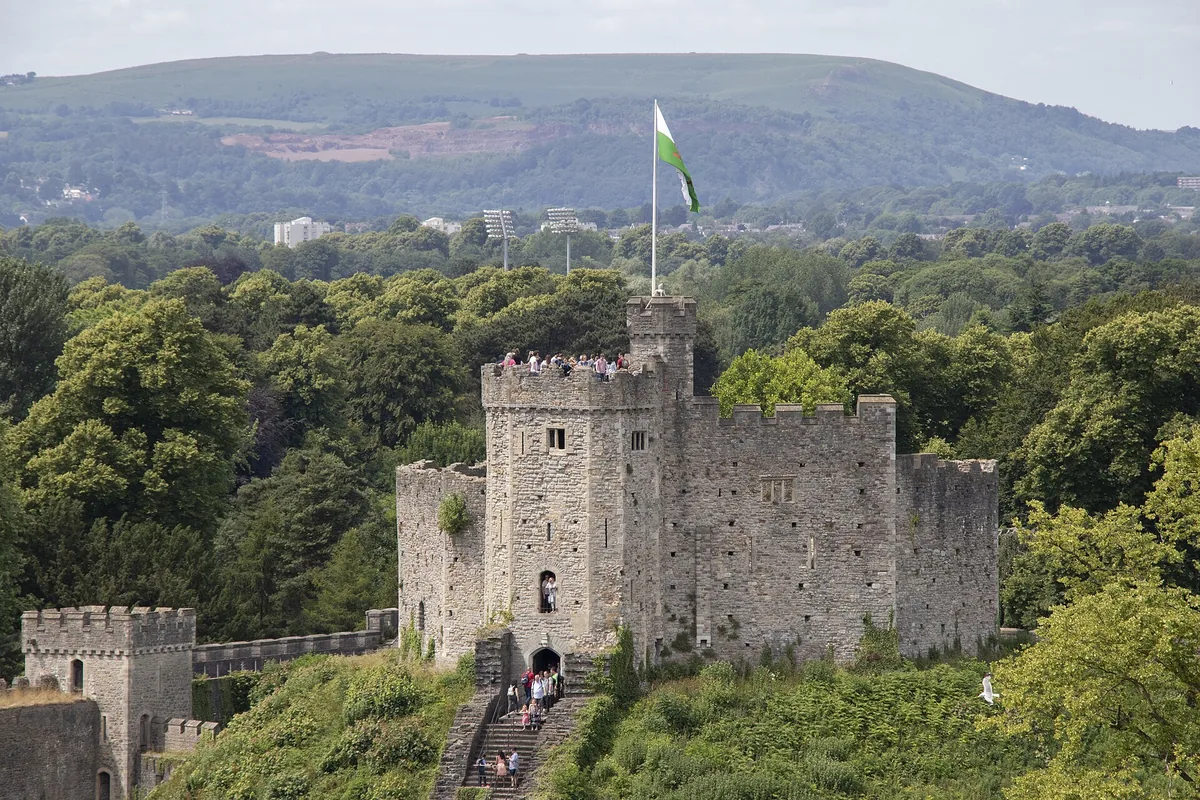
Cardiff is the day trip that takes you out of England altogether, with direct trains from Bath reaching the Welsh capital in a little over an hour. It is a compact, friendly city with a castle in the middle of town.
Cardiff Castle is the highlight, a Roman and Norman fortress with lavishly decorated Victorian rooms inside. Book through the Cardiff Castle website, and check which parts of the castle, such as the keep, are open on the day. Just outside, the grounds of Bute Park stretch along the River Taff, ideal for a stroll between sights.
Close by, the National Museum Cardiff has art and natural history collections, and it is a good indoor option for wet weather. Cardiff’s Victorian and Edwardian arcades are filled with independent shops and cafes, and the indoor Cardiff Market is a fun place to look for a snack. If you have time, take a bus or a short taxi ride to Cardiff Bay, where the Wales Millennium Centre and the Senedd building sit by the water.
Cardiff works best on a day when you want a city feel without a long journey. Remember that it is in Wales, so you will see bilingual signs everywhere, which is part of the charm.
- How to get there: Direct trains from Bath Spa to Cardiff Central take a little over an hour. Check GWR for current times and tickets.
- How long to spend: A full day for the castle, museum and bay.
- Best time to go: Any season, with indoor options for rain.
- Tip: Cardiff Central is a short walk from the castle, so you can see the main sights on foot.
10. Stourhead
Stourhead is one of the finest landscape gardens in Britain, and it is the best day trip from Bath for a slow, scenic walk. The National Trust looks after a grand house and an 18th-century garden laid out around a lake, with temples, grottoes and a stone bridge arranged like a painting.
The classic circuit takes you round the lake, passing the Palladian Bridge, the Pantheon and the Temple of Apollo, with new views opening up at every turn. The garden is particularly popular in autumn, when the trees change colour and the reflections in the water are at their best. The Palladian house is also open to visitors for part of the year. The National Trust Stourhead page lists current opening arrangements and ticket details.
If you have the energy, King Alfred’s Tower is a tall brick folly on the edge of the estate, and the nearby village of Stourton has a historic inn where you can stop for lunch. The estate has cafes on site, so you can plan a full day without leaving the grounds.
The catch is transport. Stourhead is in a rural part of Wiltshire, and public transport is very limited, so this is really a day trip for people with a car. The National Trust postcode for satnav is BA12 6QD, and the car park can fill up quickly on busy days.
- How to get there: By car, about an hour from Bath. Public transport is very limited, so most visitors drive.
- How long to spend: Three to five hours for the garden, with extra time for the house and tower.
- Best time to go: Autumn for colour, or spring for blossom.
- Tip: Arrive early on weekends and in school holidays, and wear comfortable shoes for the lakeside paths.
How to choose the right day trip from Bath
Start with how you want to travel. Without a car, the easy options are Bristol, Salisbury and Cardiff, all reached by direct train. Wells, Glastonbury and Cheddar are possible by bus but need more checking of timetables. Lacock and Stonehenge work with a train plus a bus or taxi, while Castle Combe and Stourhead are really car trips.
Next, think about what you enjoy. If you like cities, choose Bristol or Cardiff. For history, pick Salisbury and Stonehenge. For villages and photography, go for Lacock and Castle Combe. For scenery and walking, Cheddar Gorge, Glastonbury Tor and Stourhead all have good paths.
Finally, think about the season. Winter days are short, and some attractions have reduced opening, so choose city and indoor-friendly options such as Bristol, Wells or Cardiff. Always check the official websites for opening arrangements before you travel.
How Many Days Do You Need? A 3-Day Bath Day Trip Itinerary
This plan groups the trips by direction so each day is realistic, mixing train, bus and short walks.
Day 1: Salisbury and Stonehenge
Take a morning train from Bath Spa to Salisbury, which is typically about an hour. Spend the first part of the day at the cathedral and in the Close, ideally with a pre-booked Magna Carta slot. After lunch, use a tour bus, local bus or taxi to reach Stonehenge, where a pre-booked timed ticket keeps things simple. Return to Salisbury and take the train back to Bath in the evening.
Day 2: Wells and Glastonbury
Catch a bus from Bath to Wells in the morning and explore the cathedral and Bishop’s Palace. Have lunch near the Market Place, then travel on to Glastonbury by local bus. Climb the Tor for the view, visit the abbey ruins if time allows, and head back via Wells in the late afternoon. If you would rather add Cheddar Gorge, swap Glastonbury for the bus to Cheddar and the Cliff Top Walk.
Day 3: Lacock and Castle Combe, or Bristol
Go by train from Bath Spa to Chippenham, then take a bus to Lacock for the abbey, museum and village streets. If you have a car, drive on to Castle Combe for a short afternoon visit. Without a car, do Bristol instead: a quick train, a harbour walk, the SS Great Britain and a stroll in Clifton, returning easily in the evening. Cardiff and Stourhead make good replacements if you have a fourth day or a car.
Getting around from Bath
Bath Spa station is the hub for the easiest trips. Great Western Railway trains run to Bristol, Salisbury and Cardiff, and connect at Chippenham for the village trips. Buy tickets in advance when you can, and check whether an off-peak or day ticket suits your plan. The official GWR site has timetables and the app shows live updates.
Buses link Bath with Wells and nearby towns, and the bus station sits close to the railway station. Bus routes and diversions change, so always check First West of England’s current timetables rather than relying on older guides. Rural villages such as Castle Combe and Stourhead are hard to reach without a car, and taxis from a nearby station can be expensive for longer hops, so ask the price first.
If you are happy to drive, a hire car makes the countryside trips far easier, especially if you want to combine Lacock, Castle Combe and Stourhead. Parking in Bath itself is limited, and many visitors use a park and ride on the edge of the city. Small-group coach tours also run from Bath to places such as Stonehenge and the Cotswolds, which suit people who prefer not to plan transport.
Where to stay in Bath for day trips
The area around Bath Spa station and Widcombe is the most practical base for rail-based days out. You are close to the platforms, with cafes, canal paths and a short walk to the Abbey and the Roman Baths.
The Georgian centre, close to Bath Abbey and the Pump Room, is best if you want sightseeing in the evenings as well. It is more expensive and busier, but you can walk to the main sights. Walcot and the streets to the north are livelier, with independent shops and restaurants, and a little cheaper. For quieter stays, look at Lansdown and the hillside areas, which offer views but need a bus or taxi for most trips.
If you plan to drive, consider a hotel or guesthouse on the edge of Bath with parking included, close to the main roads towards Wiltshire and Somerset. Always check how far a place is from the railway station before booking.
Budget guidance for day trips from Bath
- Shoestring: Choose Bristol, Wells and the free viewpoints and walks, such as Glastonbury Tor and the Clifton Suspension Bridge. Bring a packed lunch, use off-peak rail tickets and book early where you can.
- Mid-range: Combine a rail ticket with one paid attraction per day, such as Salisbury Cathedral, Lacock Abbey or Cardiff Castle, and eat lunch at a pub or cafe.
- Comfortable: Book a small-group tour to Stonehenge or the villages, hire a car for the countryside trips, and add paid extras such as the Cheddar caves or Stourhead house.
Ticket prices and rail fares change, so check the official websites before you go. A railcard or a round-trip off-peak ticket can make rail days noticeably cheaper.
Frequently Asked Questions
What are the best day trips from Bath without a car?
Bristol, Salisbury and Cardiff are the easiest because they have direct trains. Wells is possible by bus, and Lacock works with a train to Chippenham plus a local bus.
Can you visit Stonehenge as a day trip from Bath?
Yes. You can take the train to Salisbury and then a bus or taxi to the site, or join a small-group tour from Bath. Book timed tickets with English Heritage in advance.
How far is Bath from Bristol by train?
It is a short journey, typically well under 20 minutes between Bath Spa and Bristol Temple Meads. Trains are frequent through the day.
What is the prettiest village near Bath?
Castle Combe is the one most often described as the prettiest, with Lacock a close second. Both are small, so combine them with another stop.
Is Cardiff worth a day trip from Bath?
Yes, if you want a city day with a castle, parks and museums. Direct trains take a little over an hour, and the main sights are walkable from the station.
Which day trips from Bath are best in winter?
Choose Bristol, Wells, Salisbury and Cardiff, which have indoor attractions. Check opening arrangements, as gardens and some countryside sites have reduced hours.
Plan your next day out from Bath
Whether you choose a cathedral city, a village or a famous stone circle, these day trips make it easy to see more of the West Country from one comfortable base. If you are also visiting Oxfordshire, read our guide to the best day trips from Oxford for more ideas. Pick a direction, check the official sites for tickets and timetables, and let the itinerary above do the planning.
Featured image: Photo by Diego Delso, CC BY-SA 4.0, cropped, via Wikimedia Commons