Last updated: November 2026
The best cafes in Venice are a mix of old roasteries, pastry bars where locals stand for a morning espresso, and grand historic cafes on St Mark’s Square. Venice has no shortage of places to drink coffee, but prices and quality vary enormously, so knowing where to go makes a real difference.
Our list covers every main area, from Cannaregio and Dorsoduro to San Polo and San Marco, so you can fit a good coffee into almost any route. It also explains the local rules, such as paying at the till first and why sitting down costs more than standing at the bar. We have put together a free printable 3-day itinerary to help you turn the list into a plan. If you are also planning meals, our guide to the best places to eat in Venice covers the city’s bacari and trattorias. For official visitor information on the city’s historic cafes, see Italia.it.
Quick answer: What are the best cafes in Venice? The best cafes in Venice are Torrefazione Cannaregio, Caffè del Doge, Girani, Caffè Rosso, Rosa Salva, Pasticceria Tonolo, Pasticceria Marchini Time, Caffè Lavena, Caffè Florian and Gran Caffè Quadri. For a first visit, Torrefazione Cannaregio and Caffè del Doge are the best for coffee, and Caffè Florian is the best for history.
Free printable itinerary
Planning a trip? Download our 3-Day Venice Coffee Itinerary as a PDF: the day-by-day plan plus all 10 places with directions and map links. Print it or keep it on your phone.
Quick comparison: cafes in Venice
| # | Cafe | Area | Best for | Price tier |
|---|---|---|---|---|
| 1 | Torrefazione Cannaregio | Cannaregio | Historic roastery coffee | Budget |
| 2 | Caffè del Doge | San Polo, near Rialto | Roasted-in-house espresso | Budget |
| 3 | Girani | Dorsoduro | Boutique roaster beans | Budget |
| 4 | Caffè Rosso | Campo Santa Margherita | Student atmosphere | Budget to mid-range |
| 5 | Rosa Salva | Several areas | Breakfast pastries | Budget |
| 6 | Pasticceria Tonolo | Dorsoduro | A standing-room pastry bar | Budget |
| 7 | Pasticceria Marchini Time | San Marco | A pastry and coffee break | Mid-range |
| 8 | Caffè Lavena | St Mark’s Square | A historic house blend | Premium |
| 9 | Caffè Florian | St Mark’s Square | The oldest cafe in Italy | Premium |
| 10 | Gran Caffè Quadri | St Mark’s Square | Grand square views | Premium |
1. Torrefazione Cannaregio
Torrefazione Cannaregio is a historic roastery bar and the best place to start if you care about the coffee itself. It stands on Fondamenta dei Ormesini in Cannaregio, a long, lively canal-side street near the Jewish Ghetto, and sources describe it as dating back to 1930 and as one of the last coffee roasteries in the historic centre.
The business has changed hands and moved to a larger site on the fondamenta, where you can sit down. In recent years it has moved towards specialty coffee, which gives it a good balance of tradition and quality. The house espresso is described as strong and well rounded, and a take-home bag is the best souvenir: the Miscela del Ghetto blend is often recommended.
Mornings are the best time to visit. Guides advise going early, as the bar fills up through the afternoon, and the mix of locals and visitors is part of the appeal. Opening hours differ between listings, and at least one lists Sunday as closed while others show Sunday hours, so check before you set out.
Cannaregio is also one of the best areas for a relaxed walk, with the Madonna dell’Orto church, the Ghetto and the Sacca della Misericordia all close by. After your coffee, stroll along the fondamenta towards the evening bars on the Ormesini canal.
- How to get there: About 10 to 15 minutes on foot from the railway station, or vaporetto to Guglie or Madonna dell’Orto.
- How long to spend: 20 to 30 minutes, longer if you buy beans.
- Best time to go: Early morning, before the afternoon crowd.
- Tip: Take a bag of the Miscela del Ghetto blend home, and check the hours on the day.
2. Caffè del Doge
Caffè del Doge is one of the most respected coffee bars near the Rialto, with its own roasting business behind it. The original bar is on Calle dei Cinque in San Polo, a narrow street about two minutes on foot from the Rialto Bridge.
Reviewers consistently describe it as one of the better coffee bars in Venice, with some of the best espresso in the city. The beans are roasted by the company itself, and roasted beans are sold at the counter, so it is a good place to buy coffee to take home. The company also has branches elsewhere, so the Calle dei Cinque bar is the one most visitors look for first.
The bar is small and stylish, with a dark interior and a menu that goes beyond the basic espresso, including filter coffee and other brewing methods. Sources differ on the company’s founding date and exact hours, so check the current opening times before you go. It is typically open from early morning.
Because it is so close to the Rialto Bridge and the market, it fits naturally into a morning on the San Polo side of the Grand Canal. Combine it with a visit to the fish and vegetable market, which is best early, and then a walk towards the Frari.
Price is reasonable for the quality, though a seat costs more than standing at the bar.
- How to get there: About two minutes on foot from the Rialto Bridge, or vaporetto to Rialto Mercato.
- How long to spend: About 20 minutes.
- Best time to go: Early to mid-morning, after the market.
- Tip: Try a classic espresso first, then ask about the filter options if you want to compare.
3. Girani
Girani is a boutique coffee roaster in Dorsoduro, small, local and a good source of beans to take home. Guides place it off Campo San Barnaba, a short walk from the Ca’ Rezzonico and the Accademia, in a part of the city where locals shop and eat.
Sources agree that it is one of the oldest boutique coffee roasters in Venice, though they disagree on the founding year and on exactly where the beans are roasted, with one saying the coffee is roasted outside the historic centre and blended in Dorsoduro. We have left both details out, and the best way to find out is to ask at the counter.
It is mainly a retail shop, so do not expect a full cafe with tables. It suits visitors who want to buy fresh coffee for a rental kitchen or as gifts, and the staff can advise on blends for a moka pot or an espresso machine. Opening days are shorter than at many bars, with some listings showing weekdays only, so check before you go.
Dorsoduro is a good area to combine with a morning at the Gallerie dell’Accademia or the Peggy Guggenheim Collection. Campo San Barnaba is also known for the Ponte dei Pugni, a small bridge with a history of fighting contests between rival neighbourhoods.
If you want a coffee to drink on the spot, walk a few minutes to Campo Santa Margherita.
- How to get there: About five minutes on foot from the Ca’ Rezzonico vaporetto stop.
- How long to spend: About 15 minutes.
- Best time to go: Weekday mornings, when shops are open.
- Tip: Ask for a blend suited to your coffee maker, and check the opening days before you go.
4. Caffè Rosso
Caffè Rosso is a long-running neighbourhood cafe on Campo Santa Margherita, popular with students and locals. The campo is the social heart of Dorsoduro, with a market on one side and the nearby Ca’ Foscari university bringing a young crowd.
Guides describe it as an institution on the square, open from early morning to late evening, and it works as a place for coffee at breakfast and an aperitivo later. The cappuccino is popular with locals, and a tramezzino, the soft triangular Venetian sandwich, is a common pairing. A table in the morning sun is one of the nicest places in the city to people-watch.
Reviews are mixed on some drinks, with one guide praising the spritz as genuine and another saying theirs was watered down, so keep expectations realistic. It is a very good cafe for atmosphere and a fair choice for coffee, though not a specialty bar. Hours reported in listings vary, so check them on the day.
Because it is on the main campo, prices at a table are higher than at the counter, and the difference can be significant. If you are only passing, standing at the bar is the local habit and the cheapest option.
Caffè Rosso works well after a morning at the Frari or the Accademia, or as an evening stop to see the campo at its liveliest.
- How to get there: About 10 minutes on foot from the Ca’ Rezzonico or San Tomà vaporetto stops.
- How long to spend: 20 to 45 minutes.
- Best time to go: Morning for coffee, early evening for an aperitivo.
- Tip: Stand at the bar for the local price, or take a table in the sun if you want to linger.
5. Rosa Salva
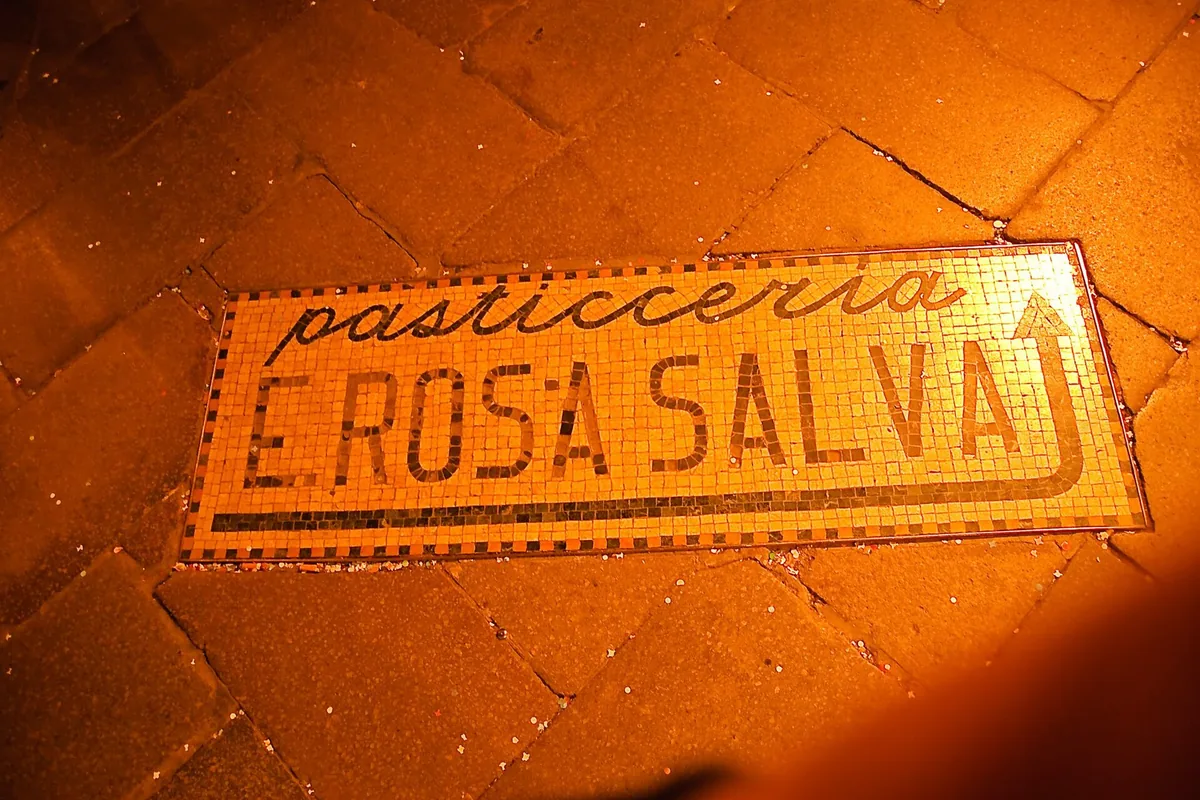
Rosa Salva is a pastry shop and cafe with several locations, and a reliable place for a Venetian breakfast. It has been part of the city for a long time, though sources give different founding years, so we have left the date out.
The classic order is a cornetto and a cappuccino at the counter, the way many locals start the day. The pastry cases hold fresh breakfast pastries, biscuits and cakes, and the shop is also known for its tiramisu and local biscuits. If you are visiting at Carnival time, look for seasonal specialities in the windows.
Because there are several branches in different parts of the city, Rosa Salva is a handy fallback when you are between sights and need a coffee without a long walk. Quality is steady rather than exceptional, which is what you want from a breakfast bar. Each branch has its own character and size, and the larger ones have space to sit down.
Opening hours differ between branches, so check the nearest one before you go. As in all Venetian cafes, standing at the bar is cheaper than sitting, and you may need to pay at the till first.
Rosa Salva suits families and visitors who want something familiar but still local. Buy a few biscuits to take with you as gifts.
- How to get there: Several branches across the city, including near San Marco and Santi Giovanni e Paolo, so check the nearest on a map.
- How long to spend: 15 to 30 minutes.
- Best time to go: Early morning for fresh pastries.
- Tip: Order at the till first if there is one, then take your receipt to the counter.
6. Pasticceria Tonolo
Pasticceria Tonolo is a small Dorsoduro pastry bar that many locals name as their first choice for breakfast. It stands on Calle San Pantalon, a short walk from the Frari and Campo Santa Margherita, and has a loyal following.
It is tiny, with no real seating, so you stand at the counter, which is exactly how Venetians drink their morning coffee. Reviewers praise the pastries and the coffee alike, and the shop is especially popular at Carnival time for its frittelle, the fried doughnut-like treats that appear in the weeks before Lent. Expect crowds in the morning, though sources say the queue moves quickly.
Sources disagree on the shop’s founding date, so we have left it out. Reported opening days also differ, with some suggesting a Monday closure and short hours on Sundays, so check the schedule on the day. It is a good idea to arrive earlier, as popular pastries can sell out.
The area around San Pantalon is quiet and residential, with a large church famous for its painted ceiling. After your coffee, step inside the church and look up.
Tonolo is not a place to linger. Think of it as the Venetian way to start the day: quickly, cheaply and with something sweet.
- How to get there: About 5 to 10 minutes on foot from the Ca’ Rezzonico or San Tomà vaporetto stops.
- How long to spend: 10 to 15 minutes.
- Best time to go: Early morning, before the queue builds.
- Tip: Try the frittelle if you are visiting around Carnival, and check the shop’s closing day first.
7. Pasticceria Marchini Time
Pasticceria Marchini Time is a classic pastry shop on Campo San Luca, a good place for a coffee and pastry break between Rialto and San Marco. The campo is roughly halfway along the busy route between the two main sights, so it is a natural stopping point.
Guides describe it as a small, old-fashioned shop where seating is limited, so do not count on a table at busy times. The selection runs from breakfast pastries to classic cakes and tramezzini, and reviewers recommend the pistachio treats in particular. It is part of a family-run business, and the cabinet is a pleasure to look at.
Because it is on a busy route, it is more expensive than the neighbourhood counters in Dorsoduro or Cannaregio, but it is far better value than the cafes on St Mark’s Square itself. Sitting down will cost more than standing, so check the price list if you plan to stay.
It works best as a break in a long walking day, when you need a seat, a coffee and something sweet. Opening days and hours are not consistent across sources, so check before you go.
If you have time, continue on foot to St Mark’s Square, which takes about ten minutes.
- How to get there: About 5 minutes on foot from Rialto towards San Marco, or from the Rialto vaporetto stop.
- How long to spend: 20 to 40 minutes.
- Best time to go: Mid-morning or mid-afternoon.
- Tip: Try something with pistachio, and expect to eat quickly if it is busy.
8. Caffè Lavena
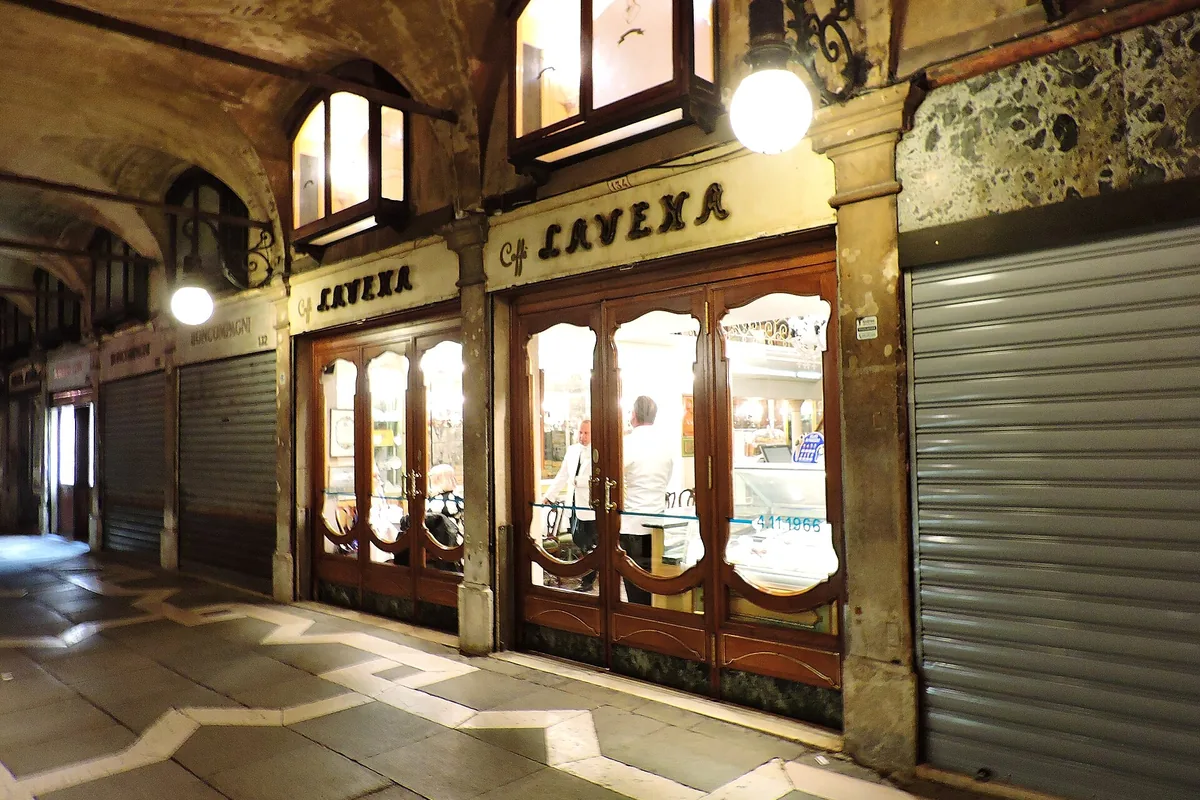
Caffè Lavena is a historic cafe on St Mark’s Square with its own house coffee blend. Sources describe it as an 18th-century cafe, serving its own roast and selling whole beans at the counter.
It is one of several grand cafes on the square, alongside Florian and Quadri, but it has a reputation for being more relaxed than its neighbours, and for a good cup of coffee. The interior is ornate, with mirrors, marble tables and period detail, and it is a good place to see how Venetian cafe culture looked in the past.
Prices on the square are among the highest in Italy, so the smart choice is to stand at the bar, as locals do, and order an espresso. You still get the setting, the mirrors and the history, at a fraction of the table price. Sitting at an outdoor table can cost far more, and there may be an additional music charge when live music is playing on the square.
If you want to take something home, the house blend is sold as whole beans at the counter. Check the current price list before ordering, as prices differ between the bar, indoor tables and outdoor tables.
Lavena is best treated as a short, atmospheric stop in a morning on St Mark’s Square, not as a place to spend a long time.
- How to get there: Walk to St Mark’s Square, or vaporetto to San Marco Vallaresso or San Zaccaria.
- How long to spend: 15 to 30 minutes.
- Best time to go: Early morning, before the square fills.
- Tip: Stand at the bar for the best value, and check the posted prices before sitting.
9. Caffè Florian
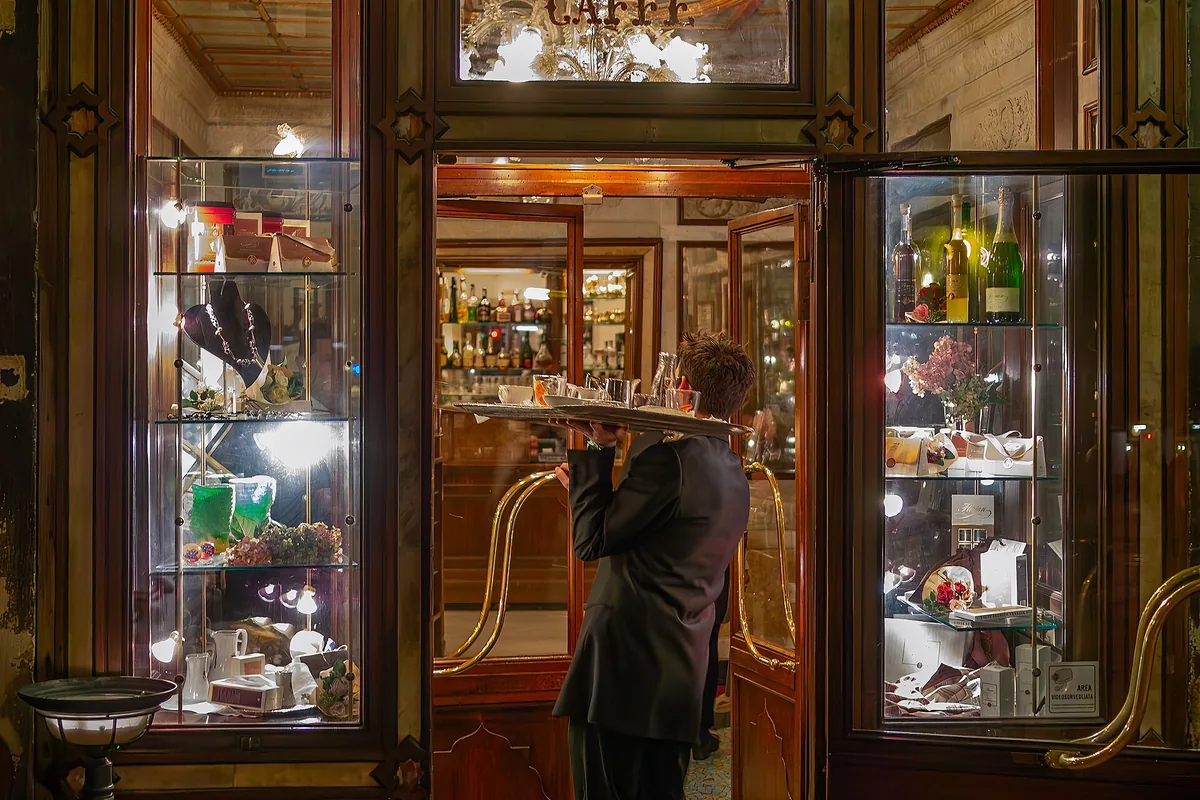
Caffè Florian on St Mark’s Square is the best known cafe in Venice and the oldest in continuous operation in Italy. It opened in 1720 under another name and has been welcoming visitors ever since, so a visit is as much about history as coffee.
The cafe is made up of several ornate rooms with painted ceilings, velvet seats and marble tables, and it has a reputation as a place where writers and artists once met. The setting is the reason to go, and the coffee is good but not the highlight.
The key thing to know is the price structure. Time Out reports that when the orchestra plays on the square, you are charged an extra cover to sit at the outside tables, and advises going to the bar inside to avoid the surcharge. Table prices are roughly double the standing price in Venice generally, so a cappuccino at the counter costs far less than at a table. These rules were reported from 2022 and later sources, so check the current prices posted at the door.
Many visitors treat Florian as a treat rather than a daily cafe. A standing espresso at the bar is a good compromise, as you still see the main room. Walk through the rooms to see the decoration.
- How to get there: Walk to St Mark’s Square, under the arcades of the Procuratie Nuove, or vaporetto to San Marco Vallaresso.
- How long to spend: 20 to 60 minutes.
- Best time to go: Morning, or a quiet winter afternoon.
- Tip: Stand at the bar to avoid the table and music charges, and check the price list at the entrance.
10. Gran Caffè Quadri
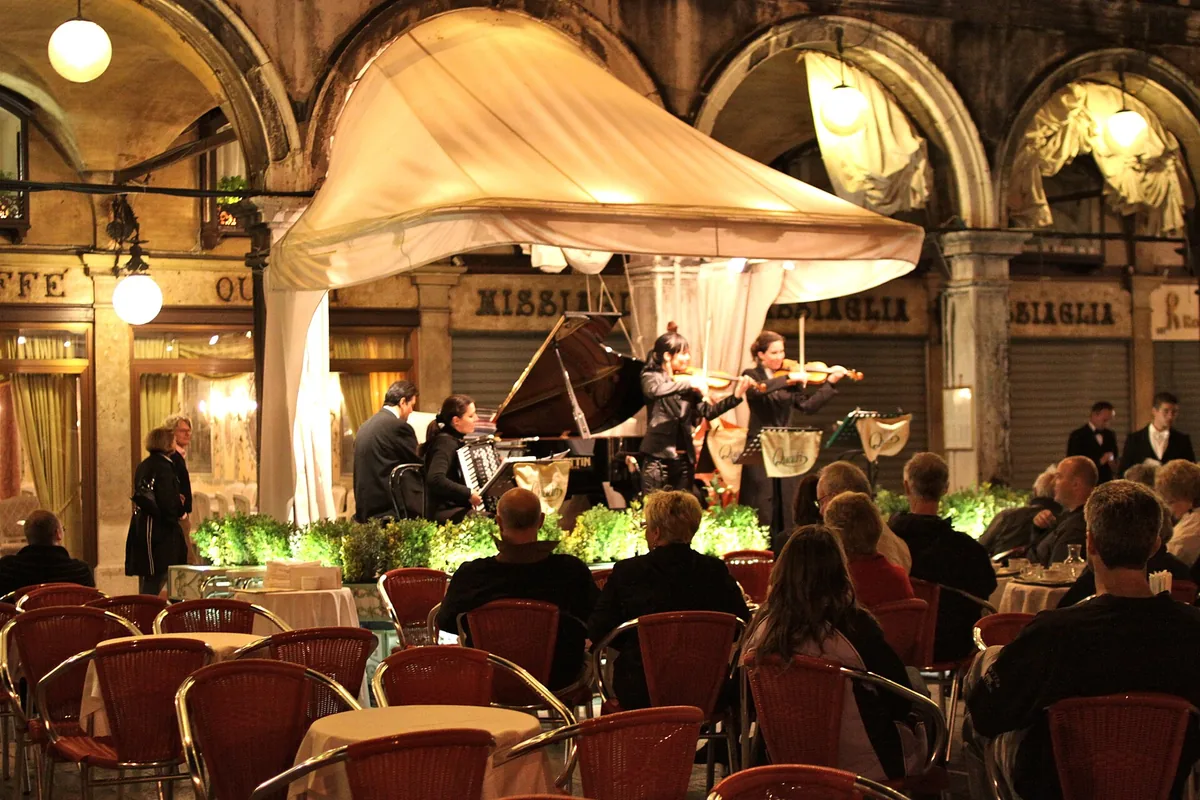
Gran Caffè Quadri is the other great historic cafe on St Mark’s Square, facing Florian across the piazza. Most sources date it to the late 18th century, with an earlier coffee shop on the site, so you will see different dates quoted.
It sits under the arcades on the north side of the square and has an elegant upstairs restaurant as well as the ground-floor cafe. Like Florian, it has its own small orchestra in season, and the tables on the piazza are among the most expensive places to sit in the city.
As with Lavena and Florian, the way to enjoy it without a large bill is to have a coffee at the bar. The interior has a distinctive Venetian style, and you can see the room without paying for table service. If you want a longer stay, it makes more sense to treat it as a special occasion and check the menu and charges in advance.
Quadri works well for a pause at the end of a morning in the Doge’s Palace and St Mark’s Basilica, or as an evening stop when the square is lit up. Because the square is exposed to the weather, indoor seats are more comfortable in cold or wet conditions.
Prices and opening hours change by season, so check current information before you plan a visit. For good value coffee, return to the neighbourhood bars away from the square.
- How to get there: Walk to St Mark’s Square, or vaporetto to San Marco Vallaresso or San Zaccaria.
- How long to spend: 20 to 45 minutes.
- Best time to go: Early morning or a quiet winter day.
- Tip: Drink at the bar, and avoid the outdoor tables unless you are happy to pay for the view.
Venice Coffee Culture: How It Works
Coffee in Venice follows Italian rules. Pay at the till first, show your receipt at the counter and then drink your coffee standing at the bar. This is the cheapest way, and the way locals do it.
Sitting down costs more. By law, bars must display separate prices for the bar and the table, and in Venice the table price is often around double. On St Mark’s Square the gap is larger and there may be a music charge. Always check the posted list before you sit.
A few habits are worth knowing. An espresso is called a caffè, a macchiato has a dash of milk, and a cappuccino is mostly drunk in the morning. Italians usually avoid milky coffees after a meal, though no one will stop you ordering one.
Coffee and Pastries to Try
- Caffè: A single espresso, the standard order.
- Macchiato: Espresso with a dash of foamed milk.
- Cappuccino: A morning drink, usually with a cornetto.
- Cornetto: The Italian croissant, plain or filled.
- Tramezzino: A soft, crustless sandwich, a classic in Venice.
- Frittelle: Fried sweet doughnuts, a Carnival speciality.
- Pistachio pastries: A favourite in several of the cafes above.
Suggested Coffee Plans for 1, 2 or 3 Days
Day 1: San Polo, Rialto and San Marco
Start at Caffè del Doge near the Rialto, then walk through the market. Stop for a pastry at Marchini Time on Campo San Luca, and continue to St Mark’s Square. Stand at the bar at Caffè Lavena or Florian for the setting, and finish with a walk along the waterfront.
Day 2: Dorsoduro and Frari
Begin at Pasticceria Tonolo for a standing breakfast, then visit the Frari and San Pantalon churches. Walk to Girani if you want to buy beans, and then to Campo Santa Margherita for Caffè Rosso. Finish with a walk along the Zattere to the Accademia.
Day 3: Cannaregio
Start at Torrefazione Cannaregio on Fondamenta dei Ormesini, then explore the Ghetto and the Madonna dell’Orto church. Stop at a Rosa Salva branch for a pastry on your way back towards the station, or the Rialto.
Getting Around Venice for Coffee
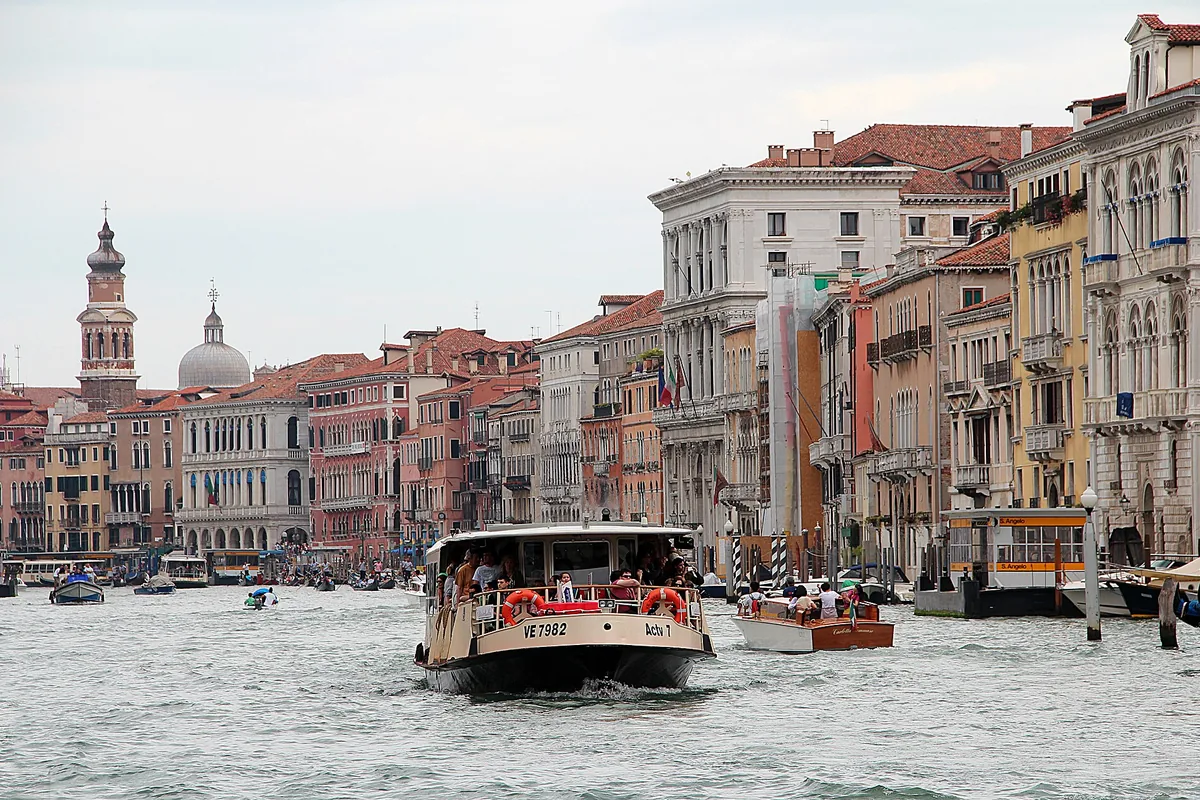
Venice has no cars, so most of these cafes are connected by short walks, with the Grand Canal vaporetto lines helping you cross the city. The official operator ACTV publishes current routes and fares, so check them before you travel.
Plan for narrow lanes, bridges and steps, and allow more time than the map suggests. Painted signs on the walls point to Rialto, San Marco, Ferrovia and Accademia, which helps if your phone signal is poor. Most of the neighbourhood bars above are small, so be ready to stand at the counter.
Where to Stay for Cafes
- Cannaregio: A residential area close to the station, near Torrefazione Cannaregio, with good canal-side walks.
- Dorsoduro: A relaxed, student-friendly area near Tonolo, Girani and Caffè Rosso.
- San Polo and Santa Croce: Central and good value, close to Caffè del Doge and the Rialto market.
- San Marco: Convenient for the grand cafes and sights, but busy and more expensive.
Budget Guidance
- Budget: An espresso and a cornetto standing at a neighbourhood bar such as Tonolo or Rosa Salva.
- Mid-range: A sit-down coffee and pastry at Marchini Time or Caffè Rosso.
- Treat yourself: A drink at one of the grand cafes on St Mark’s Square, ideally at the bar, or a table when you are prepared for the bill.
Prices change, so check the posted price list at each bar. Standing is almost always the cheapest option.
Frequently Asked Questions
What is the best cafe in Venice?
Torrefazione Cannaregio and Caffè del Doge are the top picks for coffee quality. Caffè Florian is the most famous for history and atmosphere.
Where can I find the best coffee in Venice?
Look for roasteries and local bars away from St Mark’s Square, such as Torrefazione Cannaregio, Caffè del Doge and Girani. These offer better quality and lower prices than the grand cafes.
Is it worth sitting at a cafe on St Mark’s Square?
It can be as a one-off treat, but table prices are very high and there may be an extra charge when music is playing. Standing at the bar gives you the setting for far less.
Why does coffee cost more if you sit down in Venice?
Bars charge more for table service than for standing at the counter, and they must display both prices. In Venice, the table price is often about double, so check the list before you sit.
What is the best pastry to have with coffee in Venice?
A cornetto is the standard breakfast pastry, and a tramezzino suits a light lunch. During Carnival, try frittelle, and look for pistachio pastries at Marchini Time.
Are Venice cafes open in winter?
Most are open all year, though hours can be shorter in the colder months and some small shops close on one day a week. Check each cafe’s current opening hours before you go.
Plan Your Venice Coffee Break
Good coffee is one of the easiest ways to slow down in Venice and see the city like a local. Download the free printable itinerary, choose the day that matches your route, and check opening hours before you set out. Once the coffee is sorted, see our pick of the best day trips from Venice for ideas beyond the lagoon. If you are planning a wider Italian trip, our guide to the best hidden gems in Italy shows where to go next, and our guide to the best places to eat in Florence is a good follow-up for food lovers.
Featured image: Photo by Wolfgang Moroder, CC BY-SA 3.0, cropped, via Wikimedia Commons