Last updated: November 2026
The best day trips from Bristol are Bath, Wells, Cheddar Gorge, Cardiff and Salisbury, and every one of them can be reached without a car. Bristol is a very well-placed base: Bath is a short train ride away, the Mendip Hills and Somerset’s cathedral city are a bus ride south, and fast trains run west to Wales and east to Wiltshire.
This guide picks ten day trips by train or bus, from easy half days to long full-day outings. They cover cities, seaside, gorges, ruins and countryside, so you can match the trip to the weather and the time you have. At the end there is a free printable 3-day Bristol itinerary that groups the trips by direction, so each day is realistic.
Quick answer: What are the best day trips from Bristol? For the easiest trip, take the short train to Bath. For a cathedral city and myth, choose Wells and Glastonbury, for scenery pick Cheddar Gorge, and for a bigger city day go to Cardiff. Cheltenham, Salisbury and Stonehenge, Weston-super-Mare, Clevedon and Tintern Abbey complete the list.
Free printable itinerary
Planning a trip? Download our Suggested day trip plans for 1, 2 or 3 days as a PDF: the day-by-day plan plus all 10 places with directions and map links. Print it or keep it on your phone.
Quick list: the best day trips from Bristol at a glance
| # | Day trip | Best for | Getting there | Time each way |
|---|---|---|---|---|
| 1 | Bath | Roman baths and Georgian streets | Train | Under half an hour |
| 2 | Wells | A tiny cathedral city | Bus | About an hour |
| 3 | Cheddar Gorge | Cliffs, caves and walking | Bus with a change | 1.5 hours or more |
| 4 | Glastonbury | Tor, abbey and legends | Bus | About 1.5 hours |
| 5 | Cardiff | Castle, bay and museums | Train | About an hour |
| 6 | Cheltenham | A Regency spa town | Train | About an hour |
| 7 | Salisbury and Stonehenge | A cathedral and prehistoric stones | Train, then bus | About 1.5 hours |
| 8 | Weston-super-Mare | A classic seaside day | Train | About half an hour |
| 9 | Clevedon | A Victorian pier and coast walks | Bus | About an hour |
| 10 | Tintern Abbey and the Wye Valley | Ruins and river scenery | Bus via Chepstow | 1.5 hours or more |
1. Bath
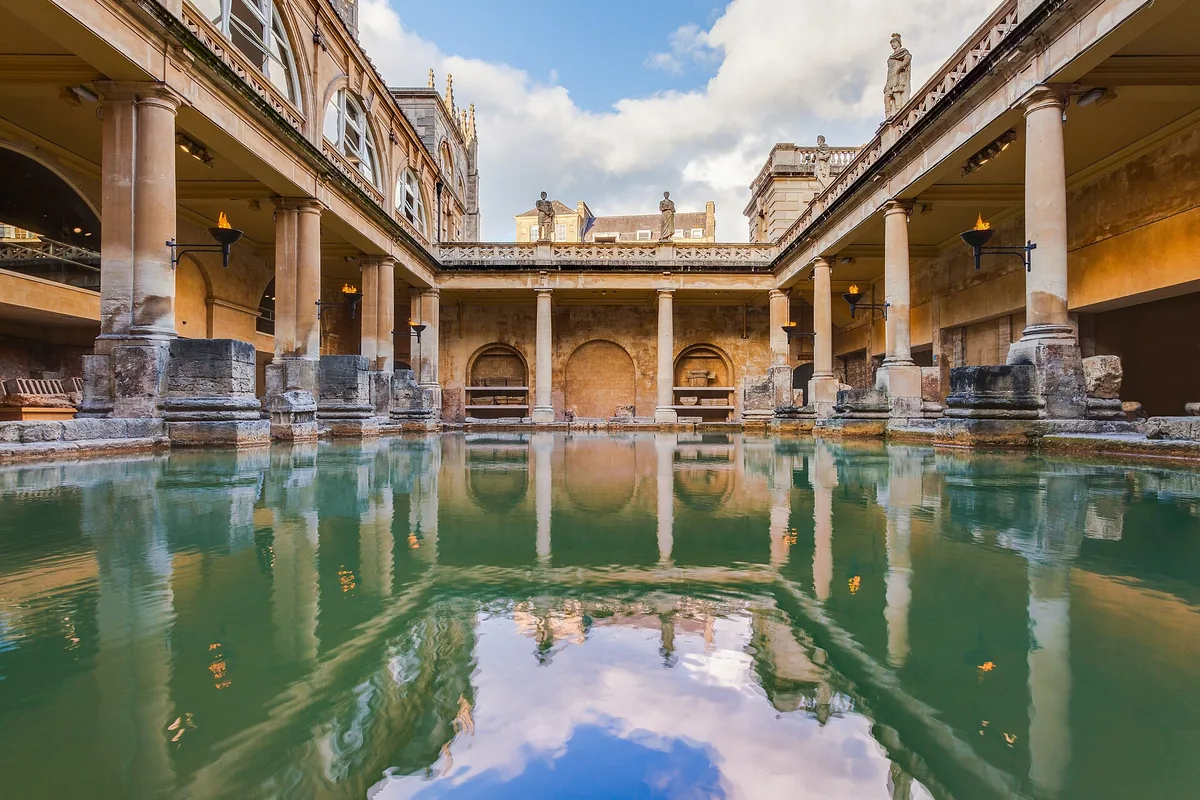
Bath is the easiest and best day trip from Bristol, because the train takes only a short time and the city is one of the most beautiful in Britain. It is a UNESCO World Heritage city, built around natural hot springs that the Romans turned into a grand bathing complex.
Begin at the Roman Baths, where you can walk along the original pools and see the spring that still feeds them. Next door, Bath Abbey has a spectacular fan-vaulted ceiling and a tower tour with views over the rooftops. From there, cross Pulteney Bridge, one of the few bridges in the world with shops built along it, and follow the river or the streets up towards the Royal Crescent and The Circus, which are the finest examples of Georgian town planning in England.
Bath is a good place to relax as well as sightsee. The Thermae Bath Spa has a rooftop pool for a modern take on the city’s bathing tradition, and there are many independent bookshops, tea rooms and restaurants. Fans of Jane Austen will find a centre devoted to her life, and the Holburne Museum, at the end of Great Pulteney Street, is a quieter art stop.
Because the journey is so short, Bath works as a half day or a relaxed full day. Book the Roman Baths in advance at busy times, and consider walking one of the riverside or canal paths if you want a break from the crowds.
- Getting there: Train from Bristol Temple Meads to Bath Spa, usually well under half an hour. Services are frequent.
- Time needed: 5 to 8 hours.
- Best time to go: Spring and autumn, ideally on a weekday.
- Insider tip: Book Roman Baths tickets online, and check the official site for any closures.
2. Wells
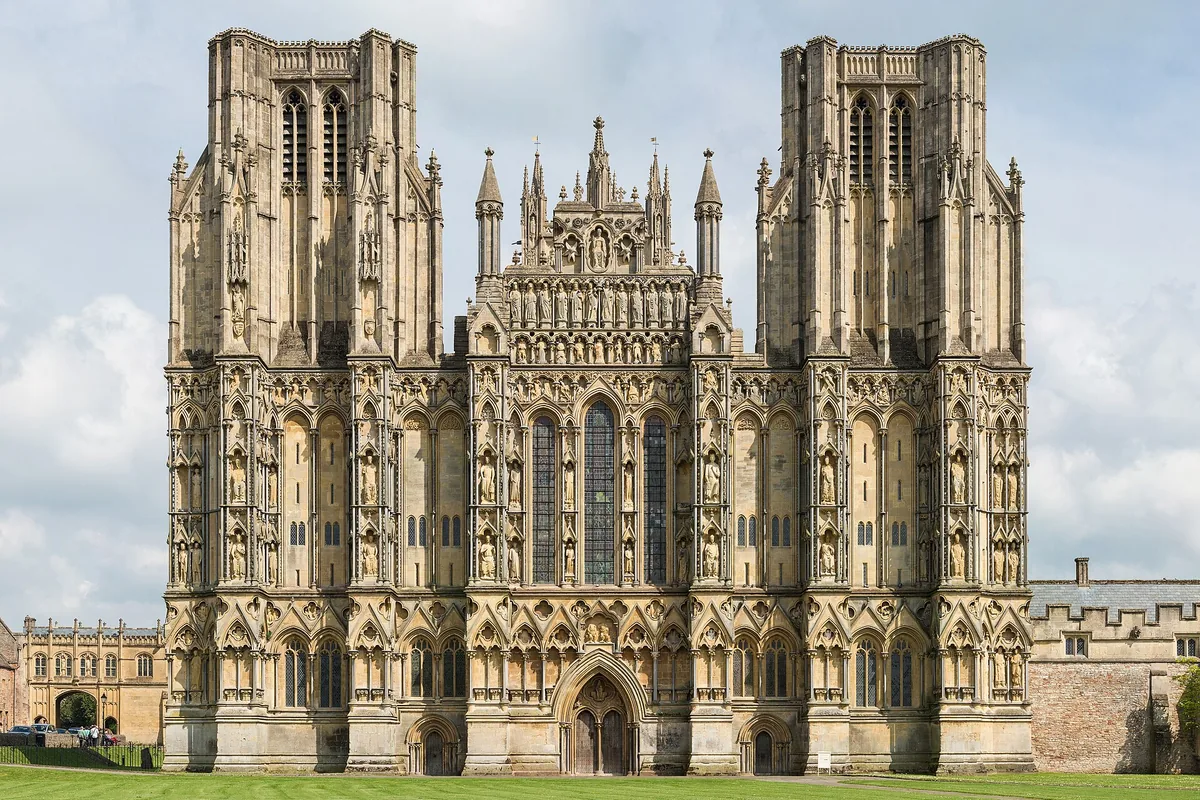
Wells is one of England’s smallest cities, and its cathedral is one of the finest medieval buildings in the country. It is a calm, compact place that is perfect for a slower day out, and the bus from Bristol takes you straight into the centre.
The star is Wells Cathedral, famous for its detailed west front covered in medieval statues, and for the dramatic scissor arches inside the nave. Look for the old astronomical clock, where jousting knights circle every quarter hour. Next to the cathedral is Vicars’ Close, a medieval street of tiny houses that is often described as the oldest complete residential street in Europe.
Just across the green stands the Bishop’s Palace, a moated medieval residence with gardens and ruins. Swans on the moat have a long tradition of ringing a bell at the gatehouse to ask for food. The palace grounds are quiet and attractive, and there are springs in the garden that give the city its name.
The town centre has a Market Place, independent shops and cafés, and a regular market. If you want a short walk, follow the paths around the palace or head up to the nearby hills for a view of the cathedral. Wells also makes a good base for the next two trips, as Glastonbury and Cheddar Gorge are both reached by bus from here.
Check the cathedral’s website for visiting arrangements, because services and events can affect which parts you can see.
- Getting there: Bus from Bristol to Wells, usually about an hour. Check the current timetable on the First Bus website.
- Time needed: 3 to 5 hours.
- Best time to go: A dry weekday in spring to autumn.
- Insider tip: Combine Wells with Glastonbury on the same bus route for a two-stop day.
3. Cheddar Gorge
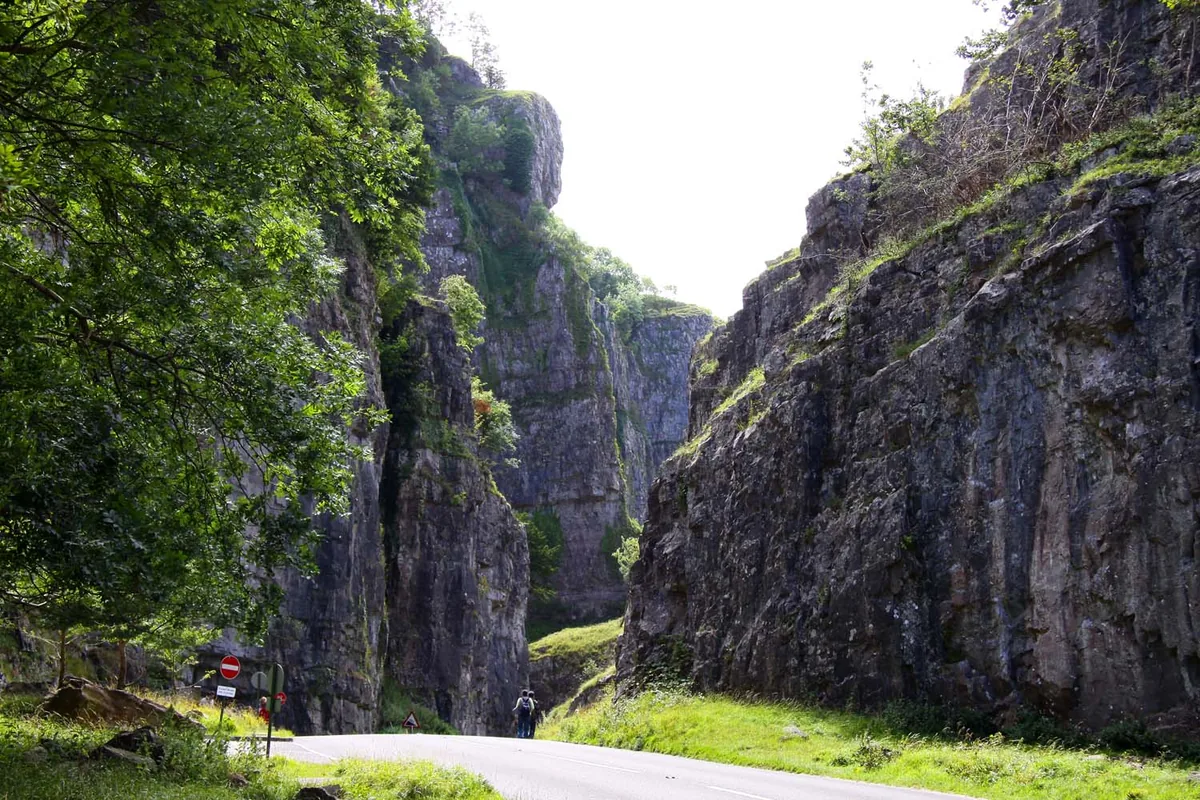
Cheddar Gorge is the largest gorge in England, a dramatic limestone valley in the Mendip Hills that is packed with caves, cliffs and walking trails. It is the best nature day trip from Bristol, and a real contrast to the city.
The road through the gorge runs between cliffs that rise very steeply on both sides, and the best way to enjoy them is on foot. A cliff-top walk leads to viewpoints with views over the gorge and across Somerset, and a steady climb up the Jacob’s Ladder steps and tower gives you a fine panorama. Two show caves, Gough’s Cave and Cox’s Cave, have impressive stalactites and a long human history, including the discovery of Cheddar Man, one of Britain’s oldest skeletons.
The village at the bottom has a few shops selling local cheese, a cheese-making visit at the cheese company, and a number of cafés and pubs. The cheese that made the village famous is still made nearby, so try some on your trip. There are also nature walks along the nearby Cheddar Reservoir if you want a flatter outing.
Getting here without a car takes a little planning. The usual route is by bus to Wells and a change onto the service from Wells towards Weston-super-Mare via Cheddar. The Wells to Cheddar bus does not usually run on Sundays or public holidays, so check timetables carefully and plan your return before you set off.
Wear good shoes, bring layers and keep an eye on the weather, because the gorge can be windy on exposed paths.
- Getting there: Bus from Bristol to Wells, then the local bus through Cheddar. Allow 1.5 hours or more each way, and check timetables.
- Time needed: 4 to 6 hours.
- Best time to go: Late spring to early autumn for walking, and on a weekday for quieter caves.
- Insider tip: Book cave tickets online and check the last bus back before you start a long walk.
4. Glastonbury
Glastonbury is the most atmospheric small town near Bristol, a place where Arthurian legend, ruined abbey stones and a famous hill meet on one day out. It has long been linked with myths of King Arthur and the Holy Grail, and it has a lively alternative character that is unlike anywhere else in England.
Start with Glastonbury Tor, the conical hill topped by the tower of St Michael’s church. The climb is steep but short, and the view from the top across the Somerset Levels is superb, particularly in clear weather or at sunrise and sunset. The Tor is looked after by the National Trust, and there is no entry charge, although the paths can be slippery after rain.
In the town, Glastonbury Abbey has atmospheric ruins of a once-great medieval monastery, with a museum and a large park. The Chalice Well and Gardens is a peaceful garden around a spring with a long spiritual history, and it is a calm place to sit after the climb.
The High Street has independent shops, crystal stores, bookshops and cafés, so it is a fun place to browse. Glastonbury is best known for its festival, which takes place on a farm nearby, but the town is open all year and quiet outside the summer months.
You can reach Glastonbury on the same bus route as Wells, which makes a combined day easy to plan. Always check the timetable, because the final bus back to Bristol may leave earlier than you expect.
- Getting there: Bus from Bristol via Wells to Glastonbury. Allow about 1.5 hours each way and check the timetable.
- Time needed: 4 to 6 hours, or a full day if combined with Wells.
- Best time to go: A clear day for views from the Tor, outside the festival period.
- Insider tip: Wear sturdy shoes for the Tor, and check abbey opening arrangements on the official website.
5. Cardiff
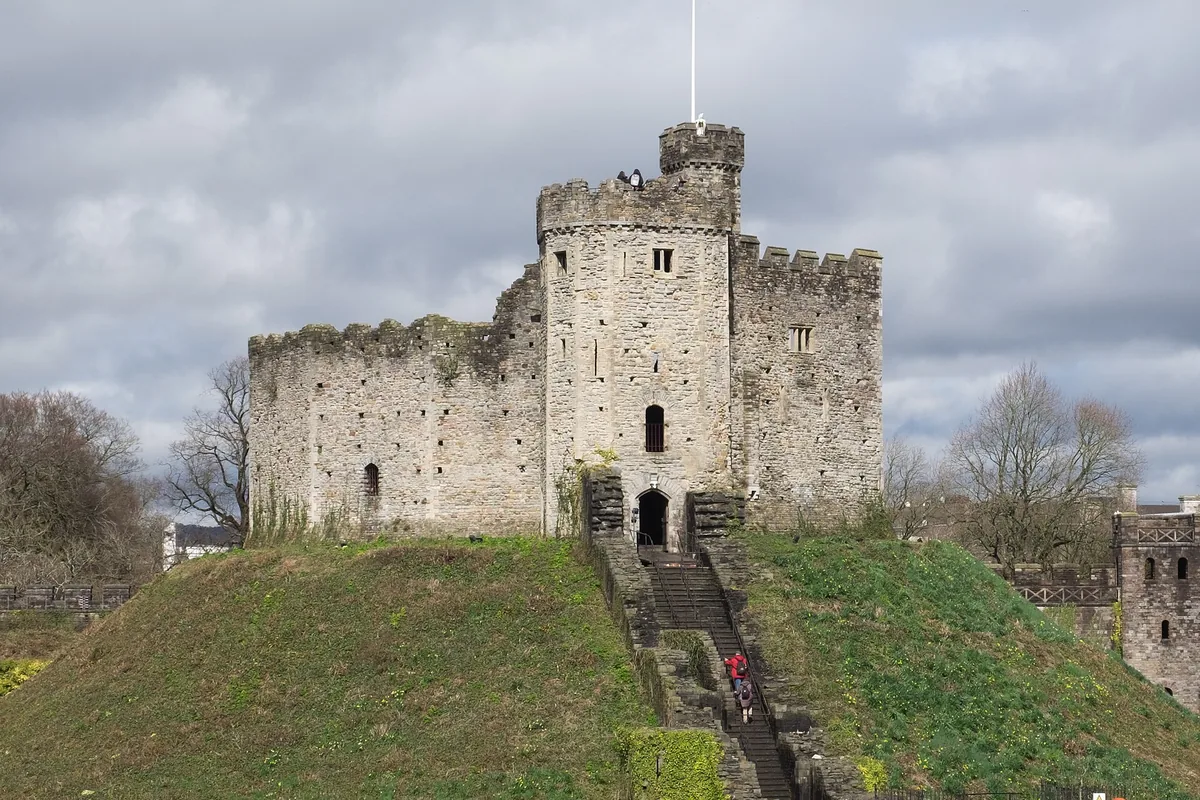
Cardiff is the best big-city day trip from Bristol, and it takes you into another country. The Welsh capital is only about an hour away by train, and it has a castle, a waterfront, excellent museums and a lively food scene.
Start at Cardiff Castle, a Roman fort and medieval stronghold in the middle of the city, with a Victorian Gothic interior that was designed in the 19th century. The Norman keep on its mound has views over the park and city. Nearby, the Principality Stadium dominates the skyline, and the covered Victorian arcades around St Mary Street have independent shops, cafés and the historic Cardiff Market.
A short walk or bus ride leads to Cardiff Bay, the redeveloped waterfront with the Senedd (the Welsh Parliament), the Wales Millennium Centre and plenty of waterside restaurants. In the city’s civic centre, the National Museum Cardiff has a big art collection and natural history exhibits, and it is free to visit, though special exhibitions may charge.
For something different, take a short bus or train ride to Castell Coch, a fairytale castle in the hills north of the city, which is run by Cadw. Check opening arrangements before you go.
Trains run from Bristol Temple Meads to Cardiff Central, and some are direct. Because they are frequent, you can make an easy day of it without strict planning. Look out for national rail offers and off-peak fares to keep the cost down.
If rugby or football is on, Cardiff can be extremely busy, so check match days before you travel.
- Getting there: Train from Bristol Temple Meads to Cardiff Central, usually about an hour.
- Time needed: A full day.
- Best time to go: Any time, but avoid big match days unless you want to join the crowds.
- Insider tip: Check Cadw and the castle websites for opening arrangements before you go.
6. Cheltenham
Cheltenham is an elegant Regency spa town that is a stylish day out and a gateway to the Cotswolds. It is known for its wide tree-lined avenues, white stucco terraces and its famous horse racing and festivals.
The best way to enjoy the town is to walk its Regency streets. Start at the Promenade, a long boulevard lined with shops and gardens, then wander through Montpellier, a district of independent boutiques, bars and cafés set among decorative Regency buildings. The Pittville Pump Room, in a large park on the north side of town, is the grandest of the spa buildings, and the park has a lake, gardens and a relaxed atmosphere.
Cheltenham also has a rich cultural scene. The Wilson, the town’s art gallery and museum, has local history and a good collection of Arts and Crafts pieces, and the Holst Victorian House is the birthplace of the composer Gustav Holst. The town hosts well-known festivals through the year, including music, literature and jazz events, so check the dates if you want to visit during one.
Cheltenham is also a handy hub for the Cotswolds (for another gateway to the region, see our guide to the best day trips from Oxford), although public transport into the hills is limited, so only attempt this if you have an early start or have booked a local tour.
The trains from Bristol are fast and frequent, with some direct services, which makes Cheltenham a relaxed and easy trip. Racing days and festival weekends can make the town very busy, so look at the calendar before you go.
- Getting there: Train from Bristol Temple Meads to Cheltenham Spa, usually about an hour, sometimes direct.
- Time needed: 4 to 6 hours.
- Best time to go: Spring to autumn, avoiding race meeting days if you want quiet streets.
- Insider tip: Check the festival and racing calendars before you plan.
7. Salisbury and Stonehenge
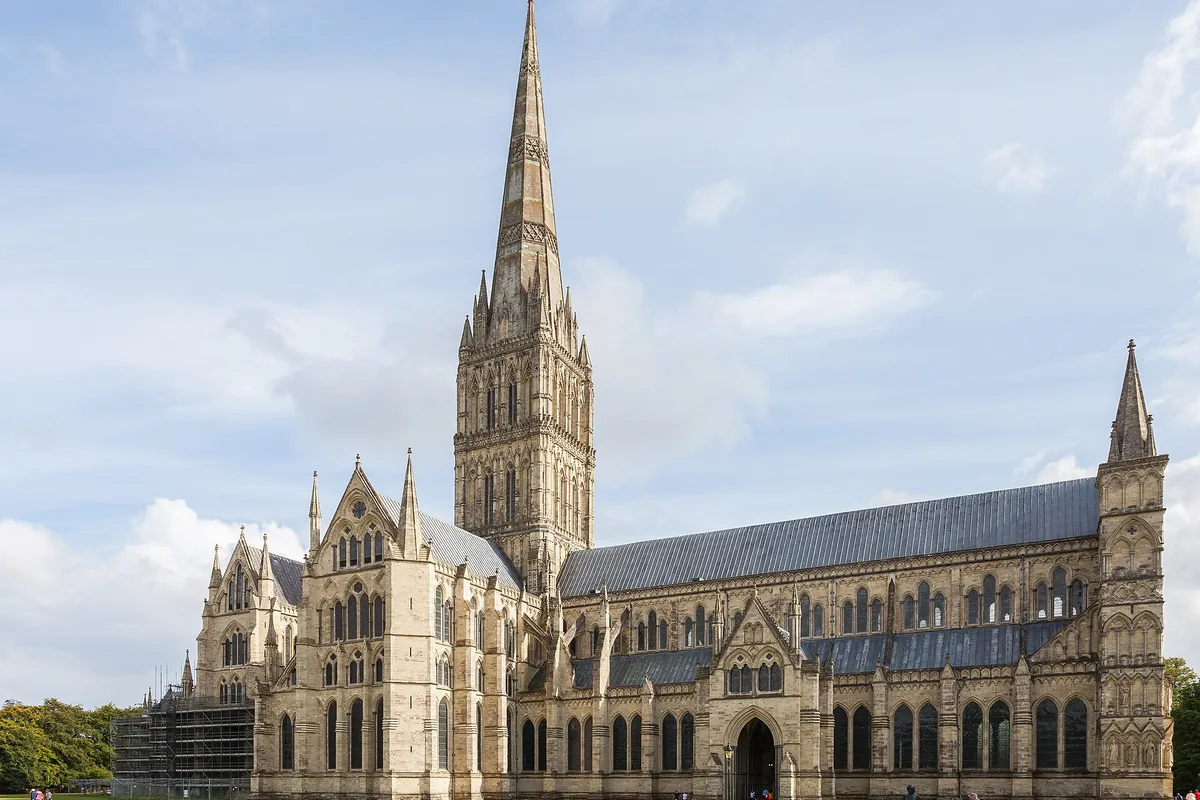
Salisbury and Stonehenge make the best history day trip from Bristol, pairing a medieval cathedral city with the most famous prehistoric monument in Britain. It is a longer day, but it is rewarding if you plan carefully.
In Salisbury, the star is Salisbury Cathedral, with the tallest church spire in the United Kingdom. Inside, you can see one of the four surviving original copies of Magna Carta in the Chapter House, and the cathedral has a medieval clock that is among the oldest working examples in the world. The cathedral sits in a peaceful close surrounded by historic houses, and the water meadows nearby are the setting for a famous view that was painted by John Constable.
From the railway station, you can take the Stonehenge Tour bus to the stones, with an optional stop at Old Sarum, the remains of an Iron Age hillfort and early cathedral site. Stonehenge is run by English Heritage, and tickets must be booked in advance because entry is by timed slot. The visitor centre has exhibitions and reconstructions of Neolithic houses.
Direct trains from Bristol Temple Meads to Salisbury take about an hour and a half, and the bus connection adds to the day. Check the bus timetable for the last service back from Stonehenge and book the ticket before you set out.
If you only want to visit the cathedral, you can easily do Salisbury as a shorter day, and the town has good food, a market and nice riverside paths.
- Getting there: Train from Bristol Temple Meads to Salisbury, then a tour bus or taxi to Stonehenge. Allow about 1.5 hours each way for the train.
- Time needed: A full day.
- Best time to go: Spring or autumn, with a pre-booked Stonehenge slot.
- Insider tip: Book Stonehenge tickets and the bus in advance, and check the timetable for the last return.
8. Weston-super-Mare
Weston-super-Mare is the classic British seaside day out, with a long sandy beach, an old-fashioned pier and plenty of amusements. It is close to Bristol by train, which makes it a good choice when the weather is bright and you want something simple.
The main attraction is the Grand Pier, a classic seaside pier with arcades, rides and a fairground feel. The beach is wide and sandy, and the tide goes out a very long way across the muddy flats of the Bristol Channel, so check the tide times before you plan a paddle or swim. The seafront promenade has cafés, ice cream stands and fish and chip shops, and a donkey ride is a seaside tradition on the sands.
A little way inland, the Helicopter Museum has a large collection of helicopters, and it is a fun stop for families.
For a quieter walk, climb Weston Woods and Worlebury Hill, which have views over the bay and the Welsh coast. The Birnbeck Pier, a derelict Victorian pier on the headland, can be seen from a distance as an interesting piece of seaside heritage.
For more seaside ideas, browse our guide to the best coastal destinations in the UK. Trains run regularly from Bristol Temple Meads, and the journey is short, so it is an easy day out even if the weather changes.
- Getting there: Train from Bristol Temple Meads to Weston-super-Mare, usually around half an hour.
- Time needed: 4 to 6 hours.
- Best time to go: A warm, dry day from late spring to early autumn, near high tide.
- Insider tip: Check the tide times, because the sea can be a long walk away at low tide.
9. Clevedon
Clevedon is a calm Victorian seaside town with one of the most beautiful piers in England. It is less lively than Weston-super-Mare, but it is prettier and more relaxed, and it is the best choice for a peaceful coastal walk.
The highlight is Clevedon Pier, a Grade I listed structure with elegant ironwork that the poet John Betjeman described as the most beautiful pier in England. You can walk to the end, look back across the Bristol Channel and have a drink in the tea room. The Curzon, a historic cinema dating from the early 20th century, is worth a look if there is a film on.
From the pier, follow the coastal path along the seafront towards Marine Lake, a large tidal pool that is popular with swimmers and paddleboarders, and then on to Poets’ Walk, a wooded path with views over the sea. Clevedon Court, a medieval manor house run by the National Trust, is a short distance inland and has a terraced garden, though opening is limited, so check before you go.
The town centre has a mix of independent shops, bakeries and cafés, and the long promenade is a pleasant place for an evening stroll. It feels more local than touristy, which is part of its charm.
Getting here is straightforward by bus from Bristol, and the journey is usually about an hour. You can also take a train to Yatton and a bus onward, but the direct bus is simpler. Check the timetable and plan your last bus back, particularly on weekends.
- Getting there: Bus from Bristol to Clevedon, about an hour. Check the current timetable.
- Time needed: 3 to 5 hours.
- Best time to go: A bright day from spring to early autumn.
- Insider tip: Check the pier’s opening arrangements and the tide before you plan a swim.
10. Tintern Abbey and the Wye Valley
Tintern Abbey is the best ruin and river-valley day trip from Bristol, and it sits just across the border in Wales. The roofless 12th-century Cistercian abbey stands beside the River Wye in a steep, wooded valley, and it has inspired poets and painters for centuries, including William Wordsworth.
The abbey is run by Cadw, the Welsh heritage body, and you can walk through the tall Gothic arches, the nave and the great west window. The setting is the real draw, because the hills rise on both sides of the river, and the colours in autumn are particularly good. Some parts of the church may have restricted access because of conservation work, so check the Cadw website for current details.
Nearby, you can follow riverside and woodland paths, including a section of the Wye Valley Walk. The Devil’s Pulpit viewpoint, on the Gloucestershire side of the river, has a classic view down to the abbey, but it is a steep walk or a drive from the village. The village of Tintern has a few pubs and cafés, and a small number of craft shops.
Getting there without a car takes longer. The usual route is a bus or train towards Chepstow, then a local bus along the Wye Valley to Tintern. Services are limited, particularly on Sundays, so check timetables carefully or consider a taxi from Chepstow. This is the trip where a car or a local tour makes the biggest difference.
If ruins and heritage appeal, our guide to the top historic places in the UK has more to explore. Because it is outdoors, it is best on a dry day, and you should wear good shoes if you plan to walk.
- Getting there: Bus or train towards Chepstow, then a local bus to Tintern. Allow 1.5 hours or more each way and check the timetable.
- Time needed: 3 to 5 hours.
- Best time to go: A dry day in spring or autumn.
- Insider tip: Check the Cadw website for opening arrangements and the last bus back.
How to pick the right day trip from Bristol
Start with the time you have. For a few hours, choose Bath or Weston-super-Mare, which are the quickest to reach. For a full day, choose between a city (Cardiff, Cheltenham or Salisbury) and a countryside trip (Wells, Cheddar Gorge, Glastonbury or the Wye Valley).
Then think about the type of day you want. Choose Bath, Wells and Salisbury for cathedrals and architecture, Cheddar Gorge, Glastonbury Tor and Tintern for scenery and walking, and Weston-super-Mare and Clevedon for the sea. If the weather looks poor, Cardiff, Bath and Cheltenham have the most indoor options.
Suggested day trip plans for 1, 2 or 3 days
Day 1: Bath and the Georgian city
Take the short train to Bath and spend the morning at the Roman Baths and the Abbey. Walk to the Royal Crescent after lunch, and finish with a stroll along the river or a visit to the spa. Return to Bristol in the early evening.
Day 2: Somerset by bus
Take the bus to Wells for the cathedral and the Bishop’s Palace in the morning. Continue by bus to Glastonbury for the Tor and the abbey, or change at Wells for Cheddar Gorge if you prefer walking. Check the last bus before you set off.
Day 3: Cardiff or Salisbury
For a city day, take the train to Cardiff for the castle, the bay and the museum. If you prefer history, take the train to Salisbury for the cathedral and the bus to Stonehenge, with tickets booked in advance. Both are best with an early start.
Getting around from Bristol
Most day trips leave from Bristol Temple Meads, the main station, which has direct trains to Bath, Cardiff, Cheltenham, Salisbury and Weston-super-Mare. Bristol Parkway, to the north of the city, has other services, including some to Cardiff and Cheltenham. For buses, Bristol bus station and stops near Temple Meads serve Wells, Glastonbury and Clevedon.
If you are also visiting the capital, our guide to the best day trips from London covers more options by train. Use the National Rail journey planner for trains and the bus operator’s website for buses, because timetables change often. Off-peak, advance and railcard fares can cut the cost significantly, and many bus operators offer day or group tickets that are good value if you plan several trips.
Where to stay in Bristol
Stay near Temple Meads or the city centre if you will use trains often, because you can walk to the station in minutes. Clifton is an elegant area with views of the suspension bridge, and it is a short bus ride from the centre. Harbourside is lively and close to restaurants and museums. For something quieter, look at Redland or Stokes Croft, which have independent cafés and good transport links.
Budget guidance for Bristol day trips
- Shoestring: Choose Bath, Weston-super-Mare or Clevedon, where the main pleasures are free walks and beaches. Use advance train tickets and bring a packed lunch.
- Mid-range: Add one paid attraction such as the Roman Baths, Cheddar Gorge caves or Cardiff Castle, and eat at a pub or café.
- Comfortable: Combine a paid attraction with a long lunch, a guided tour to Stonehenge or the Wye Valley, and taxis for awkward last miles.
Frequently Asked Questions
What are the best day trips from Bristol?
The best day trips from Bristol are Bath, Wells, Cheddar Gorge, Cardiff and Salisbury. Bath is the easiest, while Cardiff and Salisbury are better for a full day.
Can you do day trips from Bristol without a car?
Yes, all ten trips in this guide can be done by train, bus or a combination of both. Cheddar Gorge, Glastonbury and Tintern need more planning because bus services are less frequent, so check timetables before you go.
What is the closest day trip from Bristol?
Bath is the closest, with a train journey that takes well under half an hour. Weston-super-Mare is also close, at about half an hour by train.
Can you visit Stonehenge from Bristol in a day?
Yes, by train to Salisbury and then the Stonehenge Tour bus. You should book Stonehenge tickets in advance and check the bus timetable for the last return.
Is Cardiff worth a day trip from Bristol?
Yes, because trains take about an hour and the city has a castle, a waterfront and free national museums. It is a good choice if you want a big-city day in a different country.
What is a good day trip from Bristol in winter?
Bath, Cardiff, Cheltenham and Salisbury are best in colder months, because they have plenty of indoor sights. Wells Cathedral is also a good option on a cold day.
Plan Your Bristol Day Trips
Whether you choose a Georgian city, a gorge or a stretch of coast, Bristol is an excellent base. For more ideas, see the official Visit Bristol website, plan your trains on the National Rail journey planner, and check English Heritage for Stonehenge tickets and current visiting information.
Featured image: Photo by Lewis Clarke, CC BY-SA 2.0, cropped, via Wikimedia Commons