Last updated: November 2026
The best day trips from York are Harrogate, Knaresborough, Castle Howard, Fountains Abbey, Whitby and Scarborough, with Leeds, Durham, Malton and the North York Moors Railway as strong alternatives. York sits at the centre of a rail network and close to the coast, the moors and the Dales, so a good day out is rarely more than an hour away.
This guide covers ten day trips from York, with realistic ways to get there by train, bus or car, how long to allow and what to see when you arrive. A free printable 3-day itinerary near the end groups the trips into easy days, so you can plan without puzzling over timetables. If you are building a wider England trip, our guide to the best day trips from Bath is a good companion for the south-west.
Quick answer: What are the best day trips from York? The easiest are Harrogate, Knaresborough, Leeds, Durham and Scarborough, all reached by train. For a grand country house, choose Castle Howard. For the coast, pick Whitby or Scarborough. Fountains Abbey, Malton and the steam trains of the North York Moors are rewarding if you have more time or a car.
Free printable itinerary
Planning a trip? Download our 3-Day York Day Trip Itinerary as a PDF: the day-by-day plan plus all 10 places with directions and map links. Print it or keep it on your phone.
Quick comparison: day trips from York
| # | Day trip | Best for | Main way to get there | Time each way |
|---|---|---|---|---|
| 1 | Harrogate | Spa town, tea rooms, gardens | Train | Around 40 minutes |
| 2 | Knaresborough | Viaduct views and river | Train | Around 30 to 40 minutes |
| 3 | Castle Howard | Stately home and gardens | Bus or car | Around an hour |
| 4 | Fountains Abbey | Abbey ruins and water garden | Car, or summer bus | Around an hour |
| 5 | Whitby | Abbey, harbour, fish and chips | Car or Coastliner bus | Around 1.5 to 2 hours |
| 6 | Scarborough | Seaside, castle, beaches | Direct train | Around 50 minutes |
| 7 | Leeds | Museums, arcades, shopping | Frequent train | 20 to 45 minutes |
| 8 | Durham | Cathedral and castle | Train | Around 50 minutes |
| 9 | Malton | Food and markets | Train | Around 25 to 35 minutes |
| 10 | Pickering and the North York Moors Railway | Steam trains, moors | Train to Malton plus bus, or car | Around an hour |
1. Harrogate
Harrogate is the classic day trip from York for a dose of Victorian spa elegance, with tea rooms, gardens and wide green spaces. The town grew rich on its mineral springs, and its handsome streets still have the air of a place designed for leisurely visitors.
Start in Valley Gardens, a long park with flower beds, a lake and winding paths, then head into the centre for a browse of independent shops. Harrogate is famous for its tea rooms, with Bettys the best-known, so book ahead or expect a queue at busy times. The Turkish Baths, a beautifully tiled Victorian spa, offer sessions that are worth checking in advance on their official site, and the Royal Pump Room Museum tells the story of the spa waters.
Garden lovers should consider RHS Garden Harlow Carr on the edge of town, a large garden with woodland walks, an alpine area and a kitchen garden. Check the Visit Harrogate site for what is on during your trip. The huge open grassland known as The Stray is perfect for a picnic or a stroll between sights.
Harrogate pairs naturally with Knaresborough, since the two towns are close together and linked by train, so you can easily do both in one day if you start early and keep the pace relaxed. For another cathedral city with easy rail links, see our day trips from Oxford.
- How to get there: Trains run from York to Harrogate, typically in around 40 minutes. Check Northern for current times.
- How long to spend: Four to six hours; longer if you add Harlow Carr.
- Best time to go: Spring and summer for the gardens, though tea rooms and shops make it a good year-round trip.
- Tip: Book afternoon tea or the Turkish Baths ahead, especially at weekends.
2. Knaresborough
Knaresborough is a small market town with one of the most photographed views in Yorkshire, a railway viaduct rising above the River Nidd. It is tiny and charming, which makes it an easy half-day or an add-on to Harrogate.
The best view is from the riverside near the viaduct, where rowing boats can usually be hired in the warmer months. The stone arches, the green riverbank and the cluster of houses climbing the hillside make the scene look almost too tidy to be real. Walk up from the river to the market place and the castle ruins, which have views back over the valley. The ruins are a public heritage site, so check the official information for access.
Across the river, Mother Shipton’s Cave and the Petrifying Well is a long-running family attraction set in woodland by the river. It is often described as England’s oldest paid visitor attraction, and objects left under the dripping water turn to stone. See Mother Shipton’s Cave for current details and tickets.
Knaresborough has a handful of cafes and pubs, plus a market that traditionally runs on Wednesdays, so you can have lunch without leaving the centre. If the weather is good, a riverside walk is a pleasant way to spend the afternoon.
- How to get there: Trains from York to Knaresborough run on the line towards Harrogate, usually in 30 to 40 minutes. Check timetables as services can change.
- How long to spend: Two to four hours.
- Best time to go: Late spring to early autumn, when boats are out and the riverside is at its best.
- Tip: Walk from the station to the viewpoint near the viaduct for the classic photograph before exploring the town.
3. Castle Howard

Castle Howard is the grandest stately home near York, with a huge domed house, formal gardens and a landscape dotted with monuments. It is best known as the setting for Brideshead Revisited, in both the 1981 television series and the 2008 film.
Inside, the house has richly decorated rooms and a collection of art and furniture, with the domed Great Hall as the highlight. Outside, the estate is the real star. The gardens include the Atlas Fountain, a large and theatrical sculpture, and the landscape holds follies such as the Temple of the Four Winds and the Mausoleum on the far side of the lake. A garden walk with the house in the background is the classic way to see it all.
There are cafes and a farm shop on site, so you can spend most of the day here without leaving the estate. The Castle Howard website lists opening arrangements, garden access and events, and these vary by season, so check before you travel.
Public transport has improved in recent years. The estate’s own information describes a direct bus link from York, and a regular route known as the 81 has been reported to take around an hour, with no Sunday service on the standard timetable. Because routes and seasonal services change, confirm the options on the Castle Howard site before relying on one. By car it is a straightforward drive.
- How to get there: Bus from York (check the current operator and days), or drive. The estate has its own car park.
- How long to spend: Four to six hours for the house, gardens and lake.
- Best time to go: Spring to autumn for the gardens; check winter opening arrangements.
- Tip: Buy tickets online ahead if you can, and wear walking shoes because the grounds are large.
4. Fountains Abbey and Studley Royal
Fountains Abbey is one of the largest ruined monasteries in Britain, set in a valley of formal water gardens that is a UNESCO World Heritage Site. It is a National Trust property near Ripon, and a superb choice for a day of walking among history.
The abbey was a Cistercian monastery founded in the 12th century and closed during the Dissolution, and its soaring arches and tall tower still dominate the valley. Beyond the ruins lies Studley Royal Water Garden, an 18th-century landscape with canals, ponds, temples and viewpoints. A well-marked path loops around the valley, and the estate also includes a medieval deer park where you may see deer from a distance.
The National Trust Fountains Abbey page lists opening arrangements, ticket details and accessibility. There are cafes on site, and the visitor centre sits in the valley, so you can keep the day simple.
Without a car, the journey is trickier. The National Trust and local bus guides mention limited services from Ripon, plus the Eastern DalesBus 825, which links York, Harrogate and the abbey on summer Sundays and bank holidays only, but timetables change, so check current services before you plan around them. If you do reach Ripon, the cathedral is worth a short visit, and the town has a traditional evening ceremony where a hornblower sounds a horn in the market place.
- How to get there: Drive, or use a summer Sunday and bank holiday bus (check DalesBus timetables).
- How long to spend: Four to five hours for the abbey, water garden and a lunch stop.
- Best time to go: Spring to early autumn, though the valley is atmospheric in frosty winter light too.
- Tip: Wear good footwear for the paths, and note that some routes include slopes and steps.
5. Whitby
Whitby is the most atmospheric seaside day trip from York, with a ruined abbey high on the cliff and a harbour packed with fish and chip shops. It has a moody, dramatic character that explains why it has inspired writers for centuries.
The ruins of Whitby Abbey sit on the East Cliff, reached by the famous 199 steps from the old town, or by road. The abbey was an inspiration for Bram Stoker’s Dracula, and visitors still make the connection. The abbey is run by English Heritage, so check the Whitby Abbey page for opening arrangements and tickets. Below, the old town has cobbled lanes, small museums such as the Captain Cook Memorial Museum, and shops selling local jet jewellery.
The harbour, with its swing bridge, is the place to eat fish and chips, and several long-established shops compete for the title of best. Walk out along the piers for views back over the town, or stroll the beach in good weather.
Getting there is the hard part. The Yorkshire Coastliner bus links York and Whitby, but timetables and seasons vary, and journeys can be long, so check the Coastliner timetable. Driving takes about an hour and a half or a little more depending on traffic, and parking in Whitby fills up quickly in summer. Many visitors prefer to go by steam train from Pickering or on a guided tour.
- How to get there: Yorkshire Coastliner bus (check the current timetable and days), or drive.
- How long to spend: A full day if you take the bus; five to six hours if you drive.
- Best time to go: Spring and autumn for fewer crowds, summer for the best chance of beach weather.
- Tip: Climb the 199 steps early in the day, and book or check abbey tickets before you go.
6. Scarborough
Scarborough is the easiest seaside day trip from York, with direct trains taking around 50 minutes. It is a traditional resort town with two sandy bays, a headland castle and a lively harbour.
The town is often described as England’s first seaside resort, and the old-fashioned seafront still has a classic feel. South Bay is the busy one, with amusements, the harbour and fish and chip shops, while North Bay is quieter and good for a longer walk. Between them, the headland is crowned by the ruins of Scarborough Castle, run by English Heritage, which has fine views along the coast. Check the Scarborough Castle page for access and tickets.
For a change from the beach, the Rotunda Museum is a striking building that explores the geology of the Yorkshire coast, and the town has a good selection of cafes and ice cream parlours. Scarborough Spa, on the seafront, hosts concerts and events and is worth checking if you like live music.
The big advantage is simplicity. Trains from York to Scarborough are operated by TransPennine Express, and aggregators report typical times of around 47 to 50 minutes, though the number of services varies by day.
- How to get there: Direct train from York to Scarborough. Check TransPennine Express for current times.
- How long to spend: A full day, or half a day if you combine the castle with a beach walk.
- Best time to go: Late spring to early autumn for beach weather.
- Tip: Book train tickets in advance for lower fares, and leave time to walk up to the castle.
7. Leeds
Leeds is the quick city day trip from York, with frequent trains and a strong mix of museums, shopping and food. It is a big, modern city with a grand Victorian centre, and it feels very different from York’s medieval walls.
The Royal Armouries Museum is the headline attraction, a national museum of arms and armour with galleries on war, hunting and the tournament. Entry has traditionally been free, but check its official site for current arrangements. In the centre, Leeds is famous for its Victorian arcades, including the Victoria Quarter, with their glass roofs and mosaic floors, and the covered Kirkgate Market, one of the largest indoor markets in the country.
Art lovers should visit Leeds Art Gallery and the nearby Henry Moore Institute, which are close together in the city centre. Around the canal basin, the old warehouses have been turned into bars and restaurants, so you can walk along the water in the afternoon and eat in the evening.
The journey is easy. Several trains an hour run between York and Leeds, with typical times between about 20 and 45 minutes depending on the service. That makes Leeds an excellent option for a flexible day, a rainy-day backup or an evening trip. Check Northern and other operators for the latest times.
- How to get there: Frequent trains from York to Leeds; the station is in the city centre.
- How long to spend: Four to six hours, or a full day with museums and shopping.
- Best time to go: Any season, and especially useful in wet weather.
- Tip: Travel off-peak for cheaper tickets, and start at the Royal Armouries, which is a short walk from the station area.
8. Durham
Durham is the day trip for history lovers, with a Norman cathedral and castle on a wooded rock above the River Wear. The cathedral and castle together are a UNESCO World Heritage Site, and they dominate the skyline of a compact, walkable city.
Durham Cathedral is one of the finest Norman buildings in Europe, with massive carved pillars and a calm, powerful interior. Visitors can often climb the tower for a view over the city, though this needs checking in advance, and access depends on the day. The official Durham Cathedral site has current opening information. Next door, Durham Castle is part of the university, and access is by guided tour, so check availability.
After the sights, walk along the river. Paths run beneath the cathedral, with views up to the towers, and you can hire a rowing boat in the warmer months. The cobbled streets of the old centre have independent shops, cafes and pubs, and the market place is lively on market days.
Trains run between York and Durham on the East Coast route, and typical journey times are about 45 to 55 minutes depending on the service. That makes it a comfortable full-day trip with plenty of time on the ground.
- How to get there: Direct train from York to Durham. Check the operators’ sites for current times.
- How long to spend: A full day if you visit the cathedral, castle tour and river walk.
- Best time to go: Any season, but spring and autumn are lovely for the river path.
- Tip: Check cathedral visiting and tower arrangements before you go, as they can change for services and events.
9. Malton
Malton is Yorkshire’s food town, a market town with a small cluster of independent producers, bakeries and delis. It is a lovely day trip if you enjoy eating and browsing rather than ticking off big sights.
The heart of the town is the Talbot Yard food court and the surrounding streets, where artisan bakers, butchers, cheesemongers and brewers sell their products. A monthly food market has long been a draw, so check the dates if you want to time your visit around it. Along the way you can sample local specialities, from pies and cheese to craft beer, and pick up picnic supplies for a walk.
Malton also has a Roman history, as the site of a fort on the road north, and the local museum tells the story. The town sits on the River Derwent, and riverside paths lead out into the surrounding countryside. It is close to Castle Howard, so some visitors combine the two, using the bus or a taxi to link them.
For visitors, the main attraction is the pace. Trains between York and Malton are short, typically taking around half an hour, and the station is a short walk from the centre. Malton is also on the line to Scarborough, so you can stop on the way to the coast. Check the current timetable on the TransPennine Express and Northern sites before you travel.
- How to get there: Train from York to Malton on the line towards Scarborough, or drive.
- How long to spend: Three to five hours with lunch and shopping.
- Best time to go: Market days and weekends, though some producers keep limited hours.
- Tip: Bring a bag or a small cool bag for your purchases, and check opening days for the food court.
10. Pickering and the North York Moors Railway
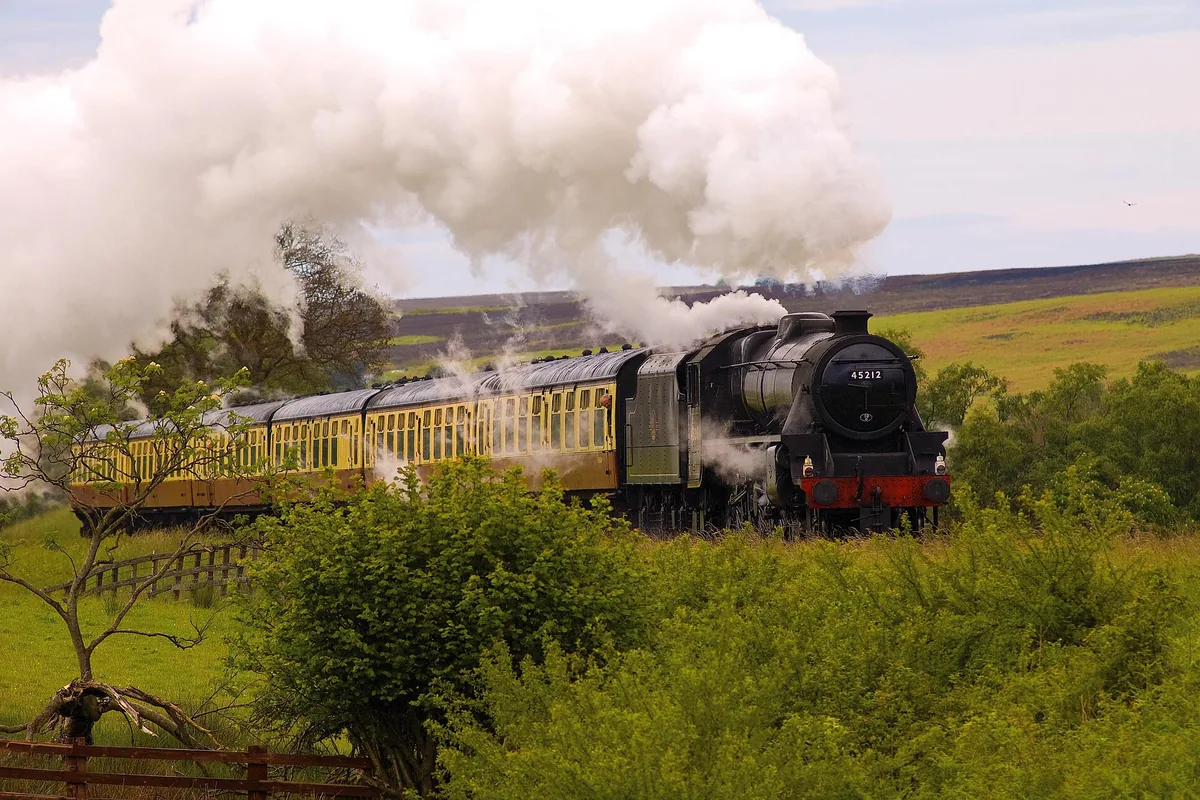
Pickering is the gateway to the North York Moors, and the heritage steam railway that starts here is one of the most enjoyable day trips from York. The line runs through moorland and wooded valleys to Grosmont and on to Whitby, with old stations that look the part.
The North York Moors Railway runs steam and heritage trains between Pickering and Grosmont, with some services continuing to Whitby. The journey is a day out in itself, with views over Newtondale gorge and a stop at Goathland, whose village station has appeared in Harry Potter and television dramas. Timetables and fares vary by season, so check the railway’s official site before you travel.
Pickering itself is a pleasant market town with a ruined castle, run by English Heritage, and a parish church known for its medieval wall paintings. There are cafes, tearooms and pubs near the station, so you can have lunch before or after your ride.
Getting there needs a little planning. A common route is a train from York to Malton, followed by a local bus to Pickering, though bus services change, so confirm current times. By car, it is a straightforward drive of around an hour. If you want the full ride to Whitby and back, you will need most of the day, so consider combining Pickering with Whitby rather than adding a third stop.
- How to get there: Train to Malton then a bus to Pickering (check current services), or drive.
- How long to spend: A full day for the railway and a wander around Pickering.
- Best time to go: Spring to early autumn, when the heritage services run more often.
- Tip: Book steam train tickets in advance on busy days, and bring a layer, as the moors can be breezy.
How to choose the right day trip from York
Start with how you want to travel. Without a car, the easiest options are Harrogate, Knaresborough, Leeds, Durham, Scarborough and Malton, all on direct rail lines. Castle Howard, Fountains Abbey, Whitby and the North York Moors Railway are possible by bus or a train and bus combination, but timetables are less frequent and change by season, so they need more planning.
Next, think about what you enjoy. For spas and gardens, choose Harrogate. For grand houses and ruins, pick Castle Howard or Fountains Abbey. For the sea, go to Scarborough or Whitby. For city life, Leeds and Durham give the strongest contrast to York.
Finally, think about the season. Winter days are short and some seaside and garden attractions have limited hours, so choose Leeds, Durham, Harrogate or Knaresborough. Always check the official websites for opening arrangements before you travel.
How Many Days Do You Need? A 3-Day York Day Trip Itinerary
This plan groups the trips by direction so each day is realistic, mixing train, bus and short walks.
Day 1: Harrogate and Knaresborough
Take a morning train from York to Harrogate. Spend the first part of the day in Valley Gardens and the town centre, with lunch or afternoon tea at one of the tea rooms. Then take the train on to Knaresborough for the viaduct view, the riverside and Mother Shipton’s Cave. Return to York by train in the evening, checking the last service before you settle in.
Day 2: Scarborough and Malton
Catch the direct train to Scarborough and spend the morning on the beach and at the castle. Have a fish and chip lunch near the harbour, then head back along the line and stop at Malton for an early evening browse of the food court and a snack before the short train to York. If you have a car, swap Malton for Castle Howard and see the house and gardens in the afternoon.
Day 3: Durham or Leeds
For history, take the train to Durham for the cathedral, a riverside walk and a look around the old centre. For a livelier day, go to Leeds for the Royal Armouries, the Victorian arcades and Kirkgate Market. Both are easy rail trips with plenty of return services. With a fourth day or a car, Whitby, Fountains Abbey and the North York Moors Railway are the natural additions.
Getting around from York
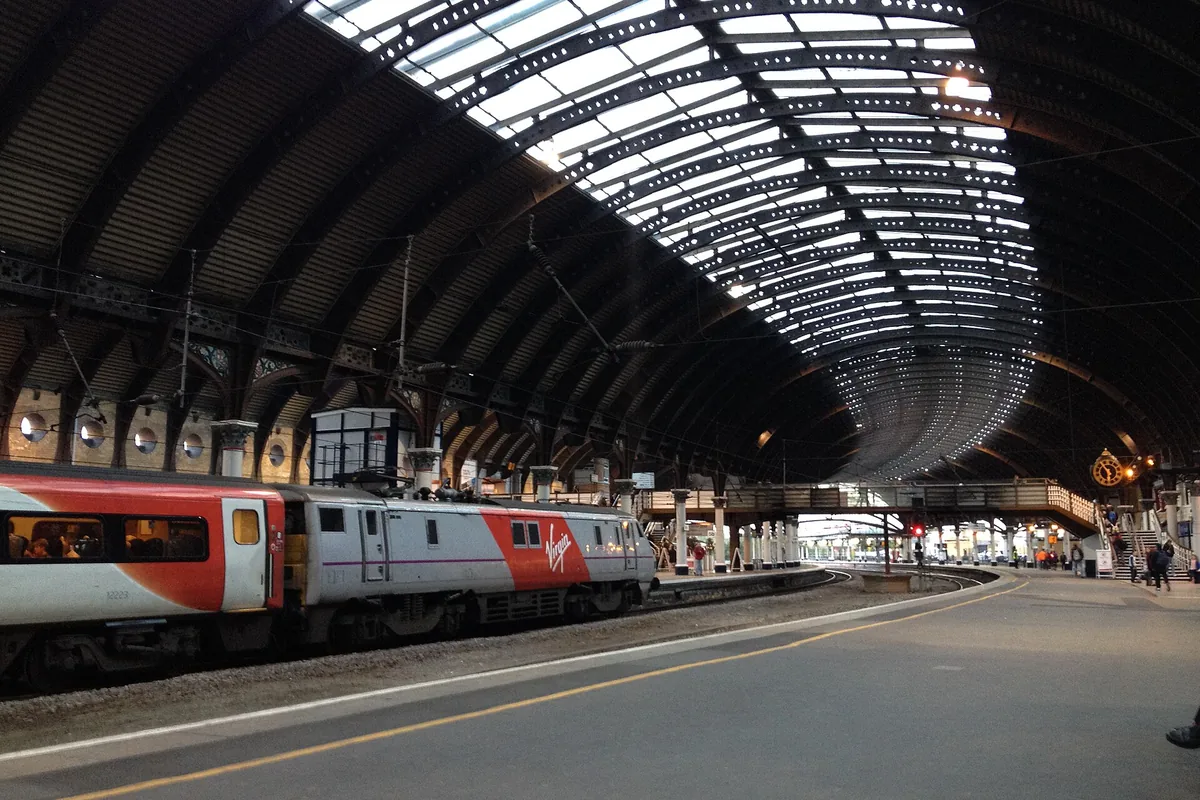
York station is the hub for the easiest trips. Trains run to Harrogate, Knaresborough, Leeds, Durham, Scarborough and Malton, and many connections are frequent. Buy tickets in advance when you can, and check whether an off-peak or day ticket suits your plan. The operators’ own sites, including TransPennine Express and Northern, have timetables and live updates.
Buses reach places that trains do not, such as Castle Howard and the coast, but services vary by season and day, and some are limited to summer or weekends. Always check current timetables rather than relying on older guides. Taxis from the nearest station can fill gaps, but ask the price first.
If you are happy to drive, a hire car makes Fountains Abbey, Castle Howard and the moors much easier, and you can combine two sights in one day. Parking in York itself is limited, so many visitors use one of the park and ride sites on the edge of the city. Small-group tours also run from York to the coast and the moors, which suit people who prefer not to plan the transport.
Where to stay in York for day trips
The area around York station is the most practical base for rail-based days out. You are close to the platforms, a short walk from the walls and the Minster, and many hotels and guesthouses are within a few minutes of the entrance.
The old city centre inside the walls is best for evening sightseeing, with the Shambles, the Minster and a wide choice of restaurants close at hand. It is more expensive and busier, but you can walk to most things. The Bishophill and Micklegate areas are slightly quieter and often better value, while the streets near the river give pleasant evening walks.
If you plan to drive, consider a hotel or guesthouse on the edge of the city with parking included, close to the ring road for routes to the coast and the moors. Always check how far a place is from the railway station before booking.
Budget guidance for day trips from York
- Shoestring: Choose Leeds, Knaresborough and Harrogate, and focus on free sights such as Valley Gardens, the riverside and the Victorian arcades. Bring a packed lunch and use off-peak rail tickets.
- Mid-range: Combine a rail ticket with one paid attraction per day, such as Scarborough Castle, Durham Cathedral or Mother Shipton’s Cave, and eat lunch at a cafe or pub.
- Comfortable: Hire a car for Castle Howard and Fountains Abbey, ride the North York Moors Railway, or book a small-group tour to the coast, with afternoon tea in Harrogate.
Ticket prices and rail fares change, so check the official websites before you go. A railcard or an advance ticket can make rail days noticeably cheaper.
Frequently Asked Questions
What are the best day trips from York by train?
Harrogate, Knaresborough, Leeds, Durham, Scarborough and Malton are all reached by train. Scarborough is the best choice for the seaside, and Harrogate suits gardens and tea rooms.
Can you visit Whitby as a day trip from York?
Yes, but it is a long day without a car. The Yorkshire Coastliner bus runs between York and Whitby, and timetables vary by season, so check before you go. Driving is quicker.
How do you get to Castle Howard from York?
By car, or by bus from York, where services and days change by season. Check the Castle Howard website for the current options before planning around a bus.
How far is Scarborough from York by train?
Direct trains take around 50 minutes. TransPennine Express runs the service, and times can be longer at weekends or on holidays, so check a timetable for your date.
Is Leeds worth a day trip from York?
Yes, especially in wet weather. It has free museums such as the Royal Armouries, Victorian shopping arcades and a large covered market, and trains are fast and frequent.
Which day trips from York are best in winter?
Choose Leeds, Durham, Harrogate and Knaresborough, which have plenty of indoor options. Check opening arrangements, as seaside and garden attractions often have reduced hours.
Plan your next day out from York
Whether you pick a spa town, a stately home or a stretch of coast, these day trips make it easy to see more of Yorkshire and the north from one historic base. Choose a direction, check the official sites for tickets and timetables, and let the itinerary above take care of the planning. Heading south next? Read our guide to the best day trips from Bristol for more rail-friendly escapes, or compare with the top day trips from London if you are also visiting the capital.
Featured image: Photo by Rosser1954, CC BY-SA 4.0, cropped, via Wikimedia Commons