Last updated: November 2026
If you are wondering what to eat in Venice, start with cicchetti, creamed salt cod and sweet and sour sardines, then follow them with squid ink spaghetti and a plate of fried lagoon fish. Venetian cooking grew out of the sea and the lagoon, and out of centuries of trade that brought rice, spices and salt cod through the port. The result is a cuisine that tastes quite different from the rest of Italy, with more fish, more rice, more onions and a surprising sweet and sour streak.
This guide covers the ten best foods to try in Venice, what makes each one special and the kind of place where you can find a good version. After the list you will find a glossary of menu words, advice on booking and tipping, where to stay, getting around and budget guidance. We have also put together a free printable 3-day food itinerary to help you turn the list into a plan. For official visitor information, see the city’s Venezia Unica website. Menus and opening days change often, so check before you go.
Quick answer: What are the best foods to try in Venice? The best foods to try in Venice are cicchetti, baccalà mantecato, sarde in saor, spaghetti al nero di seppia, bigoli in salsa, risi e bisi, fegato alla veneziana, moeche, fritto misto and frittelle. For a first visit, cicchetti and baccalà mantecato are the best place to start, because you can try several local flavours in a single bacaro stop.
Free printable itinerary
Planning a trip? Download our 3-Day Venice Food Tasting Itinerary as a PDF: the day-by-day plan plus all 10 places with directions and map links. Print it or keep it on your phone.
Quick comparison: the best foods to try in Venice
| # | Food | Type | Best for | Price tier |
|---|---|---|---|---|
| 1 | Cicchetti | Small bites | A first taste of Venice | Budget |
| 2 | Baccalà mantecato | Creamed salt cod | A classic bacaro snack | Budget |
| 3 | Sarde in saor | Sweet and sour sardines | Historic Venetian flavours | Budget to mid-range |
| 4 | Spaghetti al nero di seppia | Pasta | A dramatic seafood plate | Mid-range |
| 5 | Bigoli in salsa | Pasta | A simple local favourite | Budget to mid-range |
| 6 | Risi e bisi | Rice and peas | A spring speciality | Mid-range |
| 7 | Fegato alla veneziana | Liver and onions | Adventurous eaters | Mid-range |
| 8 | Moeche | Fried soft-shell crabs | A seasonal treat | Mid-range to high |
| 9 | Fritto misto | Fried seafood | A shared lunch | Mid-range |
| 10 | Frittelle and bussolà | Pastry and biscuits | Something sweet | Budget |
1. Cicchetti
Cicchetti are Venice’s small bites, served at the counter of a bacaro alongside a small glass of wine, and they are the best way to taste the city in a short time. Think of them as Venetian tapas: a slice of bread topped with creamed cod, a skewer of olives and anchovy, a fried meatball, a wedge of cheese or a little sandwich. A bacaro is the traditional wine bar that serves them, and the habit of moving from one to the next with a glass in hand is a local ritual rather than a tourist invention.
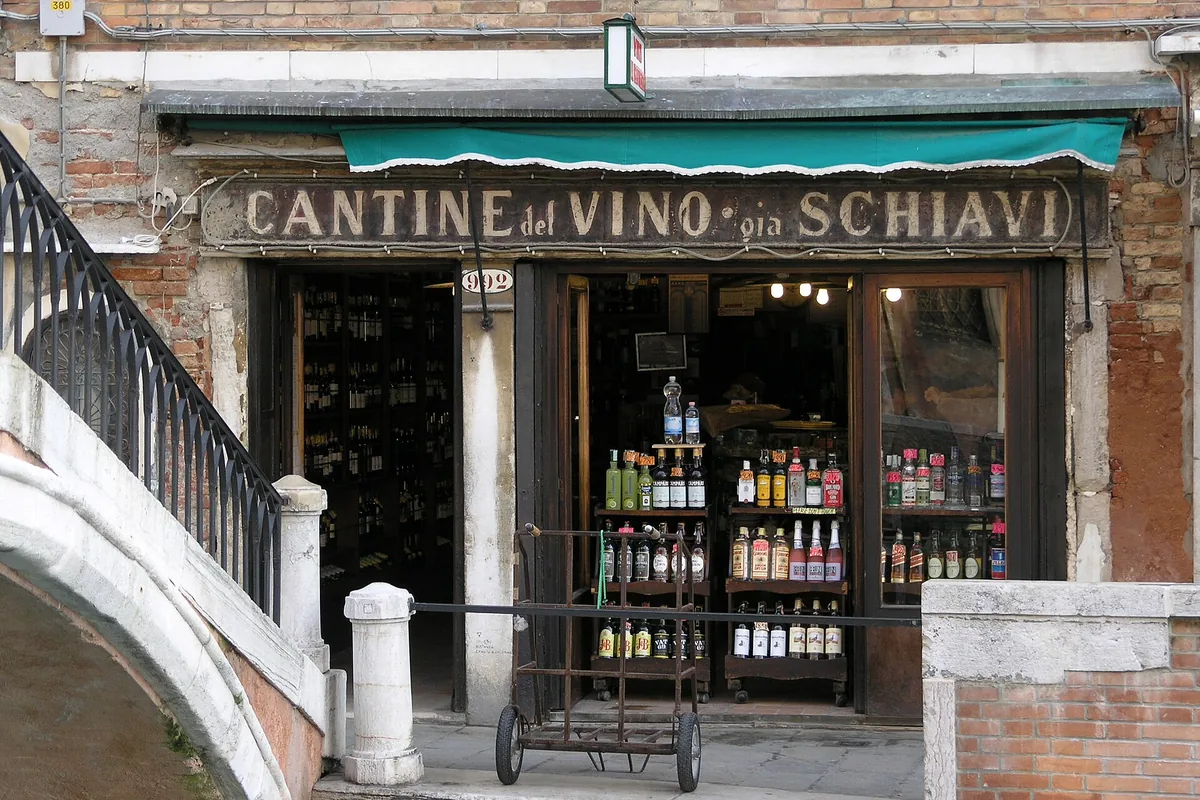
Wine here comes in a small glass called an “ombra”, and the usual advice is to order one with two or three cicchetti, finish, and then move on. Cantina Do Mori, near the Rialto market, claims to be one of the oldest bacari in the city, with a history said to go back to the fifteenth century, and is known for its tiny sandwiches called francobolli. It gets busy with visitors in the early evening, so a late morning or mid-afternoon visit is calmer. Cantine del Vino già Schiavi, in Dorsoduro beside a small canal, is another long-established counter loved for its choice of toppings.
Most cicchetti are inexpensive, which makes them the best budget food in the city. Point at what looks good, ask what is in it, and pay at the end. Be wary of any counter near St Mark’s Square that has a laminated photo menu, because the best places are usually the busy ones a few streets away.
- How to get there: Walk from the Rialto vaporetto stop to the market area for Do Mori, or take a vaporetto to Zattere or Ca’ Rezzonico for Schiavi.
- How long to spend: Thirty to ninety minutes, depending on how many bacari you visit.
- Best time to go: Late morning or early evening, when the counters are fully stocked.
- Tip: Eat a few cicchetti at one bacaro, then move on, rather than ordering everything in one place.
2. Baccalà mantecato
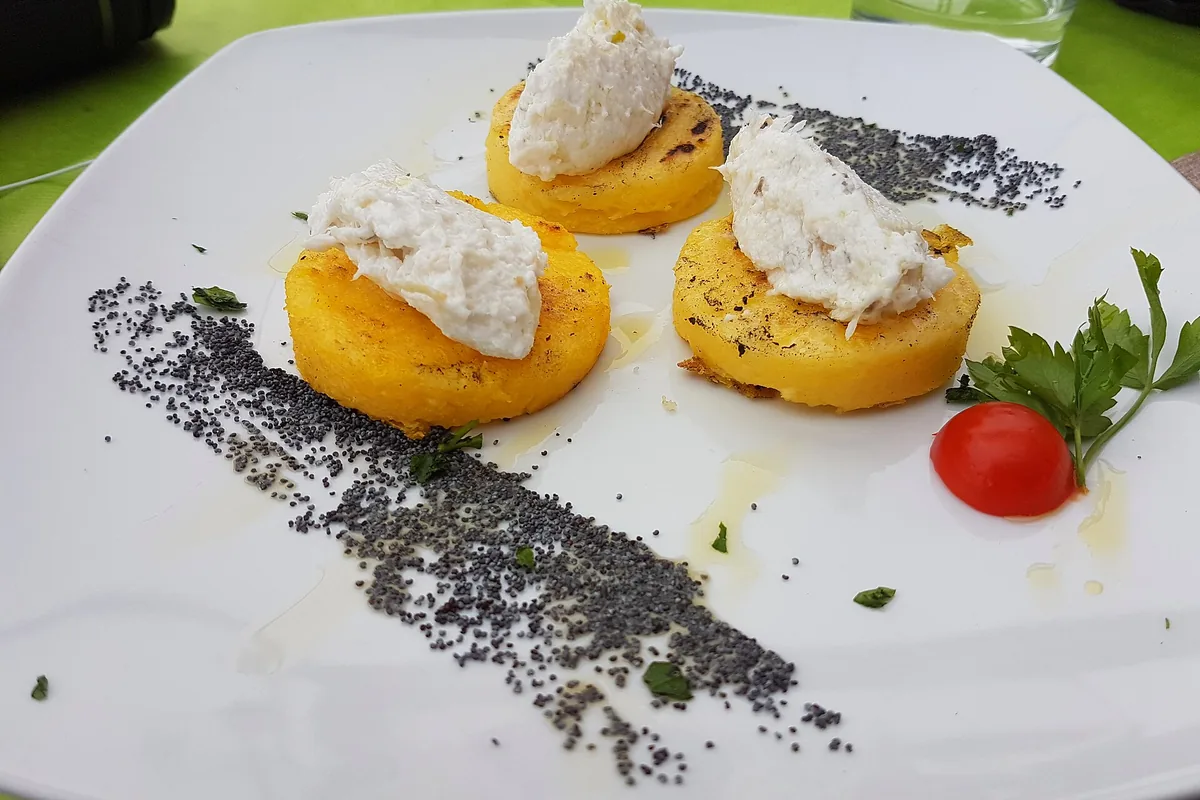
Baccalà mantecato is a whipped, creamy paste of dried cod, olive oil and garlic, and it is the most typical Venetian snack you can try. Dried cod arrived in Venice from the far north centuries ago, and the Venetians turned it into something soft and fluffy that is spread on grilled white polenta or on a slice of bread. It does not taste like a fishy dip. It tastes mild, savoury and a little salty, with a smooth texture closer to mousse than to fish.
Strictly speaking, “baccalà” refers to salt cod and “stoccafisso” to air-dried cod, and Venetians are known for using the dried version for this dish and calling it baccalà anyway. You do not need to follow the details to enjoy it. What matters is that the best versions are made fresh each day and taste light, not heavy or oily.
You will find it on the counter of almost every good bacaro. Estro Vino e Cucina in Dorsoduro, a modern wine bar with a large natural wine list, serves it as part of a small-plates menu, and Osteria alle Testiere near Castello is a respected fish restaurant with a small dining room where the daily menu is based on the market. Smaller neighbourhood bars often serve a good baccalà on a polenta square at a very fair price. It is also the dish to look for if you want something filling but light before a bigger dinner.
- How to get there: Take a vaporetto to Accademia or Zattere for Estro, and walk to Castello from the San Zaccaria stop for Testiere.
- How long to spend: Fifteen minutes as a bar snack, or a full hour at a table.
- Best time to go: Lunchtime or early evening.
- Tip: Ask for it on grilled polenta rather than bread for the traditional version.
3. Sarde in saor
Sarde in saor is a plate of fried sardines marinated in sweet and sour onions, raisins and pine nuts, and it is one of the oldest dishes in the Venetian kitchen. The word “saor” means flavour in Venetian dialect, and the vinegar and onion marinade helped preserve the fish on long sea voyages. The dish is eaten cold or at room temperature, which makes it ideal for a bar counter or a light lunch.
The balance is what matters. A good version is tangy and soft rather than sharp, with the sweetness of the raisins and the crunch of toasted pine nuts against the oily fish. Try it as a starter alongside a glass of dry white wine, and do not be put off by the idea of fish with raisins. It is one of the best things you will eat in the city.
Some bacari and traditional taverns keep it in the counter display most days. Paradiso Perduto, in Cannaregio, is often recommended as a lively, informal place with traditional dishes, and Osteria alle Testiere is respected for its fish. Many other places in Cannaregio, on Fondamenta della Misericordia and nearby, serve it as part of a mixed starter plate. Quality varies a lot, so choose a place that makes it daily rather than one that sells it from a plastic tub.
- How to get there: Take the vaporetto to Madonna dell’Orto or Guglie for Cannaregio’s canalside bars.
- How long to spend: Twenty minutes for a plate, or longer as part of a bacaro crawl.
- Best time to go: Lunchtime or early evening, when it has been freshly set out.
- Tip: Order it with a small glass of white wine, which cuts through the sweetness.
4. Spaghetti al nero di seppia
Spaghetti al nero di seppia is pasta coloured jet black with cuttlefish ink, and it is the most dramatic plate you can order in Venice. The ink gives the sauce a deep, slightly briny flavour that tastes of the sea rather than of fish, and it is cooked with cuttlefish, garlic, white wine and a little tomato. It will turn your teeth and lips black, which is part of the fun.
The best versions taste rich and clean, with the ink clinging to every strand and tender pieces of cuttlefish throughout. A thin, metallic-tasting sauce or a very shiny, artificially black plate is a sign of a shortcut. Locals recommend asking whether the dish is made with fresh cuttlefish and ink that day, because it is not always on the menu.
Osteria Anice Stellato, in Cannaregio away from the main tourist route, is often recommended for traditional dishes of this kind, including baccalà and squid ink pasta, though you should ask whether it is available that day. Trattoria al Gatto Nero on the island of Burano is a long-running, family-run seafood trattoria and makes a good lunch stop on a lagoon trip, though its menu changes, so ask whether squid ink pasta is on that day. Both are popular, so booking ahead is wise.
For a lighter option, some restaurants serve a half portion as a starter, which lets you try it without committing to a whole plate. Napkins are your friend, and so is a glass of crisp white wine.
- How to get there: Walk from the Guglie or Madonna dell’Orto vaporetto stops for Anice Stellato, or take a lagoon boat to Burano for Gatto Nero.
- How long to spend: About an hour for a sit-down lunch or dinner.
- Best time to go: Lunch, when kitchens use the morning’s catch.
- Tip: Book ahead and check before you go whether the dish is on that day’s menu.
5. Bigoli in salsa
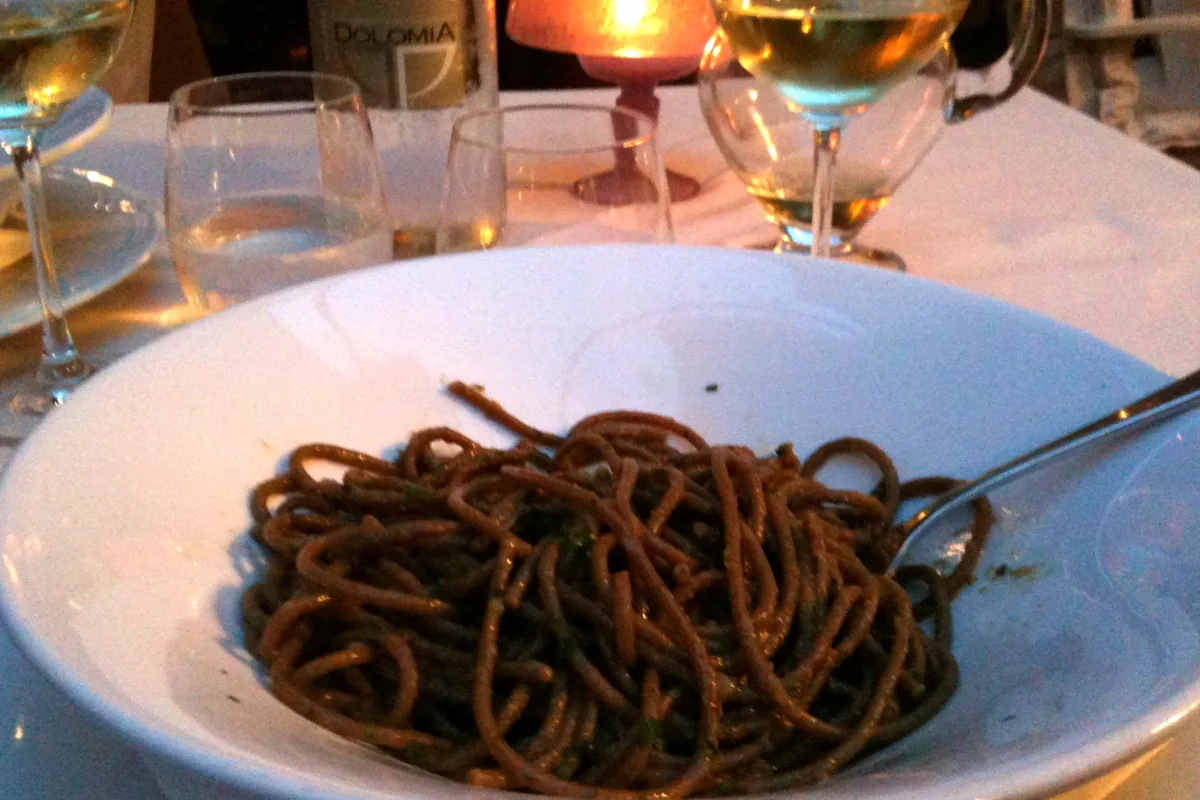
Bigoli in salsa is thick, rough wholewheat-style spaghetti served in a sauce of slow-cooked onions and salted anchovy, and it is the most traditional everyday pasta in Venice. The pasta is made by pressing dough through a special tool called a bigolaro, which gives it a rough surface that holds the sauce well. The sauce itself is very simple: onions cooked slowly in olive oil until they melt, with anchovies or sardines dissolving into them.
It is salty, savoury and deeply comforting, and it tastes far richer than the short ingredient list suggests. Traditionally it was a Lenten and Friday dish, when meat was avoided, which explains why it is built from onions and preserved fish. Today it is served all year round and is one of the cheapest and most satisfying pasta dishes in the city.
Several well-regarded places serve it. Osteria Bancogiro, with a terrace overlooking the Grand Canal near Rialto, is often named for home-made bigoli, and Osteria Oliva Nera and Cantina Do Spade are also recommended for it. It is a common feature on traditional menus, so you can ask for it almost anywhere that serves Venetian food. Portions are generous, and many places also serve it as a smaller first course.
If you do not like anchovies, ask how strong the sauce is. In a good kitchen the fish melts into the onion and adds depth rather than a sharp fishy taste.
- How to get there: Take a vaporetto to Rialto for Bancogiro and Do Spade, which are both close to the market area.
- How long to spend: About an hour for a full meal.
- Best time to go: Lunch, as a main course, or dinner as a first course.
- Tip: Share a plate of bigoli and a plate of cicchetti if you want to try several dishes in one sitting.
6. Risi e bisi
Risi e bisi is a thick, soupy dish of rice and fresh young peas, and it is the dish most closely linked to the Feast of St Mark on 25 April. According to tradition, it was served to the Doge on the feast day of the city’s patron saint. The exact date when the custom began is uncertain, but rice growing in the Veneto spread mainly in the sixteenth century, and the dish has been a spring staple ever since. The Venezia Unica visitor site is a good starting point for local events and practical planning.
It sits somewhere between a risotto and a soup, and it should be creamy and loose, not dry. The rice is often a local variety such as Vialone Nano, which absorbs liquid well and keeps a little bite. A good version tastes sweet and green, with the flavour of fresh peas at its heart. A popular saying is said to have paired it with strawberries, so that the rice, peas and fruit matched the white, green and red of the Italian flag.
Look for it in spring, when peas are in season, at traditional trattorie rather than in restaurants aimed at visitors. Outside the season, some places serve it with frozen peas, and it is less impressive. If you are in Venice on or around 25 April, you may also see the Festa del Bocolo, when men give women a red rosebud. The official Italia tourism website explains the tradition.
Risi e bisi is usually a seasonal special rather than a fixed menu item, so check before you go and ask your hotel for a trusted neighbourhood trattoria.
- How to get there: Ask your hotel for a trattoria in your area, as the dish is found across the city.
- How long to spend: About an hour.
- Best time to go: Spring, from April to early summer.
- Tip: Ask whether the peas are fresh, because that makes the difference.
7. Fegato alla veneziana
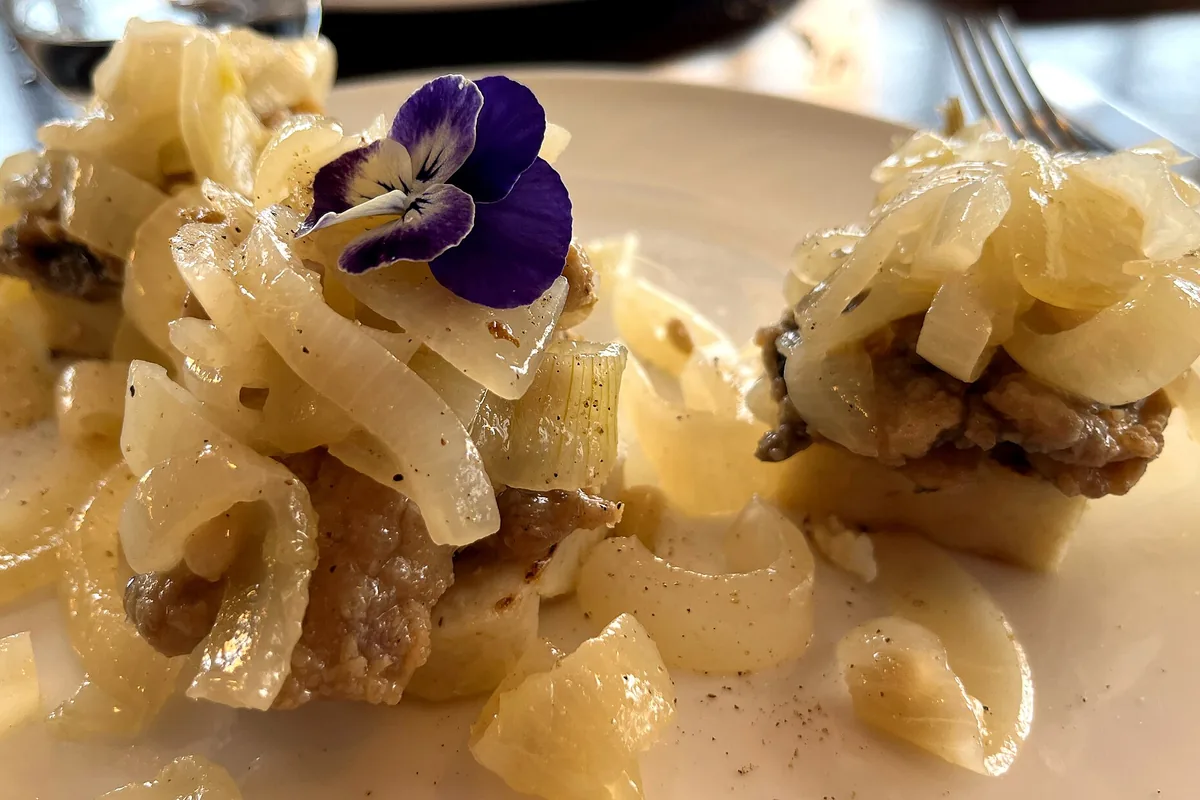
Fegato alla veneziana is thin strips of calf’s liver cooked slowly with a large amount of sweet onions, and it is a Venetian classic that deserves a try even if you think you dislike liver. The onions are cooked down until they are soft and golden, then the liver is added briefly so that it stays tender. It is traditionally served with grilled or soft polenta, which soaks up the sauce.
The trick is not to overcook it. Done well, the liver is pink inside, tender and mild, with the sweetness of the onions balancing the richness. It is often served as a main course at traditional trattorie and osterie, and it is also a favourite among locals on colder days.
Antiche Carampane, a seafood trattoria in a quiet corner of San Polo near Rialto, is one of the places known for it, and the restaurant has shared its own recipe, which recommends eating the liver straight from the pan with grilled polenta. The restaurant is best known for fish, so it is a good choice if you want to try both the lagoon and the classics. Reservations are strongly recommended, and the menu depends on the market, so check before you go.
If you want to try the dish without committing to a main course, look for a small portion on a bacaro menu, or ask whether a half portion is available. For an adventurous traveller, it is one of the most rewarding old Venetian recipes.
- How to get there: Walk from the Rialto vaporetto stop through the San Polo streets to Antiche Carampane.
- How long to spend: About an hour for a full meal.
- Best time to go: Dinner, ideally on a cool evening.
- Tip: Book ahead, and say if you want the liver cooked lightly.
8. Moeche
Moeche are tiny green lagoon crabs caught just after they shed their shells, then dipped in egg and flour and fried whole, and they are Venice’s most prized seasonal delicacy. They are available only twice a year, in spring and autumn, when the crabs moult. Fishermen known as “moecanti” traditionally collected them in the lagoon around Burano, Giudecca and Chioggia, and a small number still do. They keep crabs that are about to moult in holding baskets and take them out as soon as the old shell is shed, because the shell soon starts to harden again.
Eating them is a surprise. The soft shell becomes crisp and light when fried, and the inside is sweet and creamy. They are usually served as a starter, and are eaten whole, including the shell. Do not expect them on menus all year round, and be cautious of anyone selling them out of season, because they may be frozen.
The catch has fallen sharply in recent years, with warmer water, drought and changes in the lagoon blamed, and far fewer fishermen still do the work, so supplies vary. Gambero Rosso’s guide to where to eat moeche names places such as Da Fiore in San Polo, Da Romano on Burano and several restaurants in Chioggia. Prices are higher than for most dishes in this guide, and availability changes with the catch, so always ask and check before you go.
If your trip falls outside the season, try the fritto misto instead, which gives you a similar crisp coating and a taste of the lagoon.
- How to get there: Take a vaporetto or a lagoon boat, depending on the restaurant; Chioggia is a longer trip from the main island.
- How long to spend: About an hour for a starter and main course.
- Best time to go: Spring and autumn, when the crabs moult.
- Tip: Ask whether they are fresh from the lagoon or frozen.
9. Fritto misto
Fritto misto is a platter of lightly fried seafood, usually small fish, prawns and squid, and it is the easiest and most crowd-pleasing way to eat fish in Venice. The coating should be thin and crisp, never heavy, and the fish should taste of the sea rather than of oil. It is traditionally served with lemon wedges and sometimes a little polenta.
The Venetian tradition of frying fish is old, and small takeaway shops called “friggitorie” or “fritolini” have long sold paper cones of fried seafood for people on the move. The best places fry in small batches and serve immediately, so look for a short queue and a steady turnover. A cone is a great option if you want a cheap lunch while walking.
For a seated meal, a number of traditional osterie serve a good platter, but menus and even long-standing names change, so check before you go. A fritto misto at a restaurant is a good dish to share between two people, with a salad and a bottle of white wine.
Quality varies widely. Avoid restaurants with a long menu of frozen fish and a hawker outside the door, and choose a place that gives you the catch of the day. If you are travelling with children, fritto misto is also a safe choice, because it tastes mild and familiar.
- How to get there: Walk or take a vaporetto to the Rialto area, where several traditional fried food places are found.
- How long to spend: Twenty minutes for a cone, or an hour for a platter.
- Best time to go: Lunch, when the fish is freshest.
- Tip: Share a platter and order a squeeze of lemon, not a heavy sauce.
10. Frittelle and bussolà
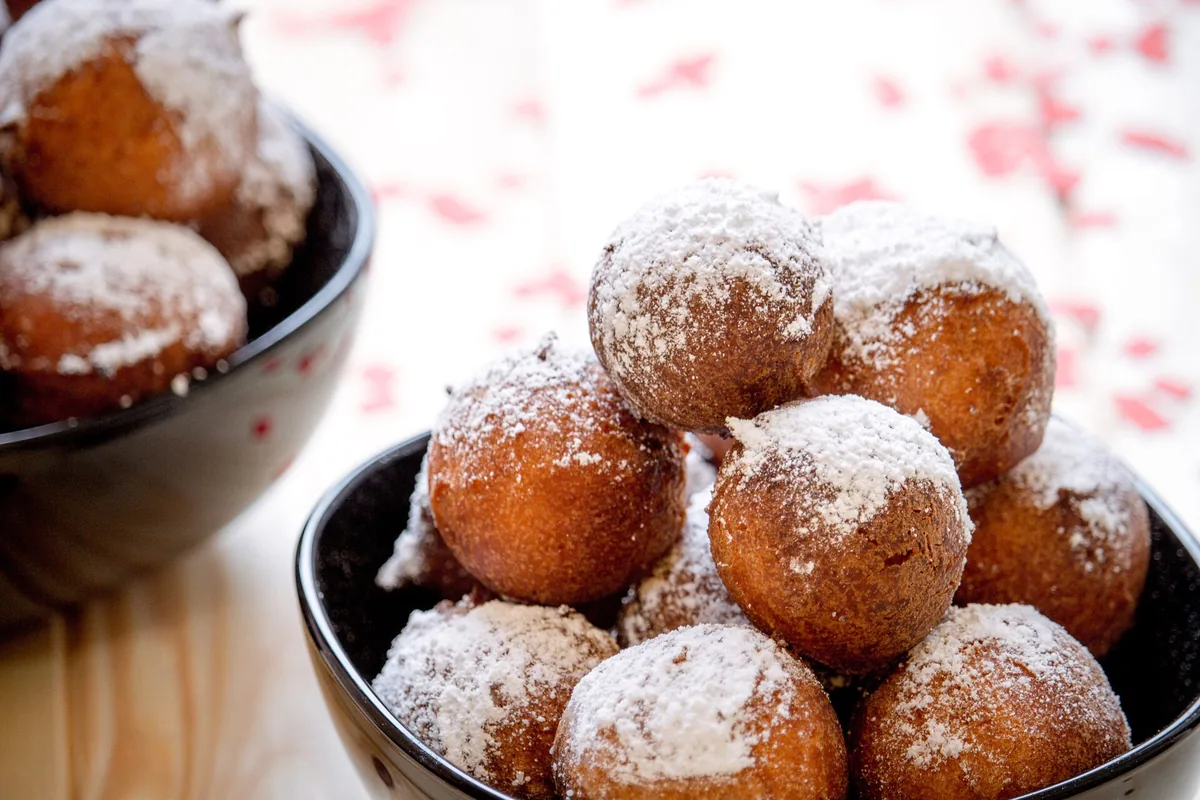
Frittelle are soft, fried Venetian doughnuts that appear in bakery windows during Carnival, and bussolà are crisp, buttery biscuits from the island of Burano. Together they are the best way to end a Venetian food tour on a sweet note. Frittelle, called “fritole” in Venetian, are traditionally made with raisins and pine nuts, and modern versions are filled with cream, zabaglione or chocolate. They are eaten warm in the weeks before Lent.
Bussolà are different: golden, ring-shaped or S-shaped butter biscuits with a firm texture and a mild vanilla and lemon flavour. They are associated with Burano, where they have long been an Easter-time tradition, and they are sold in bakeries all year round. They keep well, which makes them a good edible souvenir.
Pasticceria Tonolo in Dorsoduro is famous locally for its carnival frittelle, and Pasticceria Rizzardini in San Polo is a long-established pastry shop known for frittelle and for its window of traditional biscuits and meringues. Both claim a long history, so check before you go for opening days and details. Outside Carnival, look for other Venetian sweets such as baicoli, thin crisp biscuits, and zaeti, rustic cornmeal cookies with raisins.
For gelato, see our guide to the best gelato shops in Venice.
- How to get there: Walk from the Ca’ Rezzonico vaporetto stop for Tonolo, or from the San Silvestro stop for Rizzardini.
- How long to spend: Ten to twenty minutes.
- Best time to go: The weeks before Lent for frittelle, and any time for bussolà.
- Tip: Buy a bag of bussolà to take home, because they travel well.
How to choose what to eat in Venice
Choose by season, by neighbourhood and by how busy the place is with locals. Spring brings peas and moeche, autumn brings the second moeche season, and winter belongs to frittelle and hearty polenta dishes. Fish is always at its best on days when the Rialto market has been open, and many restaurants take their menu from it. The Rialto fish market is closed on Sundays and Mondays, so many people avoid ordering fresh fish on a Monday.
Think about the area as well. San Marco is the most expensive and the most tourist-focused. Cannaregio, Dorsoduro, San Polo and Castello are better for traditional food, and the quieter streets away from the main routes usually have the better value. If you want a quick overview of where to eat, our guide to the best places to eat in Venice lists restaurants and bacari by area.
A good rule is to avoid any restaurant with a person outside calling you in, a menu in six languages with photos, and a “tourist menu” sign. Choose short menus, handwritten daily specials and busy counters.
Venetian food terms to know
- Bacaro (plural bacari): a traditional wine bar serving cicchetti.
- Cicchetti: small bites eaten at the bar.
- Ombra: a small glass of wine, usually house white.
- Baccalà: dried or salt cod.
- Saor: a sweet and sour marinade of onions, vinegar and raisins.
- Bigoli: thick Venetian spaghetti, rough on the outside.
- Polenta: a maize porridge, served soft or grilled.
- Moeche: soft-shell lagoon crabs.
- Fritolin: a small shop that sells fried fish and seafood.
- Coperto: a cover charge for sitting down.
Booking, tipping and opening hours in Venice
Book dinner at popular restaurants a few days ahead, and further ahead in spring, autumn and festival periods. Counters at bacari do not usually take bookings, so go early or accept a short wait. Many small places close one or two days a week and for part of the afternoon, and some close in January or August, so always check before you go.
Tipping is not expected in the way it is in some countries. A “coperto” or service charge may be added to the bill, and rounding up for good service is enough. Water is free from the city’s public fountains, and many people carry a reusable bottle.
Suggested food plans for 1, 2 or 3 days
Day 1: Rialto, San Polo and Cannaregio
Start with cicchetti and an ombra at Cantina Do Mori after a walk through the Rialto market. Have a late lunch of baccalà mantecato and sarde in saor at a bacaro in San Polo, then cross to Cannaregio in the afternoon. Finish with bigoli in salsa or squid ink spaghetti at a traditional osteria, and take a slow walk along the quiet canals.
Day 2: Dorsoduro, Castello and the sweet side
Begin in Dorsoduro with a pastry at Tonolo, then visit Cantine del Vino già Schiavi for cicchetti. Have fritto misto for lunch, and in the afternoon cross towards Castello. For dinner, book a fish restaurant for fegato alla veneziana or the catch of the day, and finish with a walk along the Zattere.
Day 3: A lagoon day
Take a vaporetto to Burano for bussolà and a seafood lunch, with moeche in spring or autumn if you are lucky. Return to the main island in the afternoon, and finish with a farewell round of cicchetti. Check boat times before you leave, as the lagoon timetable changes with the season.
Where to stay for food lovers
Cannaregio is the best base for food on a budget, with quiet canals, local bars and good value. San Polo puts you beside the Rialto market and many bacari, and Dorsoduro is calmer and close to the Zattere waterfront and the university area. Castello is a good choice for a quieter stay away from the crowds. San Marco is the most central, but food there is usually the most expensive, so plan to eat elsewhere. Wherever you stay, you will not be far from a bacaro.
Getting around Venice
Venice has no cars, so you travel on foot or by water. The public water buses, called vaporetti, run along the Grand Canal and out to the islands, and the ACTV public transport website has current routes, timetables and tickets. Most food stops in this guide are within a short walk of a vaporetto stop. Wear comfortable shoes, expect bridges with steps, and allow extra time, because a map can make distances look shorter than they feel. Water taxis are available but expensive.
How much does eating in Venice cost?
Eating in Venice can be affordable if you choose well. Cicchetti and a small glass of wine are the cheapest way to eat, and a pastry and coffee at the bar is much cheaper than sitting down at a table. Restaurant meals sit in the mid-range tier, with fish dishes and seasonal specials at the higher end. Seating at a terrace on a main square costs far more than the same food at a counter, and a cover charge is common. To save money, eat your main meal at lunch, share starters and drink house wine.
Frequently Asked Questions
What food is Venice most famous for?
Venice is most famous for cicchetti, baccalà mantecato, sarde in saor and seafood from the lagoon. Squid ink spaghetti and bigoli in salsa are also classic pasta dishes.
What is the best thing to eat in Venice for a first-time visitor?
Cicchetti are the best place to start, because you can try several local flavours in one stop at a bacaro. Add a plate of baccalà mantecato on polenta for the most typical taste.
Is food in Venice expensive?
It can be, particularly near St Mark’s Square and on main canals, but there are many affordable options. Eating at a bacaro counter and having your main meal at lunch keeps costs down.
What are cicchetti?
Cicchetti are small snacks served in Venetian bars, usually on bread or as skewers, and eaten with a small glass of wine. They are the local equivalent of tapas.
When are moeche in season?
Moeche are available in spring and autumn, when the lagoon crabs moult. Availability depends on the catch, so ask before you order.
Do I need to book restaurants in Venice?
Yes for dinner at popular restaurants, especially in spring, autumn and at weekends. Bacari counters do not normally take bookings, so go early.
Eat your way around Venice
The best food in Venice is found one small plate at a time, so go slowly, ask what is fresh and follow the locals to the busy counters. Download the free printable itinerary, choose the day that matches your route, and check opening days before you set out. For more of the city’s food scene, read our guides to the best cafes in Venice and the best day trips from Venice. If Venice is one stop on a longer trip through Italy, our guide to the best street food to try in Rome picks up the food trail in the capital.
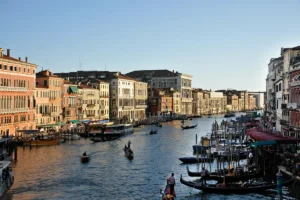
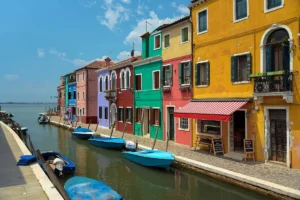
Featured image: Photo by Wolfgang Moroder, CC BY-SA 3.0, cropped, via Wikimedia Commons