Last updated: November 2026
The best cafes in Tokyo fall into two camps: the old kissaten, where coffee is brewed by hand in rooms that have barely changed since the Showa era, and the modern specialty roasters, which are among the best in the world. Tokyo is one of the great coffee cities, and the two styles sit side by side, sometimes on the same street. You can drink aged beans from a siphon in a wood-panelled room in the morning and a single-origin pour-over at a minimalist counter in the afternoon.
Our list covers both, across Ginza, Yanaka, Jimbocho, Kiyosumi, Shibuya, Shimokitazawa and Nakameguro, so you can fit a good coffee into almost any route. After the ten cafes there is a guide to kissaten etiquette, where to stay, getting around and budget tips. We have also put together a free printable 3-day itinerary to help you turn the list into a plan. If this is your first trip, our guide to the best places to visit in Tokyo will help you build the sightseeing around your coffee stops. For official visitor information, see GO TOKYO and the Japan National Tourism Organization. Cafes in Tokyo change hands and hours often, so check before you go.
Quick answer: What are the best cafes in Tokyo? The best cafes in Tokyo are Café de L’Ambre, Kayaba Coffee, Saboru, Glitch Coffee & Roasters, Koffee Mameya Kakeru, Blue Bottle Coffee Kiyosumi, Fuglen Tokyo, Bear Pond Espresso, Streamer Coffee Company and Onibus Coffee. For a first visit, Café de L’Ambre is the best for tradition, and Koffee Mameya Kakeru is the best for modern specialty coffee.
Free printable itinerary
Planning a trip? Download our 3-Day Tokyo Coffee Itinerary as a PDF: the day-by-day plan plus all 10 places with directions and map links. Print it or keep it on your phone.
Quick comparison: cafes in Tokyo
| # | Cafe | Area | Best for | Price tier |
|---|---|---|---|---|
| 1 | Café de L’Ambre | Ginza | Aged beans, old-school coffee | Budget to mid-range |
| 2 | Kayaba Coffee | Yanaka | A 1930s kissaten and egg sandwiches | Budget to mid-range |
| 3 | Saboru | Jimbocho | A Showa-era kissaten near the bookshops | Budget |
| 4 | Glitch Coffee & Roasters | Jimbocho | Light-roast filter coffee | Mid-range |
| 5 | Koffee Mameya Kakeru | Kiyosumi | World-ranked specialty coffee | Mid-range |
| 6 | Blue Bottle Coffee Kiyosumi | Kiyosumi | The first Japan cafe | Mid-range |
| 7 | Fuglen Tokyo | Tomigaya | Early coffee, cocktails at night | Mid-range |
| 8 | Bear Pond Espresso | Shimokitazawa | Cult espresso | Budget to mid-range |
| 9 | Streamer Coffee Company | Shibuya | Latte art and a central stop | Budget to mid-range |
| 10 | Onibus Coffee | Nakameguro | Relaxed roastery by the tracks | Mid-range |
1. Café de L’Ambre
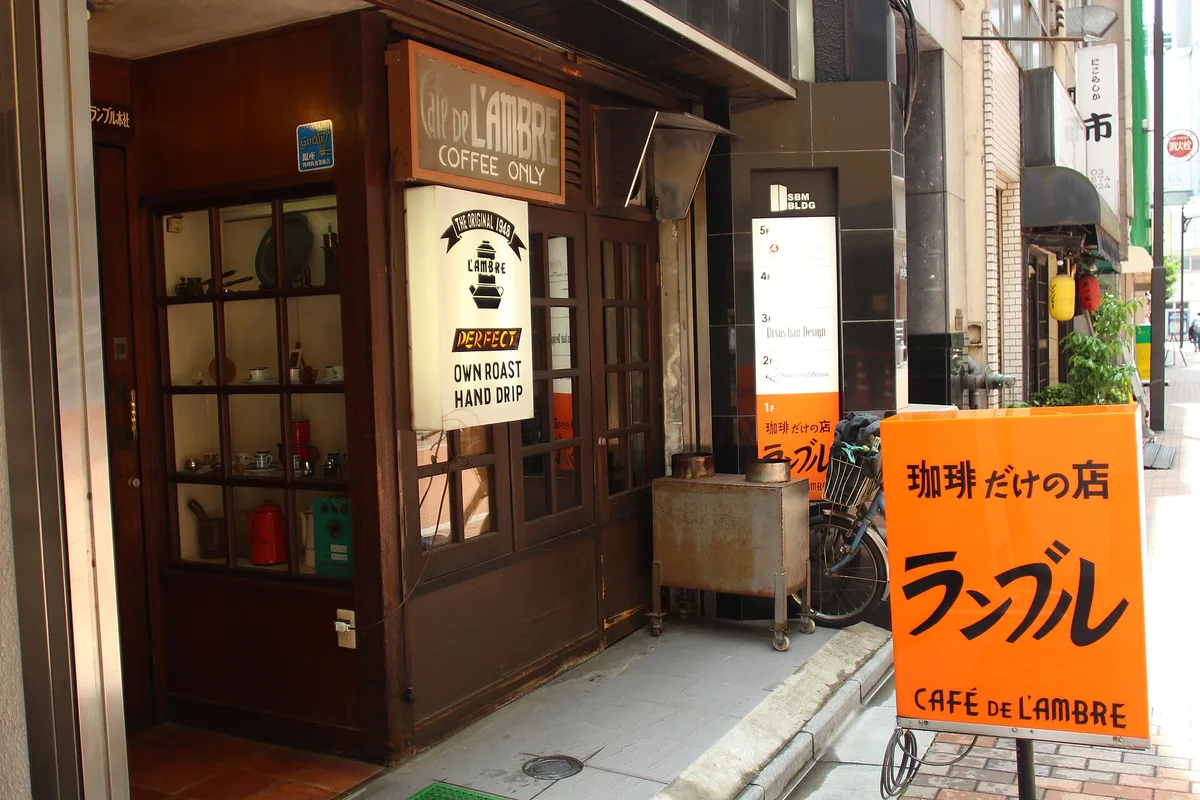
Café de L’Ambre, in Ginza, is a coffee-only kissaten that has been brewing aged beans by hand since 1948, and it is the best place to taste old Tokyo in a cup. It is one of the longest-running coffee specialists in the city. Its founder, the late coffee master Ichiro Sekiguchi, became known for ageing green coffee beans for years before roasting them, which gives a deep, mellow, low-acid cup quite unlike a modern light roast.
The room is small, dark and wood-lined, with a counter where the staff drip coffee slowly in cloth filters. There is no food menu, and a sign near the door makes it clear that this is a place for coffee only. It is usually listed as cash only, and it is a sociable room where regulars chat, rather than a silent reading spot.
The menu offers a long list of single beans and blends, many of them aged, and the staff will help you choose. Expect something bold, rich and gently bitter, and perhaps a little sweet. You can also buy beans to take home, which makes a good souvenir for a coffee lover.
Because it is a long-established place, it keeps traditional opening days, including a weekly closure, so check before you go. The cafe is close to the Shimbashi end of Ginza, which makes it an easy first stop before a morning of shopping or a walk to the Tsukiji area.
- How to get there: Walk from Ginza or Shimbashi station, a short distance from the main shopping streets.
- How long to spend: Thirty to sixty minutes.
- Best time to go: Late morning or the afternoon, when the room is less busy.
- Tip: Bring cash, and ask the staff to recommend an aged bean if you are unsure.
2. Kayaba Coffee
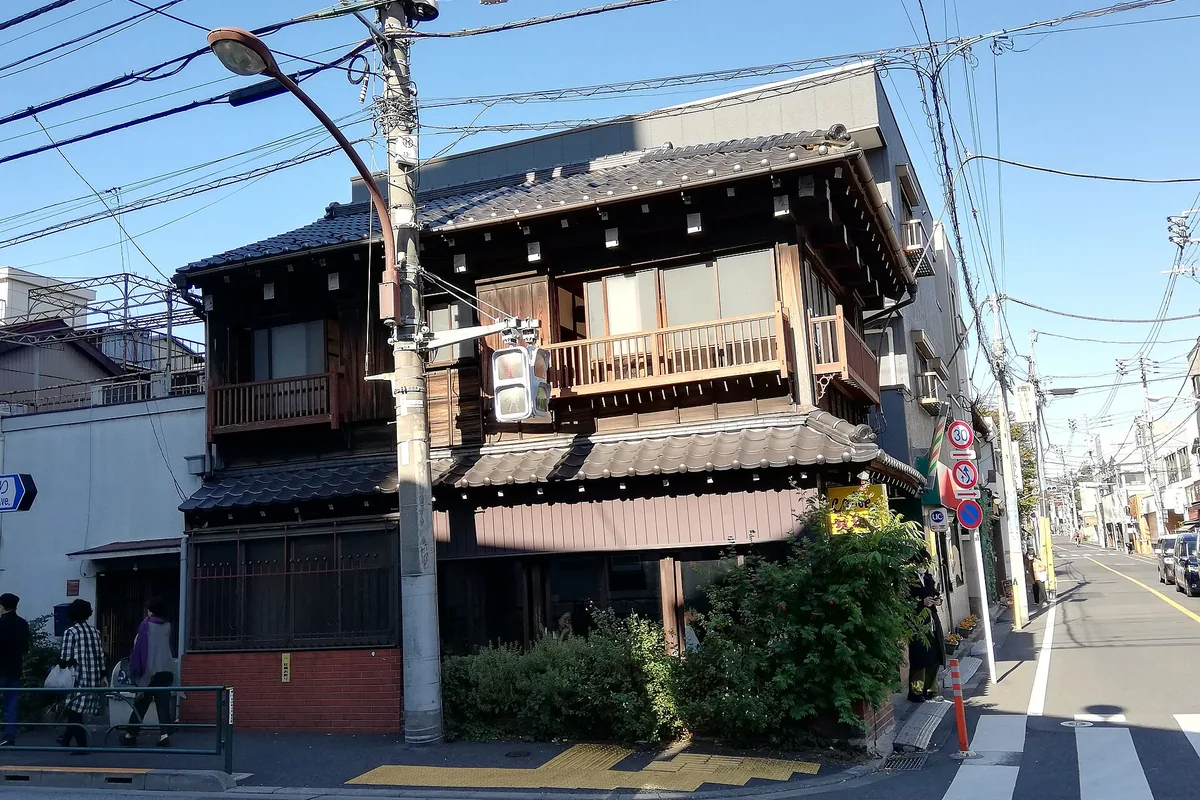
Kayaba Coffee, in Yanaka, is one of the most atmospheric kissaten in Tokyo, set in a traditional wooden building from 1916 that has housed the cafe since 1938. The cafe closed in 2006 after the original owner died, and a local non-profit group revived it in 2009, keeping the original exterior and signage and its Showa-era character. Today it is one of the best-known cafes in the old-town district of Yanaka, which escaped much of the wartime and later redevelopment.
Inside you will find dark wooden beams and low lights, with tables on the ground floor and a tatami room upstairs. The menu follows kissaten tradition. Look for the thick egg sandwich, which is the signature dish, and for the coffee itself, which is served in a classic cup. One of its best-known drinks is the Russian coffee, a mix of coffee and cocoa.
Kayaba works well as a break during a walk through Yanaka’s lanes, with its small temples, craft shops and cat-themed souvenirs. The Yanaka Ginza shopping street is a short walk away, and Nezu Shrine and Ueno Park are within reach.
It is popular, so expect a short wait at busy times such as weekends. Check opening days before you go, and consider arriving early. If you want to talk, this is also a better choice than the stricter silent kissaten, because the room is lively and welcoming.
- How to get there: Take the train to Nezu or Nippori station and walk through the Yanaka streets.
- How long to spend: About an hour, plus time to explore the neighbourhood.
- Best time to go: Weekday mornings or early afternoon.
- Tip: Combine it with a walk to Yanaka Ginza and Nezu Shrine.
3. Saboru
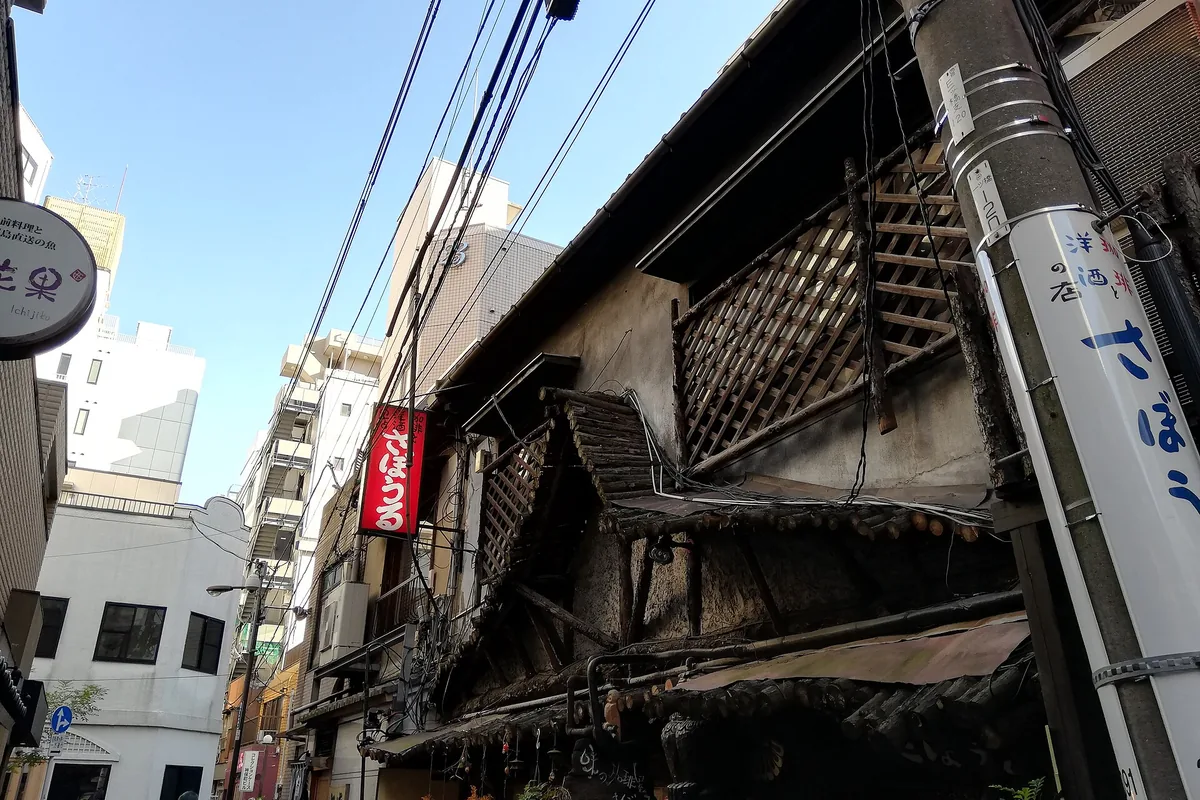
Saboru, in the Jimbocho book district, is a classic Showa-era kissaten that has long served coffee and toast to writers, students and booksellers. Jimbocho is the centre of Tokyo’s second-hand book trade, and a coffee here goes naturally with an afternoon spent in the shops. Saboru has been a neighbourhood fixture since 1955, and its dark timber walls and chunky furniture give a strong sense of the time.
The menu is short and traditional, with strong blended coffee, a toasted sandwich or thick toast and simple desserts. This is not a place for a latte with art on top. Order a hot blend, a plain sandwich and a seat by the wall, and watch the neighbourhood go by. Staff are friendly but not chatty, and the room invites you to read or write.
Like many older kissaten, it can be smoky, because many traditional Tokyo cafes still allow smoking. If you are sensitive to smoke, check before you go or choose a different cafe from this list. Opening days also vary, and some Jimbocho cafes close on Sundays or holidays, so check before you plan around it.
For a modern contrast, walk a few minutes to Glitch Coffee & Roasters, which is entry number 4. Together they make a good half-day route through the area, with a long browse through the bookshops between the two.
- How to get there: Walk from Jimbocho station, on the Hanzomon, Mita and Shinjuku lines.
- How long to spend: About forty-five minutes.
- Best time to go: Weekday afternoon, after a visit to the bookshops.
- Tip: Order the toast or sandwich with your coffee for the classic experience.
4. Glitch Coffee & Roasters
Glitch Coffee & Roasters is one of the best-known specialty roasters in Tokyo, famous for light-roasted single-origin beans and a calm, minimalist counter. The original cafe in Jimbocho helped to introduce the idea of light, fruity filter coffee to the city, and it has built a loyal following among coffee fans. Glitch has since opened more branches, including one in Ginza, so check which branch you are heading to before you set out.
The cafe focuses on filter coffee, with a menu of single origins from different countries and a simple explanation of each coffee’s flavour. Expect floral, fruity and tea-like cups that taste very different from a kissaten blend. The staff are used to international visitors, and will explain the beans if you ask.
The room is small and bright, with a few seats and a counter. There is a limited food menu, so think of it as a coffee stop rather than a meal. Beans and brewing equipment are sold, which suits anyone who wants to continue the habit at home.
Glitch works well as a contrast to Saboru nearby, so you can compare traditional and modern Tokyo coffee in one afternoon. It also suits a quieter visit, and many people stop here between bookshops. Check opening hours, as these vary by branch and day.
- How to get there: Walk from Jimbocho station; the cafe is a short distance from the main book street.
- How long to spend: About forty-five minutes.
- Best time to go: Weekday morning or afternoon.
- Tip: Choose a filter coffee, not an espresso drink, to taste what the roaster does best.
5. Koffee Mameya Kakeru
Koffee Mameya Kakeru, in Kiyosumi, was ranked in the World’s 100 Best Coffee Shops list for 2026 and is the best place in Tokyo for a serious, modern coffee experience. Time Out Tokyo reported the Kakeru branch at number 28 in the 2026 list, which put it among the best in the world. It sits in the Kiyosumi-Shirakawa area, a quiet district known for coffee shops, galleries and a landscaped garden.
The concept is a coffee tasting experience rather than a typical cafe, with tasting courses that show beans brewed in different ways, such as filter, espresso, cold brew and with milk. Staff guide you through a menu of beans from small producers, explain how each one has been brewed and the flavours to expect, and serve it with care. It feels closer to a tasting than to grabbing a takeaway cup.
All seats are at a small counter and are booked online in advance, so reserve before you go and check the current menu and cancellation terms on the booking page. The area around it is pleasant to walk, with the Kiyosumi Garden nearby and several other well-regarded coffee shops. It pairs well with Blue Bottle Coffee Kiyosumi, entry number 6, and a visit to the contemporary art museum in the district.
If you are new to specialty coffee, tell the staff what you usually drink and ask for a recommendation. It is a good place to learn what you like, and one of the few places in the world where you can taste coffee at this level in a relaxed setting.
- How to get there: Take the Oedo or Hanzomon line to Kiyosumi-Shirakawa station and walk a few minutes.
- How long to spend: About an hour.
- Best time to go: Whenever you can get a booking; reserve well ahead.
- Tip: Book a counter seat in advance, and describe your taste to the staff.
6. Blue Bottle Coffee Kiyosumi
Blue Bottle Coffee Kiyosumi, in a converted warehouse, was the first Blue Bottle cafe in Japan, and it remains the best-known branch. It opened in 2015 as a roastery and cafe, and its arrival drew long queues and plenty of attention to third-wave coffee in the city. Since a 2019 renovation it has been a flagship cafe, and its large, bright space with high ceilings feels very different from the small cafes elsewhere on this list.
Drinks include espresso, filter coffee and the cafe’s well-known New Orleans-style iced coffee. There are also simple pastries and snacks. It is a good option for travellers who want a reliable, relaxed place with plenty of seats, and who may arrive with a group or children.
Because it is a big and popular cafe, there can be a queue at weekends. Visit on a weekday if you can. It is a good stop on the way to or from Koffee Mameya Kakeru, and the surrounding area has a mix of galleries, parks and small independent shops.
Blue Bottle is a chain with branches across the city, but this one has more character than most, and it is worth visiting as part of a Kiyosumi walk. Take your cup to the nearby Kiyosumi Garden if the weather is good, though check the Kiyosumi Gardens opening times on the official Tokyo Metropolitan Park Association site before you go.
- How to get there: Take the Oedo or Hanzomon line to Kiyosumi-Shirakawa station.
- How long to spend: About forty-five minutes.
- Best time to go: Weekday mornings.
- Tip: Walk to the nearby cafes and gallery afterwards, because the area suits a slow half day.
7. Fuglen Tokyo
Fuglen Tokyo is a Norwegian-style coffee bar in Tomigaya that serves coffee in the day and cocktails at night, and it is the best choice for an early start or a relaxed evening. It is a Tokyo branch of an Oslo coffee house, and it is known for its vintage Scandinavian furniture, its light-roasted coffee and its calm atmosphere. Guides note that it opens unusually early for a specialty cafe in Tokyo, which helps if you are up with jet lag.
The coffee menu leans towards filter and espresso, with beans roasted in a Nordic style that tastes clean and bright. In the evening the same room becomes a bar, with coffee cocktails and other drinks. The vintage Norwegian furniture gives the room a design-led feel that appeals to people who like Scandinavian style.
The neighbourhood of Tomigaya, near Yoyogi Park, is known for its calm streets and small independent shops. It is a good place for a morning stroll, and the park is a short walk away. Fuglen also has other Tokyo branches, including Asakusa and Sangubashi, so check which branch you are heading to before you set out. The original in Tomigaya is the one described here.
Expect a mix of local regulars and international visitors, and a friendly staff who speak English. Because it is popular, the room can fill at weekends. Check opening hours before you go.
- How to get there: Walk from Yoyogi-Koen station, a few minutes from the park.
- How long to spend: Forty-five minutes to an hour.
- Best time to go: Early morning for coffee, or evening for cocktails.
- Tip: Combine it with a walk in Yoyogi Park or a visit to the neighbourhood’s small shops.
8. Bear Pond Espresso
Bear Pond Espresso, in Shimokitazawa, is a cult espresso bar run by the barista Katsu Tanaka, and it is known for strong, very concentrated shots. It is a small, no-frills cafe in one of Tokyo’s best-loved neighbourhoods for vintage clothes, record shops and live music. The cafe has long been a place of pilgrimage for serious coffee drinkers.
Its best-known drink is called the Angel Stain, a shot of espresso with a little milk poured over it. Some listings say it is only served before the afternoon, so go earlier in the day if you want to try it. The menu is short, the room is small, and the focus is firmly on the coffee, not on the interior or the food.
This is not a cafe for lingering. Order at the counter, drink your coffee, and then explore the neighbourhood’s narrow lanes. It is often busy, and some listings say it closes on Tuesdays, but the details change, so check before you go. If the queue is long, consider coming at a quieter time such as a weekday morning.
Shimokitazawa is a good place to spend a day, with plenty of small cafes, secondhand shops and tiny bars, so you can follow your coffee with a wander. It is a good contrast with the quieter kissaten and the calmer specialty roasters elsewhere on this list.
- How to get there: Walk from Shimokitazawa station, which is on the Keio Inokashira and Odakyu lines.
- How long to spend: About thirty minutes.
- Best time to go: A weekday morning, for the Angel Stain and a shorter queue.
- Tip: Check the closing day and drink order before you go.
9. Streamer Coffee Company
Streamer Coffee Company, in Shibuya, is a lively latte-art cafe near the station, and it is a practical, dependable stop in the middle of the city. The baristas take pride in smooth milk and carefully poured designs. It is the kind of cafe where a cappuccino is as good as it looks.
The coffee is rich and balanced, with milk-based drinks as the speciality. The staff are practised at serving a mix of locals and visitors, and the menu is easy to follow. It is a good option if you want a flat white or a latte rather than a filter brew, and for anyone looking for a comfortable place to sit during a busy day of sightseeing.
Opening hours vary between sources, so check before you go. It sits close to Shibuya’s main sights, including the famous crossing, which makes it a convenient place to rest between shopping and viewpoints. Early morning is the calmest time, and many people also come in the evening before dinner.
Because Shibuya is so busy, this cafe is also a useful meeting point. If you have time, combine it with a walk through the nearby quieter streets towards Yoyogi or Tomigaya, where you can visit Fuglen Tokyo later in the day.
- How to get there: Walk from Shibuya station; allow a few minutes through the crowds.
- How long to spend: About thirty to forty-five minutes.
- Best time to go: Early morning or before dinner.
- Tip: Order a milk coffee to see the latte art the cafe is known for.
10. Onibus Coffee
Onibus Coffee, in Nakameguro, is a relaxed roastery and cafe near the railway tracks and the cherry-tree-lined Meguro River, and it is the best place for an easy, local-feeling coffee. It is part of a small group of cafes and roasteries that has helped to define Tokyo’s specialty coffee scene, and it is regularly named in guides to the city’s best coffee shops.
The Nakameguro branch is small and friendly, with a counter, a few seats and an outdoor spot where you can sit and watch the trains. The menu focuses on filter coffee and espresso made from freshly roasted beans, and the staff are happy to talk about the options. Beans are sold by the bag, so you can take a favourite home.
Nakameguro is known for its riverside walk, which is especially popular in cherry blossom season, and for its fashionable shops, small restaurants and bars. A coffee at Onibus is a good way to start or end a walk along the river. If you visit in spring, expect large crowds along the water, and in that case coming early is wise.
As with many small cafes, opening hours and the exact set-up can change, so check before you go. Pair it with a lunch in the area, then continue to nearby neighbourhoods such as Daikanyama and Ebisu.
- How to get there: Walk from Nakameguro station, which is on the Tokyu Toyoko and Hibiya lines.
- How long to spend: About forty-five minutes.
- Best time to go: A weekday morning, or in the early evening outside blossom season.
- Tip: Take your coffee for a walk along the Meguro River.
How to choose a cafe in Tokyo
Choose by mood first and by area second. If you want history and atmosphere, pick a kissaten such as Café de L’Ambre, Kayaba or Saboru. If you want the best modern coffee, head to Kiyosumi, Jimbocho or Nakameguro. If you want somewhere practical in the middle of a busy sightseeing day, Streamer in Shibuya or Fuglen in Tomigaya will do the job.
It also helps to match cafes to the neighbourhoods you already plan to visit. Ginza, Yanaka and Jimbocho suit slow, old-school coffee, while Kiyosumi, Nakameguro and Shimokitazawa suit a modern coffee crawl. When the coffee turns to cocktails, our guide to the best bars in Tokyo picks up where this list leaves off, and if you want a break from the city, our pick of the best day trips from Tokyo covers easy escapes such as Kamakura and Nikko.
Tokyo cafe etiquette and terms to know
- Kissaten: a traditional Japanese coffee house, often with dark wood and siphon or hand-drip coffee.
- Moningu setto: a morning set of coffee, toast and sometimes an egg, offered at many cafes.
- Burend: a house blend of coffee.
- Hot or ice: how you will be asked to choose your drink temperature.
- Cash only: common at older kissaten, so carry yen.
- Smoking: still allowed in some traditional cafes, so check before you sit down.
- Order first: at many small cafes you order and pay at the counter before you sit.
- Quiet voices: keep conversation low in small kissaten, where other guests may be reading.
Opening hours, queues and payment in Tokyo
Opening hours vary widely. Some specialty cafes open early and close in the early evening, while old kissaten may close for a weekly day and for public holidays. Many small cafes have a limited number of seats and no reservations, so expect a short queue at busy times, especially at weekends. Cards are accepted at most modern cafes, but older places may take cash only, so carry some yen. Tipping is not expected in Japan.
Suggested coffee plans for 1, 2 or 3 days
Day 1: Ginza, Jimbocho and old-school coffee
Start with an aged-bean coffee at Café de L’Ambre, then take the train to Jimbocho. Browse the bookshops, then have toast and a blend at Saboru and compare it with a filter coffee at Glitch. Finish with an evening walk around the Imperial Palace gardens if the weather is good.
Day 2: Yanaka and Kiyosumi
Begin in Yanaka with Kayaba Coffee and a walk through the old streets. Travel to Kiyosumi-Shirakawa in the afternoon for Koffee Mameya Kakeru (book a seat in advance) and Blue Bottle, and walk through the nearby garden and galleries. Allow time between stops, because the two areas are on different lines.
Day 3: Tomigaya, Shibuya, Shimokitazawa and Nakameguro
Start early at Fuglen Tokyo, then walk through Yoyogi Park to Shibuya for Streamer Coffee Company. Take a train to Shimokitazawa for Bear Pond Espresso in the early part of the day, then finish in Nakameguro at Onibus with a walk along the river. Check opening days for each cafe before you set out.
Where to stay for coffee lovers
Ginza and Tokyo Station are central and easy for train connections. Shibuya and Shinjuku suit first-time visitors who want to be at the centre of things. Asakusa and Ueno are a good base for Yanaka and traditional Tokyo. Nakameguro and Daikanyama are quieter, stylish areas with many cafes. Choose a hotel near a train station, because Tokyo’s transport is the key to a coffee crawl.
Getting around Tokyo
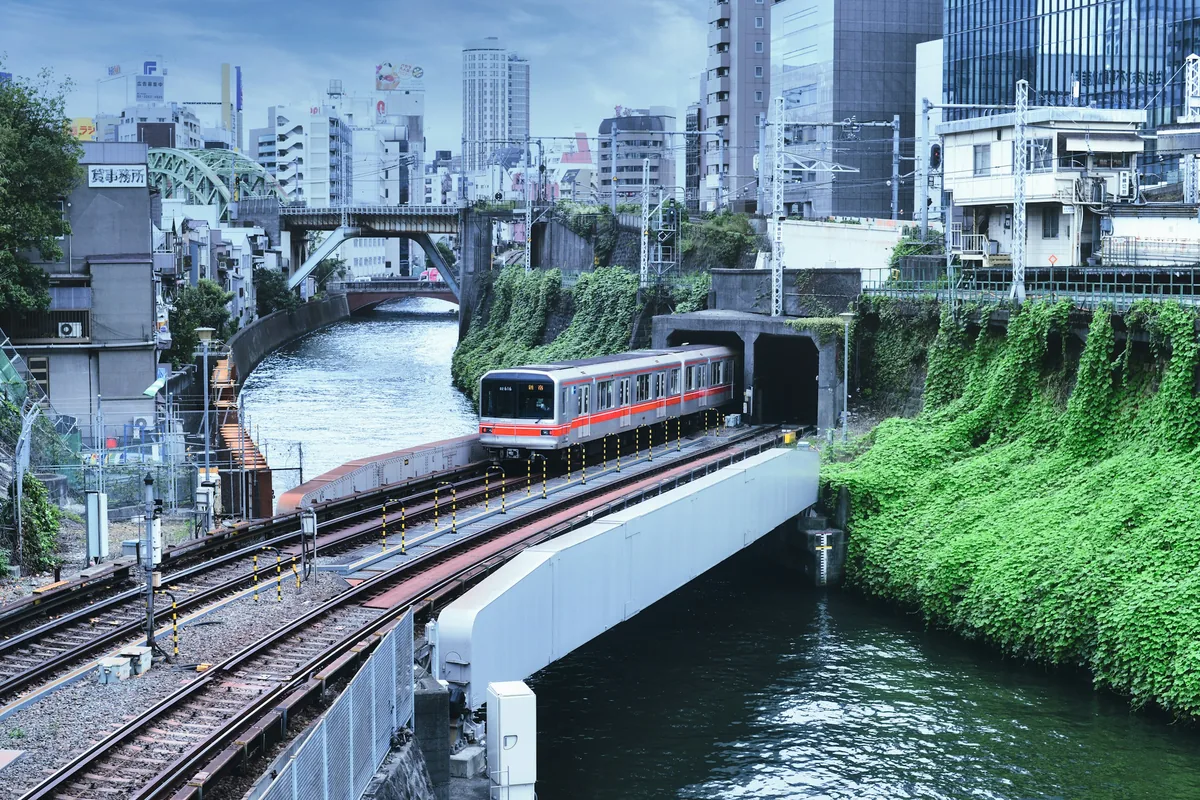
Tokyo’s trains and subway are the best way to get between cafes. The network is clear, frequent and well signposted in English, and a rechargeable transport card makes travel simple. Most cafes in this guide are within a short walk of a station. Avoid the busiest rush-hour trains if you can, and allow extra time to change lines. Google Maps and a transport app help with route planning.
How much does coffee in Tokyo cost?
Coffee in Tokyo is generally good value. A kissaten coffee costs more than a chain cafe coffee, because you pay for the time and the setting, but it is usually still affordable. Specialty cafes sit in the mid-range tier, with a single-origin filter coffee costing more than a standard cup. Food at cafes is usually simple and modest, and morning sets are a good way to save money. Tipping is not expected, and many cafes accept cards, but carry cash for older places.
Frequently Asked Questions
What is the best cafe in Tokyo?
It depends on the style you want. Café de L’Ambre is a classic kissaten, and Koffee Mameya Kakeru is one of the most acclaimed modern specialty coffee shops, having been included in the World’s 100 Best Coffee Shops list for 2026.
What is a kissaten?
A kissaten is a traditional Japanese coffee house, often with dark wood, vintage furniture and hand-brewed coffee. Many serve toast, sandwiches and simple desserts.
Are Tokyo cafes cash only?
Many modern cafes accept cards, but older kissaten, including some of the best-known ones, are often cash only. Carry some yen to be safe.
Do I need to book a cafe in Tokyo?
Most cafes do not take bookings, so expect to queue at popular places, especially on weekends. Koffee Mameya Kakeru is the main exception on this list, with counter seats booked online in advance. Arrive early or on a weekday to avoid the longest waits.
Which area of Tokyo has the best cafes?
Kiyosumi, Jimbocho, Nakameguro and Shimokitazawa are all known for coffee. Ginza and Yanaka are the best areas for traditional kissaten.
Is smoking allowed in Tokyo cafes?
Some older kissaten still allow smoking, though rules are changing. Check before you go if you want a smoke-free room.
Discover Tokyo through its cafes
Good coffee is one of the easiest ways to slow down in Tokyo and see the city like a local. Download the free printable itinerary, choose the day that matches your route, and check opening days before you set out. If Tokyo is part of a longer trip, our guide to the best places to visit in Japan helps you plan the rest of the route, and our list of the top things to do in Kyoto is the natural next stop by Shinkansen.
Featured image: Photo by Yanhao Fang on Unsplash