Last updated: October 2026
Rome is one of the easiest cities in Europe to eat well in and one of the easiest to eat badly in. The same streets that hold the city’s best trattorias are lined with menus in six languages and photos of every dish, so a little planning goes a long way. This guide narrows it down to ten places that locals and food writers keep returning to, spread across the centre, Testaccio, Trastevere, Esquilino and the area near the Vatican.
If you want the best food in Rome, book a classic trattoria for pasta, such as Felice a Testaccio or Roscioli Salumeria con Cucina, then add Roman pizza at Emma and a cheap, quick street food stop like Pizzarium or Trapizzino. That mix covers the dishes Rome is famous for without spending every meal at a long table.
Each of the ten places below has a practical box, and after the list you will find a guide to Roman menu terms, how booking and tipping work, a plan for one, two or three days, where to stay and a budget guide. For city planning, the official Rome tourism website is a good starting point, and the Michelin Guide lists many of the city’s restaurants. Restaurant details change often, so check opening days, hours and booking rules before you go. Anything this guide could not confirm is marked “check before you go”.
Quick answer: What are the best places to eat in Rome? For pasta, try Felice a Testaccio, Roscioli Salumeria con Cucina, Da Enzo al 29 or Trattoria Da Danilo. For old-school Roman cooking, choose Armando al Pantheon, Flavio al Velavevodetto or Nonna Betta. For pizza and street food, pick Emma, Pizzarium or Trapizzino.
Quick comparison: best places to eat in Rome
| Place | Area | Best for | Price tier |
|---|---|---|---|
| Roscioli Salumeria con Cucina | Near Campo de’ Fiori | Carbonara and a deli-style meal | Comfortable |
| Armando al Pantheon | Near the Pantheon | Classic Roman cooking | Mid-range to comfortable |
| Da Enzo al 29 | Trastevere | A lively neighbourhood trattoria | Mid-range |
| Felice a Testaccio | Testaccio | Table-side cacio e pepe | Mid-range |
| Flavio al Velavevodetto | Testaccio | Hearty Roman dishes in a hillside setting | Mid-range |
| Pizzarium | Near the Vatican | Pizza al taglio | Cheap to mid-range |
| Emma | Near Campo de’ Fiori | Thin, crisp Roman pizza | Mid-range |
| Nonna Betta | Jewish Ghetto | Carciofi alla giudia | Mid-range |
| Trattoria Da Danilo | Esquilino | Carbonara and cacio e pepe | Mid-range |
| Trapizzino | Testaccio | A quick street food bite | Cheap |
1. Roscioli Salumeria con Cucina
Roscioli Salumeria con Cucina is part deli, part wine cellar and part restaurant, and it has become one of the names most often mentioned when people talk about the best food in Rome. It sits a few minutes from Campo de’ Fiori, and recent Italian food coverage ranked it among the country’s top trattorias, with its carbonara singled out as the dish to order.
The room is lined with cured meats, cheeses and wine bottles, which makes the setting part of the appeal. The menu mixes Roman pasta classics with plates of cured meats, cheese and seasonal dishes, so it suits both a full dinner and a long, slow tasting meal. The wine list is large and the staff can usually suggest a bottle to match what you order.
Guides agree that booking is essential, and some suggest reserving a couple of weeks ahead for a popular slot. Listings disagree on opening hours and days, so check directly before you plan your evening around it. Because the place is small and busy, it is not the right choice for a spontaneous meal or for a large group.
If the carbonara is your priority, order it and then share a plate of cured meats to start. Roman portions are generous, so a pasta course and one shared starter is often plenty for two people. If you cannot get a table, the same family runs a nearby bakery and cafe, which is a good fallback for a pastry or a quick bite. Our guide to the best cafes in Rome explains how that stop fits into a day of eating.
- How to get there: On foot from Campo de’ Fiori, about three minutes, or by bus to Largo di Torre Argentina and a short walk.
- How long to spend: Around two hours for dinner.
- Best time to go: An evening table, booked well ahead, or a weekday lunch.
- Tip: Reserve online or by phone as early as you can, and check hours before you go.
2. Armando al Pantheon
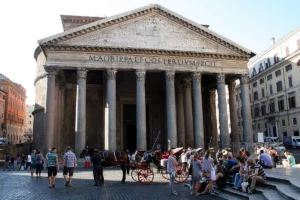
Armando al Pantheon is a small family-run trattoria a stone’s throw from the Pantheon, and it manages to feel local in one of the most touristy parts of Rome. It has been recognised by the Michelin Guide, and it is known for sticking to Roman classics rather than chasing trends.
The menu is short and seasonal, with dishes such as carbonara, amatriciana, cacio e pepe, oxtail stew and tripe depending on the day. With only a small number of tables, it fills quickly, and several guides call it one of the hardest restaurants in the centre to book at short notice. Tables cannot be booked through the Michelin Guide’s own site, so contact the restaurant directly, by phone or through its official channels.
Opening days are one of the details sources disagree on. The restaurant is generally reported as closed on Sundays and for part or all of August, and some sources say it is also closed on Saturday evenings while others list Saturday dinner. Check directly before you go, and do not assume your hotel’s tourist map is right.
Because it is so close to the Pantheon, it works well as a lunch stop on a sightseeing day. Book a table, see the Pantheon and Piazza Navona in the morning, and spend the afternoon over a long lunch. If you cannot get in, there are other good trattorias a short walk away, but many of the restaurants on the main squares are aimed at passing tourists. If your plans include Rome’s nightlife afterwards, our guide to the best bars in Rome has ideas within walking distance.
- How to get there: On foot from the Pantheon, about two minutes, or from Piazza Navona, about five.
- How long to spend: Around two hours.
- Best time to go: A weekday lunch is often easier to book than dinner.
- Tip: Call well in advance and confirm Saturday and Sunday opening before you rely on it.
3. Da Enzo al 29
Da Enzo al 29 is a tiny, cheerful trattoria in the lanes of Trastevere that has built a loyal following with simple Roman cooking. It is the kind of place where the tables are close together, the pasta arrives quickly and the whole room seems to know the menu by heart.
Coverage of the restaurant most often praises the carbonara and the cacio e pepe, and it is also known for carciofi alla giudia, the fried artichokes of the Roman Jewish kitchen, when they are in season. Not every reviewer agrees on which dish is best, and a few find the seasoning on the salty side, so treat any single recommendation as one opinion among several.
Booking is the part to plan carefully. Recent food guides say the restaurant generally does not take reservations and relies on a queue, while older articles told visitors to call ahead, so the policy may have changed over time. Check the current rules before you go. If there is a queue, guides suggest arriving before the evening service begins, and staff are reported to check on the line and take drink orders while people wait. Lunch is usually easier than dinner.
Trastevere is best enjoyed on foot, so combine the meal with a wander through the lanes and across the river. If the queue is too long, there are many other trattorias in the neighbourhood, but check reviews first, because the busiest tourist streets have more weak restaurants than good ones. For more on what to order, our guide to the best foods to try in Rome explains each Roman classic.
- How to get there: Tram 8 or a bus to Trastevere, then a short walk through the lanes.
- How long to spend: One and a half to two hours, plus any queue.
- Best time to go: Lunch, or early for the evening queue.
- Tip: Check the booking policy before you go and expect to wait at busy times.
4. Felice a Testaccio
Felice a Testaccio is the restaurant that turned cacio e pepe into a small piece of theatre, because the waiter tosses the pasta with cheese and pepper at your table. It sits in Testaccio, the old working-class neighbourhood that is still considered Rome’s food district, and it has a reputation among visitors and locals alike.
The tonnarelli cacio e pepe is the signature, and the table-side finish is the reason many people book. One guide suggests asking for a table in the main room so you can see it being prepared. The rest of the menu is Roman and seasonal, with classics such as carbonara, amatriciana and oxtail stew, plus a day-by-day rhythm of dishes that regulars know well.
Reviewers and guides say booking is essential and advise reserving well ahead, using the official website or the phone number on it. The official website says it opens every day for lunch and dinner, but other listings differ, so confirm before you plan around it. Because it is so popular, a lunch table can be easier to find than a prime evening slot.
Testaccio rewards time on foot. Walk off the pasta around the old slaughterhouse area, which is now an arts space, and visit the covered food market, which has some of the best street food in the neighbourhood. If you want another Testaccio meal, the next entry is only a short walk from here.
- How to get there: Metro line B to Piramide, then a ten-minute walk, or a tram or bus to Testaccio (check ATAC for current routes).
- How long to spend: Around two hours.
- Best time to go: Book well ahead, and consider lunch if dinner is full.
- Tip: Ask for a table where you can watch the cacio e pepe being finished.
5. Flavio al Velavevodetto
Flavio al Velavevodetto is built into the side of Monte Testaccio, a hill made of ancient Roman amphora fragments, which makes it one of the more memorable settings for a trattoria meal in Rome. Its name, roughly “I told you so” in Roman dialect, matches the confident, no-nonsense style of the cooking.
The menu is firmly Roman, with carbonara, cacio e pepe, coda alla vaccinara and other hearty dishes that fit Testaccio’s tradition of using the whole animal. Reviewers describe the atmosphere as lively and informal, with a young crowd and generous portions. You can read about its history on the restaurant’s official site.
The outdoor tables are popular in warm weather, and the restaurant also accepts private events. As with many Roman trattorias, listings disagree on exact hours, so check before you go. The same group runs a second Rome restaurant, Velavevodetto ai Quiriti in Prati, which can be handy if you are staying near the Vatican, but the Testaccio original is the one with the hillside setting.
Because the food is generous, it works best as the main meal of the day, with a lighter lunch before it. If you are building a Testaccio day, pair it with Felice or the street food at the market, but avoid booking two big pasta meals in one day. A walk around the neighbourhood afterwards helps, and the nearby Pyramid and Protestant cemetery are easy additions.
- How to get there: Metro line B to Piramide, then a walk of about ten minutes.
- How long to spend: One and a half to two hours.
- Best time to go: Dinner in warmer months for outdoor seating, or lunch on a weekday.
- Tip: Book ahead for dinner and check hours with the restaurant, as sources differ.
6. Pizzarium
Pizzarium, Gabriele Bonci’s small shop near the Vatican, is the place that made pizza al taglio, or pizza by the slice, a serious subject. It opened in 2003 on Via della Meloria in the Trionfale area and has become a symbol of modern Roman pizza.
The counter is the whole experience. Trays of rectangular pizza are cut to order and weighed, and the toppings change with the season, so there is no fixed menu to memorise. Reviewers highlight combinations such as sweet fried aubergine with basil, or thinly sliced onions with cooked ham, and the shop also sells fried snacks such as supplì. The dough is thick, airy and crisp, which sets it apart from the thin pizza served in sit-down pizzerias.
A line often forms at the door, especially at lunch, but it usually moves fast. There is limited seating, so many people eat standing or take their slices to a nearby bench. It is a particularly good stop after the Vatican Museums, because the shop is a short walk from Cipro metro station.
Prices are reported as higher than at an average pizza by the slice shop, because of the quality of the ingredients, so check current prices and hours before you go. Bonci also runs a bakery nearby, which is a separate shop. For a Roman food day, pair a Pizzarium slice with a pasta dinner elsewhere.
- How to get there: Metro line A to Cipro or Ottaviano, then a short walk.
- How long to spend: Twenty to thirty minutes.
- Best time to go: Just before or after the lunchtime rush.
- Tip: Ask for a mix of slices, and order by weight, so you can try more than one flavour.
7. Emma
Emma is a modern Roman pizzeria near Campo de’ Fiori that serves the thin, crisp style of pizza the city is known for in a smart but relaxed room. It has been open since the mid-2010s, and the Rome tourism board credits its dough to Pierluigi Roscioli, a name linked to some of the city’s best bakers.
The dough uses organic flour blends and rises into a thin, crisp base. The menu includes classic pizzas, white pizzas with buffalo mozzarella and filled focaccia, as well as fried starters such as supplì. Food writers describe it as both a pizzeria and a restaurant, since the menu goes beyond pizza.
Emma is also a good fit for travellers who want a full meal in the centre without going to a heavy trattoria. The setting is bright, the location is close to the main sights, and the menu is easy to follow for visitors who do not speak Italian. One critic warns that starters sometimes arrive late, so it may not suit a rushed meal.
The Rome tourism board lists it as open every day, but check the hours before you plan around it. Booking is sensible, especially at weekends. For wine or cocktails afterwards, many of the bars in our guide to rooftop bars in Rome are within a short ride, and the area around Campo de’ Fiori and the Jewish Ghetto is easy to explore on foot.
- How to get there: On foot from Campo de’ Fiori, about three minutes.
- How long to spend: One and a half hours.
- Best time to go: Early evening, or a weekday lunch.
- Tip: Order a fried starter to share, and book ahead for weekend evenings.
8. Nonna Betta
Nonna Betta is a family-run restaurant in Rome’s Jewish Ghetto that specialises in carciofi alla giudia, the twice-fried artichokes that are one of the city’s most distinctive dishes. It is on Via del Portico d’Ottavia, the main street of the old Jewish quarter, which has some of the oldest continuous food traditions in the city.
Frommer’s describes it as not strictly kosher, but also as the only restaurant in the old Jewish quarter historically owned and managed by Roman Jews. It reportedly keeps separate menus for fish and dairy and for meat, so you can choose either style of meal. Alongside the artichokes, the menu includes fried cod, stuffed fried courgette flowers and seasonal vegetables.
Carciofi alla giudia are best between late winter and spring, when Roman artichokes are in season. The artichokes are fried twice, first whole and then pressed open so the outer leaves turn crisp, like a flower. Even if you only order the artichokes, it is a very good way to try this part of Rome’s food heritage.
The Ghetto is also a good place for a walk, with the Portico d’Ottavia ruins, the synagogue and the Jewish Museum nearby. The Rome tourism board lists a weekly closing day, usually Tuesday, so check before you go. Because several restaurants on the same street offer similar dishes, compare menus before choosing, and use this one as a reliable starting point rather than the only option.
- How to get there: On foot from Campo de’ Fiori, about ten minutes, or tram 8 to Largo di Torre Argentina.
- How long to spend: One and a half hours.
- Best time to go: Lunch in late winter or spring, when artichokes are in season.
- Tip: Order the carciofi alla giudia first, and check the closing day before you go.
9. Trattoria Da Danilo
Trattoria Da Danilo is a small, popular trattoria in Esquilino, outside the busiest tourist areas, and it is widely praised for its carbonara. It is on Via Petrarca, a short walk from the Colosseum and Termini, which makes it convenient without being a tourist trap.
The carbonara gets most of the attention, and Time Out describes it as topped with crisp cured pork rather than only guanciale, which sets it apart from the classic version. The cacio e pepe is also recommended, and Time Out says it is prepared on a small cart before it is served. Recipes can change, so ask what the kitchen is using on the day.
Visitors report waits both for a table and for service, so it is better for a relaxed meal than for a quick one. One reviewer describes a long queue outside at the end of their visit, so booking is sensible. Listings agree it is closed on Sundays, and some show no lunch service on Mondays, so check directly before you go.
Esquilino is a practical neighbourhood for visitors, with Termini station nearby, and has a wide mix of Italian and international food. It is a good option on an arrival or departure day, when you want a proper meal without crossing the city.
- How to get there: On foot from Termini or Vittorio Emanuele metro stations, about ten minutes.
- How long to spend: One and a half to two hours.
- Best time to go: Early evening, with a reservation.
- Tip: Book ahead and check opening days, as listings differ.
10. Trapizzino
Trapizzino is the Rome street food shop that invented the trapizzino, a triangle of pizza dough filled with classic Roman stews and sauces. The original opened in Testaccio on Via Giovanni Branca, and the idea has since spread to other parts of Rome and abroad.
The name blends tramezzino, the Italian sandwich, with pizza. The pocket is filled with dishes you would usually eat with a fork, such as oxtail stew, meatballs in tomato sauce or chicken with peppers. Founder Stefano Callegari began with a pizza by the slice shop in the neighbourhood, and the pocket grew out of it. The fillings change, and the most traditional ones are still the most popular.
It works best as a quick, cheap lunch or an afternoon snack, which makes it a useful break between big trattoria meals. Many people eat standing or take the pocket to a bench, so it suits a walking day. Hours are reported as running through the day, but check before you go, as they may differ between branches.
Because Testaccio is a food neighbourhood, it also makes sense to combine this stop with a walk to the market and a coffee. If you are planning a full day of eating in the area, have a trapizzino at lunch, a walk in the afternoon and one of the Testaccio trattorias from this list for dinner.
- How to get there: Metro line B to Piramide, then a walk of about ten minutes.
- How long to spend: Fifteen to twenty minutes.
- Best time to go: Lunch or a mid-afternoon snack.
- Tip: Try one meat stew filling and one vegetable filling to compare.
Roman menu terms to know
- Antipasto: A starter, often cured meats, fried snacks or vegetables.
- Primo: The pasta or rice course, where Rome’s famous dishes sit.
- Secondo: The main course, usually meat or fish, with vegetables ordered separately.
- Contorno: A side dish, such as chicory, artichokes or potatoes.
- Carbonara, amatriciana, cacio e pepe, gricia: The four classic Roman pastas.
- Pizza al taglio: Pizza sold by the slice and weighed at the counter.
- Coperto: A cover charge for bread and the table, shown on the menu.
- Supplì: A fried rice ball with a molten mozzarella centre.
Booking, tipping and eating times in Rome
Book the best-known trattorias well ahead, especially for dinner, and use the restaurant’s own website or phone number where you can. Some small places take no reservations or only take them by phone, so check each one. Lunch is often easier to book than dinner, and sometimes has a shorter menu.
Romans eat later than visitors from the UK, and most kitchens open for dinner in the evening, so arriving very early can mean a quiet room or a closed kitchen. Many restaurants close one day a week and for part of August, so check before you go.
Tipping is not expected in the way it is in some countries. A service charge or cover charge is often already on the bill, so look at it before adding more. Rounding up or leaving a small amount for good service is appreciated but not required. Always ask for the bill, because it is not usually brought until you ask.
Suggested eating plans for 1, 2 or 3 days
One day: Start with a pastry and coffee, have a slice at Pizzarium after the Vatican, and book dinner at Felice a Testaccio or Roscioli.
Two days: On day two, have lunch at Nonna Betta in the Ghetto, walk through Trastevere, and queue for dinner at Da Enzo al 29, or book Armando al Pantheon for a weekday lunch.
Three days: Spend day three in Testaccio and Esquilino. Have a trapizzino for lunch, a long dinner at Flavio al Velavevodetto, and keep Trattoria Da Danilo for an easy evening near Termini. If you have time for pizza, add Emma on the way.
Where to stay for food lovers
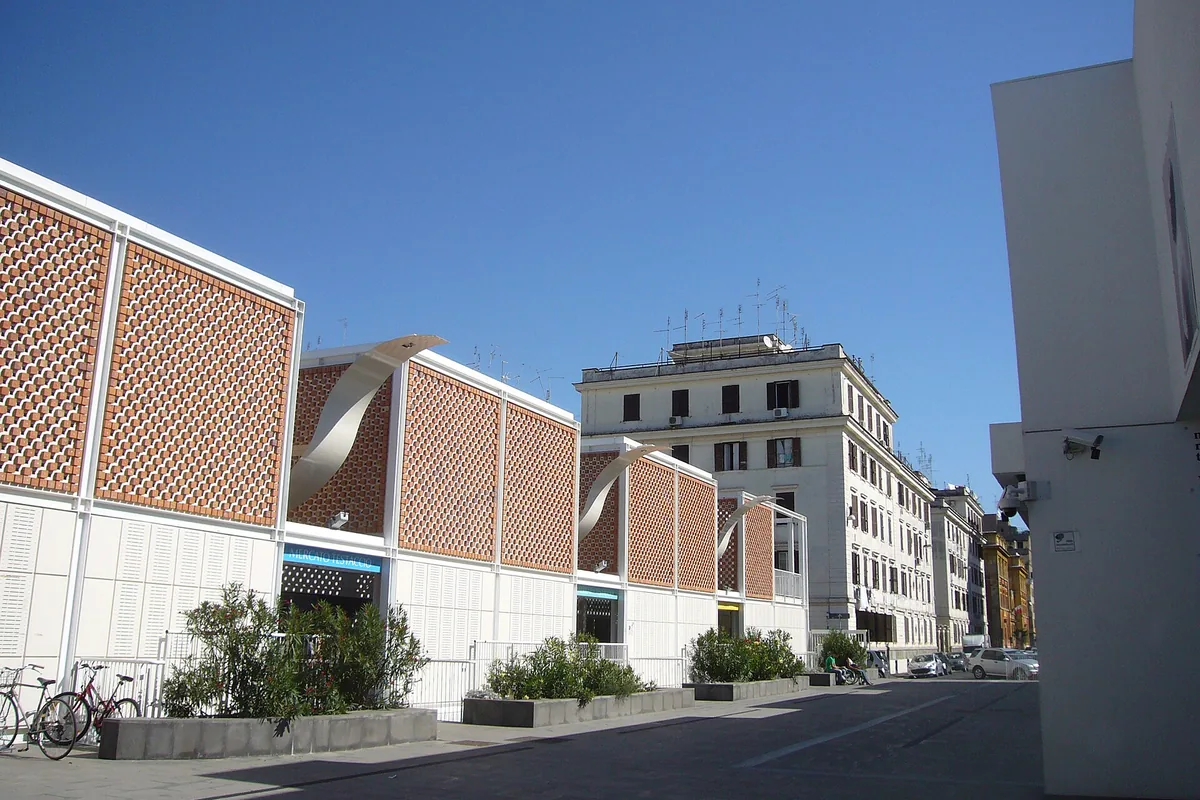
Near the Pantheon and Campo de’ Fiori puts Armando, Roscioli, Emma and Nonna Betta within a short walk, but it is busy and expensive. Trastevere is lively and close to Da Enzo, with a village feel in the evenings. Testaccio is the food district, with Felice, Flavio and Trapizzino close together, and it is calmer at night. Esquilino and Termini are practical for trains and metro, with Da Danilo nearby, though some streets are busy. Prati is a quieter base near the Vatican and Pizzarium.
Getting around
Central Rome is walkable, and the restaurants around Campo de’ Fiori, the Pantheon and the Ghetto are all within a short stroll of each other. Metro line A serves the Vatican area, the Spanish Steps and Termini, line B reaches the Colosseum and Piramide for Testaccio, and trams and buses connect Trastevere. Check current tickets, routes and service changes on the ATAC website, which runs the city’s metro, buses and trams. Taxis are available but traffic can slow them, so walking is often quicker for short trips.
Budget guidance
Cheap: A trapizzino, a slice of pizza al taglio or a supplì keeps a meal inexpensive, and a standing coffee costs very little.
Mid-range: A pasta dinner at a trattoria such as Da Enzo, Flavio al Velavevodetto or Trattoria Da Danilo, with a house wine, is the heart of eating in Rome.
Special occasion: A table at Roscioli, Armando al Pantheon or Felice, where booking is part of the experience. Check the cover charge and any service charge before you order.
Frequently Asked Questions
What is the best area to eat in Rome?
Testaccio is often called Rome’s food district, with Felice, Flavio al Velavevodetto and Trapizzino close together. Trastevere and the area around Campo de’ Fiori also have many good options.
Do I need to book restaurants in Rome?
For popular trattorias, yes. Felice, Roscioli and Armando are widely reported to need booking well ahead, while some small places use queues. Check each restaurant’s current policy before you go.
How do I avoid tourist traps in Rome?
Be wary of restaurants with photo menus, touts outside and tables on the busiest squares. Walk a few streets away from the main sights and choose places with short, seasonal menus.
What should I eat in Rome?
Try the four classic pastas, carbonara, amatriciana, cacio e pepe and gricia, plus supplì, carciofi alla giudia and pizza al taglio.
Is tipping expected in Rome?
Not in the same way as in some countries. Check the bill for a cover charge or service charge, and round up or leave a small amount for good service if you wish.
What time do restaurants open for dinner in Rome?
Many kitchens open for dinner in the evening, later than in the UK, and often close one day a week. Check the hours of each place before you go.
Discover More of Rome and Italy
Between meals, walk off the pasta with our guide to Rome’s best hidden gems, from the Aventine Keyhole to the layered Basilica of San Clemente. If your trip continues north by train, compare the Roman table with our pick of the best places to eat in Florence, where Tuscan steak and lampredotto take the place of carbonara.
Featured image: Photo by altotemi, CC BY-SA 2.0, cropped, via Wikimedia Commons