Last updated: October 2026
Copenhagen takes coffee seriously, and the best cafes in Copenhagen range from small roastery bars to bright brunch rooms where the toast is as famous as the espresso. This guide picks ten places that cover the city’s main cafe styles, so you can choose by mood, neighbourhood and time of day rather than by reputation alone.
Cafes here change addresses, open new branches and adjust their hours often, so every venue below comes with a “check before you go” note where details were not firmly confirmed. For current visitor information, the official Visit Copenhagen site is the best starting point. If you want a proper lunch or dinner after your coffee, pair this list with our guide to the best places to eat in Copenhagen, which covers markets, smørrebrød and destination restaurants.
Quick answer: What are the best cafes in Copenhagen? For a first visit, start with The Coffee Collective for the city’s third-wave story, Atelier September for the famous avocado toast, and Democratic Coffee for an almond croissant inside the main library. Add La Cabra, Prolog and Original Coffee to see how far the specialty scene has spread.
Quick comparison: the 10 cafes at a glance
| Cafe | Area | Best for | Price tier |
|---|---|---|---|
| 1. The Coffee Collective | Nørrebro and several others | Specialty coffee and roastery culture | Mid-range |
| 2. Atelier September | Hellerup and Nordhavn | Avocado toast and a relaxed breakfast | Mid-range |
| 3. Democratic Coffee | Indre By | Almond croissant and a library setting | Budget |
| 4. La Cabra | Indre By and Nordhavn | Light-roast filter and pastries | Mid-range |
| 5. Original Coffee | Across the city | Reliable espresso with many branches | Budget |
| 6. Prolog Coffee Bar | Kødbyen and Østerbro | Smooth espresso and a modern coffee bar | Mid-range |
| 7. Paludan Bogcafé | Indre By | Studying, reading and a classic menu | Budget |
| 8. Pontes | Valby | Tiny-batch roasting and a new coffee bar | Mid-range |
| 9. Granola | Frederiksberg (Værnedamsvej) | Retro-style brunch | Mid-range |
| 10. Torvehallerne | Nørreport | Market stalls and a quick coffee | Budget |
1. The Coffee Collective
The Coffee Collective is the cafe that helped start Copenhagen’s third-wave coffee movement, and it is still the best place to understand what the city’s coffee scene is about. The company was founded by a small group of coffee professionals in 2007, and its shop on Jægersborggade in Nørrebro was the first. Later branches followed, including a combined roastery and coffee bar where you can watch the roasting, and a stall in the covered market at Torvehallerne.
The focus is on carefully sourced beans and a light, bright style of roasting. Order a filter coffee to see the beans at their clearest, or an espresso if you want something quicker. The cafes also sell pastries and simple snacks, so you can combine a coffee with a small breakfast.
Jægersborggade itself is worth a wander. The street is lined with small independent shops and studios, which makes the visit feel like part of a neighbourhood rather than a stop on a checklist. The market branch is more compact, with a busy espresso bar and a limited number of seats near the windows.
The branch list changes as new cafes open, so look up the current locations and hours on The Coffee Collective’s official website before you travel.
If you are new to specialty coffee, tell the barista what you normally drink and ask for something similar but lighter. That is usually the quickest way to find a cup you will enjoy, and the staff are generally happy to explain the beans. A bag of roasted coffee also makes a practical souvenir, though check airline rules if you are packing hand luggage.
- How to get there: Take a bus or cycle to Jægersborggade in Nørrebro, or take the metro to Nørreport for the market branch.
- How long to spend: About 30 to 60 minutes.
- Best time to go: Mid-morning on a weekday, when it is calmer.
- Tip: Try a filter coffee first, then ask the staff which beans they are enjoying most.
2. Atelier September
Atelier September is the small, bright cafe that made avocado toast a Copenhagen pilgrimage. It began in the city centre in a former gallery and antique shop, and the interiors keep a charming, curated mix of old and new pieces. The result feels more like a friend’s stylish kitchen than a large commercial cafe.
The signature dish is avocado on rye, finished with chilli, sea salt and lemon. It looks simple, but the stacking, the seasoning and the quality of the bread have made it one of the best-known breakfasts in the city. Coffee is served alongside, and there are other light dishes if avocado is not for you.
The cafe does not take reservations, so you should be ready to wait for a table, especially at weekends. Queues usually move quickly because turnover is steady, but it helps to arrive early or choose a quieter weekday slot.
Older guides place it on Gothersgade in the centre, but the official Visit Copenhagen listing now gives Strandvejen in Hellerup, with a newer branch in Nordhavn, so confirm which location is open before you go. The cafe is small, which is part of its charm, but it means groups may struggle to find space together.
Order the signature dish first, then decide whether you want something sweet or a second coffee. The room is small and busy, so avoid settling in for a long work session. A short, relaxed breakfast suits the setting better, and you can follow it with a walk through the surrounding streets. Prices are on the higher side for breakfast, so treat it as a special start to the day.
- How to get there: Take the S-train or a bus north to Hellerup, or the metro to Nordhavn, and check the official listing for the exact address.
- How long to spend: About 45 to 60 minutes.
- Best time to go: A weekday morning, before the weekend crowds.
- Tip: Arrive early, expect a short wait and share a table if staff ask.
3. Democratic Coffee
Democratic Coffee is a small coffee bar inside Copenhagen’s main library, famous for a freshly baked almond croissant. The name comes from its setting, because a library is one of the most democratic places in a city. It sits on Krystalgade in the centre, close to Nørreport, and it attracts students, office workers and visitors in equal measure.
The coffee is light-roasted and focused on single-origin beans. The coffee is roasted off site rather than in the library itself. What matters for a visitor is that the espresso and filter are consistently good, and that the pastries are baked fresh through the day.
The almond croissant is the item people talk about. It is rich and flaky, so one is usually enough for two people to share alongside a coffee. The cafe opened in 2011, and the croissants are baked on site through the day, which explains why the baking is as important as the beans.
Because it is inside a public building, the room is compact and busy. It works best as a short stop, or as a break during a walk around the centre. If you want a long, quiet sit, choose another cafe on this list.
Think of it as a morning ritual rather than a destination. Many locals drop in on their way to work or study, order at the counter and leave within minutes. If you join them, you will see everyday Copenhagen at its most efficient, and you will still have time for a longer meal somewhere else afterwards.
- How to get there: Walk or take the metro to Nørreport, then head to Krystalgade.
- How long to spend: About 20 to 40 minutes.
- Best time to go: Mid-morning, when the croissants are fresh.
- Tip: Order the almond croissant and share it if you want to try other cafes the same day.
4. La Cabra
La Cabra is the Danish roaster known for a very light style of coffee and a quietly stylish approach to pastries. It was founded in Aarhus in 2012, arrived in Copenhagen in 2023 and now has cafes in Denmark and abroad. Branches change, so check the current list on La Cabra’s official website.
The coffee is the draw. La Cabra roasts its beans lightly, which gives bright, fruity, tea-like cups that can surprise people used to darker espresso. If you want to compare styles, order a filter coffee here and an espresso at another cafe on this list.
The pastries are also a reason to visit. Cardamom buns and other baked goods fit neatly alongside the coffee and are made to sit well with the lighter roast. The interiors favour Danish design, with clean lines, neutral colours and a calm, uncluttered feel.
In Copenhagen, look for the central cafe on Møntergade and the newer Nordhavn cafe, which opened in 2025. Choose the branch nearest your route and enjoy a slower, quieter coffee.
Because the coffee is so light, it can taste different from what you may be used to. Take a few sips before judging, and let the cup cool slightly, since the flavours often open up as it cools. If you prefer a gentler drink, ask staff which of their coffees is the least acidic.
- How to get there: Walk from Nørreport or Kongens Nytorv to Møntergade, or take the metro to Nordhavn for the newer cafe.
- How long to spend: About 30 to 60 minutes.
- Best time to go: A weekday morning for a quiet table.
- Tip: Try the filter coffee and ask staff to suggest a pastry that pairs with it.
5. Original Coffee
Original Coffee is the easiest specialty coffee chain to find in Copenhagen, with many branches across the city and a reliably good espresso. Its first coffee bar opened inside the Illum department store, and it has since grown to a large number of locations in the capital region, including three in Tivoli Gardens. Counts change, so check the official listings.
The strength of Original Coffee is consistency. You can walk into a branch almost anywhere in the centre and expect a well-made flat white, filter or espresso, usually with a handful of pastries and sandwiches. That makes it a practical choice when you are sightseeing and need a dependable stop.
It is also a good way to try Danish specialty coffee without planning your day around a single venue. The Østerbro branch on Nordre Frihavnsgade is a good example of the neighbourhood style, with a calm interior and local regulars.
Because there are so many branches, each has its own personality. Some are tiny take-away counters, while others have seats and a longer menu. Use the official website to find the nearest one, and treat opening hours as something to confirm rather than assume.
The scale of the group also means you can build a loose route around it. Pick a branch near each major sight, and you will always have a reliable coffee stop within a short walk. It is a good option for families and groups who want a dependable menu and straightforward service.
- How to get there: Check the official branch list and choose the one closest to your route.
- How long to spend: About 20 to 40 minutes.
- Best time to go: Any time of day, as branches vary.
- Tip: Use it as a reliable fallback when your first-choice cafe is full.
6. Prolog Coffee Bar
Prolog Coffee Bar is a modern specialty coffee bar that has built a reputation for smooth, balanced espresso. The original bar is in Kødbyen, also known as the Meatpacking District, and there is a second cafe in Østerbro. Confirm opening details on the official site before you set out.
Kødbyen is a fun area to explore. The former meat market has turned into a mix of galleries, restaurants and bars, so a coffee stop here can anchor an afternoon walk. The coffee is often described as smooth rather than sharp, which makes it a good choice if you find very light roasts too acidic.
The bar format is simple and focused. Expect a short menu, a counter and a handful of seats. It is not the place for a long brunch, but it is a good place to refuel and chat with a barista about what is on the machine.
Visit Copenhagen describes it as one of the few bars taking the city’s coffee scene to the next level, which shows how established it has become within the local scene. If you only have time for one smaller, quieter specialty bar after the main names, Prolog is a strong candidate.
If you are planning a cafe crawl, put Prolog after a brighter, lighter coffee and notice how different it feels. Comparing styles on the same day is the easiest way to learn what you like. Take a few notes on your phone, and you will have a personal shortlist for the rest of the trip.
- How to get there: Take a train or bus towards Kødbyen in Vesterbro, or check the Østerbro address on the official site.
- How long to spend: About 30 minutes.
- Best time to go: Weekday mornings or early afternoons.
- Tip: Ask for a recommendation and try the espresso before adding milk.
7. Paludan Bogcafé
Paludan Bogcafé is a book cafe in the old university quarter, popular with people who want to read, study or linger over a classic cafe menu. It sits on Fiolstræde and doubles as a second-hand bookshop, with shelves of books around the tables, which gives the whole place a bookish, slightly academic atmosphere.
The menu is traditional and unfussy, with sandwiches, salads, cakes and hot drinks. It is not a specialty coffee destination, so go for the setting rather than the beans. That makes it a good partner to the third-wave bars on this list, because you can switch from a short coffee stop to a long, slow sit.
The room is busy with students and laptops, so seating can be tight at peak times. Arrive early if you want a table, and be prepared to share if the cafe is full. Quiet conversation and reading are the norm, so keep your voice low.
It is an easy stop on a walk through the Latin Quarter and around the university buildings. You can combine it with a stroll to the nearby cathedral and shops, and use it as a place to rest when the weather turns. Check opening times before you visit, as they can change.
Bring a book or a notebook if you want to match the mood. Many visitors use the cafe as a calm break between busy sights, and the slow pace is part of the appeal. If the weather is wet or cold, it is one of the more comfortable places to wait out a shower.
- How to get there: Walk from Nørreport station or Strøget.
- How long to spend: About one hour, or longer if you want to read.
- Best time to go: Weekday afternoons or rainy days.
- Tip: Browse the second-hand books before or after your coffee.
8. Pontes
Pontes is a small micro-roastery and coffee bar in Valby that opened in 2025, roasting tiny batches on site. It is a newer name in the Copenhagen scene, and Falstaff’s coffee guide named it the best new opening in Denmark, so check the latest details before you go.
The appeal of a micro-roastery is the scale. Small batches mean the roaster can experiment, change beans often and talk about what is in the cup. If you enjoy comparing coffees, a place like this offers a different experience from the larger, more established brands.
Because the coffee bar is new, details such as seating and menu may change. Look at the official channels before you travel, confirm the opening hours and be ready for a compact space. It is more likely to suit a quick coffee than a long meal.
It works well as part of a day spent comparing styles. Start at The Coffee Collective for the established story, visit La Cabra for a very light roast, then end at a small roaster like Pontes to see how the newest generation approaches the craft.
Do not build your day around it until you have checked the current details. A flexible plan is best, with a nearby alternative in case the bar is closed or full. If it turns out to be open and quiet, it could be the most interesting stop of your trip. Many new coffee bars start small and grow, so an early visit can feel like a discovery.
- How to get there: Take the S-train to Valby, or cycle, and check the official address for the final leg.
- How long to spend: About 20 to 30 minutes.
- Best time to go: Check the opening days first, as it is not open every day, then visit on a weekday.
- Tip: Ask which beans were roasted most recently and try those.
9. Granola
Granola is a retro-styled cafe and brunch spot on Værnedamsvej, on the edge of Frederiksberg and Vesterbro, that appeals to people who want a relaxed, comfortable meal alongside their coffee. It is part of the wider Copenhagen brunch scene, which has grown steadily over the past decade, and it suits a slower weekend routine.
The menu focuses on breakfast and brunch dishes, so expect eggs, pastries, granola and fresh bread rather than the stripped-back snacks of a coffee bar. The interior has a nostalgic look, with vintage coffee equipment, old enamel signs and a traditional shop counter, which suits a long, unhurried meal.
Opening times and booking rules were not confirmed from official sources, so check the venue’s own channels before you go. Brunch places are often busy at weekends, and a short wait for a table is common. If you can, choose a weekday to avoid the queue.
Granola fits well after a morning of sightseeing, or as the last stop on a cafe crawl when you want something more substantial than a pastry. Pair it with a walk through a nearby park or neighbourhood so you can enjoy the surrounding streets.
Brunch is a social meal in Copenhagen, so it works well with friends or family. Share a few dishes, order a pot of coffee for the table and take your time. If you are visiting in busy periods such as summer weekends, plan ahead and be ready to wait. Ask staff about vegetarian options if you need them, as menus often include several. Allow enough time to enjoy the meal without rushing, because brunch in Copenhagen is meant to be leisurely, and a long, quiet table is part of the point of coming.
- How to get there: Take the metro to Frederiksberg Allé, or a bus or bike to Værnedamsvej.
- How long to spend: About one to two hours.
- Best time to go: Weekday mornings, to avoid the weekend queue.
- Tip: Confirm booking rules, as brunch rooms fill quickly.
10. Torvehallerne
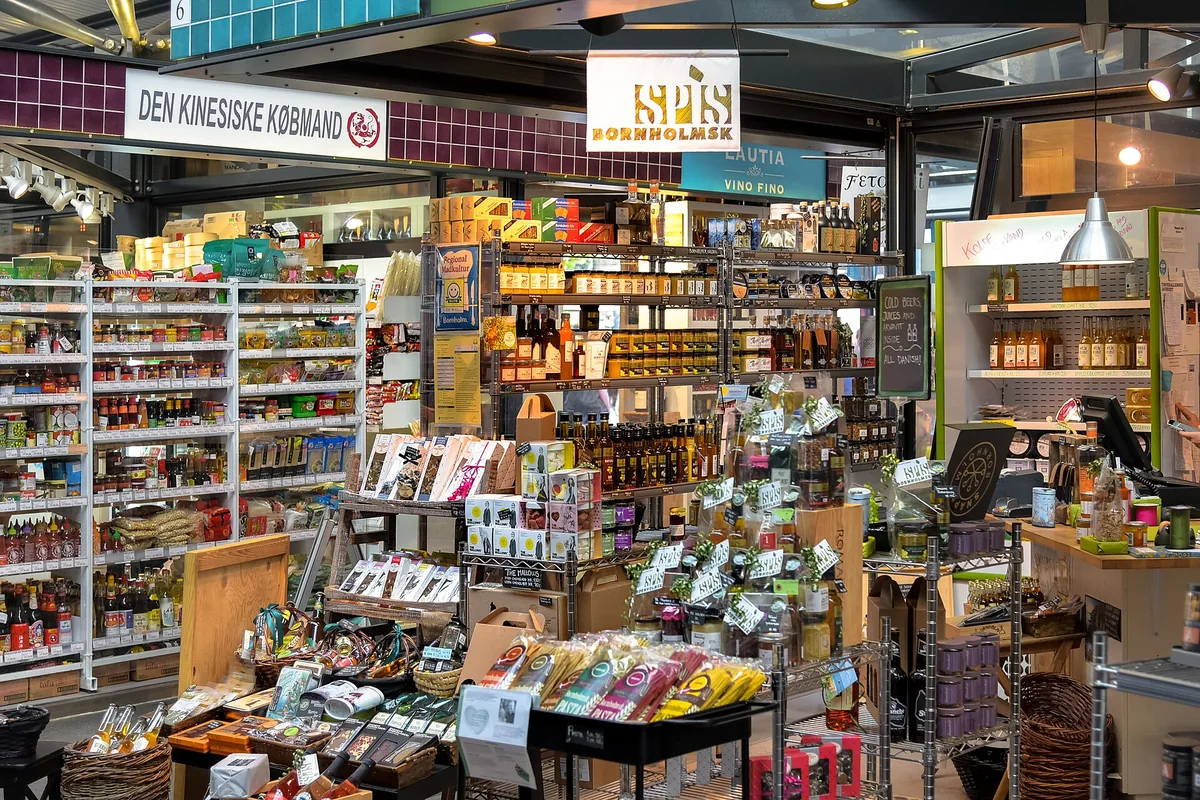
Torvehallerne is the covered food market beside Nørreport, and it is a handy place for a coffee, a snack and a look at everyday Copenhagen food culture. Its glass halls hold dozens of stalls selling pastries, sandwiches, produce and drinks, and it includes a branch of The Coffee Collective.
The advantage of a market is variety. You can pick up a coffee at one stall, a pastry at another and a small plate somewhere else, then find a table or stand to eat. That makes it a good choice for groups who cannot agree on a single cafe, and for travellers who want to try several things quickly.
Because the market is busy, plan for crowds at lunchtime and on weekends. Early mornings and mid-afternoons are calmer, and staff are usually more relaxed. Seating is limited, so be ready to eat standing up or take your purchases to a nearby bench or park.
It is also a convenient place to start or end a walk through the centre. Nørreport station is next door, and several other cafes on this list are within walking distance. Check the opening times of individual stalls on the official Torvehallerne website, since they can differ.
If you are visiting with friends, split up for ten minutes and meet at a table with whatever you find. It is a quick way to sample several things and see what looks best. Keep a little time to browse the produce stalls, which show the seasonal ingredients that Danish cooks rely on. Share what you buy, since portions in market stalls are often generous enough for two.
- How to get there: Walk or take the metro or train to Nørreport.
- How long to spend: About 30 to 60 minutes.
- Best time to go: Mid-morning or mid-afternoon on a weekday.
- Tip: Walk the whole market before buying, then pick the stalls that look best.
How to pick the right Copenhagen cafe
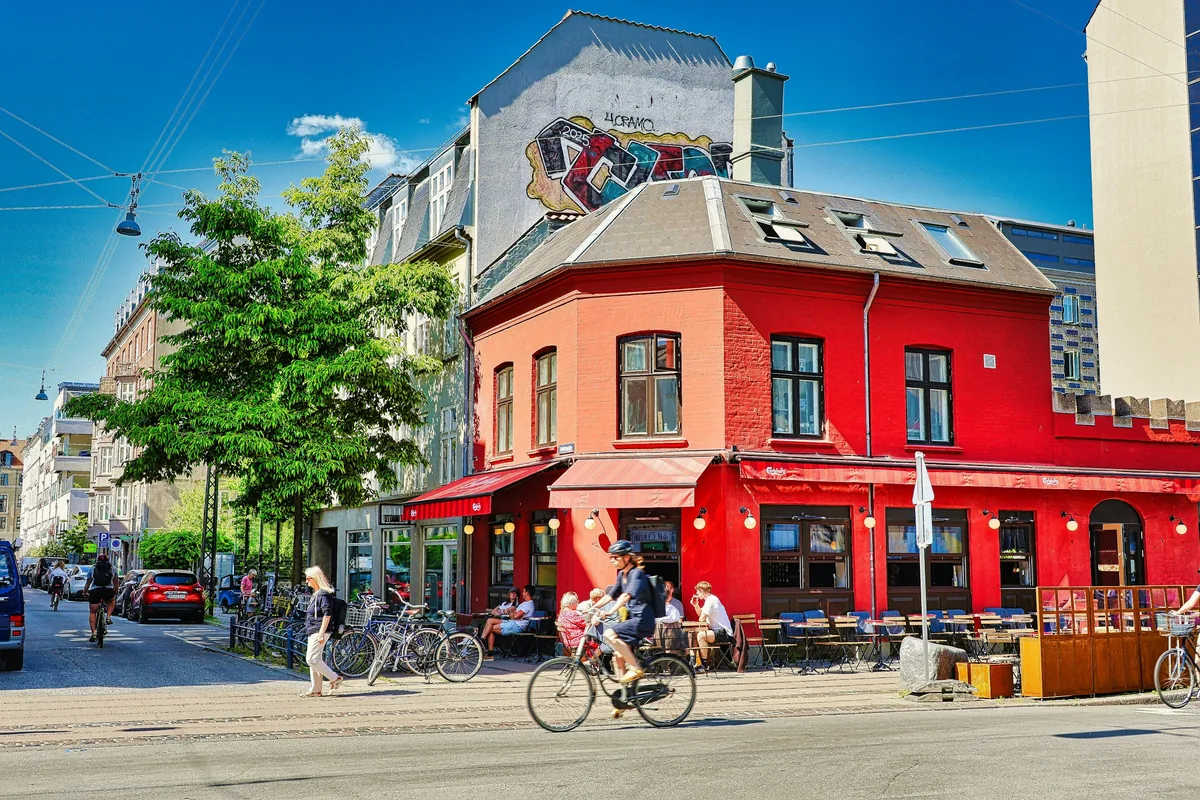
Choose by what you want from the visit. If you want to understand specialty coffee, start with The Coffee Collective and La Cabra. If you want breakfast, head to Atelier September or Granola. If you want a quick stop in the centre, Democratic Coffee, Original Coffee and Torvehallerne are all easy to fit into a walk.
Look at the pastries as well as the coffee. Danish baking is a big part of the cafe experience, and many places are known for a single signature item, such as the almond croissant at Democratic Coffee or the cardamom buns that appear in specialty bakeries.
Be flexible. Opening hours, branches and menus change, so keep a second option nearby in case your first choice is full or closed.
Visiting in the colder months? A warm cafe is one of the best parts of a winter city break, and our pick of the best winter destinations in Europe shows where else that cosy mood works well. In December, you can combine a cafe crawl with the festive stalls in our guide to Europe’s best Christmas markets.
Suggested plans for 1, 2 or 3 days
One day: Start with an almond croissant at Democratic Coffee, take the train north to Atelier September in Hellerup for avocado toast, then finish with a filter coffee at The Coffee Collective in Nørrebro.
Two days: Add a day that compares roasting styles, with La Cabra and Prolog Coffee Bar, then relax with a slow afternoon at Paludan Bogcafé.
Three days: Add a visit to Torvehallerne for a market breakfast, try a newer name such as Pontes if its details check out, and use the final day for a long brunch at Granola or a second visit to a favourite.
Getting around Copenhagen
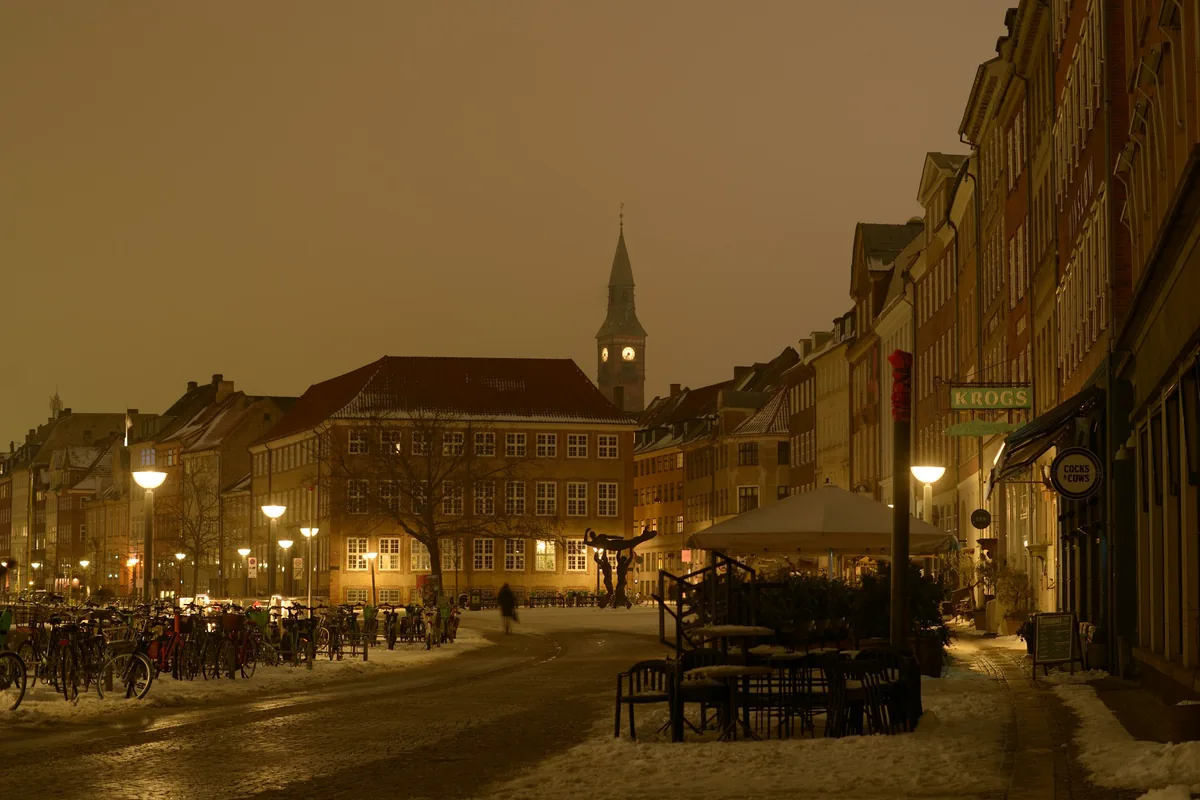
Copenhagen is compact and easy to explore on foot and by bike, and the metro, trains and buses connect the main neighbourhoods. Most of the cafes in this guide are within a short ride of the centre. Official information about public transport and visitor tickets is available through Visit Copenhagen, and the DOT public transport site has journey planning and ticket options for the metro, trains and buses.
Cycling is the most local way to move around, with dedicated lanes on most streets. If you rent a bike, follow the local rules, use hand signals and lock it carefully. Walking works well within the centre, where several of these cafes sit close together.
Where to stay by area
Indre By: The historic centre is the best base for first-time visitors, close to Democratic Coffee, La Cabra, Paludan Bogcafé and Torvehallerne.
Nørrebro: A lively, multicultural district with independent shops and cafes, ideal for The Coffee Collective on Jægersborggade.
Vesterbro and Kødbyen: A creative, nightlife-friendly area with restaurants and bars, and a good base for Prolog, the meatpacking district and Granola on Værnedamsvej.
Budget guidance
Cheap eats: Grab a coffee and pastry at Democratic Coffee, Original Coffee or a market stall at Torvehallerne.
Mid-range: Add a full breakfast at Atelier September or Granola, with a coffee at a specialty bar.
Special occasion: Plan a long brunch, a few coffee tastings and a market visit in a single day.
Copenhagen is generally an expensive city, so check menus and compare prices rather than relying on guidebook figures.
Frequently Asked Questions
What are the best cafes in Copenhagen?
The Coffee Collective, Atelier September and Democratic Coffee are strong starting points, with La Cabra, Prolog Coffee Bar and Original Coffee adding variety. The best choice depends on whether you want specialty coffee, brunch or a quick pastry stop.
Where is the best coffee in Copenhagen?
For specialty coffee, The Coffee Collective and La Cabra are two of the most respected names. Prolog Coffee Bar and smaller roasters add more options if you want to compare styles.
Where can you get the best brunch in Copenhagen?
Atelier September is famous for avocado toast, and Granola offers a more relaxed, retro brunch. Check opening hours and booking rules, as popular brunch rooms fill quickly at weekends.
Do Copenhagen cafes take reservations?
Many small cafes, including Atelier September, do not take reservations, so you may need to wait for a table. Larger brunch places may take bookings, so check the venue’s own channels.
What should you eat in a Copenhagen cafe?
Try a freshly baked almond croissant, a cardamom bun or an avocado toast on rye. Danish pastries are a big part of cafe culture, so order one alongside your coffee.
Is Copenhagen expensive for coffee and brunch?
Copenhagen is generally one of the pricier European capitals, so cafe visits can add up. Choose a mix of quick coffee stops and one longer brunch, and check menus before you order.
Plan your Copenhagen cafe trip
Pick three or four cafes from this list, mix a specialty coffee bar with a brunch room, and leave time to walk between them. For current visitor information, see the official Visit Copenhagen pages, the listings for Democratic Coffee and Original Coffee, and confirm opening details before you go.
If Copenhagen is part of a longer European food trip, continue with our guide to the best places to eat in Berlin for currywurst and market halls, or head south with our round-up of where to eat in Lisbon, where pastry and coffee culture is just as strong.
Featured image: Photo by heino eisner on Unsplash