Last updated: October 2026
The best winter destinations in Europe are the places that get better when the temperature drops: snow-covered villages, mountain resorts, steaming thermal baths and historic cities with fewer crowds than summer.
Winter travel in Europe also has practical perks. Flights and city hotels are often cheaper in January and February, museums are quieter, and you get the special atmosphere of short days, candlelit cafés and fresh snow.
Here are the top 10 winter destinations in Europe, chosen for a mix of scenery, activities and that cosy winter feeling.
Quick answer: What are the best winter destinations in Europe? Our top 10 are Lapland, Zermatt, Hallstatt, Salzburg, Prague, Budapest, Bruges, Edinburgh, The Dolomites and Reykjavik and Iceland. Finnish Lapland is the top choice for snow and the Northern Lights, Zermatt and the Dolomites for skiing, Budapest for thermal baths and Edinburgh for New Year.
Top 10 Winter Destinations in Europe at a Glance
| # | Destination | Best for |
|---|---|---|
| 1 | Lapland, Finland | Families, couples and aurora hunters |
| 2 | Zermatt, Switzerland | Skiers and luxury mountain escapes |
| 3 | Hallstatt, Austria | Photographers and quiet, scenic stays |
| 4 | Salzburg, Austria | Culture lovers who want easy mountain access |
| 5 | Prague, Czech Republic | Affordable city breaks |
| 6 | Budapest, Hungary | Relaxation and value for money |
| 7 | Bruges, Belgium | Romantic weekends |
| 8 | Edinburgh, Scotland | Festive atmosphere and New Year |
| 9 | The Dolomites, Italy | Skiing with great food |
| 10 | Reykjavik and Iceland | Dramatic landscapes and adventure |
1. Lapland, Finland
Finnish Lapland is Europe’s true winter wonderland, with reliable snow from December to March. Rovaniemi sits on the Arctic Circle and is home to Santa Claus Village, while smaller resorts like Levi and Saariselkä feel wilder.
Activities include husky and reindeer sledding, snowshoeing through silent forests, ice fishing and staying in glass igloos to watch for the Northern Lights. Visit Finland has a full guide to the region.
Best for: families, couples and aurora hunters.
2. Zermatt, Switzerland
Zermatt is a car-free mountain village at the foot of the Matterhorn, one of the most recognisable peaks in the world. Electric taxis and horse-drawn sleighs replace cars on the streets.
The ski area links with Cervinia in Italy and reaches high enough for snow throughout the season. Non-skiers can ride the Gornergrat railway for views of dozens of 4,000 metre peaks, or simply enjoy fondue in a mountain hut. The Switzerland Tourism site covers Zermatt and other Alpine resorts.
Best for: skiers and luxury mountain escapes.
3. Hallstatt, Austria
Hallstatt is a tiny lakeside village in Austria’s Salzkammergut region, and under a layer of snow it looks like a postcard. Pastel houses sit between the lake and steep mountains.
In summer it is very crowded, but winter is much quieter. Ride the funicular to the Skywalk viewing platform above the village, or visit the ancient salt mine, one of the oldest in the world. Stay overnight to see the village after the day visitors leave.
Best for: photographers and quiet, scenic stays.
4. Salzburg, Austria
Salzburg combines baroque architecture, mountain backdrops and a rich musical history, all within a compact old town. Mozart was born here, and The Sound of Music was filmed in and around the city.
In winter you can visit Hohensalzburg Fortress, explore Christmas markets in December and take day trips to nearby ski areas and Hallstatt. Austria’s official tourism site lists winter events across the country.
Best for: culture lovers who want easy mountain access.
5. Prague, Czech Republic
Prague is magical in winter, when fog drifts over the Vltava River and snow settles on the rooftops of the Old Town. Visitor numbers drop after the New Year, so January and February are ideal for seeing Prague Castle and Charles Bridge without the crowds.
Warm up in historic beer halls and cafés, catch a classical concert in a baroque church, and try hearty Czech dishes like goulash in a bread bowl.
Best for: affordable city breaks.
6. Budapest, Hungary
Budapest is one of the best cities in Europe for winter because of its thermal baths. Soaking in the outdoor pools of the Széchenyi Baths while steam rises into cold air is unforgettable.
The city also has one of Europe’s largest outdoor ice rinks in City Park, beautiful views from Buda Castle and some of the best value food and wine in Central Europe.
Best for: relaxation and value for money.
7. Bruges, Belgium
Bruges is a medieval city of canals, cobbled lanes and gabled houses that feels especially cosy in winter. Its historic centre is a UNESCO World Heritage Site.
Warm up with Belgian hot chocolate, waffles and some of the world’s best beer. In December there is a Christmas market and an ice rink on the Markt square. Visit Bruges has seasonal events listed.
Best for: romantic weekends.
8. Edinburgh, Scotland
Edinburgh has one of the world’s most famous winter celebrations: Hogmanay, three days of street parties, concerts and fireworks over the castle. The city’s Christmas market and seasonal light trails run through December.
Even outside the festive period, winter suits Edinburgh’s moody character. Walk up Arthur’s Seat for views across the city, explore the Royal Mile and warm up in a traditional pub. Our Edinburgh guide to the castle, Royal Mile and Arthur’s Seat helps you plan the days, and the UK’s most impressive castles are ideal for a wintry road trip beyond the city.
Best for: festive atmosphere and New Year.
9. The Dolomites, Italy
The Dolomites in northern Italy are a UNESCO-listed mountain range with jagged pink-tinged peaks and some of Europe’s best ski terrain. The Dolomiti Superski pass covers a huge network of linked resorts.
The Sella Ronda circuit lets skiers loop around a whole mountain massif in a day. Off the slopes, enjoy Italian food with an Austrian twist in mountain huts called rifugi, and towns like Cortina d’Ampezzo, a co-host of the 2026 Winter Olympics.
Best for: skiing with great food.
10. Reykjavik and Iceland
Iceland in winter offers ice caves, frozen waterfalls, black sand beaches and the chance to see the Northern Lights. Reykjavik is a small, friendly capital with good restaurants and geothermal pools.
From the city, you can drive the Golden Circle or join tours to the south coast and glacier ice caves, which are only safe to visit in winter. Days are short in December, so plan your sightseeing around the light. Winter is also aurora season, so see where and when to see the Northern Lights in Iceland before you book a tour.
Best for: dramatic landscapes and adventure.
What Should You Know Before Travelling in Europe in Winter?
Plan around daylight. In northern Europe, December days can have six hours of light or less. Schedule outdoor sightseeing for the middle of the day.
Pack layers. Thermal base layers, a warm waterproof jacket, gloves, a hat and waterproof boots will keep you comfortable from Lapland to Prague.
Use trains where you can. Rail travel through the Alps in winter is spectacular and avoids icy mountain roads. Routes like the Glacier Express in Switzerland are attractions in themselves.
Travel in January for the best value. After the New Year rush, prices for city hotels drop and attractions are quiet.
Book thermal baths and saunas. Spa experiences like Budapest’s baths or Finnish saunas are among the best parts of a winter trip, and popular slots fill up at weekends.
Check winter opening hours. Some mountain passes, museums and island ferries reduce service or close in winter.
Frequently Asked Questions
Where is the most beautiful place in Europe in winter?
Hallstatt, Zermatt and Finnish Lapland are often named the most beautiful thanks to their snowy scenery.
What is the best European city to visit in winter?
Budapest, Prague and Vienna are favourites for their thermal baths, cafés and festive markets, combined with good value.
Where can I see snow in Europe in December?
Lapland, the Alps and the Dolomites have the most reliable snow in December. Cities like Prague and Vienna get snow some years but it is not guaranteed.
Embrace the Cold
Winter is one of the best times to see Europe, with fewer crowds, lower prices and a magical atmosphere. Whether you choose a snowy Alpine village or a city of thermal baths, pack warm and enjoy the season.
Planning a festive trip? Time your trip for December and you can add Europe’s best Christmas markets, from Strasbourg to Prague, or stay on for the best European cities to celebrate New Year’s Eve. If you would rather escape the cold, our guide to warm winter sun destinations, from the Canaries to Thailand shows where it’s still beach weather.
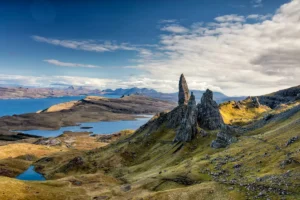
Featured image: Photo by Patrick Robert Doyle on Unsplash