Last updated: October 2026
Kyoto is one of the best places in Japan to eat, because the old imperial capital built its cooking around temples, tea houses and the seasons. The best places to eat in Kyoto range from a covered market and hand-cut soba noodles to temple-style tofu, tempura served piece by piece and a bowl of ramen in a station food hall. Many of the dishes you will meet here, such as kaiseki, yudofu and matcha sweets, are tied closely to the city’s history.
This guide covers 10 of the best places to eat in Kyoto, with a practical box for each one: how to get there, how long to allow, the best time to go and a tip. Further down you will find the dishes to try, suggested food routes, where to stay, getting around and budget guidance. For planning the rest of your trip, the official Kyoto City tourism site is a good starting point.
Opening days, queues and booking rules change often in Kyoto, so check each venue’s current details before you go. If you are building a longer trip, our guide to the best things to do in Kyoto covers the temples and gardens that sit between these meals.
Quick answer: Where are the best places to eat in Kyoto? Start with Nishiki Market for snacks and Arashiyama Yoshimura for riverside soba. Try yudofu at Nanzenji Junsei, tempura at Tempura Endo Yasaka and matcha at Nakamura Tokichi in Uji. For a big night out, book a kaiseki meal at Hyotei months ahead, and for a cheap, fun lunch, head to Ramen Koji at Kyoto Station.
Quick list: where to eat in Kyoto
| Place | Area | Best for | Price tier |
|---|---|---|---|
| Nishiki Market | Central Kyoto | Street snacks and pickles | Cheap |
| Arashiyama Yoshimura | Arashiyama | Handmade soba by the river | Mid-range |
| Nanzenji Junsei | Nanzenji | Yudofu (simmered tofu) | Mid-range |
| Omen | Ginkakuji | Thick udon with vegetables | Mid-range |
| Tempura Endo Yasaka | Gion and Higashiyama | Tempura courses | Special occasion |
| Izuju | Gion | Kyoto-style mackerel sushi | Mid-range |
| Ramen Koji | Kyoto Station | Regional ramen in one place | Cheap |
| Pontocho | Between Shijo and Sanjo | Evening dining by the river | Mid-range to special occasion |
| Nakamura Tokichi | Uji | Matcha desserts and tea | Cheap to mid-range |
| Hyotei | Nanzenji | Kaiseki in a garden setting | Special occasion |
1. Nishiki Market
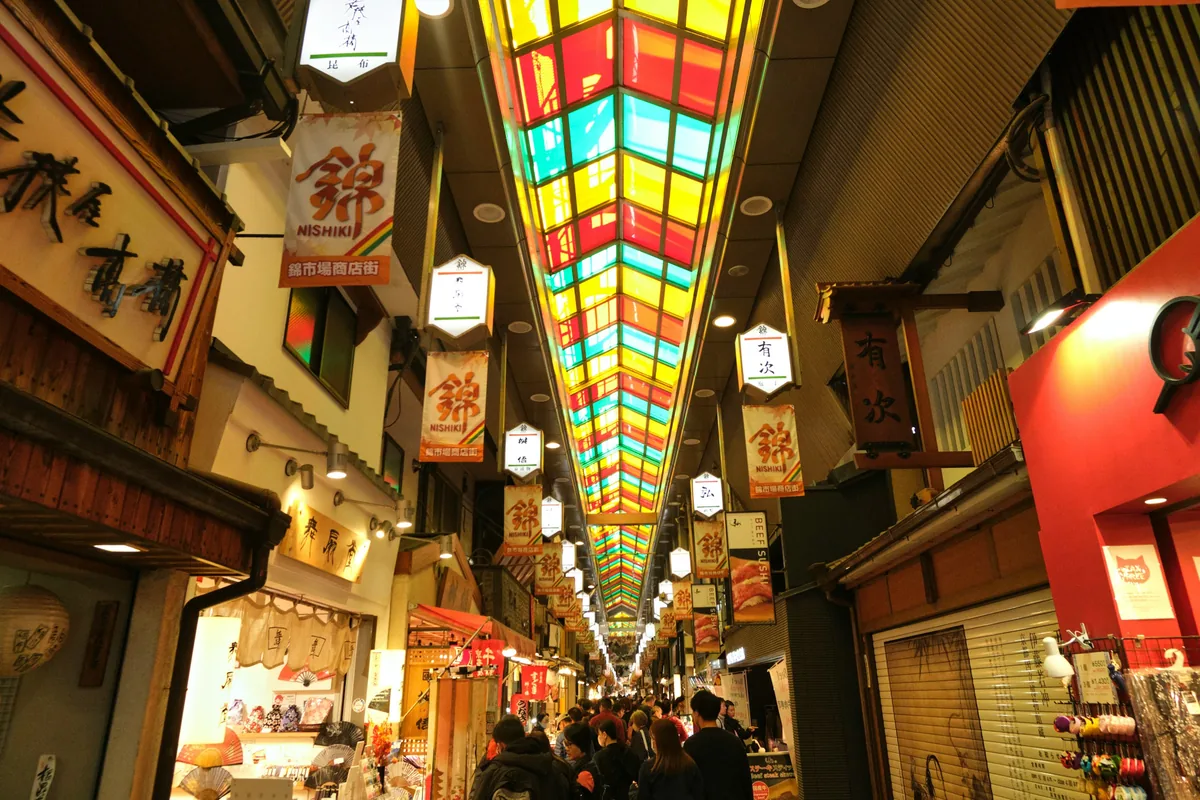
Nishiki Market is the best first stop for food in Kyoto, a narrow covered street of well over 100 shops and stalls that has long been known as “Kyoto’s kitchen”. It runs east to west for several blocks in the middle of the city, and it is packed with pickle sellers, tofu makers, fishmongers, tea merchants and snack counters.
The market is a good place to learn what makes Kyoto cooking different. Look for tsukemono (Kyoto pickles), yuba (tofu skin), dashimaki tamago (rolled omelette), grilled seafood on sticks and soy milk doughnuts. Many stalls are small, so you can try lots of things without committing to a full meal.
Hours vary by shop, and some stalls close earlier in the afternoon, so do not leave it too late. The lane is narrow and busy, and many stallholders ask visitors to stand to one side and finish eating before walking on, so follow the signs.
For a full list of shops and the latest news, check the market’s own site before you go. It is easy to combine with a walk through the nearby Teramachi covered shopping arcade.
- How to get there: A short walk from Karasuma station (Hankyu line) or Kawaramachi station (Hankyu line), or from Shijo station on the Karasuma subway line.
- How long to spend: One to two hours, more if you eat your lunch here.
- Best time to go: Late morning, when most stalls are open and before the afternoon crowds peak.
- Tip: Carry a little cash and a small bag for rubbish, as bins are scarce.
2. Arashiyama Yoshimura
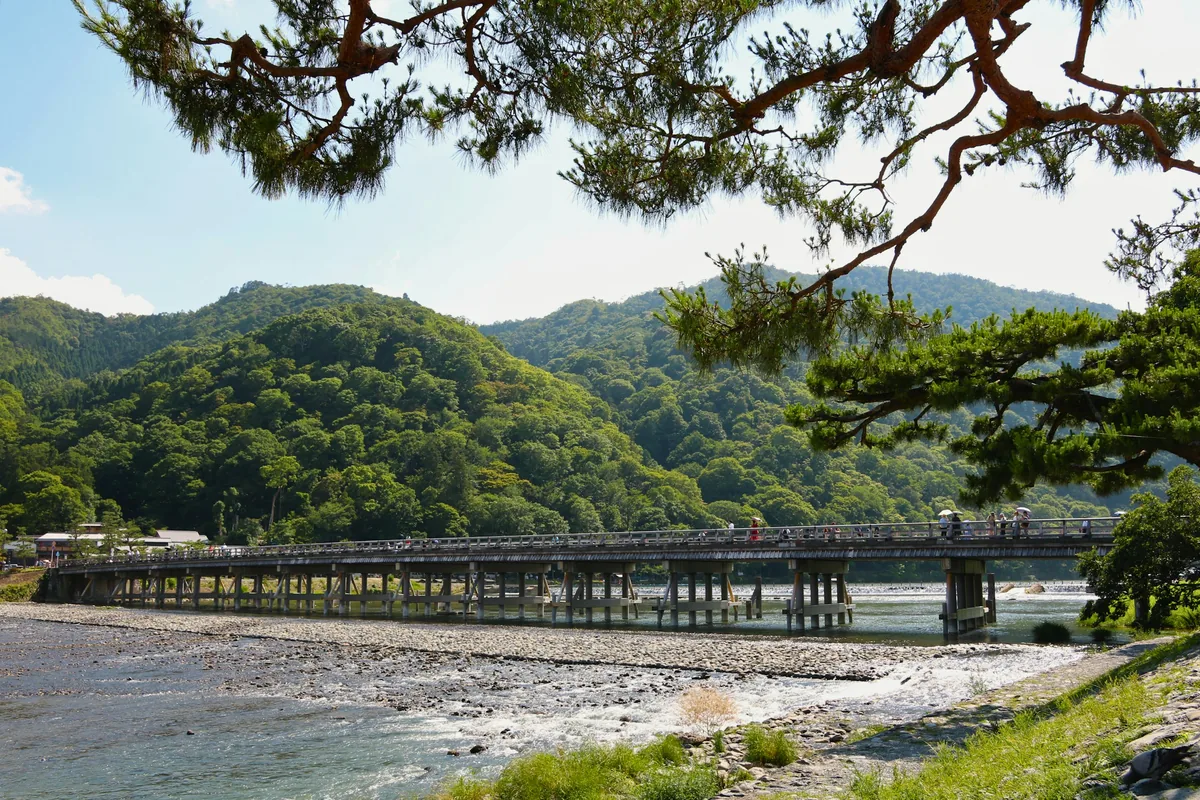
Arashiyama Yoshimura is a soba restaurant in a historic house beside Togetsukyo Bridge, on the grounds of a former residence once lived in by the Meiji-era painter Kawamura Manshu. Glass walls look out over the river and the bridge, which makes it one of the most scenic places to eat soba in Kyoto.
The noodles are handmade from domestic buckwheat and ground with a stone mill, which gives them a fresh, nutty flavour. A popular order is the tenzaru set, with cold soba, a mixed tempura selection, pickles and a small bowl of rice with herring. If you prefer your noodles hot, the menu also offers soba in warm broth, and the soba tea roll is a well-liked dessert.
It works best as a lunch stop after the bamboo grove and the temples of Arashiyama, so make it part of a half-day out west of the city centre. Queues can build at busy times and the restaurant may not take reservations, so go a little before or after the main lunch rush.
Check the official Arashiyama Yoshimura website for current hours, as they can change with the season.
- How to get there: A short walk from Arashiyama station on the Randen tram line, or a little further from Hankyu Arashiyama station.
- How long to spend: About an hour.
- Best time to go: A weekday, slightly before or after the main lunch rush.
- Tip: If you are unsure what to order, try the tenzaru set, which gives you cold soba and tempura in one meal.
3. Nanzenji Junsei
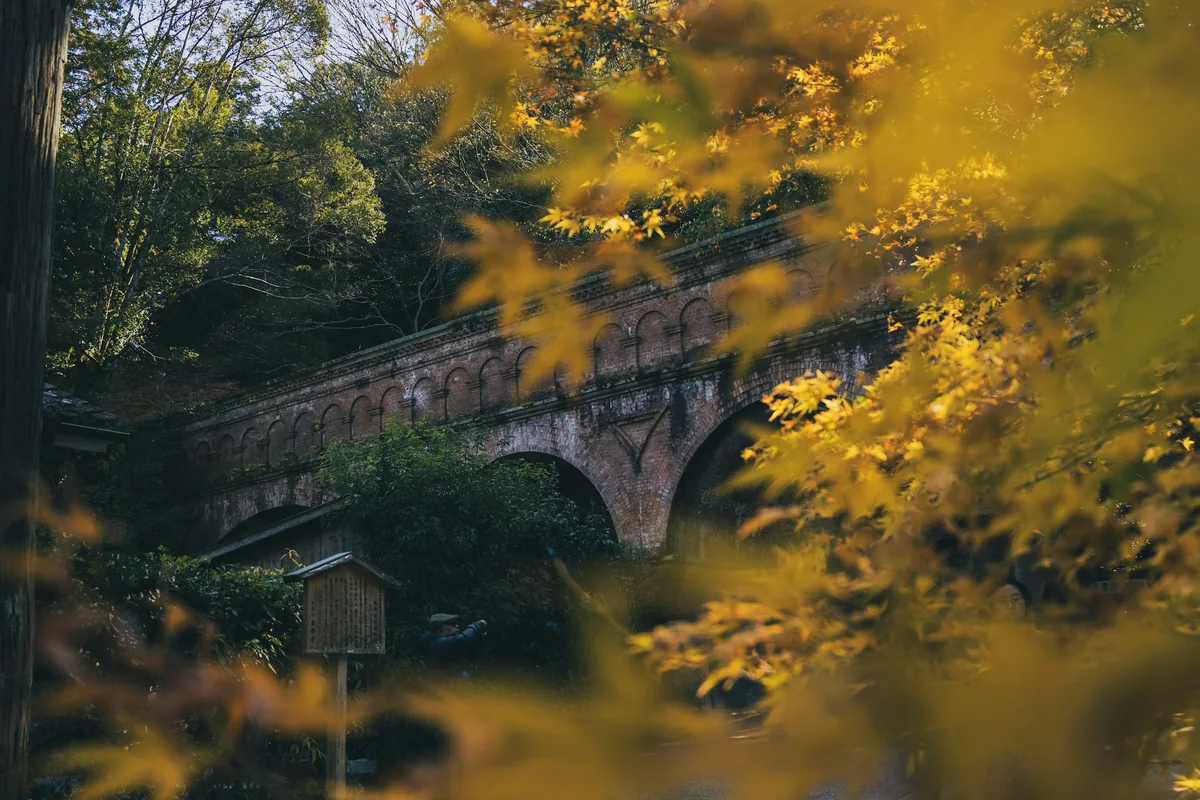
Nanzenji Junsei is a famous place to try yudofu, the simple dish of tofu gently simmered in hot water and dipped in a light sauce. It is served in a traditional building with a garden near the Nanzen-ji temple area, which makes it a natural lunch stop on a day of temple visits.
Kyoto’s tofu is known for its softness, thanks to the soft local water and a long tradition of making it for temple kitchens. Yudofu is the dish that shows this off best. At Junsei the tofu usually comes as part of a set meal with extras such as tempura, grilled tofu skewers, vegetables and rice, so it is much more filling than it sounds.
The restaurant offers more elaborate courses too, but you can eat well on a standard set. Seats near the garden are the nicest, although you cannot always choose one. The mood is calm and traditional, so it makes a good pause between temples, and the set meals are designed to be eaten slowly, with each dish arriving in turn rather than all at once.
Check the restaurant’s own website for the current menu and booking rules, because policies can differ between lunch sets and larger courses.
- How to get there: A walk of around ten minutes from Keage station on the Tozai subway line.
- How long to spend: One to one and a half hours.
- Best time to go: Lunch, ideally before or after you visit Nanzen-ji temple.
- Tip: Vegetarians should ask about the broth and sauces, as some dishes may use fish stock.
4. Omen
Omen is a long-running udon restaurant close to Ginkakuji, the Silver Pavilion, and a favourite stop after walking the Philosopher’s Path. Its signature dish is thick, chewy udon served in a bowl alongside a hot or cold dipping broth, with a plate of fresh seasonal vegetables and ground sesame to stir in.
The idea is to build your own bowl. Add a few vegetables and sesame to the broth, then dip each mouthful of noodles. It is a lighter and more vegetable-heavy way to eat udon than the heavier styles found elsewhere in Japan, and it fits well with Kyoto’s love of seasonal produce.
The restaurant has become popular with visitors, so lunchtime can get busy. Opening days are not always regular, and different sources give different hours, so it is worth checking before you make the trip up to the temple area.
Because Ginkakuji is at the northern end of the Philosopher’s Path, many visitors time the meal to follow the walk. Arriving a little before the usual lunch peak helps, and it is wise to have a second option in mind in case the wait is long or the restaurant is closed that day.
- How to get there: Take a city bus to the Ginkakuji-mae stop, then walk for a few minutes.
- How long to spend: About an hour, plus any queue.
- Best time to go: An early lunch, or mid-afternoon after the lunch rush.
- Tip: Check the restaurant’s regular closing day before you plan your route around Ginkakuji.
5. Tempura Endo Yasaka
Tempura Endo Yasaka is a refined place to eat tempura in Kyoto, set in a group of traditional buildings that began life as a teahouse for geisha and their guests. It is a good choice if you want a special meal that still feels relaxed and not formal.
Tempura here is served in courses, with each piece fried and brought to your table as soon as it is ready. That is the point of the meal: the batter is light and crisp, and the seafood and vegetables are cooked just enough. The menu follows the seasons, so what arrives changes through the year.
Booking is strongly recommended, and it is best to reserve well ahead for dinner or at weekends. The restaurant has its own website with details of its courses and how to book, so check the official Endo site for the latest information.
The restaurant is on the edge of the Gion and Higashiyama area, so it fits neatly into a day of temples, shrines and old streets. Dress neatly and arrive on time.
- How to get there: A walk from Gion-Shijo station (Keihan line) or Higashiyama station (Tozai subway line), plus a few minutes through the streets near Kennin-ji temple.
- How long to spend: Around two hours for a full course.
- Best time to go: Lunch is usually the better value, while dinner suits a special occasion.
- Tip: Say if you have allergies when you book, rather than on the day.
6. Izuju
Izuju is a small sushi restaurant opposite the Yasaka Shrine in Gion, best known for its Kyoto-style mackerel sushi (saba-zushi). This is a different style from the fresh sushi you will find on the coast. Because Kyoto is far from the sea, cooks traditionally used preserved and lightly vinegared fish, and mackerel became a local favourite.
The mackerel is pressed onto rice in a rectangular shape, then sliced. It has a rich, slightly sweet flavour and a soft texture, and many people find it easier to enjoy than raw fish. Izuju also serves inari sushi (rice in sweet fried tofu pockets) and other traditional rice dishes.
The restaurant is small, so you may need to wait, and its opening days and times can change. Check the current details before you go. Do not confuse it with Izuu, a separate sushi restaurant in the same area.
Izuju works well as a light meal during a walk through Gion, as you can eat quickly and then head to Yasaka Shrine or Maruyama Park, which are both nearby. It is also a handy way to try a food that is rarely found outside the Kansai region, and the portions are modest, so it pairs well with a second stop for tea or sweets in the nearby lanes.
- How to get there: A walk of around ten minutes from Gion-Shijo station (Keihan line) or from Hankyu Kawaramachi station.
- How long to spend: About 45 minutes to an hour.
- Best time to go: Early lunch or an early evening meal, before a night in Gion.
- Tip: Ask for a box to take away if you want to eat the sushi in nearby Maruyama Park.
7. Ramen Koji
Ramen Koji is a food hall on the top floor of Kyoto Station, where a handful of ramen shops sit side by side in one corridor. It is the easiest way to try different regional styles of ramen without hunting around the city, and it is useful if you arrive late or leave early by train.
Each stall focuses on one style, from rich pork broth to lighter soy or miso bowls. You normally buy a meal ticket from a vending machine outside the shop, then hand it over to the staff when you sit down. The machines usually have photos, and some have English labels, so it is straightforward even without Japanese.
Because the shops are rotated over time, the lineup can change from one visit to the next, so check the station’s information boards or website for the current choices. Queues are common at busy meal times.
Ramen Koji is not the most atmospheric option in this list, but it is cheap, quick and reliable. That makes it a sensible choice on a day of travel or when the weather is poor, such as before a train to Osaka (see our day trips from Osaka for ideas that run the other way).
- How to get there: In Kyoto Station, take the escalators up to the tenth floor of the station building.
- How long to spend: 30 to 60 minutes.
- Best time to go: Just before or after the main lunch and dinner rushes.
- Tip: Go with a friend and share a side dish so you can taste more than one style.
8. Pontocho
Pontocho is a narrow, lantern-lit alley between Shijo and Sanjo streets, running alongside the Kamo River, and it is the best place in Kyoto for an atmospheric evening meal. The lane is only a few steps wide, and it is lined with restaurants, bars and tea houses, many of them in old wooden buildings.
The range is wide. You will find kaiseki restaurants, yakitori counters, sushi bars, tempura shops and izakaya, as well as cheaper places that suit a casual dinner. Prices vary a lot, so look at the menus outside before you commit.
In summer, many restaurants put out wooden terraces over the river, called kawayuka, from about May to September. Sitting outdoors beside the water is a highlight of a Kyoto summer, although the seats are popular and often need to be booked. Some places do take walk-ins, but you may have to wait.
Pontocho is also a good place to see geisha culture at close quarters, as the alley is part of an old entertainment district. Be respectful, keep your voice down and do not block the narrow lane for photos.
- How to get there: A short walk from Hankyu Kawaramachi station or Keihan Gion-Shijo station, with an entrance on Shijo street.
- How long to spend: An evening, usually two to three hours.
- Best time to go: Early evening in summer for the river terraces, or any evening for the lantern glow.
- Tip: Book a table for dinner if you want a river terrace, especially at weekends.
9. Nakamura Tokichi (Uji)
Nakamura Tokichi is a historic tea house in Uji, the town south of Kyoto that is known as Japan’s top matcha area, and its main shop has a long history, dating back to 1854. A trip here is the best way to try matcha as a flavour in desserts as well as a drink, and it makes an easy half-day outing from the city.
The menu has matcha parfaits, soft serve, jelly, cakes and tea sets alongside savoury items such as chilled soba flavoured with tea. The flavours are deep and slightly bitter, and good matcha is a very different thing from the sweet versions found in some chains abroad.
Uji is also home to the Byodoin temple, so you can combine the two. Waiting times at the tea house can be long at weekends, so a weekday visit is much easier. The shop’s official Nakamura Tokichi website has details of hours and any queue system, so check it before you go.
Nakamura Tokichi also has outlets in Kyoto Station and other places, which can be handy if you do not have time to go to Uji. The Uji shop has the strongest sense of place, though.
- How to get there: Take the JR Nara line from Kyoto Station to Uji station, which takes around half an hour, then walk for a couple of minutes.
- How long to spend: Two to three hours with Byodoin, or an hour for the tea house alone.
- Best time to go: A weekday morning, to avoid the longest waits.
- Tip: Join the waiting list on arrival, then explore nearby while you wait.
10. Hyotei
Hyotei is a long-established restaurant in a garden setting near Nanzen-ji, known for traditional kaiseki, the multi-course meal that is the pinnacle of Kyoto cuisine. It is a place for a special occasion, and it is best to treat it as part of the day rather than just a meal.
Kaiseki follows the seasons. A meal may include a small starter, a clear soup, sashimi, a grilled dish, a simmered dish and rice, finished with a light sweet. Each plate is chosen to match the time of year, and the presentation, tableware and garden views are all part of the experience.
Places like this are in demand and often need to be booked months ahead, sometimes through a hotel concierge or booking service. Standards are high, and the dress code is smart casual at the least. Prices and star ratings differ between sources, so check the restaurant directly rather than relying on a blog.
If a full kaiseki is out of reach, Kyoto has more casual kaiseki-style lunch sets, which give you a taste of the same ideas for far less. Many are served in small restaurants and hotels, and they are a good way to find out whether you enjoy the style before committing to a grand, formal dinner.
- How to get there: A walk of around ten minutes from Keage station on the Tozai subway line.
- How long to spend: Two to three hours.
- Best time to go: Lunch, or in autumn or spring when the garden is at its best.
- Tip: Book as early as the restaurant allows, and note any dietary needs when you do.
Kyoto dishes to try
Kyoto cooking is gentle, seasonal and built around local ingredients. These are the dishes to look out for:
- Kaiseki: a multi-course meal that follows the seasons.
- Yudofu: tofu simmered in hot water and served with a dipping sauce.
- Obanzai: everyday Kyoto home cooking, often small plates of seasonal vegetables.
- Tsukemono: Kyoto pickles, served with most meals.
- Yuba: the soft skin that forms on heated soy milk.
- Nishin soba: soba with sweet simmered herring.
- Saba-zushi: pressed mackerel sushi.
- Matcha sweets: ice cream, parfaits and cakes made with Uji green tea.
Suggested food routes for 1, 2 or 3 days
One day: Begin at Nishiki Market in the late morning for snacks. Spend the afternoon in Gion, with mackerel sushi at Izuju, and finish with an evening in Pontocho. If you would rather head west, swap Nishiki for a soba lunch at Arashiyama Yoshimura.
Two days: Add a second day around Nanzenji and Ginkakuji. Have yudofu at Junsei for lunch, walk the Philosopher’s Path, and try udon at Omen. For dinner, book tempura at Endo.
Three days: Spend the morning of day three in Uji at Nakamura Tokichi and Byodoin, then return for a late lunch at Ramen Koji. If you have booked it, make this the day for a kaiseki dinner at Hyotei.
Where to stay for food lovers
For the best choice of restaurants on foot, stay around Kawaramachi and Shijo, which puts Nishiki Market, Pontocho and Gion within walking distance. Gion and Higashiyama are more atmospheric and good for evening strolls, but they are quieter and can feel pricey. Around Kyoto Station is the most practical base for trains, including the trip to Uji, and has Ramen Koji on the doorstep.
Getting around
Kyoto is easy to explore by a mix of walking, subway and bus. The two subway lines (Karasuma and Tozai) cover the centre, while city buses reach places such as Ginkakuji. The private Keihan and Hankyu railways are useful for Gion and Kawaramachi. An IC card (such as ICOCA) works on trains, subways and buses and saves buying tickets. Many food streets are best on foot, and traffic can be slow around temple areas at busy times, so allow extra time.
Etiquette and booking
Kyoto is generally relaxed about casual food, but a few habits help. In Nishiki Market, stand to the side while you eat, and do not walk with food where signs ask you not to. In traditional restaurants, you may be asked to remove your shoes. Tipping is not expected in Japan. For popular restaurants, kaiseki and anything on a river terrace, book ahead, and check the restaurant’s own website or ask your hotel to help. Cancel if your plans change, as no-shows are taken seriously.
Budget guidance
- Cheap eats: Nishiki Market snacks, ramen at Ramen Koji, convenience-store breakfasts and set lunches at small local places.
- Mid-range: soba, udon, yudofu sets, mackerel sushi and many Pontocho restaurants.
- Special occasion: tempura courses and kaiseki dinners.
Lunch sets are usually better value than dinner at the same restaurant, which is one of the easiest ways to eat well on a budget in Kyoto. For official visitor information on Japan more widely, see the Japan National Tourism Organization.
Frequently Asked Questions
What food is Kyoto famous for?
Kyoto is famous for kaiseki, yudofu (simmered tofu), pickles, yuba (tofu skin), obanzai home cooking and matcha sweets from nearby Uji.
Where is the best place to eat in Kyoto for first-timers?
Nishiki Market is the easiest start, because you can try many local foods in one place. Add an evening in Pontocho, and soba at Arashiyama Yoshimura if you are heading to Arashiyama, for a well-rounded first day.
Do you need to book restaurants in Kyoto?
For kaiseki, tempura courses and river terraces, yes, and often well ahead. Casual places such as noodle shops and Ramen Koji usually take walk-ins, but you may have to queue.
Is Kyoto expensive for food?
It can be, but it does not have to be. Street food, ramen and lunch sets are affordable, while kaiseki and high-end tempura are special-occasion meals.
Is Kyoto good for vegetarians?
It can be, thanks to its temple cooking and tofu dishes, but many broths use fish stock. Ask about ingredients, and look for shojin ryori (temple vegetarian cuisine) if you want a fully plant-based meal.
What is the best time of year to eat in Kyoto?
Spring and autumn are popular for seasonal menus and garden views, while summer brings river terraces in Pontocho. Winter is a good time for hot dishes such as yudofu.
Discover More of Japan’s Food Scene
Kyoto is only one stop on a food-led trip through Kansai. Before you book trains, read our guide to the best places to eat in Osaka for street food and casual dining a short ride away, and see how to spend a day trip from Tokyo if your route starts in the capital.