Last updated: October 2026
The best day trips from Osaka are Kyoto, Nara, Kobe and Himeji, with Koyasan and Arima Onsen for something different. Osaka is one of the easiest bases in Japan for day trips, because trains fan out in every direction and most of the places below are reachable in an hour or less.
If you are also planning time in Tokyo, our guide to the best day trips from Tokyo shows how to do the same from Japan’s capital. This guide covers ten day trips by train, from temples and castles to a hot-spring town and a sacred mountain. Each entry has a short practical list, and the sections after them cover how to choose, plans, passes and FAQs.
Quick answer: What are the best day trips from Osaka? Kyoto and Nara are the classic choices, each reachable in well under an hour by train. Kobe and Himeji add a port city and Japan’s most celebrated castle, while Koyasan offers something very different: a mountain temple town.
Quick list: day trips from Osaka
| Day trip | Best for | Rough travel time |
|---|---|---|
| Kyoto | Temples and shrines | About 30 to 45 minutes |
| Nara | Deer and Todai-ji | About 40 to 55 minutes |
| Kobe | Port city, food and views | About 20 to 30 minutes |
| Himeji | Japan’s best castle | About an hour |
| Koyasan | A sacred mountain | About 1.5 to 2 hours |
| Arima Onsen | Hot springs | About 1 to 1.5 hours |
| Uji | Green tea and a UNESCO temple | About an hour |
| Hikone | An original castle by the lake | About 80 to 90 minutes |
| Minoh | Waterfall and walking | About 30 minutes |
| Sakai | Ancient tombs | About 15 to 30 minutes |
1. Kyoto
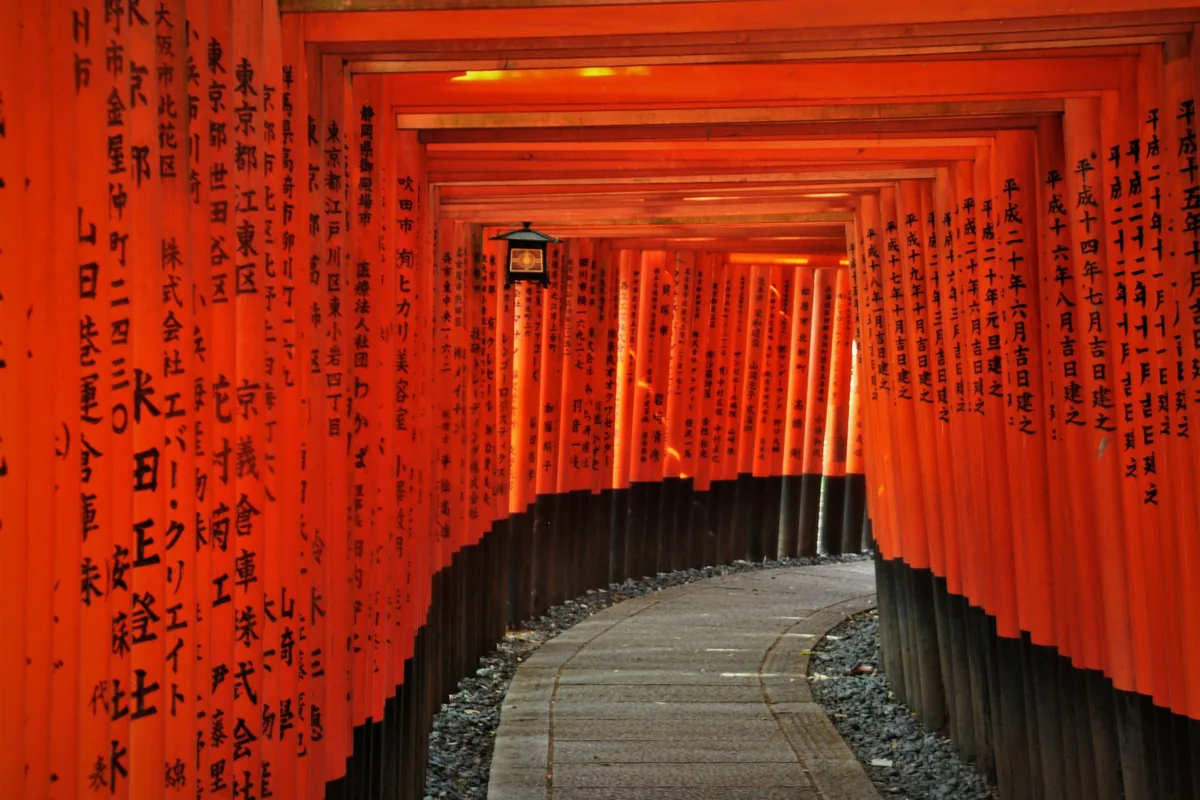
Kyoto is the easiest and most rewarding day trip from Osaka, with temples, shrines and old streets reachable in about half an hour. The JR Special Rapid from Osaka Station reaches Kyoto Station in around 30 minutes, and the Hankyu line from Umeda takes a little longer but runs into the centre of the city.
With one day, pick a single area rather than trying to see everything. Fushimi Inari, with its tunnels of red gates, is a short ride from Kyoto Station, and works well in the morning. Add Gion and Kiyomizu-dera for the afternoon, or choose Arashiyama on the other side of the city if you prefer bamboo and river scenery.
Kyoto is busy for most of the year, with the biggest crowds in spring and autumn. Start early, take the train rather than a car, and use buses and walking to link sights. If you have more time, our guide to the best things to do in Kyoto covers the temples, gardens and neighbourhoods in much more depth.
Allow time to wander between the big names, as Kyoto’s quiet side streets are as memorable as its headline sights. If you can, build in a break for lunch away from the busiest streets, and keep an eye on the last trains back.
- How to get there: JR Special Rapid from Osaka Station to Kyoto Station, or the Hankyu line to central Kyoto.
- How long to spend: A full day.
- Best time to go: Early morning, to beat the crowds at Fushimi Inari.
- Tip: Choose one or two areas, as the city is bigger than it looks.
2. Nara
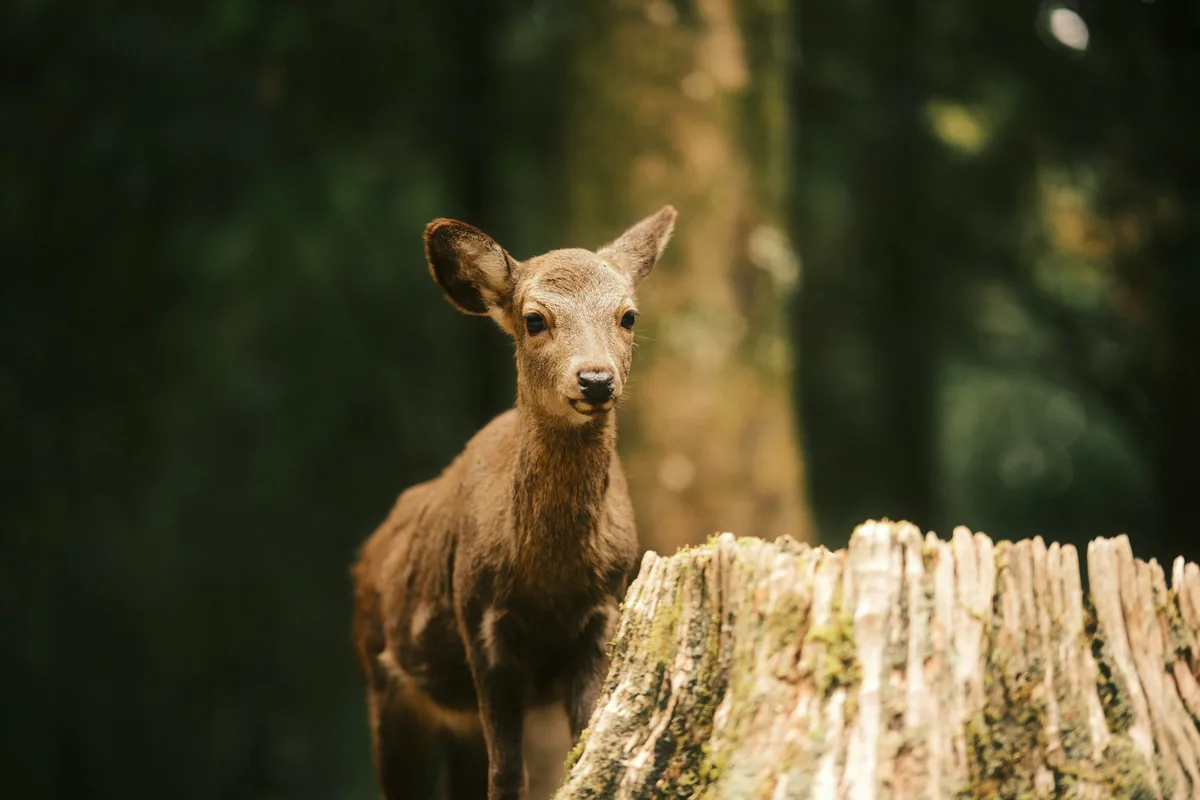
Nara is the best day trip for temples, parkland and wild deer, and it is easy by train. Kintetsu trains from Osaka-Namba take about 40 minutes, while JR services from Osaka Station take about 50 to 55 minutes. The Kintetsu-Nara station is closer to Nara Park, within about five minutes’ walk.
Nara Park is home to more than a thousand wild deer, which roam freely and are protected as natural treasures. You can buy special deer crackers at stalls, but the deer are wild animals, so keep bags and paper secured and never touch fawns or antlers.
The park also holds some of Nara’s most important sights, including Todai-ji, one of Japan’s most impressive temples, along with Kasuga Taisha and Kofuku-ji. Todai-ji alone can take around an hour, so plan your day around two or three sights rather than all of them.
Nara is also much less hectic than Kyoto, so it suits travellers who want a slower pace and a more compact day, with the main sights close together. You can finish with a stroll through the old streets of the Naramachi area before heading back to Osaka, and the walk between the main sights is mostly flat and easy.
- How to get there: Kintetsu Rapid Express from Osaka-Namba, or JR Yamatoji Rapid from Osaka Station.
- How long to spend: Half a day to a full day.
- Best time to go: Morning, when the park is quieter.
- Tip: Feed the deer only approved crackers, and keep your bags closed.
3. Kobe
Kobe is the quickest day trip from Osaka and the best one for good food and a seaside atmosphere. JR trains reach Sannomiya Station in about 20 minutes, and the Hankyu line takes around 25 to 30 minutes. Within a short walk are shopping streets, Chinatown and the hillside Kitano district.
Kitano is known for Western-style houses built by foreign merchants in the late 1800s, when Kobe was a major trading port. Nankinmachi is Kobe’s Chinatown, and a good place for a casual lunch, while Motomachi’s shopping streets stretch between the two.
Kobe is famous for Kobe beef, which carries the name only if it meets a strict set of quality standards. If you want to try it, choose a restaurant carefully and book ahead, as prices are high and tables can fill. The city also has a strong bakery culture, so you can eat well on a modest budget.
The official Feel KOBE tourism website has up-to-date information on sights and events. Kobe works well as a half-day trip, or as a base for Arima Onsen on the same day. If you have time, take a harbour walk before dinner, as the waterfront is lively in the evening.
- How to get there: JR Special Rapid to Sannomiya, or the Hankyu Kobe Line from Umeda.
- How long to spend: Half a day to a full day.
- Best time to go: Late morning for lunch, then an afternoon in Kitano.
- Tip: Book ahead if you plan to eat Kobe beef.
4. Himeji
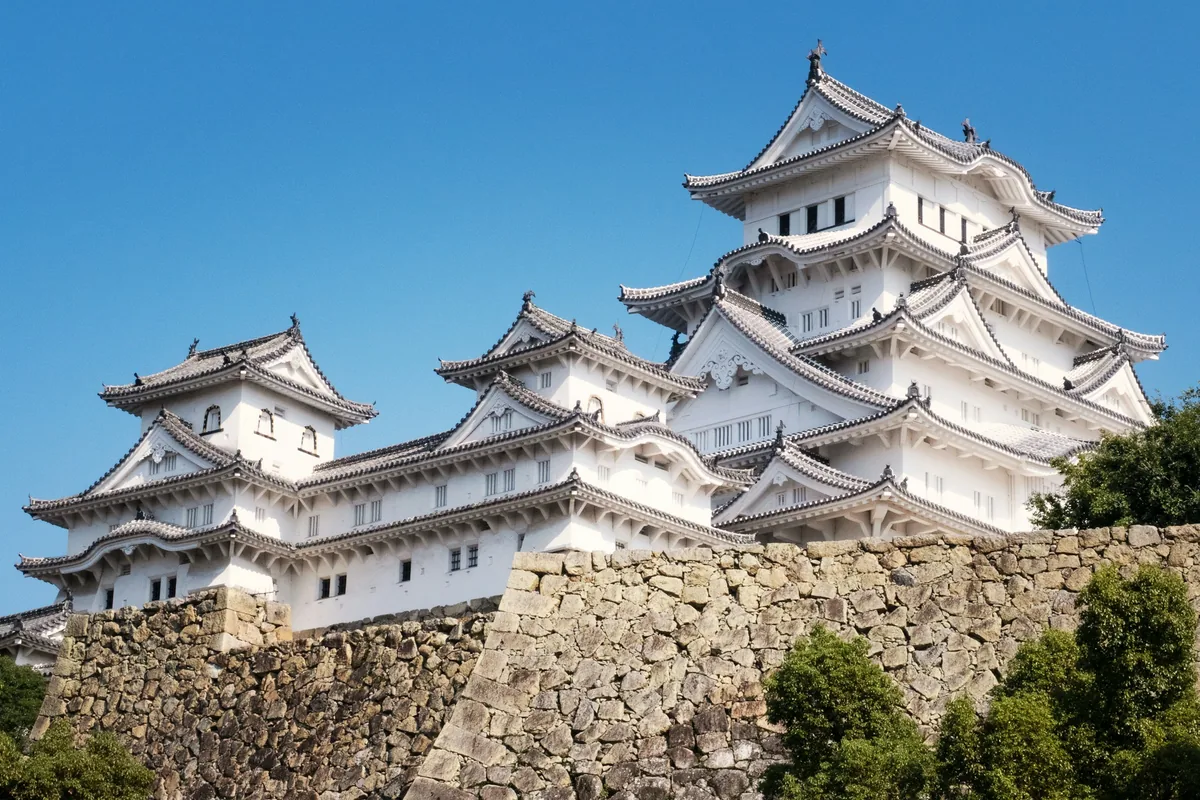
Himeji Castle is Japan’s most spectacular original castle, and it makes a rewarding day trip of about an hour each way. West-bound JR Special Rapid services from Osaka Station reach Himeji in a little over an hour. The castle is a UNESCO World Heritage site, known as the White Heron Castle for its brilliant white walls.
It is one of only 12 castles in Japan with an original main keep, and widely regarded as the best preserved, having survived war and natural disasters. Allow at least two to three hours to explore the grounds, climb the keep and enjoy the view across the city.
Beside the castle is Kokoen, a set of Edo-style gardens, and a combined ticket for both is available. The official Himeji Castle website lists current admission details, closed days and visitor information, so check before you go.
The walk from Himeji Station to the castle is straight and easy, which makes it a simple trip for first-time visitors, and signs in English point the way along the main avenue. Combine it with Kobe or Arima Onsen if you want a full day of sightseeing in Hyogo. Wear comfortable shoes, as there are plenty of steps and slopes inside the castle grounds.
- How to get there: JR Special Rapid from Osaka Station to Himeji Station.
- How long to spend: Half a day.
- Best time to go: Morning, to avoid the heat and the crowds.
- Tip: Check the official site for opening times and closed days before you travel.
5. Koyasan
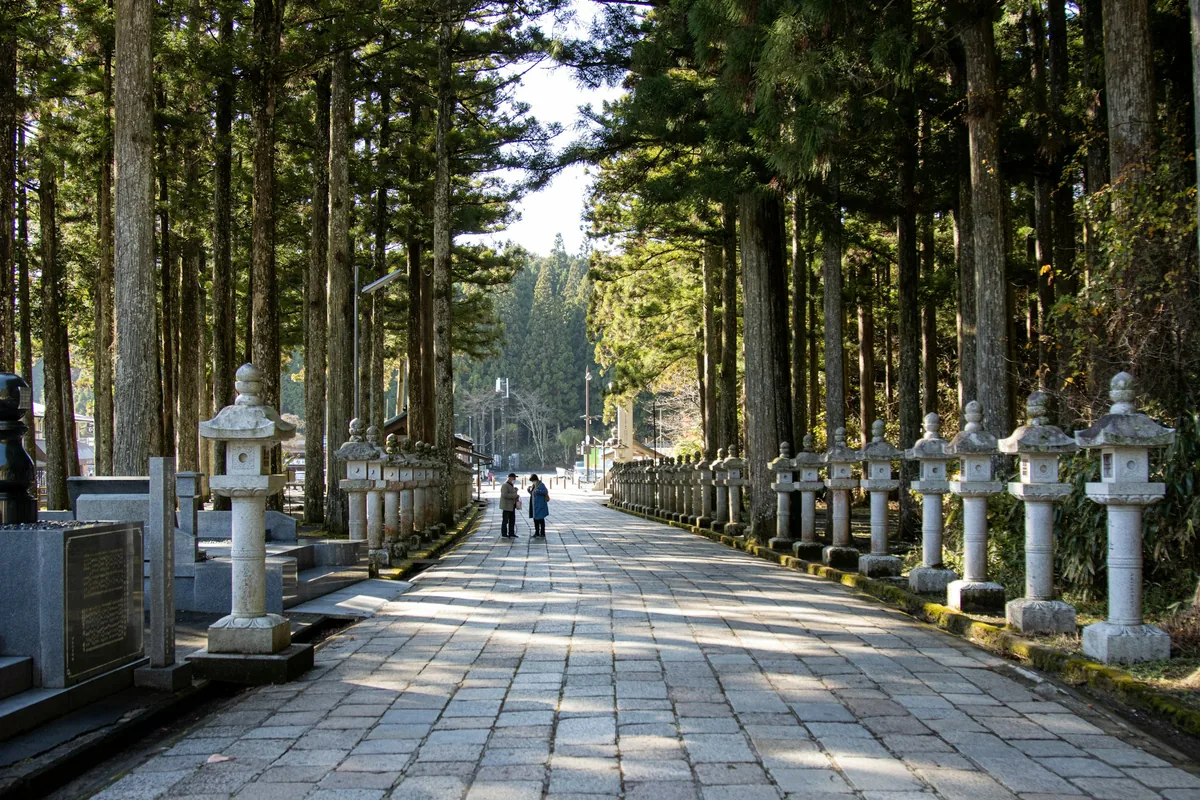
Koyasan is a sacred mountain town and the best day trip for a very different side of Japan. It is the centre of Shingon Buddhism, and part of the UNESCO World Heritage listing for the sacred sites and pilgrimage routes of the Kii Mountain Range. It takes between about one hour 35 minutes and two hours from Osaka, usually with a change at Hashimoto, so leave early.
The trip uses the Nankai Koya Line from Namba, a short cable car from Gokurakubashi, and then a bus into the town. Okunoin is the highlight, a vast cedar-shaded cemetery with a long path leading to the mausoleum of Kobo Daishi, who is said to rest in eternal meditation. Allow around 90 minutes to walk it properly.
The Danjo Garan complex is the other main site, with a vermilion pagoda that is the town’s best-known landmark. Many visitors also stay overnight in a temple lodging, but a day trip is entirely possible if you start early. The Nankai website has details of passes that cover the train, cable car and local bus.
Dress modestly, keep your voice low in sacred areas and follow the signs about photography. The Nankai railway’s English information pages show example routes and sightseeing courses for the mountain.
- How to get there: Nankai Koya Line from Namba to Gokurakubashi, then cable car and bus.
- How long to spend: A full day.
- Best time to go: Leave Namba early to have a full day on the mountain.
- Tip: Look at the Nankai Koyasan World Heritage ticket, which bundles transport.
6. Arima Onsen
Arima Onsen is the best day trip for a soak in one of Japan’s oldest hot-spring towns. It sits in the hills behind Kobe and usually takes about 1 to 1.5 hours from Osaka with a change or two, so it is easy to combine with a morning in the city. The town is known for two types of water: Kinsen, or gold water, and Ginsen, or silver water.
Kinsen turns a reddish brown when it meets the air because of iron, while Ginsen is clear and carbonated. You can try both at public bathhouses, with Kin no Yu for gold water and Gin no Yu for silver. Both are said to be good for aches and joints, though you should treat such claims as local tradition rather than medical advice.
The lanes of the town are narrow and pleasant, with shops selling local snacks and crafts. It is an easy place to slow down after a busy few days of sightseeing. Check onsen etiquette before you go, as there are rules about washing before you bathe and about towels.
If you prefer a private bath, some hotels in the town offer day-use options, so look online before you travel. Allow a little time to walk the streets afterwards, as the town is small and easy to explore on foot.
- How to get there: Hankyu or JR to the Kobe area (Shinkaichi or Sannomiya), then the Kobe Electric Railway (Shintetsu) lines, changing at Tanigami or Arimaguchi, up to Arima Onsen. Check a route planner for current connections.
- How long to spend: Three to five hours.
- Best time to go: Afternoon, for a long soak and a slow evening.
- Tip: Bring a small towel, or buy one at the baths.
7. Uji
Uji is the best day trip for green tea and a UNESCO World Heritage temple. The town sits south of Kyoto and is famous for its matcha. Its main sight is Byodo-in, whose Phoenix Hall is a masterpiece of Heian-period architecture and a national treasure.
From Kyoto Station, the JR Nara Line reaches Uji in roughly 20 to 30 minutes, so the whole trip from Osaka usually takes a little over an hour. Pair Uji with Kyoto or Nara for an efficient day, since it lies on the line between them. The town also has a connection to the Tale of Genji, often described as Japan’s first novel.
After the temple, walk along the river and look for tea shops and cafes serving matcha sweets and drinks. Uji’s tea tradition is a main draw, so a tea house stop is part of the visit rather than an add-on. It is a quieter option than central Kyoto and works well if you want a gentler day. Bring a little cash for small tea shops, and check which cafes and shops are open on the day you visit.
Check temple opening times before you go, and allow time for a slow walk by the river afterwards, where the old tea-shop streets are lined with places to sit and rest.
- How to get there: Train via Kyoto Station, then the JR Nara Line to Uji.
- How long to spend: Half a day.
- Best time to go: Morning, ahead of the tour groups.
- Tip: Try matcha at a tea house near the river.
8. Hikone
Hikone is the best day trip for an original castle beside Lake Biwa. Hikone Castle was built between 1603 and 1622 by the Ii clan, and its keep survives in its original form. It is one of only 12 castles in Japan with an original keep, and one of five designated National Treasures.
From Osaka Station, the JR Biwako Line takes roughly 80 to 90 minutes, and the castle is about a 10-minute walk from Hikone Station. The castle hill has views over Lake Biwa, and the grounds are a pleasant place to walk. Allow time for the garden and the old streets nearby.
It is a quieter trip than Himeji, so it suits travellers who want castles without the crowds. You can add a short walk along the lake, then head back by the same route. Check the castle’s official information for opening times and closed days.
If you want to combine it with more sightseeing, Kyoto lies on the same line, so you can stop there on the way back. This makes it an easy add-on for rail travellers who already know the area. The old castle town streets below the hill are pleasant to explore if you have a spare hour before your train.
- How to get there: JR Biwako Line from Osaka Station to Hikone Station.
- How long to spend: Half a day.
- Best time to go: A clear day, for lake views.
- Tip: Walk the castle grounds before climbing the keep.
9. Minoh
Minoh is the best day trip for a waterfall and a woodland walk close to the city. Minoo Park became a quasi-national park in 1967 and is known for its maple trees and its 33-metre waterfall. From Umeda, take the Hankyu Takarazuka Line to Ishibashi, then the Minoo Line to Minoo Station, about 30 minutes in all.
From the station, a three-kilometre trail leads to the falls. Allow 45 minutes to an hour each way, with shops, cafes and temples along the path. The park is especially popular in autumn, with mid-November often a peak time for colour. Parts of the trail near the falls can close for repairs, so check Minoh city or park information for current access before you go.
Along the route you will see shops selling momiji tempura, which are maple leaves fried in batter, a local snack. It is a simple, pleasant way to get outside without a long journey, and it suits families and walkers.
Wear sturdy shoes and bring water. The path is easy but can be busy at weekends, so a weekday morning is a good choice. Because it is so close to Osaka, it also works as a half-day trip if you are short of time. In summer, start early to avoid the heat, and in autumn expect more people on the path.
- How to get there: Hankyu Takarazuka Line to Ishibashi, then the Minoo Line to Minoo Station.
- How long to spend: Three to four hours.
- Best time to go: Autumn, for the colours, or a weekday morning.
- Tip: Try the maple leaf tempura near the park entrance.
10. Sakai
Sakai is the best day trip for ancient history, with some of the world’s largest tombs on the edge of Osaka. The Mozu-Furuichi Kofun Group was inscribed as a UNESCO World Heritage site in 2019. It includes 49 burial mounds built from the late fourth to the late fifth centuries.
The star is the Daisen Kofun, a keyhole-shaped tomb 486 metres long, the largest burial mound in Japan, where Emperor Nintoku is said to be buried. From the ground it looks like a wooded hill, so the best views come from above. The free observation lobby on the top floor of Sakai City Hall, beside Sakaihigashi Station, has a view of the tomb.
Sakai City Museum in Daisen Park explains the mounds and has a virtual tour. The Japan National Tourism Organization’s World Heritage page gives the background to the listing. From Namba, express trains on the Nankai Koya Line reach Sakaihigashi in about 15 minutes, with a bus or a 20 to 30 minute walk on to Daisen Park, and JR services reach Mozu Station, close to the tomb, within about 30 minutes.
It is a short trip, so combine it with Koyasan on the same line, or with a morning in Osaka. Wear comfortable shoes, as the paths around the moats are long and flat.
- How to get there: Nankai Koya Line from Namba to Sakaihigashi, or JR to Mozu Station.
- How long to spend: Half a day.
- Best time to go: A clear day, for the view from the observation lobby.
- Tip: Visit the museum first to understand what you are looking at.
How to pick the right day trip from Osaka
- First time in Japan: Kyoto or Nara.
- Castles: Himeji or Hikone.
- Food and city life: Kobe.
- Nature and a short trip: Minoh.
- Spiritual and different: Koyasan.
- Relaxation: Arima Onsen.
- History off the beaten track: Sakai.
Passes and tickets for day trips
Japan’s rail operators offer passes that can save money on several trips, but the best choice depends on where you are going. For Koyasan, the Nankai railway sells a ticket that bundles transport. Check the official operator sites, such as JR West and Nankai, for current options and routes, as services and passes change.
Suggested plans for 1, 2 or 3 days
Day 1: The classic pair
Take an early train to Nara for the deer and Todai-ji, then continue to Uji or Kyoto in the afternoon.
Day 2: Castles and a port city
Visit Himeji Castle in the morning, then continue to Kobe for lunch and an afternoon in Kitano and Chinatown.
Day 3: Something different
Choose Koyasan for a mountain day, or Arima Onsen for hot springs and a slow afternoon.
Where to stay for day trips
- Umeda (Kita): Best for JR and Hankyu trains to Kyoto, Kobe and Himeji.
- Namba: Best for Kintetsu to Nara and Nankai to Koyasan and Sakai.
- Shin-Osaka: Handy for the bullet train and quick links west.
Getting around
Osaka’s train network is dense, with JR, Hankyu, Hanshin, Kintetsu, Nankai and Keihan lines all serving different directions. Use a route planner for current times and fares, and use the official operator sites for details. Many stations have English signs, and IC cards work on most lines.
Budget guidance
- Cheap day trips: Kobe, Minoh and Sakai.
- Mid-range: Kyoto, Nara, Himeji and Uji.
- More expensive: Koyasan, Arima Onsen and anywhere with entry fees or meals at higher-end restaurants.
Frequently Asked Questions
What is the best day trip from Osaka?
Kyoto and Nara are the most popular, as both are easy by train and rich in temples and parks. If you want something different, Himeji Castle and Koyasan are both strong choices.
How far is Kyoto from Osaka by train?
The JR Special Rapid takes about 30 minutes between the main stations. The Hankyu line takes a little longer but goes into central Kyoto.
Can I visit Nara and Kyoto in one day?
Yes, but it is a full day. Start early in Nara, then take the train to Kyoto for the afternoon.
Is Himeji worth a day trip?
Yes. It is one of Japan’s best-preserved original castles and a UNESCO World Heritage site, and it takes about an hour each way from Osaka.
Can I visit Koyasan as a day trip from Osaka?
Yes, though the journey takes between about 1 hour 35 minutes and 2 hours each way, so start early. Many visitors stay overnight in a temple lodging.
Which day trip is closest to Osaka?
Sakai and Kobe are the nearest, at roughly 15 to 30 minutes by train. Both work well as half-day trips.
Discover More Day Trips
Once you have picked your Osaka day trips, build the rest of your Japan plans with our guide to the best day trips from Tokyo and our Kyoto guide, for when one day is not enough. If you like the idea of easy rail-based escapes in other countries, our guide to day trips from Lisbon and our guide to day trips from Edinburgh are good places to start.
Featured image: Photo by Jeremy Santana on Unsplash