Last updated: October 2026
Copenhagen is one of the easiest capitals in Europe to leave for the day. The best Copenhagen day trips are Roskilde for the Vikings, Helsingør for Hamlet’s castle, the Louisiana art museum on the coast, Frederiksborg Castle at Hillerød and Malmö across the Øresund Bridge. All five are reachable by train in about an hour or less, and most trains leave from the same central station.
This guide covers ten day trips from Copenhagen, each with a practical box. Further down you will find how to pick between them, a free printable 3-day Copenhagen day trip itinerary, where to base yourself, getting around and budget guidance. For national trip planning, the official Visit Denmark website is a good starting point.
Most of these places are small enough to see in half a day, so you can often combine two on the same line. Timetables, ticket rules and seasonal opening change, so this guide avoids exact times and prices. Where something could not be confirmed, it says so, so check before you go.
Quick answer: What are the best day trips from Copenhagen? For history, go to Roskilde for its cathedral and Viking ships. For a castle, choose Kronborg at Helsingør or Frederiksborg at Hillerød. For art with a sea view, take the coast line to the Louisiana museum, and for a foreign city on a short train ride, cross the bridge to Malmö in Sweden.
Free printable itinerary
Planning a trip? Download our 3-Day Copenhagen Day Trip Itinerary as a PDF: the day-by-day plan plus all 10 places with directions and map links. Print it or keep it on your phone.
Quick comparison: best day trips from Copenhagen
| Day trip | Getting there | Time each way | Best for |
|---|---|---|---|
| Roskilde | Regional train | Under 30 minutes | Vikings and a UNESCO cathedral |
| Helsingør and Kronborg Castle | Coastal line train | Under an hour | Hamlet’s castle |
| Louisiana Museum of Modern Art, Humlebæk | Coastal line train and a walk | About 40 minutes | Art by the sea |
| Frederiksborg Castle, Hillerød | S-train and a walk | About 40 minutes | A Renaissance castle on a lake |
| Malmö | Øresund train | Around 40 minutes | A city in another country |
| Møns Klint | Train, then bus | About 3 hours or more | White chalk cliffs |
| Dragør | Bus or metro and bus | Under an hour | A preserved fishing village |
| Køge | S-train | About 40 minutes | Half-timbered streets |
| Dyrehaven and Bakken, Klampenborg | S-train and a walk | About 25 minutes | Royal woodland and deer |
| Odense | Intercity train | About 1 hour 20 minutes | Hans Christian Andersen |
1. Roskilde
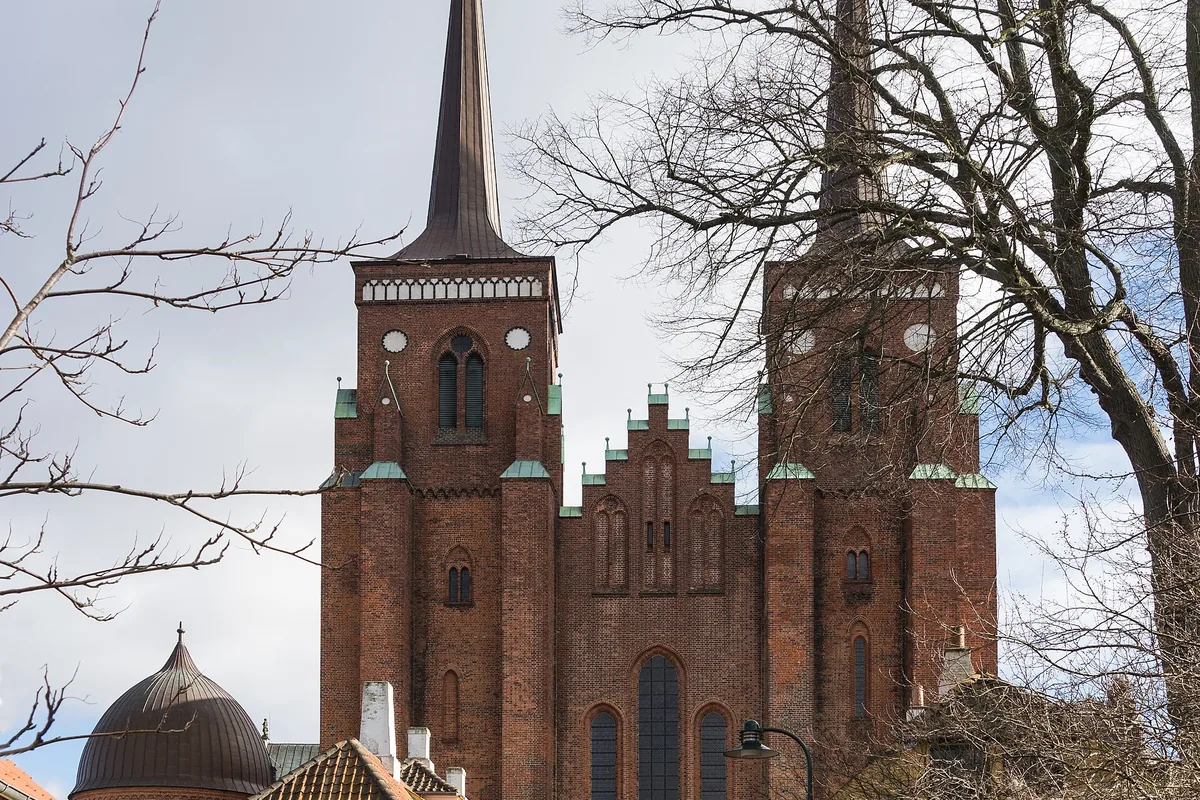
Roskilde is the best all-round day trip from Copenhagen, with a UNESCO cathedral and a museum of real Viking ships within a short walk of each other. The town sits on the fjord to the west of the capital and is one of the oldest in Denmark. Trains run frequently, and the journey is normally under half an hour.
Start at Roskilde Cathedral, a UNESCO World Heritage Site and the burial place of many Danish monarchs. Its brick towers and chapels show several centuries of royal building, and the tombs make it feel more like a national story than a single church. Check the Roskilde Cathedral website for visiting rules, as services and events can close parts of it.
Then walk down to the harbour for the Viking Ship Museum, where five ships sunk to block the channel a thousand years ago have been raised and rebuilt. The museum also runs boat trips and a boatyard in the warmer months. A new building for the ships is under construction, and the museum says it stays open while the work goes on. Opening arrangements and any seasonal activities are on the Viking Ship Museum website.
If you have time left, wander the pedestrian streets between the station and the cathedral for coffee and a bakery stop. The Roskilde Festival in early summer fills the town, so plan around it if you want a quiet visit.
- How to get there: Regional train from Copenhagen Central Station to Roskilde, then a short walk or local bus into the centre.
- How long to spend: Half a day for the cathedral and museum, or a full day with the town and harbour.
- Best time to go: Weekday mornings, when the cathedral is calm and the light is good for the harbour.
- Tip: If you also want to see Hillerød, take an early train out and be back in Copenhagen by lunchtime.
2. Helsingør and Kronborg Castle
Helsingør is the home of Kronborg Castle, the setting for Shakespeare’s Hamlet, and it makes one of the most atmospheric day trips from Copenhagen. The castle is a UNESCO World Heritage Site on the narrowest point of the Øresund, where you can see Sweden across the water.
The Coastal Line train from Copenhagen Central Station takes under an hour and runs along the sea for much of the route. From Helsingør station, Kronborg is about a ten to fifteen minute walk past the harbour. Inside, you can see the Great Hall, the royal apartments and the casemates beneath the castle, where legend says the sleeping hero Holger Danske waits to defend Denmark. Check the Kronborg Castle website for opening arrangements and any events, since summer events and shorter winter opening, including closed days, can change what you can see.
Helsingør itself has a well-preserved old town, with medieval streets, a cathedral dedicated to St Olaf and a harbour front that has been reinvented in recent years. The nearby Maritime Museum of Denmark is built into a former dry dock beside the castle and is worth a visit if you like ships and design.
Because the Coastal Line also stops at Humlebæk for Louisiana, Helsingør combines well with the next stop. If you do both, visit Louisiana first and then take the train on to Helsingør in the afternoon.
- How to get there: Coastal Line train from Copenhagen Central Station to Helsingør, then walk to the castle.
- How long to spend: Three to four hours, or a full day with the Maritime Museum and the old town.
- Best time to go: Spring to early autumn for the castle grounds, though the interior is worth visiting year round.
- Tip: A Copenhagen Card can cover transport and entry to several sights on this route, so check whether it suits your plan.
3. Louisiana Museum of Modern Art, Humlebæk
The Louisiana Museum of Modern Art is one of the best art museums in Scandinavia, and its sculpture garden overlooking the Øresund is reason enough for a day trip. It sits in the small coastal village of Humlebæk, about 40 minutes north of Copenhagen by train, with several direct services every hour.
The museum is made up of a series of low, light-filled buildings linked by glass corridors and set in a park by the sea. The collection includes modern and contemporary art, and the garden has large sculptures placed among lawns and trees, with views over the water to Sweden. The museum is known for its changing exhibitions, so what you see will depend on the season. Check the official Louisiana website for the current programme and how to get there.
From Humlebæk station, the museum is a signposted walk of roughly 10 to 15 minutes, and there is also a local bus that stops outside. There is a cafe with a terrace that looks over the water, which makes a good break between the galleries and the garden.
Louisiana is popular with locals, particularly on weekends, so a weekday visit is calmer. It combines well with Kronborg, which is a few stops further on the same line.
- How to get there: Coastal Line train from Copenhagen Central Station to Humlebæk, then a signposted walk of about 10 to 15 minutes.
- How long to spend: Three to four hours, longer if you want to see everything and stop at the cafe.
- Best time to go: A weekday morning, ideally on a clear day for the garden and sea view.
- Tip: A Copenhagen Card can cover both the train and museum entry, so compare it with buying tickets separately.
4. Frederiksborg Castle, Hillerød
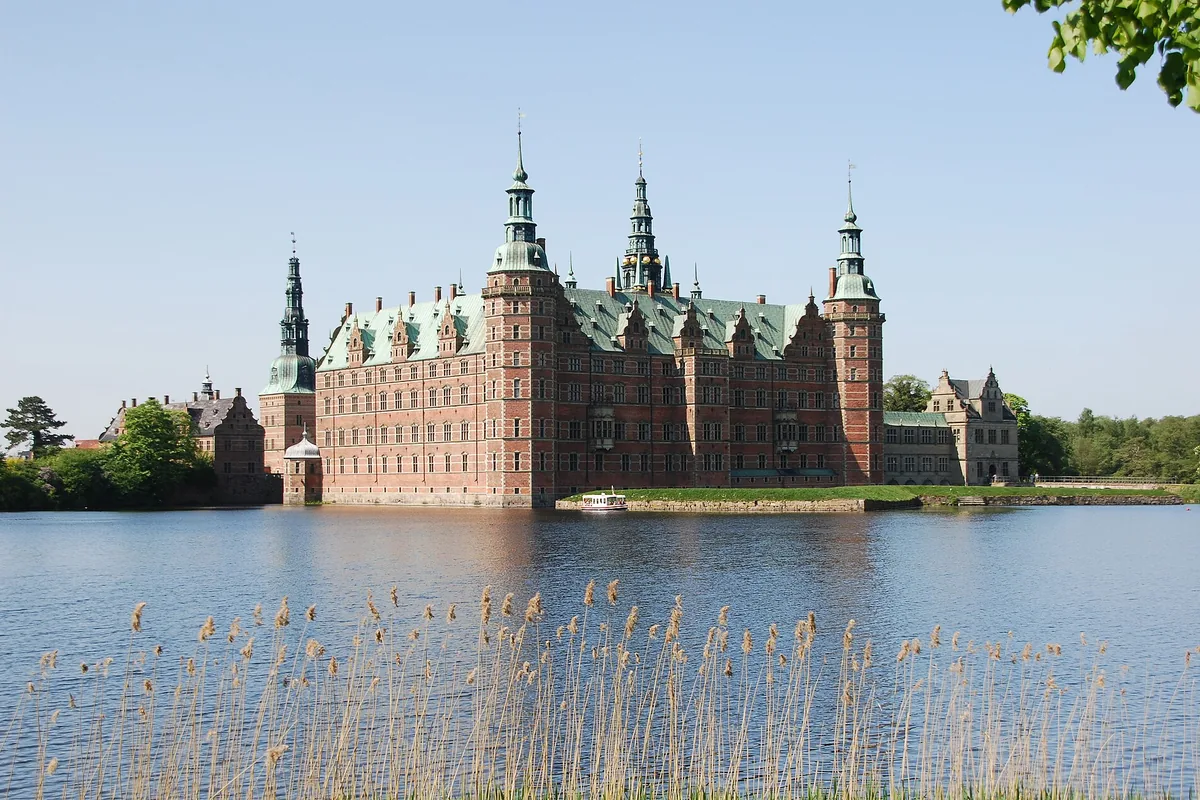
Frederiksborg Castle is the largest Renaissance castle in Scandinavia, built on three small islands in a lake in Hillerød. It houses the Museum of National History, so you can combine architecture with Danish history in one visit.
The S-train runs directly from Copenhagen’s central stations to Hillerød in around 40 minutes. From the station it is about a 15 minute walk to the castle, past shops and the lakeside, and local buses also run closer. The official museum site has current directions and bus information.
Inside, the rooms are filled with portraits, furniture and historical paintings, and the highlights include the chapel, where Danish kings were anointed from the late 1600s until 1840, and the Great Hall, with its ornate ceiling. The Baroque Garden behind the castle is laid out in terraces and water features, and it is lovely in late spring and summer when the flower beds are in bloom.
Hillerød itself is a quiet town, and there are places to eat near the station and along the lake. If you want to see a second place, you can combine this with Roskilde on a long day by returning to Copenhagen between the two.
- How to get there: S-train from Copenhagen to Hillerød, then walk about 15 minutes or take a local bus.
- How long to spend: Three to four hours, including the museum and the gardens.
- Best time to go: Late spring to early autumn for the gardens, though the interiors are the main draw all year.
- Tip: Allow time for the Baroque Garden, which is separate from the castle rooms and free to walk around, although its fountains and cascades usually only run in the warmer months.
5. Malmö
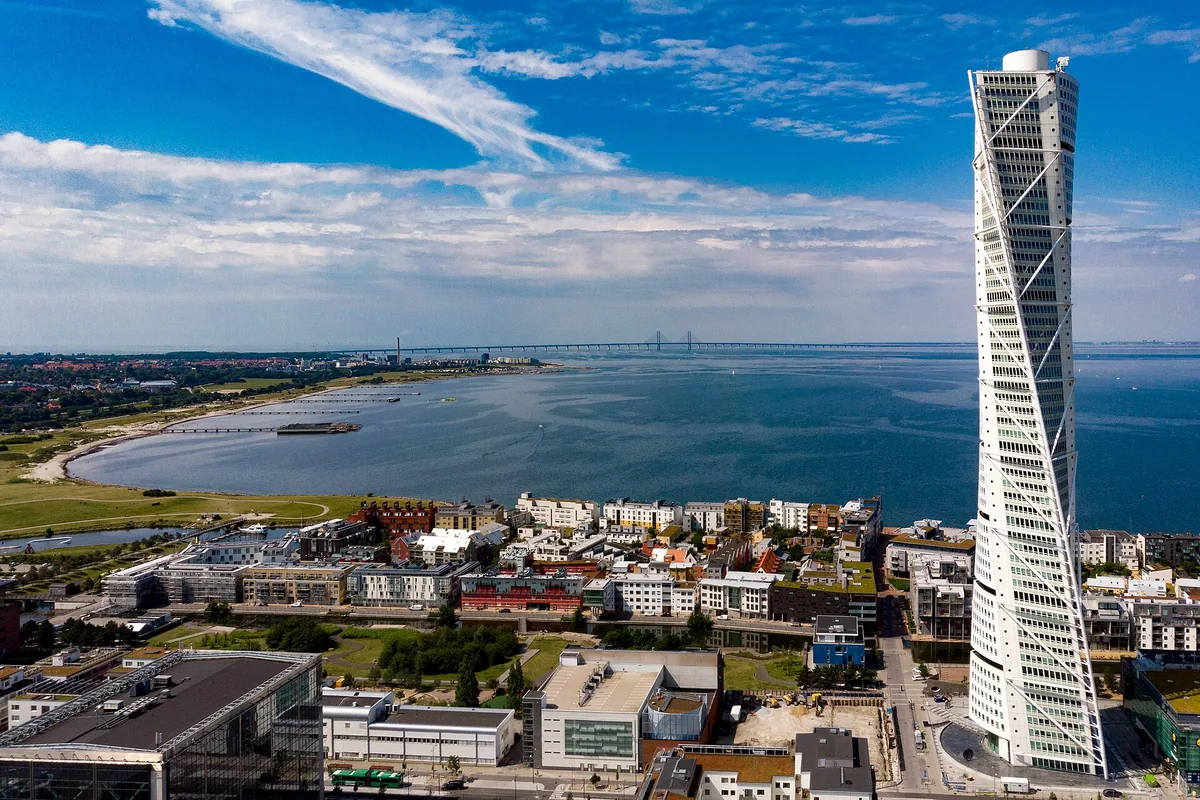
Malmö is the easiest way to visit another country from Copenhagen, with trains crossing the Øresund Bridge in around 40 minutes. Trains run frequently from Copenhagen Central Station and the airport, and you can buy a ticket at the station or on the operator’s app. Check the DSB website for routes and fares, and carry photo ID or a passport, as border checks can happen.
Start with the old centre around Lilla Torg, a cobbled square lined with cafes and restaurants, and the nearby Stortorget. Malmöhus Castle, set in a park with a canal, houses city museums and is a short walk from the centre. For a modern contrast, head to the Western Harbour, where the Turning Torso tower twists above new housing and a waterfront promenade.
Food is a strong reason to go. Malmö has a lively street food and falafel scene, and its markets and bakeries are good for a cheap lunch. Swedish fika, the coffee break with a cinnamon bun, is a ritual worth trying.
In summer, locals swim off the piers at Ribersborg, and in winter the city is quiet but pleasantly lit. It is a flat city, so walking or cycling works well. You will need Swedish krona or a card for small purchases, so check how you plan to pay before you cross.
- How to get there: Øresund train from Copenhagen Central Station or the airport to Malmö Central, then walk into the centre.
- How long to spend: A full day is comfortable, or half a day if you stick to the old town and Lilla Torg.
- Best time to go: Late spring to early autumn, when the harbour and beaches are at their best.
- Tip: Keep your passport or ID with you, as the border can have checks, and buy a return ticket in advance to avoid queues.
6. Møns Klint
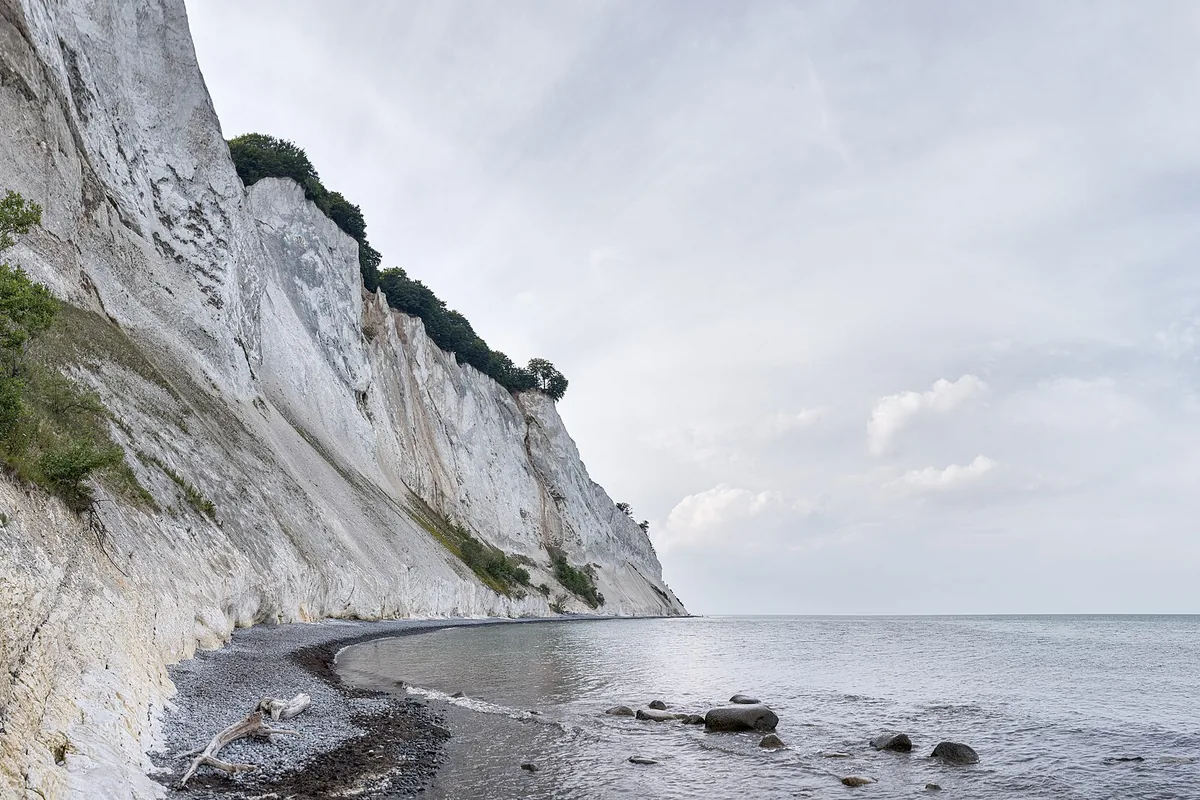
Møns Klint is the most dramatic natural sight within reach of Copenhagen, a stretch of white chalk cliffs rising from the Baltic Sea on the island of Møn. The cliffs are among the highest in Denmark, and beech forest grows right to the clifftop, which gives the coast a very different feel from the flat landscape elsewhere.
It is also the hardest trip in this guide without a car. Public transport usually means a train south to Vordingborg, a bus to Stege and then a second bus to the GeoCenter Møns Klint, with a total journey of around three hours each way. The last bus to the cliffs runs only from spring to the end of October, and outside that season it is a long walk from the nearest year-round stop, so check the official Møns Klint website and Rejseplanen before you go. Driving takes around one and a half to two hours, and there is parking at the GeoCenter.
At the cliffs, a path through the forest leads to a long staircase down to the beach, where you can walk along the foot of the chalk and look for fossils and flints. The GeoCenter has exhibitions on the geology and landscape, and there are also marked walks along the clifftop.
Because of the journey time, this is a long day, and it works best when you leave early and check the return connections before you set off. Landslides and bad weather can close parts of the stairs and beach, so check for notices and plan for a clear day.
- How to get there: Train from Copenhagen to Vordingborg, then a bus to Stege and a second bus to the GeoCenter, or drive.
- How long to spend: A full day, with at least two to three hours at the cliffs.
- Best time to go: Spring to October, when the GeoCenter is open and the bus runs to the cliffs.
- Tip: Check the return bus times before you walk down to the beach, as the last connections can be early.
7. Dragør
Dragør is a former fishing village on the edge of Copenhagen, with cobbled lanes, yellow houses and a harbour that feels a long way from the city. It is on the island of Amager, close to the airport, so it is one of the quickest day trips from the centre.
The old town has well-preserved houses from the 1700s and 1800s, many painted yellow with red tiled or thatched roofs. The village has Dutch roots, as Dutch farmers were invited to settle on Amager centuries ago. Wander the narrow streets, then head down to the harbour, where fishing boats and small yachts share the quay with a few cafes.
The Dragør Museum is in one of the oldest houses in the village and tells the story of local fishing, pilots and rescue work in the Second World War. The Amager Museum nearby is in an old Dutch farm in Store Magleby and shows how the community lived.
Transport is a mix of bus and metro. A direct bus runs from central Copenhagen, or you can take the metro or train to the airport and change to a local bus, so use Rejseplanen to check the current route. The village is also a good place for a seafood lunch or an ice cream by the water.
- How to get there: Bus from central Copenhagen, or metro to the airport and a local bus on to Dragør, and check the route with Rejseplanen.
- How long to spend: Two to three hours, or half a day with the museum and a harbour lunch.
- Best time to go: A dry day in spring to early autumn, when the harbour is busiest.
- Tip: Pair Dragør with a walk along the coast or a stop at the Amager Museum if you have extra time.
8. Køge
Køge is a historic port town south-west of Copenhagen, known for its half-timbered houses and one of the largest squares in Denmark outside the capital. The S-train takes around 40 minutes, so it is a simple half-day trip.
The main square, Køge Torv, is lined with old merchant houses, and on market days the stalls bring in local produce. Just off it, the old streets hold some of the oldest half-timbered buildings in Denmark, including a house on Kirkestræde dated 1527 by an inscription over its door, one of the oldest dated half-timbered houses in the country. The town hall on the square is often described as the oldest in Denmark still in use, although the building was largely remodelled in 1903.
Sankt Nicolai Church has a tower that once served as a lighthouse, and the harbour is lined with boats, cafes and a marina. The KØS Museum of Art in Public Spaces is a modern museum that looks at how art shapes shared places, which makes a good contrast to the old town. Check its website for current exhibitions before you go.
Køge is quieter than Roskilde and has fewer international visitors, which makes it a good choice if you prefer a small-town feel. It is also a handy stop if you are continuing south to Stevns or Møn by car.
- How to get there: S-train from Copenhagen Central Station to Køge, then walk into the old town.
- How long to spend: Three to four hours, longer if you add the harbour and a museum.
- Best time to go: A market day for atmosphere, or a weekday for a quieter walk.
- Tip: Check the opening arrangements of the museums, as small local museums can close on certain weekdays.
9. Dyrehaven and Bakken, Klampenborg
Dyrehaven is a royal deer park just north of Copenhagen, and it is the easiest green escape from the city. The S-train to Klampenborg takes around 25 minutes, and from the station a short walk leads into the forest. The Par force hunting landscape in North Zealand, which includes Jægersborg Deer Park, is a UNESCO World Heritage Site.
The park is open to walkers, cyclists and horse riders, and you often see herds of fallow and red deer among the old oaks and beeches. The Hermitage Hunting Lodge stands on a hill in the park and is a favourite viewpoint, reached on a long avenue from the lower part of the forest.
Next to the forest is Bakken, one of the oldest amusement parks in the world. It is a nostalgic, low-key fairground with wooden rides, restaurants and entertainment, and entry is free, with rides paid for separately. It is a seasonal attraction, so check the official Bakken website for opening dates and any winter events.
If you like the sea as well as the forest, Klampenborg has a beach and a bathing area, and the seaside walk back towards Copenhagen is pleasant on a clear day. It is a good choice for families and for anyone who wants a short, easy trip that does not need much planning.
- How to get there: S-train to Klampenborg station, then walk into the park.
- How long to spend: Half a day for the forest, or longer with Bakken and the beach.
- Best time to go: Spring and autumn for walks and deer, and summer for Bakken and the beach.
- Tip: Wear walking shoes, as paths can be muddy, and keep your distance from the deer.
10. Odense
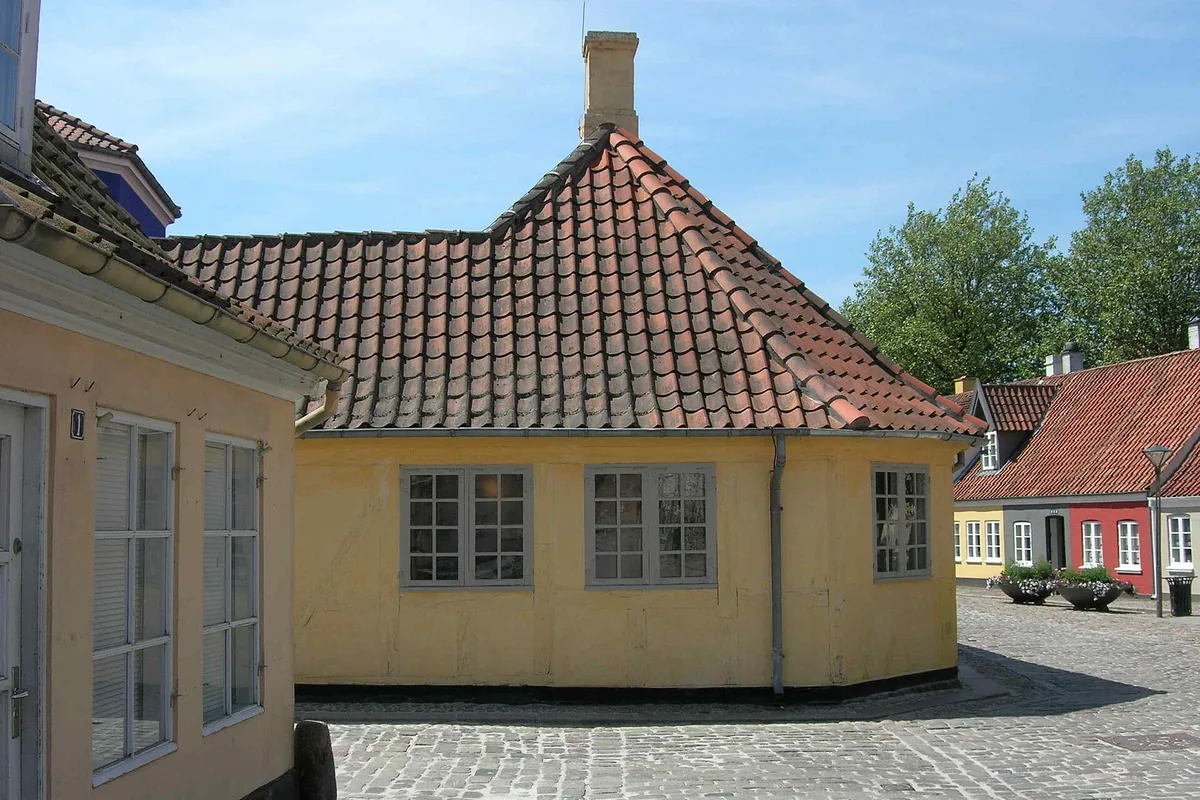
Odense is the birthplace of Hans Christian Andersen and the best longer day trip for fairy-tale fans, reached by fast train in around 1 hour 20 minutes. It is on the island of Funen, across the Great Belt, and the journey runs across the bridge between Zealand and Funen.
The city centre is compact and easy to walk. The Hans Christian Andersen museum and the nearby area of old streets tell the story of the writer’s life and work, and statues and symbols of his tales appear around town. Funen Village, an open-air museum of old buildings, is a good choice for families, although it is seasonal, so check the opening arrangements. The Visit Odense website has current information on sights and events.
Odense has a lively riverside and a cafe culture that makes it easy to spend a few hours without a fixed plan. The city also has a strong food scene, including bakeries and small restaurants in the old centre.
Because the round trip takes about three hours, Odense works best as a full day. Take an early train, spend the day on foot and book a return seat if you are travelling at a busy time. Check the DSB website for current timetables and ticket options.
- How to get there: Intercity train from Copenhagen Central Station to Odense, then walk into the centre.
- How long to spend: A full day, with the museum and a walk through the old town.
- Best time to go: Late spring to early autumn, when Funen Village and outdoor spaces are at their best.
- Tip: Book train tickets in advance, as early fares can be much cheaper than same-day tickets.
How to pick the right day trip from Copenhagen
Start with how much time you have. If you only have half a day, choose Roskilde, Dragør, Køge or Dyrehaven, which are all under an hour away. For a full day, Helsingør and Louisiana make a good pair, as do Roskilde and Hillerød.
Next, think about what you enjoy. For history and Vikings, pick Roskilde. For castles, choose Kronborg or Frederiksborg. For art, go to Louisiana. For a different country, choose Malmö, and for nature, go to Dyrehaven or Møns Klint.
Finally, think about the season and how you travel. Gardens, Bakken and Funen Village are seasonal, and Møns Klint is much easier in summer, or with a car. In winter, stick to museums, castles and cities, and check opening arrangements before you set off. If you are in town in December, see our guide to Europe’s best Christmas markets, which covers the festive season at Tivoli Gardens in the city centre.
Suggested day trip plans for 1, 2 or 3 days
You can see the best of the Copenhagen region in three days by grouping trips by direction. The itinerary below is also available as a free printable PDF, which you can download near the top of this guide.
Day 1: The north coast
Take an early Coastal Line train to Humlebæk and spend the morning at the Louisiana museum, including a walk in the sculpture garden. After lunch, continue by train to Helsingør and visit Kronborg Castle, then walk through the old town before returning to Copenhagen in the evening.
Day 2: Malmö
Take the Øresund train to Malmö in the morning and start in the old centre around Lilla Torg. Visit Malmöhus Castle and the park, then walk to the Western Harbour for the Turning Torso and a late lunch. Return to Copenhagen by train in the late afternoon, carrying your passport or ID.
Day 3: Roskilde and Hillerød
Catch an early train to Roskilde and see the cathedral and the Viking Ship Museum before lunch. Return to Copenhagen and take the S-train to Hillerød, then walk to Frederiksborg Castle for the afternoon. If you prefer a lighter day, swap Hillerød for a stroll in Dyrehaven.
Where to stay for Copenhagen day trips
For the easiest access, stay near Copenhagen Central Station, where regional trains, S-trains and the Øresund trains all leave. The area around Vesterbro and the Central Station has plenty of hotels and hostels, and it is also close to the city centre.
If you prefer a calmer base, Nørrebro and Frederiksberg have good restaurants and local cafes, and both have easy links to the main stations. For a stay closer to the sights, the Nyhavn and Indre By areas are central but more expensive.
If you plan to do the north coast or Dyrehaven often, a hotel near a station on the Coastal Line or the C-line S-train can save time in the morning.
Getting around Copenhagen and the region
The train network is the best way to reach most of these day trips. Regional trains, S-trains and the Øresund trains all leave from Copenhagen Central Station or nearby stations. Use the DSB website for routes, tickets and timetables.
Ticket zones cover most of the S-train and regional network around the capital, and a Copenhagen Card can cover transport and entry to many of the sights in this guide. Check the current terms before you buy, as coverage depends on the card you choose.
Rejseplanen is the national journey planner and is useful for buses, especially to Dragør and Møns Klint. Cycling is common in the capital, and bikes are allowed on many trains, sometimes with a separate bike ticket, although rules vary by service.
Budget guidance
For a lower spend, choose Dyrehaven, Dragør and Køge, where the main pleasure is walking and there is little to pay for apart from transport. A packed lunch from a bakery or supermarket keeps costs down.
At the middle level, Roskilde, Helsingør and Hillerød combine paid sights with an easy train ride. A single paid attraction plus lunch is usually a reasonable day out, and day passes or a Copenhagen Card can save money if you plan several visits.
For a bigger day out, Louisiana, Malmö and Odense suit travellers who want museum time, restaurant meals and longer train rides. Booking train tickets in advance can reduce the cost of the longer journeys.
Frequently Asked Questions
What is the best day trip from Copenhagen?
Roskilde is the best all-round choice, with a UNESCO cathedral and the Viking Ship Museum close together and a journey of under half an hour. For a castle, Kronborg at Helsingør is the best known.
Can you visit Sweden as a day trip from Copenhagen?
Yes. Trains cross the Øresund Bridge to Malmö in around 40 minutes. Carry your passport or photo ID, as border checks can take place.
Which Copenhagen day trips can you do by train?
Roskilde, Helsingør, Humlebæk for Louisiana, Hillerød, Køge, Klampenborg, Malmö and Odense are all reachable by train. Dragør and Møns Klint need buses as well.
Is Møns Klint worth the journey without a car?
It can be, but it is a long day of around three hours each way by train and bus, and the bus to the cliffs only runs from spring to the end of October. Check the official site and Rejseplanen before you go.
What are the best day trips from Copenhagen in winter?
Roskilde, Helsingør, Louisiana, Frederiksborg, Malmö and Odense all work well in cold weather because their main sights are indoors. Bakken, Funen Village and garden areas are seasonal, so check dates first.
How far in advance should you plan a Copenhagen day trip?
Most trips need little planning because trains are frequent, but check opening arrangements for museums and castles. Book longer train journeys, such as Odense, in advance for lower fares.
Discover more of Copenhagen
Once your day trips are planned, round out your stay with the best places to eat in Copenhagen, the best cafes in Copenhagen and the best bars in Copenhagen. If you are continuing your Scandinavian trip further north, our guide to the best places to visit in Norway covers the fjords, the Lofoten Islands and the northern lights.
Featured image: Photo by ArildV, CC BY-SA 4.0, cropped, via Wikimedia Commons