Last updated: November 2026
Lisbon is one of the easiest European capitals in which to drink well, and the best wine bars in Lisbon let you taste Portuguese wine by the glass without needing to know anything about it first. Portugal grows hundreds of native grape varieties, and a good wine bar here is mostly a guided tour of them, from crisp Vinho Verde and mineral Lisboa whites to Douro reds and Alentejo wines made in clay pots.
For a first visit, start at By the Wine in Chiado for the widest list, then head up to Graça do Vinho or across to Uva Livre for something more local and low-intervention. This guide covers ten wine bars, the neighbourhood each suits, how ordering works and what to eat alongside. It also includes a free printable 3-day Lisbon wine bar itinerary that groups the bars by area, so each evening needs only short walks or one tram or metro ride.
For general planning, the official Lisbon tourism site has a section on the wine of the Lisbon region, and the Wines of Portugal website explains the regions and grapes. Opening days and hours change often, and many small bars close on one day a week, so check before you go. Anything this guide could not confirm is marked “check before you go”. If wine is only one part of your trip, start with our guide to the top things to do in Lisbon and plan your evenings around the sights.
Quick answer: What are the best wine bars in Lisbon? By the Wine in Chiado is the best all-rounder for a long Portuguese list in a vaulted cellar, Graça do Vinho and Uva Livre are the best for a local, low-intervention evening, and Prova in Belém is the best for trying many regions by the glass. For a castle-side stop after sightseeing, try Wine Bar do Castelo.
Free printable itinerary
Planning a trip? Download our 3-Day Lisbon Wine Bar Itinerary as a PDF: the day-by-day plan plus all 10 places with directions and map links. Print it or keep it on your phone.
Quick comparison: best wine bars in Lisbon
| Bar | Area | Best for | Price tier |
|---|---|---|---|
| By the Wine | Chiado | A long Portuguese list in a vaulted cellar | Mid-range |
| Graça do Vinho | Graça | A relaxed, local neighbourhood evening | Mid-range |
| Uva Livre | São Bento | Low-intervention wines from small producers | Mid-range |
| Prova | Belém (Restelo) | Many regions by the glass after sightseeing | Mid-range |
| Wine Bar do Castelo | Castelo de São Jorge | A glass after the castle visit | Mid-range |
| Vino Vero | Graça | Natural wine and small plates | Mid-range |
| Black Sheep | Praça das Flores, near Príncipe Real | A tiny, characterful room | Cheap to mid-range |
| The Old Pharmacy | Bairro Alto | Wine in a former apothecary | Mid-range |
| Lisbon Winery | Near Avenida da Liberdade | Booked tastings of boutique Portuguese wines | Mid-range |
| Artis Wine Bar | Bairro Alto | Petiscos and Portuguese wine in one place | Mid-range |
1. By the Wine
By the Wine is the best first stop for wine in Lisbon, because it pours a wide range of Portuguese wines in one atmospheric room. It sits on Rua das Flores in Chiado, in a vaulted brick-and-stone cellar that feels cool and calm even when the street outside is busy. It is run by a large Portuguese wine producer, which explains the depth of the list and the focus on Portuguese bottles.
The format suits beginners. Wines are available by the glass and by the bottle, and the staff are used to visitors who want to try a white from the Douro, a red from the Alentejo and a sparkling wine from Bairrada in a single evening. If you are unsure what to order, say what styles you normally drink and ask for a Portuguese equivalent, which is easier than reading through a long list.
Food is built around snacks that go with wine: cheese, cured meats, olives and similar plates. It is not the place for a full dinner, so many people combine it with a meal nearby. The room fills up on weekend evenings, so arrive early if you want one of the better tables, or come in the late afternoon when it is quieter.
Because it is in the middle of Chiado, it is also an easy bar to fit around other plans. You can start here, then walk down to the river or up towards Bairro Alto without needing transport.
- How to get there: Metro to Baixa-Chiado, then a short downhill walk along Rua das Flores.
- How long to spend: One to two hours.
- Best time to go: Late afternoon or an early evening on a weekday.
- Tip: Ask for a small tasting of two or three wines rather than committing to one bottle, and check the current opening hours.
2. Graça do Vinho
Graça do Vinho is the best choice for a relaxed evening with local people, and it feels far from the main tourist streets. It stands on Calçada da Graça, the cobbled street leading up to the church in the Graça neighbourhood, in a converted old shop that kept many of its vintage fittings. It has become a favourite for residents who want a slow glass of wine rather than a busy bar.
The wine list is Portuguese and varied, with natural wines, Port and selections from different regions. Snacks are simple and regional, such as cheese and tinned fish, with oysters mentioned by some guides. It also works as a shop, so if you like something you taste, you can usually buy a bottle to take home or back to your accommodation.
The room has bare stone walls and vintage details, and the mood is chatty rather than formal. Guides describe a mostly Portuguese crowd, which is a good sign. Hours are listed differently across sources, so check before you go, and note that some listings show it closed on Sundays.
The neighbourhood is part of the appeal. Graça is one of Lisbon’s most atmospheric hill districts, with viewpoints nearby, and it makes a good pairing with an afternoon of sightseeing before the bar opens for the evening.
- How to get there: Tram 28 or a bus to Graça, or a walk uphill from Alfama. Allow time for the climb.
- How long to spend: One to two hours.
- Best time to go: Early evening, after a viewpoint stop in Graça.
- Tip: Walk up rather than taking a taxi if you can, as the streets are part of the experience, and check opening days first.
3. Uva Livre
Uva Livre is the best bar in Lisbon for low-intervention wines from small Portuguese producers. It is on Rua de São Bento, near the Parliament building, and works as both a wine bar and a bottle shop. Guides and listings describe an elegant but welcoming room focused on natural-style wines, which makes it a good choice if you have already tried the classics and want something less predictable.
The list includes small producers from across Portugal, and some listings also mention French wines, traditional Alentejo wines made in clay amphorae and non-alcoholic options such as kombucha. That mix makes it easy for a group with different tastes. If you are new to natural wine, ask the staff to describe the style of each glass, as these wines can be cloudy, lively and quite different from conventional bottles.
Because it is also a shop, you can buy bottles to take home, which is handy for gifts. Opening hours are generally listed from the evening, with later closing at the weekend and shorter hours on Sundays, but sources do not agree on exact times or on the street number, so check before you go.
It is a good evening stop after a day around Estrela, the Parliament area or the nearby gardens, and it is within walking distance of Príncipe Real.
- How to get there: Tram 28 to São Bento, or a short walk from Príncipe Real or Estrela.
- How long to spend: One to two hours.
- Best time to go: An early weekday evening, when it is calmer.
- Tip: Tell the staff what you like and ask for something unfamiliar, and check the exact address and hours.
4. Prova
Prova is the best place to compare Portuguese regions by the glass, and it suits a break after sightseeing in Belém. It is a small wine shop and tapas bar in Restelo, the residential area just uphill from central Belém, and it works well as a calm stop after the crowds at the big sights.
The idea is simple. Instead of a traditional list, the shelves hold more than eighty Portuguese wines, and guides say you can order them by the glass or choose a bottle from the shelf. That makes it easy to try several styles in one sitting, such as a Vinho Verde, an Alentejo red and a Madeira, without buying a full bottle each time.
Food is in the tapas style, with cheese, cured meats and small plates that suit sharing. It is a good place for a light lunch or early evening snack rather than a long dinner. Because Belém is mainly a daytime district, check the hours before you plan around it.
Combine it with a morning at the monastery or tower and a pastry stop, and you have a balanced half day. See our guide to the best pastel de nata in Lisbon for the usual Belém sweet stop.
- How to get there: Tram 15E or a train to Belém, then an uphill walk of about 10 to 15 minutes towards Restelo (check the address on a map).
- How long to spend: One hour, or longer if you eat there.
- Best time to go: Late afternoon, after the sights have closed or quietened.
- Tip: Ask for a Portuguese region you have not tried, and check current hours as they can vary by day.
5. Wine Bar do Castelo
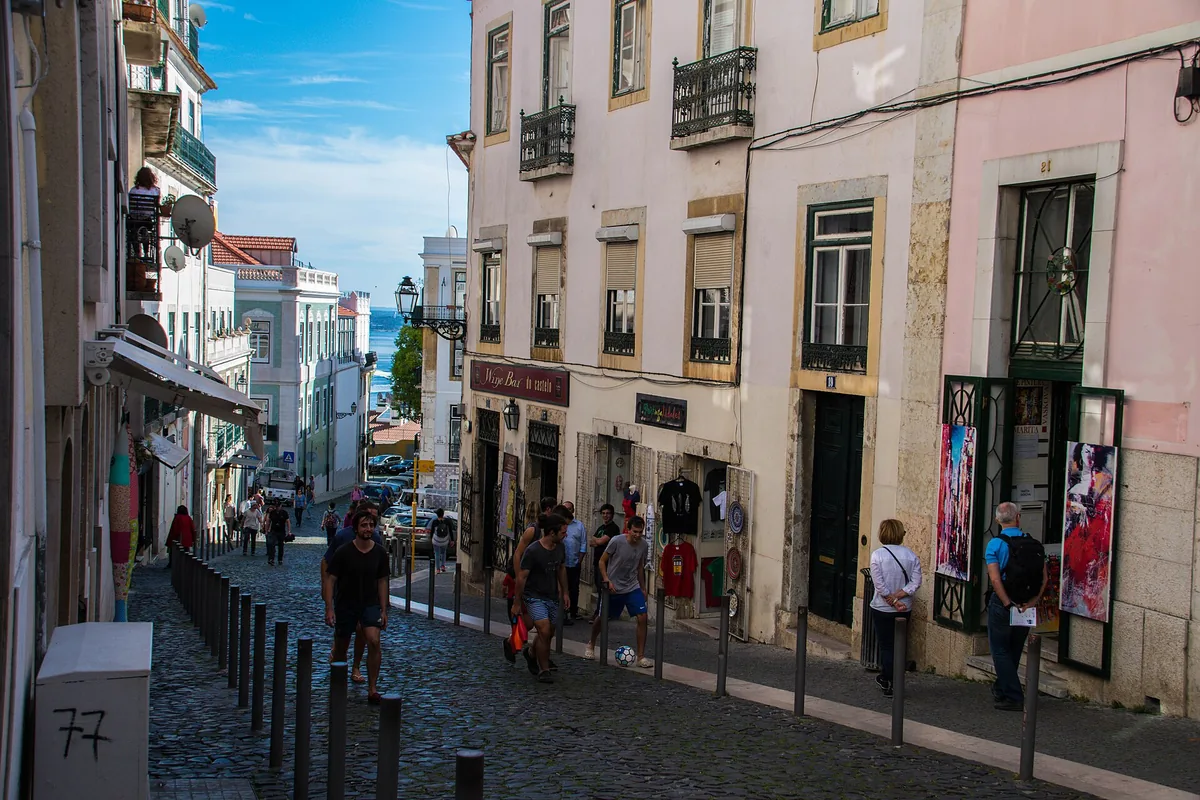
Wine Bar do Castelo is the easiest place for a glass of Portuguese wine after visiting São Jorge Castle. It sits near the castle, and it is often recommended as a post-sightseeing stop, with Iberian wines and cheese or charcuterie pairings on offer. Some sources file it under Alfama and others under the castle area, but the location is the same: close to the top of the old town.
The appeal is convenience and setting. After walking up through narrow streets, a quiet tasting room with a shelf of Portuguese bottles is a welcome break. One listing describes a range of around 150 Portuguese wines by the glass, which gives you room to explore, and the cheese and charcuterie plates are a sensible match.
It is not a late-night bar, so treat it as an afternoon or early evening stop. Hours and menus change, so check before you go, especially in winter.
The surrounding streets are best explored on foot, and the nearby viewpoints are popular at sunset. A glass here before or after the castle fits neatly into a Lisbon sightseeing day. For other viewpoints and terraces, see our guide to the best rooftop bars in Lisbon.
- How to get there: Tram 28 to the Alfama viewpoints, then a short uphill walk, or a taxi or ride-hailing car up the hill. The final streets are steep and cobbled.
- How long to spend: About an hour.
- Best time to go: Late afternoon, after the castle visit.
- Tip: Go earlier rather than later in the day, and check opening hours before you climb the hill.
6. Vino Vero
Vino Vero is the best bar for natural wine and small plates with a Venetian influence. It began as a natural wine bar in Venice and later opened a Lisbon branch. The style is informal: a small room, a chalkboard-style approach to what is open and a menu of wines chosen for personality rather than polish.
The Lisbon bar is on Travessa do Monte in Graça, close to the Miradouro da Senhora do Monte viewpoint, which makes it an easy pairing with Graça do Vinho on the same evening. Opening days vary, so check the bar’s map listing before you go.
Natural wine can be a good match for the small plates and cheese that these bars serve, as the lively acidity cuts through rich food. If you are unsure about the style, ask for a glass of white or orange wine first and move on from there.
Natural wine bars often have limited seating and can be busy at peak times, so plan to arrive early or accept a short wait. The relaxed pace is part of the appeal.
- How to get there: Tram 28 or a bus to Graça, then a short uphill walk.
- How long to spend: One to two hours.
- Best time to go: An early weekday evening.
- Tip: Confirm the opening days before you travel, as listings conflict.
7. Black Sheep
Black Sheep is the best choice if you like very small bars, and it is often described as the smallest wine bar in Lisbon. The room is tiny, which means a close, friendly atmosphere and a short but well-chosen list of wines by the glass. Guides describe a compact space with a wide range of wines for its size.
Because it is so small, you should expect to share space or wait for a seat at busy times. That is part of the charm for many visitors, and it works best for a couple or a small group rather than a large party. The staff are usually happy to explain what is on offer, so use that to your advantage.
It is on Praça das Flores, a small garden square near Príncipe Real, and guests often take their glasses out to the benches in the square. It usually opens in the evening only, and opening days are best confirmed in advance.
A small bar like this is best treated as one stop in an evening rather than the whole plan. Pair it with a larger room nearby for dinner or a second glass, and leave time to walk between venues.
- How to get there: Metro to Rato, then a walk of about 10 minutes downhill to Praça das Flores, or a short taxi ride.
- How long to spend: About an hour.
- Best time to go: Early evening, before the room fills up.
- Tip: Go with no more than three or four people, and confirm the hours before you set out.
8. The Old Pharmacy
The Old Pharmacy is the best bar for wine in an unusual setting, as it occupies a former apothecary in Bairro Alto. The shelves and fittings keep a pharmacy feel, and the wine list focuses on small Portuguese producers, with charcuterie boards to go alongside. It is on Rua do Diário de Notícias, one of the main streets of the district.
Bairro Alto is better known for lively late nights, but this kind of bar offers a calmer start to the evening. Visit before the street fills up, taste a few Portuguese wines and then decide whether to continue to a cocktail bar or head somewhere quieter. For the lively side of the district, see our guide to the best bars in Lisbon.
Sources differ on exact street numbers for bars on this road, so check the address on a map before you go. Hours also change, and the bar may be closed on some weekdays.
The setting is the main attraction, so it suits visitors who like a bit of character with their wine. Order a couple of glasses by region to get the most from the list, and ask what is poured by the glass that week.
- How to get there: Metro to Baixa-Chiado or Restauradores, then a walk uphill into Bairro Alto.
- How long to spend: One to two hours.
- Best time to go: Early evening, before the district gets busy.
- Tip: Check the address on a map, as nearby listings give different street numbers.
9. Lisbon Winery
Lisbon Winery is the best place for a structured tasting of wines from different Portuguese regions. It is a wine tasting centre on Rua Rodrigues Sampaio, just off Avenida da Liberdade, and it runs small-group tastings of boutique Portuguese wines and Port from small houses, led by a sommelier, plus a private tasting of rarer wines.
This format is helpful if you want to learn rather than simply drink. A guided tasting lets you try several wines in a row, and the sommelier explains the grapes, regions and styles. It is a good choice for a first day in Lisbon, when you want to understand Portuguese wine before ordering at other bars.
It works on bookings rather than as a walk-in bar, so reserve a slot through the official website before you go. Groups are kept small, and weekend slots can fill up.
Food is likely to be limited to what comes with the tasting, so plan dinner elsewhere. The streets around Avenida da Liberdade and Restauradores have plenty of restaurants, including some in our guide to the best places to eat in Lisbon.
Because it is close to the main avenue, it fits easily into a day in the centre, before an evening in Chiado or Príncipe Real.
- How to get there: Metro to Avenida or Marquês de Pombal, then a short walk.
- How long to spend: About an hour for a tasting.
- Best time to go: Late afternoon, ideally on a weekday.
- Tip: Book a tasting slot online in advance, and check the current formats on the official site.
10. Artis Wine Bar
Artis Wine Bar is the best place in Bairro Alto for a glass of wine with traditional Portuguese petiscos. It is on Rua do Diário de Notícias, the same street as The Old Pharmacy, and the bar describes itself as recreating the cosy feel of long Iberian evenings, mixing traditional touches with a relaxed night out with friends.
The food is a bigger part of the visit than at most of the bars in this guide. The menu is built around petiscos made with regional products, such as cheeses, Portuguese cured sausages and shellfish, with a few larger plates and desserts as well. Guides note that the wine list leans towards Portuguese bottles, including wines from the Lisbon region, so ask the staff to suggest a glass for each plate.
This makes it a sensible choice if you want wine and dinner in one place rather than snacks followed by a restaurant. It also suits small groups, as sharing several petiscos is the usual way to eat here.
Bairro Alto gets loud later in the evening, so an early table is calmer and makes it easier to talk through the list with the staff. The bar stays open late, though, so it also works as a later stop once the district wakes up.
Because it is a few doors from The Old Pharmacy, the two make an easy pairing: a glass among the apothecary shelves, then petiscos and another glass here, all without leaving the street.
- How to get there: Metro to Baixa-Chiado, then a walk uphill into Bairro Alto.
- How long to spend: One to two hours, longer if you eat a full meal.
- Best time to go: Early evening, before Bairro Alto gets busy.
- Tip: Order two or three petiscos to share with your wine, and check opening days before you go, as listings disagree.
Portuguese wine styles to look out for
Knowing a few styles makes ordering easier in any of the bars above.
- Vinho Verde: a light, fresh white from the north, often slightly sparkling and good with seafood.
- Alvarinho: a fuller white grape grown in the north that suits cheese and tinned fish.
- Douro reds: structured wines from the valley that also produces Port.
- Alentejo reds and whites: warm, rounded wines from the south, and the home of clay-pot winemaking.
- Dão and Bairrada: regions known for elegant reds and for sparkling wine.
- Lisboa and Setúbal: wines from the region around the city, including Moscatel de Setúbal, a sweet fortified wine.
- Port and Madeira: fortified wines, usually served as an aperitif or with dessert.
- Ginjinha: not a wine but a sour-cherry liqueur sold at small bars around Rossio.
How to pick the right wine bar
Choose by mood. For a first night, pick a big list such as By the Wine or Prova. For a local feel, pick a neighbourhood bar such as Graça do Vinho. For something new, pick a natural wine bar such as Uva Livre or Vino Vero. For learning, choose a guided tasting at Lisbon Winery. For wine with a proper meal, pick a petiscos bar such as Artis Wine Bar. Small rooms such as Black Sheep are best for pairs.
How Many Days Do You Need? A 3-Day Lisbon Wine Bar Itinerary
Day 1: Chiado and Bairro Alto
Start in the late afternoon at By the Wine in Chiado for a broad introduction to Portuguese wine. Walk uphill into Bairro Alto for a glass at The Old Pharmacy, then move a few doors along the same street to Artis Wine Bar for petiscos and a last glass. Keep the whole evening on foot.
Day 2: Castle, Graça and São Bento
Spend the day around São Jorge Castle and finish with a glass at Wine Bar do Castelo. Take the tram or walk up to Graça for an early evening at Graça do Vinho. If you have energy, walk on to Vino Vero nearby for natural wine, or head across the city to Uva Livre in São Bento for a late low-intervention glass.
Day 3: Belém and a small bar
Visit Belém in the morning and stop at Prova for a comparison of regions by the glass. Return to the centre in the afternoon for a booked tasting at Lisbon Winery near Avenida da Liberdade, then finish at Black Sheep on Praça das Flores, after confirming its hours, for a last small-room glass. Leave time between bars for dinner.
Getting around Lisbon
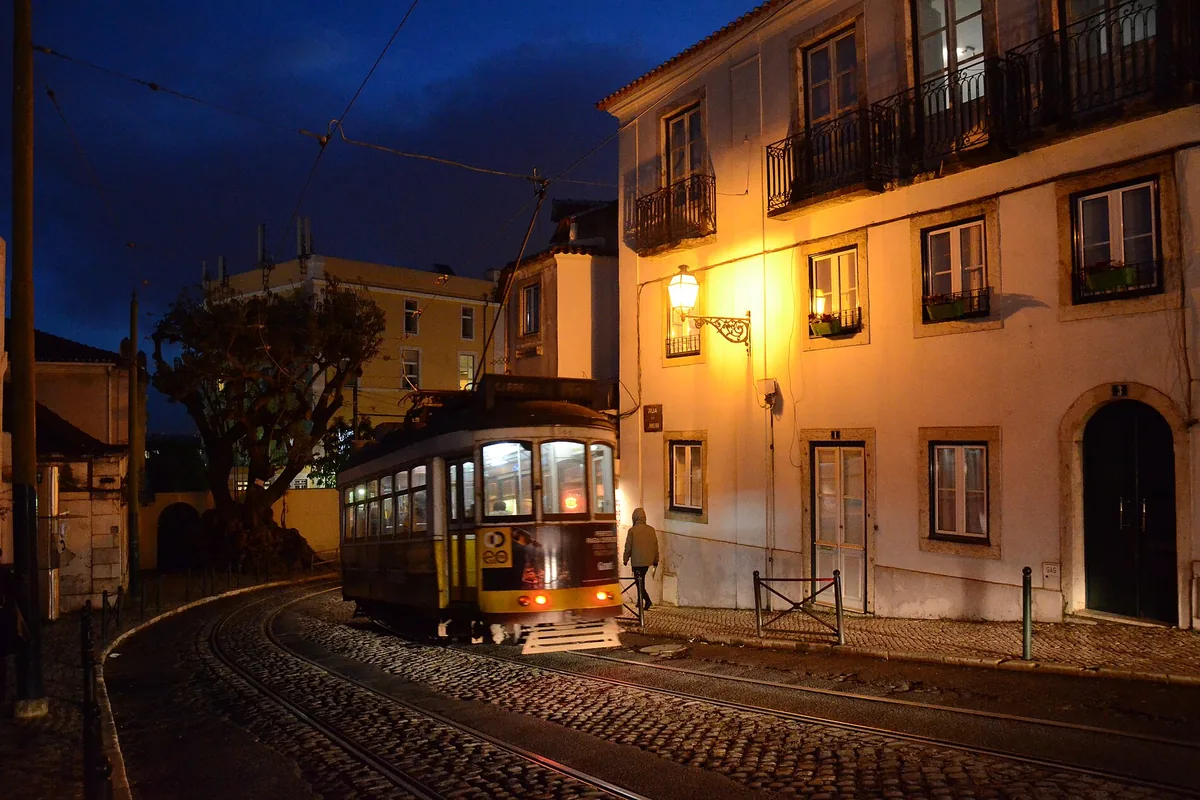
The centre is hilly, so wear comfortable shoes. Metro, trams, buses and trains are covered by the city’s public transport system, and the Lisbon tourism website has current information. Chiado and Bairro Alto are close together on foot, while Graça, São Bento and Belém are better reached by tram, bus or short taxi ride. After a few glasses, avoid steep cobbled hills and use a taxi or ride-hailing car back to your accommodation.
Where to stay for a wine bar trip
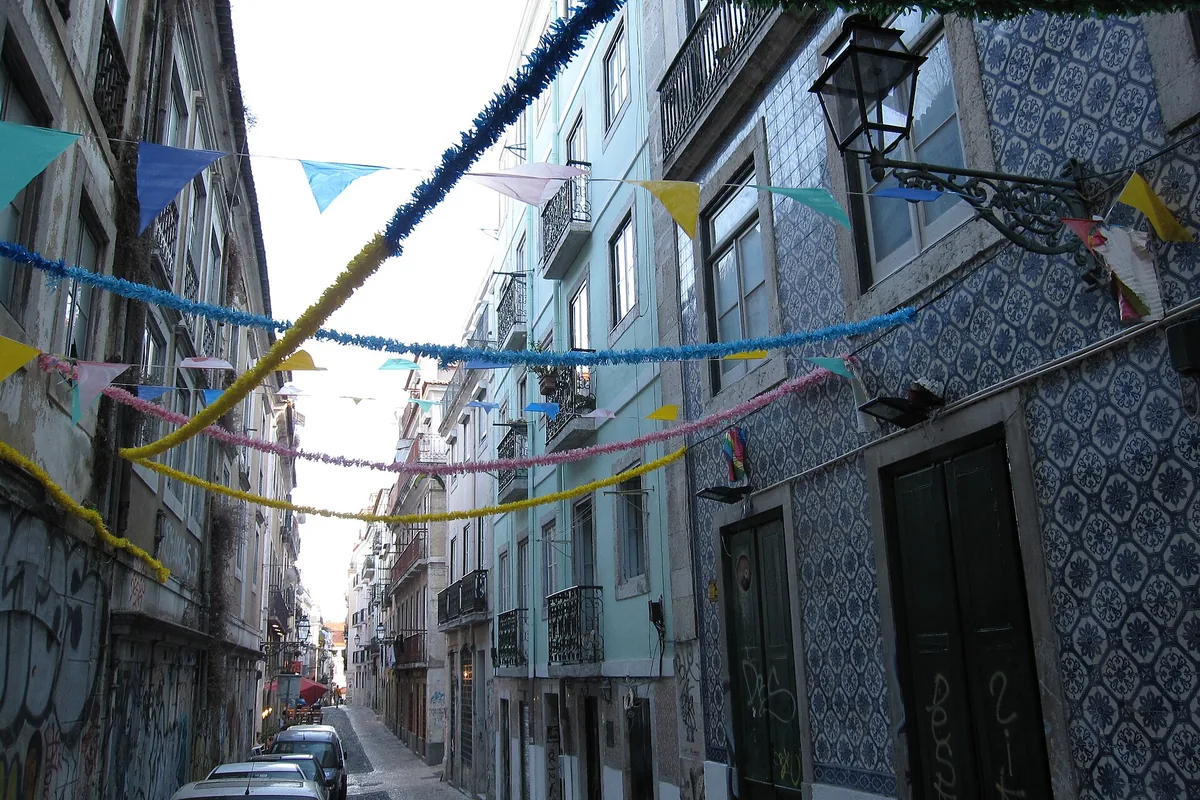
- Chiado and Baixa: the best base for first-time visitors, with By the Wine and Bairro Alto close by.
- Bairro Alto and Príncipe Real: good for walking between several bars, though some streets are noisy at night.
- Alfama and Graça: atmospheric and quieter, close to Graça do Vinho and the castle.
- Belém: quieter and better for a daytime visit than as a base.
Budget guidance
- Shoestring: share one or two glasses, choose house pours and eat snacks rather than a full meal.
- Mid-range: order two or three glasses or a flight, plus a shared board of cheese or tinned fish.
- Comfortable: order a bottle from a small producer and eat a full dinner at a nearby restaurant.
Booking and ordering tips
Most of these bars take few or no bookings, and small rooms fill quickly on Friday and Saturday evenings, so arrive early. Ask for a taste if you are unsure. Prices on menus can include a small cover charge for bread or snacks, so check what you are served before you eat it. Tipping is modest, and rounding up the bill is usual. Many bars close one day a week and some do not open until the evening, so always check before you go.
Frequently Asked Questions
What are the best wine bars in Lisbon?
By the Wine in Chiado, Graça do Vinho in Graça, Uva Livre in São Bento and Prova in Belém are among the best. Together they cover a big list, a local neighbourhood bar, low-intervention wine and a regional tasting.
Where is the best area for wine bars in Lisbon?
Chiado and Bairro Alto have the most bars within walking distance. For a quieter, more local evening, try Graça or São Bento.
Do I need to book a wine bar in Lisbon?
Usually not, but small bars fill up on Friday and Saturday evenings. Arrive early or check whether the bar takes bookings, especially for guided tastings.
What Portuguese wine should I try first?
Start with a Vinho Verde or an Alvarinho white, then try an Alentejo or Douro red. A flight lets you compare several styles in one visit.
Are there natural wine bars in Lisbon?
Yes. Uva Livre, Vino Vero and Black Sheep are among the bars known for low-intervention or natural wines. Check their current hours before you go.
Can I buy wine to take home?
Some bars, such as Graça do Vinho and Uva Livre, also work as shops. Ask the staff to recommend a bottle, and check airline rules if you are flying.
Discover More of Lisbon
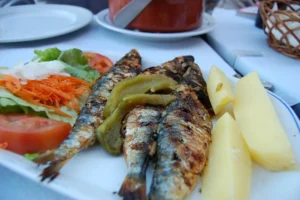
Wine is only one way into the city. To match your glasses with the right plates, read our guide to the best foods to try in Lisbon, from bifanas to grilled sardines.
Featured image: Photo by Dale Cruse – 10M views from San Francisco, CA, USA, CC BY 4.0, cropped, via Wikimedia Commons