Last updated: October 2026
Tirana is one of Europe’s most surprising capitals, a colourful, fast-changing city where Ottoman mosques, Italian-era boulevards and communist bunkers sit side by side. It’s lively, affordable and full of cafés, with mountains rising just outside town.
Many visitors pass through quickly on the way to the coast, but Tirana deserves at least two days. This guide covers the top 10 things to do in Tirana, from history and museums to food and day trips.
New to the country? Read why we think you should plan an Albania holiday before you go.
Quick answer: What is there to do in Tirana? Start at Skanderbeg Square, explore Cold War history at Bunk’Art and the House of Leaves, spend an evening in Blloku and ride the Dajti Ekspres cable car. Two days is enough for the main sights.
Top 10 Things to Do in Tirana at a Glance
| # | Thing to do | Best for |
|---|---|---|
| 1 | Explore Skanderbeg Square | Getting your bearings |
| 2 | Visit the National History Museum | Albanian history |
| 3 | See the Et’hem Bey Mosque and Clock Tower | Architecture |
| 4 | Go Underground at Bunk’Art | Cold War history |
| 5 | Climb the Pyramid of Tirana | City views |
| 6 | Spend an Evening in Blloku | Nightlife and cafés |
| 7 | Ride the Dajti Ekspres Cable Car | Mountain views |
| 8 | Visit the House of Leaves | Communist-era history |
| 9 | Eat Your Way Through the New Bazaar | Local food |
| 10 | Take a Day Trip to Krujë | A half-day trip |
1. Explore Skanderbeg Square
Skanderbeg Square is the heart of Tirana, a huge open plaza named after Albania’s national hero, Gjergj Kastrioti Skanderbeg, who led resistance against the Ottoman Empire in the 15th century. His statue on horseback stands at one side.
The square was redesigned as a largely pedestrian space, paved with stone from different parts of Albania. Around its edges you’ll find many of the city’s key buildings, making it the perfect starting point for a walking tour.
Around the square you’ll see the Palace of Culture, home to the national opera, the National History Museum, the Et’hem Bey Mosque and the Clock Tower, all within a few minutes’ walk. In the evening, the square is a popular place for locals to stroll, and children play among the water features.
- Getting there: The square is in the city centre, and the airport bus stops nearby.
- Time needed: One hour, longer if you visit the surrounding museums.
- Best time to go: Early evening, when the square is lively and the light is soft.
2. Visit the National History Museum
The National History Museum is Albania’s largest museum, and its facade is famous for a giant mosaic called “The Albanians”, showing figures from different periods of the country’s history.
Inside, exhibits run from ancient Illyrian times through the Ottoman period to the communist era. It’s the best place to understand the country’s complex past. Allow one to two hours.
Highlights include ancient Illyrian artefacts, medieval icons and rooms dedicated to the communist period and its victims. The museum has been undergoing renovation work in recent years, so check what is open before you visit.
- Getting there: The museum is on the north side of Skanderbeg Square.
- Time needed: One to two hours.
- Good to know: Check opening times in advance, as some sections may be closed for renovation.
3. See the Et’hem Bey Mosque and Clock Tower
The Et’hem Bey Mosque is one of Tirana’s oldest buildings, dating back to the late 18th and early 19th centuries, and is known for its beautiful painted frescoes of trees, waterfalls and bridges.
It survived the communist period, when religion was banned, and reopened in 1991 in a famous gathering that became a symbol of religious freedom. Next door, the Clock Tower can sometimes be climbed for views over the square.
The mosque is small, but its painted interior is one of the most beautiful in Albania. The Clock Tower beside it dates from the 1820s and was once the tallest building in the city.
- Getting there: Both are on the edge of Skanderbeg Square.
- Time needed: Around 30 minutes.
- Good to know: Dress modestly when visiting the mosque, covering shoulders and knees.
4. Go Underground at Bunk’Art
Bunk’Art is a museum set inside huge Cold War bunkers built for Albania’s communist leadership. There are two sites: Bunk’Art 1, a vast bunker on the edge of the city, and Bunk’Art 2, a smaller bunker right in the centre that focuses on the history of the secret police.
During the communist era, hundreds of thousands of small concrete bunkers were built across Albania. Visiting these museums is a powerful way to understand that period. Check opening times on the Bunk’Art website.
Bunk’Art 1 is a huge underground complex with dozens of rooms, including an assembly hall built for the government in case of nuclear attack. Bunk’Art 2, beside the Ministry of Internal Affairs, tells the stories of the people persecuted by the regime.
- Getting there: Bunk’Art 2 is in the centre. Bunk’Art 1 is on the eastern edge of the city, a short taxi or bus ride away.
- Time needed: Two hours for Bunk’Art 1 and one hour for Bunk’Art 2.
- Insider tip: Combine Bunk’Art 1 with the Dajti Ekspres cable car, as both are on the same side of the city.
5. Climb the Pyramid of Tirana
The Pyramid of Tirana was originally built in 1988 as a museum honouring the communist dictator Enver Hoxha. After years of neglect, when locals climbed and slid down its sloping sides, it has been redeveloped into a technology and youth centre.
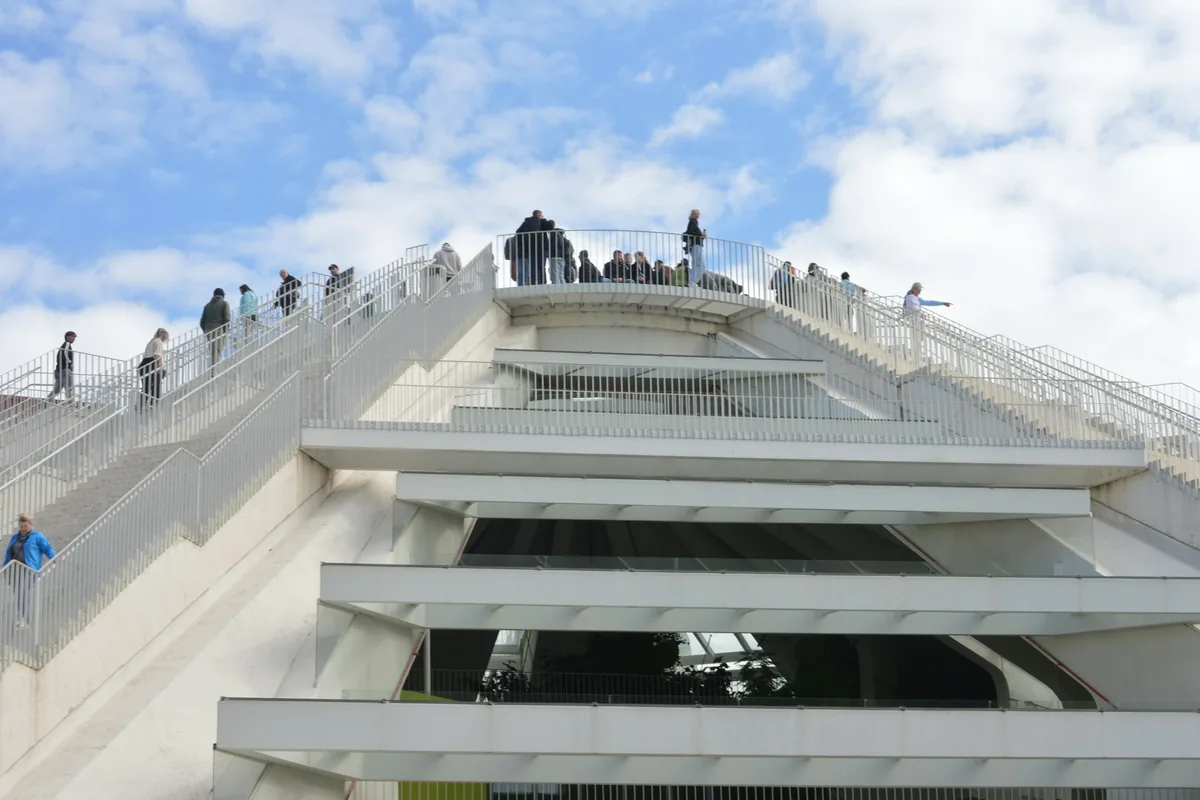
Today, steps lead up the outside of the structure to a viewpoint over the city. It’s a striking symbol of how Tirana has transformed.
The building now houses a technology centre for young people, and its colourful boxes and cafés around the base have turned it into a lively public space. The climb up the outer steps is short but steep.
- Getting there: The Pyramid is on the main boulevard, a ten-minute walk south of Skanderbeg Square.
- Time needed: Around 30 minutes.
- Best time to go: Late afternoon, for views over the city as the sun goes down.
6. Spend an Evening in Blloku
Blloku was once a closed district where only communist officials could live. Today it’s the trendiest part of Tirana, packed with cafés, cocktail bars, restaurants and boutiques.
You can still see the former villa of Enver Hoxha on the edge of the area. Blloku is at its best in the evening, when the streets fill with people heading out for dinner and drinks. Albanian café culture is strong, so take time to sit with a coffee and people-watch.
On the edge of Blloku, the Postbllok memorial combines a concrete bunker, a section of the Berlin Wall and pillars from a communist-era labour camp. It’s a thought-provoking stop before an evening of cafés and bars.
- Getting there: Blloku is a ten to fifteen-minute walk from Skanderbeg Square.
- Time needed: An evening.
- Insider tip: Start with a coffee in the late afternoon and stay for dinner, as the area gets busier after dark.
7. Ride the Dajti Ekspres Cable Car
The Dajti Ekspres cable car climbs from the edge of Tirana to Mount Dajti National Park in around 15 minutes, offering sweeping views over the city and, on clear days, to the coast.
At the top, you’ll find walking trails, restaurants and viewpoints. It’s a great escape from the city heat in summer. Check the Dajti Ekspres website for operating hours, as service can stop in bad weather.
The ride is long and gently climbs over farmland and forest, giving you a real sense of how close Tirana is to the mountains. In winter, the top can be snowy while the city below stays mild.
- Getting there: Take a bus or taxi from the centre to the lower cable car station on the eastern edge of the city.
- Time needed: Half a day.
- Best time to go: A clear morning for the best views, or late afternoon for sunset over the city.
8. Visit the House of Leaves
The House of Leaves is a museum of secret surveillance, set in a building once used by the communist secret police, the Sigurimi. The name comes from the ivy covering its walls.
Exhibits show the listening devices, cameras and methods used to spy on citizens. It’s a compact but moving museum and won the European Museum Year Award’s Council of Europe Museum Prize in 2020.
The building was originally a doctor’s clinic before it became a centre for surveillance. Displays include the stories of people who were watched, interrogated and imprisoned, making it one of the most moving museums in the city.
- Getting there: The museum is a short walk from Skanderbeg Square.
- Time needed: One hour.
9. Eat Your Way Through the New Bazaar
Pazari i Ri, or the New Bazaar, is a lively market area filled with fresh produce, local cheese, honey and traditional restaurants. Colourful buildings surround the market hall.
It’s the perfect place to try Albanian food such as tavë kosi (baked lamb with yoghurt), byrek (savoury pastry) and fërgesë (peppers, tomatoes and cheese). Prices are low and portions are generous.
The market area was renovated in the late 2010s, and its brightly painted buildings now house restaurants, bakeries and bars. It’s a great place for an evening meal or a glass of local raki with friends.
- Getting there: The New Bazaar is a ten-minute walk east of Skanderbeg Square.
- Time needed: One to two hours.
- Best time to go: Morning for the market, evening for dinner.
- Insider tip: Look for traditional restaurants serving dishes from different regions of Albania.
10. Take a Day Trip to Krujë
Krujë is a historic hill town about an hour from Tirana, best known as Skanderbeg’s stronghold. Its castle houses the Skanderbeg Museum and the Ethnographic Museum.
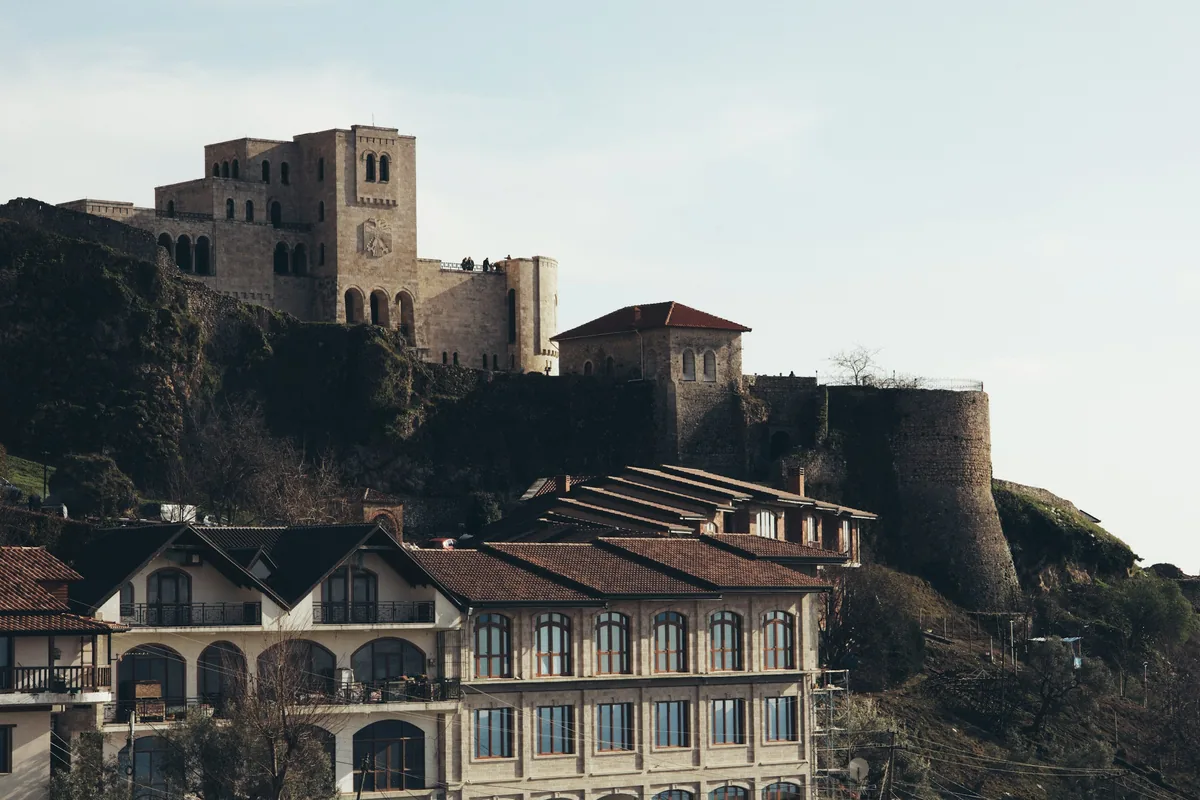
Walk down the cobbled Old Bazaar, where shops sell carpets, embroidery and antiques. The views across the plains to the coast are spectacular. Combine it with a visit to the nearby Sari Salltik viewpoint.
The Skanderbeg Museum tells the story of the 15th century hero’s battles against the Ottomans, while the Ethnographic Museum, set in a traditional Ottoman-era house, shows how wealthy families once lived.
- Getting there: Buses run from Tirana, or take a taxi or tour for an easier trip of around an hour each way.
- Time needed: Half a day.
- Insider tip: Shop for handmade carpets and embroidery in the Old Bazaar, but compare prices before buying.
Other Things to Do in Tirana
Grand Park and the Artificial Lake offer a green escape with walking paths around the water, popular with locals for evening strolls.
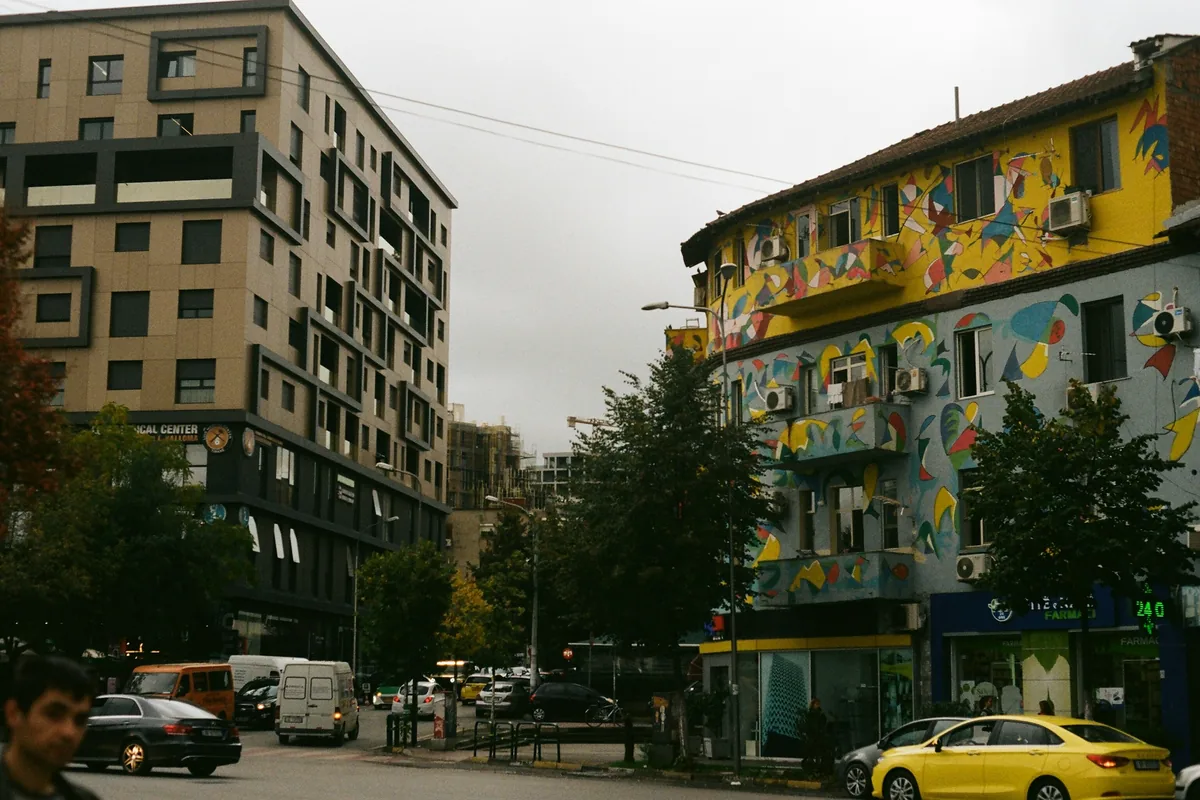
Tirana Castle (Kalaja e Tiranës) is a small pedestrian area built around old castle walls, with restaurants and craft shops.
The colourful buildings are part of an urban art project started in the early 2000s, when the city’s mayor had grey communist buildings painted in bright colours.
What Should You Know Before Visiting Tirana?
Spend at least two days. One day covers the centre, and a second lets you ride the cable car or visit Krujë.
Use cash for small purchases. The currency is the Albanian lek. Cards are accepted in many restaurants and hotels, but cafés and markets often prefer cash.
Get around on foot. The centre is compact and walkable. Taxis are inexpensive for longer trips, and the airport bus runs to the centre.
Visit in spring or autumn. Summers can be very hot, often above 30°C. April to June and September to October are more comfortable.
The official Albania tourism site has more information on events and attractions.
Where Should You Stay in Tirana?
The city centre around Skanderbeg Square is the most convenient base, with museums, restaurants and the main bus routes within walking distance.
Blloku is the best area for nightlife, cafés and trendy restaurants, and it’s only a short walk to the centre. The New Bazaar area is great for food lovers and has several boutique hotels in renovated buildings. Hotels in Tirana are generally good value compared with other European capitals, and many include a generous breakfast.
A 2-Day Tirana Itinerary
Two days is ideal for Tirana, with a third for a day trip. This plan covers the main sights at a comfortable pace.
Day 1: The Centre and Blloku
Start at Skanderbeg Square and the Et’hem Bey Mosque, then visit Bunk’Art 2 and the House of Leaves. After lunch at the New Bazaar, climb the Pyramid and spend the evening in Blloku.
Day 2: Bunkers and Mountains
Head east to Bunk’Art 1 in the morning, then ride the Dajti Ekspres cable car for lunch with a view. Back in the city, walk around the Artificial Lake at sunset.
Day 3: Krujë
Take a day trip to Krujë for the castle, the museums and the Old Bazaar, returning to Tirana for dinner.
Getting Around Tirana
The centre is compact and easy to explore on foot, with most sights within a 20-minute walk of Skanderbeg Square. City buses are cheap, and you usually pay a conductor on board.
Taxis are inexpensive, but agree on the fare or check that the meter is running before you set off. An airport bus runs regularly between Tirana International Airport and the city centre.
How Much Does a Trip to Tirana Cost?
Tirana is one of the most affordable capitals in Europe. Coffee, meals and public transport cost far less than in Western Europe, and mid-range hotels offer excellent value.
The biggest savings come from eating where locals eat, especially traditional restaurants and bakeries. Many of the city’s best experiences, such as walking around the squares, parks and Blloku, are free.
Frequently Asked Questions
Is Tirana worth visiting?
Yes. It’s lively, affordable and full of history, and it makes a great base for exploring central Albania.
How many days do you need in Tirana?
Two days is ideal for the main sights plus a day trip to Mount Dajti or Krujë.
Is Tirana safe for tourists?
Tirana is generally considered safe, with normal city precautions such as watching your belongings in crowded places.
What is the best time to visit Tirana?
April to June and September to October are the most comfortable months, with warm days and fewer extremes of heat than in midsummer.
Can you use euros in Tirana?
Some hotels and restaurants accept euros, but the Albanian lek is the local currency and you’ll usually get a better price paying in lek.
Discover Albania’s Capital
Tirana is a city of contrasts, where you can explore Cold War bunkers in the morning and sip cocktails in a former communist enclave by night. It’s the perfect introduction to Albania.
Heading to the coast next? The coast is three to four hours away, and our guide to the best beaches on the Albanian Riviera, from Dhërmi to Ksamil helps you choose where to stay. Want to go off the beaten track? Our list of Albania’s hidden gems, from Theth to Berat covers the mountains and old towns most visitors miss.
Featured image: Photo by Daniel Silva on Unsplash