Last updated: October 2026
Copenhagen changed how the world thinks about Nordic food. Over the past two decades the city has gone from herring and rye bread to one of the most exciting places to eat in Europe, with world-famous tasting menus, bakeries worth queuing for and street food on the harbour. The good news for visitors is that the old classics never went away. You can still sit down to a plate of smørrebrød in a basement lunch room that has been serving it for generations.
This guide covers 10 of the best places to eat in Copenhagen across every budget, from market stalls to a dinner you’ll plan your trip around. Each entry has a practical box with how to get there, how long to allow, the best time to go and one useful tip, and further down you’ll find the dishes to look out for, suggested food routes, where to stay, getting around and budget guidance. Restaurants change quickly here, so check opening days and booking rules on each venue’s own website, or on Visit Copenhagen, before you go.
Quick answer: Where should you eat in Copenhagen? Our top 10 are Torvehallerne, Reffen, Schønnemann, Aamanns, Hart Bageri, Bæst, Kødbyens Fiskebar, Hija de Sanchez, DØP and Alchemist. For a first visit, have a smørrebrød lunch at Schønnemann, graze at Torvehallerne, and save a special dinner at Kødbyens Fiskebar or Alchemist for the evening.
Quick list: where to eat in Copenhagen
| Place | Area | Best for | Price tier |
|---|---|---|---|
| Torvehallerne | Nørreport | Market grazing | Cheap to mid-range |
| Reffen | Refshaleøen | Street food by the water | Cheap |
| Schønnemann | Indre By | Classic smørrebrød lunch | Mid-range |
| Aamanns | Østerbro and other branches | Modern smørrebrød | Mid-range |
| Hart Bageri | Frederiksberg and other branches | Pastries and bread | Cheap |
| Bæst | Nørrebro | Wood-fired pizza and charcuterie | Mid-range |
| Kødbyens Fiskebar | Meatpacking District | Seafood and natural wine | Mid-range to special |
| Hija de Sanchez | Kødbyen, Torvehallerne and other stands | Tacos | Cheap |
| DØP | Indre By | Organic hot dogs | Cheap |
| Alchemist | Refshaleøen | A bucket-list tasting menu | Special occasion |
1. Torvehallerne
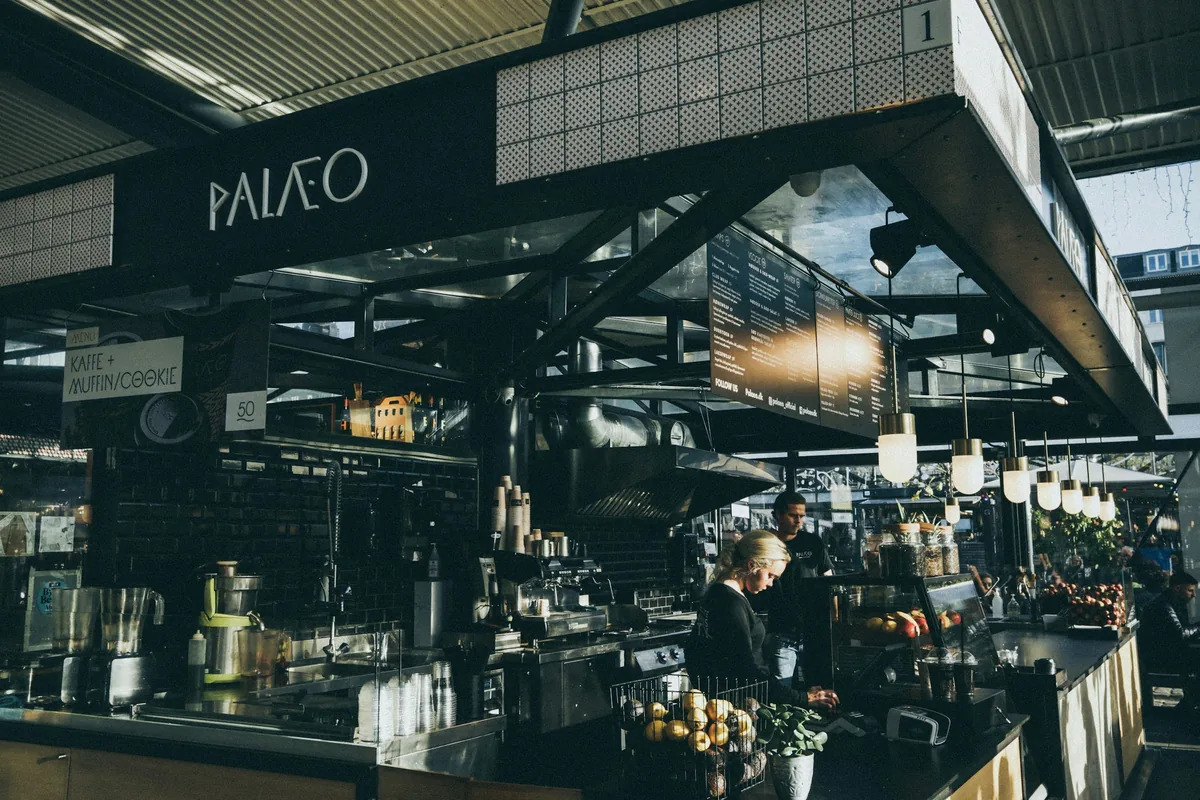
Torvehallerne is the easiest introduction to eating in Copenhagen. Two glass market halls next to Nørreport station (see the official Torvehallerne website for the stall list) hold dozens of stalls selling everything from smørrebrød and fresh fish to coffee, chocolate, cheese and pastries, with an outdoor fruit and flower market in between.
It works for almost any meal. Come in the morning for coffee and a cardamom bun, at lunch for an open sandwich or a bowl of something hot, or late afternoon for a glass of wine and a few snacks. Because everything is under one roof, it’s also the best place to try several Danish specialities without committing to a full restaurant meal.
The halls get crowded at weekend lunchtimes, when locals do their food shopping, so grab seats where you can and be ready to share a table.
- How to get there: Next to Nørreport station, served by the Metro, S-trains and buses.
- How long to spend: 45 minutes to an hour and a half.
- Best time to go: Weekday mornings or mid-afternoon, when it’s calmer.
- Tip: Walk the whole of both halls once before you buy anything. The best stalls aren’t always the ones by the entrance.
2. Reffen
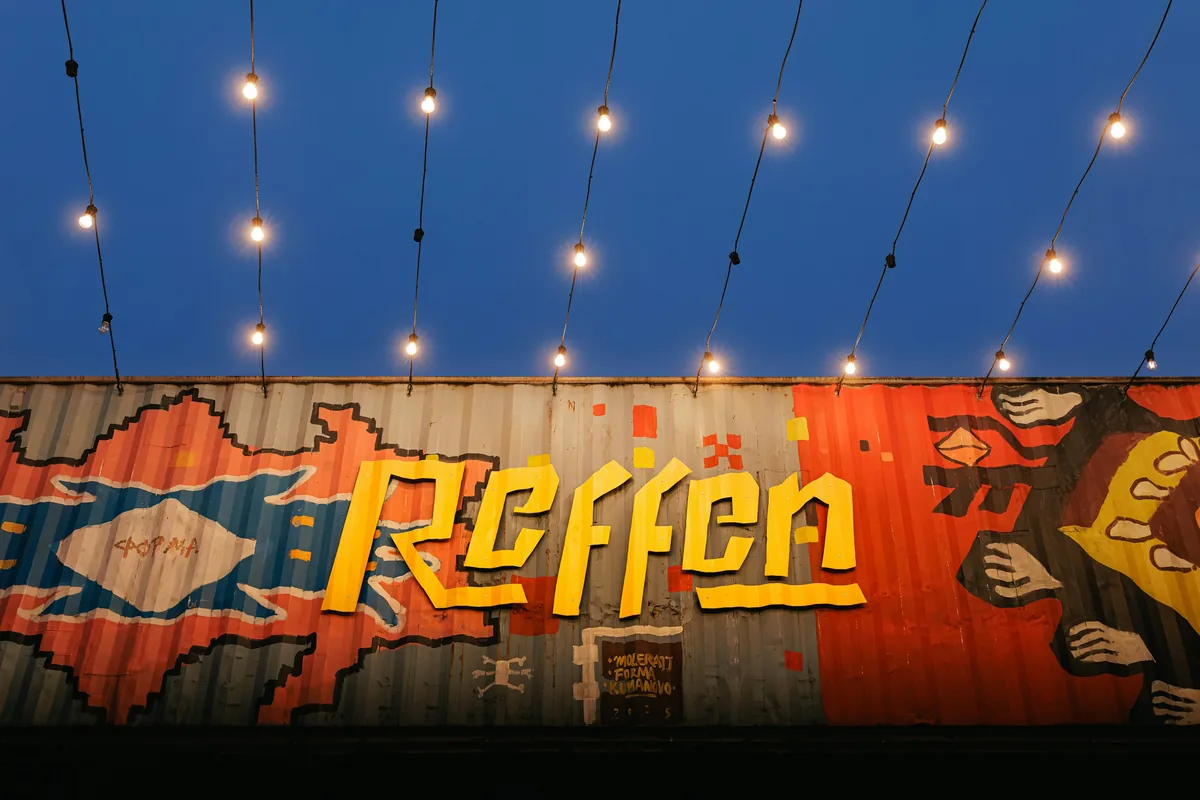
Reffen is Copenhagen’s big street food market, set in an old industrial area on the island of Refshaleøen. Dozens of stalls in shipping containers serve food from around the world, from Danish classics to dumplings, tacos, curries and grilled fish, alongside bars and plenty of outdoor seating facing the water.
The atmosphere is the main draw. On a warm evening, with the sun setting over the harbour and music playing, it’s one of the most enjoyable places in the city to eat. It’s also great for groups that can’t agree on what they want, since everyone can pick their own stall.
Reffen is mainly an outdoor, seasonal market. Its main food season runs from mid-March to the end of September, with autumn events after that and a winter break, so check the Reffen opening seasons page for current dates before making the trip out.
- How to get there: By harbour bus (the yellow boats that are part of the public transport network), by bike or by bus to Refshaleøen.
- How long to spend: Two hours or more, especially in the evening.
- Best time to go: Early evening on a dry, warm day between spring and early autumn.
- Tip: Take the harbour bus at least one way. It’s a cheap and scenic way to see the waterfront.
3. Schønnemann
If you want to try smørrebrød the traditional way, Schønnemann is the place most locals will point you to. This basement lunch restaurant has been serving open sandwiches since 1877, and stepping inside feels like a trip back in time, with low ceilings, wood panelling and white tablecloths.
The menu is long, with dozens of toppings on rye bread: pickled herring in several styles, fried plaice, roast beef with remoulade, egg and shrimp, and liver pâté with bacon. The tradition is to start with fish and move on to meat, ordering two or three pieces per person. Many diners pair them with cold beer and a small glass of aquavit.
Schønnemann is a lunch restaurant and it is very popular, so plan ahead. It is closed on Sundays and may close for short breaks during the year, so check the restaurant’s own website before you go.
- How to get there: On Hauser Plads in the city centre (Indre By), a short walk from Nørreport station.
- How long to spend: About an hour and a half.
- Best time to go: Lunchtime only. Arrive at opening if you haven’t booked.
- Tip: Book ahead, ideally several days in advance, and ask the staff which herring to start with.
4. Aamanns
Aamanns helped bring smørrebrød back into fashion with a modern, ingredient-led approach. The rye bread is baked in-house, the toppings are seasonal and largely organic, and the presentation is neat without being fussy. It’s a good choice if Schønnemann feels too old-school or if you want to see how younger Danish chefs approach the classic open sandwich.
Expect familiar combinations such as herring, potato, egg and fish, but with brighter flavours and more vegetables. You can try several pieces without feeling too full, and the takeaway counter is handy for a picnic in a nearby park.
Aamanns has several locations in the city, including one in Carlsberg Byen, so check which suits your plans and whether it’s open for lunch, dinner or both.
- How to get there: The original deli is on Øster Farimagsgade in Østerbro, a short walk from Rosenborg Castle and Nørreport station.
- How long to spend: An hour.
- Best time to go: Lunch.
- Tip: Order a mix of fish, meat and vegetable pieces to share so you can compare.
5. Hart Bageri
Copenhagen takes its bakeries very seriously, and Hart Bageri is one of the city’s most celebrated. It opened in 2018 on Gammel Kongevej in Frederiksberg, founded by Richard Hart, formerly head baker at Tartine in San Francisco, together with the team behind Noma. The focus is on sourdough loaves, laminated pastries and cardamom and cinnamon buns.
The cardamom bun is the one to try. It’s less sweet than many pastries abroad, with a strong spice flavour and a crisp, caramelised edge. The sourdough is excellent if you’re self-catering, and seasonal pastries change throughout the year.
Hart now has several branches across the city, including Holmen by the harbour and Nørrebro, so check its website for the one nearest you. Go early, as the most popular items can sell out.
- How to get there: The original bakery is on Gammel Kongevej in Frederiksberg; check the website for other branches.
- How long to spend: 15 minutes to buy, longer if there’s a queue.
- Best time to go: Early morning.
- Tip: Buy an extra pastry for later. A cardamom bun is the perfect train or plane snack.
6. Bæst
Bæst, in Nørrebro, is a relaxed, buzzy restaurant known for some of the most praised pizza in Copenhagen. It’s built around its wood-fired oven, its own charcuterie and a micro-dairy that makes fresh mozzarella on site. The menu combines Italian techniques with organic Danish ingredients, and the result is both comforting and very good.
Start with a plate of charcuterie and fresh mozzarella, then share a couple of pizzas. The setting is lively and informal, which makes it a good choice for groups and for evenings when you want a proper meal without the formality of a tasting menu.
Nørrebro itself is worth exploring before or after dinner. Jægersborggade has independent shops and cafés, and Assistens Cemetery, where Hans Christian Andersen and Søren Kierkegaard are buried, doubles as a park.
- How to get there: On Guldbergsgade in Nørrebro, a short walk from Nørrebros Runddel Metro station or an easy bike ride from the centre.
- How long to spend: An hour and a half to two hours.
- Best time to go: Dinner; book for weekends.
- Tip: Don’t skip the charcuterie. It’s made in-house and is as much a reason to come as the pizza.
7. Kødbyens Fiskebar
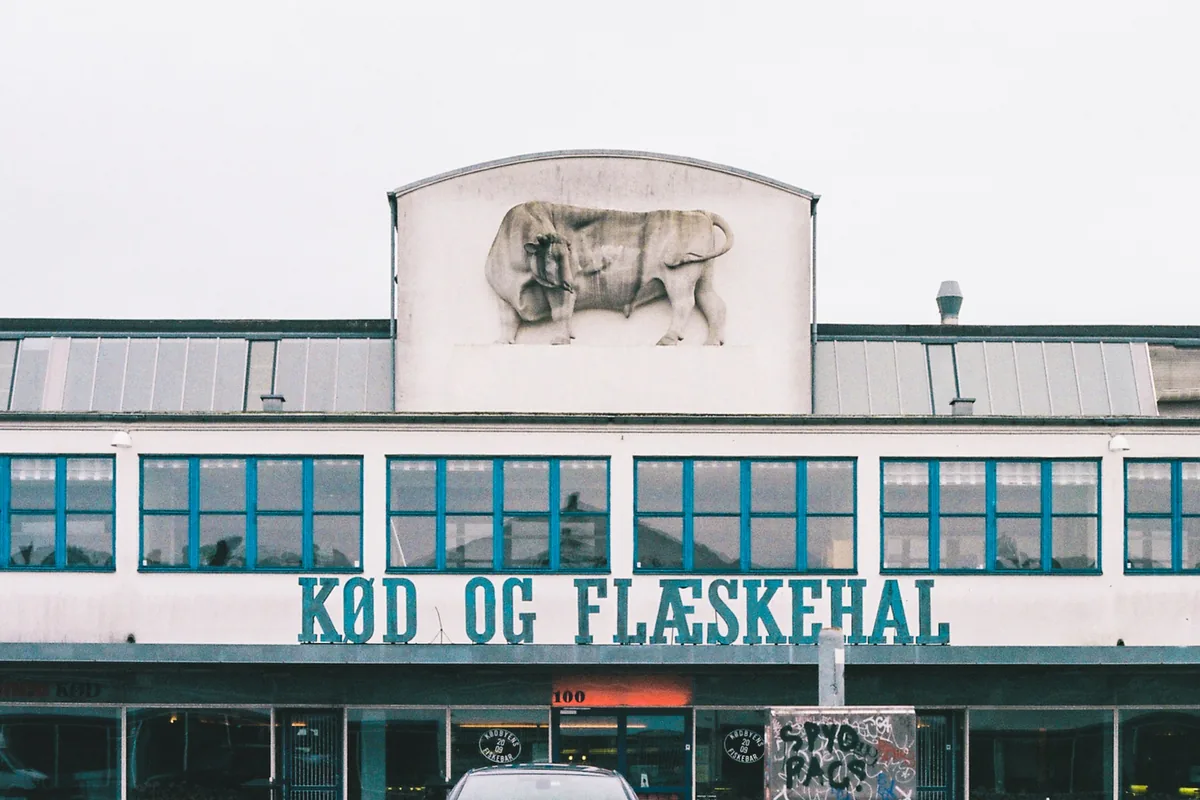
The Meatpacking District, or Kødbyen, is a former industrial area of white-tiled buildings that is now full of restaurants, bars and galleries. Kødbyens Fiskebar is one of its anchors: a seafood restaurant in a converted industrial space with a long bar and a menu built around Nordic fish and shellfish that changes with the catch.
Oysters, mussels and raw dishes are a good place to start, followed by whatever fish is in season. There’s a strong natural wine list, and the bar is a good spot if you’d rather snack than have a full dinner, as oysters and drinks are served through the day.
The surrounding area is lively in the evening, so it’s easy to move on afterwards for a drink.
- How to get there: On Flæsketorvet in Kødbyen, about five minutes’ walk from Copenhagen Central Station or Dybbølsbro station.
- How long to spend: Two hours for dinner, less at the bar.
- Best time to go: Early dinner, then stay in the district for drinks.
- Tip: If you can’t get a table, walk in and ask for a seat at the bar.
8. Hija de Sanchez
Hija de Sanchez is one of the best value meals in Copenhagen. It was set up by Rosio Sanchez, a Mexican-American chef who was previously head pastry chef at Noma, and the tacos are made with tortillas pressed from properly nixtamalised corn. The menu is short and changes, but expect classics such as carnitas and fish tacos alongside seasonal specials.
The stands are informal and counter-service, which makes them ideal for a quick lunch. The taqueria in the Meatpacking District is the flagship, and there are also stands at Torvehallerne and the Broens Gadekøkken street food market by the harbour, among others.
In a city where eating out can feel expensive, a couple of tacos here is one of the best value ways to eat very well.
- How to get there: Slagterboderne in Kødbyen, or inside Torvehallerne at Nørreport. Check the website for current locations.
- How long to spend: 20 to 30 minutes.
- Best time to go: Lunch, ideally slightly before or after the main lunchtime rush.
- Tip: Order two or three different tacos rather than doubling up on one.
9. DØP
No food tour of Copenhagen is complete without a hot dog from a street stand, and DØP (short for Den Økologiske Pølsemand, “the organic sausage man”) is the upmarket version of the tradition. Its stands sit by the Round Tower on Købmagergade and by the Church of the Holy Ghost on Strøget, right on the main walking routes through the old town.
According to Visit Copenhagen, everything is organic, from the sausages to the remoulade and fried onions. Sausages come in a sourdough bun, and there’s a choice of meats as well as a vegetarian option.
It’s quick, cheap by Copenhagen standards and very handy when you need something between sightseeing stops. Eat standing up, Danish style, or carry it to a bench on one of the nearby squares.
- How to get there: By the Round Tower on Købmagergade or on Strøget, both a short walk from Nørreport station.
- How long to spend: 15 to 20 minutes.
- Best time to go: Lunchtime or a mid-afternoon snack while exploring the old town.
- Tip: Try your hot dog with the full set of toppings: remoulade, mustard, ketchup, raw and fried onions and pickled cucumber.
10. Alchemist
For a once-in-a-lifetime dinner, Alchemist is one of the most talked-about restaurants in the world. Set in a huge former theatre workshop on Refshaleøen, it serves a very long tasting menu as an immersive performance, moving guests through different spaces, including a dining room under a domed planetarium-style ceiling. The courses are often thought-provoking and sometimes challenge diners to think about issues such as sustainability and animal welfare.
This is a special occasion splurge, and seats are limited. According to Alchemist’s own site, tickets are released roughly every three months and can only be booked online, with no phone reservations, and they tend to sell out very quickly. If you’re serious about going, plan around the reservation rather than the other way round.
If Alchemist isn’t possible, Copenhagen has many other acclaimed tasting menus. Check the Michelin Guide and the restaurants’ own sites for current status and booking windows.
- How to get there: On Refshalevej on Refshaleøen, by taxi, bus or bike.
- How long to spend: A whole evening; the meal lasts several hours.
- Best time to go: Book as soon as a new release of tickets opens.
- Tip: Sign up for the newsletter so you hear about the next release, and read the booking terms carefully, including which dietary requirements the kitchen can accommodate.
How to choose where to eat in Copenhagen
Start with your budget and the time of day. Lunch is the classic Danish meal out, so a smørrebrød lunch at Schønnemann or Aamanns gives you the most traditional experience for a mid-range spend. Markets and stands such as Torvehallerne, Reffen, Hija de Sanchez and DØP are the best value, while Kødbyens Fiskebar and Alchemist are for evenings when the meal is the main event.
Location matters too. Torvehallerne, Schønnemann, Aamanns and DØP are all close to Nørreport, so they slot easily into a day of sightseeing. Kødbyen and Nørrebro are better for dinner and drinks, and Refshaleøen needs a little more planning to reach.
Danish dishes to look out for
- Smørrebrød: open sandwiches on dense rye bread, the classic Danish lunch.
- Sild: pickled herring, served in many styles, often the first course of a smørrebrød lunch.
- Kanelsnegl and cardamom buns: cinnamon swirls and cardamom buns, best eaten fresh in the morning.
- Wienerbrød: what the rest of the world calls a Danish pastry.
- Rød pølse: the bright red hot dog sold from street stands (pølsevogn), usually with onions, pickles and remoulade.
- Stjerneskud: “shooting star”, a fried and steamed fish fillet on bread with shrimp and dressing.
- Frikadeller: Danish meatballs.
- Æbleskiver: small round pancakes, mainly a Christmas treat.
Suggested food routes for 1, 2 or 3 days
One day: Pastries at Hart Bageri in the morning, then Torvehallerne for grazing. Have a smørrebrød lunch at Schønnemann, a hot dog from DØP as you explore the old town, then dinner at Kødbyens Fiskebar and drinks in the Meatpacking District.
Two days: Add Nørrebro on day two, with coffee on Jægersborggade, tacos at Hija de Sanchez for lunch and pizza at Bæst for dinner.
Three days: Spend day three on Refshaleøen, taking the harbour bus to Reffen in season, or plan the day around a tasting menu dinner.
Where to stay for food lovers
- Indre By (city centre): walkable to Torvehallerne, Schønnemann and the main sights.
- Vesterbro: close to the Meatpacking District, with lots of bars and restaurants, and near the Central Station.
- Nørrebro: a younger, more local feel, with great cafés and casual restaurants.
- Christianshavn: canal-side and atmospheric, with easy harbour bus links to Refshaleøen.
Getting around
Copenhagen is compact and one of the world’s best cycling cities, so renting a bike is often the quickest way between neighbourhoods. The Metro runs frequently, and the harbour buses are part of the public transport network. Most of the city centre is walkable. For wider trip planning, the national tourist board Visit Denmark has practical advice.
Booking, tipping and opening hours
- Booking: Book ahead for popular lunch places like Schønnemann, and for dinner anywhere at weekends. Fine dining reservations often open months ahead.
- Tipping: Service is normally included in Danish prices, so tipping isn’t expected. Leaving a little extra for good service is appreciated but optional.
- Opening hours: Many restaurants close one or two days a week, often Sunday or Monday, and smørrebrød places are usually lunch only. Street food stalls and bakeries may close early once they sell out.
- Payment: Cards are accepted almost everywhere, and some places are card-only.
Budget guidance
- Cheap eats: bakeries, Torvehallerne, Reffen, tacos and hot dog stands.
- Mid-range: smørrebrød lunches, neighbourhood bistros, pizza at Bæst.
- Special occasion: seafood dinners in Kødbyen, wine bars with tasting menus and, at the top end, restaurants like Alchemist.
Eating out in Copenhagen is expensive compared with much of Europe. A good way to stretch your budget is to make lunch your main meal, since lunch menus are often better value than dinner.
Frequently Asked Questions
What food is Copenhagen famous for?
Copenhagen is famous for smørrebrød (open sandwiches on rye bread), pickled herring, Danish pastries and New Nordic cuisine, the seasonal, local style of cooking that put the city on the world’s food map.
Is eating out in Copenhagen expensive?
Yes, compared with most European cities. To keep costs down, eat at markets, bakeries and street food stands, and have your main meal at lunchtime.
Do you need to book restaurants in Copenhagen?
For popular lunch spots, weekend dinners and anywhere well known, yes. Casual places, markets and street food stands generally don’t take bookings.
Do you tip in Copenhagen?
Tipping isn’t expected, as service is included in prices. You can round up or leave a little extra for great service if you want to.
Where can you eat cheaply in Copenhagen?
Torvehallerne, Reffen, hot dog stands, bakeries and taco stands are all good value. Supermarkets and bakeries also make picnics easy.
What is smørrebrød?
Smørrebrød is a Danish open sandwich, made on buttered rye bread with toppings such as herring, egg, shrimp, roast beef or pâté. It’s traditionally eaten at lunch, starting with fish and moving to meat.
Discover More of Europe
Planning to visit in winter? Many of the best Copenhagen meals double as cosy stops on a festive trip, and our guide to Europe’s most magical Christmas markets, which includes Copenhagen shows how to combine them. If you are choosing a cold-season city break, compare options in our list of the best winter destinations in Europe, or see how Danes welcome the new year in our round-up of the best New Year’s Eve destinations in Europe. Food-focused travellers heading south afterwards might enjoy our guide to the best things to do in Lisbon, another city where eating is half the fun.
Featured image: Photo by Nick Karvounis on Unsplash