Last updated: October 2026
Florence is a city where a quick street sandwich, a crowded family trattoria and a candlelit cellar can sit within a short walk of each other. If you want to know where to eat in Florence, mix a market breakfast and a sandwich lunch with one or two proper trattoria dinners, and book the popular ones ahead. The food is rooted in simple Tuscan cooking: bread soups, grilled meat, beans, olive oil and offal dishes that locals still love.
This guide covers 10 places to eat in Florence, each with a practical box: how to get there, how long to allow, the best time to go and one tip. Further down you will find the dishes to try, how booking and tipping work, suggested food routes, where to stay, getting around and budget guidance. For wider planning, see the official Feel Florence visitor site.
If you are building a wider Italian trip, our guide to the best places to see in Europe shows where Florence fits among the continent’s top destinations.
Opening days, menus and payment rules change, and some of the most famous places are cash only or have unusual booking systems. Check each place’s own information before you go, and treat our notes as a starting point.
Quick answer: Where should you eat in Florence? For a cheap, classic lunch, queue for lampredotto at Nerbone or a schiacciata sandwich at All’Antico Vinaio. For a traditional trattoria meal, book Trattoria Sostanza or Il Latini. For modern Tuscan cooking in the Oltrarno, try Il Santo Bevitore, and finish with gelato at Gelateria dei Neri.
Quick comparison: places to eat in Florence
| Place | Area | Best for | Price tier |
|---|---|---|---|
| Mercato Centrale | San Lorenzo | Market stalls and a food hall under one roof | Cheap to mid-range |
| Nerbone | San Lorenzo | Lampredotto and bollito sandwiches | Cheap eats |
| All’Antico Vinaio | Via dei Neri | Giant schiacciata sandwiches | Cheap eats |
| Trattoria Mario | San Lorenzo | Fast, communal Tuscan lunch | Cheap to mid-range |
| Trattoria Sostanza | Near Piazza Goldoni | Butter chicken and artichoke omelette | Mid-range |
| Il Latini | Via dei Palchetti | A lively, communal-table dinner | Mid-range |
| Cibrèo Trattoria | Sant’Ambrogio | Market-led Tuscan cooking | Mid-range |
| Il Santo Bevitore | Oltrarno | Modern Tuscan dinner and wine | Mid-range |
| Buca Lapi | Centre | Bistecca in a historic cellar | Special occasion |
| Gelateria dei Neri | Santa Croce | Local-favourite gelato | Cheap eats |
1. Mercato Centrale
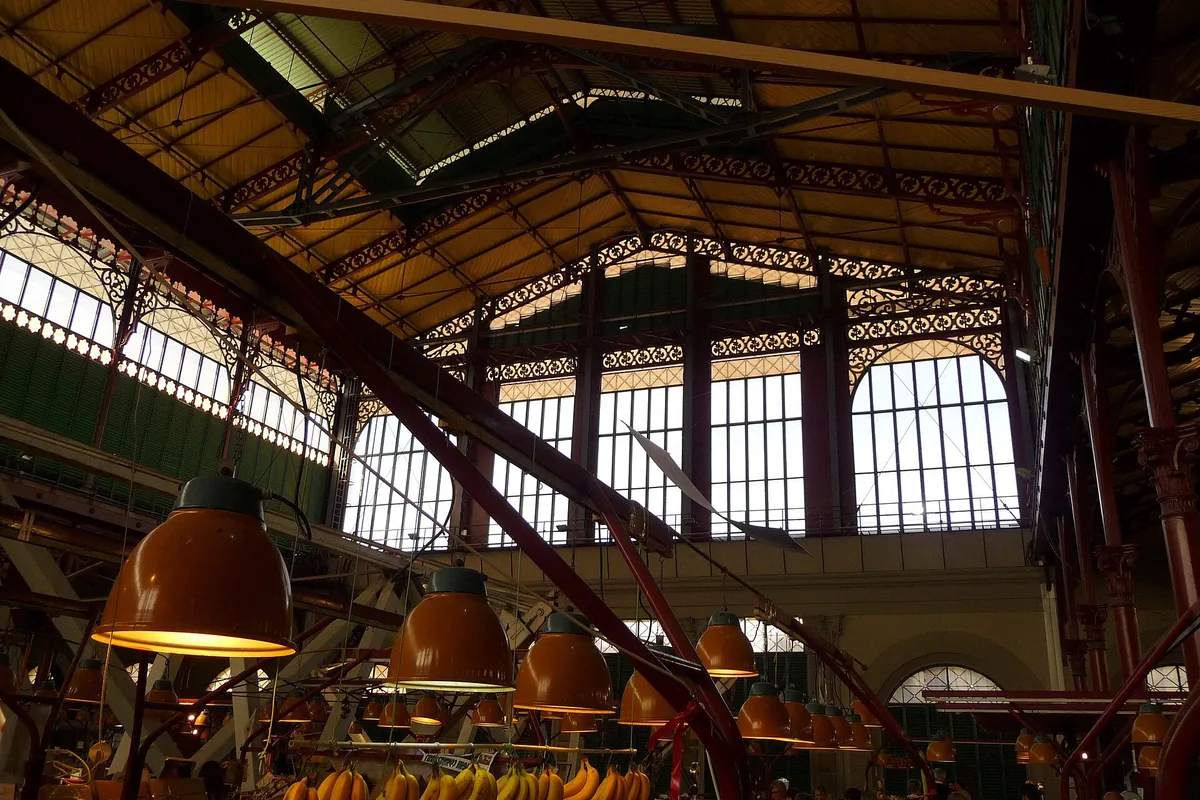
Mercato Centrale is the best first stop for anyone who wants to taste Florence under one roof, a covered 19th-century market hall near San Lorenzo. The ground floor is a working food market of butchers, cheese counters, fruit and vegetable stalls and old-fashioned kiosks, while the upper floor is a modern food hall.
Downstairs, you can browse Tuscan salami, pecorino, olive oil and fresh produce, and some stalls serve hot dishes to eat on the spot. Upstairs, counters offer pizza, pasta, burgers, seafood, gelato and desserts, which is helpful if your group cannot agree on one cuisine. The upper floor also has a long communal seating area and stays open into the evening, so it works for a casual dinner as well as lunch.
The ground-floor market follows market hours and tends to wind down in the afternoon, while the food hall keeps a later schedule. Sources differ on exact times, so check the official Mercato Centrale Firenze site before you plan around a closing time.
Go with a loose plan and graze: a few small plates from different counters tells you more about Tuscany than one big meal. Markets are also a good place to buy edible gifts, such as olive oil or dried pasta, for the trip home.
- How to get there: It is a short walk from Santa Maria Novella station and the Duomo, on the edge of the San Lorenzo street market.
- How long to spend: One to two hours for a leisurely browse and a meal.
- Best time to go: Morning for the ground-floor stalls, and early evening for the upper food hall before it fills up.
- Tip: Walk the whole hall before ordering, and share dishes so you can try more counters.
2. Nerbone
Nerbone is the classic place to try lampredotto, Florence’s famous tripe sandwich, from a long-established kiosk inside the Mercato Centrale. It is a standing-room, counter-style stall rather than a restaurant, which is exactly the point.
Lampredotto is made from the fourth stomach of the cow, slow-cooked in broth and served in a soft bread roll. Locals often ask for the bread to be dipped in the cooking juices, and for a green salsa (salsa verde) or a spicy sauce on top. If tripe is not for you, the stall also serves boiled beef sandwiches (panino con il bollito) and simple plates, which are easier for first-timers. Seating is limited, so many people eat standing or at the shared counters.
Nerbone works best as a quick lunch or a mid-morning snack, since it is a market stall and sells out. Guides report that it is cash only and closed on Sundays, and that it winds down in the early afternoon, though these details can change. Look at the stall’s current information before travelling specially.
Even if you only take a bite, it is a rite of passage for food lovers visiting the city, and a much more local choice than another pizza slice near the Duomo.
- How to get there: Walk from Santa Maria Novella station or the Duomo to the Mercato Centrale, and look for the stall on the ground floor.
- How long to spend: About 30 minutes for a sandwich and a drink.
- Best time to go: Late morning, before the lunch rush and before the stall sells out.
- Tip: Ask for your lampredotto “bagnato” (with the bread dipped in broth) and add salsa verde if you want the traditional version.
3. All’Antico Vinaio
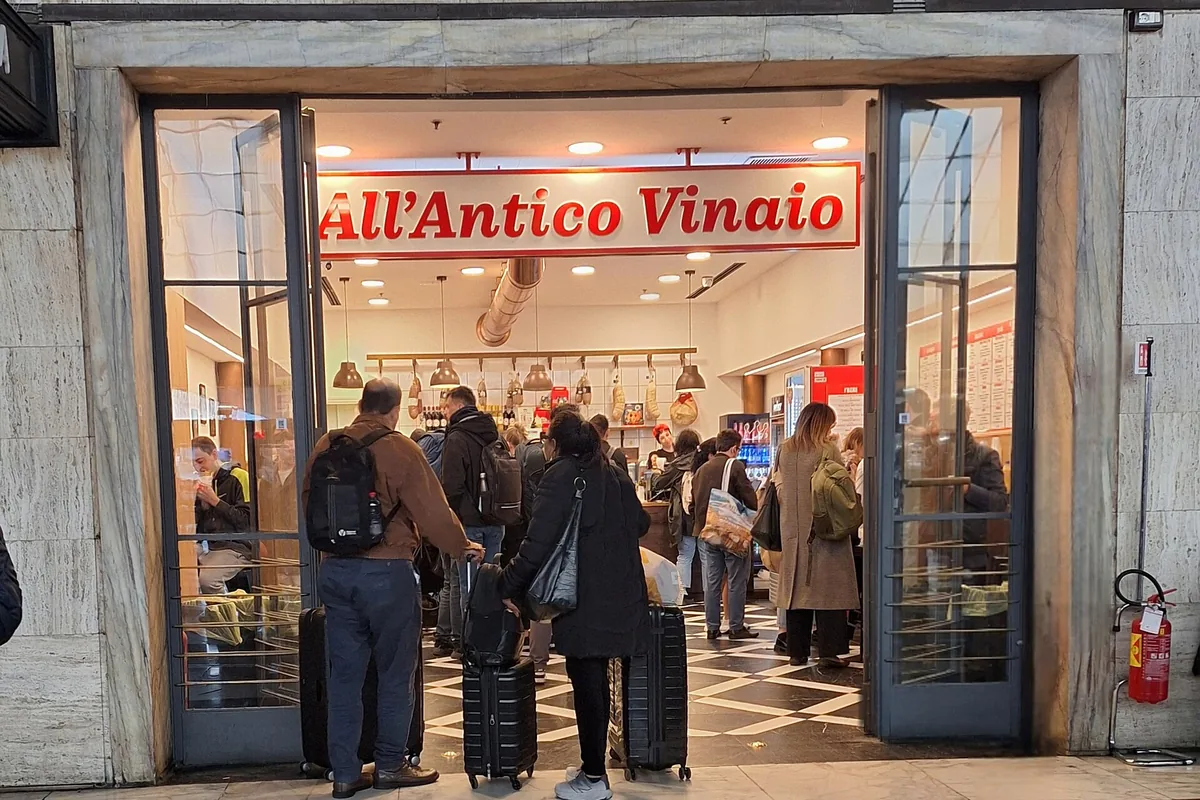
All’Antico Vinaio is the most famous sandwich shop in Florence, a narrow shop on Via dei Neri known for enormous schiacciata sandwiches filled with Tuscan meats, creamy cheeses and spreads. The queue outside is a fixture of Florentine street life, but it moves quickly.
Schiacciata is a salty, olive-oil-rich Tuscan flatbread, and here it is split and filled generously. Popular choices include finocchiona (fennel-seasoned salami), prosciutto, pecorino, truffle cream and sun-dried tomatoes. The staff work fast, and you choose your fillings as you reach the counter, so decide while you wait. A glass of Chianti is often sold alongside, which suits the shop’s wine-bar roots.
The brand has expanded in Italy and overseas, but the original Florence shop is the one most visitors want. Opening times have been reported differently by different sources, with a midday and an evening service, so check the official site before you plan. The sandwiches are big enough to share, and half is plenty for many people.
If the queue looks too long, other schiacciata shops nearby offer a similar sandwich with less wait, so you can skip the line without missing the experience.
- How to get there: Walk from the Uffizi or Ponte Vecchio to Via dei Neri, a few minutes away in the Santa Croce area.
- How long to spend: Allow 30 to 45 minutes including the queue.
- Best time to go: Avoid the noon to 2pm peak. Mid-morning or mid-afternoon is shorter.
- Tip: Share one sandwich between two, and eat it on the nearby steps or in a quiet square.
4. Trattoria Mario
Trattoria Mario is the most characterful budget lunch in Florence, a tiny, family-run trattoria near the Mercato Centrale where strangers share tables and the menu is short and traditional. It has been run by the same family for generations.
The rhythm is part of the appeal. Reports describe it as lunch only, cash only, with no reservations, so you turn up, put your name on the list and wait for a seat at a communal table. Service is brisk and no-nonsense, and the dishes are classic Tuscan comfort food: ribollita (bread and vegetable soup), pasta, roast meats and, on some days, bistecca. Specials depend on the day of the week.
It is not a place for a long, romantic dinner. Expect a noisy, friendly room, a short wait and a quick turnaround, which is exactly why locals and market workers love it. Sources also report it closing for part of August, so check ahead if you visit in summer.
Because details such as opening days and payment can change, treat the figures here as guidance and confirm before you go. Arrive before the doors open to get on the list early.
- How to get there: It is on Via Rosina, a short walk from Mercato Centrale and Santa Maria Novella station.
- How long to spend: About an hour.
- Best time to go: Arrive before noon to join the list before the lunch crowd.
- Tip: Bring cash, be ready to share a table, and order simply from the day’s short menu.
5. Trattoria Sostanza
Trattoria Sostanza is the old-school Florentine trattoria that people book weeks ahead, famous for its butter chicken (pollo al burro) and its artichoke omelette (tortino di carciofi). It is a small, tightly packed room with long tables and a no-frills feel.
The cooking is simple and rich. The chicken is pan-cooked in butter until golden and served sizzling, while the tortino is a dense, savoury omelette that is a favourite starter. Steak is also on the menu, cooked in the traditional style. The atmosphere is bustling and very local, with waiters moving fast between tables, and you may be sharing a long table with other diners.
Reports agree on a few practical points: book well ahead, expect to pay in cash and do not expect a large menu. Sources describe it as closed at weekends, so confirm the opening days directly with the restaurant when you book. The place has a legendary reputation, so arrive hungry and relaxed rather than rushing to another sight.
If you cannot get a table here, Il Latini and Cibrèo Trattoria are good alternatives with a similar spirit of traditional Tuscan cooking.
- How to get there: It is in the centre, a short walk from Piazza Goldoni and the Arno. Use a map app for the exact address.
- How long to spend: Allow around two hours for a relaxed dinner.
- Best time to go: A weekday dinner, booked in advance. Weekday lunch is another option if you can get a table.
- Tip: Order the butter chicken and the artichoke tortino, and take enough cash.
6. Il Latini
Il Latini is the best-known place in Florence for a lively, communal-table Tuscan dinner, with hams hanging from the ceiling and plenty of noise. It sits on a quiet street off Via della Vigna Nuova, in the centre.
Guests are usually seated at shared tables, and the meal has a festive, old-fashioned feel. Typical dishes include ribollita, pappardelle with wild boar ragù, mixed roast meats and bistecca alla fiorentina, which is the main draw for many diners. The house wine is usually poured freely. Some sources describe an informal set meal, so ask what is available when you book.
Booking is essential, and guests often queue at the door at opening time before being seated. The restaurant is reported to close on Mondays, but check when you reserve. Evenings are the busiest and the most atmospheric, though some sources list lunch at weekends, so ask when you book.
It is a good choice for groups and anyone who wants the classic Tuscan trattoria experience without a formal setting. Go with an appetite and prepare for a long, sociable meal. It is also a useful reminder that Florentine dining is meant to be shared, so be ready to chat with your neighbours and pass the bread.
- How to get there: Walk from Santa Maria Novella station or the Duomo to Via dei Palchetti, off Via della Vigna Nuova.
- How long to spend: Two hours or more for dinner.
- Best time to go: Early evening, with a table booked ahead.
- Tip: Reserve several days in advance, especially for weekends, and ask about the set meal and bistecca.
7. Cibrèo Trattoria
Cibrèo Trattoria is the best-value way to eat Tuscan cooking in Sant’Ambrogio, an informal sibling of the famous Cibrèo restaurant next door. The Cibrèo group was founded by chef Fabio Picchi, who opened the original in 1979, and it remains a Florence institution.
The cooking follows what is good at the nearby Sant’Ambrogio market, so menus change with the seasons. Expect dishes such as roast meats, stuffed rabbit and classic Tuscan soups, served at a gentler price than the formal restaurant. The Trattoria is relaxed, with a simple room and a local crowd,.
Sant’Ambrogio is also one of the nicest neighbourhoods for a food walk, since the market, bars and bakeries surround the restaurants. The group also runs a café and a members’ cultural club, Teatro del Sale, but check the official Cibrèo site for the current set-up rather than relying on older guides.
Sources do not agree on every detail of the group today, so it is worth reading current information and asking whether the Trattoria takes reservations, as sources disagree. If the sit-down meal is full, the market itself, with its produce stalls and small food counters, is a pleasant way to taste the same ingredients.
- How to get there: Walk east from the Duomo to Sant’Ambrogio market, about 15 minutes, or take a short taxi ride.
- How long to spend: About 90 minutes to two hours.
- Best time to go: Lunch or early dinner, ideally after a stroll round the market.
- Tip: Ask about the daily dishes and check the booking policy before you go.
8. Il Santo Bevitore
Il Santo Bevitore is the best modern Tuscan restaurant in the Oltrarno, a warm, brick-and-wood room on Via di Santo Spirito that mixes traditional ingredients with a lighter, more contemporary touch. It is listed in the Michelin Guide.
The menu leans on seasonal Tuscan ingredients, with classics such as pappa al pomodoro (tomato and bread soup) alongside pasta, meat and fish dishes presented with more polish than a classic trattoria. The wine list is extensive and a good excuse to ask for a recommendation by the glass. The room is relaxed and friendly, and suits a long dinner after a day of sightseeing.
The Oltrarno, across the river, is one of the best areas to eat in Florence, with artisan workshops by day and wine bars by night. Piazza Santo Spirito, a short walk away, is a lively place for an aperitivo before or after dinner.
Michelin recognition can change from year to year, so check the guide for the current status. Booking is sensible, particularly at weekends. If you cannot get a table, the wine bars and cafés along the same street make a good fallback for a lighter evening of small plates and a glass of Tuscan red.
- How to get there: Cross the Ponte alla Carraia or Ponte Santa Trinita and walk to Via di Santo Spirito.
- How long to spend: Around two hours for dinner.
- Best time to go: Evening, with a reservation. Lunch is quieter.
- Tip: Pair dinner with an aperitivo on Piazza Santo Spirito beforehand.
9. Buca Lapi
Buca Lapi is the most atmospheric place in Florence for bistecca alla fiorentina, set in a vaulted cellar beneath Palazzo Antinori. It is a historic restaurant with a candlelit feel, vintage posters and long communal tables.
The star dish is the bistecca alla fiorentina, a thick T-bone cut of beef cooked rare over a wood fire and sold by weight, usually for two people to share. Visit Tuscany describes the classic version as Chianina beef cooked medium-rare over charcoal, so ask the staff how they serve it. Other dishes, such as cannelloni and seasonal pasta, are also popular.
Because it is a basement, the room can get warm in summer, so ask whether a cooler table is available when you book. It is best for a special occasion or a group dinner, since it is pricier than the trattorias on this list. Booking is strongly recommended, and some guides suggest doing so weeks in advance in busy months.
If you are not a steak eater, the pasta dishes make it a fine choice for a smaller meal. Always confirm the current menu and booking rules before you set your heart on a particular dish. Eat lightly earlier in the day, as a full steak dinner is generous.
- How to get there: It is in the historic centre, a short walk from the Duomo and the main shopping streets.
- How long to spend: Around two hours.
- Best time to go: Evening, booked well in advance.
- Tip: Share one bistecca between two, and ask about the weight and price before you order.
10. Gelateria dei Neri
Gelateria dei Neri is the local-favourite place for gelato in Florence, a small shop on Via dei Neri that Florentines often recommend over the busier tourist spots. It makes a good finish to a sandwich lunch at the shop down the road.
The flavours are classic and well made, from rich chocolate and nut flavours to fruit sorbets, and in cooler months you may find seasonal specials such as semifreddo. Staff are friendly and happy to let you taste before you choose. A small cup or cone is usually enough, and you can mix two or three flavours.
Look for signs of quality gelato: muted natural colours, flavours stored in covered metal tubs rather than piled up in bright mounds, and a short menu that changes with the season. Florence has other well-loved gelaterie in Santa Croce and the Oltrarno, so you can compare a few on a walk.
It is a short stroll from the Uffizi and Santa Croce, which makes it easy to fit into a sightseeing day. Check current information before travelling specially, since small shops change their hours with the season. If you are unsure which flavours to pick, ask for a taste of the house specialities and choose from there.
- How to get there: Walk from Piazza della Signoria or Santa Croce to Via dei Neri.
- How long to spend: 15 to 30 minutes.
- Best time to go: Afternoon or evening, as a stroll after lunch or dinner.
- Tip: Choose two flavours that go together, and ask for something seasonal.
Tuscan Dishes to Look Out For
- Bistecca alla fiorentina: a thick T-bone grilled rare over fire, usually sold by weight to share.
- Lampredotto: slow-cooked tripe, served in a bread roll as Florence’s classic street food.
- Ribollita: a thick Tuscan soup of bread, beans and vegetables, best in the cooler months.
- Pappa al pomodoro: a thick tomato and bread soup with garlic, basil and olive oil.
- Crostini di fegatini: toasts spread with chicken liver pâté, a traditional starter.
- Schiacciata: a salty, olive-oil flatbread, used for sandwiches or eaten plain.
- Finocchiona: a Tuscan salami seasoned with fennel.
Booking, Tipping and Opening Times
Book dinner at the popular trattorias several days ahead, and weeks ahead for the most famous. Some places are cash only or do not take reservations, so check before you go. Many Florence restaurants add a cover charge (coperto) per person, which is normal and shown on the menu or bill, and some add a service charge. If service is not included, a small extra tip is welcome but not expected. Lunch is usually served from around midday and dinner from early evening, but many places close between services and on one day a week, so check the official site or ask when you book.
Suggested Food Routes for 1, 2 or 3 Days
- One day: Lampredotto at Nerbone, a market browse, a schiacciata sandwich for lunch, gelato and a trattoria dinner at Il Latini.
- Two days: Add Trattoria Mario for lunch and an Oltrarno dinner at Il Santo Bevitore.
- Three days: Add a Sant’Ambrogio market walk and lunch at Cibrèo Trattoria, then a special bistecca dinner at Buca Lapi.
Where to Stay for Food Lovers
San Lorenzo and the area near Santa Maria Novella station are convenient for markets and trains, and have plenty of budget options. The Duomo area puts you close to the main sights and trattorias. The Oltrarno is quieter and has the best evening atmosphere, with wine bars and workshops. Sant’Ambrogio and Santa Croce suit travellers who want a more local feel. The official Florence tourism site is a good place to compare areas.
Getting Around
Central Florence is compact and best explored on foot, and nearly everything on this list is within about 20 minutes of the Duomo. Taxis and buses help for late dinners, and trams link the station area with parts of the outskirts. Wear comfortable shoes, as pavements are uneven.
Budget Guidance
- Cheap eats: Market stalls, schiacciata sandwiches, lampredotto, pizza by the slice and gelato.
- Mid-range: Trattoria meals at Mario, Il Latini, Cibrèo Trattoria and Il Santo Bevitore, which are good value for the quality.
- Special occasion: A bistecca dinner for two at Buca Lapi or a long tasting evening elsewhere, where steak is priced by weight.
Prices change, so check menus before you commit.
Frequently Asked Questions
Where should you eat in Florence for the first time?
Start with the Mercato Centrale for a market breakfast or lunch, then book one traditional trattoria dinner such as Il Latini or Trattoria Sostanza. Add a street sandwich and gelato for the full range.
What is lampredotto and should you try it?
Lampredotto is a slow-cooked tripe sandwich, a classic Florentine street food. It is worth trying once, and kiosks such as Nerbone are the traditional place. If you prefer, ask for a boiled beef sandwich instead.
Do you need to book restaurants in Florence?
For the popular trattorias and steak restaurants, yes, and well ahead. Casual spots such as market stalls and sandwich shops do not take bookings, and some old-school places have their own rules, so check before you go.
Is tipping expected in Florence restaurants?
Not heavily. Many restaurants add a cover charge, and some add a service charge, so check your bill first. A small extra tip for good service is welcome but not required.
How much is a Florentine steak?
Bistecca alla fiorentina is usually sold by weight and shared between two, so the cost depends on the cut and the restaurant. Ask for the weight and price before you order, and check the menu.
When is the best time to eat in Florence?
Lunch is served from around midday and dinner from early evening, a little earlier than in southern Italy. Avoid the noon peak at sandwich shops, and book dinner for the evening you want.
Discover More of Tuscany
Florence rewards slow eating, so pair these meals with time in the museums and across the river in the Oltrarno. If you are heading south afterwards, our guide to the towns of the Amalfi Coast is a good next step, and for an evening drink in another Italian city, see our pick of the best bars in Rome. Food lovers planning a longer Mediterranean trip can also compare our guide to where to eat in Barcelona. Always check each venue’s own information for opening days and booking rules before you go.
Featured image: Photo by Txllxt TxllxT, CC BY-SA 4.0, cropped, via Wikimedia Commons