Last updated: October 2026
Prague is a city where a hearty Czech lunch, a glass of well-kept beer and a grand coffeehouse can all sit within a short walk of each other. If you want to know where to eat in Prague, mix the classic pubs with a canteen, a market and one special meal, and steer clear of the tourist-menu restaurants around the main squares.
This guide covers 10 places to eat in Prague, each with a practical box: how to get there, how long to allow, the best time to go and one tip. Further down you will find the dishes to try, how booking and tipping work, suggested food routes, where to stay, getting around and budget guidance. The official Prague tourism site is a useful starting point for transport and current events.
Opening days, menus and booking rules change, so check each place’s own information before you go. Where a place has a Michelin Guide listing, we link to it so you can see the current status.
Quick answer: Where should you eat in Prague? For a classic Czech pub meal with fresh tank beer, go to Lokál Dlouhááá. For a cheap, fast lunch, try Havelská Koruna. For modern Czech cooking, book Eska in Karlín. For a splurge, Field is the city’s best-known tasting menu, and Café Imperial is the grandest room to eat in.
Quick comparison: places to eat in Prague
| Place | Area | Best for | Price tier |
|---|---|---|---|
| Lokál Dlouhááá | Old Town | Czech pub classics and tank beer | Mid-range |
| Havelská Koruna | Old Town | Self-service Czech lunch | Cheap eats |
| Café Savoy | Malá Strana | Brunch under a painted ceiling | Mid-range |
| Eska | Karlín | Modern Czech cooking and bakery | Mid-range |
| Kantýna | New Town | Steaks and cooked dishes from a butcher’s counter | Mid-range |
| Náplavka Farmers’ Market | Riverside, New Town | Saturday morning grazing | Cheap eats |
| Manifesto Market Anděl | Smíchov | Many cuisines in one place | Cheap to mid-range |
| U Fleků | New Town | Historic brewery hall and dark beer | Mid-range |
| Café Imperial | New Town | Art Deco coffeehouse dining | Mid-range to special occasion |
| Field | Old Town | Tasting menu | Special occasion |
1. Lokál Dlouhááá
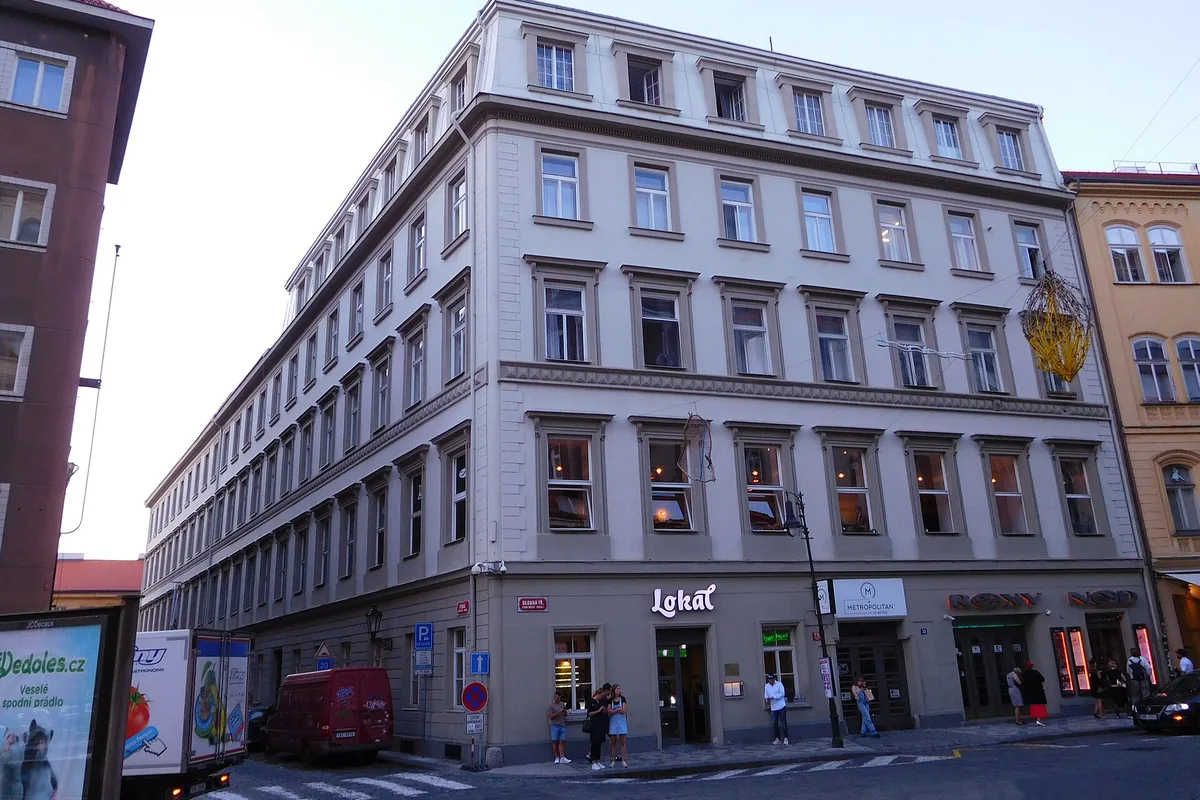
Lokál Dlouhááá is the easiest way to taste everyday Czech food the way locals eat it, in a loud, tiled, always busy beer hall with a stainless-steel bar. The draught Pilsner Urquell comes from a tank in the room, so it is poured fresh and unpasteurised, and the staff will happily pour it in different styles, from a mostly foamy “mlíko” to a standard pour.
The menu centres on pub classics: svíčková (beef sirloin in a creamy root vegetable sauce with bread dumplings), goulash, fried cheese and pork with dumplings and cabbage. It changes by the day, so ask what is fresh. Portions are generous, and the cooking is honest rather than fancy, which is exactly the point. The venue is listed on the official Prague tourism site, where you can check its current details.
Lokál is big but it fills up, particularly on weekend evenings and around dinner time, so booking helps if you are a group. Tables are often shared when it is busy, which is normal in Czech pubs. Service is quick and sometimes brisk, and you will not be asked whether you want another beer: the next one simply arrives, and you tell the waiter when you have had enough. Look at the bill before you pay and settle up at the table, as is usual in Prague.
It is also a handy place for a first night in the city, since it is a short walk from Old Town Square and does not feel like a tourist trap despite the location. If beer is a big part of your trip, read our guide to the best pubs in Prague for more tank-beer rooms and local favourites.
- How to get there: It is a short walk from Old Town Square, or take the metro to Náměstí Republiky and walk for a few minutes.
- How long to spend: Allow 1 to 2 hours for a full meal with beer.
- Best time to go: Weekday lunch is calmest. Evenings and weekends are lively and best booked.
- Tip: Order the daily special if there is one, and ask the server which pour to try if you have not had tank beer before.
2. Havelská Koruna
Havelská Koruna is a no-frills self-service canteen in the Old Town where you can eat a full Czech meal for a fraction of restaurant prices. It opened in the late 1990s and was modelled on an older canteen of the same name that once stood on Wenceslas Square, so it has a real following among office workers, students and visitors alike.
You take a ticket at the entrance, choose from the counters of hot dishes, salads, desserts and drinks, and each item is marked on the ticket. You pay on your way out. The dishes are classic canteen fare: schnitzel with potato salad, goulash, roast pork and dumplings, a range of soups, and a good choice of sides and cakes. There is plenty for vegetarians too, although the emphasis is on traditional meat dishes.
Do not expect a quiet, atmospheric meal. Tables are shared, the room is large and functional, and the queue can run out of the door at peak lunchtime. Study the menu boards while you wait, and keep hold of your ticket, as losing it can mean a penalty charge. It is a good option if you are travelling on a budget, if you have children who want to point at what they eat, or if you simply want a quick, filling lunch between sights.
The location, close to the Havelské Tržiště market and a short walk from the Astronomical Clock, makes it very convenient for sightseeing days.
- How to get there: Walk from Old Town Square for a few minutes, or take the metro to Můstek and walk.
- How long to spend: Allow 45 minutes to an hour.
- Best time to go: Before noon or after 2pm to avoid the main lunch queue.
- Tip: Plan what you want before you reach the counters so the line keeps moving.
3. Café Savoy
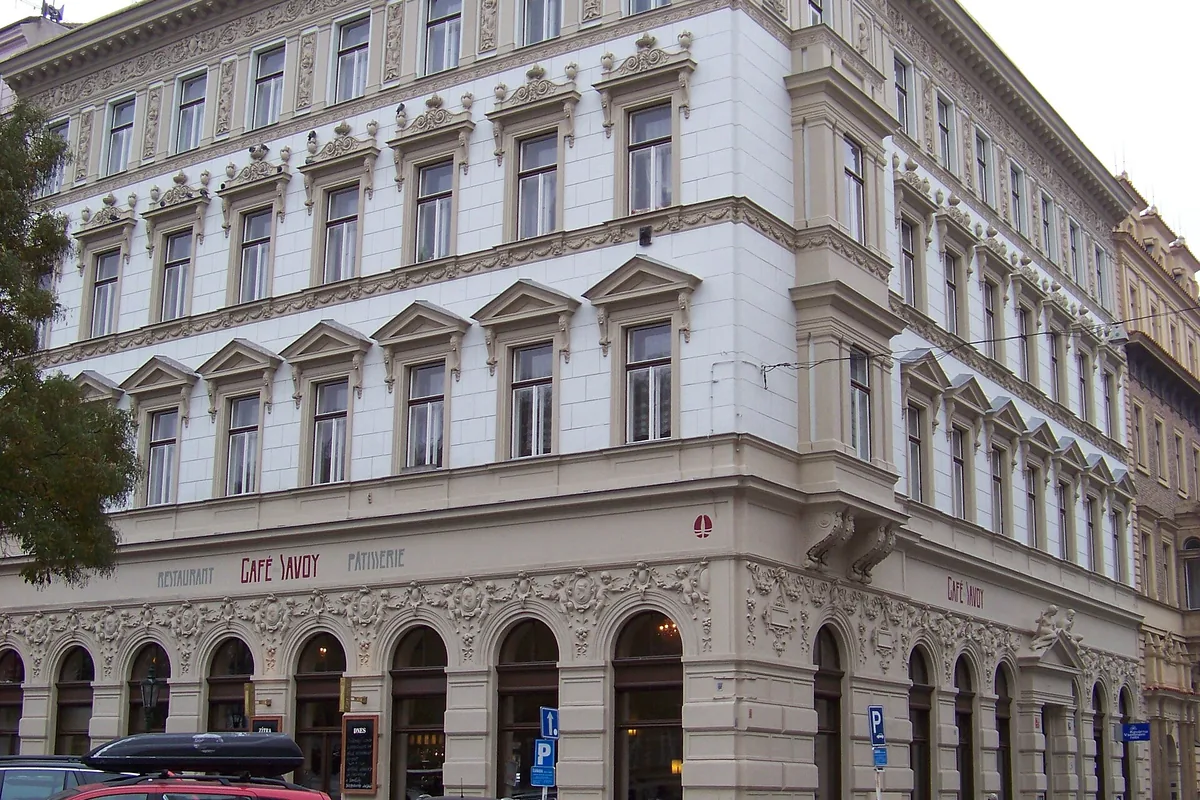
Café Savoy is Prague’s most beautiful place for brunch, a Neo-Renaissance coffeehouse in Malá Strana with a high, ornate painted ceiling that dates back to the late 19th century. It has its own bakery, so the pastries, bread and cakes are baked fresh, and it serves a full menu through the day.
Breakfast and brunch dishes are the main draw: eggs Benedict, viennoiserie, hearty Czech breakfasts and good coffee. In the afternoon, the pastry counter and the cakes are just as good. The room is tall and bright, with large windows onto the street, and the effect is somewhere between a Viennese coffeehouse and a smart brasserie. The place is listed by Visit Czechia, which is worth checking for current details.
It is popular, and weekend mornings can be crowded. You can reserve in advance online, which is a good idea if you want a table at a peak time. It works well as a first stop on a day exploring Malá Strana, the nearby Kampa island and Prague Castle, since you can fuel up before the climb.
The prices are higher than a canteen or a pub, but you are paying partly for the setting. Come for a long, slow breakfast, not a rushed one, and take a look at the pastry display on the way in.
- How to get there: Take tram to Újezd or Malostranské náměstí and walk for a few minutes, or walk from the Charles Bridge in around ten minutes.
- How long to spend: Allow 1 to 1.5 hours.
- Best time to go: Weekday mornings, when it is quieter.
- Tip: Book ahead for weekends, and buy a loaf or pastry from the bakery side to take away.
4. Eska
Eska in Karlín is the place to try modern Czech cooking built around bread, fermentation and seasonal produce. It sits in a converted factory with exposed brick, steel girders and an open kitchen, and it combines a bakery, a café and a restaurant under one roof. Its official website has the current menu and booking details.
The kitchen takes familiar Czech flavours and gives them a lighter, more modern treatment. Expect sourdough bread baked on site, house-made butter, pickled and fermented vegetables, and dishes built around meat, fish and vegetables from small producers. Dishes change with the seasons, so a menu you read about last year may not match what is served today. Eska works well for a leisurely lunch or an early dinner, and the bakery counter is excellent for a coffee and a pastry on its own.
Karlín is a pleasant district to wander in, rebuilt after the 2002 floods with a mix of restored 19th-century buildings, offices, galleries and cafes. It is only a short ride from the centre, and it is a good place to combine food with a walk. Booking is wise for dinner and weekends, particularly if you are in a group.
If you are interested in how Czech cooking is changing, Eska is the most approachable example: relaxed, well priced for the quality, and not at all formal.
- How to get there: Take the metro (line B) to Křižíkova and walk for a few minutes.
- How long to spend: Allow 1.5 hours for a meal, less for the bakery.
- Best time to go: Weekday lunch, or an early dinner. Reserve for weekends.
- Tip: Buy bread from the bakery counter to take home or to your accommodation.
5. Kantýna
Kantýna is a modern take on the Czech canteen, built around a butcher’s counter and a very open kitchen. It occupies a former bank building in the New Town, and you order in stages from different stations: raw meat from the butcher, cooked dishes from the kitchen and drinks from the bar. It is a good place for meat lovers, since the beef is the main attraction.
The idea is simple. You choose a cut of meat at the butcher counter, it is weighed and cooked for you, and you collect it with sides. There is also a counter of cooked dishes such as goulash, schnitzel and sausages, which makes it easier for people who do not want a big steak. Beer is on draught, and the atmosphere is lively and informal, closer to a market hall than a restaurant. The ordering system can feel confusing the first time, so watch what other diners do or ask the staff.
It is usually a walk-in place, so you generally do not need to reserve, though it can be busy at lunch and in the early evening. Share a table, enjoy the buzz and do not worry about getting everything right.
Kantýna suits groups of friends, families who like a bit of theatre with their dinner, and anyone who wants good meat without a formal restaurant setting. Vegetarians will find the choice limited, so check the current menu before you come.
- How to get there: Take the metro to Můstek or Muzeum, or the tram, and walk for a few minutes to Politických vězňů.
- How long to spend: Allow 1 to 1.5 hours.
- Best time to go: Early lunch or early evening, before the crowds.
- Tip: Order the meat first, then the sides and drinks, so it all arrives together.
6. Náplavka Farmers’ Market
The Saturday farmers’ market on Náplavka is the best way to eat like a local in the morning, with stalls along the river embankment selling bread, cheese, charcuterie, fruit, pastries and hot food. It runs on Saturday mornings along Rašínovo nábřeží, and the Prague city tourism listing gives the current season and any changes.
The mood is relaxed, and half of the pleasure is the setting: the Vltava on one side, the arches of the embankment on the other, and views towards the Dancing House and Vyšehrad. Look for fresh bread and pastries, cured meats, cheeses, seasonal fruit and vegetables, and street food stalls selling sausages, sandwiches and sweet treats. Many people buy a coffee, a pastry and a piece of fruit and eat on the riverbank.
Remember that this is a market, not a restaurant. Eat while you walk, or find a bench. It is also a good place to buy picnic supplies for later, such as cheese and bread. If there is a large event on the embankment, the market can move to nearby Palackého náměstí, so check before you go. Bring cash as a backup, even though many stalls take cards.
It is free to enter, which makes it a cheap and enjoyable start to a Saturday. Walk on afterwards to Vyšehrad, or along the river towards the centre.
- How to get there: Take tram to Palackého náměstí, or the metro to Karlovo náměstí and walk to the river.
- How long to spend: Allow 1 to 2 hours.
- Best time to go: Saturday morning, early for the best choice.
- Tip: Check the season and any event moves before you go, since the market does not run every day.
7. Manifesto Market Anděl
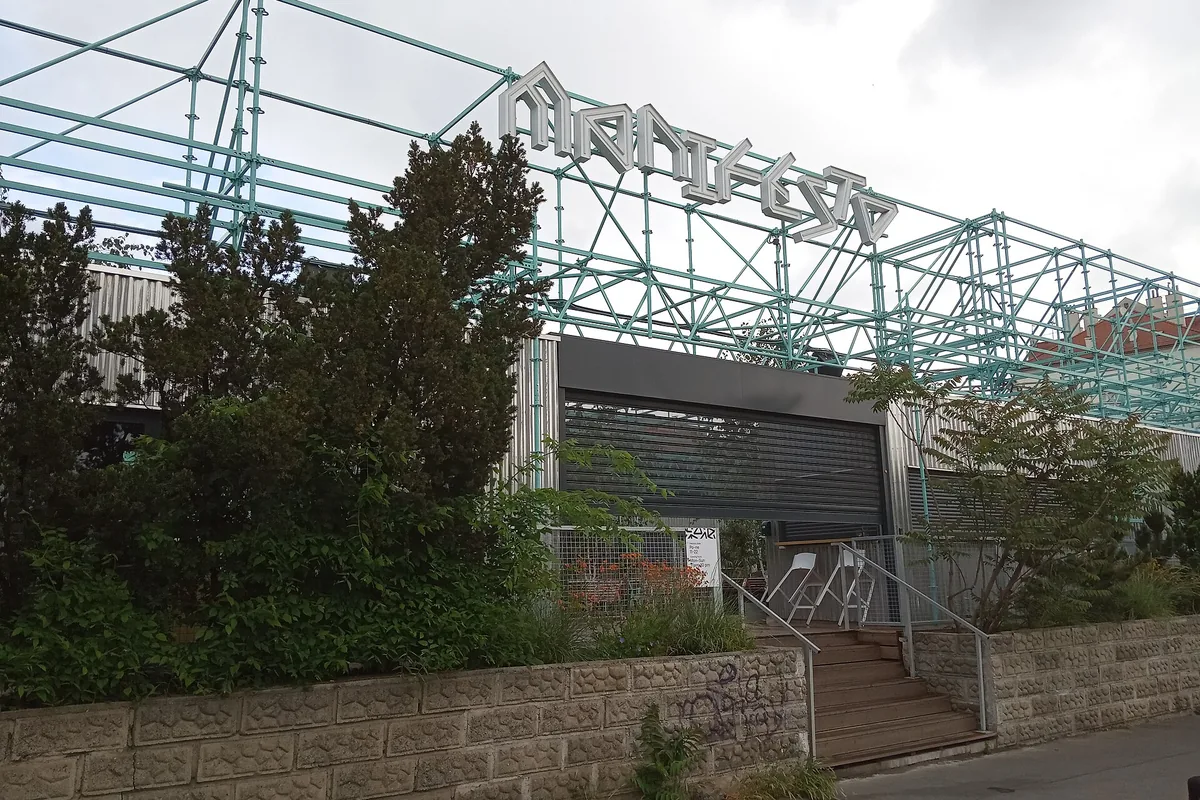
Manifesto Market Anděl is a year-round food market built from shipping-style modules, with a wide mix of cuisines in one courtyard. Choose from around a dozen or more food stalls, a large beer bar, a cocktail bar and a stage for music and events. The Prague tourism page describes the setup and gives practical details.
It is a good option when a group cannot agree on what to eat. Everyone can pick their own stall, from burgers and pizza to Asian food, then meet at a shared table. It is a contrast to the traditional pubs and canteens, and a reminder that Prague has a lively, international food scene as well as a Czech one. The market is largely cashless, so bring a card or phone payment method.
The atmosphere changes through the day. Lunchtime is quiet and easy, with office workers coming in from the nearby business district. Evenings are livelier, especially on weekends when there is music, and in summer the outdoor seating fills up. Expect a casual, social mood, not a long sit-down meal.
Anděl is a little outside the old centre, in Smíchov, so it works well as a stop on a day that includes the Smíchov riverfront or a visit to the area’s shops. It is also close to several metro and tram lines, which makes it easy to reach.
- How to get there: Take the metro (line B) to Anděl and walk for a minute or two.
- How long to spend: Allow 1 to 2 hours.
- Best time to go: Early evening, when most stalls are open and the mood is relaxed.
- Tip: Bring a card, since the market is largely cashless, and check which stalls are open before you commit.
8. U Fleků
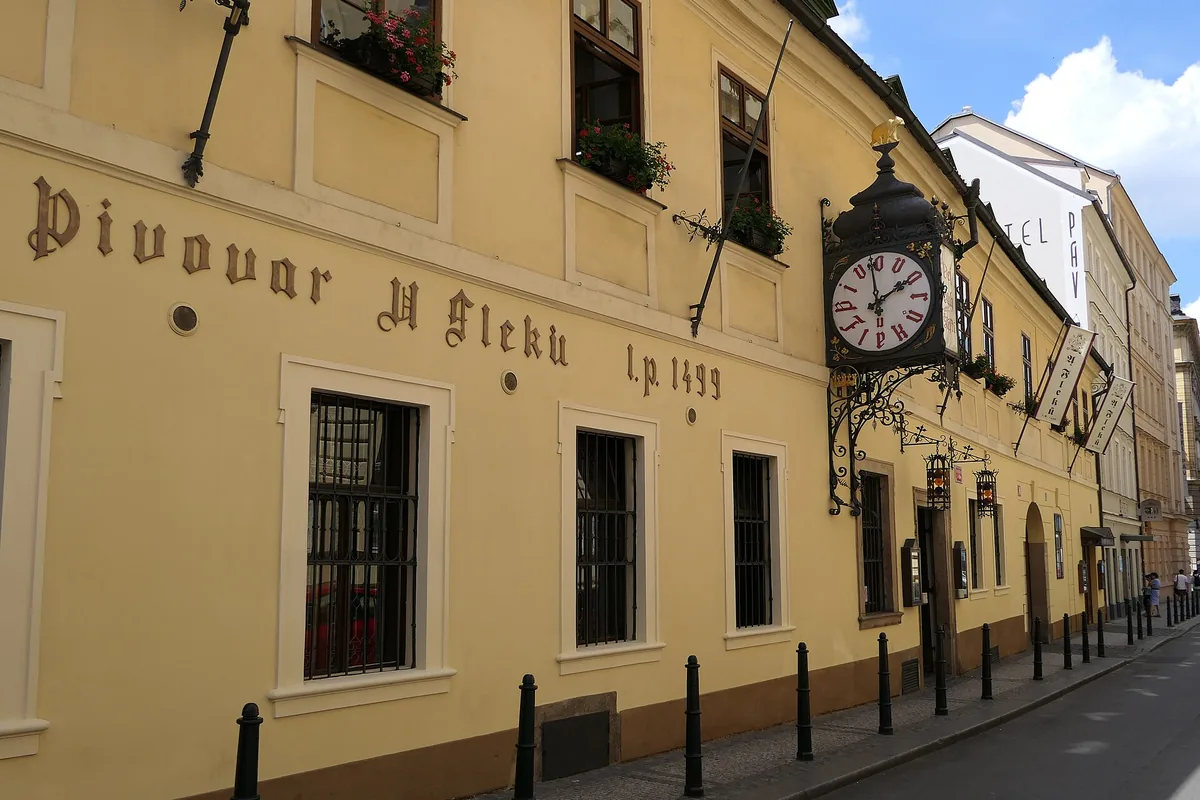
U Fleků is one of Prague’s oldest brewery restaurants, and a short, theatrical visit gives you a taste of the city’s beer history. It dates back to 1499 on Křemencova street in the New Town, and its dark house lager is brewed on the premises and sold only there. It is a big, busy complex of beer halls and a garden, so expect crowds and a lively atmosphere.
The dark lager is the main reason to come. It is sweet, malty and easy to drink, and goes well with the hearty food on the menu: roast pork, duck, goulash and dumplings, and traditional Czech sausages. Waiters walk through the halls with trays of beer and offer more as you drink, so decide in advance how much you want. The brewery’s own website has history and current details at ufleku.cz.
U Fleků is touristy, and prices reflect that, but it is also genuinely historic and an enjoyable experience if you go in the right spirit. It is best for groups, for a first night in the city, or for anyone who wants to see a traditional brewery hall. If you want a quieter, more local feel, choose Lokál instead.
The setting is atmospheric: long wooden tables, painted halls, sometimes live music. Take your time, share a table and enjoy the show. Check the details of any guided tours or extras before you book.
- How to get there: Take the metro to Karlovo náměstí and walk for a few minutes.
- How long to spend: Allow 1.5 to 2 hours.
- Best time to go: Afternoon or early evening, before the main dinner rush.
- Tip: Watch the extra rounds and snacks that waiters bring: say no if you do not want them, and check the bill.
9. Café Imperial
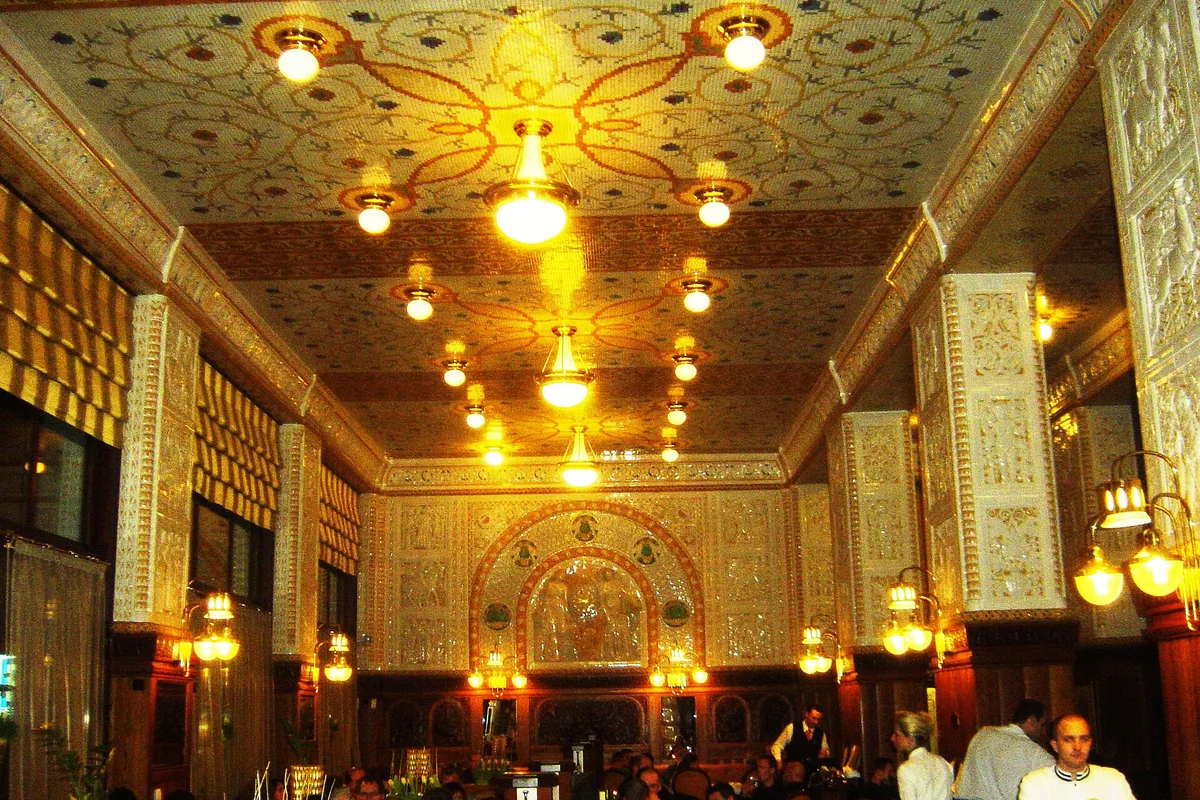
Café Imperial is the grandest room to eat in Prague, a 1914 Art Deco coffeehouse covered in ceramic tiles and mosaics. It sits in the Imperial Hotel on Na Poříčí, and it was once a haunt of writers and composers. Today the café serves breakfast, lunch and dinner with a modern Czech menu, and its official website has the current menu and booking details.
The interior is the star: glazed tiles, a mosaic ceiling, carved stone and wood panelling, and soft globe lights. It feels like stepping into an earlier century, and it is a good place for a leisurely breakfast or a pre-theatre meal. The kitchen mixes Czech classics, such as beef and dumplings, with lighter, modern dishes, and the pastry and cake selection is strong. The official site describes it as recognised by the Michelin Guide, so check the guide for the current listing.
Booking is advised, as walk-ins are not always accepted, especially at weekends. Dress code is relaxed, but many guests make an effort. Prices are higher than in a pub or canteen, but the room makes up for it, and a coffee and a cake can be a more affordable way to see the interior if you do not want a full meal.
This is a good choice for a special lunch, an anniversary, or a rainy afternoon when you want to linger. It also pairs well with a walk through the nearby Palladium shopping centre or Náměstí Republiky.
- How to get there: Take the metro to Náměstí Republiky and walk for a few minutes along Na Poříčí.
- How long to spend: Allow 1.5 to 2 hours.
- Best time to go: Weekday breakfast or lunch, when it is calmer.
- Tip: Reserve ahead, and ask for a table in the main hall if you want the full view of the tiles and ceiling.
10. Field
Field is Prague’s best-known fine dining restaurant, a tasting-menu room in the Old Town built around modern Czech ingredients. It is led by chef Radek Kašpárek and focuses on local produce, with a seasonal menu built around Czech ingredients and a strong wine list. The Prague tourism site describes the restaurant and its offer.
Field has been recognised by the Michelin Guide (check the guide for its current rating), and it is the place to go if you want one memorable, special-occasion meal. The experience is a multi-course tasting menu, with optional wine or non-alcoholic pairings, and a lunch menu that is usually a more accessible way to try it. Dishes change with the seasons, and the service is attentive without being stiff.
This is not a casual stop, and you should plan ahead. Reserve well in advance, particularly for dinner and weekends, and tell the restaurant about any dietary needs when you book, not when you arrive. Check the official listing for the current format, since tasting menus and lunch options change.
For visitors who want to see how far Czech cooking has travelled from schnitzel and dumplings, Field offers a clear answer. It makes sense to pair it with simpler meals elsewhere, such as Lokál or Havelská Koruna, so that your trip covers both the traditional and the cutting-edge sides of Prague.
- How to get there: Walk from Old Town Square, or take the metro to Staroměstská and walk for a few minutes.
- How long to spend: Allow around 2.5 to 3 hours for the tasting menu.
- Best time to go: Lunch is a gentler and often better value way in. Dinner suits a celebration.
- Tip: Book as early as you can, and mention allergies and dietary needs at the time of booking.
Czech dishes to look out for
- Svíčková: Beef sirloin in a creamy root vegetable sauce, served with bread dumplings and a spoonful of cranberries.
- Vepřo knedlo zelo: Roast pork with dumplings and sauerkraut, a Sunday classic.
- Guláš: A paprika-rich beef stew, served with bread dumplings.
- Smažený sýr: Fried breaded cheese, usually with tartar sauce and chips.
- Řízek: Breaded schnitzel, often with potato salad.
- Trdelník: The sweet cone sold in the centre is not a traditional Czech dish, and it became a tourist treat only in recent decades. Try a koláč or a fresh pastry from a bakery instead.
- Pivo: Czech beer is a meal in itself. Pilsner-style lagers are the standard, and dark lagers are worth trying.
Booking, tipping and opening hours
Book ahead for dinner at the more popular places, including Café Imperial, Eska and Field, and for weekend brunch at Café Savoy. Canteens, markets and Kantýna work on a walk-in basis. Opening hours and days change often, so check each venue’s own website before you go.
Tipping is expected in restaurants. Many people round up the bill or add a modest amount for good service, and you usually tell the server the total you want to pay when you hand over the money, rather than leaving cash on the table. Check whether a service charge has already been added. Be careful in the tourist areas around Old Town Square and Wenceslas Square, where menus with photos, aggressive touts and unexpected extras on the bill are common. Ask for the menu with prices, and check the bill carefully.
Suggested food routes for 1, 2 or 3 days
One day: Start with a pastry at Café Savoy, have lunch at Havelská Koruna, then finish with dinner and tank beer at Lokál Dlouhááá.
Two days: Add a Saturday morning at the Náplavka market, a modern Czech lunch at Eska on the second day, and an evening at Kantýna or Manifesto Market Anděl.
Three days: Add a visit to U Fleků for the historic beer hall, an afternoon coffee and cake at Café Imperial, and a special-occasion dinner or lunch at Field.
If you are travelling on through Central Europe, our guides to where to eat in Budapest and the best places to eat in Berlin make good next stops for the same mix of old-school and modern dining.
Where to stay in Prague
For food, the best base is the Old Town and New Town, where most of the places in this guide are within walking distance of each other. Malá Strana is quieter and more romantic, close to Café Savoy and the castle. Karlín is a good choice if you want a modern district with its own restaurants, such as Eska, and a short metro ride into the centre. Vinohrady is a residential area with many cafes, wine bars and local restaurants, and it feels less touristy than the centre.
Getting around Prague
The centre is compact, and most places in this guide can be reached on foot. For longer distances, the metro, trams and buses form an integrated network, and tickets are time-based: a short ticket for brief hops and a longer one for journeys with transfers. Tickets can be bought in the official app, from machines or with a text message, and they usually need to be validated or activated before you travel. The city tourism site gives current ticket types and fares. Trams are a pleasant way to see the city, and they run through the evening, with night services after the metro closes. Visiting in winter? Prague’s seasonal stalls feature in our round-up of the best Christmas markets in Europe, which is useful for planning festive snacks and mulled wine.
Budget guidance
Cheap eats: Havelská Koruna, the Náplavka market stalls and the cheaper stalls at Manifesto Market Anděl give you full meals at a low cost. A pastry and a coffee from a bakery also keeps costs down.
Mid-range: Lokál Dlouhááá, Kantýna, U Fleků, Café Savoy and Eska all sit in the middle, where you can have a proper meal with a drink without spending a lot.
Special occasion: Café Imperial and Field are the places for a celebration. Lunch menus are usually more affordable than dinner.
Frequently Asked Questions
Where should I eat in Prague for traditional Czech food?
Lokál Dlouhááá is the best all-round choice for traditional Czech food and fresh tank beer. Havelská Koruna is a cheaper, faster alternative for a canteen-style lunch.
Is food expensive in Prague?
Prague is generally good value compared with many Western European capitals, especially if you eat at pubs, canteens and markets. Restaurants in the tourist centre cost more, and fine dining is a separate price bracket.
What is the best Czech dish to try first?
Svíčková is the classic first choice: beef in a creamy root vegetable sauce with bread dumplings. Goulash and fried cheese are also good, easy introductions.
Do I need to book restaurants in Prague?
Book for dinner at popular places, for weekend brunch and for fine dining such as Field and Café Imperial. Canteens, markets and Kantýna work on a walk-in basis.
Is trdelník a traditional Czech dessert?
No. Trdelník became a tourist treat in Prague only in recent decades and is not a long-standing Czech tradition. Try a koláč or a fresh pastry from a local bakery instead.
How much should I tip in Prague?
It is usual to round up the bill or add a modest amount for good service. Check whether a service charge has already been added, and tell the server the total you want to pay when you hand over payment.
Featured image: Photo by Tadeáš Gregor, CC BY-SA 4.0, cropped, via Wikimedia Commons